

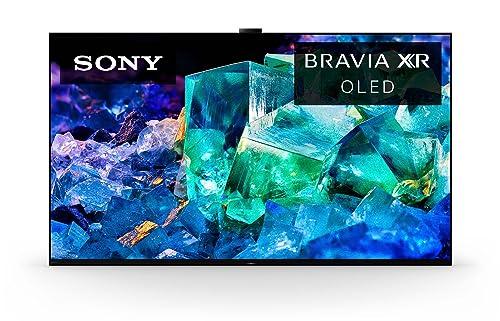


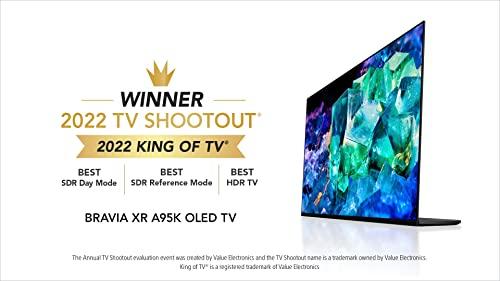
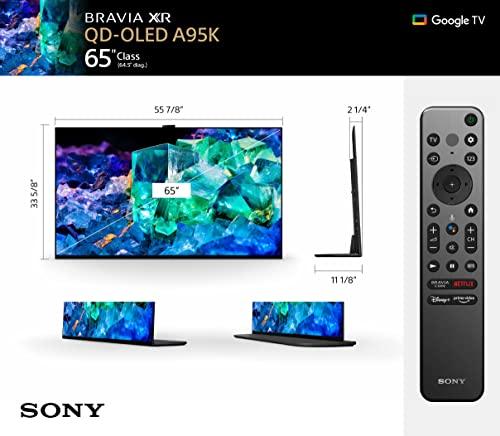



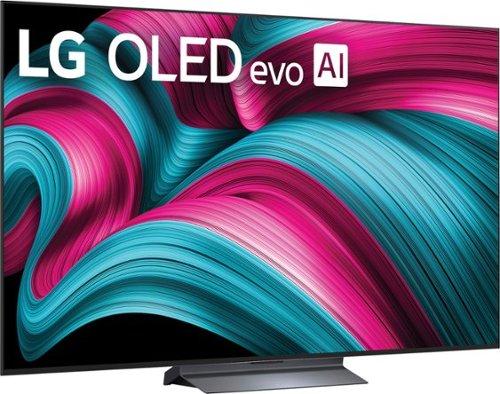




When you're shopping for a premium 65-inch OLED TV, you'll quickly discover that not all OLEDs are created equal. The technology behind these displays has evolved rapidly, creating meaningful differences between models even within the same screen size. Today, we're comparing two compelling options: the Sony Bravia XR A95K from 2022 and the LG OLED evo C5 from 2025.
This comparison is particularly interesting because it highlights how OLED technology has progressed over three years, while also showcasing two fundamentally different approaches to creating stunning picture quality. The Sony A95K represents Sony's groundbreaking entry into QD-OLED technology, while the LG C5 demonstrates how traditional WOLED technology has matured and improved.
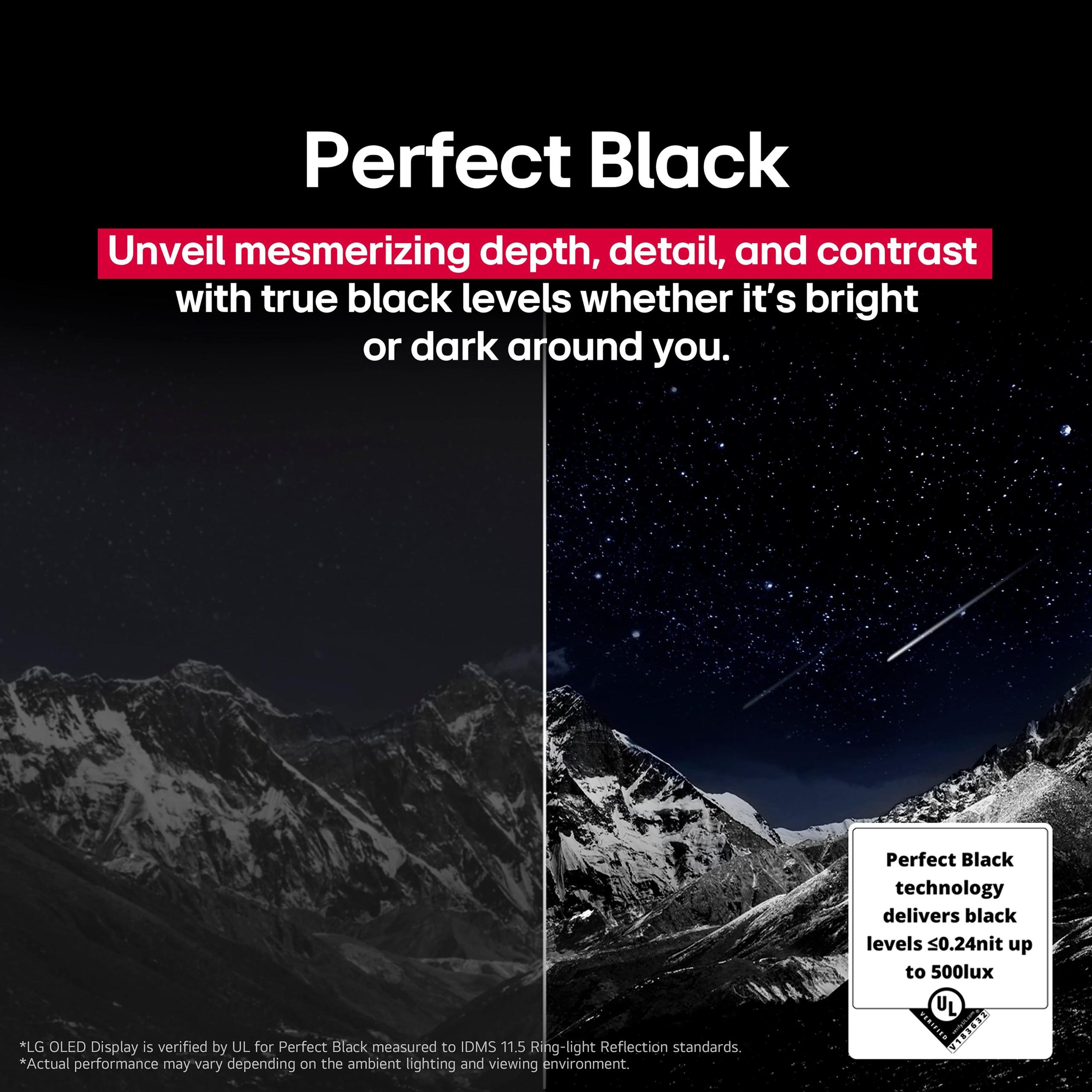
Before diving into specifics, it's worth understanding what makes OLED TVs special. OLED stands for Organic Light-Emitting Diode, which means each pixel creates its own light rather than relying on a backlight like traditional LCD TVs. This self-emissive technology delivers perfect blacks (pixels can turn completely off) and infinite contrast ratios that make images pop with remarkable depth.
When shopping for premium OLEDs, you'll encounter several key considerations: panel technology (which affects color and brightness), processing power (how well the TV handles different types of content), gaming capabilities (important even if you don't game much today), brightness levels (crucial for bright rooms), and overall value proposition.
The 65-inch size has become the sweet spot for most living rooms, offering cinematic impact without overwhelming smaller spaces. At this size, the differences between premium models become more apparent, making your choice more critical.
The most significant difference between these TVs lies in their panel technology. The Sony A95K uses QD-OLED (Quantum Dot OLED), while the LG C5 uses WOLED (White OLED). Understanding this distinction is crucial because it affects everything from color reproduction to brightness capabilities.
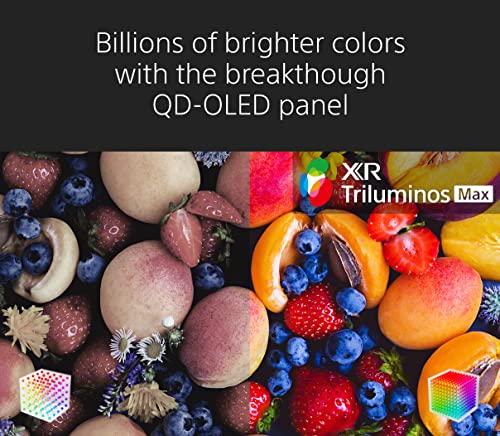
QD-OLED technology, found in the Sony A95K, combines blue OLED pixels with quantum dot converters that create red and green light. This approach eliminates the need for color filters, allowing more light to pass through while creating incredibly vibrant, saturated colors. When you watch nature documentaries or animated movies on a QD-OLED display, colors literally seem to jump off the screen with an intensity that's hard to describe until you see it.
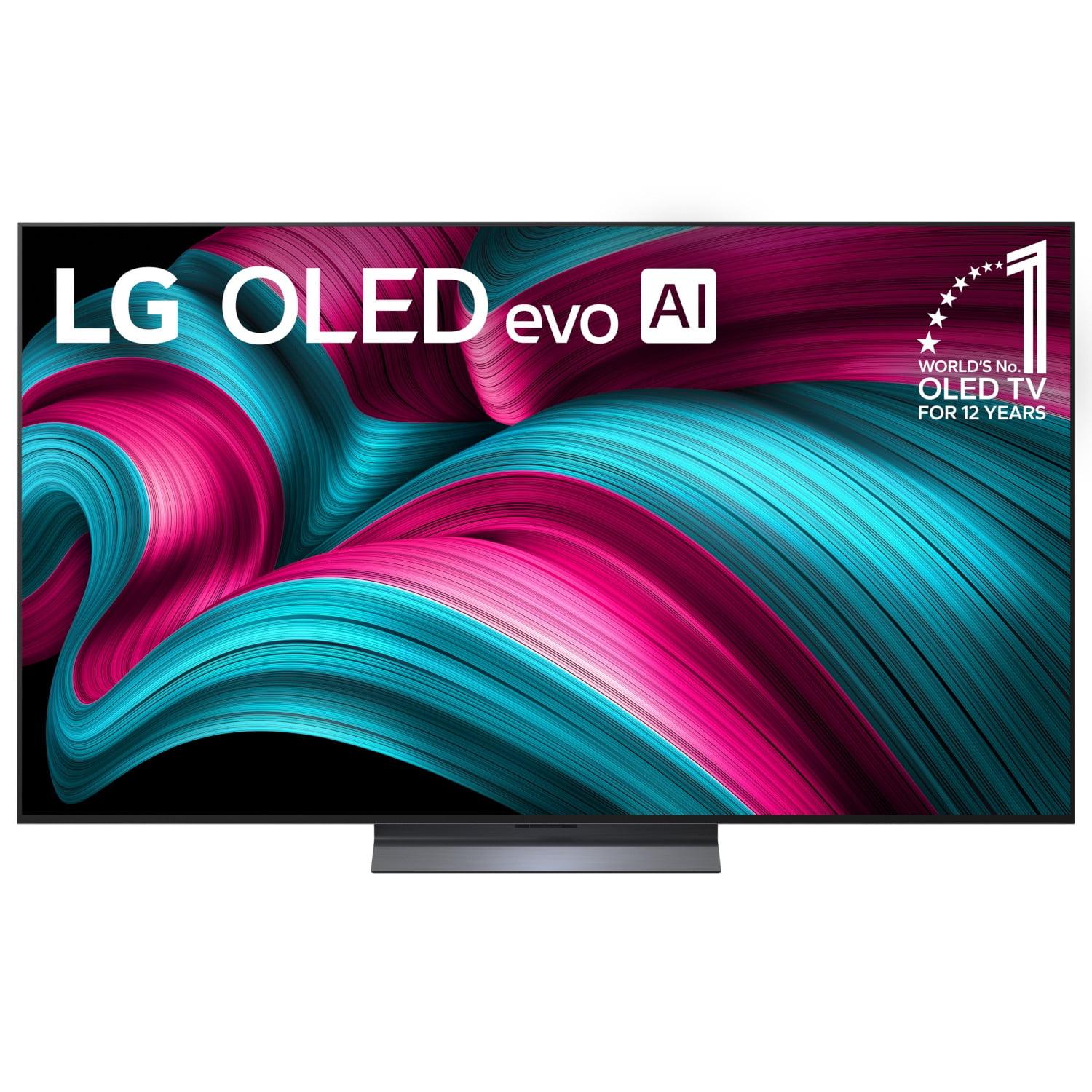
The LG C5 uses WOLED technology, which creates white light through OLED pixels and then uses color filters to produce red, green, and blue. While this might sound less sophisticated, LG has refined this approach over many generations. The 2025 version addresses traditional WOLED weaknesses, particularly brightness limitations that have historically made these displays less suitable for bright rooms.
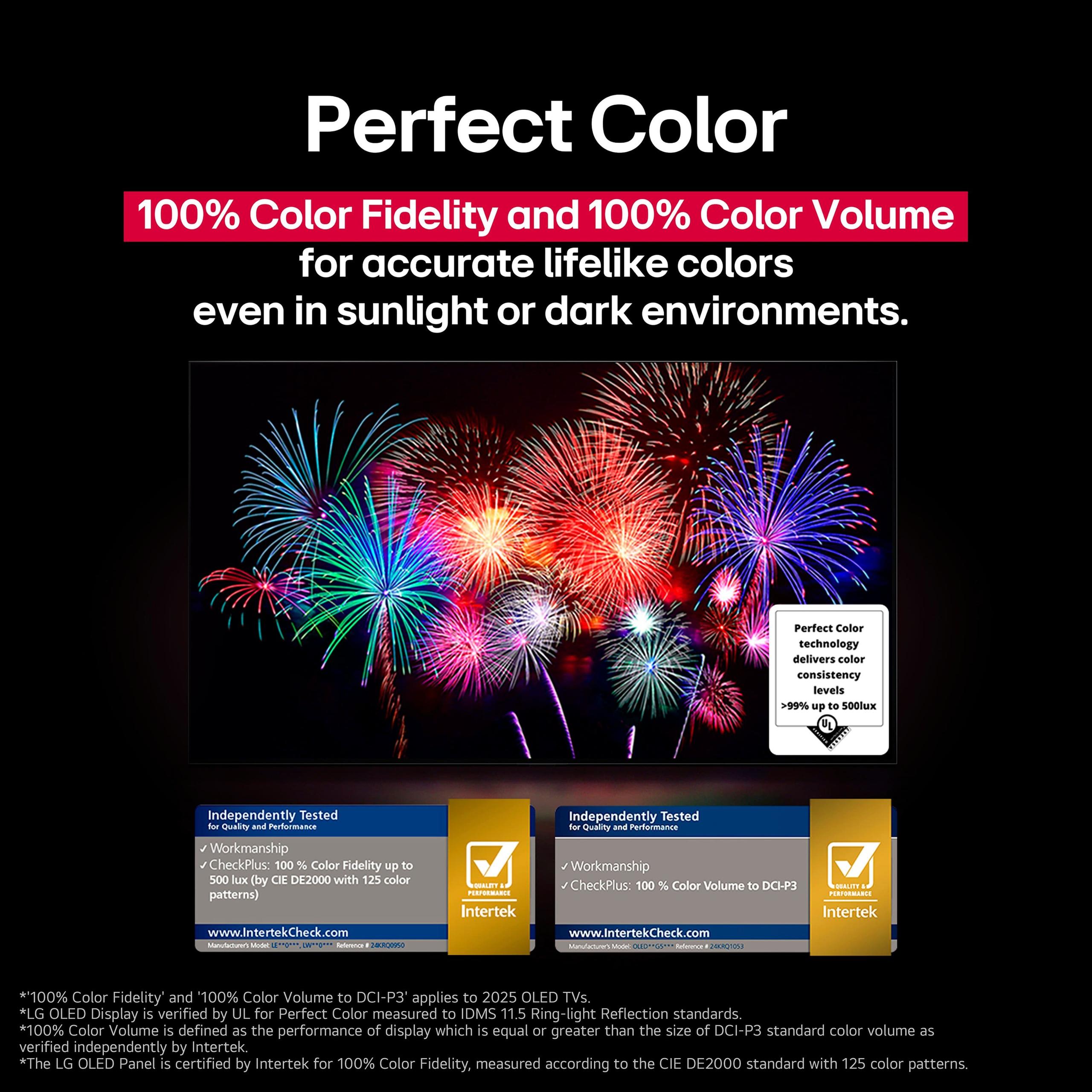
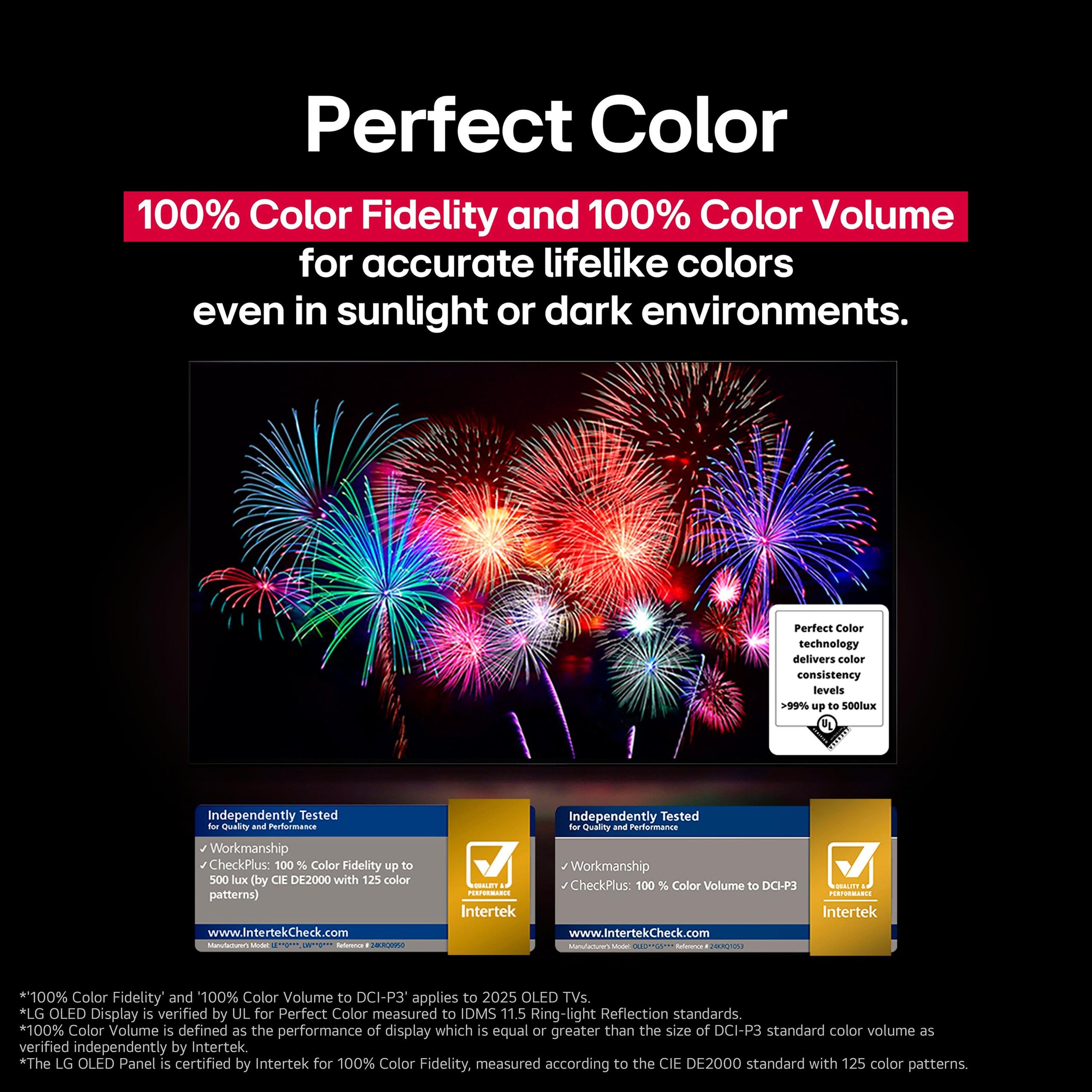
The picture quality differences between these models reflect their underlying technologies and design philosophies. The Sony A95K prioritizes color volume and vibrancy, creating images that are immediately striking and engaging. Colors are more saturated than real life, but in a way that many viewers find appealing rather than unrealistic.
Our research into user experiences reveals that people often describe the Sony A95K as having a "wow factor" that's immediately apparent. Reds are deeper, greens are more lush, and the overall image has a three-dimensional quality that draws you in. This is particularly noticeable with HDR (High Dynamic Range) content, where the quantum dot technology maintains color saturation even at higher brightness levels.
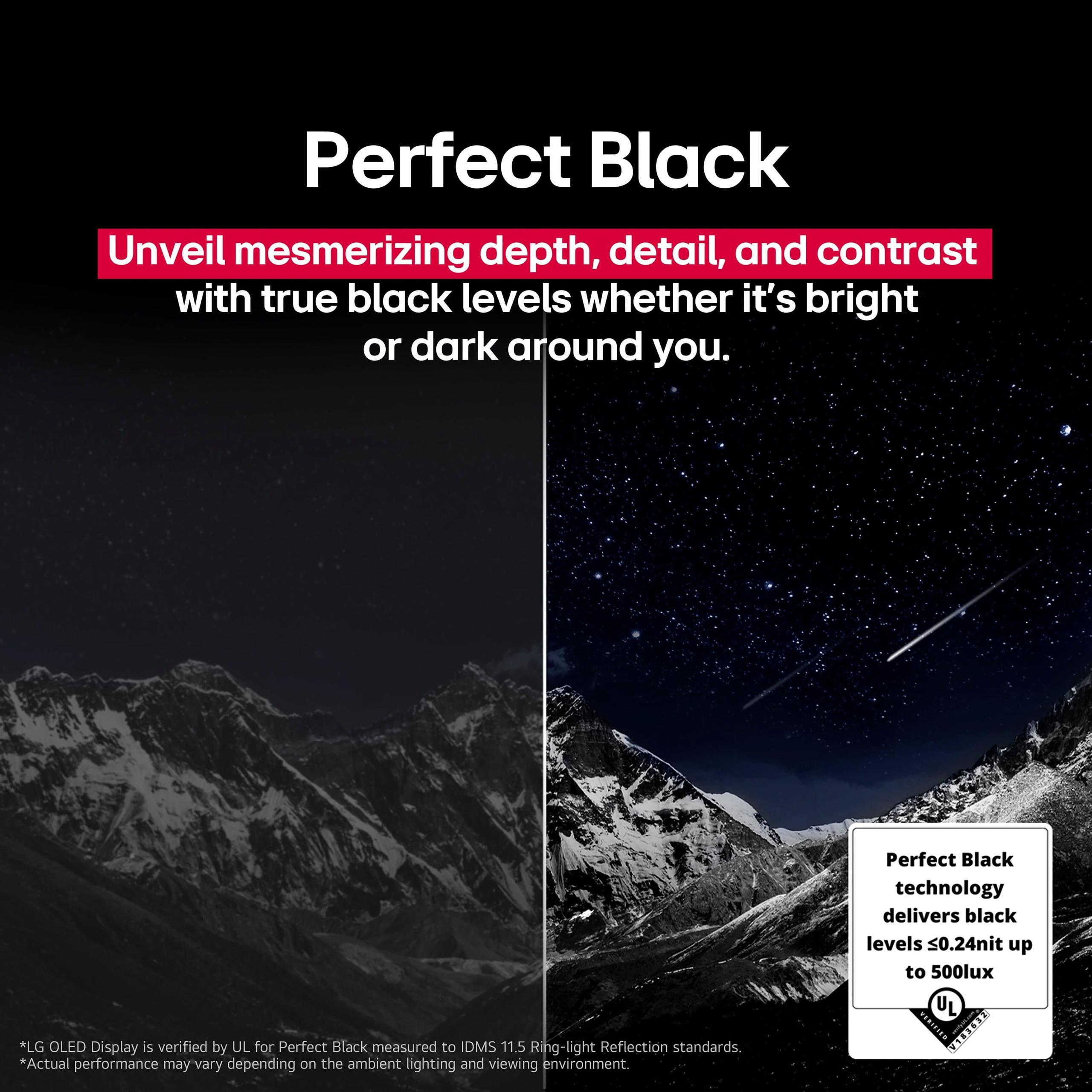
The LG C5 takes a different approach, focusing on accuracy and brightness. Colors are more natural and closer to what filmmakers intended, which appeals to viewers who prefer authenticity over visual impact. The 2025 model includes significant brightness improvements that address the traditional weakness of WOLED panels in bright rooms.
One area where the Sony A95K clearly excels is gradient handling – the smooth transition between colors and shades. If you've ever noticed "color banding" (visible steps between similar colors instead of smooth gradations), you'll appreciate how well Sony's processing handles these transitions. This is particularly noticeable in scenes with sunsets, skin tones, or any content with subtle color variations.
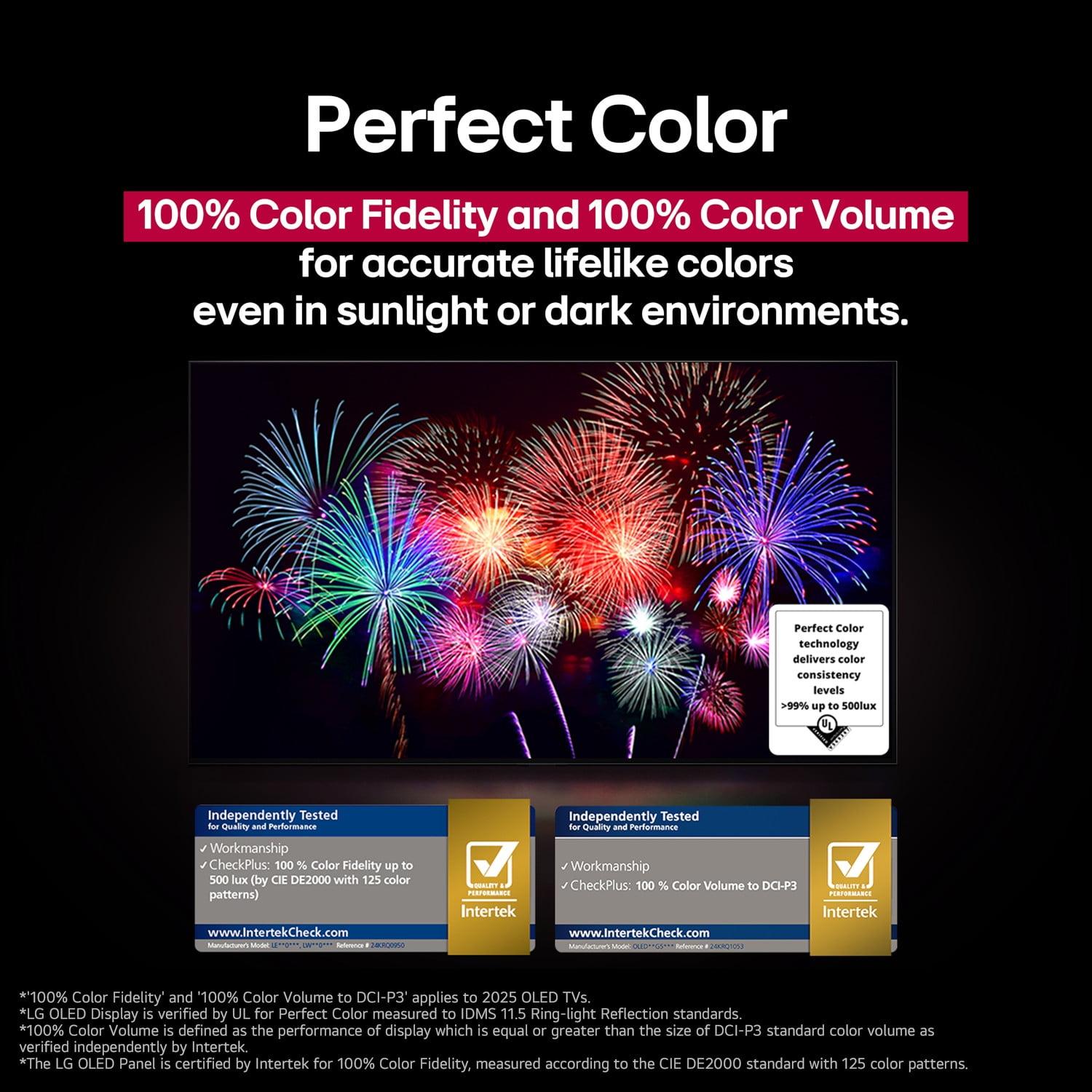
Brightness might seem like a simple specification, but it's actually one of the most important factors in real-world TV performance. The LG C5 represents a significant leap forward in OLED brightness, addressing what has historically been the technology's main weakness compared to LCD TVs.
Traditional OLEDs, including earlier LG models, often struggled in bright rooms where ambient light would wash out the screen. The LG C5 tackles this with what LG calls "Bright Room Ready" technology, substantially increasing peak brightness in both standard content (SDR) and HDR material.
This brightness advantage makes the LG C5 more versatile for different viewing environments. If your TV room has large windows or you often watch during the day, the extra brightness ensures you'll see detail in dark scenes and experience the full impact of HDR content. The Sony A95K, while impressive in dark rooms, can feel somewhat dim in bright environments.
However, brightness isn't everything. The Sony A95K makes better use of its available brightness through superior color volume – the ability to display saturated colors at high brightness levels. This means that even though it's not as bright overall, the colors that do appear bright maintain their vibrancy better than traditional OLEDs.
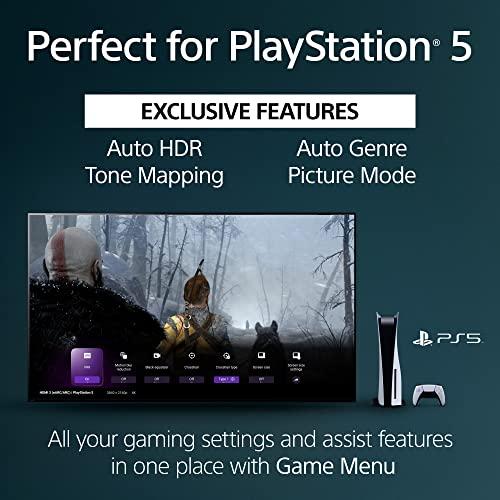
Gaming capabilities have become increasingly important in TV selection, even for households that don't currently game much. The LG C5 clearly dominates this category with comprehensive support for modern gaming features.
The most significant advantage is refresh rate support. The LG C5 supports 4K resolution at up to 144Hz, while the Sony A95K maxes out at 120Hz. This difference matters for PC gaming and potentially future console generations. More importantly, the LG C5 includes four HDMI 2.1 ports that support full gaming features, compared to just two on the Sony.
Input lag – the delay between your controller input and the action appearing on screen – is lower on the LG C5, making it better suited for competitive gaming. The difference might only be a few milliseconds, but serious gamers notice these details.
The LG C5 also includes VRR (Variable Refresh Rate), ALLM (Auto Low Latency Mode), and support for both G-Sync and FreeSync technologies. These features eliminate screen tearing and ensure smooth gameplay across different frame rates.
For most viewers, these gaming advantages future-proof your purchase. Even if you don't game today, having robust gaming capabilities ensures your TV will work well with future devices and use cases.
The processing power of a TV determines how well it handles different types of content, from 4K streaming to older DVDs. Both TVs include sophisticated processors, but they approach content enhancement differently.
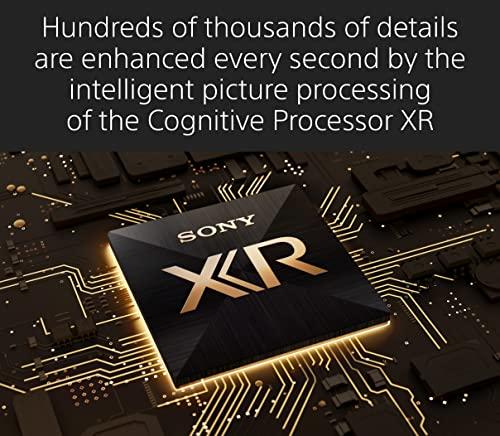
The Sony A95K includes Sony's Cognitive Processor XR, which analyzes content in a way that mimics human vision. This processor excels at upscaling lower-resolution content, making 1080p sources look remarkably close to native 4K. If you watch a lot of older content or have DVD collections, Sony's upscaling advantage is significant.
Sony's motion handling is also exceptional. The processor reduces motion blur while avoiding the "soap opera effect" that makes movies look artificially smooth. This balance is particularly important for film content where maintaining the director's intended look matters.
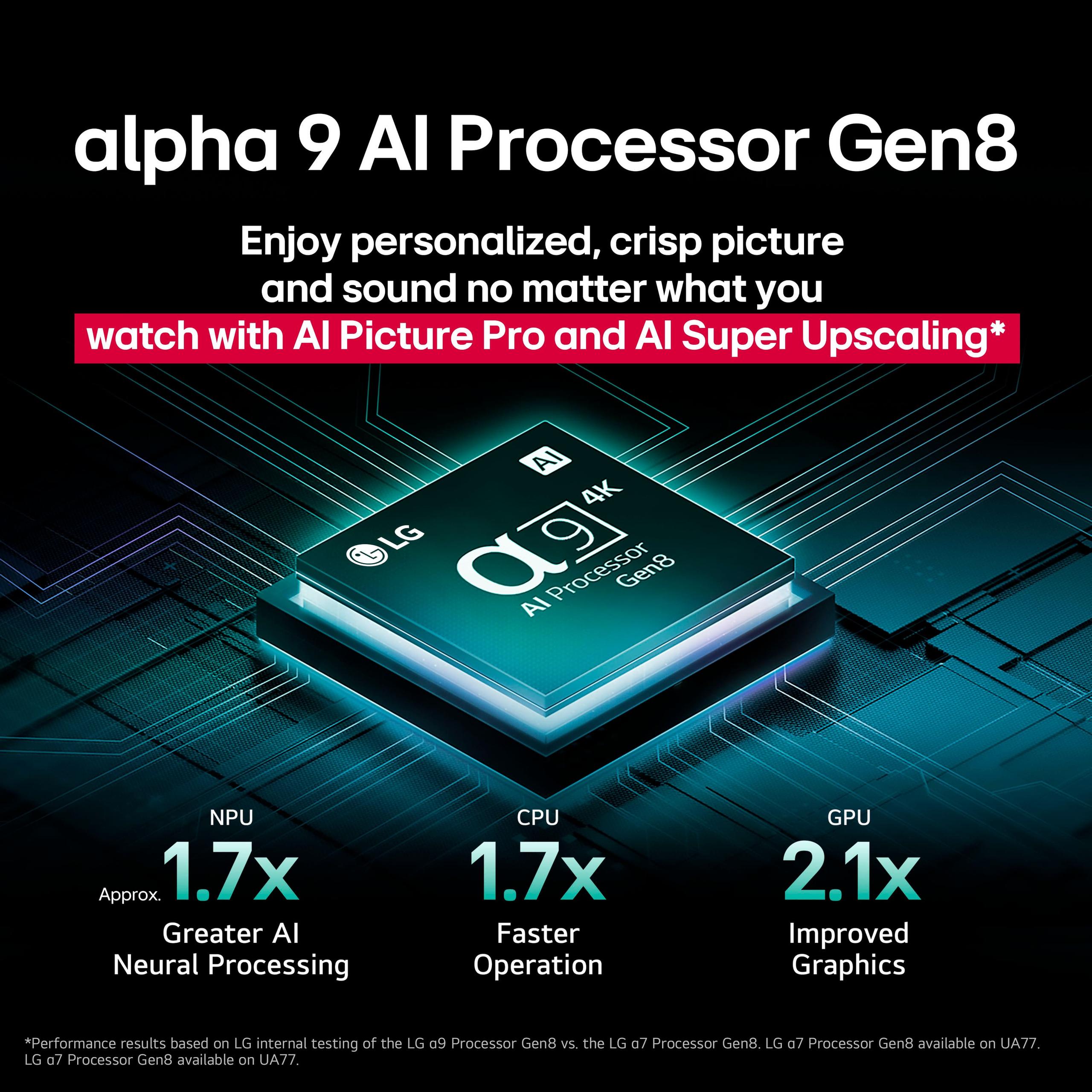
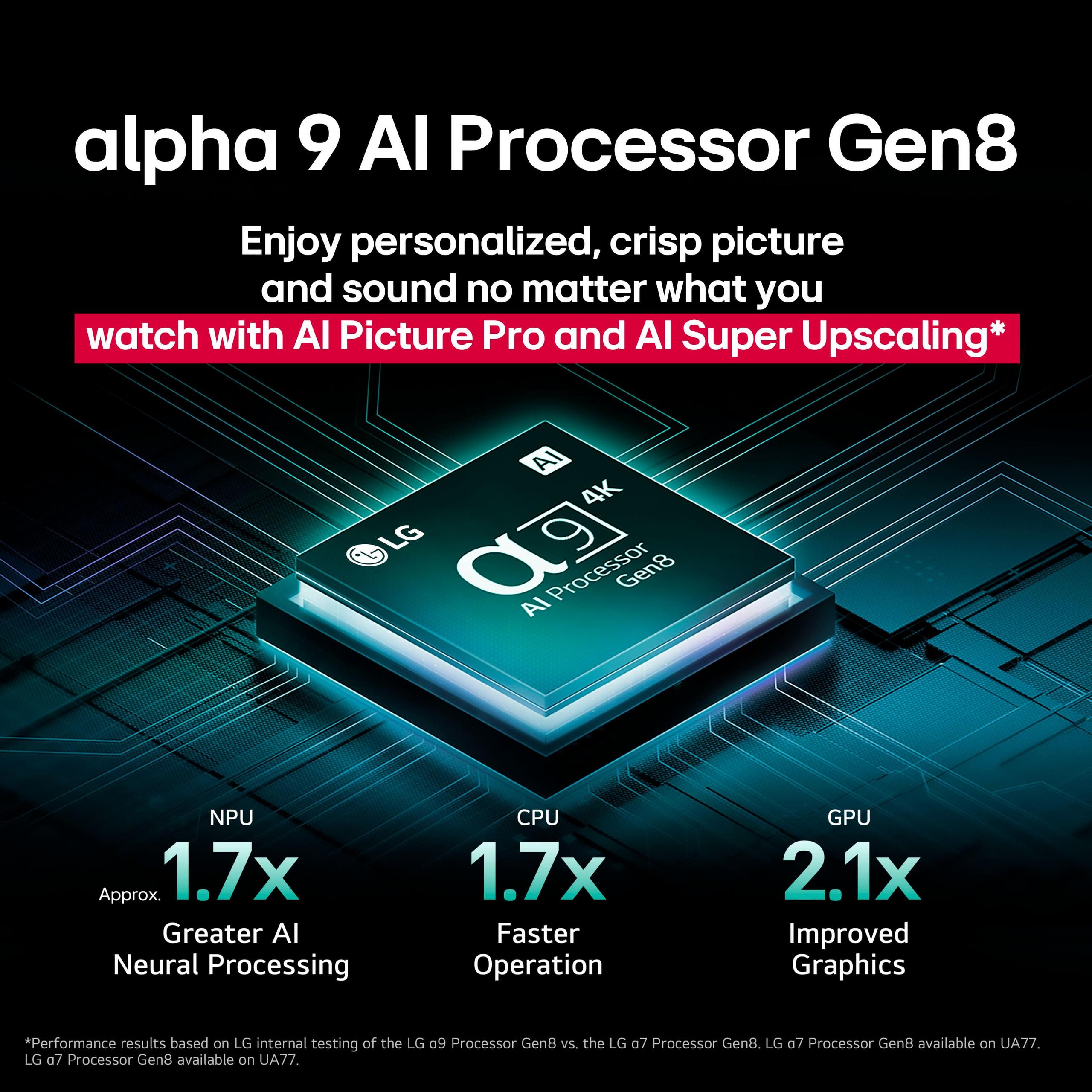
The LG C5 features LG's Alpha 9 AI Processor Gen8, which represents the latest generation of LG's processing technology. This processor focuses on real-time AI enhancement, analyzing each scene and adjusting settings automatically. While it may not match Sony's upscaling prowess, it excels at optimizing HDR content and making automatic adjustments based on viewing conditions.
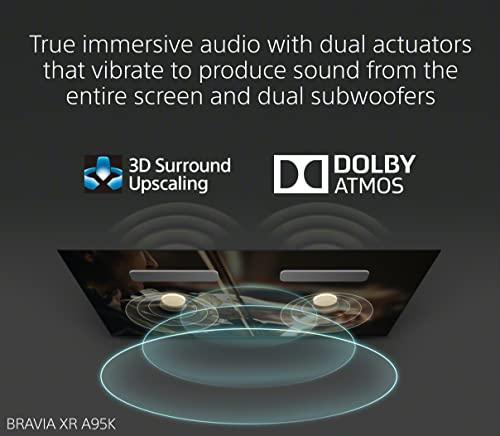
Most TV buyers focus on picture quality and overlook audio, but the difference between these models is substantial. The Sony A95K includes Acoustic Surface Audio+ technology, where actuators behind the screen vibrate the display itself to create sound. This isn't just a gimmick – it creates better dialogue clarity and a more immersive experience because sound appears to come from the characters' mouths rather than below the screen.
The LG C5 uses traditional speakers, which reviewers consistently describe as adequate but unremarkable. This isn't necessarily a dealbreaker, as many viewers eventually add a soundbar or surround system, but it's worth considering if you prefer to use built-in audio.
The Sony's ability to function as a center channel speaker in a surround sound system is particularly clever, allowing it to blend with external speakers while providing crystal-clear dialogue.
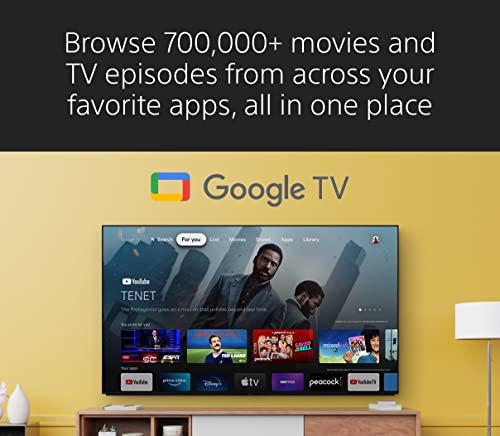
Both TVs offer mature smart platforms, but they take different approaches. The Sony A95K runs Google TV, which provides extensive app compatibility and integrates well with Google's ecosystem. The interface is clean and the voice control works reliably, though some users find it less intuitive than LG's approach.
The LG C5 uses webOS 25, LG's latest smart platform. The Magic Remote with gesture controls feels more natural to many users, and the interface is generally considered more user-friendly. LG's platform also tends to receive apps and updates more quickly than some competitors.
Both platforms support all major streaming services and offer robust app selections, so your choice here largely comes down to personal preference and existing ecosystem integration.
For dedicated home theater setups, several factors become more critical. The Sony A95K excels in dark room viewing with its superior gradient handling and natural color processing. The QD-OLED technology creates a more cinematic experience that film enthusiasts often prefer.
The built-in audio quality of the Sony A95K also matters more in home theater contexts, where you might not want to add a soundbar immediately. The Acoustic Surface Audio+ technology provides a more premium experience out of the box.
However, the LG C5 offers advantages for mixed-use home theaters. Its higher brightness makes it better for rooms that aren't completely dark, and the comprehensive gaming features ensure it works well for all family members' entertainment needs.
At the time of writing, the LG C5 typically costs somewhat less than the Sony A95K, despite being three years newer. This price difference makes the value comparison interesting – you're getting newer technology, better gaming features, and higher brightness for less money with the LG.
However, value isn't just about initial price. The Sony A95K offers unique QD-OLED technology that you can't find in other price ranges, plus superior built-in audio that might eliminate the need for additional purchases.
For future-proofing, the LG C5 has clear advantages with its modern gaming features, latest-generation processor, and higher brightness that will remain relevant longer. The Sony A95K represents mature 2022 technology that, while excellent, doesn't include the latest capabilities.
The choice between these TVs ultimately depends on your priorities and viewing environment. Choose the Sony A95K if you're primarily interested in the most vibrant, engaging picture quality possible, especially for movie watching in dark rooms. The QD-OLED technology creates a unique visual experience that's immediately impressive, and the superior built-in audio adds value.
The Sony A95K is also the better choice if you frequently watch older or lower-resolution content, thanks to Sony's superior upscaling capabilities. Home theater enthusiasts who prioritize cinematic accuracy and natural color processing will appreciate Sony's approach.
Choose the LG C5 if you need better versatility across different viewing conditions, especially if your room isn't always dark. The higher brightness makes it more practical for everyday use, and the comprehensive gaming features provide better future-proofing.
The LG C5 is also the smarter choice for households with multiple entertainment needs. Its four HDMI 2.1 ports and comprehensive gaming support make it more adaptable to changing technology and user needs.
Based on our research and evaluation of user experiences, most buyers will find the LG C5 provides better overall value and versatility. However, the Sony A95K offers a unique viewing experience that some users will find worth the premium, particularly in dedicated home theater environments.
The OLED TV market continues evolving rapidly, and both of these models represent excellent examples of how different approaches can create compelling products. Your choice should ultimately align with your specific viewing habits, room conditions, and entertainment priorities.
| Sony Bravia XR A95K 65" QD-OLED TV | LG OLED evo C5 65" 4K TV 2025 |
|---|---|
| Panel Technology - Fundamentally affects color reproduction and viewing experience | |
| QD-OLED (Quantum Dot OLED) - Wider color gamut, more vibrant colors | WOLED (White OLED) - More accurate colors, refined brightness |
| Peak Brightness - Critical for HDR impact and bright room viewing | |
| Moderate brightness suitable for dark/dim rooms | Significantly brighter, "Bright Room Ready" certified |
| Release Year - Affects available features and future support | |
| 2022 (Sony's first QD-OLED, mature technology) | 2025 (Latest generation with current features) |
| Processor - Determines upscaling quality and smart features | |
| Cognitive Processor XR (excellent upscaling, natural processing) | Alpha 9 AI Processor Gen8 (latest AI enhancements, real-time optimization) |
| Gaming Performance - Essential for console and PC gaming | |
| 4K@120Hz, 2 HDMI 2.1 ports, higher input lag | 4K@144Hz, 4 HDMI 2.1 ports, lower input lag, comprehensive VRR support |
| Audio Quality - Affects whether you need additional speakers | |
| Acoustic Surface Audio+ (screen vibrates for sound, superior built-in audio) | Standard TV speakers (typically requires soundbar for best experience) |
| Color Performance - Impacts visual appeal and accuracy | |
| Extremely vibrant, saturated colors that "pop" off screen | More accurate, natural colors closer to filmmaker intent |
| Gradient Handling - Affects smooth color transitions in content | |
| Excellent gradient handling, minimal color banding | Good performance but occasional banding in certain content |
| Smart Platform - Determines app availability and user experience | |
| Google TV (extensive app support, Google ecosystem integration) | webOS 25 (intuitive interface, Magic Remote, faster app updates) |
| Best Use Cases - Who should choose each model | |
| Dark room movie enthusiasts, those wanting most vibrant colors, users who value superior built-in audio | Bright room viewing, gamers, mixed-use families, buyers wanting latest technology and better value |
The Sony Bravia XR A95K delivers more vibrant, saturated colors thanks to its QD-OLED technology, making images appear to "pop" off the screen. The LG OLED evo C5 offers more accurate colors and significantly higher brightness, making it better for bright rooms. For dark room viewing and maximum color impact, choose the Sony. For versatility across different lighting conditions, the LG is superior.
The LG OLED evo C5 is significantly better for gaming with 4K@144Hz support, four HDMI 2.1 ports, lower input lag, and comprehensive VRR/G-Sync/FreeSync compatibility. The Sony Bravia XR A95K is limited to 4K@120Hz, has only two HDMI 2.1 ports, and higher input lag. Serious gamers should choose the LG.
The LG OLED evo C5 is substantially brighter in both HDR and standard content, earning LG's "Bright Room Ready" certification. The Sony Bravia XR A95K has moderate brightness suitable for dark to dim rooms but struggles in bright environments. If you watch TV during the day or in well-lit rooms, the LG is the clear choice.
The Sony Bravia XR A95K has superior built-in audio with Acoustic Surface Audio+ technology that vibrates the screen to create sound, providing better dialogue clarity and immersion. The LG OLED evo C5 has standard TV speakers that most reviewers consider adequate but unremarkable. If you don't plan to add a soundbar immediately, the Sony offers better audio.
For dedicated home theaters with controlled lighting, the Sony Bravia XR A95K excels with more cinematic colors, superior gradient handling, and better built-in audio. The LG OLED evo C5 is better for mixed-use home theaters due to higher brightness and more accurate colors. Movie purists in dark rooms prefer the Sony, while versatile family rooms benefit from the LG.
The Sony Bravia XR A95K has superior upscaling capabilities, making 1080p content look remarkably close to native 4K quality. The LG OLED evo C5 offers good upscaling but doesn't match Sony's processing refinement. If you watch a lot of DVDs, older streaming content, or cable TV, the Sony provides noticeably better results.
The LG OLED evo C5 typically offers better value with newer 2025 technology, comprehensive gaming features, and higher brightness at a competitive price point. The Sony Bravia XR A95K represents a premium for unique QD-OLED technology and superior audio, but it's three-year-old technology. Most buyers will find better overall value with the LG.
The Sony Bravia XR A95K uses Google TV with extensive app support and good Google ecosystem integration. The LG OLED evo C5 features webOS 25 with an intuitive interface, Magic Remote gesture controls, and typically faster app updates. Both platforms support all major streaming services, so choice comes down to personal preference and existing ecosystem compatibility.
The LG OLED evo C5 is definitively better for bright rooms thanks to significantly higher peak brightness and glare reduction technology. The Sony Bravia XR A95K can appear washed out in bright ambient light, limiting its usability during daytime viewing. If your TV room has large windows or bright lighting, choose the LG.
The LG OLED evo C5 supports all current gaming features including 4K@144Hz, VRR, ALLM, G-Sync, and FreeSync across four HDMI 2.1 ports. The Sony Bravia XR A95K supports basic gaming features like 4K@120Hz and VRR but has fewer ports and less comprehensive support. For future-proofing with gaming consoles and PCs, the LG is superior.
The LG OLED evo C5 delivers more accurate colors that stay closer to filmmaker intent and professional standards. The Sony Bravia XR A95K produces more saturated, vibrant colors that are visually striking but less accurate to original content. For color accuracy, choose the LG. For maximum visual impact and "wow factor," choose the Sony.
The LG OLED evo C5 is better future-proofed with 2025 technology, comprehensive gaming support, higher brightness, and four HDMI 2.1 ports. The Sony Bravia XR A95K offers unique QD-OLED technology but represents 2022-era features and connectivity. For long-term investment and adaptability to changing technology, the LG OLED evo C5 is the smarter choice.
We've done our best to create useful and informative comparisons to help you decide what product to buy. Our research uses advanced automated methods to create this comparison and perfection is not possible - please contact us for corrections or questions. These are the sites we've researched in the creation of this article: tomsguide.com - audioadvice.com - wepc.com - bestbuy.com - tvsbook.com - rtings.com - youtube.com - flatpanelshd.com - rtings.com - youtube.com - reviewed.com - avsforum.com - youtube.com - youtube.com - rtings.com - youtube.com - electronics.sony.com - sonypremiumhome.com - valueelectronics.com - sony.com - displayspecifications.com - flatpanelshd.com - donstv.com - youtube.com - businessinsider.com - youtube.com - displayspecifications.com - bestbuy.com - bestbuy.com - rtings.com - youtube.com - businessinsider.com - youtube.com - bestbuy.com - lg.com - files.bbystatic.com - lg.com - flatpanelshd.com - lg.com - blvdhome.com - bhphotovideo.com - flanners.com - videopro.com.au

Privacy Policy
Terms and Conditions - Affiliate Policy
Home Security
© Copyright 2008-2026.
11816 Inwood Rd #1211, Dallas, TX 75244