









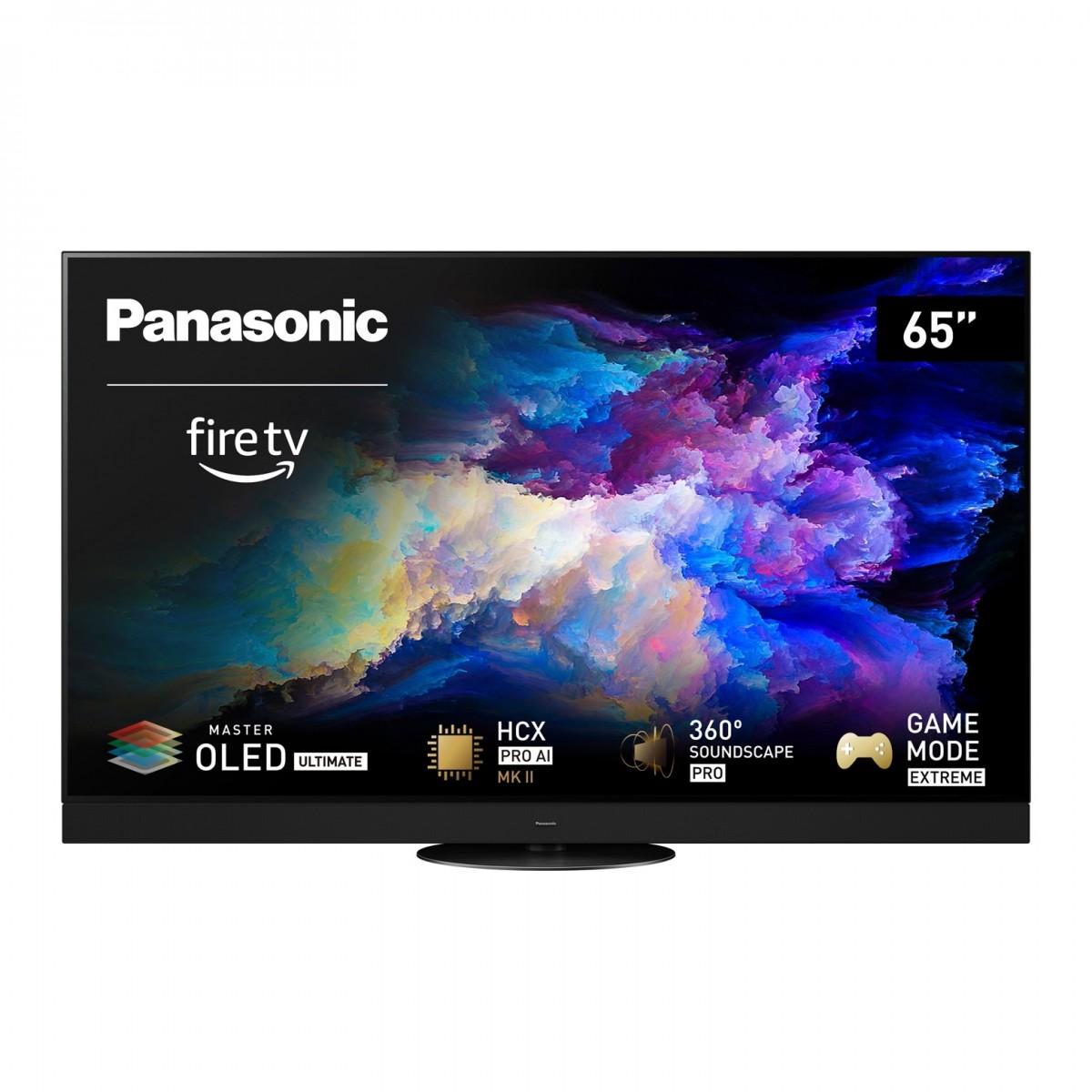
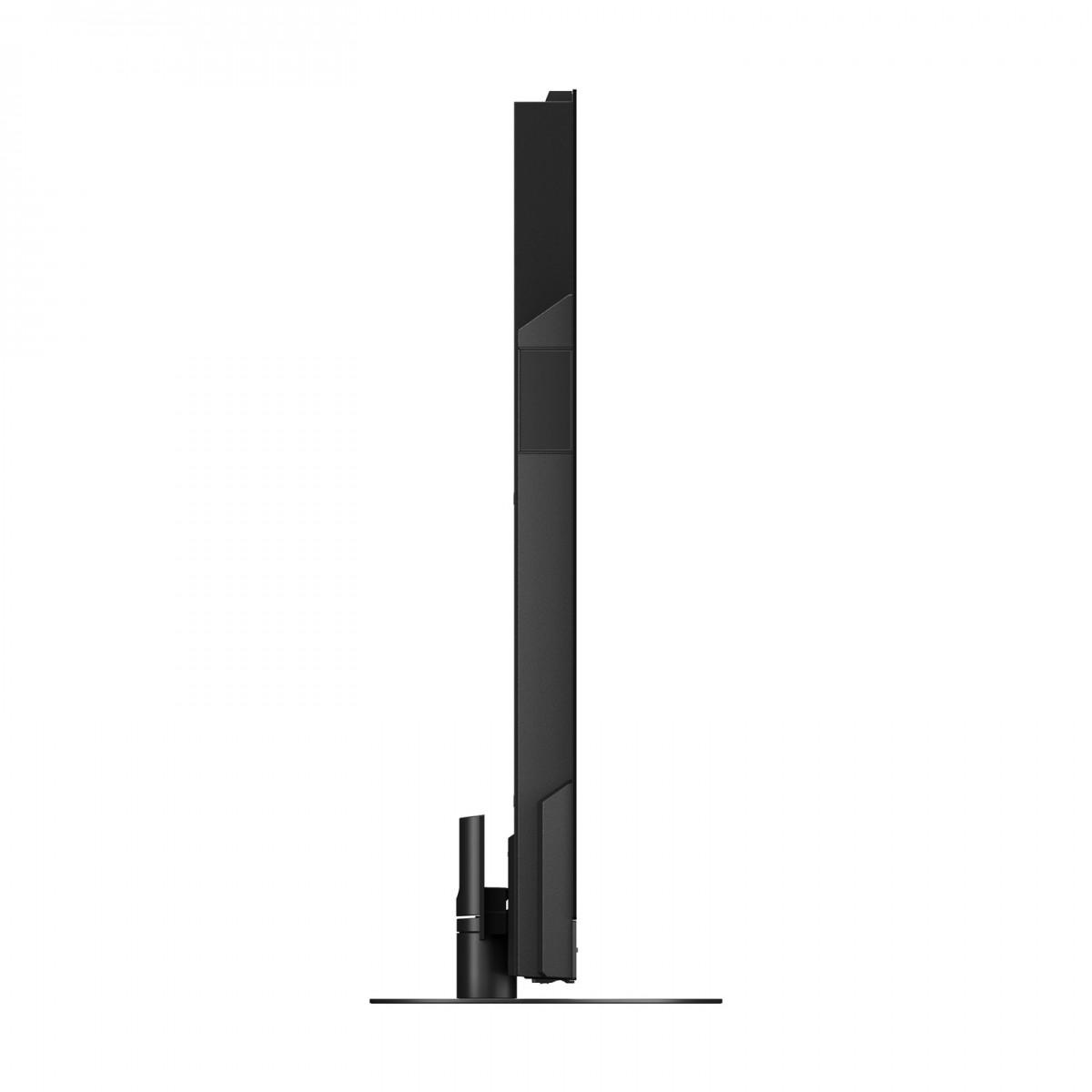
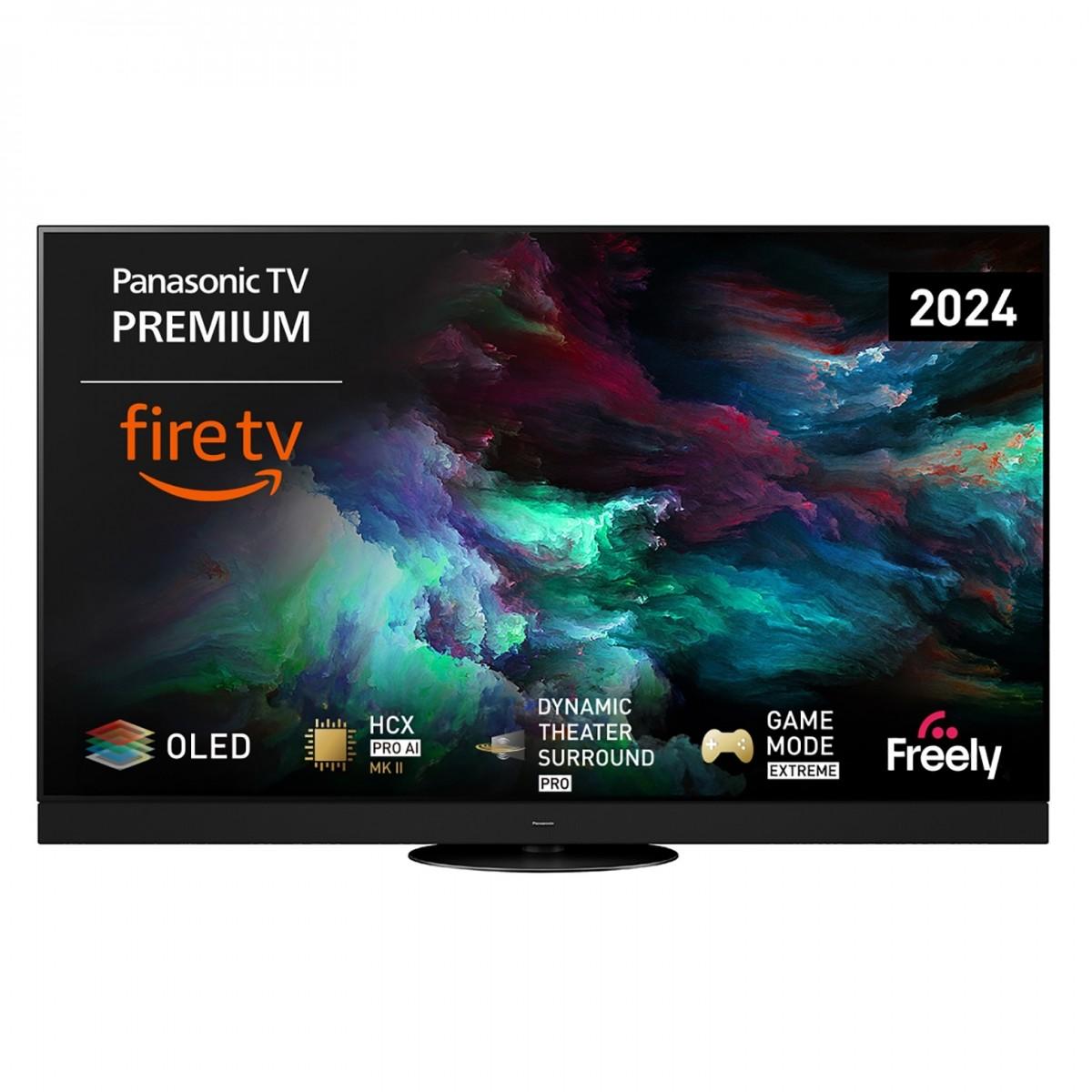
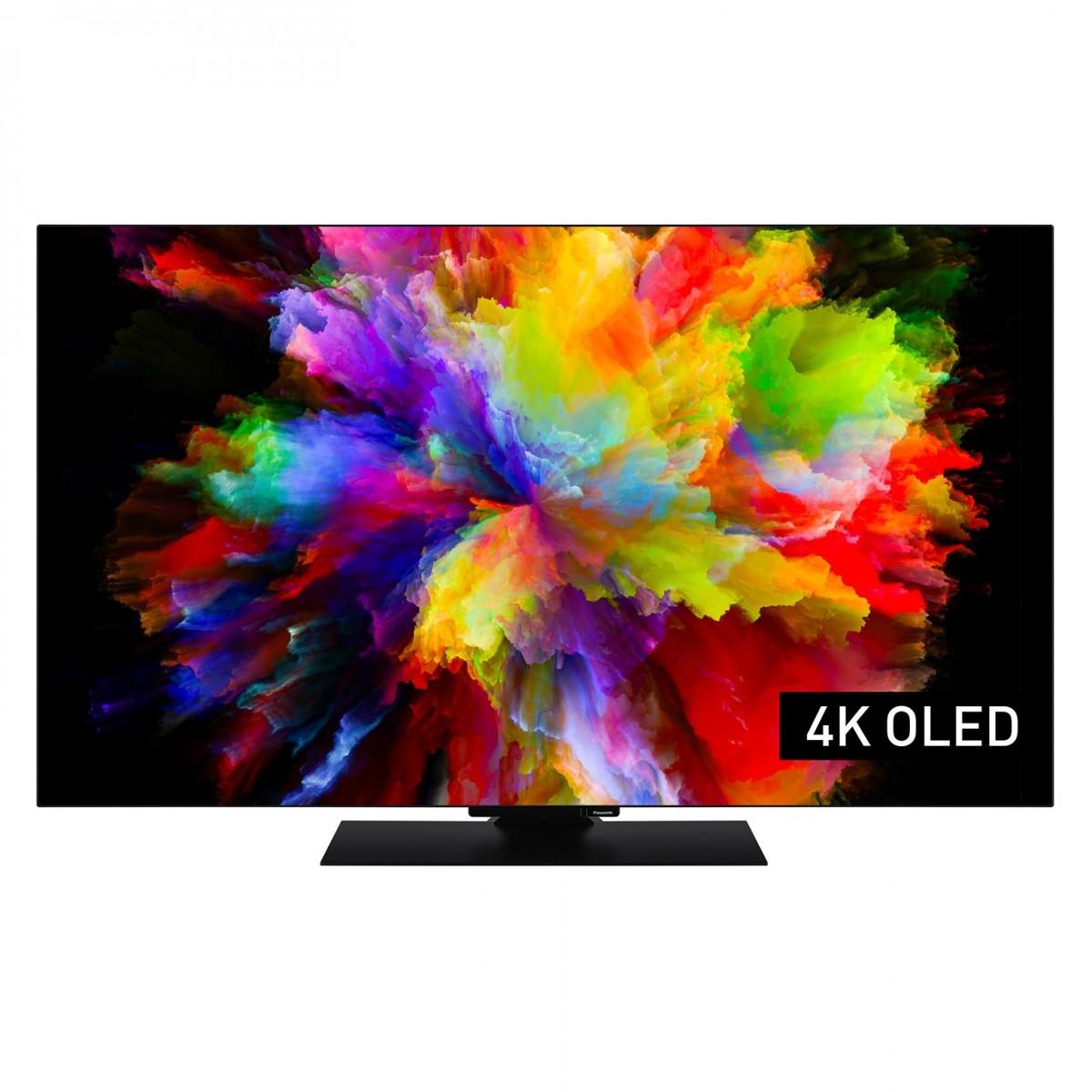
When you're ready to upgrade to a premium 65-inch OLED TV, you're looking at some of the most advanced display technology available today. Two standout options that represent different approaches to OLED excellence are the Panasonic Z95A and the Sony A95K. While both deliver the perfect blacks and infinite contrast that make OLED technology so compelling, they take distinctly different paths to get there.
The world of premium OLED TVs has evolved dramatically in recent years. Understanding what separates a good OLED from a great one comes down to several key factors: how the panel produces color, how the TV's brain (its processor) enhances the picture, what formats it supports, and how all these pieces work together to create your viewing experience.
Before diving into the specifics, it's worth understanding what makes OLED technology unique. Unlike traditional LED TVs that need a backlight, each pixel in an OLED display produces its own light. This means when a pixel needs to be black, it simply turns off completely, creating perfect blacks and infinite contrast ratios that no other display technology can match.
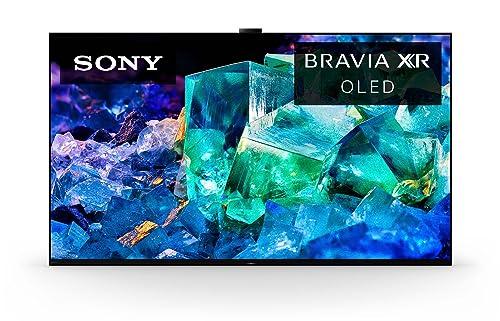
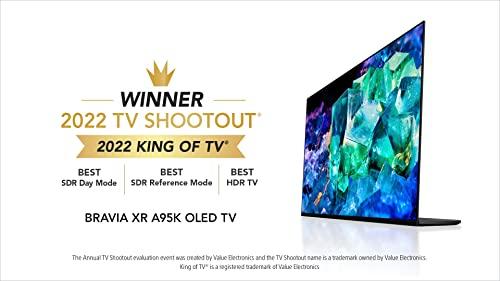
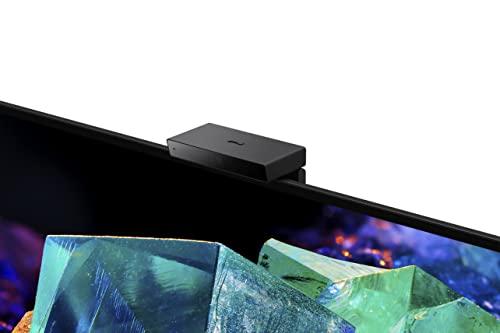
Both the Panasonic Z95A and Sony A95K use OLED panels, but they represent different generations and approaches to the technology. The Sony A95K, released in 2022, was Sony's first TV to feature QD-OLED (Quantum Dot OLED) technology—a significant departure from traditional OLED panels. The Panasonic Z95A, being a more recent model, uses refined traditional OLED technology with advanced processing improvements.
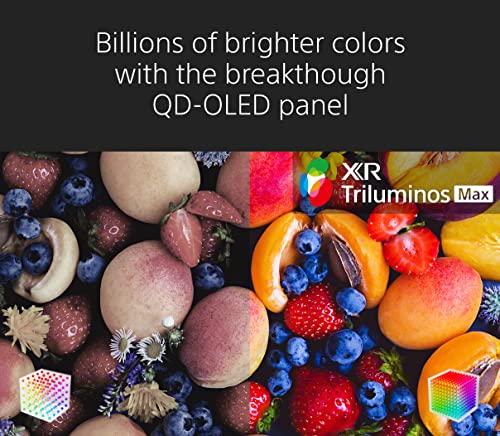
The key difference lies in how these panels create colors. Traditional OLED panels use white light from OLED pixels combined with color filters, while QD-OLED panels use blue OLED pixels with quantum dot converters to create red and green light. This might sound like technical jargon, but the practical impact is substantial—QD-OLED can produce much brighter, more saturated colors, especially in scenes that aren't completely dark.
The most significant advantage of the Sony A95K comes from its QD-OLED panel technology. Based on extensive reviews and testing data, the QD-OLED panel can produce colors that are up to 200% brighter than traditional OLED displays. This isn't just a numbers game—it translates to more vibrant sunsets, more realistic skin tones, and colors that maintain their saturation even in bright scenes.
Think about watching a nature documentary with bright tropical fish or a Marvel movie with colorful superhero costumes. Traditional OLED panels, like the one in the Panasonic Z95A, can struggle to maintain color saturation when brightness increases. The colors might look a bit washed out in the brightest scenes. The Sony A95K, however, keeps those colors punchy and vibrant even when the screen is displaying bright content.
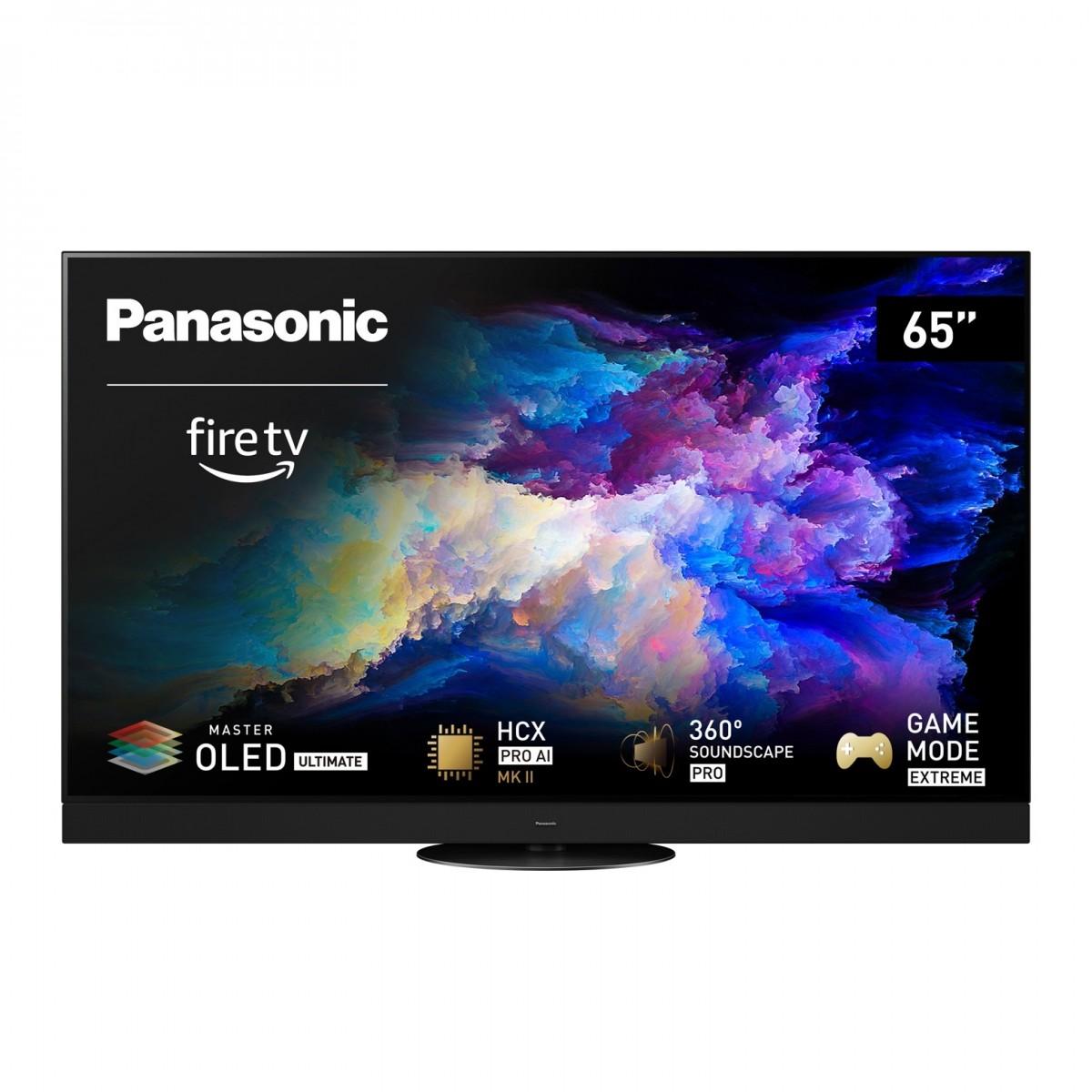
The Panasonic Z95A counters this with exceptional color accuracy through its HCX Pro AI Processor MKII. While it might not achieve the same peak color brightness as the Sony, Panasonic has a reputation for color accuracy that's closer to what filmmakers intended. The processor uses AI to analyze different types of content—sports, movies, live music—and automatically adjusts the picture settings for optimal viewing.
High Dynamic Range (HDR) formats are crucial for getting the best picture quality from modern content. HDR allows TVs to display a wider range of brightness levels and colors than standard content, making images look more lifelike and three-dimensional.
Here's where the Panasonic Z95A shows a clear advantage. It supports virtually every HDR format available: Dolby Vision, Dolby Vision IQ, HDR10, HDR10+ Adaptive, and HLG (Hybrid Log-Gamma). The Sony A95K, while excellent in many areas, notably lacks HDR10+ and Filmmaker Mode support.
HDR10+ Adaptive is particularly interesting because it adjusts the HDR presentation based on your room's ambient lighting. If you're watching during the day with sunlight streaming in, it'll optimize the picture differently than if you're watching in a completely dark room at night. Filmmaker Mode, meanwhile, displays content exactly as the director intended, without any motion smoothing or artificial enhancements.
For most viewers, this format support difference matters more for future-proofing than immediate impact. However, if you're particular about seeing content exactly as intended or want maximum compatibility with all types of HDR content, the Panasonic Z95A has a clear edge.
Both TVs feature sophisticated processing systems, but they take different approaches. The Sony A95K uses the Cognitive Processor XR, which Sony claims mimics how human brains process visual information. Instead of analyzing each picture element in isolation, it looks at how different parts of the image relate to each other and enhances the areas your eyes would naturally focus on.
This processing creates what many reviewers describe as exceptional depth and realism, particularly in how the TV handles contrast and detail in complex scenes. The processor also powers features like XR Triluminos Max, which works with the QD-OLED panel to maximize the color gamut.
The Panasonic Z95A uses the HCX Pro AI Processor MKII, which focuses heavily on content analysis and automatic optimization. It's designed to recognize different types of content and apply appropriate enhancements. This processor is particularly strong at maintaining natural-looking images without over-processing.
Both TVs cater well to serious gamers, but with different strengths. Gaming performance on modern TVs revolves around several key features: refresh rate (how many times per second the image updates), input lag (the delay between pressing a button and seeing the action on screen), and support for next-generation console features.
The Panasonic Z95A offers a 144Hz refresh rate, which exceeds the 120Hz that current gaming consoles can output. This higher refresh rate is primarily beneficial for PC gaming and potentially future gaming devices. It also includes features like ALLM (Auto Low Latency Mode), which automatically switches to game mode when it detects a gaming device, and MEMC (Motion Estimation and Motion Compensation) for smoother motion in fast-paced games.
The Sony A95K maxes out at 120Hz, which perfectly matches current PlayStation 5 and Xbox Series X capabilities. What it lacks in raw refresh rate, it makes up for in optimization. Sony has worked closely with PlayStation to create features like Auto HDR Tone Mapping specifically for PS5 gaming, which automatically adjusts HDR settings for optimal gaming visuals.
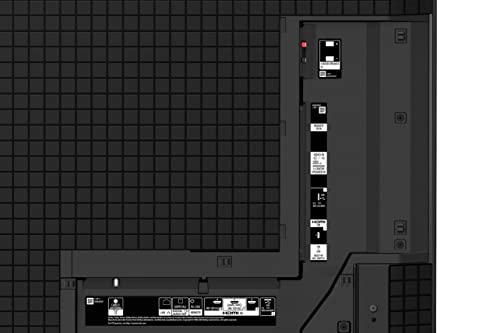
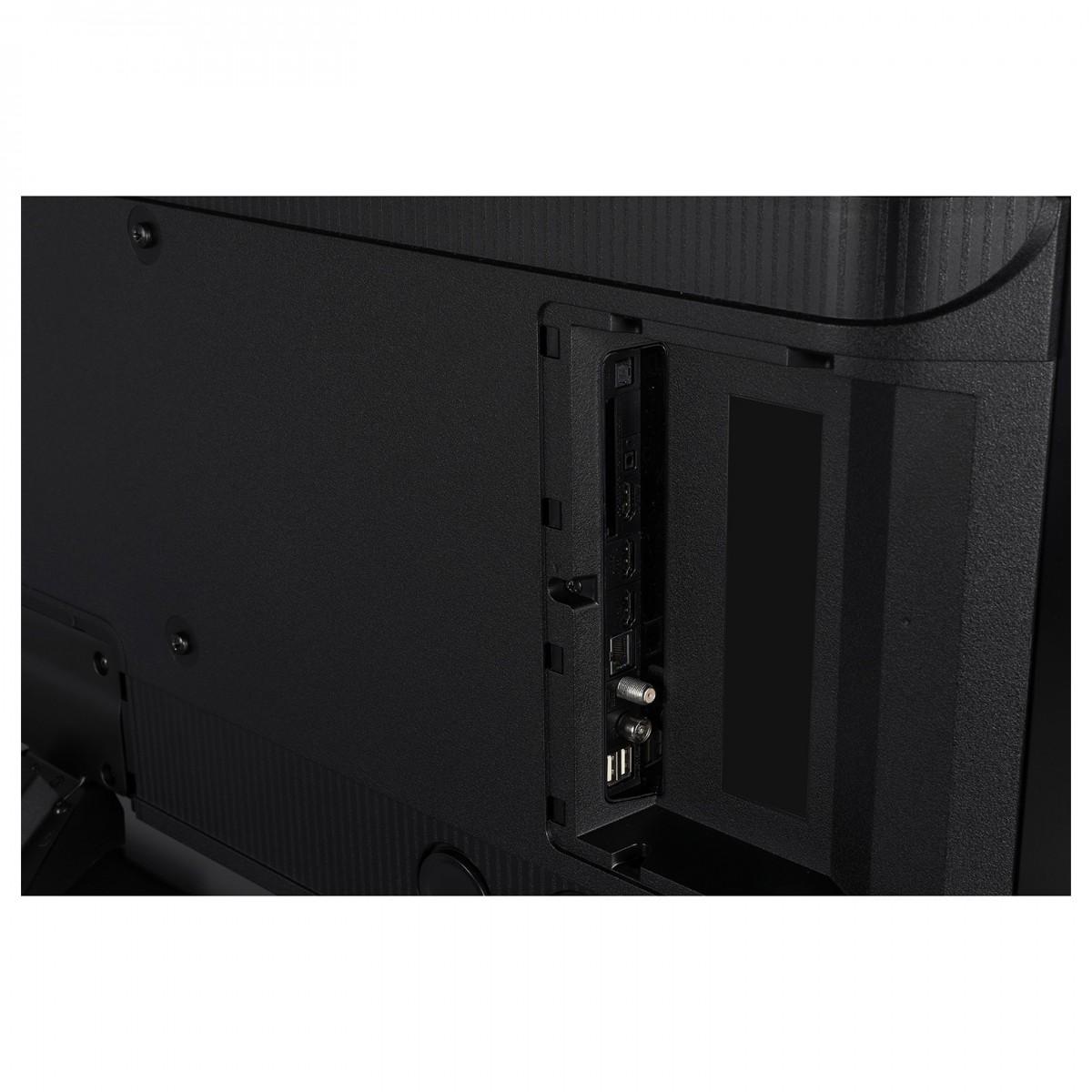
Both TVs include two HDMI 2.1 ports, which support 4K gaming at high refresh rates. However, since one port typically handles eARC (enhanced Audio Return Channel) for connecting soundbars or receivers, you effectively have one HDMI 2.1 port available for gaming if you use external audio equipment.
For gaming, the choice often comes down to your setup. If you primarily game on consoles, the Sony A95K offers excellent optimization. If you're a PC gamer or want maximum future-proofing, the Panasonic Z95A's 144Hz capability might be more appealing.
Audio quality often gets overlooked when choosing a TV, but both models offer interesting approaches that could influence your decision, especially if you're not planning to buy a separate sound system immediately.
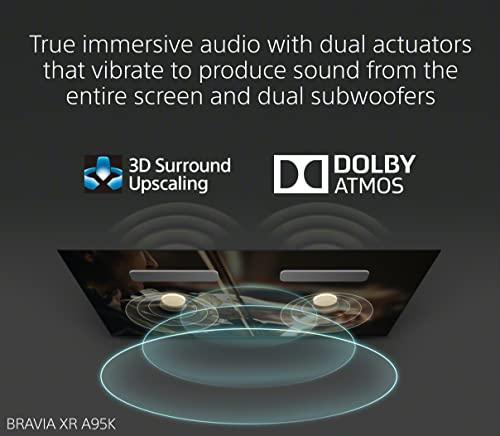
The Sony A95K features Acoustic Surface Audio+ technology, which is genuinely innovative. Instead of traditional speakers, actuators behind the screen vibrate the display itself to produce sound. This creates an effect where dialogue and sound effects seem to come directly from their location on screen—when a character speaks, their voice comes from exactly where they appear visually.
This technology produces surprisingly good sound quality for a built-in TV audio system, with clear dialogue and decent spatial effects. The system outputs 60 watts of total power across a 2.2-channel configuration. It can even function as the center channel in a surround sound setup, which is useful if you plan to add external speakers later.
The Panasonic Z95A takes a more traditional approach with conventional speakers but includes Dolby Atmos support and a built-in tweeter for enhanced clarity. At 20 watts total output, it's less powerful than the Sony's system, but Panasonic has tuned it for natural sound reproduction that complements their focus on accurate color reproduction.
If you plan to use the TV's built-in audio for an extended period, the Sony A95K offers a more immersive and powerful experience. However, if you're planning to add a soundbar or home theater system soon after purchase, this difference becomes less critical.
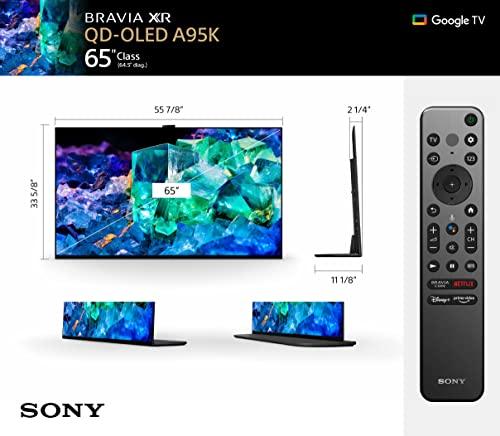
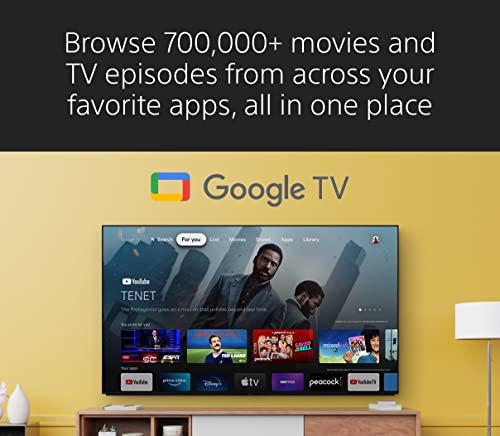
The smart TV experience can significantly impact daily use, and these models offer different ecosystems. The Sony A95K runs Google TV, which provides access to a vast library of apps, excellent voice control through Google Assistant, and seamless integration with other Google services. It also includes Chromecast built-in, AirPlay 2, and Apple HomeKit support, making it compatible with virtually any streaming setup.
Google TV's interface is particularly good at content discovery, showing recommendations across multiple streaming services and helping you find something to watch. The Sony A95K also includes access to BRAVIA CORE, Sony's premium streaming service with high-quality versions of Sony Pictures films.
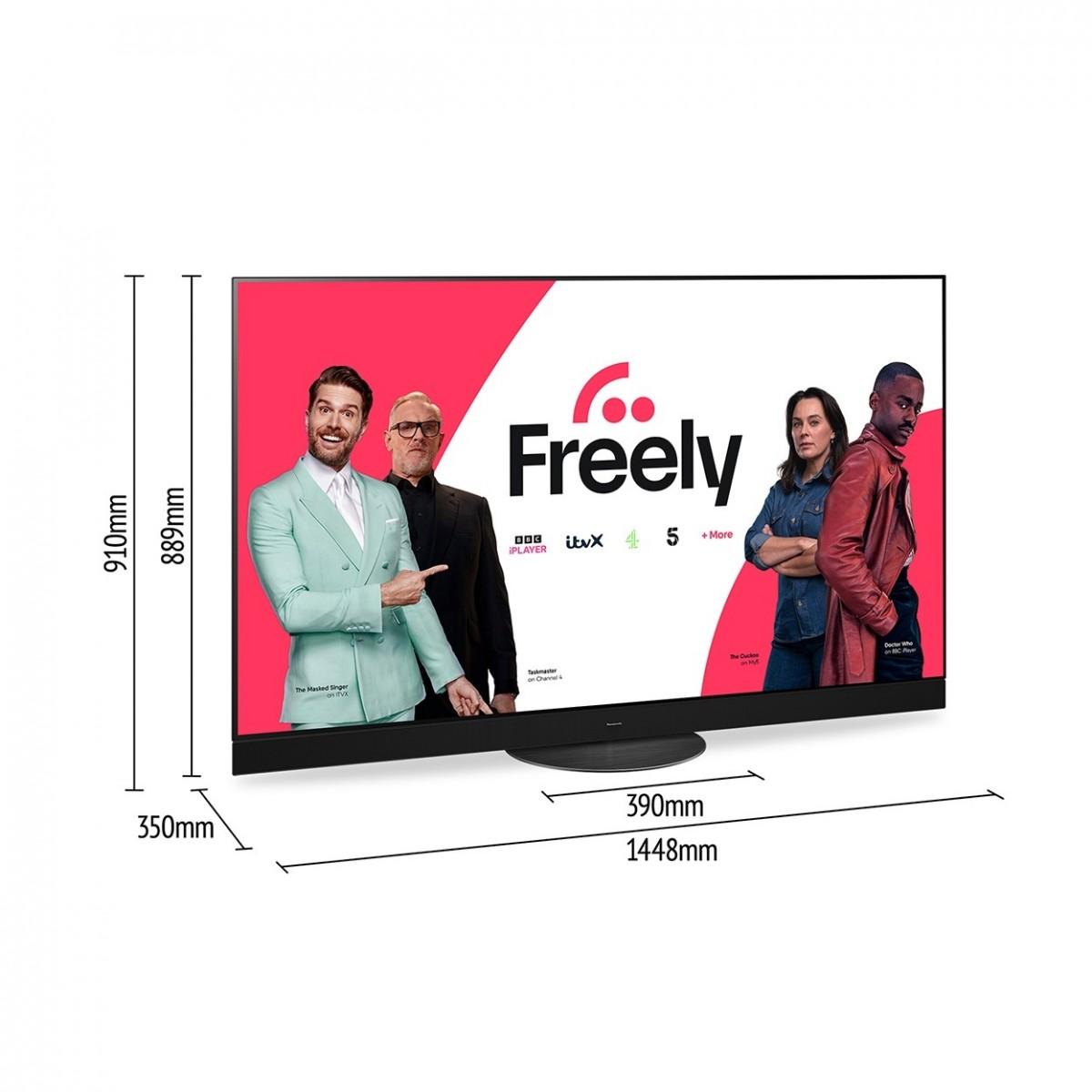
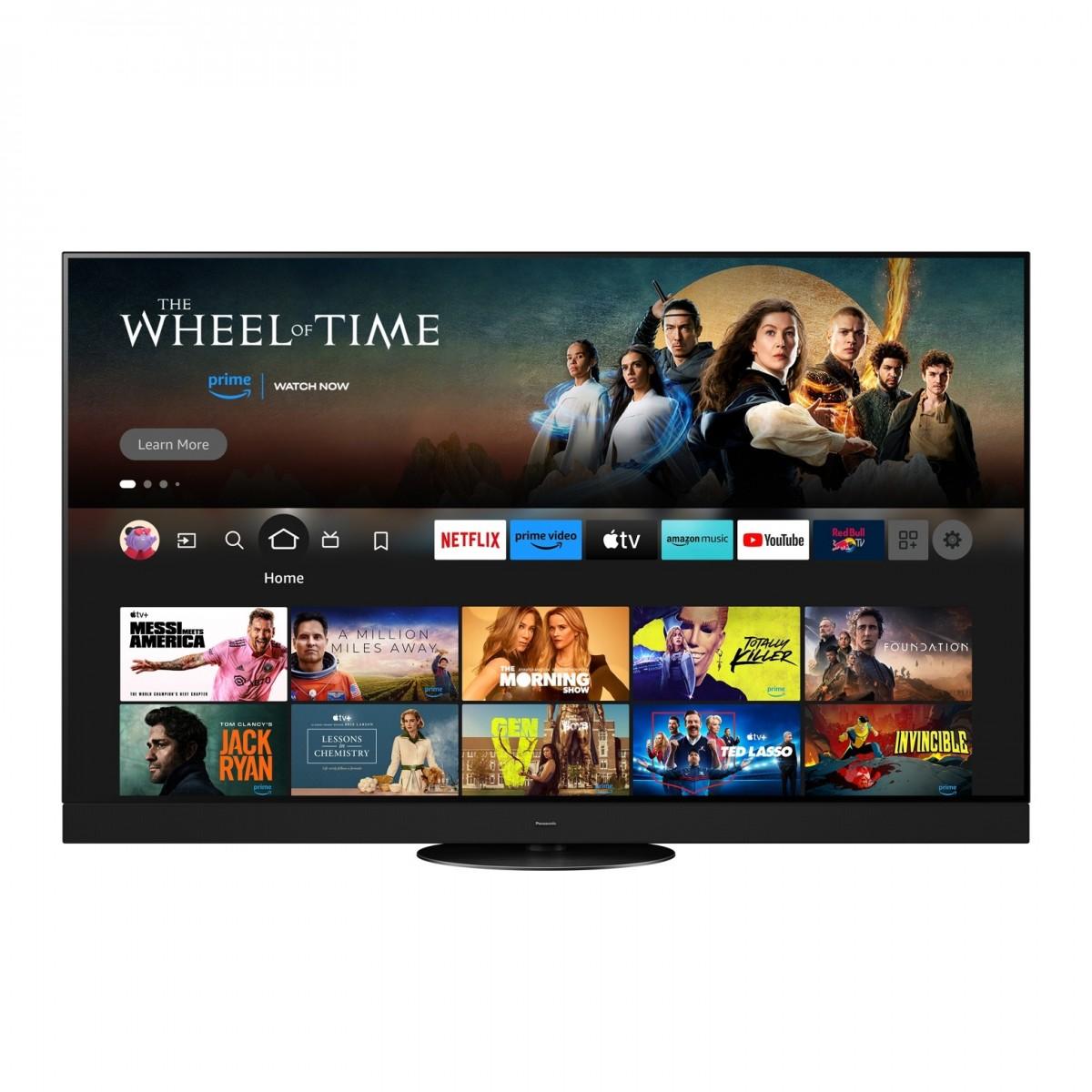
The Panasonic Z95A uses Amazon Fire TV, which integrates deeply with the Amazon ecosystem. If you're already invested in Alexa devices and Amazon services, this integration can be particularly convenient. Fire TV offers comprehensive app support and hands-free voice control, though the interface is more focused on Amazon's content and services.
Both platforms are mature and capable, so the choice often comes down to your existing ecosystem preferences rather than significant functionality differences.
At the time of writing, these TVs represent different value propositions that reflect their technologies and market positioning. The Sony A95K, being a 2022 model, typically carries a lower price point than the more recent Panasonic Z95A, despite featuring the more advanced QD-OLED panel technology.
This pricing situation creates an interesting dynamic. You can often get cutting-edge QD-OLED technology in the Sony A95K for less money than the traditional OLED technology in the Panasonic Z95A. However, the Panasonic offers more comprehensive format support and some newer features that weren't available when the Sony was designed.
The Sony A95K represents exceptional value for its technology level. QD-OLED panels typically command premium pricing, but market dynamics have made this flagship technology more accessible. If picture quality is your primary concern and you can accept some limitations in format support, it offers remarkable performance per dollar.
The Panasonic Z95A commands a higher price but delivers complete HDR format support, higher gaming refresh rates, and newer smart TV features. The premium reflects its more recent development and comprehensive feature set.
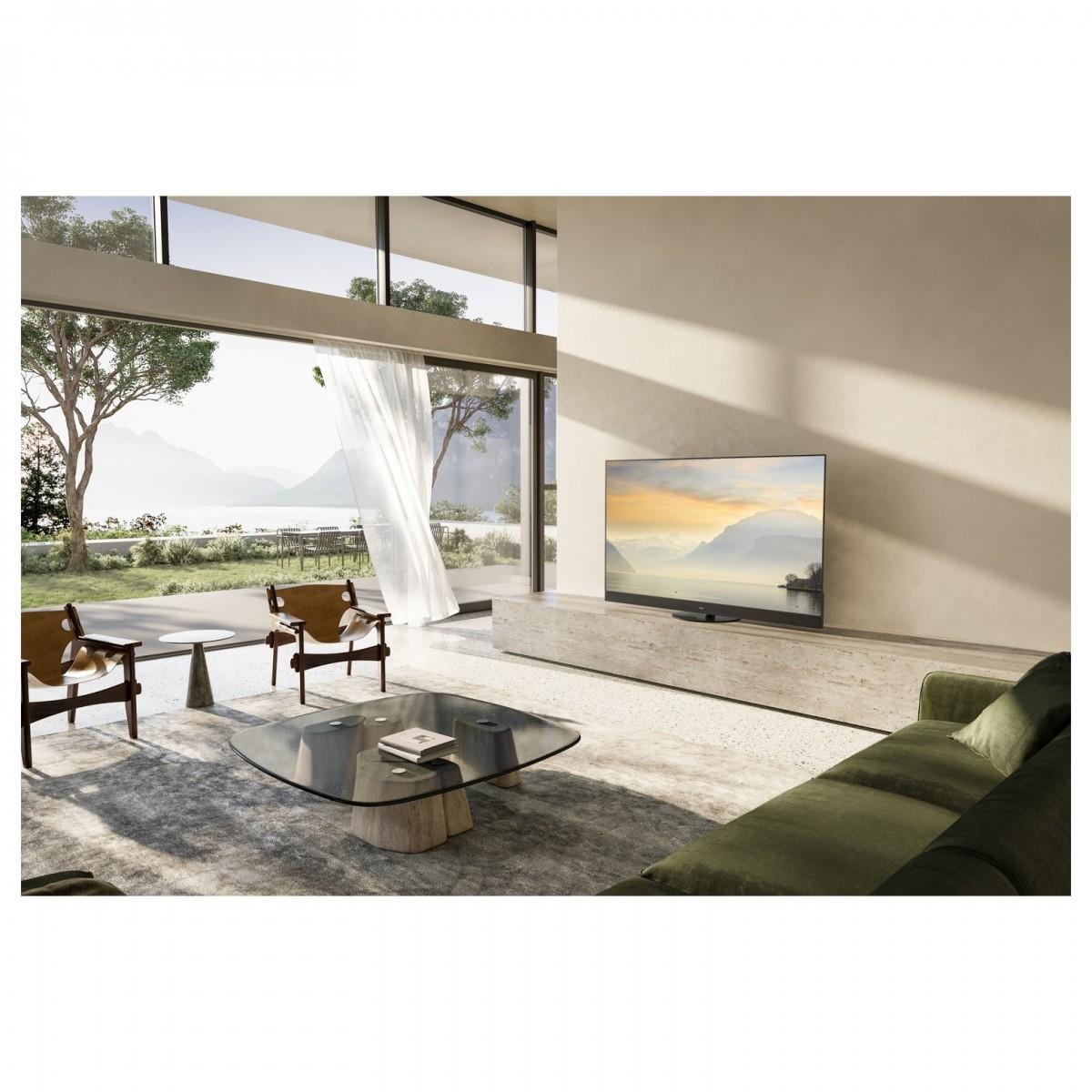
If you're building a dedicated home theater setup, several factors become particularly important. Both TVs excel in dark room conditions where OLED technology shows its greatest advantages, but they differ in specific home theater applications.
The Sony A95K's QD-OLED panel really shines in dark room viewing, where its superior color brightness creates more engaging HDR content. The acoustic surface audio technology also works particularly well in home theater setups, as it can integrate with external surround sound systems as a center channel.
The Panasonic Z95A's comprehensive HDR format support becomes more valuable in dedicated home theater environments where you might be playing content from various sources with different HDR implementations. Filmmaker Mode is particularly appreciated by home theater enthusiasts who want to see content without any processing artifacts.
For calibration enthusiasts, both TVs offer extensive picture adjustment options, though Panasonic has traditionally catered more to the calibration community with their color accuracy focus.
After evaluating both options extensively, the choice comes down to your priorities and viewing habits.
Choose the Sony A95K if you prioritize pure picture quality and want the most advanced display technology available. Its QD-OLED panel produces more vibrant, brighter colors than traditional OLED, and the superior built-in audio system adds value if you're not immediately adding external speakers. The typically lower pricing makes it exceptional value for cutting-edge technology. It's particularly appealing for dark room viewing, movie watching, and console gaming.
The Panasonic Z95A makes more sense if you value comprehensive format support and want maximum compatibility with all types of content. Its complete HDR format support, including HDR10+ and Filmmaker Mode, makes it more future-proof for evolving content standards. The 144Hz gaming capability also provides an edge for PC gaming. It's the better choice for home theater purists who prioritize content accuracy and format compatibility over peak performance.
Both TVs represent excellent choices in the premium OLED category, but they serve slightly different audiences. The Sony A95K offers groundbreaking display technology at increasingly attractive pricing, making cutting-edge QD-OLED accessible. The Panasonic Z95A provides a more comprehensive feature set with complete format support and gaming capabilities that extend beyond current console limitations.
For most buyers focused on getting the best picture quality and overall experience, the Sony A95K typically offers better value despite being an older model. However, format enthusiasts and users who prioritize complete compatibility should seriously consider the Panasonic Z95A, especially if the price difference isn't significant in their market.
Either choice will deliver exceptional OLED performance that significantly exceeds standard LED TVs, but understanding these differences helps ensure you get the TV that best matches your specific needs and viewing preferences.
| Panasonic Z95A 65" OLED 4K Ultra HD Smart TV | Sony Bravia XR A95K 65" QD-OLED TV |
|---|---|
| Panel Technology - Determines color brightness and viewing experience | |
| Traditional WOLED with color filters (proven, reliable) | QD-OLED with quantum dots (200% brighter colors, cutting-edge) |
| HDR Format Support - Critical for premium content compatibility | |
| Dolby Vision, HDR10, HDR10+ Adaptive, HLG, Filmmaker Mode (complete support) | Dolby Vision, HDR10, HLG (missing HDR10+ and Filmmaker Mode) |
| Gaming Refresh Rate - Important for PC gaming and future-proofing | |
| 144Hz (exceeds current console capabilities) | 120Hz (matches PS5/Xbox Series X perfectly) |
| Built-in Audio System - Affects whether you need immediate soundbar purchase | |
| Traditional speakers, 20W, Dolby Atmos support | Acoustic Surface Audio+, 60W, screen vibrates to produce sound |
| Smart TV Platform - Determines app selection and ecosystem integration | |
| Amazon Fire TV with Alexa built-in | Google TV with Google Assistant, Chromecast, AirPlay 2 |
| Processor - Handles picture enhancement and AI optimization | |
| HCX Pro AI Processor MKII (content-aware optimization) | Cognitive Processor XR (human perception-based processing) |
| HDMI 2.1 Ports - Limits number of next-gen gaming devices | |
| 2 ports (standard for premium TVs) | 2 ports (one typically used for eARC audio) |
| Color Accuracy Focus - Professional vs consumer-oriented tuning | |
| Filmmaker Mode, natural color reproduction (cinema purist approach) | XR Triluminos Max, vibrant consumer-friendly colors (entertainment focus) |
| Release Year - Affects pricing and feature currency | |
| More recent model (latest features, higher pricing) | 2022 model (mature technology, often better value) |
The Sony A95K generally delivers superior picture quality thanks to its revolutionary QD-OLED panel technology. This panel produces colors that are up to 200% brighter than traditional OLED displays, resulting in more vibrant and saturated colors, especially in bright scenes. While the Panasonic Z95A offers excellent color accuracy and natural reproduction, the Sony A95K's quantum dot technology creates a more visually striking experience with better color volume and brightness.
The Sony A95K uses QD-OLED (Quantum Dot OLED) technology, which combines blue OLED pixels with quantum dot converters to create red and green light. This allows for much brighter, more saturated colors compared to traditional OLED panels. The Panasonic Z95A uses conventional WOLED technology with white pixels and color filters, which is proven and reliable but can lose color saturation at high brightness levels. QD-OLED represents a significant technological advancement in display technology.
For gaming, the Panasonic Z95A has a slight edge with its 144Hz refresh rate, which exceeds current console capabilities and provides better future-proofing for PC gaming. However, the Sony A95K offers excellent gaming optimization with features like Auto HDR Tone Mapping for PS5 and outstanding response time. Both TVs support 4K at 120Hz, VRR, ALLM, and have two HDMI 2.1 ports, making either choice excellent for next-gen console gaming.
The Panasonic Z95A offers comprehensive HDR format support, including Dolby Vision, HDR10, HDR10+ Adaptive, HLG, and Filmmaker Mode. The Sony A95K supports the major formats like Dolby Vision and HDR10 but notably lacks HDR10+ and Filmmaker Mode support. For maximum content compatibility and future-proofing, the Panasonic Z95A provides more complete HDR format coverage.
The Sony A95K delivers superior built-in audio with its innovative Acoustic Surface Audio+ technology, where the screen itself vibrates to produce sound. This 60W system creates better dialogue clarity and spatial effects compared to the Panasonic Z95A's traditional 20W speaker system. While the Panasonic Z95A includes Dolby Atmos support, the Sony A95K's acoustic surface technology provides a more immersive audio experience without external speakers.
Both TVs perform best in dark to moderately lit rooms, as is typical with OLED technology. However, the Sony A95K's QD-OLED panel handles bright rooms better due to its superior color brightness and anti-reflective coating. The Panasonic Z95A uses traditional OLED technology, which can experience some black level rise in very bright environments. For optimal performance, both the Panasonic Z95A and Sony A95K are ideally suited for controlled lighting conditions.
The Panasonic Z95A runs Amazon Fire TV, providing deep integration with Alexa and Amazon services, plus comprehensive streaming app support. The Sony A95K uses Google TV, offering excellent content discovery, Google Assistant integration, Chromecast built-in, and AirPlay 2 support. Both platforms are mature and capable, with the choice typically depending on your existing smart home ecosystem and streaming preferences.
The Sony A95K typically offers exceptional value as a 2022 model with cutting-edge QD-OLED technology often available at lower prices than the newer Panasonic Z95A. You get advanced display technology and superior audio at a competitive price point. The Panasonic Z95A commands a premium for its complete HDR format support and newer features, making it better value for users who prioritize comprehensive compatibility over pure performance.
Both TVs excel in dedicated home theater environments, but serve different priorities. The Sony A95K's QD-OLED panel creates more engaging HDR content in dark rooms, while its acoustic surface audio can integrate as a center channel in surround sound setups. The Panasonic Z95A appeals to home theater purists with its Filmmaker Mode, complete HDR format support, and focus on content accuracy. For most home theater applications, either the Panasonic Z95A or Sony A95K will deliver exceptional results.
The Sony A95K's main limitations include missing HDR10+ and Filmmaker Mode support, plus only two HDMI 2.1 ports with one typically used for eARC. Some users report potential magenta tint issues in very bright rooms. The Panasonic Z95A's weaknesses include lower color brightness in HDR content, less powerful built-in audio, and traditional OLED limitations in bright viewing environments. Both TVs represent premium choices with minor trade-offs.
For movie enthusiasts, the choice depends on priorities. The Sony A95K delivers more visually striking cinema with its superior color brightness and contrast, making HDR movies particularly impressive. However, the Panasonic Z95A offers Filmmaker Mode for content exactly as directors intended, plus complete HDR format support including HDR10+ found on some 4K Blu-rays. Cinema purists may prefer the Panasonic Z95A, while those wanting the most engaging visual experience should choose the Sony A95K.
Despite being older, the Sony A95K often represents better value due to its advanced QD-OLED technology typically available at competitive prices. The newer Panasonic Z95A offers more comprehensive features and format support but at a premium. If picture quality is your priority and you can accept some format limitations, the Sony A95K delivers cutting-edge display technology. Choose the Panasonic Z95A if you need complete HDR compatibility and the latest smart TV features regardless of cost.
We've done our best to create useful and informative comparisons to help you decide what product to buy. Our research uses advanced automated methods to create this comparison and perfection is not possible - please contact us for corrections or questions. These are the sites we've researched in the creation of this article: youtube.com - youtube.com - whathifi.com - tomsguide.com - shop.panasonic.com - store.in.panasonic.com - rtings.com - applianceplus.co.nz - rtings.com - store.in.panasonic.com - samsung.com - tomsguide.com - audioadvice.com - wepc.com - bestbuy.com - tvsbook.com - rtings.com - youtube.com - flatpanelshd.com - rtings.com - youtube.com - reviewed.com - avsforum.com - youtube.com - youtube.com - rtings.com - youtube.com - electronics.sony.com - sonypremiumhome.com - valueelectronics.com - sony.com - displayspecifications.com - flatpanelshd.com - donstv.com - youtube.com - businessinsider.com - youtube.com - displayspecifications.com - bestbuy.com

Privacy Policy
Terms and Conditions - Affiliate Policy
Home Security
© Copyright 2008-2026.
11816 Inwood Rd #1211, Dallas, TX 75244