

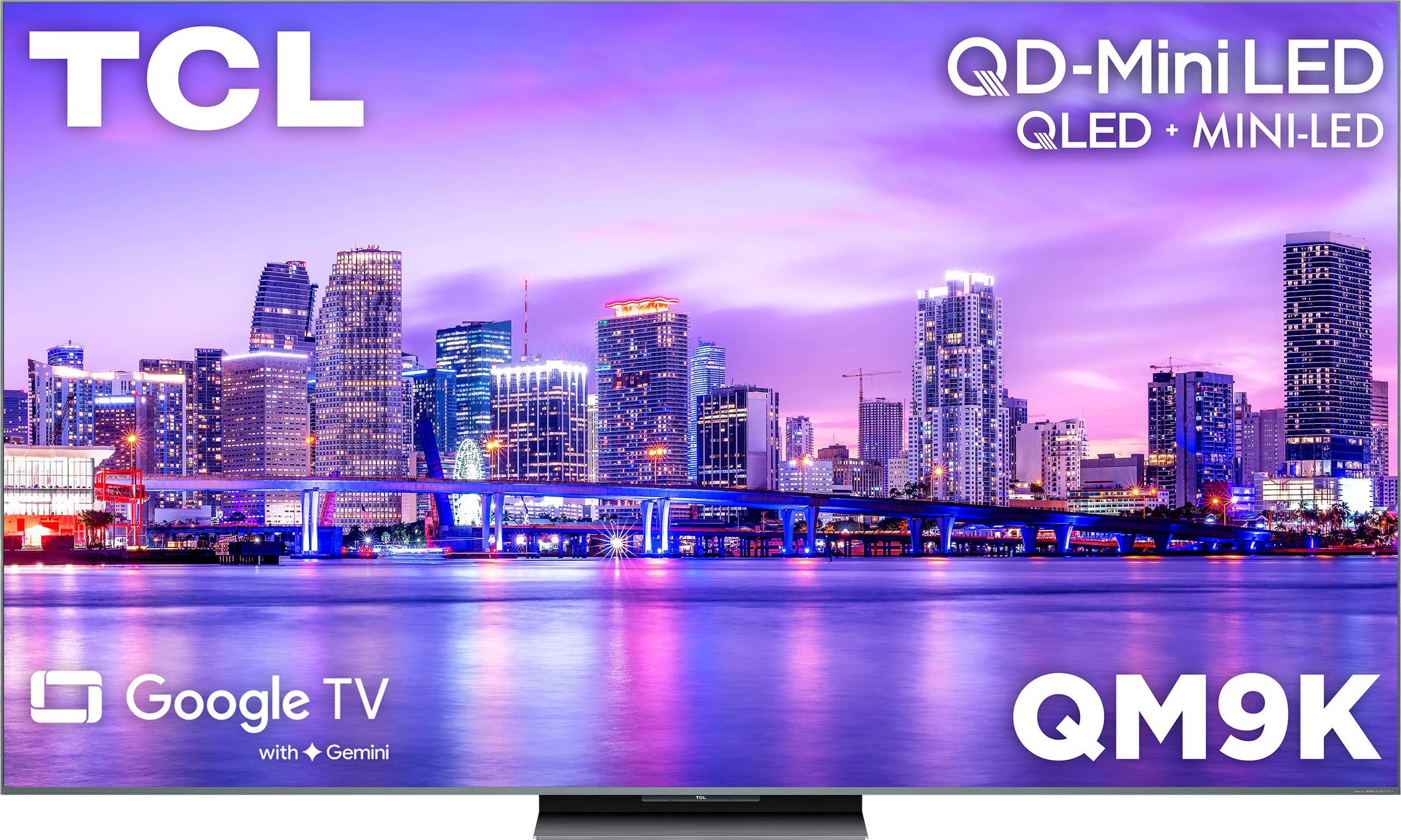
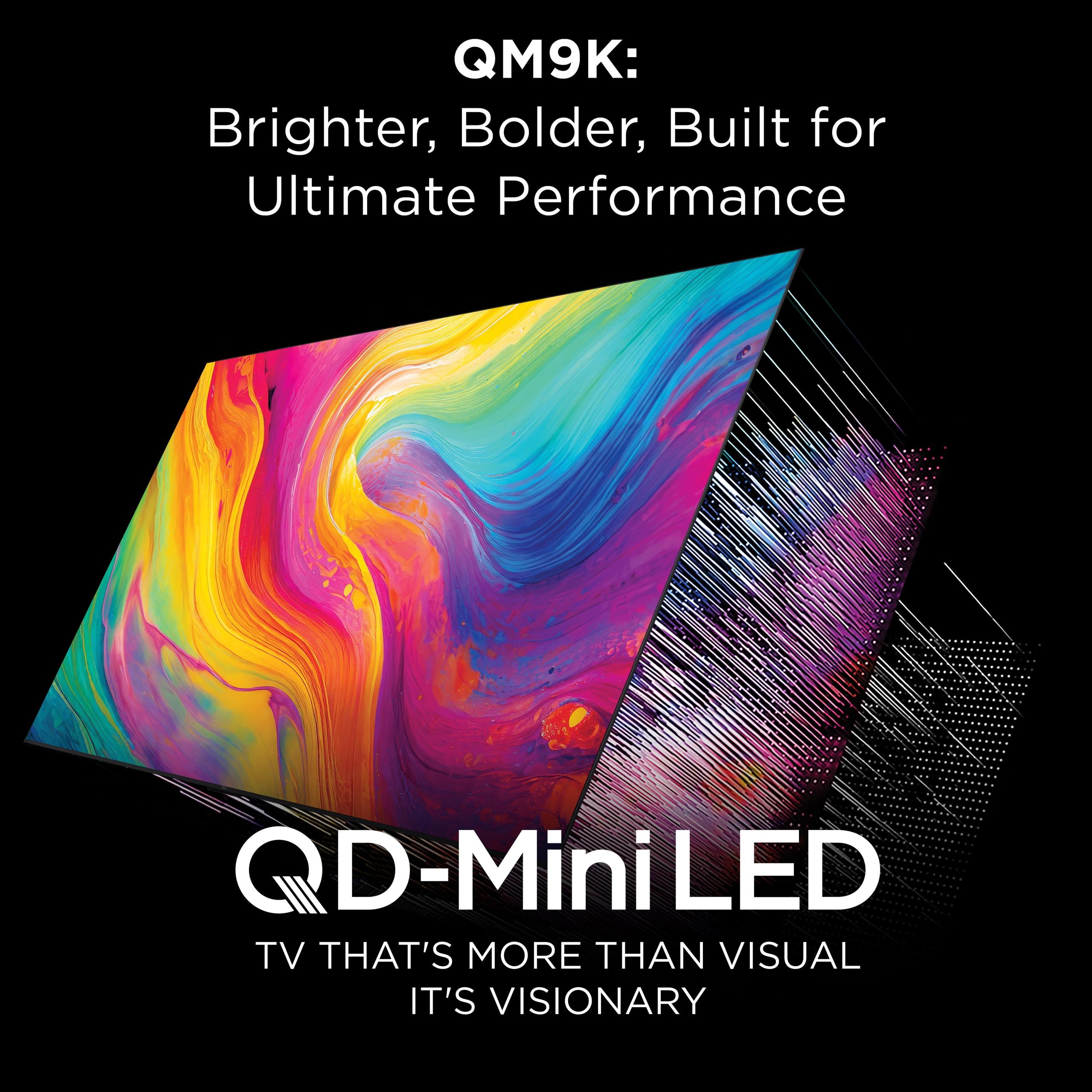
The battle for the best premium TV has intensified dramatically over the past few years. While OLED displays dominated the high-end market for nearly a decade, Mini-LED technology has emerged as a compelling alternative that often delivers better performance at lower prices. Today's premium Mini-LED TVs use thousands of tiny LEDs behind the screen to create incredibly precise lighting control, offering OLED-like contrast with much higher brightness capabilities.
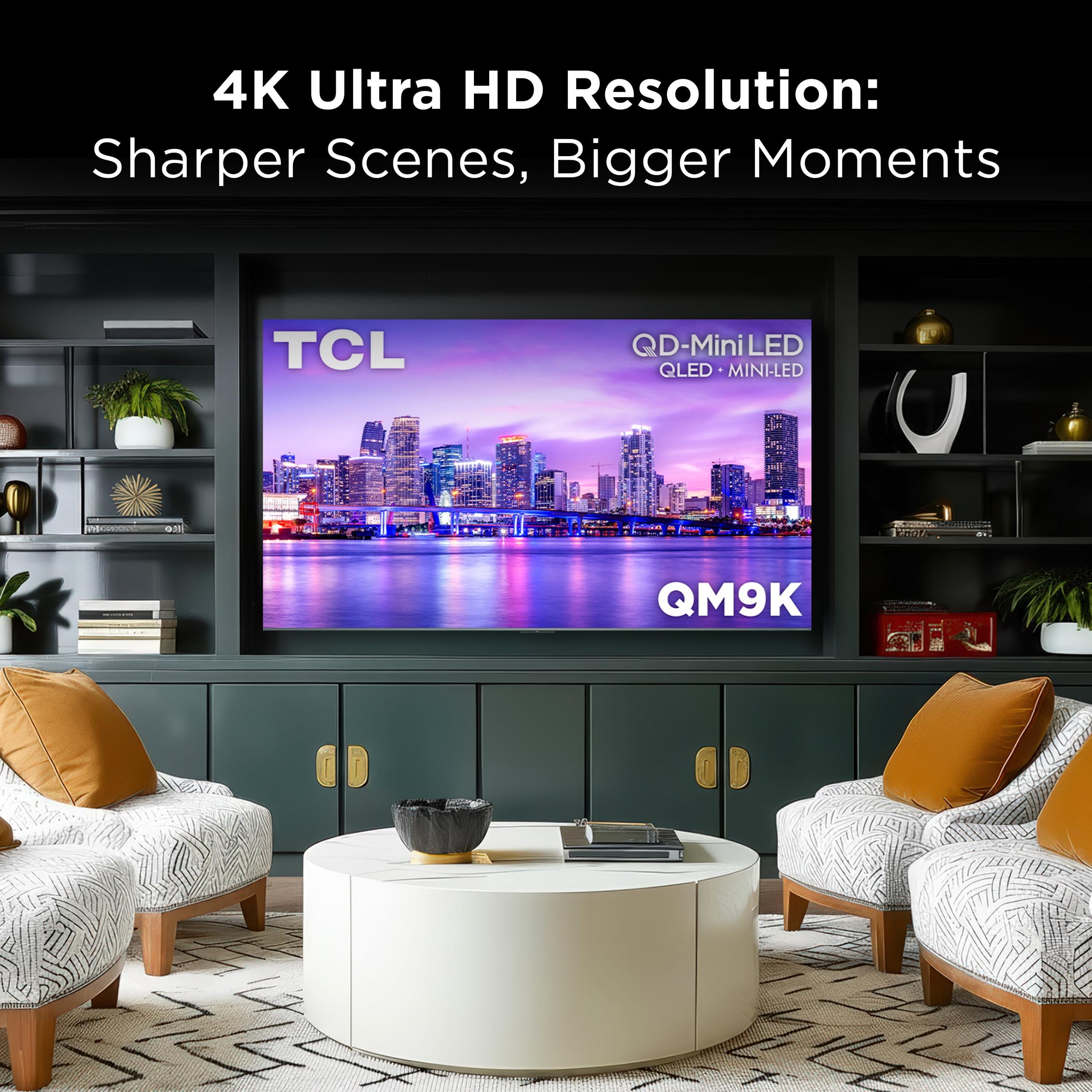
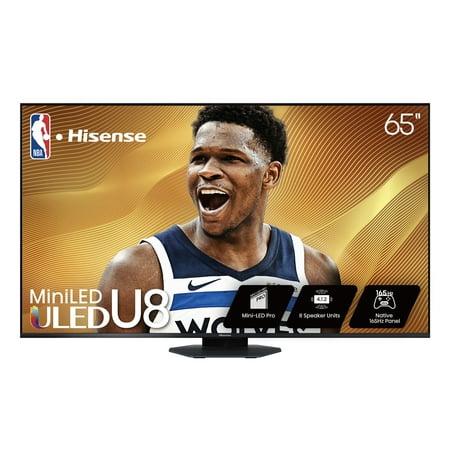
If you're shopping for a premium 65-inch TV, two models consistently rise to the top of recommendation lists: the TCL 65" QM9K QD-Mini LED Smart TV and the Hisense 65" U8 Series Mini-LED ULED 4K Google TV. Both represent the pinnacle of their respective manufacturers' 2024-2025 Mini-LED offerings, but they take notably different approaches to achieving premium performance.
Before diving into the comparison, it's worth understanding why Mini-LED technology matters. Traditional LED TVs use dozens of larger LEDs positioned around the edges or behind the screen. Mini-LED TVs use thousands of LEDs that are roughly 1/40th the size, allowing for much more precise control over brightness and darkness across different areas of the screen.
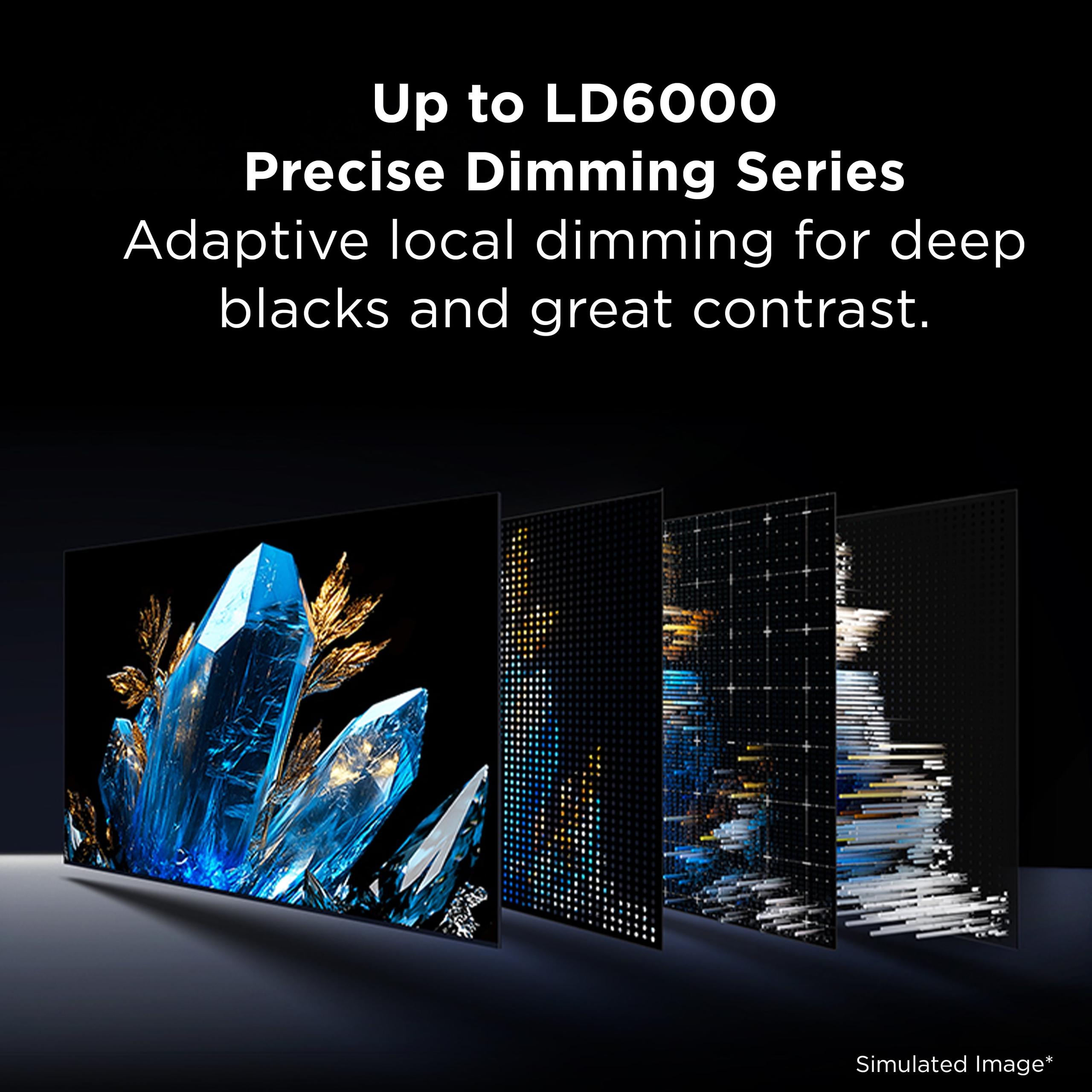
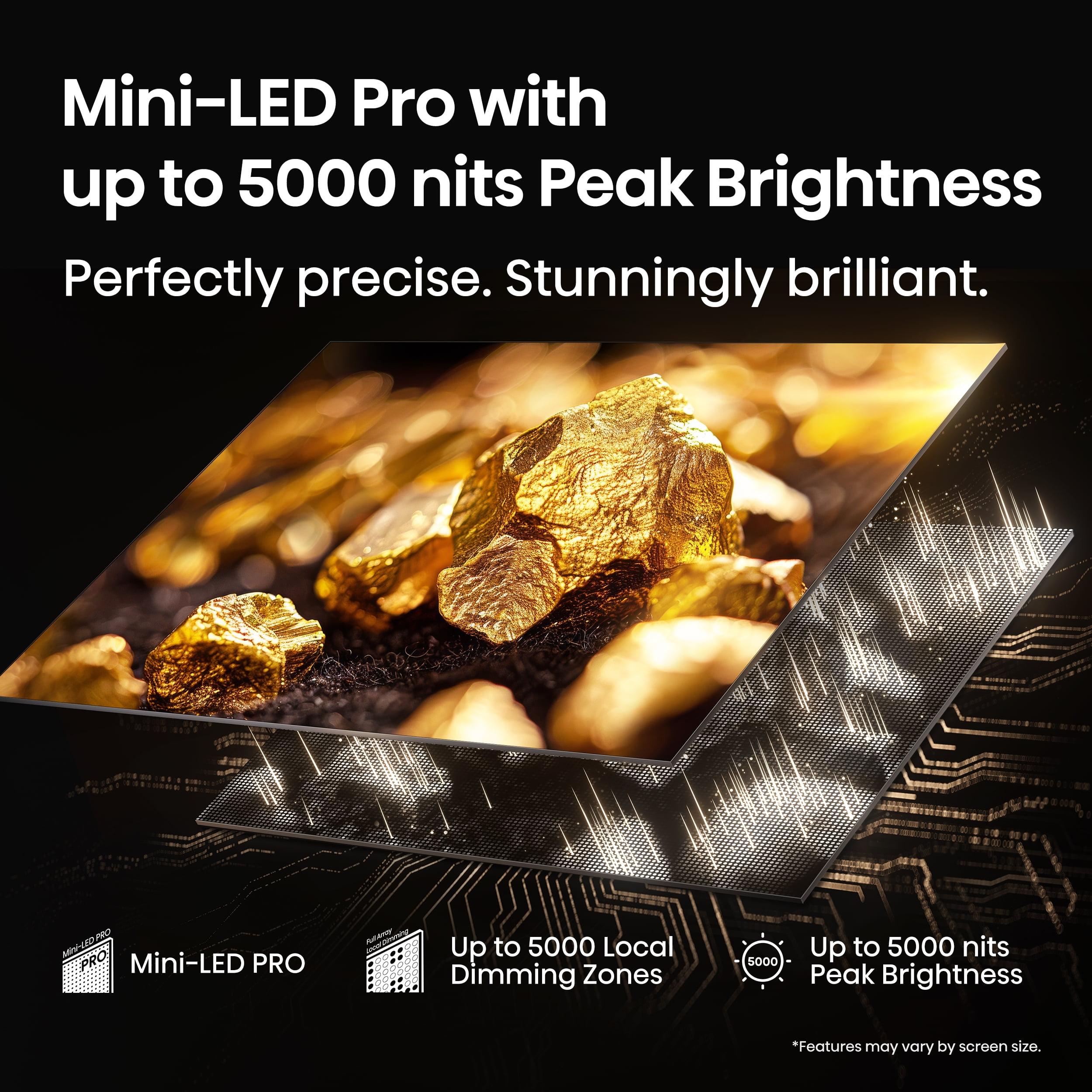
This precision is measured in "local dimming zones" – essentially independent sections of the backlight that can be controlled separately. More zones generally mean better contrast control and less "blooming" (unwanted light spillage around bright objects against dark backgrounds). The difference between a TV with 100 zones versus 2,000 zones is dramatic, especially when watching HDR content with bright highlights against dark scenes.
Both the TCL QM9K and Hisense U8 represent significant technological leaps from their 2023 predecessors. The TCL model launches in 2025 with up to 6,000 local dimming zones, while the Hisense model launched in early 2024 with over 2,000 zones – both massive improvements from earlier generations that typically offered 500-1,000 zones.
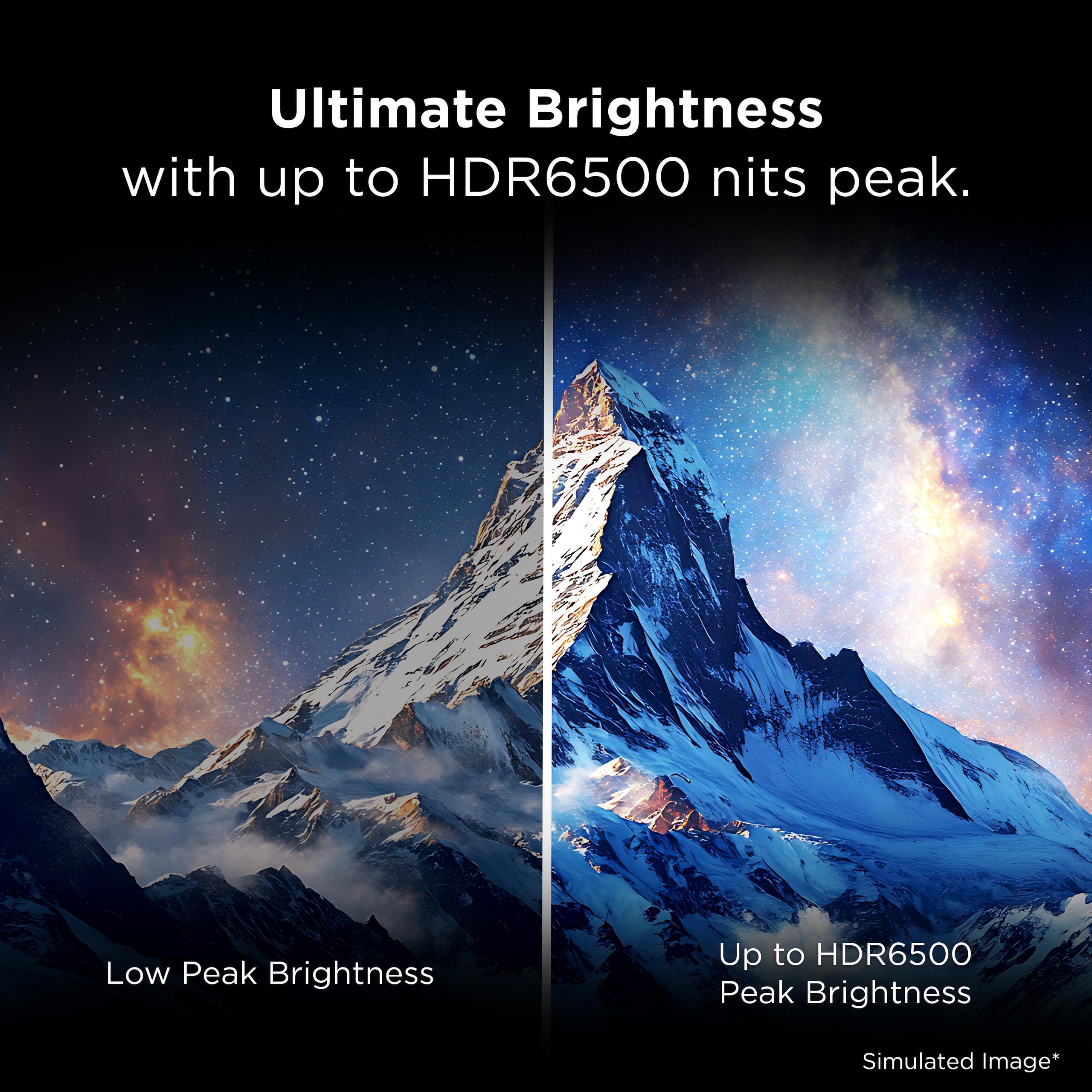
The most significant difference between these TVs lies in their peak brightness capabilities. The TCL QM9K achieves up to 6,500 nits of peak brightness, while the Hisense U8 reaches 3,000 nits. To put this in perspective, most premium OLED TVs peak around 1,000-1,500 nits, and even bright room viewing rarely requires more than 1,000 nits for comfortable viewing.
So why does this extreme brightness matter? HDR (High Dynamic Range) content is mastered with specific brightness targets, and having headroom above those targets allows the TV to display specular highlights – think car headlights, explosions, or sunlight reflecting off water – with incredible impact. The TCL QM9K can make these highlights genuinely eye-catching in ways that lower-brightness displays simply cannot match.
However, there's a point of diminishing returns. In our research and evaluation of expert reviews, the consensus suggests that while the TCL's brightness advantage is measurable and sometimes visually impressive, the Hisense's 3,000 nits still provides excellent HDR performance for the vast majority of content. The extra brightness primarily benefits viewers who watch HDR movies in very bright rooms or who want the most impactful possible highlight rendering.
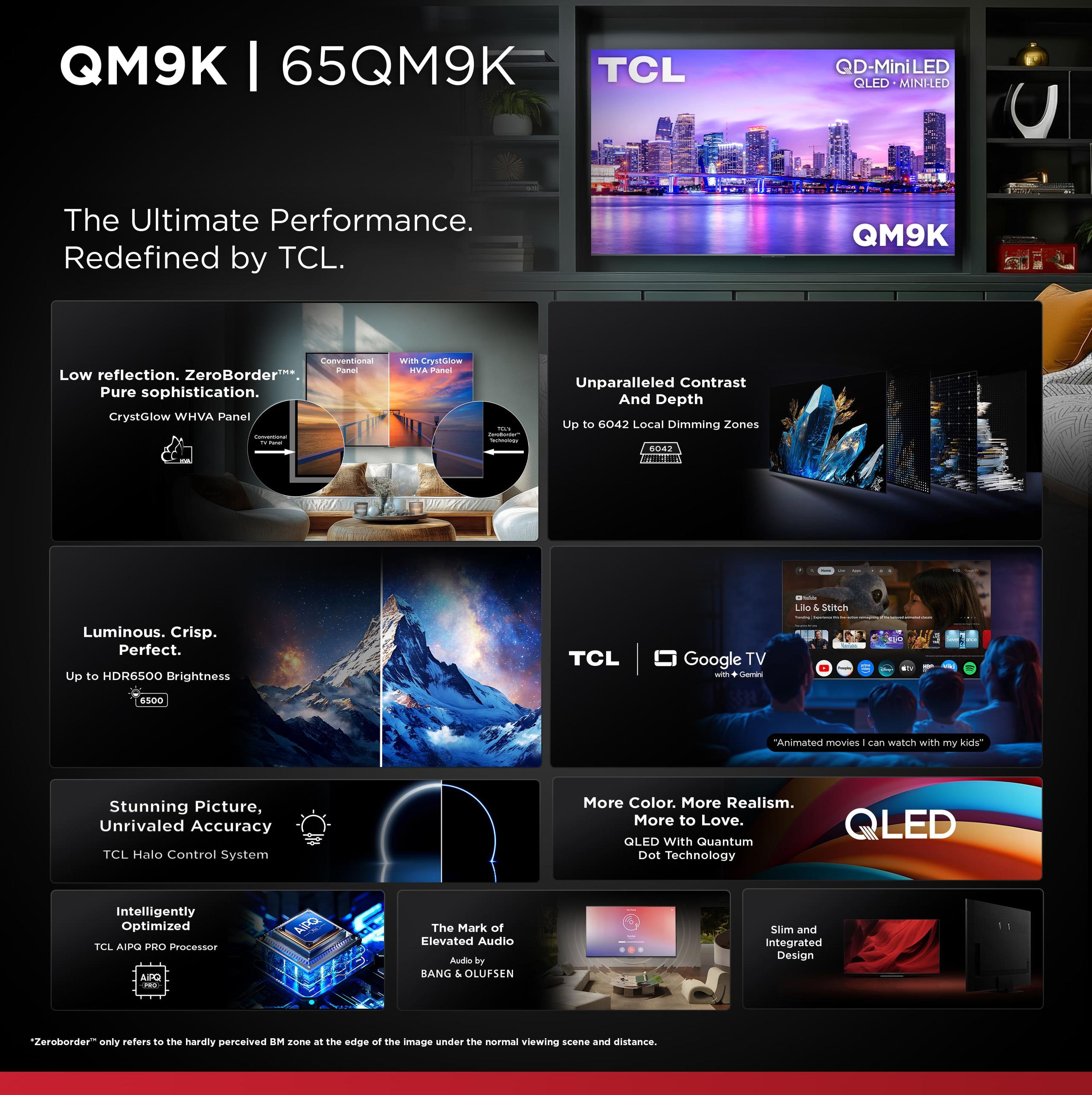
The TCL QM9K includes what the company calls its "Halo Control System" with up to 6,000 precise local dimming zones. This represents nearly triple the zone count of the Hisense U8, which offers 2,000+ zones with its "Full Array Local Dimming Pro" system.
More zones don't automatically guarantee better performance, but they do provide more granular control over light and shadow. In practice, this means the TCL should theoretically produce less blooming around bright objects and more precise shadow detail. However, the quality of the zone control algorithm matters as much as the quantity of zones.
Based on professional reviews we've analyzed, both TVs deliver excellent black levels and minimal blooming for their respective price points. The TCL's additional zones provide an edge in complex scenes with many mixed bright and dark elements, but the Hisense's implementation is sophisticated enough that most viewers won't notice significant differences in typical viewing scenarios.
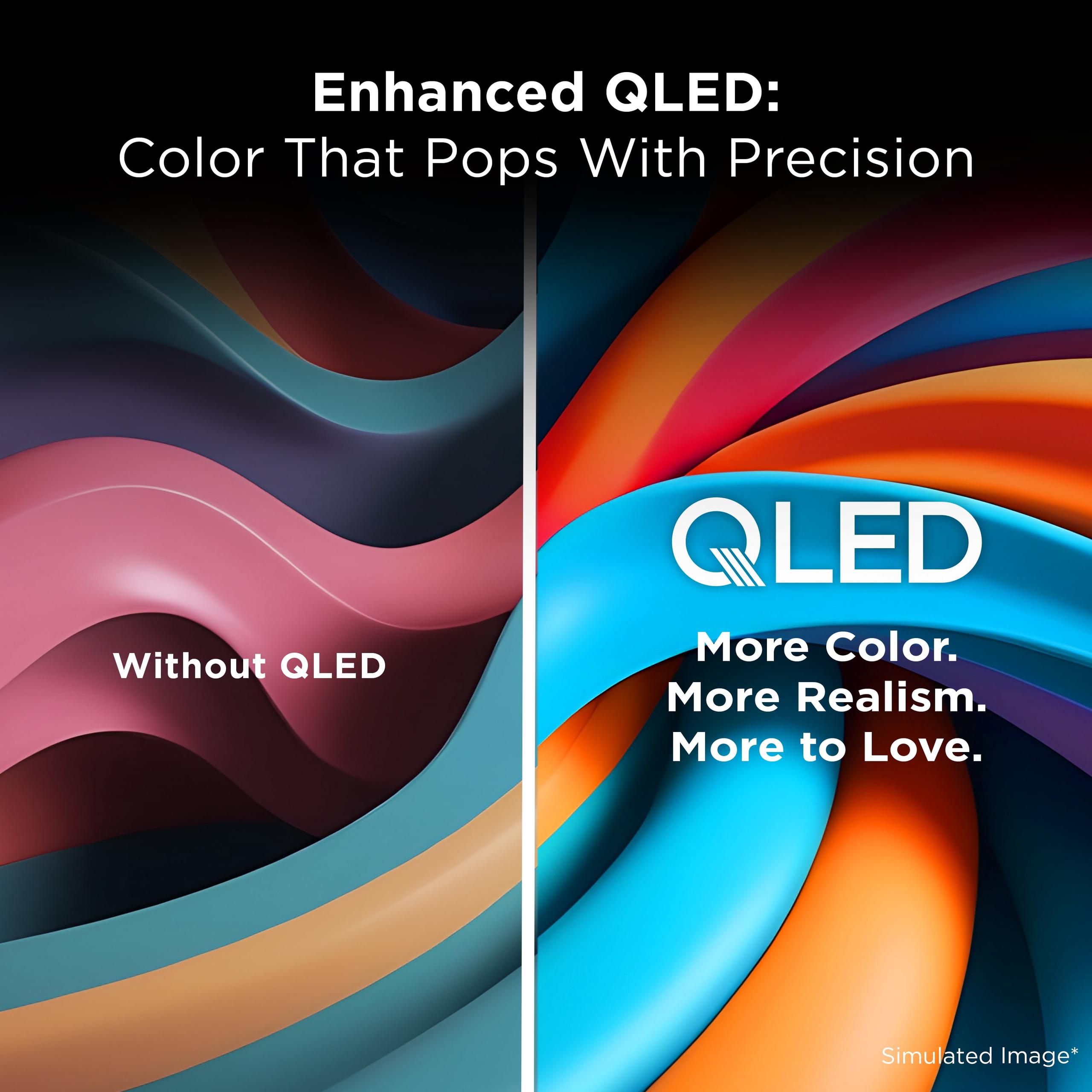
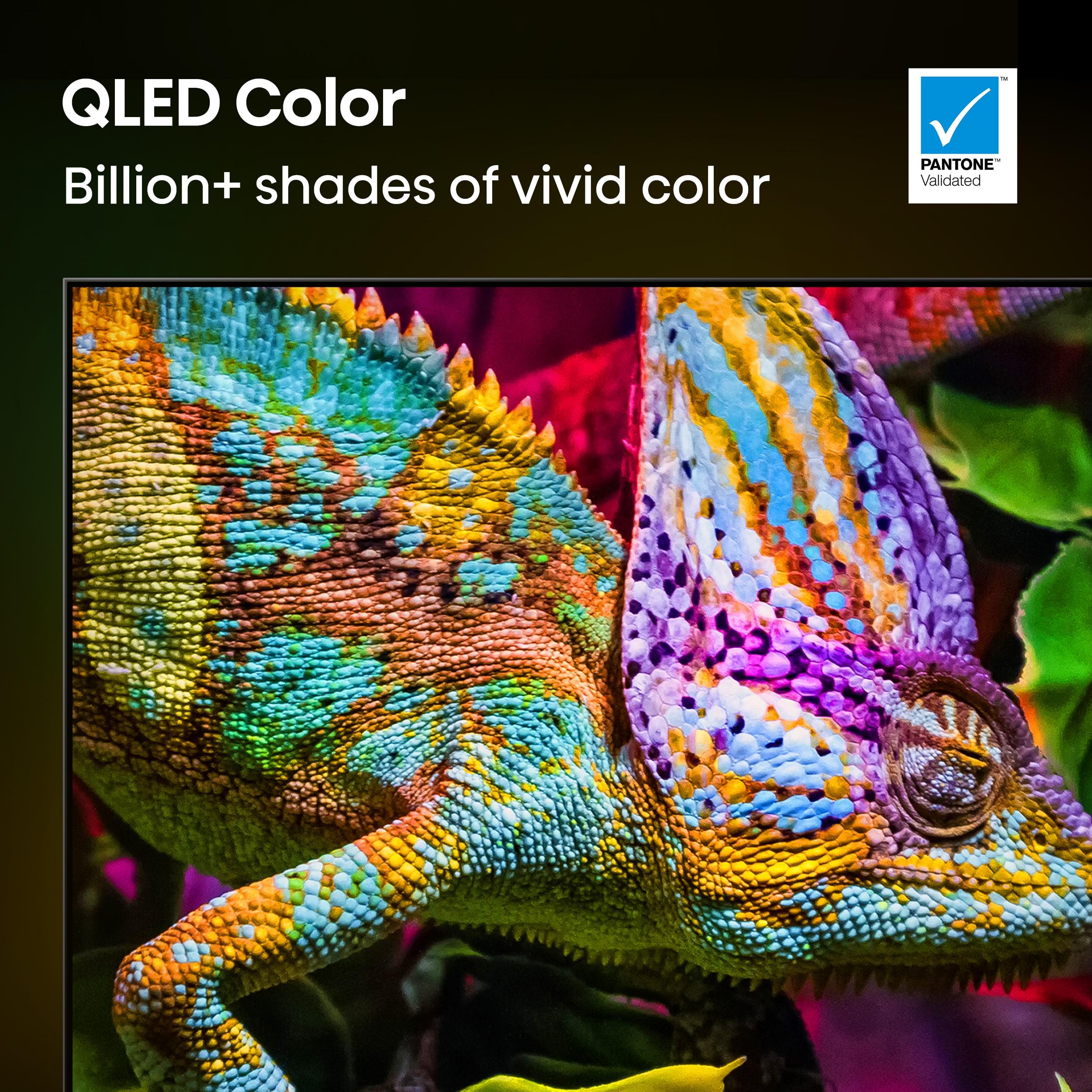
Both TVs use Quantum Dot technology to achieve wide color gamuts, but their processing approaches differ meaningfully. The TCL QM9K features the company's AIPQ PRO processor with what they call "bidirectional 16-bit processing." This system analyzes content in real-time and adjusts color, contrast, and clarity using artificial intelligence.
The Hisense U8 uses the Hi-View Engine PRO, which focuses on practical AI enhancements like face detection for skin tone optimization and dynamic tone mapping that adjusts HDR content based on ambient lighting conditions.
In terms of out-of-box color accuracy, reviews suggest the Hisense tends to perform better initially, particularly with SDR (Standard Dynamic Range) content. The TCL QM9K often requires some calibration to achieve optimal color accuracy, especially in HDR modes where it can display overly saturated colors or crush shadow details. For viewers who plan to use default settings without professional calibration, the Hisense appears to offer a more immediately satisfying experience.
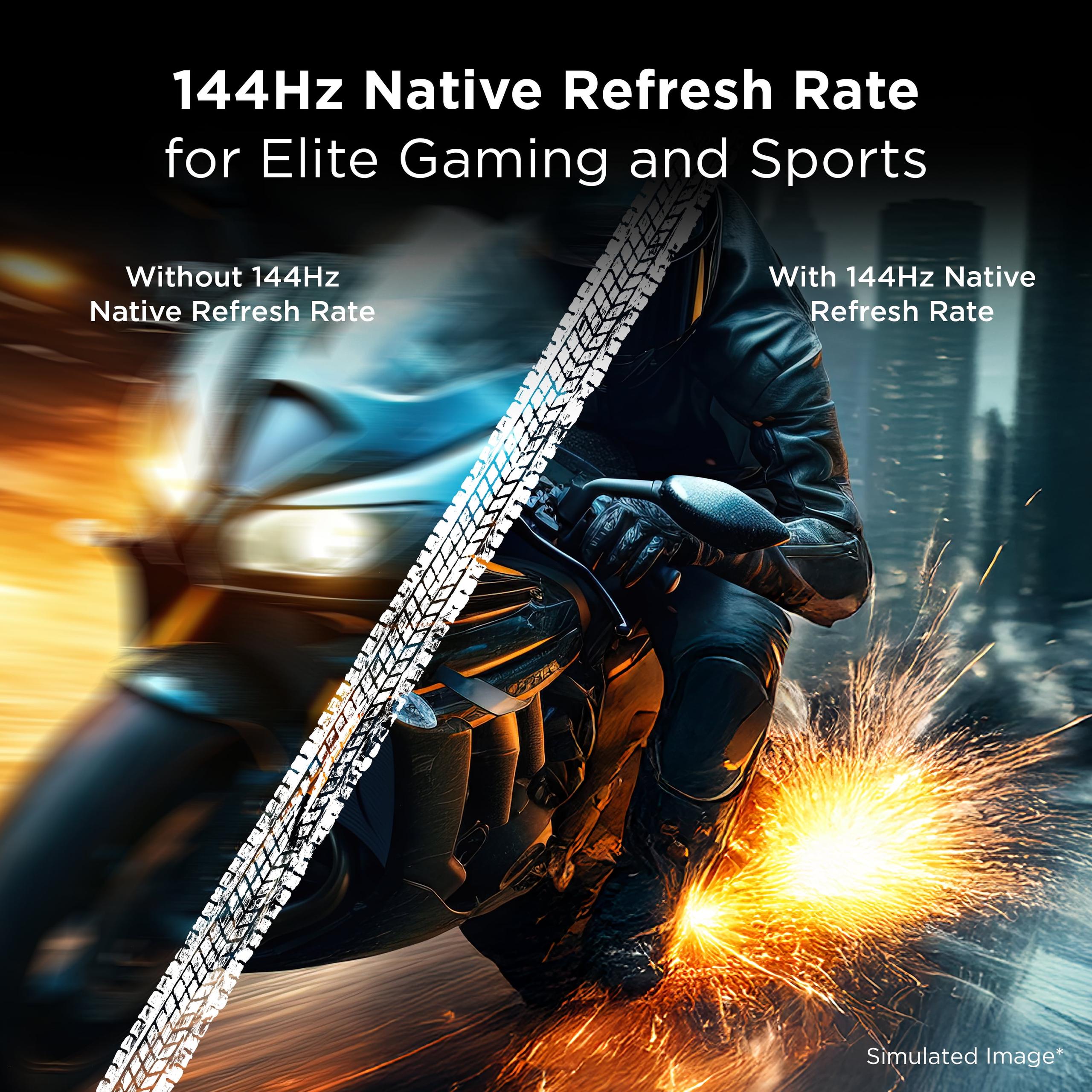
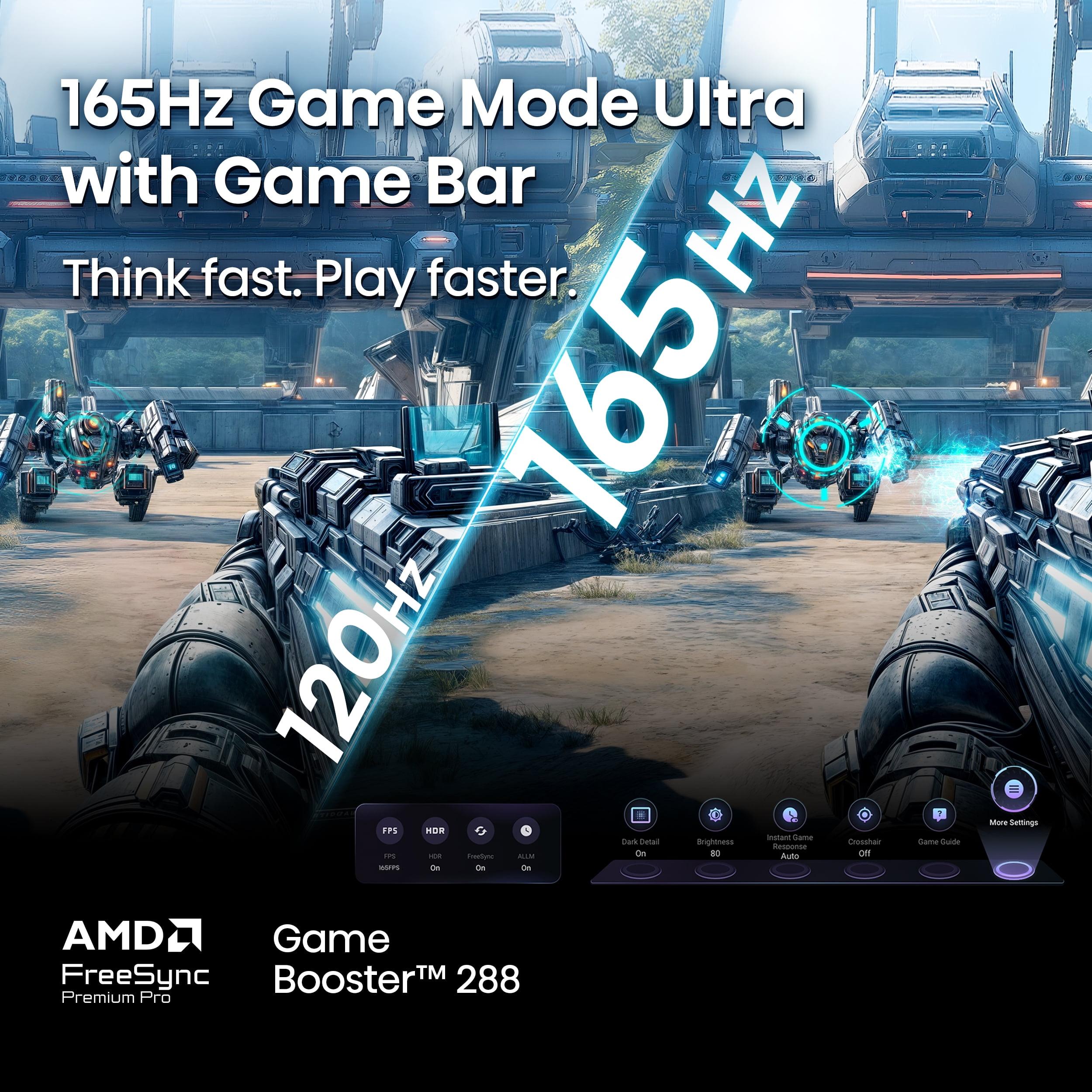
Gaming has become a crucial consideration for premium TV buyers, especially with the PlayStation 5 and Xbox Series X supporting high refresh rates and advanced gaming features. The TCL QM9K offers a native 144Hz refresh rate with something called "Game Accelerator 288," which can achieve up to 288Hz refresh rates at 1080p resolution.
The Hisense U8 provides 144Hz native refresh rate as well, making both TVs excellent choices for next-generation console gaming. For context, most games on current consoles run at 60Hz or 120Hz, so both TVs provide plenty of headroom for future gaming developments.
Input lag – the delay between pressing a controller button and seeing the action on screen – is crucial for competitive gaming. Both TVs achieve excellent input lag performance, with the TCL QM9K measuring around 5.3ms and the Hisense performing similarly. These numbers are competitive with dedicated gaming monitors.
Both TVs support Variable Refresh Rate (VRR), which synchronizes the display refresh rate with the console's frame rate to eliminate screen tearing. They also include Auto Low Latency Mode (ALLM), which automatically switches to game mode when a console is detected.
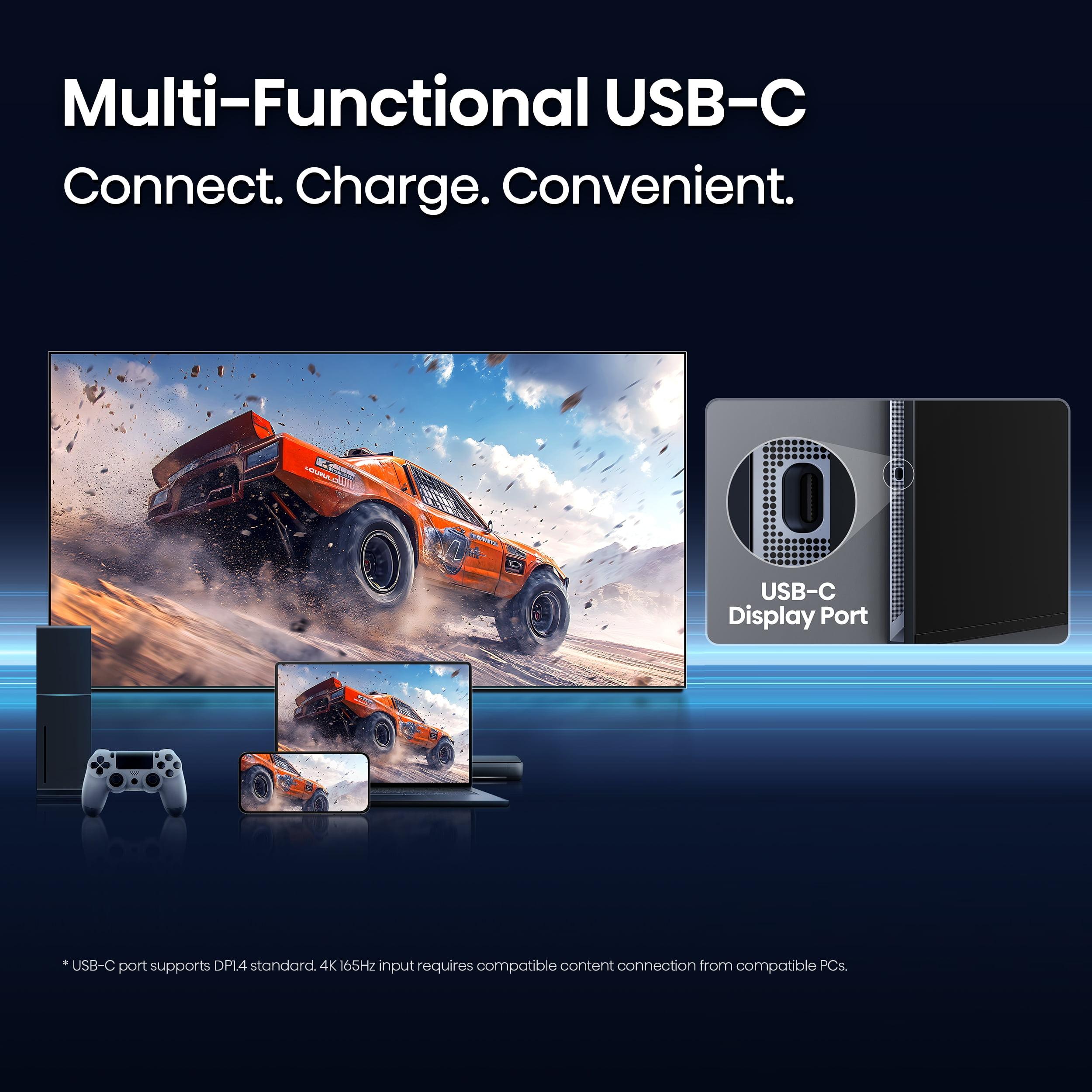
The key difference lies in HDMI 2.1 implementation. The Hisense U8 typically provides full HDMI 2.1 bandwidth on more ports, offering greater flexibility for connecting multiple high-refresh gaming devices. The TCL QM9K limits its highest refresh rate gaming to two specific HDMI ports, which could be limiting for users with multiple gaming systems.
Both TVs include on-screen gaming interfaces that display relevant information like refresh rate and VRR status, helping gamers optimize their experience without external tools.
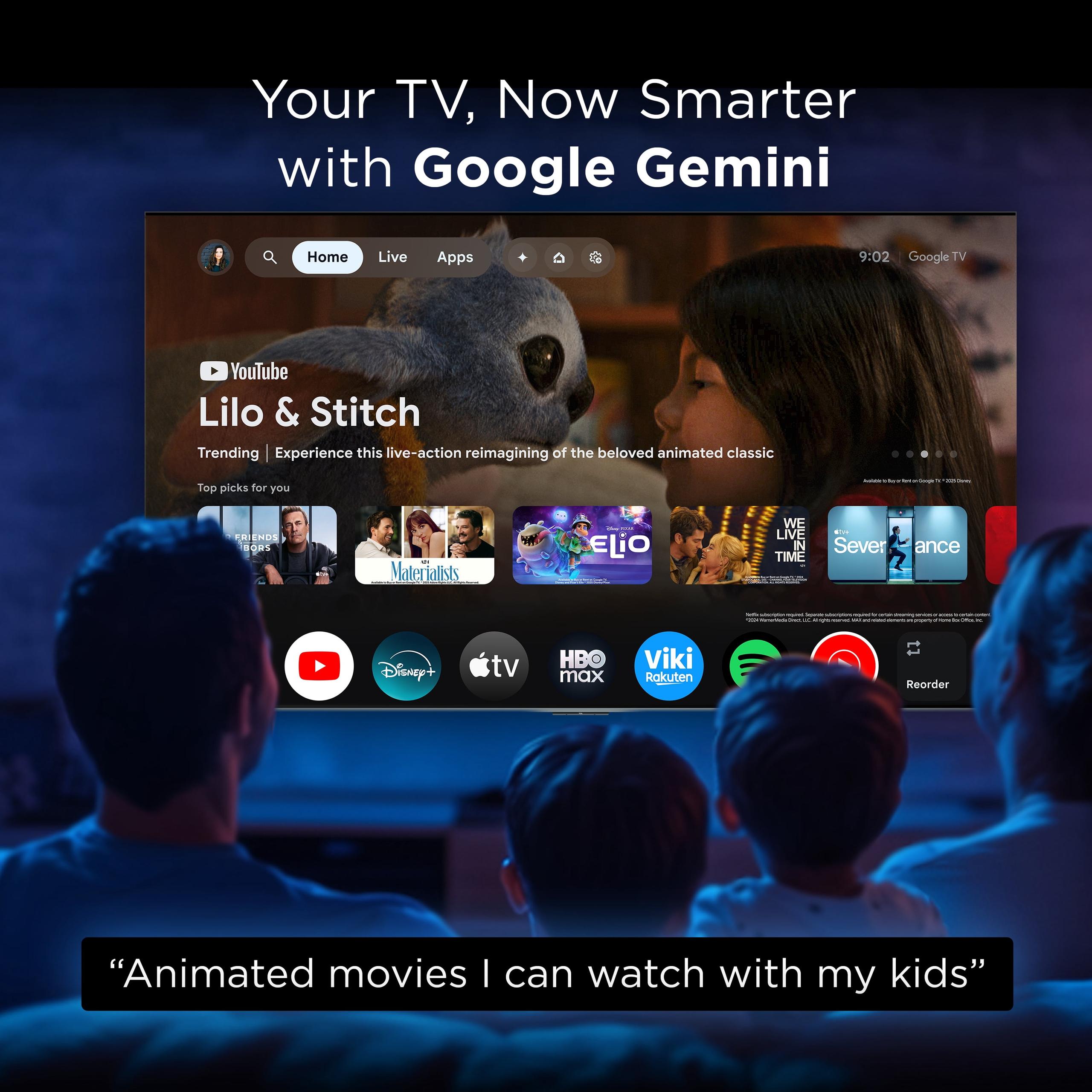
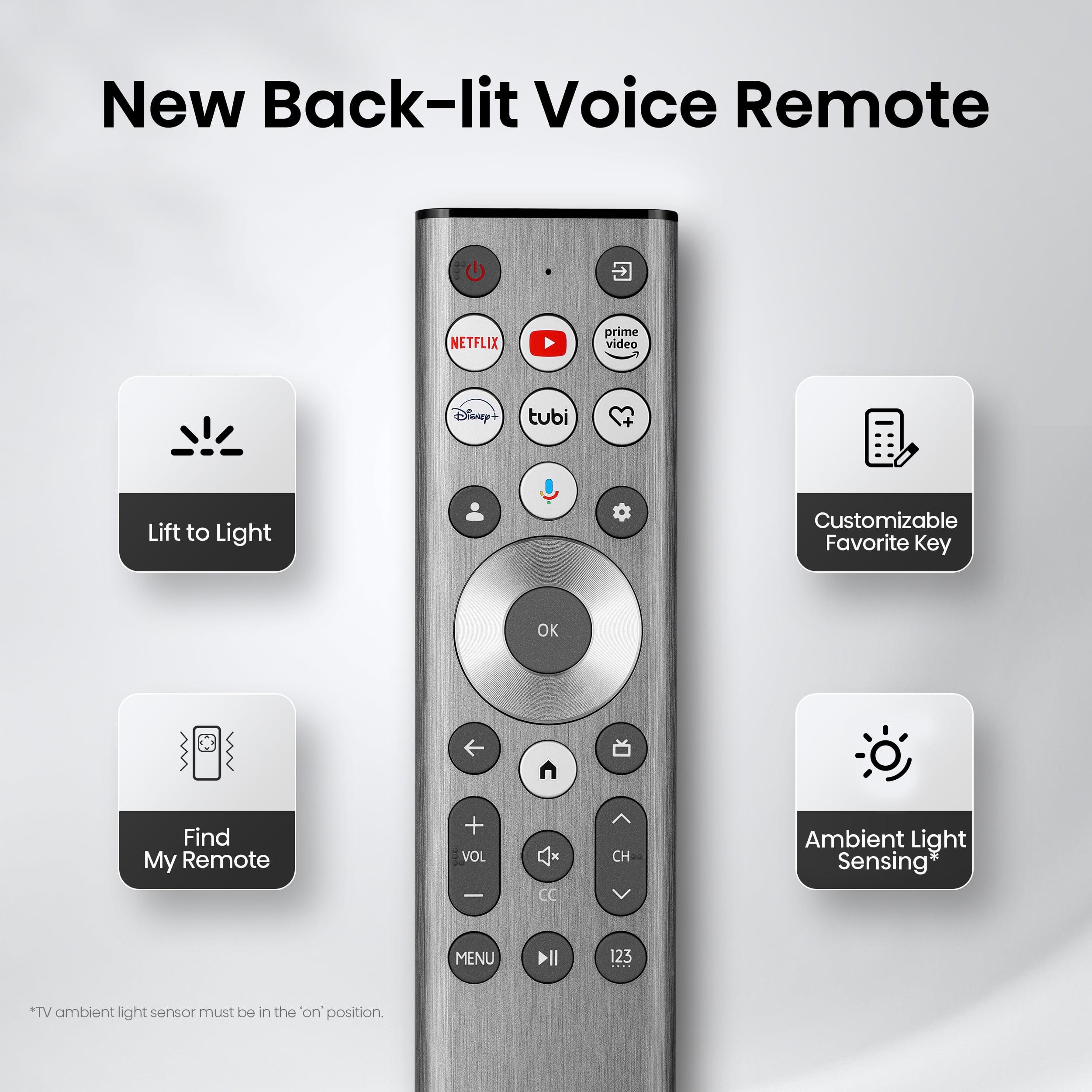
Both TVs run Google TV, providing access to the same extensive app ecosystem including Netflix, Disney+, Amazon Prime Video, and hundreds of other streaming services. The interface is identical between the two TVs, with personalized recommendations and integrated search across multiple streaming platforms.
The TCL QM9K distinguishes itself with built-in Google Gemini AI, offering more advanced voice control capabilities and contextual search. It also includes a presence sensor that can automatically turn the TV on or off based on whether someone is in the room, and display ambient information like weather or calendar appointments when not actively watching content.
These smart features represent nice conveniences rather than essential functionality. The core streaming and app experience remains virtually identical between the two TVs.
Audio represents another area where these TVs take different approaches. The TCL QM9K features audio tuning by Bang & Olufsen with Dolby Atmos support, focusing on premium audio processing rather than raw power.
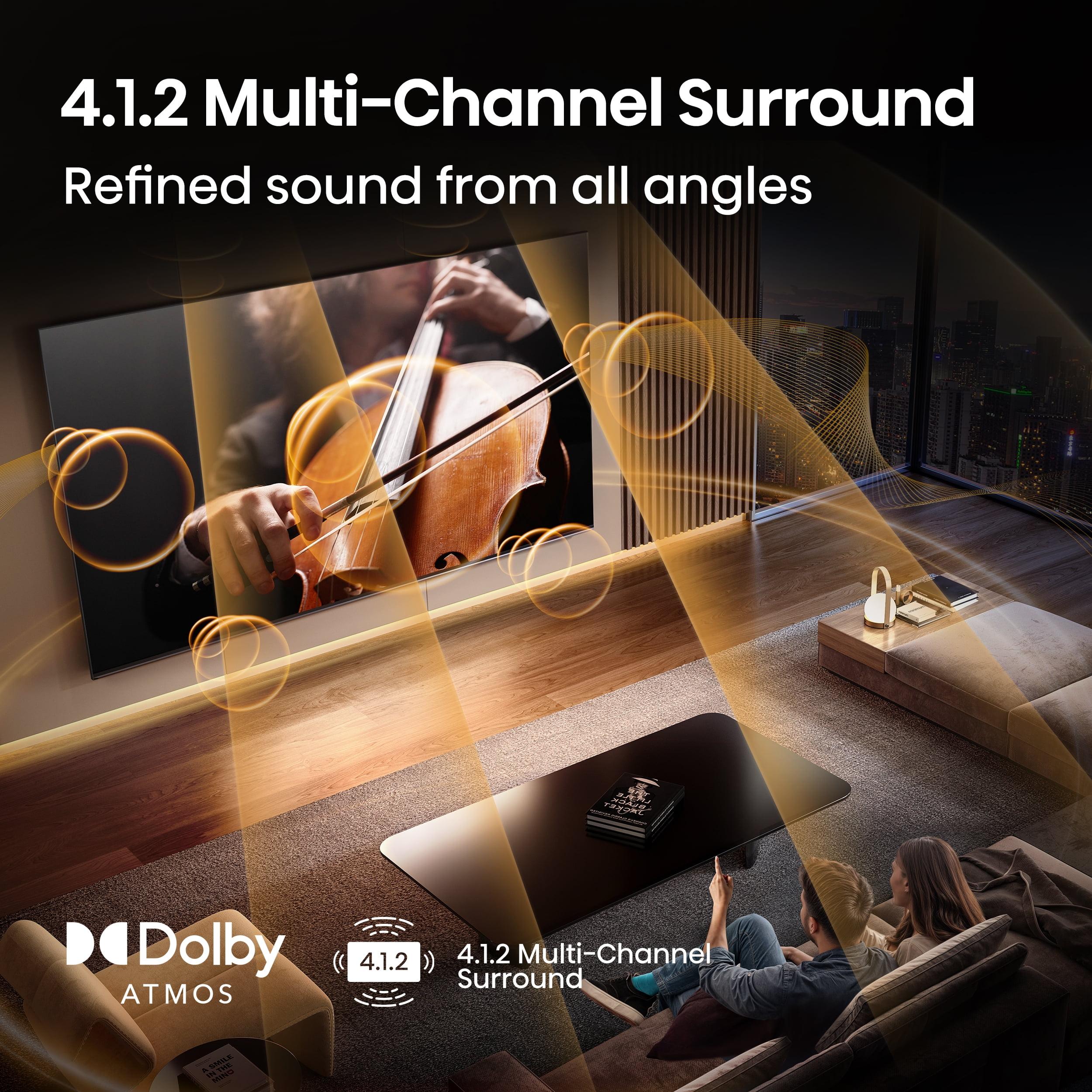
The Hisense U8 takes a more practical approach with a more powerful 50W 2.1.2 multi-channel system that includes a built-in subwoofer. This results in fuller, more robust sound that may reduce the need for external speakers in smaller rooms.
For serious home theater enthusiasts, both TVs will likely benefit from dedicated soundbars or surround sound systems. However, the Hisense's more capable built-in audio might satisfy users who prefer to avoid additional components and cables.
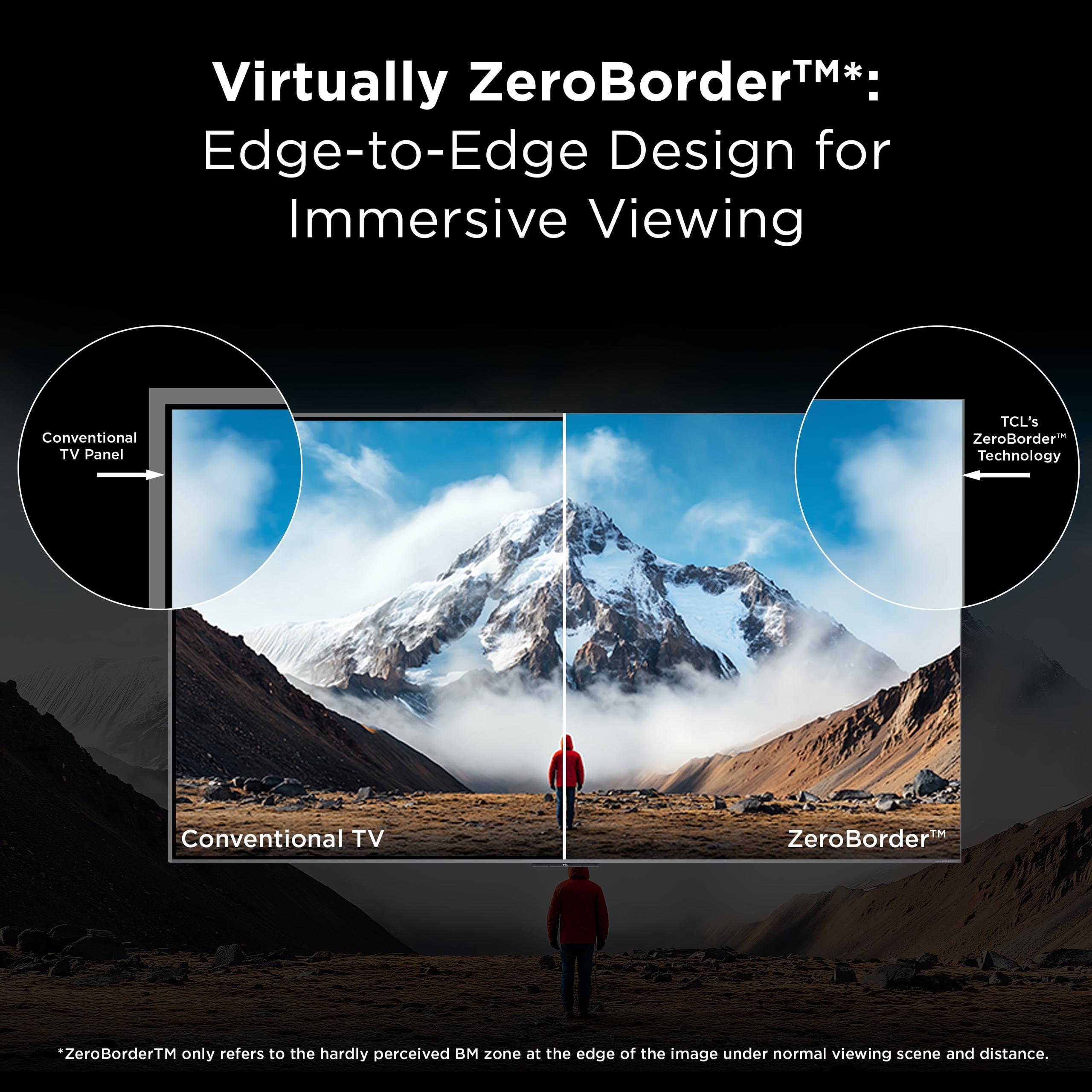
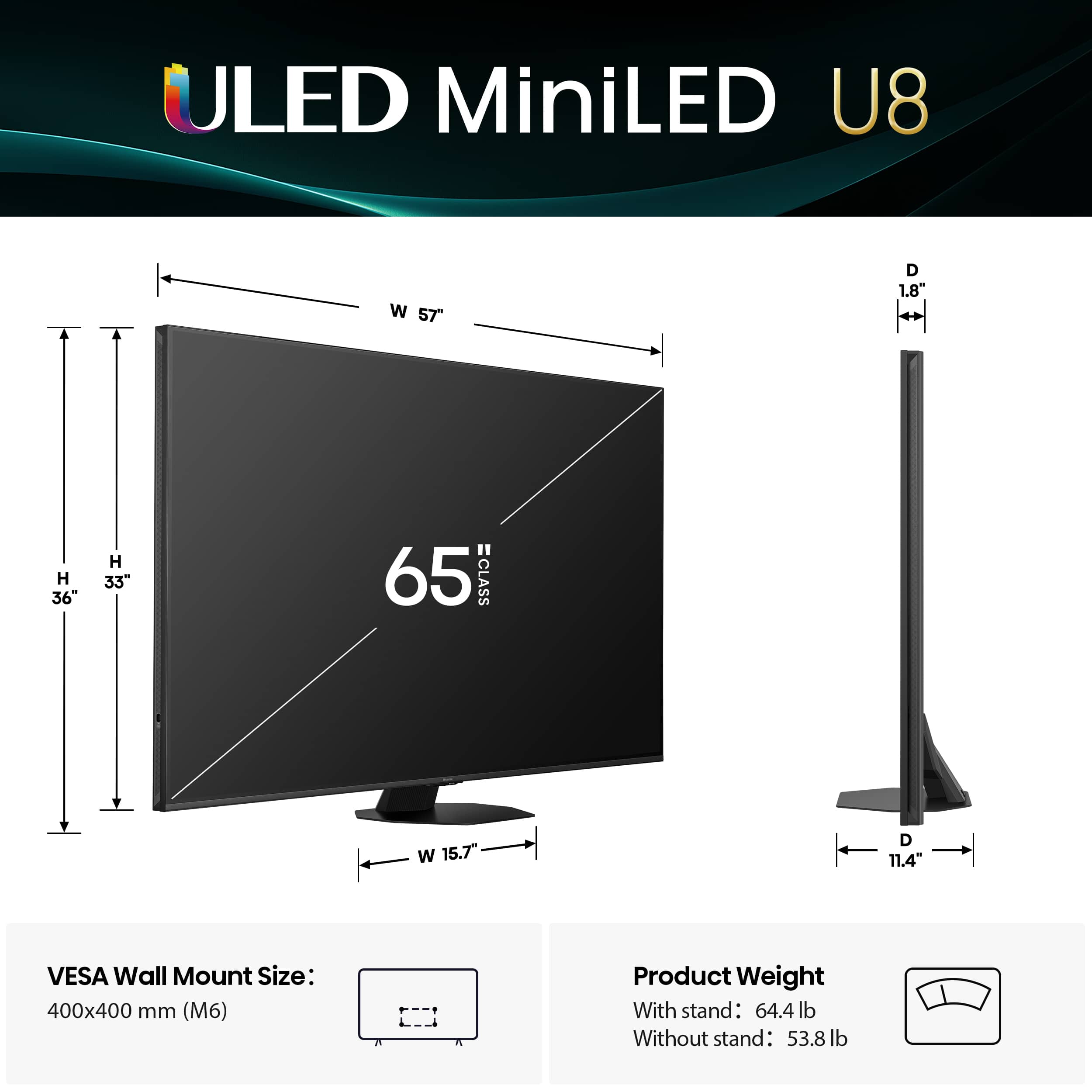
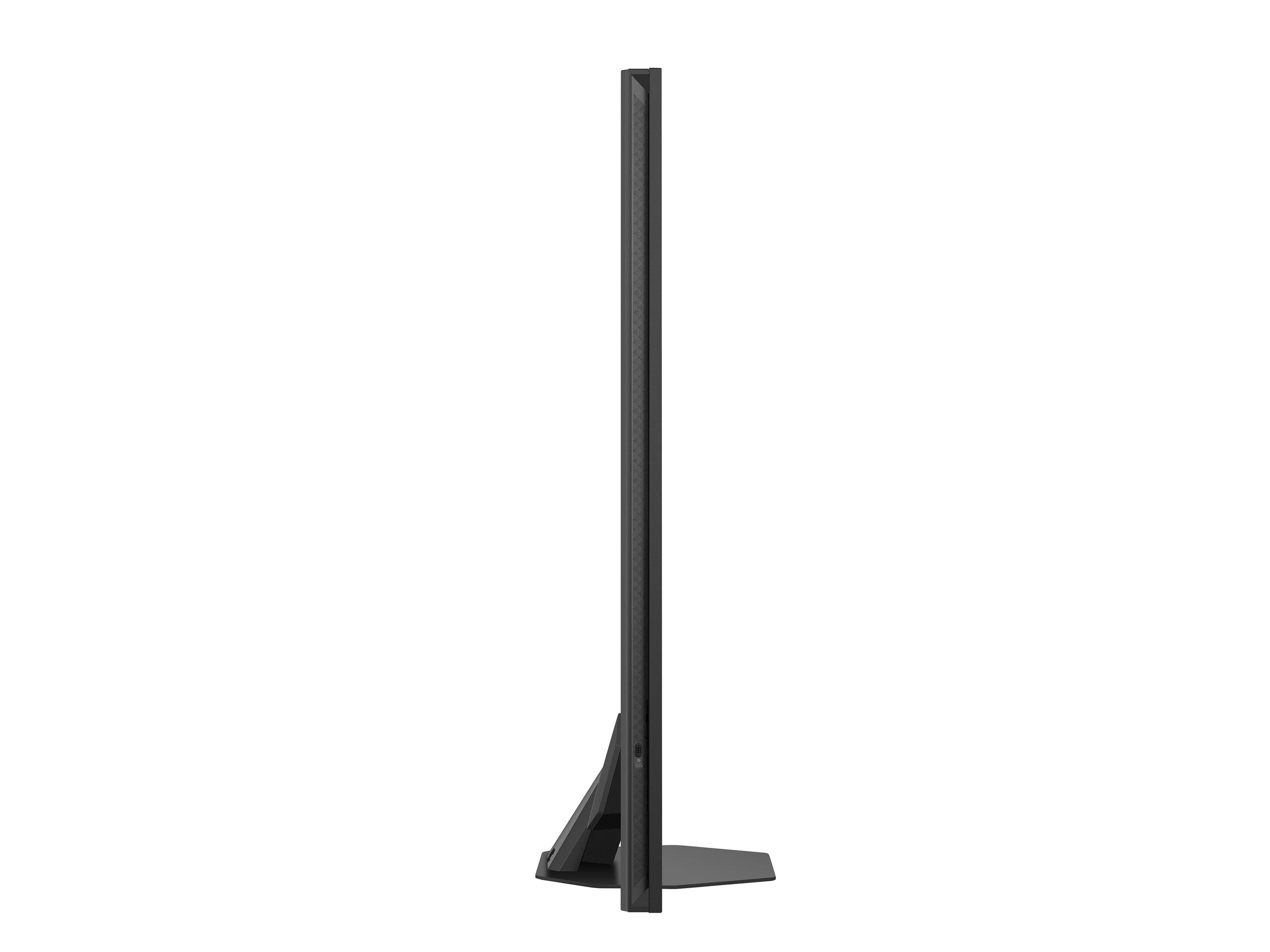
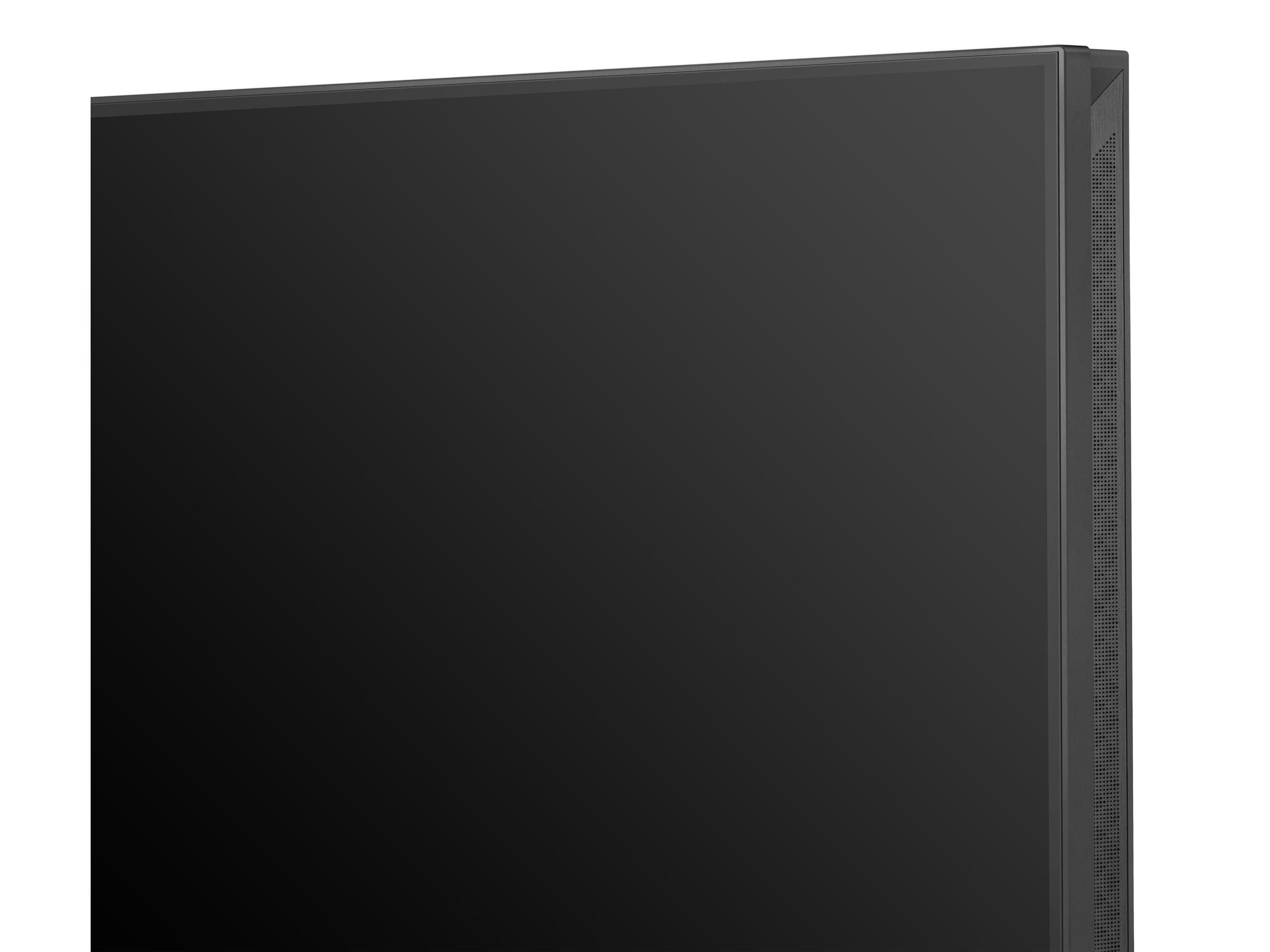
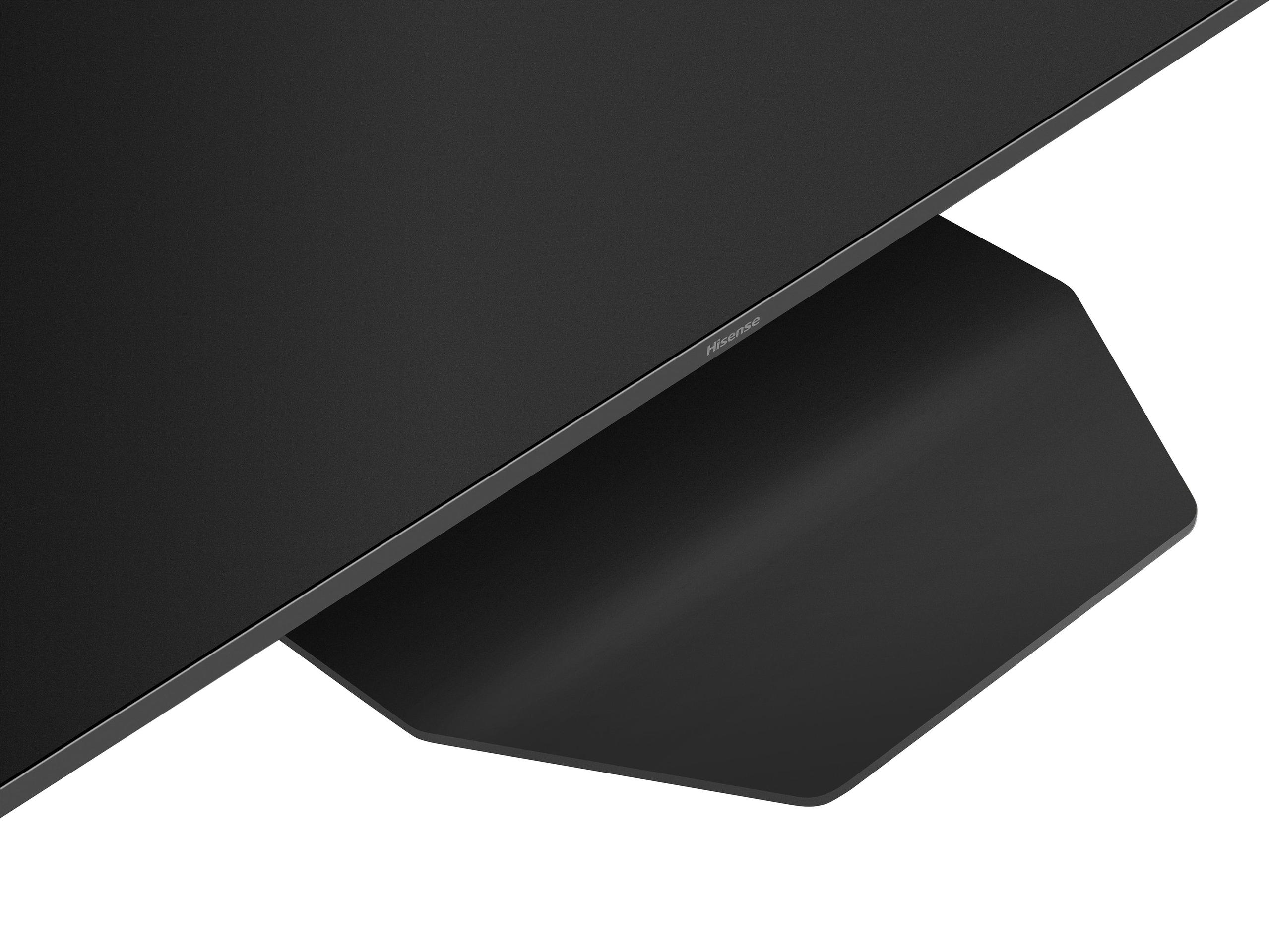
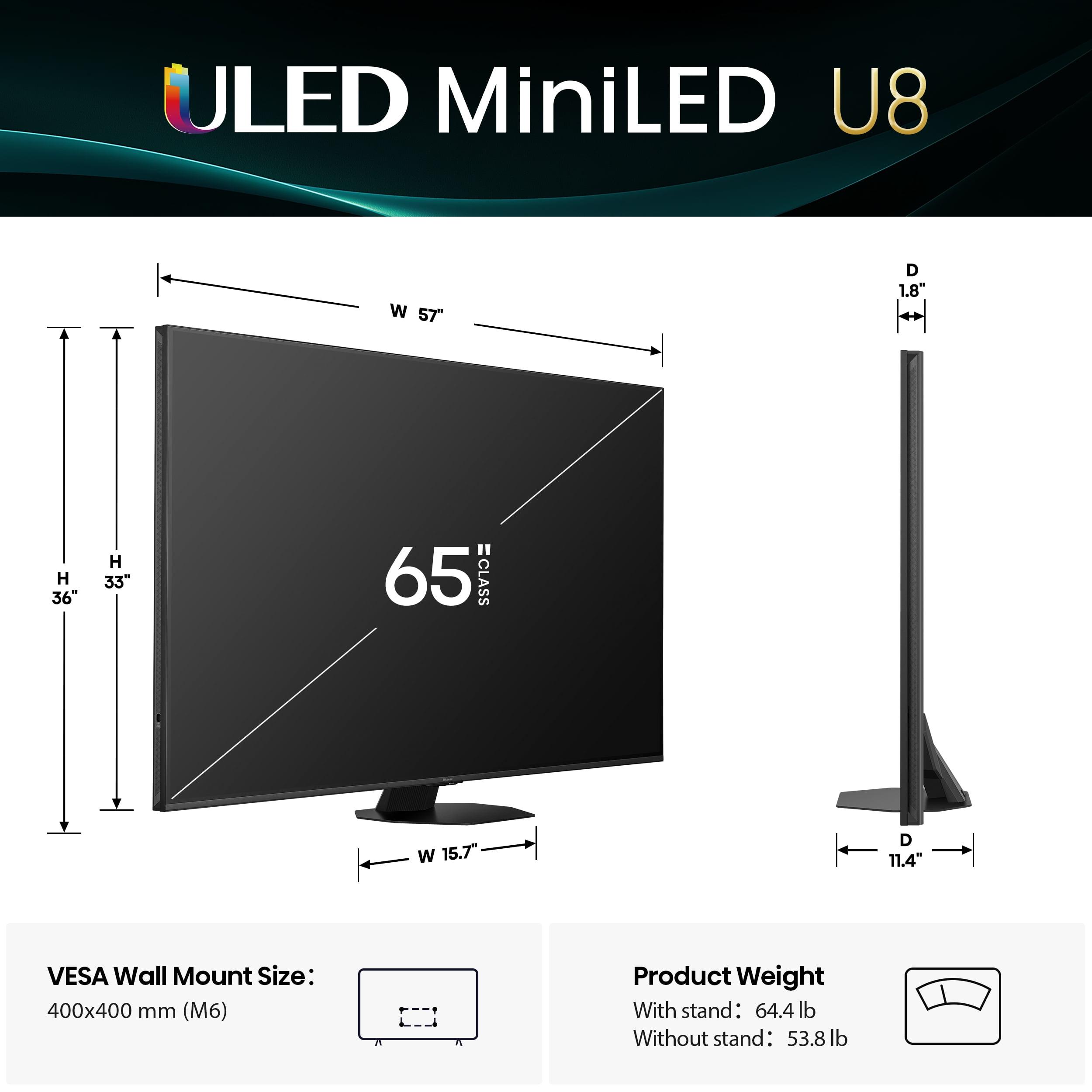
Both TVs feature premium ultra-slim designs with minimal bezels that look excellent wall-mounted or on a stand. The TCL QM9K emphasizes what they call a "Virtually ZeroBorder" design with slightly thinner bezels, while the Hisense U8 focuses on practical elements like an adjustable stand height that accommodates soundbars.
Build quality appears solid on both models based on professional reviews, with sturdy construction and thoughtful cable management solutions.
This is where the Hisense U8 provides a significant advantage. Hisense offers a 2-year warranty on parts and labor, double the industry standard and twice what TCL provides with their 1-year warranty. This extended coverage demonstrates confidence in long-term reliability and provides substantial additional value, especially considering the complexity of modern Mini-LED displays.
At the time of writing, these TVs occupy different positions in the premium Mini-LED market. The TCL QM9K typically commands a higher price, positioning itself as a flagship model for enthusiasts who want maximum brightness and the latest features regardless of cost.
The Hisense U8 generally offers better value proposition, delivering approximately 80-90% of the TCL's performance at a more accessible price point. For most buyers, the Hisense provides exceptional Mini-LED performance without the premium associated with cutting-edge specifications.
The price difference often represents the cost of those extra local dimming zones, maximum brightness capability, and advanced AI processing features. Whether these improvements justify the additional cost depends largely on your specific viewing environment and performance expectations.
For dedicated home theater setups, both TVs excel, but with different strengths. The TCL QM9K provides more impactful HDR performance in light-controlled environments, with those extra-bright highlights creating more dramatic visual impact in movies with spectacular effects or cinematography.
The Hisense U8 offers excellent home theater performance with potentially better out-of-box color accuracy, which means less setup and calibration time before achieving great results. Its more powerful built-in audio might also reduce the immediate need for external sound systems.
Both TVs handle film content well, with effective 24fps judder removal and good upscaling of lower-resolution content. Neither should disappoint serious movie enthusiasts, though the TCL's additional brightness headroom might provide a slight edge with certain HDR content.
Choose the TCL QM9K if:
Choose the Hisense U8 if:
For most buyers, the Hisense U8 represents the better overall choice. It delivers outstanding Mini-LED performance that rivals much more expensive models, provides practical features that enhance daily use, and offers superior long-term value protection through extended warranty coverage.
The TCL QM9K serves enthusiasts and specific use cases where maximum brightness and cutting-edge features justify the premium pricing. If you're building a bright-room entertainment setup or want bragging rights to the latest display technology, the TCL provides measurable advantages.
Both TVs represent excellent choices in the premium Mini-LED category, offering OLED-like contrast with superior brightness at prices that continue to make OLED displays look increasingly expensive for the performance delivered.
| TCL 65" QM9K QD-Mini LED Smart TV | Hisense 65" U8 Series Mini-LED ULED 4K Google TV |
|---|---|
| Peak Brightness - Critical for HDR impact and bright room viewing | |
| Up to 6,500 nits (exceptional for specular highlights) | Up to 3,000 nits (excellent for most HDR content) |
| Local Dimming Zones - Controls blooming and contrast precision | |
| Up to 6,000 zones (superior granular control) | 2,000+ zones (excellent performance for the price) |
| Gaming Refresh Rate - Important for console and PC gaming | |
| 144Hz native, up to 288Hz at 1080p (future-proof gaming) | 144Hz native (perfect for current consoles) |
| Input Lag - Essential for competitive gaming responsiveness | |
| 5.3ms (excellent for gaming) | Similar low latency performance |
| HDMI 2.1 Ports - Determines how many high-refresh devices you can connect | |
| 2 ports support 144Hz (limiting for multiple gaming setups) | More ports with full bandwidth (better connectivity flexibility) |
| Smart Platform - Your daily interface experience | |
| Google TV with Google Gemini AI and presence sensor | Google TV with standard Google Assistant |
| Audio System - Affects whether you need external speakers | |
| Audio by Bang & Olufsen with Dolby Atmos tuning | 50W 2.1.2 multi-channel with built-in subwoofer |
| Out-of-Box Color Accuracy - Important if you won't calibrate | |
| Requires calibration for optimal results | Better initial accuracy, especially for SDR content |
| Warranty Coverage - Protection for your investment | |
| 1 year parts and labor (industry standard) | 2 years parts and labor (double industry standard) |
| Processing Technology - How the TV optimizes picture quality | |
| AIPQ PRO with 16-bit bidirectional processing | Hi-View Engine PRO with practical AI enhancements |
| Panel Technology - Affects viewing angles and reflection handling | |
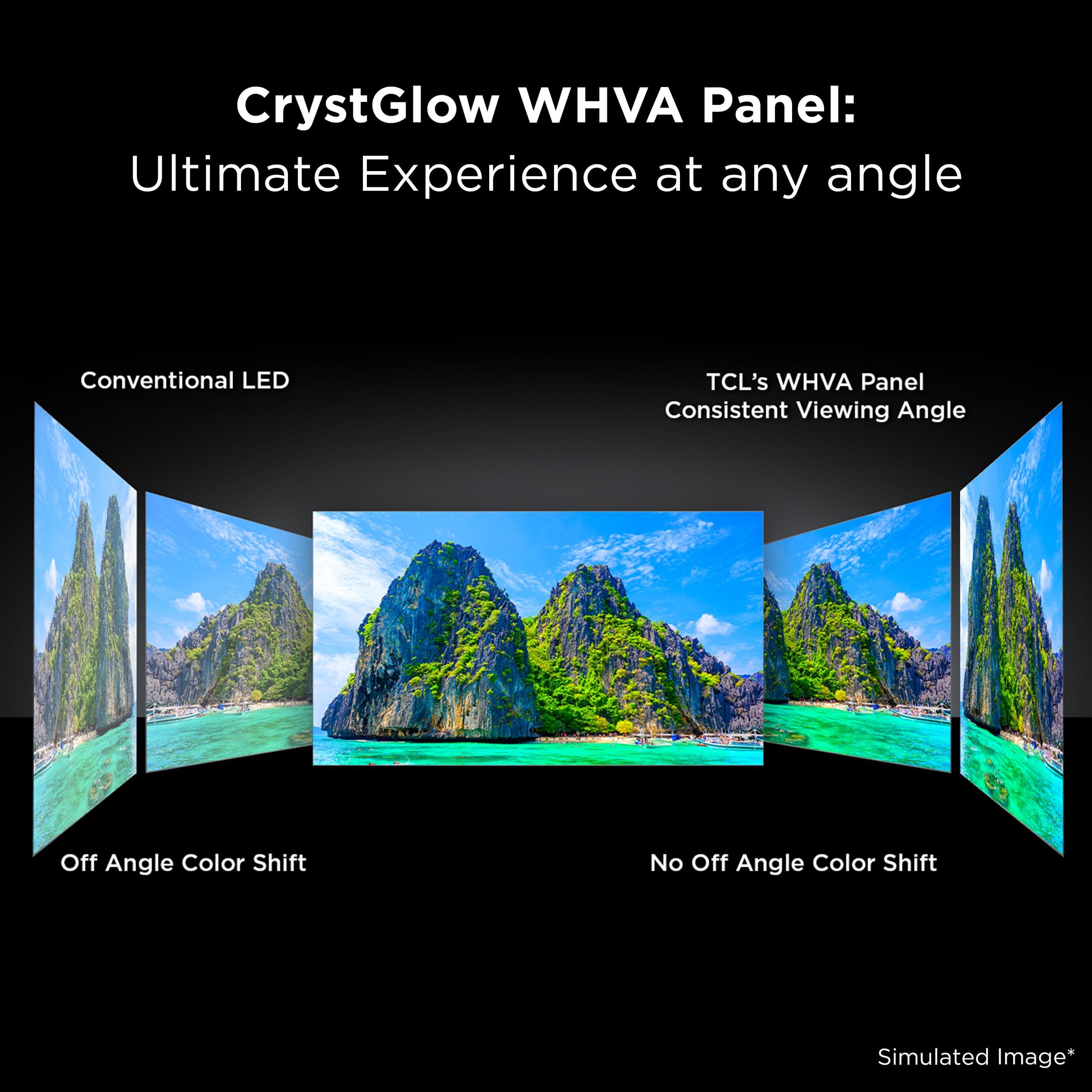
| CrystGlow WHVA with anti-reflective treatment | Anti-glare low reflection technology |
| Release Timeline - Indicates maturity and proven performance | |
| 2025 model (newest technology, less proven) | 2024 model (established performance, more reviews) |
The TCL 65" QM9K QD-Mini LED Smart TV is significantly brighter with up to 6,500 nits peak brightness compared to the Hisense 65" U8 Series Mini-LED ULED 4K Google TV at 3,000 nits. This makes the TCL QM9K better for very bright rooms and more impactful HDR highlights, though both TVs provide excellent brightness for most viewing scenarios.
Both TVs offer excellent gaming with 144Hz refresh rates and low input lag. The TCL 65" QM9K QD-Mini LED Smart TV has a slight edge with Game Accelerator 288 supporting up to 288Hz at 1080p, while the Hisense 65" U8 Series Mini-LED ULED 4K Google TV provides more HDMI 2.1 ports with full bandwidth, making it better for multiple gaming devices.
The Hisense 65" U8 Series Mini-LED ULED 4K Google TV typically offers better value, delivering about 80-90% of the TCL QM9K's performance at a more accessible price point. The Hisense also includes a 2-year warranty compared to TCL's 1-year coverage, adding significant long-term value.
The TCL 65" QM9K QD-Mini LED Smart TV features up to 6,000 local dimming zones compared to the Hisense U8's 2,000+ zones. More zones generally mean better contrast control and less blooming, giving the TCL an advantage in complex scenes with mixed bright and dark elements.
Both TVs excel for home theater, but serve different preferences. The TCL QM9K provides more dramatic HDR impact with superior brightness for spectacular movie scenes. The Hisense U8 offers better out-of-box color accuracy and more powerful built-in audio with a 2.1.2 channel system, potentially reducing the need for external speakers.
Yes, both the TCL 65" QM9K QD-Mini LED Smart TV and Hisense 65" U8 Series Mini-LED ULED 4K Google TV run Google TV with access to the same streaming apps. The key difference is that the TCL QM9K includes Google Gemini AI for more advanced voice control and a presence sensor for automatic on/off functionality.
The Hisense 65" U8 Series Mini-LED ULED 4K Google TV has more powerful built-in audio with a 50W 2.1.2 multi-channel system including a subwoofer. The TCL QM9K features Audio by Bang & Olufsen tuning with Dolby Atmos but focuses more on audio processing than raw power.
The Hisense 65" U8 Series Mini-LED ULED 4K Google TV offers superior warranty protection with 2 years parts and labor coverage, which is double the industry standard. The TCL 65" QM9K QD-Mini LED Smart TV includes a standard 1-year warranty, making the Hisense a safer long-term investment.
The TCL 65" QM9K QD-Mini LED Smart TV has advantages for competitive gaming with its Game Accelerator 288 supporting up to 288Hz refresh rates and slightly lower input lag at 5.3ms. However, the Hisense U8 provides excellent gaming performance and more HDMI 2.1 connectivity options for multiple high-refresh devices.
Both TVs perform excellently in bright rooms, but the TCL QM9K has a significant advantage with its 6,500 nits peak brightness that can overcome even very bright ambient lighting. The Hisense U8 at 3,000 nits still handles bright rooms very well and includes anti-glare technology to reduce reflections.
The Hisense 65" U8 Series Mini-LED ULED 4K Google TV generally provides better color accuracy without calibration, especially for standard content. The TCL QM9K often requires some adjustment to achieve optimal color performance, particularly in HDR modes where it can display oversaturated colors initially.
Choose the TCL 65" QM9K QD-Mini LED Smart TV if you want maximum brightness, have a very bright viewing room, or prioritize cutting-edge gaming features. Choose the Hisense 65" U8 Series Mini-LED ULED 4K Google TV if you want excellent performance with better value, longer warranty protection, and superior out-of-box picture quality without extensive setup.
We've done our best to create useful and informative comparisons to help you decide what product to buy. Our research uses advanced automated methods to create this comparison and perfection is not possible - please contact us for corrections or questions. These are the sites we've researched in the creation of this article: rtings.com - bestbuy.com - youtube.com - youtube.com - youtube.com - techaeris.com - displayspecifications.com - pcrichard.com - residentialsystems.com - us.tcl.com - displayspecifications.com - valueelectronics.com - woodruffappliance.com - tcl.com - pcrichard.com - tcl.com - techradar.com - tcl.com - us.tcl.com - youtube.com - youtube.com - bestbuy.com - youtube.com - bestbuy.com - hisense-usa.com - rtings.com - bestbuy.com - rtings.com - hisense-usa.com - youtube.com - hisense-usa.com - avsforum.com - hisense-usa.com - hisense-usa.com - rtings.com - avsforum.com - hisense-usa.com - prnewswire.com - hisense-usa.com - bestbuy.com - youtube.com - hisense-usa.com

Privacy Policy
Terms and Conditions - Affiliate Policy
Home Security
© Copyright 2008-2026.
11816 Inwood Rd #1211, Dallas, TX 75244