

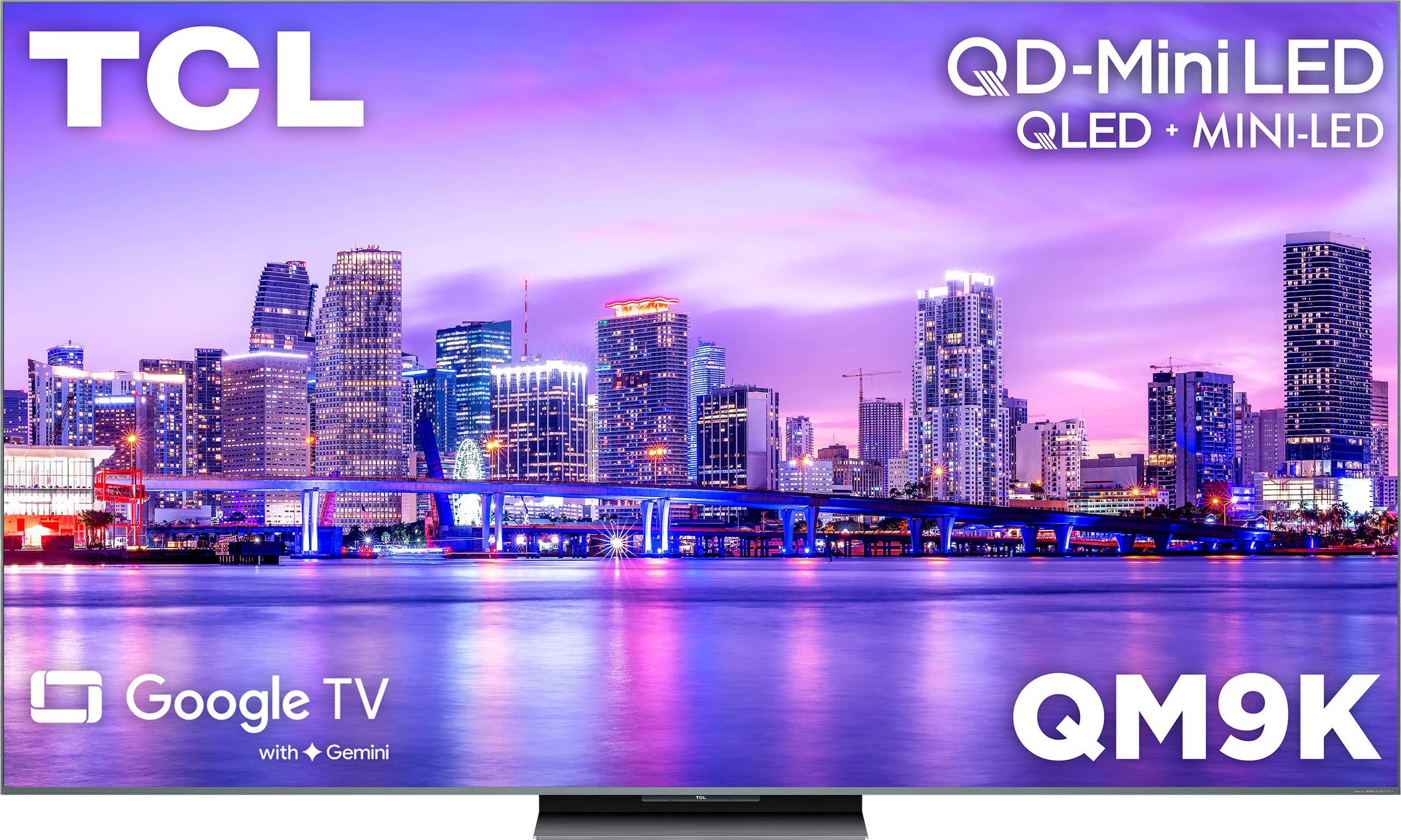
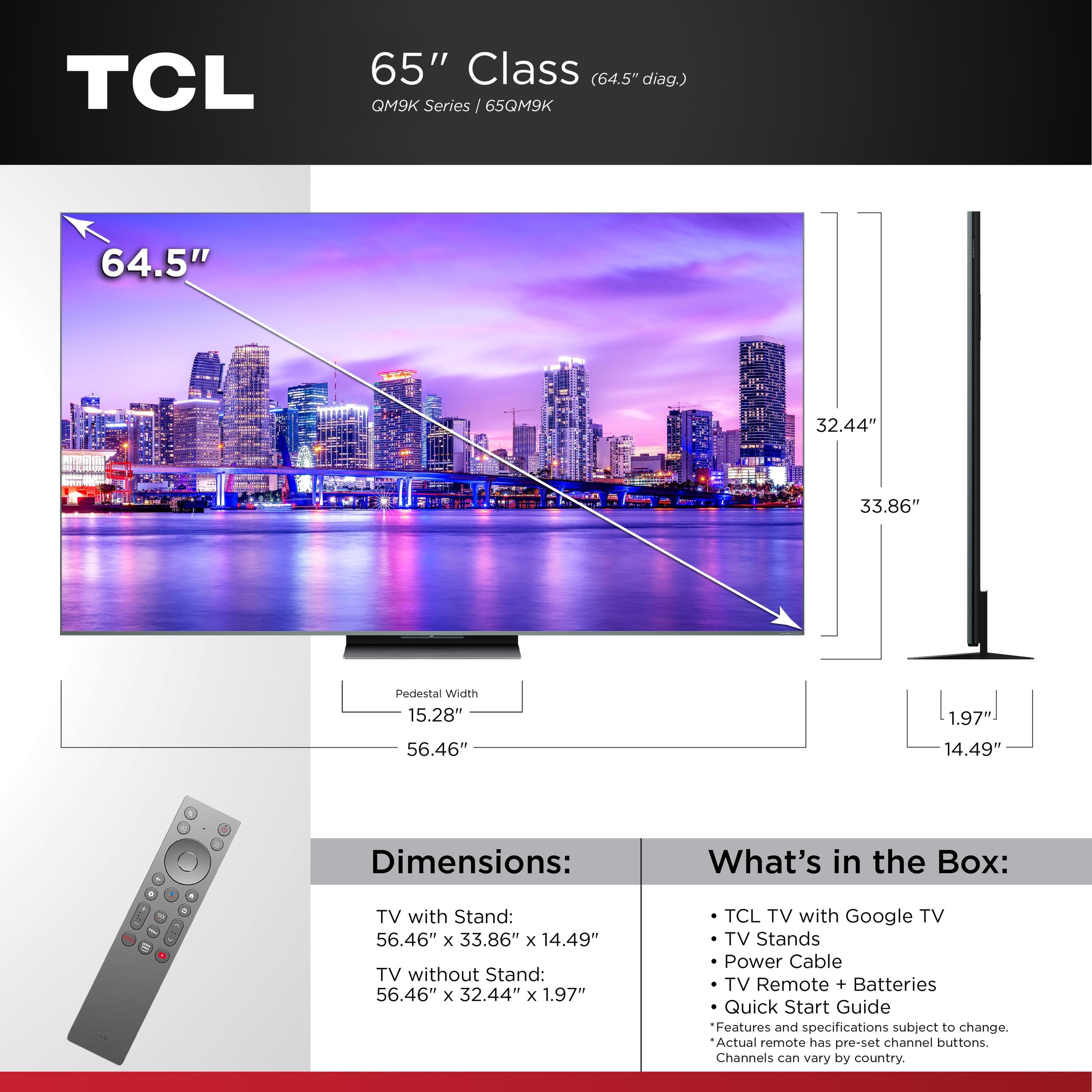

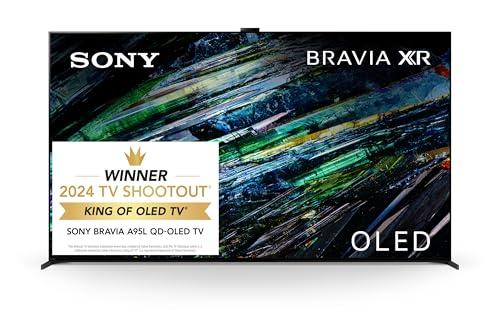


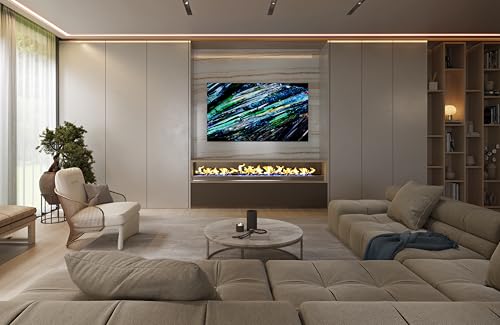
When shopping for a premium 65-inch TV, you'll quickly discover that not all flagship models are created equal. The TCL QM9K and Sony A95L represent two completely different philosophies in display technology, each with distinct strengths that could make or break your viewing experience depending on your specific needs.
The premium TV market has evolved dramatically over the past few years. Gone are the days when simply having "4K" was enough to impress. Today's flagship TVs compete on advanced display technologies that fundamentally change how images are created and displayed.
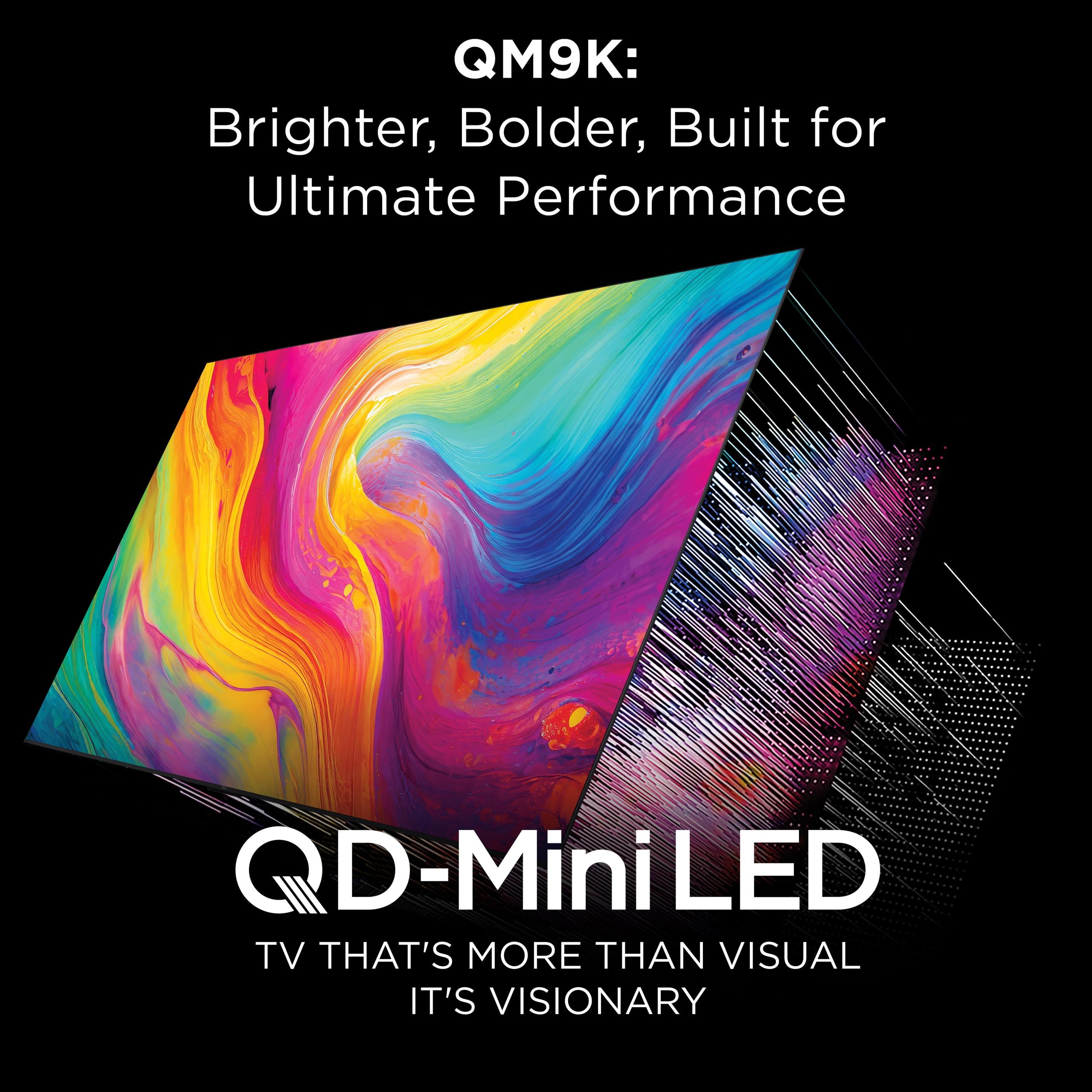
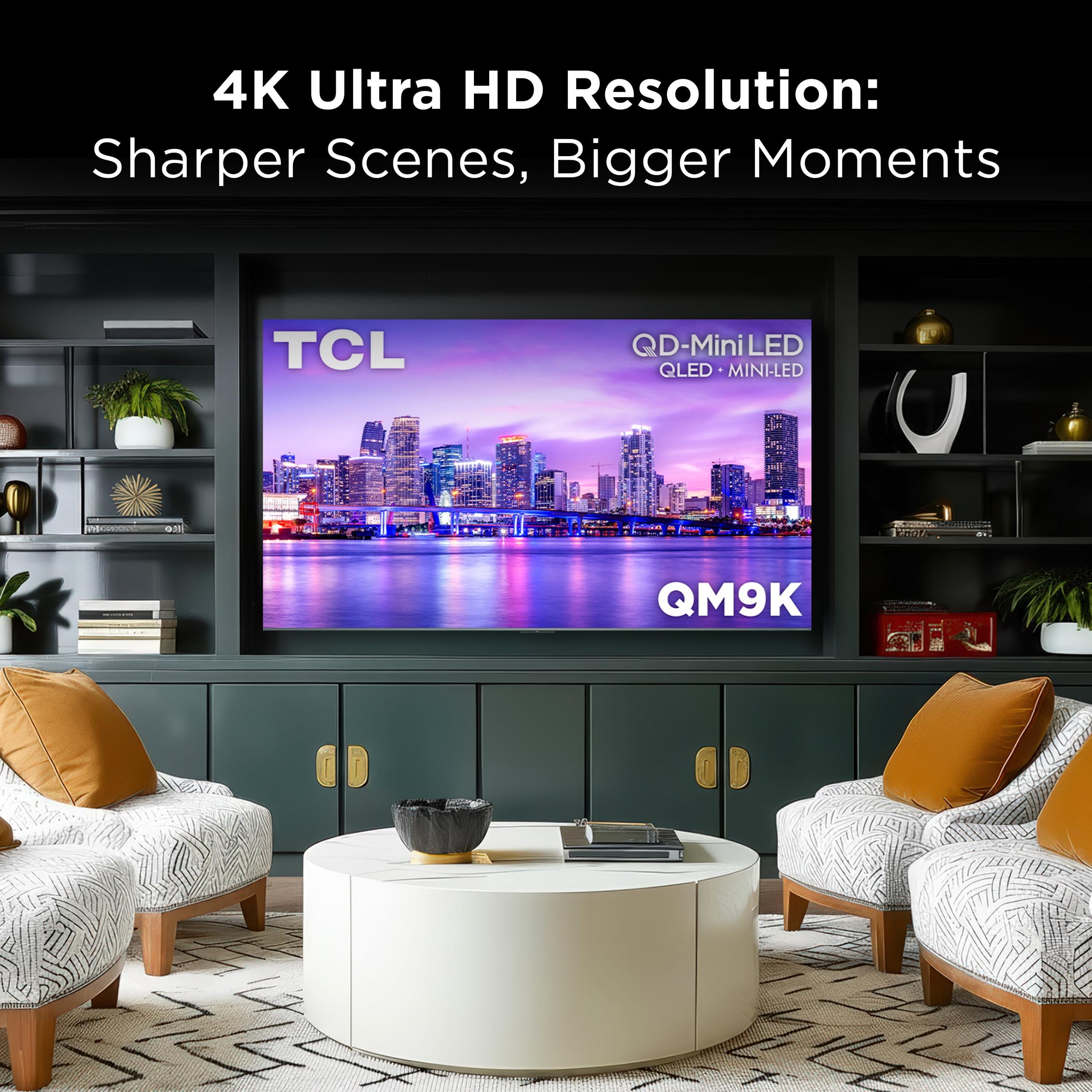
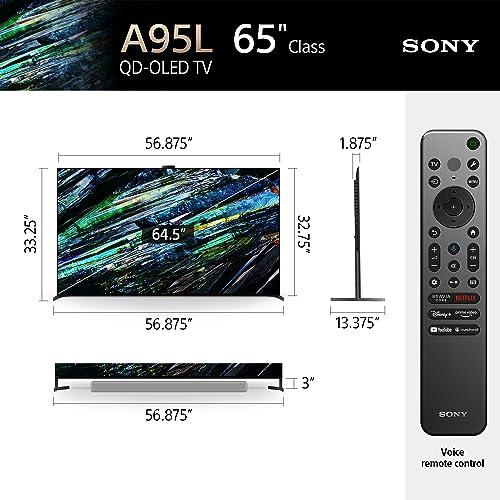
The TCL QM9K, released in 2025, represents the cutting edge of Mini-LED technology enhanced with quantum dots. Meanwhile, the Sony A95L, which debuted in 2023, showcases QD-OLED (Quantum Dot Organic Light Emitting Diode) technology. These aren't just marketing buzzwords – they represent entirely different approaches to solving the same problem: how to create the most realistic, vibrant image possible.
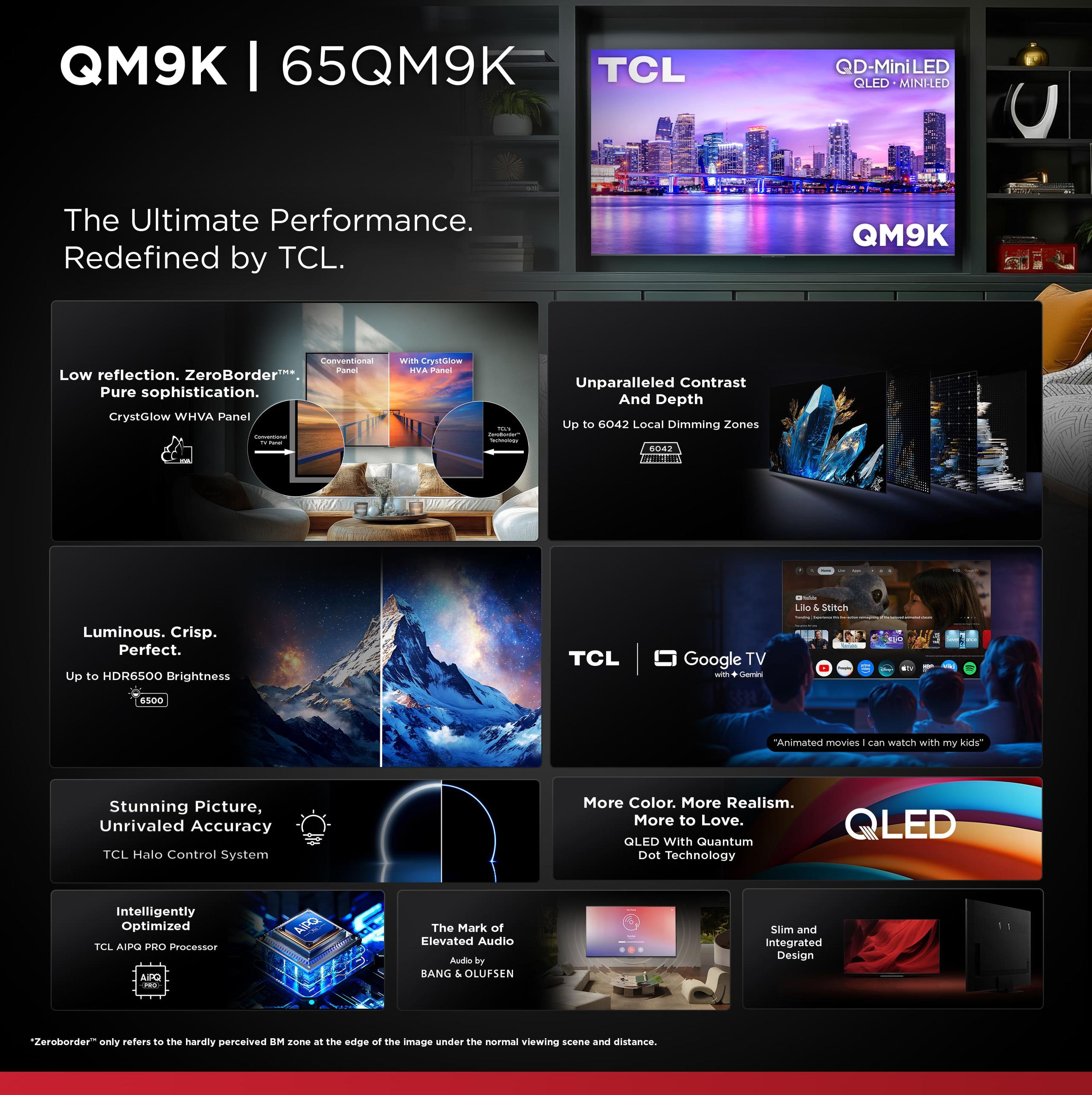
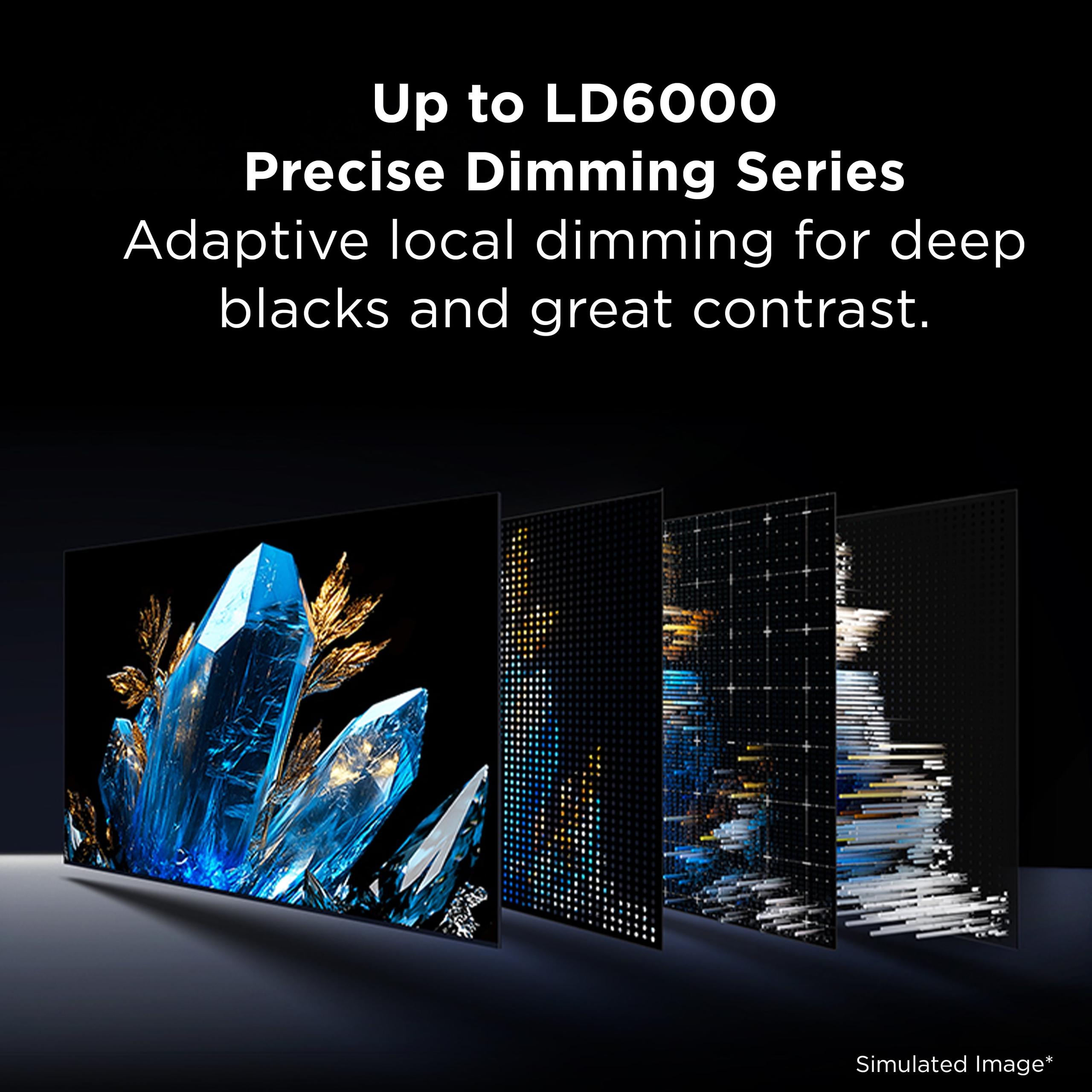
Mini-LED technology works by using thousands of tiny LED lights behind the screen (called local dimming zones) to control brightness in specific areas. The TCL QM9K takes this to an extreme with over 6,000 of these zones, each capable of independent brightness control. Think of it like having thousands of tiny flashlights behind your screen that can turn on, off, or dim individually to create the perfect lighting for each part of the image.
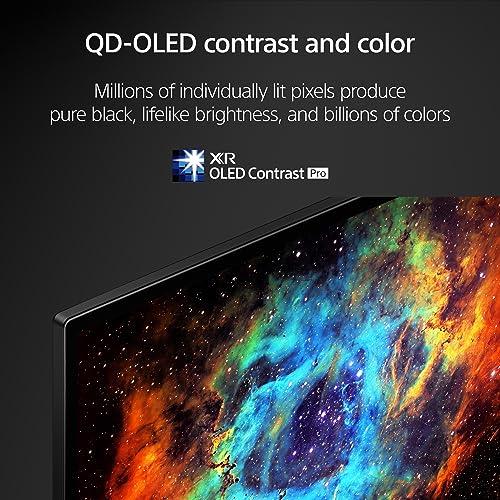
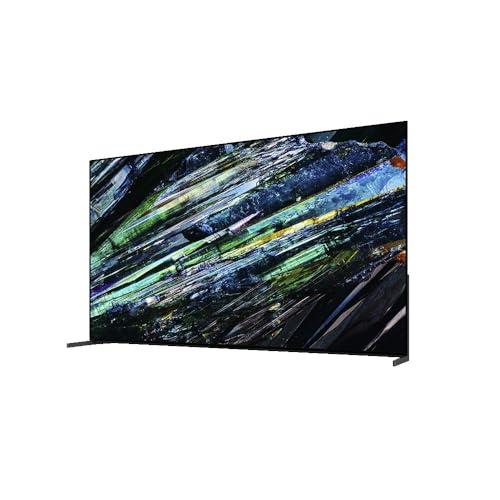
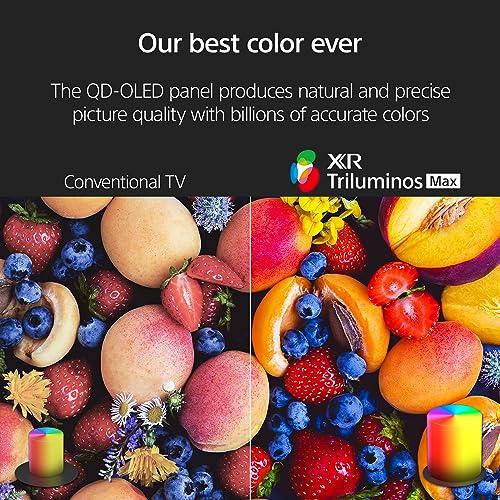
QD-OLED technology in the Sony A95L is fundamentally different. Each pixel creates its own light and can turn completely off for perfect blacks. It's like having millions of microscopic light bulbs that don't need any backlighting at all. The "QD" part stands for Quantum Dot, which enhances color reproduction by converting blue light into highly pure reds and greens.
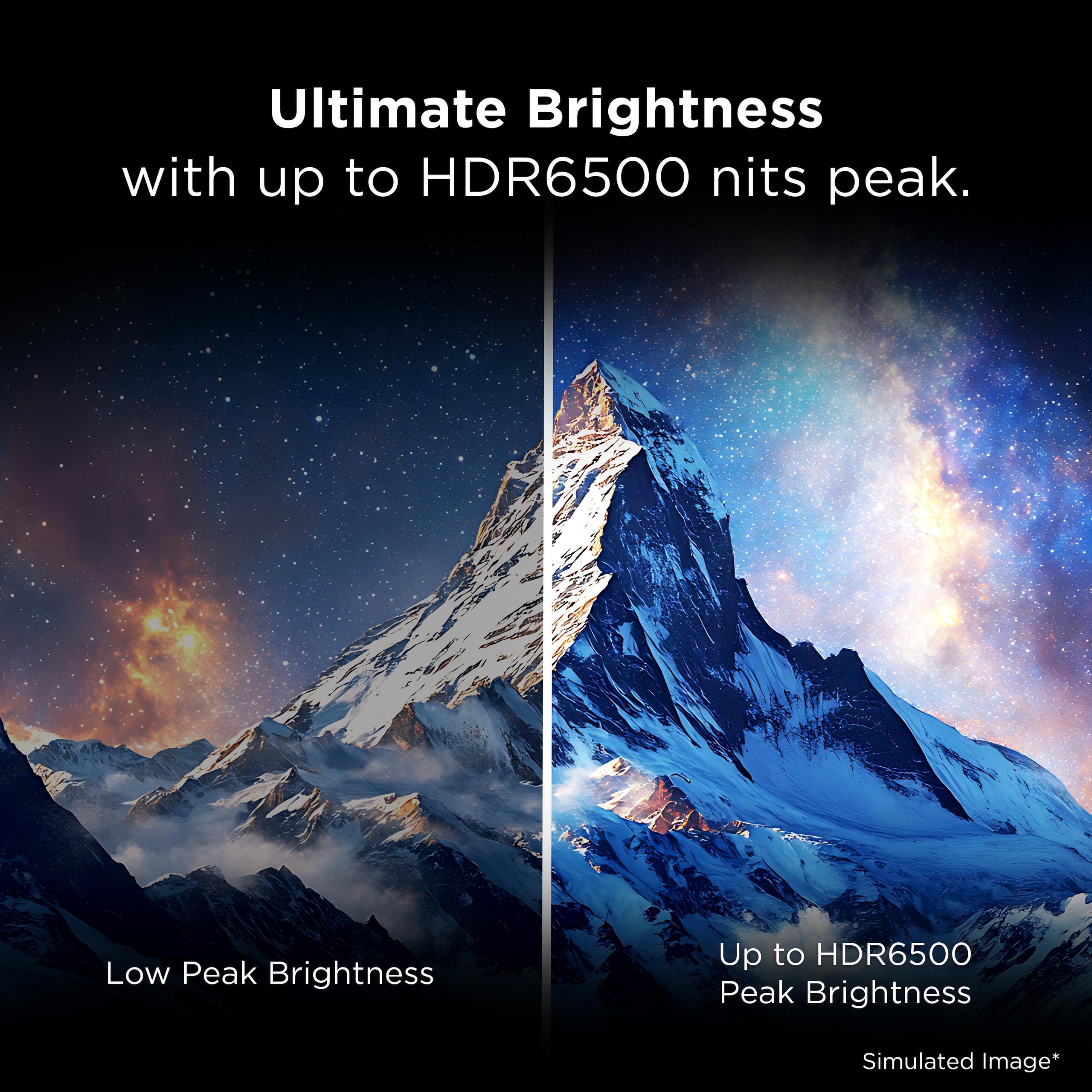
The TCL QM9K's Mini-LED approach excels in one crucial area: raw brightness capability. With a peak brightness of 6,500 nits (nits measure how bright a display can get – for context, a typical sunny day measures about 100,000 nits), this TV can produce highlights that genuinely make you squint.
This extreme brightness capability isn't just about showing off. In real-world viewing, it means HDR (High Dynamic Range) content truly pops. When watching a movie scene with the sun reflecting off water or explosions lighting up a dark scene, the TCL QM9K can reproduce those bright elements at intensities that feel genuinely realistic.
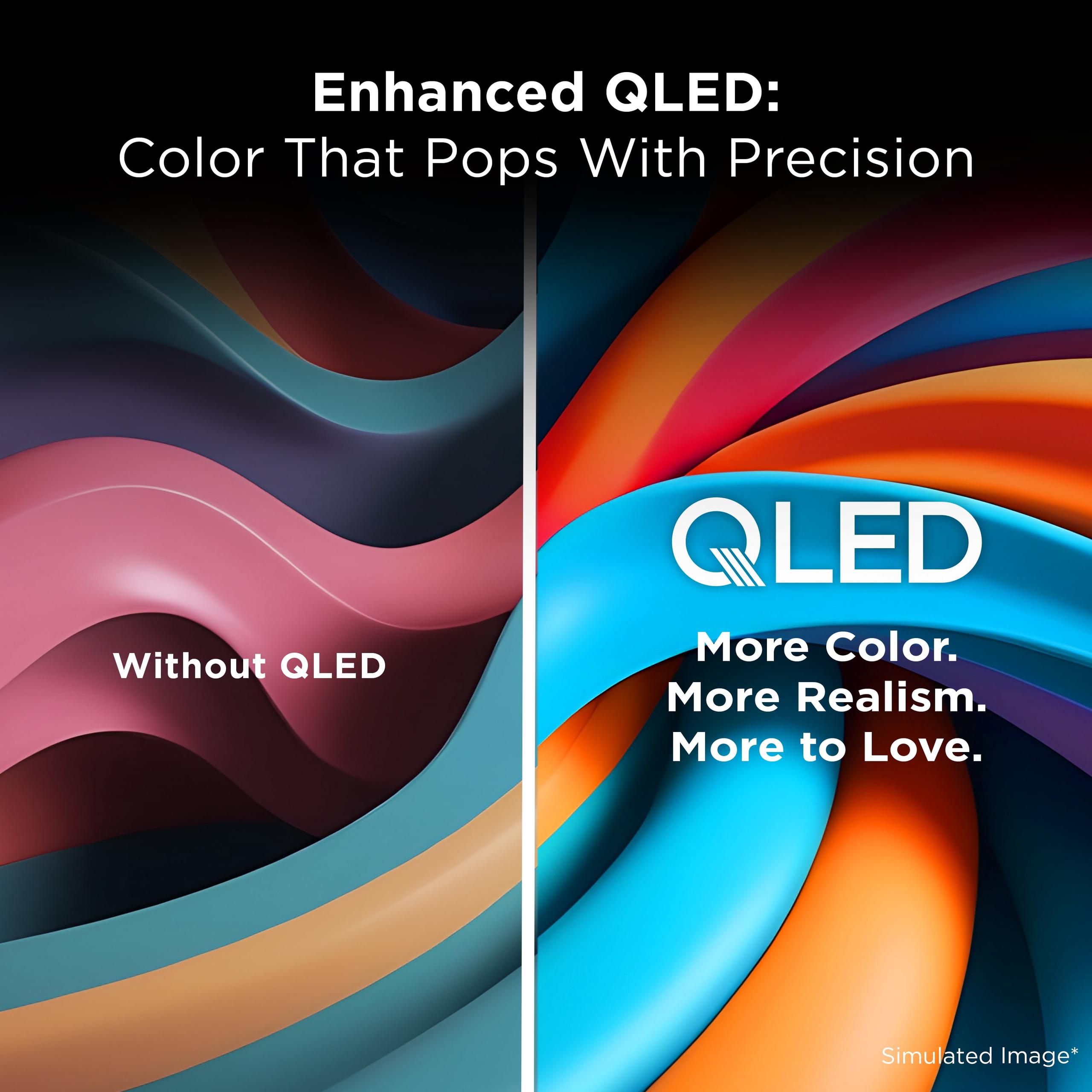
The quantum dot enhancement adds another layer of sophistication. These microscopic crystals convert light into highly pure colors, resulting in a wider color gamut (the range of colors a display can show) and more vibrant, saturated imagery. The combination creates what many describe as a "wow factor" that's immediately apparent when you first turn on the TV.
However, Mini-LED technology faces inherent challenges. Despite having 6,000+ local dimming zones, it still can't achieve perfect blacks because there's always some light leakage between zones. This can create a subtle "halo effect" around bright objects against dark backgrounds, though TCL's "Halo Control System" does an impressive job minimizing this issue.
The Sony A95L's QD-OLED technology takes a completely different approach. Instead of controlling backlighting, each of the 8.3 million pixels can turn completely on, completely off, or anywhere in between. This creates what's called "infinite contrast" – the difference between the brightest and darkest parts of an image can be theoretically unlimited.
The practical result is perfect blacks. When you're watching a movie with black bars or dark scenes, those areas are truly black, not the dark gray you might notice on LED TVs. This creates an almost three-dimensional quality to images, with bright objects appearing to float in inky darkness.
The quantum dot enhancement in QD-OLED serves a similar purpose as in Mini-LED but works differently. Since OLED pixels naturally emit blue light, the quantum dots convert this into red and green, creating colors that are both highly accurate and incredibly vibrant. Professional reviewers consistently praise QD-OLED for achieving both color accuracy (how closely colors match real-world references) and color volume (how bright and saturated those colors can be simultaneously).
The trade-off? Peak brightness. While the Sony A95L reaches impressive brightness levels for an OLED (around 1,300 nits), it simply can't match the raw brightness capability of the TCL QM9K. In bright rooms, this difference becomes significant.
The brightness difference between these TVs isn't just a number on a spec sheet – it fundamentally changes where and how you can use them effectively.
The TCL QM9K's extreme brightness makes it virtually bulletproof in bright environments. Whether you're dealing with large windows, overhead lighting, or even watching during the day, this TV maintains its visual impact. HDR content retains its punch, and colors remain vibrant even when ambient light would wash out lesser displays.
Our research into professional and user reviews consistently shows that Mini-LED displays like the TCL QM9K excel in what's called "bright room performance." The high peak brightness overcomes ambient light that would otherwise raise the perceived black level and reduce color saturation on dimmer displays.
The Sony A95L takes a more nuanced approach. While it can't match the raw brightness numbers, its perfect blacks create exceptional contrast even in moderate lighting conditions. However, in truly bright environments, ambient light can raise the black level (since the screen itself reflects some light), reducing the dramatic contrast that makes OLED special.
For home theater enthusiasts who control their lighting carefully, the Sony A95L's approach often yields more cinematic results. The perfect blacks create that premium theater experience where image elements seem to emerge from true darkness.
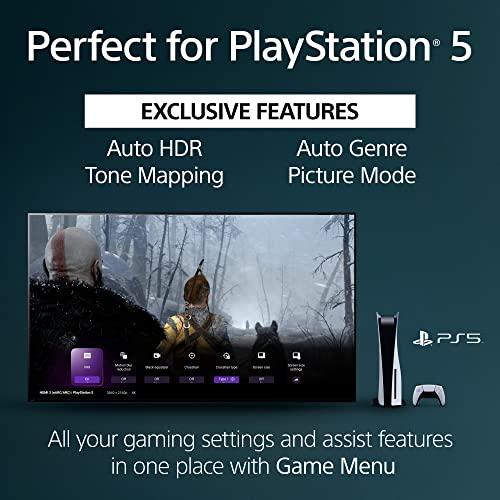
Gaming represents one of the clearest differentiators between these displays. The TCL QM9K was clearly designed with gamers in mind, offering specifications that put it among the best gaming displays available.
Input lag – the delay between your controller input and the action appearing on screen – measures just 5.3 milliseconds on the TCL QM9K. To put this in perspective, anything under 20ms is considered excellent for gaming, and many competitive gamers notice differences as small as 2-3ms. The Sony A95L, while responsive, shows approximately 16ms of input lag, which is still very good but noticeably higher.
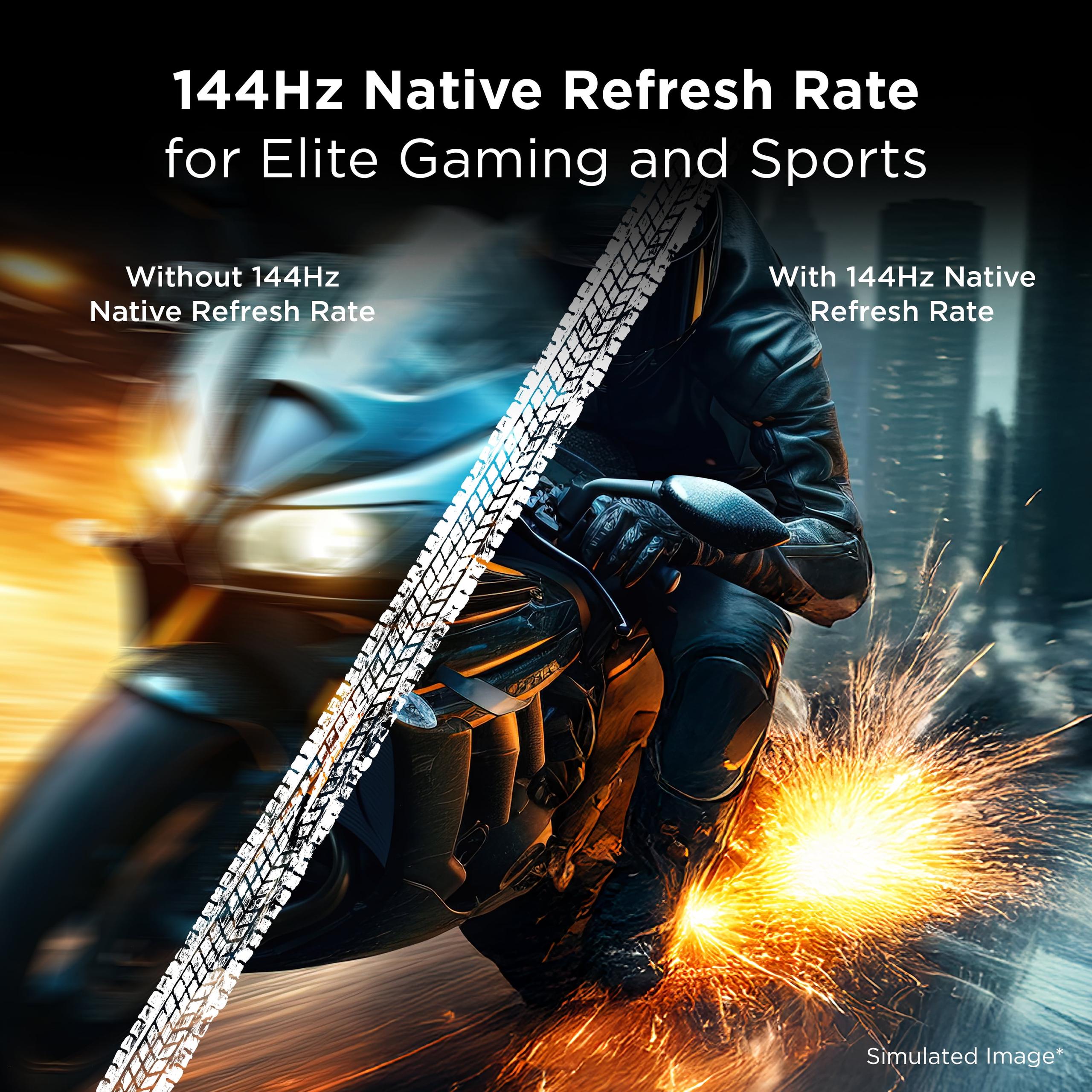
The refresh rate story is even more dramatic. The TCL QM9K supports 4K resolution at 144Hz and can even push 1080p content to 288Hz through its "Game Accelerator 288" feature. Higher refresh rates mean smoother motion and reduced input lag, particularly important for competitive gaming. The Sony A95L maxes out at 120Hz, which is still excellent for console gaming but limiting for PC gaming enthusiasts with high-end graphics cards.
However, OLED technology has its own gaming advantages. The Sony A95L's near-instantaneous pixel response time means no motion blur during fast action. Each pixel can change from one color to another essentially instantly, creating crystal-clear motion that Mini-LED displays, despite their improvements, still can't quite match.
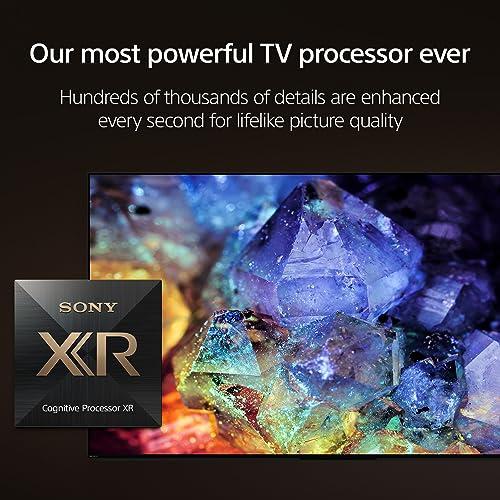
This is where the Sony A95L demonstrates why it commands a premium price. Sony's image processing, powered by their Cognitive Processor XR, represents decades of development in color science and video processing.
Tone mapping – how the TV interprets and displays HDR content – shows the biggest difference. Professional calibrators and reviewers consistently note that the Sony A95L preserves shadow detail and maintains highlight information more faithfully than the TCL QM9K. This means movies and TV shows appear closer to how their creators intended.
The TCL QM9K, while offering vibrant and impressive imagery, sometimes suffers from what's called "shadow crushing" in HDR content. Dark details get lost in pure black, and bright highlights can appear overblown. For casual viewing, this often makes content appear more dramatic and impactful. For critical viewing, it can obscure important visual information.
Upscaling performance – how well the TV improves lower-quality content – heavily favors the Sony A95L. Whether you're watching compressed streaming content, DVDs, or lower-resolution broadcasts, Sony's processing does an exceptional job cleaning up artifacts and enhancing detail while maintaining natural-looking textures.
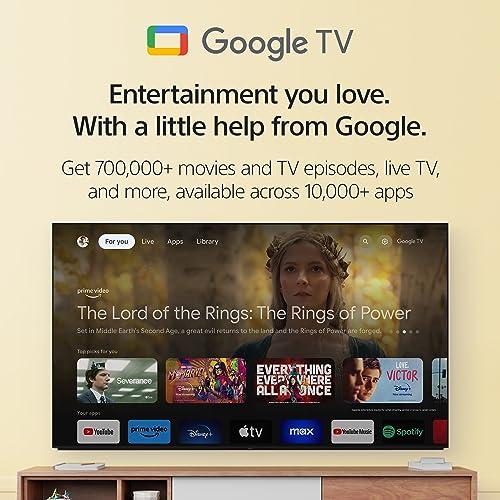
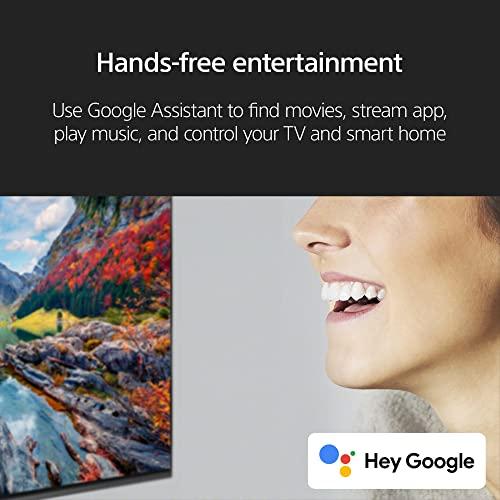
Both TVs run Google TV, so the smart platform experience is largely identical. You get the same app selection, the same interface, and similar voice control capabilities. However, each manufacturer adds their own enhancements.
The TCL QM9K includes Gemini AI integration for more conversational voice control and a presence sensor that can automatically adjust settings or turn the TV on/off based on whether someone is in the room. These features add genuine convenience to daily use.
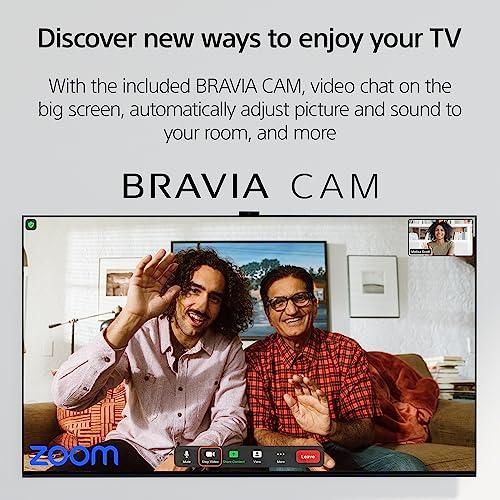
The Sony A95L includes the BRAVIA CAM, which enables more sophisticated room optimization. The camera can adjust picture and sound settings based on your viewing position and room lighting, and it supports video calling features. Sony's implementation feels more polished and integrated into the overall experience.
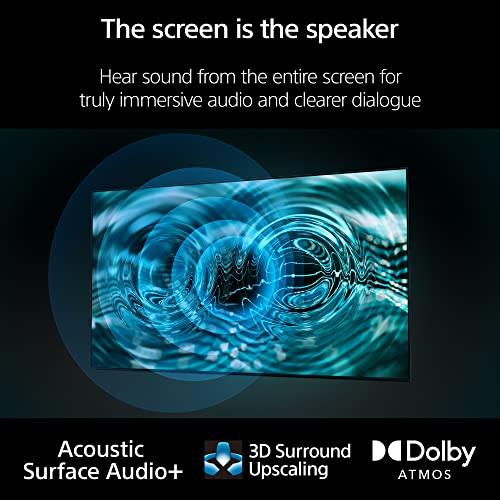
Audio often gets overlooked in TV comparisons, but it matters significantly for the overall experience. The Sony A95L's Acoustic Surface Audio+ technology is genuinely impressive – the entire screen acts as a speaker, creating a wide soundstage with dialogue that appears to come directly from characters' mouths.
The TCL QM9K features Audio by Bang & Olufsen tuning with a 2.1.1 channel system (on the 65" model), which provides good sound quality with enhanced bass response. While not as innovative as Sony's approach, it delivers solid performance for most viewing.
Both TVs support Dolby Atmos and can serve as the foundation for a more elaborate sound system, but serious home theater enthusiasts will likely want to add a dedicated soundbar or surround sound system regardless of which TV they choose.
At the time of writing, the TCL QM9K typically costs several hundred dollars less than the Sony A95L, making the value comparison particularly interesting. The TCL offers flagship Mini-LED performance, gaming excellence, and extreme brightness at a more accessible price point.
The Sony A95L commands its premium through superior image processing, perfect blacks, wide viewing angles, and build quality that reflects Sony's reputation in professional video equipment. It's positioned as a reference-level display for viewers who prioritize cinematic accuracy above all else.
The generational difference also matters. The TCL QM9K, being a 2025 model, incorporates the latest connectivity standards and gaming features. The Sony A95L, while still exceptional, represents 2023 technology that may lack some future-proofing elements.
The decision between these TVs should ultimately come down to your specific viewing environment, content preferences, and priorities.
Choose the TCL QM9K if:
Choose the Sony A95L if:
For most people setting up a dedicated home theater or media room, the Sony A95L's perfect blacks and superior processing create a more immersive, cinema-like experience. However, for family rooms or spaces with significant ambient light, the TCL QM9K's brightness advantage and gaming capabilities make it the more practical choice.
Both represent excellent examples of their respective technologies at their current peak performance. The choice ultimately depends on which set of compromises aligns better with your specific needs and viewing environment.
| TCL 65" QM9K QD-Mini LED Smart TV | Sony BRAVIA XR A95L 65" QD-OLED 4K HDR Google TV |
|---|---|
| Display Technology - Fundamental difference affecting all performance aspects | |
| QD-Mini LED with 6,000+ local dimming zones | QD-OLED with self-emissive pixels |
| Peak Brightness - Critical for HDR impact and bright room performance | |
| 6,500 nits (extreme brightness, dominates any lighting) | ~1,300 nits (excellent for dark rooms, limited in bright spaces) |
| Black Levels - Determines contrast and cinematic quality | |
| Excellent blacks with minimal blooming (Mini-LED limitation) | Perfect blacks with infinite contrast (OLED advantage) |
| Gaming Input Lag - Essential for competitive gaming responsiveness | |
| 5.3ms (exceptional for competitive gaming) | 16.1ms (good but noticeably higher) |
| Maximum Refresh Rate - Affects gaming smoothness and future-proofing | |
| 4K@144Hz, 1080p@288Hz with Game Accelerator | 4K@120Hz maximum |
| Color Processing & Accuracy - Impact on realistic image reproduction | |
| Vibrant quantum dot colors, some HDR mapping issues | Reference-level processing with Cognitive Processor XR |
| Motion Handling - Important for sports and action content | |
| Motion Rate 480 with MEMC (excellent clarity) | Near-instant OLED response but processing artifacts possible |
| Viewing Angles - Affects image quality from side positions | |
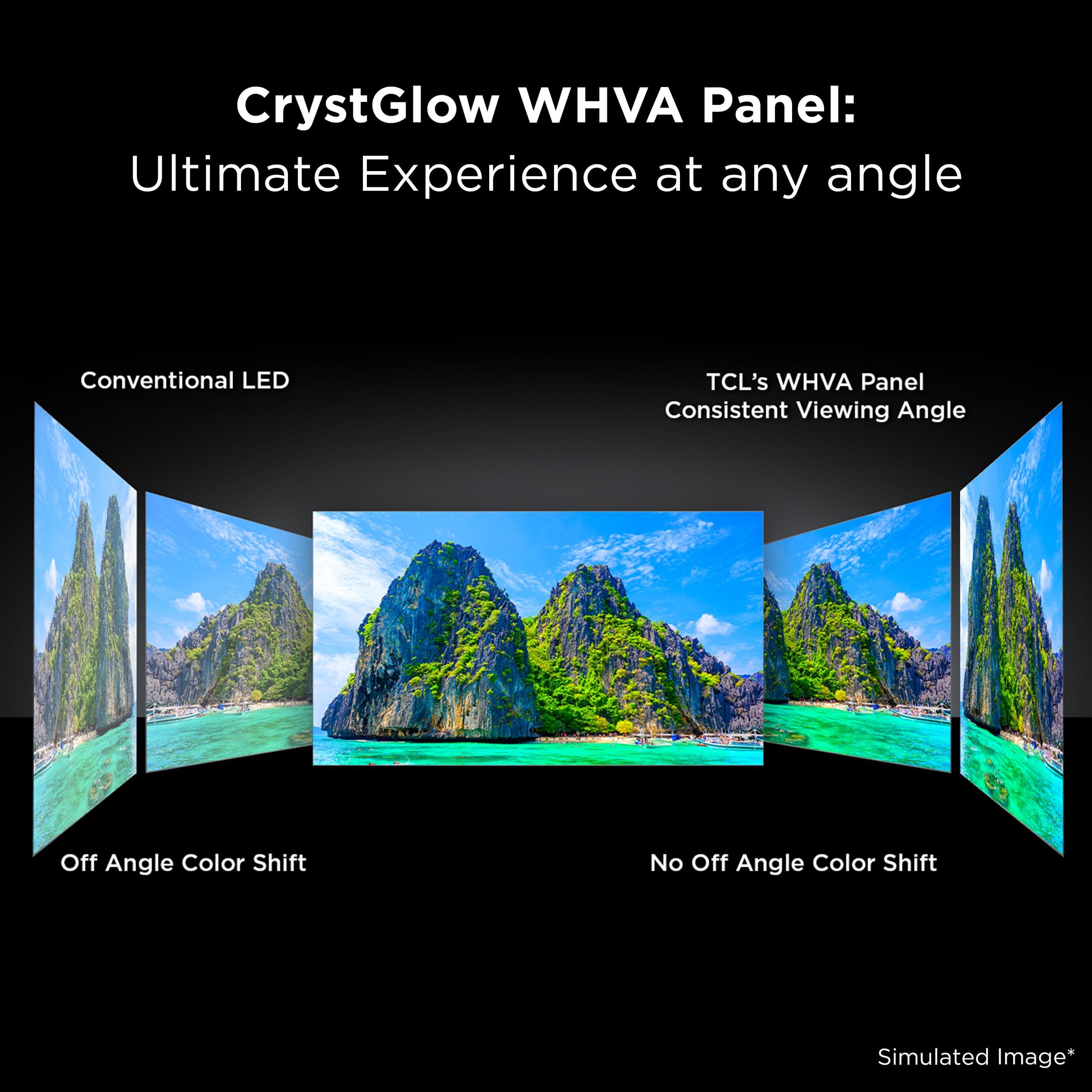
| Good angles but noticeable degradation off-axis | Excellent 178° viewing with consistent color |
| HDR Format Support - Determines compatibility with premium content | |
| HDR10, HDR10+, Dolby Vision, HLG | HDR10, HLG, Dolby Vision |
| Audio Technology - Built-in sound quality | |
| Audio by Bang & Olufsen, 2.1.1 channels with subwoofer | Acoustic Surface Audio+ (screen acts as speaker) |
| Smart Platform - User interface and app ecosystem | |
| Google TV with Gemini AI integration | Google TV with BRAVIA CAM features |
| Build Quality & Design - Long-term reliability and aesthetics | |
| Solid construction with presence sensor | Premium materials with Sony's reputation for durability |
| Release Year - Technology generation and future-proofing | |
| 2025 (latest connectivity and gaming standards) | 2023 (mature but proven OLED technology) |
The TCL QM9K is significantly better for bright rooms due to its exceptional 6,500 nits peak brightness. This Mini-LED TV can overcome ambient light and maintain vibrant colors even with windows or overhead lighting. The Sony A95L performs best in controlled lighting environments where its perfect blacks can shine, but bright ambient light can wash out its image quality.
The TCL QM9K uses Mini-LED technology with thousands of tiny LED lights behind the screen for local dimming, achieving extreme brightness but with some light blooming. The Sony A95L uses QD-OLED where each pixel creates its own light and can turn completely off, delivering perfect blacks and infinite contrast but with lower peak brightness.
Both deliver excellent picture quality but in different ways. The Sony A95L excels with perfect blacks, superior color accuracy, and reference-level image processing that preserves filmmaker intent. The TCL QM9K offers more vibrant, punchy colors and exceptional HDR brightness, though it may crush some shadow details in darker scenes.
For a dedicated home theater with controlled lighting, the Sony A95L typically provides a more cinematic experience with its perfect blacks, infinite contrast, and superior image processing. However, if your theater room has any ambient light or you prefer more vibrant, impactful HDR, the TCL QM9K could be the better choice.
The Sony A95L offers superior viewing angles with consistent color and brightness from almost any position in the room. The TCL QM9K has good viewing angles for a Mini-LED TV, but image quality degrades more noticeably when viewed from the sides, making the Sony A95L better for wide seating arrangements.
The TCL QM9K generally handles motion better with its Motion Rate 480 and MEMC processing, providing excellent clarity for sports and fast action. The Sony A95L has near-instantaneous pixel response but may introduce processing artifacts, making the TCL QM9K the preferred choice for sports enthusiasts.
The TCL QM9K typically offers better value with flagship Mini-LED performance, superior gaming specs, and extreme brightness at a lower price point. The Sony A95L commands a premium for its OLED technology, superior processing, and build quality, making it better value for those prioritizing cinematic accuracy over raw specifications.
Absolutely. Choose the TCL QM9K for bright living rooms, family rooms with lots of windows, or spaces where gaming and sports viewing are priorities. Select the Sony A95L for dedicated home theaters, bedrooms, or controlled lighting environments where you prioritize movie quality and cinematic accuracy over brightness and gaming performance.
We've done our best to create useful and informative comparisons to help you decide what product to buy. Our research uses advanced automated methods to create this comparison and perfection is not possible - please contact us for corrections or questions. These are the sites we've researched in the creation of this article: rtings.com - bestbuy.com - youtube.com - youtube.com - youtube.com - techaeris.com - displayspecifications.com - pcrichard.com - residentialsystems.com - us.tcl.com - displayspecifications.com - valueelectronics.com - woodruffappliance.com - tcl.com - pcrichard.com - tcl.com - techradar.com - tcl.com - us.tcl.com - youtube.com - youtube.com - bestbuy.com - youtube.com - rtings.com - youtube.com - rtings.com - avsforum.com - rtings.com - smarthomesounds.co.uk - smarthomesounds.co.uk - rtings.com - smarthomesounds.co.uk - youtube.com - tomsguide.com - avsforum.com - rtings.com - perfectrec.com - flatpanelshd.com - videoandaudiocenter.com - sonypremiumhome.com - bestbuy.com - sony.com - electronics.sony.com - displayspecifications.com - donstv.com - youtube.com - static.pcrichard.com - smarthomesounds.co.uk - youtube.com - electronics.sony.com - electronics.sony.com - displayspecifications.com

Privacy Policy
Terms and Conditions - Affiliate Policy
Home Security
© Copyright 2008-2026.
11816 Inwood Rd #1211, Dallas, TX 75244