

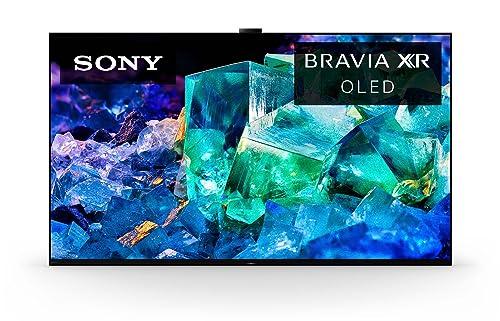










When you're shopping for a premium 65-inch TV, you're essentially choosing between two fundamentally different approaches to creating the best possible picture. The Sony Bravia XR A95K, released in 2022, represents the cutting edge of OLED technology with its quantum dot enhancement, while the Sony BRAVIA 5, launched in 2025, showcases the latest refinements in Mini LED backlighting. Both aim to deliver exceptional picture quality, but they take completely different paths to get there.
Understanding these differences matters because your choice will affect everything from how movies look in your living room to whether you can game worry-free for hours. At the time of writing, there's typically a meaningful price gap between these technologies, with the newer BRAVIA 5 often priced more competitively despite being the more recent release.
The A95K uses QD-OLED technology, which sounds complicated but works elegantly. Think of it this way: instead of having a backlight shine through layers of filters (like traditional TVs), each pixel creates its own light and color. The "QD" stands for quantum dot, which acts like a color converter. Blue OLED pixels generate the base light, then quantum dots convert some of that blue light into pure red and green wavelengths.
This approach delivers what many consider the holy grail of display technology: perfect blacks. When a pixel needs to display black, it simply turns off completely. There's no light leaking through, no subtle glow—just pure darkness. This creates what's called infinite contrast, where the difference between the brightest whites and deepest blacks is theoretically unlimited.
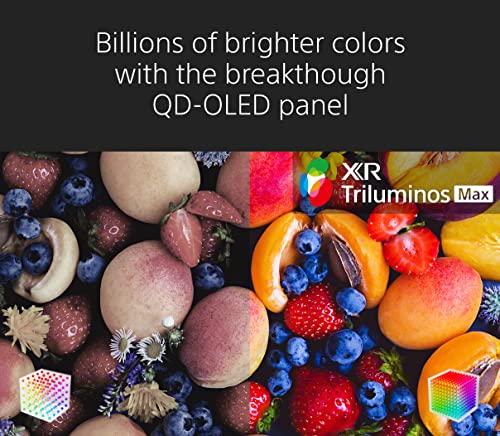
The quantum dot enhancement gives QD-OLED a major advantage over traditional OLED panels. Colors stay vibrant even when they're bright, something that older OLED technology struggled with. This means a bright red sports car maintains its intensity whether it's in a dark garage or blazing sunlight scene.
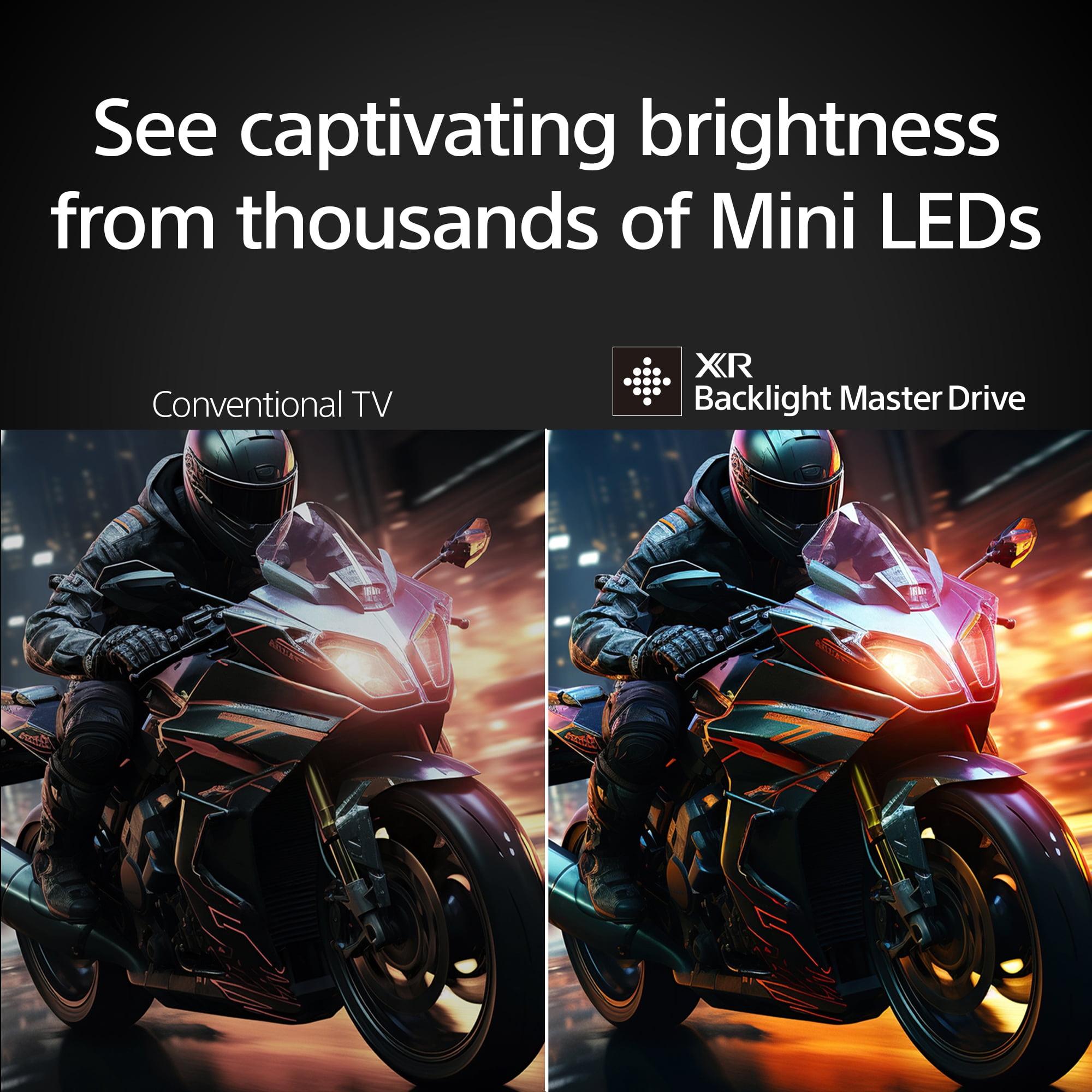
The BRAVIA 5 takes the LCD approach but supercharges it with Mini LED technology. Instead of using a few dozen LED zones like older TVs, it employs thousands of tiny LEDs, each smaller than a grain of rice, positioned behind the LCD panel. Sony's XR Backlight Master Drive technology controls these LEDs with remarkable precision, dimming or brightening individual zones to match what's happening on screen.
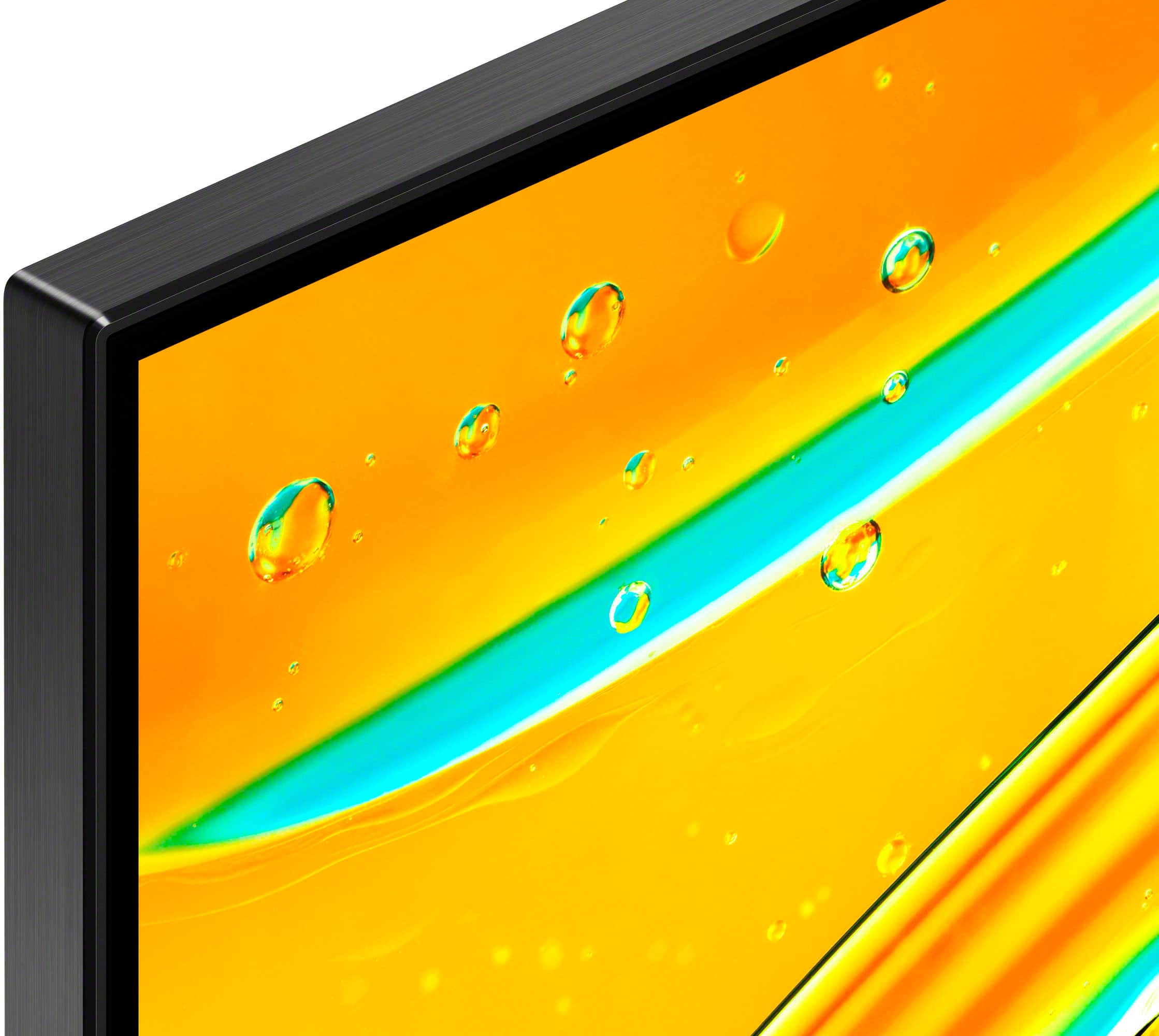
This creates what's called local dimming—the TV can make one part of the screen very bright while keeping another section dark. When a movie shows stars against a black sky, the BRAVIA 5 dims the LEDs behind the black areas while keeping the star zones bright. It's not perfect like OLED (some light still leaks through the LCD panel), but it's dramatically better than standard LED TVs.
The key advantage of Mini LED is brightness. These panels can push well over 1,000 nits of peak brightness, which translates to more impactful HDR (High Dynamic Range) content and better performance in bright rooms.
Contrast ratio—the difference between the brightest whites and darkest blacks—forms the foundation of picture quality. Based on our research into user and expert reviews, this is where the biggest performance gap emerges between these technologies.
The A95K delivers what many reviewers describe as jaw-dropping contrast. When watching movies with dark scenes, like space epics or horror films, the black areas literally disappear. The screen seems to extend beyond its physical boundaries because those black pixels produce absolutely no light. This creates an incredibly immersive experience that makes you feel like you're looking through a window rather than at a screen.
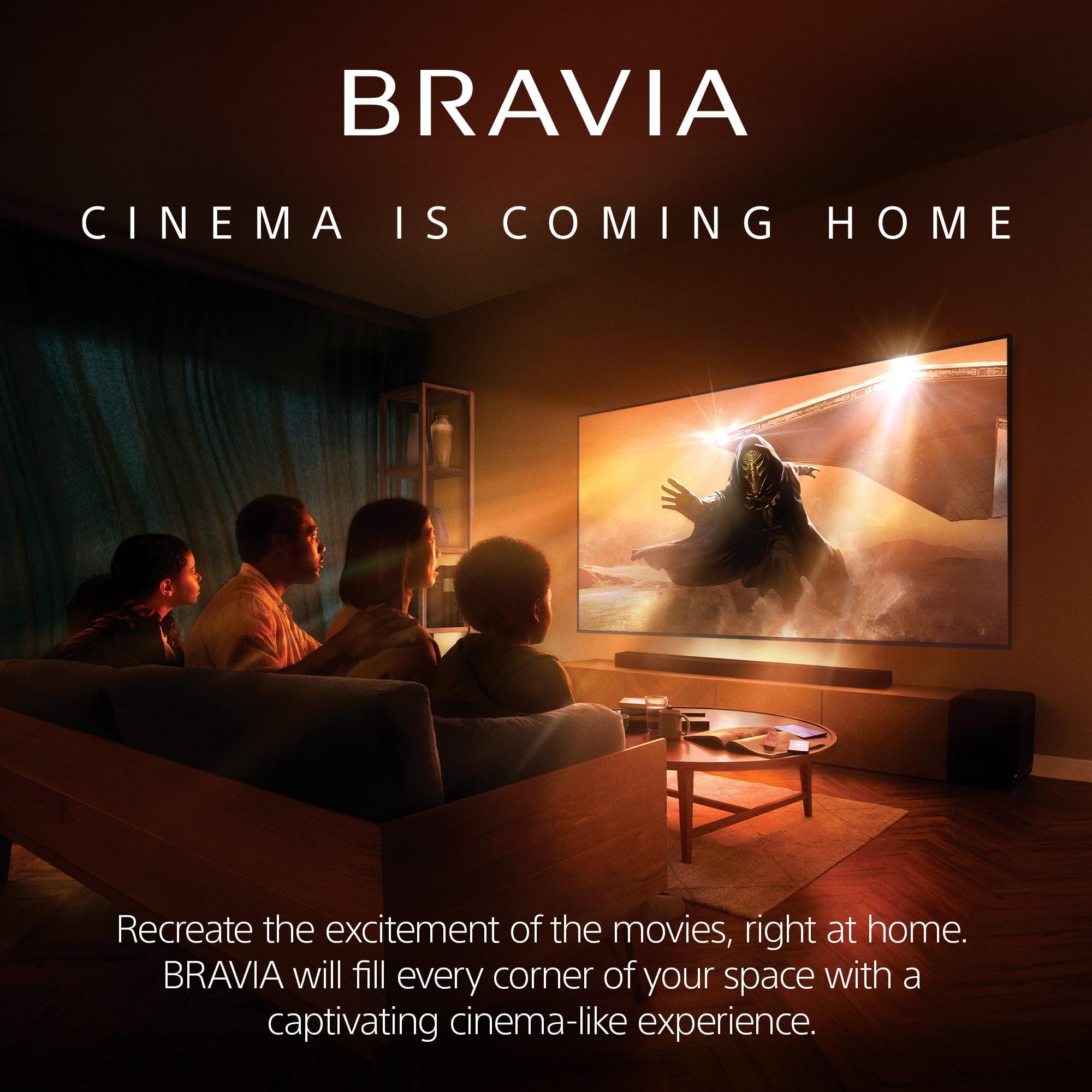
The BRAVIA 5, while impressive for LCD technology, can't achieve true blacks. Even with its sophisticated local dimming, some light always leaks through the LCD panel. In a completely dark room, you might notice that "black" areas appear slightly gray. However, this limitation becomes less noticeable in rooms with ambient lighting, and the Mini LED system still provides excellent contrast that surpasses most other LCD TVs.
Peak brightness tells a different story. The BRAVIA 5 can reach brightness levels that the A95K simply cannot match. This matters enormously for HDR content and bright room viewing.
HDR works by using a wider range of brightness levels to create more realistic images. Think about looking at a sunset—your eye can see both the bright sun and the darker landscape simultaneously. HDR tries to recreate that experience, but it needs a TV capable of getting bright enough to make highlights pop. The BRAVIA 5 excels here, making HDR content look more impactful and closer to what the content creators intended.
In bright living rooms with large windows, this brightness advantage becomes crucial. The A95K, despite its superior contrast, can struggle against ambient light. Reflections become more noticeable, and the overall image may appear washed out during daytime viewing.
Color performance represents another area where these technologies diverge significantly. The A95K leverages its quantum dot technology to achieve what many experts consider superior color accuracy and volume. Color volume refers to how well a display maintains color saturation across different brightness levels—and QD-OLED excels here.
When displaying a bright red flower against a sunny background, the A95K keeps that red vivid and natural-looking. Traditional displays often see colors become washed out at higher brightness levels, but the quantum dot layer maintains color purity even in bright scenes.
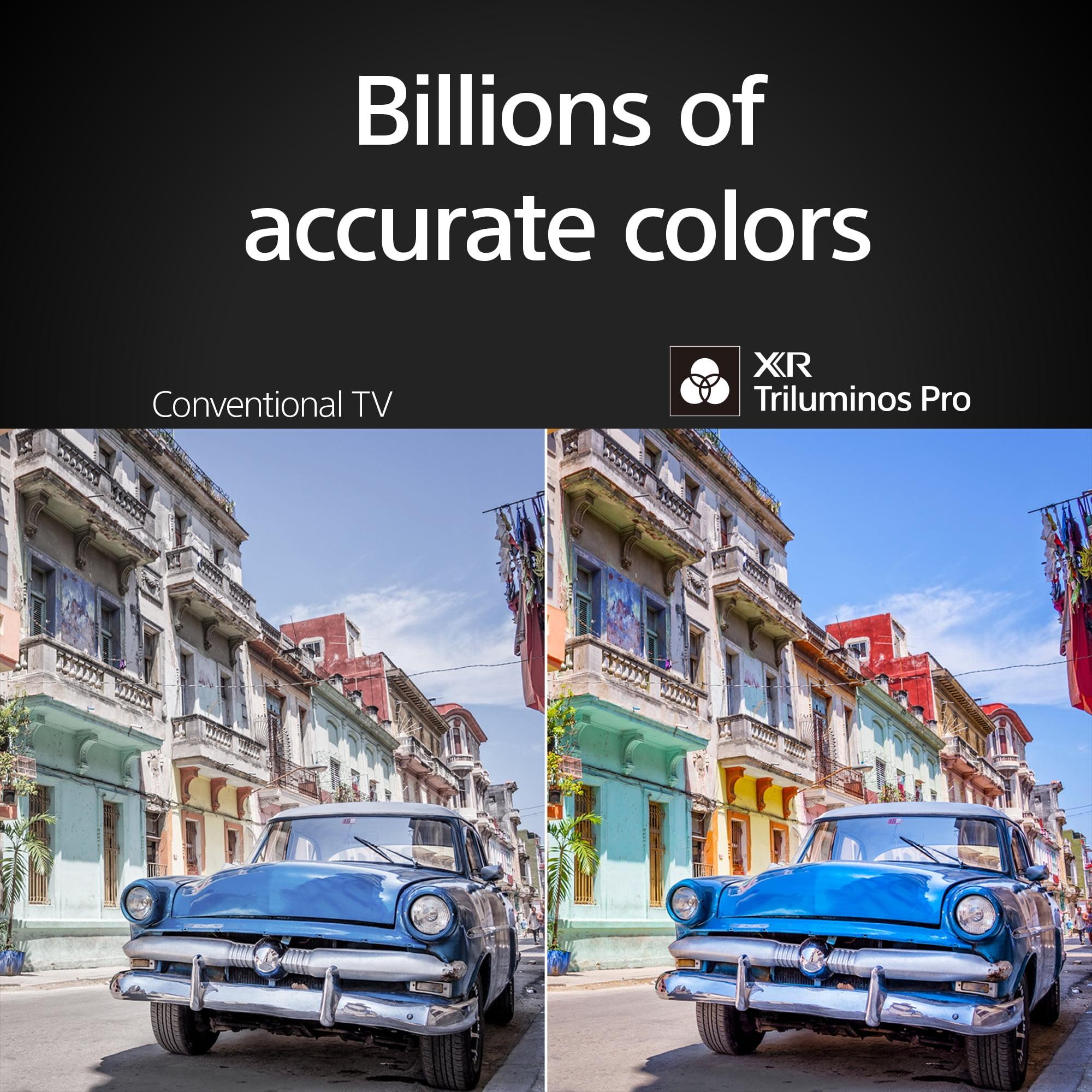
The BRAVIA 5 uses Sony's XR Triluminos Pro technology, which enhances the color capabilities of its Mini LED system. While it produces vibrant, eye-catching colors that many viewers prefer, the overall color gamut and accuracy doesn't quite match what QD-OLED can achieve. However, for most content and viewing scenarios, this difference may not be noticeable unless you're comparing them side by side.
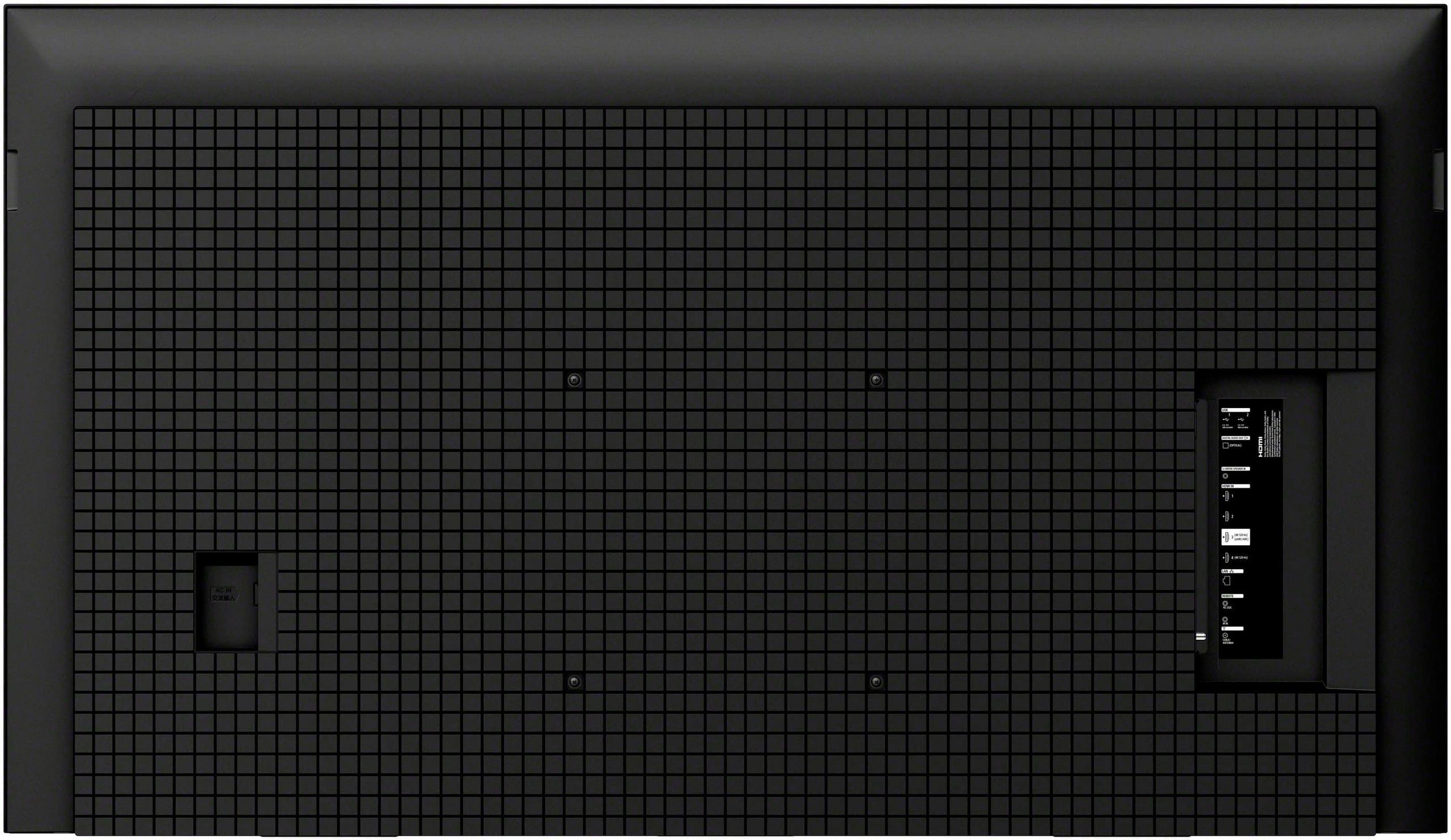
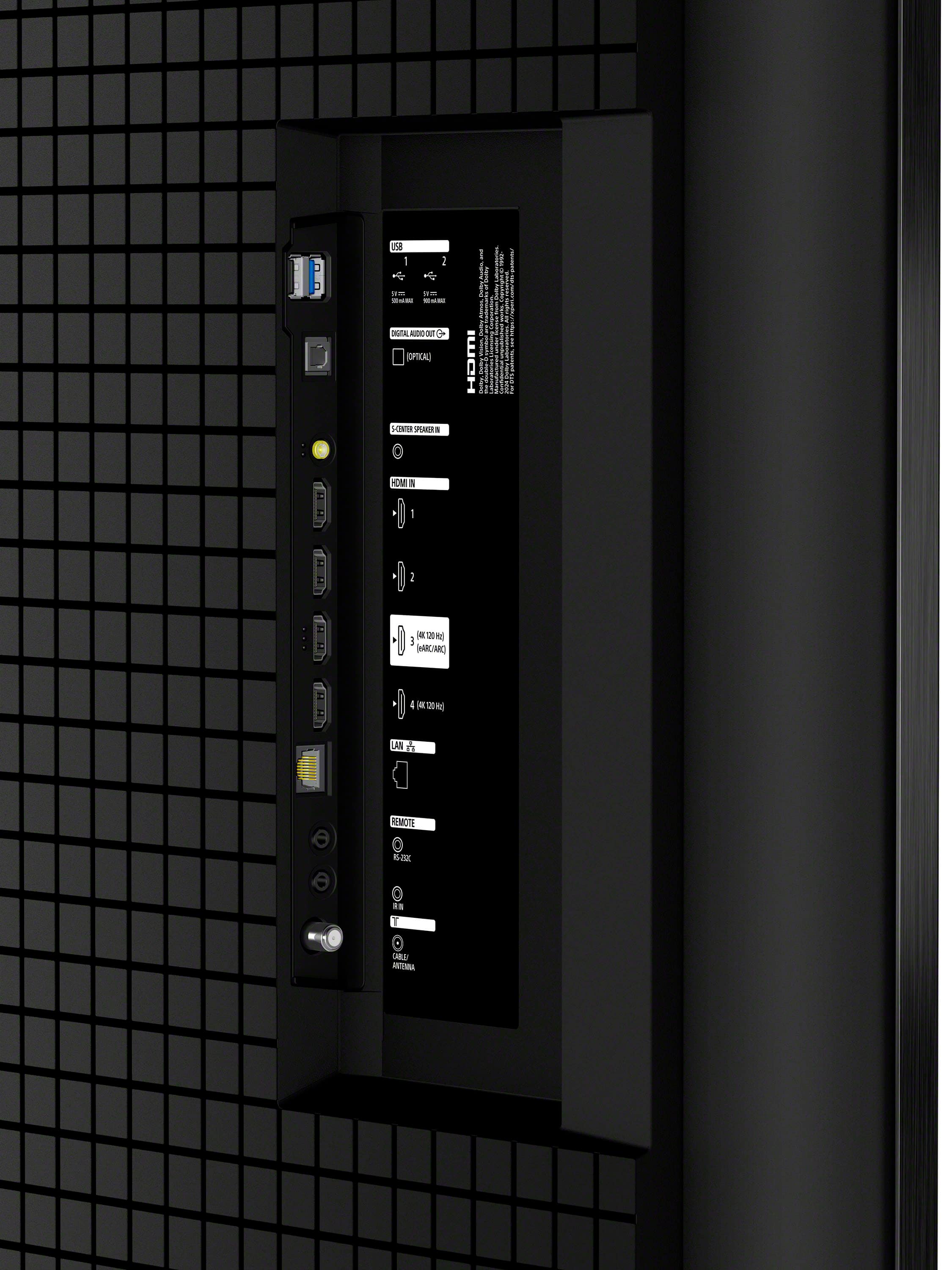
Both TVs support the gaming features that matter for PlayStation 5 and Xbox Series X owners. They offer 4K resolution at 120Hz refresh rates, Variable Refresh Rate (VRR) to eliminate screen tearing, and Auto Low Latency Mode (ALLM) to minimize input lag. However, both are limited to just two HDMI 2.1 ports, which can be restrictive if you have multiple gaming devices.
The A95K has a distinct advantage in motion clarity. OLED pixels can switch states instantaneously, which means fast-moving objects in games appear sharp and clear. Whether you're tracking enemies in a first-person shooter or following a fast-paced racing game, the motion clarity is exceptional.
The BRAVIA 5 experiences some motion blur typical of LCD technology, though Sony's processing helps minimize this. Where it excels is in worry-free gaming—there's absolutely no risk of burn-in, even if you play the same game for hours with static HUD elements displayed.
Burn-in deserves special mention for the A95K. While modern OLED panels have protective features that make burn-in much less likely than older generations, the risk still exists with prolonged display of static images. For most gaming scenarios with varied content, this isn't a concern. But if you plan to use the TV as a PC monitor or play MMO games with persistent interface elements for hours daily, it's worth considering.
Your viewing environment plays a huge role in which technology will serve you better. Based on comprehensive reviews and user feedback, the A95K absolutely dominates in dark or controlled lighting environments. The perfect blacks create an incredibly cinematic experience that's hard to match. Movie night with the lights dimmed becomes genuinely immersive.
The wide viewing angles of OLED technology also mean everyone in the room gets a great picture, regardless of where they're sitting. This makes the A95K ideal for family movie nights or entertaining groups.
However, bright living rooms tell a different story. The BRAVIA 5 maintains picture quality much better in ambient lighting conditions. Its higher peak brightness cuts through reflections and glare, while HDR content maintains its impact even during daytime viewing.
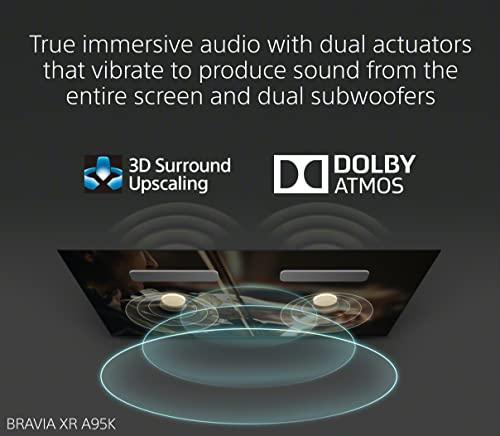
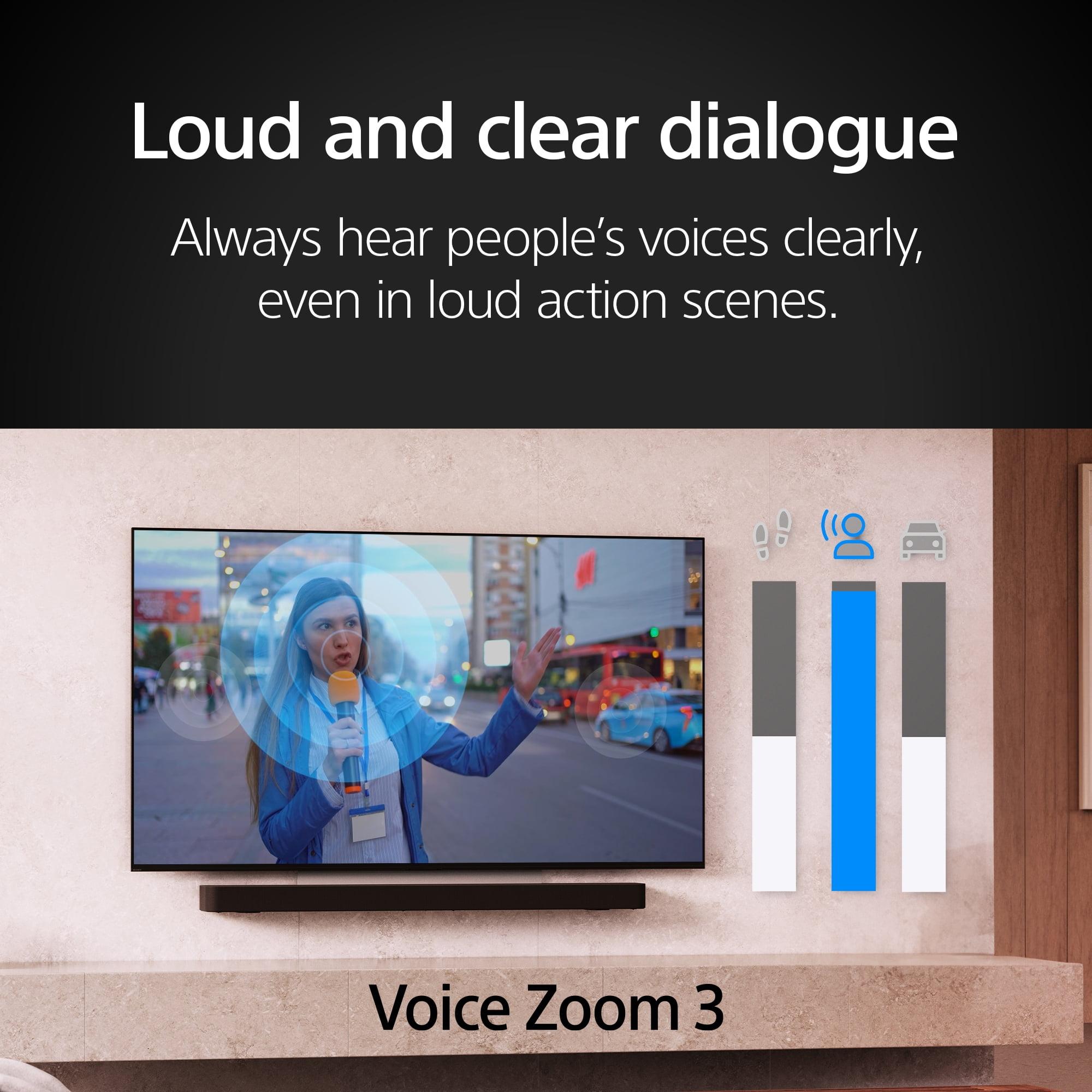
Most buyers focus on picture quality, but audio differences between these TVs are significant. The A95K likely includes Sony's Acoustic Surface Audio technology, where actuators behind the screen vibrate the display itself to produce sound. This creates remarkably precise audio positioning—dialogue seems to come directly from characters' mouths, and sound effects appear to originate from their visual locations.
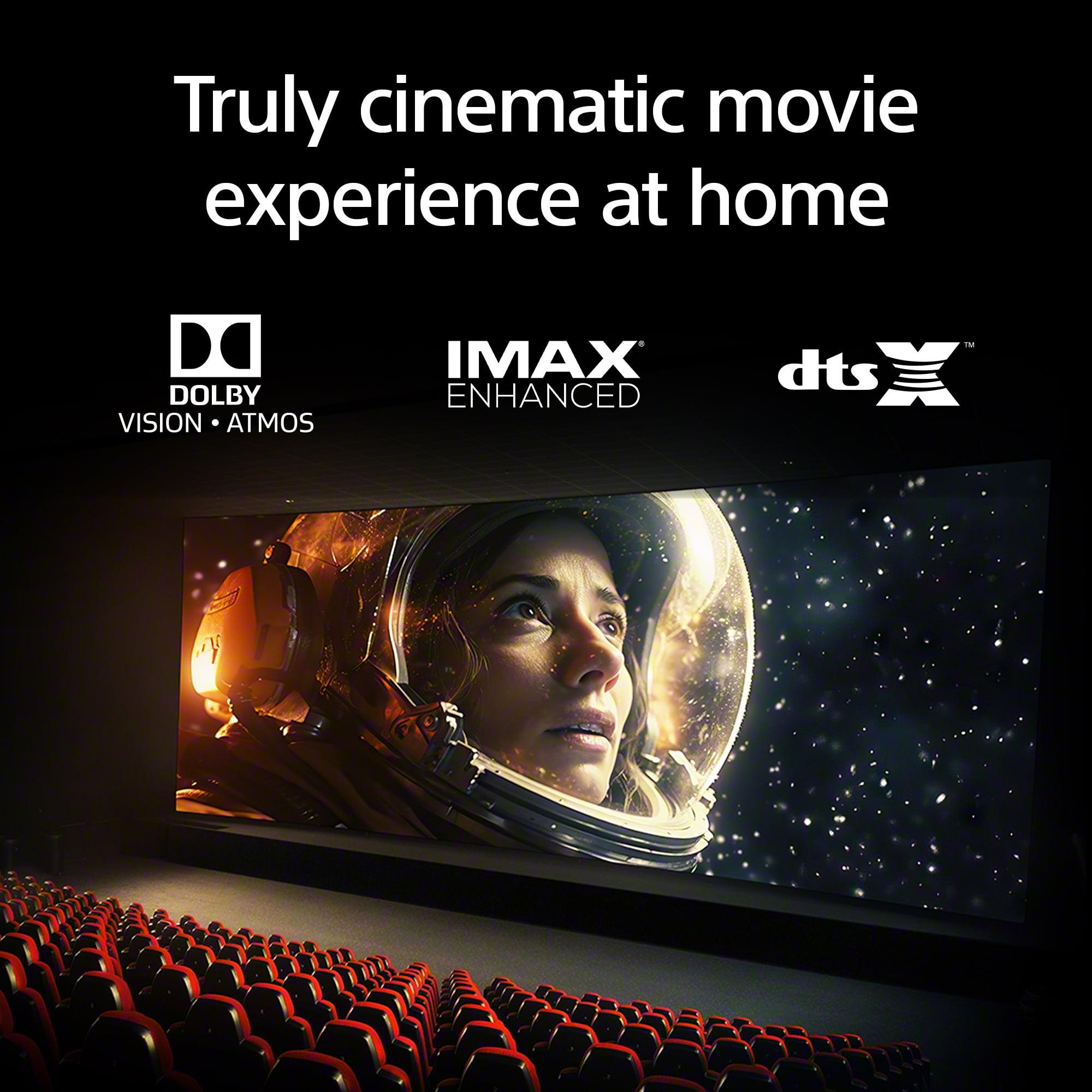
The BRAVIA 5 uses traditional downward-firing speakers with Dolby Atmos processing. While the sound quality is good, it can't match the immersive positioning that screen-as-speaker technology provides. For serious home theater setups, both TVs can function as center channels when paired with compatible Sony soundbars, but the A95K has the edge for built-in audio performance.
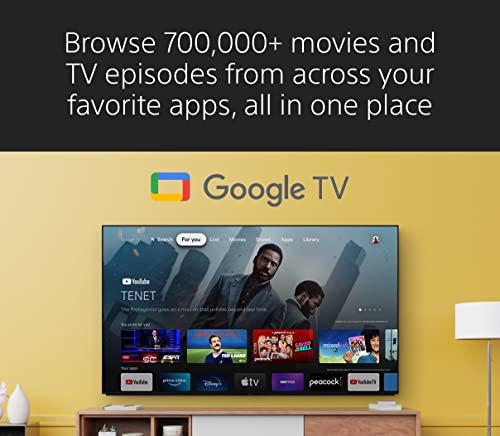
Both televisions run Google TV with similar smart features, app selection, and voice control capabilities. The meaningful difference lies in their release timing and technology maturity.
The BRAVIA 5, launching in 2025, represents Sony's latest Mini LED refinements with significantly more dimming zones and improved processing compared to earlier models. It benefits from three years of additional development since the A95K's 2022 release.
Meanwhile, Sony has continued advancing QD-OLED technology since the A95K, with newer models offering improved brightness and features. This positions the A95K as first-generation technology, though still capable of exceptional performance.
At the time of writing, the BRAVIA 5 typically commands a lower price while offering newer technology. This creates an interesting value proposition—you're getting more recent innovations for less money, along with zero burn-in concerns for long-term peace of mind.
The A95K, despite being older technology, still offers picture quality advantages that many videophiles consider worth the premium. However, with Sony's continued QD-OLED improvements, the first-generation nature of this model affects its long-term value proposition.
For long-term ownership, the BRAVIA 5 offers more flexibility. You never need to worry about content types, viewing habits, or burn-in prevention. The A95K requires more thoughtful usage, though for most viewing patterns, this isn't practically limiting.
Choose the Sony Bravia XR A95K if you're serious about picture quality above all else. It's ideal for dedicated home theaters, movie enthusiasts who can control lighting, and viewers who prioritize the most cinematic experience possible. The perfect blacks and superior color accuracy create images that simply look more realistic and immersive. Just be prepared for some usage considerations and understand you're buying first-generation technology.
The Sony BRAVIA 5 makes more sense for most buyers. It delivers excellent picture quality that's more than satisfactory for the vast majority of content, works beautifully in bright rooms, offers complete peace of mind for any viewing habits, and represents better value with newer technology. It's particularly appealing if you game regularly, watch TV during daytime, or want a worry-free premium TV experience.
For home theater enthusiasts with controlled lighting, the A95K edges ahead with its superior contrast and color accuracy. For everyone else—including gamers, bright room viewers, and those seeking the best balance of performance and value—the BRAVIA 5 likely represents the smarter choice. Both are excellent televisions, but they excel in different scenarios and for different priorities.
| Sony Bravia XR A95K 65" QD-OLED TV | Sony BRAVIA 5 65" Mini LED 4K Google TV 2025 |
|---|---|
| Display Technology - Core difference affecting all picture quality aspects | |
| QD-OLED with self-emitting pixels + quantum dots | Mini LED LCD with thousands of local dimming zones |
| Peak Brightness - Critical for HDR impact and bright room viewing | |
| ~400-600 nits (excellent for dark rooms, limited in bright spaces) | 1,000+ nits (superior HDR impact and daytime viewing) |
| Black Levels & Contrast - Most noticeable difference in dark scenes | |
| Perfect blacks with infinite contrast (pixels turn completely off) | Very good blacks with minor light leakage (elevated black levels) |
| Color Performance - Affects realism and vibrancy | |
| Superior color volume and accuracy via quantum dots | Very good colors with XR Triluminos Pro, but less accurate |
| Viewing Angles - Important for family viewing and room layout | |
| Excellent wide angles with consistent picture quality | Limited viewing angles typical of LCD panels |
| Motion Clarity - Key for sports and gaming | |
| Instant pixel response with zero motion blur | Some LCD motion blur despite processing improvements |
| Burn-in Risk - Long-term durability consideration | |
| Potential burn-in risk with static content (modern protections help) | Zero burn-in risk, worry-free for any content type |
| Gaming Features - Modern console compatibility | |
| 4K@120Hz, VRR, ALLM via 2 HDMI 2.1 ports | 4K@120Hz, VRR, ALLM via 2 HDMI 2.1 ports |
| Audio Technology - Built-in sound quality | |
| Acoustic Surface Audio+ (screen acts as speaker) | Traditional downward-firing speakers with Dolby Atmos |
| Smart Platform - Apps and interface experience | |
| Google TV (2022 version) | Google TV (2025 version with latest features) |
| Design Profile - Aesthetic and mounting considerations | |
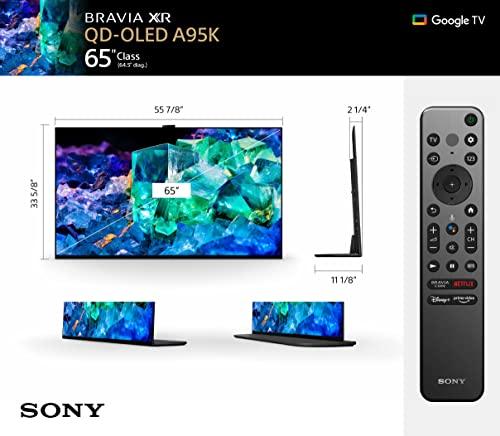
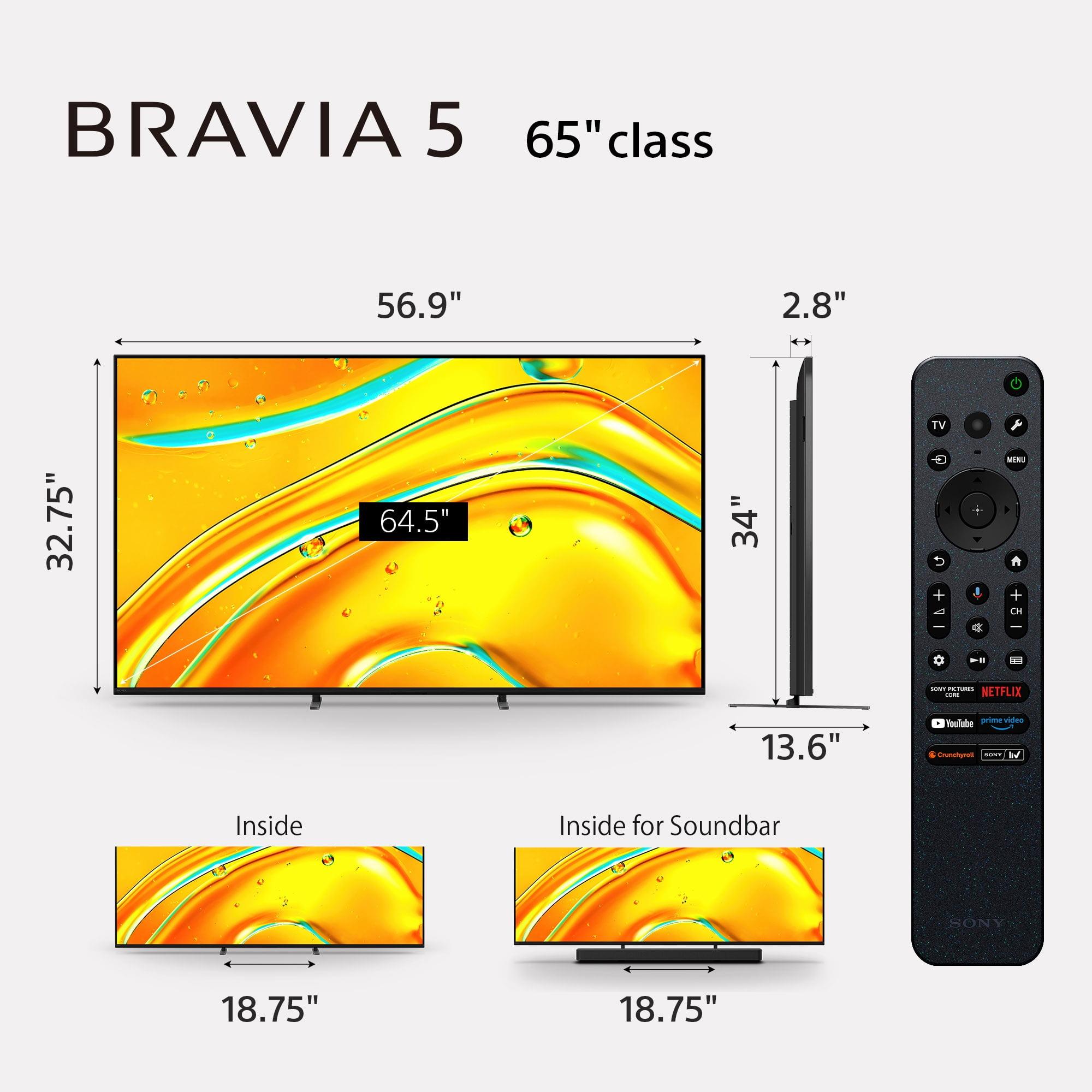
| Ultra-thin OLED profile, premium glass-like appearance | Thicker Mini LED profile, still sleek but more substantial |
| Release Year - Technology generation and future-proofing | |
| 2022 (first-generation QD-OLED technology) | 2025 (latest Mini LED refinements and processing) |
| Best Use Case - Optimal viewing scenario | |
| Dark room movie watching with perfect picture quality | Bright room viewing with worry-free operation |
The Sony Bravia XR A95K delivers superior picture quality in dark rooms with perfect blacks and infinite contrast thanks to its QD-OLED technology. However, the Sony BRAVIA 5 performs better in bright rooms due to its higher peak brightness from Mini LED backlighting. For overall color accuracy and contrast, the A95K has the edge, while the BRAVIA 5 offers more practical performance across different lighting conditions.
QD-OLED in the Sony Bravia XR A95K uses self-emitting pixels that can turn completely off for perfect blacks, while Mini LED in the Sony BRAVIA 5 uses thousands of tiny LEDs behind an LCD panel for precise local dimming. The A95K achieves infinite contrast but lower brightness, while the BRAVIA 5 gets much brighter but can't produce true blacks.
Both the Sony Bravia XR A95K and Sony BRAVIA 5 support 4K at 120Hz, VRR, and ALLM through 2 HDMI 2.1 ports. The A95K offers superior motion clarity with zero blur, making it excellent for fast-paced games. The BRAVIA 5 has no burn-in risk, making it safer for gaming with static HUD elements or extended gaming sessions.
The Sony Bravia XR A95K has potential burn-in risk with prolonged static content display, though modern protective features significantly reduce this concern with normal viewing. The Sony BRAVIA 5 has zero burn-in risk, making it completely worry-free for any content type. For varied viewing habits, burn-in on the A95K is rarely an issue.
The Sony BRAVIA 5 significantly outperforms the Sony Bravia XR A95K in bright rooms due to its much higher peak brightness that combats glare and maintains HDR impact during daytime viewing. The A95K can struggle with reflections and appear washed out in bright ambient lighting, making it better suited for controlled lighting environments.
The Sony Bravia XR A95K offers excellent wide viewing angles with consistent picture quality from any seating position, making it ideal for family viewing. The Sony BRAVIA 5 has limited viewing angles typical of LCD panels, with noticeable picture quality degradation when viewed off-center, making it best for centered seating arrangements.
The Sony Bravia XR A95K likely features Acoustic Surface Audio+ technology where the screen itself acts as a speaker, creating precise sound positioning and immersive audio. The Sony BRAVIA 5 uses traditional downward-firing speakers with Dolby Atmos support, which provides good sound quality but cannot match the positioning benefits of the A95K's screen-as-speaker technology.
The Sony BRAVIA 5 delivers more impactful HDR performance due to its higher peak brightness, making highlights pop and colors appear more vivid in HDR content. The Sony Bravia XR A95K offers excellent HDR with superior color accuracy and perfect blacks, but its lower brightness limits the impact of bright HDR highlights compared to the BRAVIA 5.
The Sony BRAVIA 5 typically offers better value with newer 2025 technology, worry-free operation, and strong performance across all viewing conditions. The Sony Bravia XR A95K represents first-generation QD-OLED technology from 2022 with superior picture quality in optimal conditions but requires more consideration for viewing habits and room setup.
For dedicated home theaters with controlled lighting, the Sony Bravia XR A95K excels with perfect blacks, superior contrast, and wide viewing angles that create a truly cinematic experience. The Sony BRAVIA 5 works well in multipurpose rooms where ambient light control isn't perfect, offering excellent performance without the viewing environment restrictions of the A95K.
Both the Sony Bravia XR A95K and Sony BRAVIA 5 run Google TV with similar app selection and voice control features. The BRAVIA 5 benefits from the 2025 version with the latest features and improvements, while the A95K uses the 2022 version of the platform, though both provide comprehensive smart TV functionality.
The Sony BRAVIA 5 offers better long-term reliability with zero burn-in concerns and represents the latest 2025 Mini LED technology for better future-proofing. The Sony Bravia XR A95K uses first-generation QD-OLED technology that Sony has since improved in newer models, and requires mindful usage to prevent burn-in, though with proper care both TVs should provide years of excellent performance.
We've done our best to create useful and informative comparisons to help you decide what product to buy. Our research uses advanced automated methods to create this comparison and perfection is not possible - please contact us for corrections or questions. These are the sites we've researched in the creation of this article: tomsguide.com - audioadvice.com - wepc.com - bestbuy.com - tvsbook.com - rtings.com - youtube.com - flatpanelshd.com - rtings.com - youtube.com - reviewed.com - avsforum.com - youtube.com - youtube.com - rtings.com - youtube.com - electronics.sony.com - sonypremiumhome.com - valueelectronics.com - sony.com - displayspecifications.com - flatpanelshd.com - donstv.com - youtube.com - businessinsider.com - youtube.com - displayspecifications.com - bestbuy.com - rtings.com - pro.sony - youtube.com - electronics.sony.com - electronics.sony.com - electronics.sony.com - bestbuy.com - electronics.sony.com - youtube.com - bestbuy.com - videoandaudiocenter.com - valueelectronics.com - youtube.com - sony.ca - perpichtv.com - sony.com - displayspecifications.com - pioneertvandappliance.com - flatpanelshd.com

Privacy Policy
Terms and Conditions - Affiliate Policy
Home Security
© Copyright 2008-2026.
11816 Inwood Rd #1211, Dallas, TX 75244