

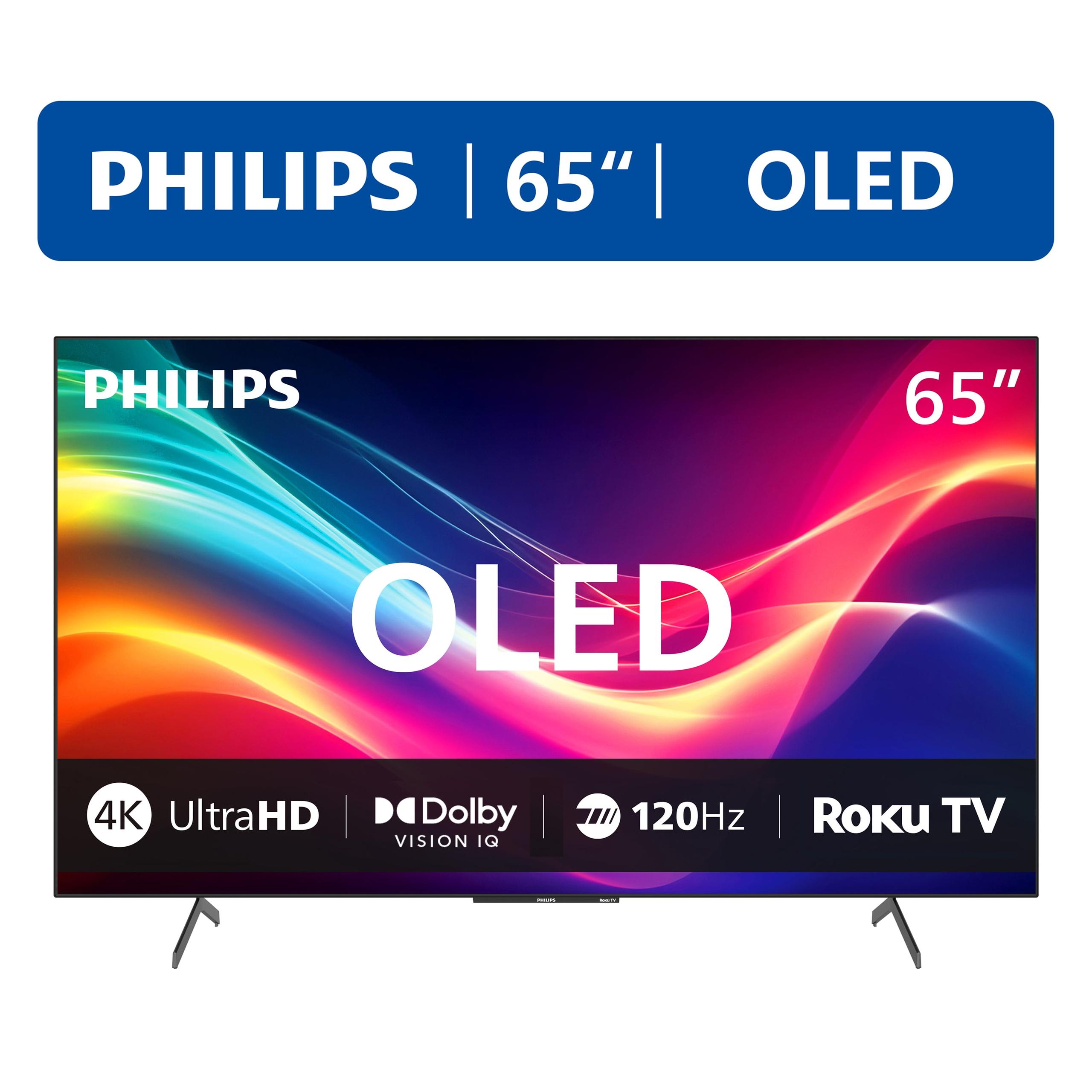
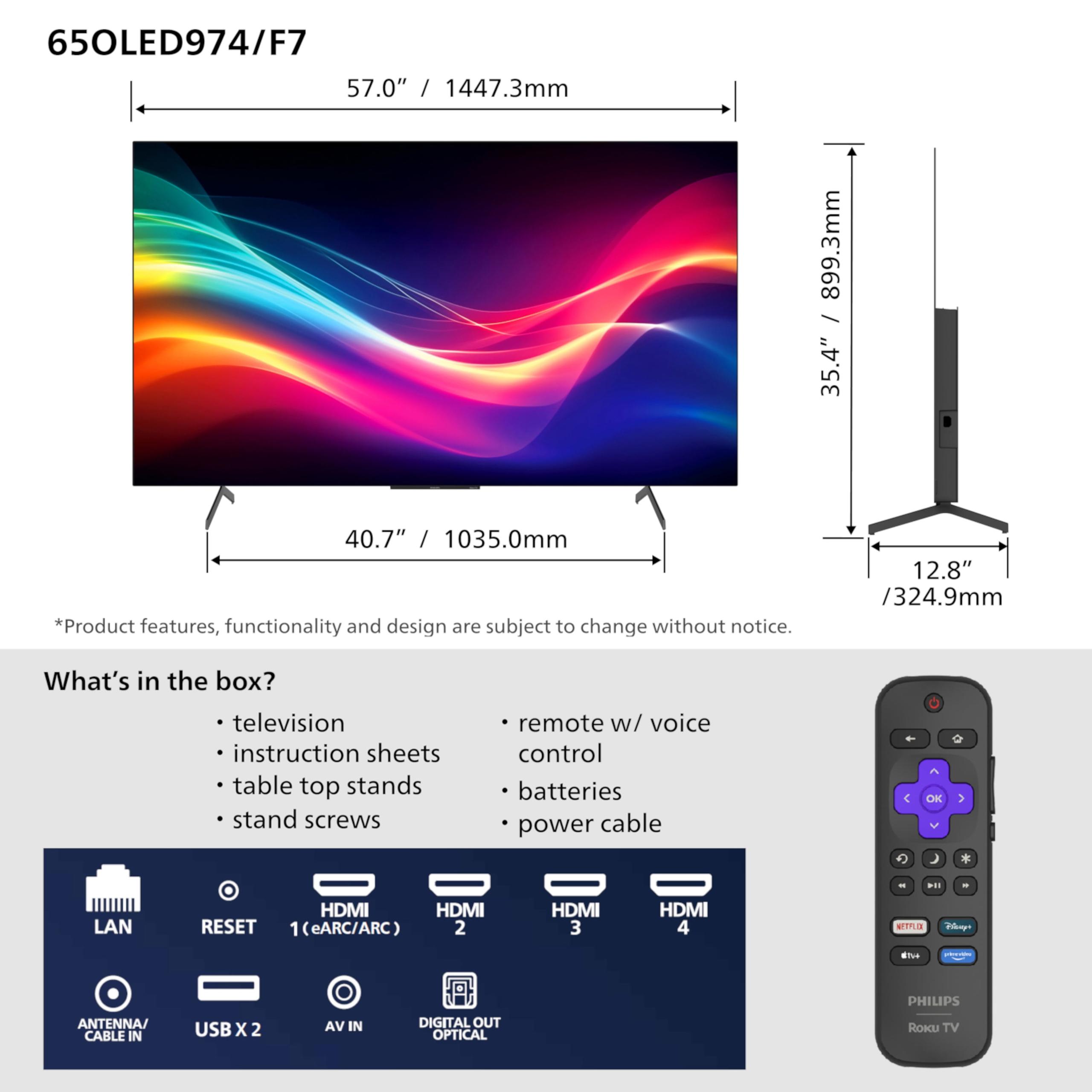

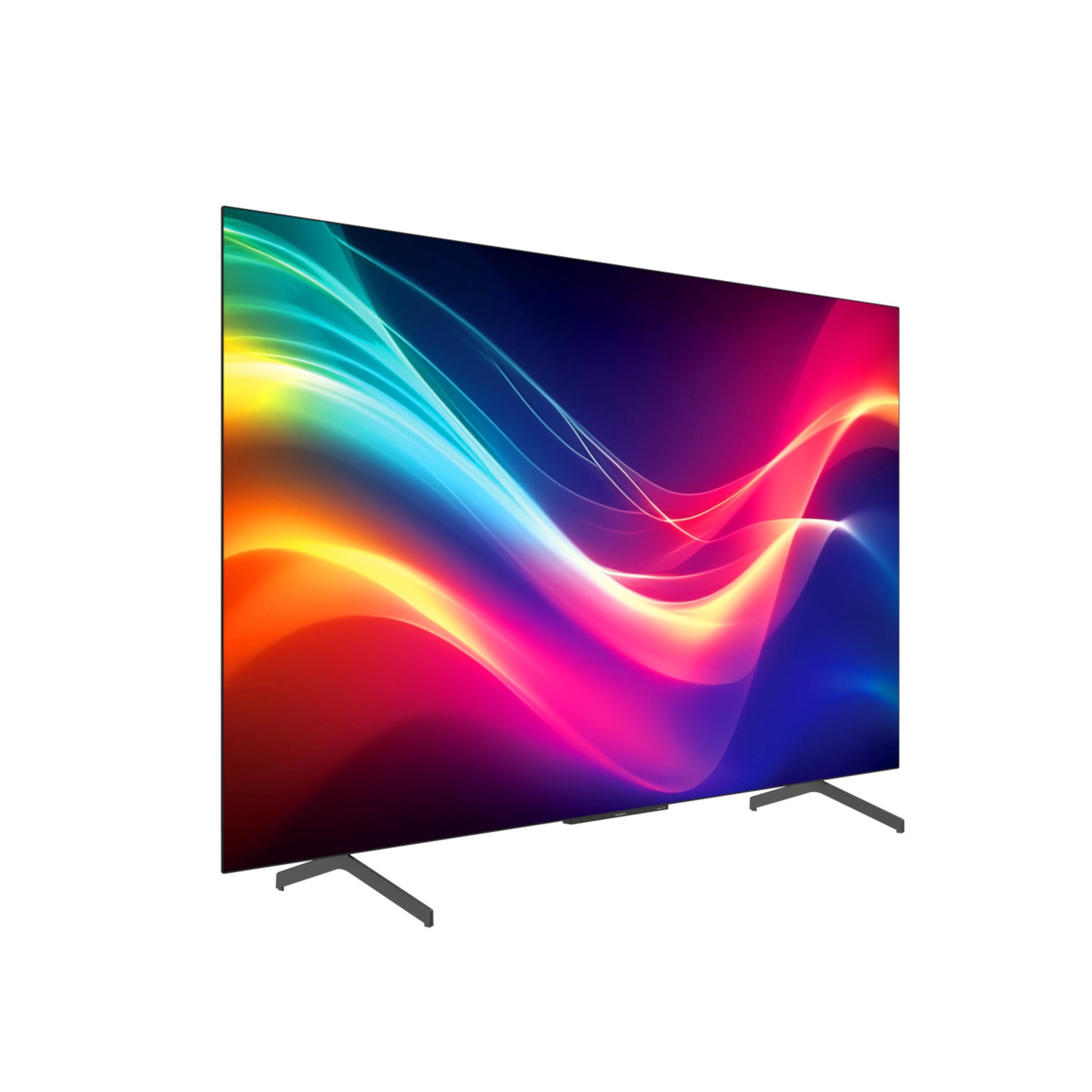
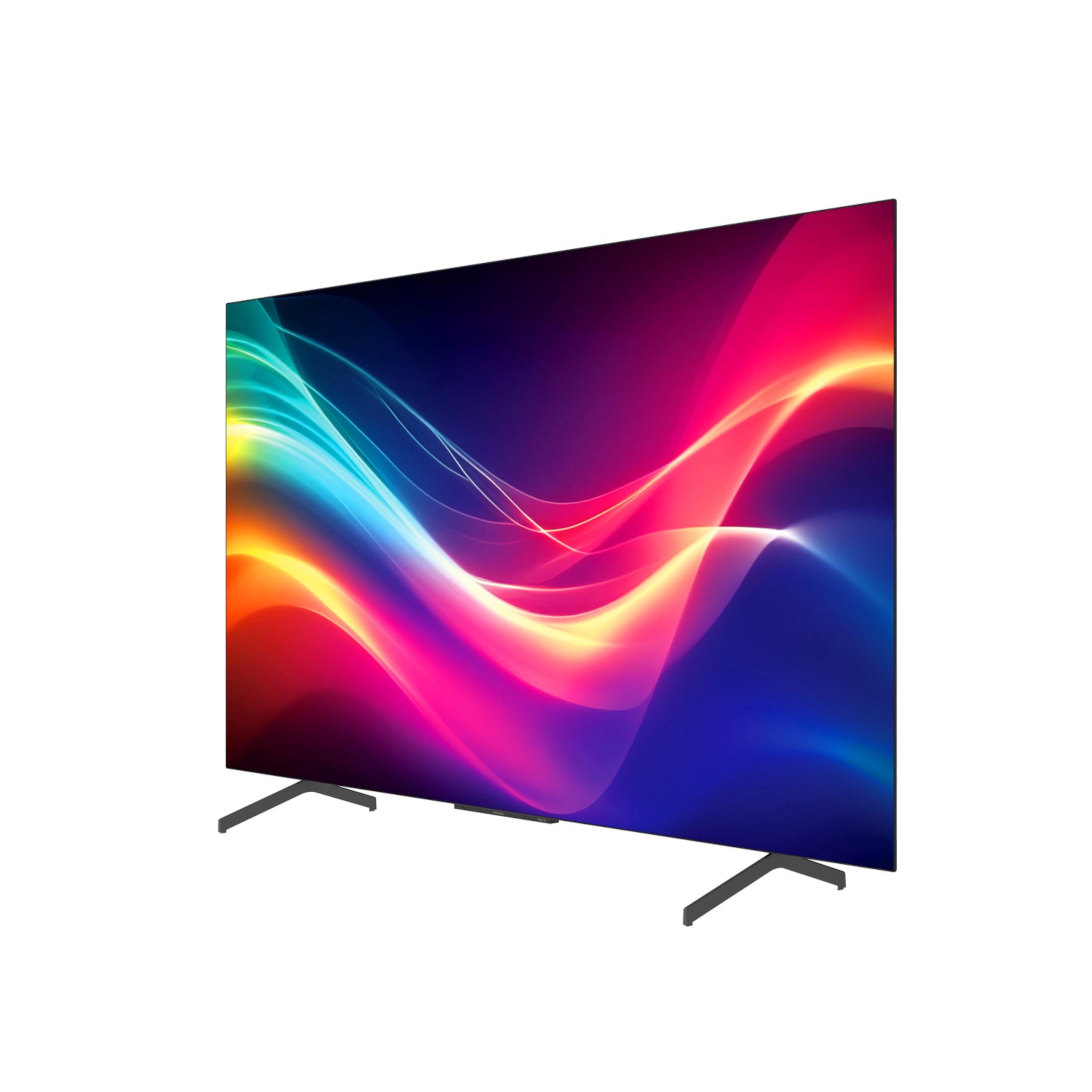


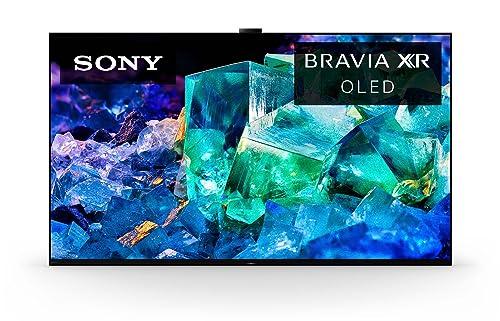



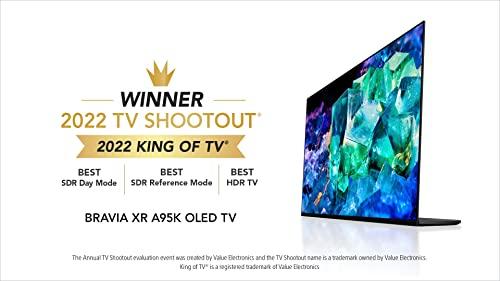





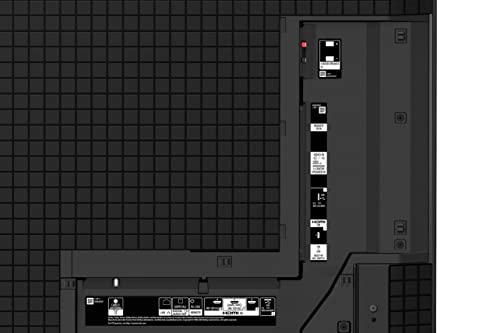
When you're shopping for a premium TV in 2024, OLED technology represents the gold standard for home entertainment. But not all OLEDs are created equal, and the choice between an affordable option and a flagship model can be surprisingly complex. Today we're comparing two very different approaches to the 65-inch OLED market: the budget-conscious Philips 65OLED974/F7 and Sony's premium Bravia XR A95K.
The fundamental question isn't just whether you should spend more money—it's whether the advanced technology in Sony's flagship justifies nearly triple the cost of Philips' offering. After researching extensive user feedback and professional reviews, the answer depends heavily on your viewing environment and priorities.
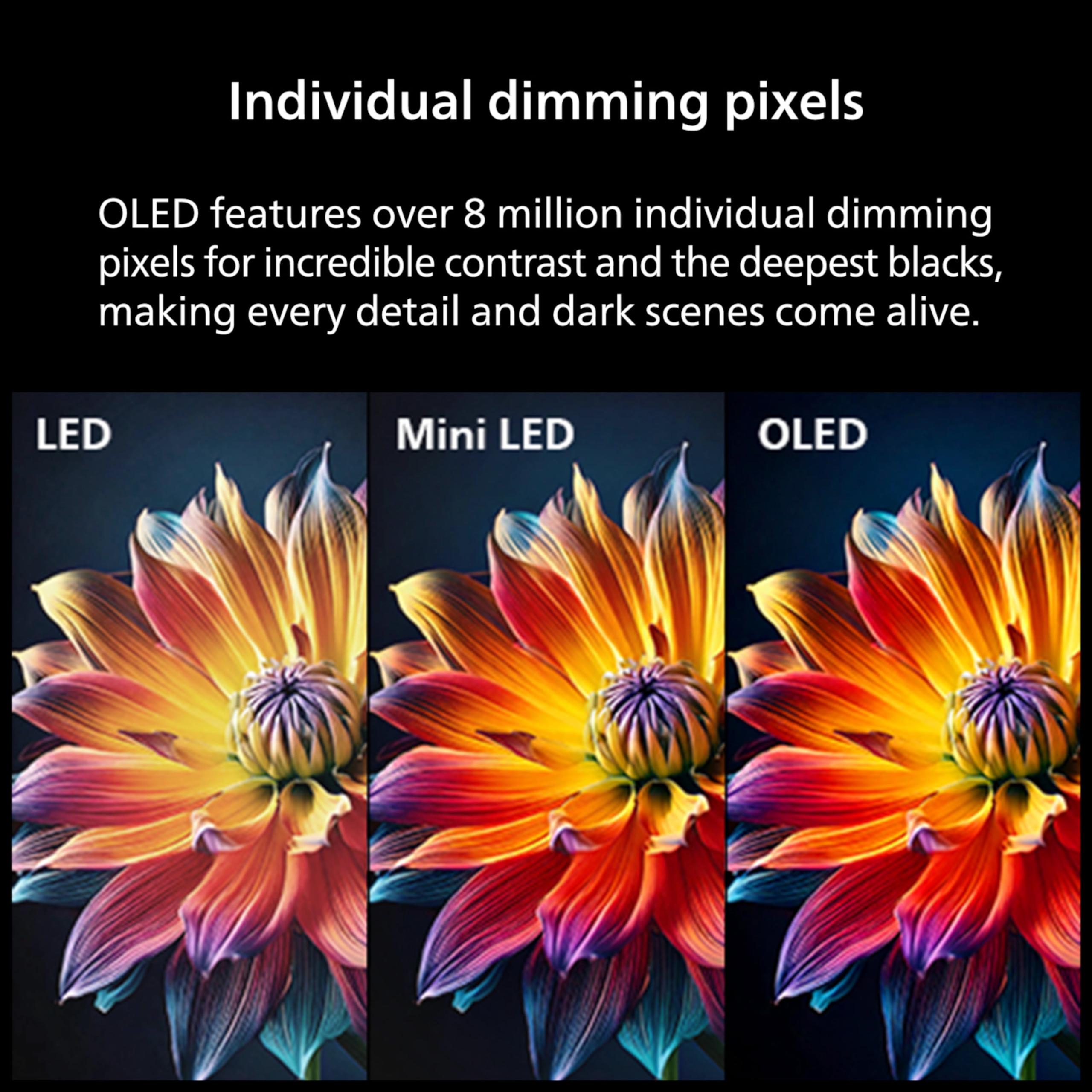
OLED (Organic Light-Emitting Diode) technology revolutionized television displays by giving each pixel the ability to turn completely off, creating true blacks that LCD TVs simply cannot match. This pixel-level control delivers infinite contrast ratios—the difference between the brightest and darkest parts of an image—which is why OLED TVs look so dramatically better than most alternatives.
The main factors that separate good OLED TVs from exceptional ones include peak brightness (how bright highlights can get), color volume (how vibrant colors remain at different brightness levels), motion processing (how smooth fast action appears), and smart platform integration. Gaming performance has also become crucial, with features like Variable Refresh Rate (VRR) and 120Hz support now essential for next-generation consoles.
The biggest differentiator between our two contenders is their fundamental display technology. The Philips 65OLED974/F7, released in 2023, uses traditional WOLED (White OLED) panels that have powered most OLED TVs for years. These panels create white light through blue and yellow OLED compounds, then use color filters to produce red, green, and blue pixels.
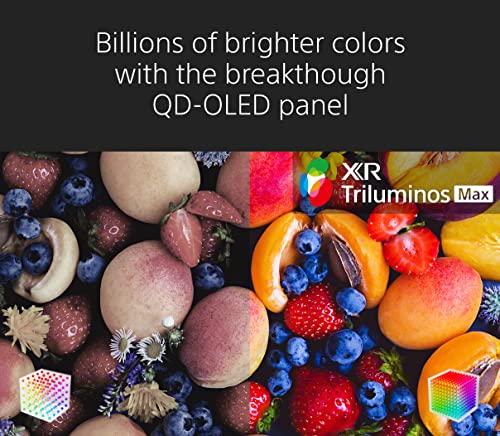
Sony's A95K, launched in 2022, pioneered consumer QD-OLED (Quantum Dot OLED) technology. Instead of white subpixels and color filters, QD-OLED uses blue OLED light to excite quantum dots that convert this energy into pure red and green light. This approach eliminates the efficiency losses of color filtering and delivers significantly brighter, more saturated colors.
The practical difference is substantial. QD-OLED panels can produce up to 200% more color brightness than traditional OLEDs, meaning vibrant reds and greens don't dim when they should be bright. This technology was exclusive to premium TVs in 2022-2023, though it's becoming more widespread in 2024.
Peak brightness performance reveals the starkest difference between these TVs. Our research into professional measurements shows the Sony A95K achieving significantly higher brightness in both standard dynamic range (SDR) and high dynamic range (HDR) content. This brightness advantage isn't just about numbers—it fundamentally changes how content looks.
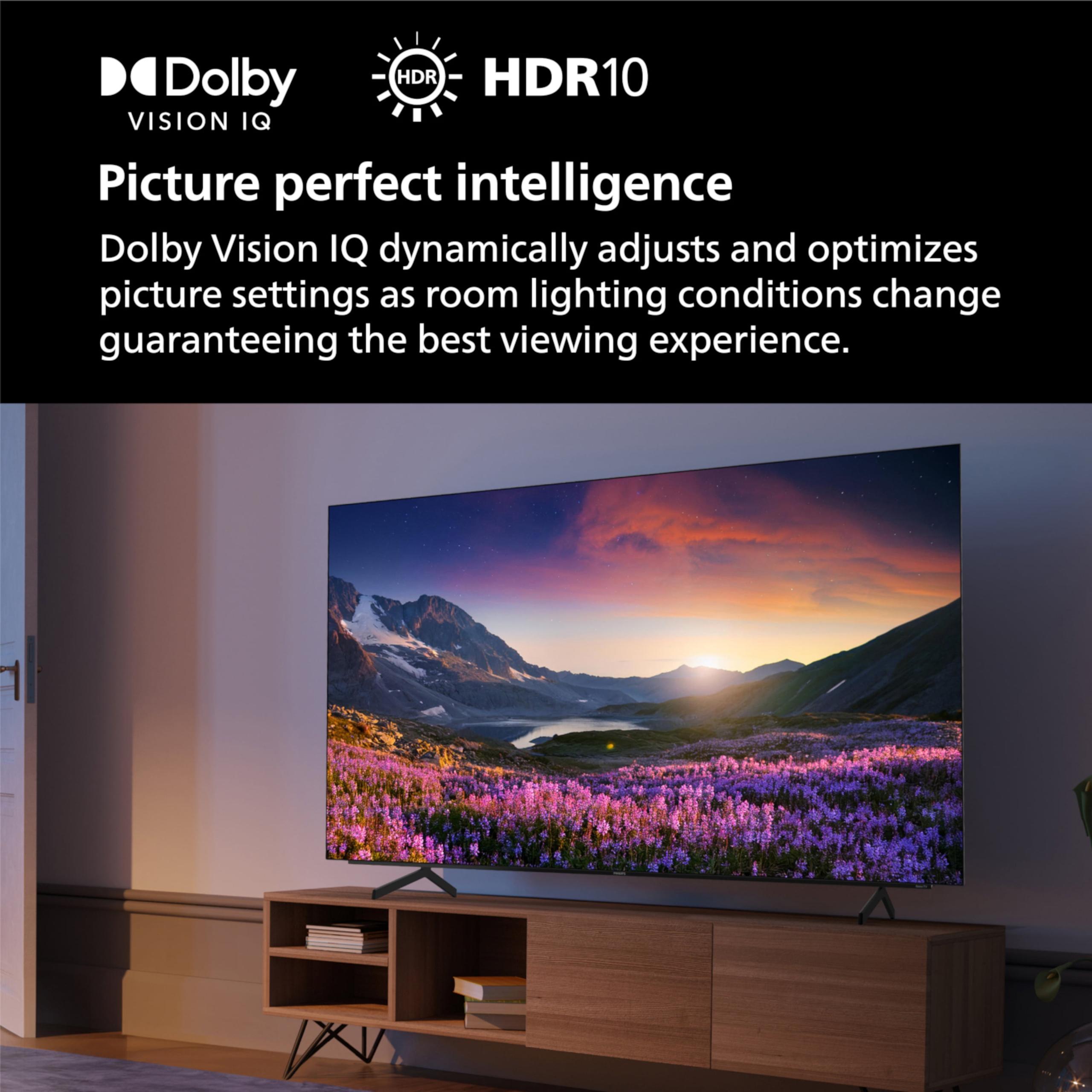
The Philips 974/F7 struggles with brightness limitations that make it unsuitable for well-lit rooms. Bright scenes in HDR movies appear muted and lack the impact that makes HDR worthwhile. Highlights that should pop—like sunlight streaming through windows or explosions in action movies—look disappointingly dim compared to what directors intended.
Sony's QD-OLED panel excels in bright environments where the Philips would wash out. More importantly for home theater enthusiasts, HDR content displays with the dramatic highlight peaks that create that "wow factor" when watching premium content. The difference becomes obvious when switching between the two TVs with the same HDR movie.
This brightness gap has widened since both TVs launched. Content creators have increasingly mastered HDR techniques, and streaming services now offer more high-brightness content that really showcases what premium displays can do. The Philips, while excellent in dark rooms, feels increasingly limited as HDR standards evolve.
Color reproduction showcases another area where panel technology creates meaningful differences. The Sony A95K leverages its QD-OLED panel with Sony's XR Triluminos Max processing to achieve professional-grade color accuracy that rivals reference monitors used in film studios. Colors maintain their vibrancy across different brightness levels, creating more lifelike images.
The Philips 65OLED974/F7 delivers respectable color performance in standard content, with good out-of-the-box accuracy that doesn't require calibration for most viewers. However, bright colors in HDR content appear washed out due to the panel's brightness constraints. Red fire trucks look more orange, and vibrant blue skies lose their intensity compared to what you'd see on premium panels.
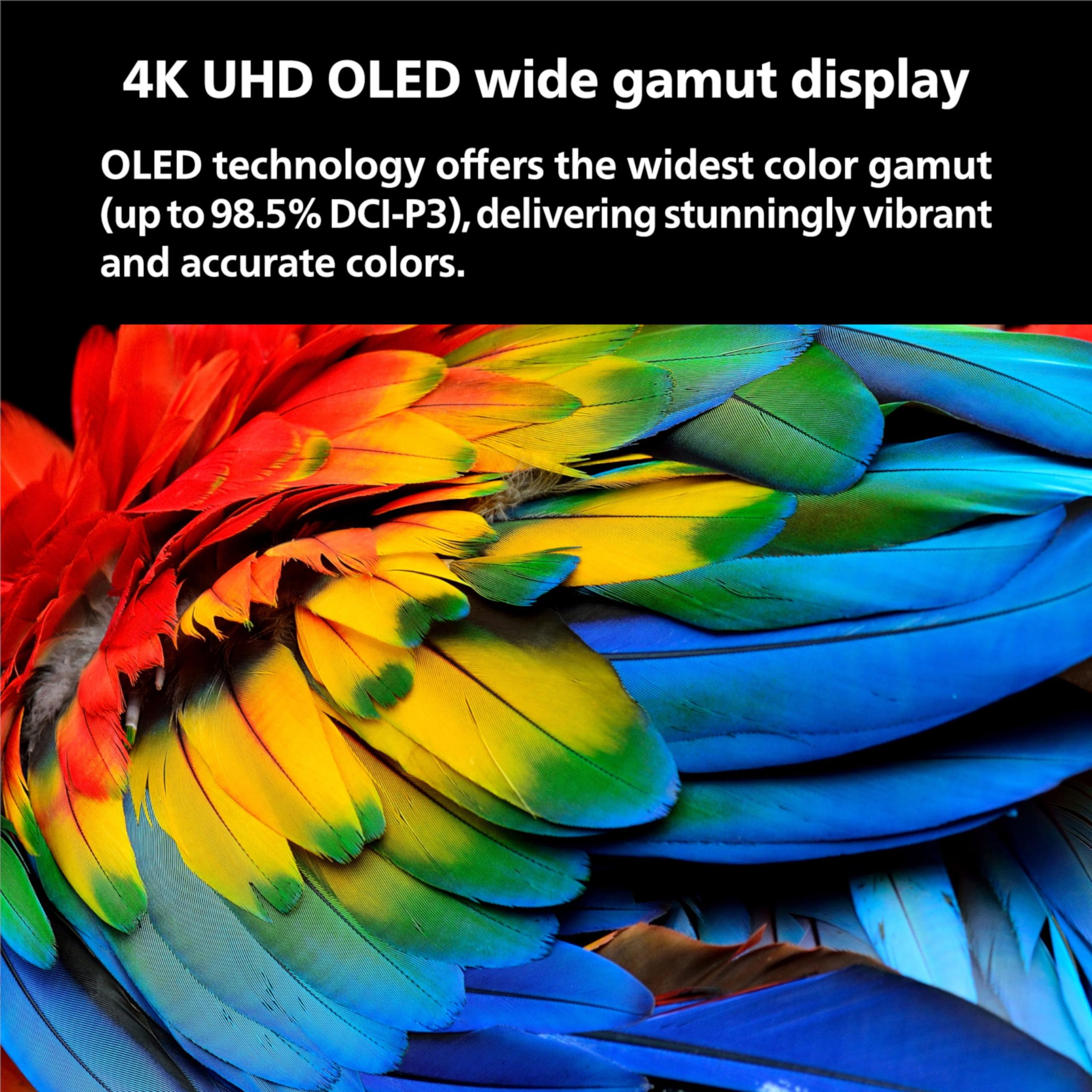
Color volume—how saturated colors remain at different brightness levels—represents the most significant technical advancement in recent OLED development. The Sony maintains color purity even in bright scenes, while the Philips compromises saturation as brightness increases. This difference becomes particularly noticeable in animated content, nature documentaries, and modern movies that use wide color gamuts.
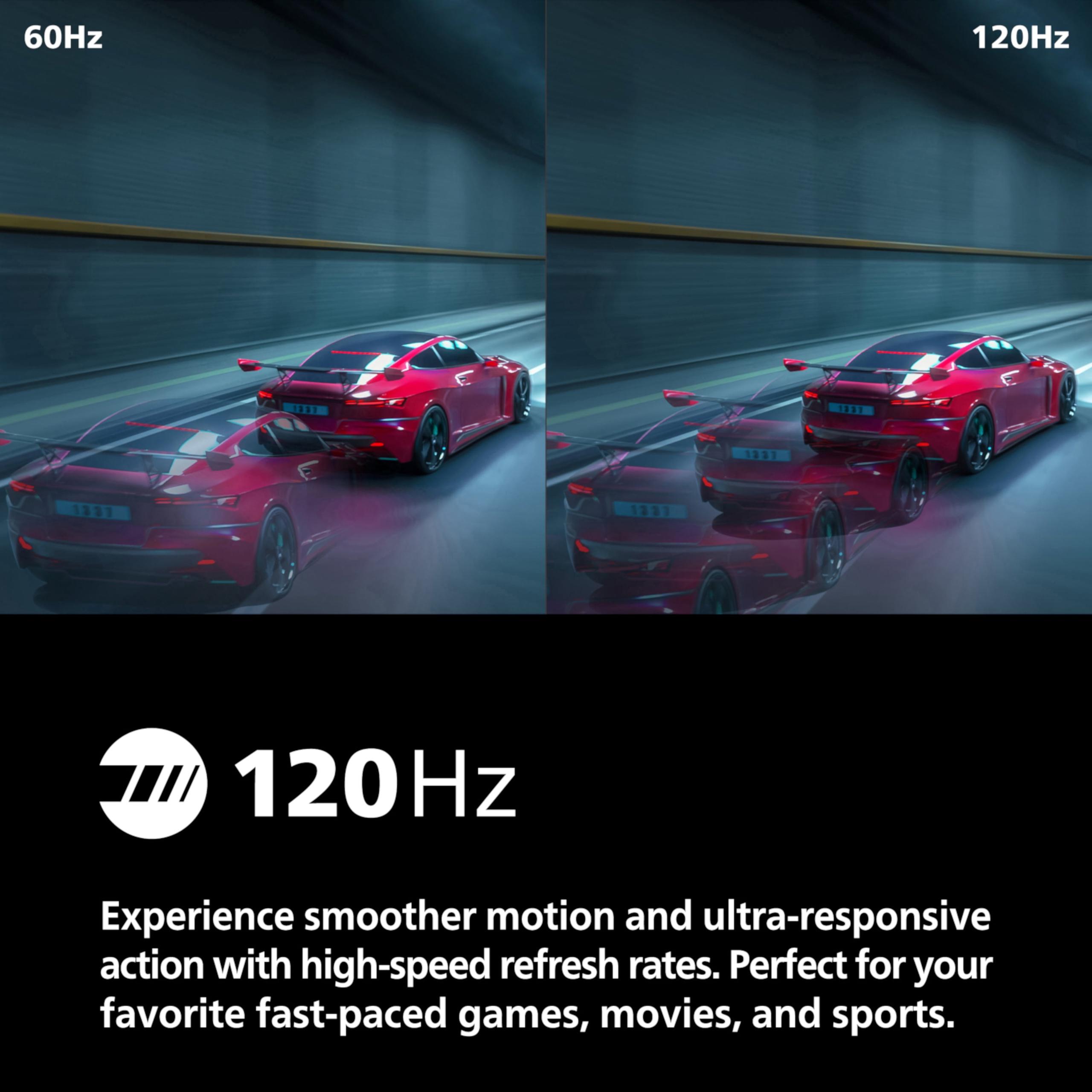
Both TVs support modern gaming features, but with different levels of refinement. The Philips 974/F7 and Sony A95K both offer HDMI 2.1 connectivity with support for 4K gaming at 120Hz, Variable Refresh Rate (VRR) to eliminate screen tearing, and Auto Low Latency Mode (ALLM) that automatically switches to game mode when consoles are detected.
Input lag—the delay between controller input and on-screen response—measures similarly low on both TVs, making them responsive enough for competitive gaming. The near-instantaneous pixel response times inherent to OLED technology ensure sharp motion without blur trails behind fast-moving objects.
However, the Sony provides a more polished gaming experience. Its superior brightness makes HDR games more impactful, and Sony's motion processing handles 24fps content (common in cinematic game sequences) more smoothly than the Philips. The major limitation is connectivity: Sony only provides two HDMI 2.1 ports compared to four on the Philips, which matters if you have multiple next-gen consoles.
For serious gamers building dedicated gaming setups, the brightness and color advantages of the Sony often outweigh its port limitations. Casual gamers will find the Philips perfectly adequate, especially considering its superior value proposition.
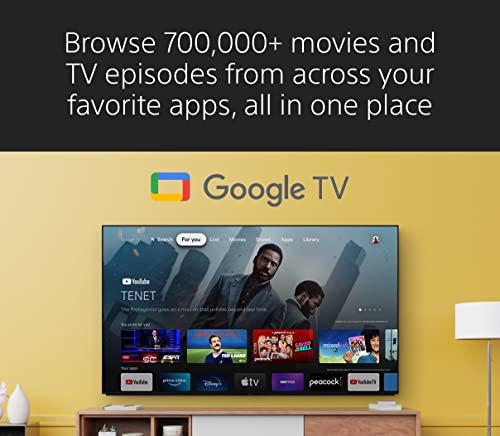
The choice between Roku TV on the Philips and Google TV on the Sony reflects different approaches to smart TV interfaces. Roku TV prioritizes simplicity with an intuitive tile-based interface that even technology-averse family members can navigate easily. Content discovery works well, and the platform rarely feels sluggish or complicated.
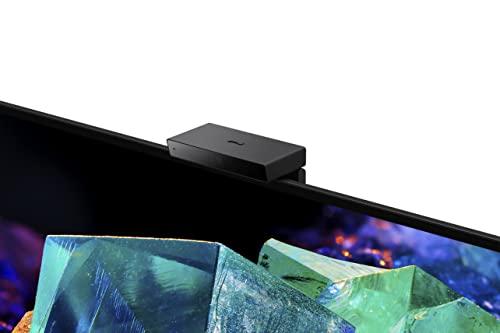
Google TV offers more sophisticated features, including hands-free voice control and integration with Google's ecosystem. The Sony includes a BRAVIA CAM for gesture controls and video calling, plus access to premium features like Netflix Calibrated Mode for reference-quality viewing. The interface feels more modern but requires a steeper learning curve.
Platform preference often comes down to existing ecosystem investments. If you're already using Google services extensively, the Sony integrates more seamlessly. For families wanting straightforward access to streaming apps without complexity, Roku's approach feels more user-friendly.
Both platforms receive regular updates, though Google TV typically gets new features first. Since smart TV platforms evolve quickly, neither choice locks you into outdated software long-term.
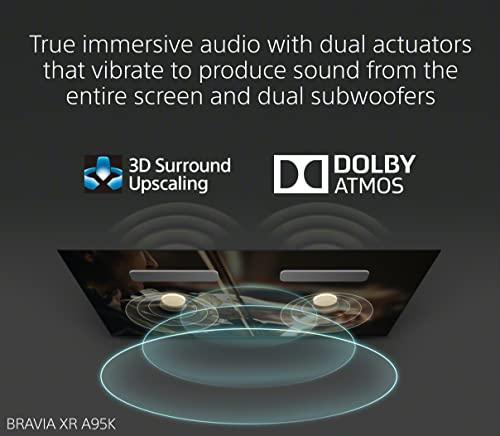
Audio performance showcases Sony's commitment to innovation versus Philips' practical approach. The Sony A95K uses Acoustic Surface Audio+ technology that literally turns the entire screen into a speaker. Actuators behind the panel vibrate the display to produce sound, creating an immersive experience where dialogue appears to come directly from actors' mouths rather than from speakers below the screen.
This screen-speaker approach isn't just a gimmick—it creates noticeably better dialogue clarity and a more engaging viewing experience, especially for movies and TV shows with complex soundtracks. The Sony can also function as a center channel in surround sound setups, seamlessly blending with external speakers.
The Philips 974/F7 takes a more conventional approach with a 2.1 speaker system that includes dedicated left and right drivers plus a subwoofer. While this setup produces adequate sound with decent bass response, it can't match the spatial audio experience of Sony's screen-based system.
For home theater enthusiasts planning to add external speakers anyway, this difference matters less. But for viewers relying primarily on built-in audio, Sony's innovative approach provides a meaningfully better experience that's particularly noticeable during movie watching.
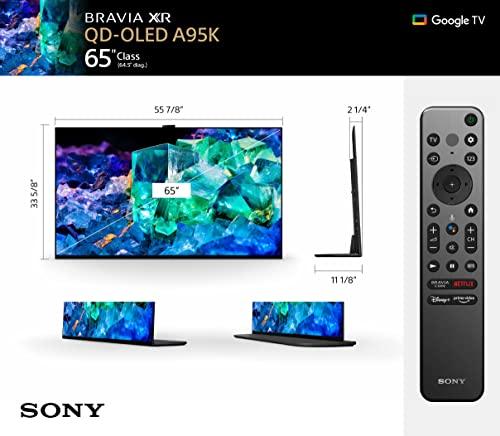
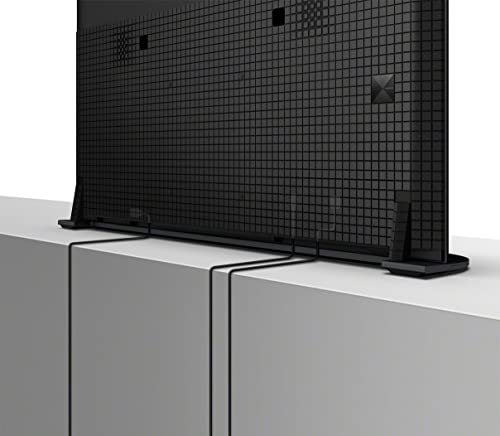
Both TVs achieve modern aesthetics, but with different priorities. The Sony A95K emphasizes premium materials and minimalist design elements that complement high-end living spaces. The stand can be positioned behind the TV for a clean look, and overall build quality feels substantial.
The Philips 65OLED974/F7 focuses on practical design with a stable three-sided borderless appearance. While attractive, the materials and finishing don't quite reach Sony's premium level. For most living rooms, these differences won't matter significantly, but the Sony better suits spaces where the TV serves as a design statement.
Both TVs support VESA wall mounting, though the Sony's anti-reflection coating helps reduce glare from windows or light fixtures—another advantage in bright rooms where the Philips already struggles with brightness limitations.
Since launch, both manufacturers have released firmware updates that improved performance, but the fundamental hardware differences remain unchanged. Sony's QD-OLED advantage has actually grown more pronounced as content creators embrace higher brightness HDR standards.
The gap between budget and premium OLED performance has widened since 2022-2023, making the choice more consequential. Streaming services now routinely offer content that showcases premium panel capabilities, while gaming continues evolving toward higher frame rates and more sophisticated HDR implementation.
At the time of writing, the Philips 65OLED974/F7 costs significantly less than the Sony A95K—roughly one-third the price for the flagship Sony model. This dramatic price difference makes the value calculation complex rather than obvious.
The Philips represents exceptional value for OLED technology access. You get perfect blacks, excellent contrast, good gaming performance, and reliable smart TV functionality at a fraction of premium OLED pricing. For viewers primarily using the TV in dim environments, the Philips delivers most of OLED's benefits without premium costs.
Sony's pricing reflects its QD-OLED technology premium, advanced processing capabilities, and innovative features like screen-based audio. The question becomes whether these improvements justify the substantial cost difference for your specific situation.
For dedicated home theater setups, the choice becomes clearer. The Sony A95K provides the brightness headroom and color accuracy that make HDR content truly impressive in controlled lighting environments. Its superior motion processing handles film content more elegantly, and the color volume advantage becomes obvious with high-quality source material.
The Philips can still anchor an excellent home theater, particularly if you're prioritizing value and can control ambient lighting effectively. However, as streaming services and UHD Blu-ray discs increasingly showcase wide color gamuts and high peak brightness, the Sony future-proofs your investment better.
Choose the Philips 65OLED974/F7 if you want OLED benefits at accessible pricing, primarily watch in dimly lit rooms, prefer Roku's straightforward interface, or need to balance performance with budget constraints. It's an excellent entry point into OLED technology that delivers most of the benefits at a fraction of flagship costs.
Select the Sony Bravia XR A95K if you want cutting-edge display technology, regularly view content in well-lit rooms, value professional-grade color accuracy, or plan to build a premium home entertainment system. The QD-OLED technology and Sony's processing justify the premium for enthusiasts who appreciate the differences.
The decision ultimately comes down to your viewing environment and priorities. In bright rooms, Sony's advantages become essential rather than luxury features. In dedicated dark viewing spaces, the Philips provides most of what makes OLED special at remarkable value. Both represent solid choices within their respective market segments, but they serve different audiences with distinct needs and budgets.
| Philips 65OLED974/F7 | Sony Bravia XR A95K |
|---|---|
| Panel Technology - Core display technology that affects color and brightness | |
| Traditional WOLED with color filters | QD-OLED with quantum dot converters |
| Peak Brightness - Critical for HDR impact and bright room viewing | |
| Poor brightness, unsuitable for well-lit rooms | Superior brightness, excellent for any lighting |
| Color Performance - How vibrant and accurate colors appear | |
| Good SDR colors, muted bright HDR colors | Exceptional color volume with 200% brighter colors |
| Gaming Features - Next-gen console compatibility and performance | |
| 4K@120Hz, VRR, ALLM on 4 HDMI ports | 4K@120Hz, VRR, ALLM on 2 HDMI 2.1 ports |
| Smart Platform - User interface and app ecosystem | |
| Roku TV (simple, intuitive interface) | Google TV (advanced features, voice control) |
| Audio Technology - Built-in sound system approach | |
| Traditional 2.1 speakers with subwoofer | Acoustic Surface Audio+ (screen vibrates for sound) |
| Motion Processing - How smooth fast action and films appear | |
| Acceptable with some 24fps judder issues | Excellent motion handling and film processing |
| Room Brightness Suitability - Where the TV performs best | |
| Dark rooms only due to poor peak brightness | Any lighting condition, anti-glare coating |
| Value Proposition - Performance per dollar at time of writing | |
| Exceptional OLED entry value, ~1/3 the cost | Premium pricing justified by advanced technology |
| Best For - Ideal buyer and use case | |
| Budget OLED access, dim viewing environments | Home theater enthusiasts, bright rooms, premium features |
The Sony Bravia XR A95K is significantly better for bright rooms due to its superior peak brightness and QD-OLED technology. The Philips 65OLED974/F7 has poor brightness performance that makes it unsuitable for well-lit environments, where HDR content appears dim and washed out.
The Philips 65OLED974/F7 uses traditional OLED technology with white subpixels and color filters, while the Sony A95K features advanced QD-OLED technology that uses quantum dots for pure color conversion. QD-OLED delivers up to 200% brighter colors and better color volume compared to standard OLED panels.
Both TVs offer excellent gaming with 4K@120Hz, VRR, and low input lag, but the Sony A95K provides a more refined experience with superior HDR gaming visuals. However, the Philips 65OLED974/F7 offers more connectivity with four HDMI ports versus Sony's two HDMI 2.1 ports.
The Sony Bravia XR A95K costs significantly more but offers substantial improvements in brightness, color accuracy, and premium features. The Philips 65OLED974/F7 provides excellent value for budget-conscious buyers who primarily watch in dark rooms and don't need cutting-edge panel technology.
The Philips 65OLED974/F7 runs Roku TV, which offers a simpler, more intuitive interface that's easier for families to navigate. The Sony A95K uses Google TV with more advanced features like hands-free voice control and better ecosystem integration, but has a steeper learning curve.
The Sony A95K features innovative Acoustic Surface Audio+ technology that turns the screen into a speaker for immersive sound placement. The Philips 65OLED974/F7 uses a traditional 2.1 speaker system with dedicated subwoofer, which provides adequate sound but can't match Sony's spatial audio experience.
For dedicated home theaters, the Sony Bravia XR A95K is superior due to its higher peak brightness, professional-grade color accuracy, and excellent motion processing for film content. The Philips 65OLED974/F7 can still work well in controlled lighting but lacks the brightness headroom for optimal HDR impact.
No, there are significant differences. The Sony A95K delivers superior picture quality with its QD-OLED panel providing brighter, more vibrant colors and better HDR performance. The Philips 65OLED974/F7 offers good picture quality with perfect blacks but struggles with brightness limitations that affect overall impact.
The Sony Bravia XR A95K excels for movie watching with superior motion processing, higher brightness for HDR films, and screen-based audio that enhances dialogue clarity. The Philips 65OLED974/F7 provides good movie performance in dark rooms but may disappoint with bright HDR scenes appearing dim.
The Philips 65OLED974/F7 offers better connectivity with four total HDMI ports, while the Sony A95K only provides two HDMI 2.1 ports. This limitation can be problematic for users with multiple gaming consoles or devices requiring high-bandwidth connections.
The Sony Bravia XR A95K likely ages better due to its advanced QD-OLED technology that aligns with evolving content standards requiring higher brightness and wider color gamuts. The Philips 65OLED974/F7 may feel increasingly limited as HDR content becomes more demanding.
Choose the Philips 65OLED974/F7 if you want affordable OLED access and primarily watch in dark rooms. Select the Sony A95K if you want the best possible OLED performance, watch in various lighting conditions, or plan to build a premium home entertainment system where the technology improvements justify the higher investment.
We've done our best to create useful and informative comparisons to help you decide what product to buy. Our research uses advanced automated methods to create this comparison and perfection is not possible - please contact us for corrections or questions. These are the sites we've researched in the creation of this article: rtings.com - versus.com - versus.com - rtings.com - samsclub.com - versus.com - youtube.com - usa.philips.com - bestbuy.com - usa.philips.com - consumerreports.org - usa.philips.com - documents.philips.com - tvoutlet.ca - displayspecifications.com - business.walmart.com - displayspecifications.com - ecoustics.com - walmart.com - tomsguide.com - audioadvice.com - wepc.com - bestbuy.com - tvsbook.com - rtings.com - youtube.com - flatpanelshd.com - rtings.com - youtube.com - reviewed.com - avsforum.com - youtube.com - youtube.com - rtings.com - youtube.com - electronics.sony.com - sonypremiumhome.com - valueelectronics.com - sony.com - displayspecifications.com - flatpanelshd.com - donstv.com - youtube.com - businessinsider.com - youtube.com - displayspecifications.com - bestbuy.com

Privacy Policy
Terms and Conditions - Affiliate Policy
Home Security
© Copyright 2008-2026.
11816 Inwood Rd #1211, Dallas, TX 75244