






![LG B5 Series OLED 65" 4K Smart TV 2025[1][7][9]](https://images.hometheaterreview.com/htr-stateless/2025/07/31238cd0-lg-b5-series-oled-65-4k-smart-tv-2025179.jpg)
![LG B5 Series OLED 65" 4K Smart TV 2025[1][7][9]](https://images.hometheaterreview.com/htr-stateless/2025/07/3368ce40-25ef-4d07-b442-bb0af89e3a29.jpg)
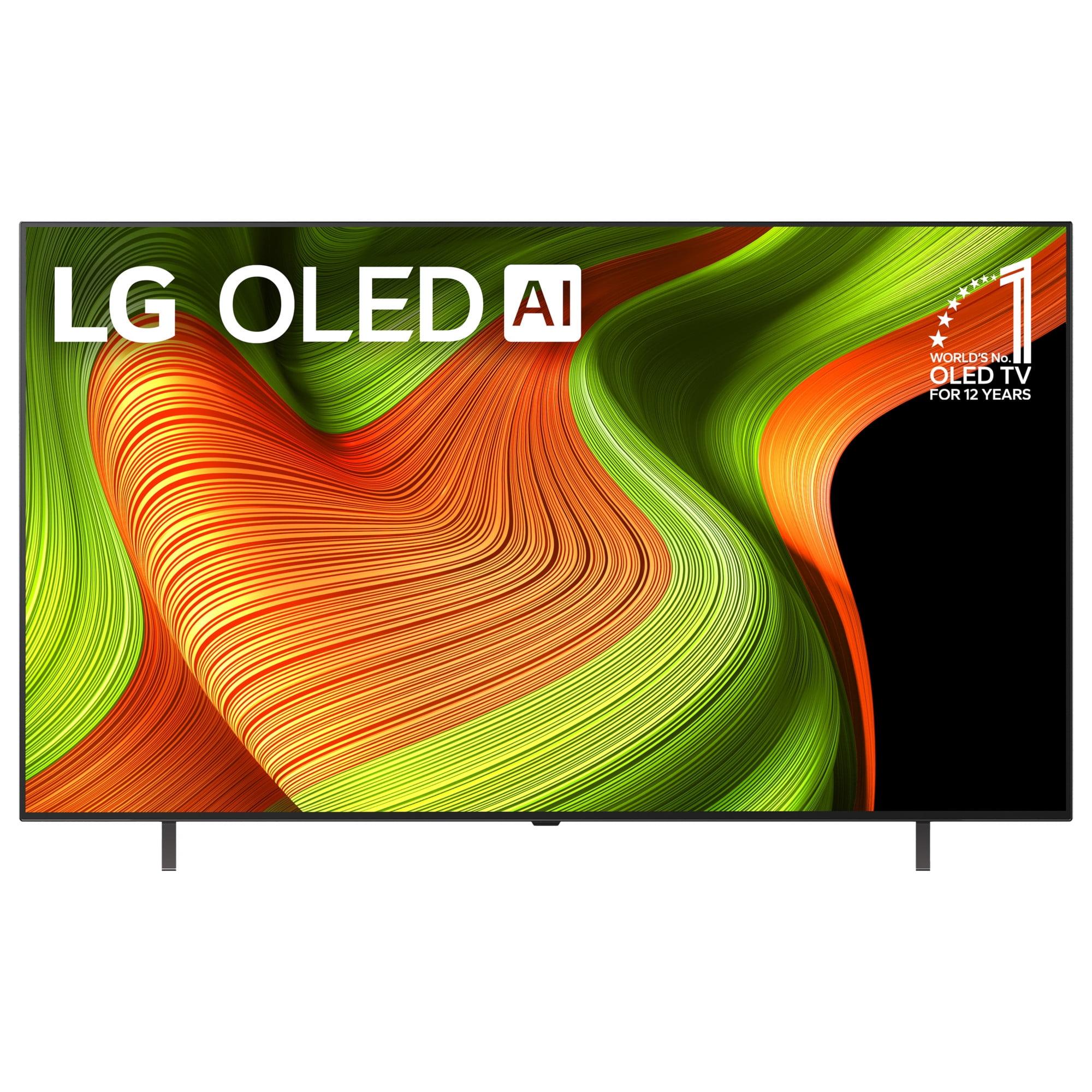


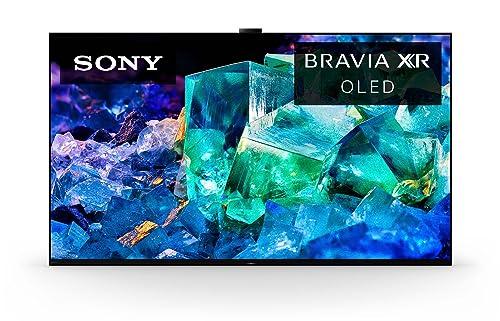
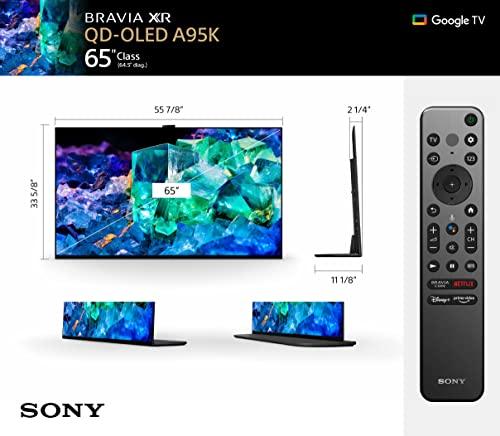
Choosing between premium OLED televisions can feel overwhelming, especially when you're comparing models from different years with distinct technological approaches. The Sony Bravia XR A95K, released in 2022, and the LG B5 Series OLED, launched in 2025, represent two compelling but different paths to OLED excellence.
Both TVs deliver the core OLED promise—perfect blacks, infinite contrast, and vibrant colors—but they achieve these results through notably different methods. Understanding these differences is crucial for making the right choice for your home theater setup and viewing habits.
OLED technology revolutionized television by eliminating the backlight entirely. Instead of LCD panels that require LED backlights to illuminate pixels, OLED uses millions of self-emissive pixels that produce their own light. When an OLED pixel needs to display black, it simply turns off completely, creating true blacks that LCD TVs can't match.
The most important performance characteristics for OLED TVs include color accuracy and brightness (especially for HDR content), motion handling for sports and gaming, input lag for responsive gaming, and smart platform functionality. Processing power also plays a crucial role—modern AI-driven processors can dramatically improve how lower-resolution content looks when upscaled to 4K.
Peak brightness has become increasingly important as streaming services and gaming consoles push more HDR content. While OLEDs can't match the extreme brightness of premium Mini-LED TVs, the best OLED panels now deliver enough brightness for impressive HDR performance in most viewing environments.
The Sony A95K arrived in 2022 as Sony's flagship OLED, featuring groundbreaking QD-OLED panel technology. This wasn't just an incremental improvement—it represented a fundamental shift in how OLED displays create color.
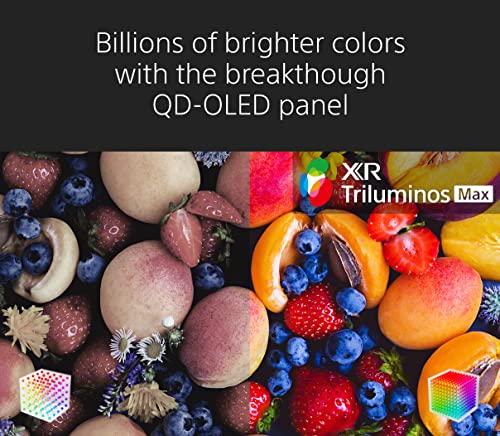
Traditional OLED panels use white OLED emitters combined with color filters, which inevitably reduces brightness as light passes through those filters. QD-OLED takes a different approach, using blue OLED emitters combined with quantum dots that convert some blue light to red and green. This creates what's essentially an RGB OLED display without the brightness penalty of color filters.
The practical result? The A95K delivers significantly brighter colors than traditional OLEDs—up to 200% higher color brightness according to Sony's specifications. This translates to more vivid reds, richer greens, and overall more saturated colors that pop off the screen, especially in bright HDR scenes.
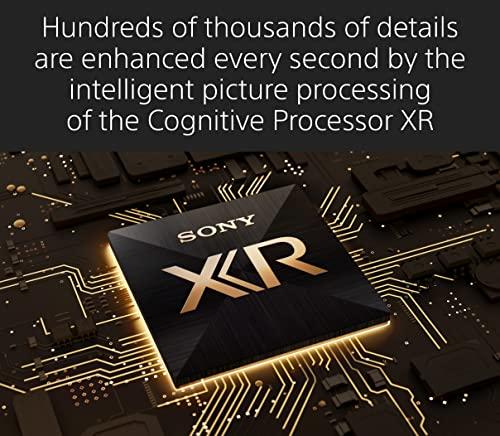
Sony's Cognitive Processor XR adds another layer of sophistication. Unlike traditional image processors that analyze picture elements individually, this processor attempts to mimic human perception by analyzing how all elements work together. It identifies focal points in scenes and enhances them while de-emphasizing less important areas, creating more natural-looking images.
The XR Triluminos Max color system works specifically with the QD-OLED panel to maximize color gamut. Professional reviewers consistently note that the A95K achieves some of the most accurate and vibrant color reproduction available in consumer displays, often comparing favorably to reference monitors used in professional video production.
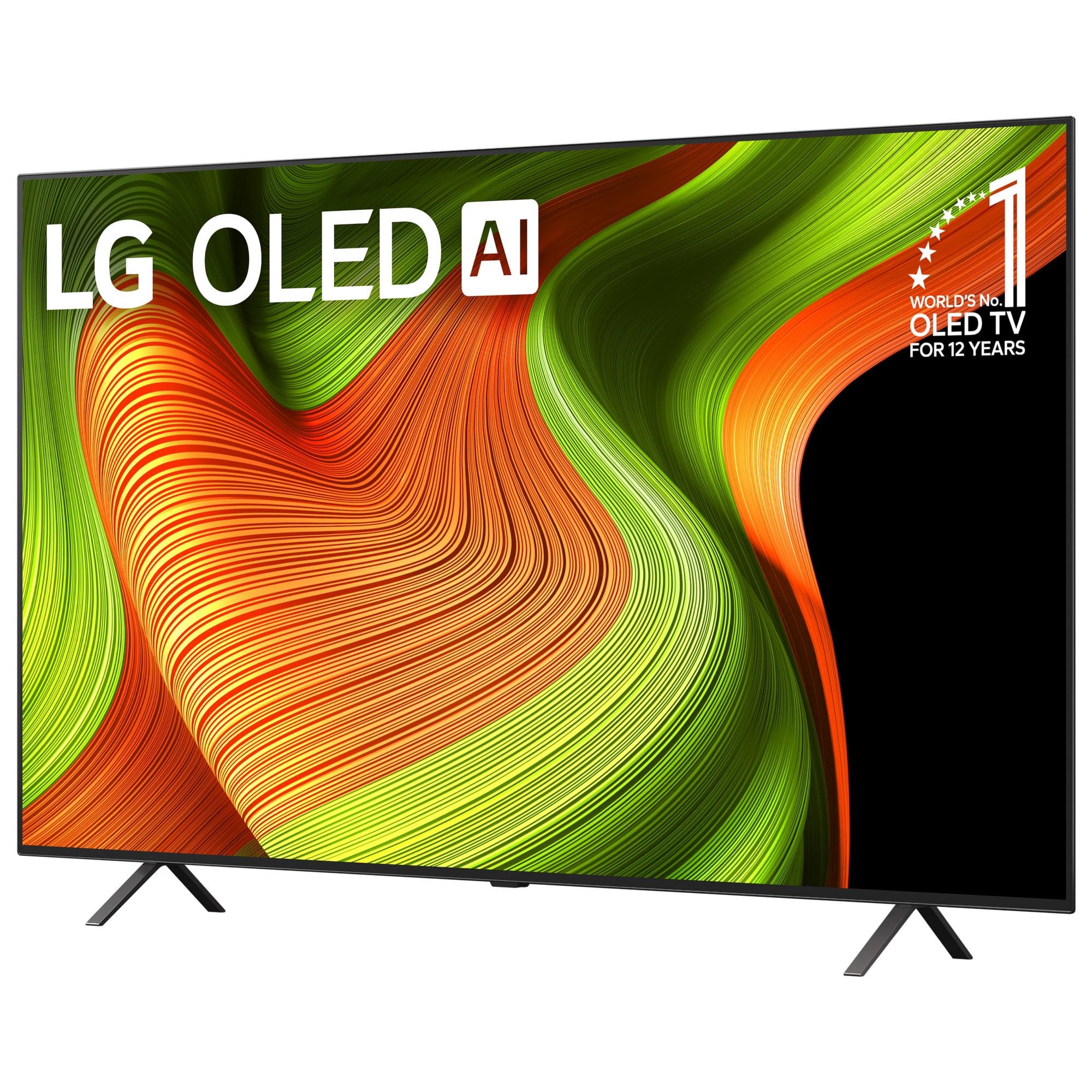
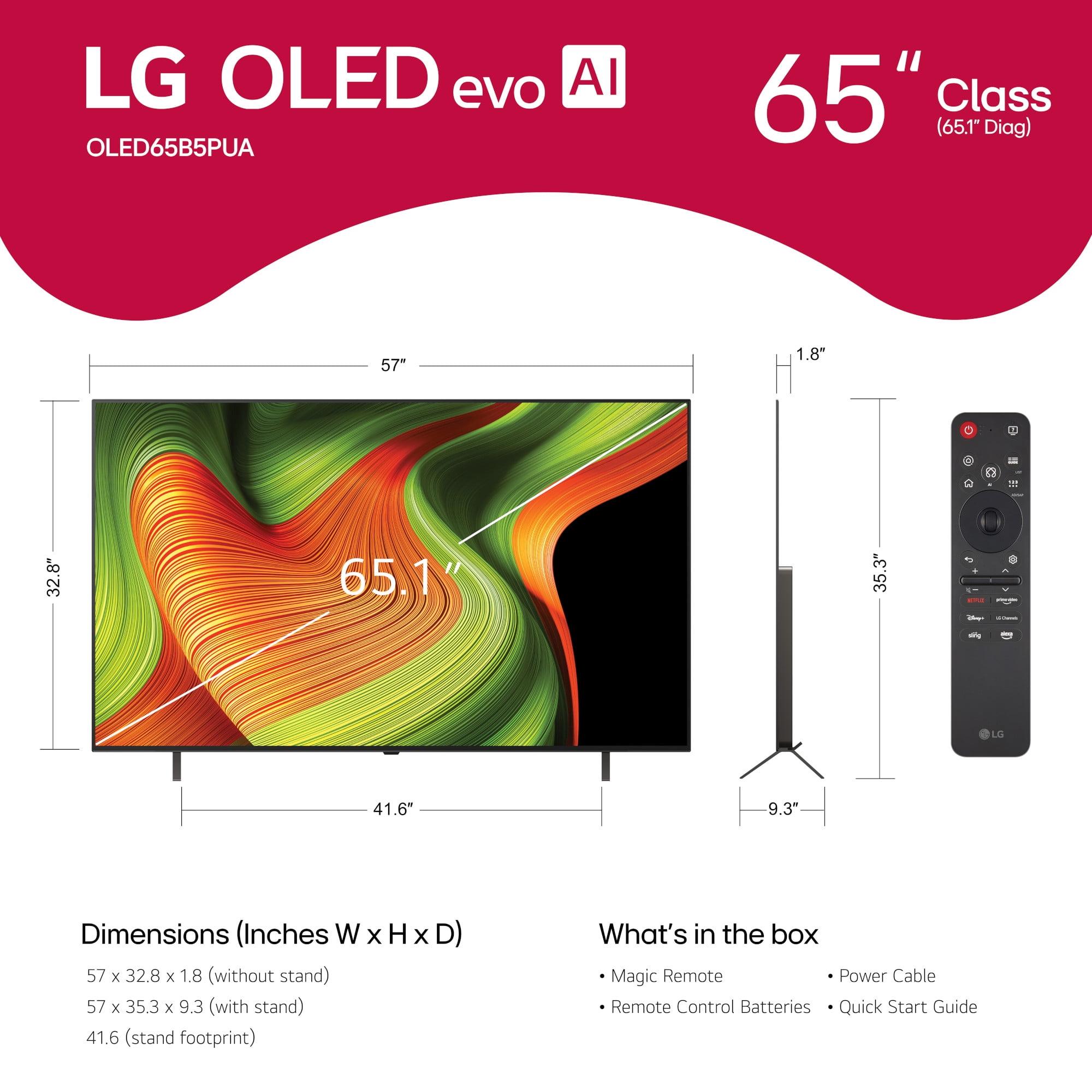
The LG B5 Series, released in 2025, represents LG's entry-level OLED offering, but "entry-level" in the OLED world still means exceptional performance. LG has refined their OLED technology significantly since 2022, improving panel efficiency and longevity while maintaining the deep blacks and wide viewing angles that made OLED famous.
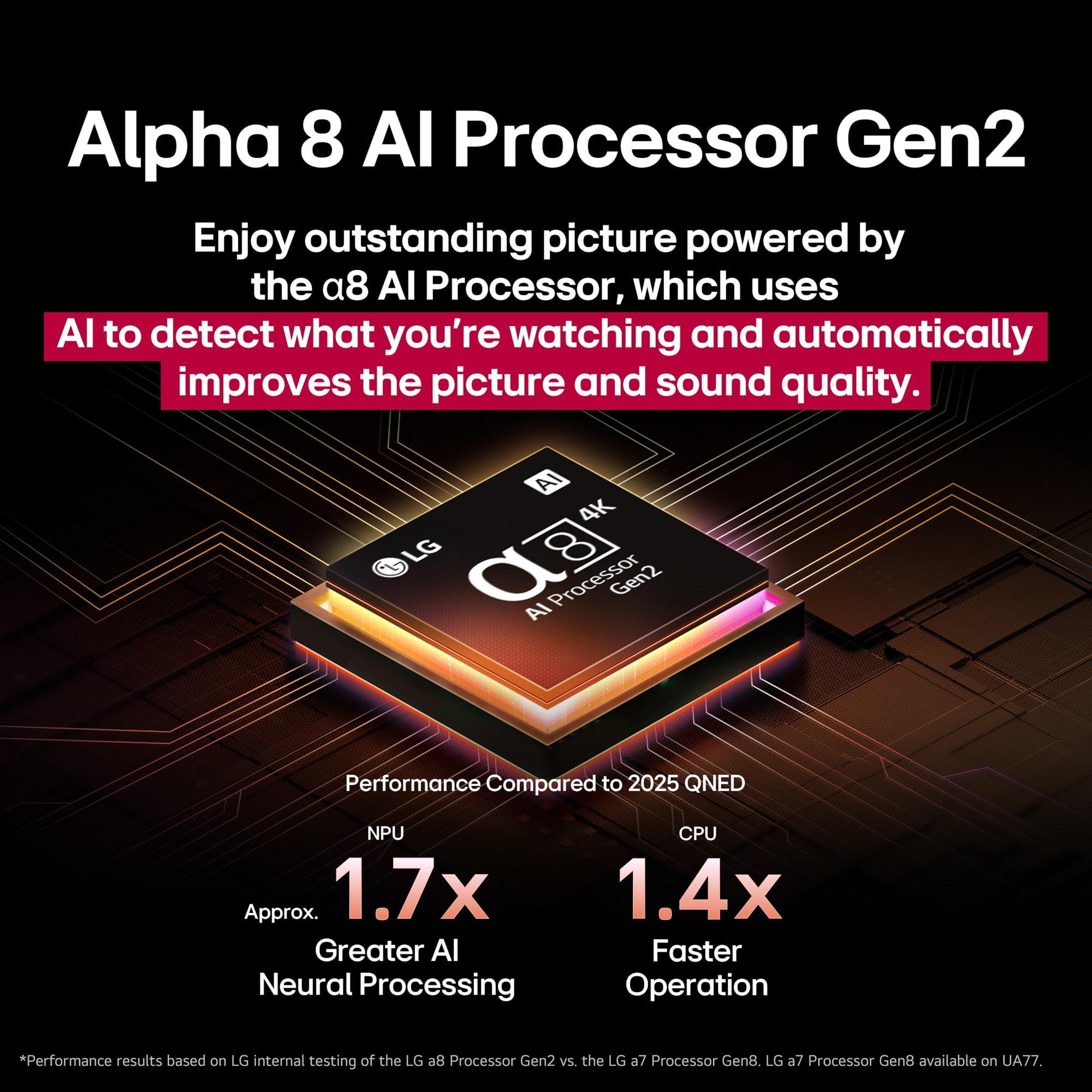
LG's α8 AI Processor Gen2 brings substantial improvements over previous generations, with 1.4 times faster processing speed enabling real-time scene analysis and optimization. This processor automatically detects content types—whether you're watching a movie, sports, or playing games—and adjusts picture settings accordingly.
The B5's strength lies in its comprehensive feature set and modern smart platform. WebOS 25 represents LG's latest smart TV interface, incorporating AI-powered recommendations and voice control that learns from your viewing habits. The Quick Cards system organizes apps into categories, making navigation more intuitive than traditional app grids.
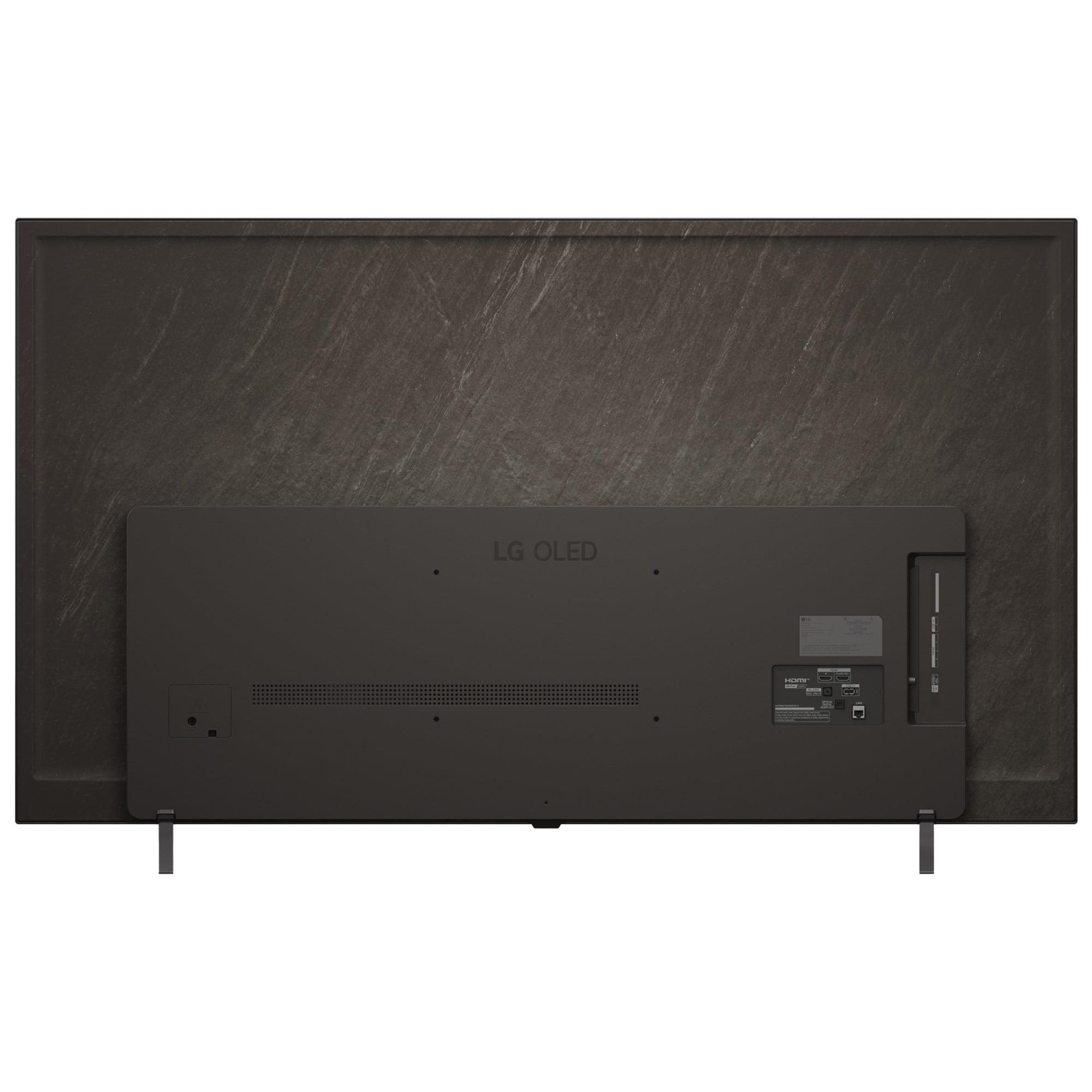
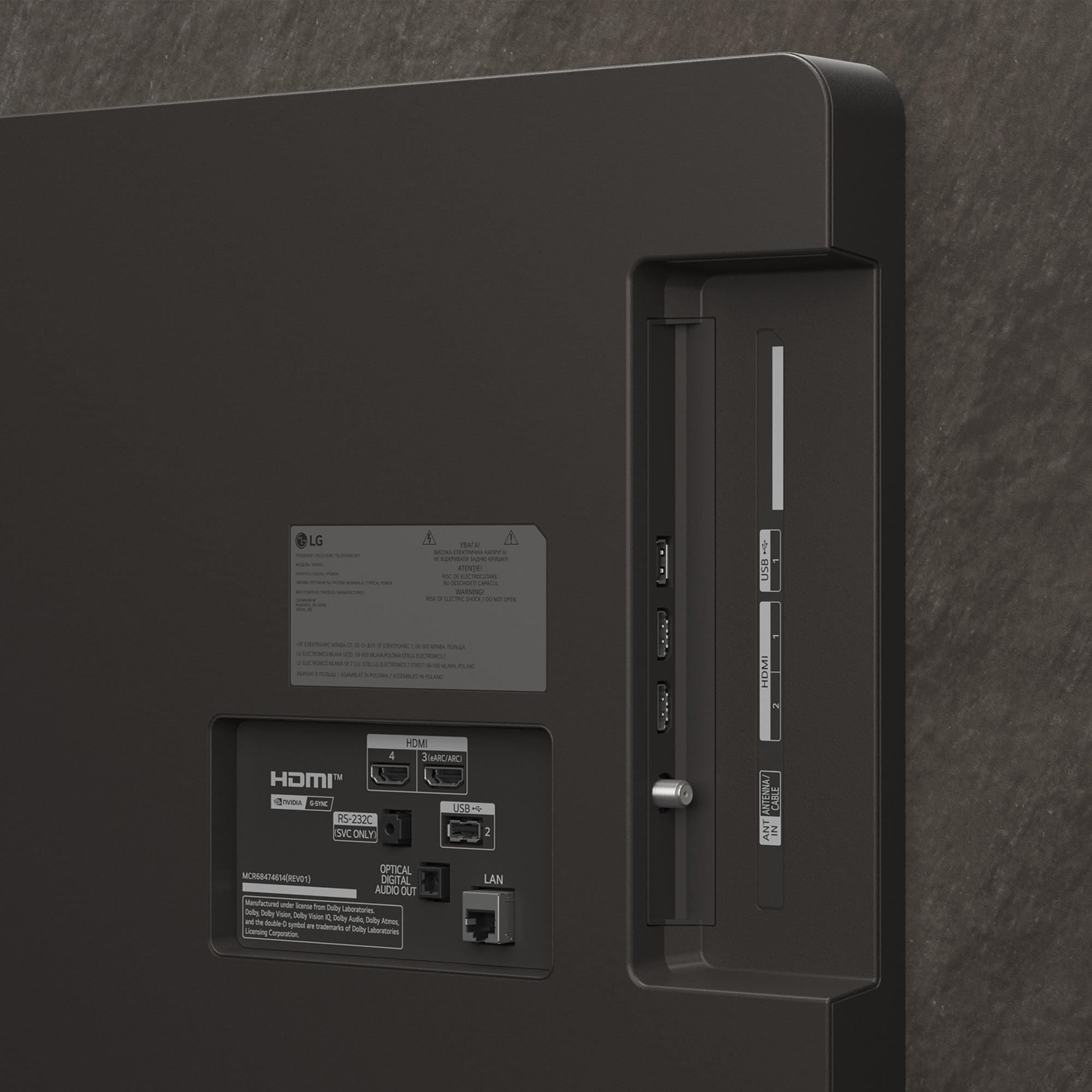
For gaming enthusiasts, the B5 offers four HDMI 2.1 ports—double what the A95K provides. All four ports support 4K gaming at 120Hz with Variable Refresh Rate (VRR), which synchronizes the display's refresh rate with gaming consoles to eliminate screen tearing. The inclusion of both NVIDIA G-Sync and AMD FreeSync Premium compatibility ensures broad gaming device support.
The most significant performance difference between these TVs lies in color reproduction and brightness. The Sony A95K's QD-OLED panel delivers noticeably more vibrant colors, particularly in bright scenes where traditional OLED panels typically struggle.
When watching HDR content—whether from Netflix, Disney+, or 4K Blu-rays—the A95K maintains color saturation at higher brightness levels better than the B5. This is especially apparent in scenes with bright, colorful elements like sunlit landscapes or vibrant animated content. The QD-OLED panel's ability to produce pure red and green light (rather than filtering white light) results in a wider color gamut that covers more of the visible color spectrum.
However, the LG B5 isn't far behind in overall picture quality. Its traditional OLED panel still delivers excellent black levels and contrast, and LG's latest processing improvements help optimize color accuracy for different content types. For most viewing content, including movies and TV shows, both displays produce stunning images that significantly outperform LCD-based TVs.
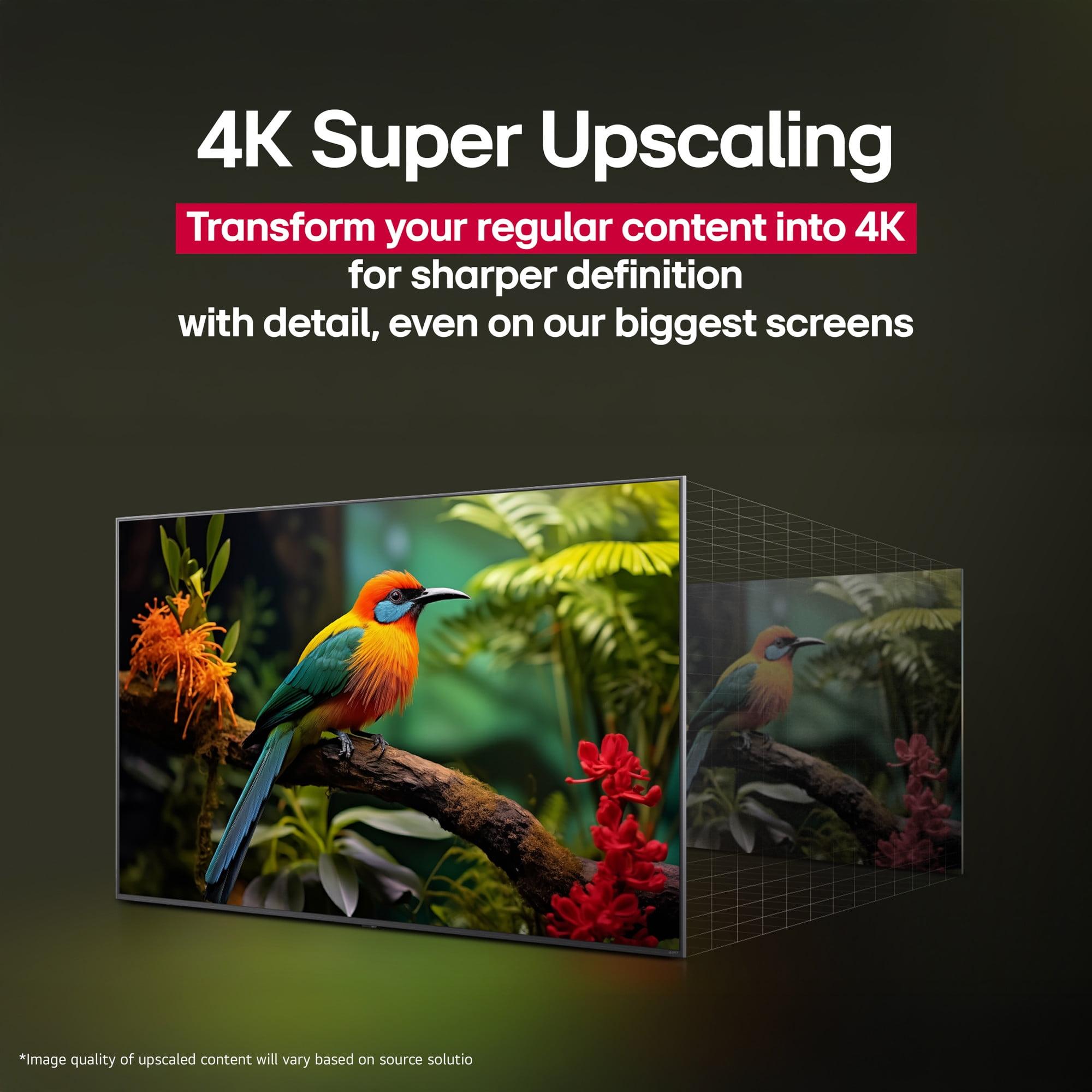
Upscaling performance—how well TVs improve lower-resolution content to fill 4K screens—is excellent on both models. The Sony's Cognitive Processor XR uses dual database processing, comparing content against databases of textures and objects to enhance detail intelligently. The LG's AI processor takes a more analytical approach, detecting content genres and applying appropriate enhancement algorithms.
Gaming performance reveals a clear winner. While both TVs support essential gaming features like 4K at 120Hz and Variable Refresh Rate, the LG B5 offers superior connectivity and optimization tools.
The Sony A95K's two HDMI 2.1 ports create limitations for gamers with multiple consoles. Since one HDMI port typically handles audio return channel (eARC) for sound systems, you're left with just one port for full-speed gaming connections. The B5's four HDMI 2.1 ports eliminate this compromise entirely.
Input lag—the delay between controller input and on-screen response—is excellent on both TVs, measuring well under the 20-millisecond threshold that competitive gamers prefer. However, the LG B5 includes comprehensive gaming optimization features through its Game Dashboard, allowing quick access to picture settings, VRR controls, and performance monitoring without entering complex menus.
The B5's support for cloud gaming services also future-proofs your setup as game streaming becomes more prevalent. Xbox Game Pass Ultimate integration means you can stream games directly through the TV without needing a console for many titles.
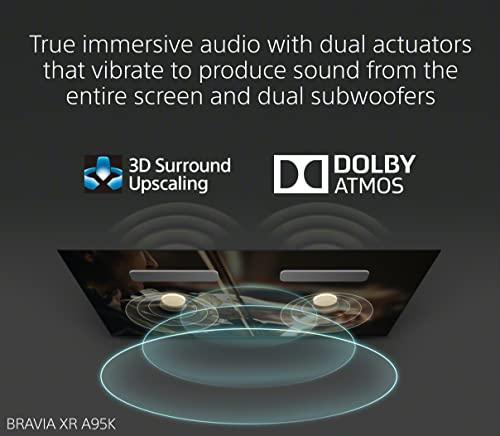
Audio performance showcases one of the Sony A95K's most innovative features. Its Acoustic Surface Audio+ technology uses actuators behind the screen to vibrate the display itself, turning the entire screen into a speaker. This creates remarkably convincing positional audio where dialogue and effects seem to emanate from their exact screen locations.
This approach offers genuine advantages for home theater setups. The A95K can function as the center channel in a surround sound system, seamlessly blending with traditional speakers. When watching movies, voices appear to come directly from actors' mouths rather than from speakers positioned around the screen.
The LG B5 uses traditional speakers with Dolby Atmos processing, which delivers good sound quality but lacks the spatial precision of Sony's acoustic approach. However, the B5 integrates well with LG's soundbar ecosystem, automatically optimizing audio settings when paired with compatible LG audio equipment.
Both TVs support all major surround sound formats, including Dolby Atmos and DTS:X, ensuring compatibility with high-quality audio tracks from streaming services and physical media.
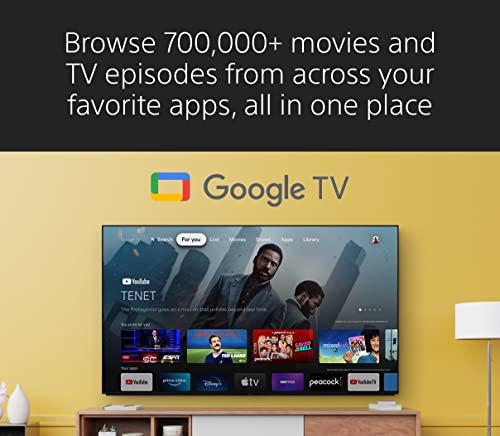
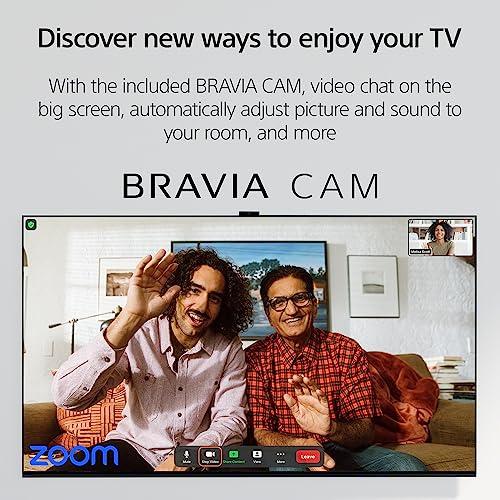
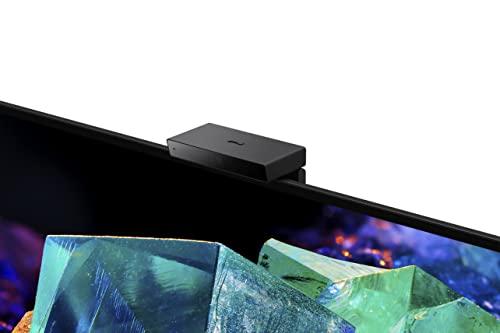
Smart platform differences highlight the three-year gap between these releases. The Sony A95K runs Google TV, which was relatively new in 2022 and offers excellent app selection with intuitive content discovery. The included BRAVIA CAM enables gesture controls and video calling, features that seemed futuristic in 2022 but feel less novel today.
The LG B5's webOS 25 represents three additional years of development and refinement. The interface feels more responsive, AI recommendations are more accurate, and the overall user experience benefits from continuous software updates that LG has pushed to their smart platform over the years.
LG's webOS Renew program promises annual platform updates, potentially extending the TV's useful life as streaming services and smart features evolve. This long-term support consideration becomes increasingly important as smart TVs remain in use for seven to ten years in many households.
For dedicated home theater setups, the Sony A95K offers several advantages. Its professional calibration modes, including Netflix Calibrated Mode and BRAVIA CORE Calibrated Mode, ensure accurate color reproduction for cinematic content. The QD-OLED panel's superior brightness and color volume create more impactful HDR experiences in controlled lighting environments.
The A95K's Acoustic Surface Audio+ technology proves particularly valuable in home theaters where precise audio positioning enhances immersion. When properly calibrated, the screen-generated audio integrates seamlessly with surround sound systems.
However, the LG B5 shouldn't be dismissed for home theater use. Its four HDMI 2.1 ports accommodate multiple sources without switching, and FILMMAKER MODE preserves directors' intended color and motion settings automatically.
At the time of writing, these TVs occupy different value categories. The Sony A95K, originally a flagship model, now offers premium technology at a reduced price point as newer models have replaced it. The LG B5 represents current entry-level OLED pricing with modern features and future-proofed connectivity.
The A95K's QD-OLED technology remains cutting-edge despite being two generations old, delivering picture quality that newer traditional OLED panels still struggle to match. For viewers prioritizing pure image quality, the Sony offers exceptional value.
The B5's value proposition centers on comprehensive features and modern convenience. Four HDMI 2.1 ports, latest smart platform, and ongoing software support justify its positioning as a solid long-term investment.
Choose the Sony A95K if you prioritize picture quality above all else. Home theater enthusiasts who watch primarily movies and premium content will appreciate the QD-OLED panel's superior color reproduction and the unique acoustic audio system. The Sony makes sense for viewers with dedicated home theaters or those who value cutting-edge display technology.
The LG B5 Series better serves mainstream users who want excellent OLED performance with modern conveniences. Gamers benefit from extensive connectivity options and optimization features. Families appreciate the intuitive smart platform and comprehensive app support. The B5 represents the better choice for most buyers seeking long-term value and versatility.
Both TVs deliver exceptional OLED performance that dramatically exceeds LCD-based displays. Your choice ultimately depends on priorities: cutting-edge picture technology versus comprehensive modern features.
The Sony A95K remains the superior choice for pure image quality, offering QD-OLED advantages that newer traditional OLED panels haven't matched. Its innovative audio system and professional calibration options appeal to serious home theater enthusiasts.
The LG B5 Series provides better overall value for most buyers, combining excellent OLED fundamentals with practical modern features like extensive gaming support and future-proofed smart platform updates. Its comprehensive connectivity and user-friendly interface make it the more practical choice for everyday use.
Consider your viewing habits, setup requirements, and long-term plans when making this decision. Both TVs will deliver years of exceptional viewing experiences—the question is whether you value ultimate picture quality or comprehensive modern functionality more highly.
| Sony Bravia XR A95K 65" QD-OLED TV | LG B5 Series OLED 65" 4K Smart TV 2025 |
|---|---|
| Panel Technology - Determines color vibrancy and brightness capabilities | |
| QD-OLED with quantum dot color conversion (200% brighter colors than traditional OLED) | Traditional OLED with 2025 efficiency improvements (excellent blacks, proven reliability) |
| Peak Brightness - Critical for HDR impact and bright room viewing | |
| Higher color brightness due to QD-OLED technology, superior HDR performance | Good OLED brightness but limited compared to QD-OLED in bright scenes |
| Processor & Upscaling - How well lower resolution content looks | |
| Cognitive Processor XR with dual database processing (mimics human perception) | α8 AI Processor Gen2 (1.4x faster than previous generation, real-time optimization) |
| Gaming Connectivity - Essential for multi-console setups | |
| 2x HDMI 2.1 ports (4K@120Hz, VRR, ALLM) - limits gaming device connections | 4x HDMI 2.1 ports (4K@120Hz, VRR, ALLM) - accommodates all modern gaming devices |
| Gaming Features - Performance for competitive and casual gaming | |
| Excellent response time, limited port availability affects convenience | 0.1ms response time, NVIDIA G-Sync, AMD FreeSync Premium, comprehensive Game Dashboard |
| Audio System - Built-in sound quality and home theater integration | |
| Acoustic Surface Audio+ (screen vibrates to create sound from display itself) | Traditional speakers with Dolby Atmos (good quality, pairs well with LG soundbars) |
| Smart Platform - Interface quality and future app support | |
| Google TV with BRAVIA CAM included (mature platform, gesture controls) | webOS 25 with AI features and webOS Renew program (latest interface, guaranteed updates) |
| Color Accuracy - Important for movies and professional content | |
| XR Triluminos Max with professional calibration modes (Netflix/BRAVIA calibrated) | OLED Color with AI scene detection (excellent accuracy, automatic optimization) |
| Release Year & Technology - Affects long-term value and feature currency | |
| 2022 flagship now at reduced pricing (cutting-edge panel tech, mature software) | 2025 entry-level OLED (latest smart features, future-proofed connectivity) |
| Best Use Cases - Who should choose this TV | |
| Home theater enthusiasts prioritizing ultimate picture quality and innovative audio | Gamers and mainstream users wanting comprehensive features with excellent OLED performance |
The Sony Bravia XR A95K delivers superior picture quality thanks to its QD-OLED panel technology, which produces 200% brighter colors than traditional OLED displays. This means more vibrant reds and greens, especially in HDR content from Netflix, Disney+, and 4K Blu-rays. The LG B5 Series still offers excellent OLED picture quality with perfect blacks and wide viewing angles, but can't match the color brightness of the Sony's quantum dot technology.
The LG B5 Series OLED is the clear winner for gaming with four HDMI 2.1 ports supporting 4K@120Hz, compared to just two on the Sony A95K. The LG also includes NVIDIA G-Sync, AMD FreeSync Premium, and a comprehensive Game Dashboard for easy settings access. Both TVs offer excellent response times under 1ms, but the LG's superior connectivity makes it better for multi-console setups.
The Sony A95K uses QD-OLED technology, which combines blue OLED emitters with quantum dots to create red and green light directly, resulting in brighter and more saturated colors. Traditional OLED panels like the LG B5 use white OLED emitters with color filters, which reduces brightness but offers proven reliability and excellent black levels. QD-OLED provides better color volume but is newer technology.
The LG B5 Series offers more modern smart features with webOS 25, including AI-powered recommendations, Quick Cards app organization, and the webOS Renew program for ongoing updates. The Sony A95K runs Google TV with excellent app selection and includes the BRAVIA CAM for gesture controls, but represents older smart TV technology from 2022.
The Sony A95K performs better in bright rooms due to its QD-OLED panel's superior color brightness and better handling of ambient light. While both TVs have OLED's inherent limitation in extremely bright environments compared to LED TVs, the Sony maintains color accuracy better when room lighting is present. The LG B5 works well in moderately lit rooms but may appear dimmer in very bright spaces.
The Sony A95K features innovative Acoustic Surface Audio+ technology that vibrates the screen itself to produce sound, creating more precise audio positioning where voices seem to come from actors' mouths. This unique system also allows the TV to function as a center channel speaker. The LG B5 Series uses traditional speakers with Dolby Atmos support and integrates well with LG soundbars.
The Sony A95K uses the Cognitive Processor XR with dual database processing that mimics human perception to enhance upscaling. The LG B5 features the newer α8 AI Processor Gen2, which is 1.4x faster and uses real-time scene analysis. Both excel at improving lower-resolution content, with the Sony focusing on natural image processing and the LG emphasizing AI-driven optimization.
The Sony A95K excels in dedicated home theaters with professional calibration modes (Netflix Calibrated, BRAVIA CORE Calibrated), superior HDR performance, and the unique Acoustic Surface Audio+ system that integrates with surround sound setups. The LG B5 Series works well in home theaters too, offering FILMMAKER MODE and four HDMI 2.1 ports for multiple sources, but lacks the Sony's advanced calibration options.
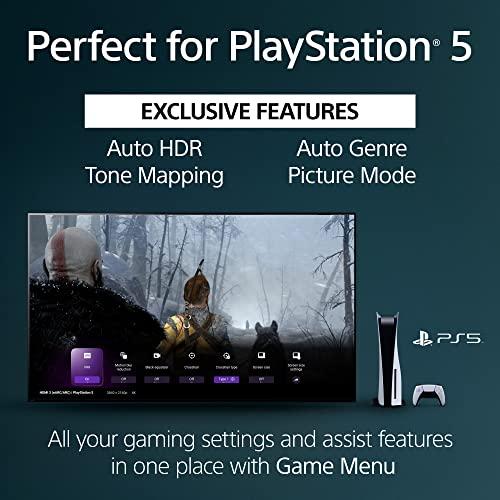
Both the Sony A95K and LG B5 Series fully support PlayStation 5, Xbox Series X/S, and Nintendo Switch with 4K@120Hz gaming where applicable. However, the LG B5 is more practical for gamers with multiple consoles due to its four HDMI 2.1 ports versus the Sony's two ports, eliminating the need for HDMI switching.
The LG B5 Series has an advantage in long-term software support through LG's webOS Renew program, which promises annual platform updates. Being a 2025 model, it also has more current hardware and connectivity. The Sony A95K from 2022 has mature software but may receive fewer major updates going forward, though its QD-OLED panel technology remains cutting-edge.
Both TVs excel at motion handling with 120Hz native refresh rates and advanced processing. The Sony A95K uses XR OLED Motion technology for smooth motion without excessive processing artifacts. The LG B5 Series offers similar performance with AI-optimized motion processing and VRR support. For sports viewing, both provide excellent clarity with minimal motion blur.
Value depends on your priorities. The Sony A95K offers flagship QD-OLED technology at a reduced price since it's from 2022, making it excellent value for picture quality enthusiasts. The LG B5 Series provides better overall value for most users with comprehensive modern features, superior gaming connectivity, and future-proof smart platform updates at current entry-level OLED pricing.
We've done our best to create useful and informative comparisons to help you decide what product to buy. Our research uses advanced automated methods to create this comparison and perfection is not possible - please contact us for corrections or questions. These are the sites we've researched in the creation of this article: tomsguide.com - audioadvice.com - wepc.com - bestbuy.com - tvsbook.com - rtings.com - youtube.com - flatpanelshd.com - rtings.com - youtube.com - reviewed.com - avsforum.com - youtube.com - youtube.com - rtings.com - youtube.com - electronics.sony.com - sonypremiumhome.com - valueelectronics.com - sony.com - displayspecifications.com - flatpanelshd.com - donstv.com - youtube.com - businessinsider.com - youtube.com - displayspecifications.com - bestbuy.com - eftm.com - bestbuy.com - rtings.com - youtube.com - rtings.com - tomsguide.com - youtube.com - nationalproductreview.com.au - lg.com - manchesterbrothers.com - avsforum.com - lg.com - lg.com - lg.com - lg.com - retailspecs.com - american-homeappliance.com - perpichtv.com

Privacy Policy
Terms and Conditions - Affiliate Policy
Home Security
© Copyright 2008-2026.
11816 Inwood Rd #1211, Dallas, TX 75244