

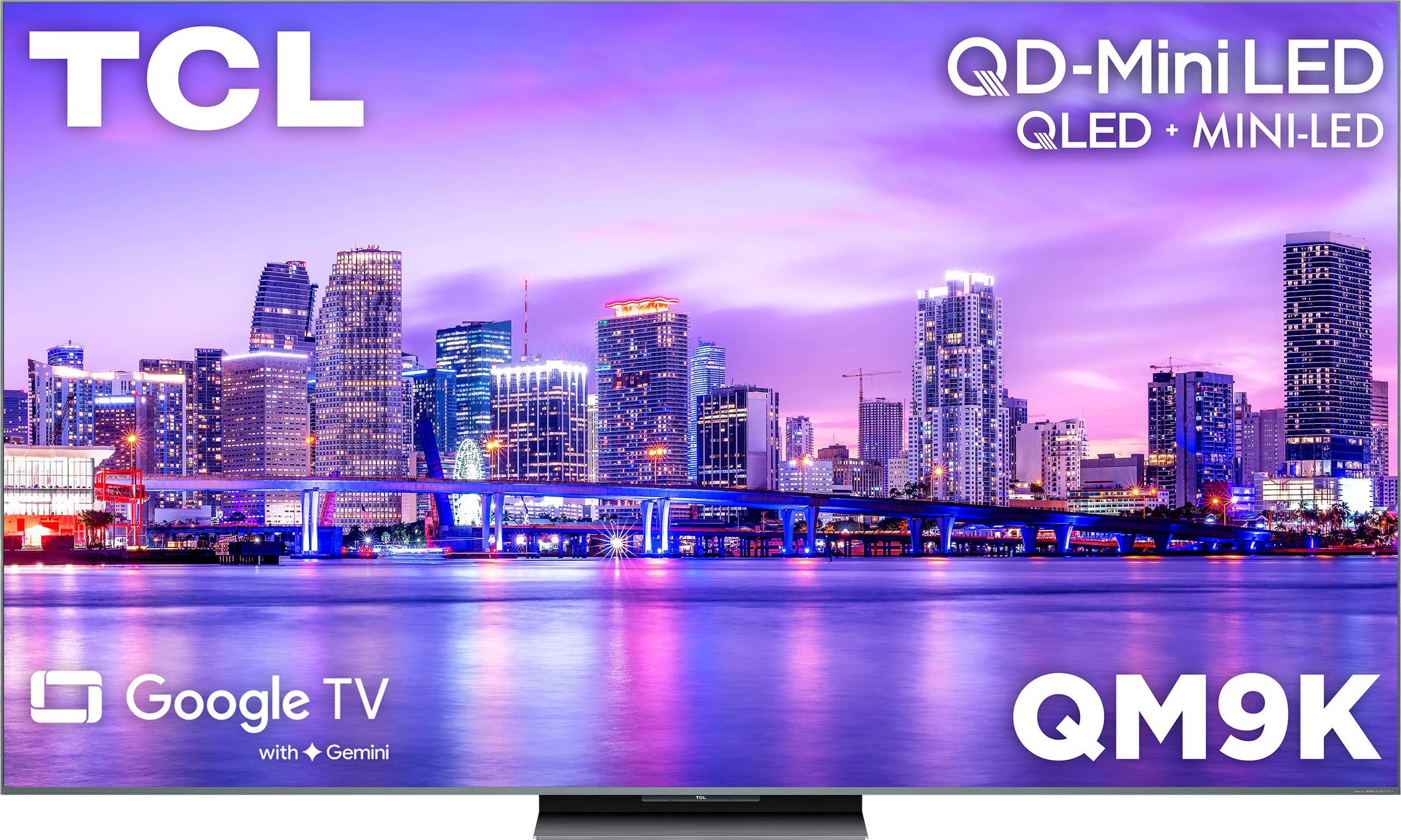
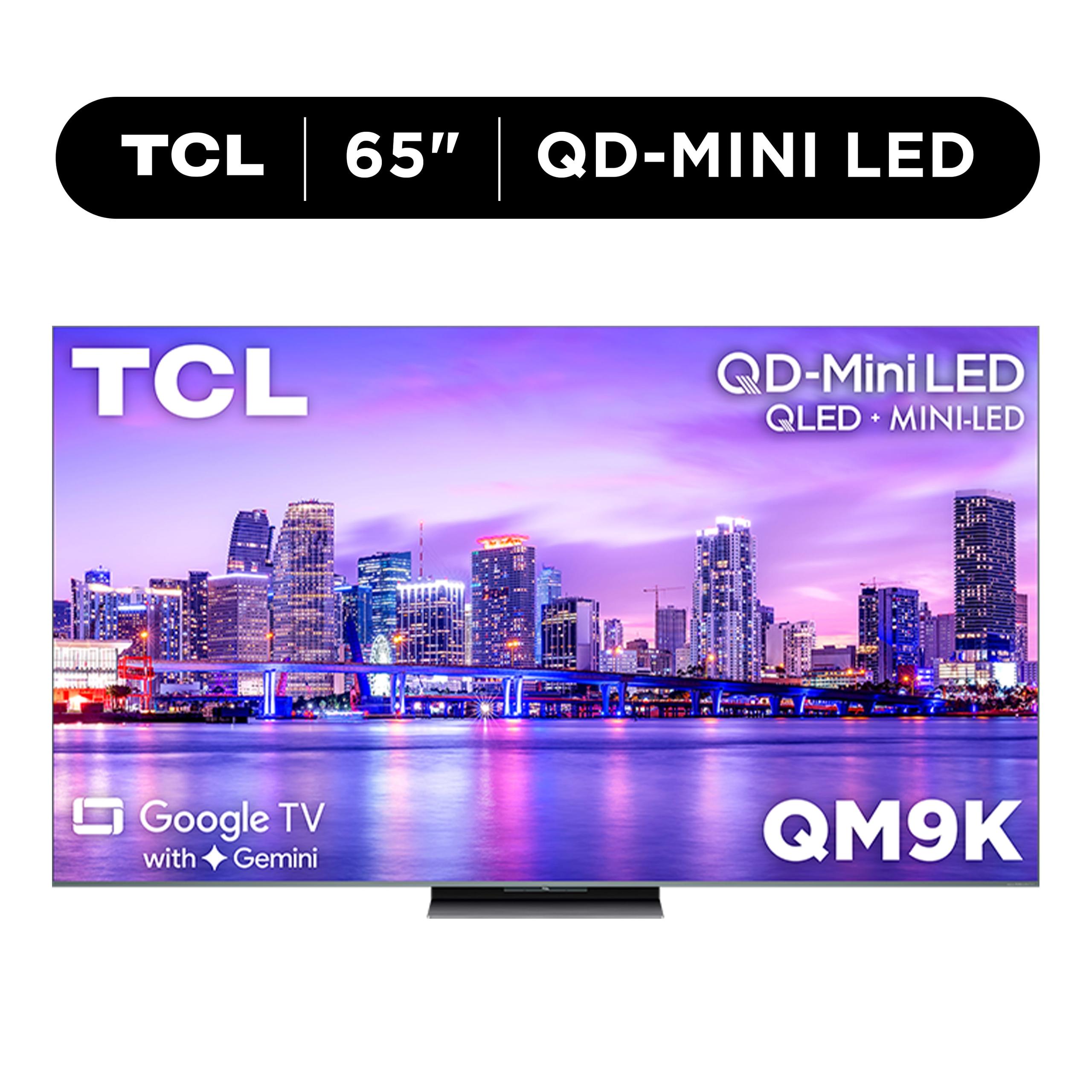
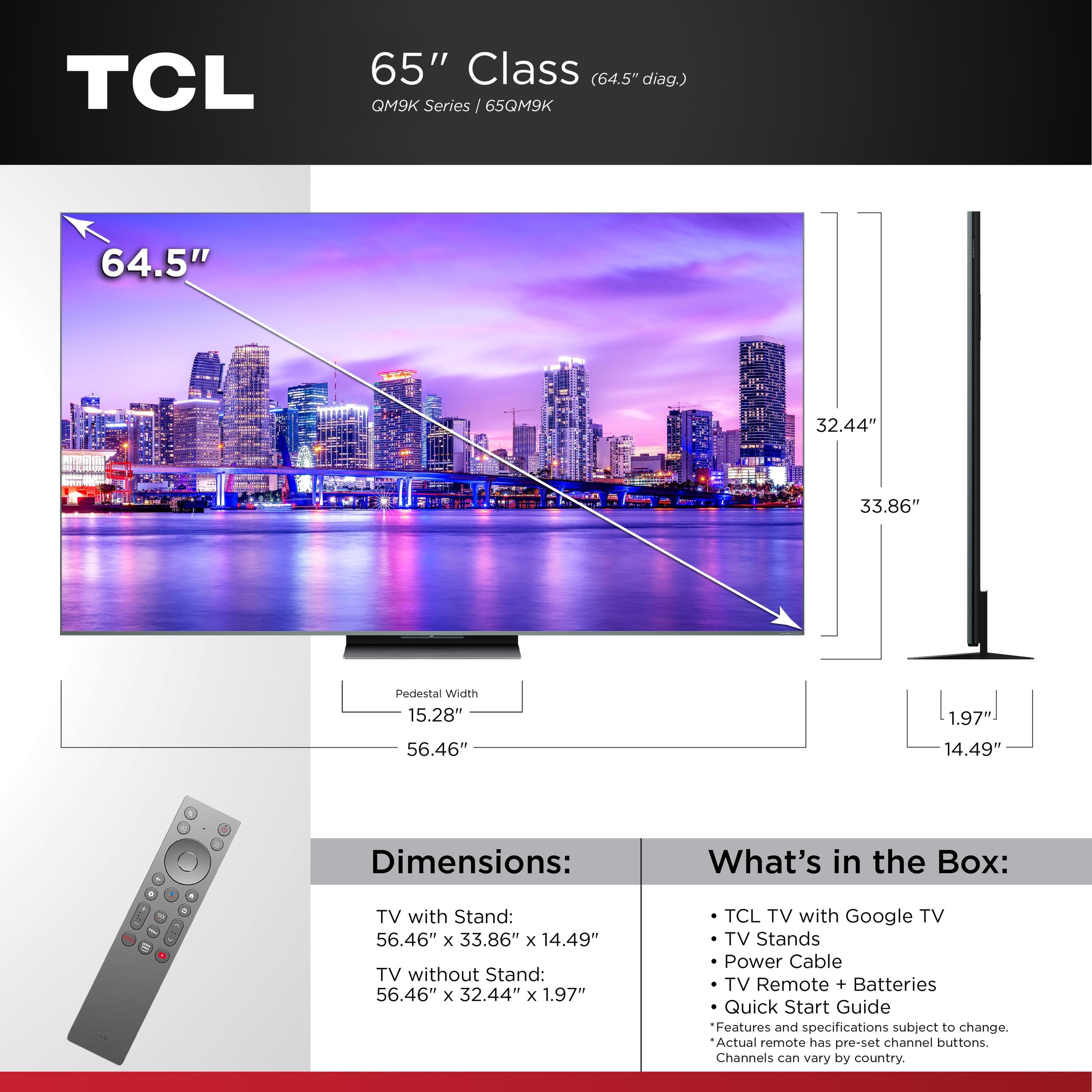
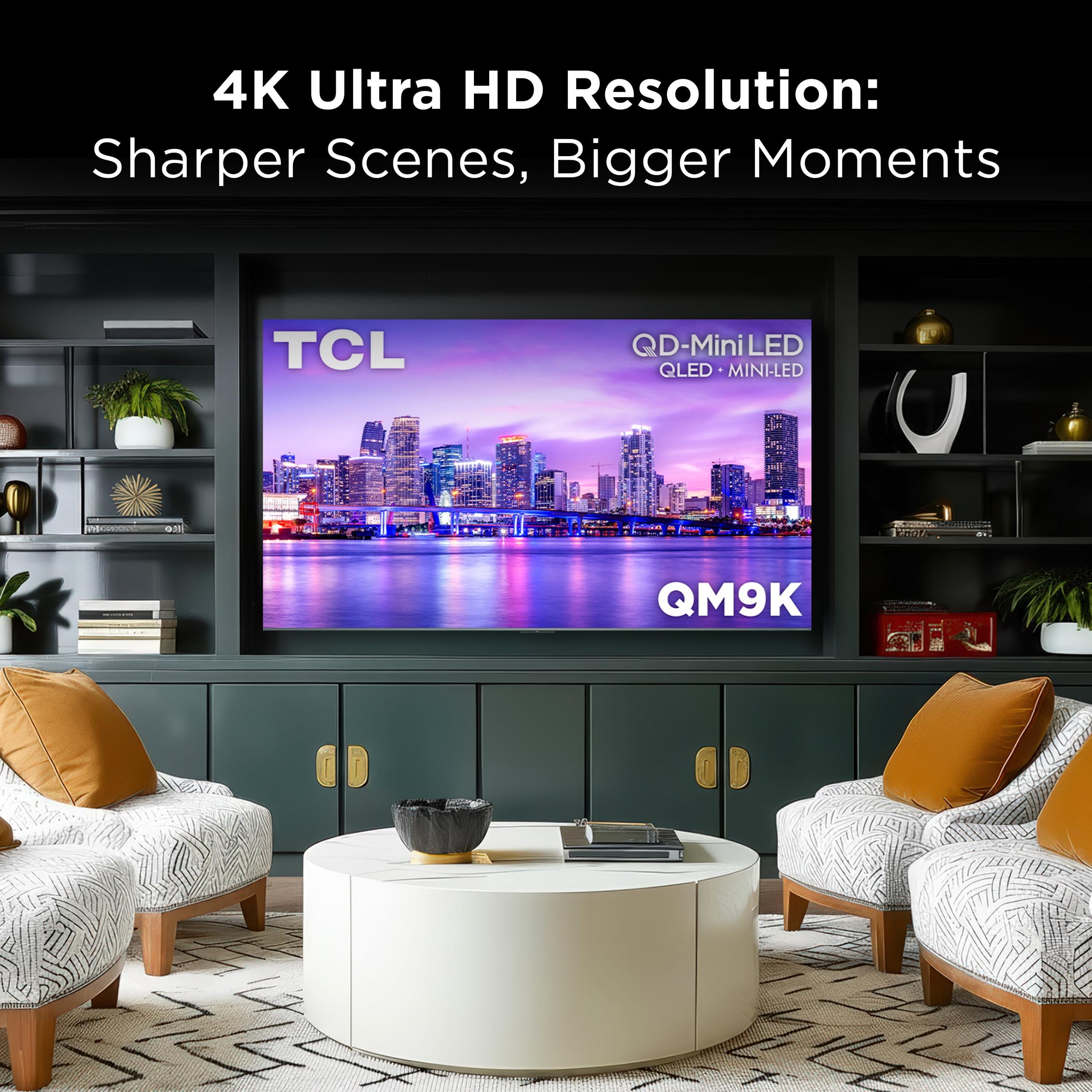
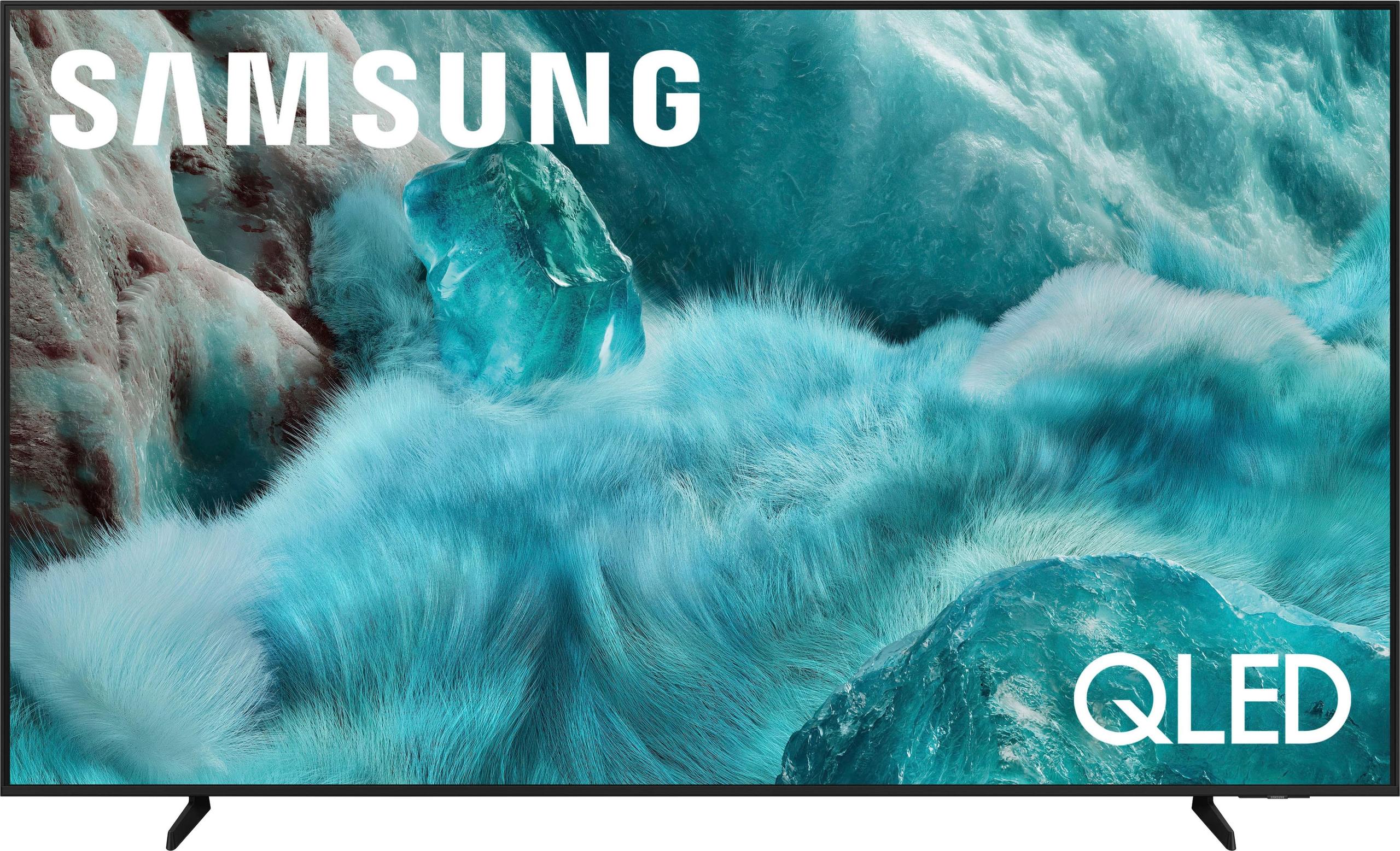
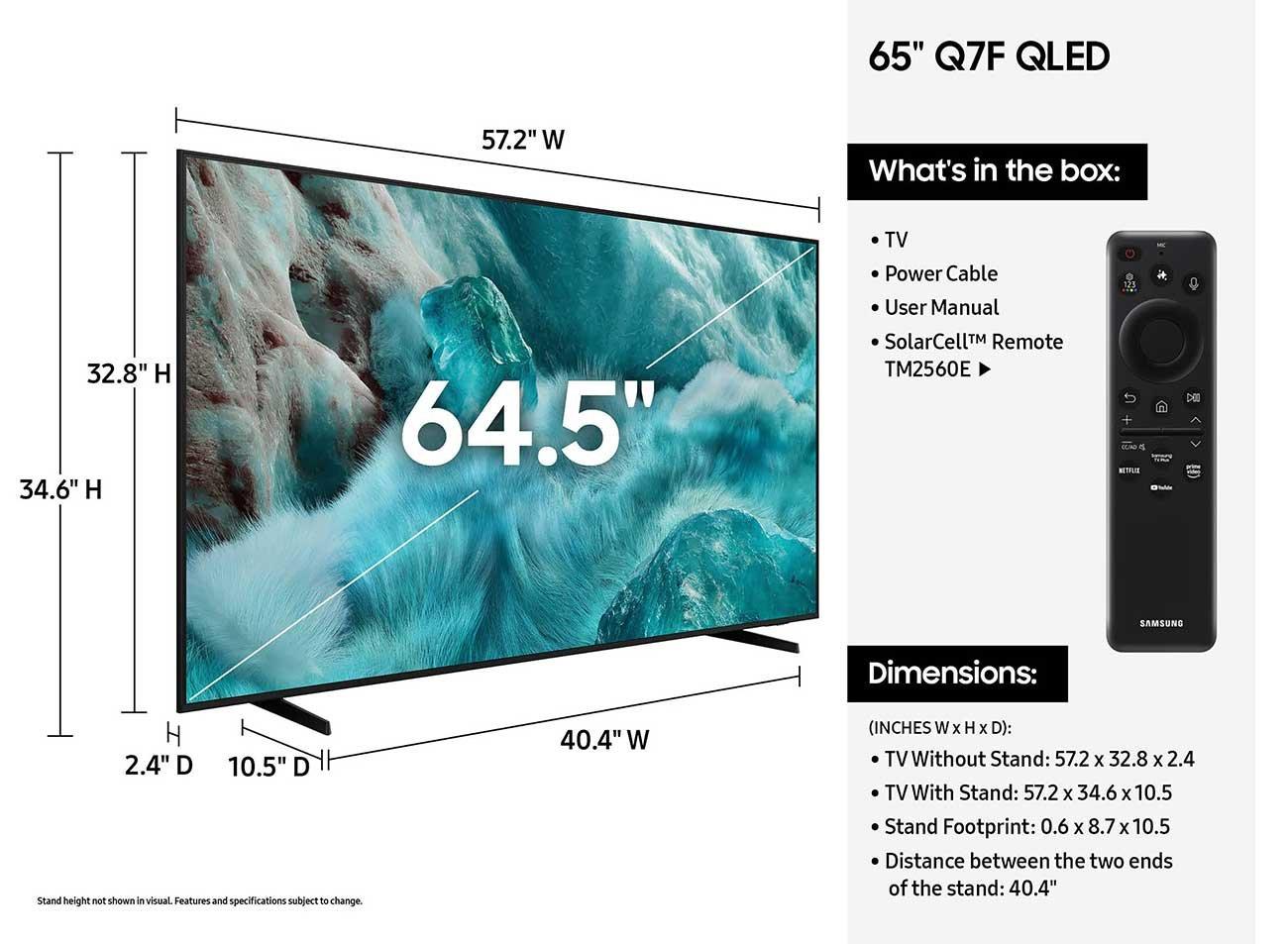

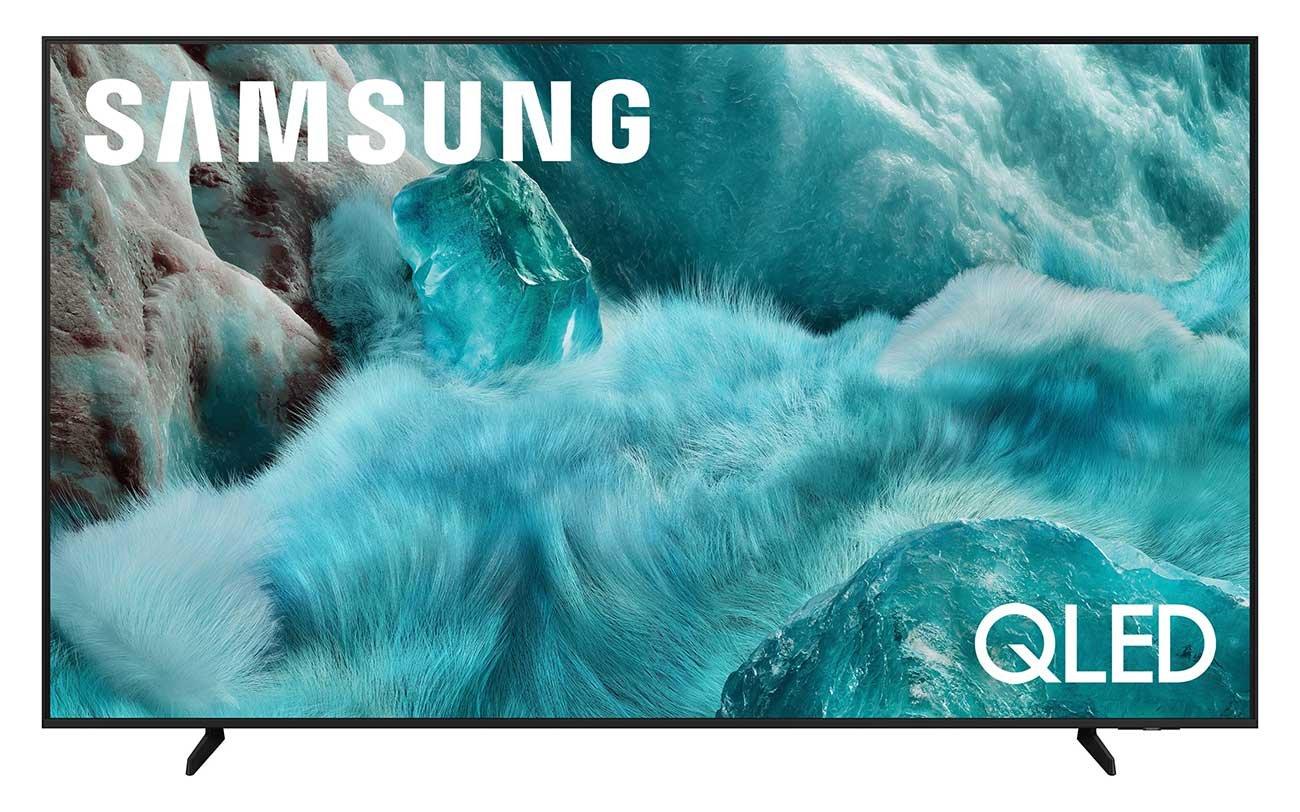
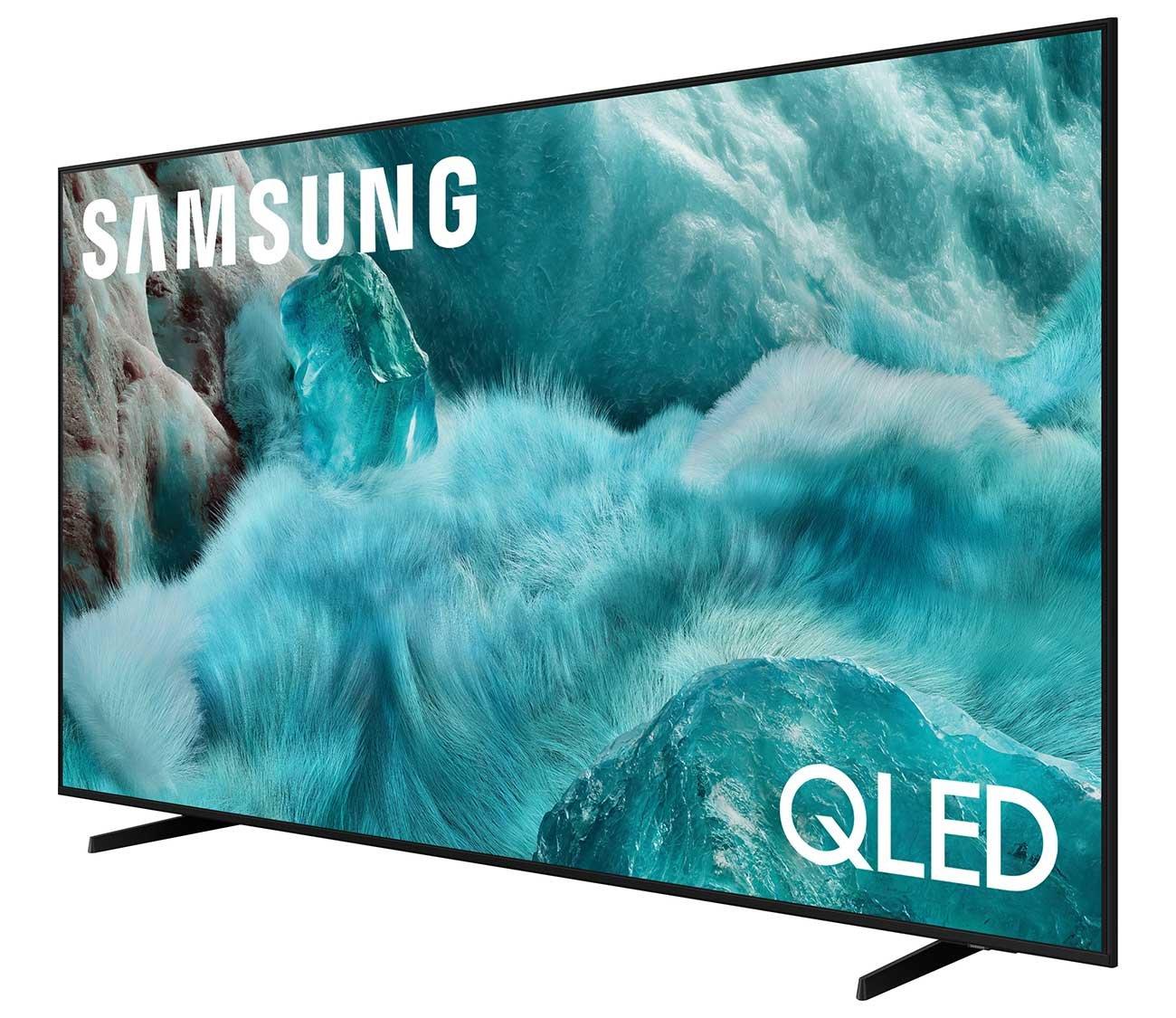
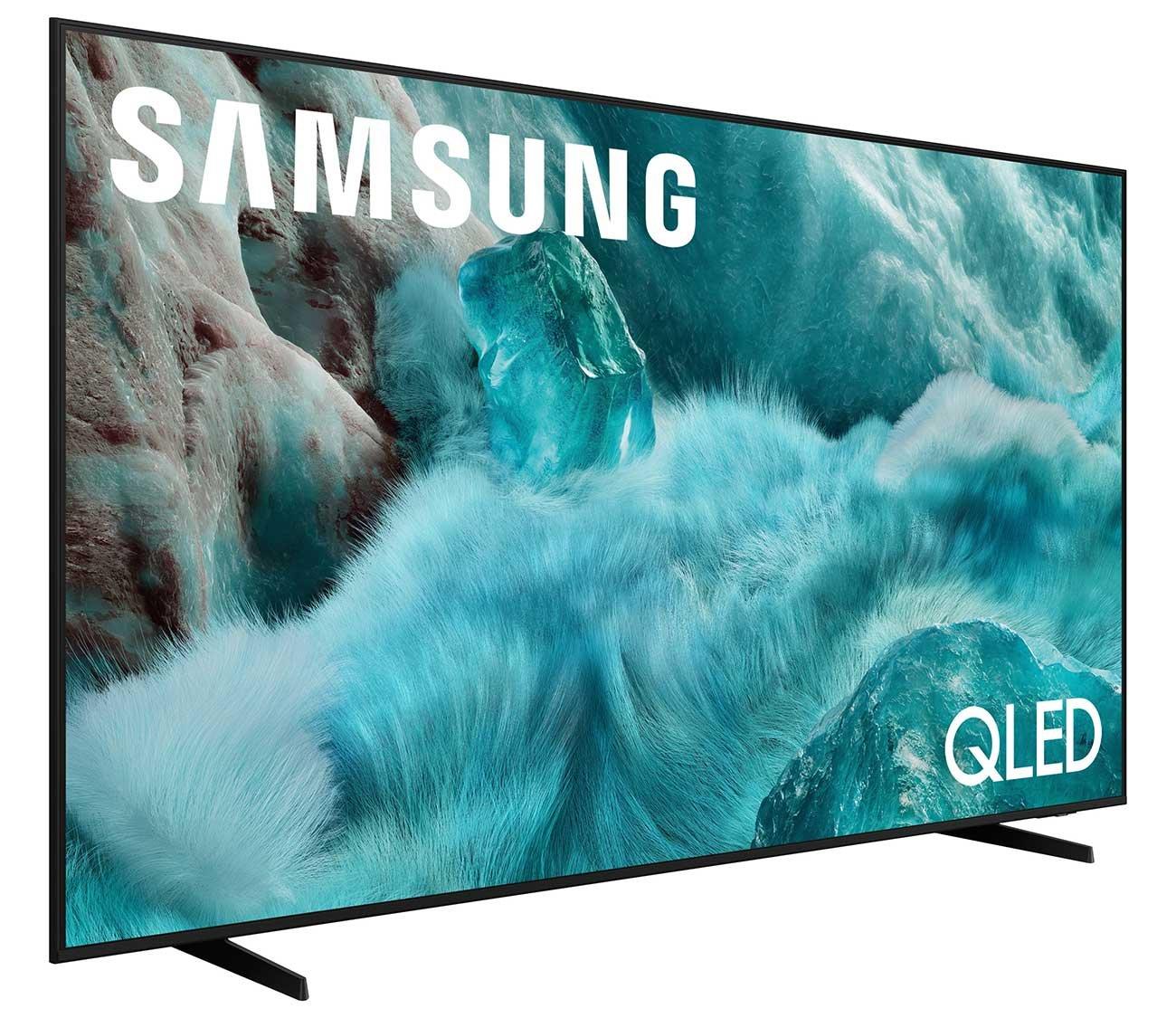

Shopping for a 65-inch TV in 2025? You'll likely encounter two very different approaches to QLED technology. The TCL QM9K represents the cutting edge of mini-LED advancement, while the Samsung Q7F offers traditional QLED at an accessible price point. At the time of writing, these TVs sit in completely different price brackets—the TCL costs roughly three times more than the Samsung—but both promise quantum dot color enhancement and smart TV features.
The question isn't just which TV is better, but whether the premium features justify the significant price difference. After researching extensive professional reviews and user feedback, the answer depends entirely on what you value most: cutting-edge performance or budget-friendly practicality.
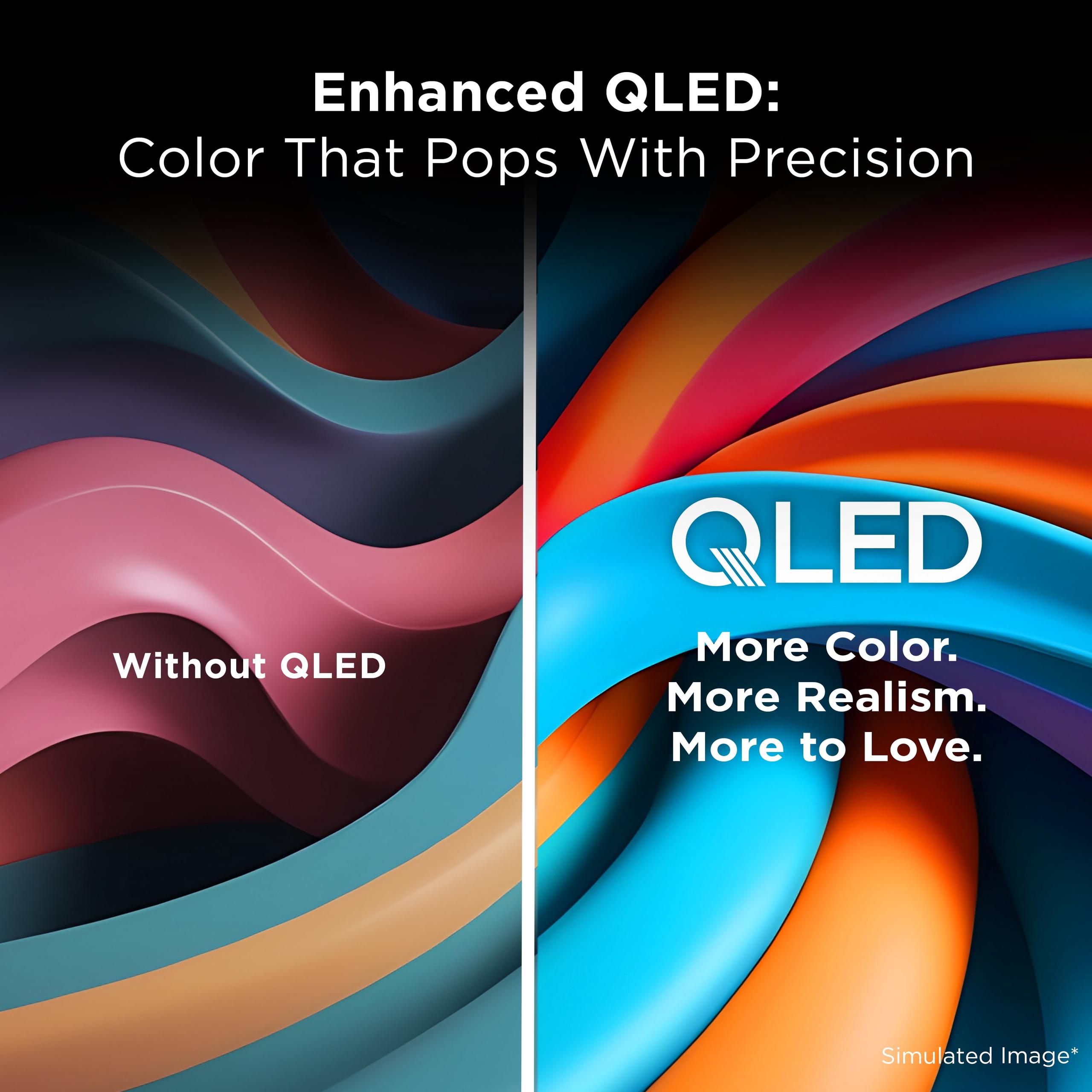
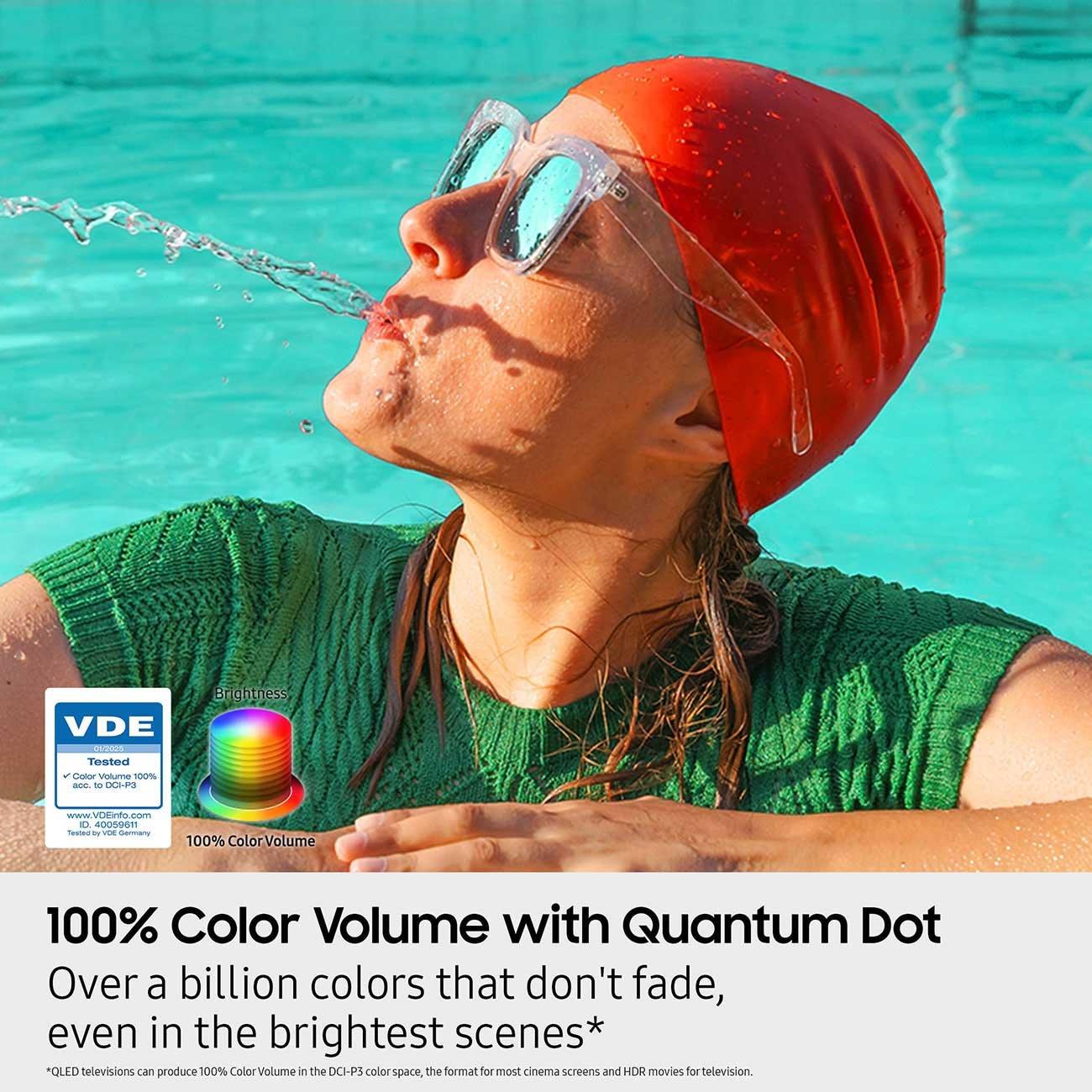
Before diving into comparisons, it's worth understanding what QLED actually means. QLED stands for "Quantum Dot Light Emitting Diode," which sounds more complicated than it is. Essentially, both TVs use tiny nanocrystals called quantum dots that sit between the LED backlight and your screen. When light hits these dots, they emit pure, saturated colors—think of them as microscopic color filters that make reds redder and blues bluer.
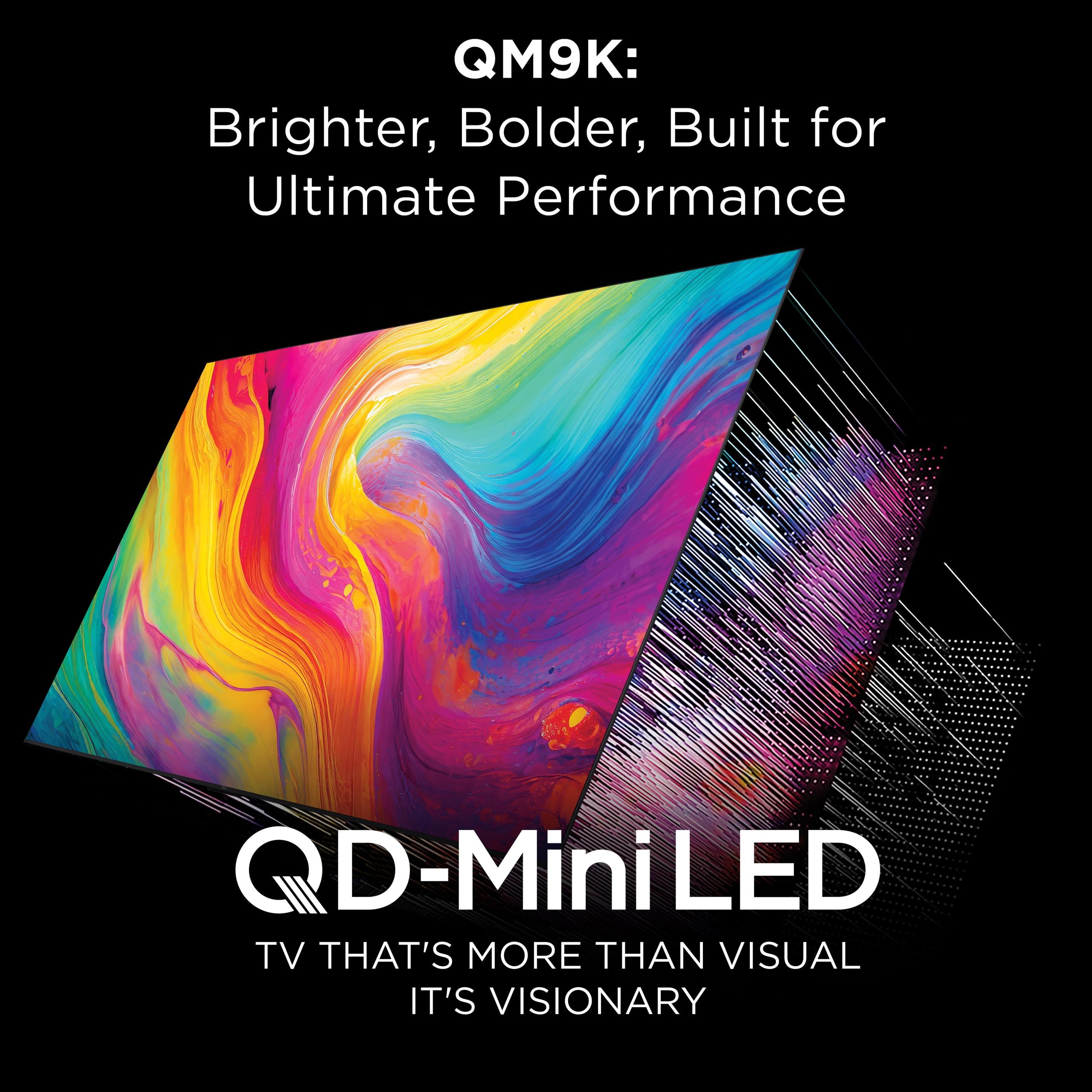
However, not all QLED implementations are equal. The TCL QM9K uses what's called QD-Mini LED technology, combining quantum dots with thousands of tiny LEDs for backlight control. The Samsung Q7F uses standard QLED with conventional LED backlighting. This fundamental difference affects everything from how dark the blacks appear to how bright the highlights can get.
Both TVs launched in 2025, representing each manufacturer's latest approach to the technology. TCL has been pushing aggressively into premium mini-LED territory over the past few years, bringing features that were once exclusive to $3,000+ TVs down to more reasonable pricing. Samsung, meanwhile, has expanded their QLED lineup to cover multiple price points, with the Q7F representing their entry-level QLED offering.
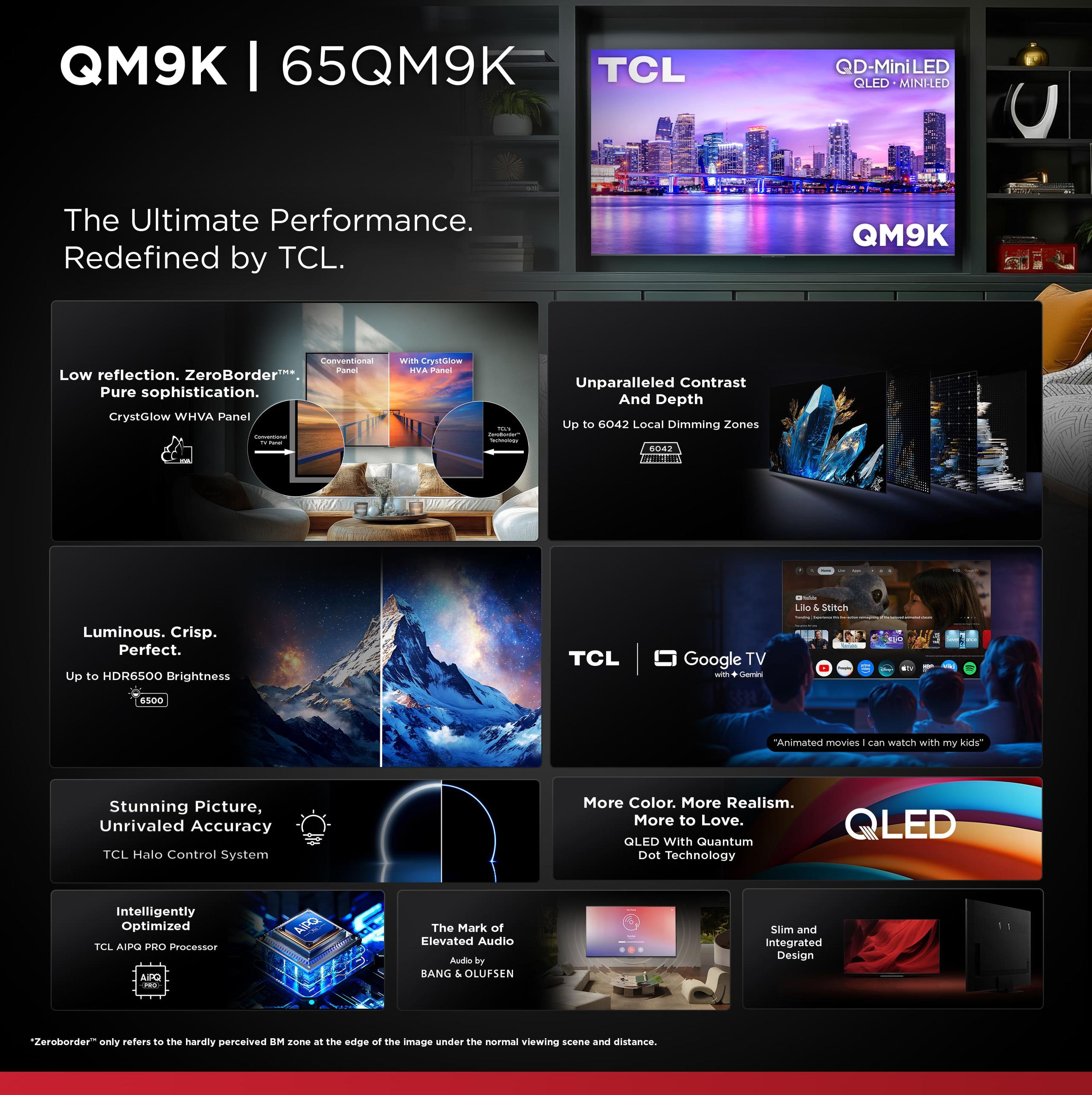
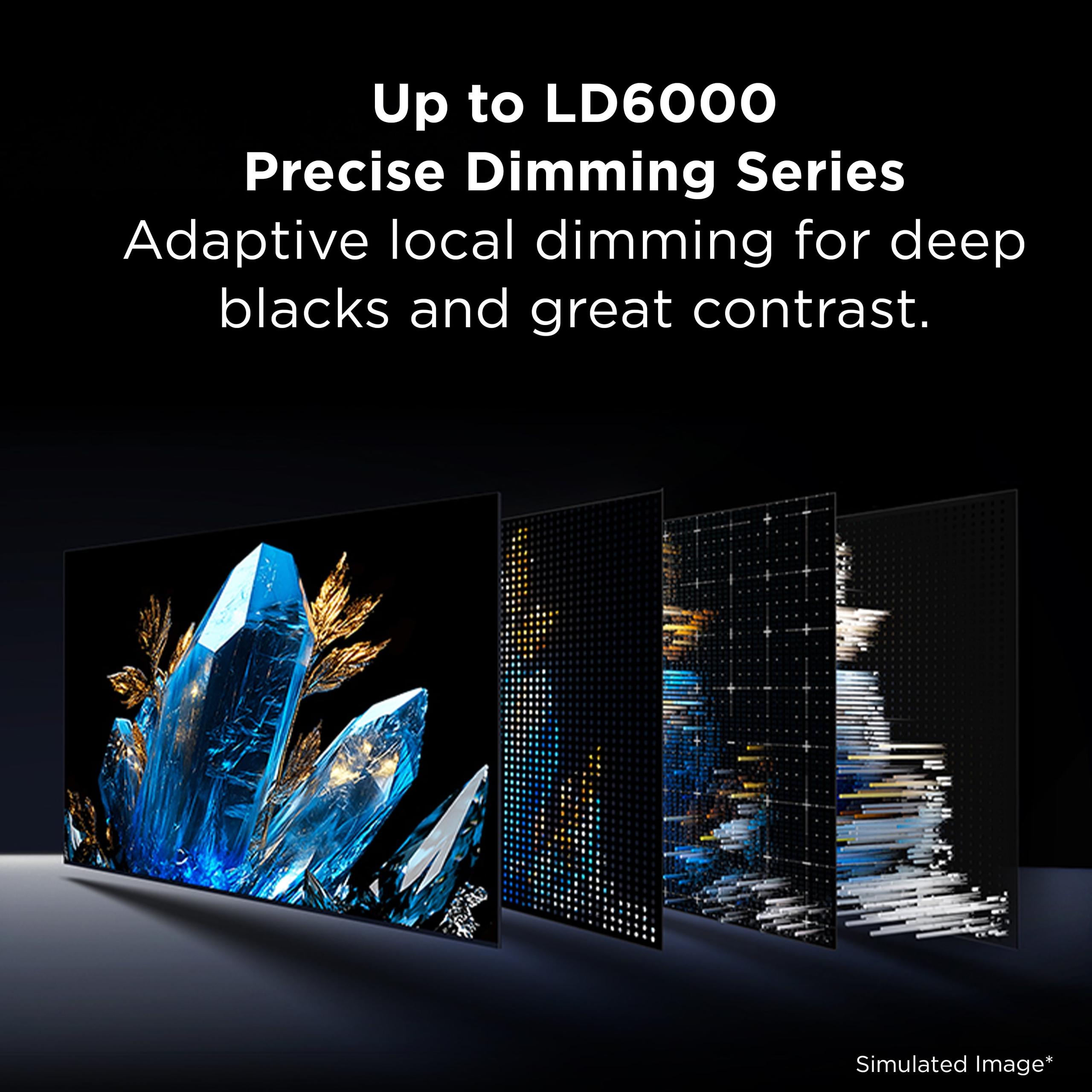
The most significant difference between these TVs lies in their backlighting systems, which directly impacts the most important performance characteristic: contrast ratio. The TCL QM9K features up to 6,000 local dimming zones—imagine your TV's backlight divided into thousands of independently controlled sections. When a scene shows a starry night sky, the TV can dim the zones showing black space while keeping the star zones bright. This creates what's called "local dimming."
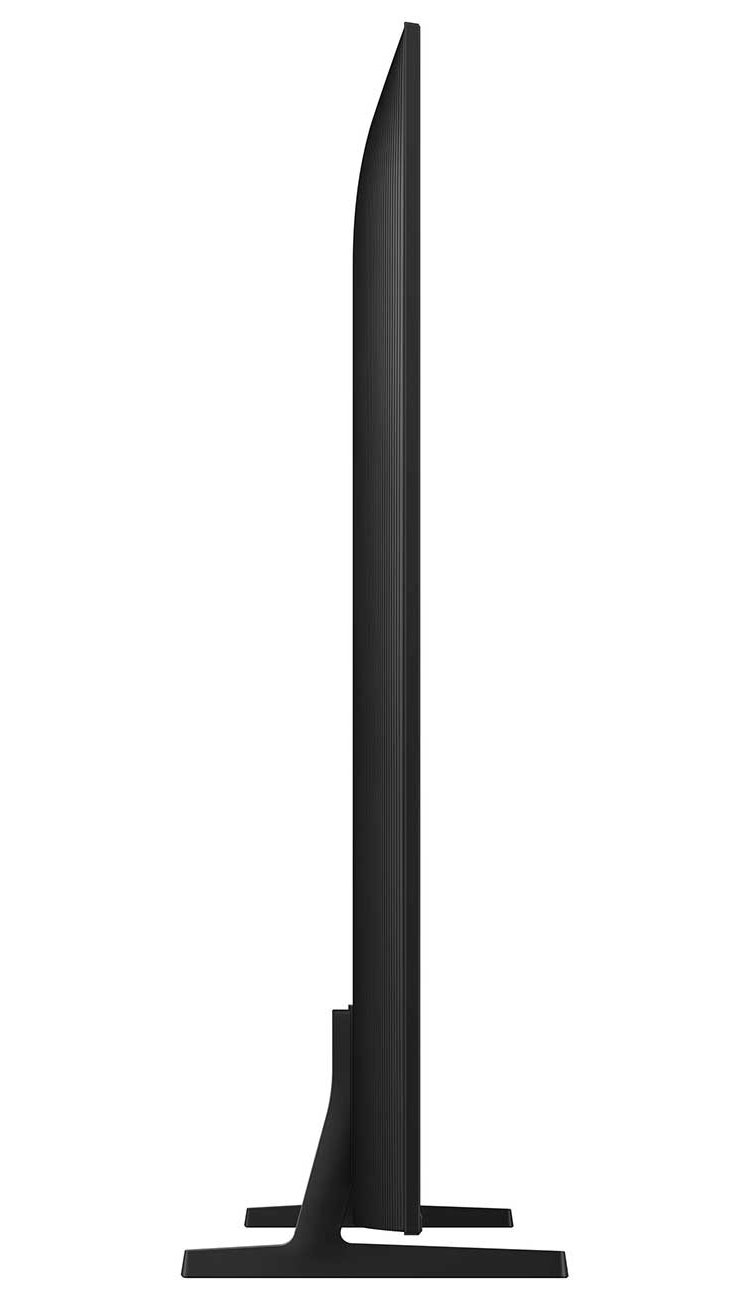
The Samsung Q7F, by contrast, uses direct-lit LED with no local dimming zones. The entire backlight operates as one unit, meaning dark scenes will appear more gray than true black. It's the difference between turning off individual light switches in different rooms versus having one main switch for your entire house.
Based on professional measurements, the TCL QM9K achieves a dynamic contrast ratio of 65,000,000:1, while the Samsung Q7F manages static contrast of 4,500:1. In practical terms, this means the TCL can display deep, inky blacks alongside brilliant whites in the same image—crucial for movie watching and gaming. The Samsung's blacks will appear noticeably gray when viewed in a dark room, though this becomes less apparent in brightly lit environments.
From our research into user experiences, this contrast difference is immediately visible when watching movies with dark scenes. Users consistently report that the TCL QM9K delivers a more cinema-like experience, while the Samsung Q7F feels more like watching TV than experiencing premium content.
High Dynamic Range (HDR) content—found on Netflix, Disney+, and 4K Blu-rays—requires significant brightness to display properly. HDR essentially allows content creators to use a wider range of brightness levels, from deeper blacks to brilliant highlights that simulate real-world lighting conditions.
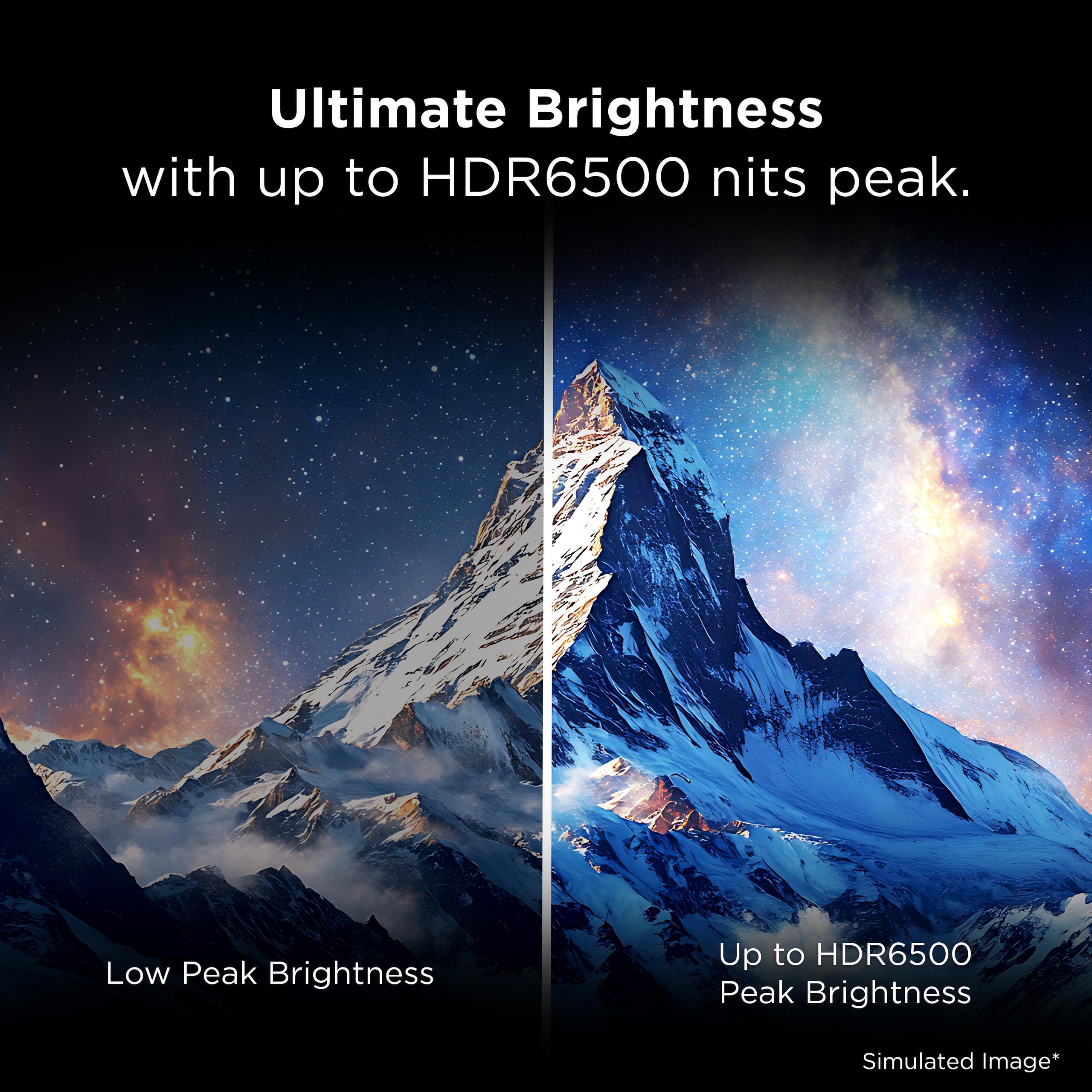
The TCL QM9K reaches peak brightness levels of 6,500 nits in HDR content, while the Samsung Q7F tops out around 500 nits. To put this in perspective, a typical indoor room measures about 100-200 nits, bright sunlight through a window might hit 10,000 nits. The TCL can actually display highlights that approach real-world brightness levels, making HDR content appear dramatically more realistic.
This brightness difference has practical implications beyond just HDR performance. In bright rooms with lots of windows, the TCL QM9K maintains image quality by overpowering ambient light reflections. The Samsung Q7F may appear washed out in similar conditions, requiring careful room positioning or window treatments for optimal viewing.
Professional reviewers consistently note that the Samsung's limited brightness capabilities restrict its HDR performance significantly. While it can display HDR content, the impact feels muted compared to displays with higher peak brightness capabilities.
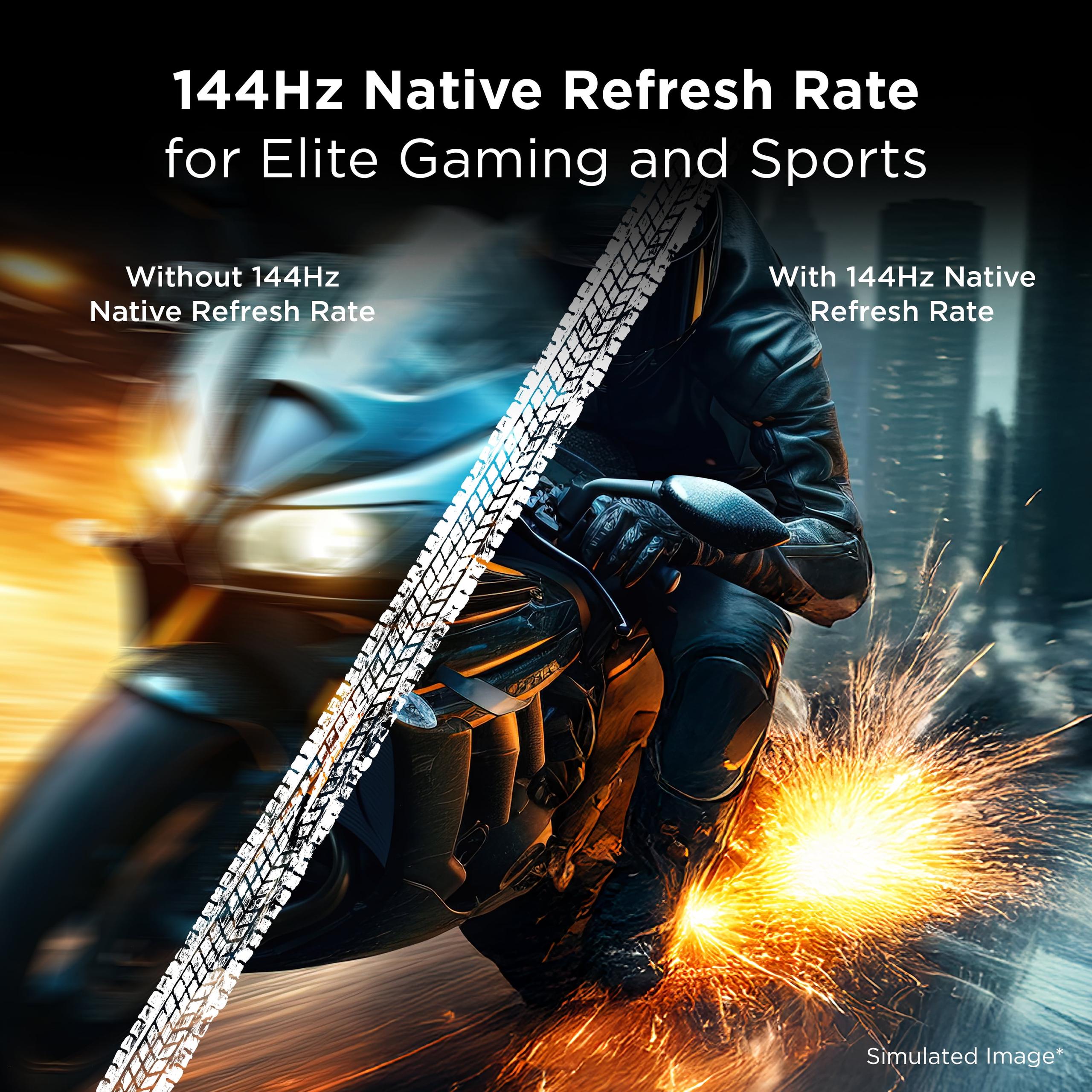
Modern gaming consoles like the PlayStation 5 and Xbox Series X support 4K gaming at 120Hz refresh rates, with some competitive games pushing even higher frame rates. The TCL QM9K embraces this with native 144Hz refresh rate support and Game Accelerator 288 technology, which can handle up to 288Hz at 1080p resolution for competitive gaming.
The Samsung Q7F offers standard 60Hz refresh rate with basic motion enhancement. While perfectly adequate for casual gaming and older consoles, it cannot take full advantage of current-generation gaming hardware.
Input lag—the delay between pressing a controller button and seeing the action on screen—measures critically low on the TCL QM9K at 5.3 milliseconds. This near-instantaneous response makes it suitable for competitive gaming where every millisecond matters. The Samsung offers acceptable input lag for casual gaming but cannot match the TCL's responsiveness.
Variable Refresh Rate (VRR) technology, which synchronizes the TV's refresh rate with your console's output to eliminate screen tearing, comes standard on the TCL QM9K through AMD FreeSync Premium Pro support. The Samsung Q7F lacks this feature entirely.
From gaming community feedback, users report that the TCL QM9K transforms console gaming experiences, particularly in fast-paced shooters and racing games where motion clarity becomes crucial. The Samsung remains perfectly playable for story-driven games and casual play.
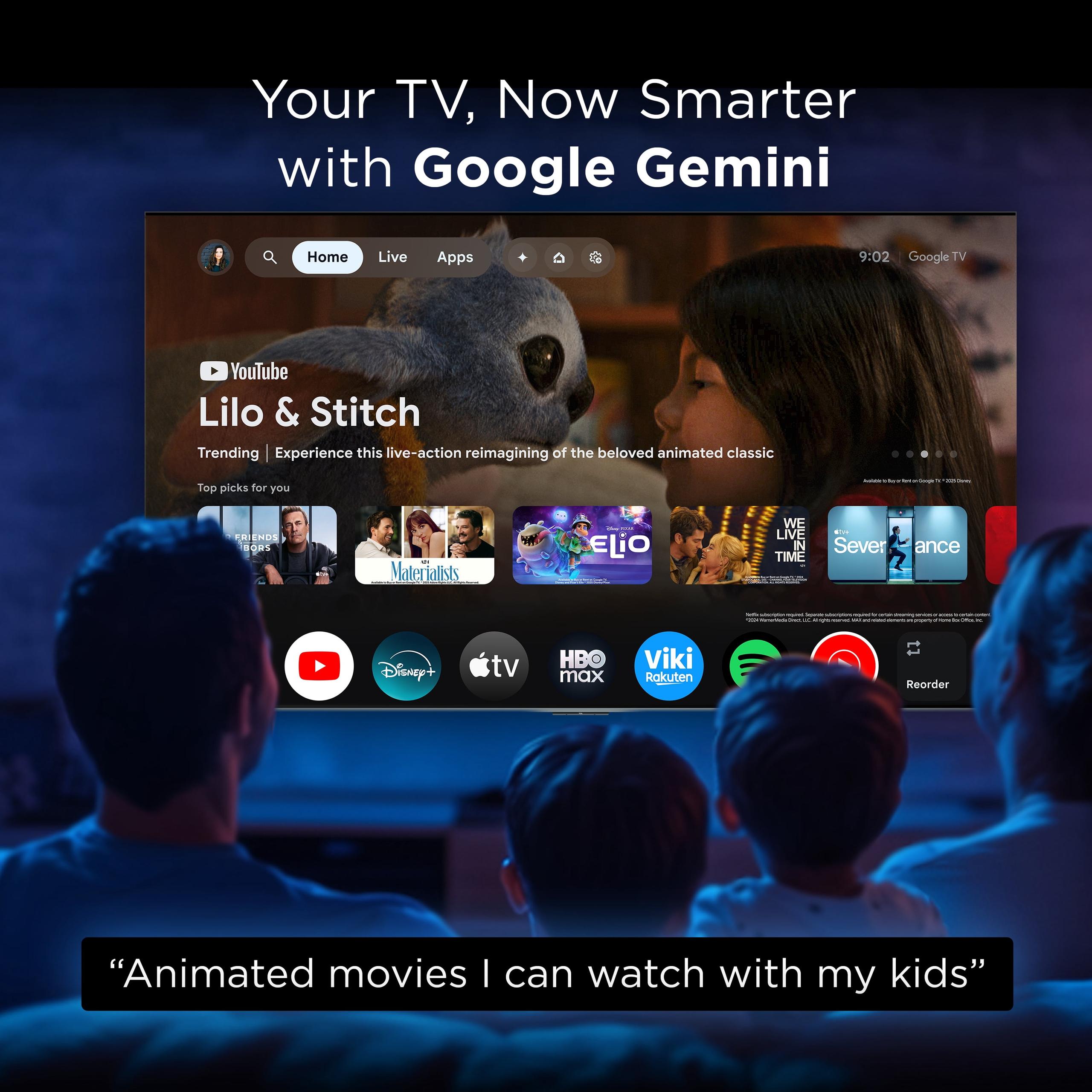
The TCL QM9K runs Google TV, which has evolved into one of the most sophisticated smart TV platforms available. Google TV's content discovery system aggregates shows and movies from across your streaming subscriptions, presenting personalized recommendations on the home screen. The platform also includes Google Gemini AI integration for advanced voice control and smart home integration.
The Samsung Q7F uses Samsung's Tizen operating system, which offers a different approach with Samsung TV Plus providing over 2,700 free streaming channels. Tizen feels more traditional in its interface design but includes robust smart features and generally reliable performance.
Both platforms support major streaming services like Netflix, Disney+, and YouTube, but Google TV's ecosystem feels more modern and comprehensive based on user feedback. The TCL QM9K also includes features like presence sensing, which can automatically turn the TV on when you enter the room and display ambient information when not actively watching content.
Audio quality represents another significant differentiation point. The TCL QM9K features audio tuning by Bang & Olufsen with Dolby Atmos support in a 2.1.1 channel configuration. This creates three-dimensional sound that appears to come from above and around you, particularly noticeable in action movies and gaming.
The Samsung Q7F includes basic 20-watt stereo speakers with Object Tracking Sound Lite (OTS Lite), which attempts to match audio direction with on-screen movement but lacks the sophistication of true Dolby Atmos processing.
From user reports, the TCL QM9K's audio system eliminates the immediate need for a soundbar for many viewers, while the Samsung's audio feels adequate but uninspiring for premium content consumption.
Dark Room Movie Watching: The TCL QM9K excels here, with its mini-LED local dimming creating true blacks that make letterboxed movies disappear into darkness while maintaining brilliant highlight details. The Samsung Q7F shows noticeable gray bars above and below movies due to its inability to turn off specific screen areas completely.
Bright Living Room Use: Both TVs handle ambient light differently. The TCL QM9K's superior brightness cuts through glare effectively, maintaining color saturation and contrast even with windows or lamps creating reflections. The Samsung Q7F performs adequately in moderate ambient light but may appear washed out in very bright conditions.
Sports Viewing: Motion handling becomes critical for sports content. The TCL QM9K's higher refresh rate and Motion Rate 480 technology with MEMC (Motion Estimation, Motion Compensation) frame insertion creates smoother motion during fast camera pans and quick player movements. The Samsung's 60Hz limitation shows more motion blur during rapid action sequences.
Gaming Sessions: The difference becomes stark with modern consoles. The TCL QM9K supports full 4K gaming at 144Hz with VRR, creating noticeably smoother gameplay experiences. The Samsung Q7F limits modern consoles to 60Hz, which remains playable but doesn't showcase the full capability of premium gaming hardware.
At the time of writing, the price difference between these TVs reflects their vastly different approaches to QLED technology. The Samsung Q7F targets budget-conscious buyers who want QLED branding and basic smart TV features without premium performance requirements. It serves well as a secondary TV, guest room display, or for users primarily watching standard definition and HD content.
The TCL QM9K aims at enthusiasts willing to pay more for cutting-edge picture quality and gaming performance. Its mini-LED technology was exclusive to TVs costing several thousand dollars just a few years ago, making its current pricing relatively accessible for the performance tier.
Choose the Samsung Q7F if you:
Choose the TCL QM9K if you:
After reviewing extensive professional testing and user feedback, the TCL QM9K represents superior technology and performance in virtually every measurable category. Its mini-LED implementation delivers genuinely premium picture quality that approaches much more expensive display technologies.
However, the Samsung Q7F serves a legitimate market need for buyers seeking basic QLED features at an accessible price point. It delivers adequate performance for casual viewing and maintains Samsung's reputation for reliability and smart TV functionality.
The decision ultimately comes down to your priorities and budget flexibility. If picture quality matters significantly to you—particularly for movie watching and gaming—the TCL QM9K's premium features justify their cost. If you need a functional QLED TV without premium requirements, the Samsung Q7F provides solid value for its price bracket.
Based on current market positioning and technology trends, the TCL represents better long-term value for users who can afford the initial investment, while the Samsung serves budget-conscious buyers who prioritize immediate affordability over performance advantages.
| TCL 65" QM9K QD-Mini LED Smart TV | Samsung 65" Q7F QLED 4K Vision AI Smart TV 2025 |
|---|---|
| Local Dimming Zones - Controls contrast and black levels | |
| Up to 6,000 zones (mini-LED delivers near-OLED blacks) | No local dimming (standard LED shows gray blacks) |
| Peak Brightness - Critical for HDR and bright room viewing | |
| 6,500 nits (excellent HDR impact, overcomes room lighting) | ~500 nits (adequate for standard content, limited HDR) |
| Display Technology - Determines overall picture quality | |
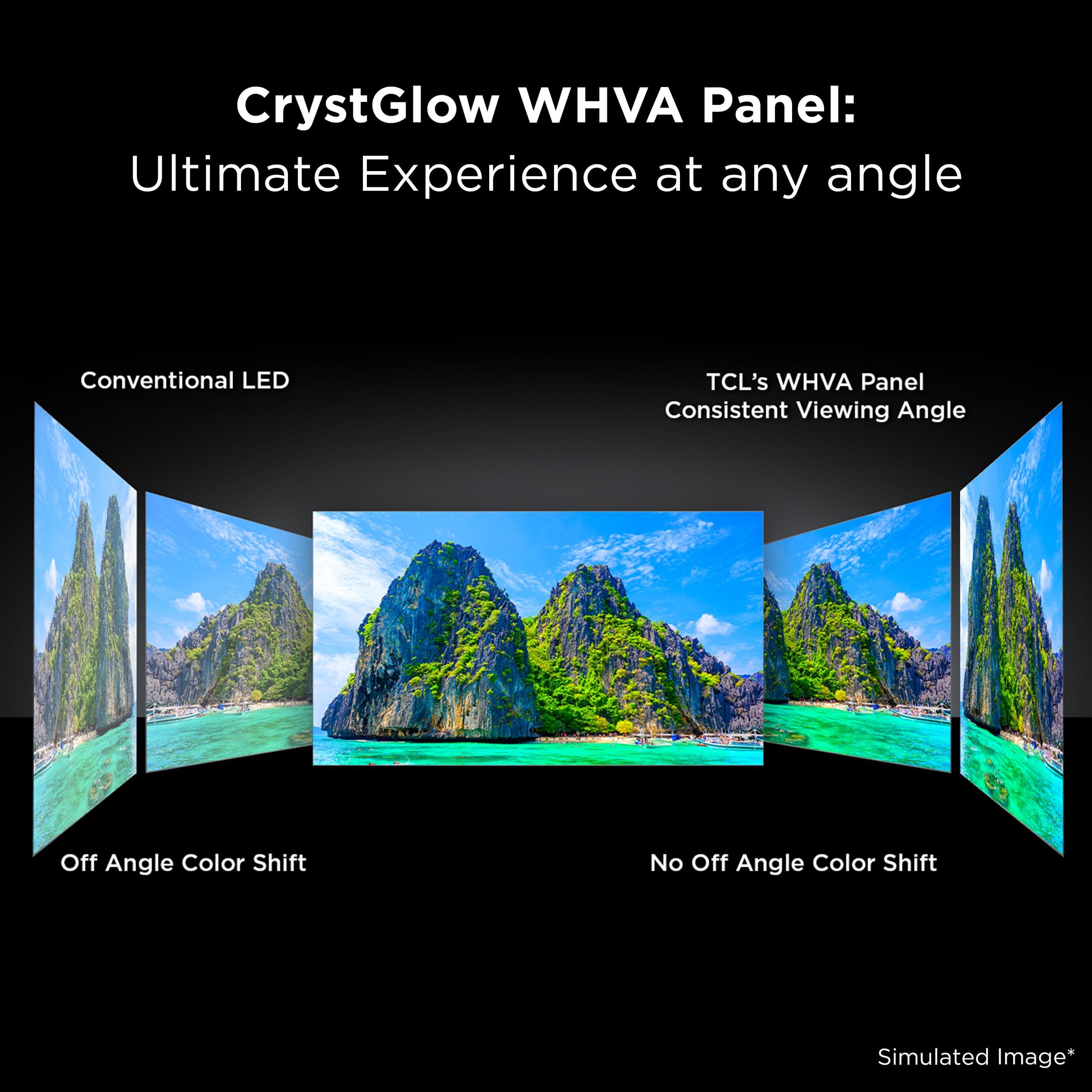
| QD-Mini LED with CrystGlow WHVA panel | Standard QLED with direct-lit LED |
| Refresh Rate - Important for gaming and sports | |
| Native 144Hz with Game Accelerator 288 | 60Hz with basic Motion Xcelerator |
| Gaming Features - Console compatibility and responsiveness | |
| 4K@144Hz, VRR, AMD FreeSync Premium Pro, 5.3ms input lag | 4K@60Hz only, no VRR, standard input lag |
| Smart TV Platform - Affects daily usability | |
| Google TV with Google Gemini AI | Tizen with Samsung TV Plus (2,700+ free channels) |
| Audio System - Determines if you need a soundbar | |
| Bang & Olufsen tuning with Dolby Atmos (2.1.1 channel) | 20W stereo with basic OTS Lite |
| Contrast Ratio - Affects dark scene performance | |
| 65,000,000:1 dynamic contrast | 4,500:1 static contrast |
| HDR Support - Determines premium content quality | |
| HDR10, HDR10+, Dolby Vision, Dolby Vision IQ, HLG | HDR10+ only |
| HDMI Ports - Connectivity for gaming and devices | |
| 4 HDMI (2 support 4K@144Hz, 1 eARC) | 3 HDMI (standard features) |
| Processor - Affects picture optimization and smart TV speed | |
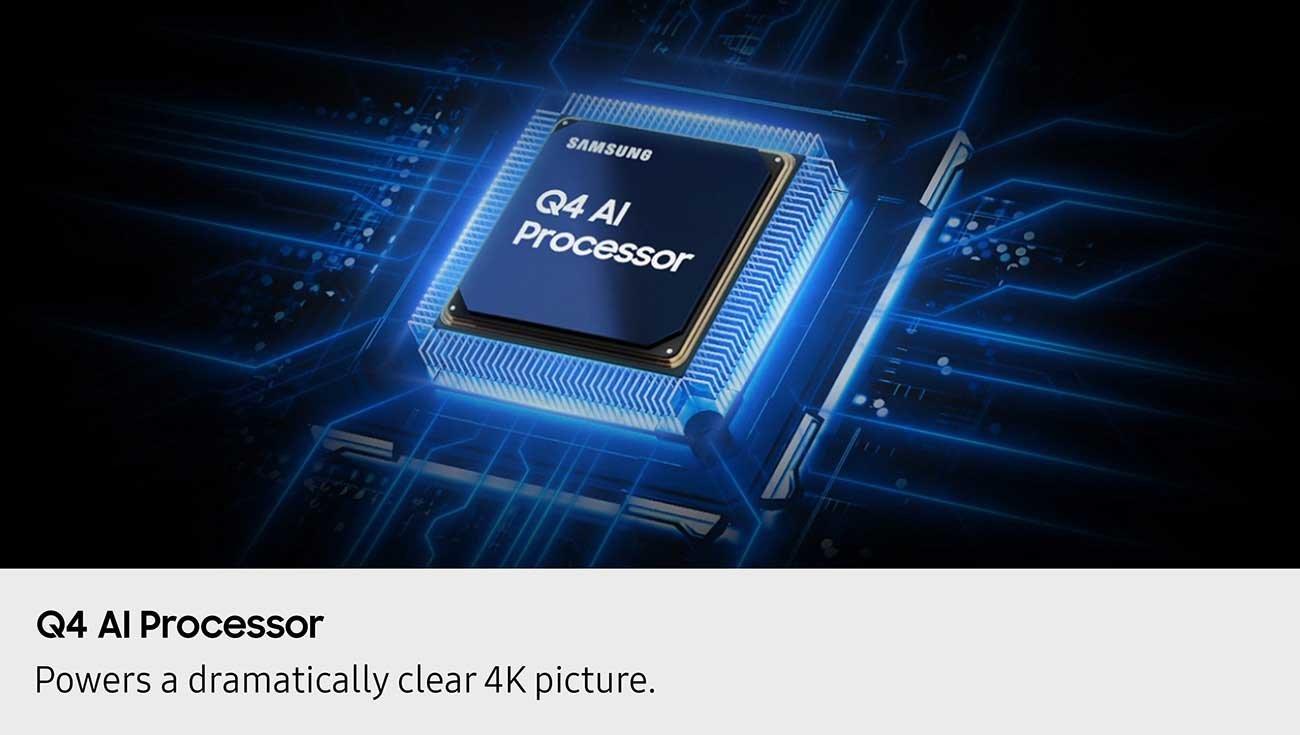
| TCL AIPQ PRO with AI scene optimization | Samsung Q4 AI Processor |
| Target Use Case - Who this TV is designed for | |
| Premium home theater, serious gaming, bright rooms | Budget-conscious buyers, casual viewing, secondary TV |
The TCL 65" QM9K delivers significantly better picture quality with its QD-Mini LED technology featuring up to 6,000 local dimming zones. This creates deeper blacks and brighter highlights compared to the Samsung 65" Q7F, which uses standard LED backlighting without local dimming. For home theater viewing, the TCL provides a more cinema-like experience with superior contrast.
The TCL QM9K reaches peak brightness of 6,500 nits, while the Samsung Q7F maxes out around 500 nits. This massive difference means the TCL performs much better in bright rooms and delivers more impactful HDR content with highlights that pop off the screen.
The TCL 65" QM9K is substantially better for gaming with native 144Hz refresh rate, 5.3ms input lag, and support for 4K@144Hz gaming. The Samsung 65" Q7F only supports 60Hz refresh rates, limiting modern console performance. For competitive gaming, the TCL is the clear winner.
Both the TCL QM9K and Samsung Q7F support major streaming services like Netflix, Disney+, and YouTube. However, the TCL runs Google TV for better content discovery, while the Samsung uses Tizen OS with Samsung TV Plus offering 2,700+ free channels.
The TCL 65" QM9K features Bang & Olufsen audio tuning with Dolby Atmos support, creating immersive 3D sound. The Samsung 65" Q7F has basic 20W stereo speakers with Object Tracking Sound Lite. The TCL's audio is significantly more sophisticated for home theater use.
The TCL QM9K excels in bright rooms due to its high peak brightness that overcomes ambient light and glare. The Samsung Q7F may appear washed out in very bright conditions and requires more careful room positioning for optimal viewing.
The Samsung 65" Q7F offers better value for budget-conscious buyers seeking basic QLED features. The TCL QM9K provides premium performance that justifies its higher cost for users prioritizing picture quality and gaming capabilities.
Yes, but with different capabilities. The TCL 65" QM9K supports HDR10, HDR10+, Dolby Vision, and HLG with excellent brightness for true HDR impact. The Samsung 65" Q7F supports HDR10+ but lacks the brightness needed for optimal HDR performance.
The TCL QM9K includes 4 HDMI ports with two supporting 4K@144Hz gaming, plus Wi-Fi 6 and Bluetooth 5.4. The Samsung Q7F has 3 standard HDMI ports. The TCL offers superior connectivity for multiple gaming consoles and devices.
The TCL 65" QM9K runs Google TV with Google Gemini AI for advanced voice control and personalized content recommendations. The Samsung 65" Q7F uses Tizen OS with a more traditional interface. Google TV generally provides a more modern and intuitive experience.
The TCL QM9K handles sports better with its 144Hz refresh rate and Motion Rate 480 technology, reducing motion blur during fast action. The Samsung Q7F's 60Hz limitation may show more blur during rapid camera movements and player action.
Choose the TCL 65" QM9K if you want premium picture quality, serious gaming performance, or frequently watch in bright rooms. The Samsung 65" Q7F works best for budget-conscious buyers, casual viewing, or as a secondary TV where premium features aren't essential.
We've done our best to create useful and informative comparisons to help you decide what product to buy. Our research uses advanced automated methods to create this comparison and perfection is not possible - please contact us for corrections or questions. These are the sites we've researched in the creation of this article: rtings.com - bestbuy.com - youtube.com - youtube.com - youtube.com - techaeris.com - displayspecifications.com - pcrichard.com - residentialsystems.com - us.tcl.com - displayspecifications.com - valueelectronics.com - woodruffappliance.com - tcl.com - pcrichard.com - tcl.com - techradar.com - tcl.com - us.tcl.com - youtube.com - youtube.com - bestbuy.com - youtube.com - bestbuy.com - youtube.com - samsung.com - samsung.com - pcrichard.com - samsung.com - samsung.com - videoandaudiocenter.com - displayspecifications.com - bestbuy.com - samsung.com - samsung.com - samsung.com - samsung.com - news.samsung.com

Privacy Policy
Terms and Conditions - Affiliate Policy
Home Security
© Copyright 2008-2026.
11816 Inwood Rd #1211, Dallas, TX 75244