

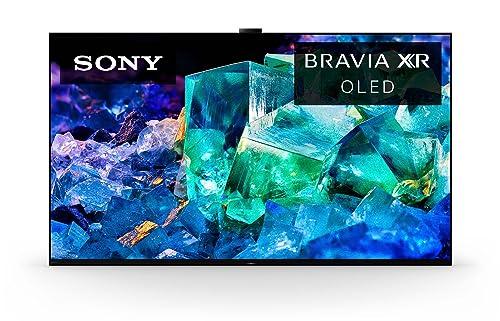



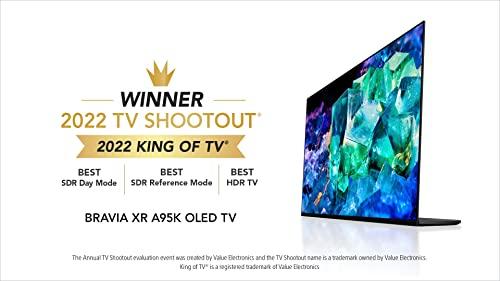








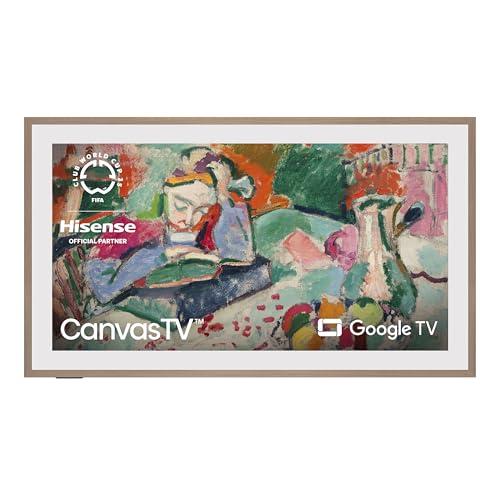

When shopping for a premium 65-inch TV, you're likely weighing picture quality against lifestyle features and value. Two compelling options represent dramatically different approaches: the Sony Bravia XR A95K, a flagship entertainment display with revolutionary QD-OLED technology, and the Hisense S7N CanvasTV, a lifestyle-focused QLED that transforms into wall art when not in use.
At the time of writing, these TVs sit in different price tiers—the Sony A95K commands a significant premium over the Hisense CanvasTV, though both have seen substantial price reductions since their respective launches. Understanding what you get for that price difference requires diving deep into their technologies and capabilities.
Premium TVs today aren't just about screen size anymore. The most important factors include display technology (which determines contrast and color quality), processing power for upscaling and motion handling, gaming capabilities for next-gen consoles and PCs, built-in audio quality, and increasingly, how the TV integrates into your living space when not in use.
Display technology sits at the heart of picture quality. Traditional LCD TVs use LED backlights shining through liquid crystal layers, while OLED TVs have pixels that emit their own light. The Sony A95K uses an innovative hybrid called QD-OLED, combining the best of both worlds, while the Hisense CanvasTV uses advanced QLED (Quantum Dot LED) technology—a refined version of LCD.
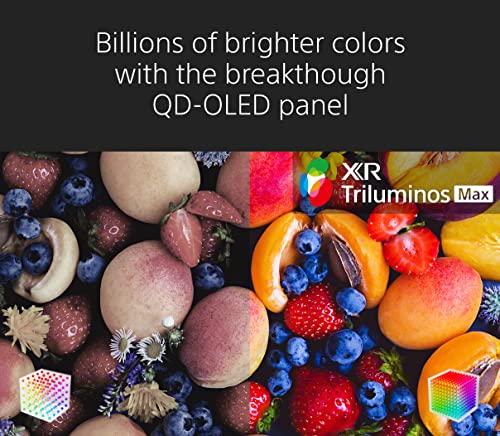
The Sony A95K, released in 2022, introduced consumers to QD-OLED technology for the first time. This represents a genuine breakthrough: instead of white OLED pixels filtered through color layers, QD-OLED uses blue OLED pixels that excite quantum dots to produce pure red and green light. The result is significantly brighter colors—up to 200% more color brightness than traditional OLEDs—while maintaining the infinite contrast that makes OLED special.
What does infinite contrast actually mean? Every pixel can turn completely off, creating true blacks rather than the dark gray you see on LED-backlit displays. When a pixel is off, it produces zero light, making bright elements in the same scene appear dramatically more vivid. This pixel-level control creates depth and realism that's immediately noticeable, especially in dark movie scenes or games.
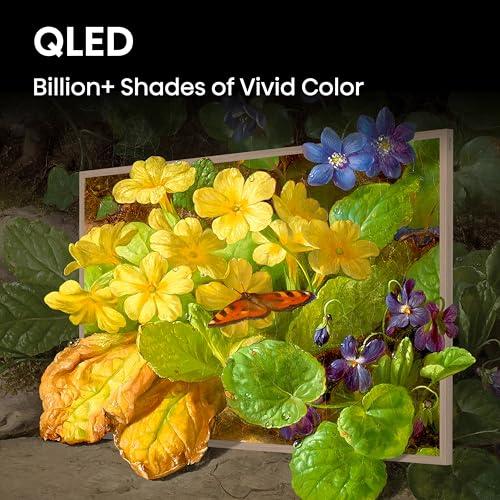
The Hisense CanvasTV, released in 2024, takes a different approach with advanced QLED technology. Quantum dots are microscopic particles that produce very pure colors when excited by light. The CanvasTV's LED backlight shines through these quantum dots to create more saturated colors than standard LCD TVs. However, since the backlight remains active across the entire screen, it can't achieve true blacks—dark areas appear grayish, particularly in dim viewing environments.
Sony's Cognitive Processor XR in the A95K represents a fundamental shift in TV processing. Rather than analyzing picture elements individually like traditional processors, it cross-analyzes different elements simultaneously, identifying focal points the way human vision works. This creates more natural-looking images with better depth perception.
The processor enables several advanced features: XR Triluminos Max expands the color palette beyond what's typically possible, while XR OLED Contrast Pro optimizes brightness across different scene elements. When upscaling lower-resolution content to 4K, the XR processor intelligently recreates missing detail rather than simply stretching pixels.
The Hisense CanvasTV uses more conventional processing focused on color enhancement and gaming optimization. While it lacks Sony's advanced cross-analysis capabilities, it handles gaming-specific features exceptionally well and includes dedicated picture modes for art display.
For serious gaming, refresh rate and input lag are critical metrics. Refresh rate determines how many times per second the screen updates—higher rates mean smoother motion. Input lag measures the delay between pressing a controller button and seeing the action on screen.
The Hisense CanvasTV excels here with a native 144Hz refresh rate and remarkably low 5.4ms input lag. This makes it ideal for competitive PC gaming where every millisecond counts. It supports 4K gaming at 144 frames per second and can even handle 1080p at 240fps—frame rates that push the boundaries of what current gaming hardware can achieve.
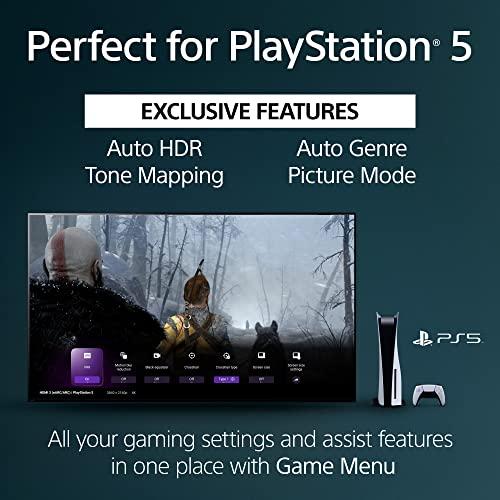
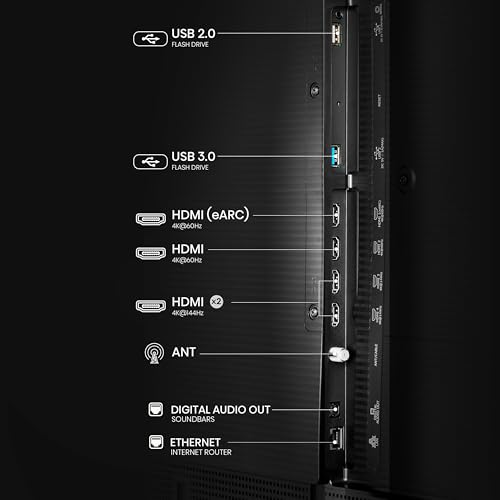
The Sony A95K offers a 120Hz refresh rate with 16.1ms input lag, which remains excellent for console gaming. Most PlayStation 5 and Xbox Series X games target 60fps or 120fps, making the Sony perfectly capable. However, the A95K has only two HDMI 2.1 ports (which support the highest bandwidth for gaming), compared to the Hisense's more generous allocation.
HDMI 2.1 ports are crucial because they support Variable Refresh Rate (VRR), which eliminates screen tearing by synchronizing the display's refresh rate with the game's frame rate. They also enable Auto Low Latency Mode (ALLM), which automatically switches to the lowest input lag when gaming is detected.
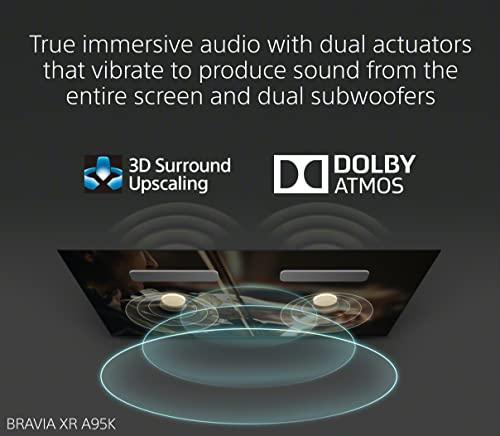
Traditional TVs place speakers at the bottom or sides of the screen, creating a disconnect between what you see and what you hear. The Sony A95K solves this with Acoustic Surface Audio+ technology—actuators on the back panel vibrate the entire screen to produce sound directly from the display surface.
This creates remarkably immersive audio where dialogue appears to come from characters' mouths and effects track precisely with their on-screen positions. The system produces 60W of power and can even function as a center channel speaker in a surround sound setup, blending seamlessly with external speakers.
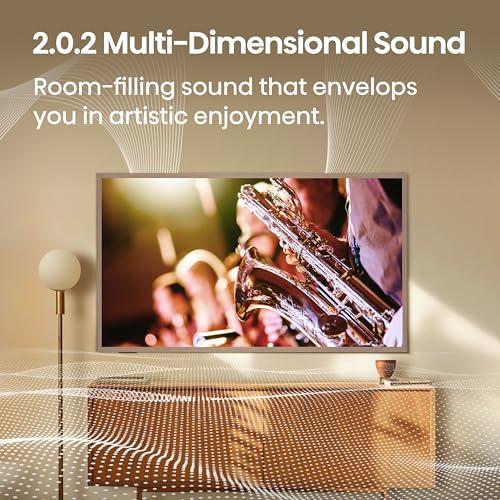
The Hisense CanvasTV uses a more conventional 2.0.2 channel setup with upward-firing speakers for DTS Virtual:X surround sound. While this provides adequate audio quality that's above average for flat-panel TVs, it lacks the positional precision of Sony's screen-based approach.
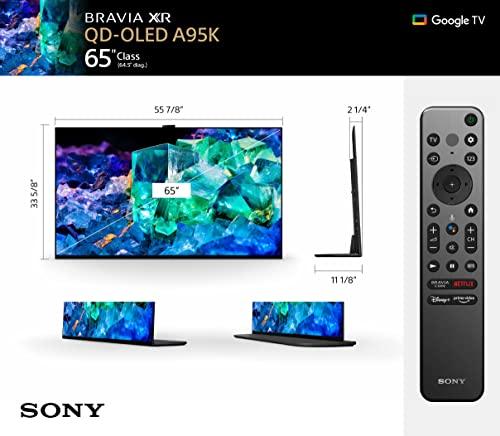
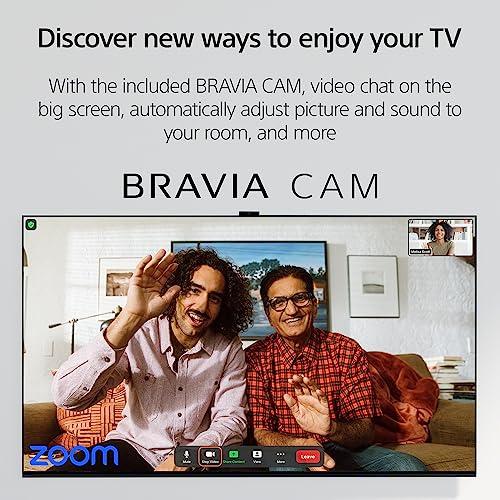
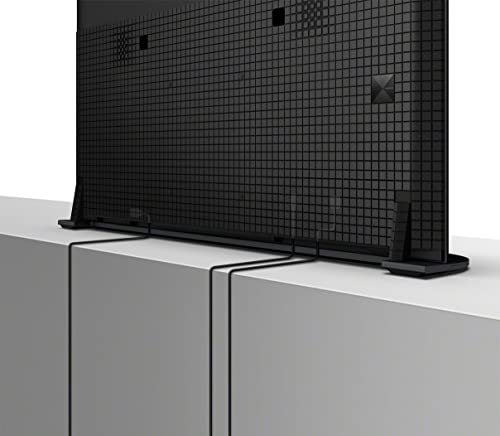
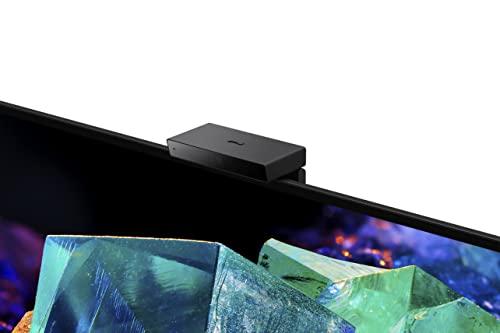
The Sony A95K prioritizes pure entertainment value. Its slim 2.25-inch profile looks premium, and the included BRAVIA CAM enables video chatting, gesture control, and automatic picture optimization based on room lighting. The Dual Style stand can be positioned toward the front or back of the TV for different aesthetic looks.
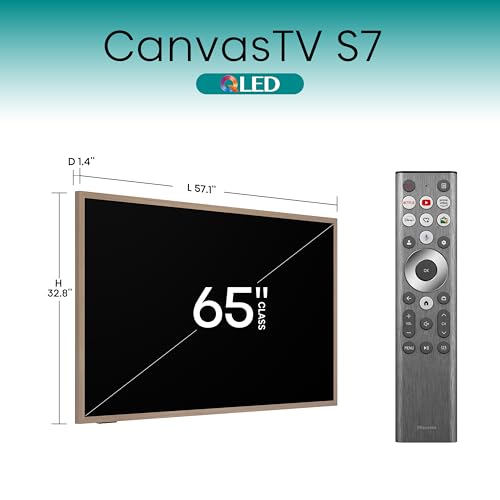
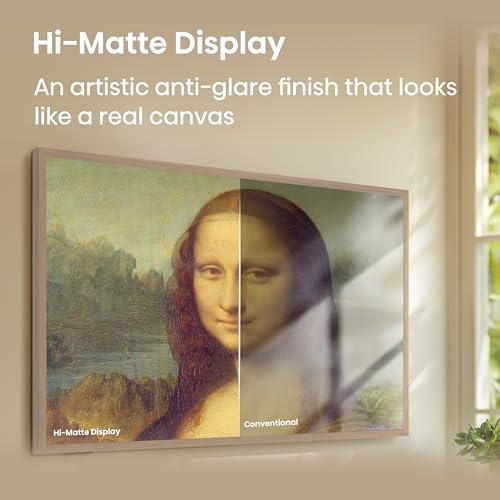
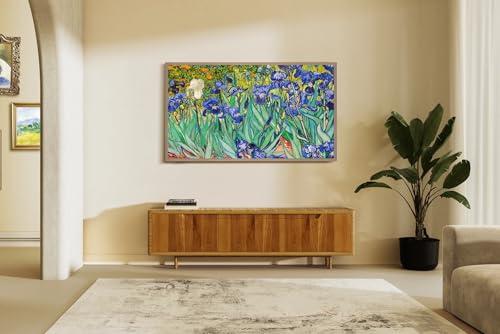
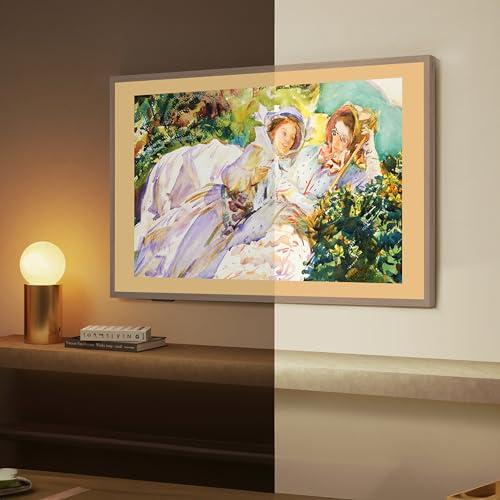
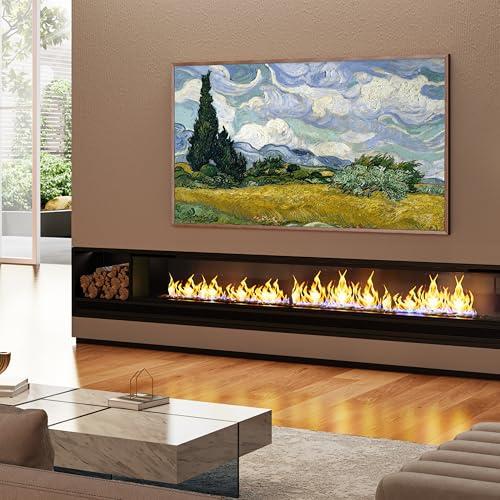
The Hisense CanvasTV takes a radically different approach, designed to disappear into your living space when not actively displaying content. Art Mode transforms the screen into a digital art gallery, displaying curated masterpieces or your own photos. The Hi-Matte anti-glare coating reduces reflections to just 5%, making artwork visible even in bright rooms while mimicking the texture of real paintings.
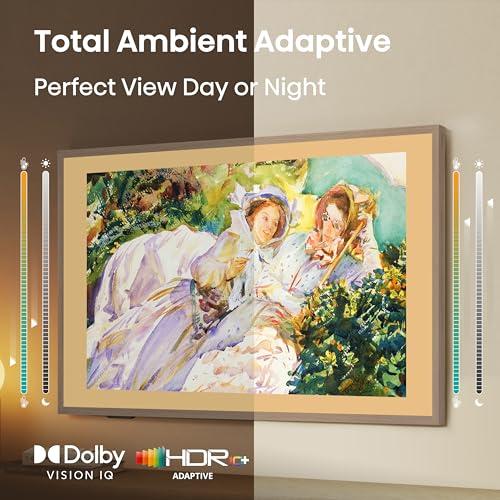
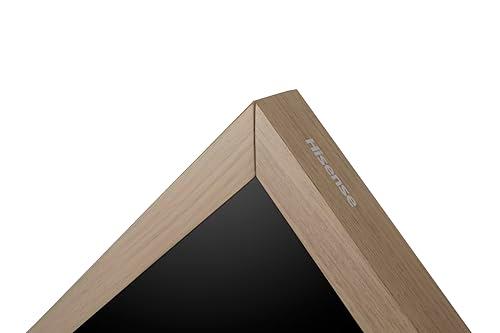
The magnetic frame system is particularly clever—frames in teak, white, or walnut can be swapped easily to match room décor. The included UltraSlim wall mount positions the TV just 3mm from the wall, creating an authentic painting-like appearance. Motion sensors automatically activate Art Mode when someone enters the room and enable power-saving features when the space is empty.
High Dynamic Range (HDR) expands the range between the darkest and brightest elements in an image, creating more realistic visuals. The Sony A95K supports all major HDR formats and achieves impressive peak brightness of over 1,000 nits—remarkable for OLED technology, which traditionally struggled with brightness.
More importantly, the A95K maintains color saturation at high brightness levels thanks to its quantum dot layer. Many displays lose color accuracy as brightness increases, but QD-OLED technology keeps colors vibrant even in the brightest scenes.
The Hisense CanvasTV also supports all HDR formats but is somewhat limited by its LED backlighting system. While it can achieve high peak brightness across larger areas of the screen, it lacks the pixel-level precision that makes HDR truly impactful.
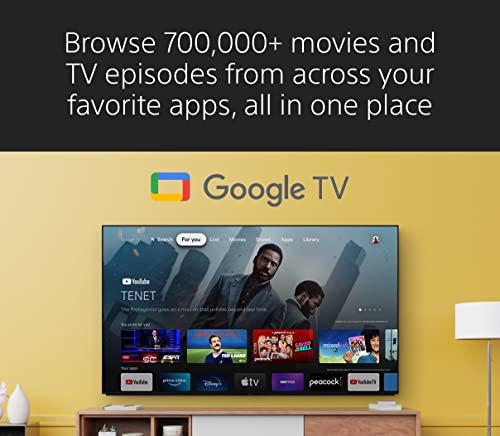
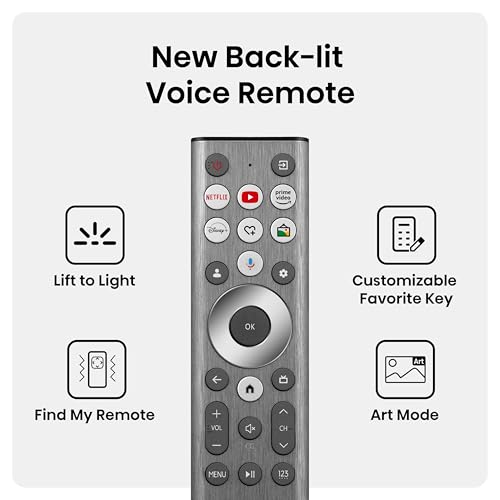
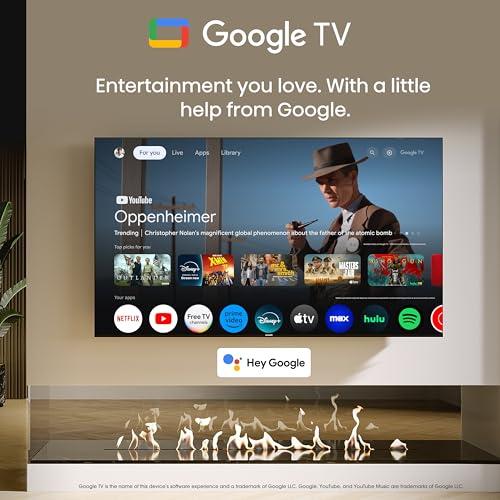
Both TVs run Google TV, offering access to all major streaming services with intuitive voice control. The Sony A95K includes premium features like Netflix Calibrated Mode for filmmaker-intended picture settings and BRAVIA CORE for exclusive 4K streaming content. The BRAVIA CAM adds video calling capabilities and uses facial recognition to optimize picture settings for individual viewers.
The Hisense CanvasTV focuses on practical smart features, including a dedicated Game Bar for quick access to gaming settings and Wi-Fi 6E support for faster streaming. Importantly, it doesn't charge subscription fees for art content, unlike some competing lifestyle TVs.
In our research of professional reviews and user feedback, certain patterns emerge clearly. The Sony A95K consistently receives praise for its natural image processing and color accuracy. Movies and TV shows appear closer to filmmaker intent, with less artificial enhancement. The QD-OLED panel's wider viewing angles mean picture quality remains consistent even when viewed from the side—important for larger rooms or open floor plans.
However, OLED technology carries burn-in risk if static images (like news tickers or game HUDs) remain on screen for extended periods. While modern OLEDs include protective features, it's worth considering your viewing habits.
The Hisense CanvasTV earns consistent praise for its value proposition and gaming performance. Users particularly appreciate the art display functionality working seamlessly without subscription fees. The anti-glare coating proves effective in bright rooms, though some reviewers note that color accuracy isn't quite as refined as premium Sony processing.
For dedicated home theater use, the Sony A95K is the clear choice. Its infinite contrast creates the dramatic shadow detail that makes movie watching immersive, while the Acoustic Surface Audio+ technology reduces the need for external speakers in smaller rooms. The Cognitive Processor XR's filmmaker modes ensure content appears as intended.
The Hisense CanvasTV works well for casual home theater use but truly shines in multi-purpose living spaces where the TV needs to serve double duty as room décor.
The decision ultimately comes down to priorities and budget. The Sony A95K, despite significant price reductions since its 2022 launch, still commands a premium that reflects its revolutionary display technology. You're paying for infinite contrast, advanced processing, and innovative audio—features that create a genuinely superior viewing experience for movies and TV shows.
Choose the Sony A95K if picture quality is your top priority, you watch a lot of HDR content, you prefer minimal additional equipment, and you can justify the premium for cutting-edge technology. It's ideal for serious home theater enthusiasts and those who appreciate subtle but meaningful technological advances.
The Hisense CanvasTV offers exceptional value by combining solid QLED performance with unique lifestyle features at a significantly lower price point. Its 144Hz gaming capabilities actually exceed what the Sony offers, making it perfect for PC gaming enthusiasts.
Choose the Hisense CanvasTV if you want a TV that disappears aesthetically when not in use, you're a competitive PC gamer, you have a bright room where anti-glare coating matters, or you simply want premium features without paying premium prices.
Both represent thoughtful approaches to premium TV design—Sony pushing the boundaries of display technology, Hisense rethinking how TVs integrate into modern living spaces. Your choice should align with whether you value revolutionary picture quality or practical lifestyle integration combined with strong performance credentials.
The TV market continues evolving rapidly, with both companies promising ongoing software updates and feature improvements. Either choice will serve you well, but understanding these fundamental differences ensures you get exactly what matters most for your viewing habits and living space.
| Sony Bravia XR A95K 65" QD-OLED TV | Hisense 65" S7N CanvasTV QLED 4K Smart Display |
|---|---|
| Display Technology - The foundation of picture quality | |
| QD-OLED with infinite contrast and pixel-level control | QLED with LED backlighting and quantum dot enhancement |
| Contrast Performance - Critical for dark room viewing and HDR impact | |
| Infinite contrast (true blacks, each pixel turns off completely) | 5000:1 contrast ratio (limited by LED backlighting) |
| Peak Brightness - Determines HDR pop and bright room visibility | |
| 1,041 nits peak (exceptional for OLED technology) | 450 nits peak (adequate for most content) |
| Gaming Refresh Rate - Smoothness for competitive and PC gaming | |
| 120Hz (perfect for console gaming up to 120fps) | 144Hz (ideal for high-end PC gaming beyond 120fps) |
| Input Lag - Response time that matters for competitive gaming | |
| 16.1ms (excellent for console gaming) | 5.4ms (among the lowest available, perfect for esports) |
| HDMI 2.1 Ports - Full-bandwidth connections for next-gen devices | |
| 2 ports (may limit multi-device setups) | 2 ports (adequate for most users) |
| Audio Innovation - Built-in sound quality and immersion | |
| Acoustic Surface Audio+ (screen vibrates to produce positional sound) | 2.0.2 channel system with upward-firing speakers |
| Anti-Glare Performance - Visibility in bright rooms | |
| Standard OLED coating (best in dark/controlled lighting) | Hi-Matte coating reduces reflections to 5% |
| Art Display Mode - Aesthetic integration when TV is off | |
| Not designed for art display | Dedicated Art Mode with magnetic swappable frames |
| Wall Mounting - How flush it sits against the wall | |
| Standard mounting (2.25" depth without stand) | UltraSlim mount positions TV just 3mm from wall |
| Color Accuracy - Professional-grade picture processing | |
| Cognitive Processor XR with 99.95% UHDA-P3 coverage | Standard QLED processing with quantum dot color |
| Smart Platform - Interface and app experience | |
| Google TV with BRAVIA CORE exclusive content | Google TV with standard app selection |
| Burn-in Risk - Long-term durability consideration | |
| OLED technology carries potential burn-in risk | LED-based display eliminates burn-in concerns |
| Value Proposition - What you get for the price premium | |
| Revolutionary display tech justifies higher cost | Exceptional features and gaming performance at lower price |
The Sony Bravia XR A95K delivers superior picture quality thanks to its QD-OLED technology, which provides infinite contrast with true blacks and 200% brighter colors than traditional displays. The Hisense S7N CanvasTV offers good QLED picture quality, but cannot match the pixel-level control and contrast of the Sony A95K.
The Hisense S7N CanvasTV is better for competitive PC gaming with its 144Hz refresh rate and ultra-low 5.4ms input lag. However, the Sony Bravia XR A95K is excellent for console gaming with its 120Hz refresh rate and 16.1ms input lag, which is perfectly adequate for PlayStation 5 and Xbox Series X.
The Hisense S7N CanvasTV performs better in bright rooms thanks to its Hi-Matte anti-glare coating that reduces reflections to just 5%. The Sony Bravia XR A95K works best in controlled lighting environments where its superior contrast can shine.
The Sony Bravia XR A95K has revolutionary Acoustic Surface Audio+ technology that vibrates the screen to produce sound directly from the display, creating immersive positional audio. The Hisense S7N CanvasTV has conventional speakers that sound good but lack the innovative screen-based audio of the Sony A95K.
Only the Hisense S7N CanvasTV is designed for art display, featuring dedicated Art Mode with curated artwork, magnetic swappable frames, and an ultra-slim wall mount that positions it just 3mm from the wall. The Sony Bravia XR A95K is not designed for this purpose.
The Hisense S7N CanvasTV offers exceptional value by combining solid QLED performance, unique art display features, and superior gaming specs at a significantly lower price. The Sony Bravia XR A95K costs more but justifies the premium with revolutionary QD-OLED technology and processing.
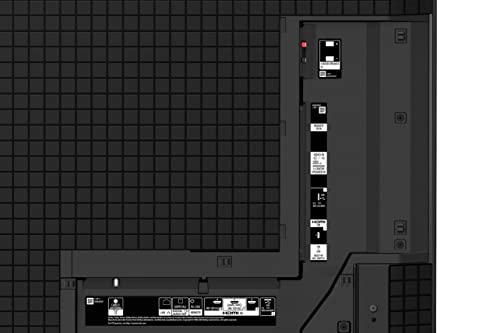
Both the Sony Bravia XR A95K and Hisense S7N CanvasTV have 4 total HDMI ports, with 2 HDMI 2.1 ports each for next-generation gaming consoles and high-bandwidth devices. This should be adequate for most users' connectivity needs.
The Sony Bravia XR A95K is superior for dedicated home theaters due to its infinite contrast creating dramatic shadow detail, advanced color processing for filmmaker accuracy, and screen-based audio that reduces the need for external speakers in smaller rooms.
Yes, both the Sony Bravia XR A95K and Hisense S7N CanvasTV run Google TV platform with access to all major streaming services including Netflix, Disney+, HBO Max, and YouTube. The Sony A95K includes additional premium features like BRAVIA CORE exclusive content.
The Sony Bravia XR A95K offers superior color accuracy with 99.95% UHDA-P3 color gamut coverage and Cognitive Processor XR technology that processes images based on human perception. The Hisense S7N CanvasTV has good quantum dot color enhancement but cannot match Sony's processing refinement.
The Sony Bravia XR A95K uses OLED technology which carries potential burn-in risk if static images remain on screen for extended periods, though modern protective features minimize this concern. The Hisense S7N CanvasTV uses LED-based display technology that eliminates burn-in risk entirely.
Choose the Sony Bravia XR A95K if picture quality is your top priority and you primarily watch in controlled lighting. Choose the Hisense S7N CanvasTV if you want a TV that doubles as wall art, have a bright room, are a PC gamer, or prefer excellent features at a lower price point.
We've done our best to create useful and informative comparisons to help you decide what product to buy. Our research uses advanced automated methods to create this comparison and perfection is not possible - please contact us for corrections or questions. These are the sites we've researched in the creation of this article: tomsguide.com - audioadvice.com - wepc.com - bestbuy.com - tvsbook.com - rtings.com - youtube.com - flatpanelshd.com - rtings.com - youtube.com - reviewed.com - avsforum.com - youtube.com - youtube.com - rtings.com - youtube.com - electronics.sony.com - sonypremiumhome.com - valueelectronics.com - sony.com - displayspecifications.com - flatpanelshd.com - donstv.com - youtube.com - businessinsider.com - youtube.com - displayspecifications.com - bestbuy.com - bestbuy.com - hisense.sg - tomsguide.com - content.syndigo.com - rtings.com - hisense-usa.com - youtube.com - bestbuy.com - youtube.com - displayspecifications.com - displayspecifications.com - manuals.plus - displayspecifications.com - bestbuy.com - hisense-canada.com - manuals.plus - bargainoutletandmore.com - bestbuy.com - device.report

Privacy Policy
Terms and Conditions - Affiliate Policy
Home Security
© Copyright 2008-2026.
11816 Inwood Rd #1211, Dallas, TX 75244