

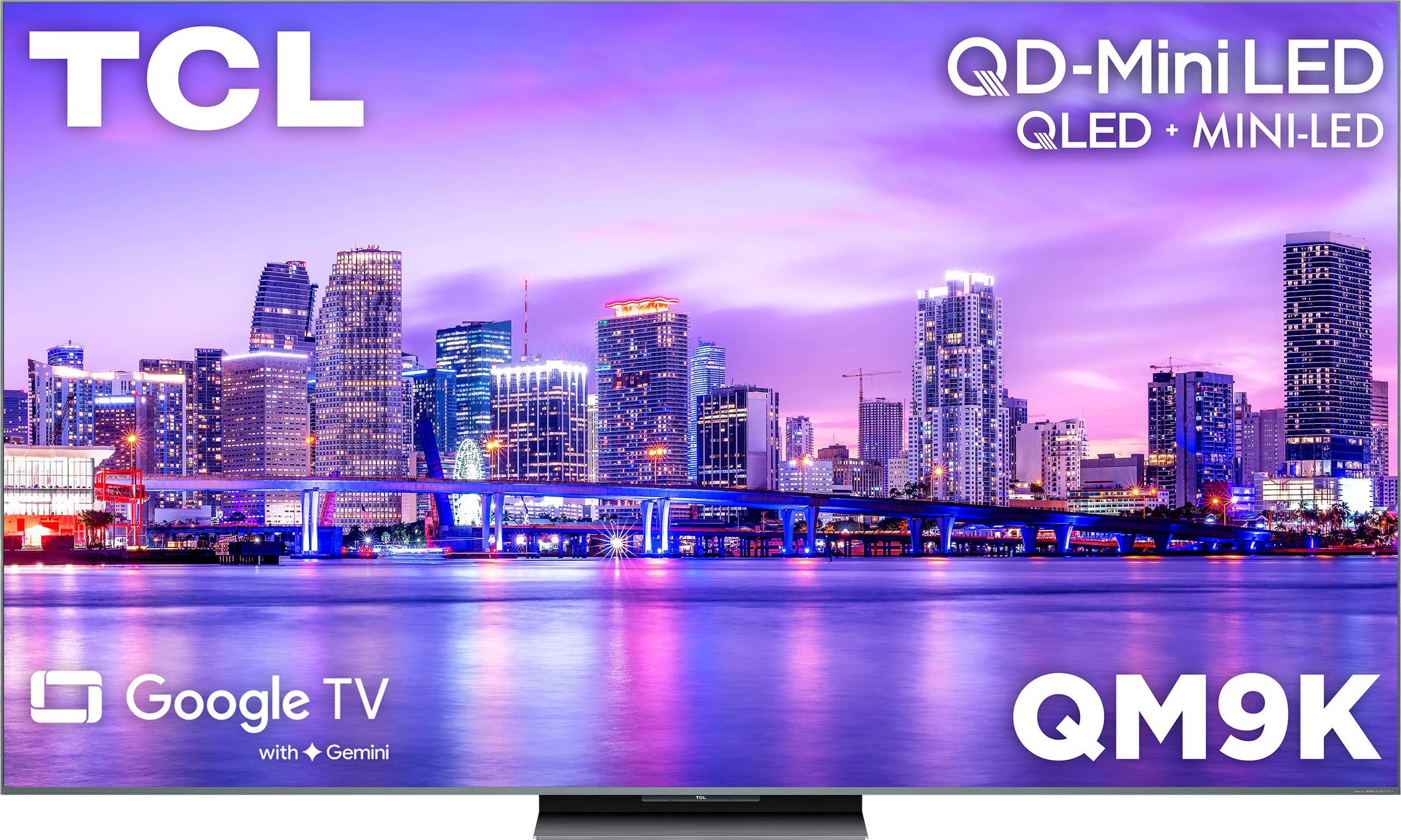
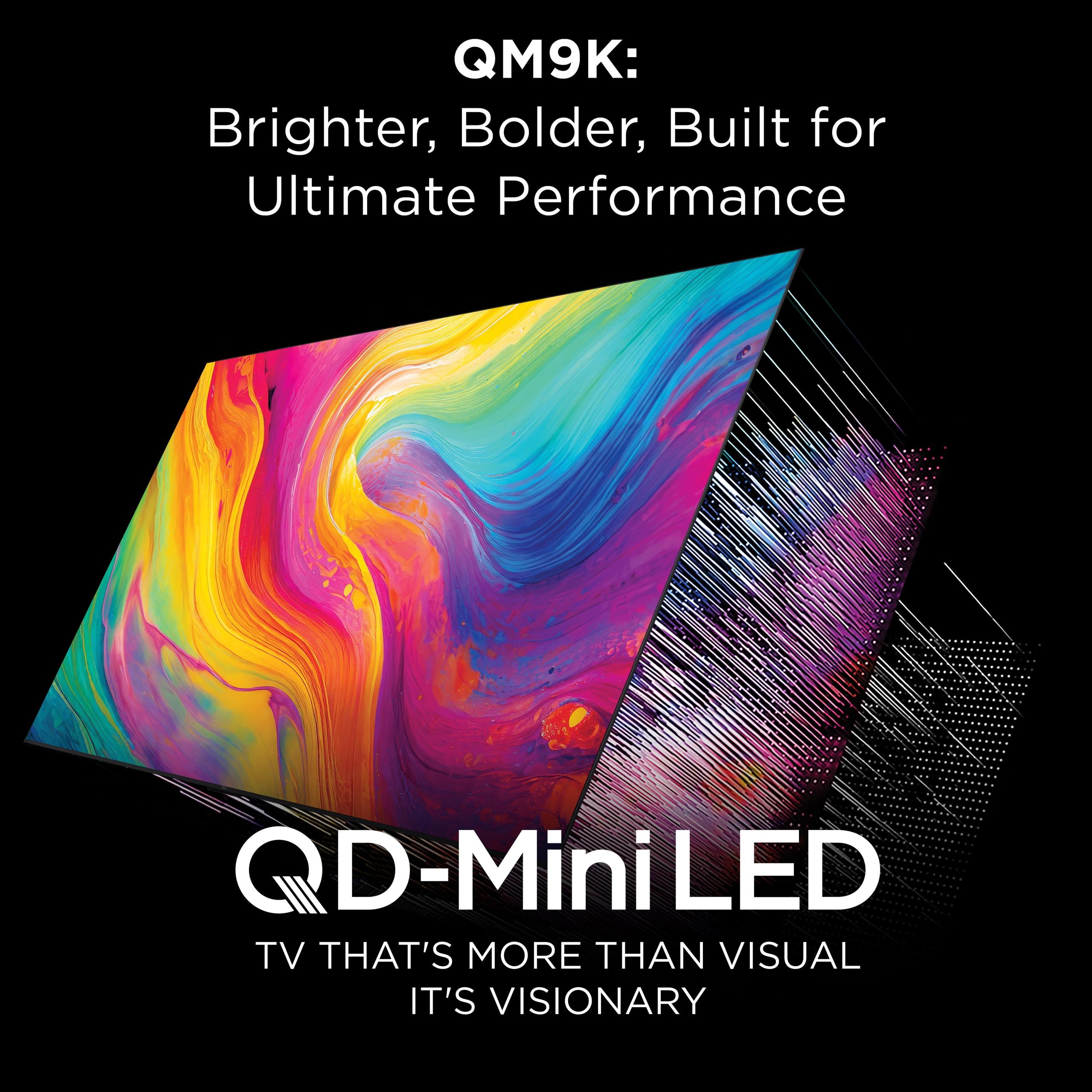
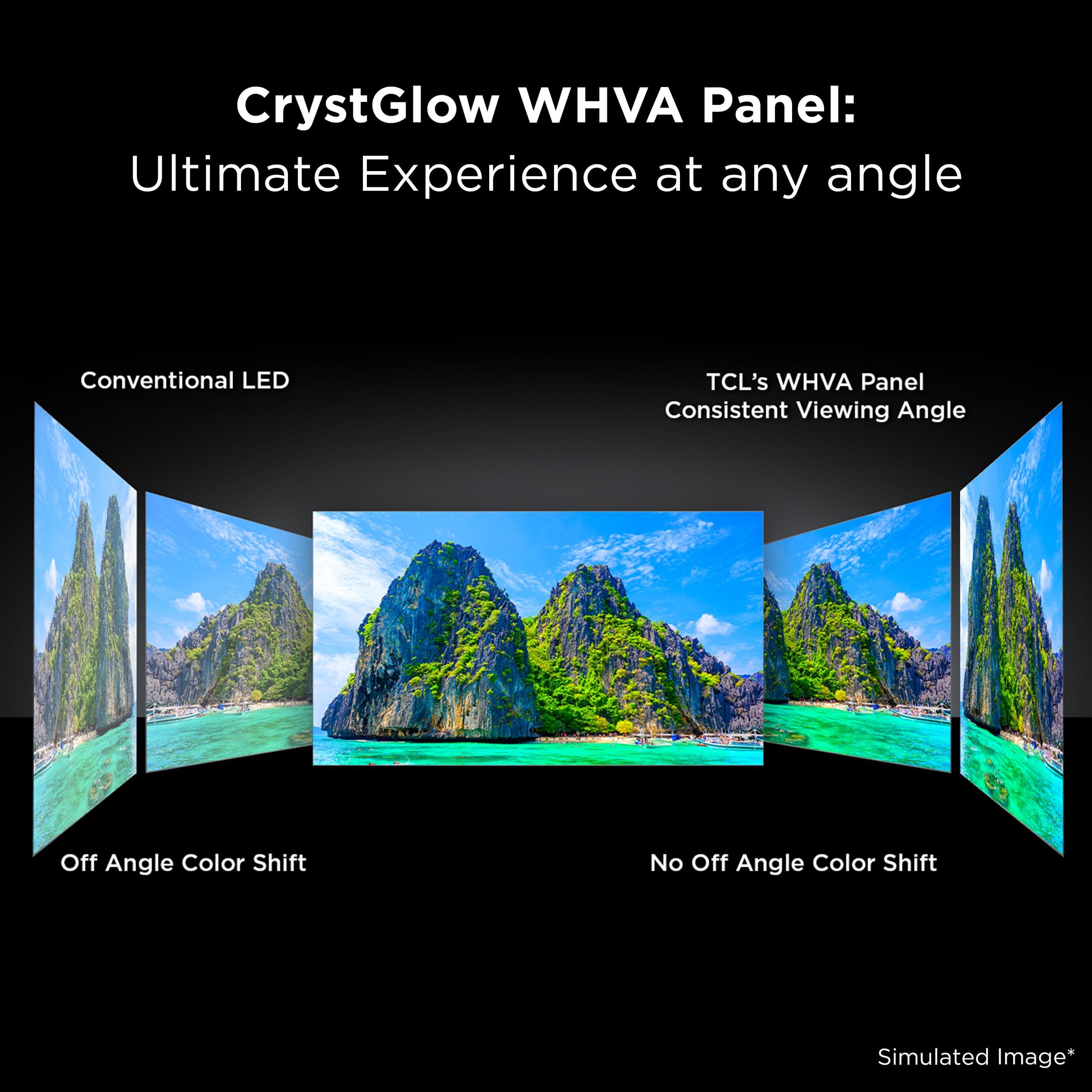
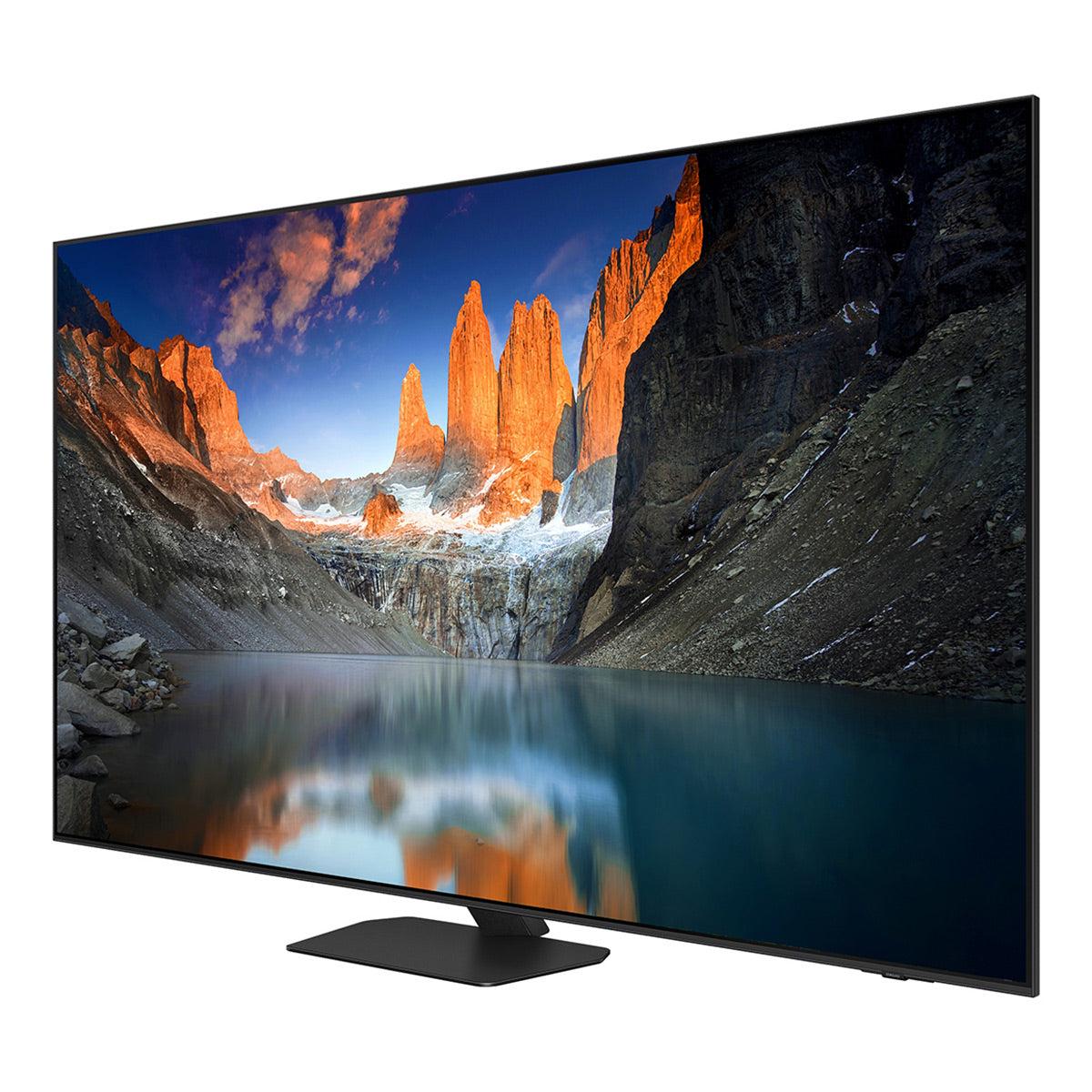
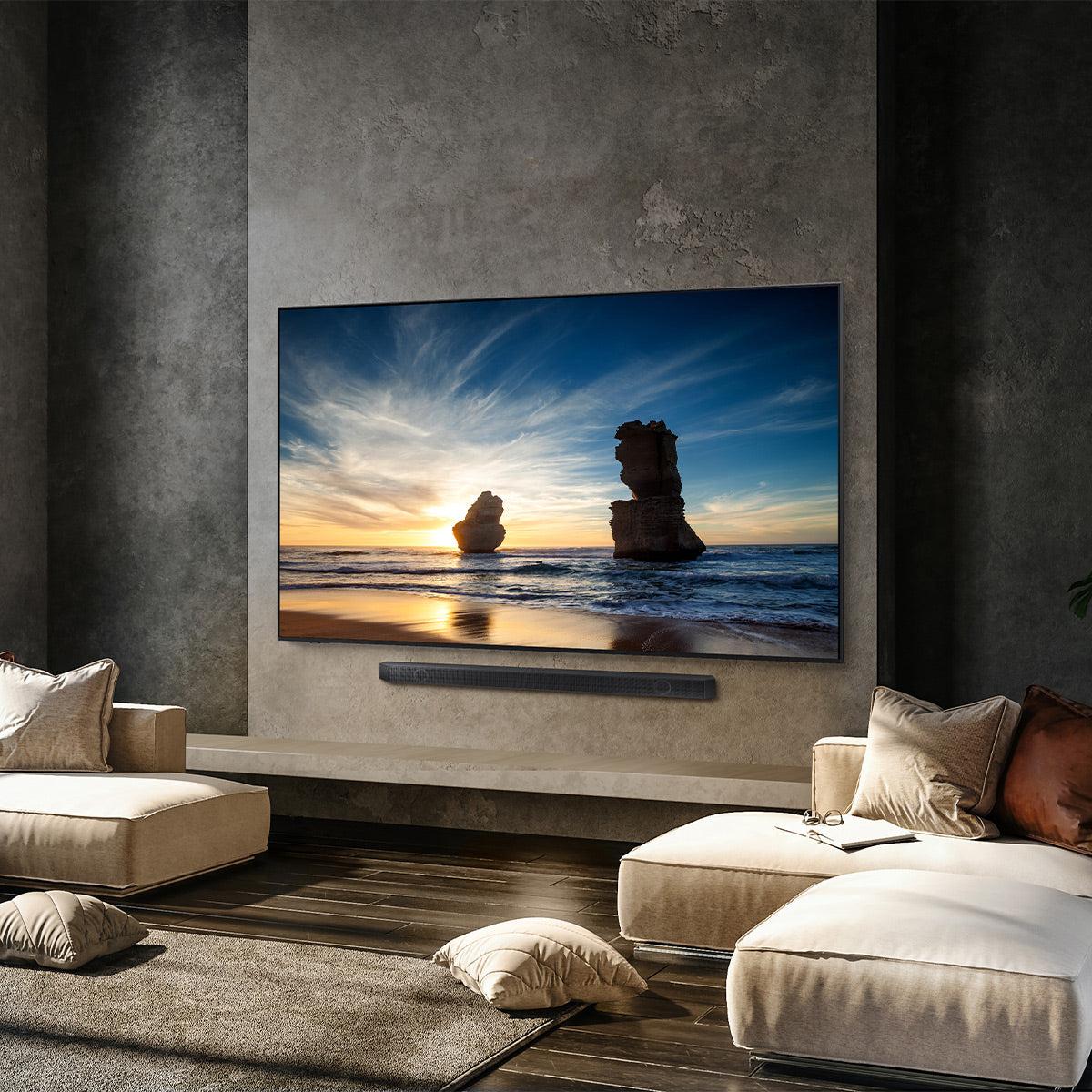
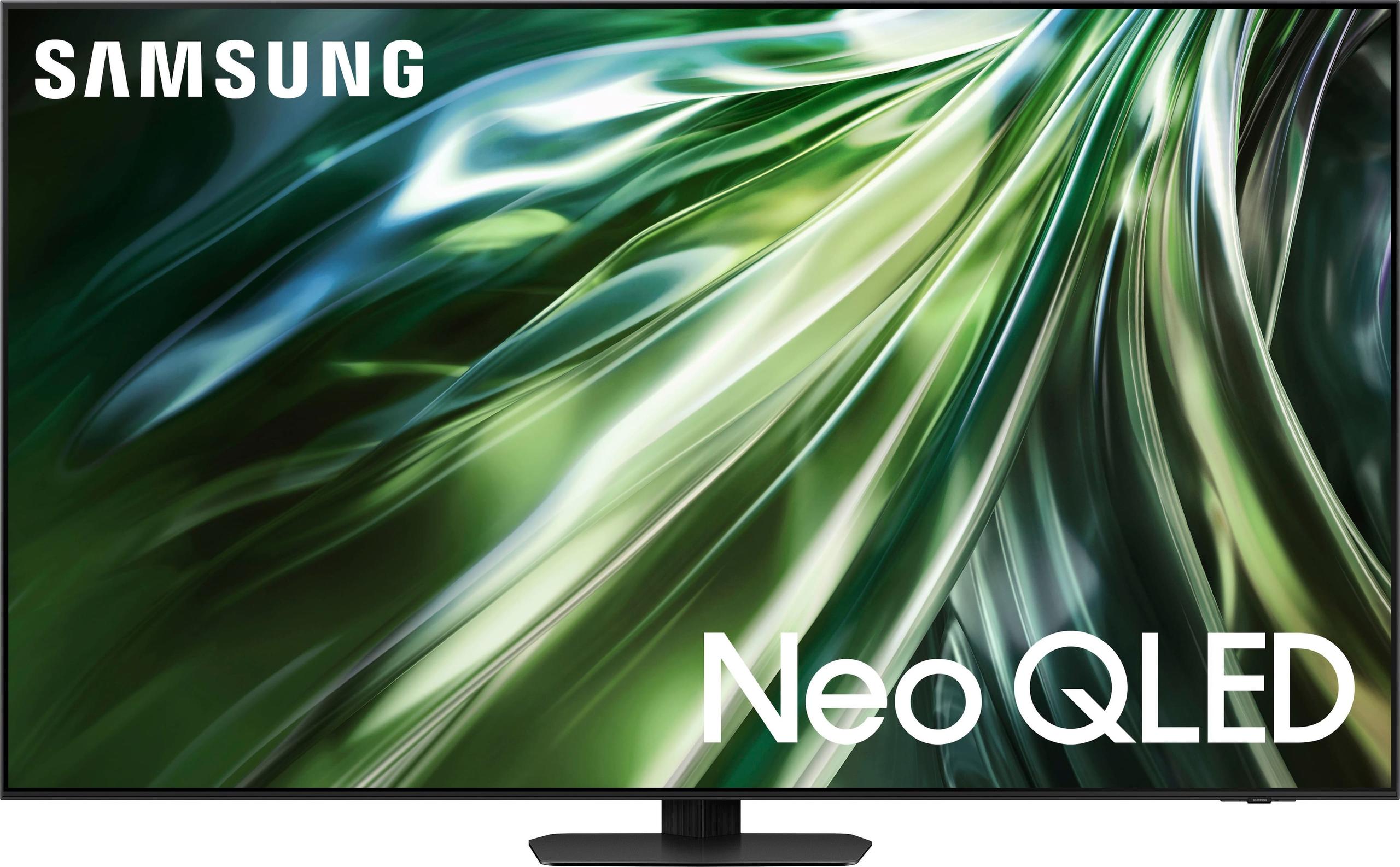

The world of premium televisions has become incredibly competitive, especially in the Mini LED category where manufacturers are pushing the boundaries of LCD technology to compete with OLED displays. Two standout models that exemplify this evolution are the TCL QM9K and the Samsung QN90D, both released in 2024 and representing different philosophies in premium TV design.
Mini LED technology represents a significant leap forward from traditional LCD TVs. Instead of using large LED backlights that illuminate entire sections of the screen, Mini LEDs are thousands of tiny LEDs that can be controlled individually or in small groups called "local dimming zones." This precision allows for much better contrast—bright areas can shine brilliantly while dark areas remain truly dark, approaching the performance that made OLED TVs famous.
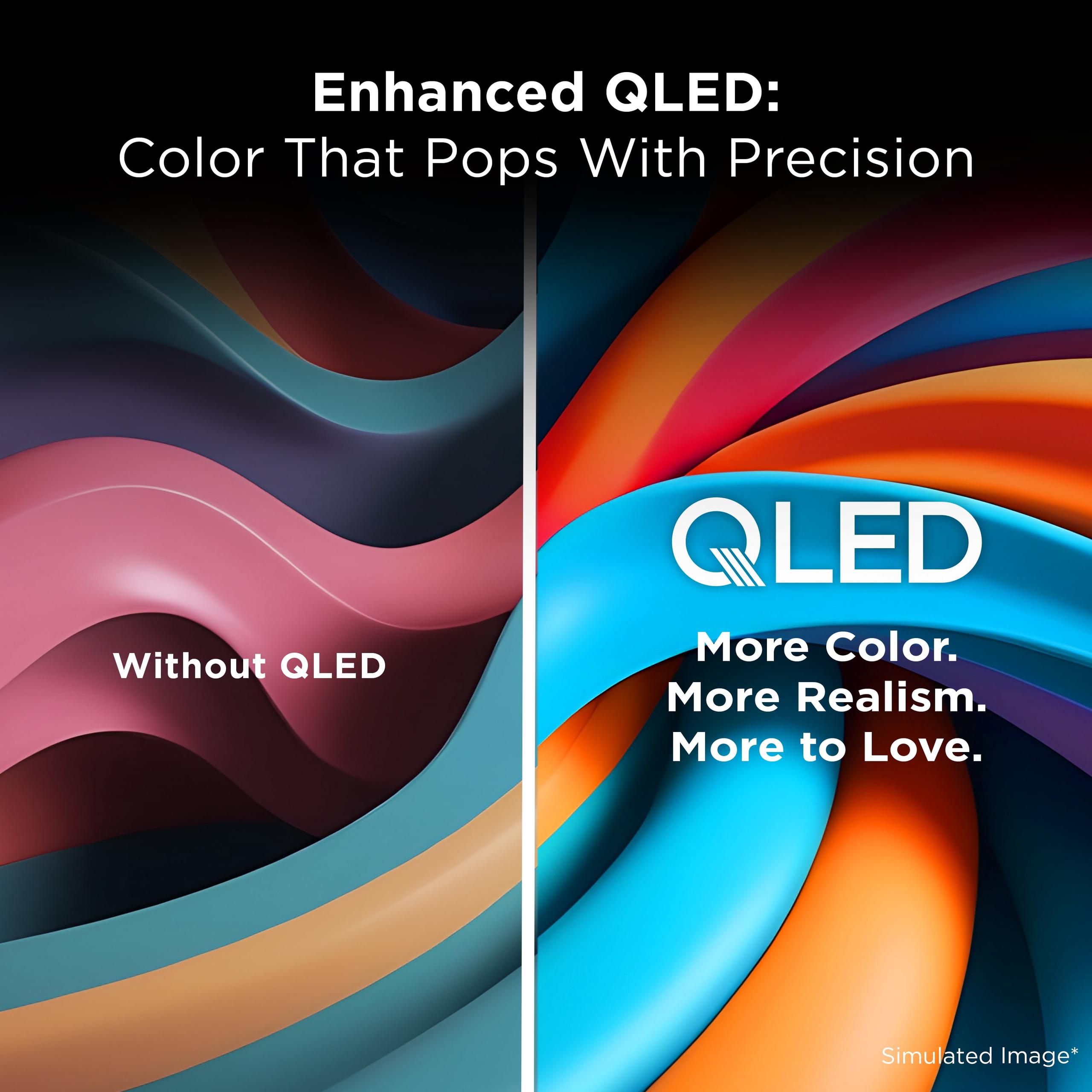
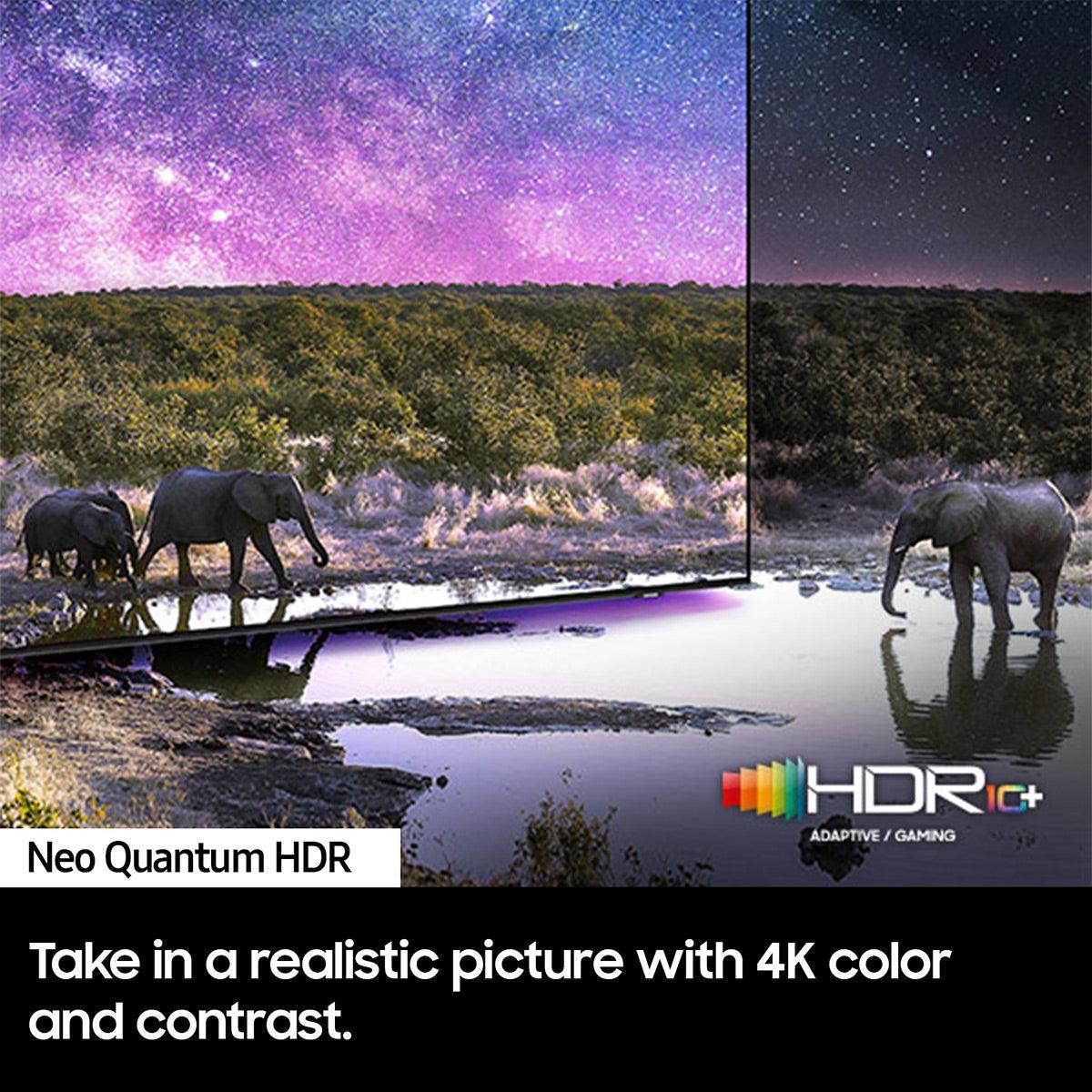
Both the TCL QM9K and Samsung QN90D use quantum dot enhancement, which adds a special layer that converts blue LED light into perfectly pure red and green colors. This technology, combined with Mini LED backlighting, creates displays that can be incredibly bright while maintaining excellent color accuracy—something that's particularly important when watching HDR (High Dynamic Range) content like Netflix's latest blockbusters or 4K Blu-ray movies.
The key considerations when choosing between these TVs include peak brightness capabilities, the number of local dimming zones, gaming performance, smart TV features, and overall value. At the time of writing, these models represent different price points in the premium Mini LED category, with the TCL QM9K positioned as the more aggressive value option while the Samsung QN90D commands a premium for its brand reputation and refinement.
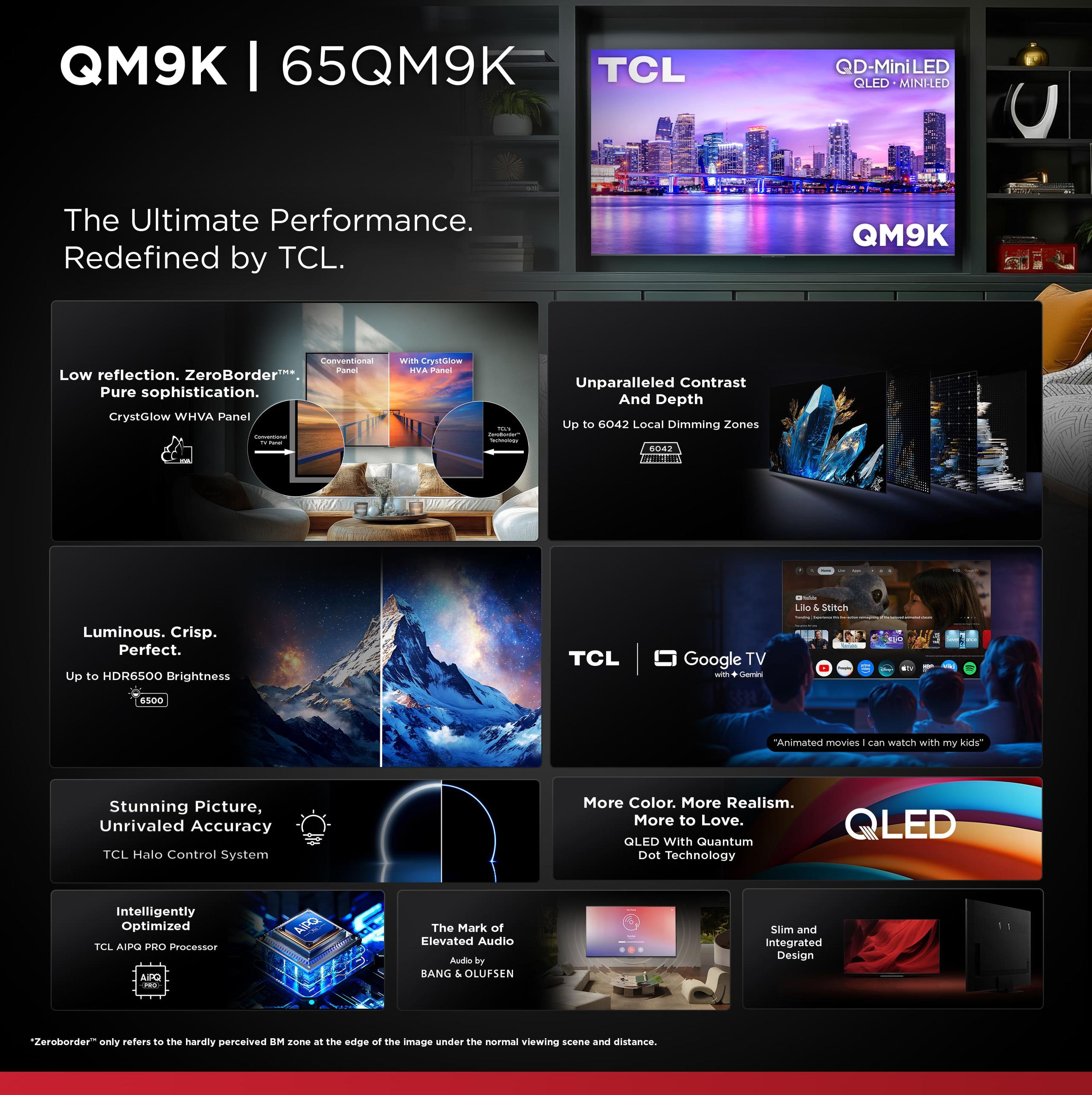
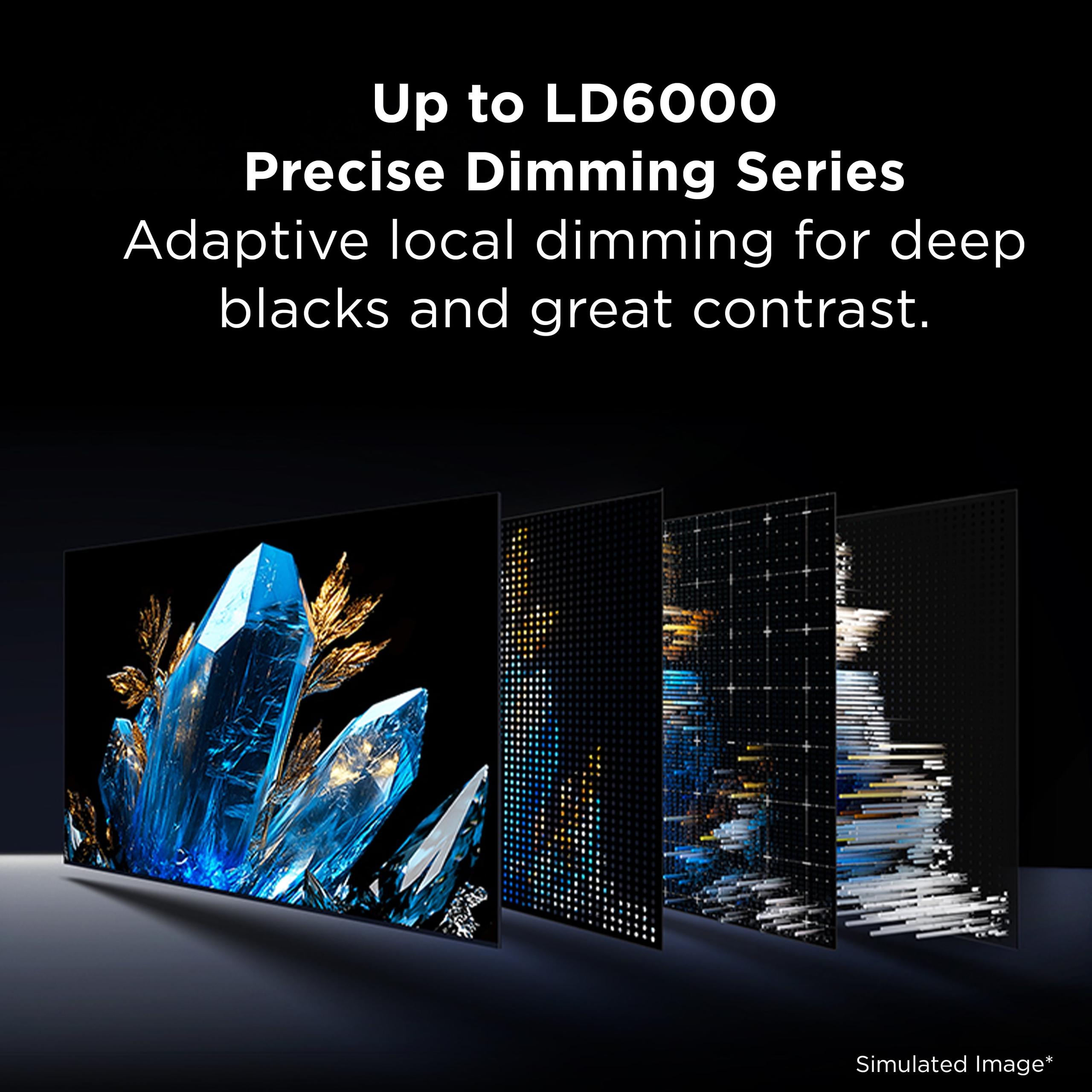
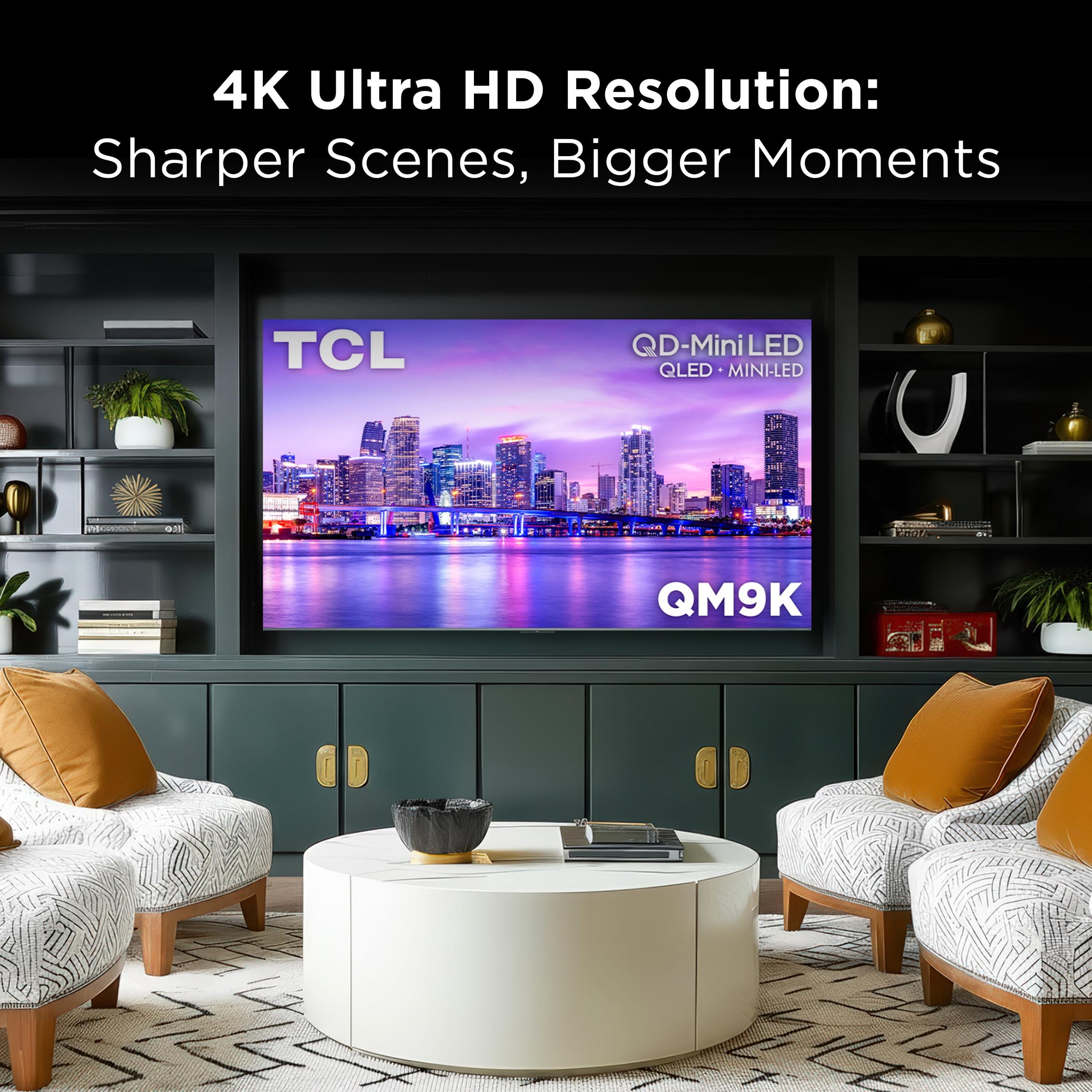
The TCL QM9K takes an impressive technical approach with its QD-Mini LED implementation. TCL has equipped this model with up to 6,000 local dimming zones—an absolutely massive number that puts it ahead of most competitors. To understand why this matters, imagine your TV screen divided into thousands of tiny squares, each capable of being brightened or dimmed independently. More zones mean more precise control over which parts of the image are bright and which are dark, reducing the "blooming" effect where bright objects create halos in dark scenes.
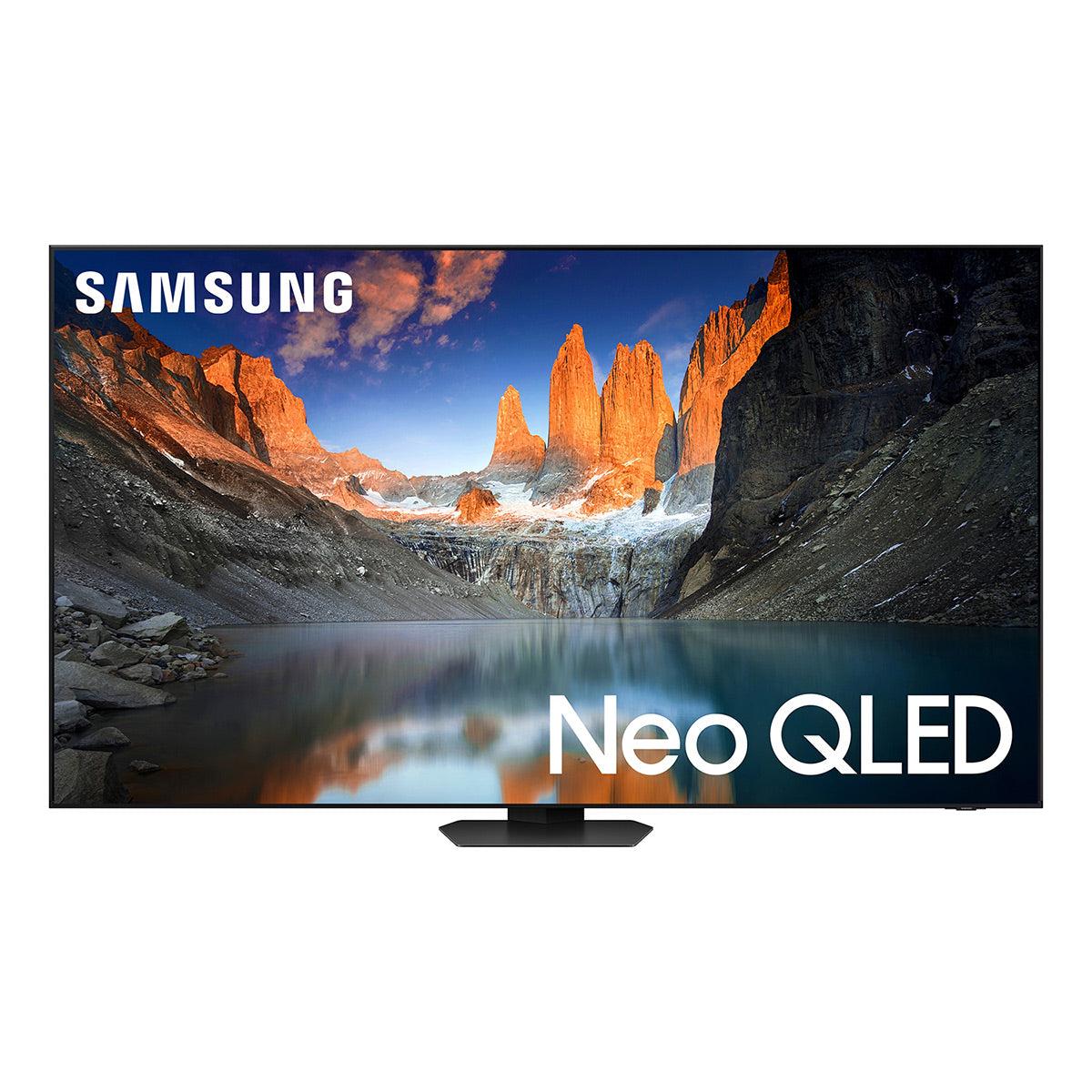
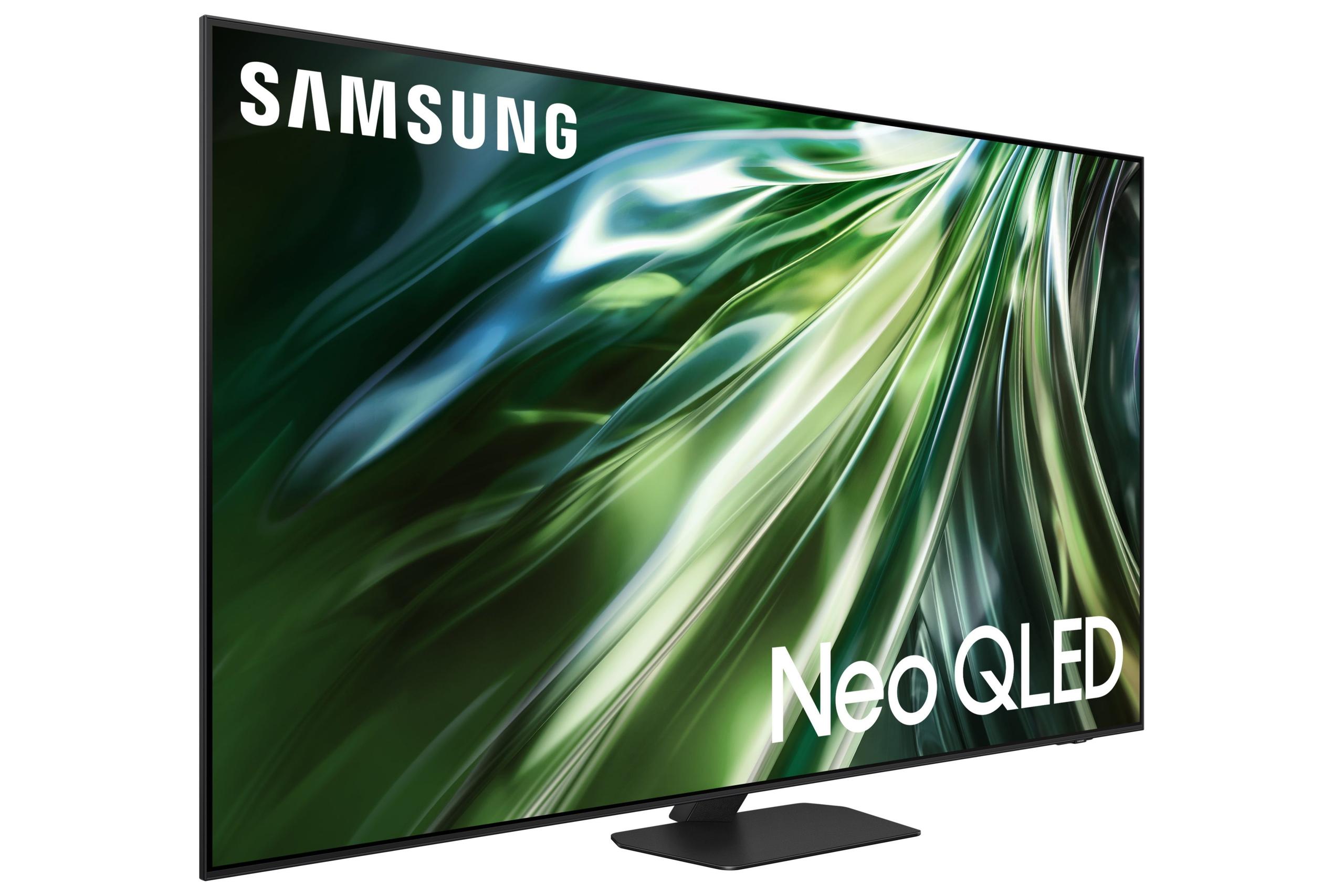
The Samsung QN90D takes a different approach with its Neo QLED technology. While Samsung doesn't publicize exact zone counts, their focus is on optimizing fewer zones through superior processing algorithms. Samsung's approach prioritizes consistency and reliability over raw numbers, using their NQ4 AI Gen2 Processor to intelligently manage the backlight system.
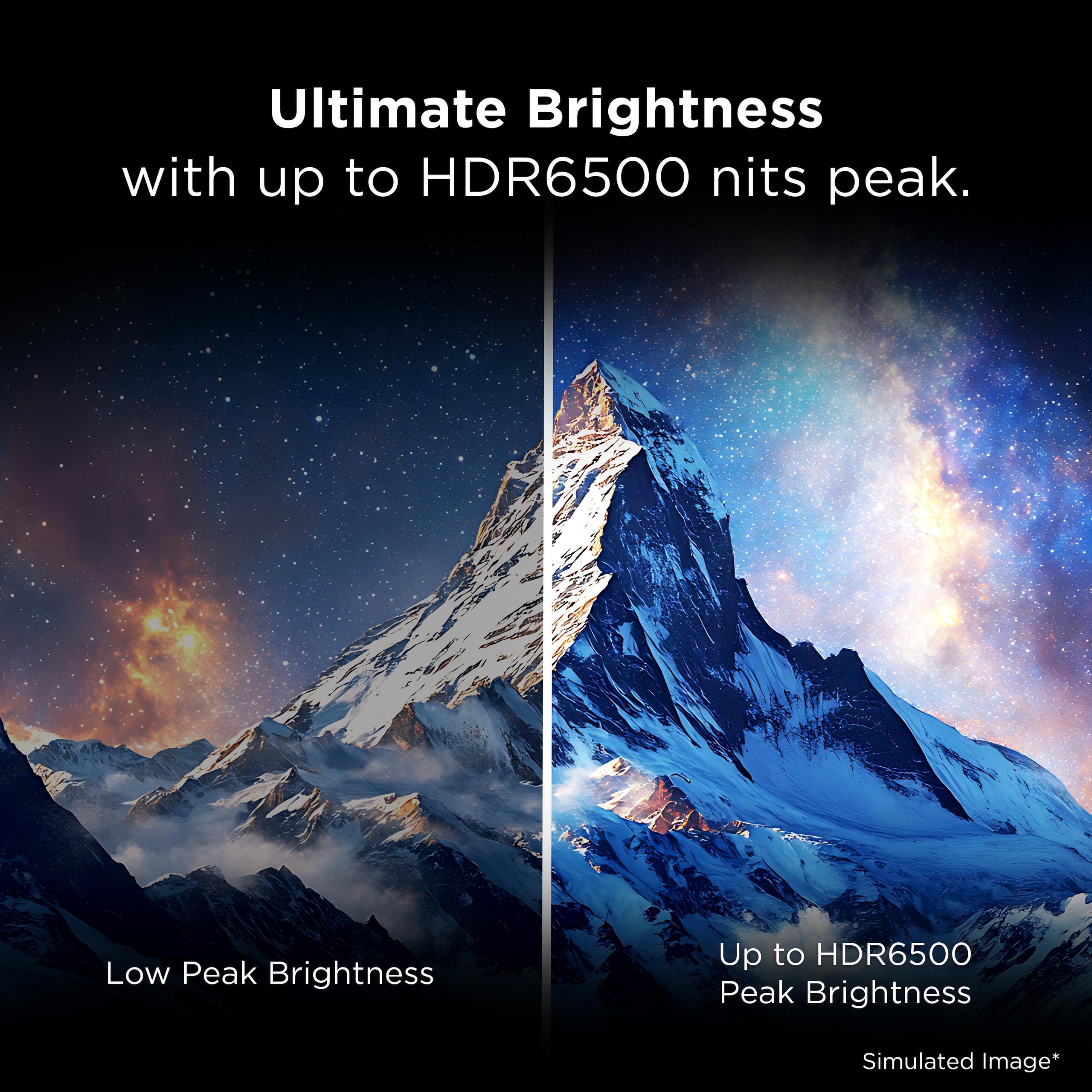
In terms of sheer brightness capability, the TCL QM9K is absolutely stunning, reaching peak brightness levels of 6,500 nits in HDR content. To put this in perspective, a typical LCD TV might reach 400-600 nits, while premium models usually cap around 1,000-2,000 nits. This extreme brightness makes HDR highlights truly pop—think of sunlight reflecting off water in a nature documentary or the glow of lightsabers in Star Wars. The Samsung QN90D is more conservative but still impressive, sustaining around 2,000 nits for extended periods, which provides excellent HDR performance while maintaining better stability across different content types.
The practical difference becomes apparent in very bright rooms. The TCL QM9K's extreme brightness can overpower almost any ambient lighting, making it exceptional for daytime viewing or rooms with lots of windows. The Samsung QN90D still performs excellently in bright conditions but may not have quite the same impact in extremely challenging lighting situations.
Color reproduction is where these TVs show their different personalities. The Samsung QN90D typically delivers more accurate colors straight out of the box, particularly important for viewers who want their content to look exactly as the director intended. Samsung has spent years refining their color processing, and it shows in more natural skin tones and accurate color reproduction across different types of content.
The TCL QM9K leans toward more saturated, vibrant colors that many viewers find immediately impressive. While this can make content look more vivid and exciting, it may require some adjustment or calibration for viewers who prioritize accuracy. Both TVs support wide color gamuts—meaning they can display a broader range of colors than standard TVs—but they interpret that capability differently.
For home theater enthusiasts who want cinema-accurate reproduction, the Samsung QN90D has a slight edge out of the box. For viewers who prefer punchy, vibrant visuals that make everything look spectacular, the TCL QM9K's approach may be more appealing.
Gaming performance has become crucial as PlayStation 5 and Xbox Series X owners demand TVs that can keep up with their consoles' capabilities. This is where the TCL QM9K really shines with impressive specifications that exceed many premium competitors.
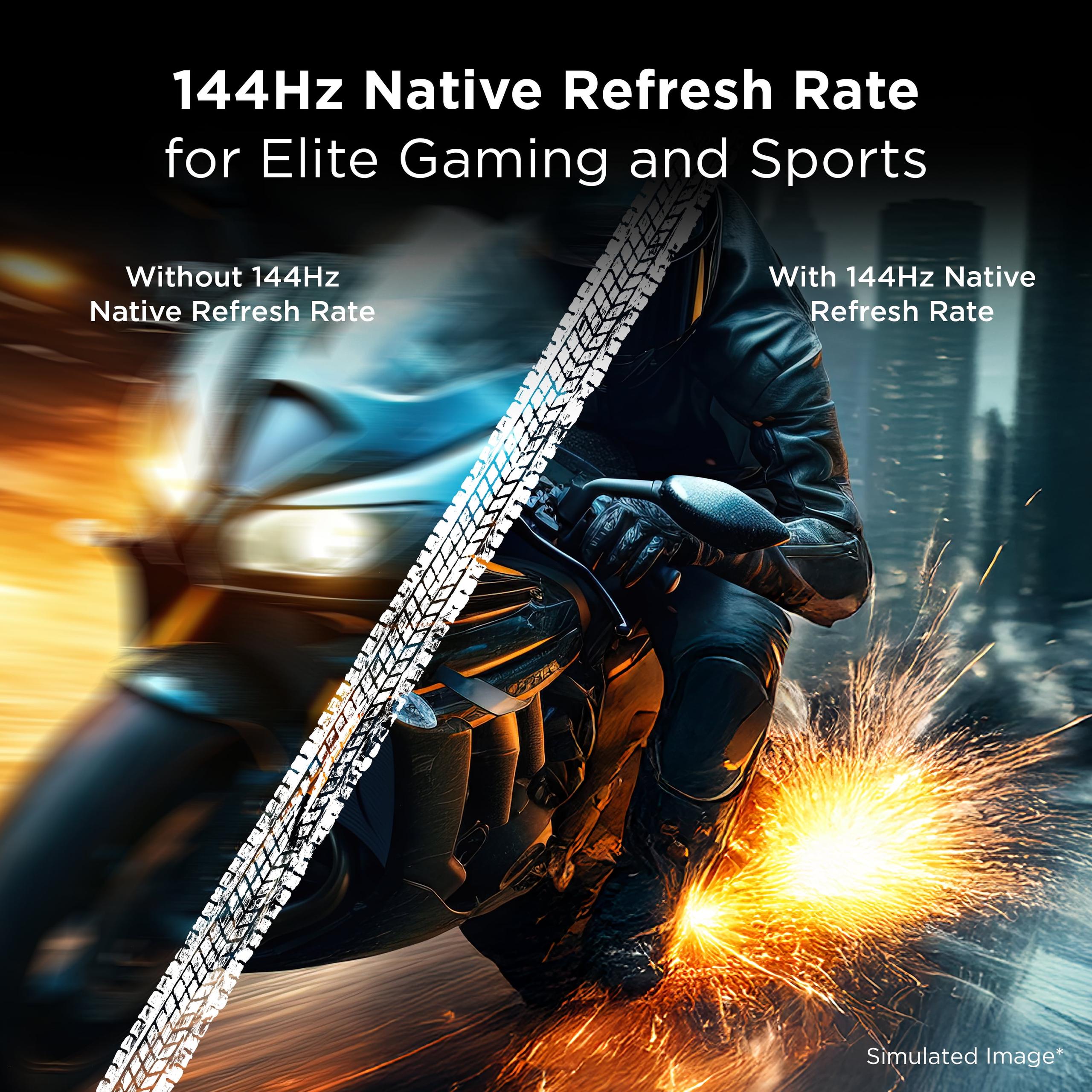
The TCL QM9K offers a native 144Hz refresh rate, meaning the screen can update 144 times per second. For comparison, most TVs operate at 60Hz, with premium models reaching 120Hz. This higher refresh rate, combined with TCL's Game Accelerator 288 feature, can support refresh rates up to 288Hz at lower resolutions like 1080p. Input lag—the delay between pressing a button and seeing the action on screen—measures just 5.3 milliseconds, which is exceptionally fast.
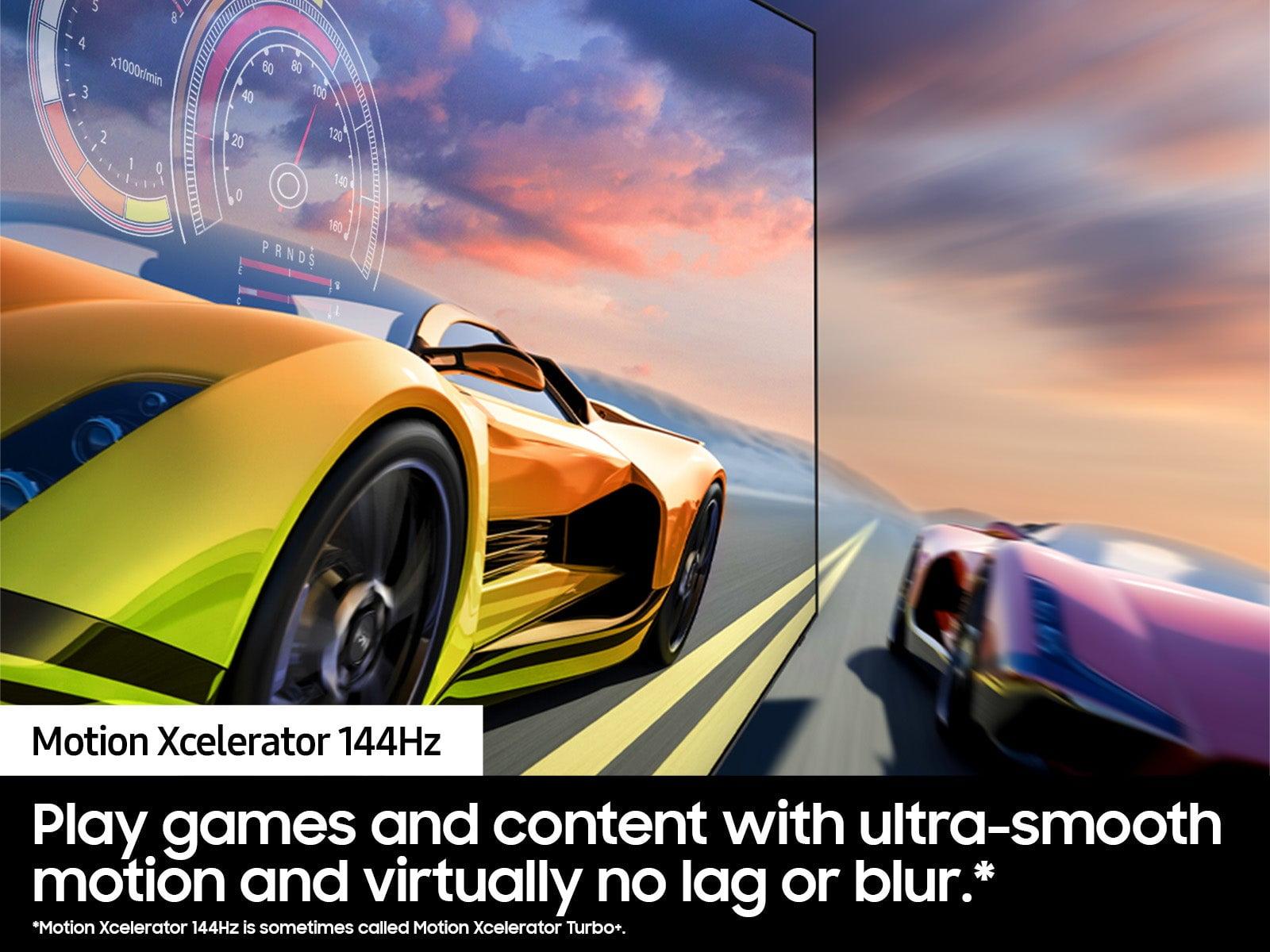
The Samsung QN90D provides excellent but more conventional gaming performance with 120Hz refresh rate and Motion Xcelerator Turbo+ processing. While it doesn't match the TCL QM9K's extreme specifications, it still delivers smooth, responsive gaming that will satisfy most players.
Both TVs support Variable Refresh Rate (VRR), which synchronizes the TV's refresh rate with your console's output to eliminate screen tearing and stuttering. They also include Auto Low Latency Mode (ALLM), which automatically switches to gaming mode when it detects a console input.
For competitive gamers or those who want every possible advantage, the TCL QM9K is clearly superior. For casual gaming mixed with other content, the Samsung QN90D provides excellent performance without the premium gaming features you might not notice.
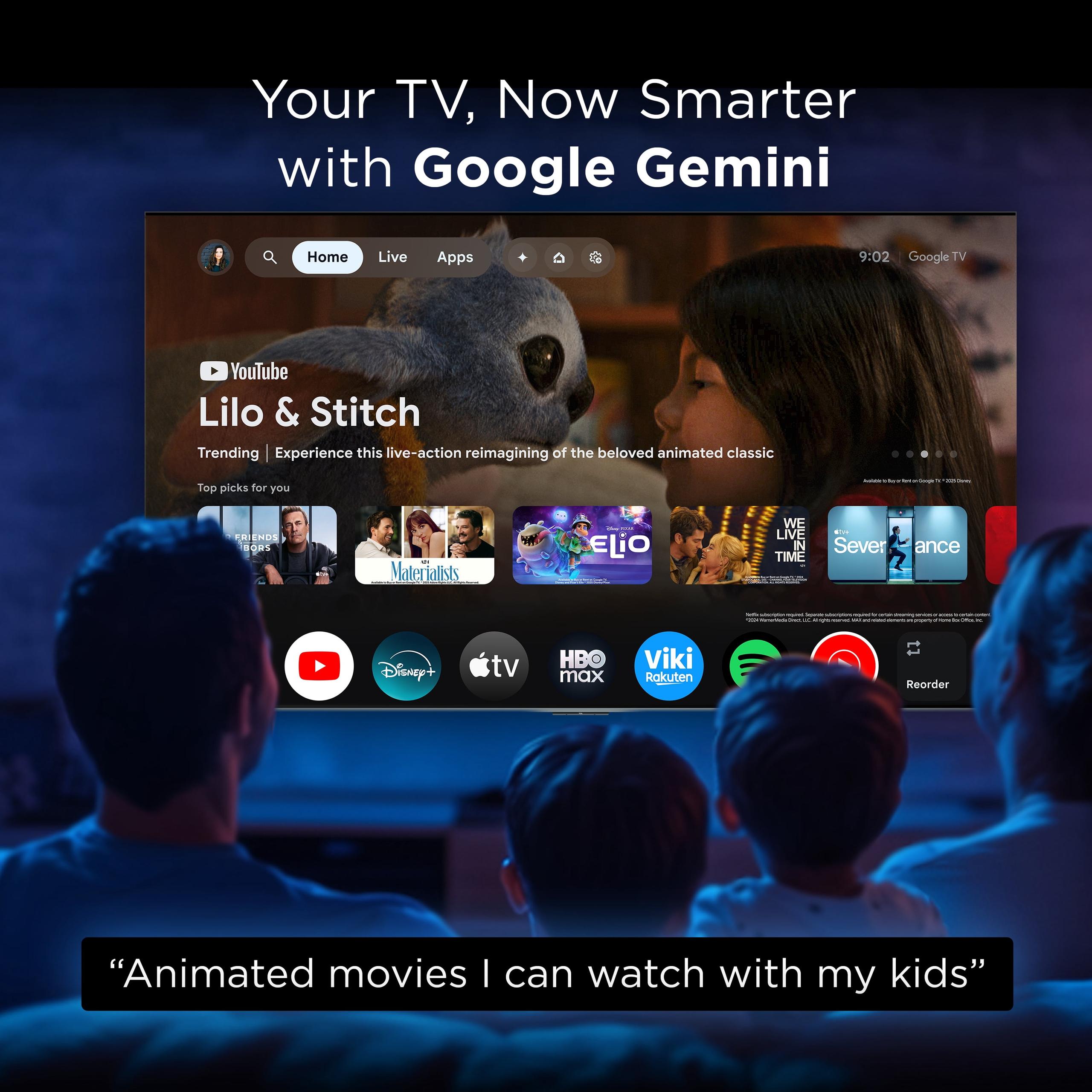
The smart TV experience differs significantly between these models. The TCL QM9K runs Google TV, which provides excellent integration with Google services, comprehensive app selection, and sophisticated recommendation algorithms that learn your viewing habits. The inclusion of Google Gemini AI enables hands-free voice control and more intuitive interaction with the TV.
TCL has also included presence sensors that can detect when someone enters or leaves the room, automatically turning the TV on or off and displaying ambient information when appropriate. This might seem like a small feature, but it adds a level of intelligence that makes the TV feel more integrated into your daily life.
The Samsung QN90D uses Samsung's Tizen operating system, which has been significantly refined over the years. While it may not have quite the app selection or Google integration of Google TV, Tizen is faster, more responsive, and better integrated with Samsung's ecosystem of devices. If you use Samsung smartphones, tablets, or other smart home devices, the integration can be seamless.
Samsung also excels in smart home integration through their SmartThings platform, making it easier to control other connected devices from your TV interface.
Audio performance often gets overlooked when comparing TVs, but both models offer impressive sound systems that enhance the viewing experience significantly.
The TCL QM9K features audio tuning by Bang & Olufsen, a premium Danish audio company known for high-end speakers and sound systems. The TV includes a 2.1.1 channel system with a dedicated subwoofer (on the 65-inch model), providing much richer bass response than typical TV speakers. Dolby Atmos support creates a three-dimensional soundstage that seems to place sounds above, beside, and behind you.
The Samsung QN90D takes a different approach with Object Tracking Sound+ (OTS+), which uses multiple speakers positioned around the TV to create positional audio. When a car drives across the screen, the sound actually follows it from left to right. Combined with a 4.2.2 channel system and 60W of power, it creates an impressively immersive audio experience.
Both systems represent significant improvements over standard TV speakers, though neither replaces a dedicated sound system for serious home theater setups. The choice often comes down to preference: TCL's approach emphasizes overall audio quality and bass response, while Samsung focuses on spatial audio effects and dialogue clarity.
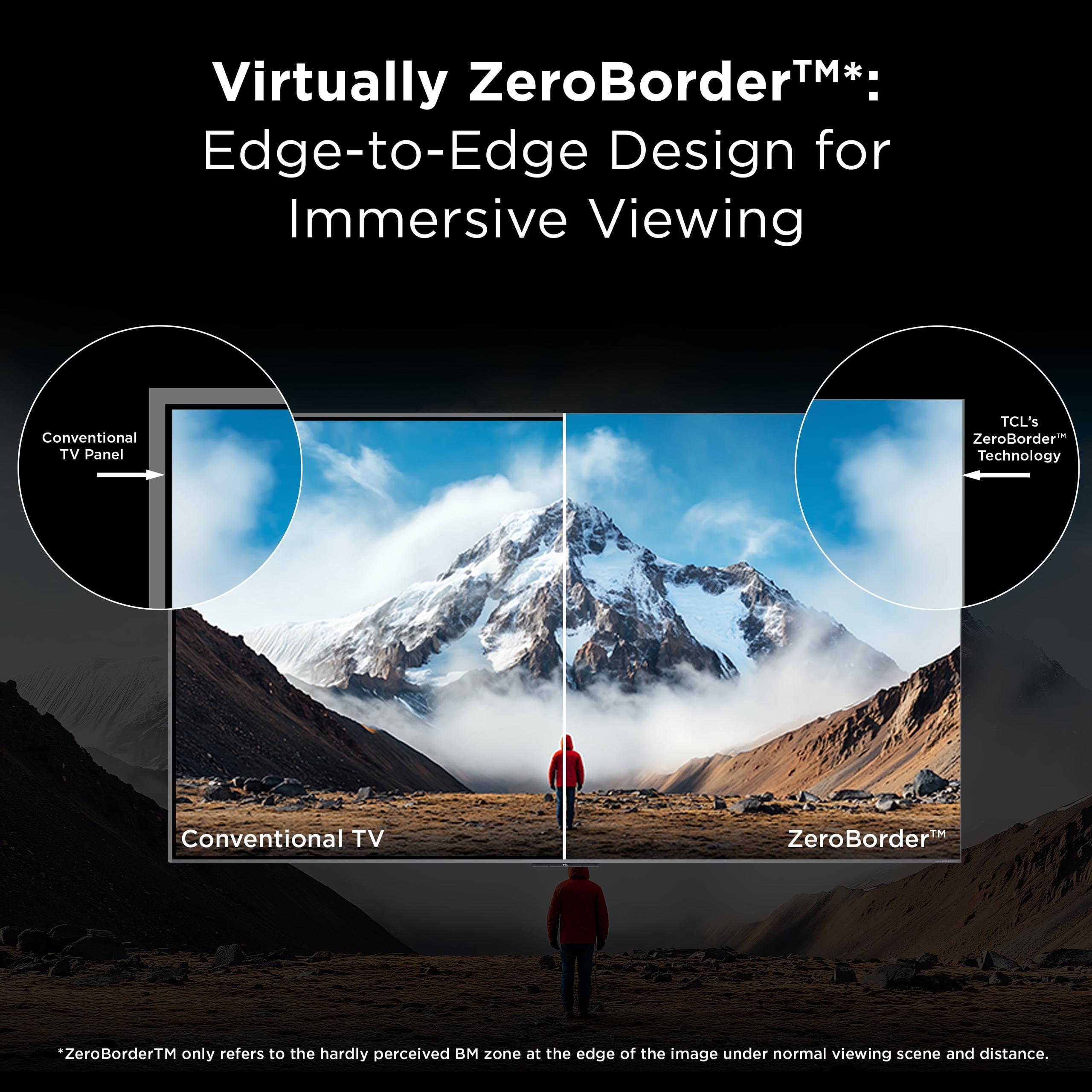
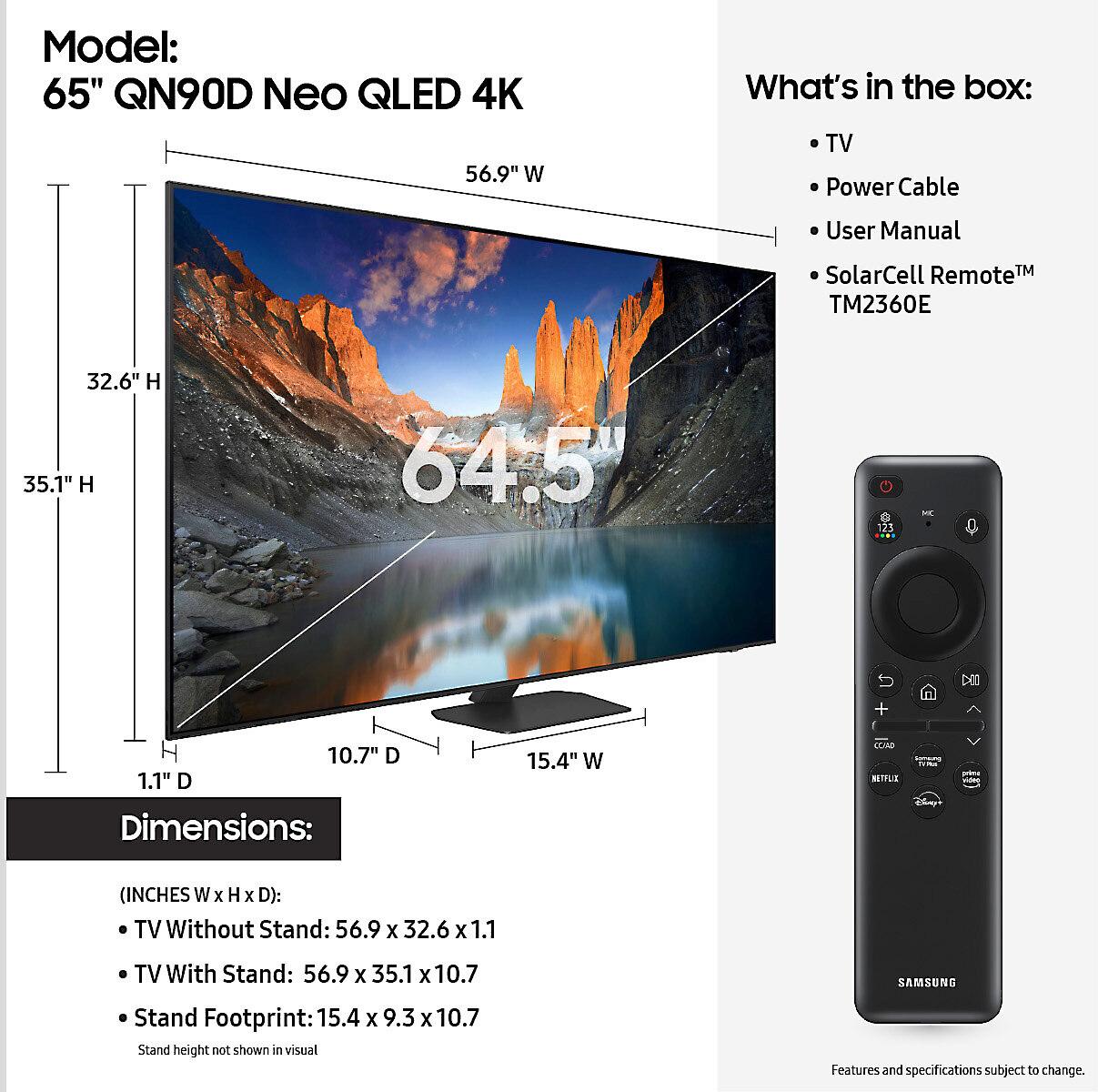
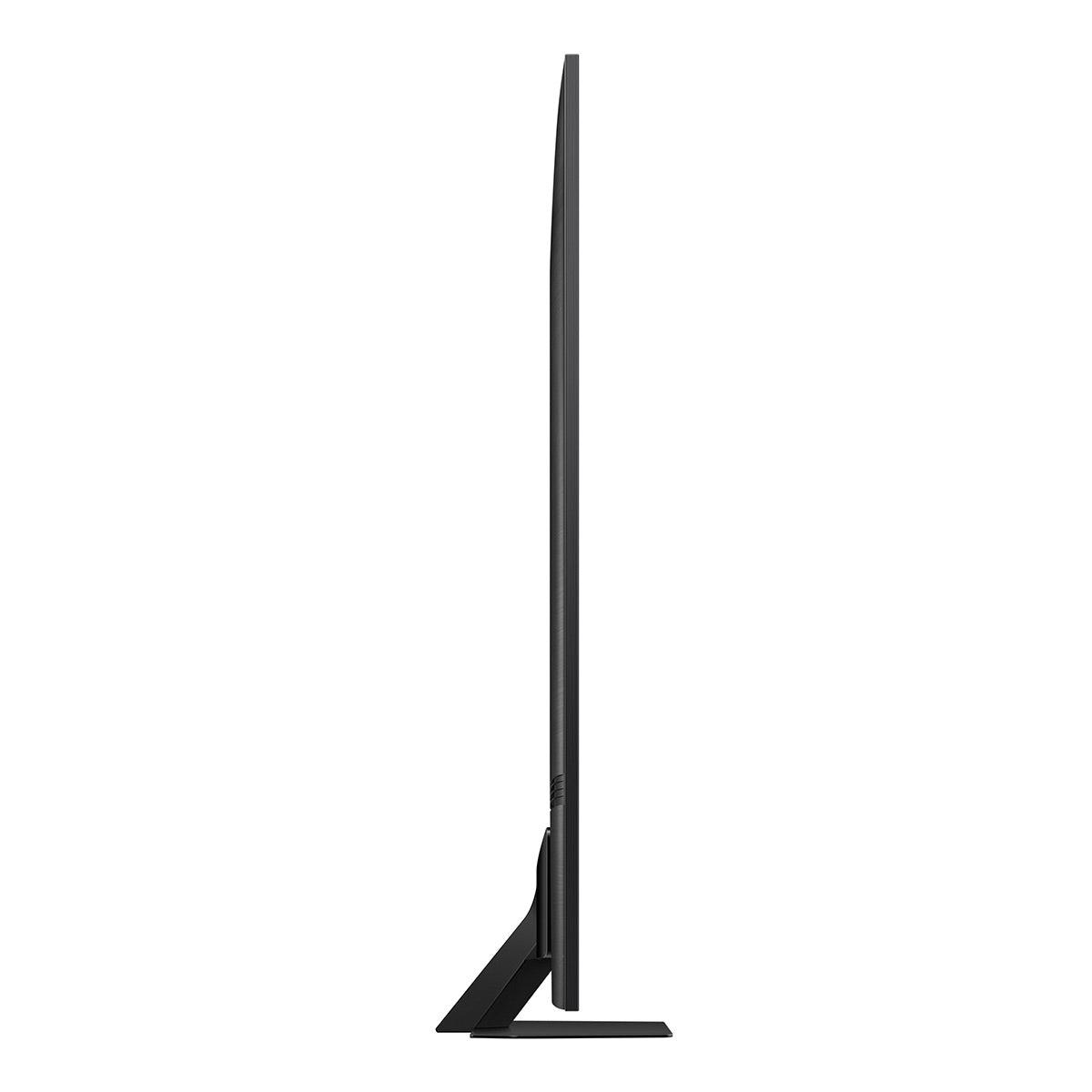
Premium TVs should look and feel premium, and this is where brand philosophy becomes apparent. The Samsung QN90D typically exhibits more refined industrial design with thinner bezels, more premium materials, and attention to details like cable management and stand design. Samsung has years of experience in premium TV design, and it shows in the overall fit and finish.
The TCL QM9K offers solid construction and attractive design at its price point, but may not feel quite as premium as Samsung's offering. However, TCL has made significant improvements in build quality over recent years, and the difference may not be noticeable to most users.
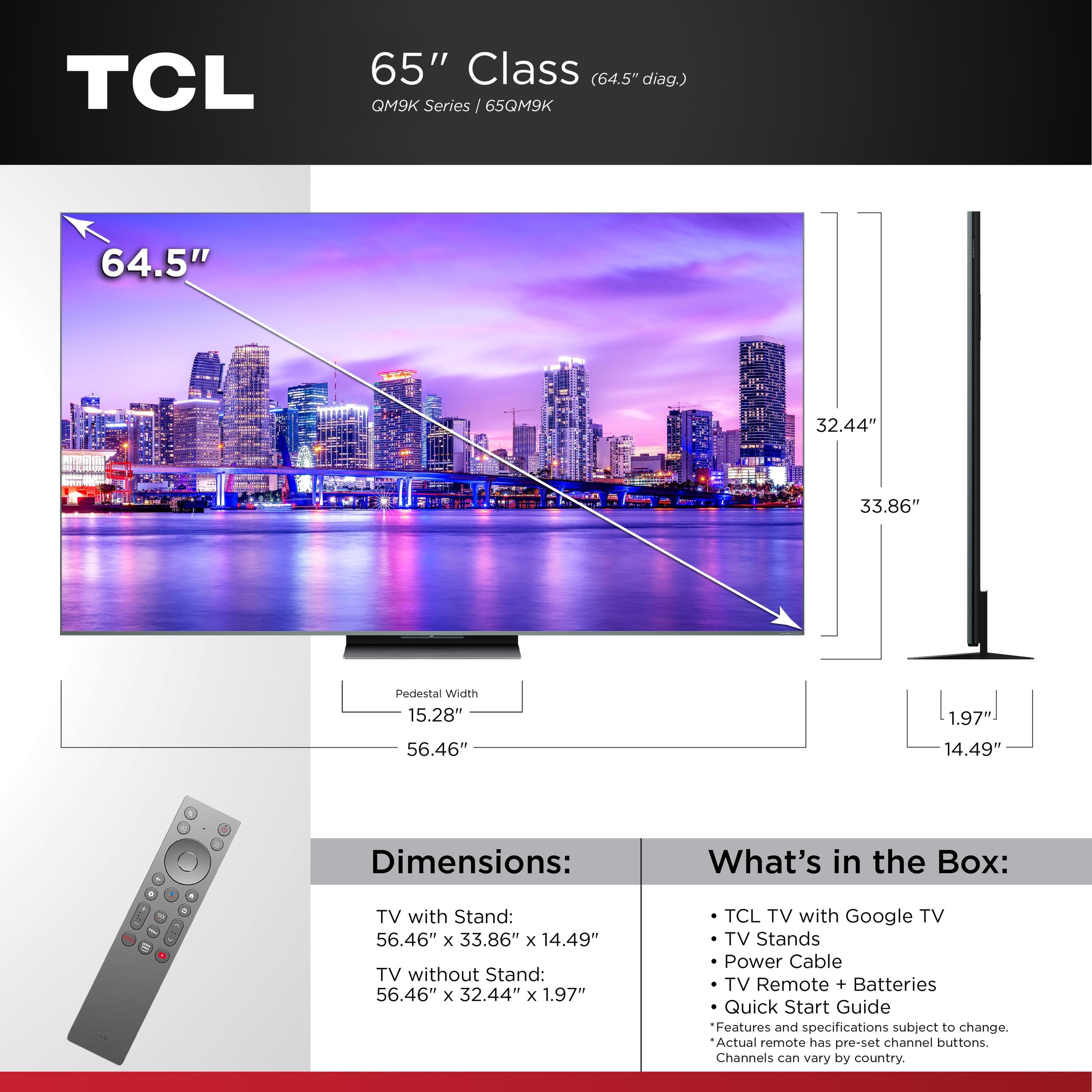
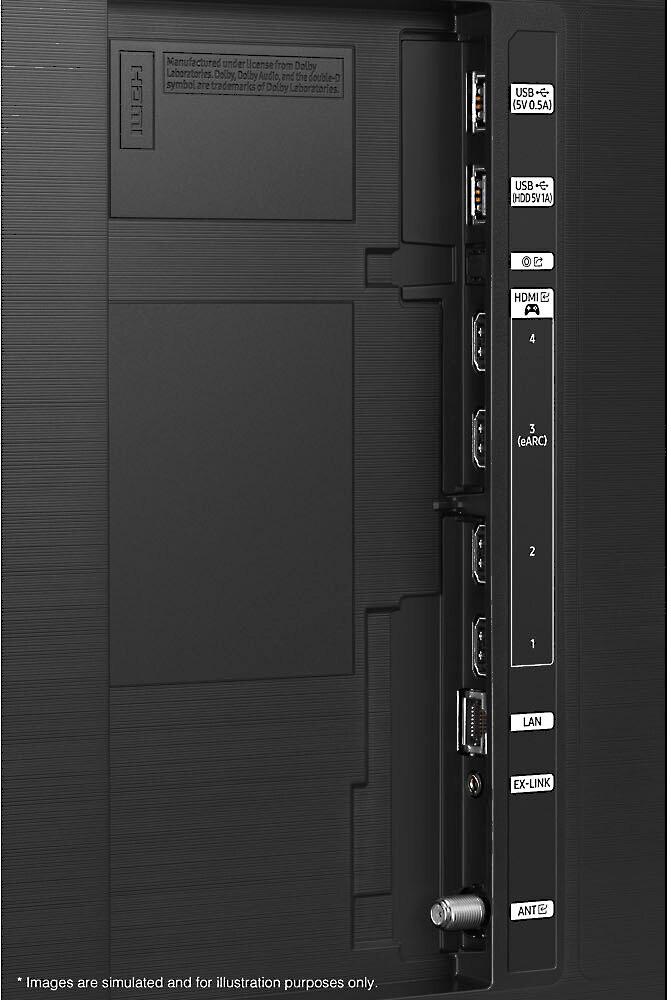
Both TVs support wall mounting with standard VESA compatibility and include cable management features to maintain clean installation appearances.
At the time of writing, the TCL QM9K represents exceptional value in the premium Mini LED category. It delivers specifications and features that often exceed TVs costing significantly more, including the extreme brightness capabilities, massive local dimming zone count, and advanced gaming features. For buyers who want cutting-edge performance without paying premium brand prices, it's difficult to find better value.
The Samsung QN90D commands a premium but delivers the reliability, color accuracy, and brand support that Samsung is known for. The price difference isn't just about brand prestige—Samsung typically provides longer, more consistent software support, better color accuracy out of the box, and more refined overall experience.
For dedicated home theater setups, both TVs excel but in different ways. The TCL QM9K's extreme brightness capabilities make it exceptional for rooms that can't be completely darkened, while its gaming features ensure compatibility with the latest console generation. The massive local dimming zone count provides excellent contrast for movie viewing, though some fine-tuning may be needed for optimal color accuracy.
The Samsung QN90D offers more cinema-accurate colors and stable performance, making it excellent for viewers who prioritize faithful reproduction of filmed content. Its more mature smart platform and better long-term support also make it a safer choice for installations that need to remain current for many years.
The TCL QM9K makes the most sense for buyers who want maximum performance per dollar, serious gamers who can benefit from higher refresh rates, and viewers who prioritize spectacular HDR highlights over perfect color accuracy. It's also ideal for very bright rooms where its extreme brightness capabilities provide a real advantage.
The Samsung QN90D is better suited for buyers who value color accuracy, prefer premium build quality, want the most stable and supported smart TV platform, and are willing to pay extra for brand reliability. It's particularly appealing for home theater enthusiasts who prioritize faithful content reproduction and integration with existing Samsung ecosystems.
Both TVs represent excellent choices in the premium Mini LED category, but they serve different priorities. The TCL QM9K delivers incredible value with specifications that often exceed much more expensive competitors, making it an easy recommendation for performance-focused buyers. The Samsung QN90D provides a more refined, premium experience that justifies its higher price for buyers who value consistency, accuracy, and long-term reliability.
For most buyers seeking the best combination of performance and value, the TCL QM9K offers compelling advantages that are difficult to ignore. However, for those who prioritize the complete premium experience and are willing to pay for it, the Samsung QN90D delivers the polish and reliability that Samsung is known for.
The choice ultimately depends on your priorities: maximum performance per dollar, or premium refinement with proven reliability. Both approaches have merit, and both TVs will provide excellent viewing experiences that represent the current state of the art in Mini LED technology.
| TCL 65" QM9K QD-Mini LED Smart TV | Samsung 65" QN90D Series 4K Neo QLED Smart TV |
|---|---|
| Peak Brightness - Critical for HDR impact and bright room viewing | |
| 6,500 nits (exceptional for overcoming any ambient light) | ~2,000 nits sustained (excellent but more conservative) |
| Local Dimming Zones - Controls contrast and reduces blooming around bright objects | |
| Up to 6,000 zones (industry-leading precision) | Fewer zones but optimized with advanced processing |
| Gaming Refresh Rate - Higher rates mean smoother motion for competitive gaming | |
| 144Hz native, up to 288Hz with Game Accelerator | 120Hz with Motion Xcelerator Turbo+ |
| Input Lag - Lower numbers mean more responsive gaming | |
| 5.3ms (exceptionally fast for competitive play) | Low but slightly higher than TCL QM9K |
| Smart TV Platform - Affects app selection and long-term software support | |
| Google TV with Gemini AI (excellent app ecosystem) | Tizen OS (more refined but smaller app selection) |
| Color Accuracy Out of Box - Important for viewers who want content as intended | |
| Vibrant but may need calibration for accuracy | Superior accuracy, especially for SDR content |
| Audio System - Better sound reduces need for external speakers | |
| Bang & Olufsen 2.1.1 with subwoofer | Object Tracking Sound+ 4.2.2, 60W output |
| HDR Format Support - Determines compatibility with streaming content | |
| HDR10, HDR10+, Dolby Vision, HLG | HDR10, HDR10+, HLG (no Dolby Vision) |
| Build Quality and Design - Premium feel and long-term durability | |
| Solid construction, good value aesthetics | Premium materials, refined industrial design |
| Long-term Software Support - Affects how long TV stays current | |
| Good but newer to premium market | Excellent track record with consistent updates |
| Energy Efficiency - Lower consumption saves on electricity bills | |
| 290W maximum, 67W average consumption | 270W maximum, 83W typical (ENERGY STAR certified) |
| Value Proposition - Performance and features relative to price point | |
| Exceptional specs and features for the price | Premium experience with brand reliability at higher cost |
The TCL 65" QM9K QD-Mini LED Smart TV is superior for gaming with its 144Hz native refresh rate and Game Accelerator 288 supporting up to 288Hz at lower resolutions. It also offers exceptionally low 5.3ms input lag. The Samsung 65" QN90D Series 4K Neo QLED Smart TV provides excellent 120Hz gaming performance but can't match the TCL QM9K's extreme gaming specifications for competitive players.
The TCL QM9K delivers significantly higher peak brightness at 6,500 nits, making it exceptional for very bright rooms and HDR highlights. The Samsung QN90D offers more conservative but sustained brightness around 2,000 nits, providing excellent performance with better stability across different content types.
The TCL 65" QM9K QD-Mini LED Smart TV runs Google TV with excellent app selection, personalized recommendations, and Gemini AI voice control. The Samsung 65" QN90D Series 4K Neo QLED Smart TV uses Tizen OS, which is more streamlined and faster but has a smaller app ecosystem. Google TV generally offers broader compatibility and features.
The TCL QM9K features up to 6,000 local dimming zones, providing industry-leading precision for controlling contrast and reducing blooming effects. The Samsung QN90D uses fewer zones but optimizes them through advanced processing algorithms, focusing on quality over quantity for consistent performance.
The Samsung QN90D typically delivers superior color accuracy straight from the factory, especially for SDR content, making it ideal for viewers who want content as the director intended. The TCL QM9K produces more vibrant, saturated colors that look impressive but may require calibration for perfect accuracy.
The TCL 65" QM9K QD-Mini LED Smart TV features Bang & Olufsen audio tuning with a 2.1.1 channel system including a subwoofer for rich bass. The Samsung 65" QN90D Series 4K Neo QLED Smart TV offers Object Tracking Sound+ with 4.2.2 channels that creates positional audio following on-screen action. Both provide impressive sound for built-in TV speakers.
The TCL QM9K delivers exceptional value with premium specifications like extreme brightness, massive local dimming zones, and advanced gaming features typically found in much more expensive TVs. The Samsung QN90D commands a premium but provides refined build quality, better color accuracy, and Samsung's proven long-term software support.
The TCL 65" QM9K QD-Mini LED Smart TV supports HDR10, HDR10+, Dolby Vision, and HLG for maximum compatibility with streaming services and 4K Blu-rays. The Samsung 65" QN90D Series 4K Neo QLED Smart TV supports HDR10, HDR10+, and HLG but notably lacks Dolby Vision support, which is common for Samsung TVs.
For home theater use, the Samsung QN90D excels with more accurate colors and stable performance for faithful content reproduction. The TCL QM9K works well too, especially if you can't fully control room lighting, thanks to its extreme brightness capabilities. Both offer excellent contrast for movie viewing.
The Samsung 65" QN90D Series 4K Neo QLED Smart TV typically offers more premium build quality with refined materials, thinner bezels, and superior industrial design. The TCL QM9K provides solid construction and attractive design at its price point but may not feel as premium as the Samsung QN90D.
Both TVs handle motion well, with the TCL 65" QM9K QD-Mini LED Smart TV offering superior specifications through its 144Hz refresh rate and Motion Rate 480 technology. The Samsung 65" QN90D Series 4K Neo QLED Smart TV provides excellent motion handling with Motion Xcelerator Turbo+ at 120Hz, delivering smooth performance for most viewers.
Choose the TCL QM9K for maximum performance per dollar, serious gaming, extreme brightness needs, and Google TV ecosystem preference. Choose the Samsung QN90D for superior color accuracy, premium build quality, reliable long-term support, and integration with Samsung devices. The decision depends on whether you prioritize cutting-edge specs or refined premium experience.
We've done our best to create useful and informative comparisons to help you decide what product to buy. Our research uses advanced automated methods to create this comparison and perfection is not possible - please contact us for corrections or questions. These are the sites we've researched in the creation of this article: rtings.com - bestbuy.com - youtube.com - youtube.com - youtube.com - techaeris.com - displayspecifications.com - pcrichard.com - residentialsystems.com - us.tcl.com - displayspecifications.com - valueelectronics.com - woodruffappliance.com - tcl.com - pcrichard.com - tcl.com - techradar.com - tcl.com - us.tcl.com - youtube.com - youtube.com - bestbuy.com - youtube.com - tomsguide.com - abt.com - youtube.com - youtube.com - rtings.com - samsung.com - samsung.com - standardtvandappliance.com - gerhardsappliance.com - bestbuy.com - image-us.samsung.com - youtube.com - images.samsung.com

Privacy Policy
Terms and Conditions - Affiliate Policy
Home Security
© Copyright 2008-2026.
11816 Inwood Rd #1211, Dallas, TX 75244