

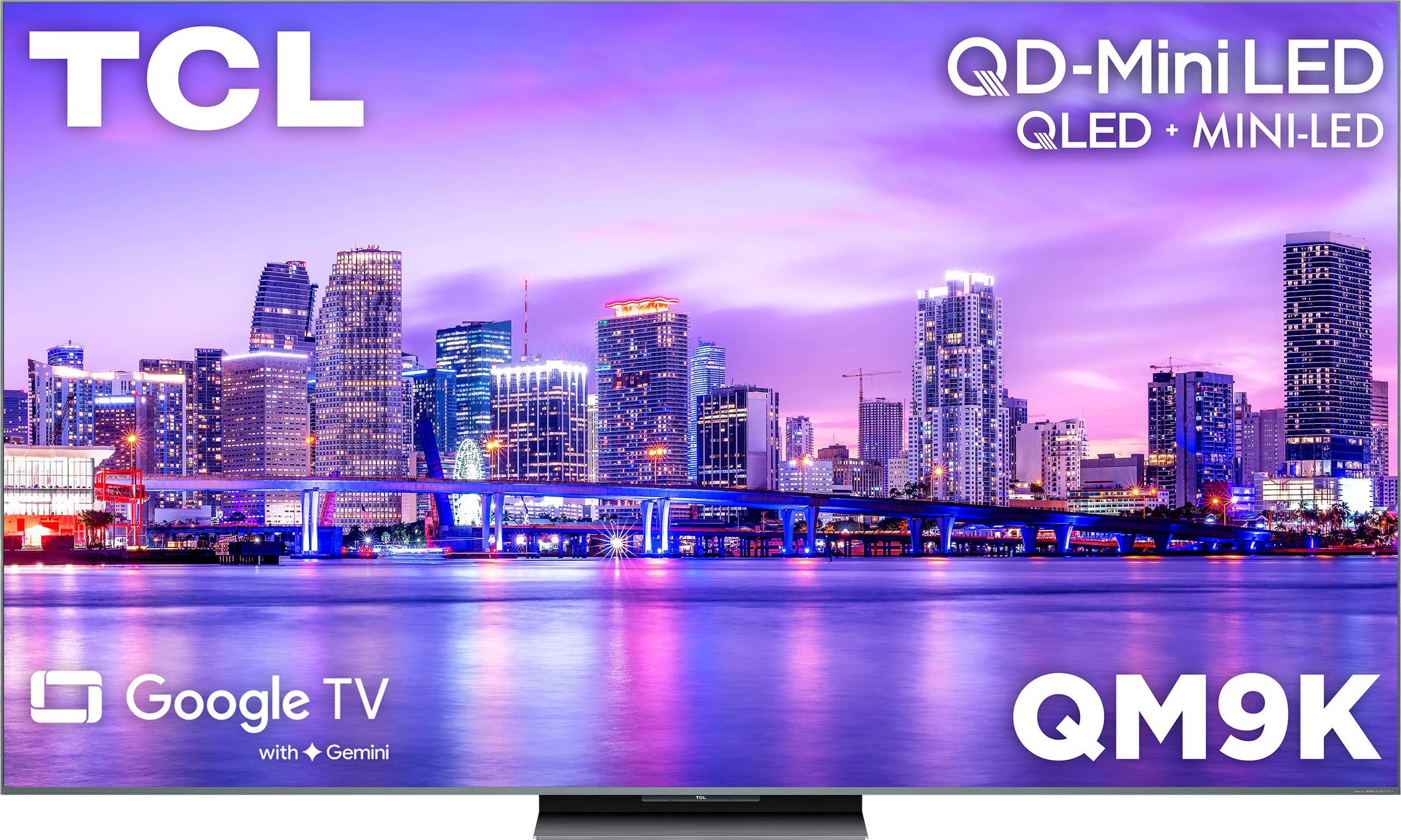
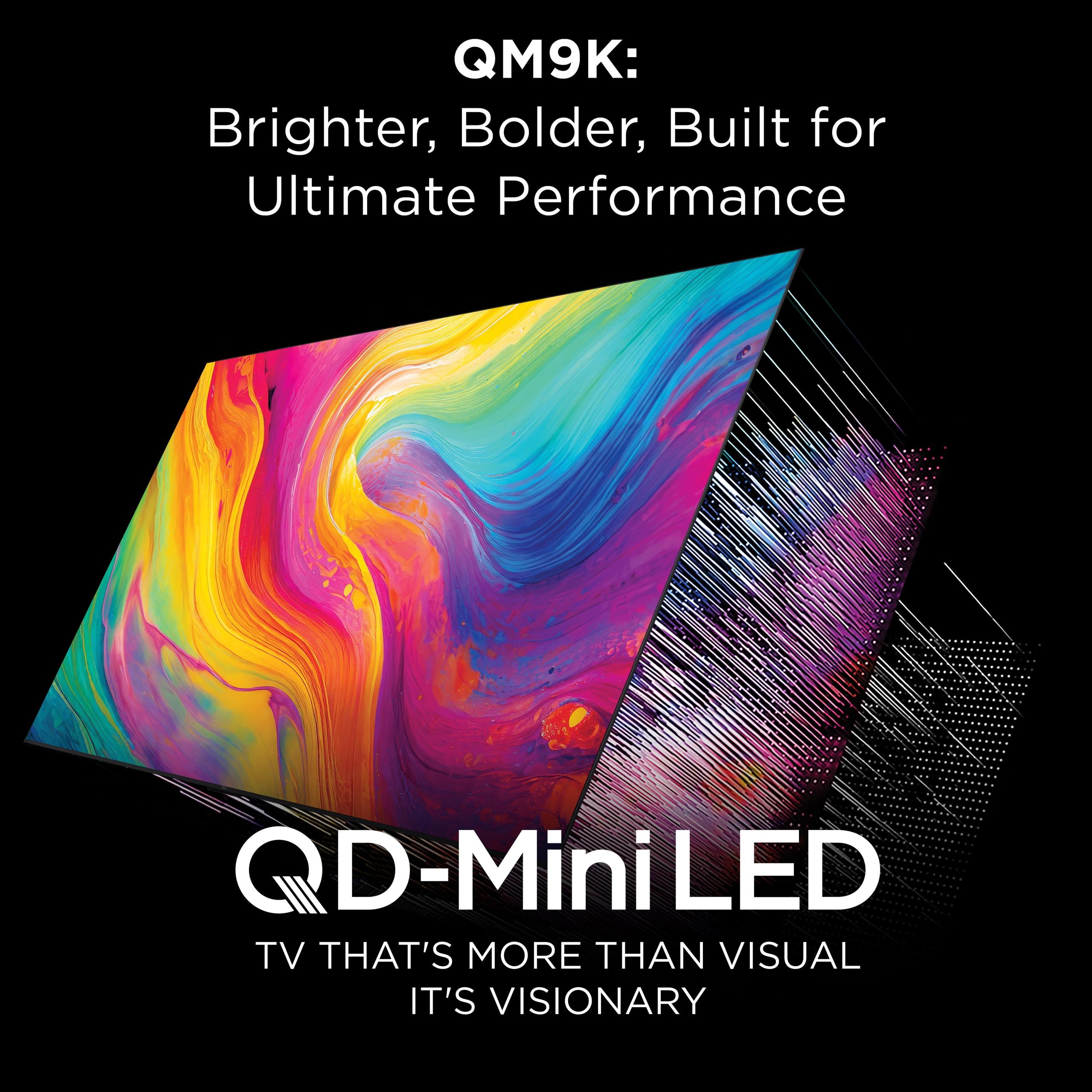

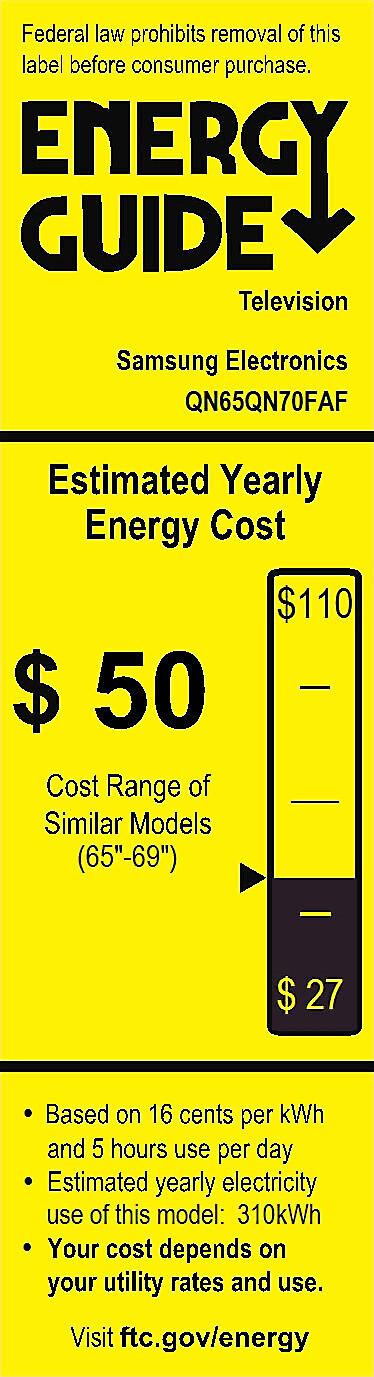
The 65-inch TV market has become incredibly competitive, and two standout models released in 2025 showcase different approaches to premium Mini LED technology. The TCL QM9K and Samsung QN70F both promise exceptional picture quality, but they achieve it through distinctly different engineering philosophies. After researching extensive reviews and analyzing technical specifications, we've found that these TVs serve different priorities—one excels at raw performance while the other focuses on smart features and brand polish.
Before diving into the comparison, it's crucial to understand what Mini LED technology actually does for your viewing experience. Traditional LED TVs use large LED lights behind the screen that can't be controlled individually, creating problems with contrast—dark scenes look washed out because the LEDs can't turn off completely. Mini LED solves this by using thousands of tiny LEDs that can be controlled in groups called "dimming zones." Think of it like having individual light switches for different areas of your TV screen instead of one master switch for the entire room.
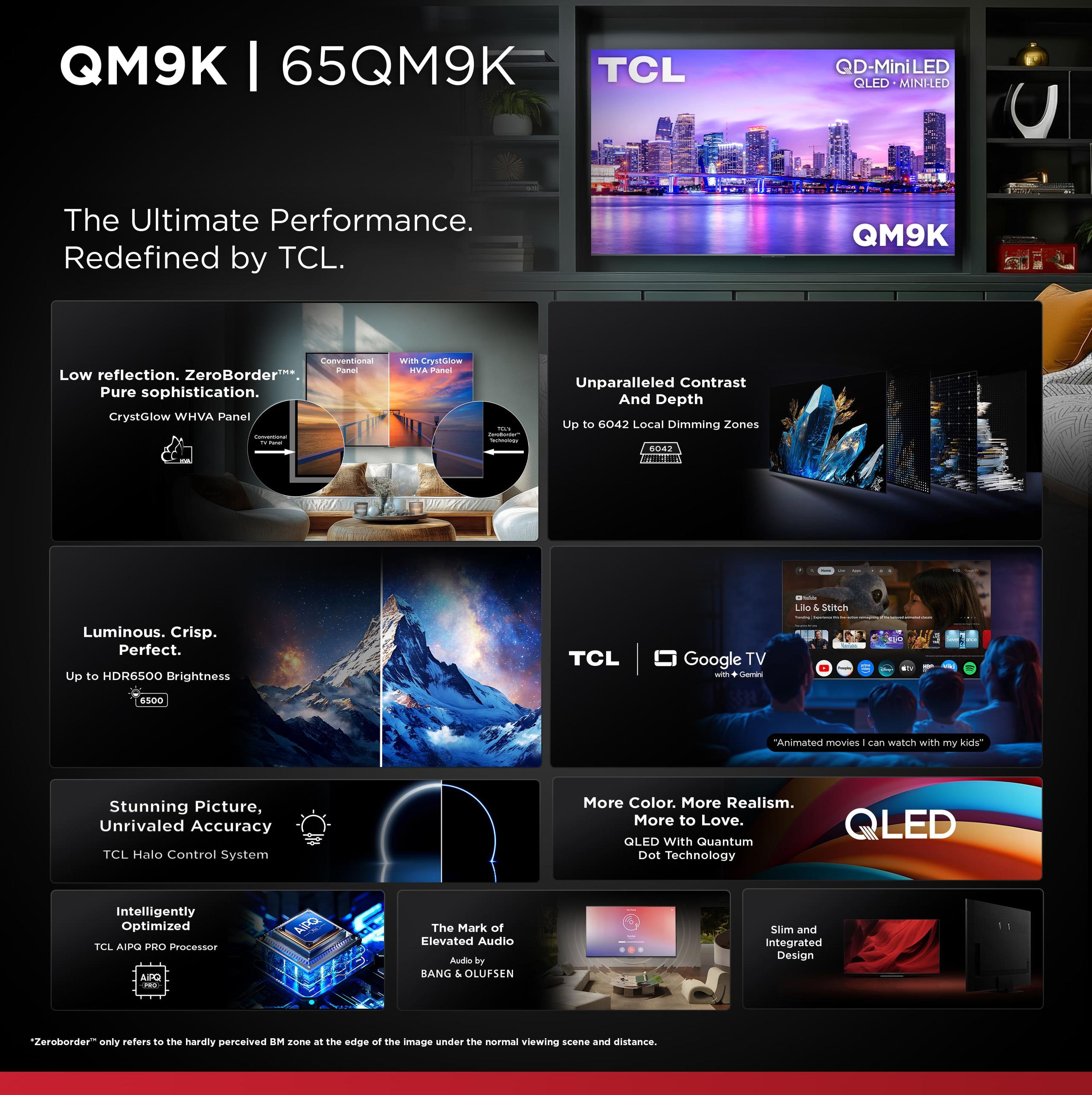
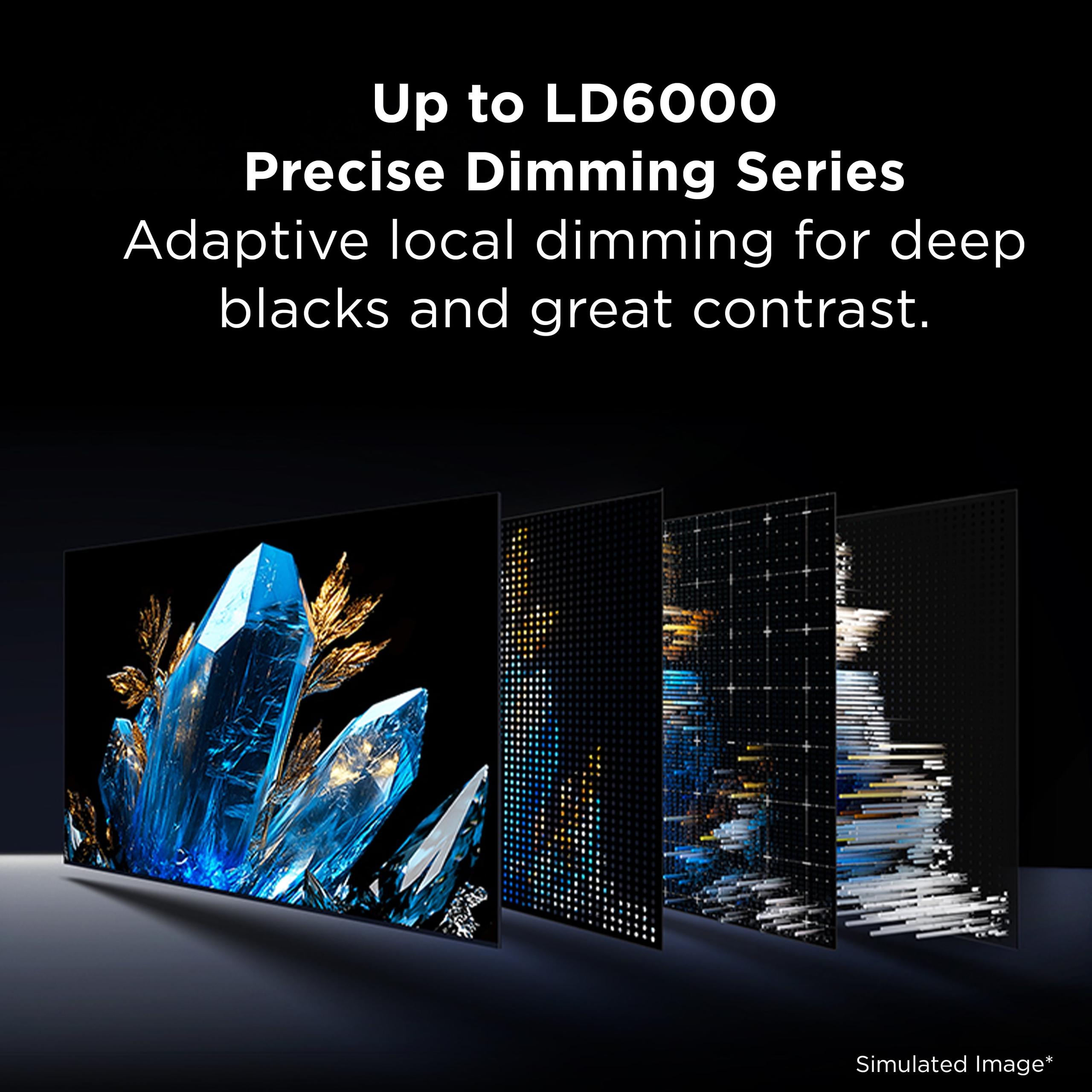
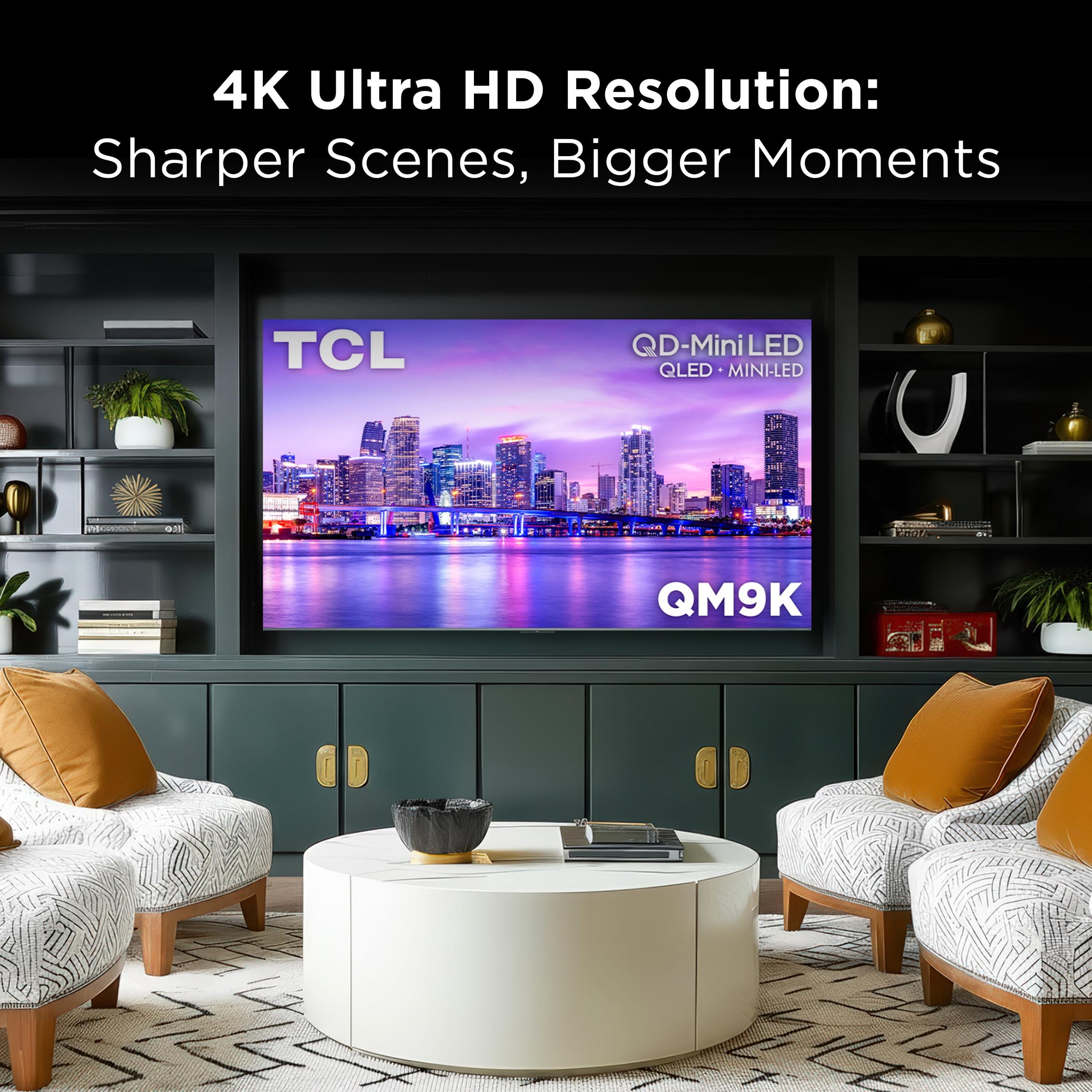
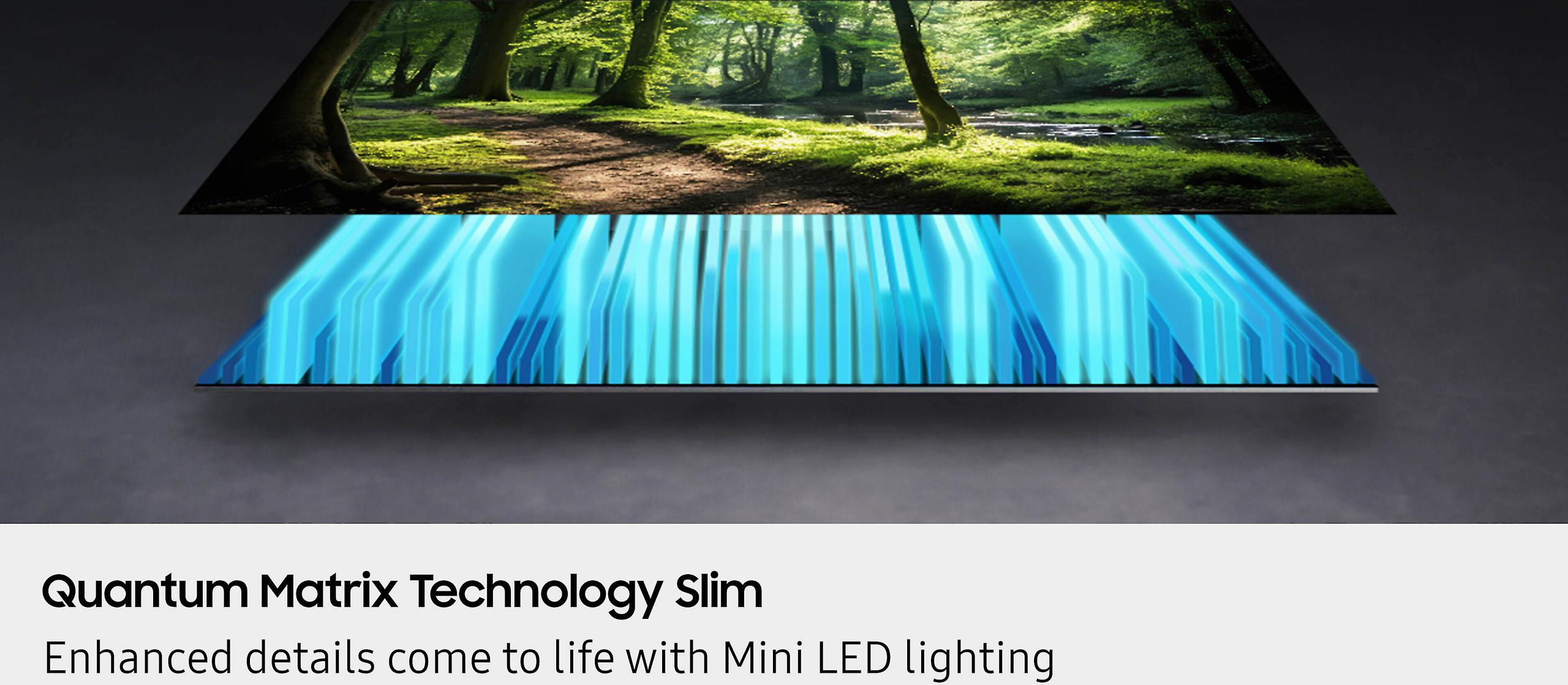
The TCL QM9K takes a full-array approach, meaning Mini LEDs are spread across the entire back of the screen in up to 6,000 dimming zones. The Samsung QN70F uses an edge-lit design with fewer zones, positioning Mini LEDs around the edges and using light guides to distribute brightness across the screen. This fundamental difference shapes everything about how these TVs perform.
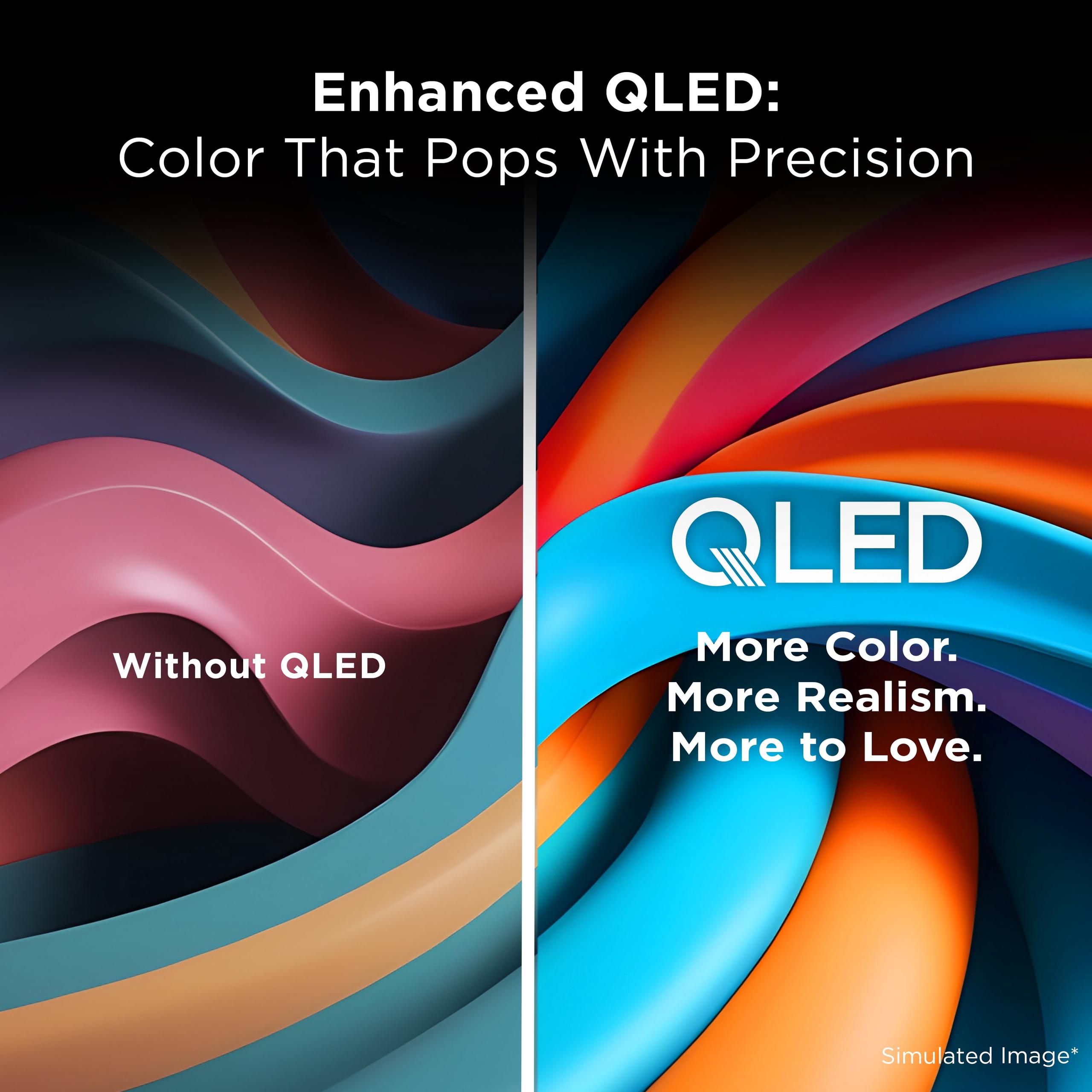
The most significant performance gap between these televisions lies in their display implementation. The TCL QM9K achieves something remarkable for its price category—full-array Mini LED backlighting with precise local dimming that approaches OLED-like contrast performance. When you're watching a movie with a campfire scene at night, the fire pops with brilliant brightness while the surrounding darkness remains truly black. This happens because thousands of individual zones can turn on or off independently.
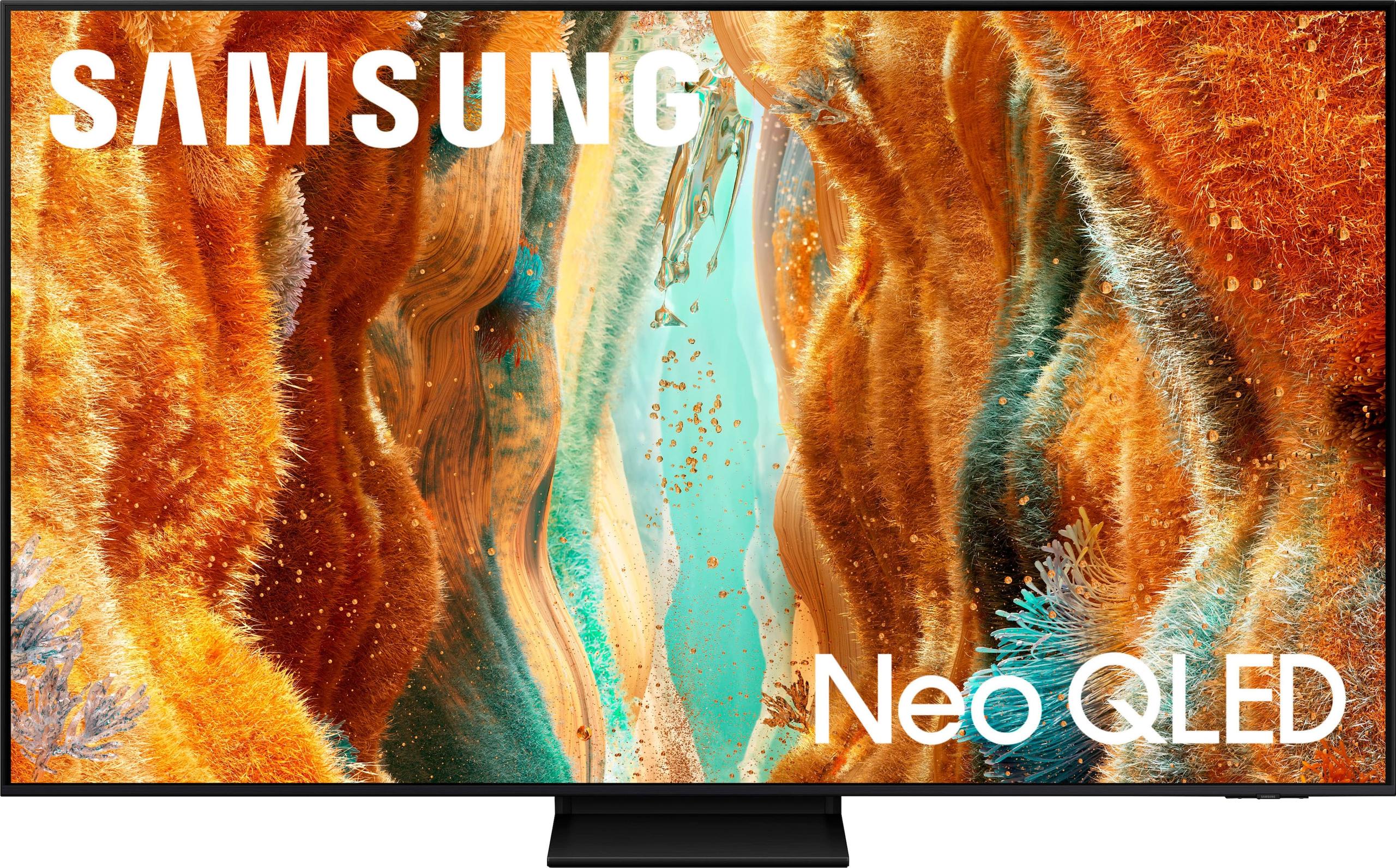
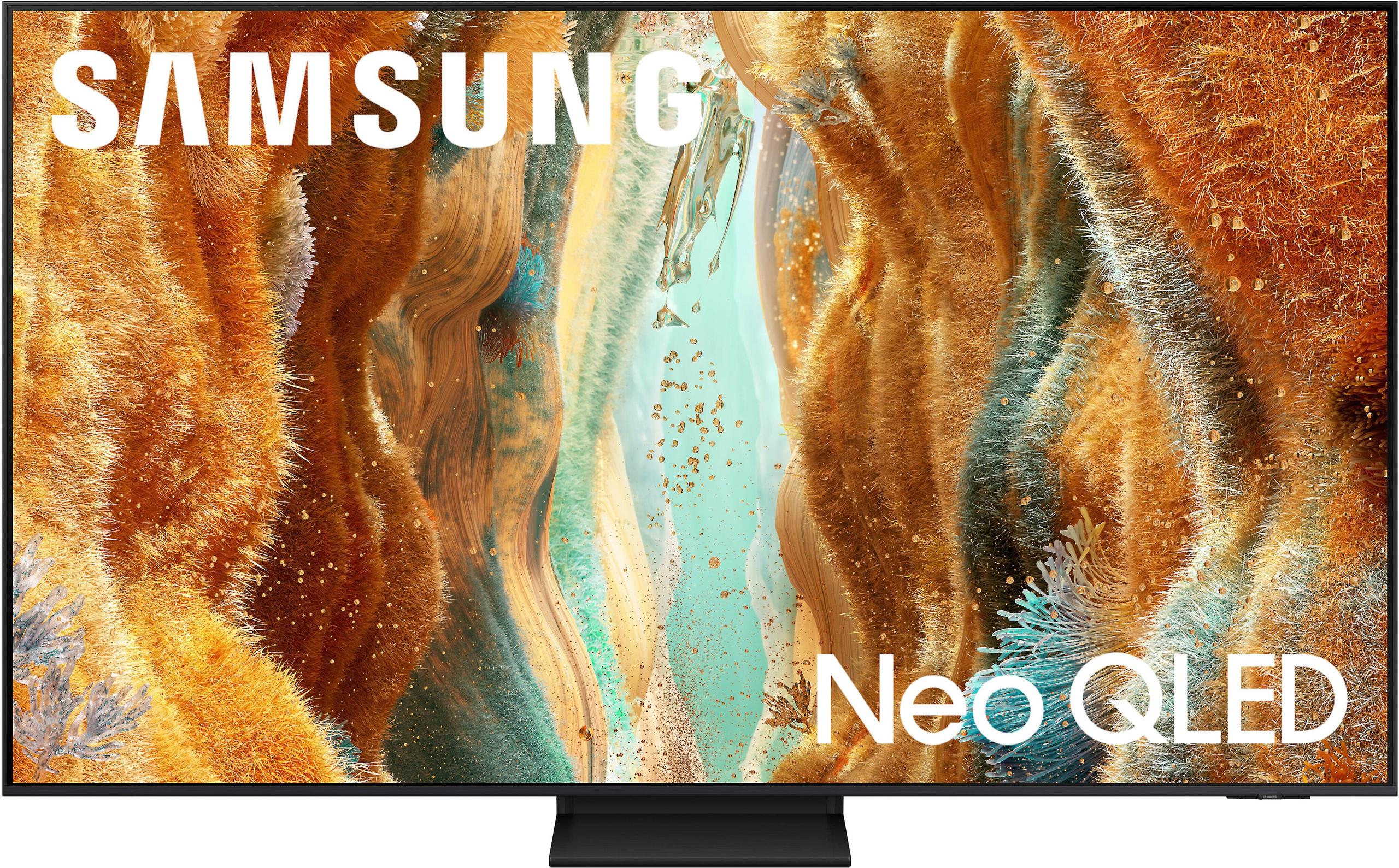
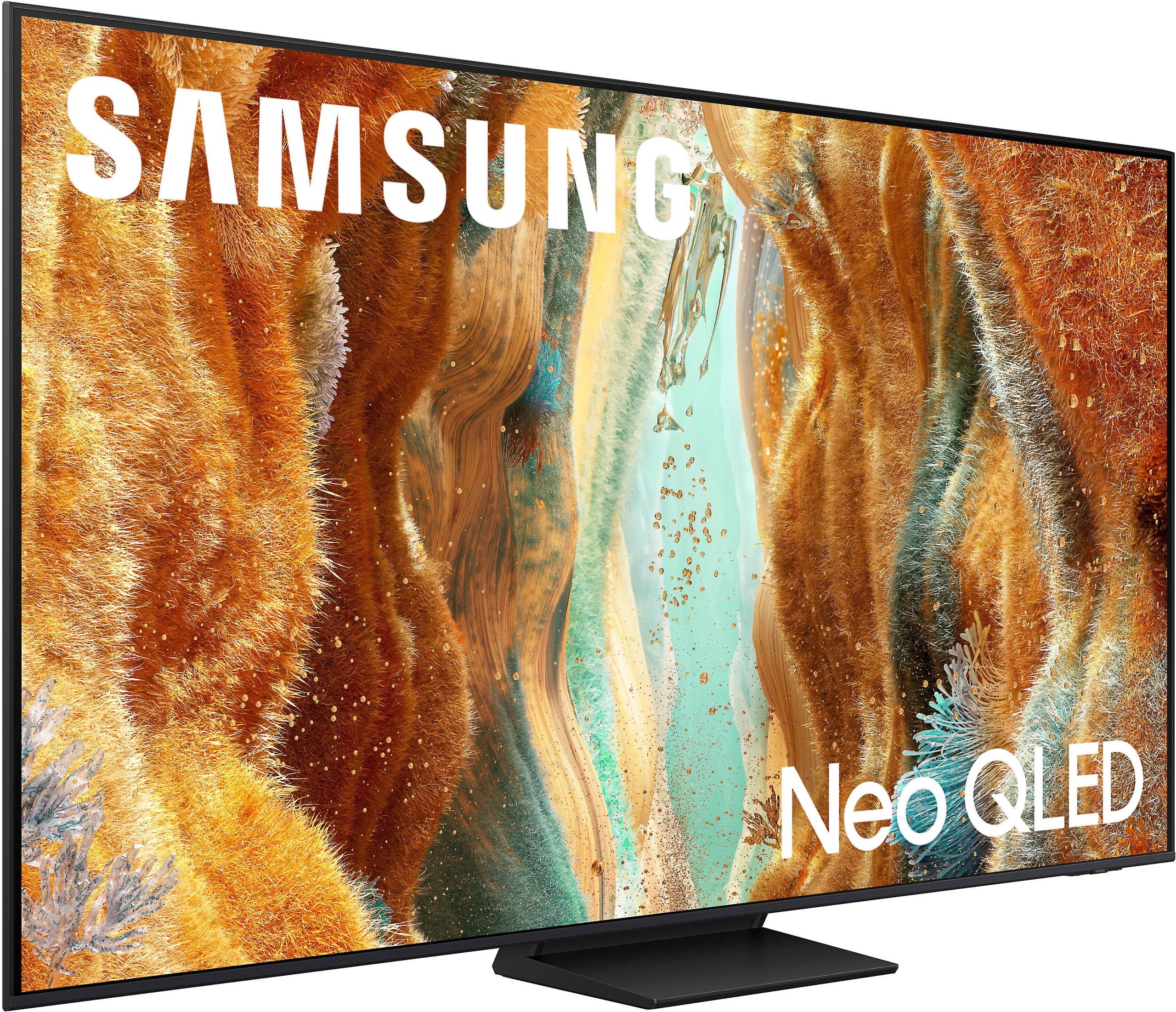
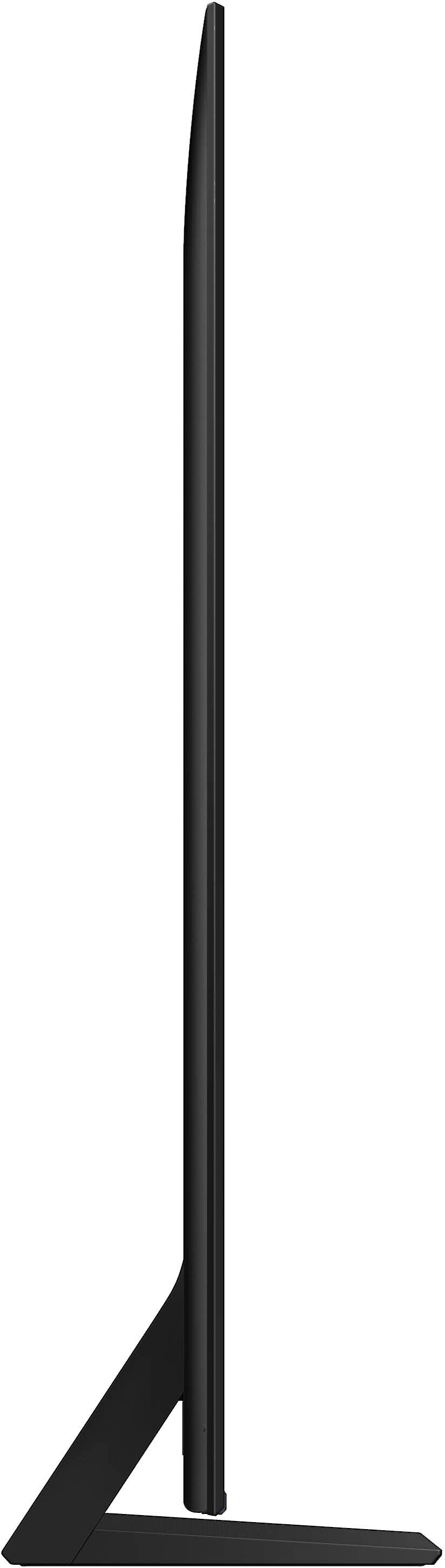
Samsung's approach with the QN70F is more conservative but still effective. The Quantum Matrix Slim technology uses edge-lighting to keep the TV thinner while still providing Mini LED benefits. However, this design inherently limits contrast control—when bright objects appear on screen, light can bleed into adjacent dark areas because the illumination comes from the edges rather than directly behind each pixel area.
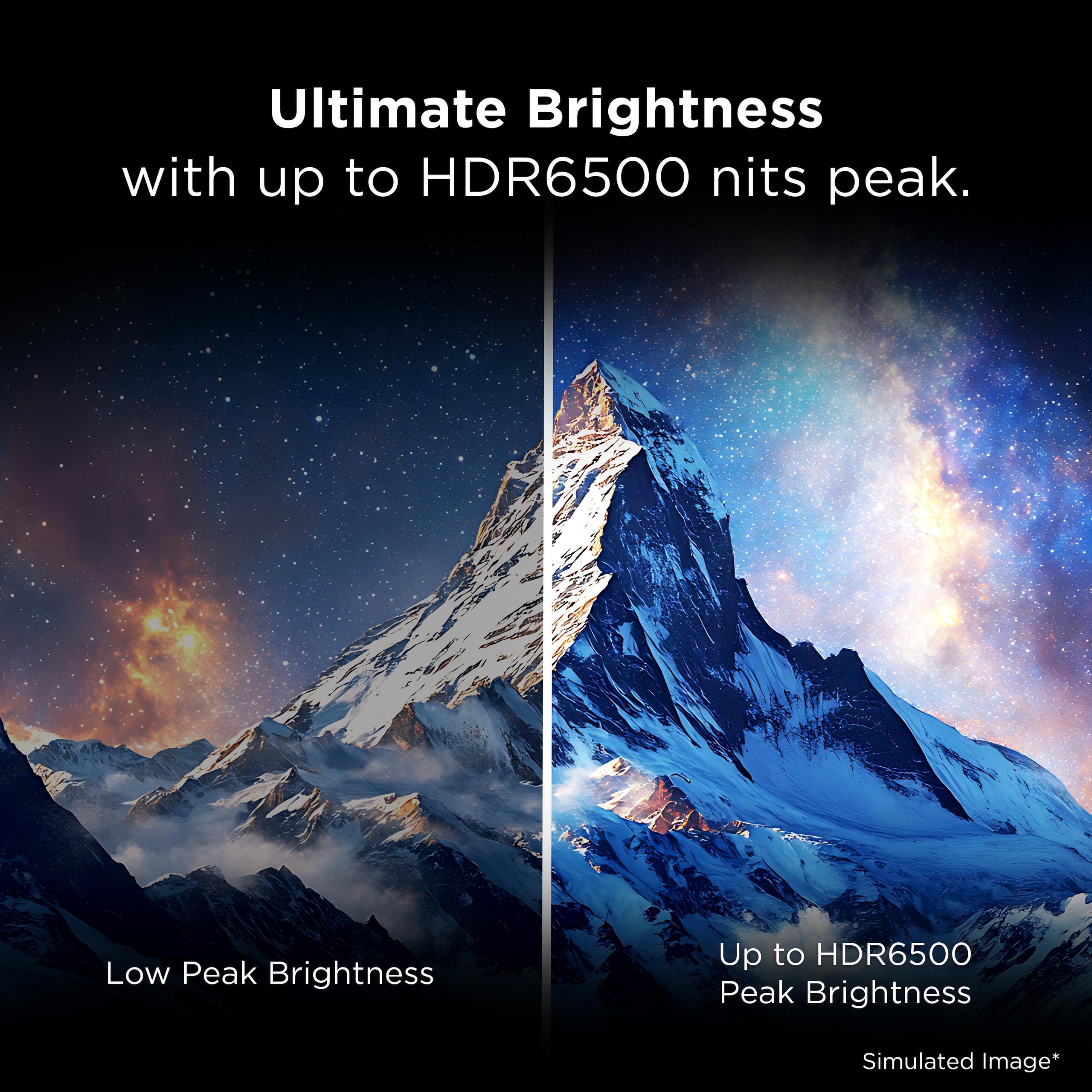
The technical specifications tell the story clearly. TCL's implementation delivers HDR6500 brightness levels (meaning 6,500 nits peak brightness), which is exceptional for handling bright highlights in HDR content. Samsung doesn't specify peak brightness for the QN70F, but edge-lit designs typically can't match full-array performance in this regard. For real-world viewing, this means the TCL QM9K handles challenging content like bright outdoor sports scenes or dramatic lighting in movies with greater dynamic range.
Gaming capabilities have become increasingly important as consoles like PlayStation 5 and Xbox Series X push higher frame rates and resolutions. Both TVs support 144Hz refresh rates, but they achieve this differently, and the implementation details matter significantly for gaming performance.
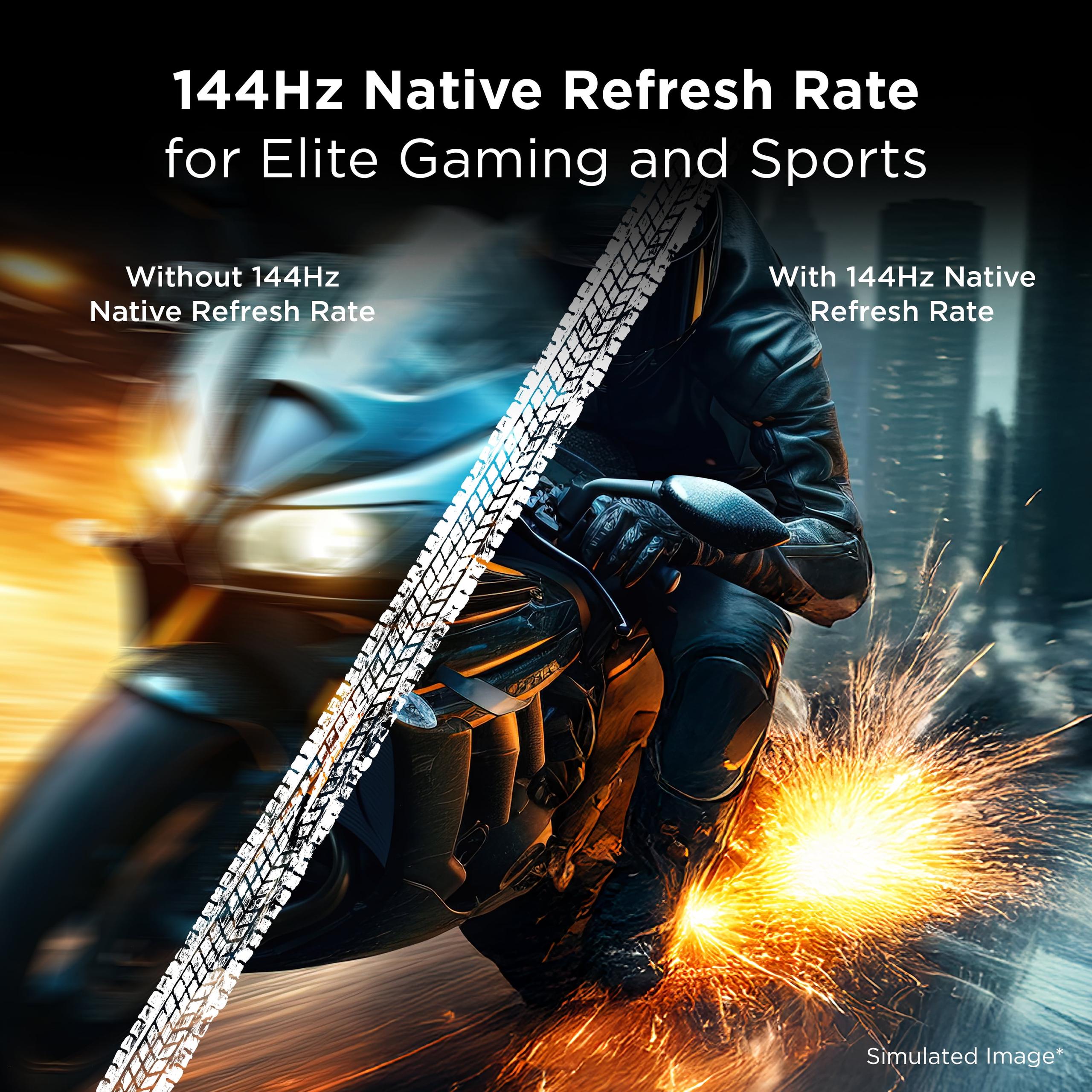
The TCL QM9K features a native 144Hz panel, meaning the display itself runs at 144Hz without relying heavily on motion processing tricks. More importantly, it includes Game Accelerator 288 technology, which can handle variable refresh rates up to 288Hz at 1080p and 1440p resolutions. For competitive gamers playing titles like Counter-Strike or Call of Duty where every millisecond matters, this creates a meaningful advantage. The 5.3ms input lag is exceptionally low—input lag is the delay between pressing a button and seeing the action on screen, and anything under 10ms is considered excellent for gaming.
Samsung's QN70F takes a different approach with Motion Xcelerator 144Hz, which combines hardware and software processing to achieve smooth motion. While effective, this processed approach can sometimes introduce slight artifacts or inconsistencies that serious gamers might notice. The Game Bar feature provides quick access to gaming settings, which is convenient but doesn't fundamentally change performance characteristics.
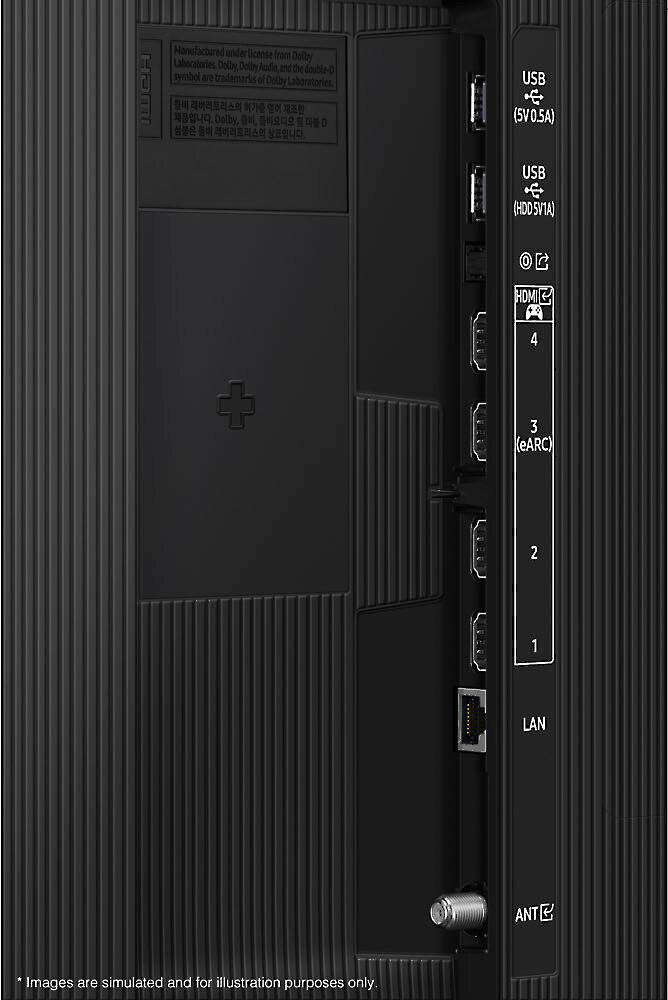
Both TVs include AMD FreeSync Premium Pro and four HDMI 2.1 ports, ensuring compatibility with current and future gaming consoles. However, the TCL QM9K provides two ports capable of full 4K@144Hz, while the Samsung's edge-lit design may limit sustained high-refresh performance in demanding scenarios.
The smart TV experience represents another area where these models diverge significantly. Samsung has invested heavily in Vision AI technology for the QN70F, creating genuinely useful features that weren't possible just a few years ago. Click-to-search functionality lets you point at an actor or object on screen to get instant information—perfect for those "where have I seen this actor before?" moments. Live Translate provides real-time subtitle translation, making international content more accessible.
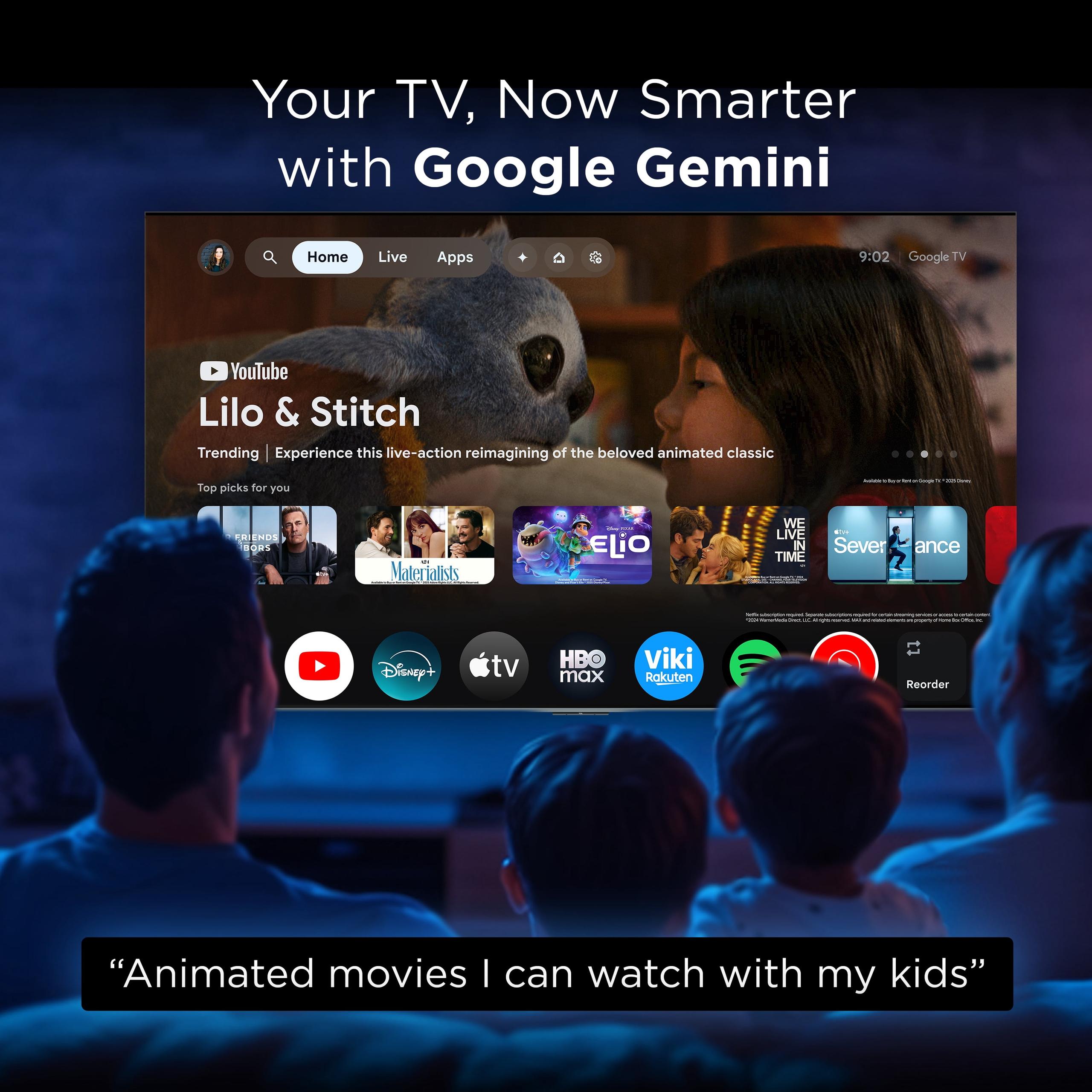
TCL's approach with the QM9K focuses on broad compatibility and intelligent automation. Google TV with Gemini integration provides sophisticated voice control and content recommendations, while the Presence Sensor automatically adjusts the TV based on room occupancy. This creates a more seamless daily experience—the TV knows when you're nearby and can display ambient information or automatically turn on when you sit down.
The platform choice often comes down to ecosystem preferences. Samsung's Tizen platform integrates deeply with Samsung devices and services, making it ideal if you're already using Samsung phones, tablets, or soundbars. Google TV offers broader compatibility with various devices and services, plus access to the extensive Google ecosystem including Assistant, Chromecast, and Play Store apps.
Built-in TV audio has improved dramatically in recent years, and the differences between these models are substantial enough to influence purchasing decisions. The TCL QM9K partners with Bang & Olufsen for audio tuning, which might seem like marketing until you experience the results. The 2.1.1 channel system includes a dedicated subwoofer that adds genuine bass response—something most TVs struggle with due to size constraints.
Dolby Atmos support creates a more immersive audio experience by using psychoacoustic processing to simulate sounds coming from above and around you, even with just the TV's built-in speakers. Combined with DTS Virtual:X processing, this creates surprisingly convincing surround sound effects without additional speakers.
The Samsung QN70F provides Object Tracking Sound Lite, which attempts to make audio follow movement on screen, but the 20W, 2-channel configuration limits its effectiveness. The Q-Symphony feature works well if you plan to add a Samsung soundbar later, creating a unified audio experience between TV speakers and external audio.
For home theater use, the TCL QM9K's superior built-in audio can delay or eliminate the need for a separate sound system, representing significant additional value.
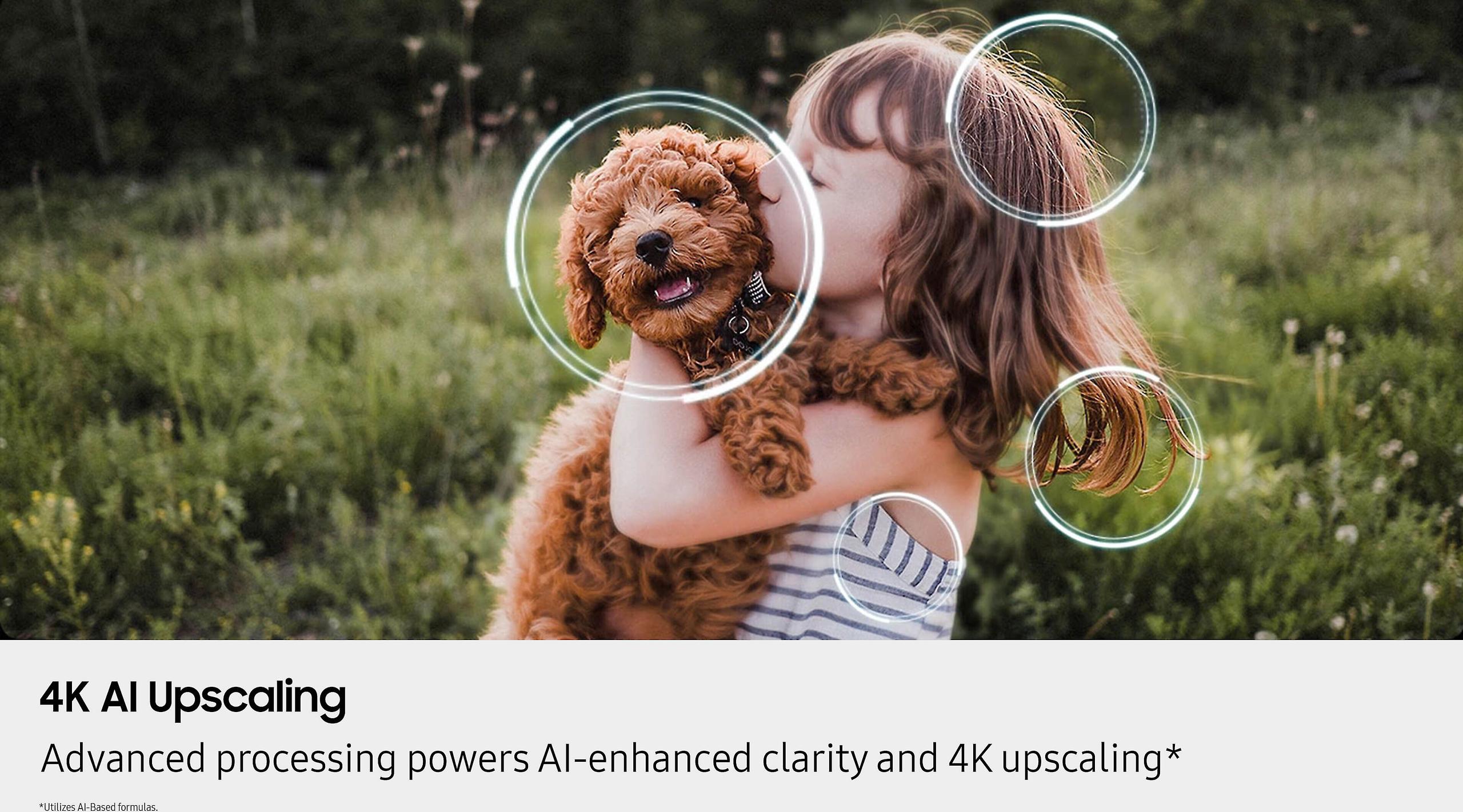
Picture processing capabilities determine how well TVs handle real-world content, from streaming video to Blu-ray discs. The TCL QM9K uses the AIPQ PRO processor, which applies artificial intelligence to optimize color, contrast, clarity, and motion on a scene-by-scene basis. This processing is particularly effective with lower-quality source material—streaming content that might look soft or compressed gets enhanced to appear closer to native 4K quality.
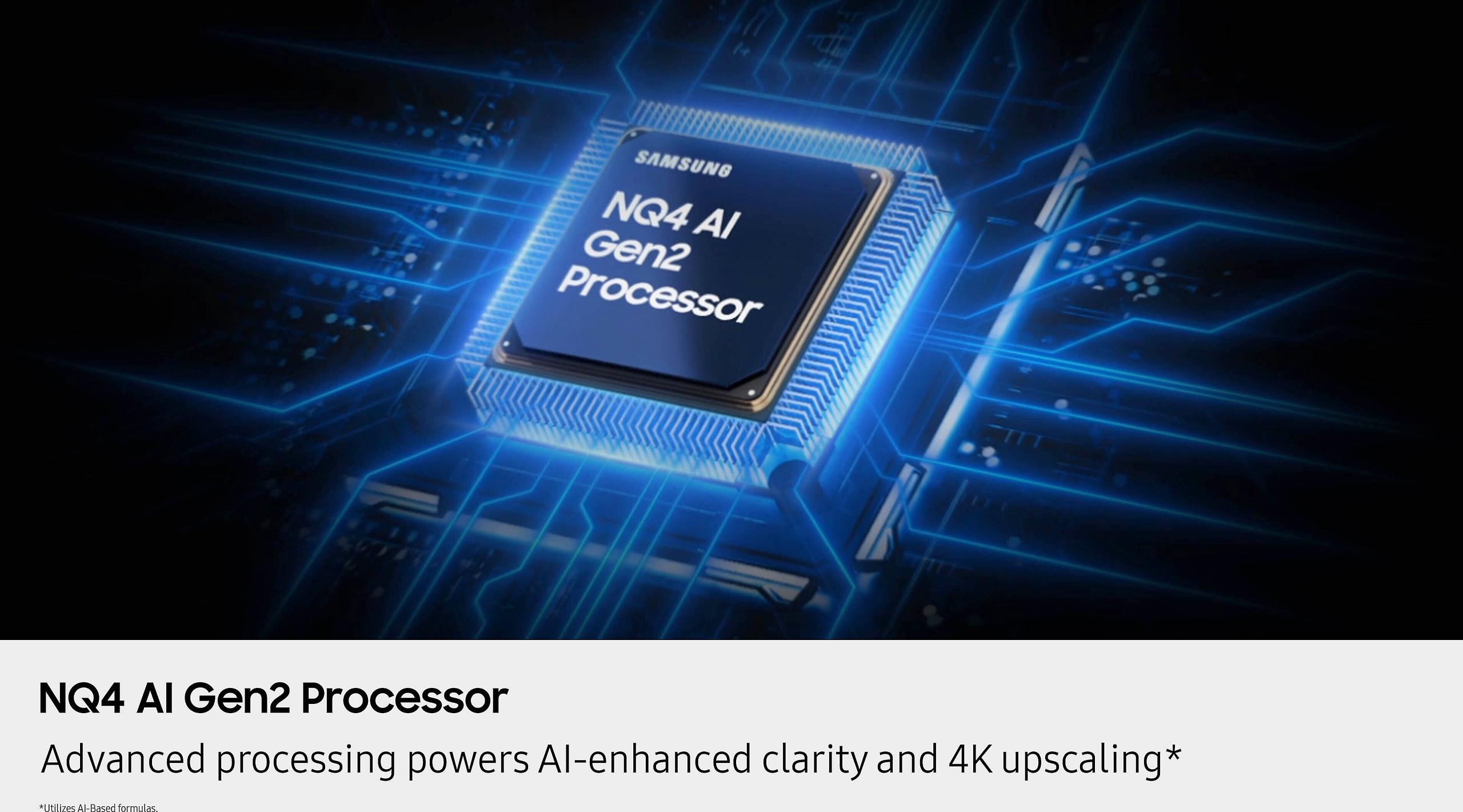
Samsung's NQ4 AI Gen2 processor in the QN70F takes a different approach, focusing on intelligent upscaling and adaptive optimization. The Vision AI integration means the processor can identify content types (sports, movies, games) and apply appropriate enhancements automatically.
HDR (High Dynamic Range) performance showcases the most significant difference between these TVs. HDR content contains brightness and color information beyond what traditional TVs can display, requiring both sufficient peak brightness and precise local dimming to render effectively. The TCL QM9K's combination of 6,500-nit peak brightness and 6,000 local dimming zones handles HDR content exceptionally well—bright highlights remain detailed while dark areas maintain depth and shadow detail.
The Samsung QN70F's edge-lit design limits HDR performance, particularly in scenes with mixed bright and dark content. While Neo Quantum HDR processing helps optimize what's possible within the hardware constraints, it can't overcome the fundamental limitations of fewer dimming zones and edge-lit distribution.
Setting up a dedicated home theater space requires considering factors beyond just picture quality. The TCL QM9K excels in challenging lighting conditions due to its exceptional peak brightness, making it suitable for rooms with windows or ambient lighting. The full-array backlighting provides uniform brightness across the screen, eliminating the edge-lit hotspots that can be distracting in darker viewing environments.
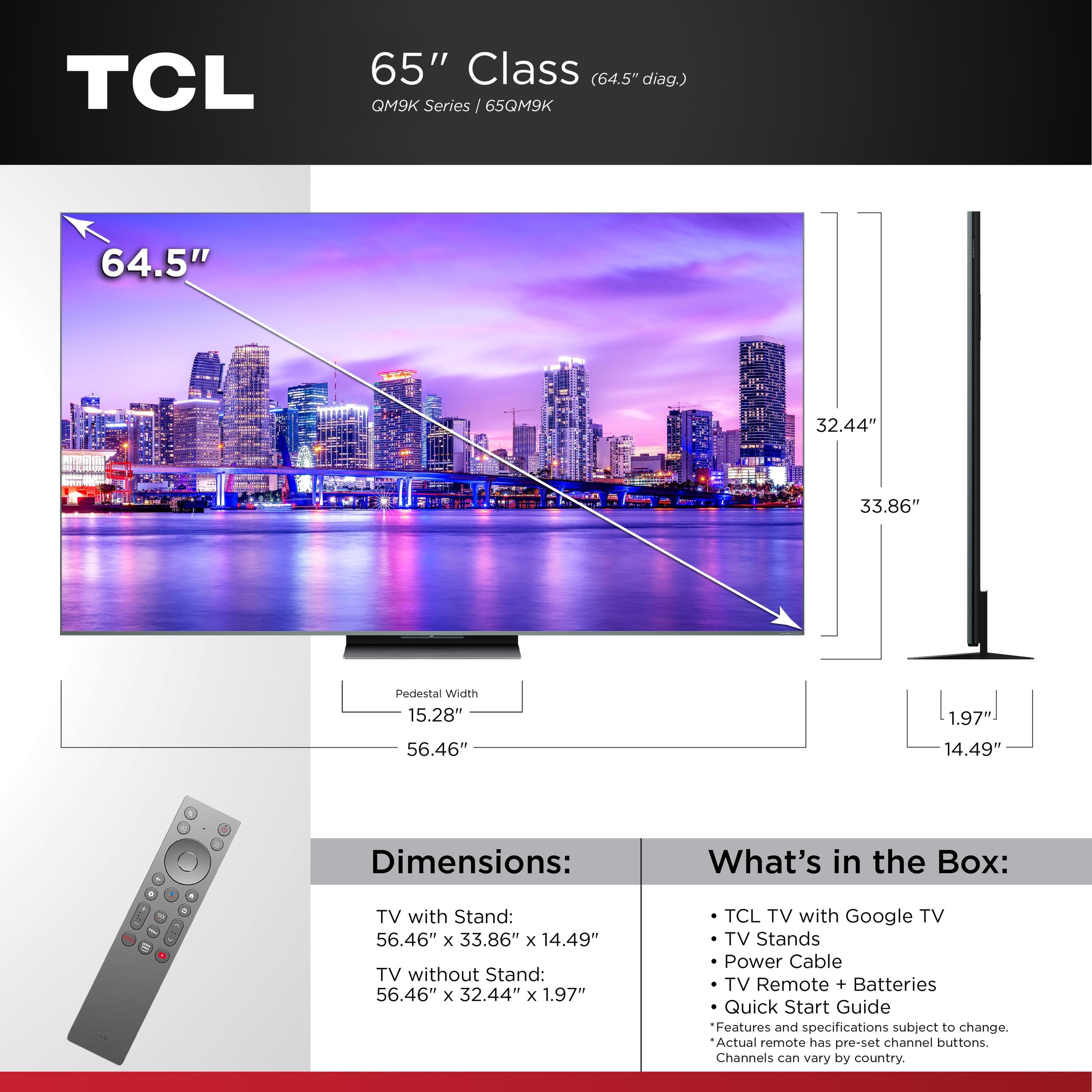
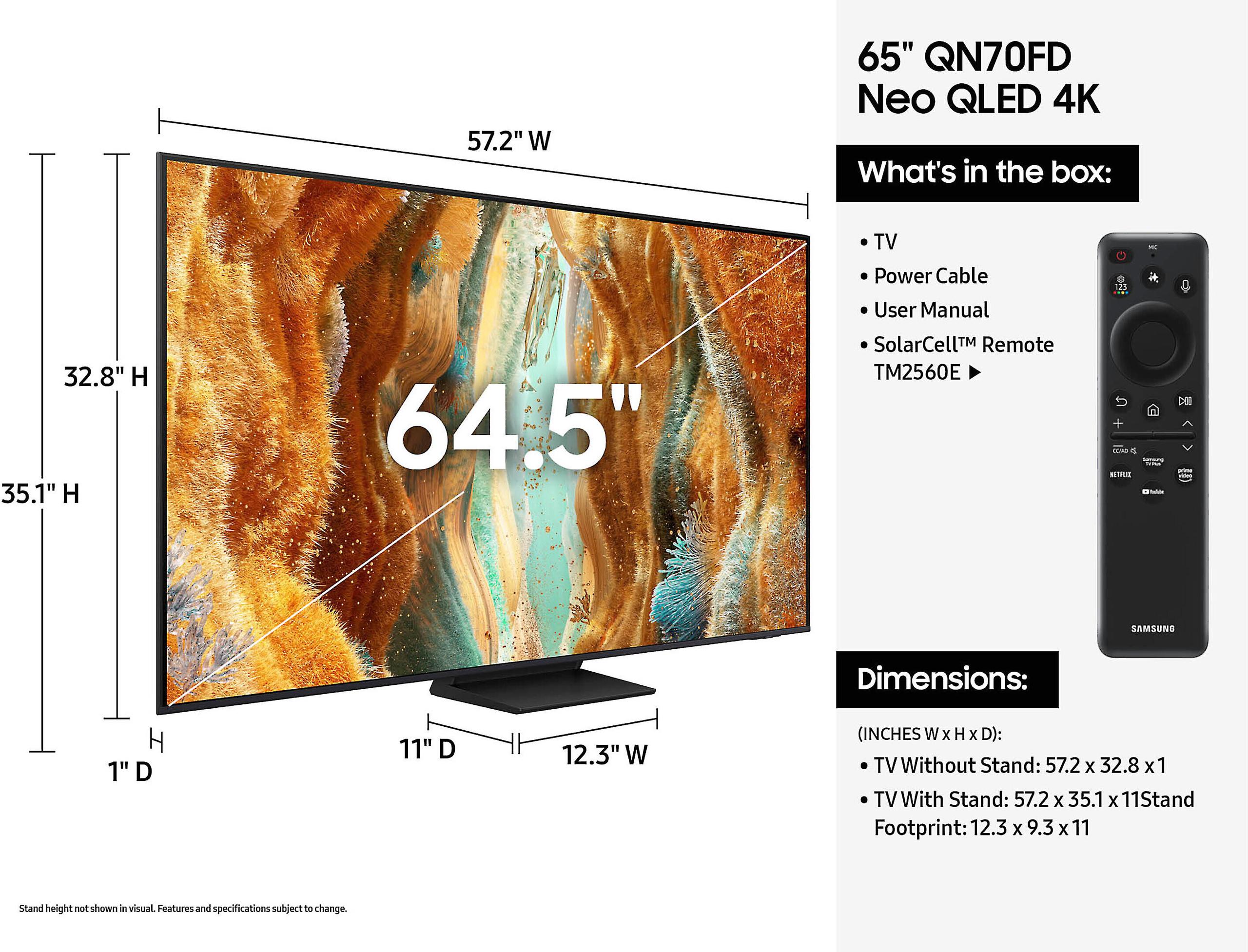
For wall mounting, the Samsung QN70F offers advantages with its slimmer edge-lit design and integrated cable management. The Vision AI features also work well in social viewing situations—the click-to-search functionality becomes a conversation starter during movie nights.
Both TVs handle motion well, but with different characteristics. The TCL QM9K provides more natural motion handling with less artificial smoothing, which film enthusiasts often prefer. The Motion Rate 480 technology maintains film-like motion while reducing blur in fast action sequences. Samsung's motion processing is more aggressive, which some viewers prefer for sports but can create the "soap opera effect" that makes movies look like TV productions.
At the time of writing, these TVs occupy different value positions in the market. The TCL QM9K offers flagship-level Mini LED technology at a more accessible price point, delivering performance that typically costs significantly more from established premium brands. The full-array implementation, gaming features, and Bang & Olufsen audio represent exceptional value for the technology provided.
The Samsung QN70F commands a premium for the Samsung brand and Vision AI features, positioning itself as a technology showcase rather than a pure performance play. The investment makes sense for users who value brand reliability, ecosystem integration, and cutting-edge smart features over raw display performance.
Considering long-term ownership, Samsung's established support network and longer history of software updates provide confidence in sustained performance over years of use. TCL has improved significantly in this regard but still represents a newer player in the premium TV market.
After extensive research into reviews and technical specifications, the decision between these TVs comes down to priorities and usage patterns. Choose the TCL QM9K if you prioritize the best possible picture quality and want flagship performance without flagship pricing. The superior local dimming, exceptional brightness, and gaming capabilities make it ideal for enthusiasts who want the most immersive viewing experience possible.
The Samsung QN70F suits users who value innovation and ecosystem integration over pure performance metrics. If you're already invested in Samsung devices, appreciate cutting-edge AI features, or prefer the security of an established brand, the QN70F provides a polished experience with unique capabilities.
For dedicated home theater use, the TCL QM9K delivers superior performance in almost every measurable category. The contrast ratio, brightness capabilities, and built-in audio create a more cinematic experience. For general family viewing with emphasis on smart features and ease of use, the Samsung QN70F offers appealing innovations and reliable performance.
Both represent solid choices in the 2025 Mini LED market, but they serve different audiences with distinct priorities. The TCL rewards performance-focused buyers with exceptional value, while Samsung appeals to users who want premium features and brand confidence. Understanding which category describes your preferences will guide you toward the right choice for your home entertainment setup.
| TCL 65" QM9K QD-Mini LED Smart TV | Samsung 65" QN70F Neo QLED 4K Vision AI Smart TV 2025 |
|---|---|
| Local Dimming Zones - Critical for contrast and HDR performance | |
| Up to 6,000 zones (full-array implementation) | Edge-lit design with fewer zones |
| Peak Brightness - Essential for HDR content and bright rooms | |
| HDR6500 (6,500 nits peak brightness) | Not specified (typically lower with edge-lit design) |
| Native Refresh Rate - Important for gaming and smooth motion | |
| 144Hz native panel with Game Accelerator 288 | 100Hz native (up to 144Hz processed) |
| Input Lag - Critical for competitive gaming | |
| 5.3ms (exceptional for gaming) | Not specified (likely higher) |
| Smart TV Platform - Affects daily usability and features | |
| Google TV with Gemini AI | Tizen with Vision AI (click-to-search, live translate) |
| Audio System - Impacts need for external speakers | |
| Bang & Olufsen tuned 2.1.1 with subwoofer | 20W 2-channel with Q-Symphony support |
| HDMI 2.1 Ports - Future-proofing for gaming consoles | |
| 4 ports (2 support 4K@144Hz) | 4 ports (all HDMI 2.1) |
| HDR Support - Determines HDR content compatibility | |
| HDR10, HDR10+, Dolby Vision, HLG, HDR ULTRA | HDR10+ (Adaptive/Gaming), Neo Quantum HDR |
| Voice Control - Convenience and smart home integration | |
| Google Assistant, Alexa, Apple HomeKit compatible | Bixby and Alexa built-in, Samsung ecosystem integration |
| Design Philosophy - Affects installation and room placement | |
| Full-array requires thicker profile for better performance | Slim edge-lit design prioritizes aesthetics |
| Gaming Features - Important for console and PC gaming | |
| AMD FreeSync Premium Pro, up to 288Hz VRR | AMD FreeSync Premium Pro, Motion Xcelerator 144Hz |
| Ecosystem Integration - Matters if you use brand-specific devices | |
| Universal compatibility (Google, Apple, Amazon) | Deep Samsung device integration |
The TCL 65" QM9K delivers superior picture quality with its full-array Mini LED design featuring up to 6,000 local dimming zones and 6,500 nits peak brightness. This creates deeper blacks and brighter highlights compared to the Samsung 65" QN70F, which uses edge-lit Mini LED technology with fewer dimming zones. For home theater viewing, the TCL provides more cinematic contrast and HDR performance.
The TCL QM9K excels for gaming with its native 144Hz panel, Game Accelerator 288 technology supporting up to 288Hz VRR, and ultra-low 5.3ms input lag. While the Samsung QN70F offers gaming features like Motion Xcelerator 144Hz and AMD FreeSync Premium Pro, the TCL's superior specifications make it the better choice for competitive gaming and next-gen consoles.
The Samsung 65" QN70F features innovative Vision AI technology including click-to-search for actor identification and live translate for real-time subtitles. The TCL QM9K runs Google TV with Gemini AI and offers broader ecosystem compatibility with Google Assistant, Alexa, and Apple HomeKit. Samsung focuses on AI innovation while TCL emphasizes universal compatibility.
The TCL QM9K significantly outperforms with its Bang & Olufsen-tuned 2.1.1 channel system including a dedicated subwoofer and Dolby Atmos support. The Samsung QN70F offers basic 20W 2-channel audio with Q-Symphony compatibility for Samsung soundbars. For home theater setups without external audio, the TCL provides much better sound quality.
The TCL 65" QM9K delivers exceptional brightness with HDR6500 (6,500 nits) peak performance, making it excellent for bright rooms and daytime viewing. The Samsung 65" QN70F doesn't specify peak brightness levels, and its edge-lit design typically produces lower brightness than full-array implementations. The TCL handles ambient light and glare significantly better.
The TCL QM9K provides exceptional value with flagship Mini LED technology, superior gaming features, and premium audio at a competitive price point. The Samsung QN70F commands a premium for Samsung's brand reputation and Vision AI features. The TCL delivers more advanced display technology and performance per dollar spent.
The TCL 65" QM9K uses full-array local dimming with up to 6,000 zones across the entire screen, providing precise contrast control and minimal blooming. The Samsung QN70F employs edge-lit Mini LED with significantly fewer dimming zones, which limits contrast performance and can cause light bleeding. The TCL's approach delivers much better HDR and dark scene performance.
Samsung historically provides longer software update cycles and has an established support network for the QN70F. TCL has improved significantly in recent years with the QM9K but represents a newer player in the premium TV market. Samsung offers more confidence for long-term ownership and continued feature updates.
The TCL QM9K features a true native 144Hz panel with Game Accelerator 288 supporting variable refresh rates up to 288Hz at lower resolutions. The Samsung 65" QN70F uses processing to achieve 144Hz through Motion Xcelerator technology. The TCL's hardware-based approach provides more consistent and responsive gaming performance.
The TCL 65" QM9K excels in dedicated home theater environments with its superior contrast ratio, full-array local dimming, exceptional peak brightness, and Bang & Olufsen audio system. The uniform backlighting and deep blacks create a more cinematic experience. The Samsung QN70F works well for general viewing but can't match the TCL's home theater performance.
The TCL QM9K offers universal compatibility working seamlessly with Google, Amazon, and Apple ecosystems through Google TV, Chromecast, AirPlay 2, and voice assistant support. The Samsung 65" QN70F integrates deeply with Samsung devices and services but has more limited cross-platform compatibility. Choose TCL for flexibility or Samsung for Samsung ecosystem users.
The TCL 65" QM9K provides superior HDR performance with its 6,500-nit peak brightness, 6,000 local dimming zones, and support for HDR10, HDR10+, Dolby Vision, and HDR ULTRA formats. The Samsung QN70F supports HDR10+ and Neo Quantum HDR but is limited by its edge-lit design and lower peak brightness. The TCL delivers more impactful HDR with better highlight detail and contrast.
We've done our best to create useful and informative comparisons to help you decide what product to buy. Our research uses advanced automated methods to create this comparison and perfection is not possible - please contact us for corrections or questions. These are the sites we've researched in the creation of this article: rtings.com - bestbuy.com - youtube.com - youtube.com - youtube.com - techaeris.com - displayspecifications.com - pcrichard.com - residentialsystems.com - us.tcl.com - displayspecifications.com - valueelectronics.com - woodruffappliance.com - tcl.com - pcrichard.com - tcl.com - techradar.com - tcl.com - us.tcl.com - youtube.com - youtube.com - bestbuy.com - youtube.com - rtings.com - youtube.com - wifihifi.com - samsung.com - samsung.com - samsung.com - samsung.com - flatpanelshd.com - news.samsung.com - bestbuy.com

Privacy Policy
Terms and Conditions - Affiliate Policy
Home Security
© Copyright 2008-2026.
11816 Inwood Rd #1211, Dallas, TX 75244