

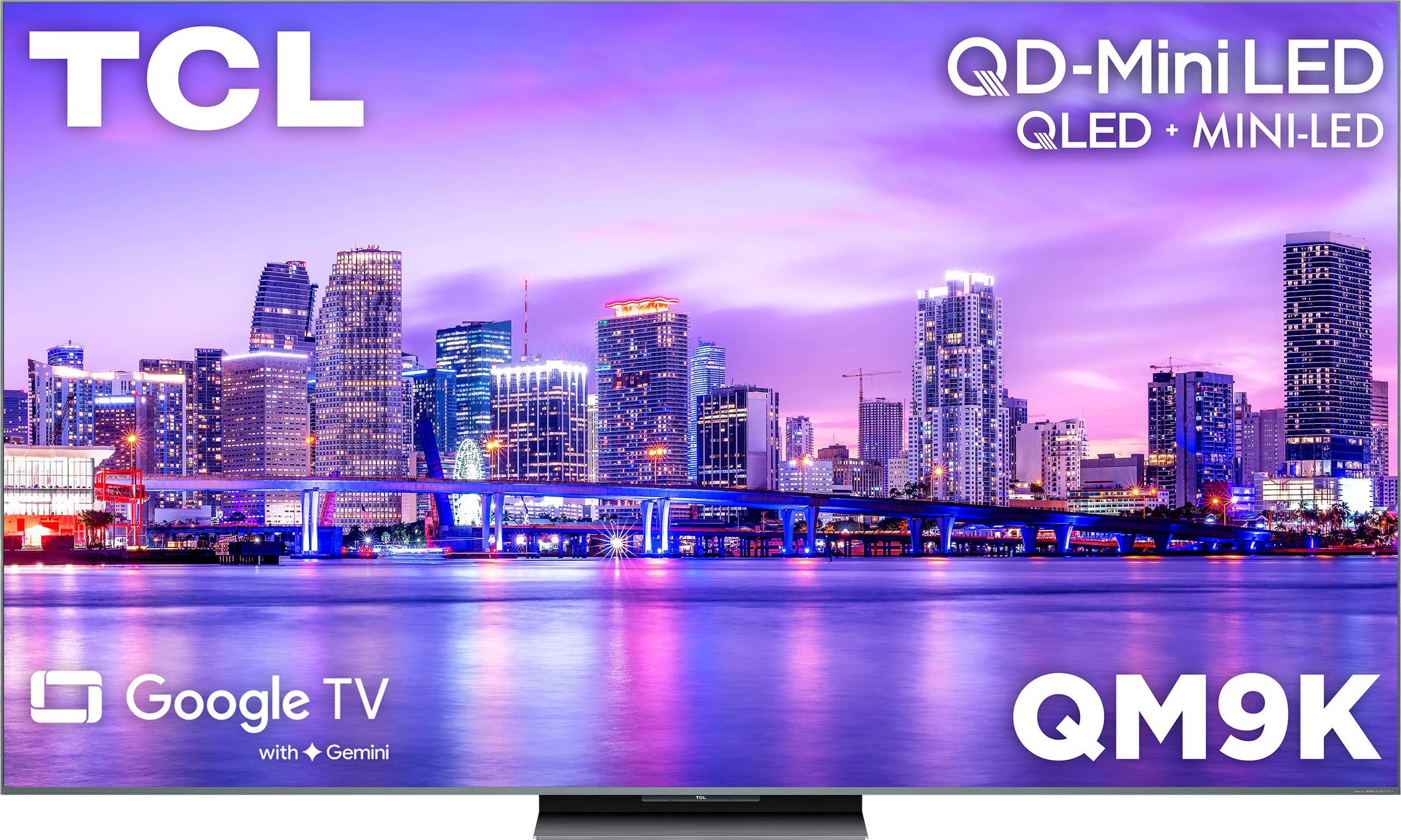
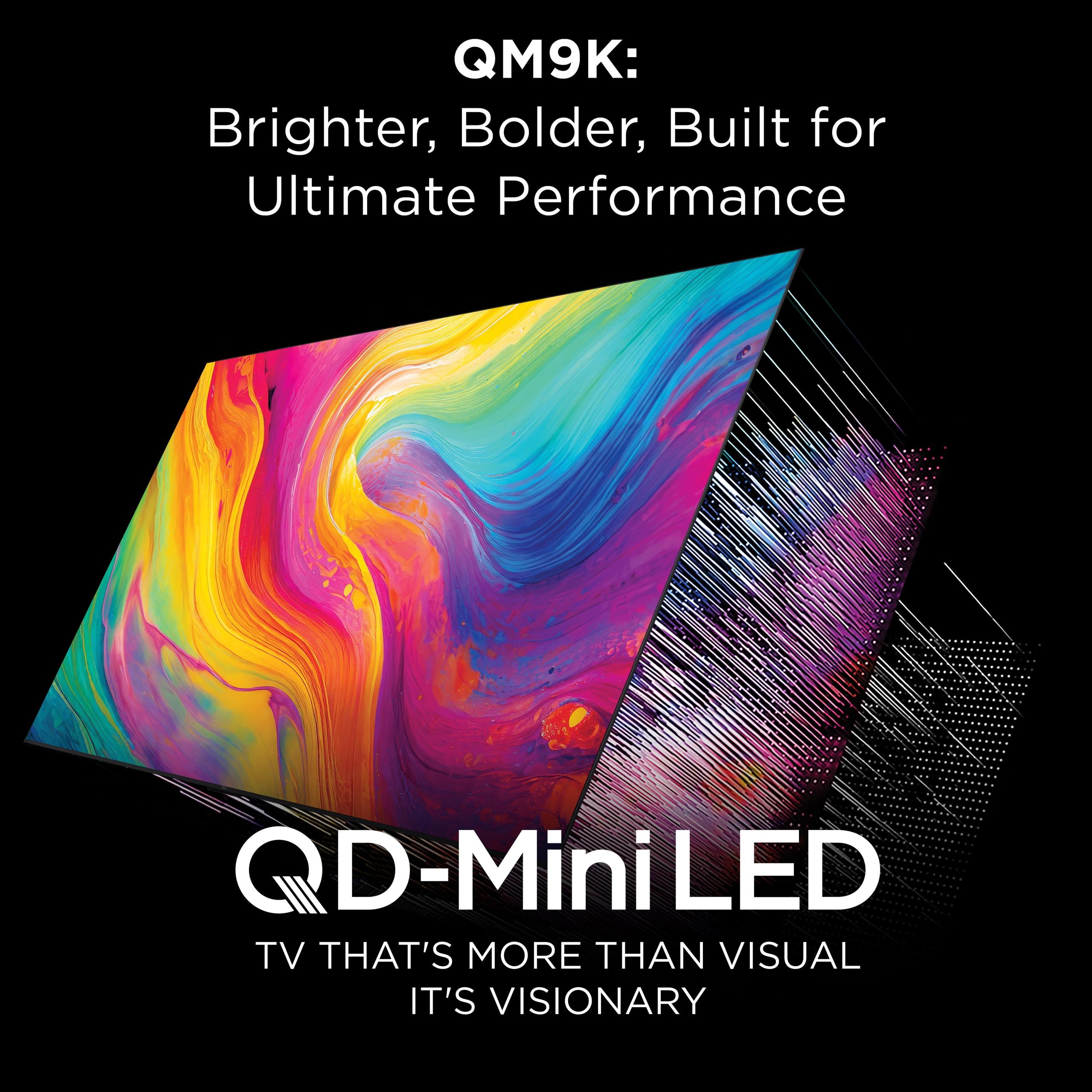
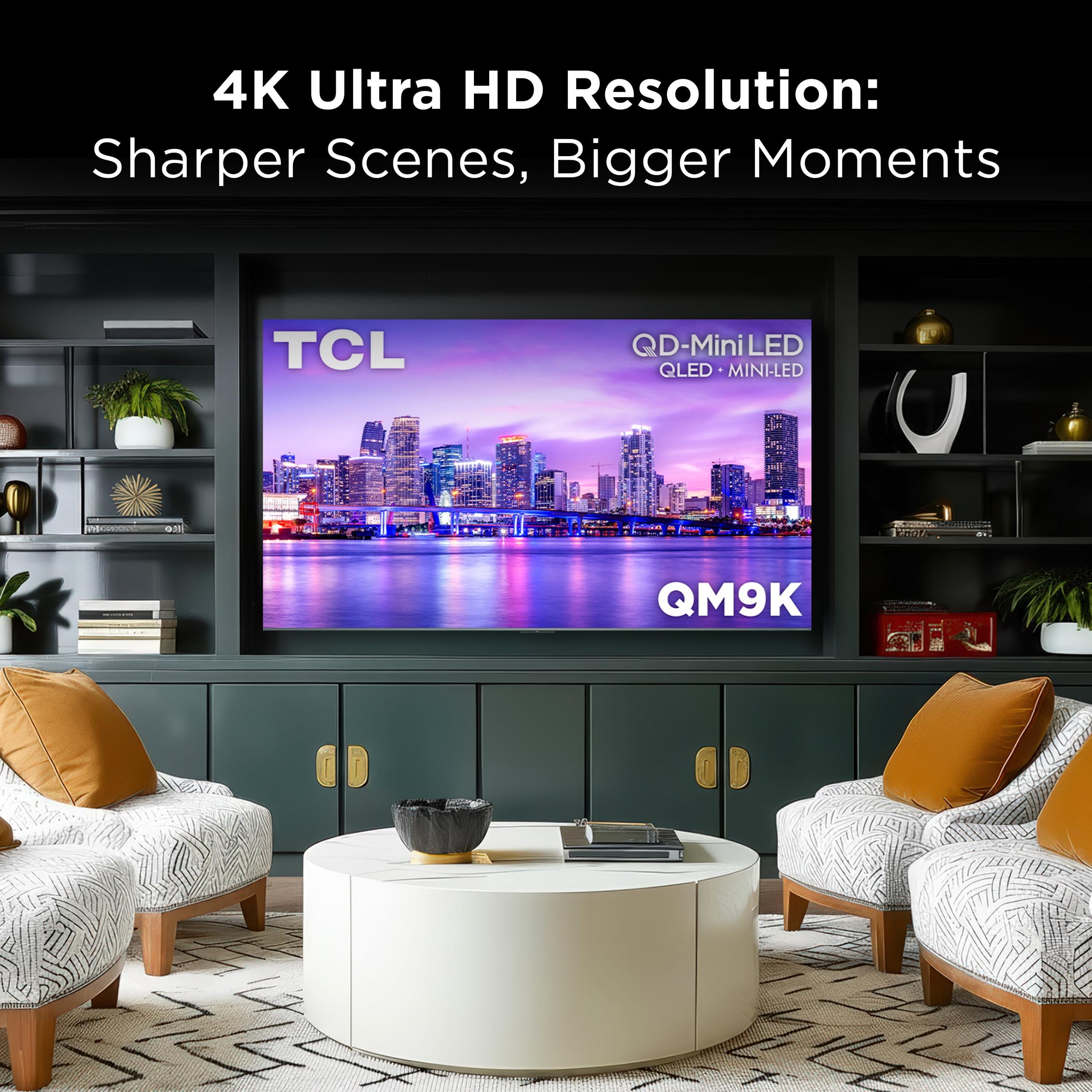
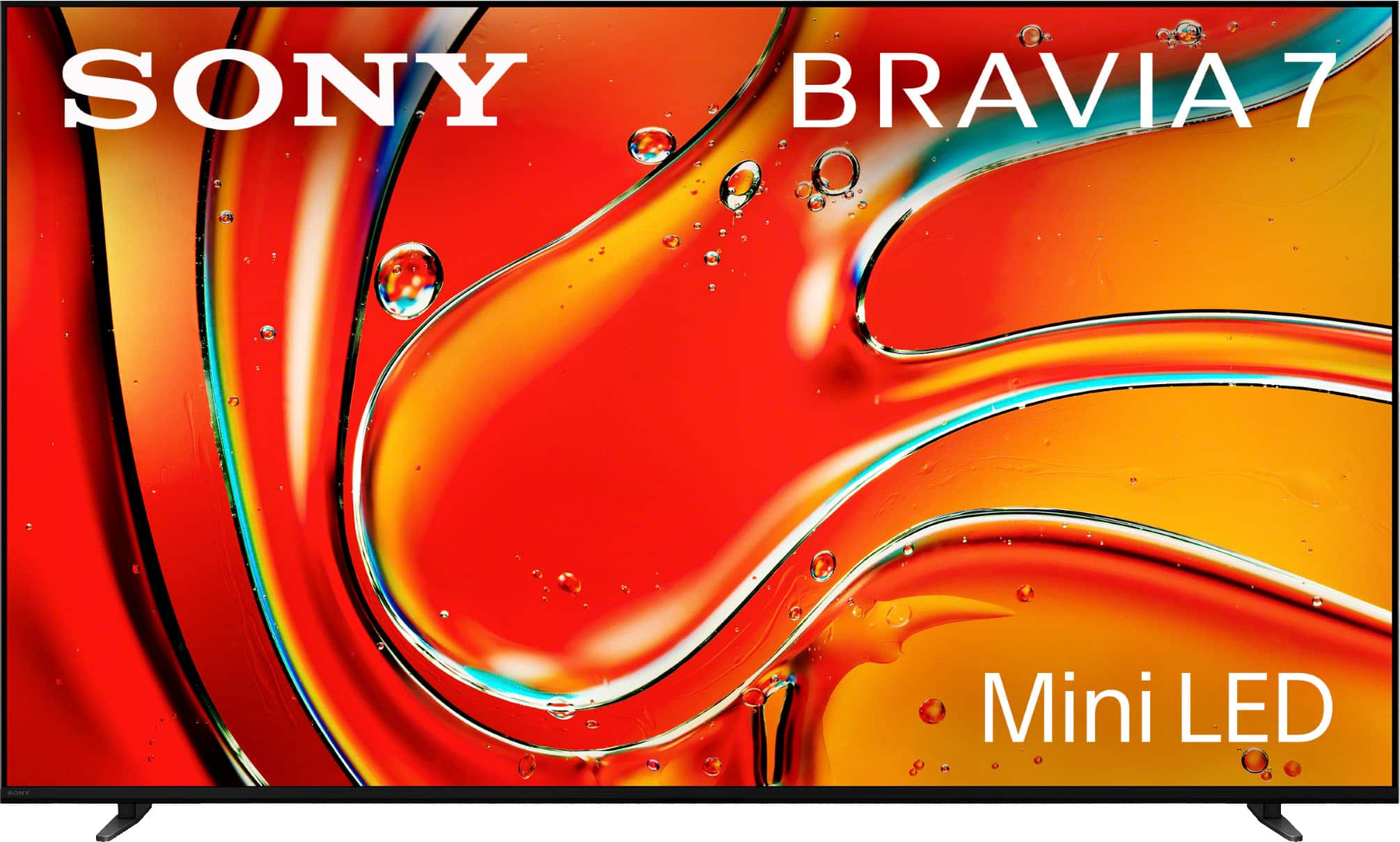
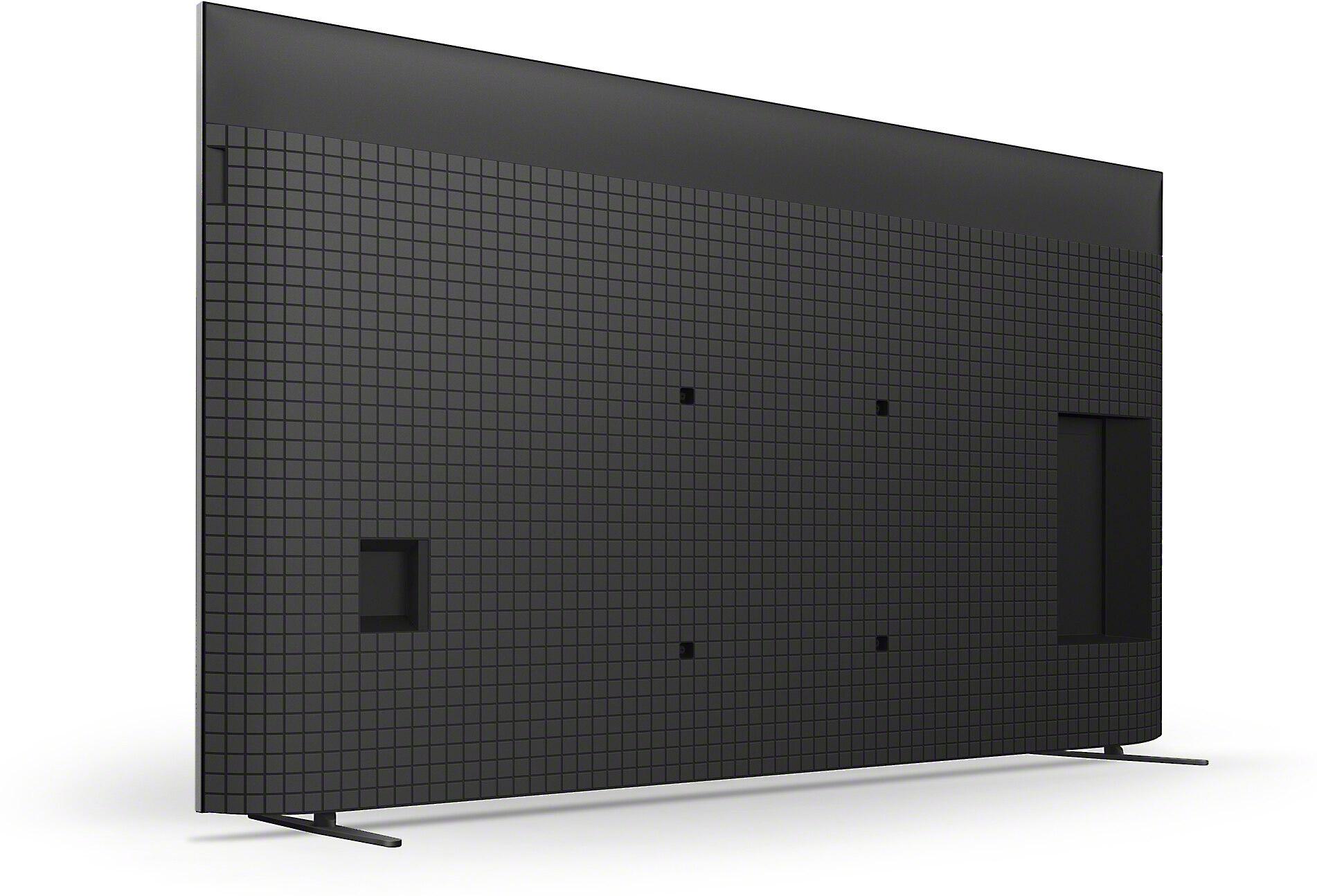
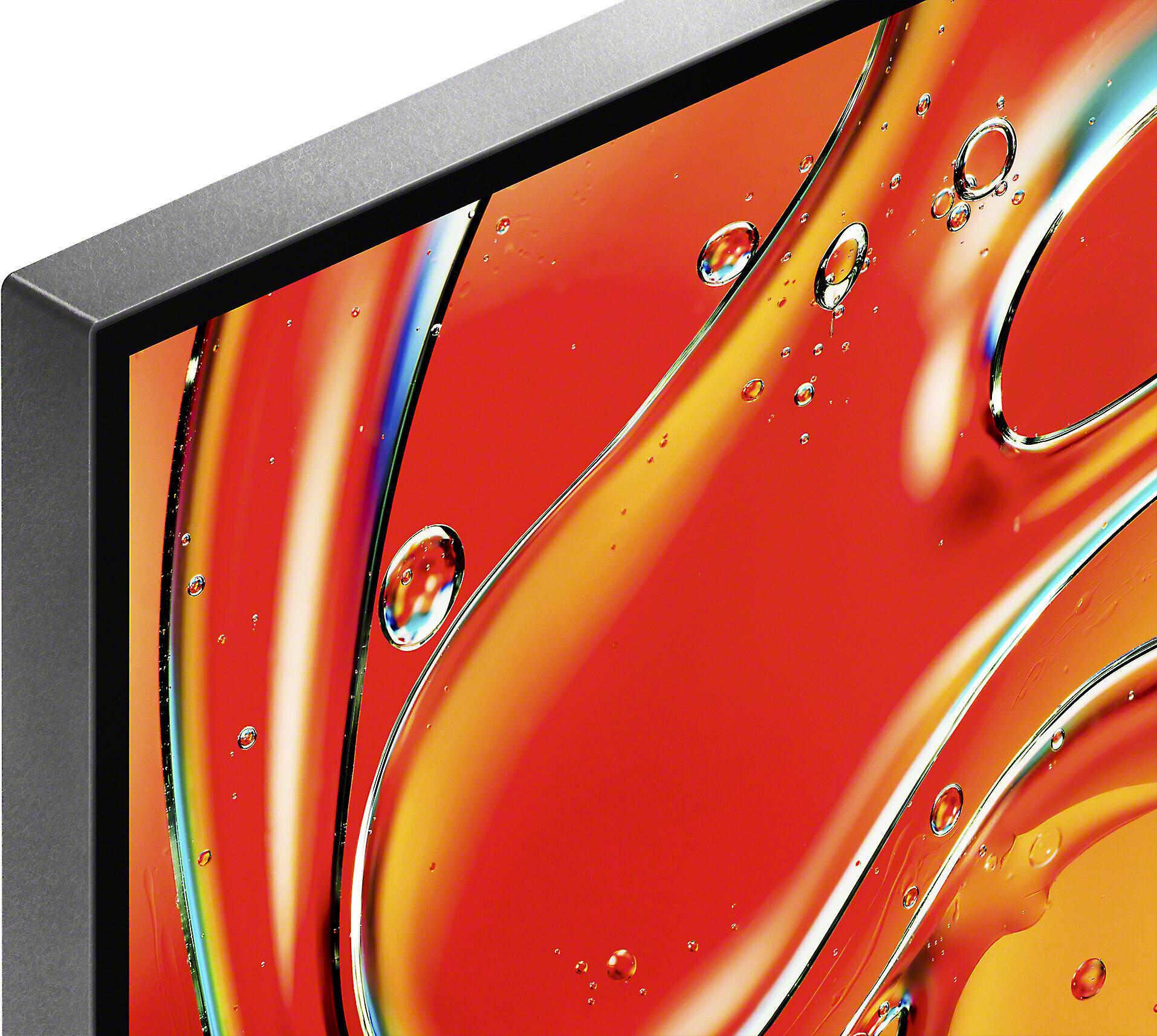
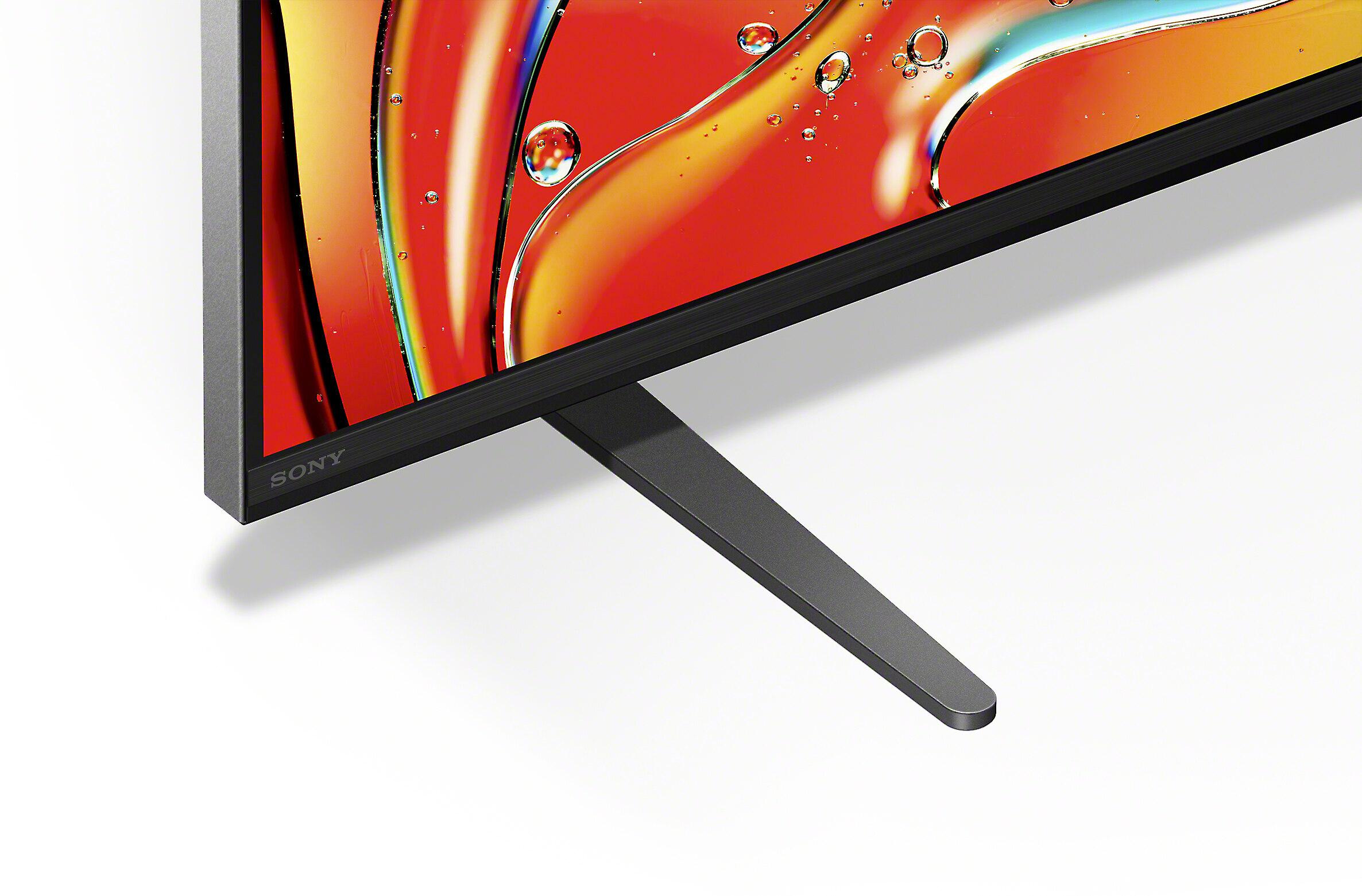
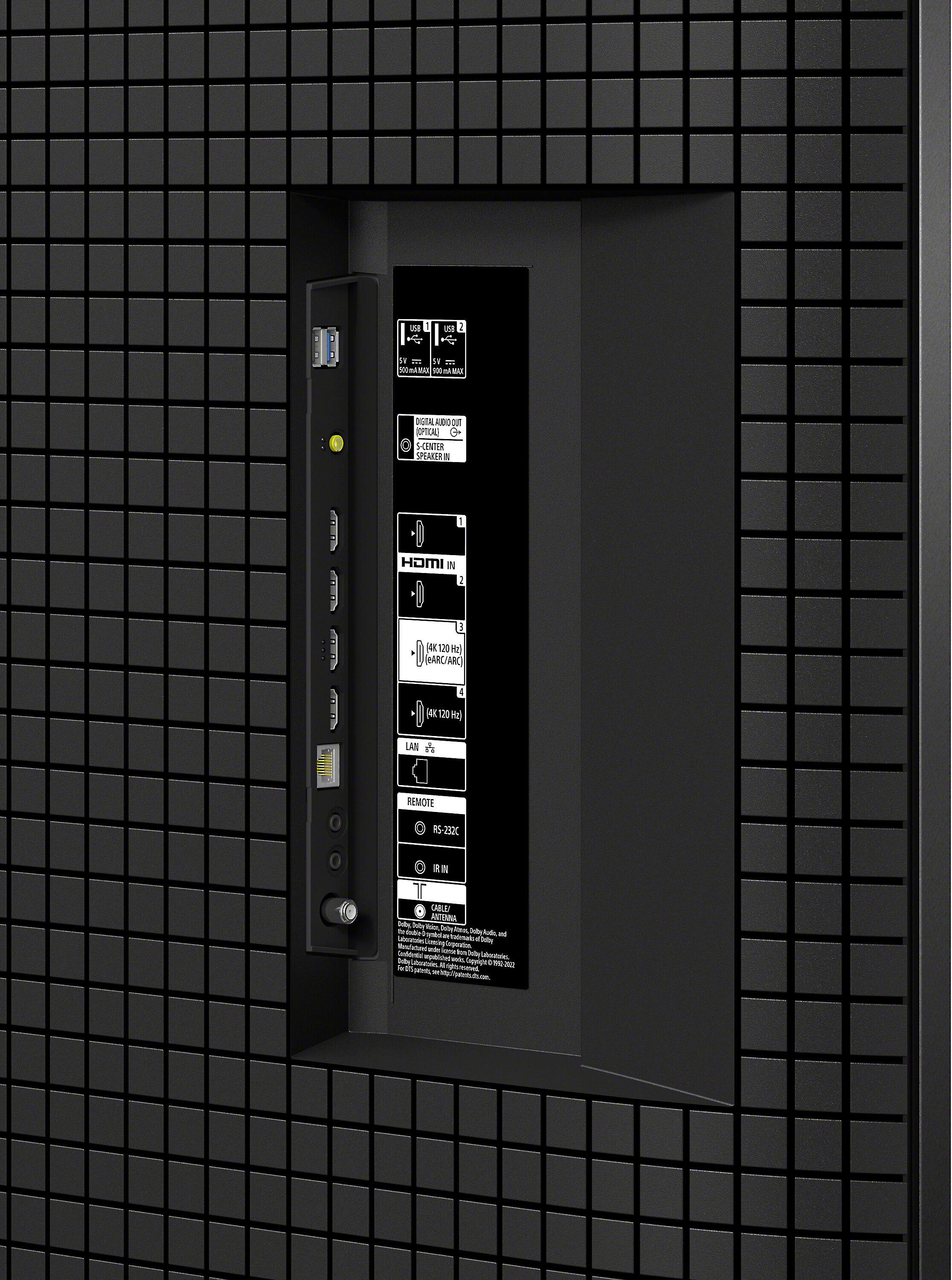
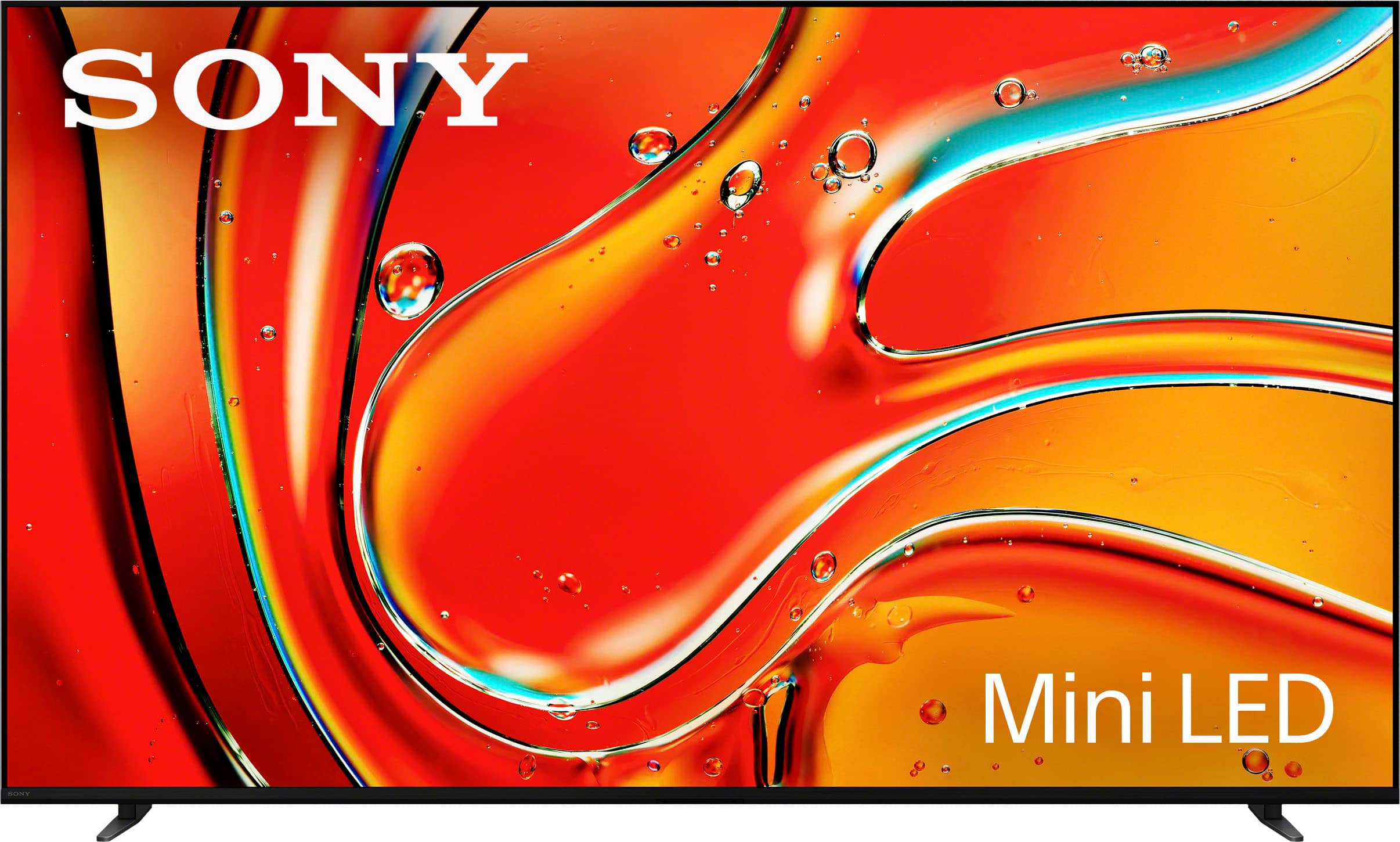
If you're shopping for a premium 65-inch TV and have around $1,400-$1,500 to spend (at the time of writing), you've likely encountered two standout options: the TCL QM9K and the Sony BRAVIA 7. Both represent the cutting edge of Mini LED technology, but they take notably different approaches to delivering flagship picture quality.
Before diving into the comparison, let's clarify what makes Mini LED technology special. Traditional LED TVs use relatively large LED lights behind the screen, which can cause "blooming" - unwanted light spillover around bright objects against dark backgrounds. Mini LED TVs pack thousands of tiny LEDs (some smaller than grains of rice) behind the screen, allowing for much more precise lighting control.
This precision comes through "local dimming zones" - sections of the screen that can be brightened or darkened independently. Think of it like having thousands of tiny flashlights that can turn on and off individually, rather than just a few big floodlights. The result is deeper blacks, brighter highlights, and dramatically improved contrast that rivals OLED TVs while maintaining superior brightness for daytime viewing.
The TCL QM9K launched in 2025 as TCL's flagship model, while the Sony BRAVIA 7 represents Sony's 2024 premium offering. This timing difference matters because TV technology advances rapidly - the extra year allowed TCL to implement newer processing chips and more advanced backlighting systems.
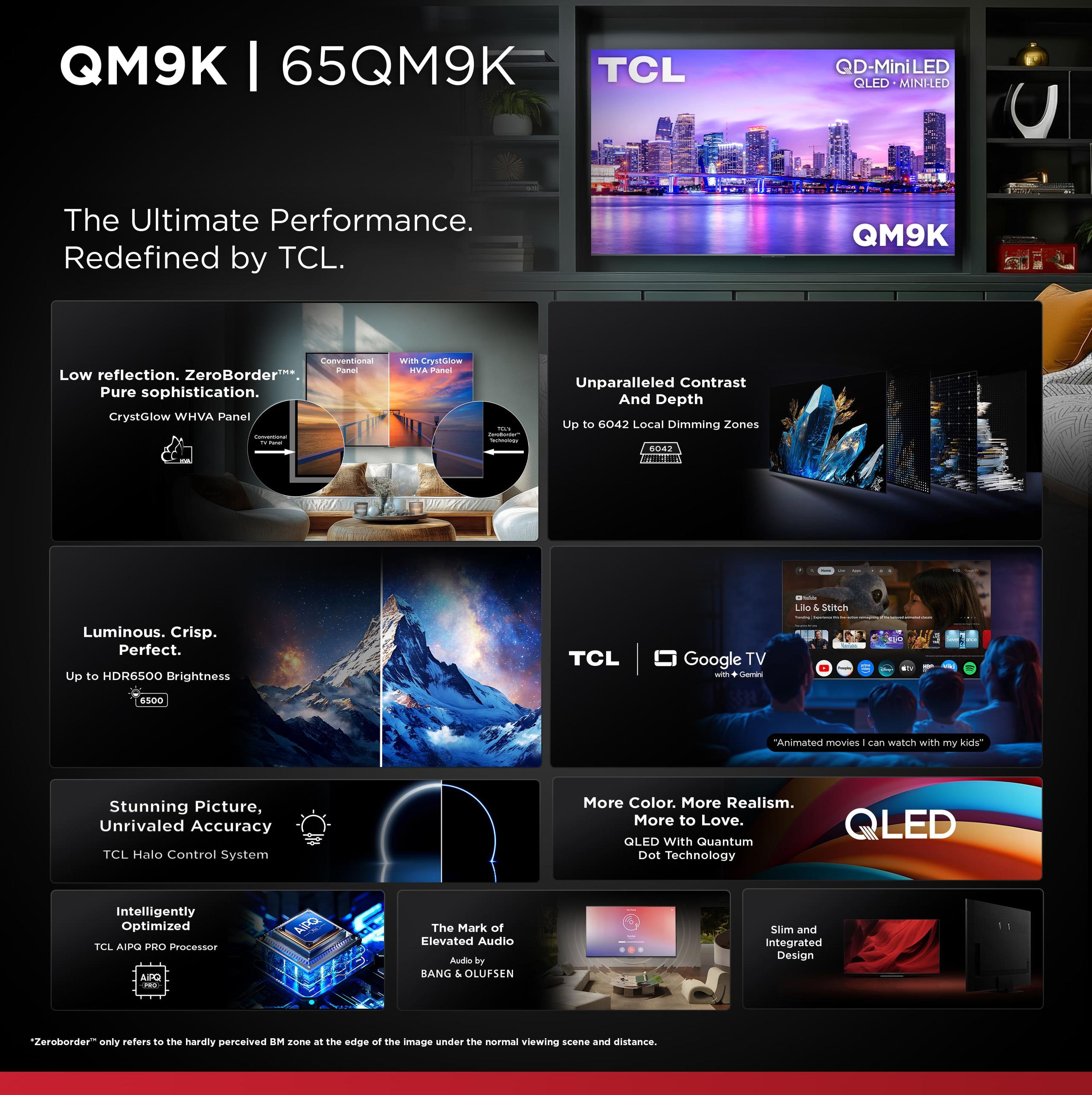
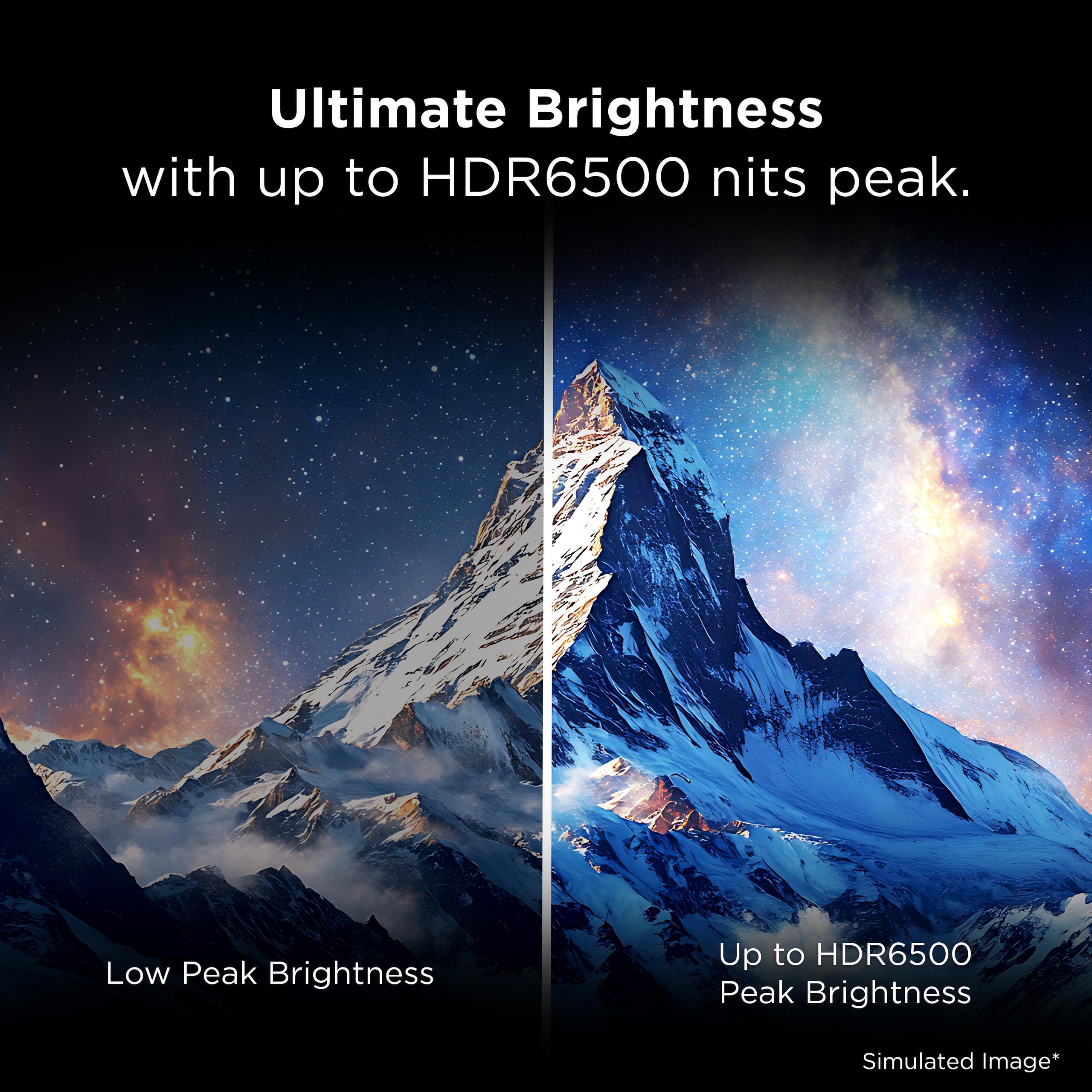
The most striking difference between these TVs is brightness capability. The TCL QM9K delivers up to 6,500 nits peak brightness through its HDR6500 system, which is genuinely exceptional. To put this in perspective, most premium TVs peak around 1,000-2,000 nits, while even flagship models rarely exceed 4,000 nits.
This massive brightness advantage isn't just about numbers on a spec sheet. When you're watching an HDR movie scene of sunlight glinting off water or a lightsaber igniting in Star Wars, those highlights will have a physical impact that makes you squint slightly - just like real bright objects. The Sony BRAVIA 7, while still very bright for a Mini LED TV, simply can't match this intensity.
For home theater enthusiasts, this brightness difference is transformative. HDR (High Dynamic Range) content is specifically mastered to take advantage of these extreme brightness levels. Movie studios create content expecting peak highlights to reach 1,000, 4,000, or even 10,000 nits. The closer your TV gets to these mastering levels, the more accurately it reproduces the creator's intent.
The brightness advantage also extends to daytime viewing. If your living room has large windows or bright overhead lighting, the TCL QM9K will maintain vivid colors and deep contrast even in challenging lighting conditions. The Sony, while capable in bright rooms, may appear slightly washed out by comparison.
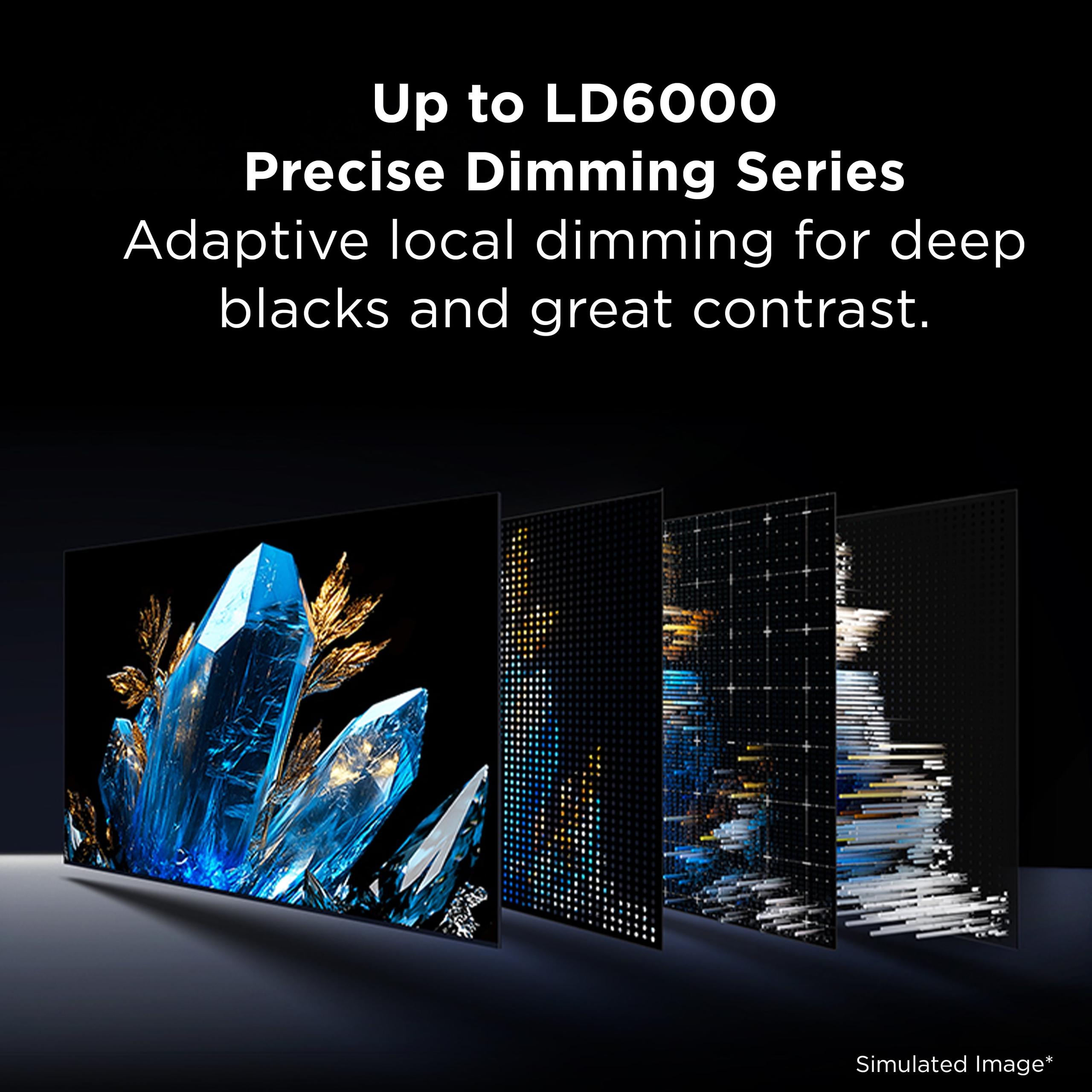
The TCL QM9K features up to 6,000 local dimming zones through its "Precise Dimming" system. Each zone can be controlled independently, allowing the TV to create incredibly detailed lighting maps for each frame of content. The Sony BRAVIA 7 uses full-array local dimming but doesn't specify its zone count, though it's likely significantly lower based on typical Sony implementations.
More zones translate directly to better picture quality. Imagine watching a night scene where a character holds a torch in a dark cave. With thousands of zones, the TCL can illuminate just the torch and its immediate surroundings while keeping the rest of the cave pitch black. Fewer zones would require illuminating larger sections, creating unwanted light spillover or "blooming" around bright objects.
TCL's "Halo Control System" specifically addresses this blooming issue through advanced algorithms that predict and minimize light bleed. Based on user reports and expert evaluations, this system works remarkably well, delivering clean edges around bright objects even in challenging content.
Here's where the TVs diverge philosophically. The Sony BRAVIA 7 emphasizes color accuracy through its XR Triluminos Pro technology and studio-calibrated picture modes. Sony has partnerships with content creators, offering specific picture modes optimized for Netflix, Prime Video, and Sony Pictures content. These modes ensure you're seeing colors exactly as the director intended.
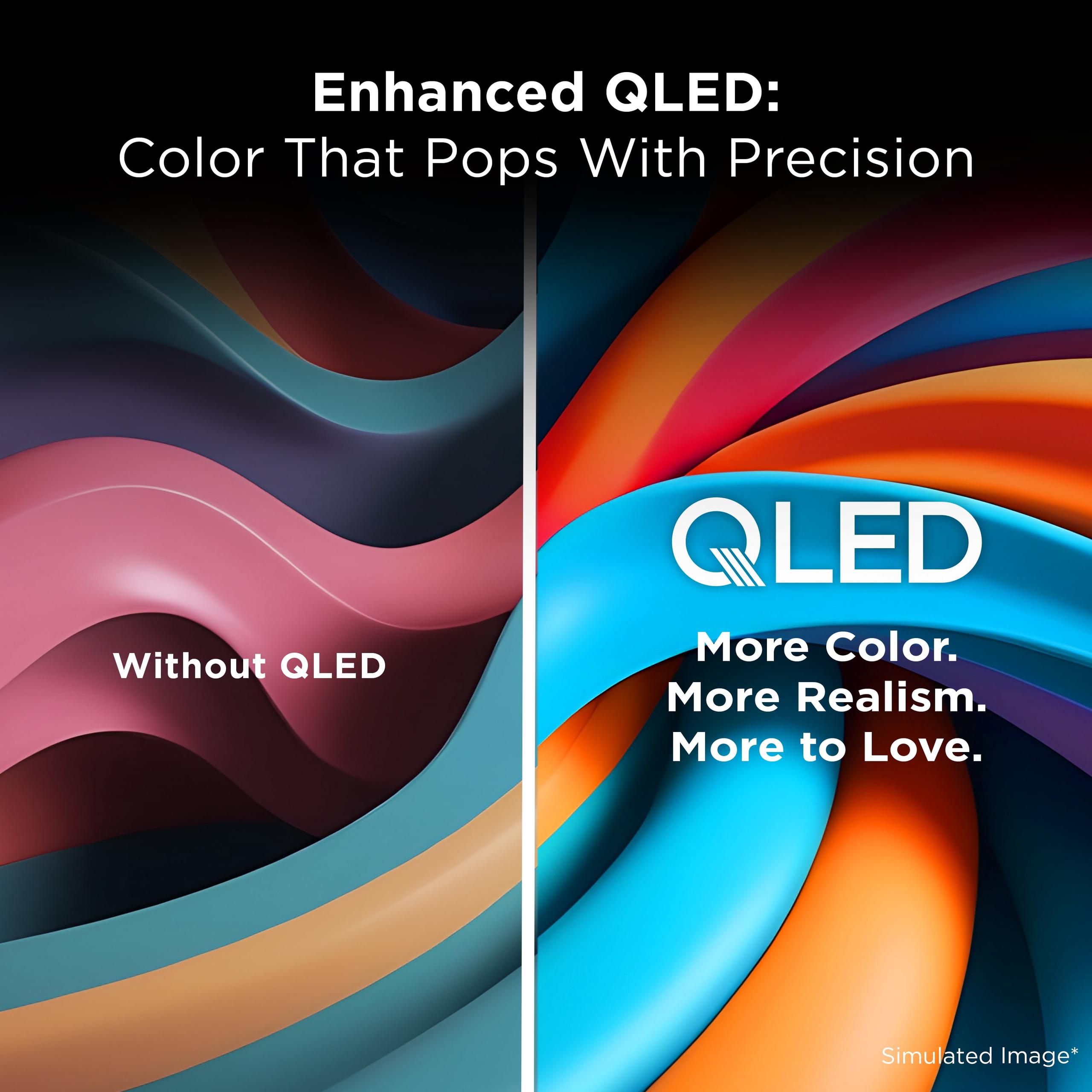
The TCL QM9K, with its Enhanced QLED technology covering 97% of the DCI-P3 color space, prioritizes color volume and vibrancy. Colors appear more saturated and punchy, which many viewers find more engaging, especially for sports and gaming. However, expert reviews note that out-of-the-box color accuracy requires calibration for truly critical viewing.
This represents a classic choice between impact and accuracy. The Sony delivers more natural, film-like colors that work beautifully for movies and serious content. The TCL provides more vivid, Instagram-like colors that pop off the screen but may not perfectly match the creator's original vision.
Sony's Cognitive Processor XR represents decades of image processing refinement. It analyzes content in real-time, adjusting contrast, color, and clarity based on what it "sees" in each scene. This processing particularly shines when upscaling lower-resolution content - turning 1080p Netflix shows into something approaching 4K quality.
The TCL QM9K uses its AIPQ PRO processor for AI-enhanced optimization, but expert reviews suggest Sony's processing feels more mature and consistent. The Sony handles motion more naturally, while the TCL sometimes shows artifacts in complex scenes. For viewers who watch a lot of streaming content (where compression and varying quality are common), Sony's processing advantage becomes more apparent.
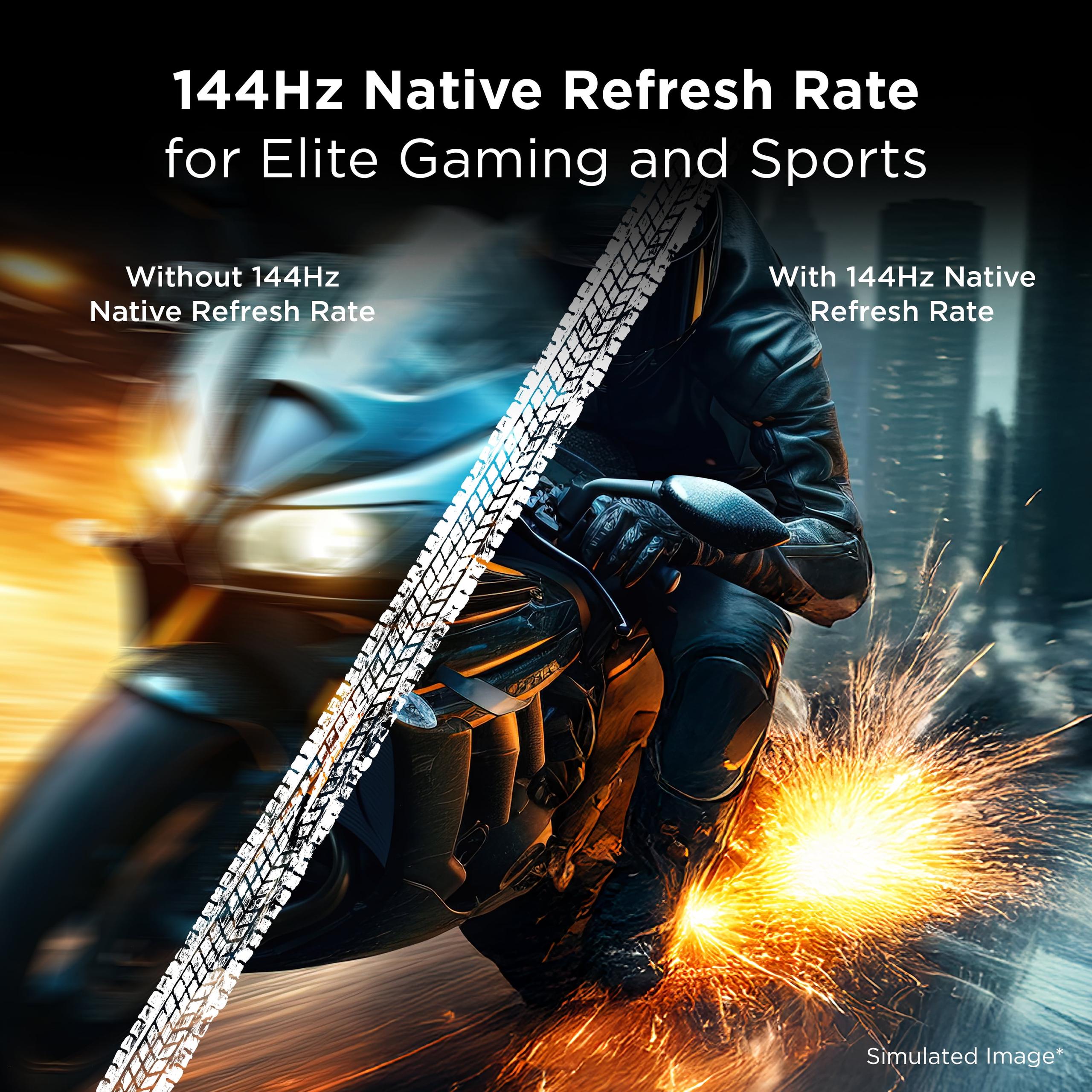
Gaming represents the TCL QM9K's clearest advantage. Its 144Hz native refresh rate versus the Sony's 120Hz might seem like a small difference, but it's significant for competitive gaming. Higher refresh rates reduce motion blur and provide smoother, more responsive gameplay.
The TCL's "Game Accelerator 288" technology pushes this further, supporting up to 288Hz variable refresh rate in 1080p and 1440p modes. This extreme refresh rate practically eliminates motion blur in fast-paced games like first-person shooters or racing games.
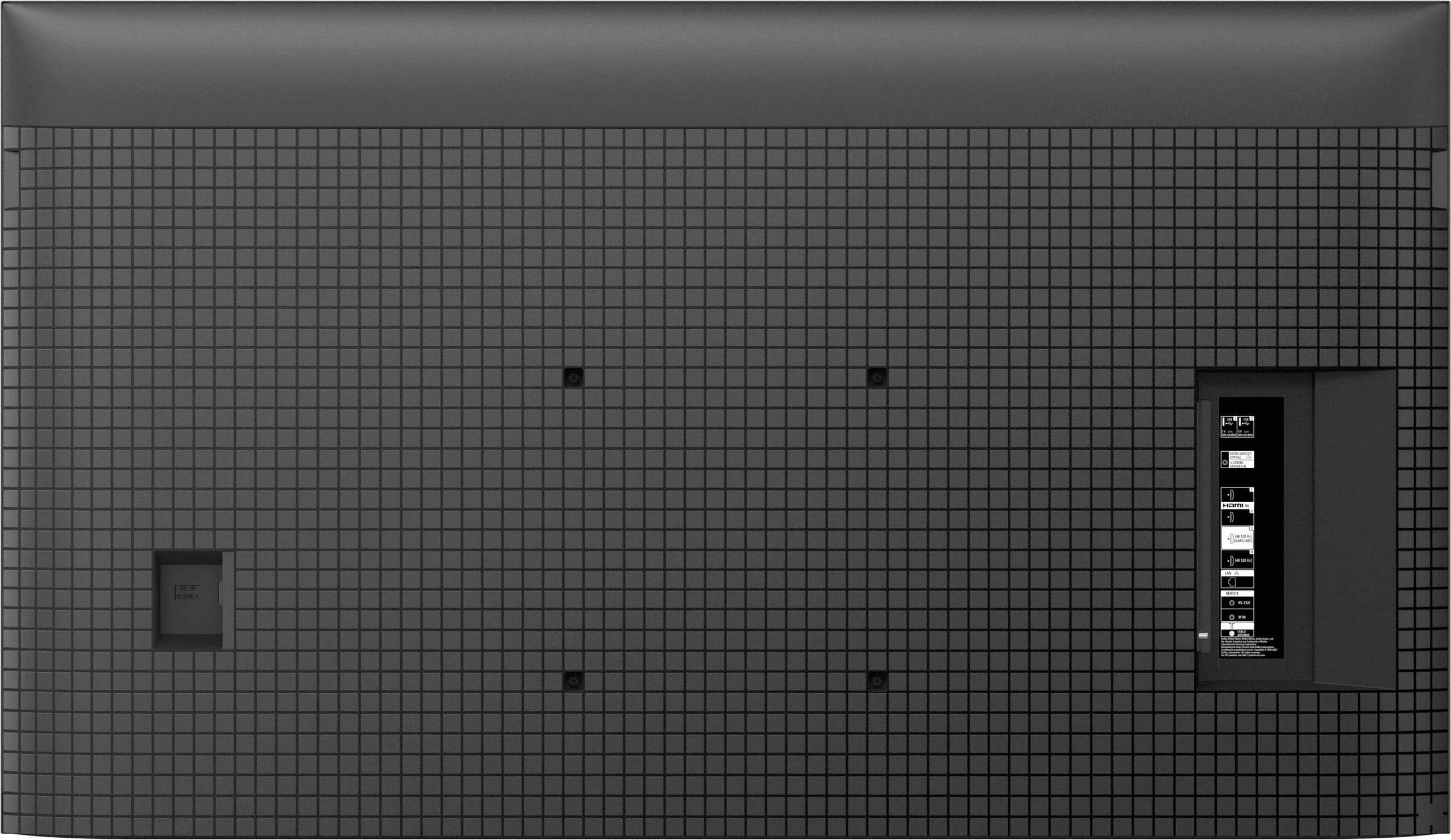
Both TVs support modern gaming features like HDMI 2.1, Variable Refresh Rate (VRR), and Auto Low Latency Mode (ALLM). VRR synchronizes the TV's refresh rate with your console's output, eliminating screen tearing. ALLM automatically switches the TV to its lowest-latency gaming mode when it detects a gaming signal.
Input lag - the delay between pressing a controller button and seeing the result on screen - is crucial for competitive gaming. The TCL QM9K achieves an excellent 5.3ms input lag, while the Sony BRAVIA 7 delivers sub-8.5ms performance. Both are imperceptible to human perception and excellent for gaming.
However, pixel response times tell a different story. Response time measures how quickly pixels can change from one color to another. Reviews indicate the TCL has slower response times, particularly in dark-to-bright transitions, creating motion blur around fast-moving objects. The Sony's processing helps minimize these artifacts.
For casual gaming, both TVs perform excellently. For competitive esports or fast-action games where every millisecond matters, the TCL's higher refresh rates outweigh its response time limitations.
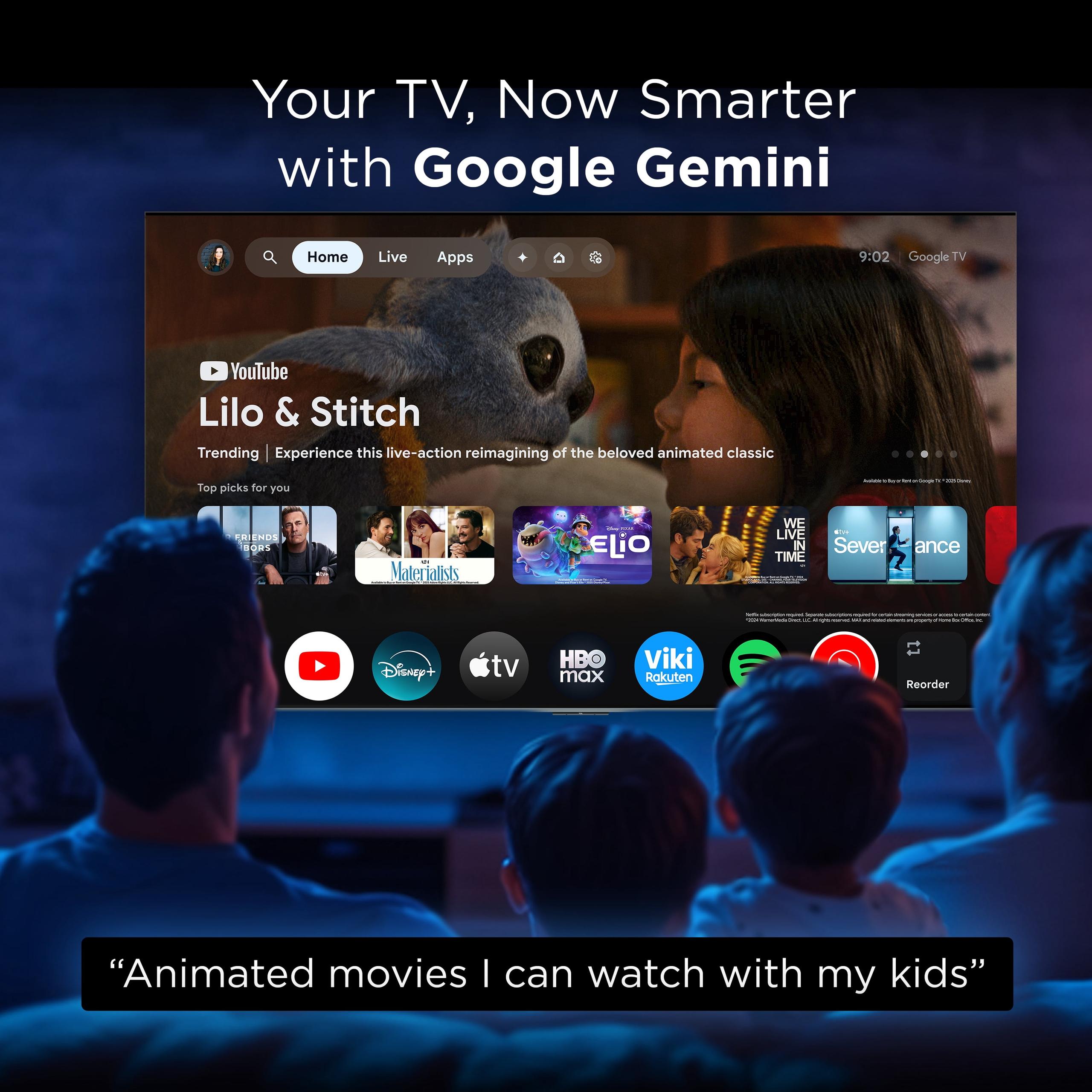
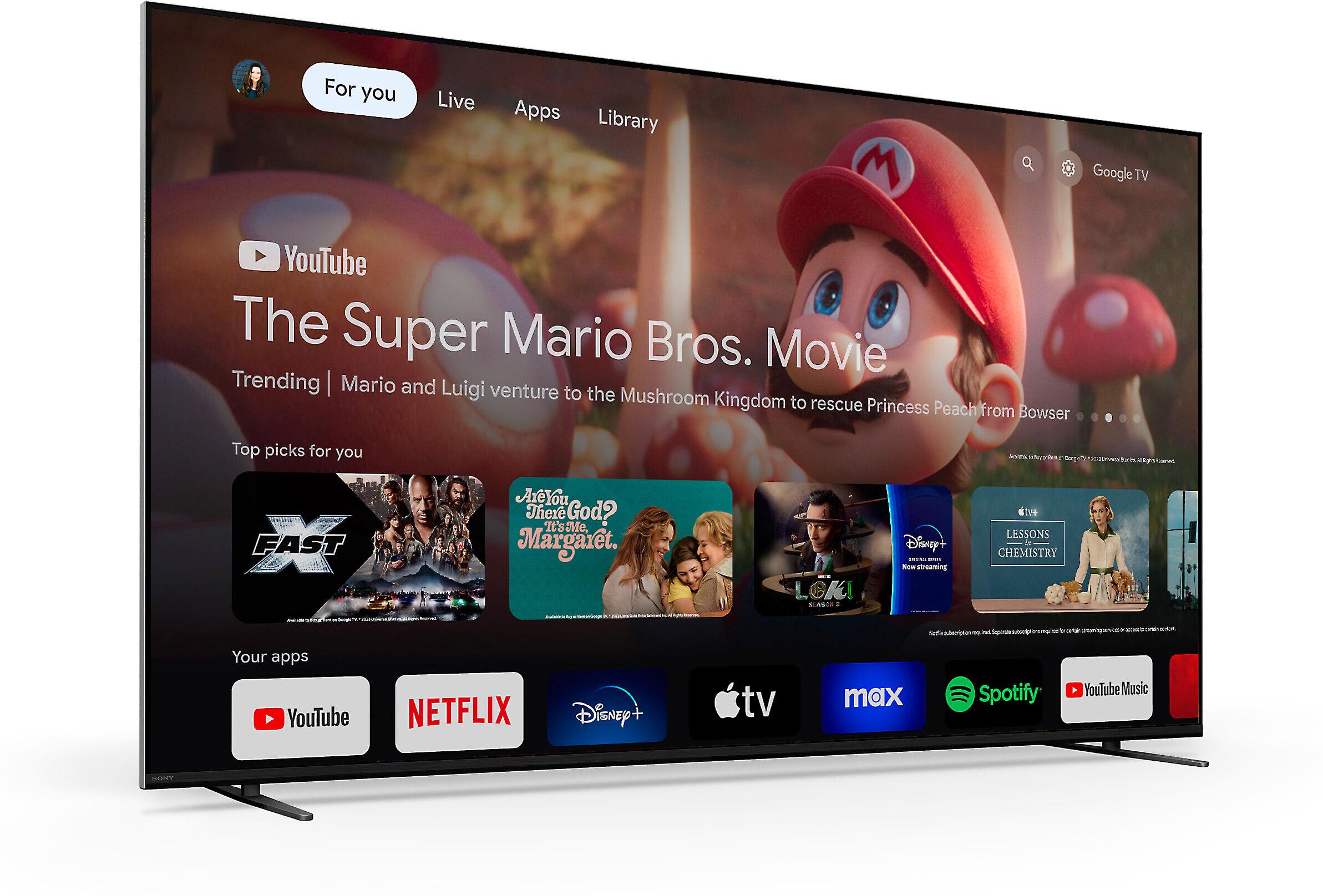
Both TVs run Google TV, providing access to all major streaming services with intuitive navigation and personalized recommendations. However, the TCL QM9K includes Google Gemini AI integration, offering more sophisticated voice control and contextual search capabilities.
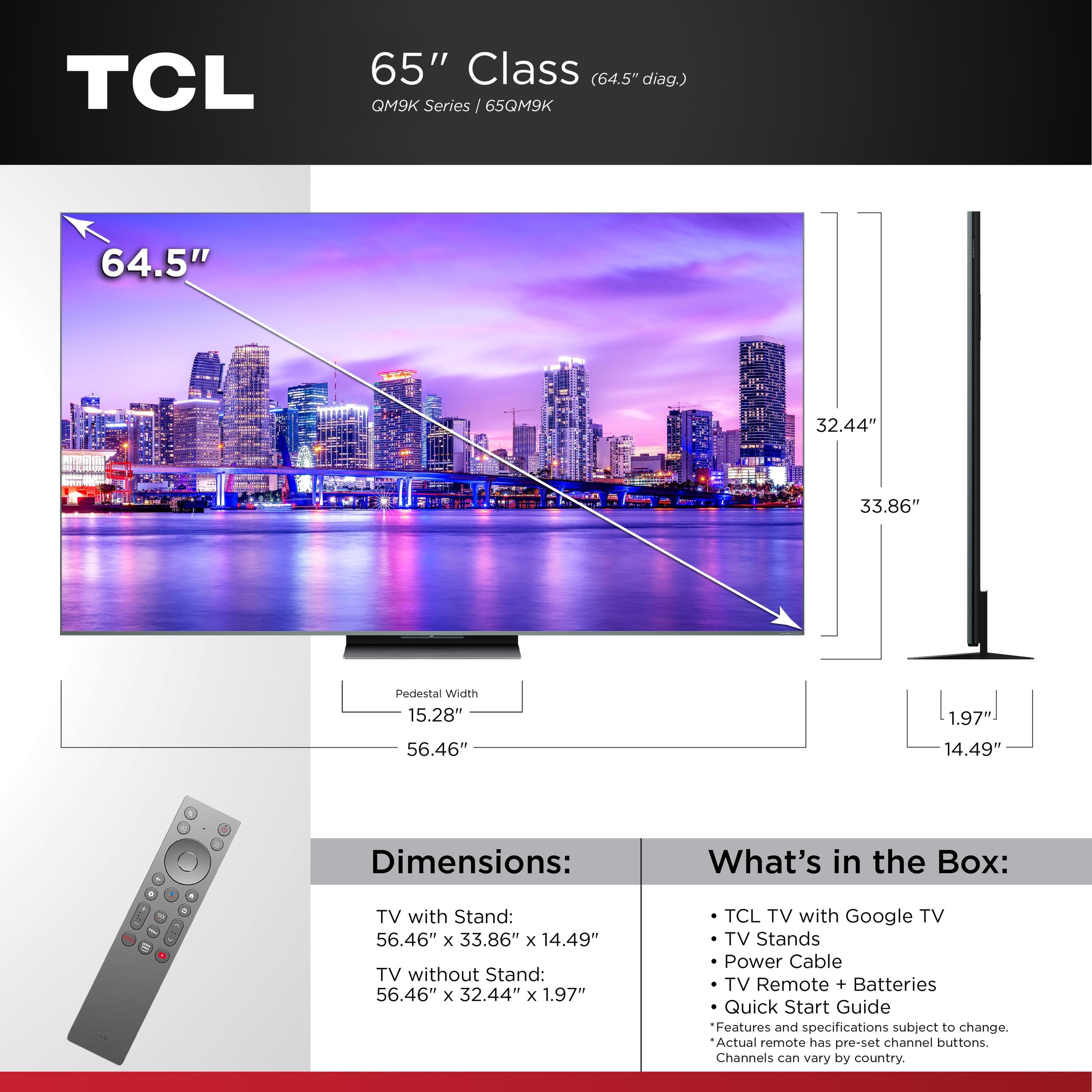
The TCL's "Presence Sensor" automatically detects when you're near the TV, turning it on and displaying ambient information or screensavers. While this might seem gimmicky, it's surprisingly useful for checking time, weather, or notifications without fully powering on the TV.
The Sony BRAVIA 7 compensates with more polished app performance and content curation. Sony's long-standing relationships with streaming services often result in better optimization and exclusive features within apps.
Audio represents another philosophical difference. The TCL QM9K features audio tuned by Bang & Olufsen with a 2.1.1 channel system including a dedicated subwoofer. This configuration provides richer bass response and more immersive sound, particularly beneficial for action movies and gaming.
The Sony BRAVIA 7 uses "Acoustic Multi-Audio" technology with positioning tweeters designed to match sound location with visual elements on screen. This creates a more spatially accurate soundstage, though with less bass impact than the TCL.
Both TVs support Dolby Atmos for object-based surround sound, but serious home theater enthusiasts will likely add a dedicated sound system regardless of the TV's built-in audio capabilities.
Sony has earned a reputation for long-term reliability and consistent software updates. Their TVs typically receive major Android/Google TV updates for 3-4 years, with security patches extending even longer. This track record provides confidence for buyers planning to keep their TV for many years.
TCL, while improving rapidly, has a shorter premium TV history. The QM9K represents their most advanced model to date, but long-term support patterns remain unproven. However, TCL's aggressive pricing and feature inclusion suggest strong commitment to the premium market.
At the time of writing, both TVs occupy similar price ranges, with the TCL QM9K commanding a slight premium over the Sony BRAVIA 7. This pricing makes the comparison particularly interesting - you're essentially choosing between Sony's established refinement and TCL's cutting-edge specifications.
From a pure specifications perspective, the TCL offers significantly more advanced hardware. The brightness advantage alone represents a generational leap, while the higher refresh rates and advanced gaming features provide future-proofing for next-generation gaming.
However, value extends beyond specifications. Sony's processing refinement, color accuracy, and brand reliability add intangible value that's harder to quantify but important for long-term satisfaction.
For gaming enthusiasts and tech-forward users, the TCL QM9K is the clear choice. Its 144Hz refresh rate, extreme brightness, and advanced gaming features provide a more future-proof experience. The visual impact of HDR content on this display is genuinely impressive, making it ideal for viewers who want the most impactful picture possible.
Home theater purists and movie lovers should lean toward the Sony BRAVIA 7. Its superior processing, accurate colors, and studio-calibrated modes ensure content appears as creators intended. The more natural motion handling and refined upscaling benefit viewers who prioritize accuracy over impact.
For bright living rooms, the TCL's extreme brightness provides a significant advantage. If your viewing environment includes large windows or bright lighting, the TCL will maintain picture quality where other TVs might appear washed out.
Budget-conscious buyers should consider that while both TVs are premium-priced, the TCL QM9K offers more cutting-edge technology for a similar investment. However, the Sony BRAVIA 7's proven reliability might provide better long-term value for conservative buyers.
The choice ultimately depends on your priorities. Do you want the most impressive, eye-catching display with cutting-edge gaming capabilities? Choose the TCL QM9K. Do you prefer refined, accurate picture quality with proven reliability? The Sony BRAVIA 7 delivers exactly that.
Both represent excellent choices in the premium Mini LED category, but they serve different philosophies about what makes a perfect TV. Your viewing habits, room environment, and personal preferences will determine which approach better suits your needs.
| TCL 65" QM9K QD-Mini LED Smart TV | Sony BRAVIA 7 65" 4K UHD Smart Google TV |
|---|---|
| Peak Brightness - Critical for HDR impact and bright room viewing | |
| Up to 6,500 nits (HDR6500) - exceptional for any lighting condition | Full-array local dimming (nits unspecified) - good but likely under 2,000 nits |
| Local Dimming Zones - Controls contrast precision and blooming reduction | |
| Up to 6,000 zones (LD6000 Precise Dimming) - industry-leading precision | Full-array local dimming (zone count unspecified) - effective but fewer zones |
| Native Refresh Rate - Determines gaming smoothness and motion clarity | |
| 144Hz native with Game Accelerator 288 (up to 288Hz VRR) - best-in-class gaming | 120Hz with XR Motion Clarity - excellent for most users |
| Input Lag - Critical for competitive gaming responsiveness | |
| 5.3ms (outstanding for gaming) | Sub-8.5ms (excellent for gaming) |
| Color Technology - Affects vibrancy vs accuracy balance | |
| Enhanced QLED, 97% DCI-P3 coverage (vibrant, punchy colors) | QLED with XR Triluminos Pro (accurate, natural colors) |
| Image Processing - Impacts upscaling and content optimization | |
| AIPQ PRO Processor (good AI enhancement) | Cognitive Processor XR (superior processing and upscaling) |
| Smart TV Platform - User experience and app performance | |
| Google TV with Google Gemini AI integration | Google TV with refined app optimization |
| Audio System - Built-in sound quality without external speakers | |
| Bang & Olufsen tuned, 2.1.1 channel with subwoofer | Acoustic Multi-Audio with positioning tweeters |
| Studio Calibration - Ensures content appears as creators intended | |
| Standard picture modes (requires manual calibration) | Netflix, Prime Video, and Sony Pictures calibrated modes |
| Gaming Features - Modern console compatibility and performance | |
| HDMI 2.1, VRR, ALLM, AMD FreeSync Premium Pro | HDMI 2.1, VRR, ALLM, PlayStation 5 optimization |
| Design Features - Convenience and usability improvements | |
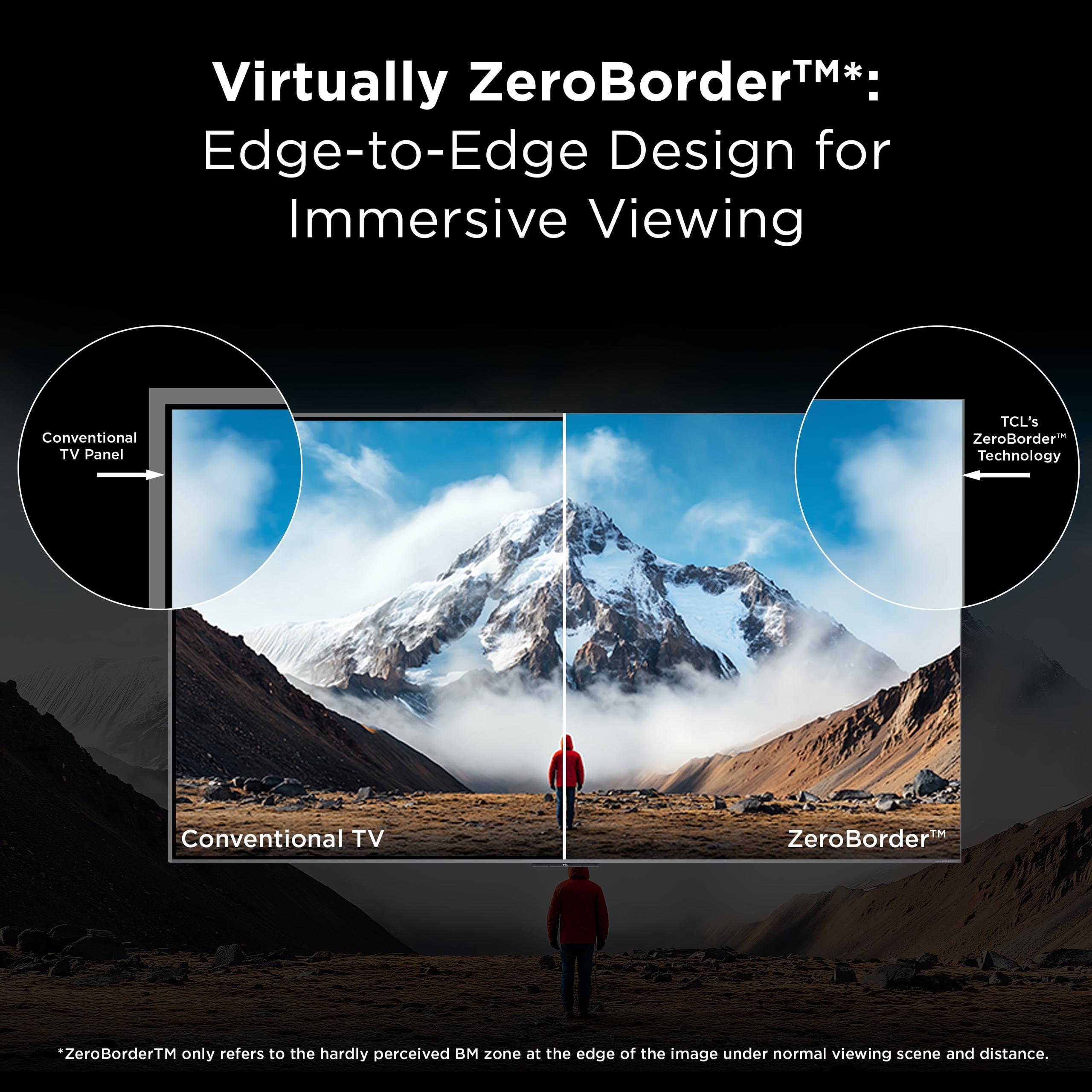
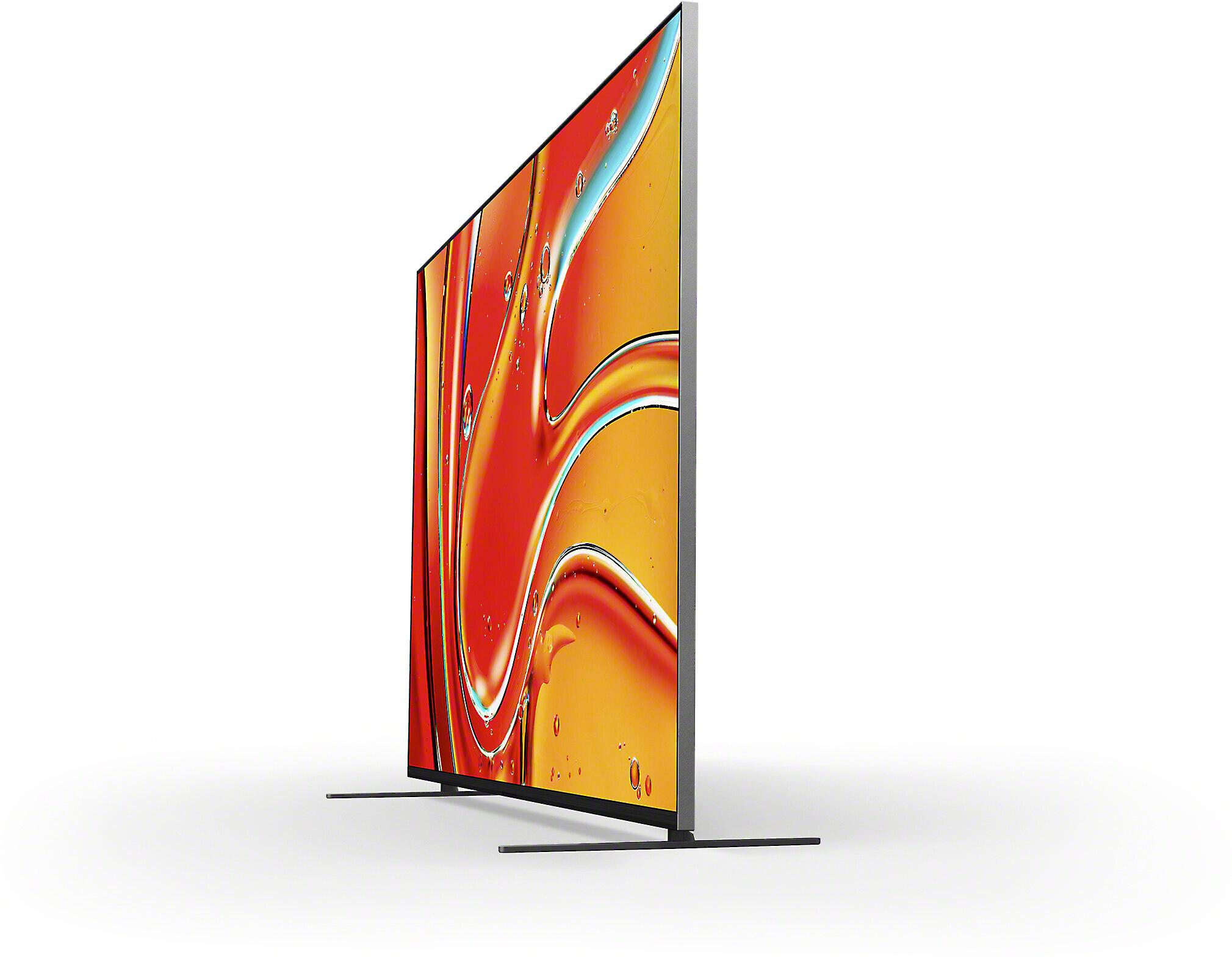
| Presence Sensor, ATSC 3.0 tuner, ultra-slim design | Four-way adjustable stand, premium build quality |
| Brand Track Record - Long-term reliability and software support | |
| Newer premium market entry (strong specs, unproven longevity) | Established premium brand (proven reliability, consistent updates) |
The TCL QM9K is superior for gaming with its 144Hz native refresh rate and Game Accelerator 288 technology supporting up to 288Hz VRR. It offers 5.3ms input lag and AMD FreeSync Premium Pro for competitive gaming. The Sony BRAVIA 7 provides excellent 120Hz gaming with PlayStation 5 optimization but can't match the TCL's higher refresh rates for PC gaming.
Picture quality depends on your priorities. The Sony BRAVIA 7 excels in color accuracy with studio-calibrated modes for Netflix and Prime Video, plus superior processing for natural-looking content. The TCL QM9K delivers more impactful visuals with up to 6,500 nits peak brightness and 6,000 local dimming zones, making HDR content more dramatic but potentially less accurate.
The TCL QM9K significantly outperforms with up to 6,500 nits peak brightness (HDR6500), making it exceptional for bright rooms and HDR content impact. The Sony BRAVIA 7 uses full-array local dimming but doesn't specify peak brightness, likely reaching around 1,000-2,000 nits - still good but not matching the TCL's extreme levels.
The TCL QM9K is clearly superior for bright rooms due to its exceptional 6,500 nits peak brightness, which overcomes ambient light and maintains vivid colors even in challenging lighting conditions. The Sony BRAVIA 7 performs well in moderate lighting but may appear washed out compared to the TCL in very bright environments.
Both run Google TV, but the TCL QM9K includes Google Gemini AI integration for enhanced voice control and a Presence Sensor for automatic on/off functionality. The Sony BRAVIA 7 offers more refined app performance and content curation. Both support major streaming services, but Sony typically provides better long-term software updates.
The TCL QM9K features Bang & Olufsen tuned audio with a 2.1.1 channel system including a dedicated subwoofer for richer bass. The Sony BRAVIA 7 uses Acoustic Multi-Audio with positioning tweeters for more spatially accurate sound. Both support Dolby Atmos, but the TCL provides more impactful audio for movies and gaming.
Both use Mini LED technology, but the TCL QM9K features more advanced implementation with up to 6,000 local dimming zones and significantly higher peak brightness. The Sony BRAVIA 7 emphasizes superior image processing through its Cognitive Processor XR for more natural content handling, while the TCL focuses on raw performance specifications.
The TCL QM9K excels for sports with its 144Hz refresh rate, Motion Rate 480 with MEMC, and exceptional brightness that maintains picture quality during daytime games. The high brightness also makes outdoor sports more realistic. The Sony BRAVIA 7 offers excellent motion processing but lower refresh rates, making the TCL better for fast-paced sports action.
The TCL QM9K leads significantly with up to 6,000 local dimming zones through its Precise Dimming technology and Halo Control System for reduced blooming. The Sony BRAVIA 7 features full-array local dimming but doesn't specify zone count, likely offering fewer zones. More zones mean better contrast control and reduced light spillover around bright objects.
Value depends on priorities, but the TCL QM9K typically offers more cutting-edge specifications including higher brightness, more dimming zones, and faster refresh rates. The Sony BRAVIA 7 provides better processing, proven reliability, and accurate colors. For tech enthusiasts wanting maximum performance, the TCL delivers more advanced hardware for similar pricing.
Both work well for home theaters, but serve different preferences. The Sony BRAVIA 7 excels with accurate colors, studio-calibrated modes, and natural motion processing preferred by movie purists. The TCL QM9K delivers more dramatic impact with extreme brightness and contrast that makes HDR content more spectacular, though potentially less accurate to filmmaker intent.
Sony has a stronger track record for long-term reliability and consistent software updates, typically supporting TVs for 3-4 years with major updates. The TCL QM9K represents TCL's most advanced model but the brand has less premium TV history. For buyers prioritizing longevity, the Sony BRAVIA 7 offers more proven reliability, while the TCL provides newer technology with unproven long-term support.
We've done our best to create useful and informative comparisons to help you decide what product to buy. Our research uses advanced automated methods to create this comparison and perfection is not possible - please contact us for corrections or questions. These are the sites we've researched in the creation of this article: rtings.com - bestbuy.com - youtube.com - youtube.com - youtube.com - techaeris.com - displayspecifications.com - pcrichard.com - residentialsystems.com - us.tcl.com - displayspecifications.com - valueelectronics.com - woodruffappliance.com - tcl.com - pcrichard.com - tcl.com - techradar.com - tcl.com - us.tcl.com - youtube.com - youtube.com - bestbuy.com - youtube.com - bestbuy.com - bestbuy.com - avsforum.com - avsforum.com - crutchfield.com - sony.com - rtings.com - schaeferstv.com - youtube.com - displayspecifications.com

Privacy Policy
Terms and Conditions - Affiliate Policy
Home Security
© Copyright 2008-2026.
11816 Inwood Rd #1211, Dallas, TX 75244