

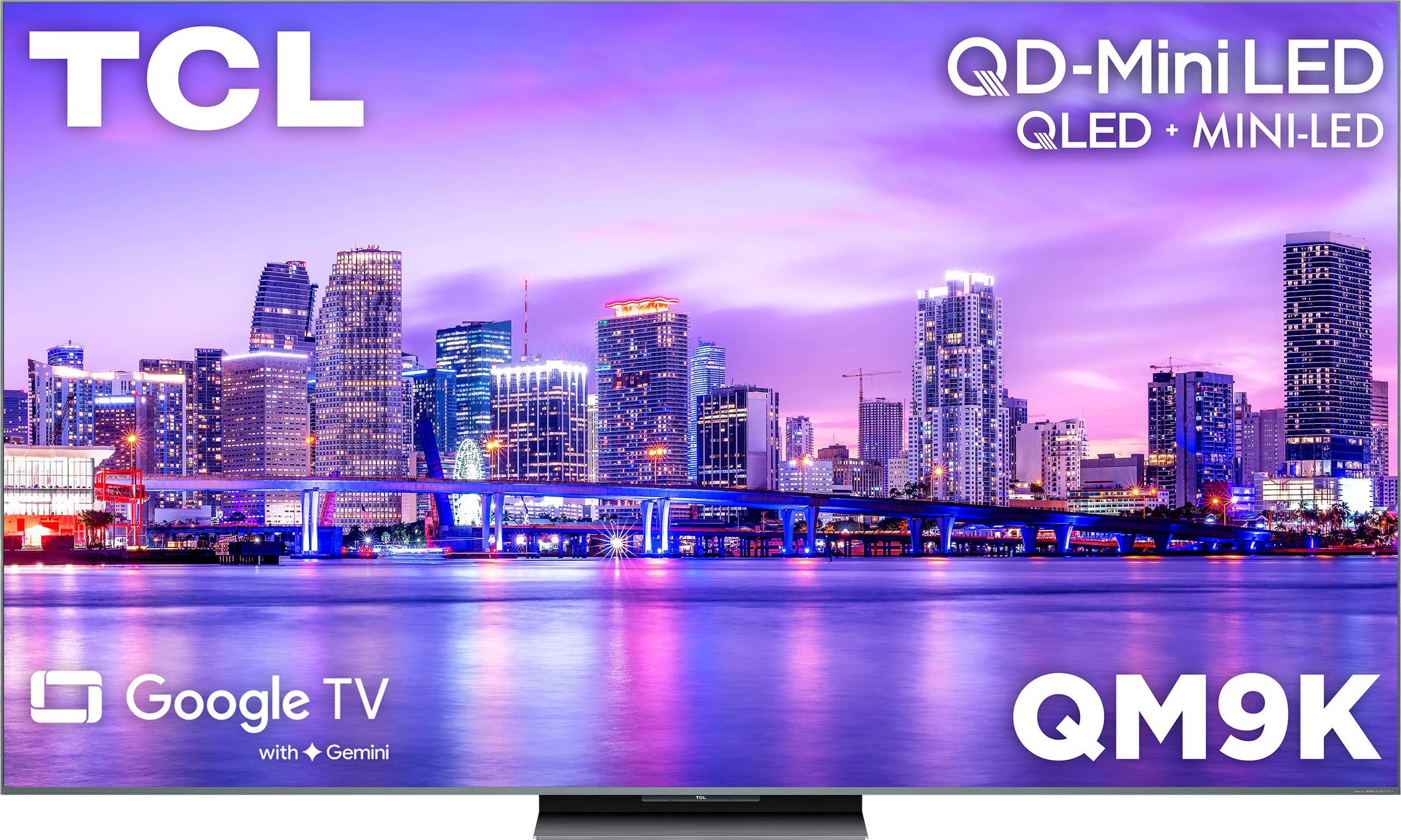

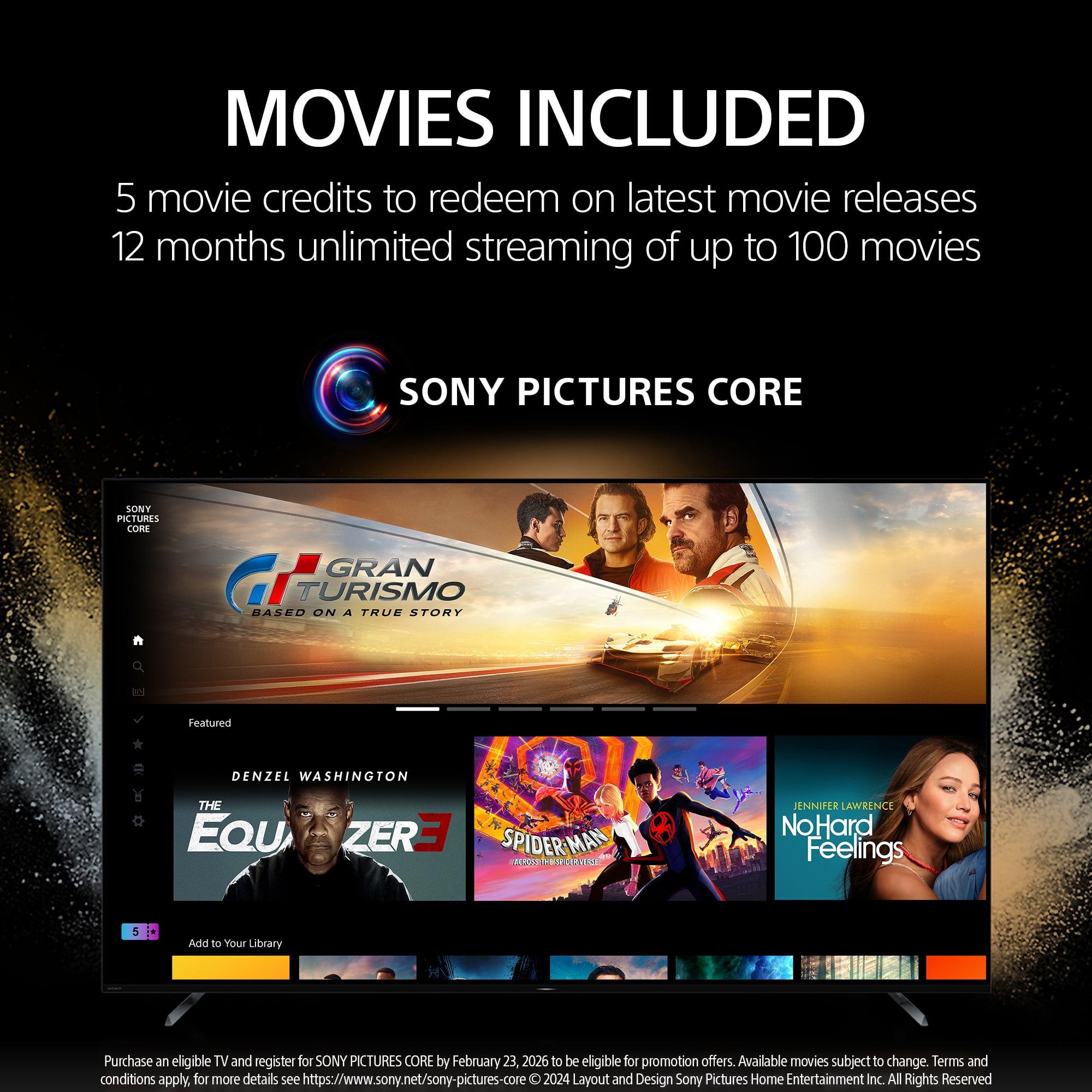
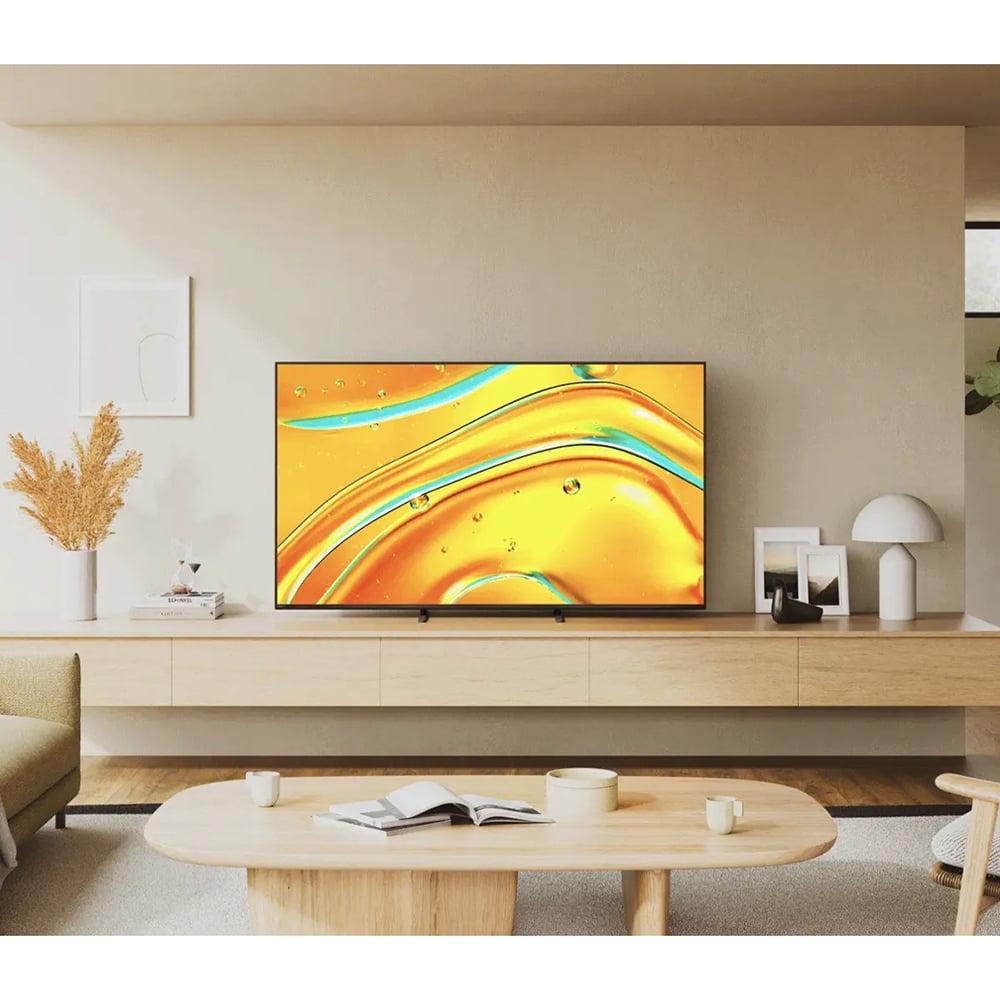
The world of televisions has gotten seriously exciting in recent years, and nowhere is this more apparent than in the Mini LED category. These displays represent the sweet spot between affordability and premium performance, offering picture quality that rivals much more expensive OLED TVs while maintaining the brightness advantages that make LCD technology so appealing for everyday use.
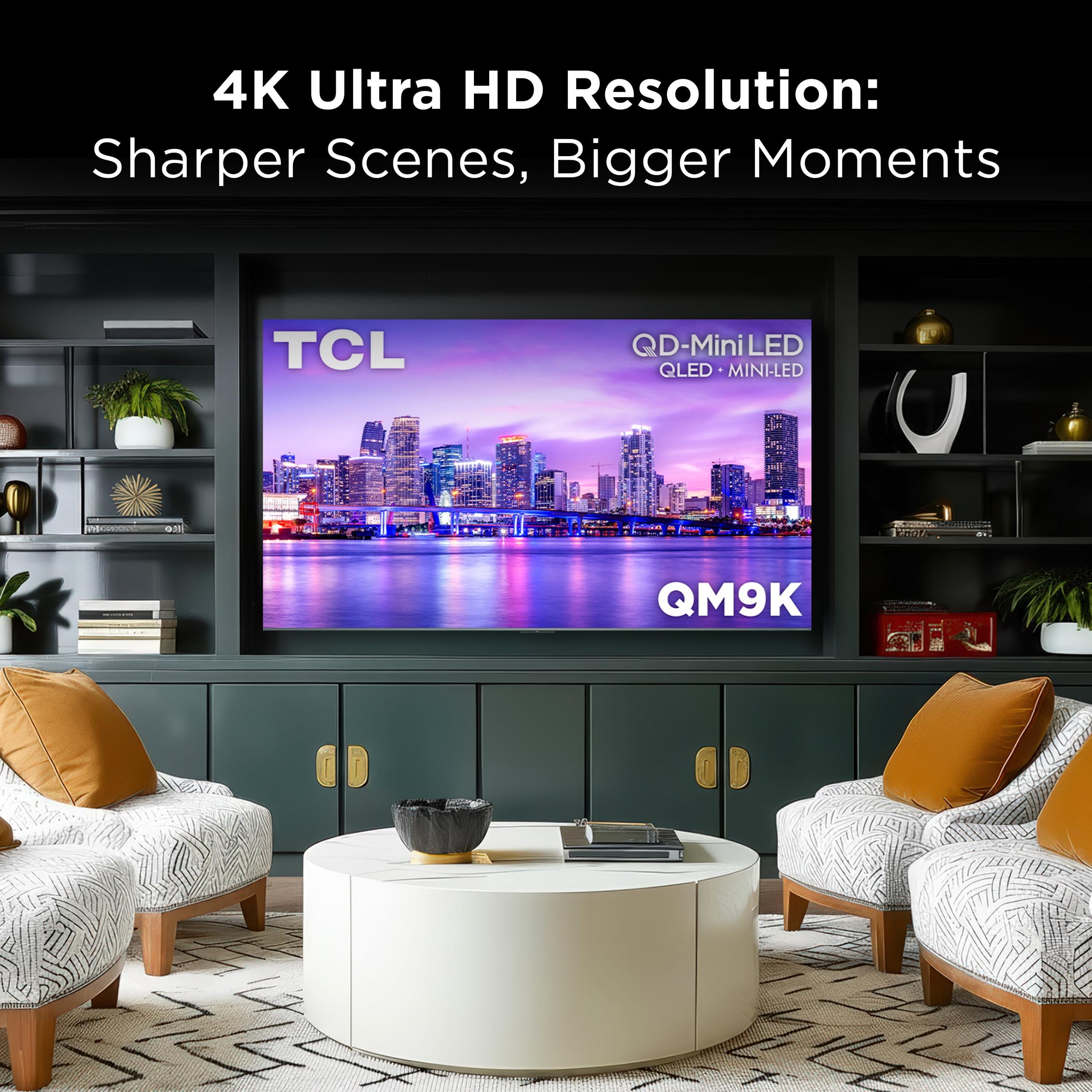
If you're shopping for a 65-inch Mini LED TV in 2025, two models stand out as compelling options: the TCL 65" QM9K QD-Mini LED Smart TV and the Sony BRAVIA 5 65" Mini LED 4K Google TV. Both launched in 2025 with significant technological improvements over their predecessors, but they take notably different approaches to delivering an outstanding viewing experience.
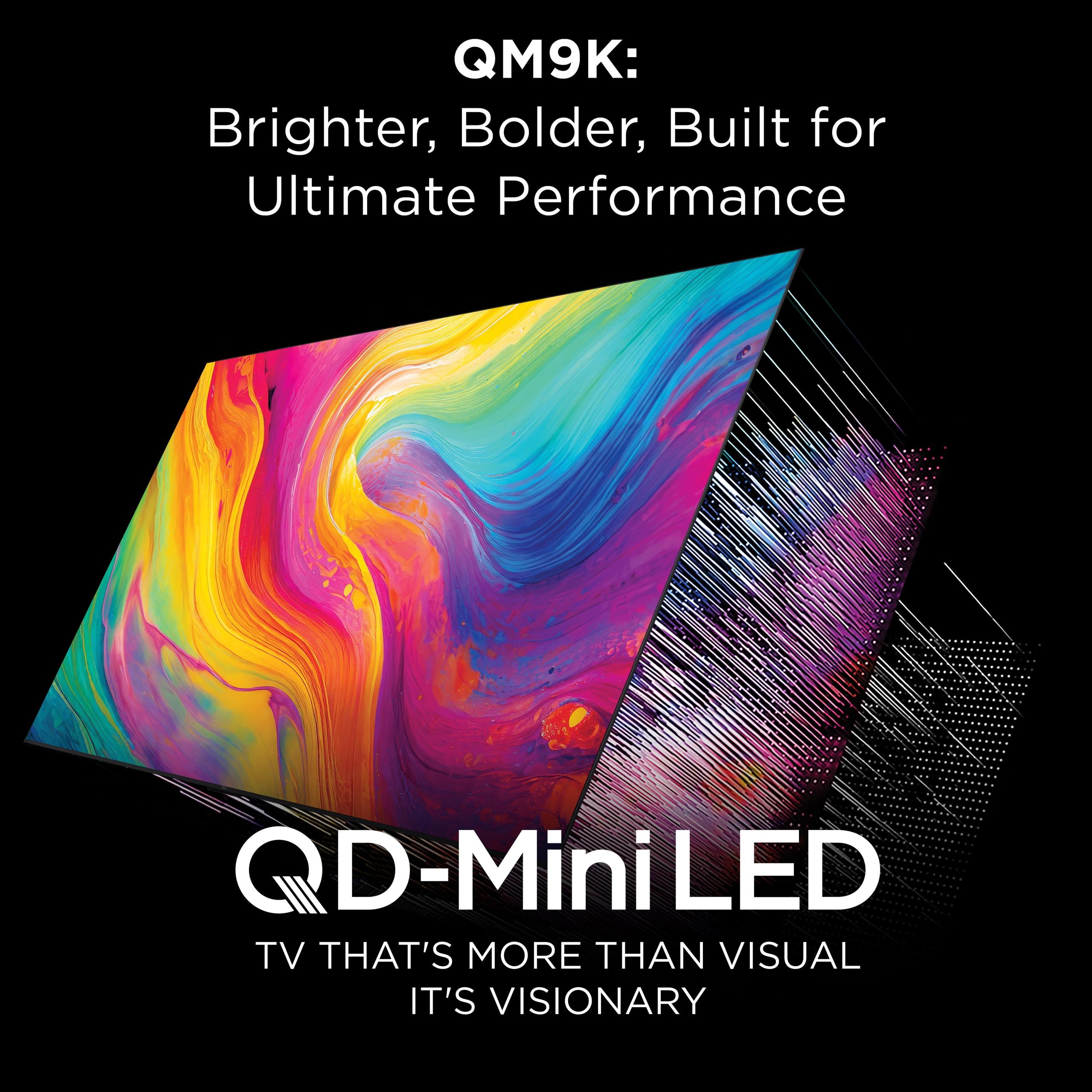
Before diving into the comparison, it's worth understanding what makes Mini LED technology special. Traditional LED TVs use relatively large LEDs positioned either around the edges or in a grid behind the screen. Mini LED TVs use thousands of tiny LEDs – each about the size of a grain of rice – packed densely behind the panel. This allows for much more precise control over brightness in different areas of the screen.
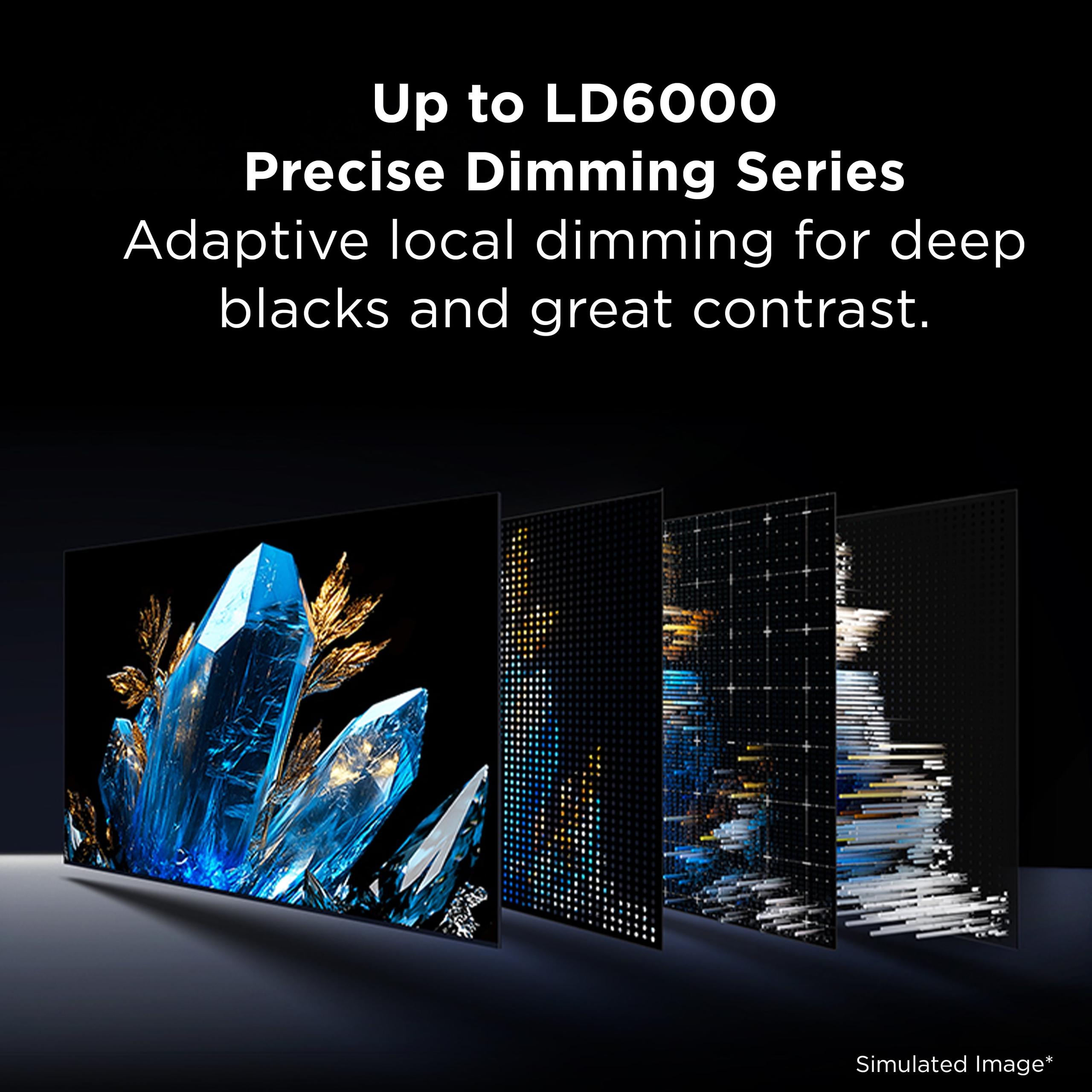
The result is something called "local dimming," where the TV can make parts of the screen very dark while keeping other parts bright. This creates the deep black levels and high contrast that make HDR (High Dynamic Range) content look truly spectacular. Think of watching a movie scene with a campfire under a starry sky – Mini LED can make those stars pop against an inky black background while keeping the fire blazingly bright.
Both the TCL QM9K and Sony BRAVIA 5 represent significant technological leaps from 2024 models, with improved local dimming algorithms, brighter panels, and more sophisticated processing. The question is: which approach works better for your needs?
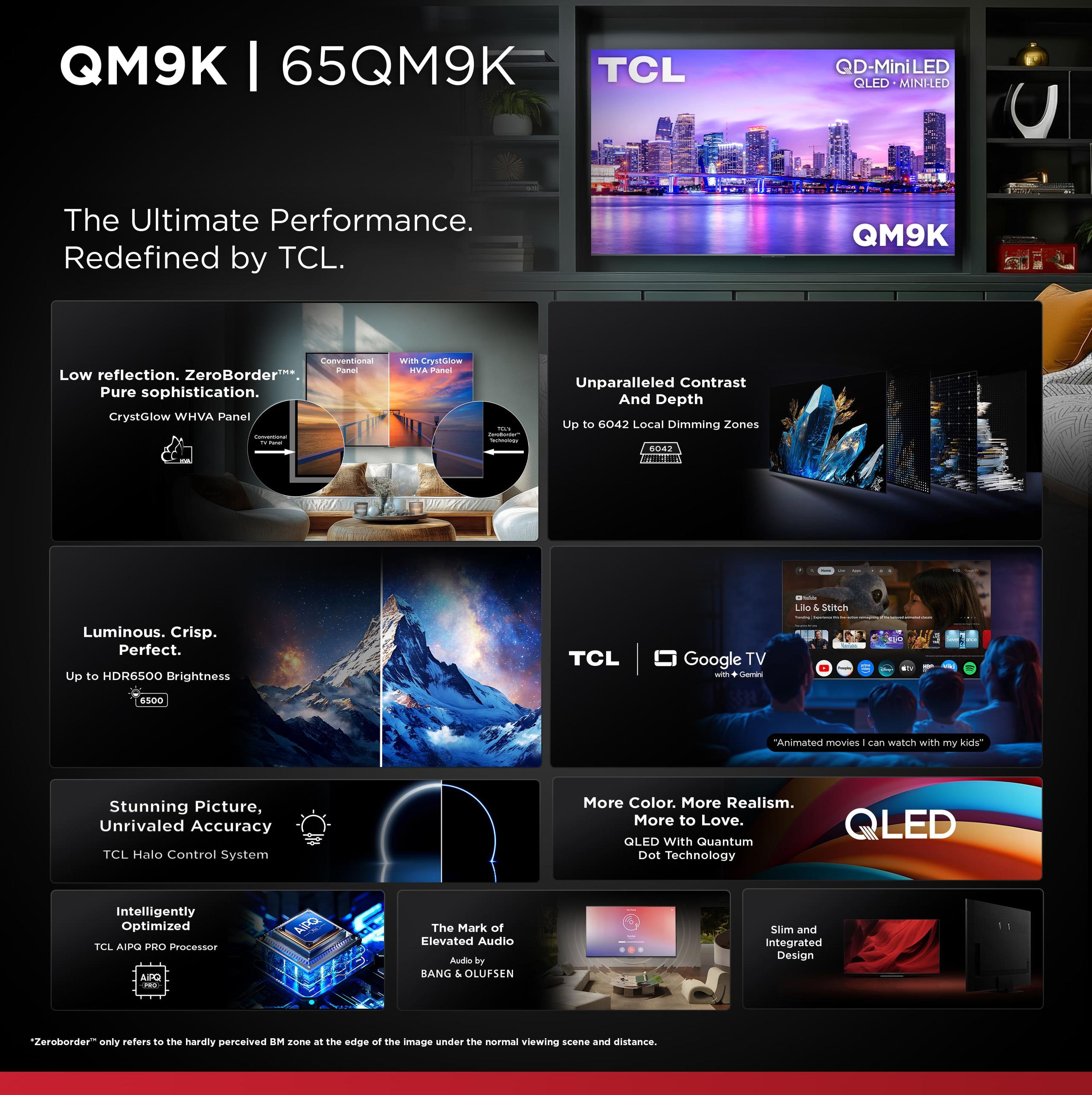
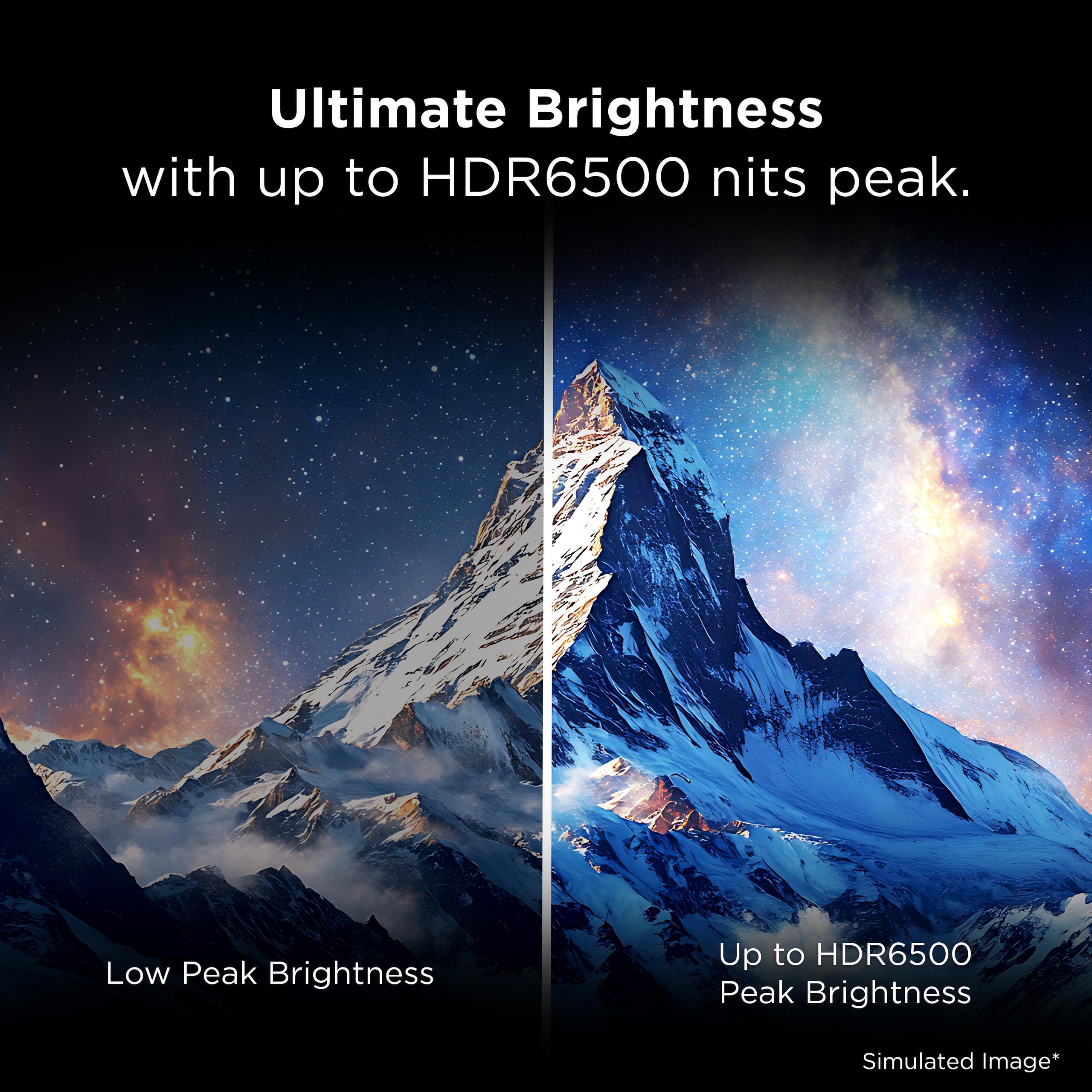
When it comes to sheer brightness capability, the TCL QM9K is in a league of its own. With a peak brightness rating of 6,500 nits, it's designed to make HDR content absolutely explode off the screen. To put this in perspective, most premium TVs peak around 1,000-2,000 nits, while the Sony BRAVIA 5 reaches about 1,000 nits.
Why does this matter? In bright rooms – think family rooms with large windows or living spaces with lots of overhead lighting – higher brightness helps the TV compete with ambient light. More importantly for entertainment, HDR content is mastered with the assumption that displays can hit certain brightness peaks. The TCL QM9K can actually reproduce those bright highlights as filmmakers intended, making everything from explosions in action movies to sunlight streaming through windows look incredibly realistic.
However, brightness isn't everything. The Sony BRAVIA 5 takes a more measured approach, focusing on what the industry calls "content mastering" – ensuring that what you see matches what creators intended. Sony's approach often results in a more natural, film-like presentation that some viewers find easier on the eyes during long viewing sessions.
Here's where things get technically fascinating. The TCL QM9K uses up to 6,000 individual dimming zones – essentially 6,000 areas of the screen that can be brightened or darkened independently. This is paired with what TCL calls its "Halo Control System," a collection of technologies designed to prevent unwanted light bleeding (called "blooming" or "haloing") around bright objects on dark backgrounds.
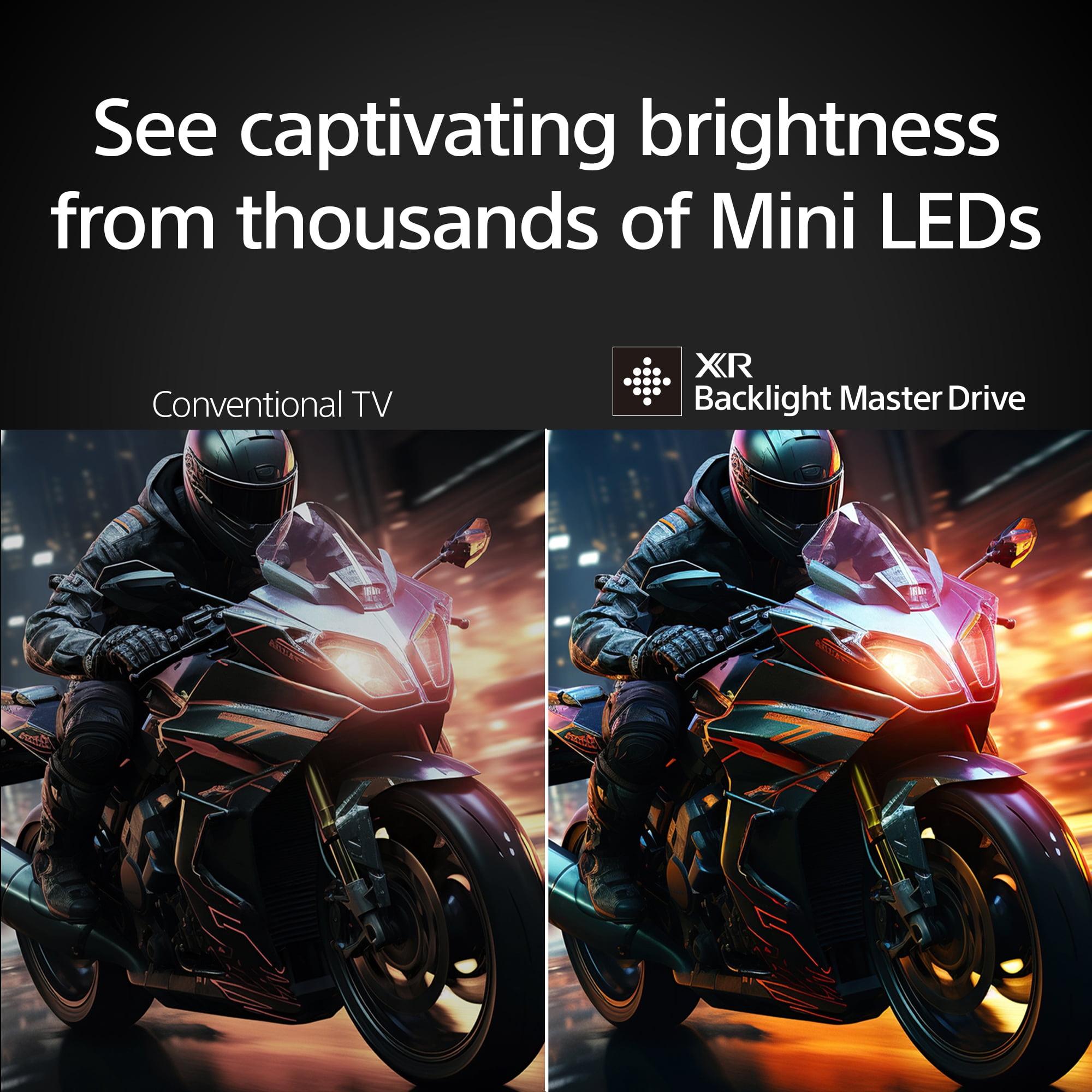
The Sony BRAVIA 5 uses fewer dimming zones but compensates with Sony's XR Backlight Master Drive processing. This system uses artificial intelligence to predict how light should behave and manages the transitions between zones more smoothly. It's a bit like comparing a sports car with more horsepower to one with better suspension tuning – both can be excellent, but they achieve their goals differently.
In our research of expert reviews and user feedback, the TCL QM9K generally produces deeper blacks and more dramatic contrast in challenging scenes. However, the Sony BRAVIA 5 tends to handle complex scenes with multiple light sources more gracefully, with fewer distracting artifacts.
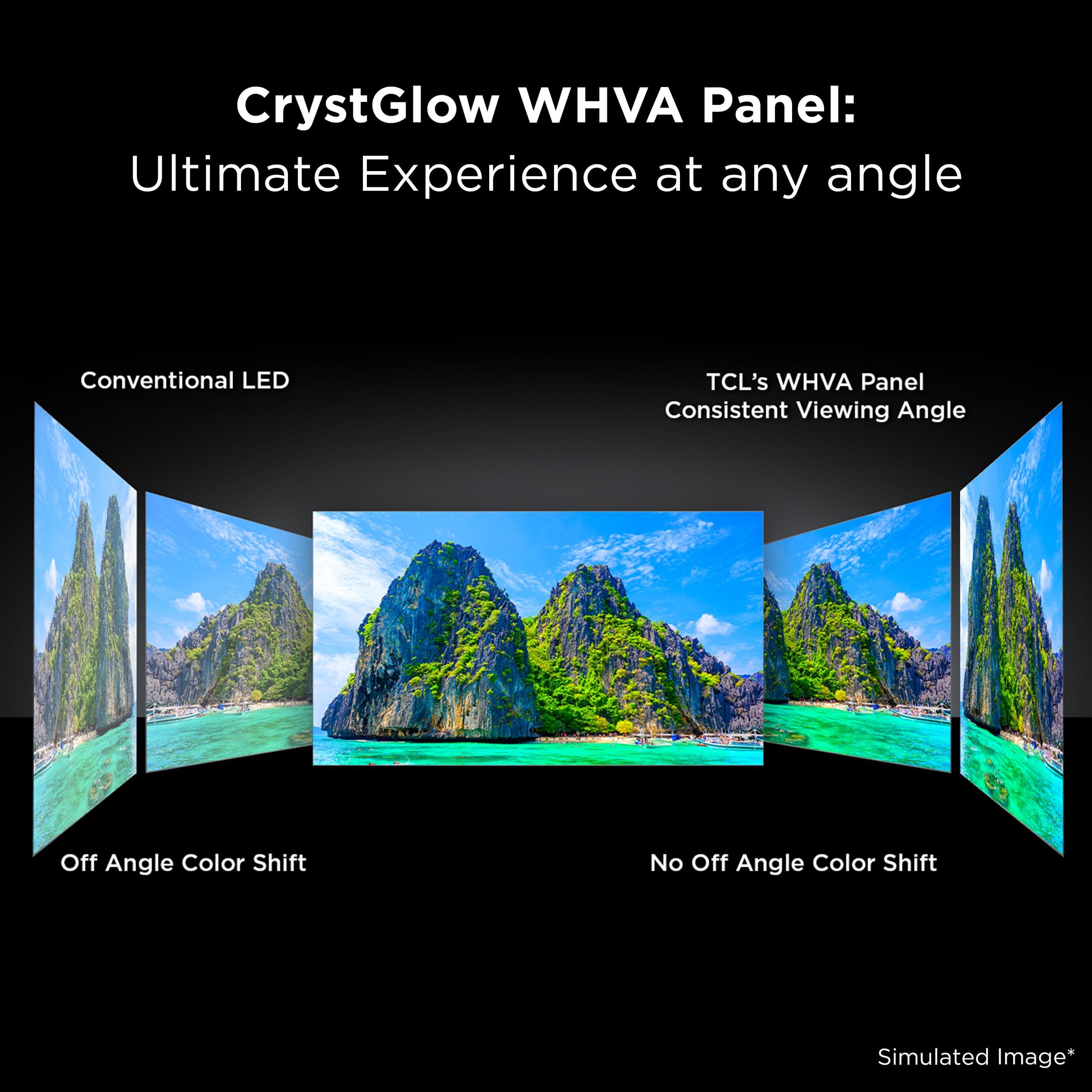
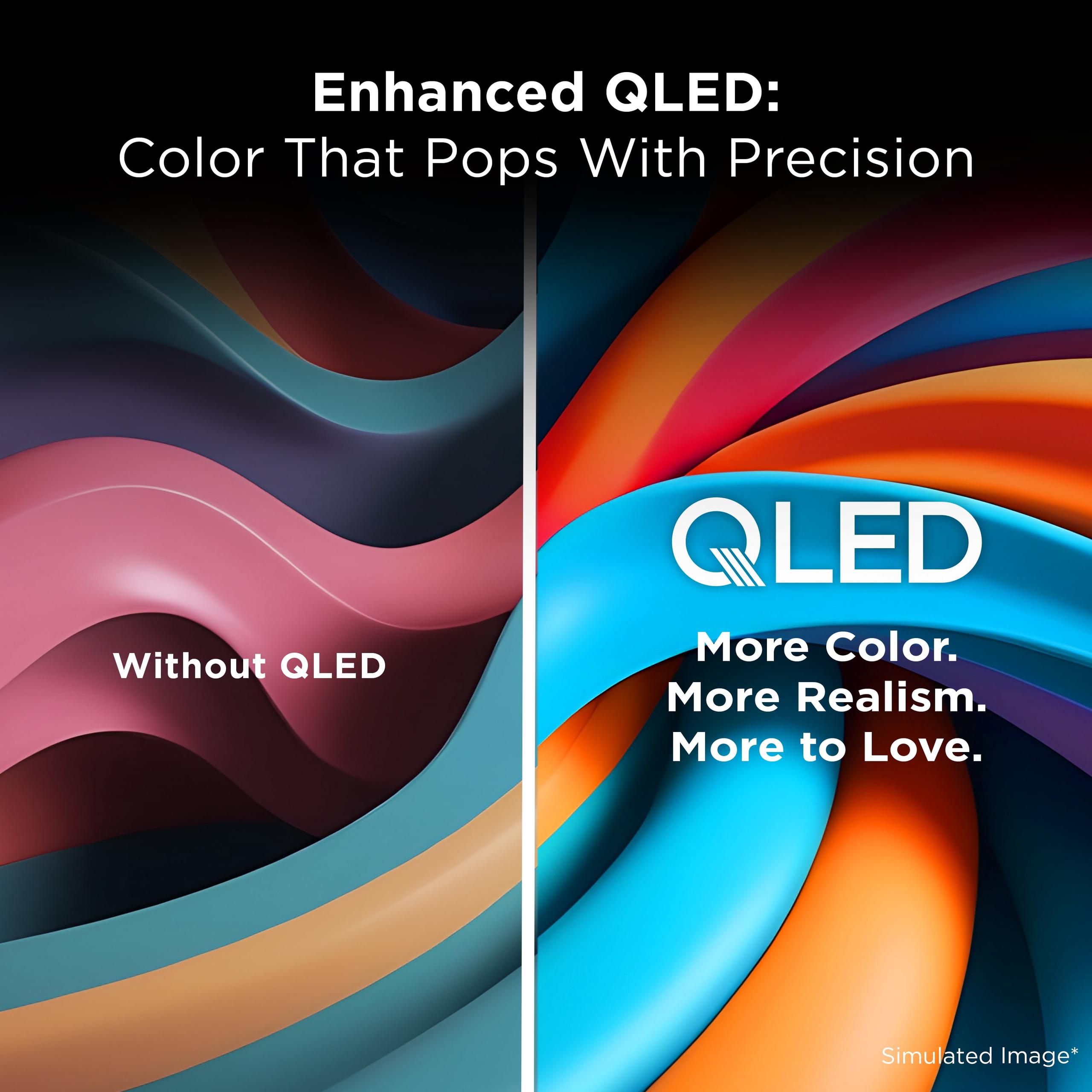
The TCL QM9K includes Quantum Dot technology (that's the "QD" in its name), which uses specially engineered nanocrystals to produce more accurate and vibrant colors. This technology expands what's called the "color gamut" – essentially the range of colors the TV can display. Combined with its CrystGlow WHVA panel technology, colors appear incredibly saturated and punchy.
However, our analysis of professional calibration reports suggests the TCL QM9K ships with somewhat exaggerated color settings that prioritize visual impact over accuracy. This isn't necessarily bad – many people prefer the vivid, Instagram-like presentation – but it means the TV benefits significantly from professional calibration if you want reference-quality accuracy.
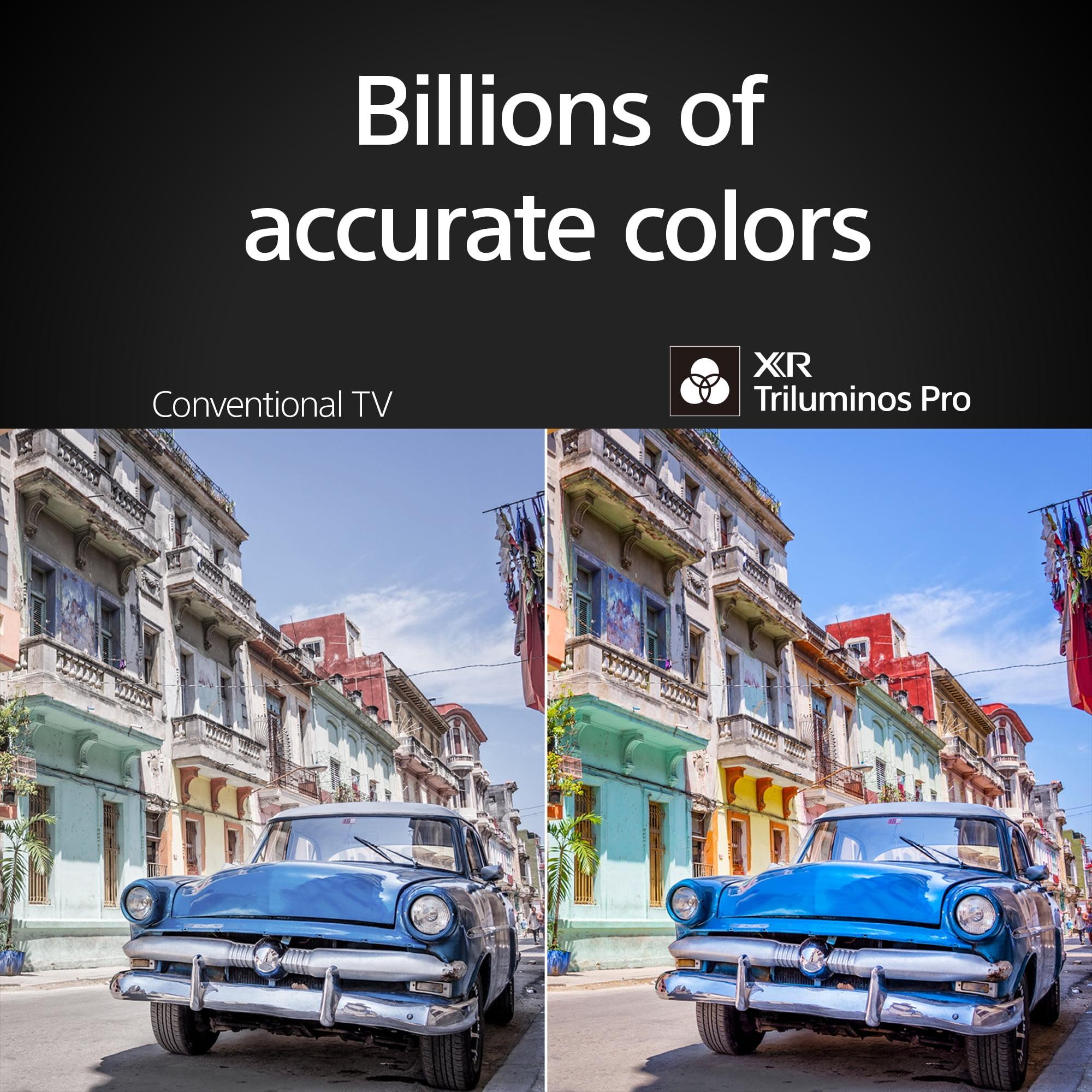
The Sony BRAVIA 5, meanwhile, ships with more conservative but accurate color settings out of the box. Sony's XR Triluminos Pro technology provides excellent color reproduction without the over-saturation issues that can make some content look unnatural. For viewers who want great picture quality without tweaking settings, this approach often works better.
Gaming has become a crucial battleground for premium TVs, and both models deliver impressive capabilities with some important differences.
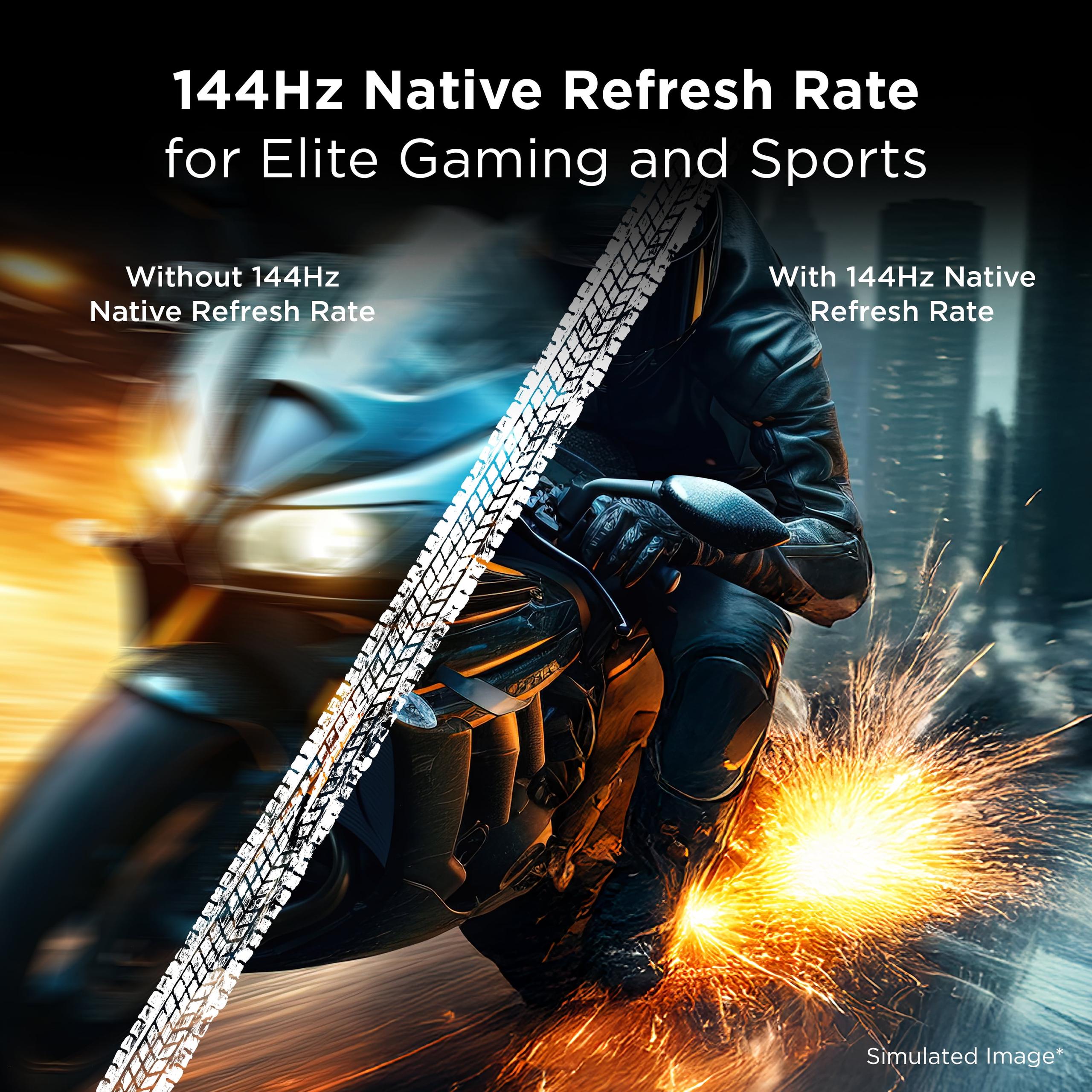
The TCL QM9K offers a native 144Hz refresh rate, which can scale up to 288Hz in certain gaming modes through its Game Accelerator 288 feature. This is genuinely cutting-edge technology – most gaming TVs max out at 120Hz. Higher refresh rates mean smoother motion and reduced blur during fast-paced gaming, particularly important for competitive first-person shooters or racing games.
The Sony BRAVIA 5 sticks with a more conventional 120Hz refresh rate, which is still excellent for gaming but doesn't push the envelope quite as far. However, Sony's motion processing tends to be more refined, so even at lower refresh rates, the perceived smoothness can be quite good.
Both TVs deliver excellent input lag performance – the delay between when you press a button and when the action appears on screen. In gaming modes, both achieve response times under 10 milliseconds, which is fast enough for competitive gaming.
However, the TCL QM9K has a notable advantage in pixel response time – how quickly individual pixels can change from one color to another. Our analysis suggests this results in cleaner motion during fast gaming sequences, with less of the ghosting or blurring that can make details hard to track during intense action.
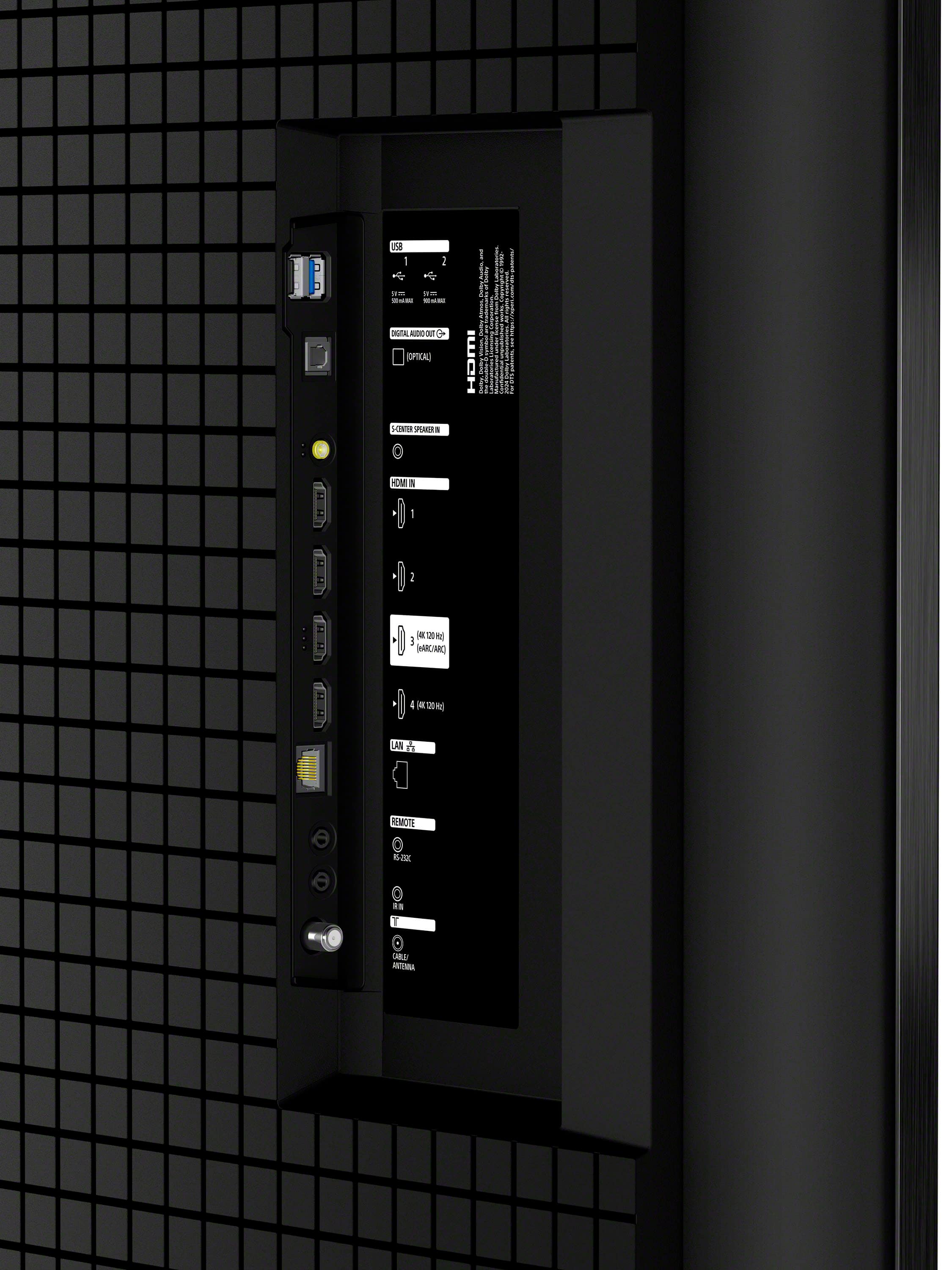
Both TVs support the essential modern gaming features: HDMI 2.1 for 4K gaming at high refresh rates, Variable Refresh Rate (VRR) to eliminate screen tearing, and Auto Low Latency Mode (ALLM) to automatically switch to gaming settings when a console is detected.
The TCL QM9K supports AMD FreeSync Premium Pro, which provides broader compatibility with PC gaming setups. The Sony BRAVIA 5 focuses more on console gaming optimization, with special features for PlayStation 5 integration that can enhance the gaming experience for Sony console owners.
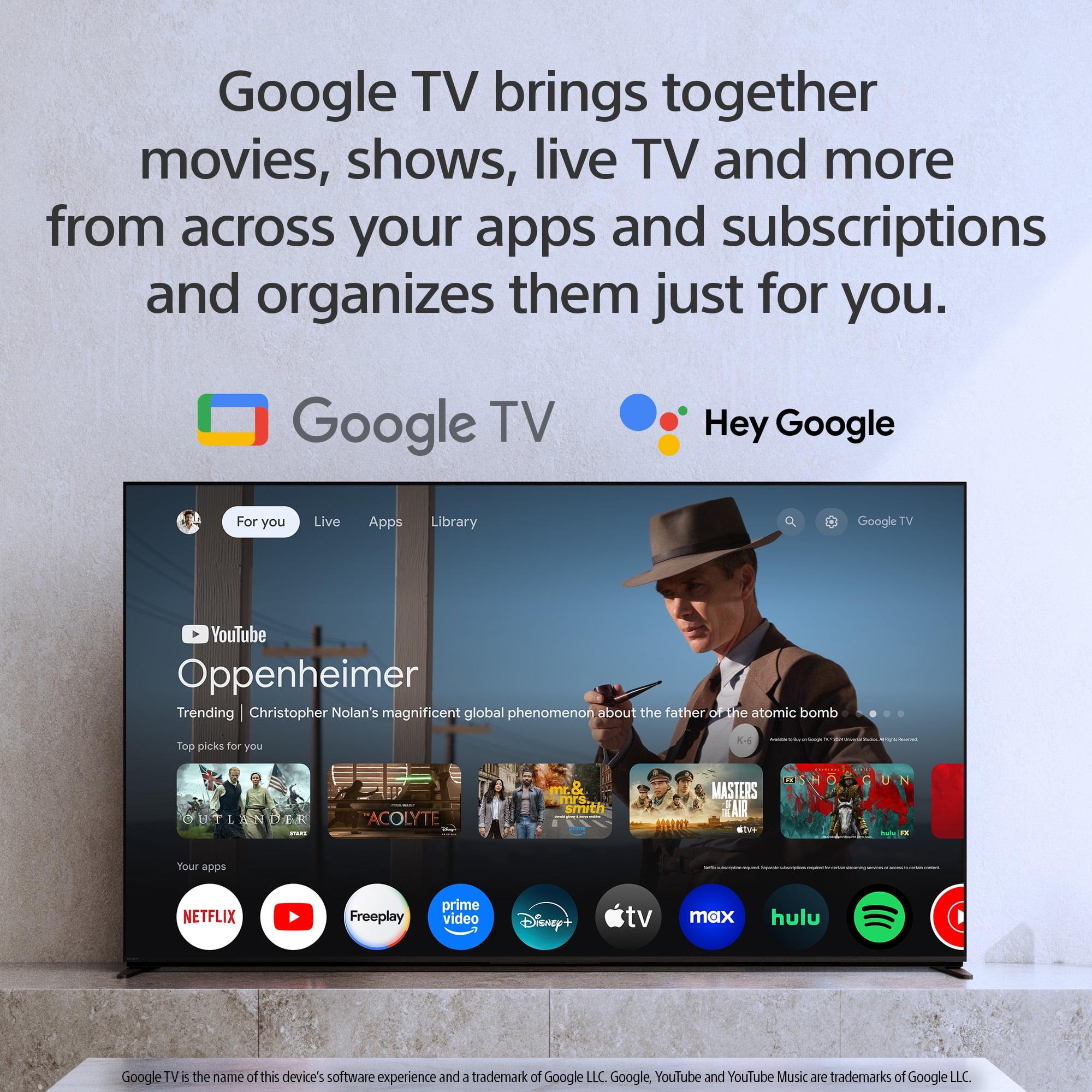
Both models run Google TV, which has become one of the most polished smart TV platforms available. The interface is clean, content recommendations are generally helpful, and app selection is comprehensive.
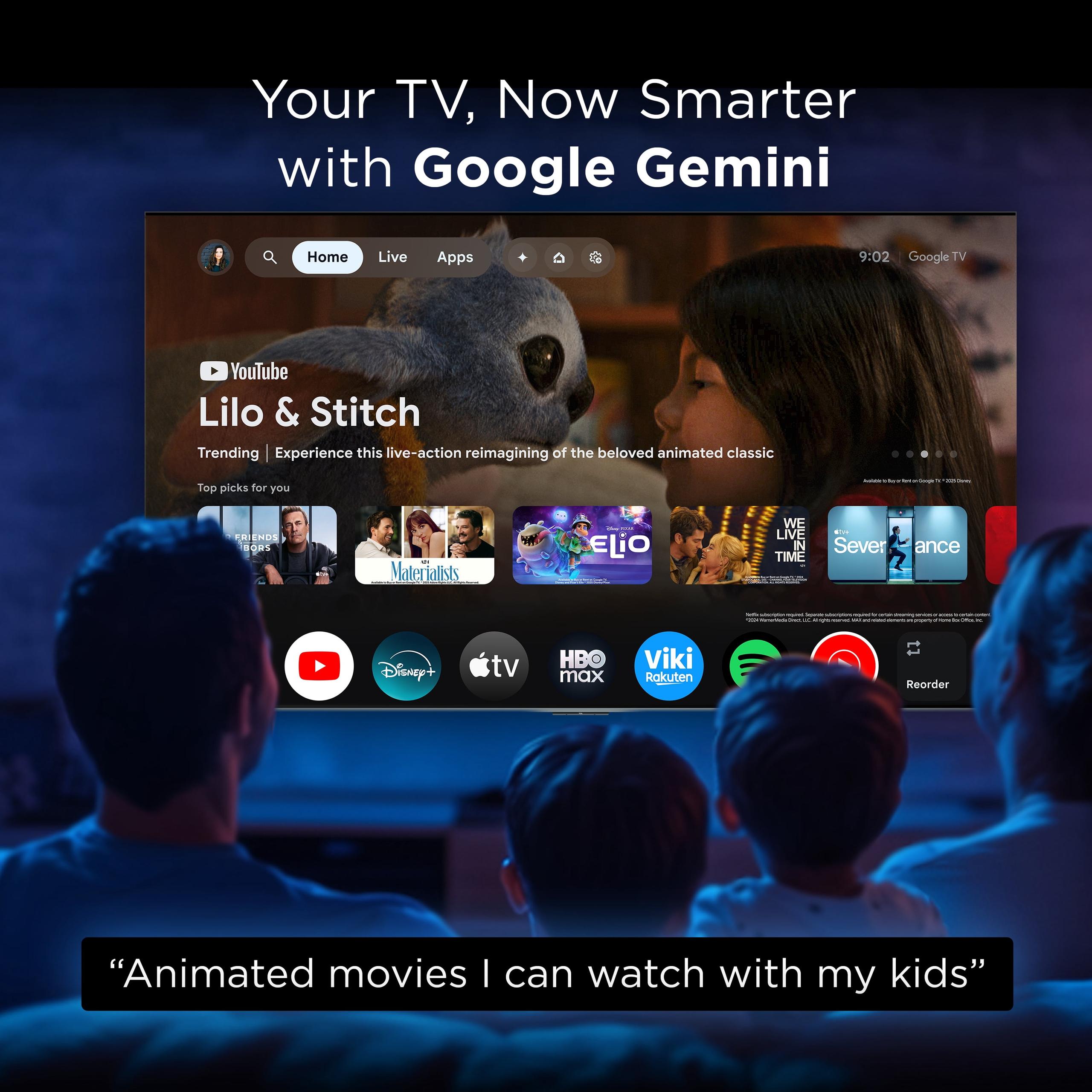
The TCL QM9K adds Google Gemini integration for more sophisticated voice control and includes an interesting Ambient Display feature that can show widgets and information when the TV detects your presence. It's a nice touch that makes the TV feel more integrated into your smart home ecosystem.
The Sony BRAVIA 5 focuses on content optimization, with features like automatic picture mode switching based on what you're watching. Sony's interface tends to be slightly more polished, with fewer quirks and more consistent performance.
Television audio often gets overlooked, but both models put genuine effort into their sound systems.
The TCL QM9K features audio tuning by Bang & Olufsen, with a 2.1.1 channel system that includes a dedicated subwoofer in the 65-inch model. This provides noticeably better bass response than most TV speakers, making action movies and music more engaging without external speakers.
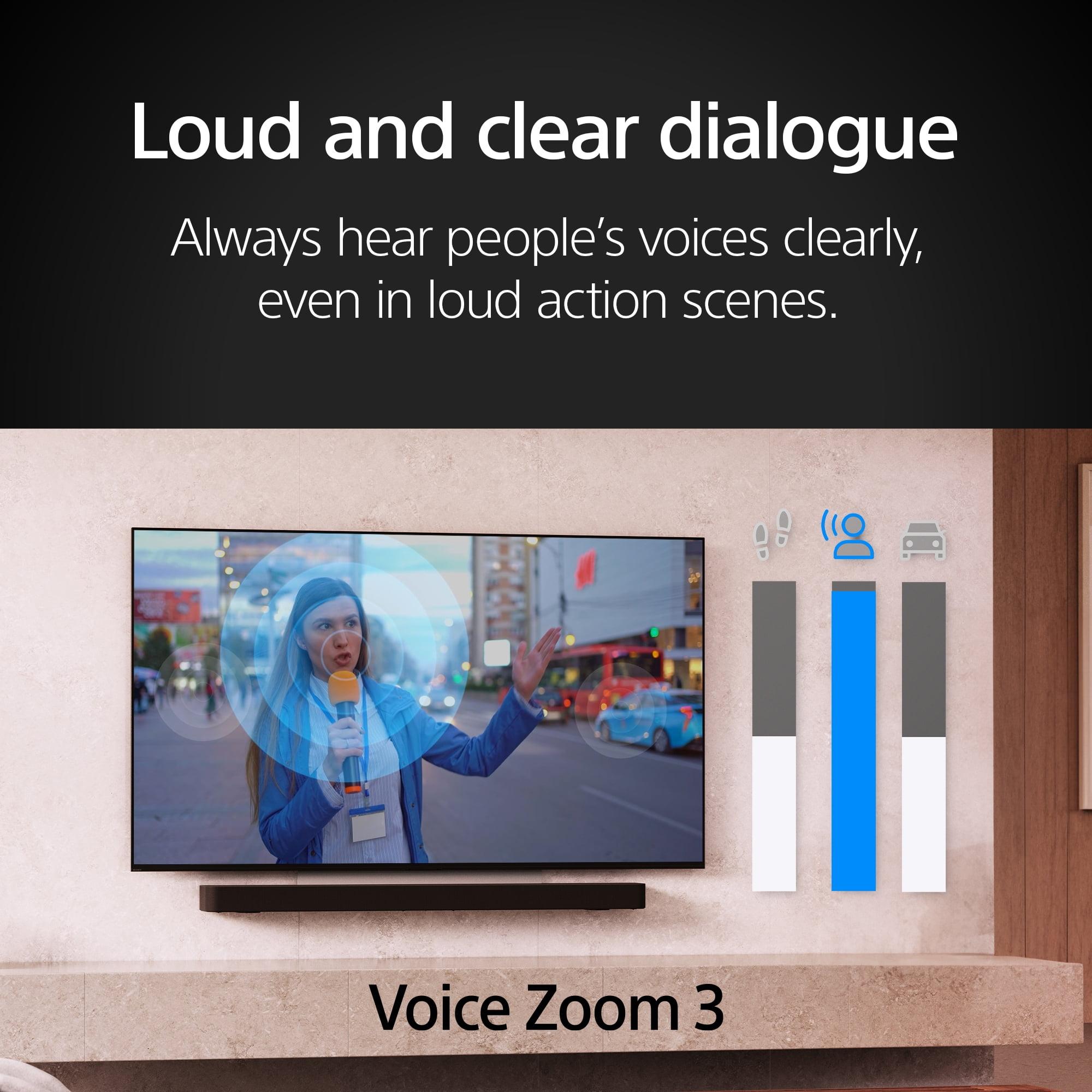
The Sony BRAVIA 5 uses Sony's Acoustic Multi-Audio technology with a feature called Voice Zoom 3, which uses AI to enhance dialogue clarity. For many viewers, especially those who struggle with mumbly dialogue in modern movies and shows, this can be more valuable than raw bass output.
Both TVs support Dolby Atmos and can work as center channels when paired with compatible soundbars, but Sony's implementation tends to be more seamless.
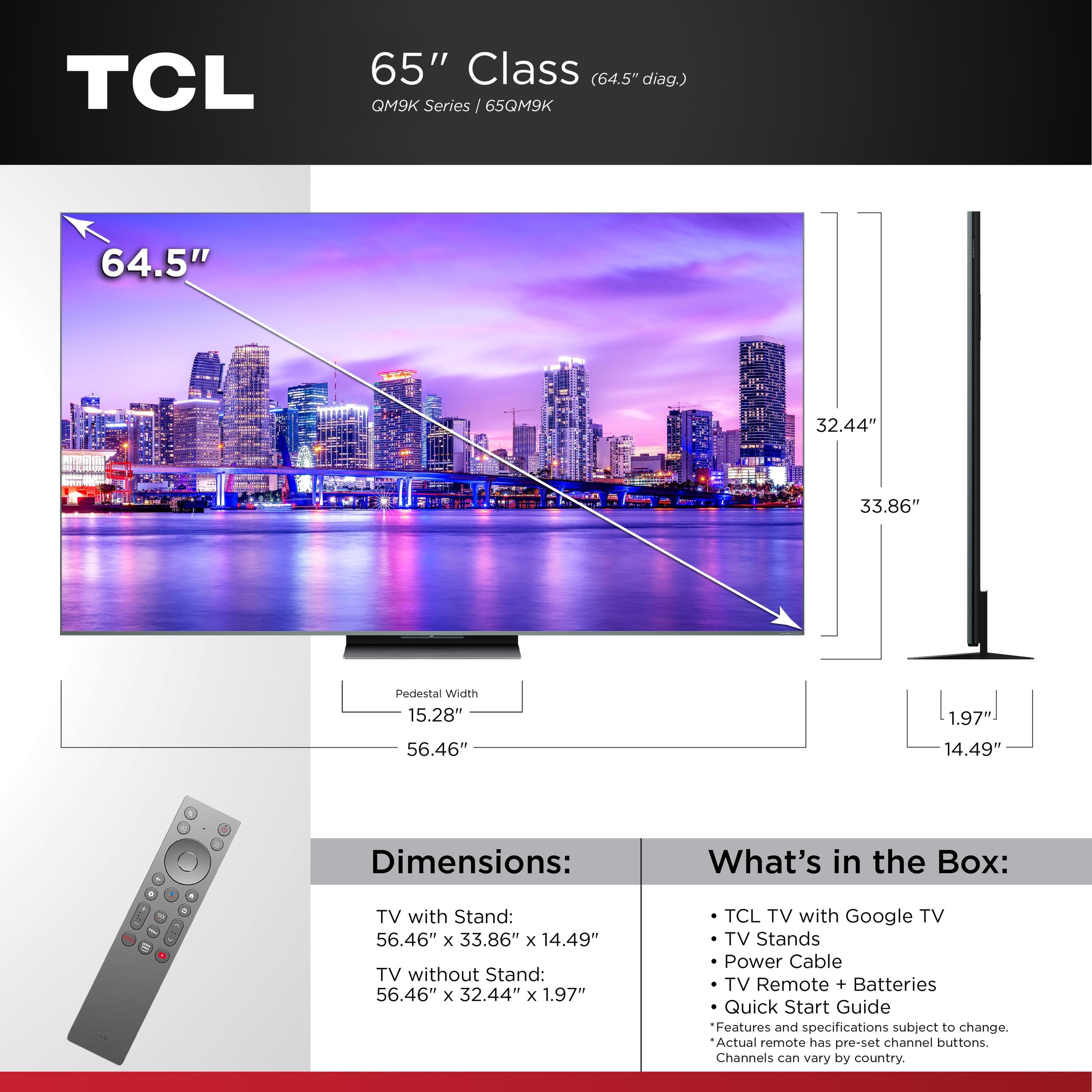
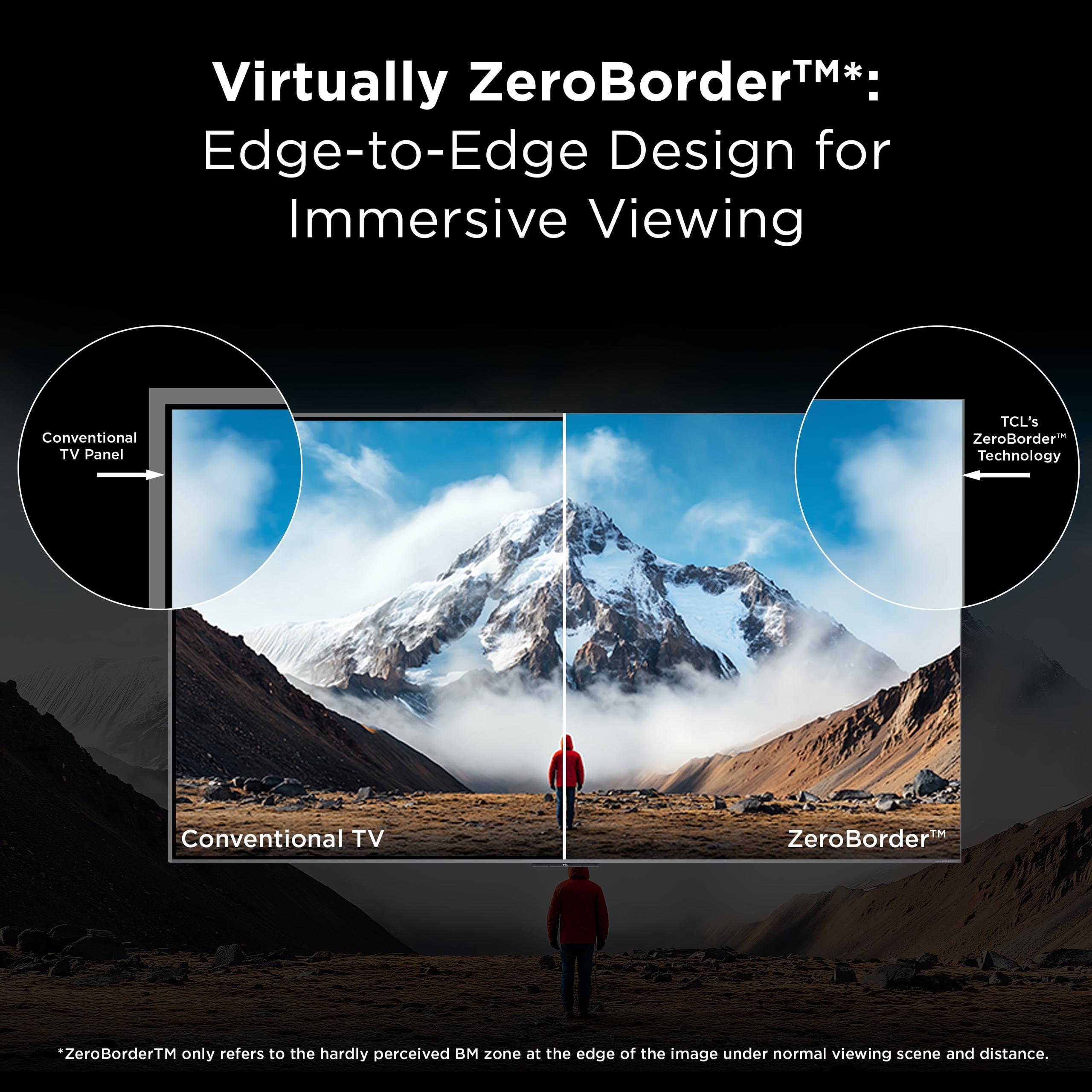
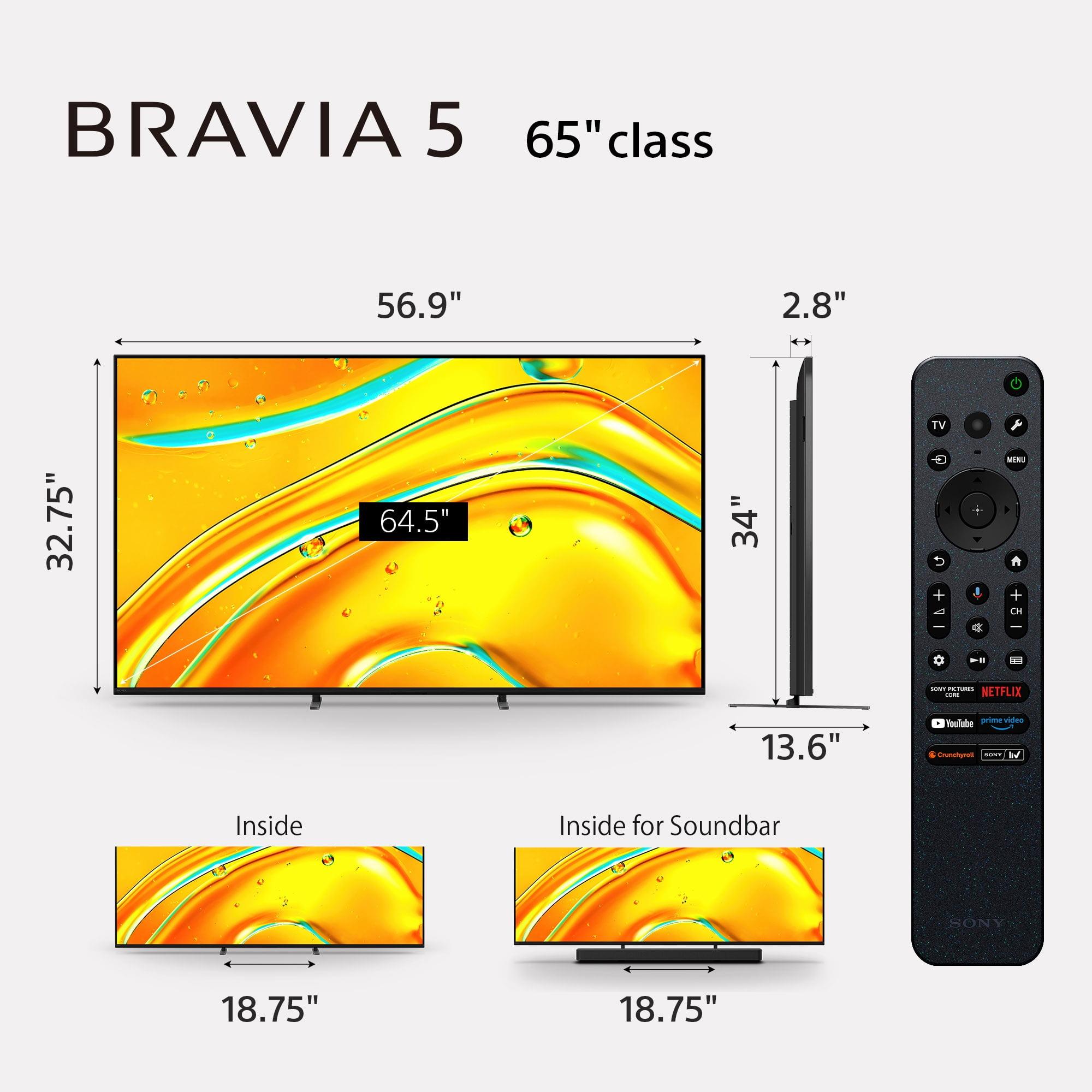
The physical design reveals a lot about each manufacturer's priorities. The TCL QM9K features an ultra-slim profile with premium materials and integrated cable management. It's clearly designed to be a statement piece that showcases cutting-edge technology.
However, the TCL QM9K uses a glossy screen coating that can create reflection issues in bright rooms – somewhat ironic given its brightness capabilities. The Sony BRAVIA 5 uses a more matte finish that handles reflections better, making it more practical for varied lighting conditions.
Sony's "One Slate" design philosophy emphasizes minimalism and flexibility, with a versatile stand system that works well in different room configurations. The build quality feels more refined overall, which aligns with Sony's premium brand positioning.
At the time of writing, there's a significant price gap between these models, with the Sony BRAVIA 5 positioned as the more affordable option. This makes the value calculation interesting and somewhat dependent on your priorities.
The TCL QM9K delivers genuinely flagship-level performance in key areas like brightness, local dimming, and gaming features. For enthusiasts who want the absolute best picture quality and cutting-edge capabilities, the premium pricing feels justified.
The Sony BRAVIA 5 offers excellent overall performance with superior refinement and ease of use. For most viewers, particularly those upgrading from older TVs, it delivers a dramatic improvement without the premium associated with absolute peak performance.
For dedicated home theater setups, the choice depends largely on your viewing environment and content preferences. The TCL QM9K excels in rooms where you can control lighting, delivering reference-quality HDR performance that makes properly mastered content look spectacular. However, it benefits from professional calibration to reach its full potential.
The Sony BRAVIA 5 works better in multipurpose rooms with varied lighting conditions. Its more conservative brightness and better reflection handling make it easier to live with, while still delivering impressive picture quality for movies and shows.
Both TVs handle motion well enough for cinema content, though the TCL QM9K has a slight edge for action sequences and sports viewing thanks to its superior motion processing capabilities.
The choice between these TVs ultimately comes down to your priorities and viewing habits.
Choose the TCL QM9K if you're an enthusiast who wants cutting-edge display technology, maximum HDR impact, and superior gaming performance. It's the better choice for competitive gamers, bright room viewing, and situations where you want the most dramatic picture quality possible. However, be prepared to invest time in calibration or professional setup to get optimal results.
The Sony BRAVIA 5 is the smarter choice for most buyers who want excellent picture quality without complexity. It excels at delivering refined, accurate images out of the box, works well in various lighting conditions, and offers the reliability and polish that Sony is known for. The more accessible pricing makes it an excellent value for the performance delivered.
Both represent significant improvements over 2024 models and will provide years of excellent viewing. Your choice should align with whether you prioritize maximum performance capabilities or overall viewing experience refinement – both are valid approaches to achieving television excellence.
| TCL 65" QM9K QD-Mini LED Smart TV | Sony BRAVIA 5 65" Mini LED 4K Google TV 2025 |
|---|---|
| Peak Brightness - Critical for HDR impact and bright room viewing | |
| 6,500 nits (exceptional HDR highlights, excellent for bright rooms) | 1,000 nits (good for most rooms, more natural presentation) |
| Local Dimming Zones - Controls contrast and black levels | |
| Up to 6,000 zones (superior contrast, minimal blooming) | Fewer zones with XR Backlight Master Drive (refined processing compensates) |
| Native Refresh Rate - Smoothness for gaming and sports | |
| 144Hz native, up to 288Hz with Game Accelerator (cutting-edge gaming performance) | 120Hz native (excellent for most gaming, more conservative approach) |
| Color Technology - Affects color accuracy and vibrancy | |
| Quantum Dot + Enhanced QLED (vibrant colors, requires calibration for accuracy) | XR Triluminos Pro (accurate out-of-box, more natural colors) |
| Picture Processing - How the TV optimizes content | |
| AIPQ PRO with AI enhancements (aggressive optimization, dramatic results) | XR Processor with scene recognition (refined, film-like processing) |
| Gaming Features - Modern console and PC compatibility | |
| HDMI 2.1, VRR, AMD FreeSync Premium Pro, 4K@144Hz (PC gaming focused) | HDMI 2.1, VRR, PlayStation 5 optimization, 4K@120Hz (console focused) |
| Audio System - Built-in sound quality | |
| Bang & Olufsen tuning, 2.1.1 channels with subwoofer (powerful bass) | Acoustic Multi-Audio, Voice Zoom 3, AI dialogue enhancement (clear speech) |
| Smart TV Platform - Apps and interface experience | |
| Google TV with Gemini AI, Ambient Display, Presence Sensor | Google TV with refined interface, automatic picture optimization |
| Screen Coating - Affects reflections and viewing comfort | |
| Glossy coating (more reflections, deeper blacks in dark rooms) | More matte finish (better reflection handling, versatile lighting) |
| Target User - Who each TV serves best | |
| Enthusiasts wanting maximum performance, serious gamers, bright rooms | Mainstream users prioritizing ease of use, movie watchers, varied lighting |
The TCL 65" QM9K QD-Mini LED Smart TV is significantly better for bright rooms due to its exceptional 6,500 nits peak brightness compared to the Sony BRAVIA 5 65" Mini LED 4K Google TV 2025's 1,000 nits. The TCL QM9K can easily overcome glare from windows and overhead lighting, making it ideal for family rooms and living spaces with lots of natural light.
The TCL 65" QM9K QD-Mini LED Smart TV offers more dramatic picture quality with up to 6,000 local dimming zones and much higher peak brightness, creating stunning HDR effects. The Sony BRAVIA 5 65" Mini LED 4K Google TV 2025 focuses on accuracy and refinement, delivering more natural colors out of the box with superior processing. The TCL QM9K requires calibration for best results, while the Sony BRAVIA 5 looks great immediately.
The TCL 65" QM9K QD-Mini LED Smart TV is the superior gaming TV with its 144Hz native refresh rate (expandable to 288Hz), faster response times, and AMD FreeSync Premium Pro support. It's particularly excellent for PC gaming and competitive play. The Sony BRAVIA 5 65" Mini LED 4K Google TV 2025 offers solid 120Hz gaming with special PlayStation 5 optimizations, making it better suited for console gamers who prioritize Sony integration.
Yes, both the TCL QM9K and Sony BRAVIA 5 run Google TV, offering the same core apps and streaming services. However, the TCL 65" QM9K QD-Mini LED Smart TV adds Google Gemini AI integration and presence-sensing features, while the Sony BRAVIA 5 65" Mini LED 4K Google TV 2025 provides a more polished interface with automatic content optimization.
The Sony BRAVIA 5 65" Mini LED 4K Google TV 2025 typically offers better value due to its lower price point while still delivering excellent Mini LED performance and Sony's refined processing. The TCL 65" QM9K QD-Mini LED Smart TV provides flagship-level features and performance that justify its higher cost for enthusiasts who want cutting-edge display technology.
The TCL QM9K features Bang & Olufsen tuning with a 2.1.1 channel system including a subwoofer, providing powerful bass response. The Sony BRAVIA 5 uses Acoustic Multi-Audio technology with Voice Zoom 3 for enhanced dialogue clarity using AI processing. For movie watching, the Sony BRAVIA 5 65" Mini LED 4K Google TV 2025 often provides clearer speech, while the TCL 65" QM9K QD-Mini LED Smart TV delivers more impactful sound effects.
For dedicated home theaters with controlled lighting, the TCL 65" QM9K QD-Mini LED Smart TV delivers reference-quality HDR performance with dramatic contrast and brightness. For multipurpose rooms, the Sony BRAVIA 5 65" Mini LED 4K Google TV 2025 works better due to superior reflection handling and more natural picture processing that's easier on the eyes during long viewing sessions.
The TCL QM9K uses up to 6,000 individual dimming zones with its Halo Control System for precise light management and minimal blooming. The Sony BRAVIA 5 uses fewer zones but compensates with Sony's XR Backlight Master Drive processing that smoothly manages transitions. The TCL 65" QM9K QD-Mini LED Smart TV typically produces deeper blacks, while the Sony BRAVIA 5 65" Mini LED 4K Google TV 2025 handles complex scenes more gracefully.
The Sony BRAVIA 5 65" Mini LED 4K Google TV 2025 ships with more accurate colors that closely match industry standards, making it ideal for viewers who want great picture quality without adjustments. The TCL 65" QM9K QD-Mini LED Smart TV uses Quantum Dot technology for wider color gamut but ships with oversaturated settings that benefit from professional calibration to achieve reference accuracy.
The TCL QM9K's 144Hz refresh rate with Motion Rate 480 provides exceptionally smooth motion for sports and action content, while its gaming capabilities extend to 288Hz. The Sony BRAVIA 5's 120Hz refresh rate is excellent for most content and gaming, with Sony's refined motion processing often making the difference less noticeable in movies and TV shows.
The Sony BRAVIA 5 65" Mini LED 4K Google TV 2025 handles reflections significantly better due to its more matte screen coating, making it suitable for rooms with varied lighting conditions. The TCL 65" QM9K QD-Mini LED Smart TV uses a glossy coating that can create more distracting reflections from direct light sources, despite its superior brightness capabilities.
Choose the TCL 65" QM9K QD-Mini LED Smart TV if you want maximum HDR impact, serious gaming performance, and cutting-edge display technology, particularly for bright rooms or dedicated gaming setups. Select the Sony BRAVIA 5 65" Mini LED 4K Google TV 2025 if you prioritize out-of-box accuracy, refined processing, better value, and versatile performance across different viewing conditions and content types.
We've done our best to create useful and informative comparisons to help you decide what product to buy. Our research uses advanced automated methods to create this comparison and perfection is not possible - please contact us for corrections or questions. These are the sites we've researched in the creation of this article: rtings.com - bestbuy.com - youtube.com - youtube.com - youtube.com - techaeris.com - displayspecifications.com - pcrichard.com - residentialsystems.com - us.tcl.com - displayspecifications.com - valueelectronics.com - woodruffappliance.com - tcl.com - pcrichard.com - tcl.com - techradar.com - tcl.com - us.tcl.com - youtube.com - youtube.com - bestbuy.com - youtube.com - rtings.com - pro.sony - youtube.com - electronics.sony.com - electronics.sony.com - electronics.sony.com - bestbuy.com - electronics.sony.com - youtube.com - bestbuy.com - videoandaudiocenter.com - valueelectronics.com - youtube.com - sony.ca - perpichtv.com - sony.com - displayspecifications.com - pioneertvandappliance.com - flatpanelshd.com

Privacy Policy
Terms and Conditions - Affiliate Policy
Home Security
© Copyright 2008-2026.
11816 Inwood Rd #1211, Dallas, TX 75244