

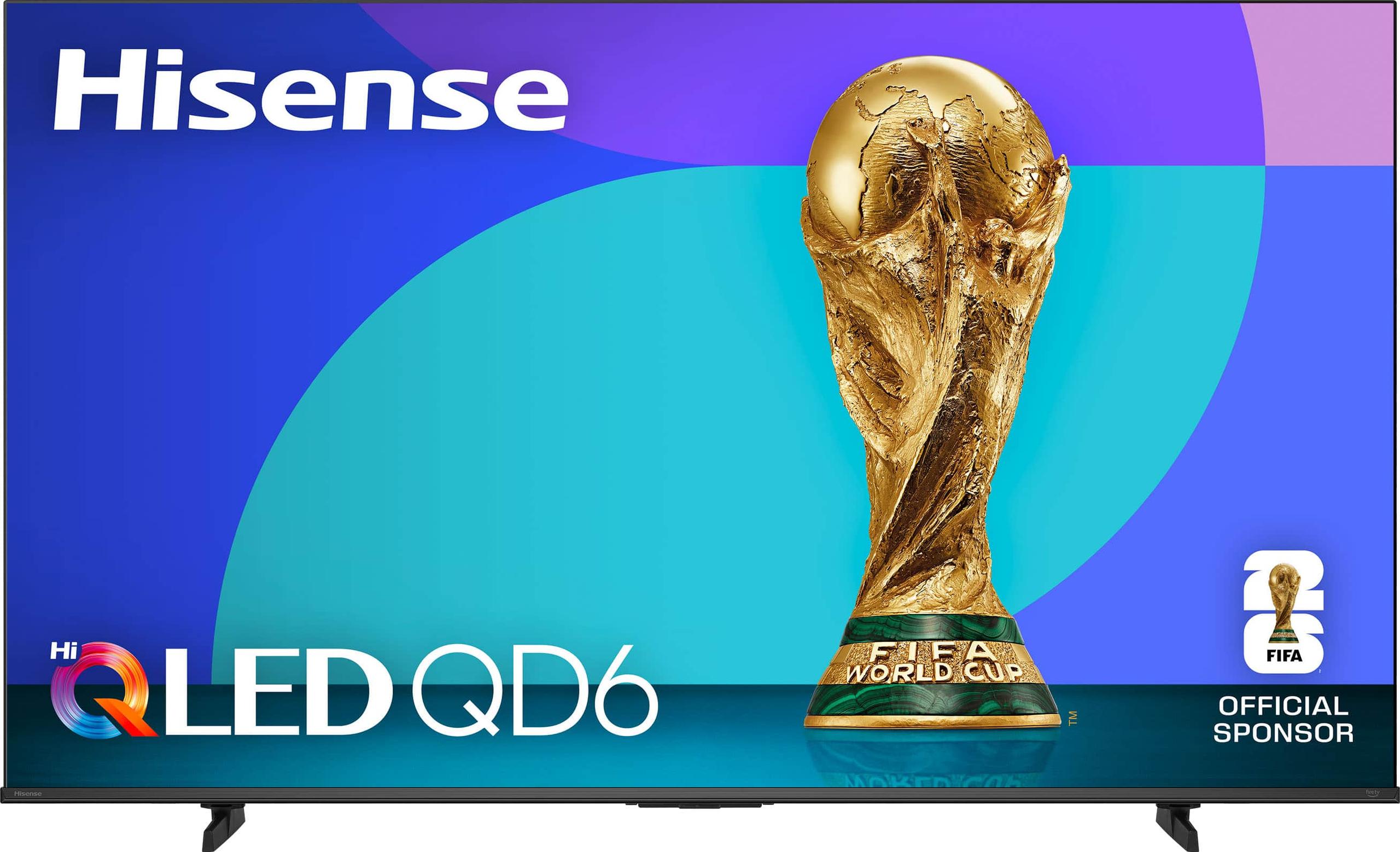
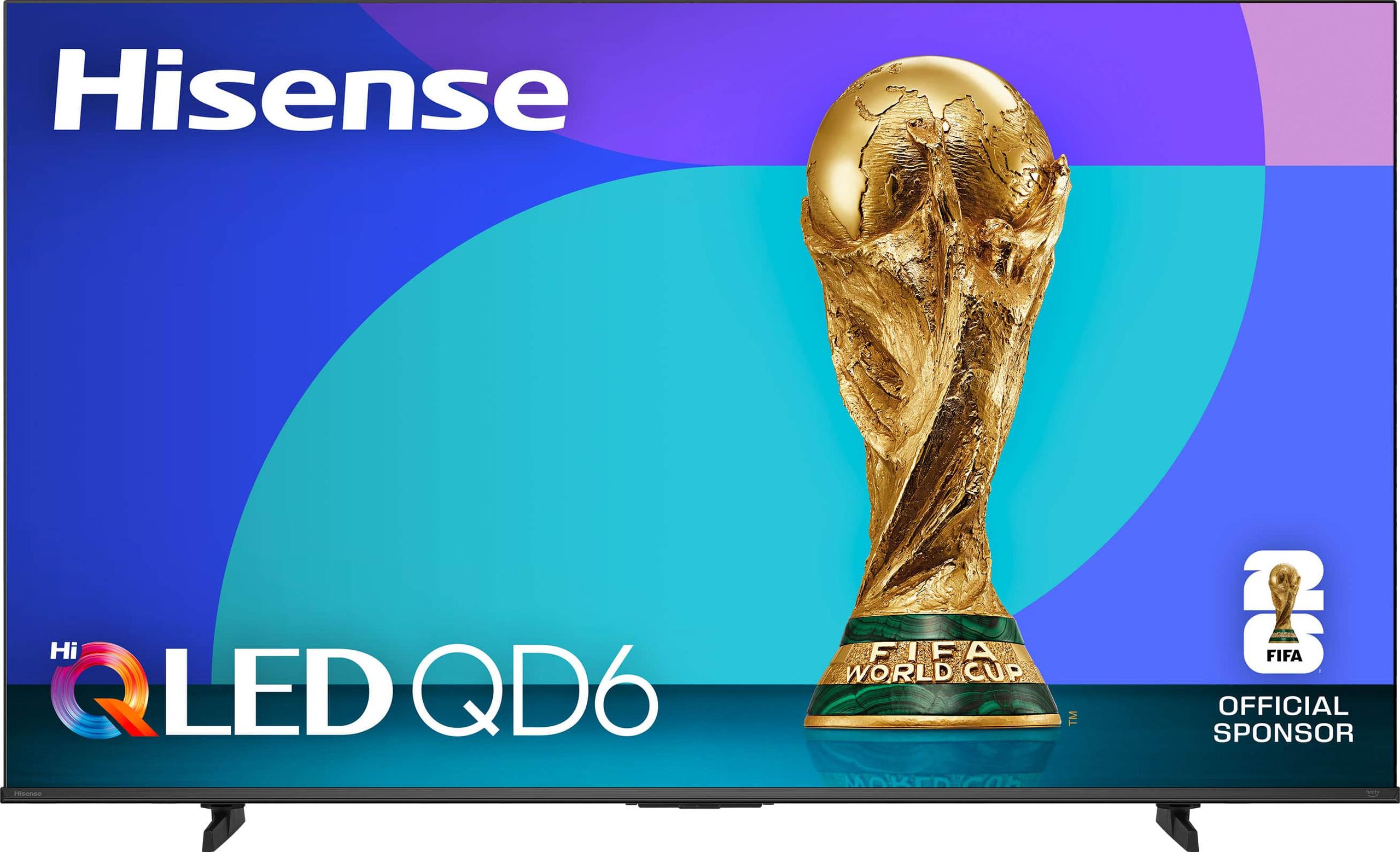



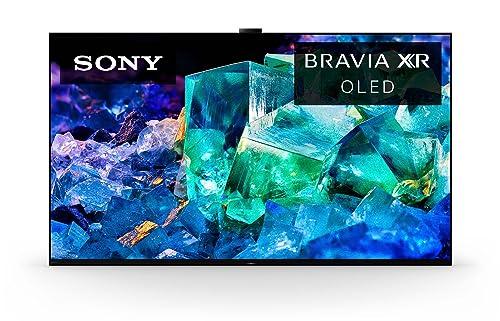


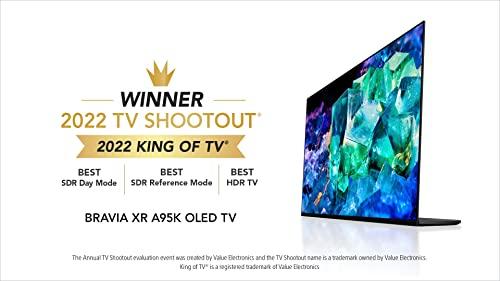


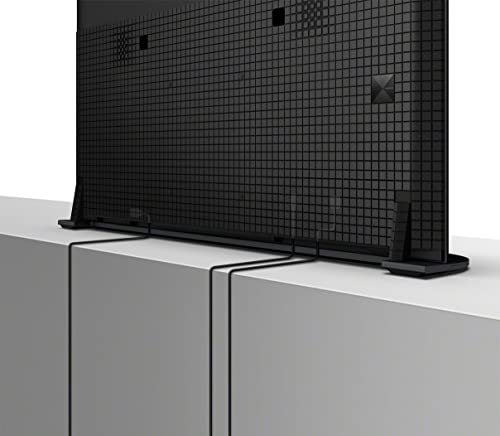
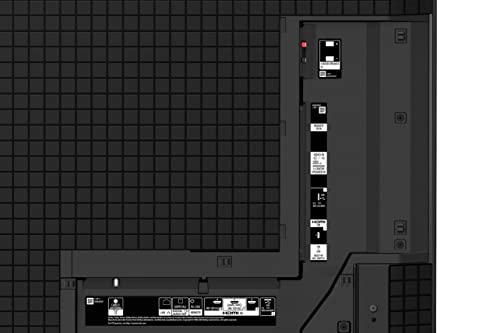
Shopping for a 65-inch 4K TV in 2025 means navigating a landscape where technology has advanced dramatically, yet price gaps between budget and premium models remain vast. Two televisions perfectly illustrate this divide: the Hisense 65" QD6 Series Hi-QLED Fire TV from 2025 and the Sony Bravia XR A95K 65" QD-OLED TV from 2022. Despite their three-year age difference, these TVs represent fundamentally different approaches to delivering big-screen entertainment.
At the time of writing, you're looking at roughly a 3-4x price difference between these models. The Hisense QD6 sits firmly in budget territory, while the Sony A95K commands premium pricing despite being a few years old. This raises an important question: does spending significantly more actually deliver a meaningfully better experience?
The 65-inch 4K TV market has matured into distinct tiers. Budget models like the Hisense QD6 pack impressive feature sets into affordable packages, often matching expensive TVs from just a few years ago. Premium models like the Sony A95K push technological boundaries, delivering experiences that approach professional reference monitors.
The key considerations when choosing between these tiers are picture quality, gaming capabilities, smart features, and overall value. Picture quality encompasses contrast (the difference between the darkest blacks and brightest whites), color accuracy and volume (how many colors the TV can display and how vibrant they appear), brightness levels, and motion handling. Gaming has become increasingly important, with features like variable refresh rate (which prevents screen tearing by syncing the TV's refresh with your gaming device) and low input lag (the delay between pressing a button and seeing the result on screen) now standard expectations.
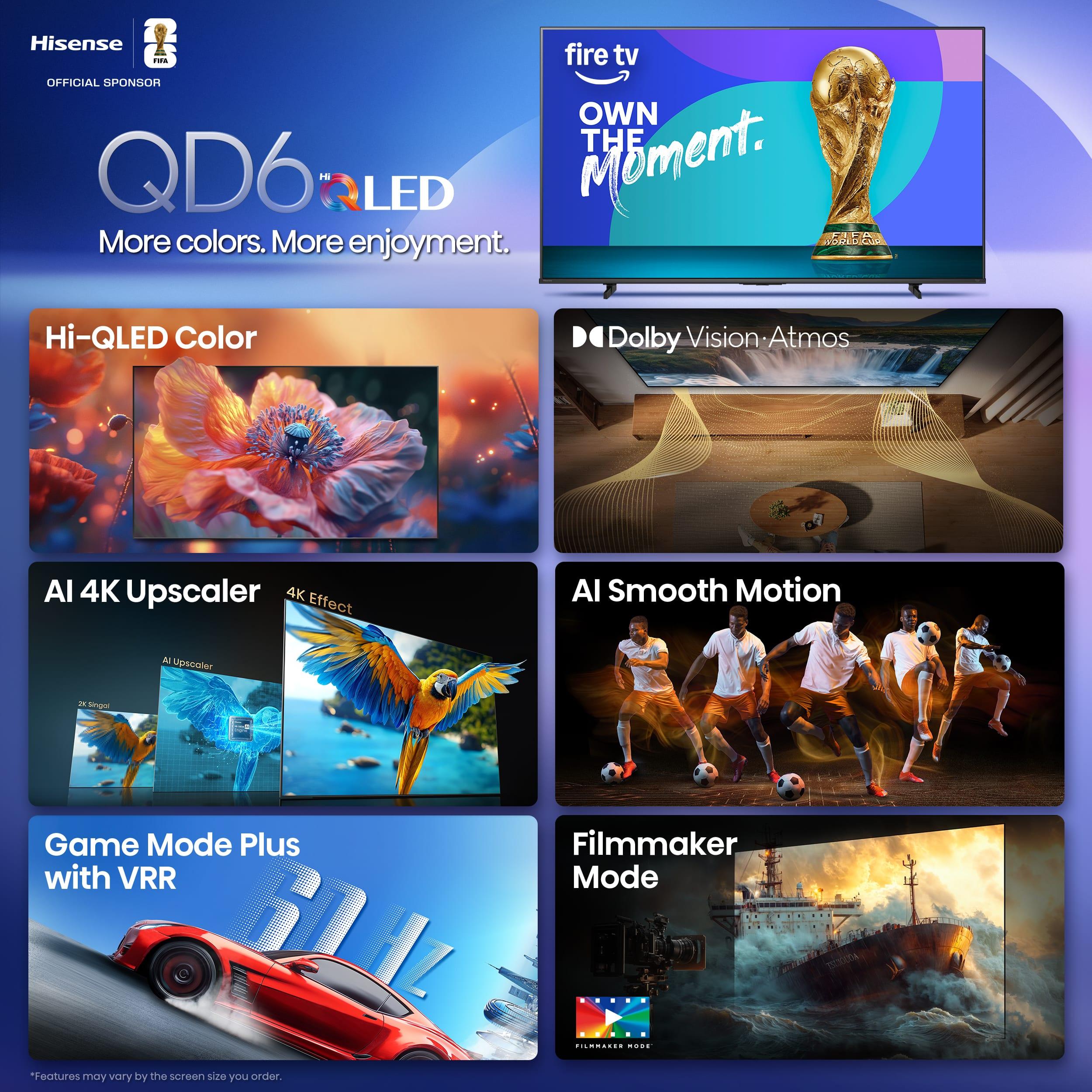
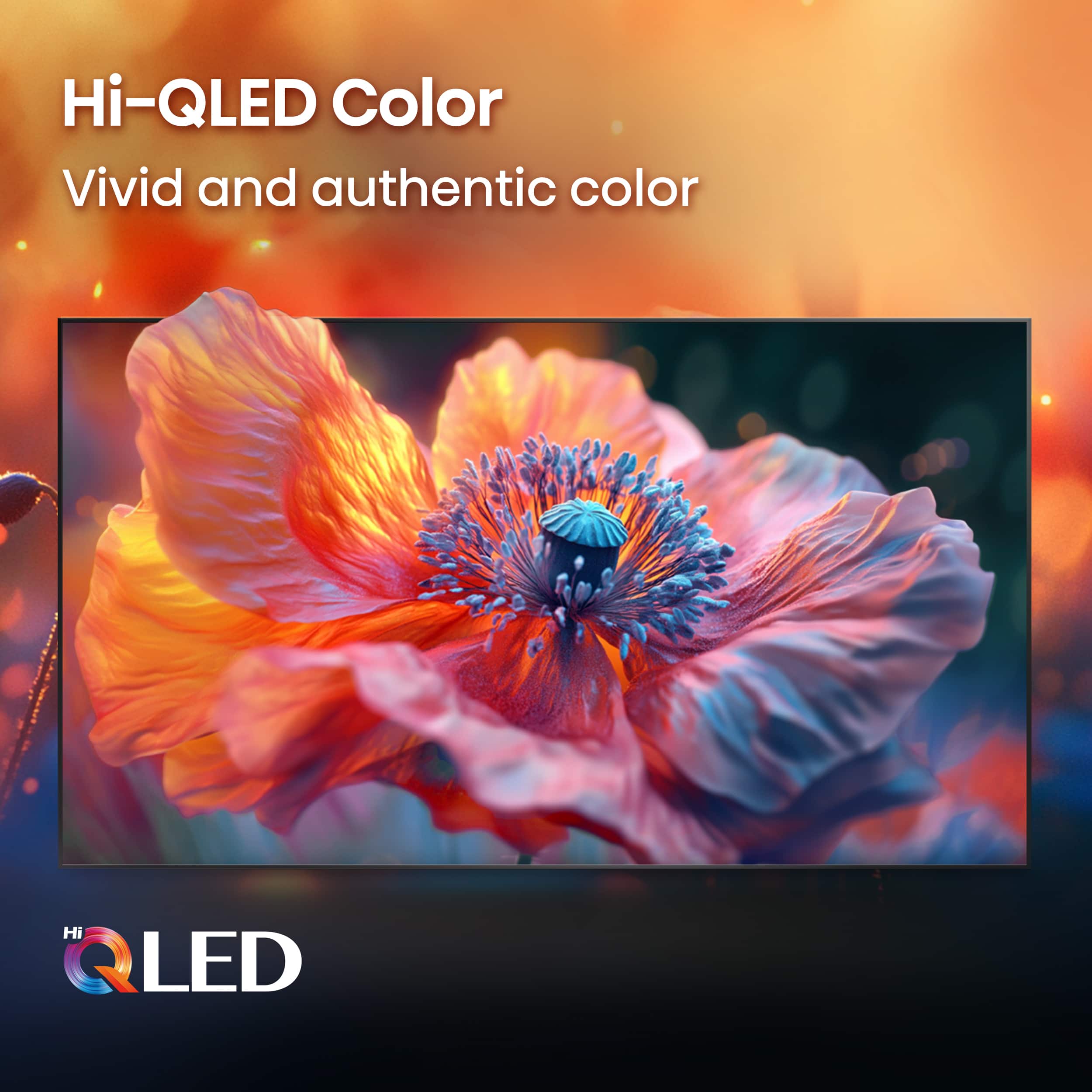
The fundamental difference between these TVs lies in their display technology. The Hisense QD6 uses what's called Hi-QLED—essentially a traditional LED backlight shining through a liquid crystal layer, enhanced with quantum dots (tiny particles that convert blue light into specific red and green colors for more vibrant hues). Think of it as a sophisticated version of the LED TVs you've known for years, just much more colorful.
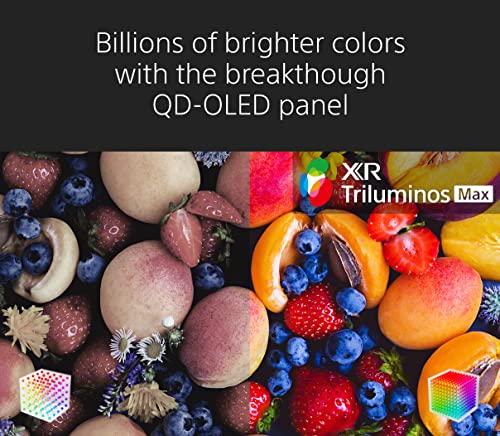
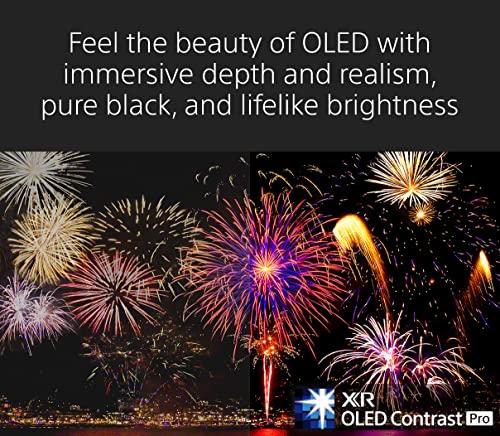
The Sony A95K, however, represents a technological leap. Its QD-OLED panel combines the best of two worlds: OLED's ability to turn individual pixels completely on or off (creating perfect blacks), with quantum dots' superior color brightness. Instead of a backlight, blue OLED pixels generate light, which quantum dots then convert to create red and green. This eliminates the white subpixel found in traditional OLEDs, resulting in colors that are both more accurate and significantly brighter.
This technical difference has profound real-world implications. When you're watching a movie with a starfield scene, the Hisense QD6 will show decent blacks, but any bright stars will cause the entire screen to lift slightly from true black—a limitation of LED backlighting. The Sony A95K delivers genuinely black space with pinpoint bright stars, creating that "window into space" effect that makes OLED technology so compelling.
Contrast ratio—the difference between the darkest and brightest parts of an image—is arguably the most important factor in perceived picture quality. Our research into professional reviews and user experiences consistently shows that contrast has more visual impact than resolution improvements or even color enhancements.
The Sony A95K achieves an infinite contrast ratio because its pixels can turn completely off, creating true blacks. When watching dark movies like "Blade Runner 2049" or horror films, this creates an immersive experience where dark scenes retain detail without looking washed out. The effect is particularly noticeable in dark rooms where traditional LED TVs often appear grayish rather than truly black.
The Hisense QD6 delivers respectable contrast for an LED TV, thanks to its VA panel (a type of LCD technology known for better contrast than IPS panels). However, it lacks local dimming—the ability to darken specific areas of the screen independently. This means when a bright object appears anywhere on screen, the entire display's black level rises. In practical terms, watching a movie with bright credits over a black background will result in the black appearing more gray than black.
High Dynamic Range (HDR) content contains a wider range of brightness levels and colors than standard content, but displaying it properly requires adequate peak brightness and contrast. This is where the technical differences between these TVs become most apparent.
The Sony A95K reaches approximately 400 cd/m² (candelas per square meter—a measure of brightness) in typical viewing, with higher peaks in HDR content. More importantly, it can achieve these bright highlights while maintaining perfect blacks elsewhere on the screen. When watching HDR movies on Netflix or Disney+, bright explosions or sunlight streaming through windows appear genuinely bright and impactful.
The Hisense QD6 achieves around 385 cd/m² peak brightness, which sounds competitive on paper. However, without local dimming, HDR content often appears flat and less impactful. Bright highlights don't pop as dramatically because they're accompanied by raised black levels across the rest of the screen. It's adequate for most HDR content, but lacks the "wow factor" of true HDR implementation.
Both TVs use quantum dot technology, but implement it differently with varying results. The Sony A95K achieves what Sony calls "200% color brightness" compared to traditional OLEDs. This means colors remain vibrant and saturated even in bright scenes—a traditional weakness of OLED technology.
The Hisense QD6 covers approximately 90% of the DCI-P3 color space (the standard used for digital cinema), which is impressive for its price point. Colors appear noticeably more vibrant than non-quantum dot TVs, particularly reds and greens. However, color volume—how bright those colors can get—is limited compared to the Sony.
In practical terms, when watching animated movies like Pixar films or vibrant nature documentaries, the Sony A95K maintains color saturation and accuracy across all brightness levels. The Hisense QD6 delivers satisfying color performance that significantly exceeds basic LED TVs, but bright, colorful scenes may appear less vivid than on premium displays.
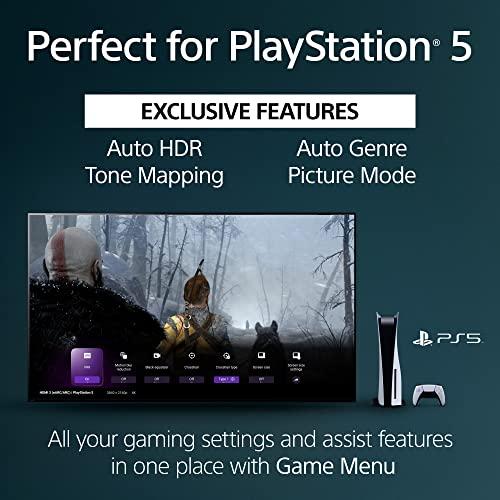
Gaming has become a crucial TV feature as PlayStation 5 and Xbox Series X consoles push 4K resolution at higher frame rates. The requirements for modern gaming include support for 120Hz refresh rates (120 frames per second), variable refresh rate (VRR) to prevent screen tearing, and Auto Low Latency Mode (ALLM) to minimize input lag.
The Sony A95K delivers comprehensive gaming support with HDMI 2.1 bandwidth, 4K@120Hz capability, VRR, and ALLM. Its OLED panel provides exceptional response times, meaning fast-moving objects appear sharp rather than blurry. Input lag—the delay between controller input and screen response—is low enough for competitive gaming. However, it only includes two HDMI 2.1 ports, which can be limiting if you have multiple next-gen consoles and want to use features like eARC for audio equipment.
The Hisense QD6 includes VRR and ALLM support, with very low input lag that rivals much more expensive TVs. However, it's limited to 60Hz refresh rates at 4K resolution and uses HDMI 2.0 ports. This means while games will look good and feel responsive, you won't experience the ultra-smooth motion of 120fps gaming. For many gamers, 60fps remains perfectly adequate, but competitive players or those with next-gen consoles may feel limited.
The practical difference becomes apparent in fast-paced games. Racing games and first-person shooters benefit dramatically from 120Hz support, creating smoother motion and potentially providing competitive advantages in online play. The Sony A95K delivers this premium gaming experience, while the Hisense QD6 provides solid but not cutting-edge gaming performance.
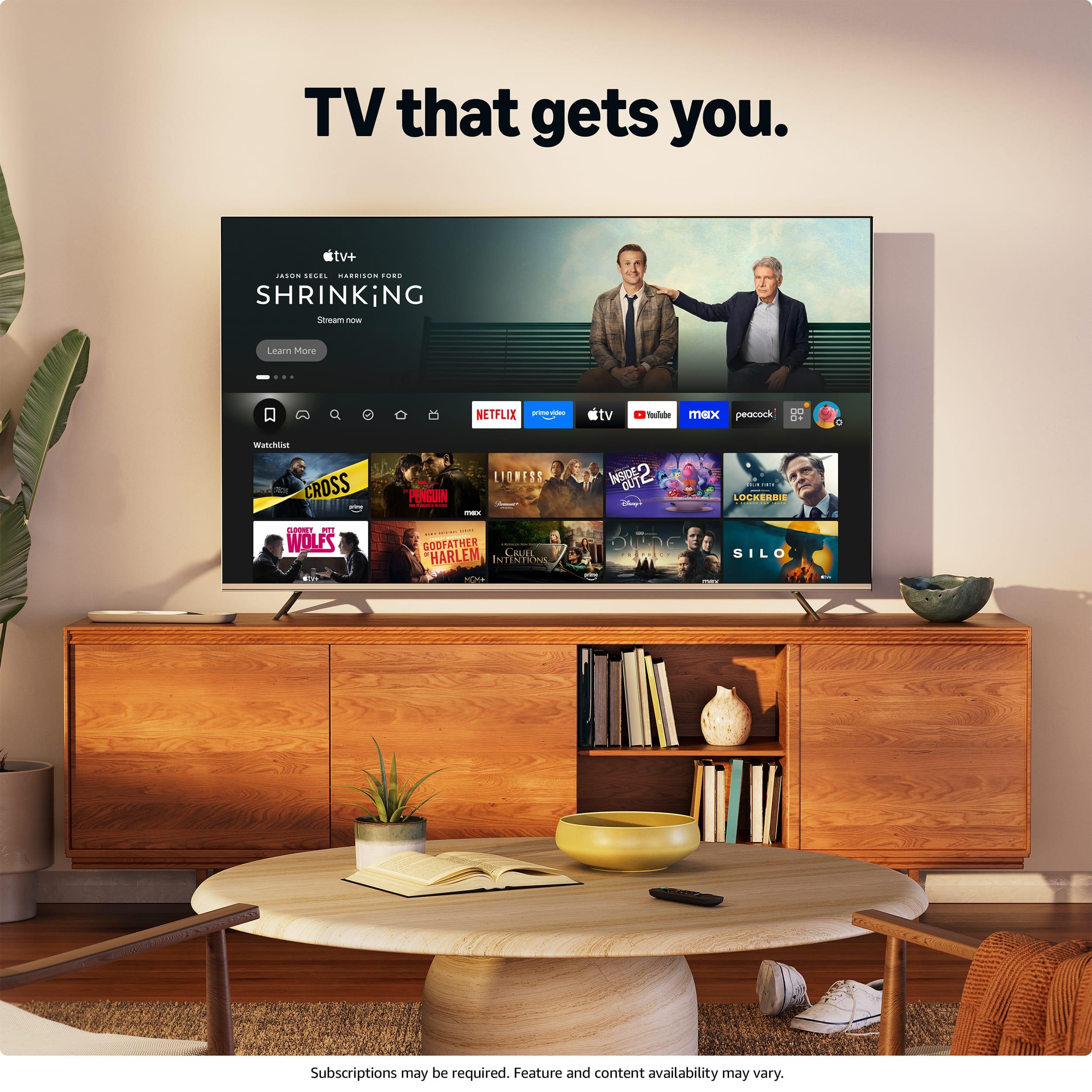
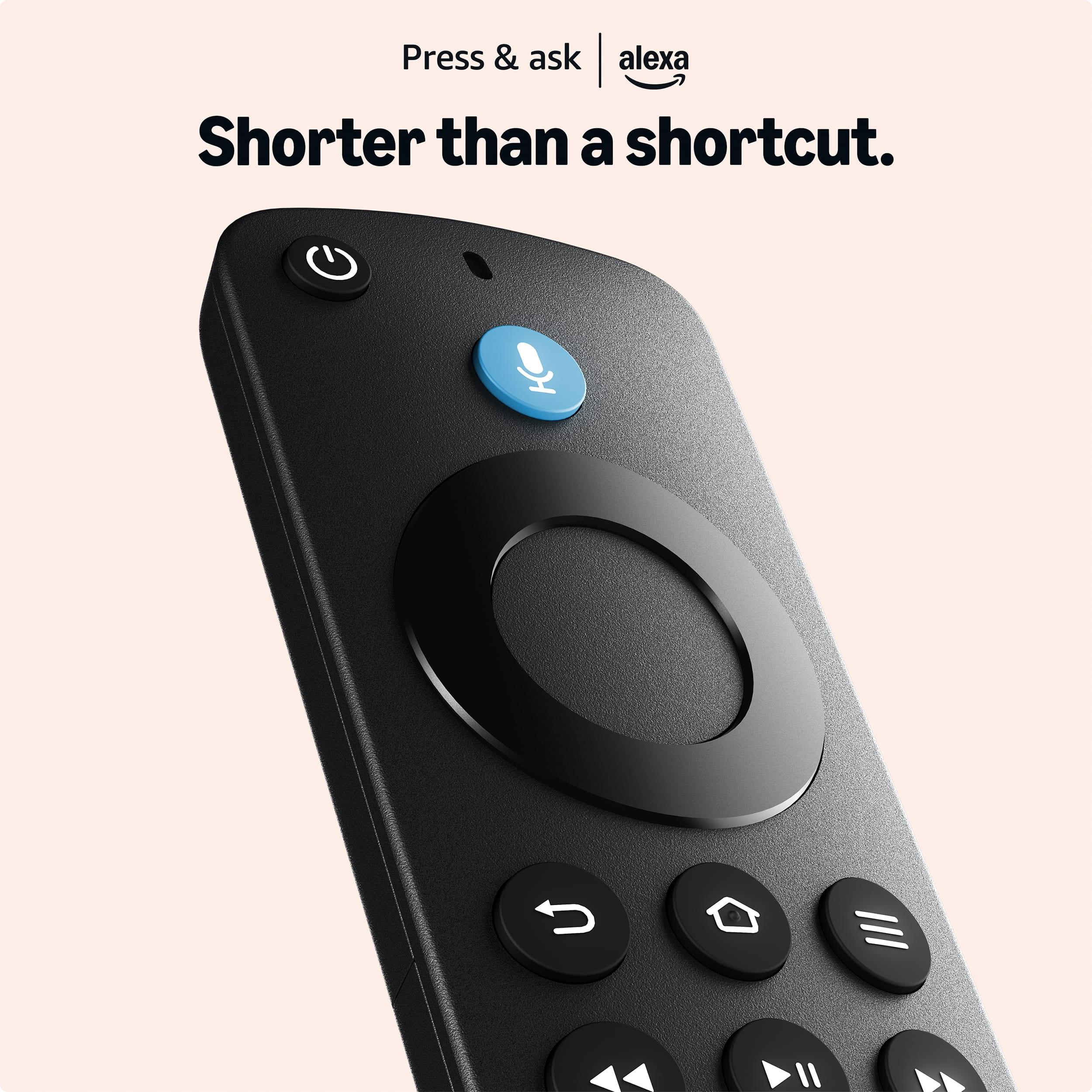
Smart TV platforms have evolved significantly, with both models offering comprehensive streaming capabilities. The Hisense QD6 runs Fire TV, Amazon's platform that provides excellent app selection, intuitive navigation, and deep Alexa integration. It also supports Google TV, Apple AirPlay, and Chromecast, making it compatible with virtually any ecosystem.
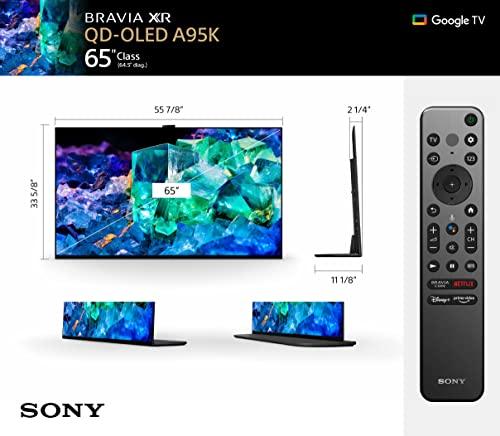
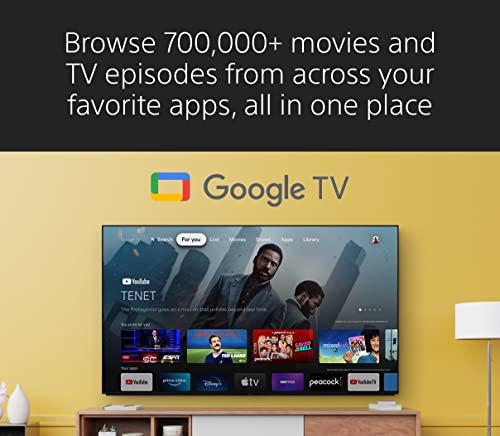
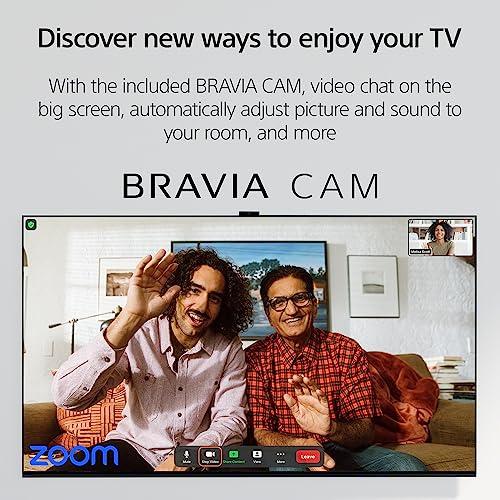
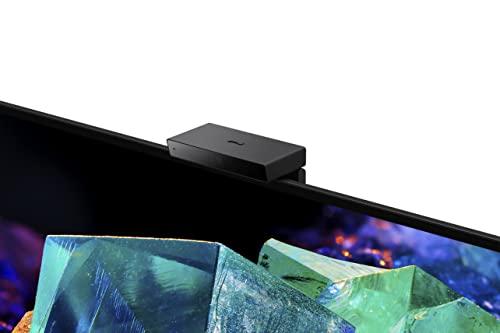
The Sony A95K features Google TV with additional premium touches like gesture controls through its included BRAVIA CAM and Netflix Calibrated Mode for reference-quality streaming. The interface feels more polished and premium, matching the TV's positioning.
Both platforms perform well in real-world use, though some users report occasional menu lag on the Hisense QD6. For most people, the smart TV platform becomes secondary to picture quality after the initial setup period.
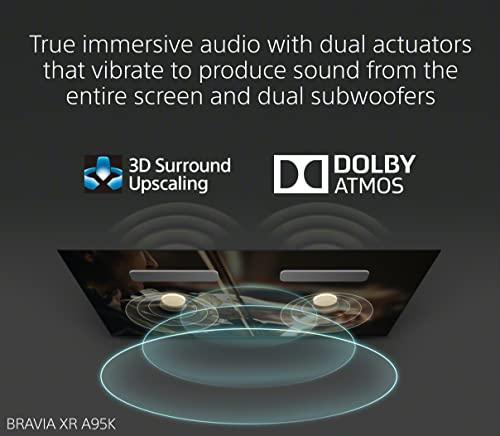
Television audio has improved dramatically in recent years, though both TVs take different approaches. The Sony A95K implements Acoustic Surface Audio+, where actuators behind the screen vibrate the display itself to produce sound. This creates an unusually immersive experience where dialogue appears to come directly from characters' mouths on screen. The TV can even function as a center channel in a surround sound setup.
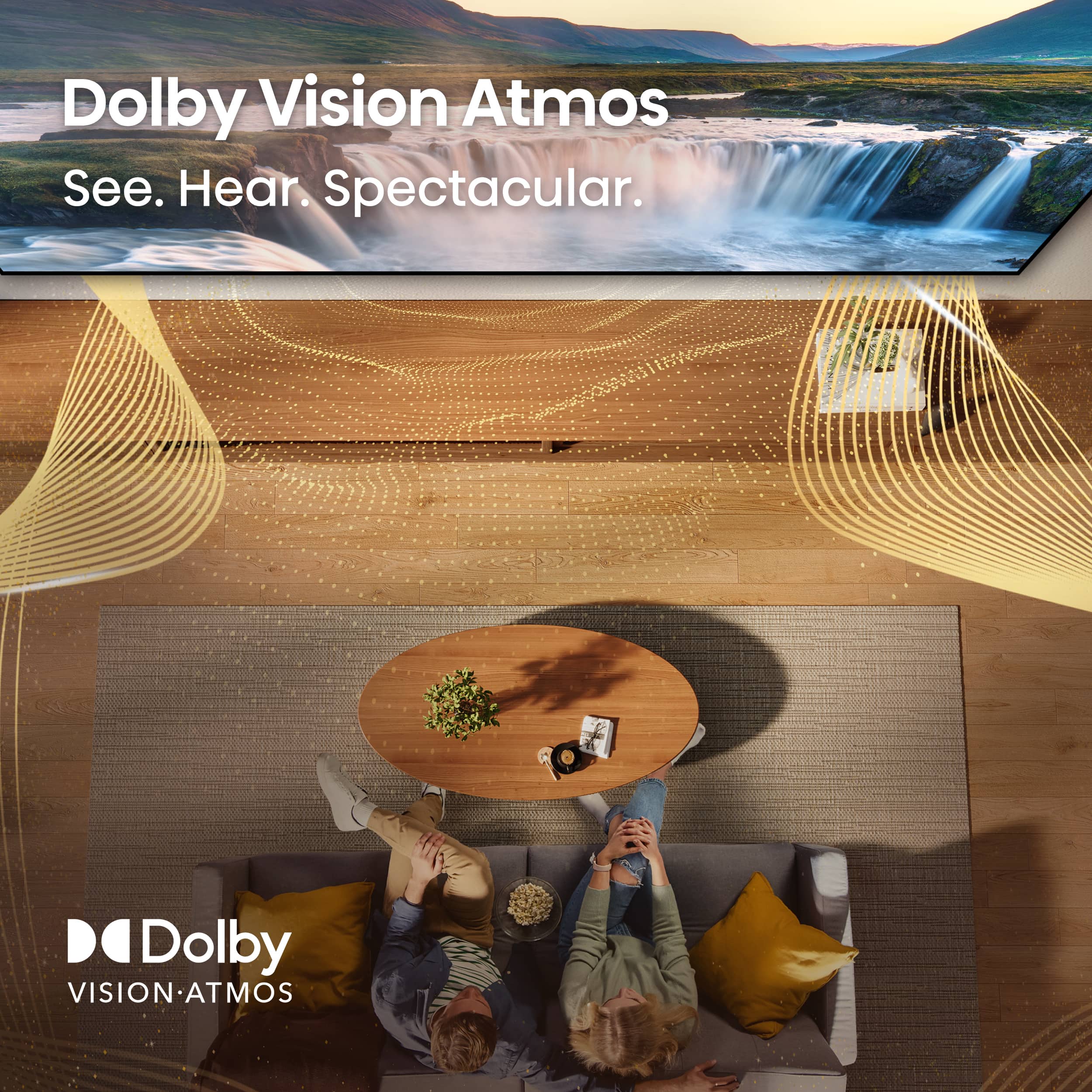
The Hisense QD6 includes conventional speakers with Dolby Atmos support, providing adequate audio for most viewing situations. While not revolutionary, the sound quality is respectable for the price point.
For serious home theater use, both TVs work well with external sound systems, though the Sony A95K offers more sophisticated audio features and integration options.
Setting up a dedicated home theater involves different priorities than general family room viewing. Light control becomes paramount—expensive TVs often perform best in darker environments where their advanced features can shine.
The Sony A95K excels in dark room setups where its perfect blacks and exceptional HDR performance create a genuinely cinematic experience. Color accuracy approaches reference monitor levels, making it suitable for viewers who care about seeing content as directors intended. However, bright room performance isn't its strength, as ambient light can cause black levels to rise and introduce a purple tint on dark content.
The Hisense QD6 performs respectably in moderately lit rooms where its decent brightness and anti-glare properties help maintain visibility. While it can't match OLED's dark room drama, it's more forgiving of suboptimal lighting conditions.
For serious home theater enthusiasts with light-controlled rooms, the Sony A95K delivers an experience that justifies its premium pricing. For family rooms with variable lighting, the Hisense QD6 offers better versatility at a fraction of the cost.
At the time of writing, the price difference between these TVs is substantial—roughly 3-4x depending on sales and availability. This raises the critical question: does the Sony A95K deliver 3-4x better performance?
The answer depends heavily on your viewing habits, room setup, and priorities. The Sony A95K provides genuinely superior picture quality, particularly in dark rooms and with HDR content. For enthusiasts who prioritize the best possible image quality and have the budget for premium technology, the improvement is significant and worthwhile.
However, the Hisense QD6 delivers impressive performance for its price point, offering features and picture quality that would have commanded premium pricing just a few years ago. For most viewers in typical living room setups, it provides a thoroughly satisfying experience with modern features and solid build quality.
Choose the Hisense QD6 if you want a large, feature-rich TV without premium pricing. It's ideal for family rooms with normal lighting, casual gaming, and general streaming. The quantum dot enhancement provides noticeably better colors than basic LED TVs, while smart features and decent HDR support ensure it won't feel outdated soon. It represents exceptional value for viewers who want a modern TV experience without breaking the budget.
Choose the Sony A95K if picture quality is your primary concern and budget permits the premium. It's transformative for dark room viewing, delivers reference-quality color accuracy, and provides a genuinely high-end experience. Home theater enthusiasts, serious gamers who want cutting-edge features, and viewers who prioritize the best possible image quality will find the investment worthwhile.
The technology gap between these TVs reflects broader industry trends where budget models offer increasingly impressive features, while premium models push technological boundaries. Your choice ultimately depends on whether you prioritize exceptional value or exceptional performance—both are valid approaches to finding your perfect 65-inch TV.
| Hisense 65" QD6 Series Hi-QLED Fire TV | Sony Bravia XR A95K 65" QD-OLED TV |
|---|---|
| Display Technology - Determines picture quality ceiling and dark room performance | |
| Hi-QLED (LED backlight + quantum dots on VA panel) | QD-OLED (self-emitting pixels + quantum dots) |
| Contrast Ratio - Most important factor for perceived picture quality | |
| Good native contrast but blacks wash out with bright content | Infinite contrast with perfect blacks and no blooming |
| Peak Brightness - Critical for HDR impact and bright room viewing | |
| ~385 cd/m² (adequate for moderate lighting) | ~400 cd/m² with superior HDR punch due to perfect blacks |
| Refresh Rate - Essential for smooth gaming and sports | |
| 60Hz native (limits next-gen console gaming) | 120Hz native (full next-gen gaming support) |
| HDMI Connectivity - Determines gaming and device compatibility | |
| 4x HDMI 2.0 ports (no 4K@120Hz gaming) | 4x HDMI ports (2x HDMI 2.1 for advanced gaming) |
| Gaming Features - Modern console compatibility | |
| VRR, ALLM at 60Hz (solid but limited gaming) | VRR, ALLM, 4K@120Hz (premium gaming experience) |
| Color Performance - Affects vibrance and accuracy of content | |
| 90% DCI-P3 coverage with good saturation | Exceptional color accuracy with 200% higher color brightness than traditional OLED |
| Smart Platform - Daily user experience and app ecosystem | |
| Fire TV with Alexa (excellent app selection and speed) | Google TV with premium features (polished interface) |
| Audio Technology - Affects immersion without external speakers | |
| Standard speakers with Dolby Atmos support | Acoustic Surface Audio+ (sound from screen) with Dolby Atmos |
| Ideal Viewing Environment - Where each TV performs best | |
| Moderate lighting family rooms (forgiving of ambient light) | Dark rooms and home theaters (OLED shines with light control) |
| Value Proposition - Performance per dollar spent | |
| Exceptional features for budget-conscious buyers | Premium picture quality justifies higher investment for enthusiasts |
The Sony Bravia XR A95K delivers significantly better picture quality with its QD-OLED technology, offering perfect blacks, infinite contrast, and exceptional color accuracy. The Hisense 65" QD6 Series provides good picture quality for its price range with quantum dot enhancement, but cannot match the Sony's dark room performance and HDR impact.
The Hisense QD6 uses Hi-QLED technology with an LED backlight and quantum dots for enhanced colors on a traditional LCD panel. The Sony A95K features QD-OLED technology where individual pixels emit their own light combined with quantum dots, eliminating the need for backlighting and achieving perfect blacks with superior color brightness.
The Sony A95K offers superior gaming with 4K@120Hz support, HDMI 2.1 ports, and exceptional response times for next-gen consoles. The Hisense QD6 provides solid gaming with VRR and ALLM support but is limited to 60Hz at 4K resolution, which restricts the full potential of modern gaming consoles.
The Hisense QD6 performs better in bright, well-lit rooms due to its LED technology and decent anti-glare properties. The Sony A95K excels in dark rooms where its perfect blacks create a cinematic experience, but ambient light can cause black levels to rise and introduce color tinting.
The Hisense 65" QD6 Series provides exceptional value with modern features, quantum dot colors, and smart TV capabilities at a budget-friendly price point. The Sony A95K justifies its premium pricing for enthusiasts who prioritize reference-quality picture and cutting-edge technology.
The Hisense QD6 runs Fire TV with excellent app selection, Alexa integration, and support for multiple casting platforms. The Sony A95K features Google TV with premium features like gesture controls and Netflix Calibrated Mode, offering a more polished interface experience.
The Sony A95K features innovative Acoustic Surface Audio+ technology that makes the screen itself produce sound, creating immersive audio where dialogue appears to come from characters on screen. The Hisense QD6 includes standard speakers with Dolby Atmos support that provide adequate but unremarkable audio quality.
The Hisense 65" QD6 Series offers 4 HDMI 2.0 ports suitable for most devices but limiting for advanced gaming features. The Sony A95K provides 4 HDMI ports with 2 being HDMI 2.1 for next-gen gaming and advanced features, though this may limit connectivity for users with multiple gaming devices.
The Sony A95K excels in dedicated home theaters with light control, delivering cinema-quality picture with perfect blacks and reference-level color accuracy. The Hisense QD6 works well in multi-purpose family rooms but cannot match the immersive dark room experience that makes the Sony ideal for serious home theater use.
Both the Hisense QD6 and Sony A95K support Dolby Vision, HDR10+, HDR10, and HLG formats. However, the Sony delivers superior HDR performance with better peak brightness handling and contrast, making HDR content more impactful, while the Hisense provides decent but less dramatic HDR viewing.
The Sony A95K provides excellent motion handling with its 120Hz panel and fast response times, delivering smooth sports and action scenes. The Hisense 65" QD6 Series struggles with fast motion due to slower response times and 60Hz limitations, resulting in noticeable blur during rapid movement.
Choose the Hisense QD6 if you want a feature-rich large TV at an affordable price for family room viewing with normal lighting. Select the Sony A95K if picture quality is your priority, you have a dedicated dark viewing space, or you're a serious gamer wanting the best possible experience with next-gen consoles.
We've done our best to create useful and informative comparisons to help you decide what product to buy. Our research uses advanced automated methods to create this comparison and perfection is not possible - please contact us for corrections or questions. These are the sites we've researched in the creation of this article: pcvarge.com - bestbuy.com - rtings.com - youtube.com - rtings.com - youtube.com - consumerreports.org - leaseville.com - hisense-usa.com - device.report - hisense-usa.com - youtube.com - flatpanelshd.com - displayspecifications.com - retailspecs.com - tomsguide.com - audioadvice.com - wepc.com - bestbuy.com - tvsbook.com - rtings.com - youtube.com - flatpanelshd.com - rtings.com - youtube.com - reviewed.com - avsforum.com - youtube.com - youtube.com - rtings.com - youtube.com - electronics.sony.com - sonypremiumhome.com - valueelectronics.com - sony.com - displayspecifications.com - flatpanelshd.com - donstv.com - youtube.com - businessinsider.com - youtube.com - displayspecifications.com - bestbuy.com

Privacy Policy
Terms and Conditions - Affiliate Policy
Home Security
© Copyright 2008-2026.
11816 Inwood Rd #1211, Dallas, TX 75244