

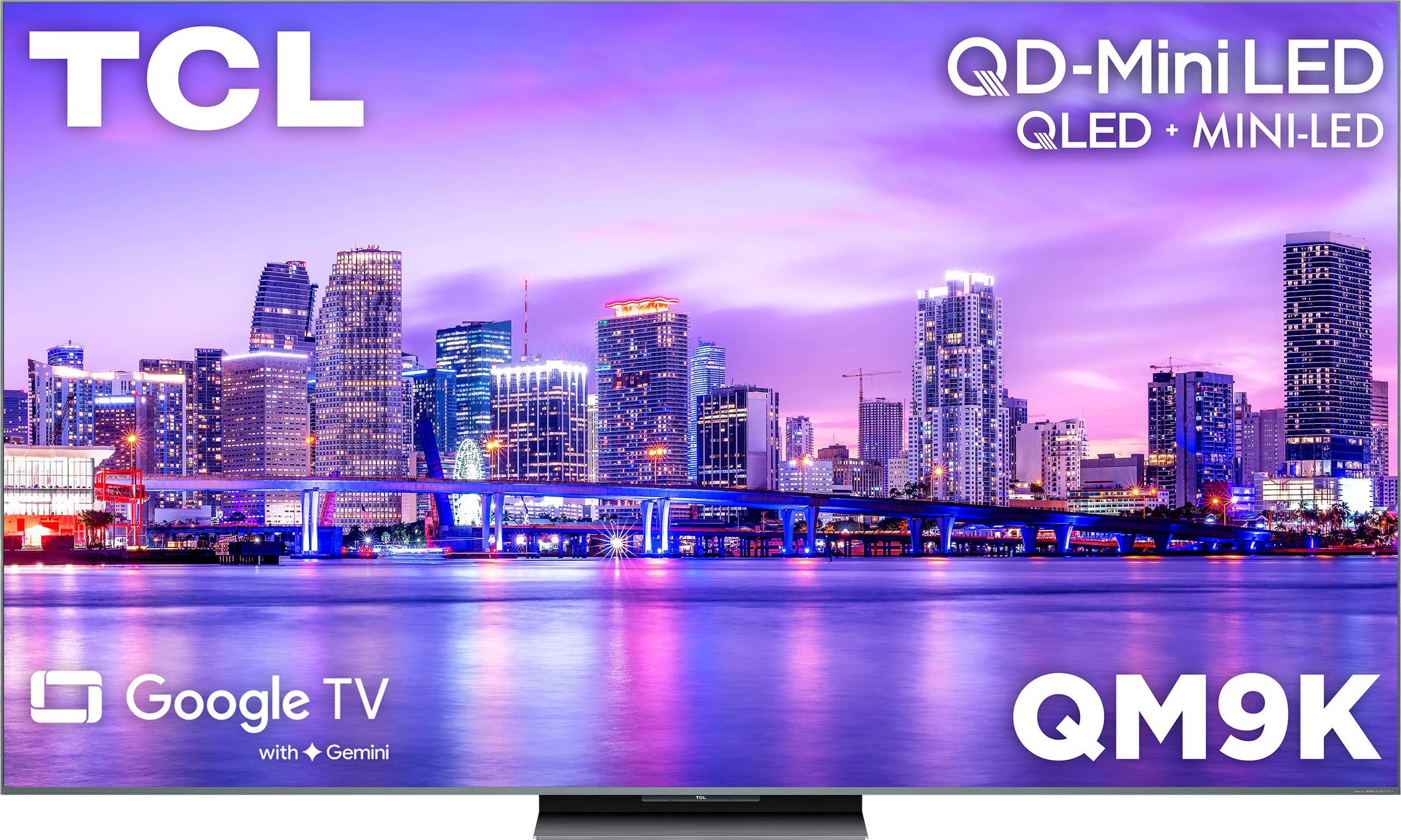
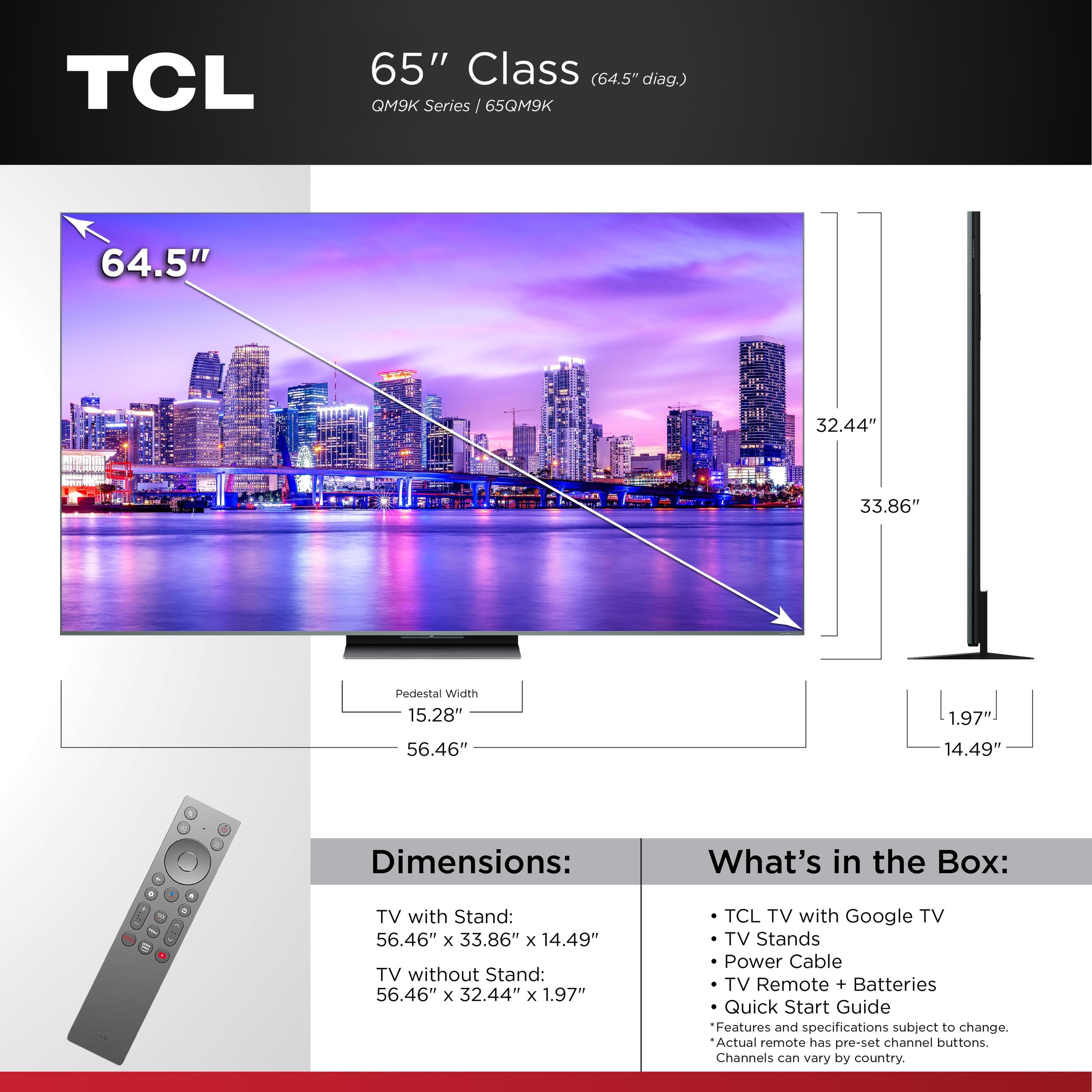
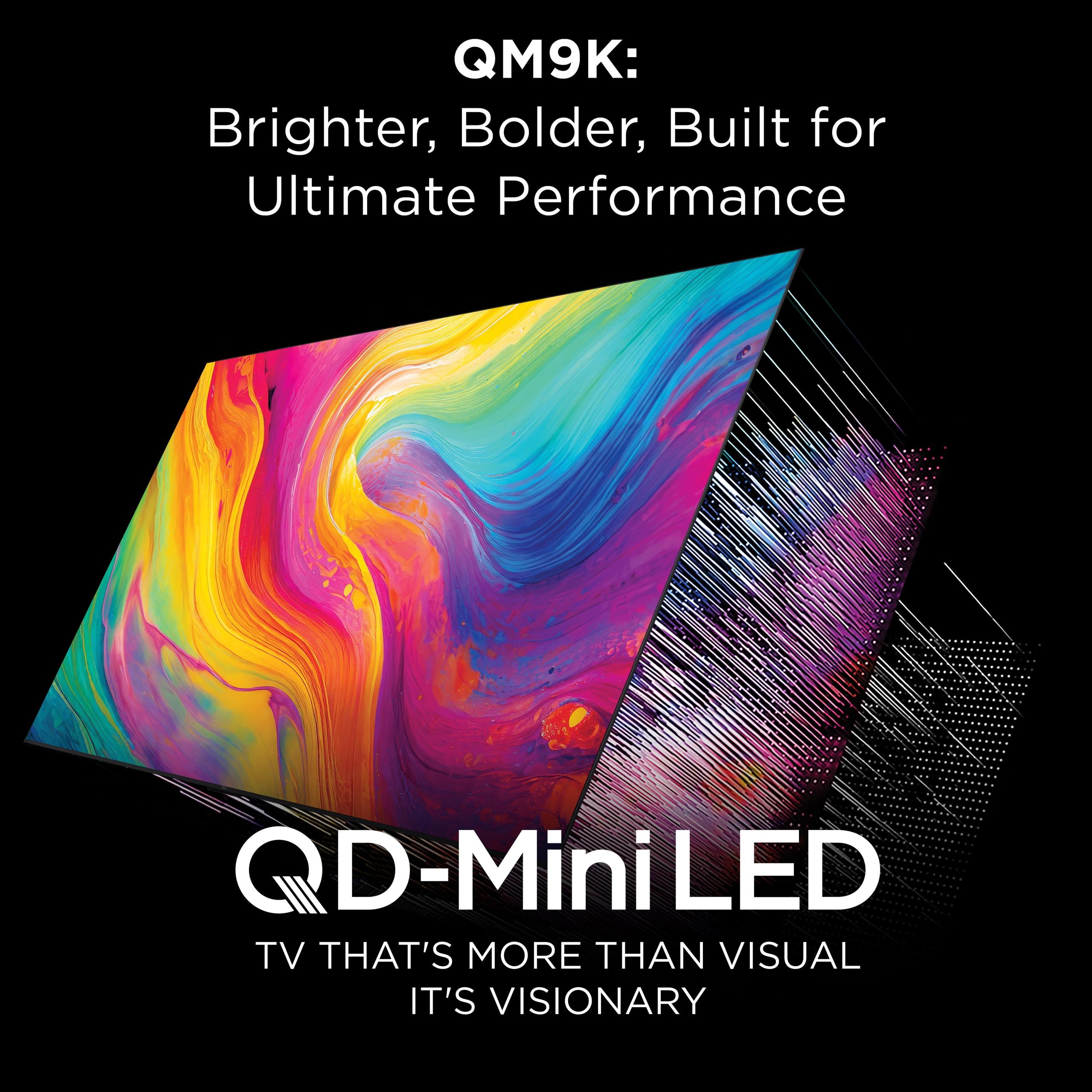
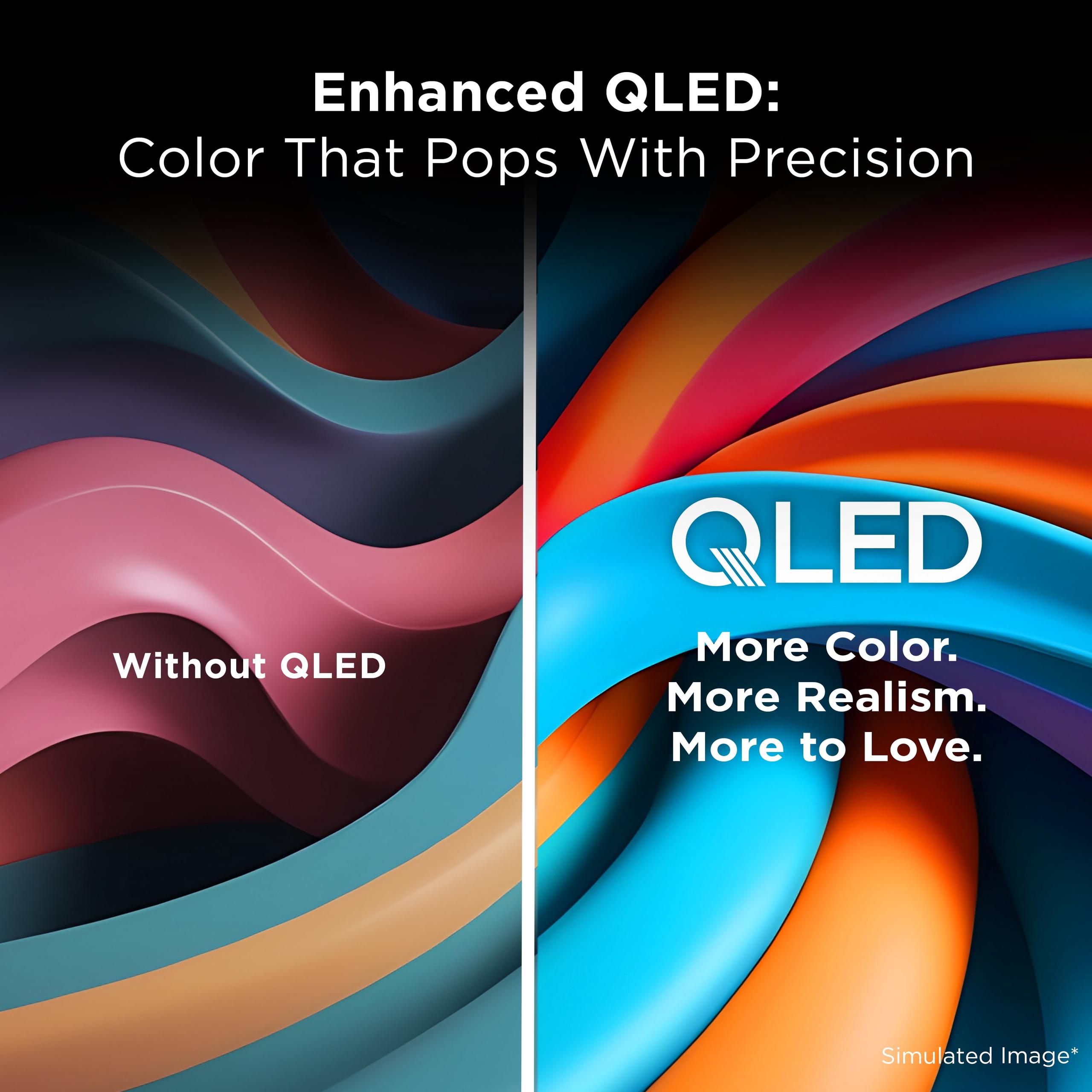
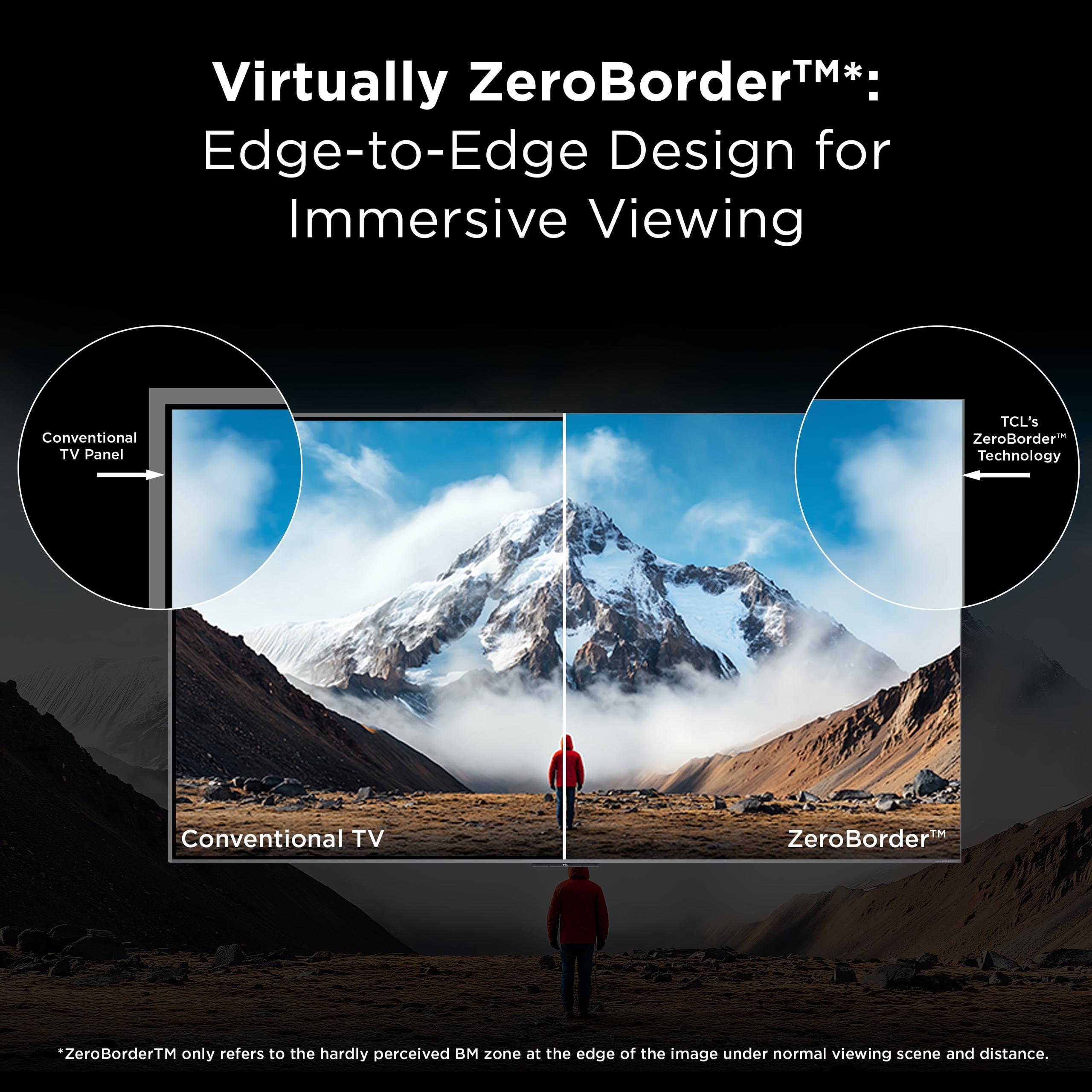
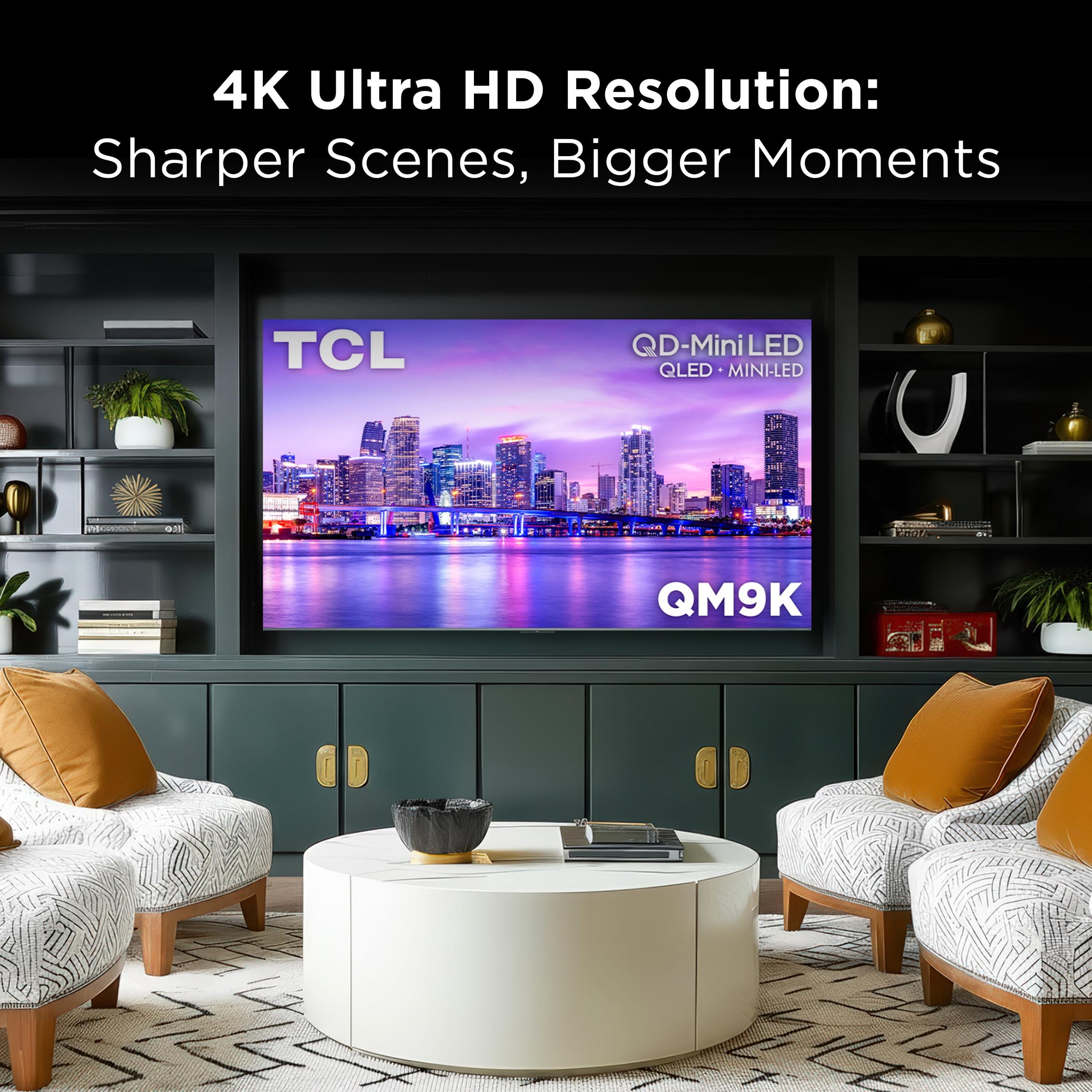
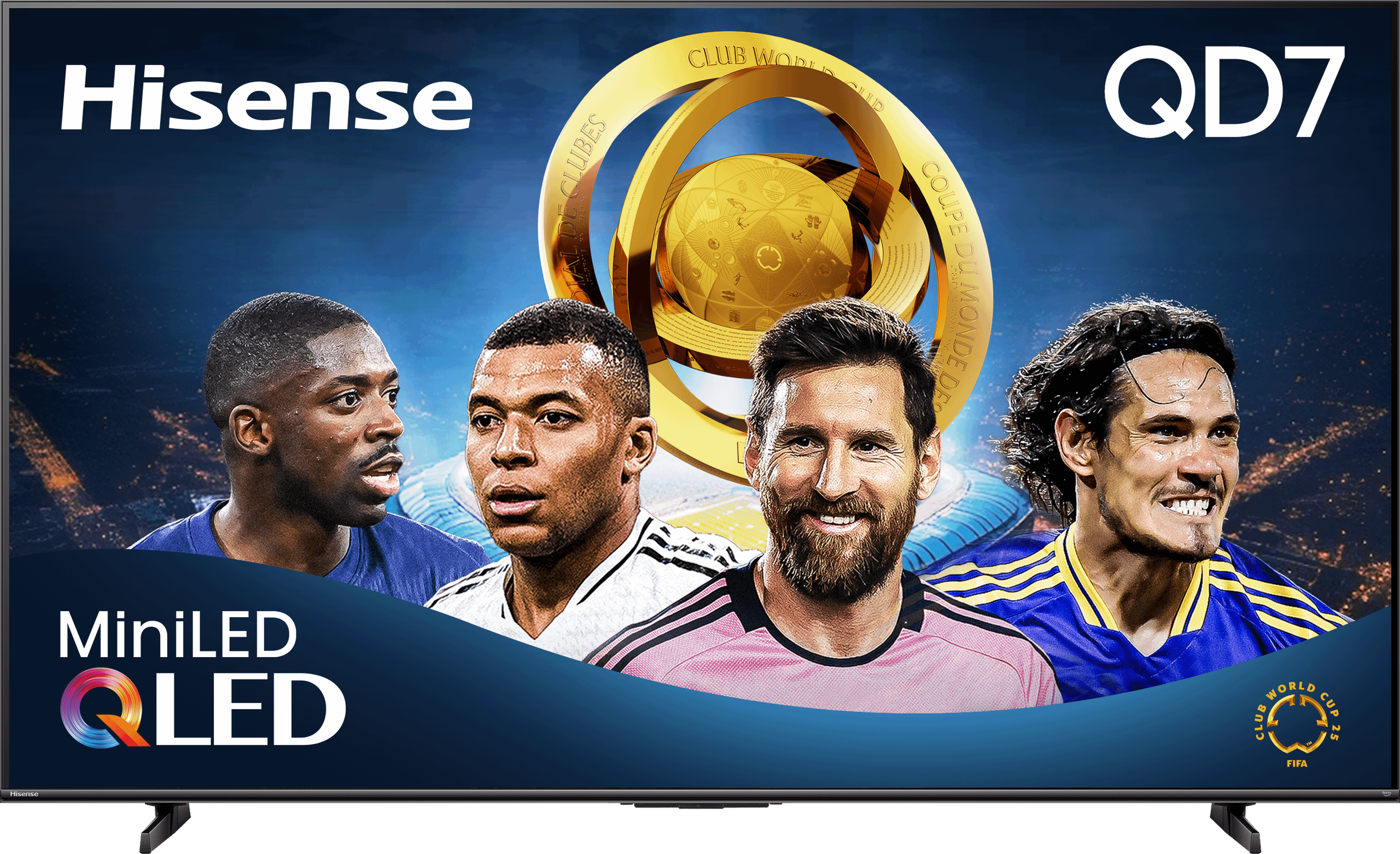
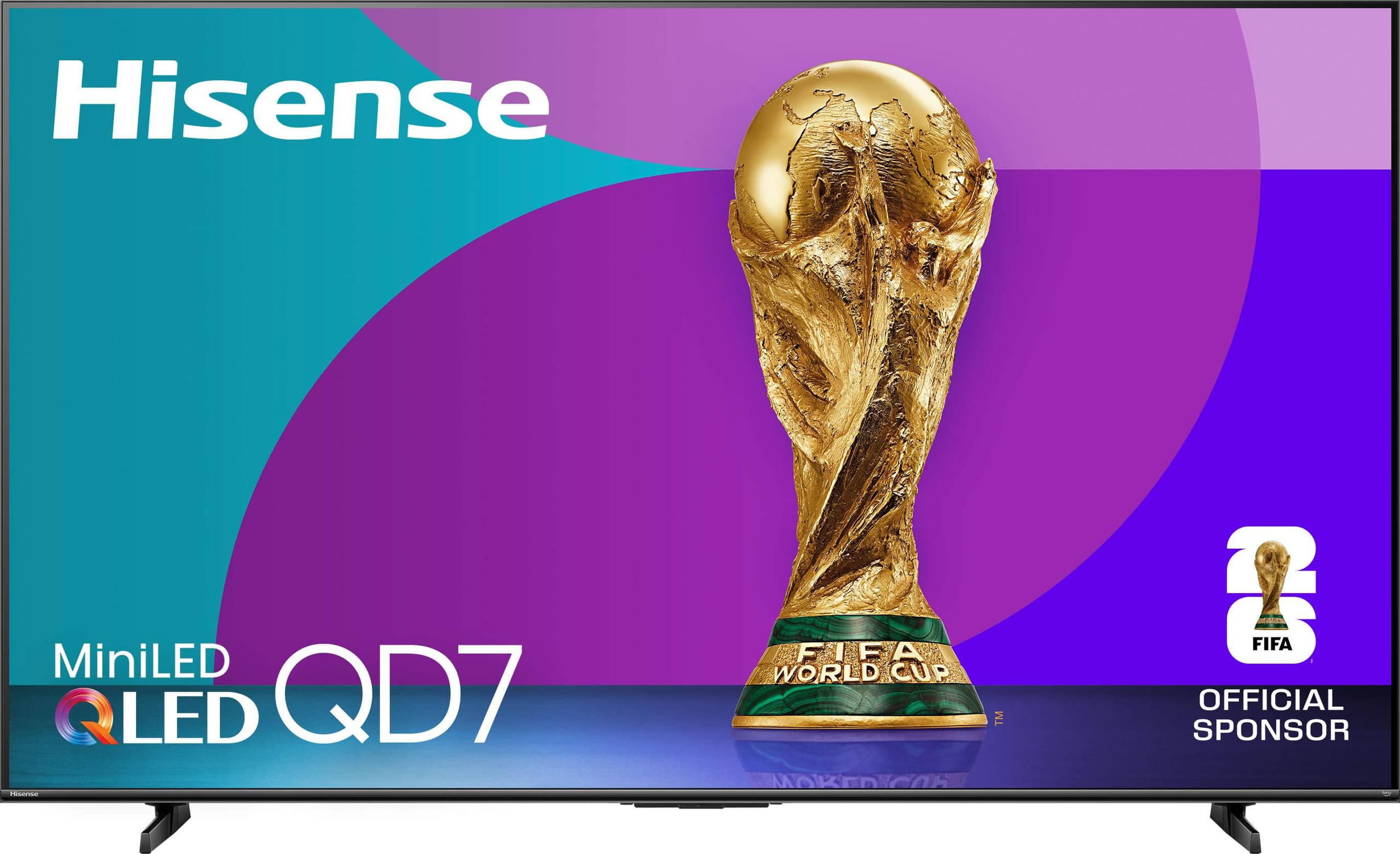
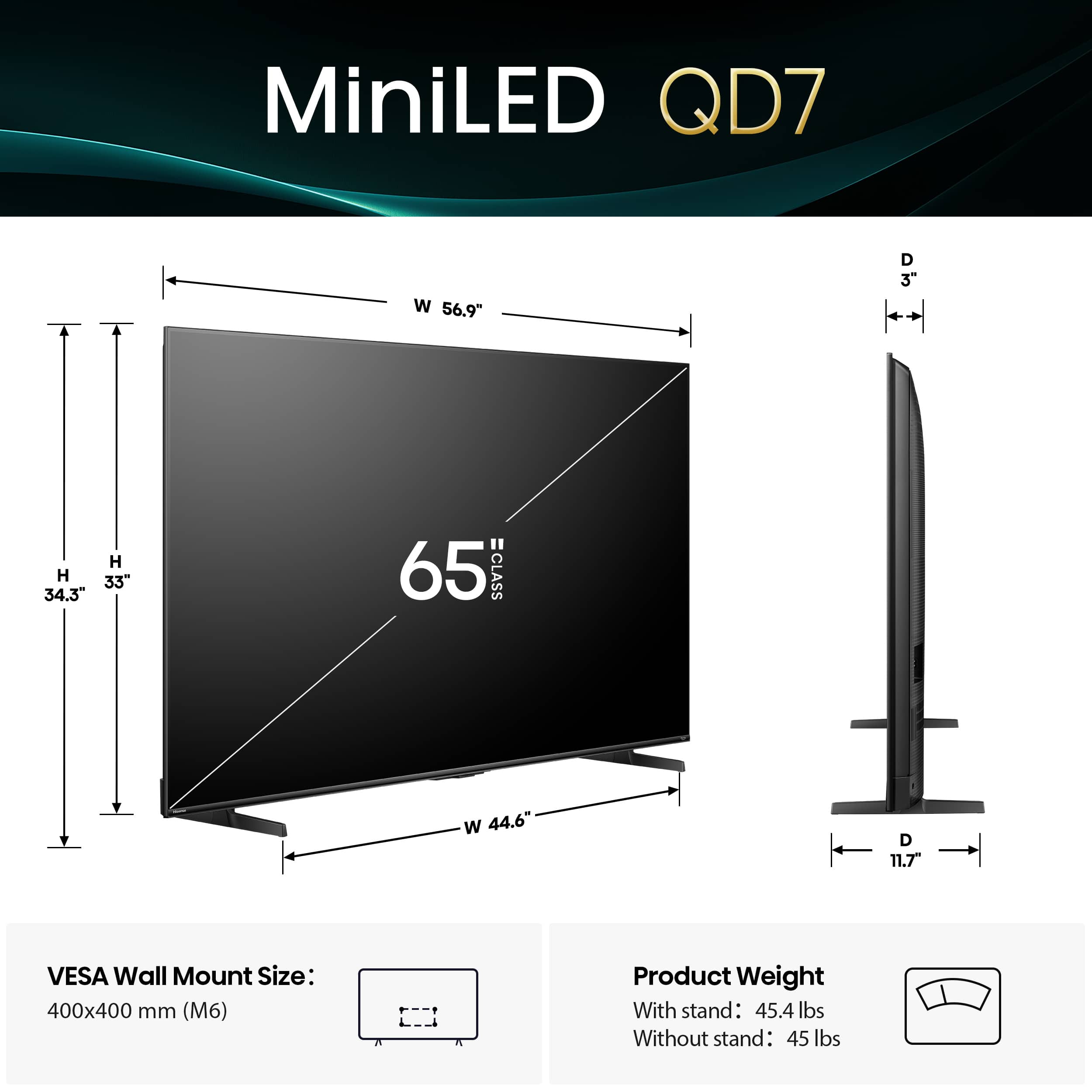
Shopping for a 65-inch TV in 2025 means navigating a landscape where Mini-LED technology has become the dominant force between budget LED TVs and premium OLED displays. Two standouts in this space are the TCL QM9K—a flagship model packed with cutting-edge features—and the Hisense QD7, which delivers impressive Mini-LED performance at a much more accessible price point.
At the time of writing, these TVs sit at opposite ends of the Mini-LED value spectrum. The TCL QM9K commands a premium price that reflects its flagship status, while the Hisense QD7 costs roughly one-third as much while still offering genuine Mini-LED technology. This massive price gap raises an important question: does the extra cost justify the premium features?
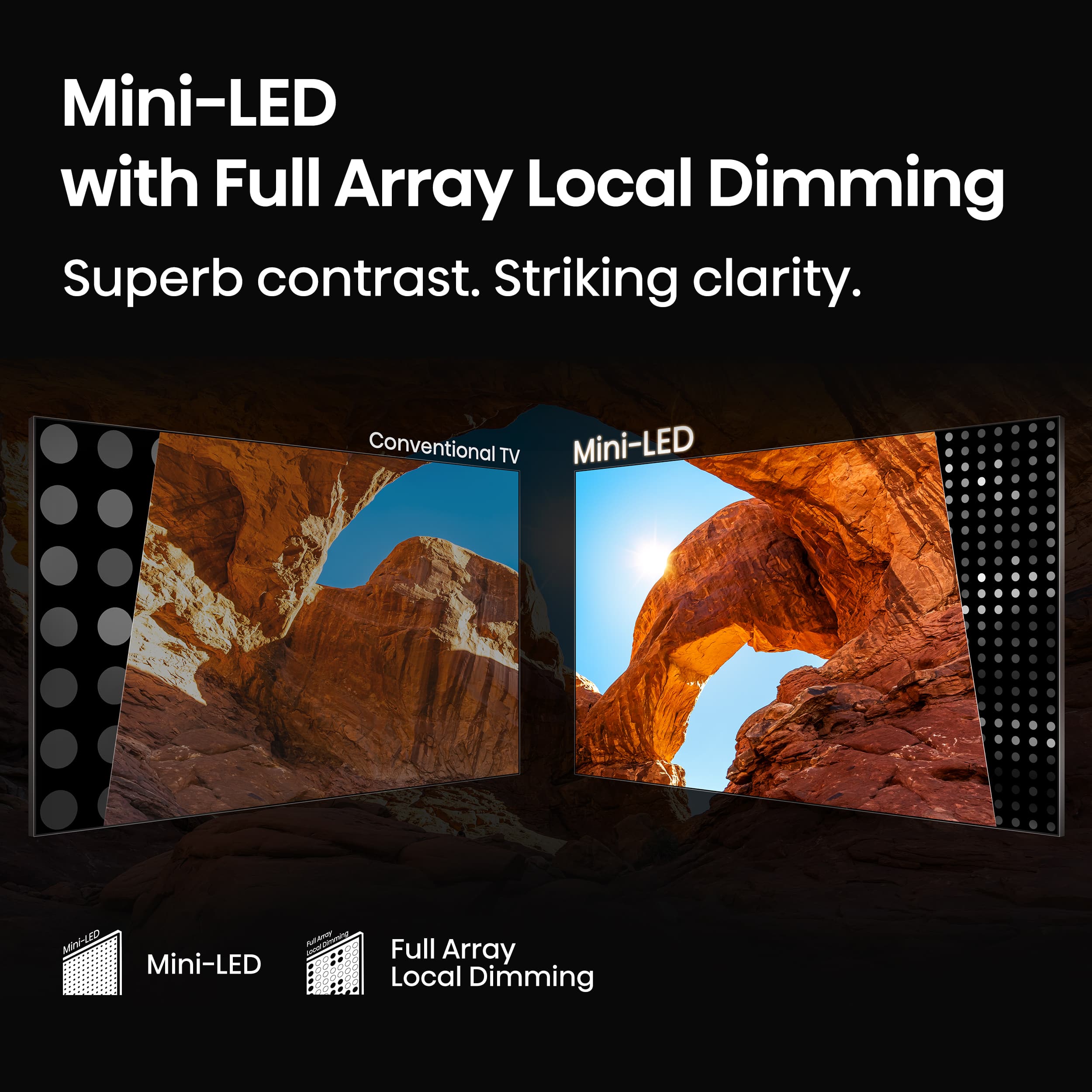
Before diving into the comparison, it's worth understanding what makes Mini-LED special. Traditional LED TVs use a relatively small number of large LED zones (typically 100-500) to control backlighting across the screen. Mini-LED technology shrinks these LEDs dramatically and uses thousands of them instead. This allows for much more precise control over which parts of the screen are bright or dark.
The result is deeper blacks, brighter highlights, and significantly less "blooming"—that unwanted halo effect you sometimes see around bright objects on darker backgrounds. It's like upgrading from a flashlight to a laser pointer in terms of precision.
Both the TCL QM9K and Hisense QD7 use this technology, but they implement it very differently, which explains much of their performance and price differences.
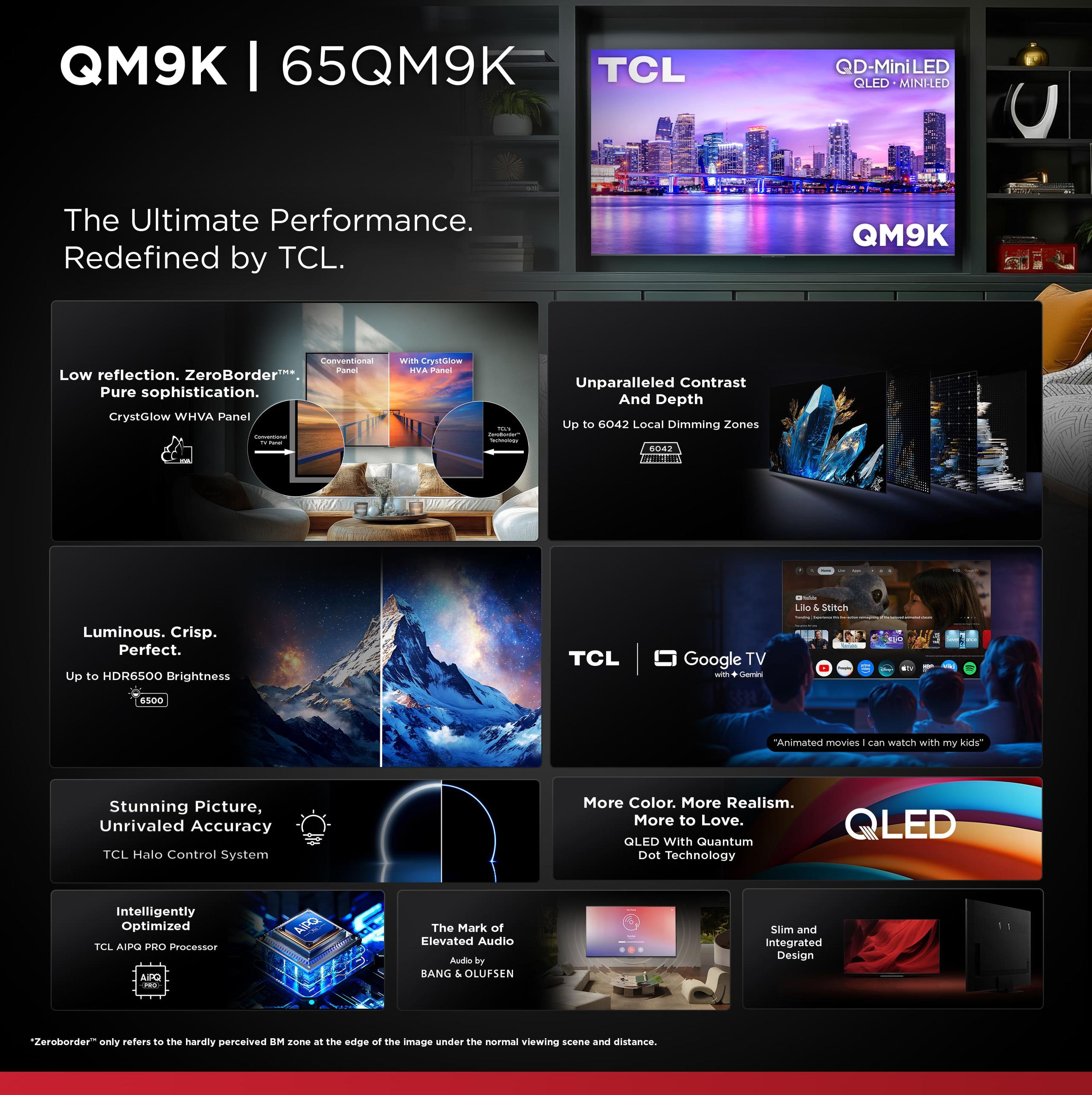
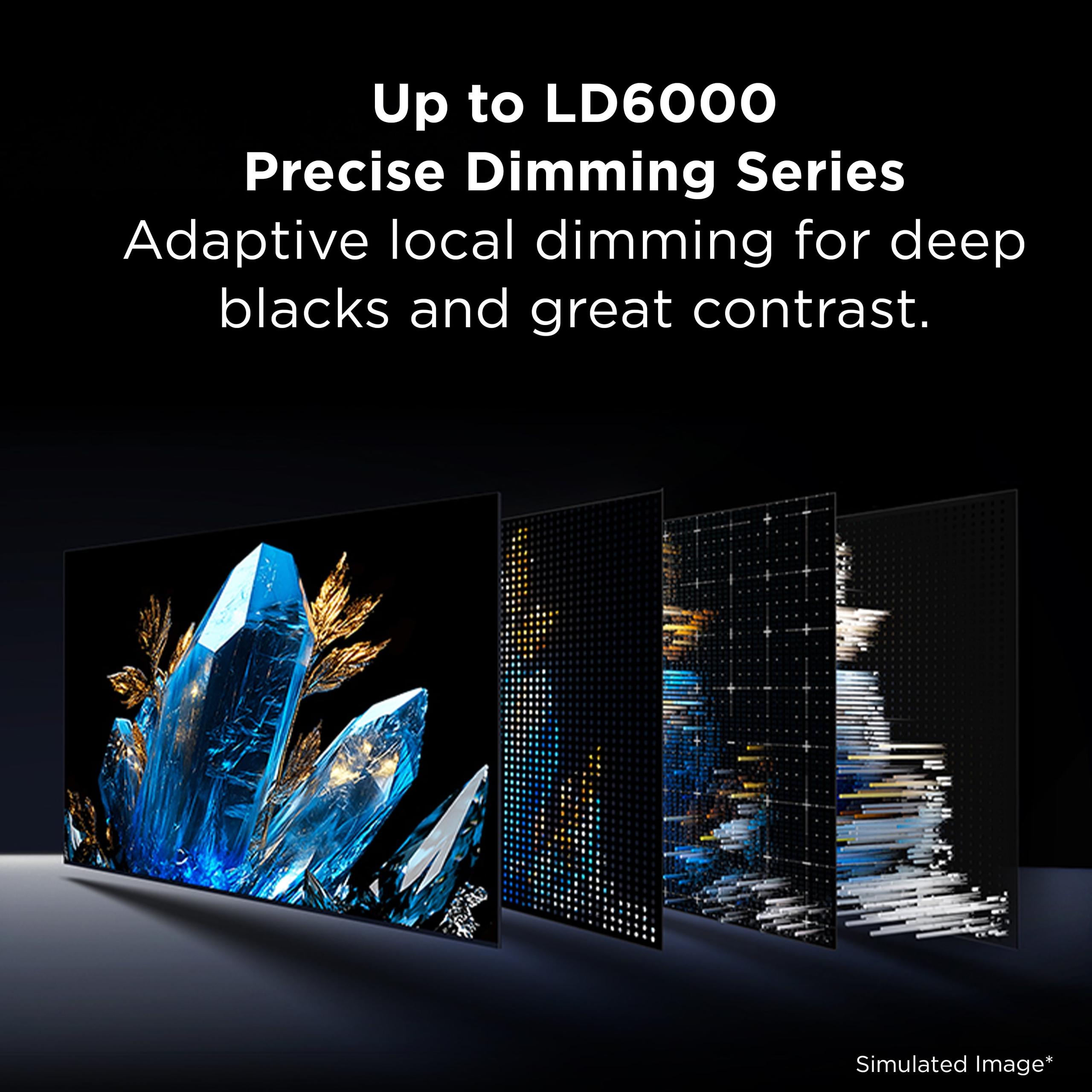
The TCL QM9K, released in 2025, represents TCL's flagship effort to compete directly with Samsung and Sony's premium offerings. Its most impressive specification is the massive local dimming zone count—up to 6,000 precise zones compared to the industry standard of 1,000-2,000 for most Mini-LED TVs.
What does this mean in practice? Imagine watching a movie scene with stars scattered across a dark night sky. With 6,000 dimming zones, the TCL QM9K can keep each star bright while maintaining true blacks around them. TVs with fewer zones might have to compromise, creating subtle halos or slightly gray blacks.
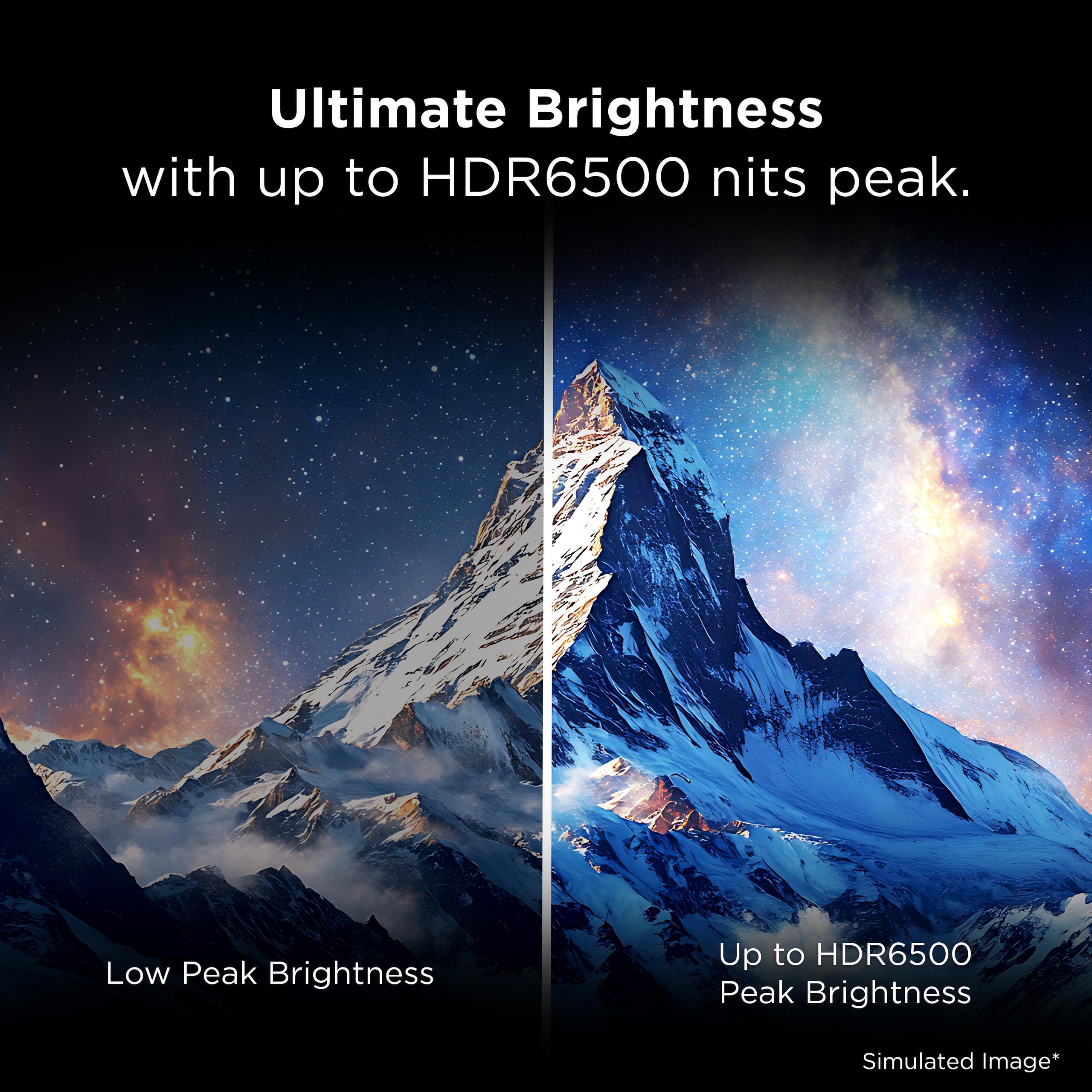
The TCL QM9K also boasts an extraordinary peak brightness of 6,500 nits—a measurement of how bright the screen can get. For context, most premium TVs peak around 1,000-4,000 nits. This extreme brightness capability means HDR (High Dynamic Range) content really pops. When you're watching a scene with sunlight streaming through a window or explosions in an action movie, the TCL QM9K can make those highlights genuinely eye-catching.
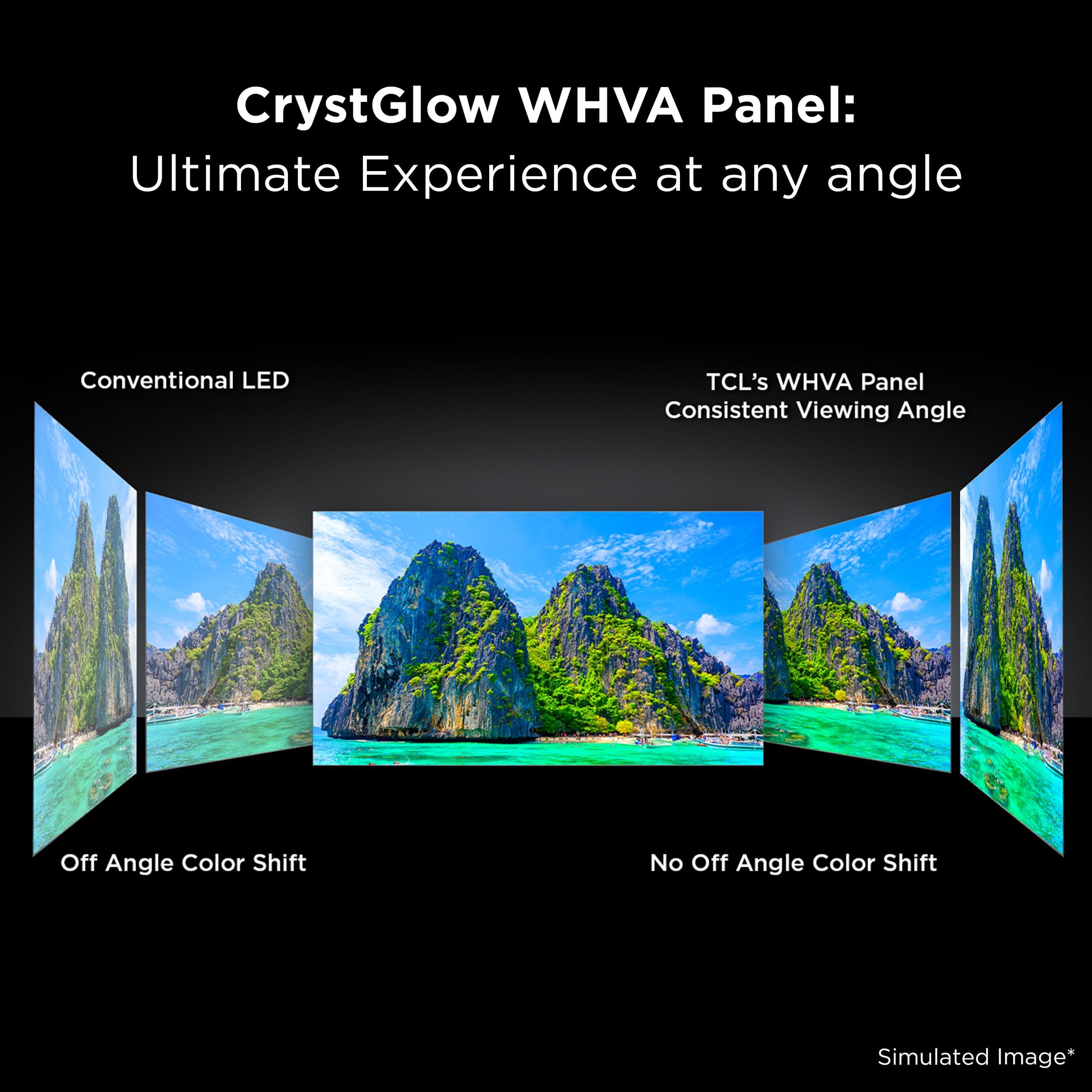
The TV's CrystGlow WHVA panel represents another technical advancement. This proprietary technology uses nanoscale engineering to reduce reflections while boosting contrast by five times compared to standard panels. In a bright living room with windows, this makes a noticeable difference in picture clarity.
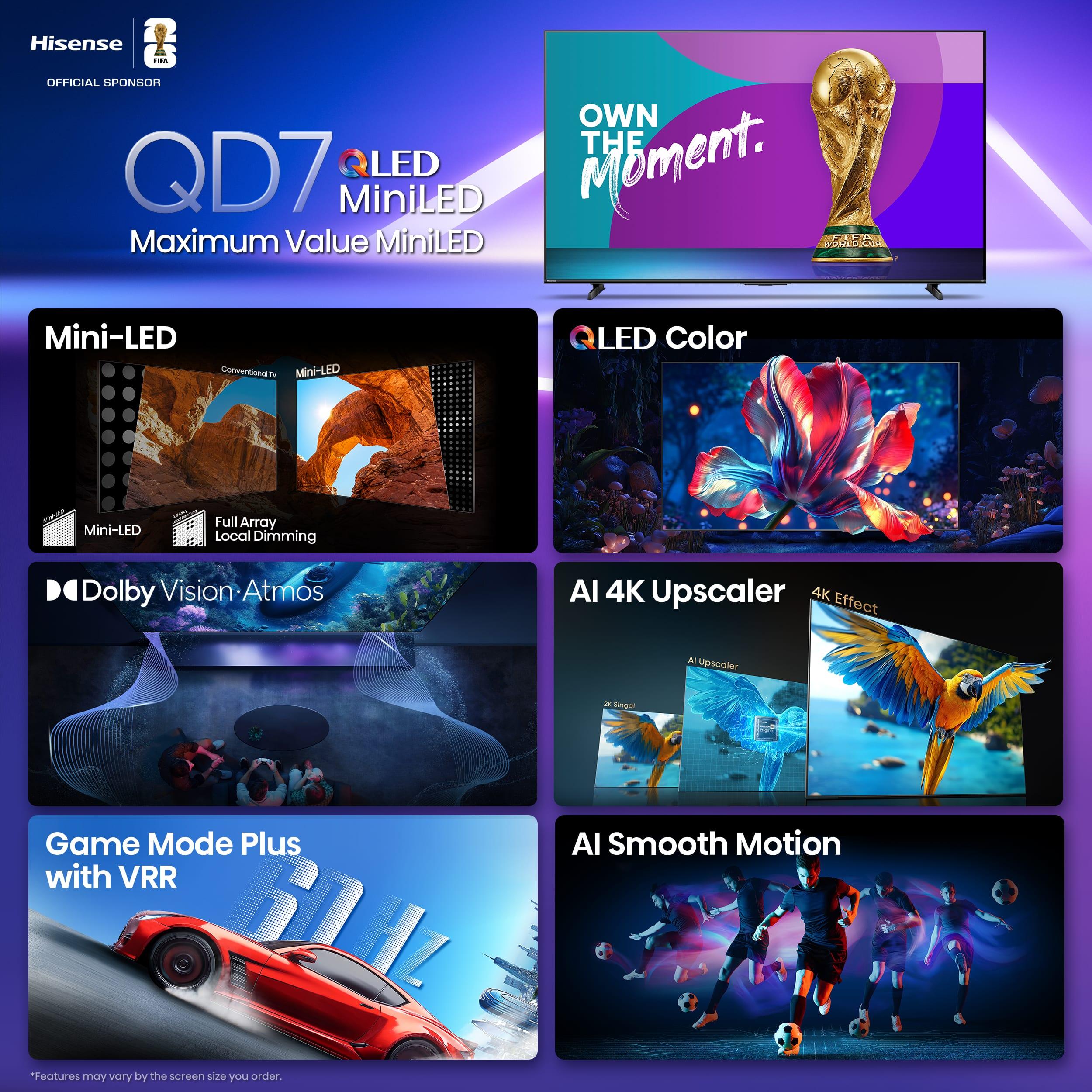
The Hisense QD7, also from 2025, takes a more measured approach to Mini-LED implementation. While it doesn't match the TCL QM9K's zone count or peak brightness, it focuses on delivering reliable, well-tuned picture quality out of the box.
Our research into user and expert reviews consistently shows that the Hisense QD7 produces more natural-looking colors without calibration. This matters because most people don't hire professionals to calibrate their TVs—they want great picture quality straight from the store.
The Hisense QD7 uses an IPS-type panel, which provides wider viewing angles than the TCL QM9K's VA panel. If your family watches TV from various positions around the room, the Hisense QD7 maintains color accuracy and contrast better when viewed from the side.
However, this comes with a trade-off. IPS panels typically can't achieve the deep blacks that VA panels offer, even with Mini-LED backlighting. It's a classic engineering compromise: better viewing angles versus better contrast.
For gamers, the differences between these TVs become stark. The TCL QM9K was clearly designed with serious gaming in mind, while the Hisense QD7 offers solid but not exceptional gaming features.
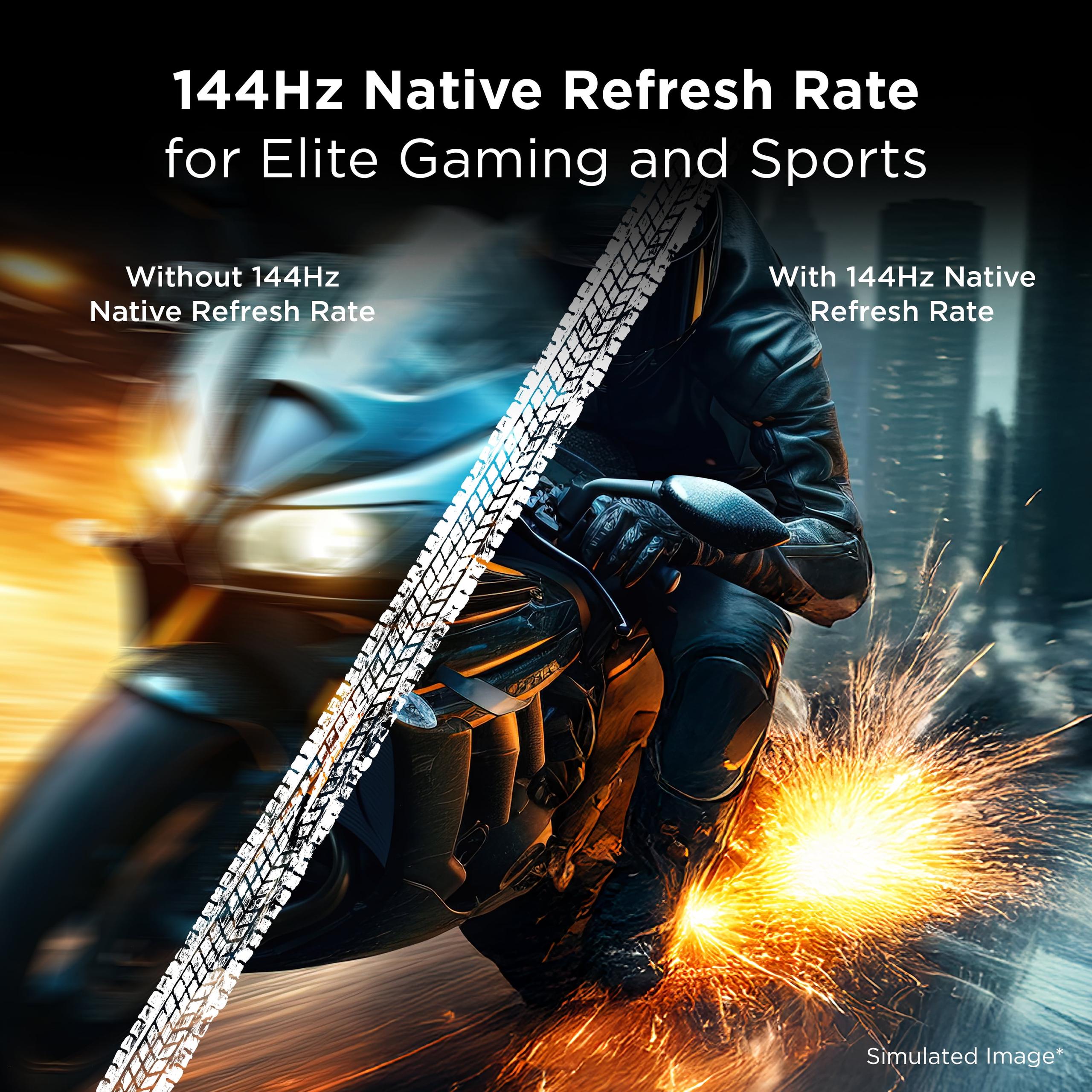
The TCL QM9K's standout gaming feature is its native 144Hz refresh rate. Most TVs, including the Hisense QD7, operate at 60Hz natively and use software tricks to simulate higher refresh rates. The TCL QM9K actually displays 144 unique images per second.
This becomes crucial for competitive gaming on PC or when using PlayStation 5 and Xbox Series X in their highest performance modes. Fast-moving objects appear smoother, and the reduction in motion blur gives competitive players a genuine advantage.
Even more impressive is the Game Accelerator 288 feature, which can push certain gaming scenarios up to 288Hz. While few games currently support such high frame rates, this represents serious future-proofing as gaming technology advances.
Input lag—the delay between pressing a button and seeing the result on screen—measures just 5.3 milliseconds on the TCL QM9K. For perspective, most people can't perceive delays under 20 milliseconds, so this TV essentially eliminates any perceptible lag.
The TCL QM9K also includes two full HDMI 2.1 ports, which support the highest bandwidth connections from modern gaming consoles. This means you can connect both a PlayStation 5 and Xbox Series X and get maximum performance from both.
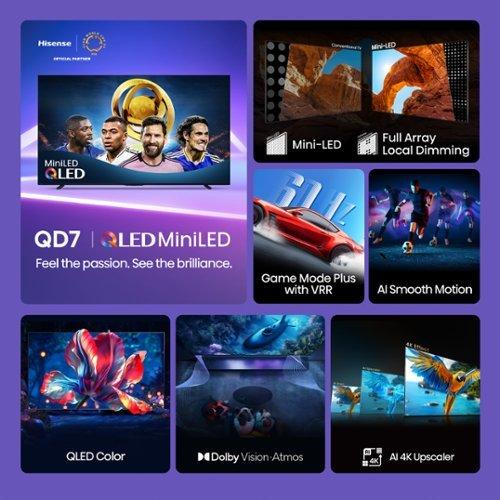
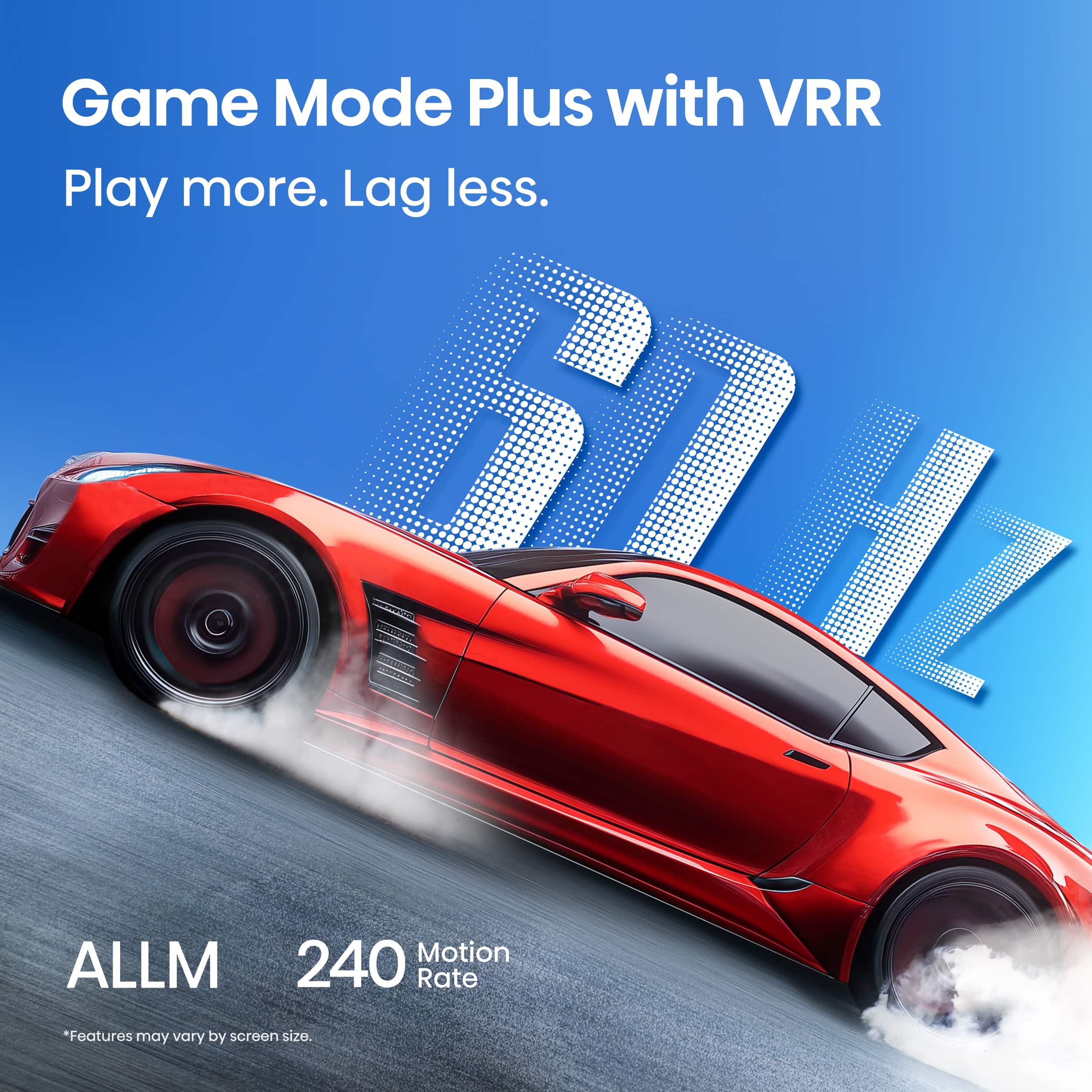
The Hisense QD7 offers respectable gaming features that satisfy most players. Game Mode Plus reduces input lag to acceptable levels, and Variable Refresh Rate (VRR) prevents screen tearing—where parts of different frames appear simultaneously, creating a jarring visual effect.
However, our evaluation of expert reviews suggests the Hisense QD7 works best for casual gaming and single-player experiences rather than competitive online gaming where every millisecond counts.
These TVs take notably different approaches to smart TV functionality, reflecting their manufacturers' partnerships and priorities.
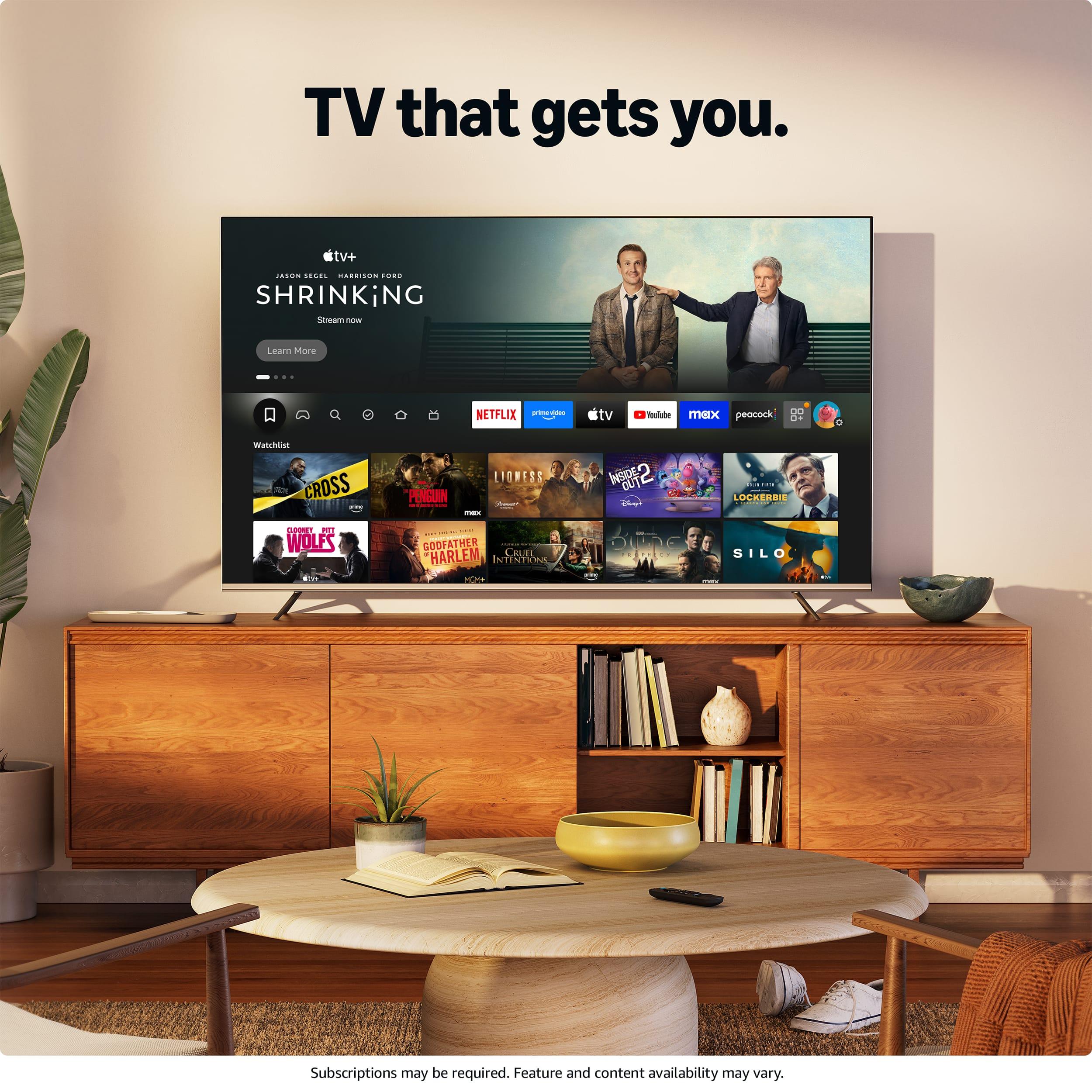
The Hisense QD7 runs Amazon's Fire TV platform, which has matured significantly since its introduction. Based on user feedback we've analyzed, Fire TV offers consistent performance with quick app loading and reliable streaming.
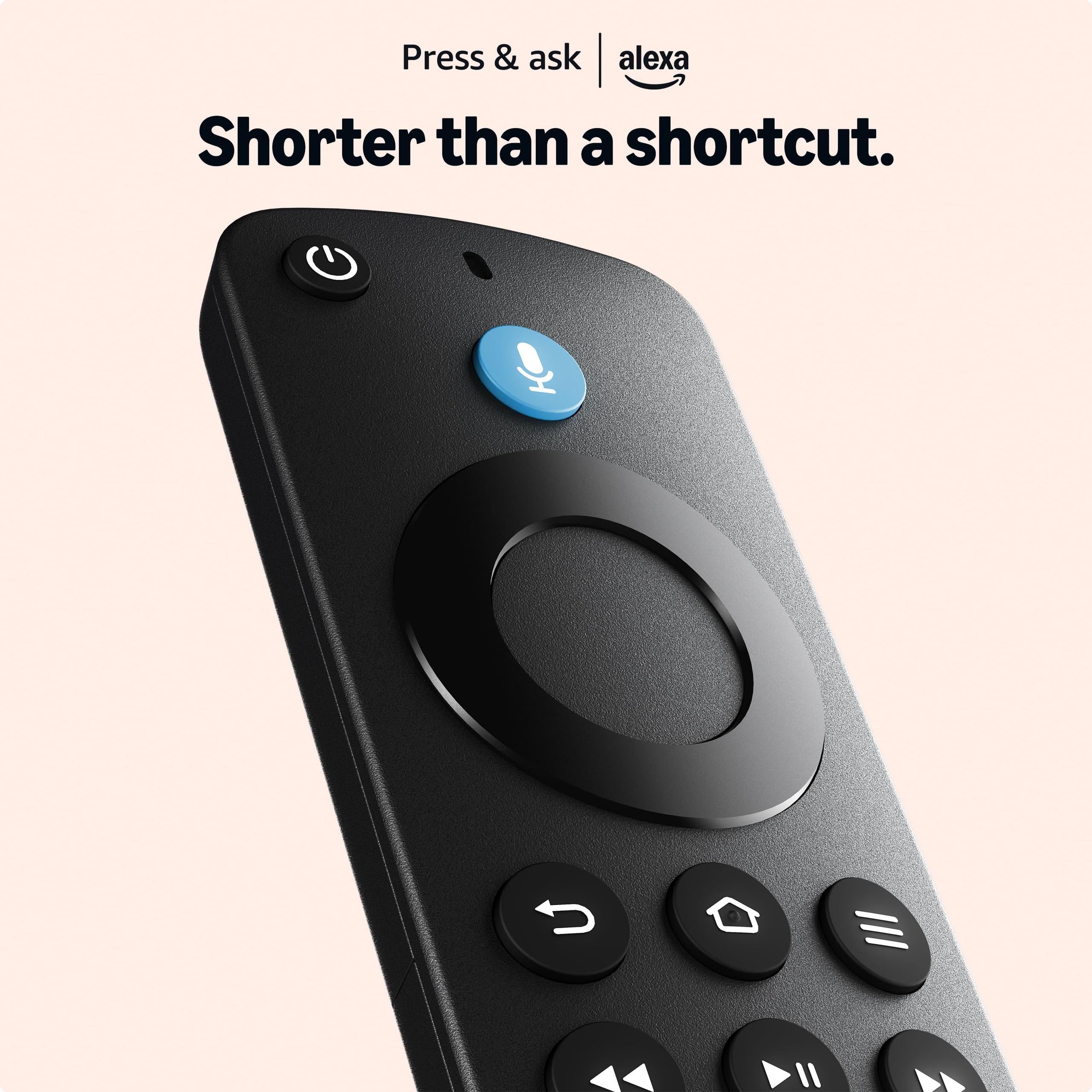
Built-in Alexa voice control feels natural and responsive. You can ask it to find content, control smart home devices, or answer questions without reaching for a remote. The interface prioritizes content discovery, making it easy to find something to watch across multiple streaming services.
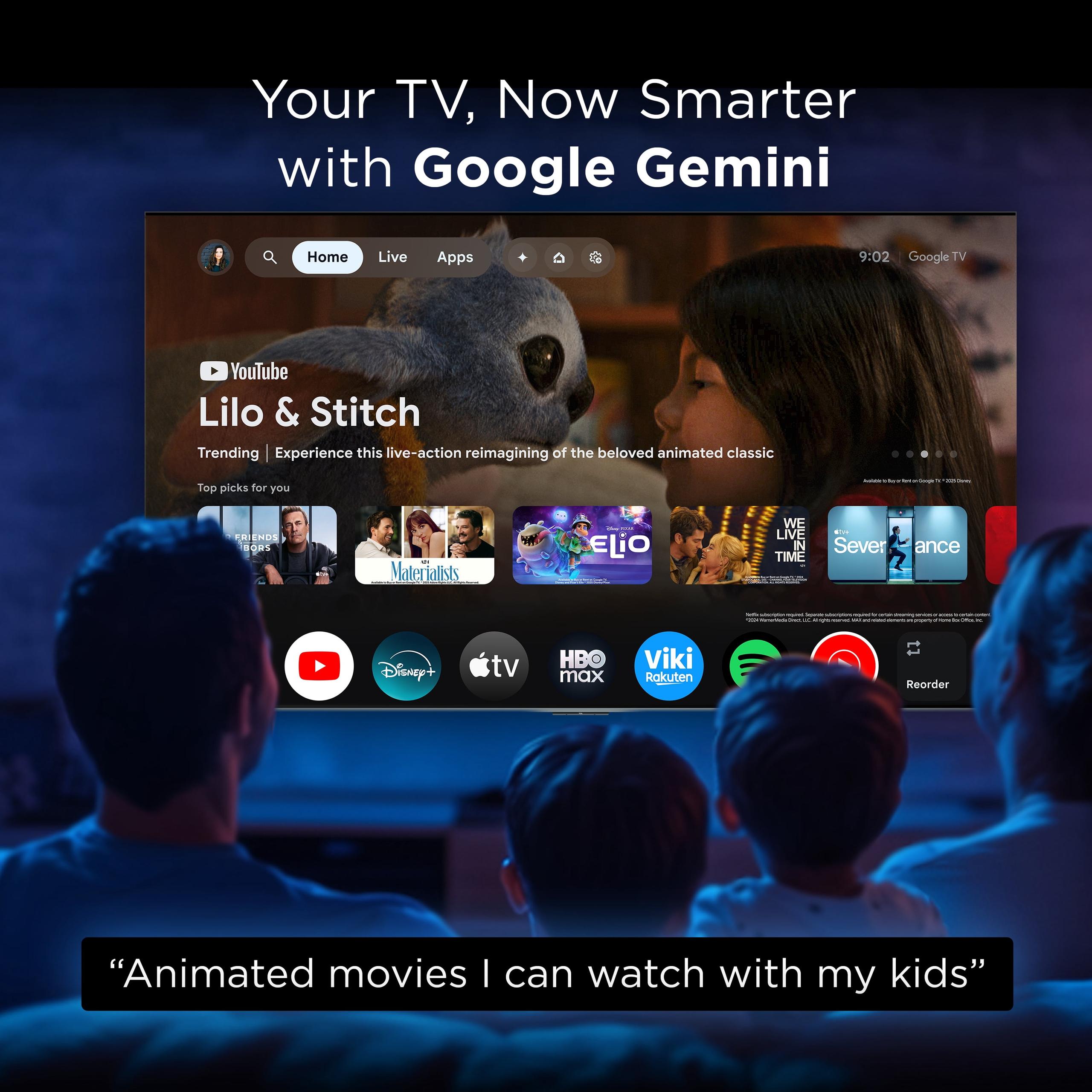
The TCL QM9K runs Google TV with integrated Gemini AI, representing the latest evolution in smart TV interfaces. This system goes beyond basic voice commands to offer contextual assistance—it can understand complex requests like "find action movies from the 1990s with good reviews."
A unique feature is the presence sensor, which detects when you're near the TV and automatically displays relevant information or turns the screen on. It's a small convenience that feels futuristic in practice.
However, our research suggests that Google TV, while feature-rich, can occasionally feel slower than Fire TV's more streamlined approach.
While most people focus on picture quality, audio makes a significant difference in the viewing experience. The TCL QM9K includes audio tuning by Bang & Olufsen, a respected Danish audio company. The 65-inch model features a dedicated subwoofer, creating a 2.1.1 channel system that produces surprisingly rich sound for built-in TV speakers.
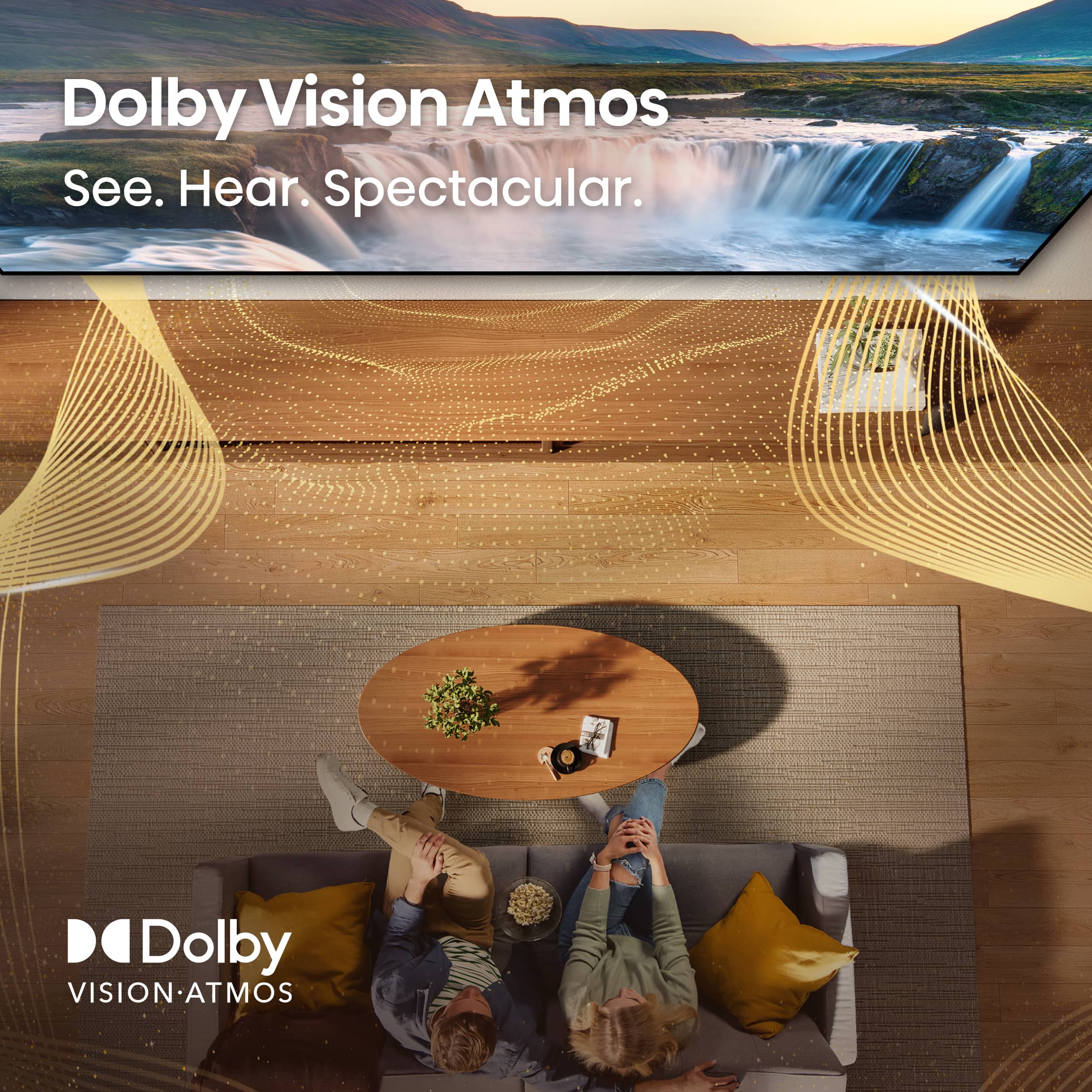
Both TVs support Dolby Atmos, which creates three-dimensional audio by bouncing sound off your ceiling to simulate overhead effects. However, the TCL QM9K's superior speaker configuration makes this feature more effective.
The Hisense QD7 offers adequate audio quality that's impressive for its price range, but it can't match the TCL QM9K's dedicated audio engineering.
For dedicated home theater setups, several factors become particularly important. The TCL QM9K's exceptional peak brightness makes it suitable for rooms with some ambient light, while its massive dimming zone count creates the precise light control that home theater enthusiasts demand.
However, our analysis of professional reviews reveals that the TCL QM9K sometimes struggles with HDR tone mapping—the process of converting high dynamic range content to what the TV can actually display. This can result in crushed shadow details or overly bright highlights that don't match the filmmaker's intent.
The Hisense QD7, while less technically impressive, often produces more natural-looking images that respect creative intent. For movie purists who prioritize accuracy over spectacle, this represents a meaningful advantage.
Both TVs support filmmaker mode, which disables motion smoothing and other processing that can make movies look unnaturally smooth or "soap opera-like."
At the time of writing, the price difference between these TVs is substantial—the TCL QM9K costs roughly three times as much as the Hisense QD7. This raises important questions about value and necessity.
The TCL QM9K justifies its premium through cutting-edge specifications: more dimming zones, higher brightness, advanced gaming features, and premium audio tuning. These improvements are measurable and, in many cases, visible.
However, the Hisense QD7 delivers genuine Mini-LED performance at a fraction of the cost. For many users, its picture quality satisfies their needs completely while offering significant savings that could fund a soundbar, streaming devices, or other home entertainment upgrades.
You're a serious gamer who values every competitive advantage. The 144Hz refresh rate and ultra-low input lag provide tangible benefits in fast-paced games. Similarly, if you have a bright living room with large windows, the extreme peak brightness ensures good picture quality even during daytime viewing.
Home theater enthusiasts who want the absolute best Mini-LED performance should also consider the TCL QM9K, despite its tone mapping issues. The precision of 6,000 dimming zones creates contrast that approaches OLED quality while avoiding burn-in concerns.
Finally, if you're someone who keeps TVs for many years and wants future-proofing, the TCL QM9K's advanced features should remain relevant longer than more basic alternatives.
Value is your primary consideration. The Hisense QD7 offers excellent picture quality that satisfies most viewing scenarios while costing significantly less. This makes it ideal for families wanting to upgrade to Mini-LED technology without stretching their budget.
The wider viewing angles make the Hisense QD7 better for rooms where people watch from various seating positions. Its more reliable picture processing also appeals to users who want great quality without tweaking settings.
If you primarily stream content and play games casually, the Hisense QD7 provides all the features you'll actually use at a much lower cost.
Both TVs represent strong examples of Mini-LED technology, but they serve different audiences. The TCL QM9K pushes technical boundaries and delivers flagship performance that justifies its premium pricing for users who need its advanced capabilities.
The Hisense QD7 demonstrates that excellent picture quality doesn't require extreme specifications or premium pricing. It covers the needs of most users while leaving money for other home entertainment investments.
Your choice ultimately depends on your specific priorities, viewing habits, and budget. The TCL QM9K excels when you need maximum performance, while the Hisense QD7 shines when you want excellent quality at an accessible price. Both represent smart purchases within their respective market segments.
| TCL 65" QM9K QD-Mini LED Smart TV | Hisense 65" QD7 Series Mini-LED 4K Fire TV 2025 |
|---|---|
| Local Dimming Zones - Controls how precisely the TV can manage bright and dark areas | |
| Up to 6,000 zones (flagship-level precision for minimal blooming) | Standard Mini-LED zones (good contrast but less precise than flagship models) |
| Peak Brightness - Determines HDR impact and daytime viewing capability | |
| 6,500 nits (exceptional for bright rooms and HDR highlights) | ~1,000-1,500 nits (good for most rooms, limited in very bright spaces) |
| Native Refresh Rate - True gaming performance without interpolation | |
| 144Hz native (genuine high refresh rate for competitive gaming) | 60Hz native (standard TV refresh rate, uses software for higher rates) |
| Gaming Features - Advanced gaming capabilities for next-gen consoles | |
| Game Accelerator 288, 5.3ms input lag, dual HDMI 2.1, VRR | Game Mode Plus, ALLM, VRR (solid but basic gaming features) |
| Panel Technology - Affects viewing angles and contrast performance | |
| CrystGlow WHVA with 5x contrast enhancement | IPS-type panel (better viewing angles, slightly weaker blacks) |
| Smart Platform - Interface and app ecosystem experience | |
| Google TV with Gemini AI, presence sensor, advanced voice control | Fire TV with built-in Alexa (mature, reliable platform) |
| Audio System - Built-in sound quality without external speakers | |
| Bang & Olufsen tuning, 2.1.1 channel with subwoofer, Dolby Atmos | Standard TV speakers with Dolby Atmos support |
| HDR Support - High dynamic range format compatibility | |
| HDR10, HDR10+, Dolby Vision, Dolby Vision IQ, HLG | HDR10, HDR10+, Dolby Vision, HLG |
| Target Market - Who each TV is designed for | |
| Premium buyers wanting flagship Mini-LED performance | Value-conscious buyers wanting Mini-LED quality at accessible pricing |
| Best Use Cases - Where each TV excels most | |
| Competitive gaming, bright rooms, home theater enthusiasts | Family viewing, casual gaming, wide seating arrangements |
The TCL QM9K is significantly better for gaming with its native 144Hz refresh rate, Game Accelerator 288 feature, and ultra-low 5.3ms input lag. The Hisense QD7 offers decent gaming with Game Mode Plus and VRR support, but it's better suited for casual gaming rather than competitive play.
The TCL QM9K delivers superior picture quality with up to 6,000 local dimming zones and 6,500 nits peak brightness, providing exceptional contrast and HDR performance. The Hisense QD7 offers good Mini-LED picture quality with better out-of-box color accuracy, though it can't match the flagship's technical specifications.
The Hisense QD7 offers exceptional value, delivering genuine Mini-LED performance at a fraction of the cost of premium models. The TCL QM9K justifies its higher price with flagship features, but only represents good value if you need its advanced gaming and brightness capabilities.
The TCL QM9K excels in bright rooms thanks to its exceptional 6,500 nits peak brightness and anti-reflective CrystGlow panel. The Hisense QD7 handles moderate ambient light well but may struggle in very bright rooms with large windows or direct sunlight.
Both platforms work well, but they serve different preferences. The TCL QM9K's Google TV offers advanced AI features with Gemini integration and presence sensing. The Hisense QD7's Fire TV platform is more mature and reliable, with seamless Alexa integration and consistent performance.
The TCL QM9K is excellent for home theater with its massive dimming zone count and exceptional brightness, though it sometimes struggles with HDR tone mapping. The Hisense QD7 works well for home theater use with more natural color reproduction, making it better for viewers who prioritize filmmaker intent over maximum impact.
The TCL QM9K has superior audio with Bang & Olufsen tuning and a 2.1.1 channel system including a dedicated subwoofer. The Hisense QD7 offers decent built-in audio with Dolby Atmos support, though it's adequate rather than exceptional for the price range.
Yes, both the TCL QM9K and Hisense QD7 support HDR10, HDR10+, Dolby Vision, and HLG. The TCL QM9K adds Dolby Vision IQ for automatic room-aware adjustments, while both handle HDR content well within their respective brightness capabilities.
The Hisense QD7 is often better for families due to its wider viewing angles from the IPS panel, reliable Fire TV platform, and lower risk investment. The TCL QM9K offers more advanced features but may be overkill for basic family viewing needs.
The Hisense QD7 offers better viewing angles thanks to its IPS-type panel, maintaining color accuracy when viewed from the side. The TCL QM9K uses a VA panel that provides better contrast when viewed straight-on but suffers more color shift when viewed at angles.
The TCL QM9K offers better future-proofing with its advanced gaming features, higher refresh rates, and cutting-edge processing that should remain relevant longer. The Hisense QD7 provides solid longevity for standard viewing but may become outdated sooner for advanced gaming applications.
For most first-time Mini-LED buyers, the Hisense QD7 is the smarter choice, offering excellent picture quality at an accessible price point with reliable performance. Choose the TCL QM9K only if you specifically need its advanced gaming features or have a very bright room requiring maximum brightness.
We've done our best to create useful and informative comparisons to help you decide what product to buy. Our research uses advanced automated methods to create this comparison and perfection is not possible - please contact us for corrections or questions. These are the sites we've researched in the creation of this article: rtings.com - bestbuy.com - youtube.com - youtube.com - youtube.com - techaeris.com - displayspecifications.com - pcrichard.com - residentialsystems.com - us.tcl.com - displayspecifications.com - valueelectronics.com - woodruffappliance.com - tcl.com - pcrichard.com - tcl.com - techradar.com - tcl.com - us.tcl.com - youtube.com - youtube.com - bestbuy.com - youtube.com - bestbuy.com - custrevs.com - youtube.com - bestbuy.com - rtings.com - youtube.com - rtings.com - pcrichard.com - bestbuy.com - pcrichard.com - camelcamelcamel.com - amazonfiretv.blog - hisense-usa.com - hisense-usa.com - hisense-usa.com - bestbuy.com - leaseville.com - youtube.com - bestbuy.com - flatpanelshd.com

Privacy Policy
Terms and Conditions - Affiliate Policy
Home Security
© Copyright 2008-2026.
11816 Inwood Rd #1211, Dallas, TX 75244