

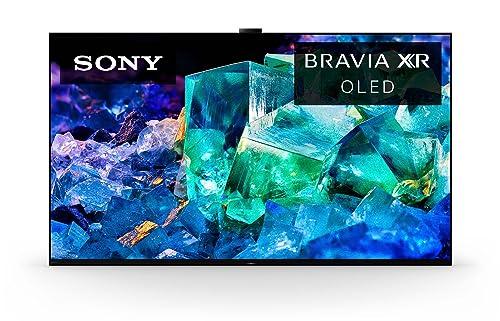



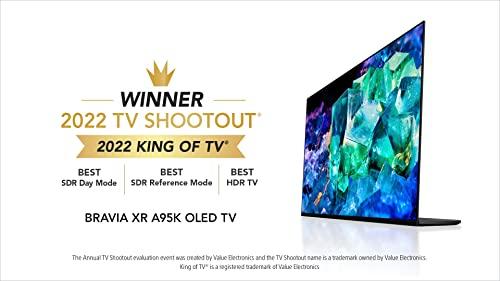
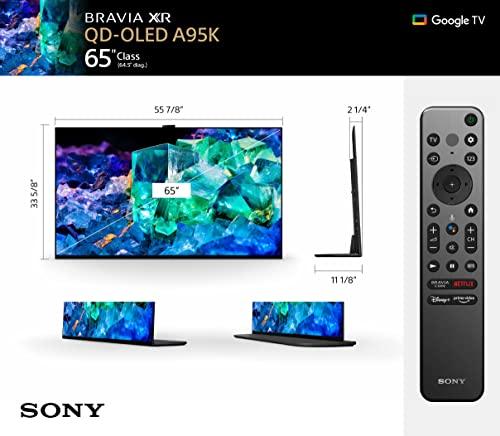





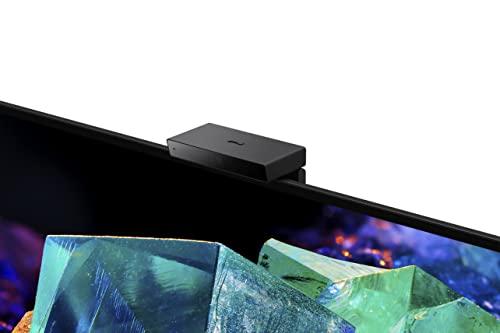
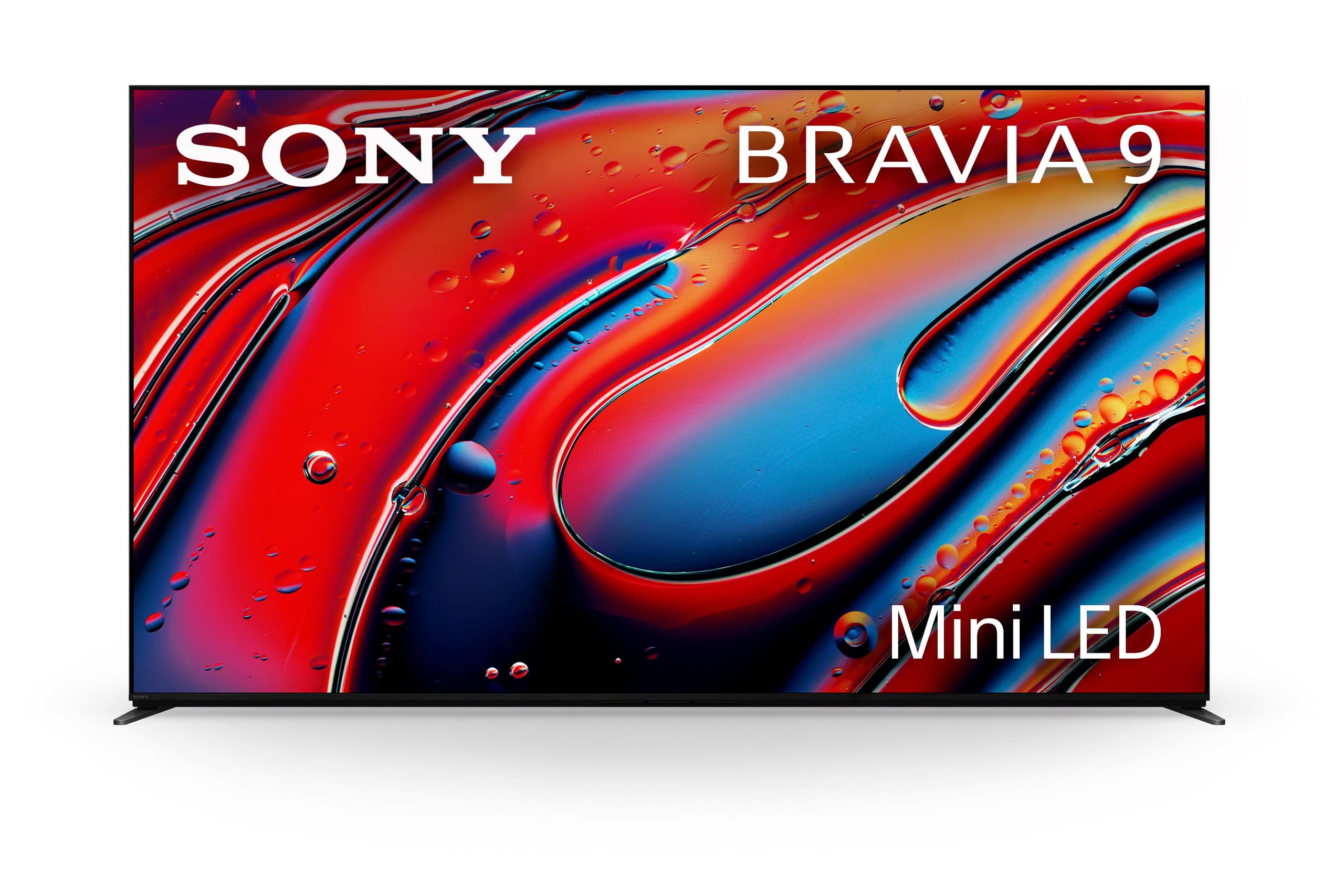
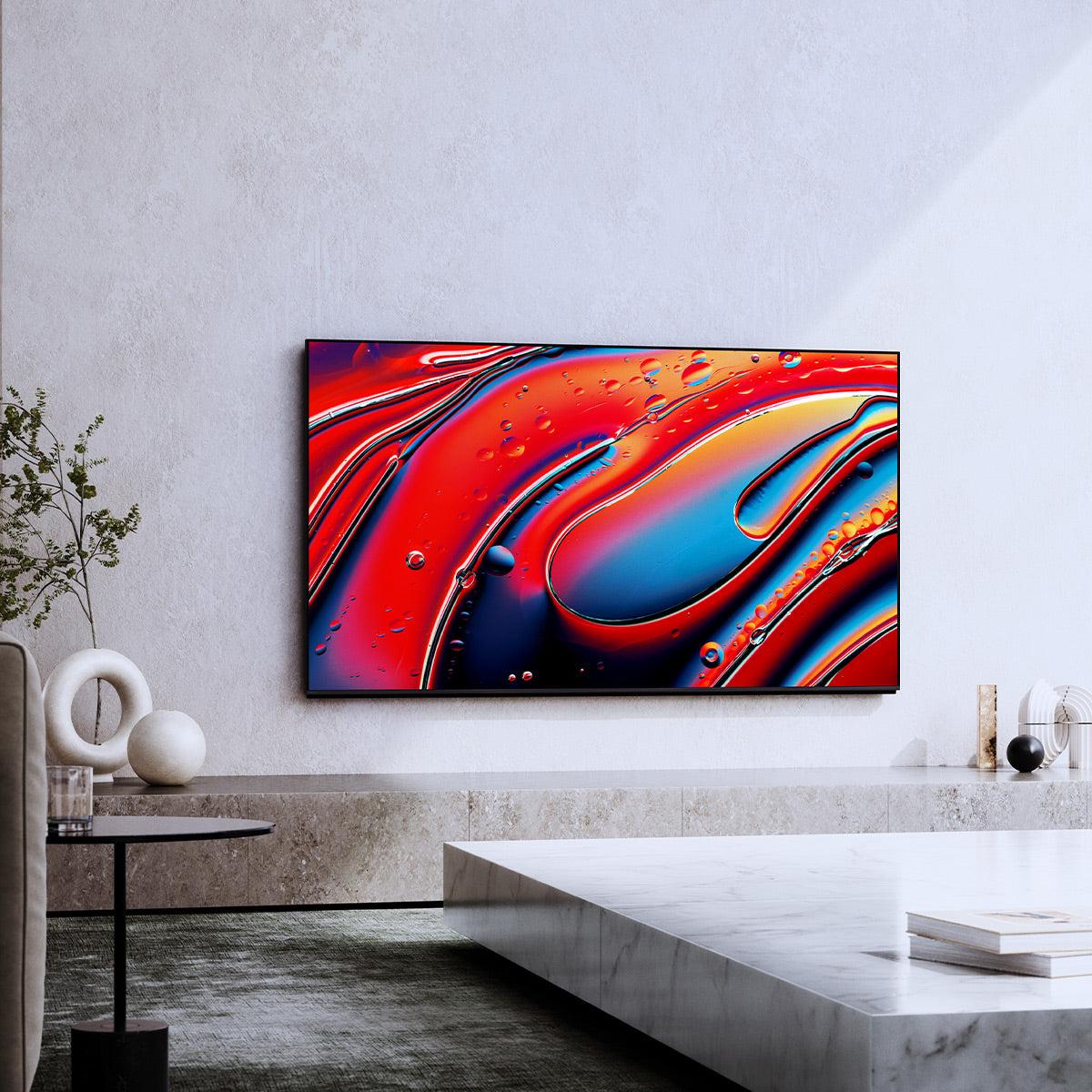
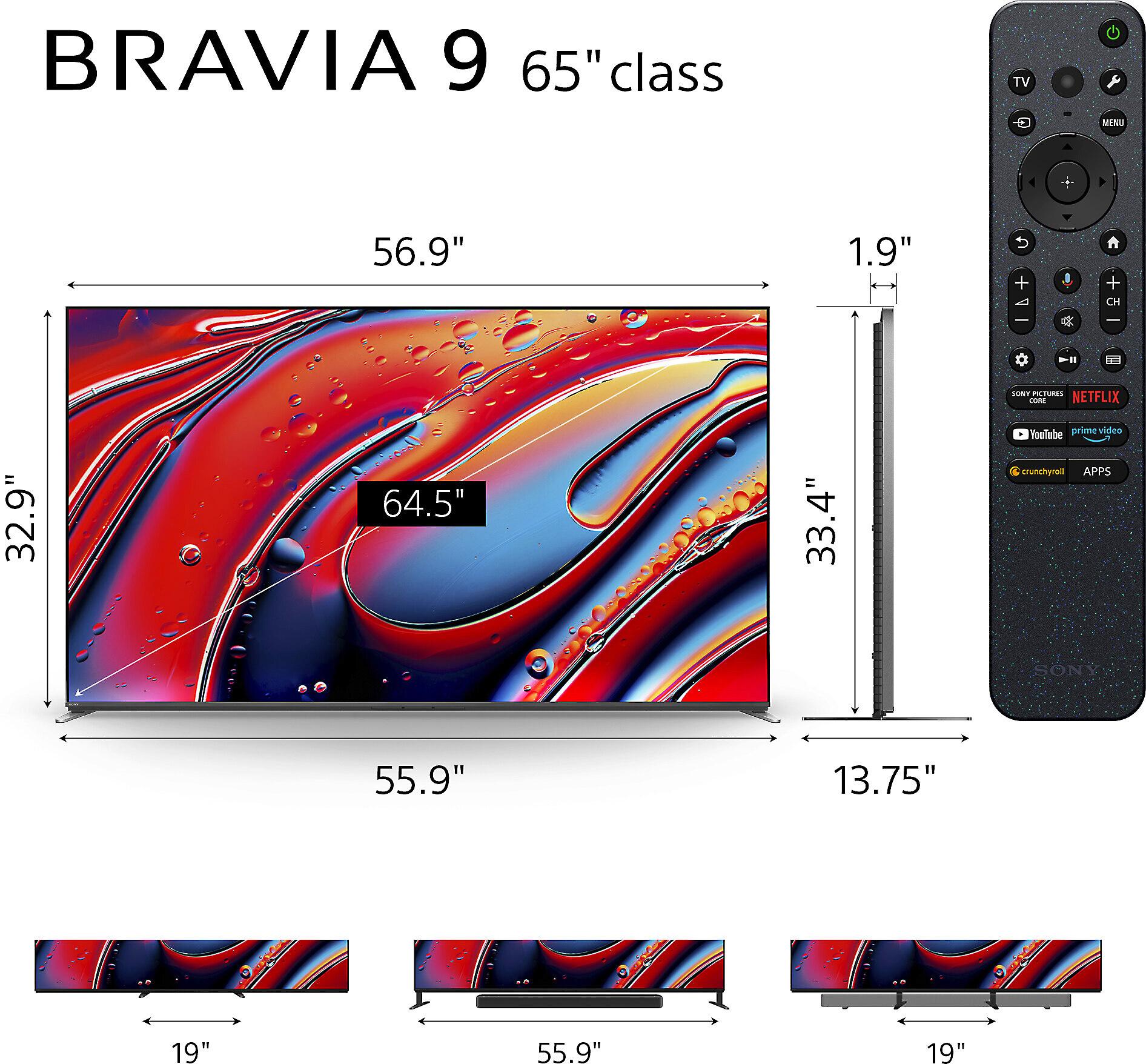
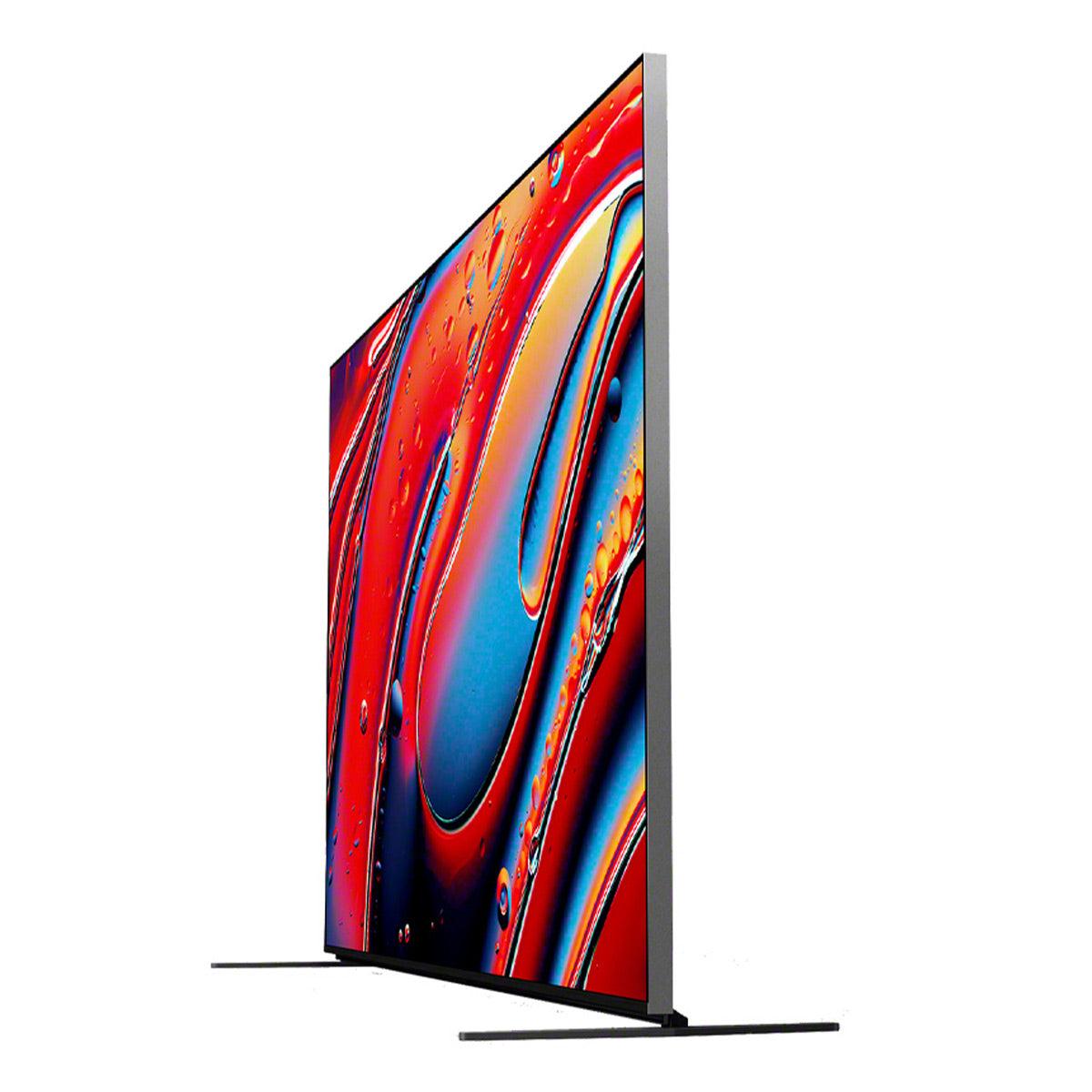
When Sony released the Bravia XR A95K in 2022, it marked the company's bold entry into QD-OLED technology—a display innovation that promised to combine the perfect blacks of OLED with enhanced brightness and color. Fast forward to 2024, and Sony answered with the BRAVIA 9, their brightest TV ever, powered by thousands of precisely controlled Mini LEDs. These two flagship 65-inch models represent fundamentally different approaches to premium television technology, and choosing between them depends heavily on understanding what each does best.
Both TVs target serious home theater enthusiasts who demand exceptional picture quality, but they achieve excellence through completely different methods. The question isn't just which is better—it's which approach better serves your specific viewing environment and preferences.
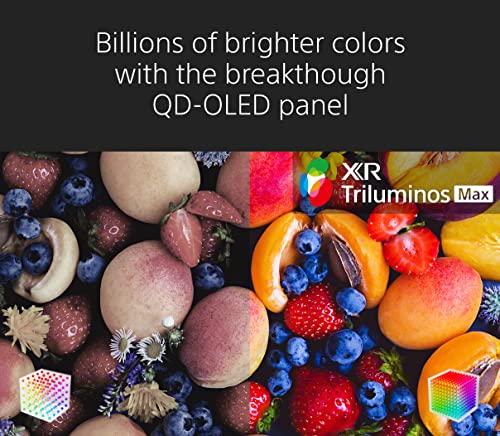
The television landscape has evolved dramatically over the past few years, with manufacturers pushing the boundaries of what's possible in home display technology. Traditional LED TVs use a backlight that illuminates the entire screen, while OLED TVs feature pixels that emit their own light. QD-OLED technology, found in the A95K, takes OLED a step further by using blue OLED emitters combined with quantum dots (microscopic crystals that convert blue light to red and green) to create more vibrant colors.
Mini LED technology in the BRAVIA 9 represents the evolution of traditional LED backlighting. Instead of using dozens of backlight zones, Mini LED employs thousands of tiny LEDs—each smaller than a grain of rice—to create incredibly precise local dimming. This allows specific areas of the screen to be brightened or dimmed independently, dramatically improving contrast compared to standard LED TVs.
The fundamental trade-off between these technologies boils down to physics: OLED pixels can turn completely off for perfect blacks but have brightness limitations, while Mini LED can achieve blazing brightness but struggles to match OLED's perfect black levels.
The A95K's QD-OLED panel delivers what many consider the holy grail of display technology: infinite contrast ratio. When displaying a black pixel, it simply turns off, producing true black that no backlit TV can match. This creates an almost three-dimensional depth to images, especially noticeable in dark movie scenes where stars against space or subtle shadow details remain perfectly visible.
However, QD-OLED has an Achilles heel: ambient light performance. In bright rooms, the panel's coating causes black areas to appear slightly purple or gray—a phenomenon called "black level raising." This doesn't affect the TV's technical contrast ratio, but it can be distracting in well-lit environments.
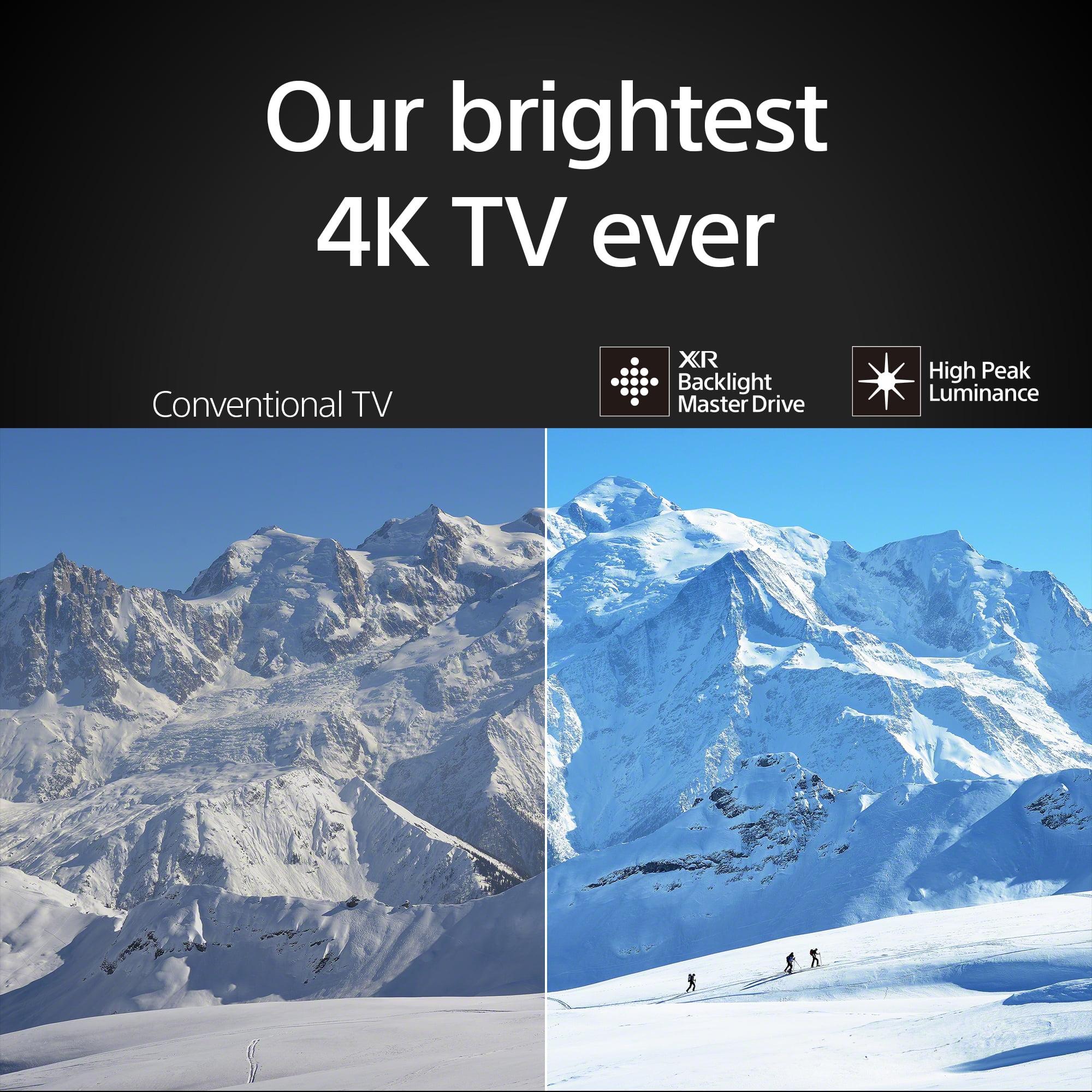
The BRAVIA 9 tackles contrast differently through sheer brightness and precise local dimming. Sony's XR Backlight Master Drive technology controls thousands of Mini LEDs, allowing incredibly bright highlights while keeping surrounding areas relatively dark. While it can't achieve true black, the best Mini LED implementations can produce blacks dark enough to fool most viewers, especially when the surrounding content is bright.
Where the BRAVIA 9 truly shines is peak brightness. Our research indicates it can exceed 4,000 nits in HDR content—roughly four times brighter than the A95K. This extreme brightness transforms HDR content, making sun reflections on water, explosions, and bright skies appear genuinely dazzling. In side-by-side comparisons, the brightness difference is immediately obvious and often impressive.
Both TVs use quantum dot technology, but implement it differently. The A95K's QD-OLED approach places quantum dots directly on the OLED emitters, creating what Sony calls XR Triluminos Max. This produces exceptionally wide color gamut coverage—essentially the range of colors the TV can display—while maintaining color accuracy even at lower brightness levels.
The color volume performance—how well colors remain saturated at different brightness levels—gives the A95K a notable advantage. Bright reds and greens that might wash out on other displays remain rich and saturated. This is particularly noticeable in animated content, vibrant documentaries, and HDR movies with intense color grading.
The BRAVIA 9's XR Triluminos Pro technology also delivers impressive color performance, but follows traditional quantum dot implementation. Colors remain accurate and vibrant, particularly at high brightness levels where the TV excels. The trade-off is that very bright colors may not appear quite as saturated as on QD-OLED, though the difference is subtle and most viewers won't notice unless comparing directly.
Both TVs handle motion exceptionally well, but through different strengths. The A95K's OLED pixels switch virtually instantaneously—much faster than any backlit display. This eliminates motion blur during fast action sequences and makes it particularly appealing for gaming where every millisecond matters.
The BRAVIA 9 compensates for slightly slower pixel response times with Sony's XR Motion Clarity processing. This technology analyzes motion patterns and adjusts backlight timing to reduce perceived blur. The result is smooth motion that rivals OLED performance in most content, though competitive gamers might still prefer the A95K's instantaneous response.
Perhaps no factor influences the choice between these TVs more than your viewing environment. The A95K performs best in darker, controlled lighting conditions where its perfect blacks and subtle shadow details can shine. In a dedicated home theater with blackout curtains, the QD-OLED's infinite contrast creates an almost cinema-like experience that's hard to match.
However, place the A95K in a bright living room with large windows, and its limitations become apparent. Not only does ambient light cause black level raising, but the TV's moderate peak brightness can struggle to overcome room lighting, making HDR content appear less impactful.
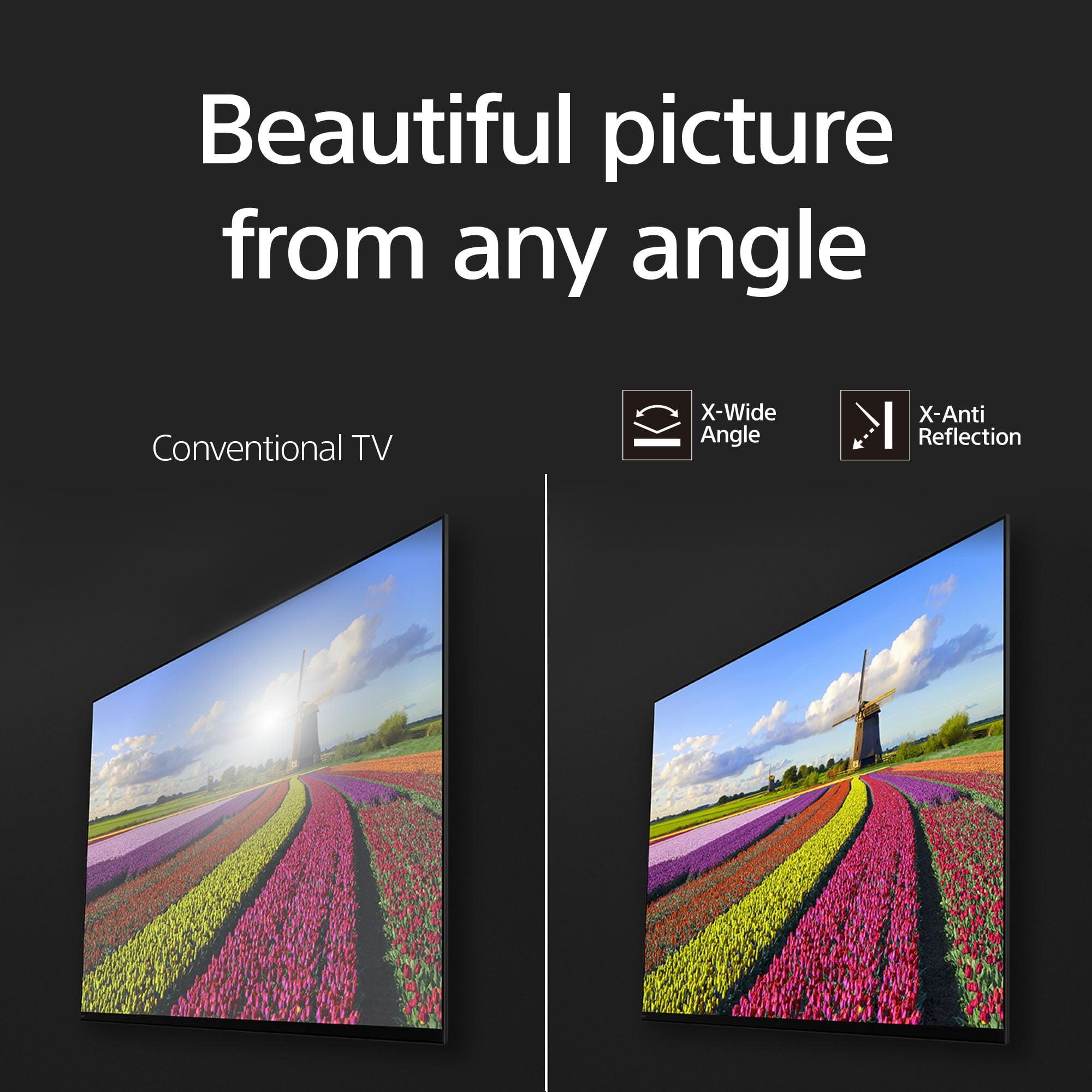
The BRAVIA 9 was engineered for bright room performance. Its exceptional peak brightness punches through ambient light, maintaining color saturation and contrast even in well-lit spaces. Sony's X-Anti Reflection and X-Wide Angle technologies further enhance bright room viewing by reducing glare and maintaining consistent picture quality from off-center viewing positions.
For most living rooms—especially those with significant natural light—the BRAVIA 9 provides a more consistently impressive viewing experience throughout the day. The brightness advantage is particularly noticeable during daytime sports viewing or when streaming content in brightly lit environments.
Both TVs cater well to serious gamers, supporting the full suite of next-generation gaming features including 4K at 120Hz refresh rates, Variable Refresh Rate (VRR), and Auto Low Latency Mode (ALLM). However, subtle differences may influence your choice based on gaming priorities.
The A95K's near-zero input lag and instantaneous pixel response make it ideal for competitive gaming where split-second reactions matter. Fighting games, first-person shooters, and racing games benefit from the immediate response that only OLED technology can provide. The perfect blacks also enhance gaming experiences in darker titles where shadow detail is crucial.
The BRAVIA 9's gaming performance is also excellent, with low input lag and XR Motion Clarity ensuring smooth gameplay. The extreme brightness can make HDR gaming more impactful, with bright explosions, magical effects, and outdoor scenes appearing more spectacular than on dimmer displays.
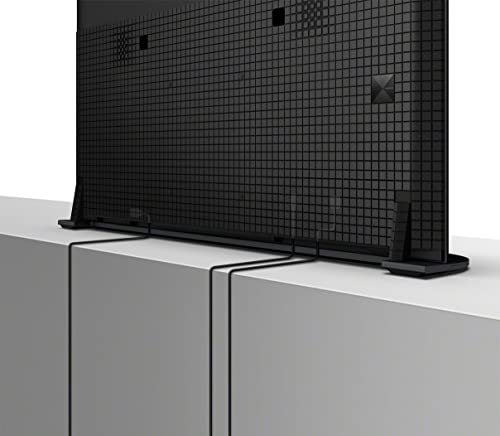
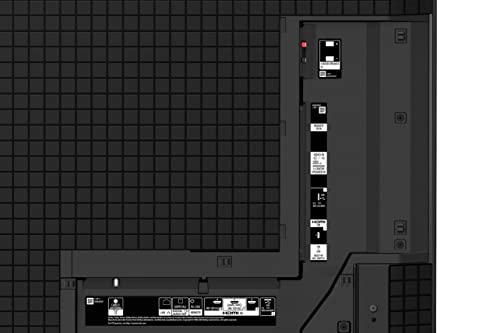
Both TVs include only two HDMI 2.1 ports capable of full 4K@120Hz gaming, which may require some cable management for users with multiple next-gen consoles plus a sound system. This limitation affects both models equally and reflects current industry standards.
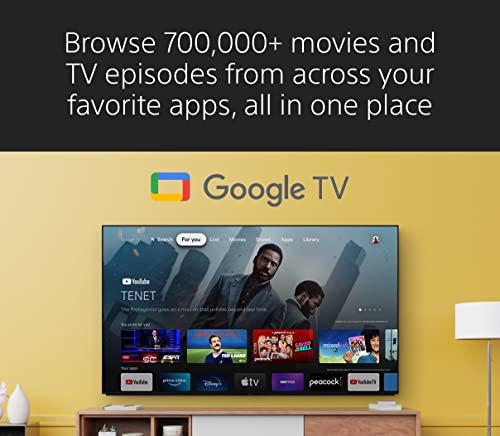
Both TVs run Google TV, providing access to all major streaming services, voice control through Google Assistant, and seamless integration with other smart home devices. The interface is responsive and intuitive, with personalized content recommendations that actually prove useful over time.
The A95K, being a 2022 model, includes all essential smart features but may lag behind in future software updates as Sony focuses resources on newer models. However, its core Google TV platform should remain supported for years.
The BRAVIA 9, as Sony's 2024 flagship, likely represents better long-term software support and may receive new features and optimizations longer than its older sibling. The TV also benefits from more recent processing hardware that could handle future streaming standards or gaming features more efficiently.
Audio performance often gets overlooked in TV comparisons, but both Sony models offer genuinely impressive built-in sound that reduces the immediate need for external speakers—though serious home theater enthusiasts will eventually want a dedicated sound system.
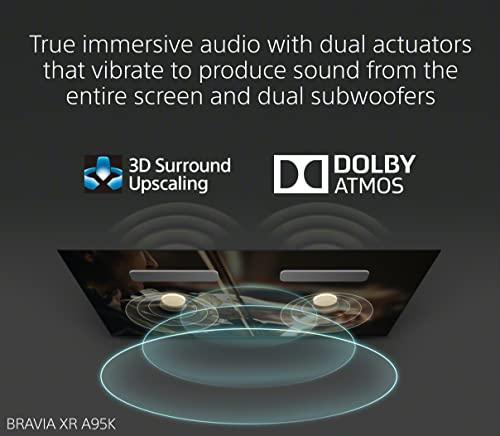
The A95K's Acoustic Surface Audio+ technology uses actuators behind the screen to vibrate the display itself, creating sound that appears to emanate directly from the action on screen. This creates unusually immersive dialogue and effects positioning that's immediately noticeable and genuinely beneficial for movie watching.
The BRAVIA 9's more traditional speaker approach still impresses with its 2.2.2-channel system and up-firing tweeters for height effects. While not quite as immersive as the screen-as-speaker approach, it delivers powerful, clear audio with good bass response for a flat-panel TV.
Both TVs can function as center channel speakers when connected to compatible Sony soundbars, providing a upgrade path for more serious audio setups.
At the time of writing, these TVs occupy different positions in Sony's lineup pricing strategy. The A95K, being a previous-generation model, typically offers more advanced display technology at a lower price point—representing excellent value for those willing to accept a 2022 model.
The BRAVIA 9 commands premium pricing as Sony's latest flagship, reflecting both cutting-edge Mini LED implementation and current-generation processing power. Whether the price premium is justified depends largely on your specific needs and room environment.
From a pure technology standpoint, QD-OLED remains more advanced in terms of contrast performance and color volume. However, Mini LED technology has matured significantly, and the BRAVIA 9's brightness advantage is genuinely transformative in bright room scenarios.
After extensive research and evaluation of expert and user consensus, the choice between these exceptional TVs comes down to understanding your priorities and viewing environment.
Choose the A95K if you:
Choose the BRAVIA 9 if you:
For most users, room lighting should be the deciding factor. The A95K creates magic in dark environments but struggles in bright ones, while the BRAVIA 9 maintains excellence regardless of ambient light. Neither choice is wrong—they're simply optimized for different viewing scenarios.
Both represent Sony's commitment to pushing display technology forward, just through different approaches. Your viewing habits, room setup, and personal priorities will ultimately determine which technological philosophy serves you better.
| Sony Bravia XR A95K 65" QD-OLED TV | Sony BRAVIA 9 65" 4K UHD Mini LED QLED Smart Google TV |
|---|---|
| Display Technology - Fundamentally different approaches to picture quality | |
| QD-OLED with self-emitting pixels and quantum dots | Mini LED with thousands of precisely controlled backlights |
| Peak Brightness - Critical for HDR impact and bright room viewing | |
| ~1,000 nits (excellent for dark rooms, limited in bright spaces) | ~4,000+ nits (Sony's brightest TV ever, dominates bright rooms) |
| Black Levels - Essential for contrast and movie watching | |
| Perfect blacks with infinite contrast ratio | Very deep blacks but cannot achieve true black |
| Viewing Angles - Important for family viewing and room layout | |
| Excellent - consistent brightness and color from any angle | Good with X-Wide Angle technology, slight dimming off-center |
| Motion Handling - Key for sports and gaming | |
| Near-instantaneous OLED pixel response | Excellent with XR Motion Clarity processing |
| Color Performance - Affects vibrancy and accuracy | |
| XR Triluminos Max with superior color volume at all brightness levels | XR Triluminos Pro with excellent colors, especially at high brightness |
| Gaming Features - Essential for next-gen consoles | |
| 4K@120Hz, VRR, ALLM on 2 HDMI 2.1 ports | 4K@120Hz, VRR, ALLM on 2 HDMI 2.1 ports |
| Audio Technology - Built-in sound quality | |
| Acoustic Surface Audio+ (screen acts as speaker) | 2.2.2 channel system with up-firing tweeters (70W) |
| Smart Platform - User experience and app support | |
| Google TV with 2022 processing hardware | Google TV with 2024 processing hardware |
| Bright Room Performance - Crucial for daytime viewing | |
| Limited - black levels rise in ambient light, moderate brightness | Excellent - maintains contrast and color in well-lit environments |
| Best Use Case - Who should choose each TV | |
| Dark/controlled rooms, movie enthusiasts, perfect contrast priority | Bright rooms, sports fans, maximum HDR brightness priority |
| Burn-in Risk - Long-term reliability consideration | |
| Potential OLED burn-in with static content over time | No burn-in risk with LED technology |
| Release Year - Affects pricing and future support | |
| 2022 model (potentially better value as previous generation) | 2024 model (premium pricing for latest technology) |
The Sony Bravia XR A95K is significantly better for dark rooms due to its QD-OLED technology that produces perfect black levels with infinite contrast. In dark viewing environments, the A95K creates an almost cinematic experience with exceptional shadow detail that the BRAVIA 9 cannot match, despite its excellent Mini LED performance.
The Sony BRAVIA 9 is much brighter, reaching over 4,000 nits compared to the A95K's ~1,000 nits. This makes the BRAVIA 9 ideal for bright living rooms and daytime viewing, while the Sony Bravia XR A95K can struggle to overcome ambient light in well-lit spaces.
Yes, both the Sony Bravia XR A95K and Sony BRAVIA 9 support 4K gaming at 120Hz, Variable Refresh Rate (VRR), and Auto Low Latency Mode (ALLM). However, the A95K has a slight gaming advantage due to its near-instantaneous OLED pixel response time, making it better for competitive gaming.
The Sony Bravia XR A95K generally produces more vibrant and accurate colors thanks to its QD-OLED technology and XR Triluminos Max processing. The A95K maintains color saturation better at all brightness levels, while the BRAVIA 9 excels at color accuracy specifically at high brightness levels.
QD-OLED in the Sony Bravia XR A95K uses self-emitting pixels that can turn completely off for perfect blacks, while Mini LED in the Sony BRAVIA 9 uses thousands of tiny LED backlights for precise brightness control. The A95K offers superior contrast, while the BRAVIA 9 delivers much higher peak brightness.
The Sony Bravia XR A95K is generally better for movies, especially in dark rooms. Its perfect black levels and infinite contrast ratio create a more cinematic experience with superior shadow detail. However, the Sony BRAVIA 9 can be better for HDR movies in bright rooms due to its exceptional peak brightness.
The Sony Bravia XR A95K has potential for OLED burn-in with static content displayed for extended periods, though QD-OLED technology reduces this risk compared to traditional OLEDs. The Sony BRAVIA 9 has no burn-in risk since it uses LED technology rather than organic compounds.
The Sony Bravia XR A95K has superior built-in audio with its Acoustic Surface Audio+ technology that makes the screen itself act as a speaker, creating more immersive positional audio. The BRAVIA 9 has good traditional speakers with a 2.2.2 channel system, but cannot match the immersive experience of the A95K.
The Sony BRAVIA 9 is generally better for sports due to its much higher brightness, which maintains vibrant colors and contrast even in bright rooms where sports are typically watched. Both TVs handle motion well, but the BRAVIA 9's brightness advantage makes it more suitable for daytime sports viewing.
The Sony BRAVIA 9 is newer, released in 2024, while the Sony Bravia XR A95K was released in 2022. The BRAVIA 9 features more recent processing hardware and will likely receive software updates longer than the A95K.
Both the Sony Bravia XR A95K and Sony BRAVIA 9 run Google TV with voice control, support major streaming apps, and include features like Chromecast and Apple AirPlay. The BRAVIA 9 has more recent processing hardware that may handle future updates better than the A95K.
Value depends on your needs and current pricing. The Sony Bravia XR A95K often offers better value as a previous-generation model with advanced QD-OLED technology at potentially lower prices. The Sony BRAVIA 9 commands premium pricing for latest-generation features, making it worthwhile mainly if you need its superior brightness for bright room viewing.
We've done our best to create useful and informative comparisons to help you decide what product to buy. Our research uses advanced automated methods to create this comparison and perfection is not possible - please contact us for corrections or questions. These are the sites we've researched in the creation of this article: tomsguide.com - audioadvice.com - wepc.com - bestbuy.com - tvsbook.com - rtings.com - youtube.com - flatpanelshd.com - rtings.com - youtube.com - reviewed.com - avsforum.com - youtube.com - youtube.com - rtings.com - youtube.com - electronics.sony.com - sonypremiumhome.com - valueelectronics.com - sony.com - displayspecifications.com - flatpanelshd.com - donstv.com - youtube.com - businessinsider.com - youtube.com - displayspecifications.com - bestbuy.com - bestbuy.com - bestbuy.com - youtube.com - whathifi.com - crutchfield.com - rtings.com - pcrichard.com - merlinstv.com - youtube.com - sony.ca - electronics.sony.com

Privacy Policy
Terms and Conditions - Affiliate Policy
Home Security
© Copyright 2008-2026.
11816 Inwood Rd #1211, Dallas, TX 75244