

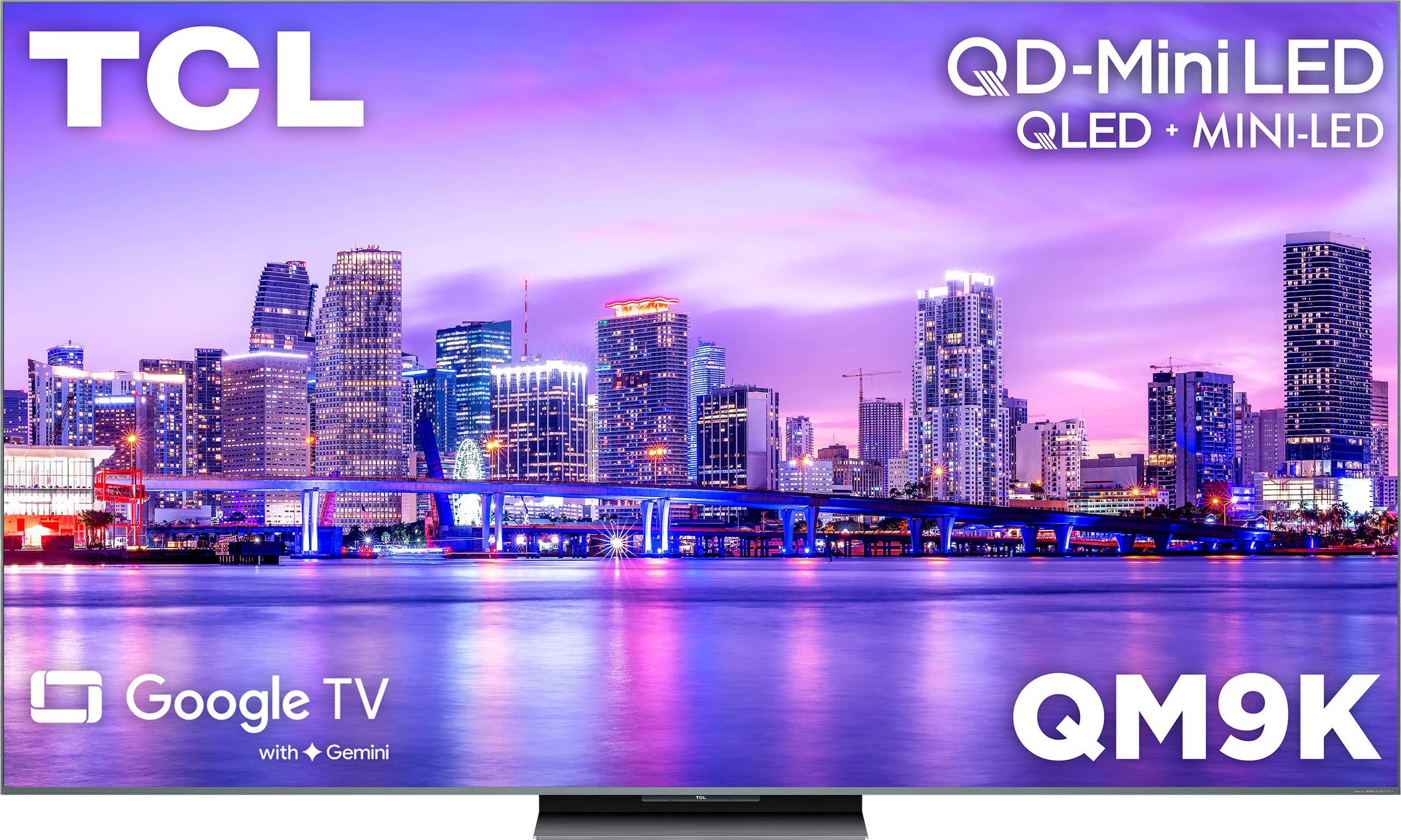
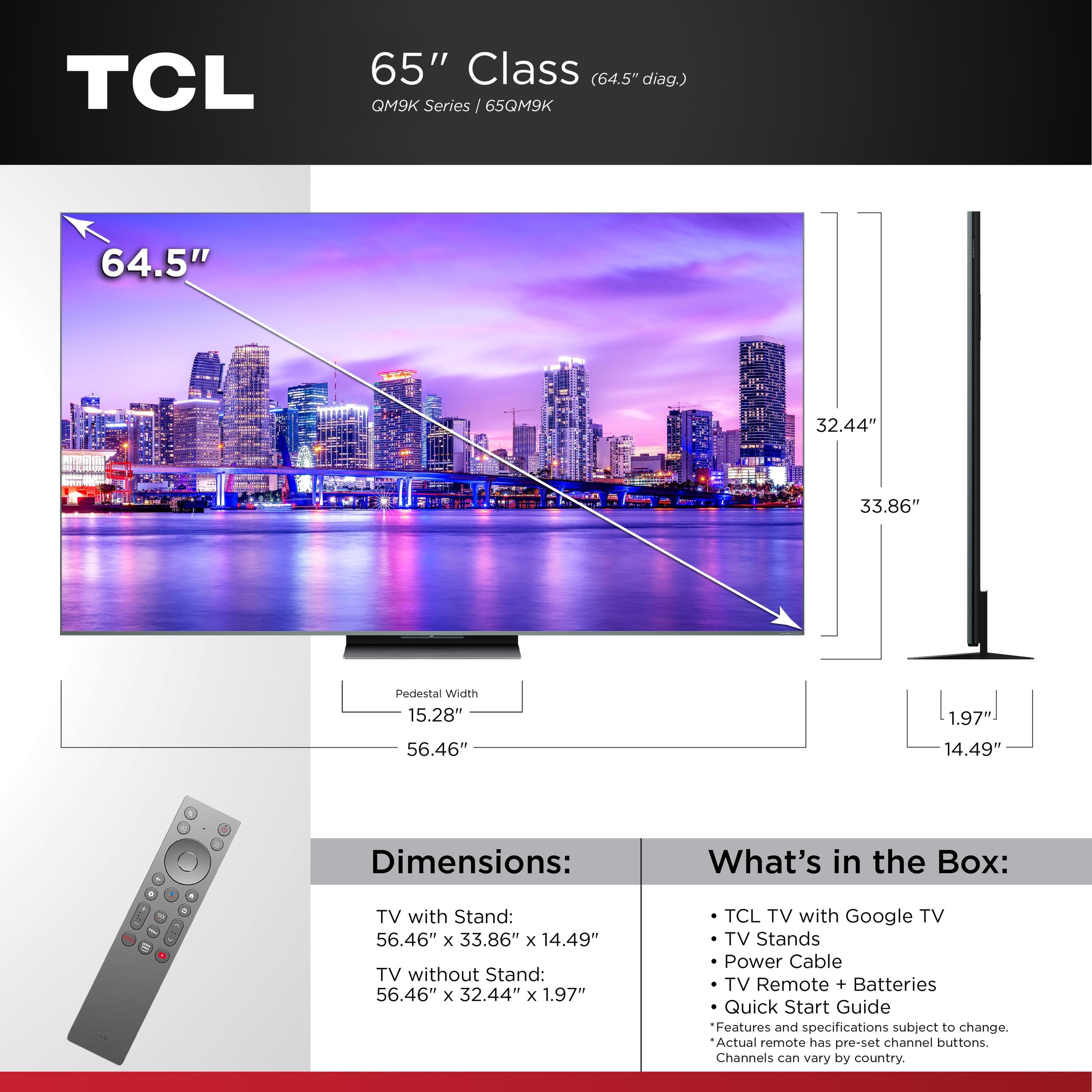
Shopping for a premium 65-inch TV can feel overwhelming, especially when you're comparing two fundamentally different technologies that each promise the "best" picture quality. The TCL QM9K QD-Mini LED and LG OLED evo C5 represent two distinct approaches to achieving stunning visuals, and understanding their differences is crucial for making the right choice.
Both TVs launched in 2025, positioning themselves as flagship models in their respective lineups. At the time of writing, they compete in the premium 65-inch segment, though the TCL QM9K typically offers more features per dollar while the LG C5 commands a premium for its OLED technology. The question isn't which is objectively better—it's which technology and feature set aligns with your specific needs and viewing environment.
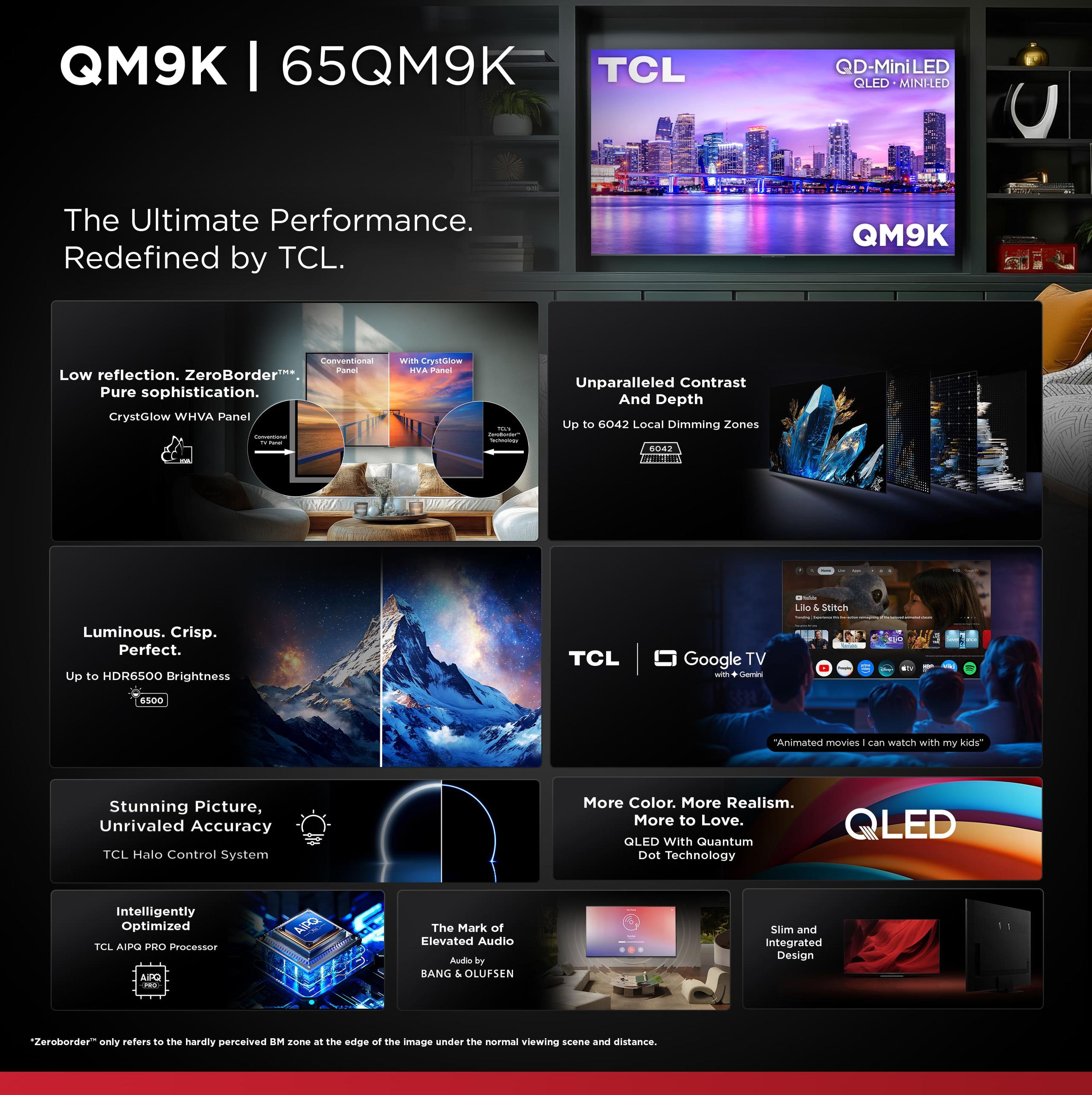
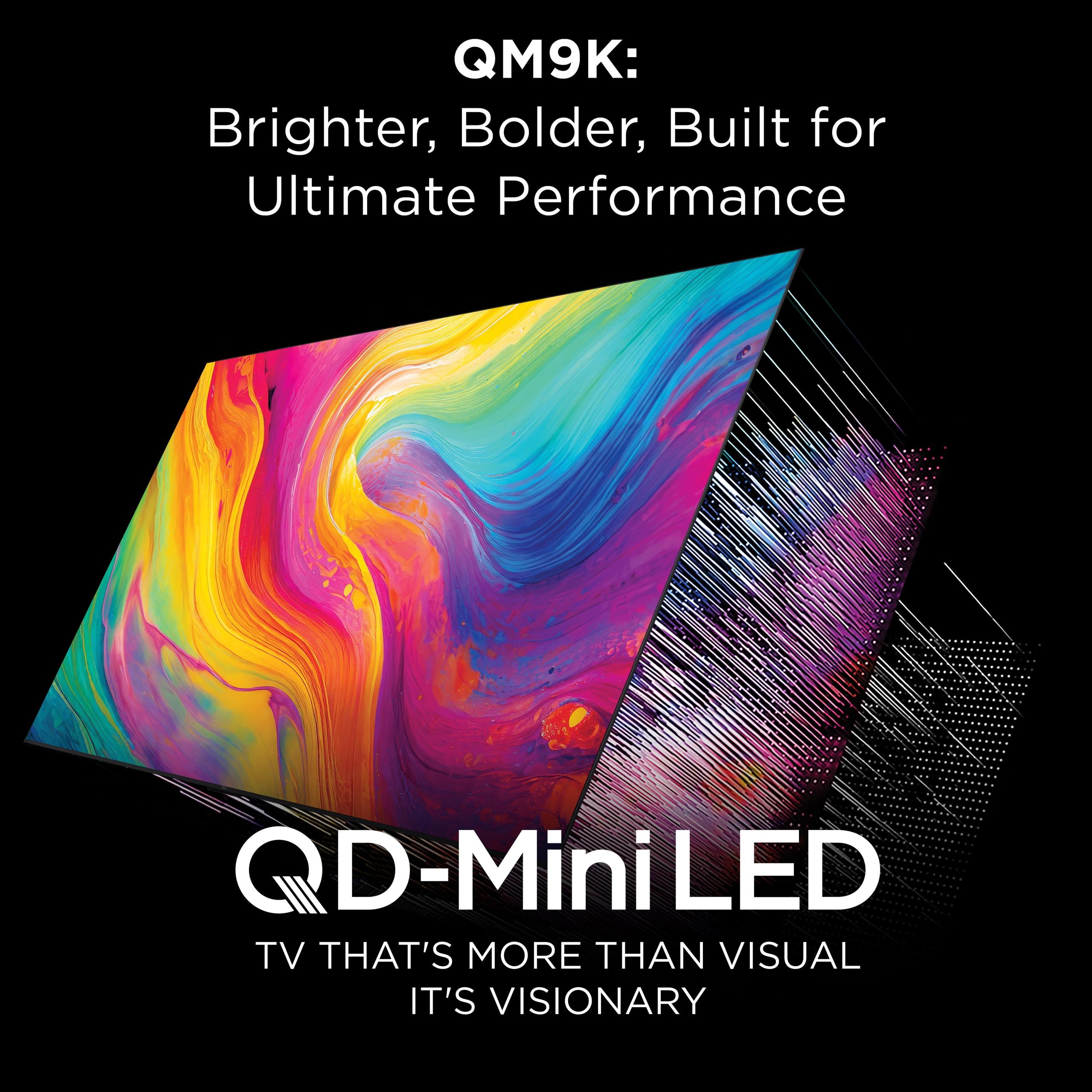
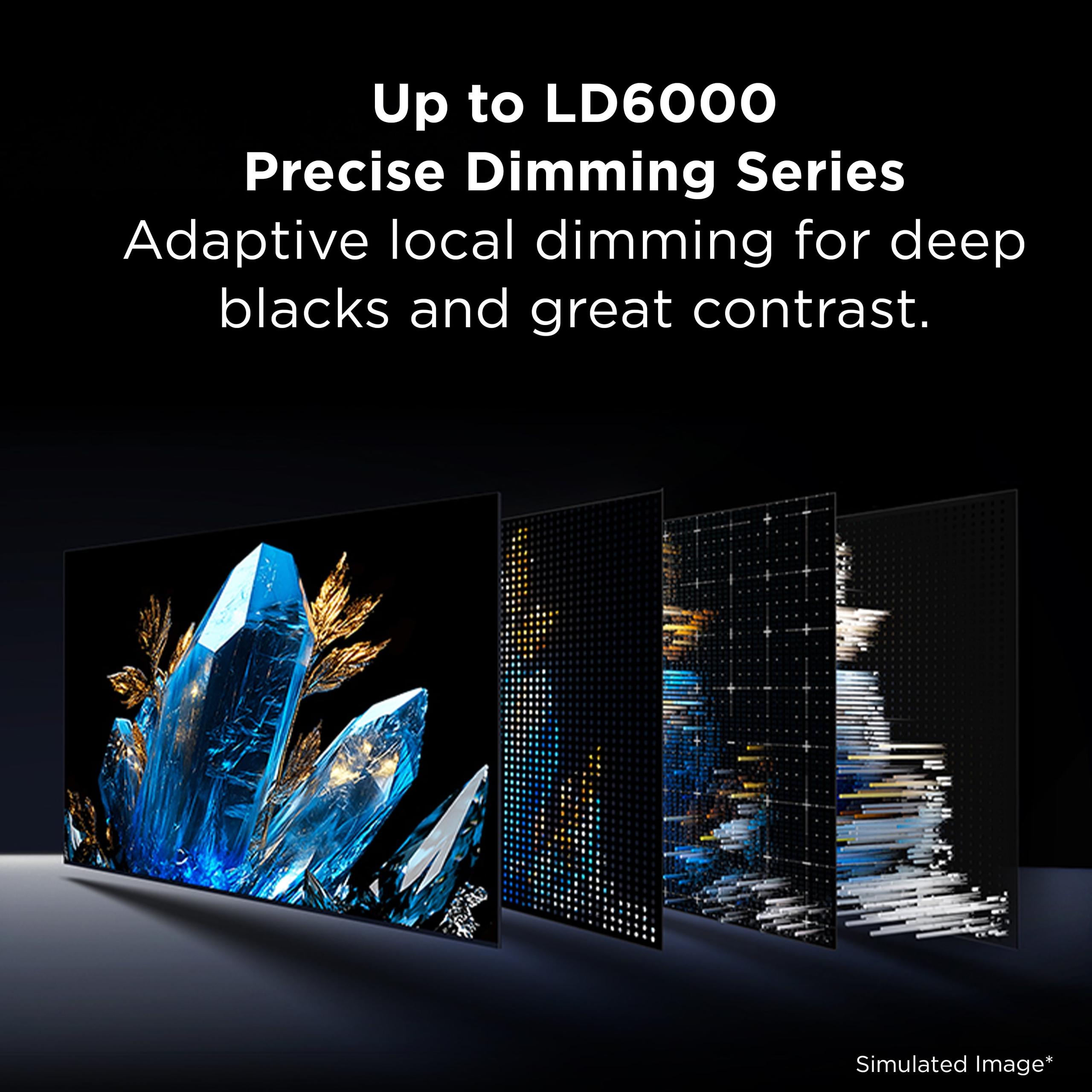
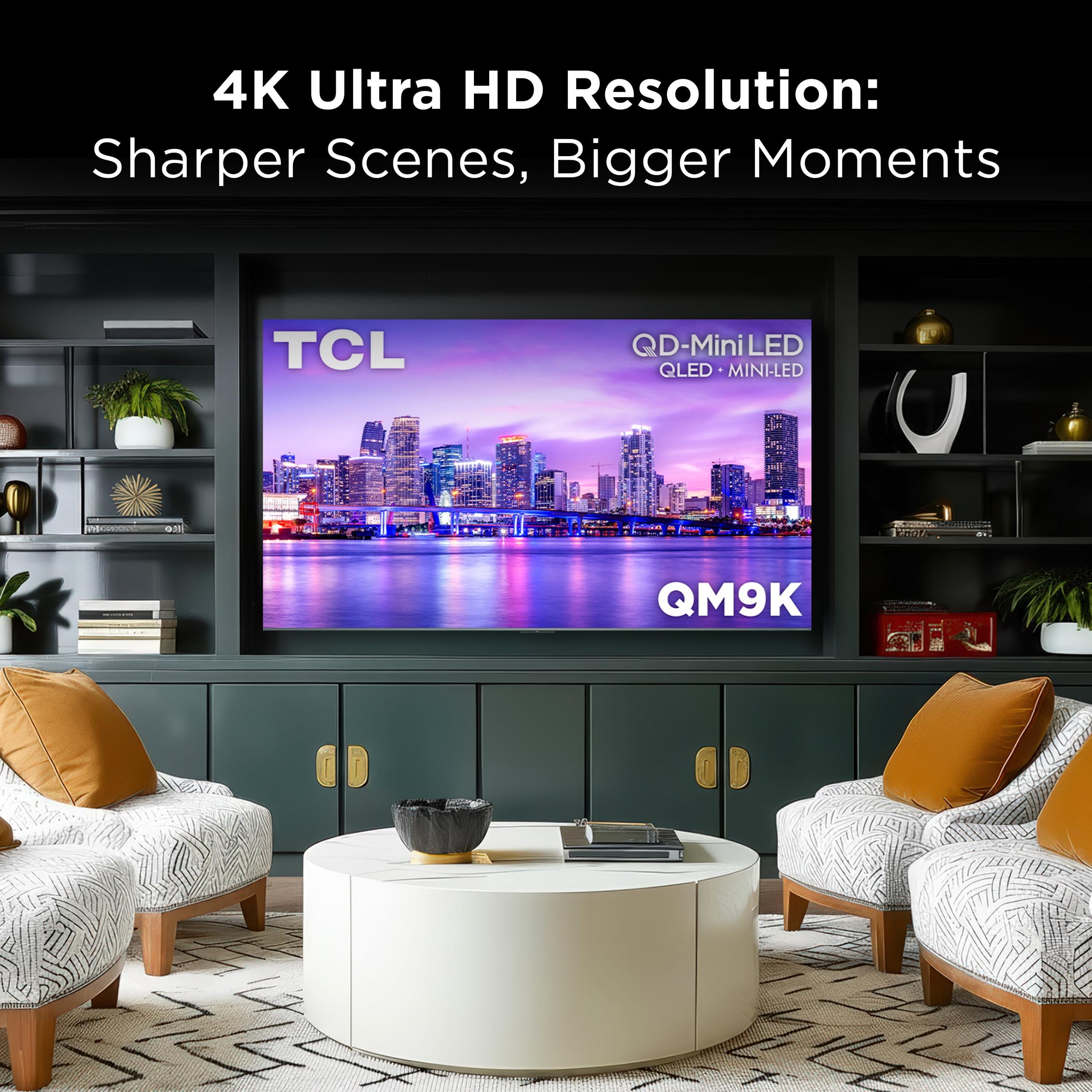
The fundamental difference between these TVs comes down to how they create light and color. The TCL QM9K uses what's called QD-Mini LED technology, which combines thousands of tiny LED lights (called Mini LEDs) with quantum dot enhancement. Think of it as having 6,000 individual dimming zones across the screen, each capable of brightening or darkening independently. This creates incredibly bright highlights while still delivering deep blacks—though not quite as perfect as OLED.
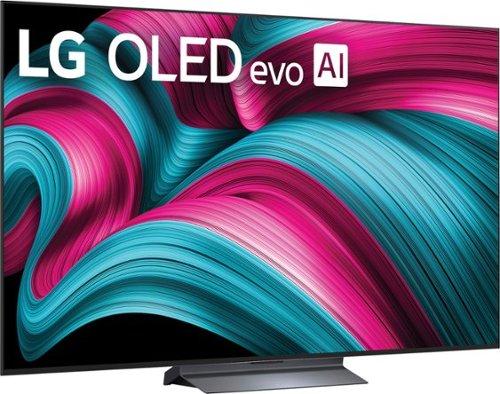
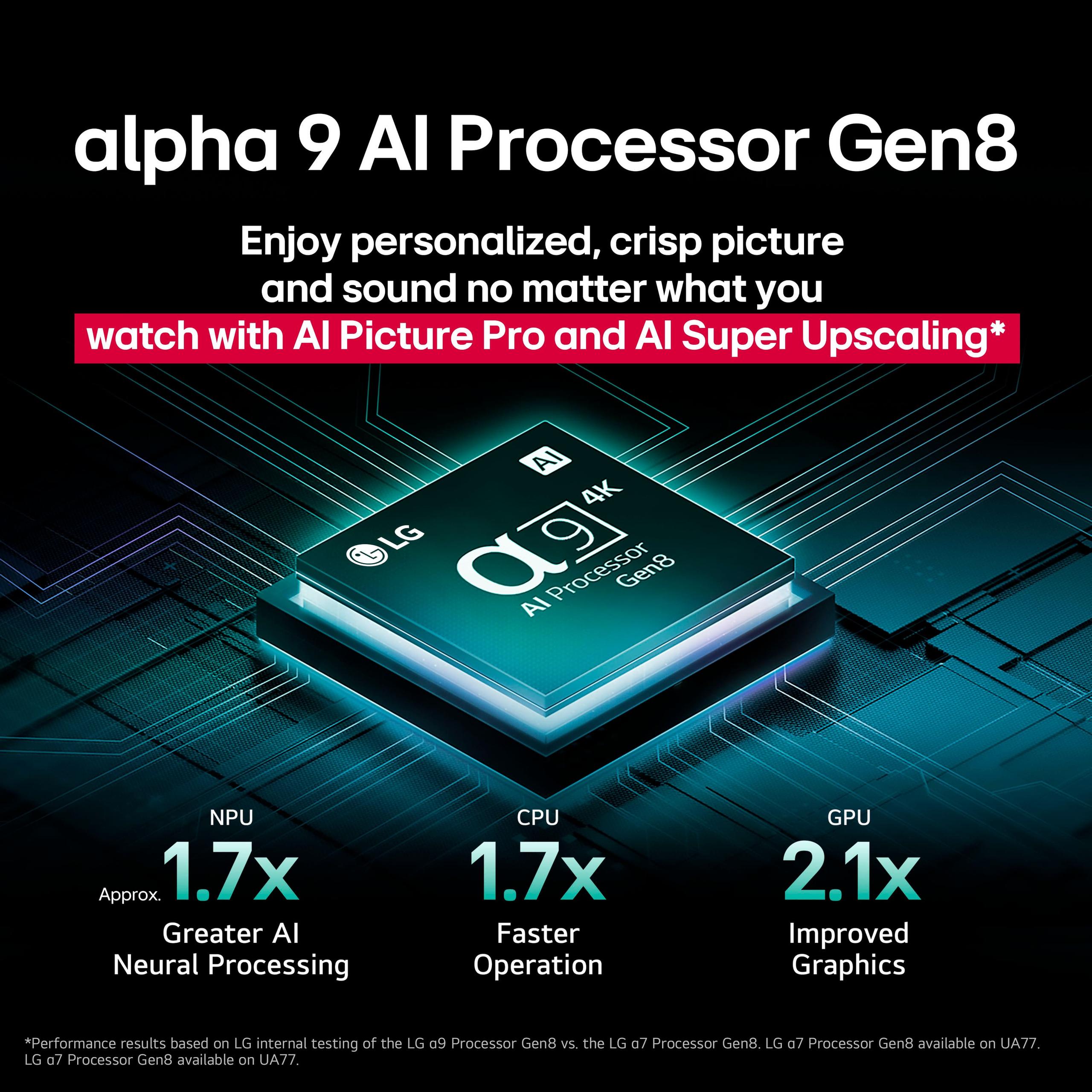
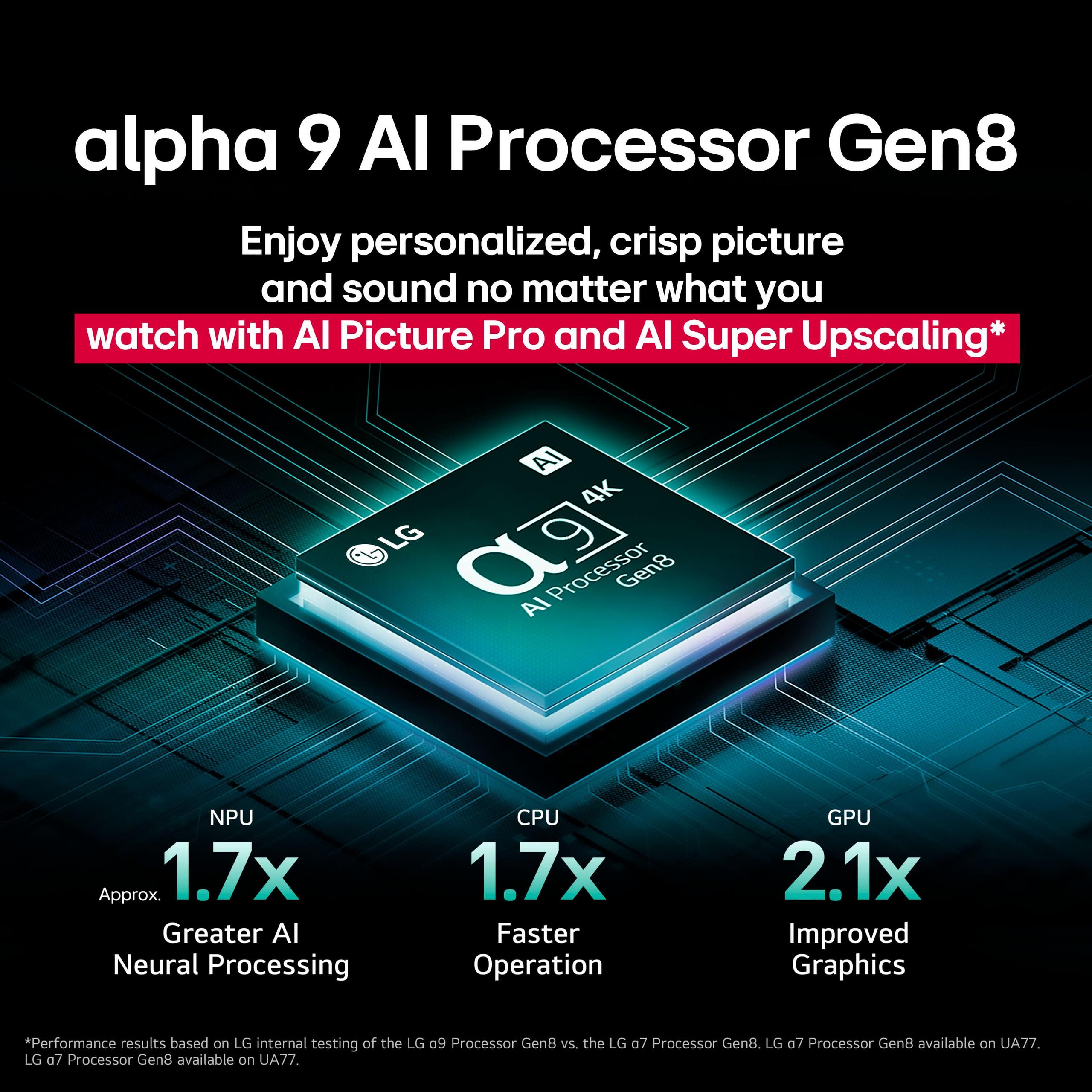
The LG C5, on the other hand, uses self-emissive OLED technology. Each of the 8.3 million pixels can turn completely on or completely off, creating what's called "infinite contrast." When a pixel needs to be black, it simply turns off entirely—no backlight bleeding through. This creates the most natural-looking shadows and dark scenes you'll find on any TV technology.
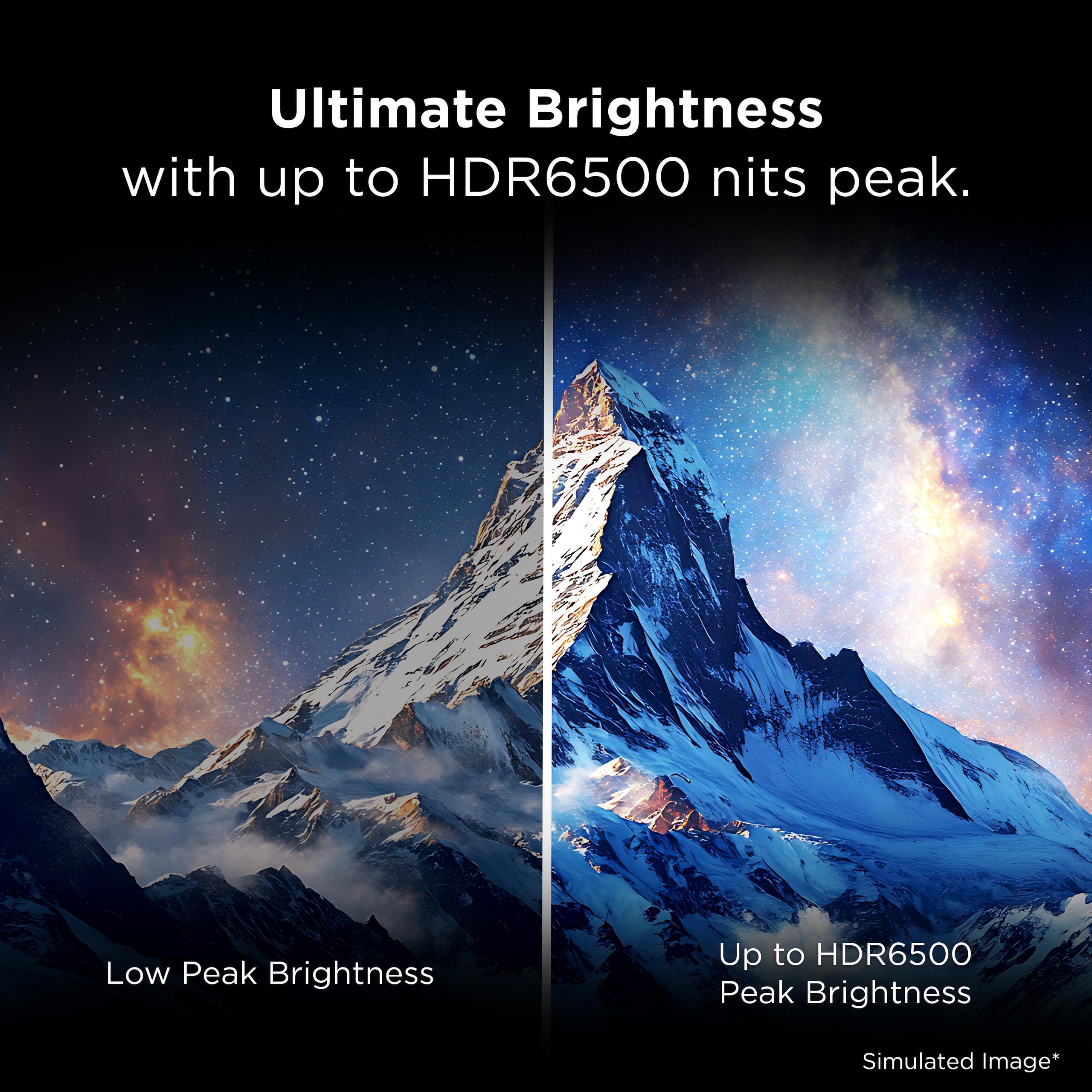
Here's where it gets interesting: Mini LED excels at getting really, really bright (we're talking 6,500 nits peak brightness on the TCL QM9K), while OLED focuses on perfect contrast and color accuracy. It's like comparing a powerful floodlight to a precision instrument—both have their place.
If you're someone who watches TV during the day or in a bright living room, the TCL QM9K has a significant advantage. Its peak brightness of 6,500 nits in HDR mode (HDR stands for High Dynamic Range, which enhances contrast and color) means it can overpower virtually any ambient light. When watching HDR movies like "Top Gun: Maverick" or "Dune," those blazing sun scenes and aircraft reflections will genuinely pop off the screen.
The LG C5, while improved over previous OLED generations, typically maxes out around 800-1,000 nits. That's still plenty bright for most content, but in a sun-drenched living room, you might find yourself squinting to see darker details or wishing highlights had more punch.
This brightness difference becomes especially noticeable with sports content. The TCL QM9K's ability to maintain high brightness across large areas means that bright outdoor football games or tennis matches look vibrant and clear, even with light streaming through your windows. The enhanced brightness also makes HDR content more impactful—those fireworks scenes in movies or glowing lightsaber battles truly shine.
However, brightness isn't everything. The TCL QM9K achieves its impressive brightness through local dimming zones, which means occasionally you might notice a subtle "blooming" or halo effect around bright objects against dark backgrounds. It's like having a flashlight that's so bright it creates a small glow around the edges—noticeable if you're looking for it, but rarely distracting in normal viewing.
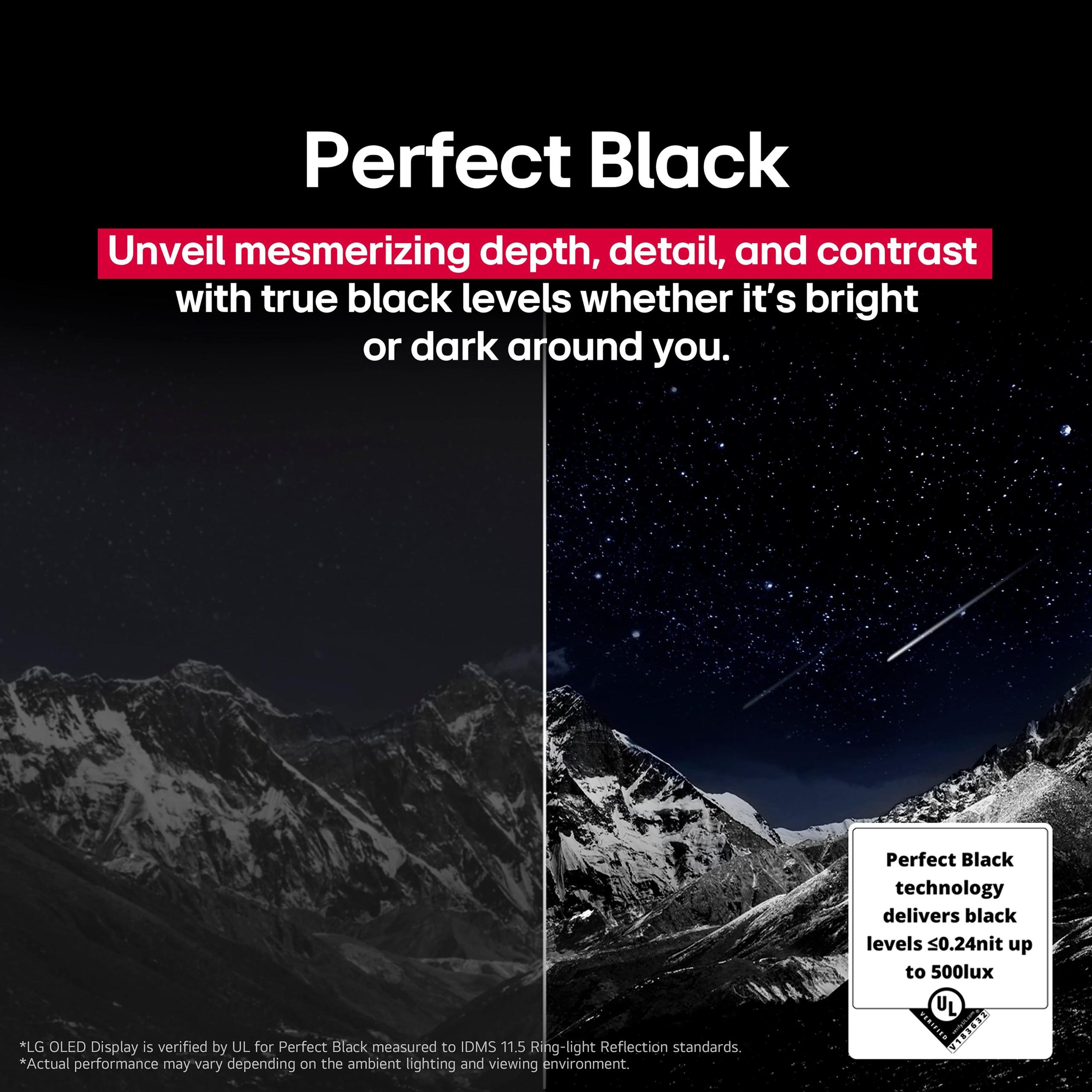
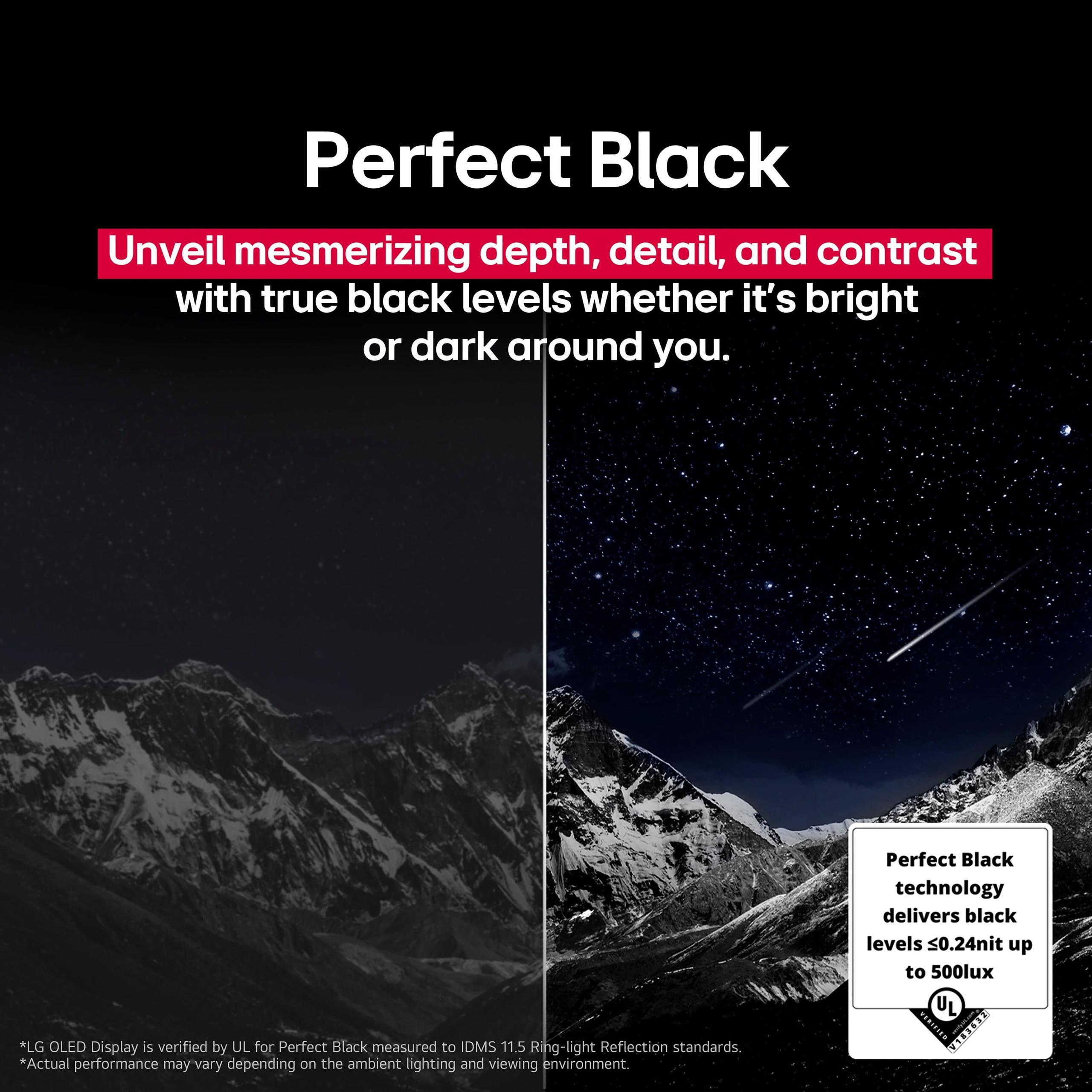
This is where the LG C5 shows its strength. Because each OLED pixel can turn completely off, black scenes in movies like "Alien" or "The Batman" look absolutely perfect—no gray wash, no light bleeding, just pure black. This creates what professionals call "infinite contrast," and it's genuinely impressive when you see it in action.
The TCL QM9K comes remarkably close with its 6,000 local dimming zones. These zones work like having thousands of individual light switches across the screen, dimming areas that should be dark while keeping bright areas illuminated. The result is excellent black levels that rival much more expensive TVs, though they can't quite match OLED's perfection.
In practical terms, both TVs deliver excellent contrast for most viewers. The differences become most apparent in very specific scenarios: OLED wins in perfectly dark rooms watching dark content, while Mini LED wins in bright rooms watching HDR content with lots of highlights.
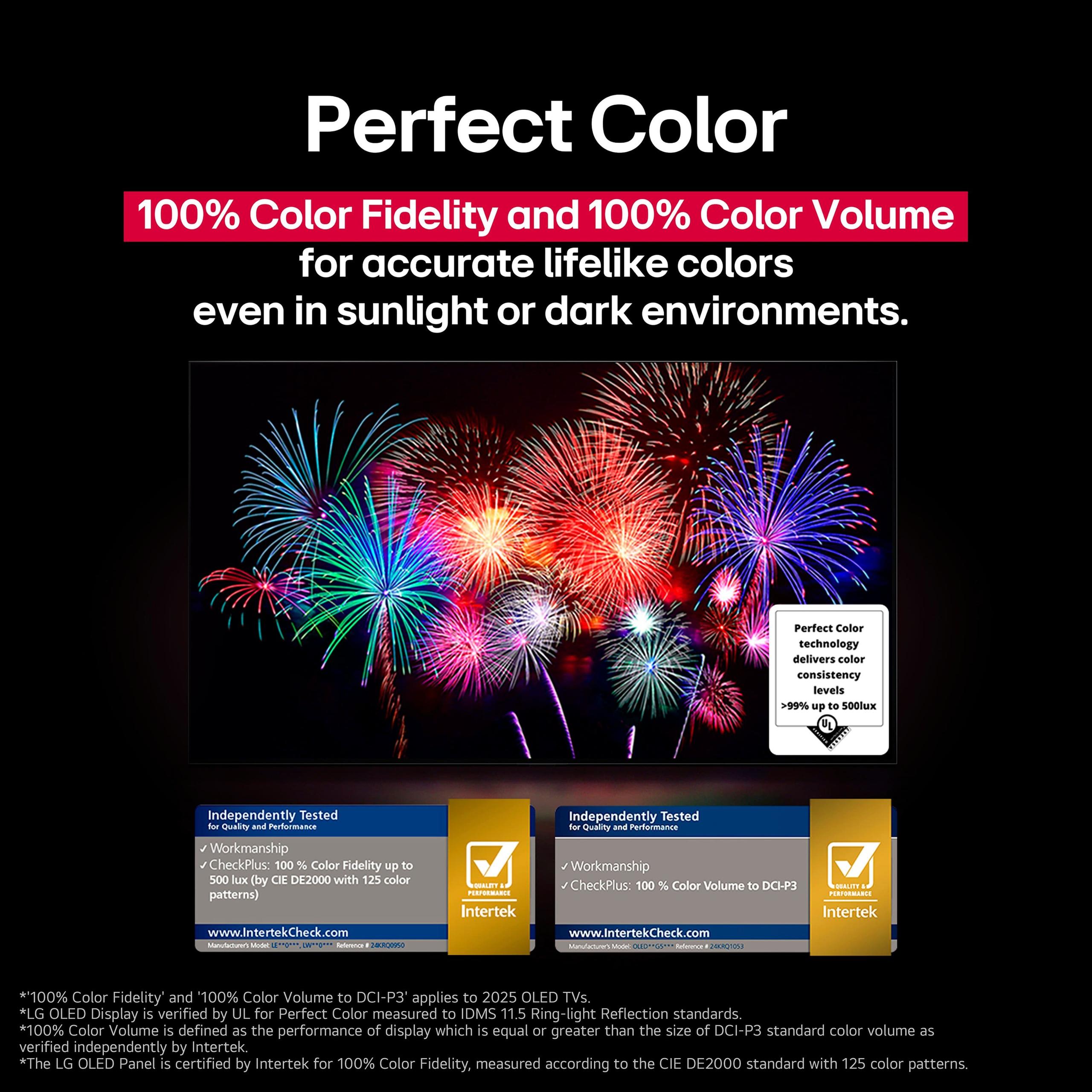
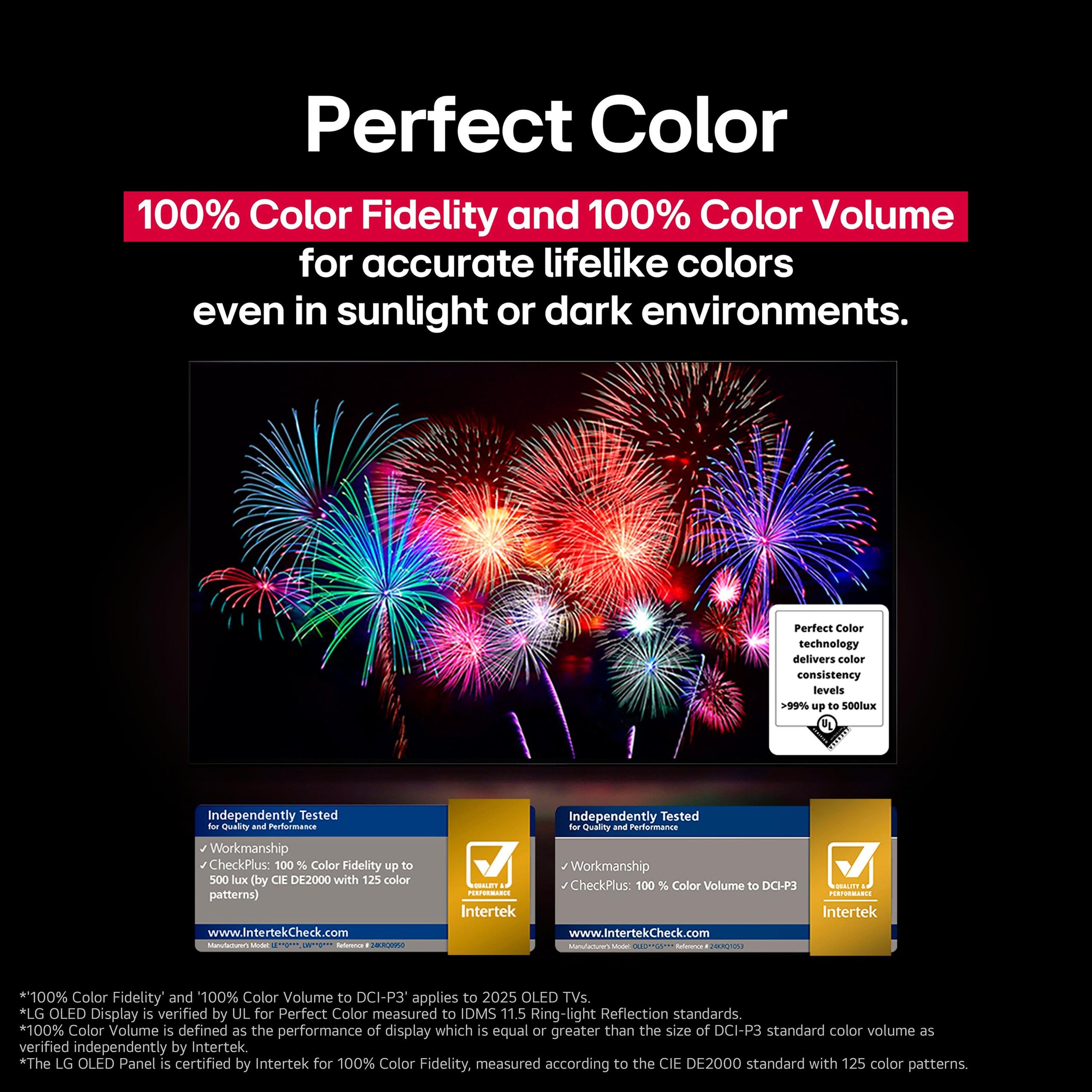
Color reproduction reveals another interesting split between these technologies. The LG C5 delivers what many consider more "accurate" colors—they look natural and film-like, exactly as directors intended. Out of the box, color accuracy is exceptional, meaning you won't need professional calibration to get great-looking content.
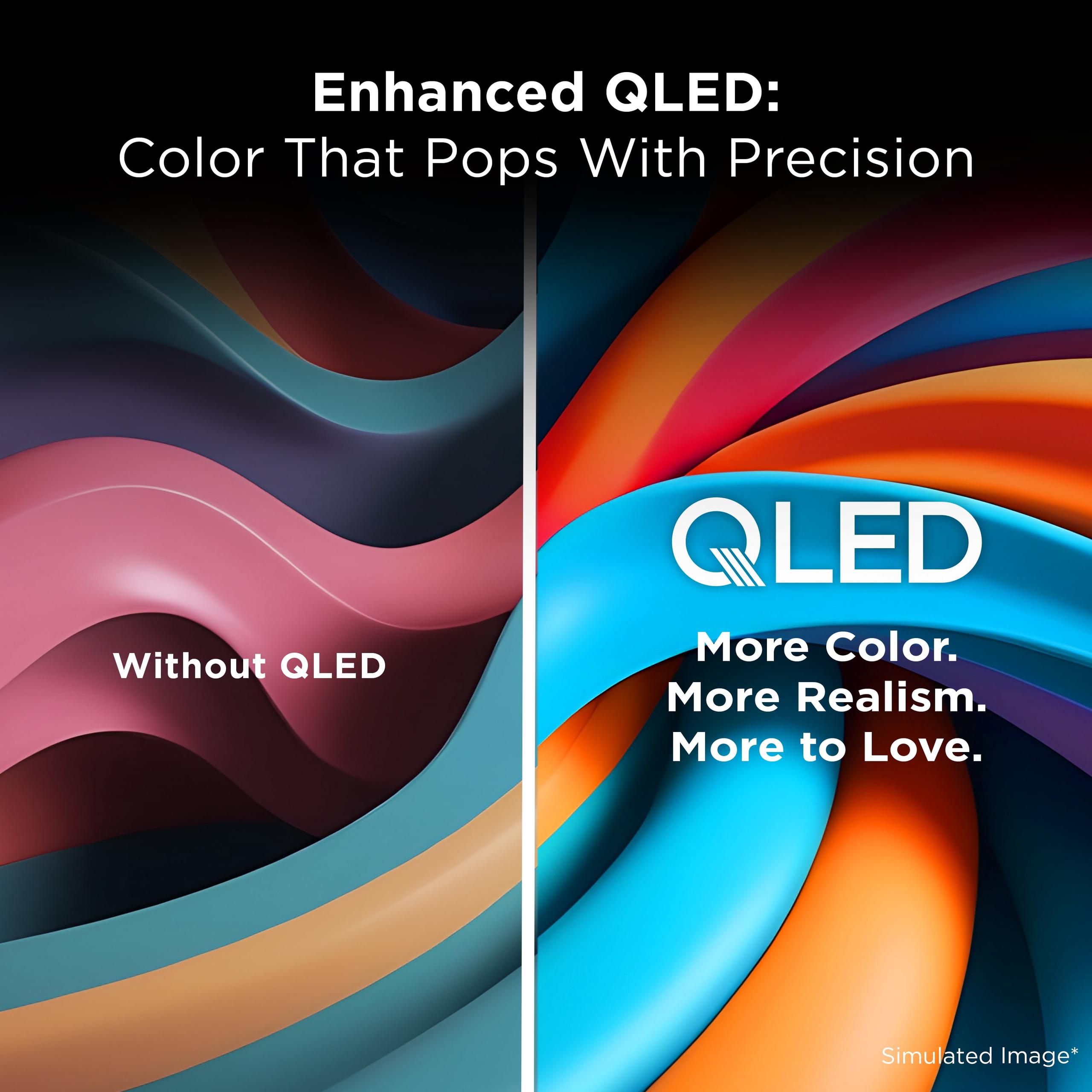
The TCL QM9K takes a different approach with its quantum dot enhancement. Quantum dots are tiny crystals that can produce very pure, saturated colors, resulting in what's called wider "color volume"—meaning it can display bright, vivid colors that really pop. The downside is that some colors might look slightly oversaturated compared to reference standards, though many viewers actually prefer this more vibrant presentation.
Both TVs support the latest HDR formats (HDR10, Dolby Vision), but they interpret them differently. The TCL QM9K's extra brightness headroom means HDR highlights can be more dramatic, while the LG C5's perfect blacks provide better shadow detail in darker scenes.
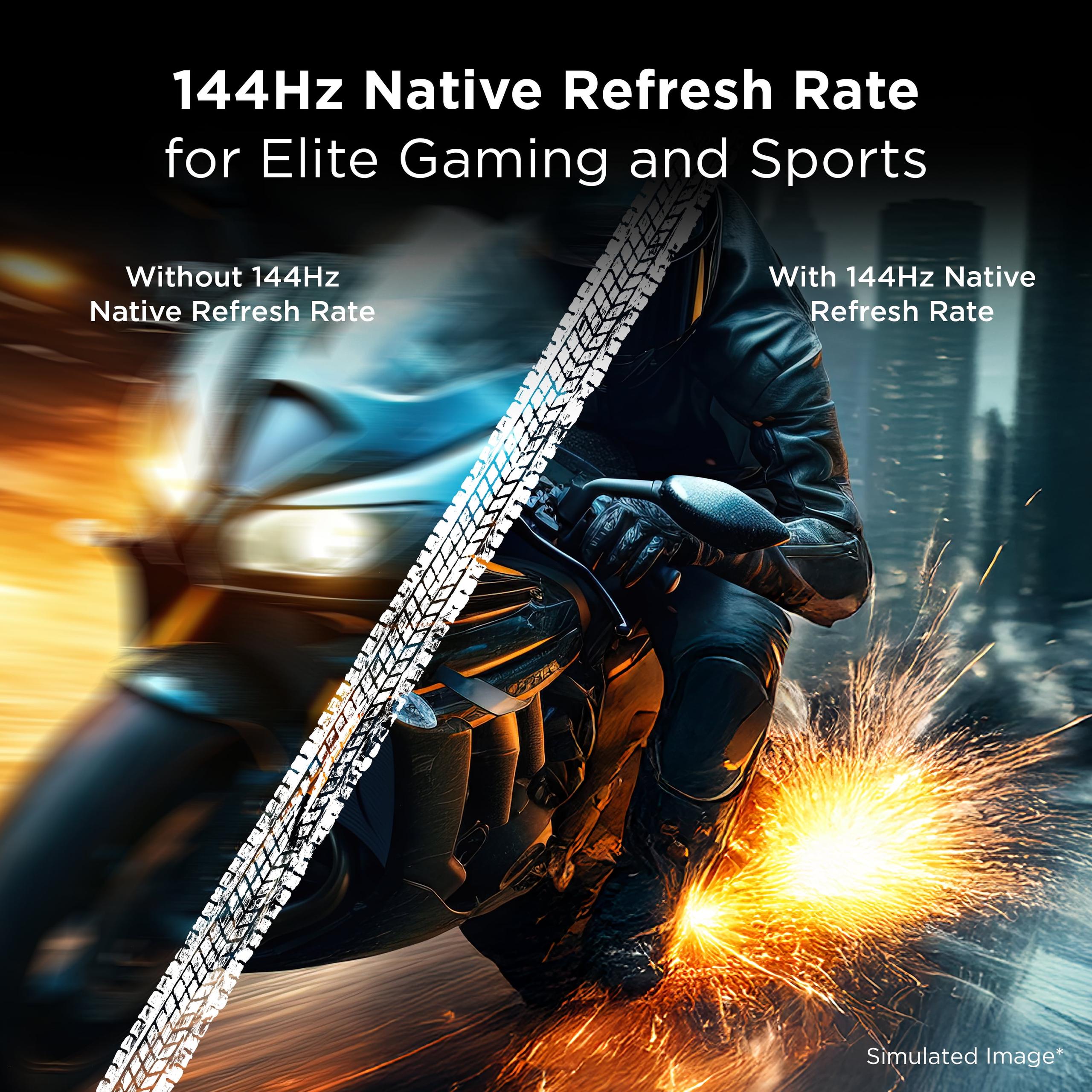
For gaming, both TVs offer impressive capabilities, but they excel in different areas. The TCL QM9K supports an incredible 288Hz refresh rate for 1080p and 1440p gaming, plus 144Hz for 4K content. This means incredibly smooth motion in competitive games like "Call of Duty" or "Rocket League." Its 5.3ms input lag is excellent, though not quite as low as OLED.
The LG C5 counters with a 0.1ms response time—essentially instantaneous pixel changes that eliminate motion blur entirely. For fast-paced gaming or sports, this creates the cleanest possible motion. It supports 4K at 144Hz across all four HDMI 2.1 ports and includes comprehensive VRR (Variable Refresh Rate) support for both PC and console gaming.
Which is better for gaming depends on your priorities. Competitive esports players might prefer the TCL QM9K's ultra-high refresh rates, while single-player gamers or anyone who values perfect motion clarity might lean toward the LG C5. Both support the latest console features like Auto Low Latency Mode and VRR.
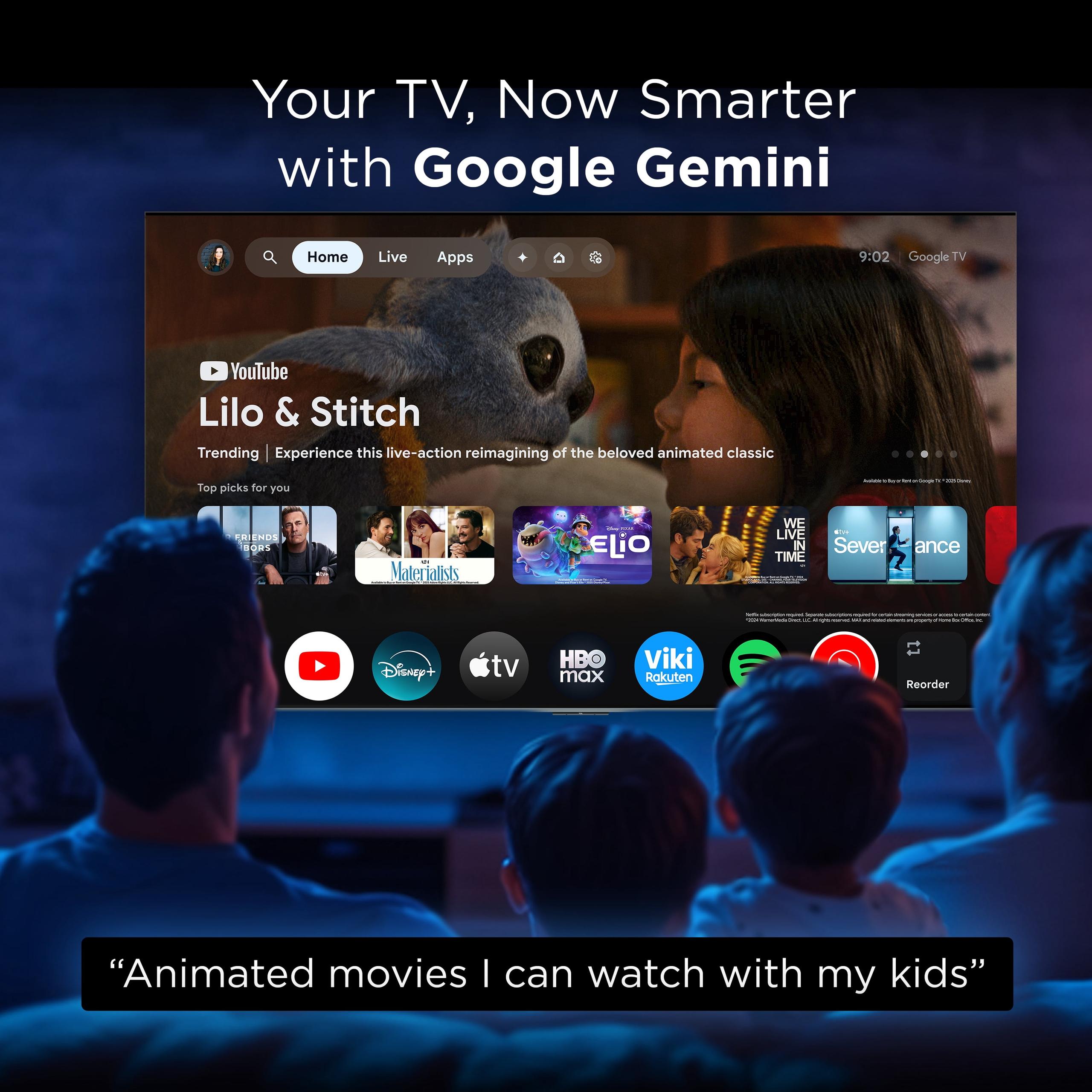
Both TVs run modern, responsive smart TV platforms. The TCL QM9K uses Google TV with built-in Google Gemini AI, offering hands-free voice control and intelligent content recommendations. A neat feature is its presence sensor, which can automatically turn the TV on or off based on whether you're in the room.
The LG C5 runs webOS 25, LG's refined smart TV platform known for its intuitive interface and Magic Remote. LG's commitment to long-term software support through their Re:New Program promises updates for up to five years, which is valuable for protecting your investment.
From a longevity perspective, Mini LED technology like the TCL QM9K doesn't suffer from burn-in concerns that can affect OLED panels with static content like news tickers or gaming HUDs. However, modern OLED TVs like the LG C5 have significantly improved burn-in resistance compared to earlier generations.
Audio quality differs noticeably between these models. The TCL QM9K features Bang & Olufsen-tuned speakers with a 2.1.1 channel system that includes a dedicated subwoofer. This creates fuller, room-filling sound that's particularly effective for action movies or music content.
The LG C5 takes a more refined approach with AI Sound Pro processing and integrated Dolby Atmos support. While it may not have the raw power of the TCL's system, it provides clear dialogue and intelligent sound optimization that adapts to content type.
Both support external audio systems through eARC HDMI connections, so serious home theater enthusiasts will likely connect dedicated soundbars or receivers regardless.
Your decision should primarily hinge on your viewing environment and preferences. If you watch TV in a bright living room during the day, the TCL QM9K makes more sense. Its exceptional brightness and vibrant colors will cut through ambient light beautifully, and you'll appreciate the impactful HDR performance in action movies and sports.
Choose the LG C5 if you prioritize dark room viewing and want the most cinematic experience possible. Its perfect blacks and accurate colors create an almost theater-like atmosphere that's particularly stunning for dramatic films and atmospheric TV shows. The instant response time also makes it excellent for gaming, even if it lacks the ultra-high refresh rates of the TCL.
At the time of writing, the TCL QM9K typically offers better value, packing flagship-level features into a more accessible price point. The LG C5 commands a premium for OLED technology but delivers that premium experience in the right environment.
Consider your specific use cases: bright room viewing favors Mini LED, dark room viewing favors OLED. Competitive gaming might lean toward the TCL QM9K's higher refresh rates, while cinematic gaming benefits from the LG C5's perfect contrast. Both represent excellent choices in the premium TV category—the key is matching the technology to your needs rather than chasing specs alone.
Neither TV will disappoint, but understanding these fundamental differences ensures you'll get the most out of your investment for years to come.
| TCL 65" QM9K QD-Mini LED Smart TV | LG OLED evo C5 65" 4K TV 2025 |
|---|---|
| Display Technology - Fundamentally different approaches to creating picture | |
| QD-Mini LED with 6,000 local dimming zones | Self-emissive OLED with 8.3M individually controlled pixels |
| Peak Brightness - Critical for bright room viewing and HDR impact | |
| 6,500 nits HDR (exceptional for daytime viewing) | ~800-1,000 nits (adequate but limited in bright rooms) |
| Black Levels - Determines contrast and dark scene detail | |
| Excellent blacks with minimal blooming | Perfect infinite blacks (complete pixel shutoff) |
| Gaming Refresh Rate - Higher numbers mean smoother competitive gaming | |
| Up to 288Hz (1080p/1440p), 144Hz native 4K | Up to 144Hz 4K across all HDMI ports |
| Response Time - Lower is better for eliminating motion blur | |
| 7.4ms minimum | 0.1ms (near-instantaneous pixel response) |
| Input Lag - Critical for competitive gaming responsiveness | |
| 5.3ms (excellent for gaming) | Sub-1ms (best-in-class gaming performance) |
| Color Accuracy - Important for film enthusiasts and professionals | |
| Good but requires calibration for accuracy | Exceptional out-of-box accuracy |
| Color Volume - Ability to display bright, saturated colors | |
| Superior quantum dot enhancement (97% DCI-P3) | Good but limited by brightness constraints |
| HDMI 2.1 Ports - Essential for next-gen gaming consoles | |
| 4 ports (2 with full 4K@144Hz support) | 4 ports (all with full bandwidth support) |
| HDR Support - Enhanced contrast and color in compatible content | |
| HDR10, HDR10+, Dolby Vision, HDR ULTRA | HDR10, HDR10+, Dolby Vision, HLG |
| Smart TV Platform - Affects long-term usability and app support | |
| Google TV with Gemini AI integration | webOS 25 with 5-year update commitment |
| Audio System - Built-in sound quality before adding external speakers | |
| Bang & Olufsen 2.1.1 with dedicated subwoofer | Integrated Dolby Atmos with AI Sound Pro |
| Burn-in Risk - Long-term reliability consideration | |
| No burn-in risk (LCD-based technology) | Low but present risk with static content |
| Viewing Angles - Important for group viewing setups | |
| Good (178° but image quality degrades off-center) | Excellent (maintains quality from wide angles) |
| Ideal Room Lighting - Best performance environment | |
| Bright to moderately lit rooms | Dark to moderately lit rooms |
The TCL 65" QM9K QD-Mini LED Smart TV is significantly better for bright rooms due to its exceptional 6,500 nits peak brightness. This allows it to overcome glare and maintain vivid colors even with windows or lights nearby. The LG OLED evo C5 65" 4K TV 2025 maxes out around 800-1,000 nits, which can struggle in very bright environments but still performs well in moderately lit rooms.
The LG OLED evo C5 65" 4K TV 2025 excels in dark rooms with its perfect black levels and infinite contrast ratio. Each pixel can turn completely off, creating true blacks without any light bleeding. While the TCL 65" QM9K QD-Mini LED Smart TV delivers excellent contrast with its 6,000 local dimming zones, it can't quite match OLED's perfection in completely dark viewing environments.
Both TVs offer excellent gaming performance but in different ways. The TCL QM9K supports ultra-high refresh rates up to 288Hz for competitive gaming and features 5.3ms input lag. The LG C5 counters with a 0.1ms response time that eliminates motion blur entirely and supports 4K@144Hz across all HDMI ports. Choose the TCL for competitive esports or the LG for single-player games with perfect motion clarity.
The TCL 65" QM9K QD-Mini LED Smart TV has no burn-in risk since it uses LCD-based Mini LED technology. The LG OLED evo C5 65" 4K TV 2025 has a low but present burn-in risk with static content like news tickers or gaming HUDs, though modern OLED panels have significantly improved burn-in resistance compared to earlier generations.
The TCL QM9K typically offers better value by providing flagship-level features like high brightness, advanced gaming capabilities, and premium build quality at a more accessible price point. The LG C5 commands a premium for OLED technology but delivers that premium experience with perfect contrast and color accuracy for those who prioritize picture quality above all else.
The LG OLED evo C5 65" 4K TV 2025 delivers superior color accuracy with exceptional out-of-box precision that requires minimal calibration. The TCL 65" QM9K QD-Mini LED Smart TV uses quantum dot technology for wider color volume and more vibrant presentation, but may require calibration for reference-level accuracy. The LG is better for film enthusiasts, while the TCL offers more punchy, eye-catching colors.
This depends on your environment and preferences. The TCL QM9K excels at bright, impactful HDR highlights that really pop thanks to its 6,500 nits peak brightness, making it ideal for action movies and bright HDR content. The LG C5 provides better shadow detail and more natural HDR presentation with perfect blacks, making it superior for dramatic films and dark HDR scenes.
The TCL 65" QM9K QD-Mini LED Smart TV runs Google TV with built-in Gemini AI for hands-free voice control and intelligent recommendations. The LG OLED evo C5 65" 4K TV 2025 uses webOS 25 with LG's refined interface and Magic Remote, plus a commitment to 5-year software updates through their Re:New Program. Both platforms are fast and user-friendly with comprehensive app support.
The TCL QM9K features Bang & Olufsen-tuned speakers with a 2.1.1 channel system including a dedicated subwoofer for fuller, room-filling sound. The LG C5 offers AI Sound Pro processing with integrated Dolby Atmos for clear dialogue and intelligent sound optimization. The TCL has more powerful audio hardware, while the LG focuses on refined processing and clarity.
For dedicated home theater use, the LG OLED evo C5 65" 4K TV 2025 is typically preferred due to its perfect blacks, accurate colors, and cinematic presentation in dark viewing environments. The TCL 65" QM9K QD-Mini LED Smart TV works well for home theaters with some ambient light and excels when you want bright, impactful HDR scenes. Both support advanced features like Dolby Vision and eARC for external audio systems.
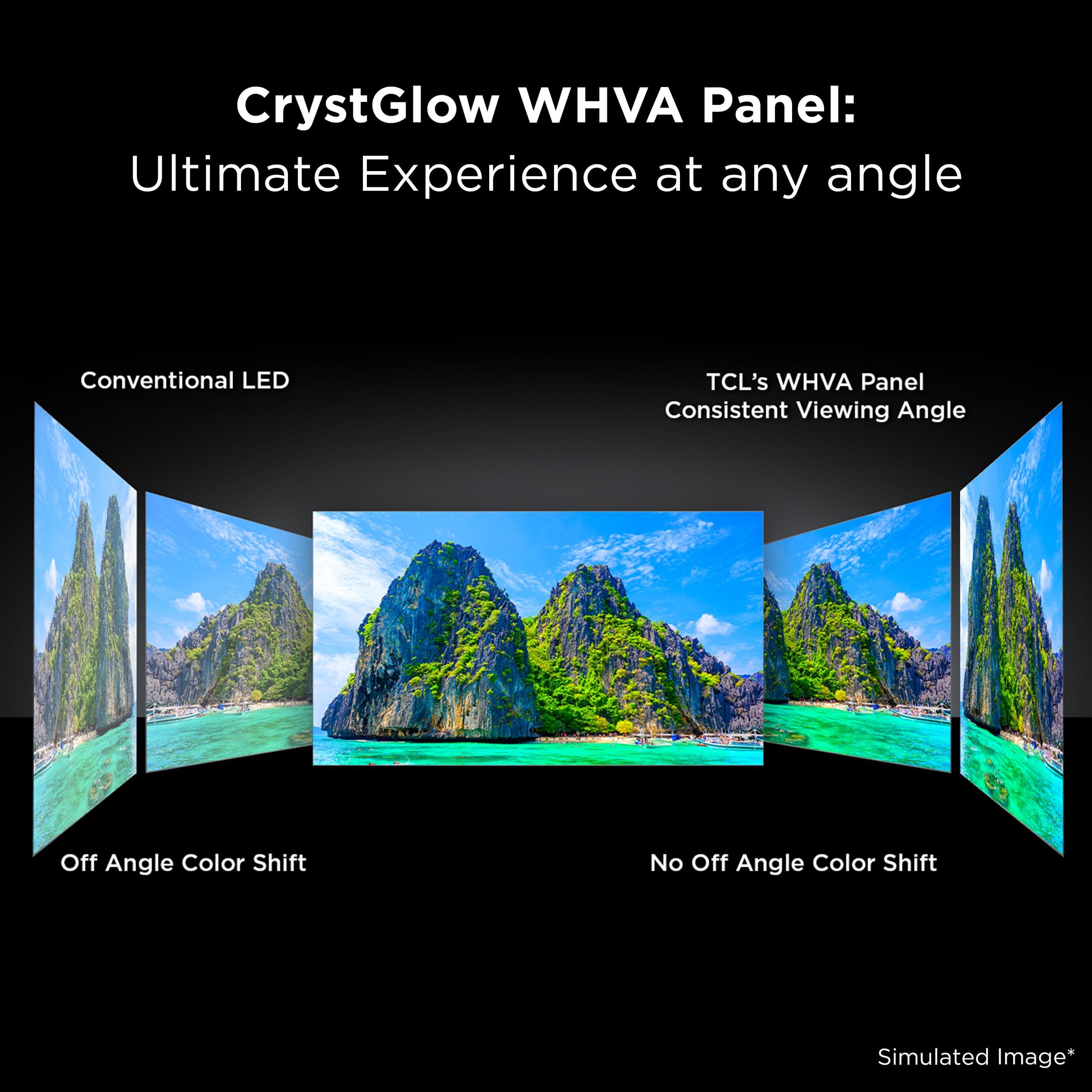
The LG C5 maintains excellent picture quality from wide viewing angles, making it ideal for group viewing or larger seating arrangements. The TCL QM9K offers good viewing angles (178° horizontal/vertical) but image quality degrades more noticeably when viewed off-center, with some color shifting and contrast loss. The OLED technology provides more consistent performance across different seating positions.
Both TVs should provide years of reliable service. The TCL 65" QM9K QD-Mini LED Smart TV has no inherent burn-in concerns and uses proven LCD-based technology. The LG OLED evo C5 65" 4K TV 2025 offers superior build quality and longer software support (5 years), but OLED panels can potentially develop burn-in with heavy static content usage. For most users, both technologies will provide excellent longevity with proper use.
We've done our best to create useful and informative comparisons to help you decide what product to buy. Our research uses advanced automated methods to create this comparison and perfection is not possible - please contact us for corrections or questions. These are the sites we've researched in the creation of this article: rtings.com - bestbuy.com - youtube.com - youtube.com - youtube.com - techaeris.com - displayspecifications.com - pcrichard.com - residentialsystems.com - us.tcl.com - displayspecifications.com - valueelectronics.com - woodruffappliance.com - tcl.com - pcrichard.com - tcl.com - techradar.com - tcl.com - us.tcl.com - youtube.com - youtube.com - bestbuy.com - youtube.com - bestbuy.com - rtings.com - youtube.com - businessinsider.com - youtube.com - bestbuy.com - lg.com - files.bbystatic.com - lg.com - flatpanelshd.com - lg.com - blvdhome.com - bhphotovideo.com - flanners.com - videopro.com.au

Privacy Policy
Terms and Conditions - Affiliate Policy
Home Security
© Copyright 2008-2026.
11816 Inwood Rd #1211, Dallas, TX 75244