

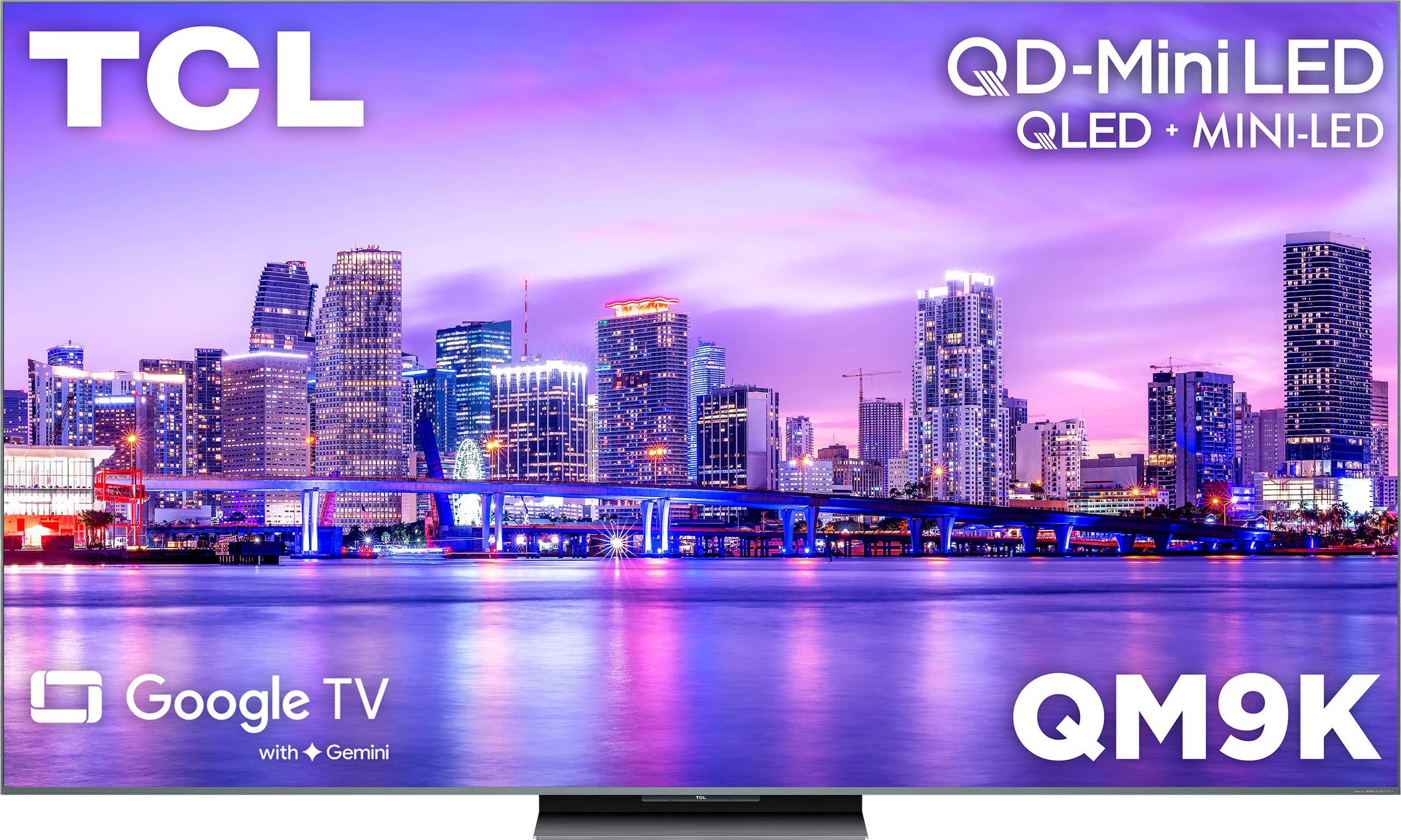
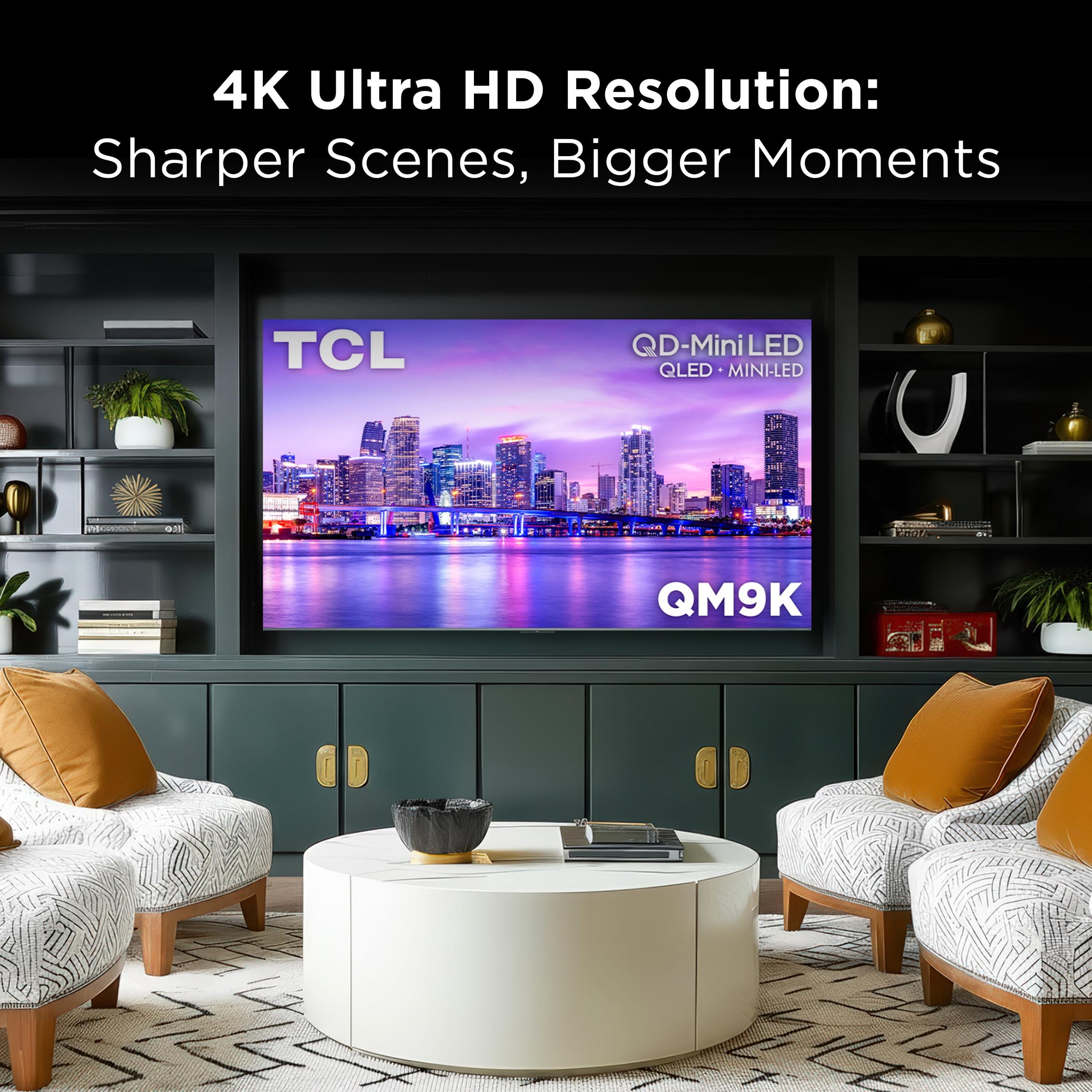
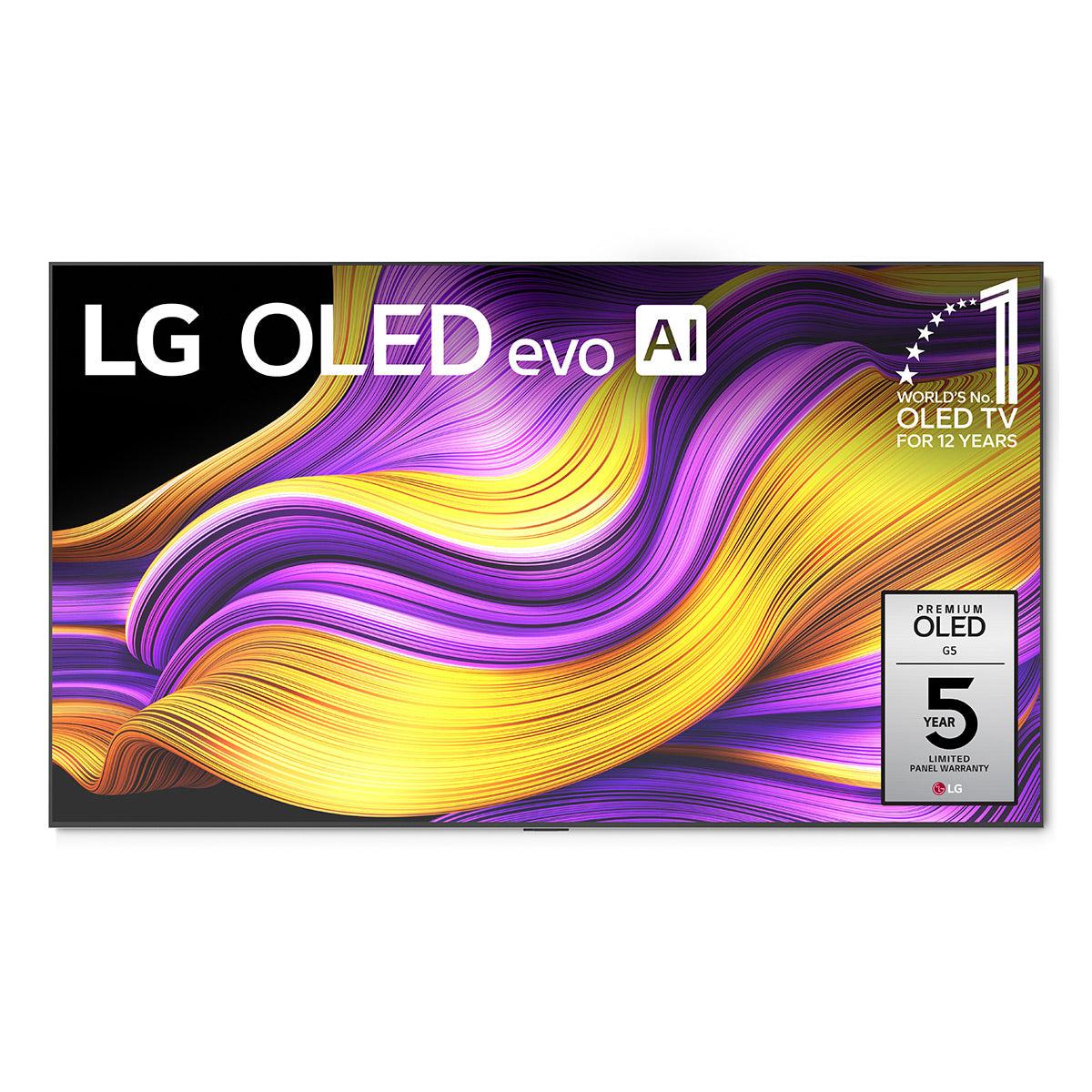
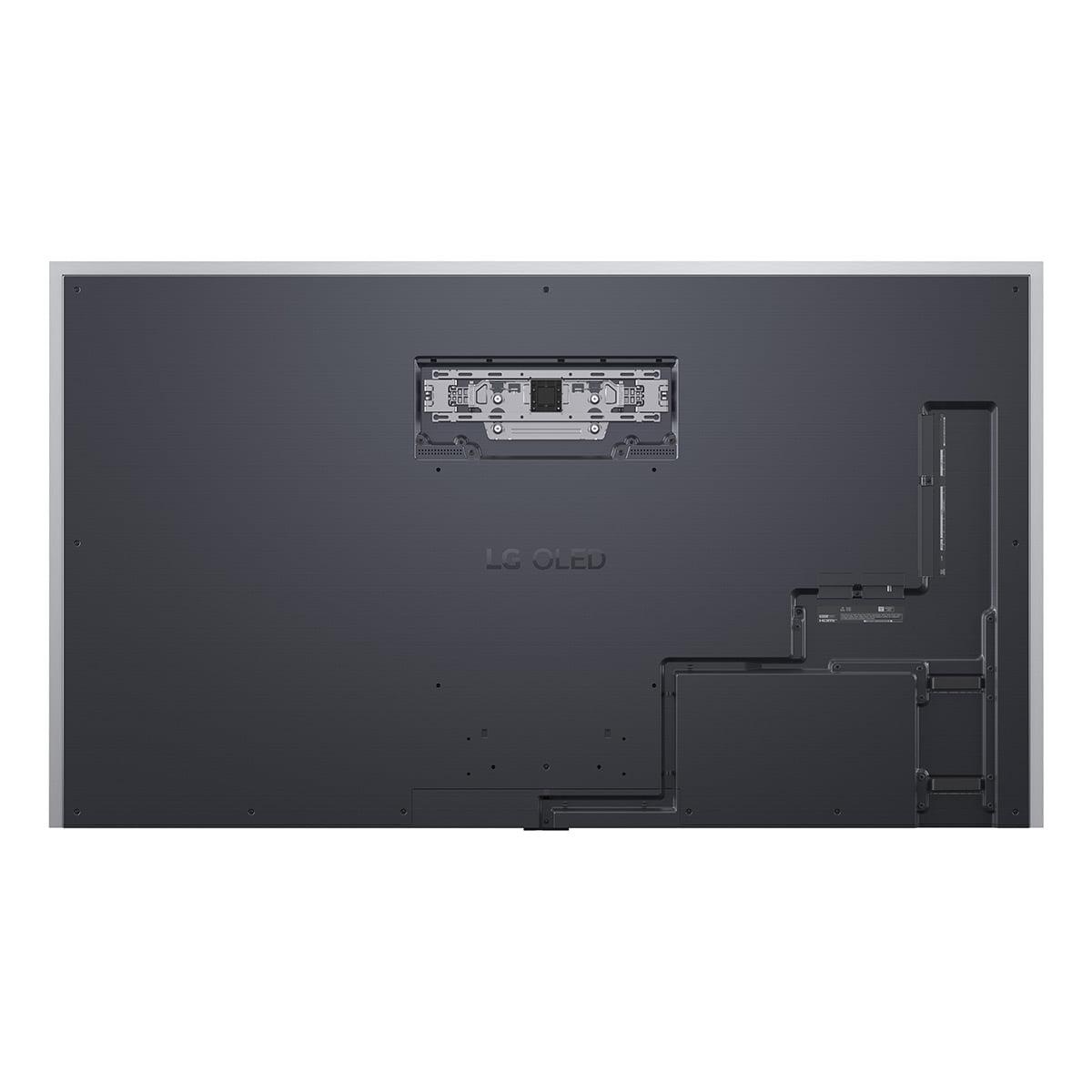
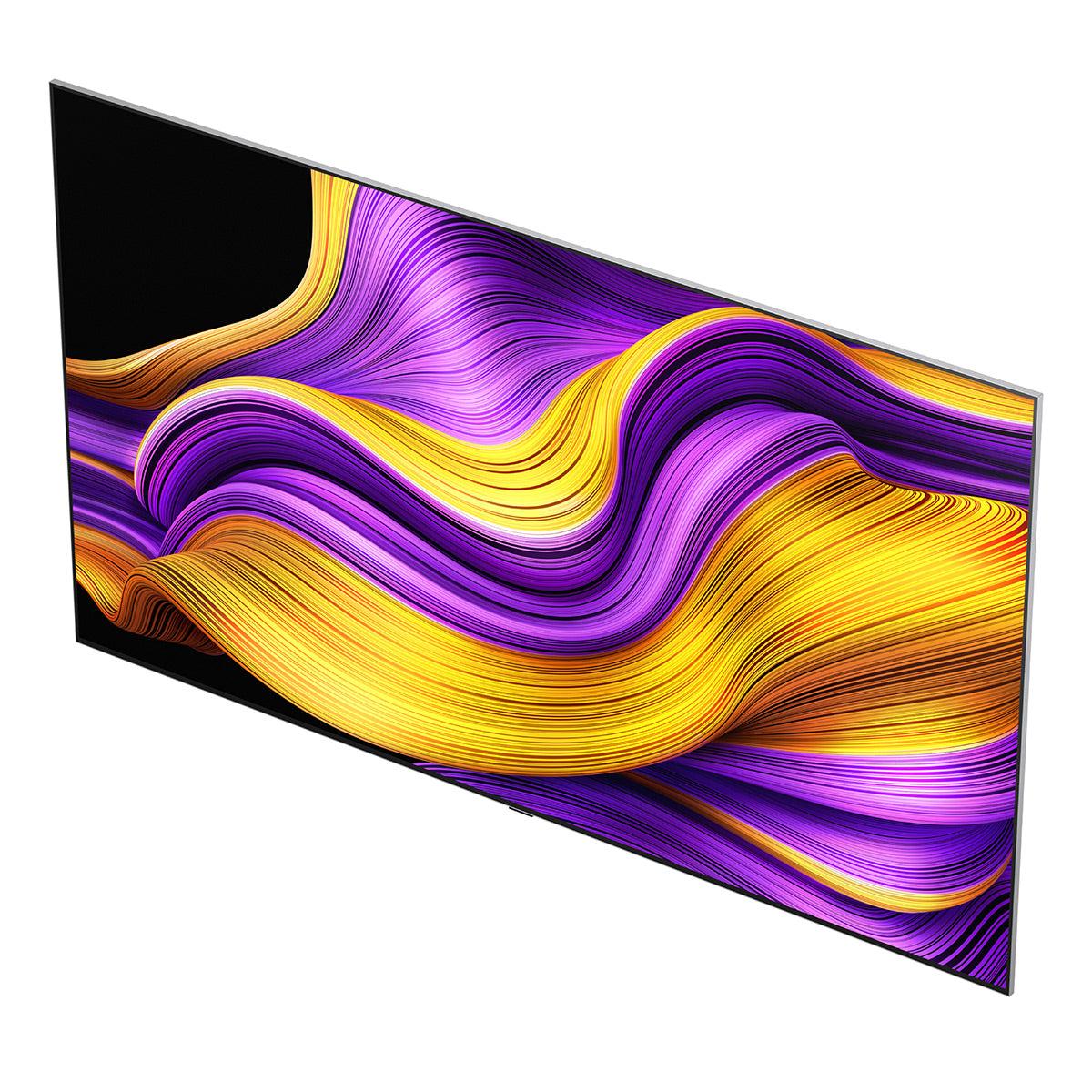
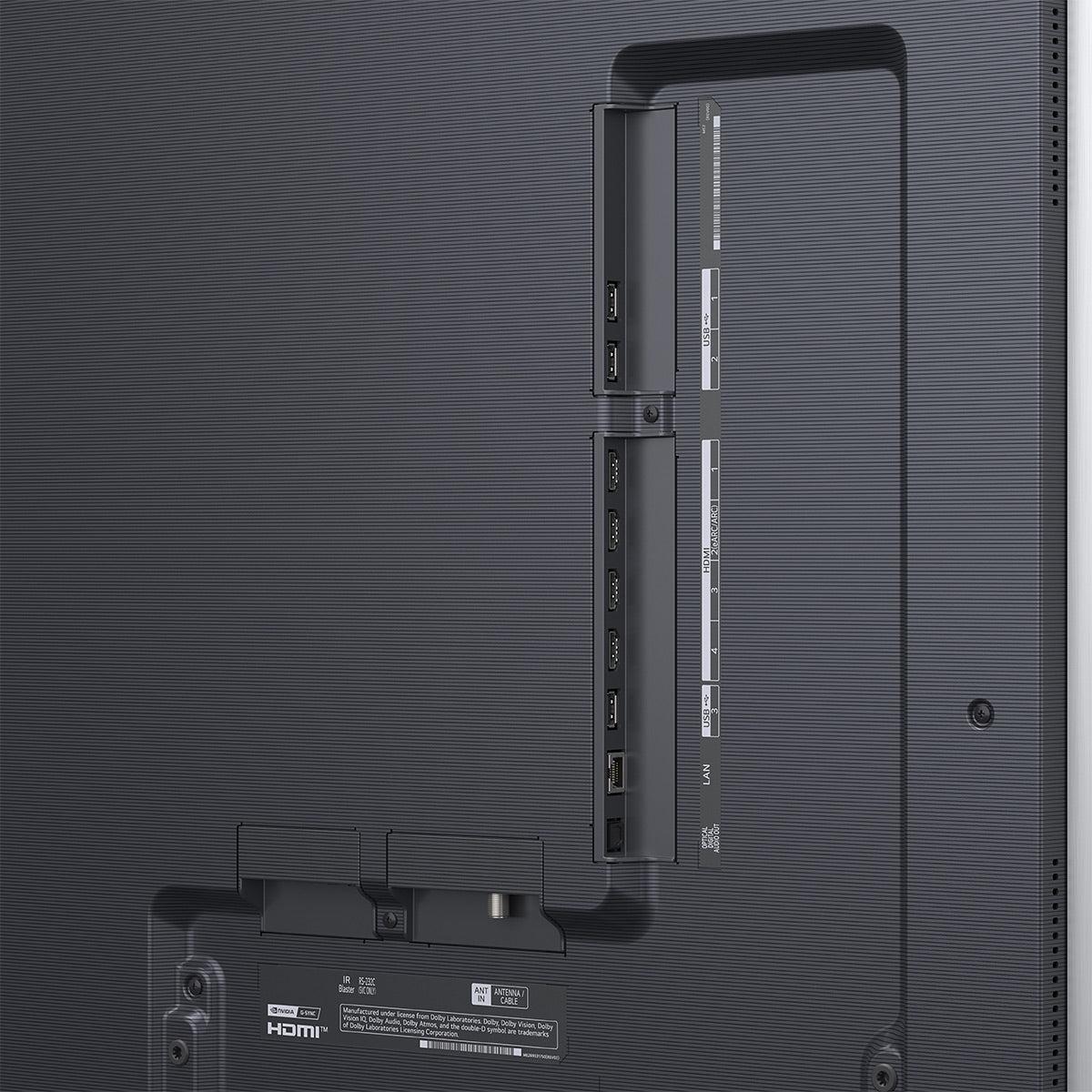
Shopping for a premium 65-inch TV has never been more exciting—or more confusing. Two standout models have captured attention in 2025: the TCL 65" QM9K QD-Mini LED Smart TV and the LG OLED evo G5 65" 4K Smart TV. Both represent flagship technology from their respective manufacturers, but they take completely different approaches to delivering stunning picture quality.
The fundamental choice comes down to display technology. The TCL QM9K uses QD-Mini LED, which combines thousands of tiny LED lights with quantum dots to create incredibly bright, colorful images. The LG G5 employs OLED technology, where over 8 million pixels emit their own light individually. This difference shapes everything about how these TVs perform, from their strengths in bright rooms versus dark theaters to their gaming capabilities and long-term reliability.
Understanding these technologies and their trade-offs will help you make the right choice for your specific viewing environment and preferences. Let's dive deep into what makes each approach special and who should consider each option.
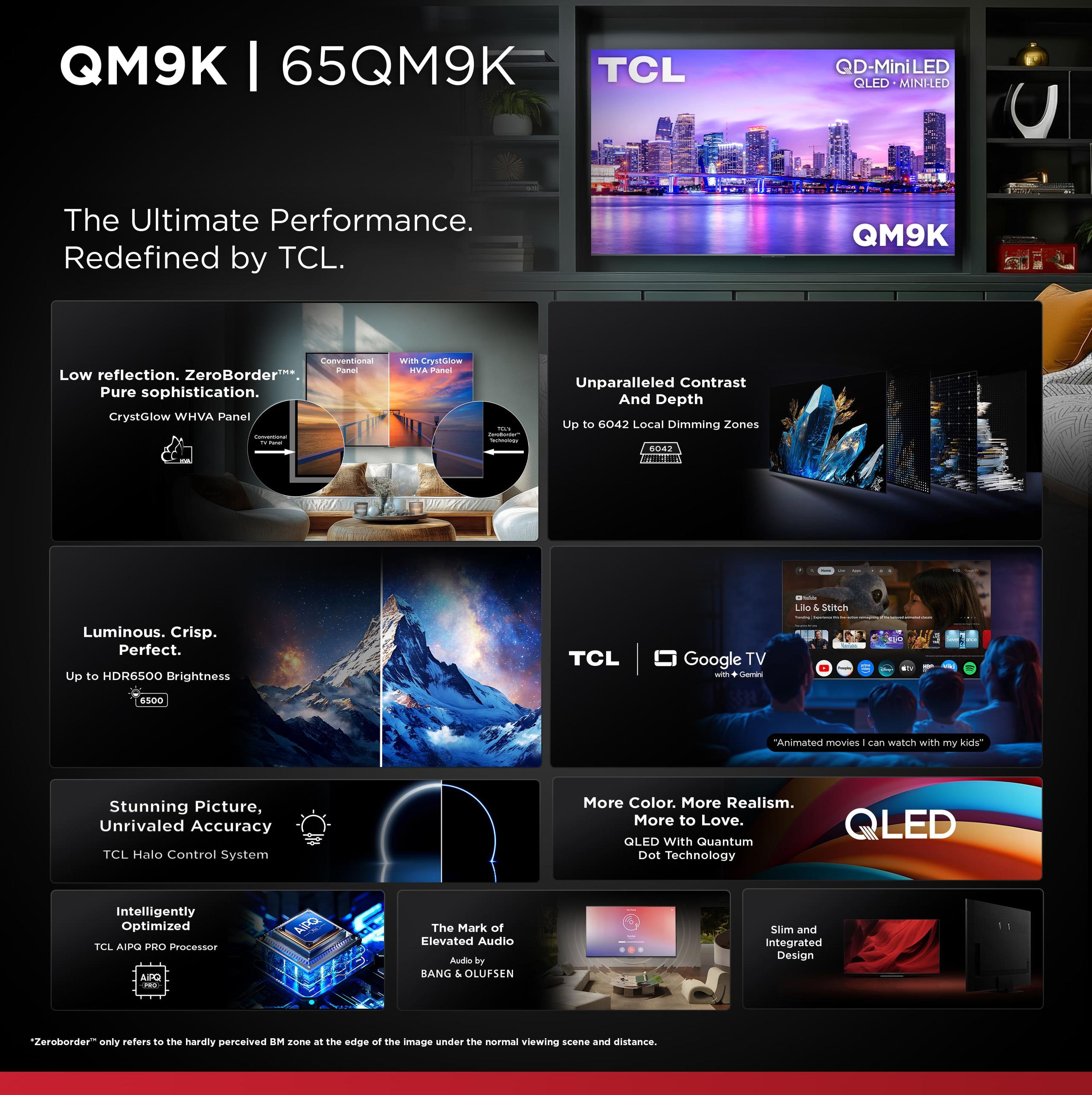
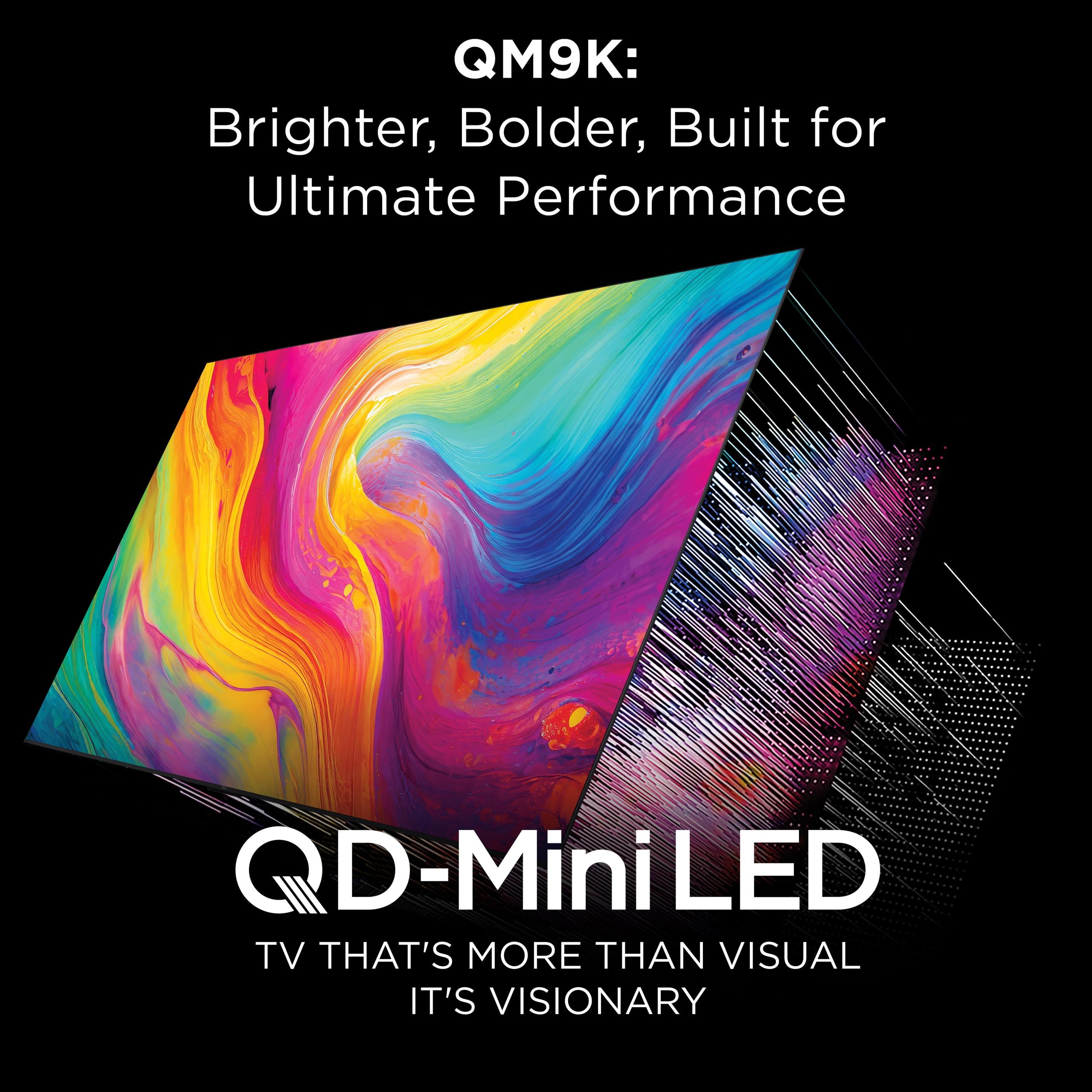
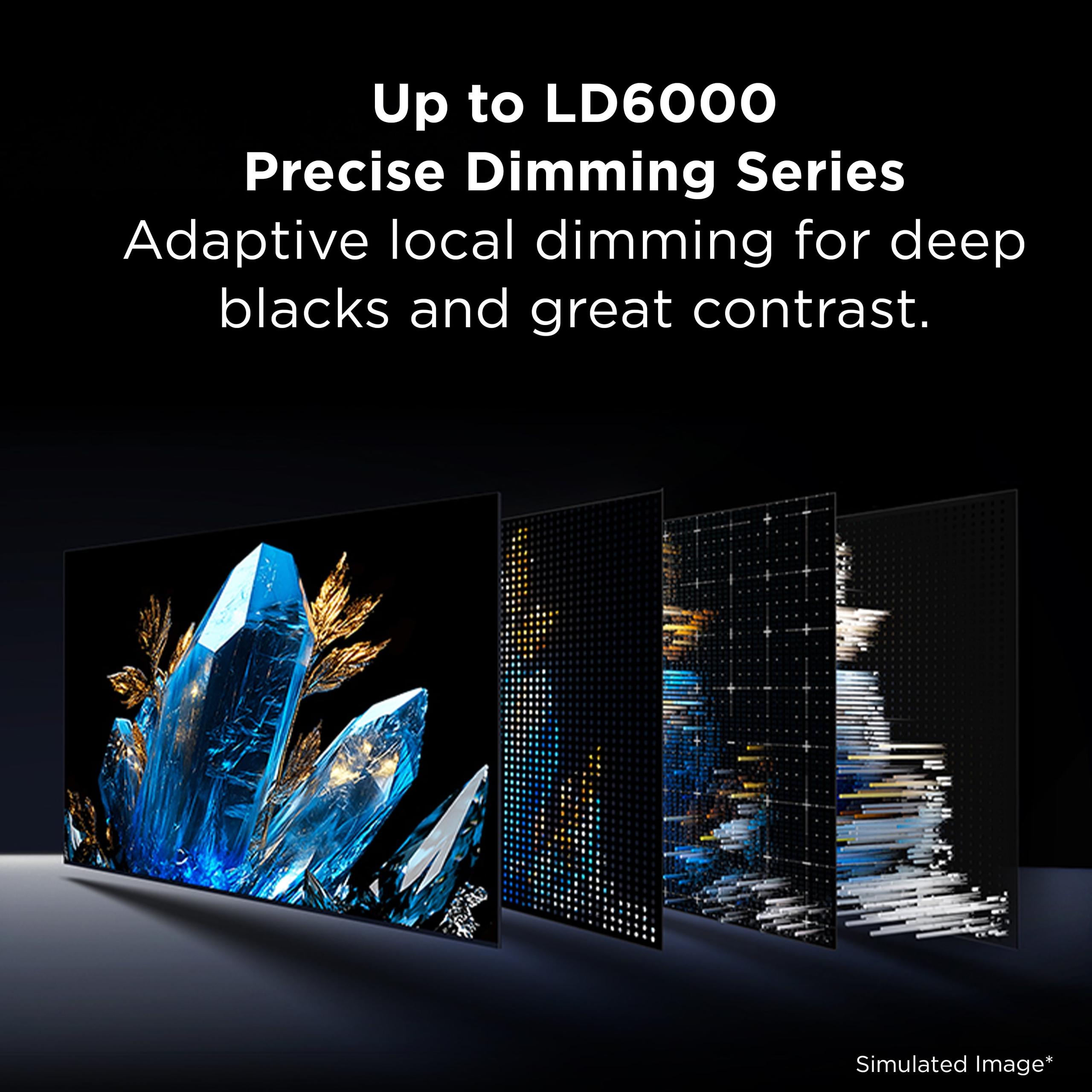
The TCL QM9K represents the cutting edge of LCD television technology. Instead of using large LED backlights like older TVs, it employs thousands of Mini LEDs—each roughly the size of a grain of rice—positioned behind the LCD panel. These Mini LEDs are grouped into up to 6,000 dimming zones that can brighten or dim independently, creating what TCL calls "Precise Local Dimming."
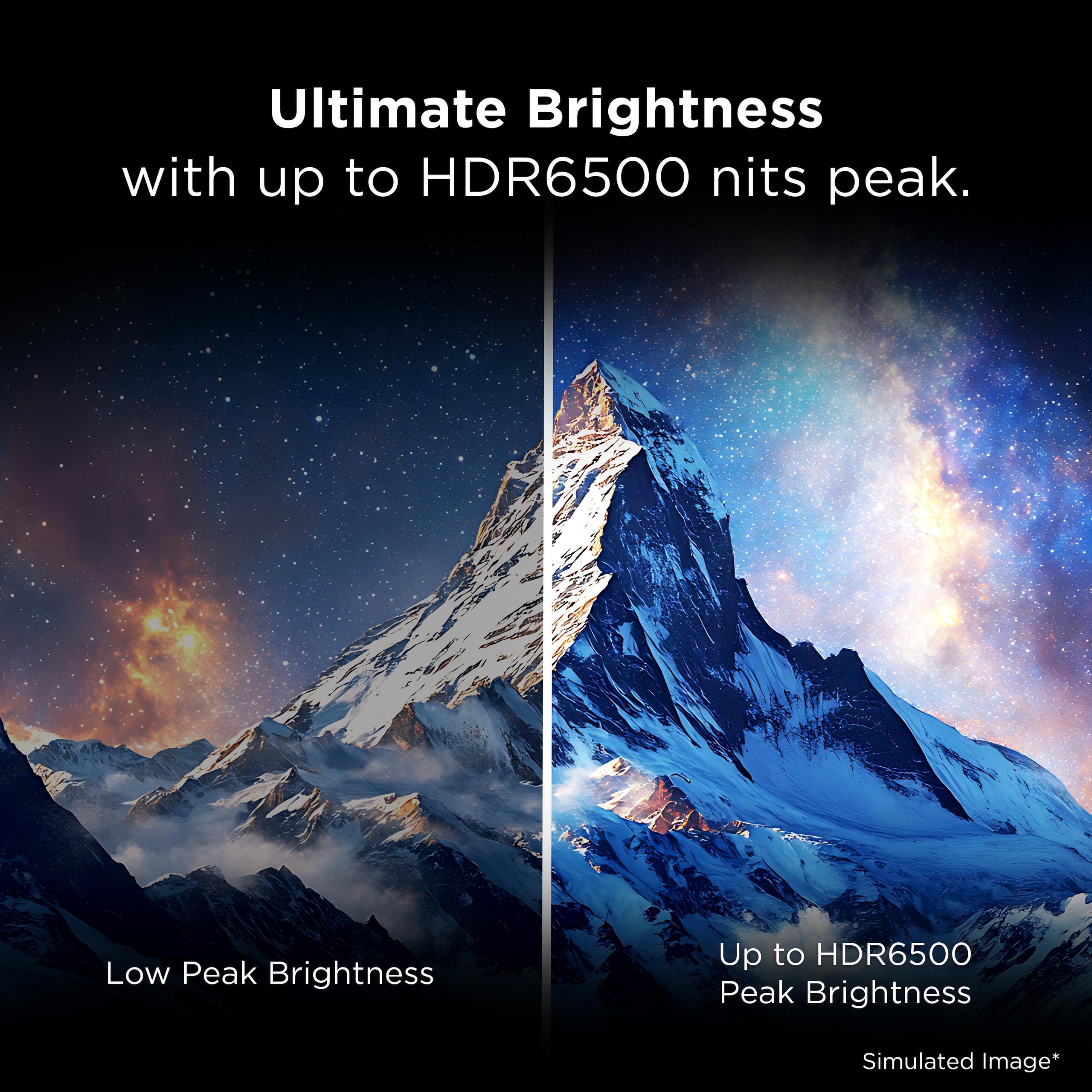
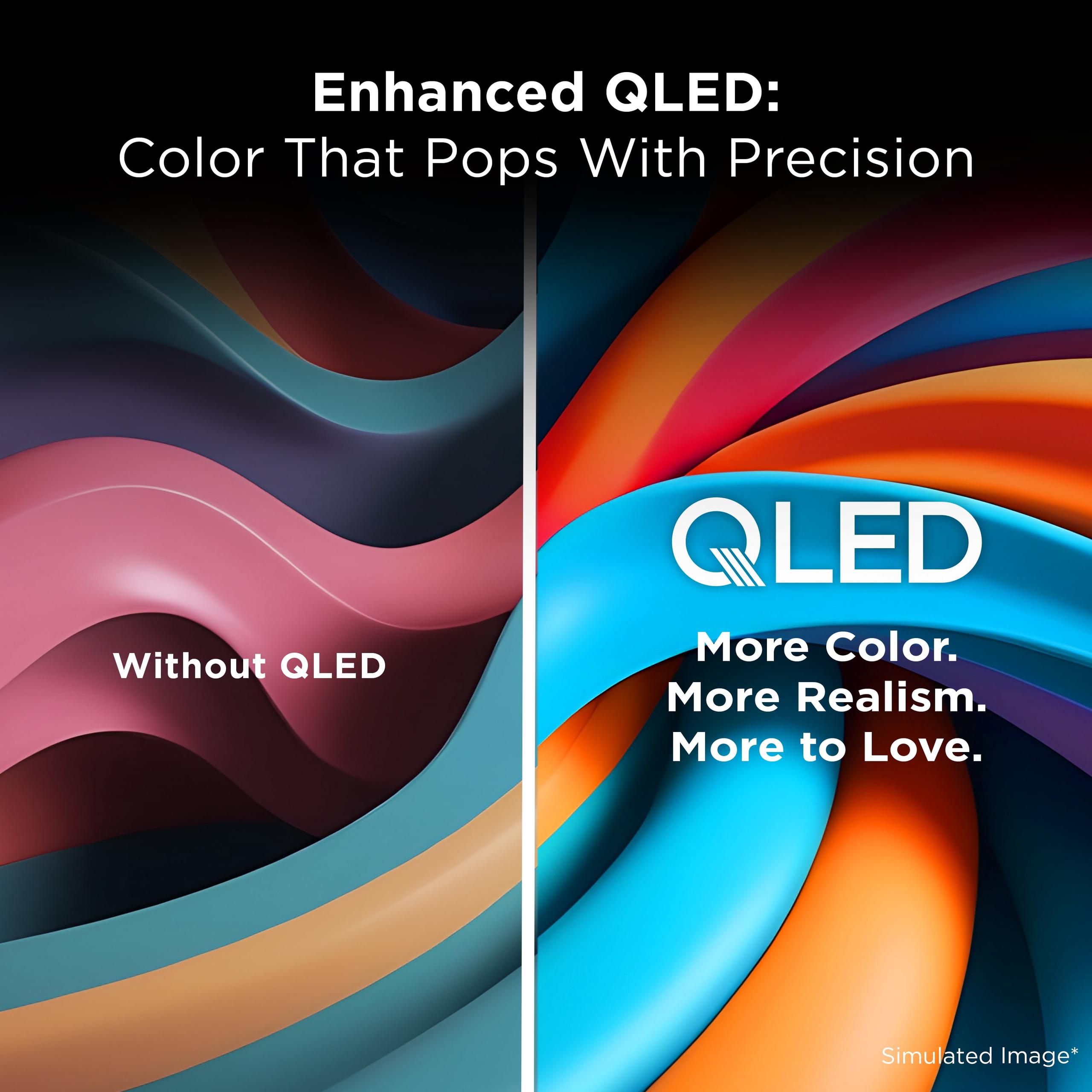
The "QD" part stands for Quantum Dots, which are microscopic crystals that enhance color reproduction. When the Mini LED backlights hit these quantum dots, they produce more pure and vibrant colors, especially in the blue and green spectrums. This combination allows the TCL QM9K to achieve peak brightness levels up to 6,500 nits—bright enough to make HDR highlights truly pop, even in a sunlit room.
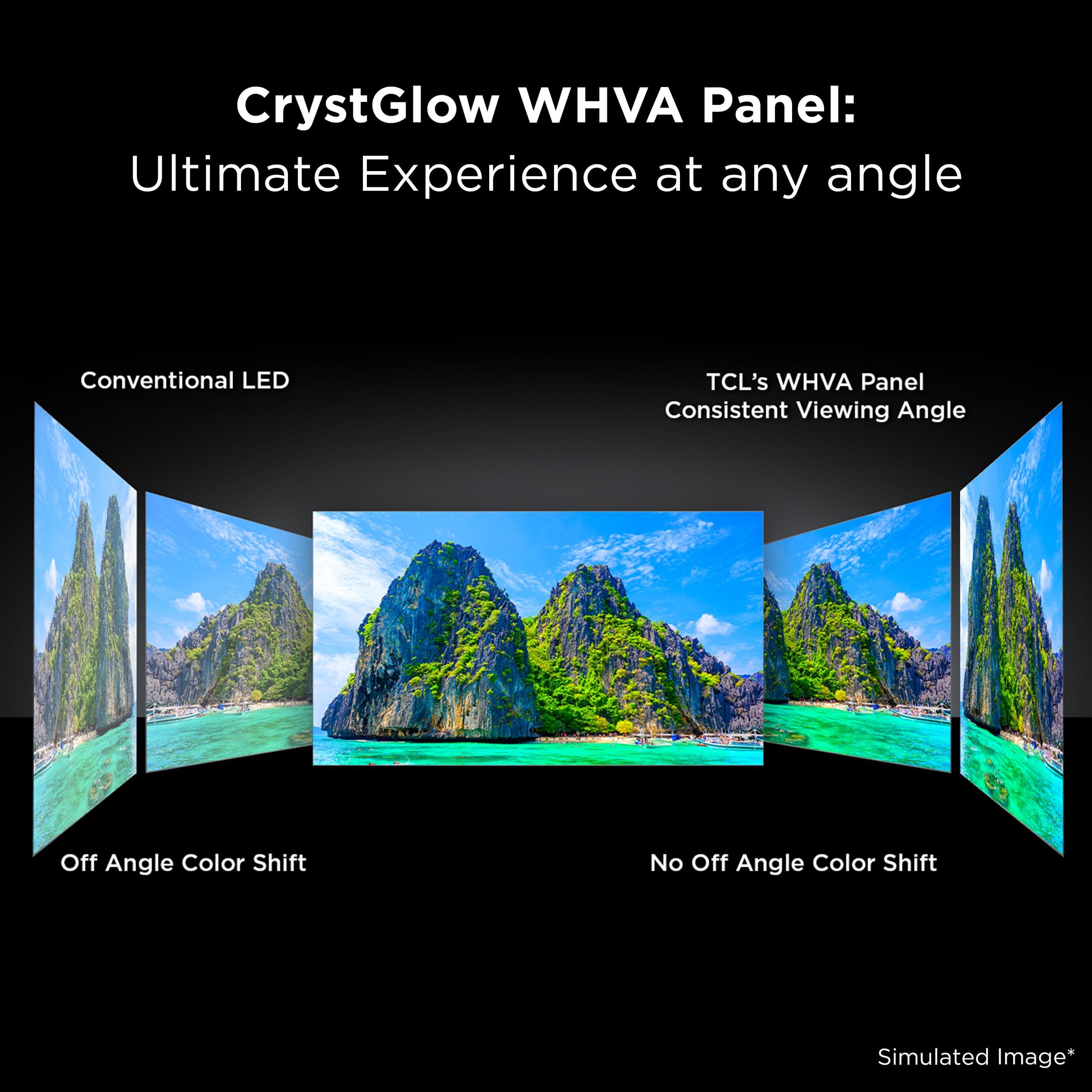
The CrystGlow WHVA panel adds another layer of sophistication. This technology uses nanoscale structures in the liquid crystal layer to reduce reflections and improve contrast by about 5 times compared to standard LCD panels. Think of it like having thousands of tiny window blinds that can open and close precisely to control exactly how much light passes through each part of the screen.
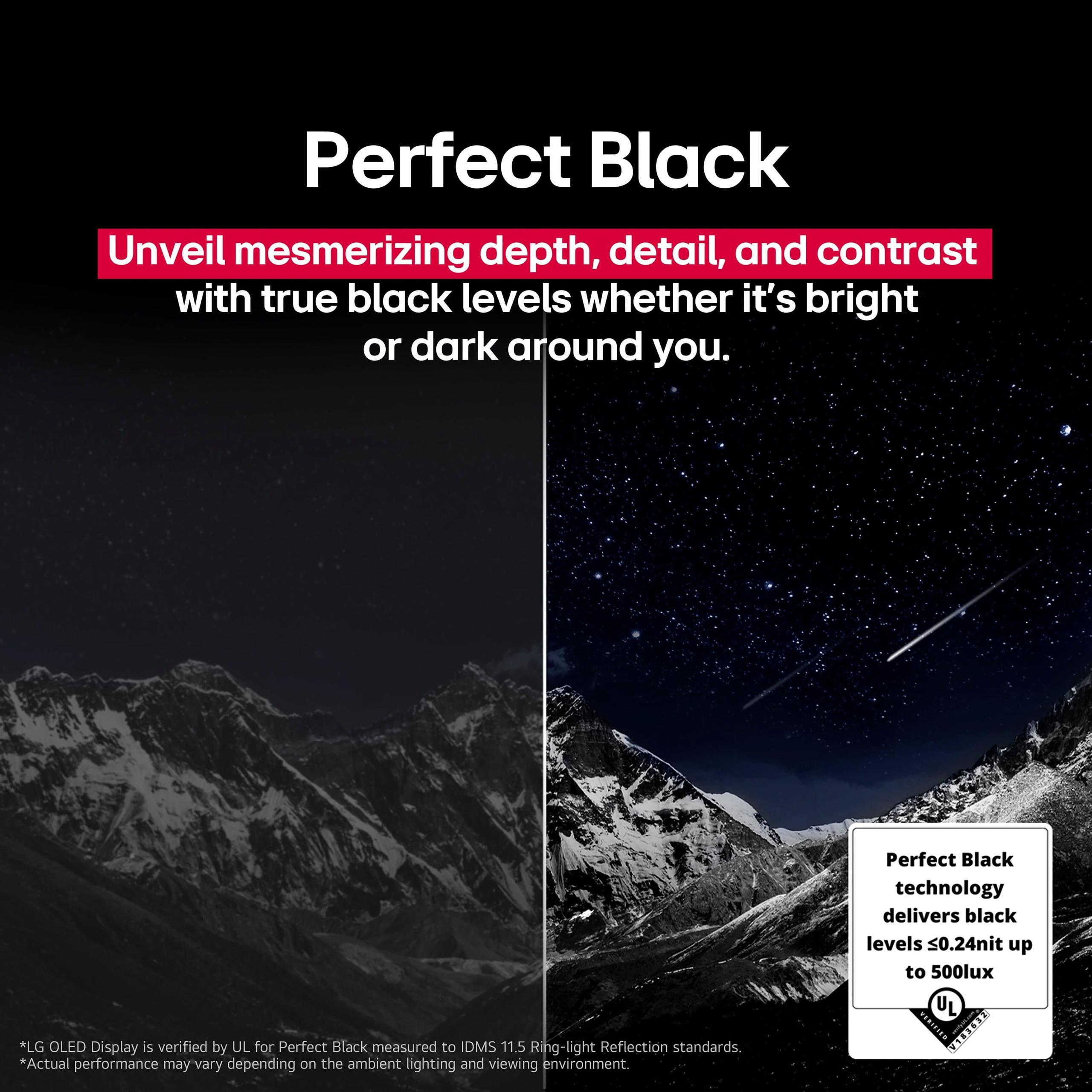
The LG G5 takes a completely different approach with its 4-stack tandem RGB OLED panel. Instead of backlights, each of the 8.3 million pixels generates its own light through organic compounds that glow when electricity passes through them. When a pixel needs to display black, it simply turns off completely—no light leakage, no compromises.
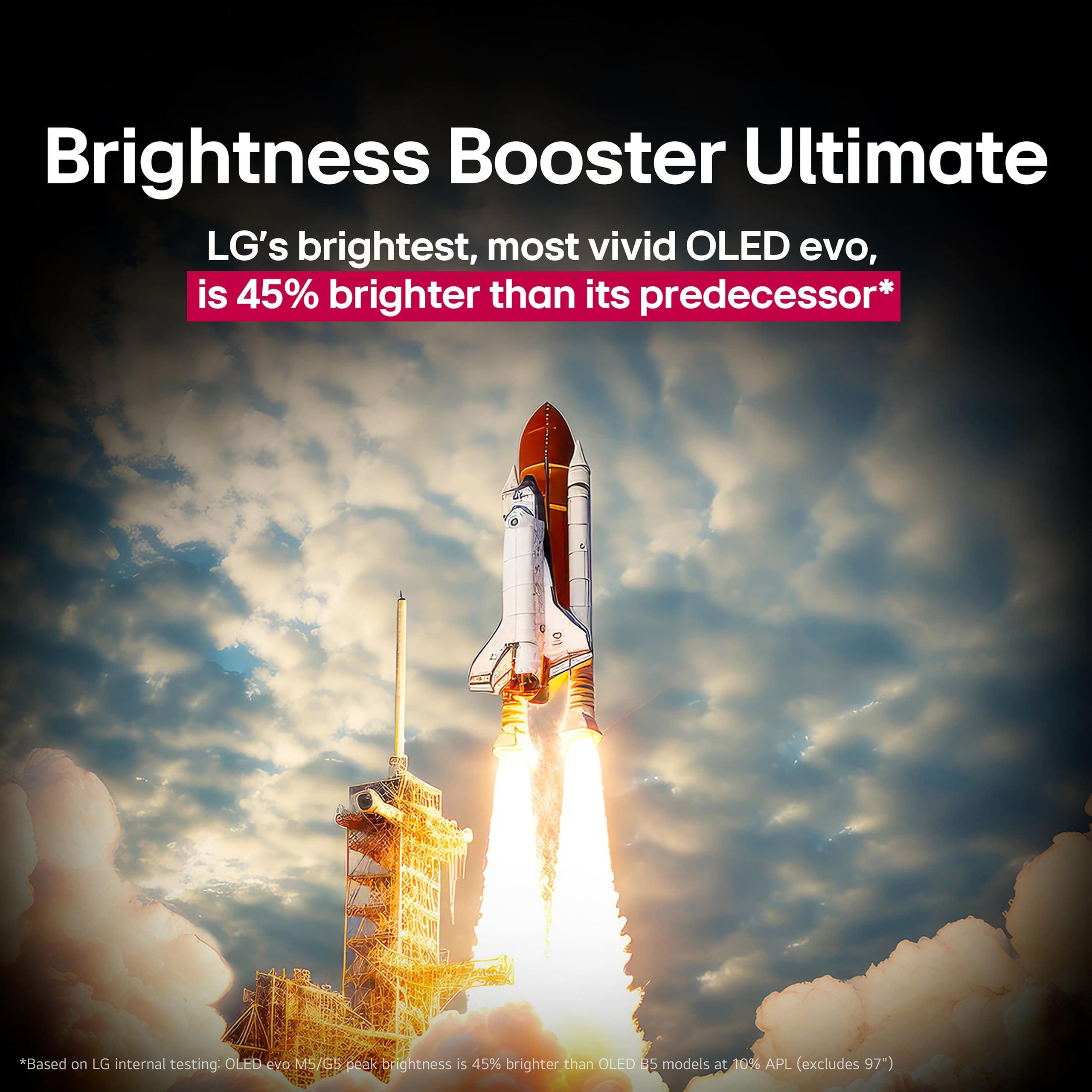
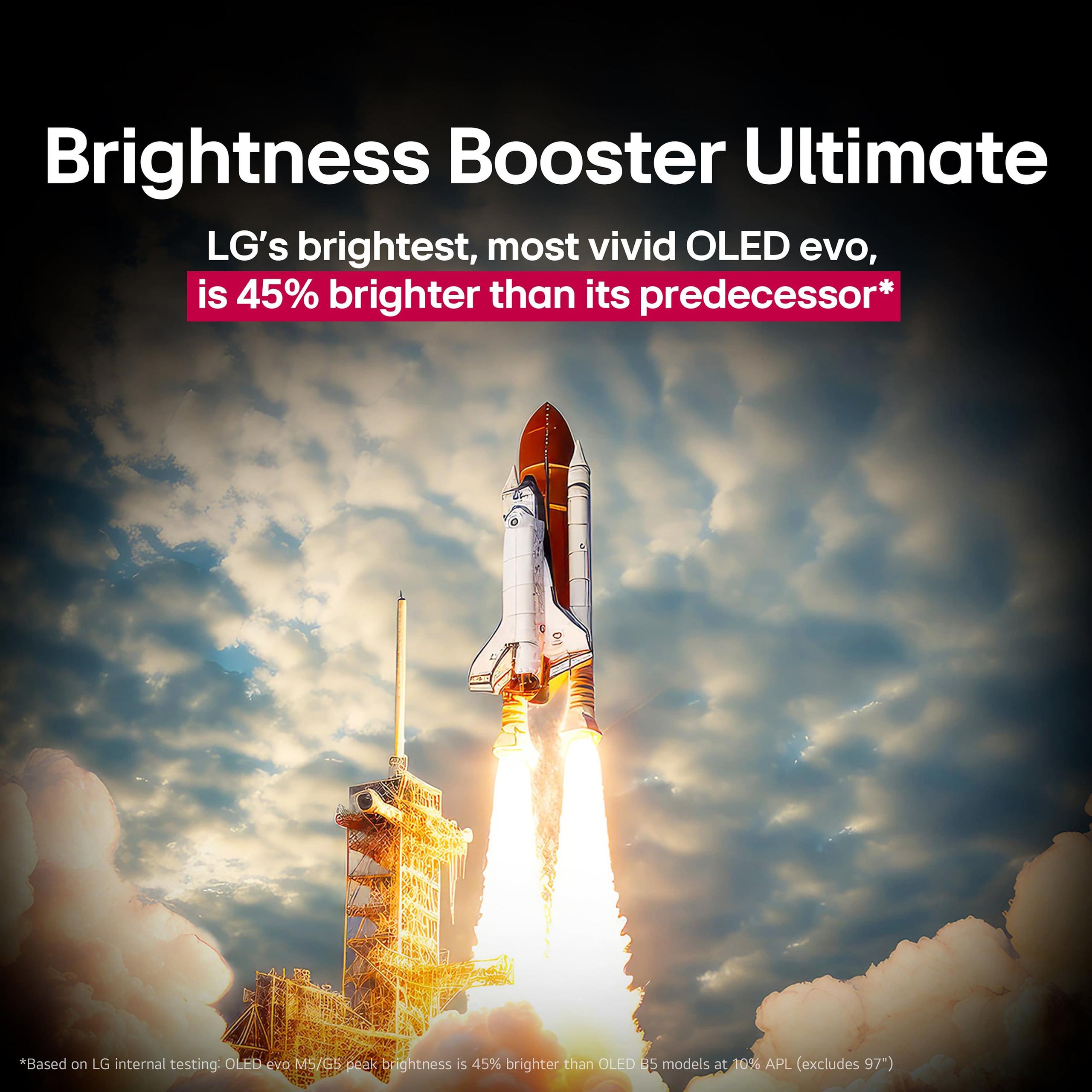
What's revolutionary about the 2025 LG G5 is its new 4-stack tandem design. Previous OLED TVs used single-layer pixel structures, but LG now stacks four layers of light-emitting materials. This engineering breakthrough allows each pixel to produce up to 45% more brightness than previous OLED generations while maintaining perfect color accuracy and contrast.
The "Brightness Booster Ultimate" technology works hand-in-hand with the tandem structure, using advanced algorithms to optimize light output while preventing the premature aging that has historically limited OLED brightness. The result is an OLED TV that can finally compete with Mini LED in bright room scenarios while maintaining all the contrast advantages that make OLED special.
When evaluating TV performance, contrast ratio—the difference between the brightest whites and deepest blacks—often matters more than raw specifications. This is where the LG G5 shows its fundamental advantage. Because OLED pixels turn completely off, they produce what engineers call "infinite contrast." In practical terms, this means watching a space scene where stars appear to float in perfectly black void, or seeing shadow details in dark movie scenes without any gray haze.
The TCL QM9K produces excellent blacks for a backlit display, with its 6,000 dimming zones minimizing light leakage. However, physics limits how precisely you can control backlight bleeding. In scenes with bright objects against dark backgrounds—like credits rolling over a black screen—you might notice subtle halos or slight gray lifting in areas that should be pure black. For most content, this isn't noticeable, but videophiles and home theater enthusiasts will spot the difference immediately.
Peak brightness tells a different story. The TCL QM9K achieves extraordinary brightness levels that make HDR content incredibly impactful. When watching scenes with explosions, sunlight, or fire, the Mini LED backlighting can push specific areas of the screen to eye-catching intensity while keeping other areas appropriately dim.
The LG G5 has made significant strides here, achieving peak brightness levels that would have been impossible for OLED just a few years ago. While it can't match the raw numbers of the TCL QM9K, it delivers brightness that's more than adequate for most viewing environments while maintaining superior color accuracy at all brightness levels.
This brightness difference becomes most apparent in bright rooms. The TCL QM9K can overcome ambient light more effectively, maintaining image pop and color saturation even with windows open during daytime viewing. The LG G5 performs admirably in moderate lighting but may lose some impact in very bright environments.
Color reproduction showcases another interesting trade-off. The TCL QM9K uses quantum dots to achieve wide color gamut coverage, hitting 97% of the DCI-P3 color space that modern movies and games target. The quantum dot enhancement creates particularly vibrant blues and greens, leading to punchy, eye-catching colors that many viewers find appealing.
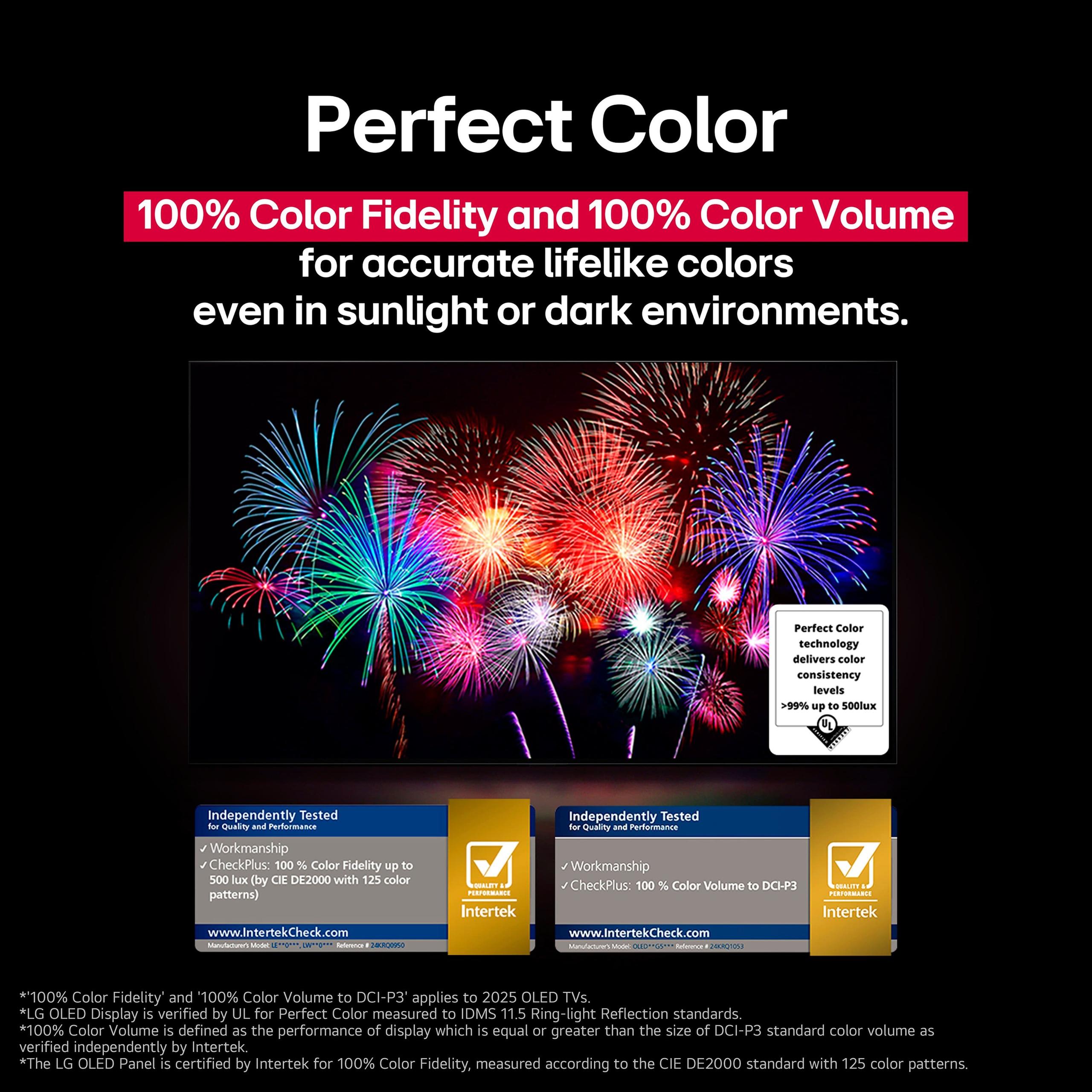
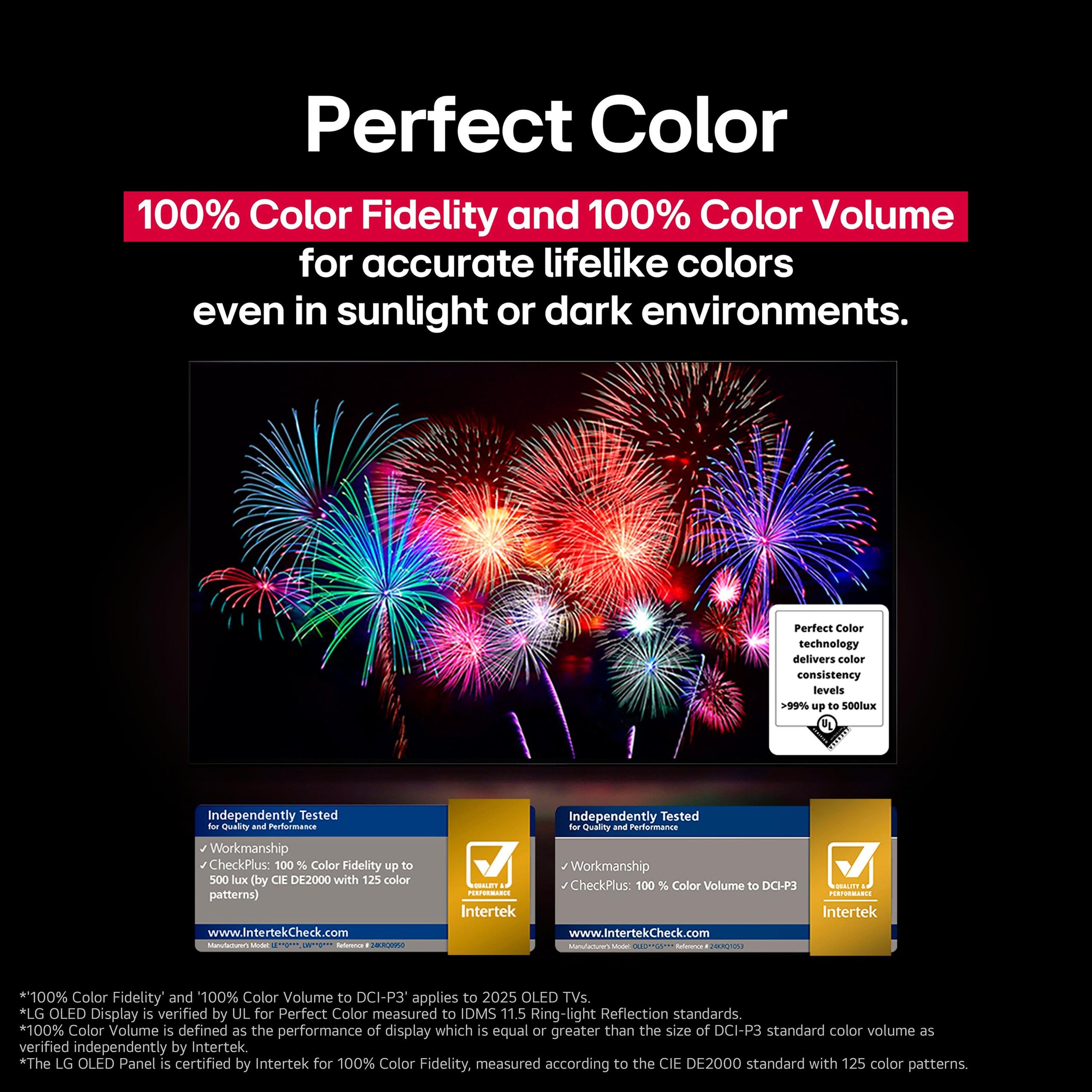
The LG G5 approaches color differently, focusing on accuracy and naturalness. OLED's precise pixel control allows for more subtle color gradations and better color volume—the ability to maintain color saturation at both very bright and very dark levels. Professional reviewers consistently note OLED's superior color purity, especially in complex scenes with multiple color transitions.
For movie enthusiasts who want filmmaker-intended colors, the LG G5 edges ahead. For viewers who prefer more vibrant, "pop off the screen" colors, the TCL QM9K delivers more visual impact.
Gaming has become a crucial battleground for premium TVs, and both models target serious gamers with advanced features. However, they take different approaches to gaming excellence.
The LG G5 supports 4K resolution at up to 165Hz refresh rate across all four HDMI 2.1 ports. This means compatible games can display 165 frames per second at full 4K resolution—crucial for competitive gaming where every millisecond matters. The OLED technology provides near-instantaneous pixel response times of just 0.1 milliseconds, eliminating motion blur and ghosting effects that can affect gaming precision.
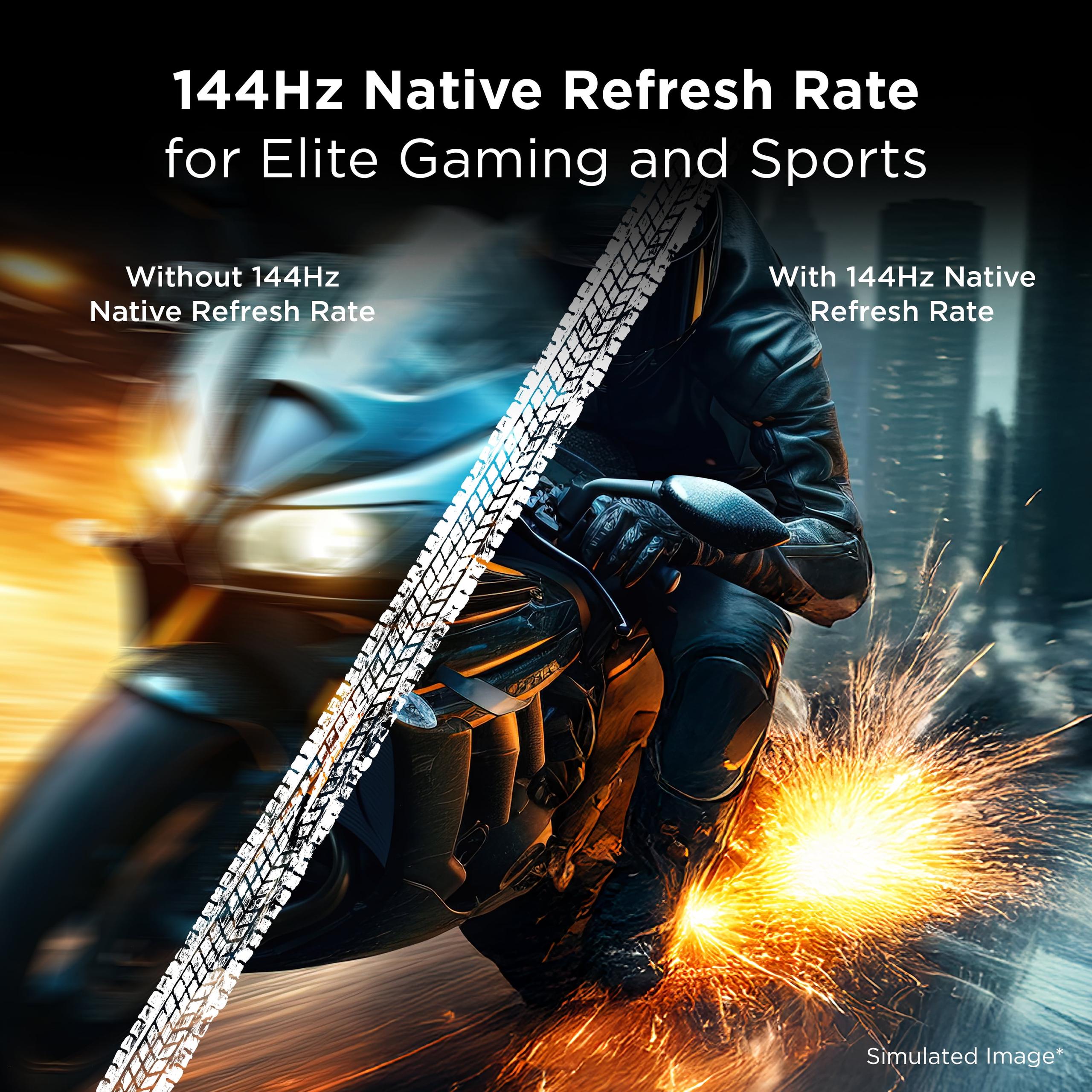
The TCL QM9K offers 4K at 144Hz plus a unique feature called "Game Accelerator 288" that enables 1080p gaming at 288Hz refresh rate. While this requires dropping to 1080p resolution, the ultra-high refresh rate can benefit competitive esports players who prioritize response time over visual fidelity. The 5.3ms input lag remains competitive, though not quite matching OLED's instantaneous response.
Both TVs support Variable Refresh Rate (VRR) technology, which synchronizes the display refresh rate with your gaming device's frame rate output. This eliminates screen tearing and stuttering that can occur when frame rates fluctuate during demanding game sequences.
The LG G5 offers broader compatibility with G-SYNC certification for NVIDIA graphics cards and FreeSync Premium support for AMD systems. It also supports Dolby Vision gaming, allowing compatible games to take advantage of enhanced HDR color and brightness mapping specifically optimized for gaming content.
The TCL QM9K focuses on AMD FreeSync Premium Pro and includes Auto Game Mode (ALLM) that automatically switches to optimized gaming settings when it detects a gaming device. The Game Accelerator 288 feature provides enhanced motion processing specifically tuned for fast-paced gaming scenarios.
For competitive gaming where every advantage matters, the LG G5 provides superior performance through higher refresh rates, faster response times, and broader compatibility. For casual gaming with impressive visual impact, the TCL QM9K offers excellent performance with unique high refresh rate options and strong HDR presentation.
The brains behind these displays matter as much as the panels themselves. Both TVs employ sophisticated processors to optimize picture quality, but with different approaches and capabilities.
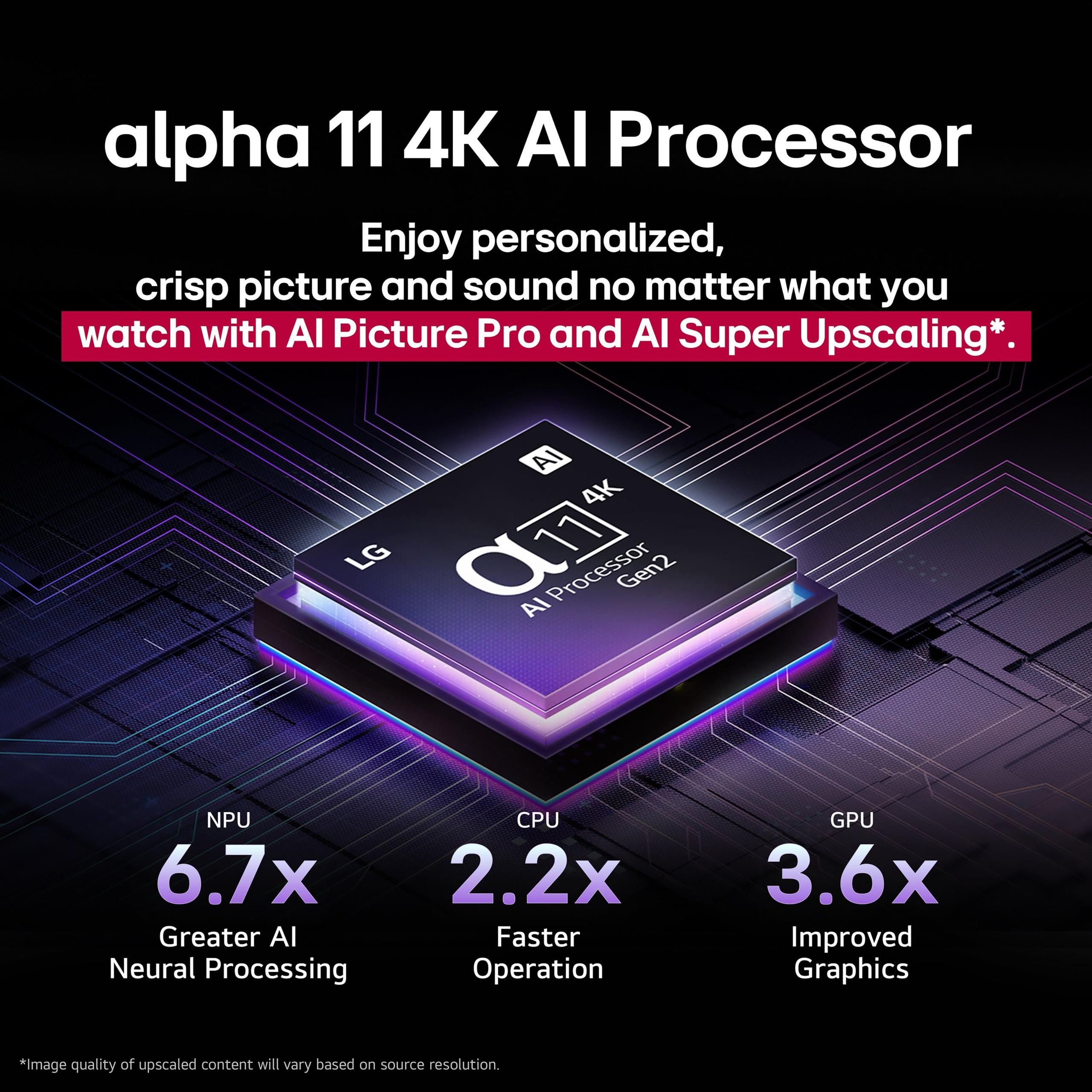
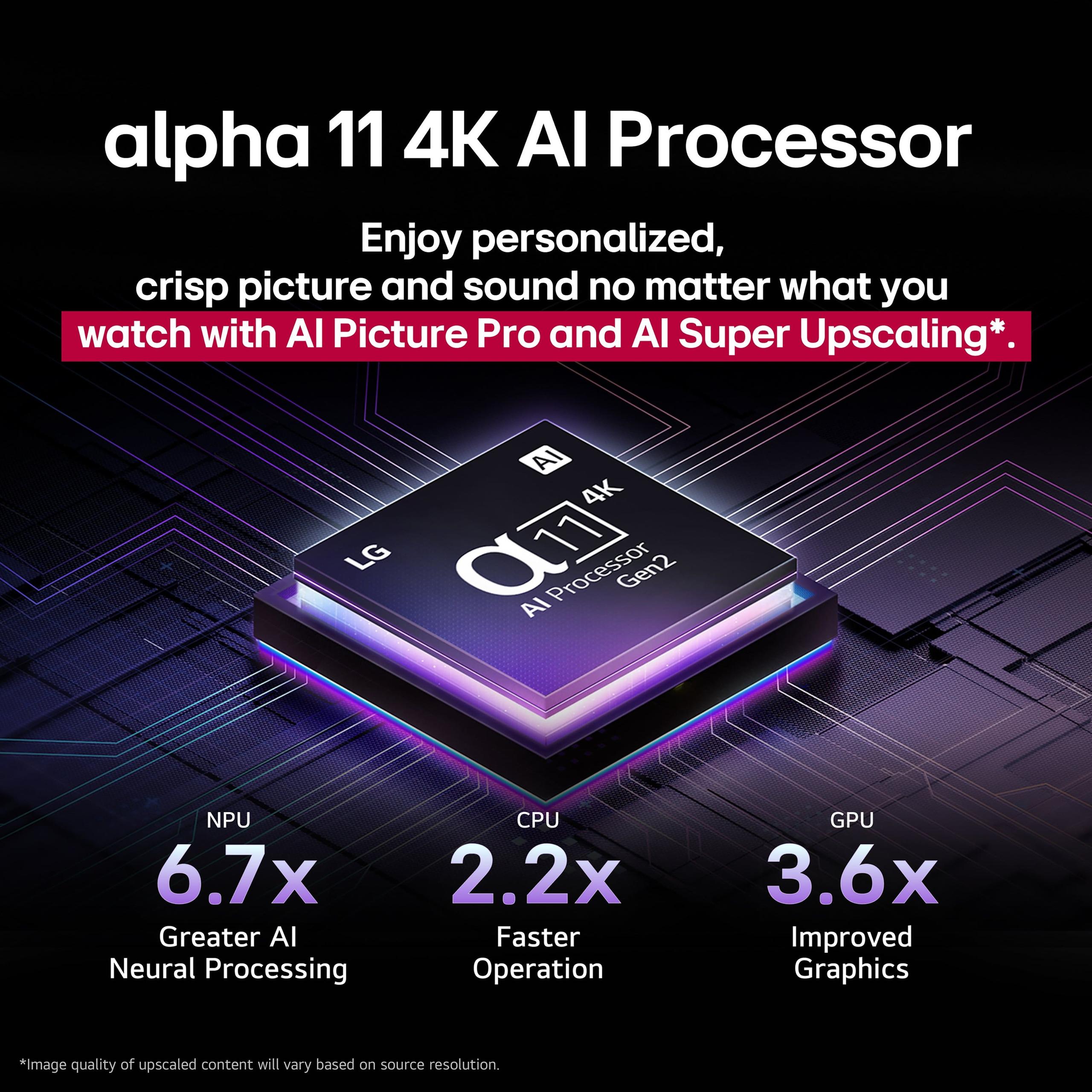
The LG G5 runs webOS 25, which LG has refined over many generations into one of the most polished smart TV interfaces. The Alpha 11 AI Gen 2 processor provides exceptional upscaling for lower-resolution content, turning 1080p streaming into near-4K quality through intelligent pixel interpolation and edge enhancement.
The AI capabilities extend beyond upscaling. The processor analyzes each scene in real-time, adjusting contrast, color, and sharpness based on content type. Watching a nature documentary triggers different optimizations than a dark movie scene or bright sports broadcast. The Magic Remote includes an AI button for voice control that works surprisingly well for content discovery and TV control.
LG guarantees five years of webOS updates, ensuring your TV stays current with new apps and features. This long-term support adds value that's often overlooked when comparing initial purchase prices.
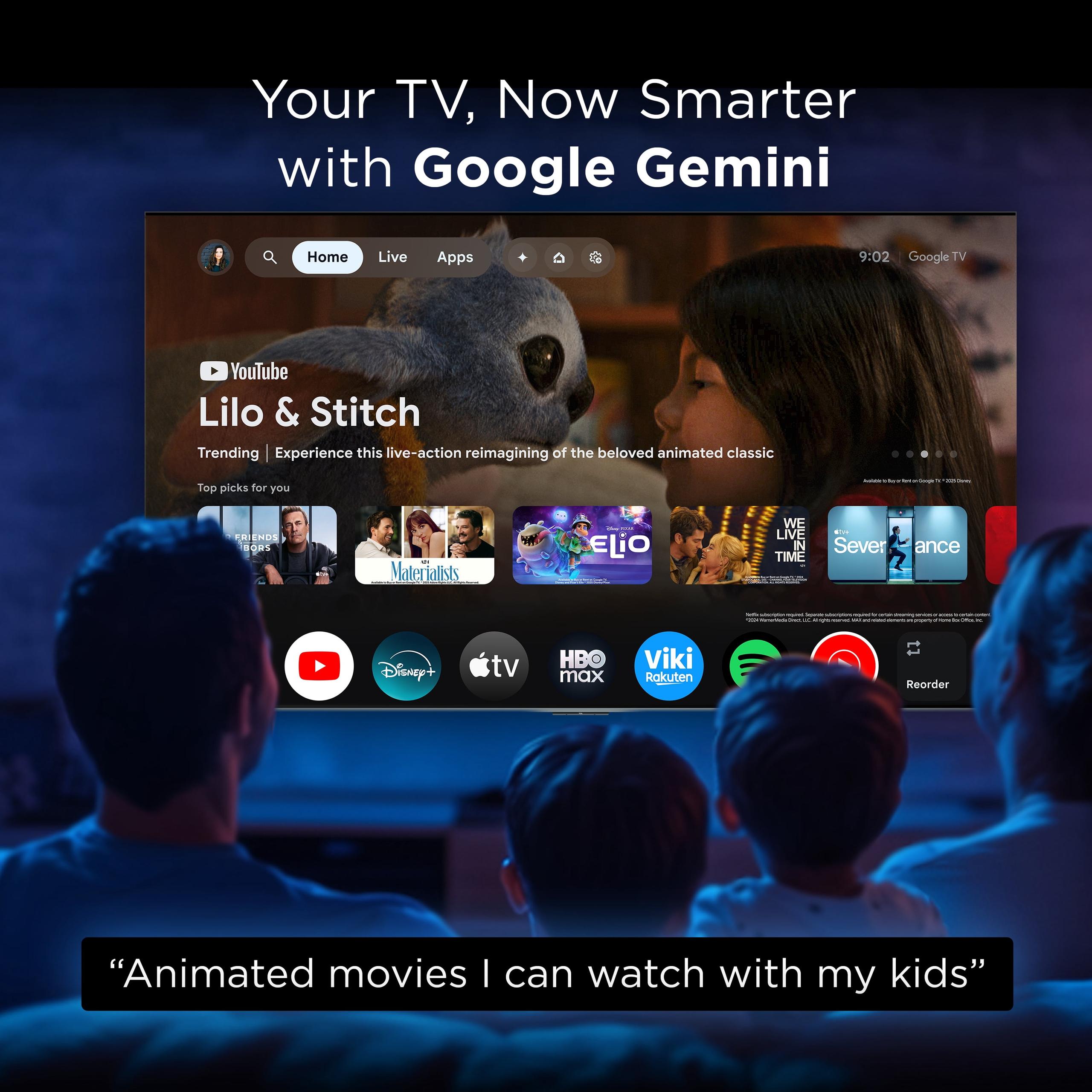
The TCL QM9K employs Google TV, which provides excellent integration with Google services and broader smart home compatibility. The AIPQ PRO processor takes a more aggressive approach to image enhancement, boosting HDR impact and color saturation for more dramatic visual presentation.
Google TV's strength lies in content discovery and ecosystem integration. If you use Google services, Chromecast, or Android devices, the integration feels seamless. The platform also supports Google Assistant, Amazon Alexa, and Apple HomeKit, making it more flexible for multi-brand smart home setups.
The processing approach differs from LG's refinement-focused algorithms. TCL's AIPQ PRO aims for maximum impact, which can look impressive in store demonstrations but may sometimes sacrifice accuracy for wow factor.
Your viewing environment significantly influences which TV will perform better in your specific setup.
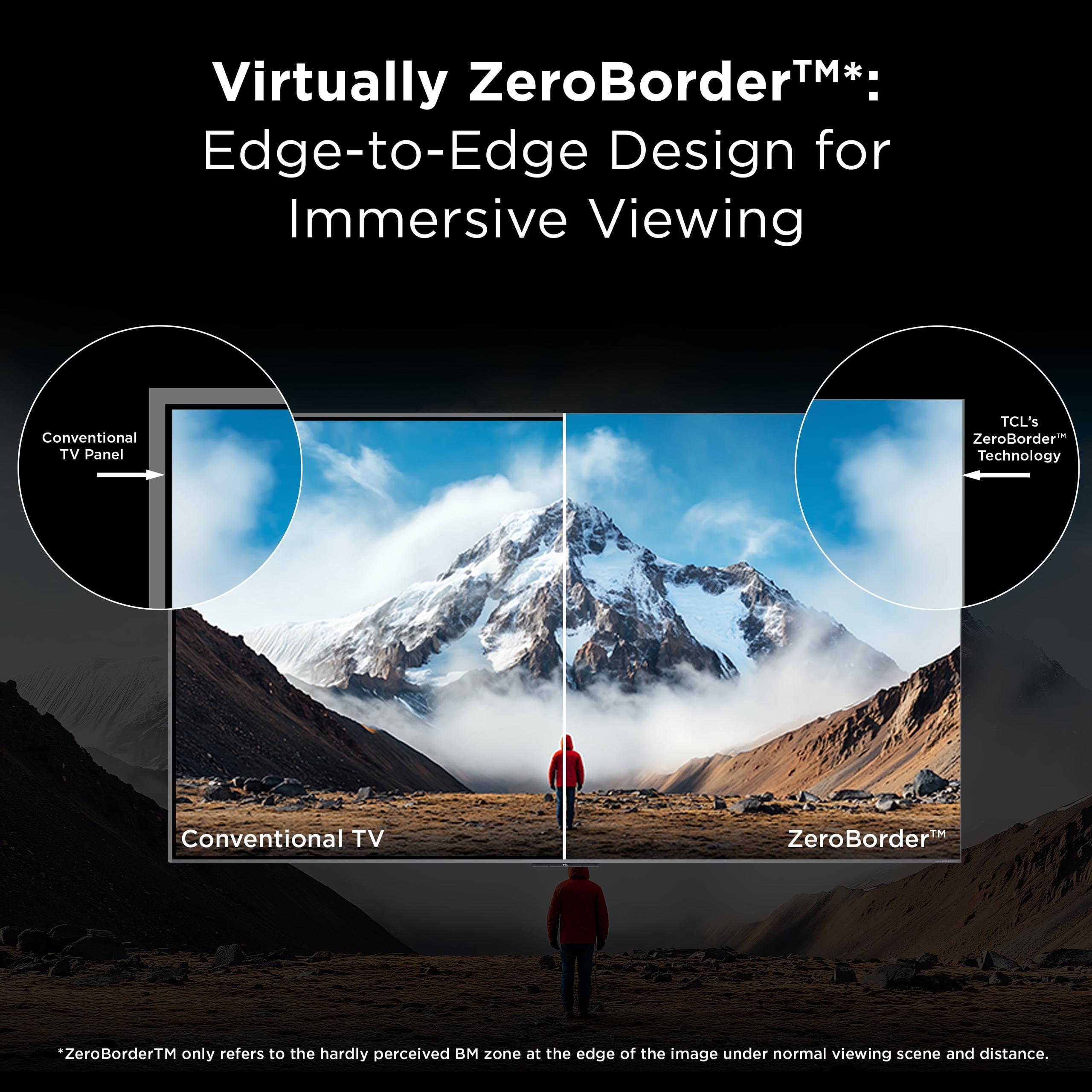
The TCL QM9K excels in bright rooms through multiple technologies working together. The peak brightness capability means HDR content maintains its impact even with ambient light present. The anti-glare matte finish reduces reflections significantly compared to glossy screens, though it does slightly soften the image sharpness.
In our research of user experiences, the TCL QM9K consistently receives praise for daytime sports viewing and family rooms with large windows. The combination of high brightness and reflection control makes it practical for spaces where controlling lighting isn't always possible.
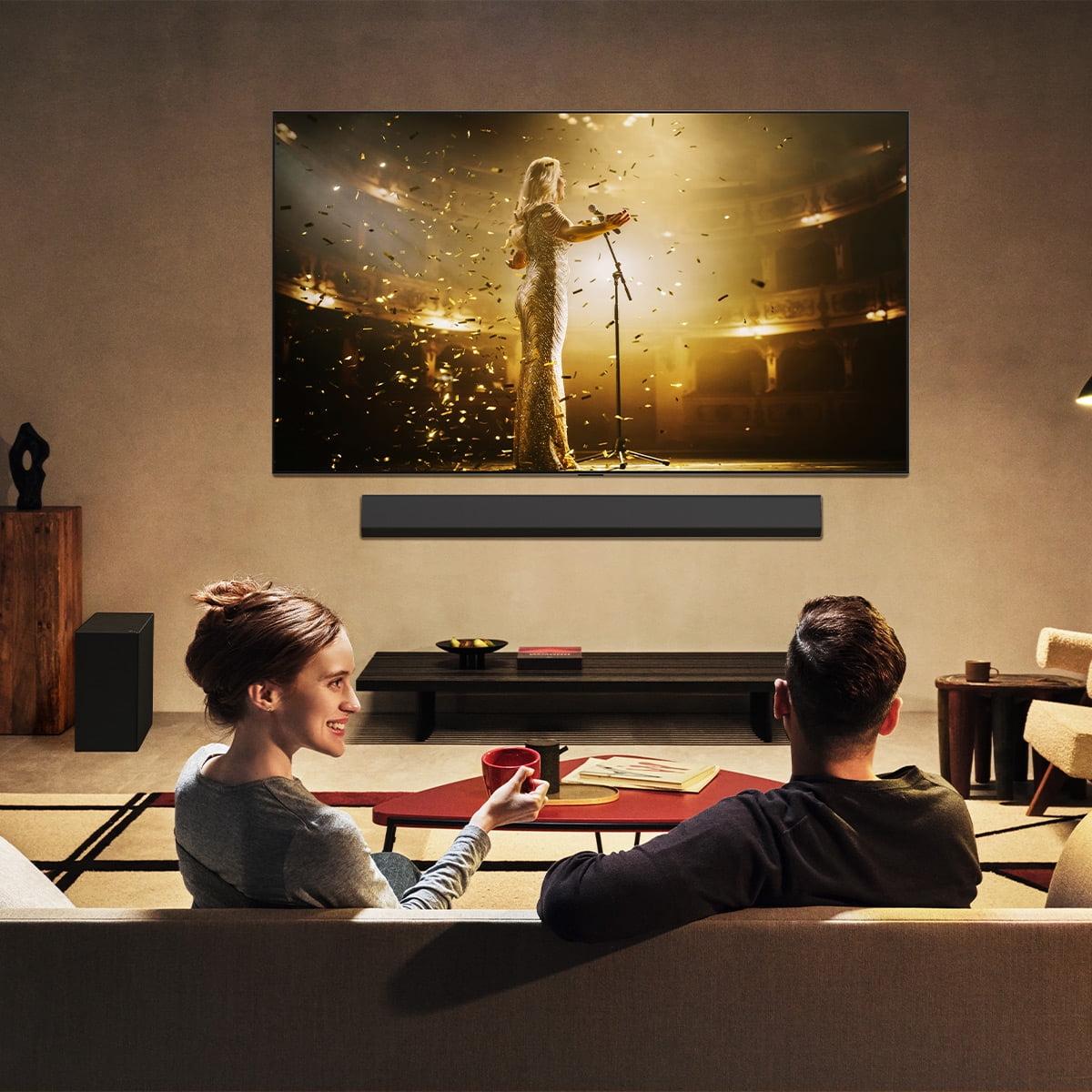
The LG G5 transforms dark room viewing into a cinematic experience. Perfect blacks create the impression that bright objects float in space, while the improved brightness capabilities ensure highlights still have proper impact. Color accuracy in dark scenes surpasses what's possible with backlit displays.
Home theater enthusiasts consistently prefer OLED for dedicated viewing rooms where lighting can be controlled. The contrast advantage becomes most apparent in dark, complex scenes where subtle shadow details and gradations matter most.
For rooms with varying lighting throughout the day, the choice becomes more nuanced. The TCL QM9K adapts better to changing conditions, maintaining good performance from bright morning light to evening dimness. The LG G5 excels in moderate to dark conditions but may lose some impact in very bright settings.
At the time of writing, the TCL QM9K typically prices significantly lower than the LG G5, making the value comparison complex. The price difference reflects both the premium OLED technology and LG's market positioning, but also raises questions about long-term value.
The TCL QM9K delivers flagship-level brightness, gaming features, and smart TV capabilities at a more accessible price point. For buyers who want premium TV technology without premium pricing, it represents exceptional value. The performance gap between it and more expensive options has narrowed considerably.
The LG G5 commands premium pricing that reflects its superior contrast technology, advanced gaming capabilities, and premium design. The price premium is substantial, but buyers get demonstrably better performance in key areas like contrast, gaming response, and color accuracy.
OLED technology carries some long-term concerns that don't affect LCD-based displays. Burn-in, where static images can permanently mark the screen, remains a theoretical risk with heavy use of content with static elements like news tickers or gaming HUDs. However, modern OLED displays include sophisticated protection algorithms, and LG backs the G5 with a five-year panel warranty that covers burn-in issues.
The TCL QM9K uses traditional LCD technology with no burn-in risk. The Mini LED backlights should maintain consistent performance for many years, though individual LED failure could theoretically create dark spots over time.
LG's five-year webOS update commitment ensures the G5 will receive new features and app updates well into the future. This long-term support adds value that extends beyond the initial purchase.
TCL's Google TV platform receives regular updates through Google, though the specific update timeline isn't as clearly defined as LG's commitment. The broader Android TV ecosystem typically provides good long-term support.
You have a bright living room where controlling lighting is difficult. The superior peak brightness and anti-glare coating make it the practical choice for spaces with large windows or overhead lighting that can't be dimmed.
You want flagship TV features without flagship pricing. At the time of writing, the value proposition strongly favors the TCL QM9K for buyers who want premium performance at a more accessible price point.
You're concerned about potential OLED burn-in issues. While modern OLEDs have excellent burn-in protection, LCD technology eliminates this concern entirely for users who plan to use static content frequently.
You prefer punchy, vibrant colors over reference accuracy. The quantum dot enhancement creates colors that pop off the screen in a way that many viewers find more engaging than technically accurate reproduction.
You're building a dedicated home theater or can control room lighting. The contrast advantage becomes most apparent in dark or dimmed environments where the perfect blacks create an immersive viewing experience unmatched by backlit displays.
You're a serious gamer who wants every competitive advantage. The 165Hz refresh rate, 0.1ms response time, and comprehensive VRR support provide the best gaming performance available in 2025.
You prioritize long-term value and support. The five-year panel warranty and guaranteed webOS updates provide peace of mind and extended value that justify the higher initial investment.
You watch primarily movies and cinematic content. The color accuracy, contrast, and processing quality create a reference-level viewing experience that's especially apparent with high-quality source material.
The choice between these two excellent TVs ultimately comes down to your specific viewing environment and priorities. The TCL QM9K offers exceptional value and bright-room performance that makes it ideal for most family living situations. The LG G5 provides superior contrast and gaming performance that justify its premium pricing for enthusiasts who can take advantage of its strengths.
Consider your room's lighting, your budget flexibility, and whether you prioritize maximum brightness or perfect blacks. Both TVs represent the best of their respective technologies in 2025, so you're likely to be satisfied with either choice. The key is matching the TV's strengths to your specific viewing needs and environment.
For most buyers, the TCL QM9K provides the better value proposition, delivering flagship-level performance at a more accessible price. For dedicated enthusiasts with controlled viewing environments, the LG G5 offers that final level of picture quality that makes the premium worthwhile.
| TCL 65" QM9K QD-Mini LED Smart TV | LG OLED evo G5 65" 4K Smart TV 2025 |
|---|---|
| Display Technology - Determines contrast, brightness, and overall picture quality | |
| QD-Mini LED with up to 6,000 local dimming zones | 4-stack tandem OLED with 8.3 million self-lit pixels |
| Peak Brightness - Critical for HDR impact and bright room viewing | |
| Up to 6,500 nits (exceptional for overcoming glare) | Up to 3,300 nits (45% brighter than previous OLED) |
| Black Levels - Affects contrast and dark scene detail | |
| Excellent blacks with minimal light leakage | Perfect blacks with infinite contrast ratio |
| Gaming Refresh Rate - Higher rates provide smoother motion for competitive gaming | |
| 4K @ 144Hz, 1080p @ 288Hz (Game Accelerator 288) | 4K @ 165Hz on all HDMI 2.1 ports |
| Response Time - Lower is better for gaming and fast motion | |
| 5.3ms input lag, 7.4ms pixel response | 0.1ms pixel response time (near-instantaneous) |
| Smart Platform - Affects long-term usability and app support | |
| Google TV with Google Assistant, Alexa, HomeKit | webOS 25 with 5-year update guarantee |
| Screen Finish - Impacts reflection handling in bright rooms | |
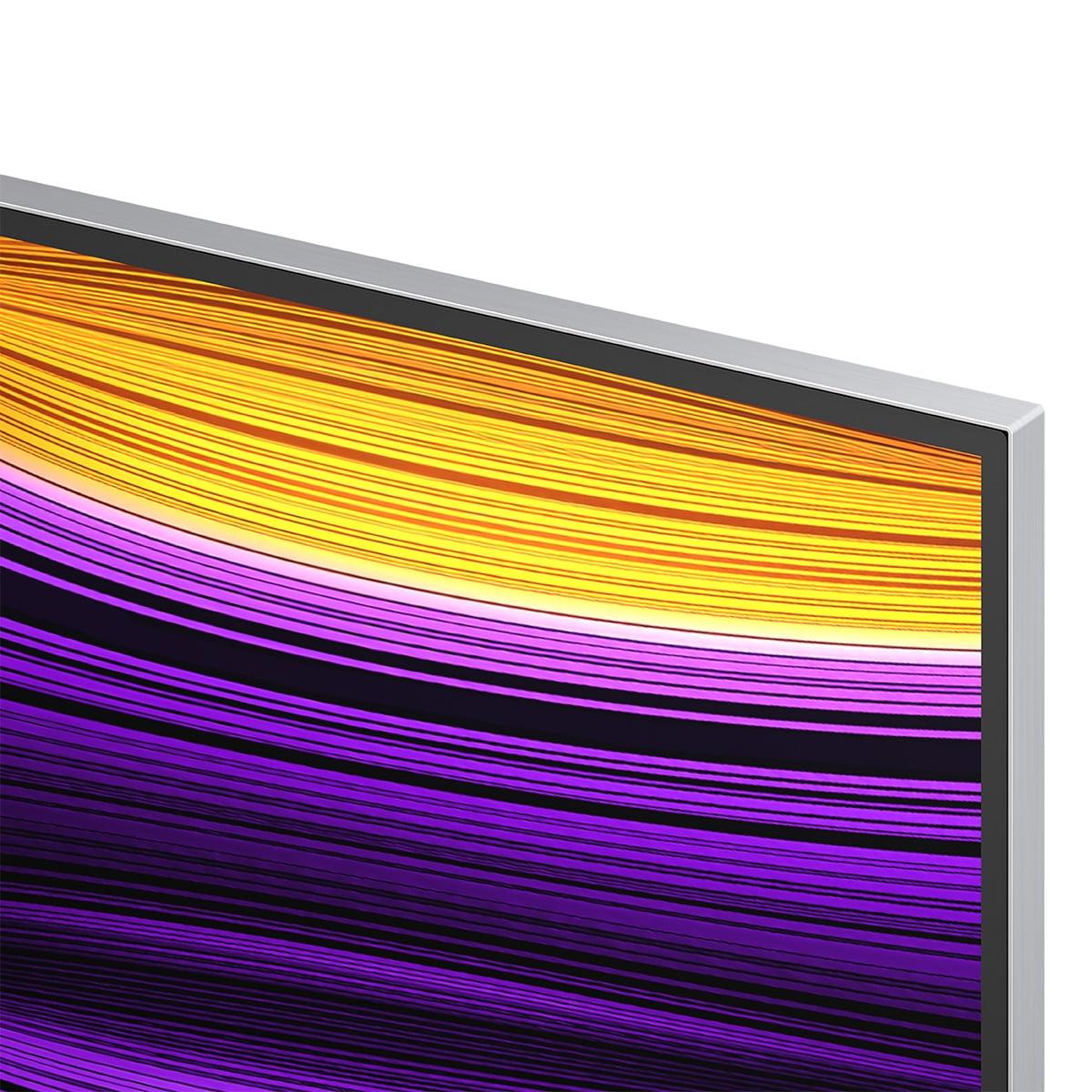
| Anti-glare matte finish (reduces reflections) | Glossy panel with improved glare-free coating |
| Color Technology - Determines color accuracy and vibrancy | |
| Quantum Dot enhanced, 97% DCI-P3 coverage | Pure OLED color with superior color volume |
| Panel Warranty - Important for long-term reliability | |
| 1 year standard warranty | 5-year panel warranty including burn-in coverage |
| Burn-in Risk - Potential concern for static content usage | |
| No burn-in risk (LCD technology) | Minimal risk with modern protection (covered by warranty) |
| Best Room Environment - Where each TV performs optimally | |
| Bright rooms with ambient light and windows | Dark to moderate lighting, controlled environments |
The TCL QM9K performs significantly better in bright rooms due to its exceptional peak brightness up to 6,500 nits and anti-glare matte finish that reduces reflections. The LG G5 has improved brightness compared to previous OLED models but still struggles more with direct sunlight and ambient lighting due to its glossy panel finish.
The TCL QM9K uses Mini LED backlighting with thousands of tiny LEDs behind an LCD panel, creating very bright images with good contrast. The LG G5 uses OLED technology where each pixel emits its own light, providing perfect blacks and infinite contrast but with lower peak brightness than Mini LED displays.
The LG G5 offers superior gaming performance with 4K at 165Hz refresh rate, 0.1ms response time, and comprehensive VRR support including G-SYNC certification. The TCL QM9K provides excellent gaming with 4K at 144Hz and unique 1080p at 288Hz mode, but can't match OLED's instantaneous pixel response for competitive gaming.
The LG G5 excels in home theater setups due to its perfect blacks, superior color accuracy, and excellent performance in dark rooms. The contrast ratio and color volume make it ideal for cinematic content. The TCL QM9K offers great movie performance but the LG G5 provides reference-level picture quality for dedicated viewing spaces.
The TCL QM9K delivers more impactful HDR highlights due to its exceptional peak brightness, making HDR content pop dramatically. The LG G5 provides more accurate HDR with better shadow detail and color gradation, offering a more filmmaker-intended HDR experience with improved brightness over previous OLED generations.
We've done our best to create useful and informative comparisons to help you decide what product to buy. Our research uses advanced automated methods to create this comparison and perfection is not possible - please contact us for corrections or questions. These are the sites we've researched in the creation of this article: rtings.com - bestbuy.com - youtube.com - youtube.com - youtube.com - techaeris.com - displayspecifications.com - pcrichard.com - residentialsystems.com - us.tcl.com - displayspecifications.com - valueelectronics.com - woodruffappliance.com - tcl.com - pcrichard.com - tcl.com - techradar.com - tcl.com - us.tcl.com - youtube.com - youtube.com - bestbuy.com - youtube.com - bestbuy.com - techradar.com - rtings.com - youtube.com - youtube.com - rtings.com - bestbuy.com - youtube.com - valueelectronics.com - lg.com - audio-videoplus.com - lg.com - lg.com - lg.com

Privacy Policy
Terms and Conditions - Affiliate Policy
Home Security
© Copyright 2008-2026.
11816 Inwood Rd #1211, Dallas, TX 75244