

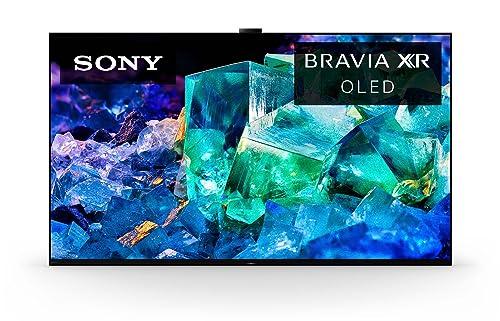




The 65-inch TV market has become fiercely competitive, with manufacturers pushing different display technologies to win over consumers. At one end, you have Sony's premium A95K representing the pinnacle of OLED technology, while TCL's QM6K demonstrates how far budget Mini LED displays have advanced. These TVs couldn't be more different in their approach—one prioritizes absolute picture quality while the other maximizes value and features for the money.
Understanding which TV suits your needs requires diving into the technical differences and real-world performance implications. The choice isn't just about spending more or less money; it's about selecting the display technology that matches your viewing environment, content preferences, and quality expectations.
The most fundamental difference between these TVs lies in their display technology. The Sony A95K uses QD-OLED (Quantum Dot Organic Light Emitting Diode), while the TCL QM6K employs QD-Mini LED technology. This isn't just technical jargon—these different approaches create dramatically different viewing experiences.
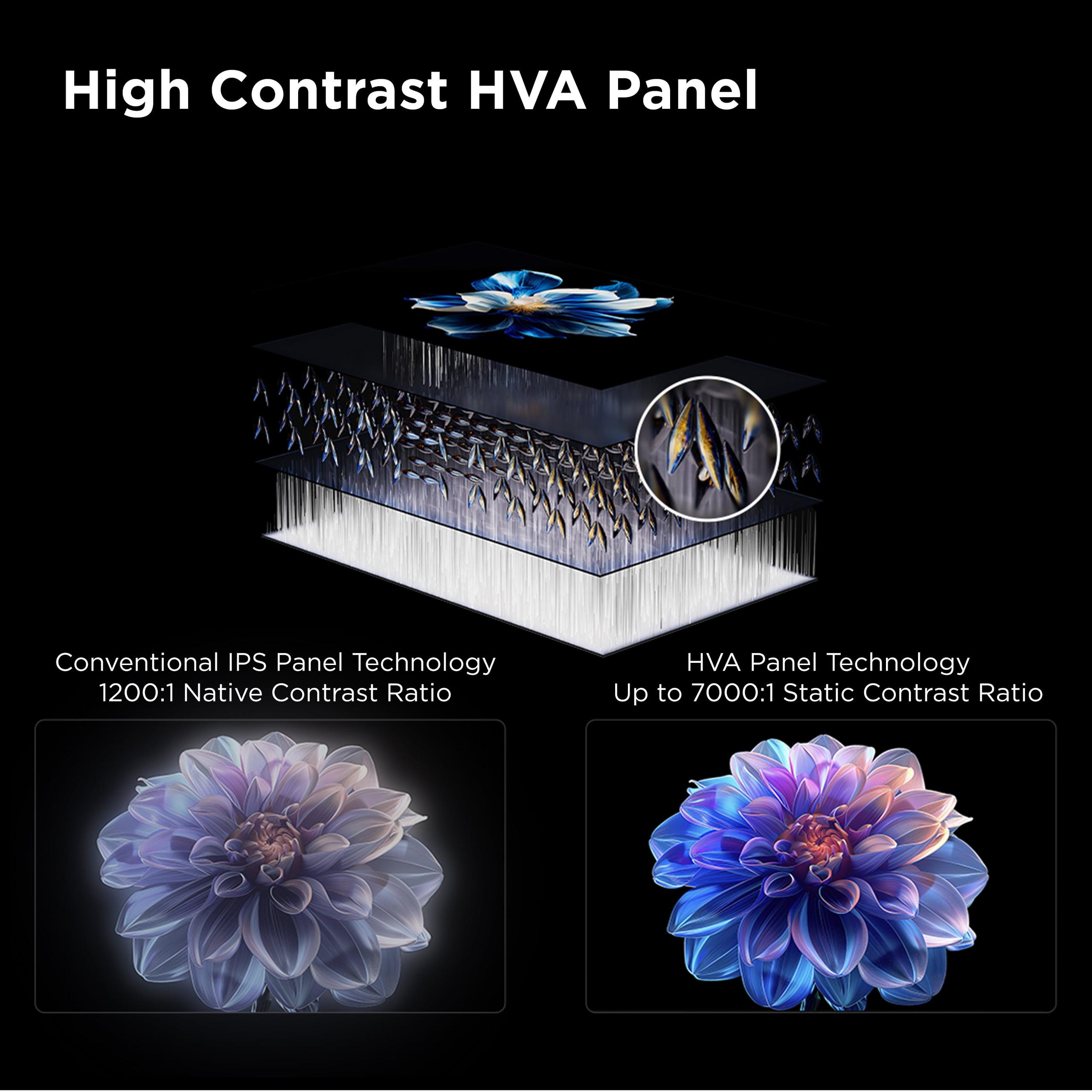
OLED technology works by having millions of individual pixels that can turn completely on or off. When a pixel needs to display black, it simply turns off entirely, creating what's called "perfect blacks." This is fundamentally different from LED-backlit displays, which rely on a backlight that shines through liquid crystals. Even when an LED TV tries to display black, some light always leaks through, resulting in what we call "gray blacks" rather than true black.
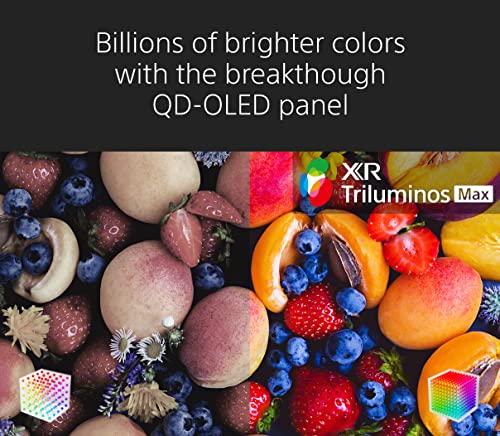
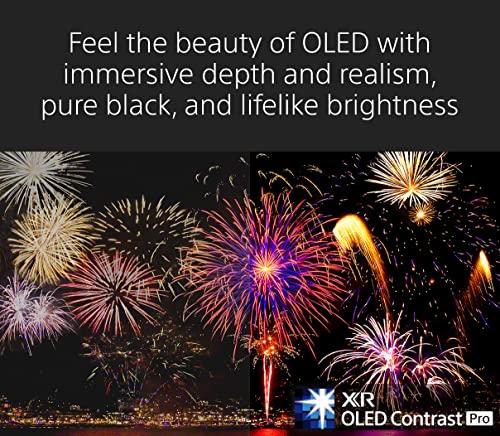
The Sony A95K takes OLED technology a step further by adding quantum dots—microscopic particles that convert blue light into precise red and green colors. This QD-OLED combination delivers what Sony calls "200% color brightness" compared to conventional TVs, meaning colors stay vibrant even when displayed at high brightness levels. In practice, this means you get the perfect blacks of OLED with the color saturation that quantum dot technology provides.
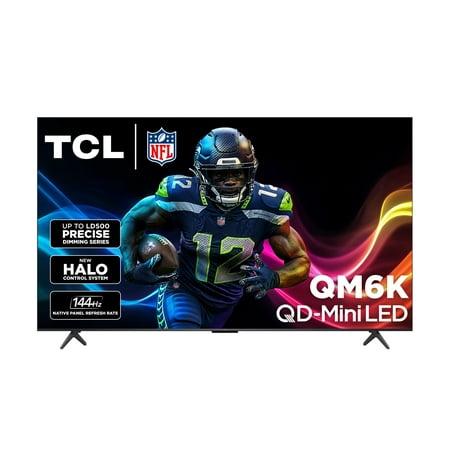
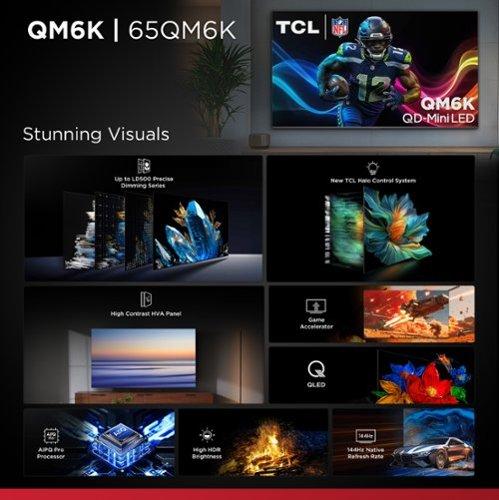
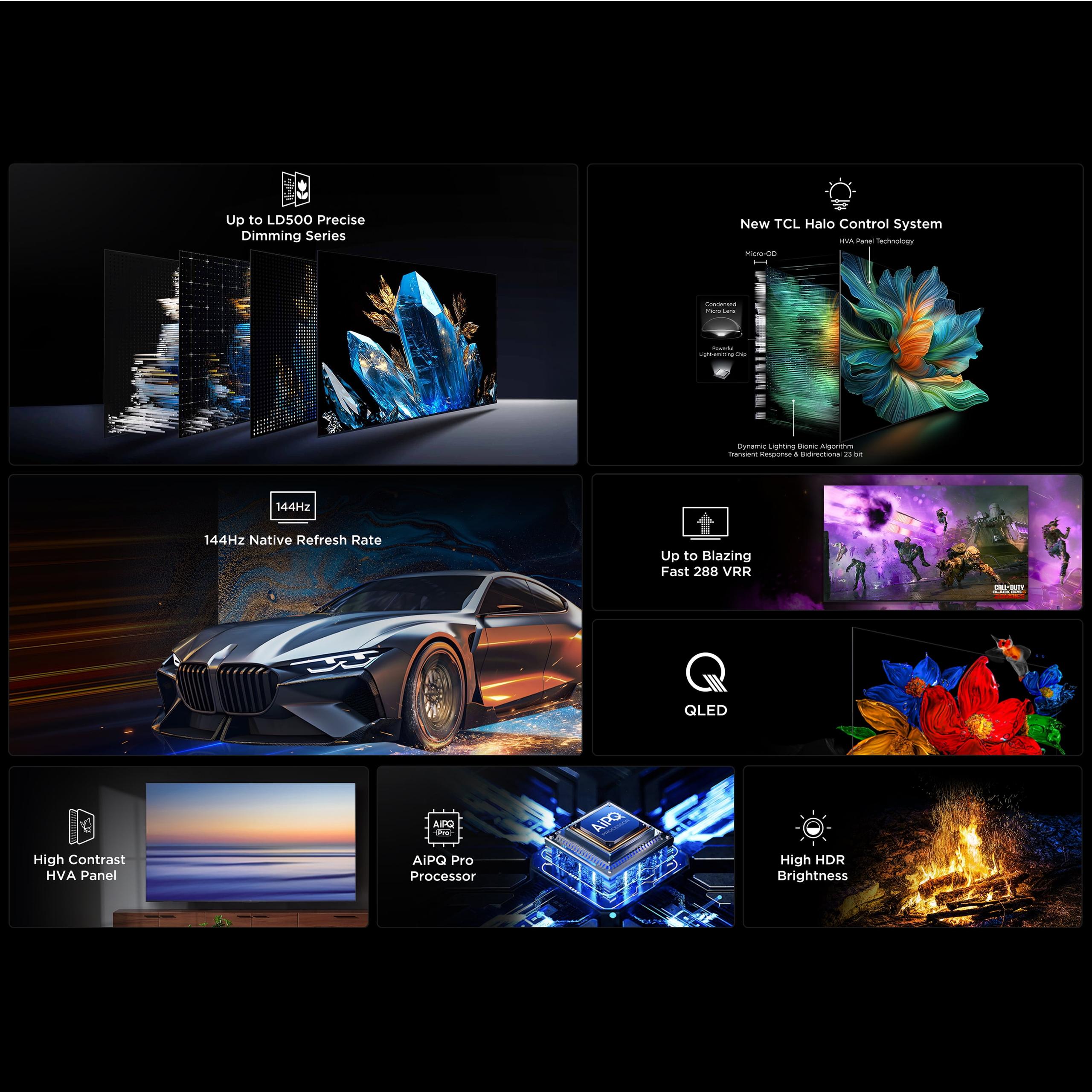
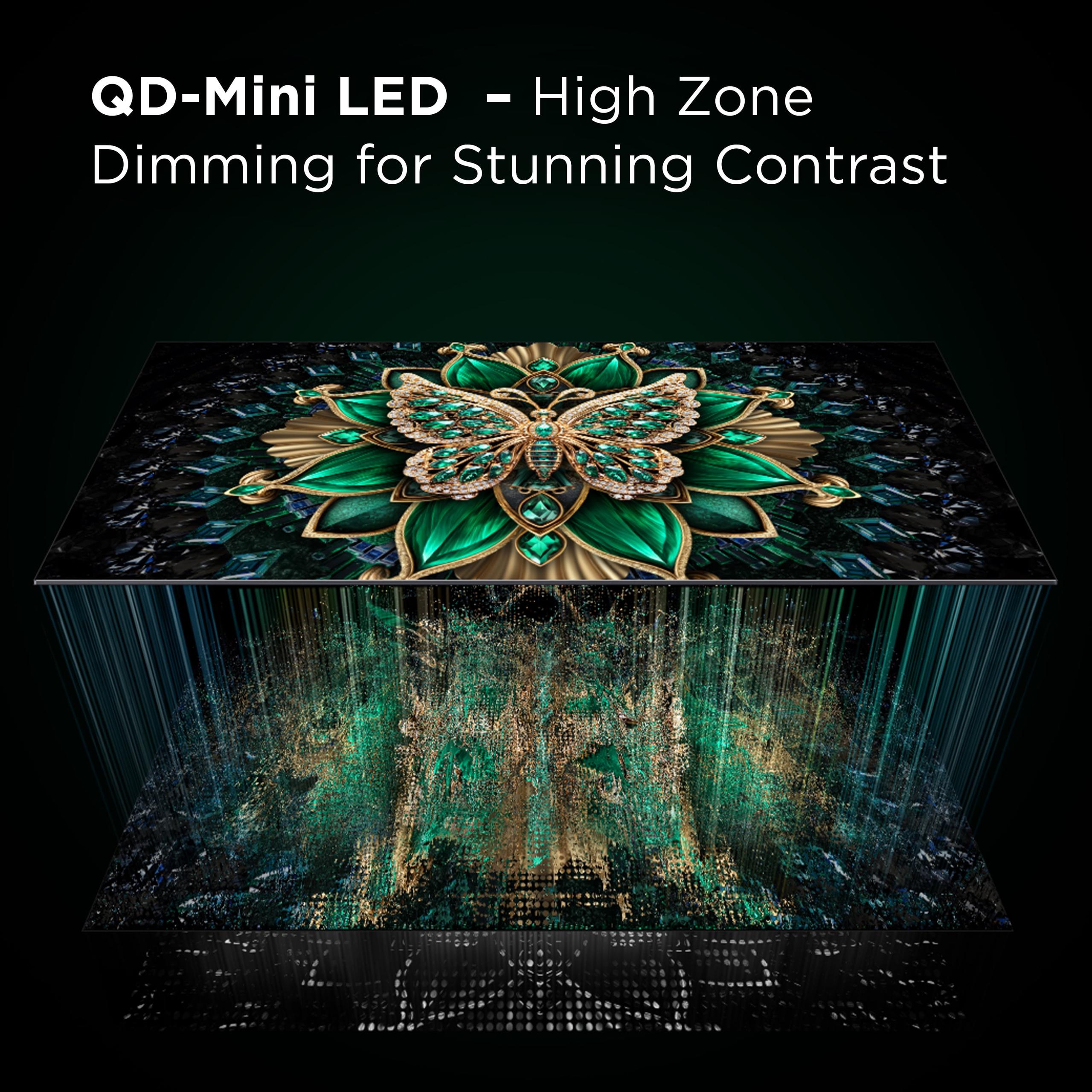
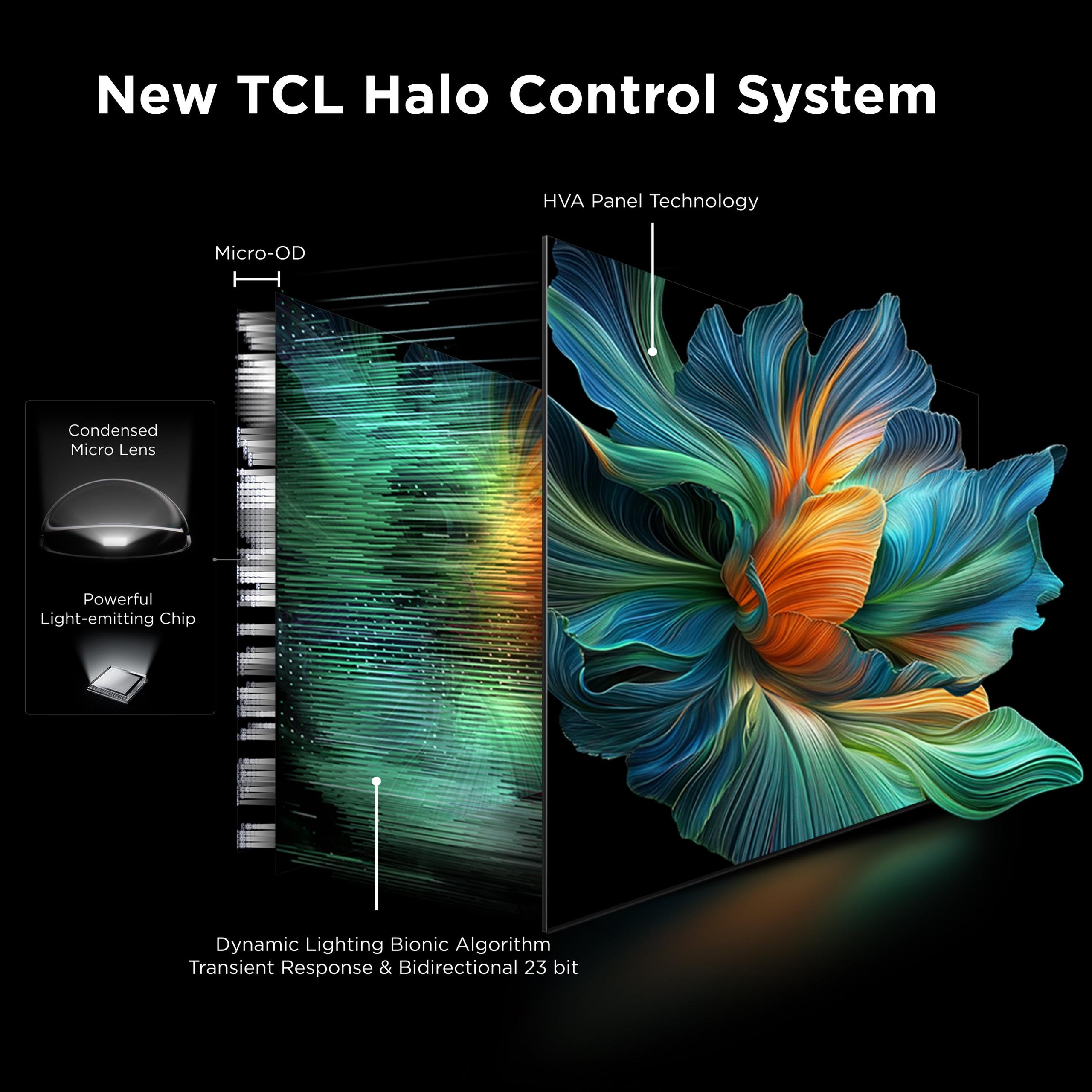
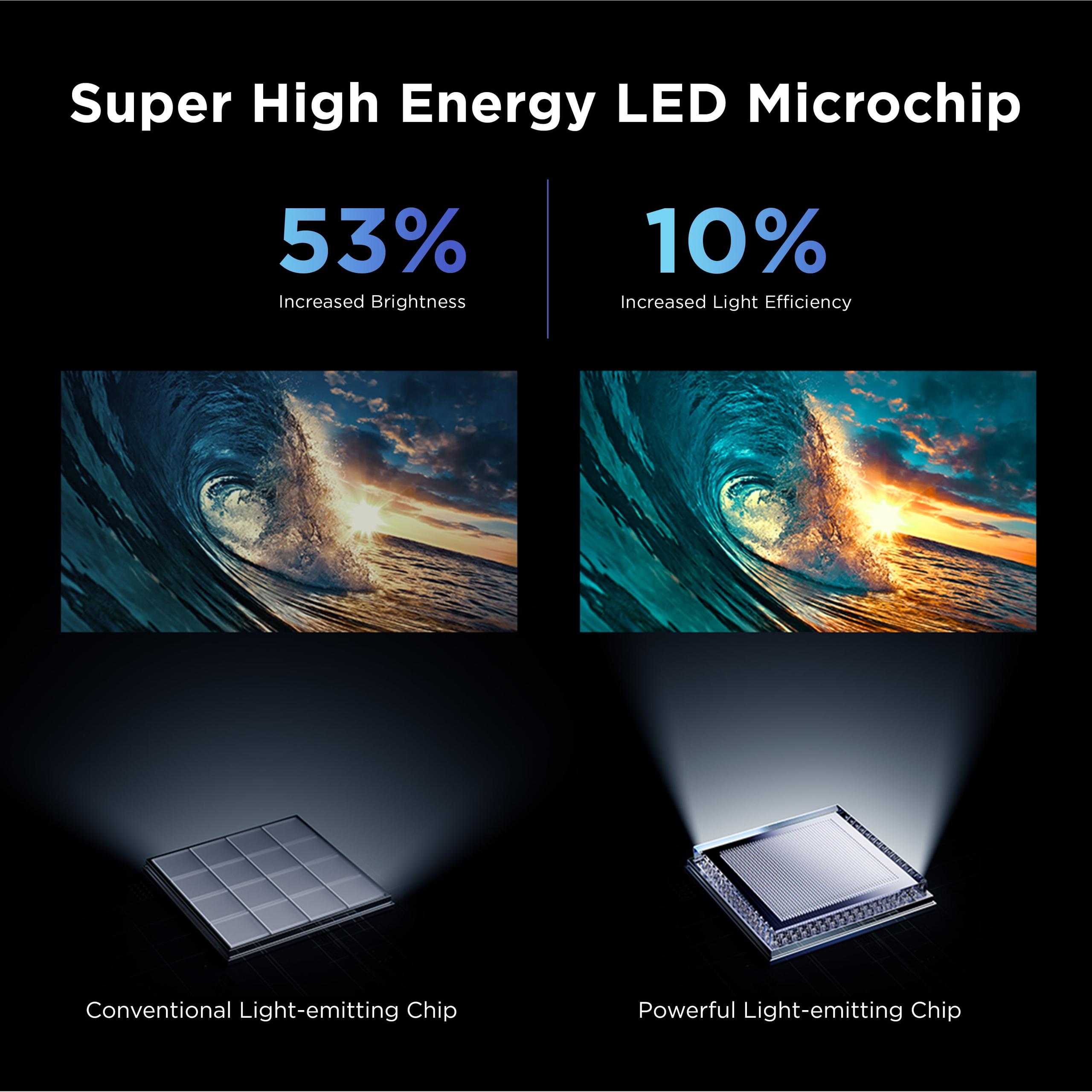
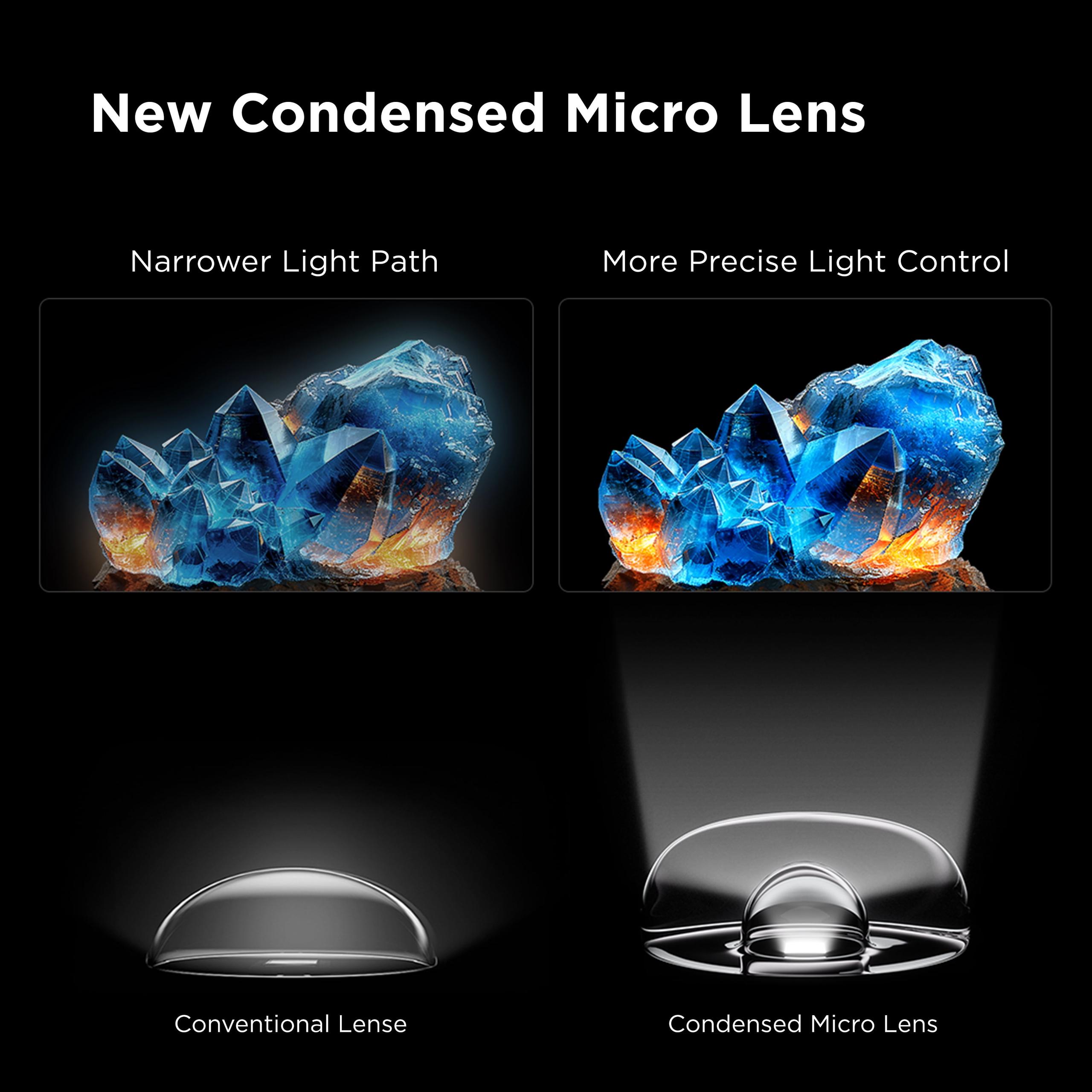
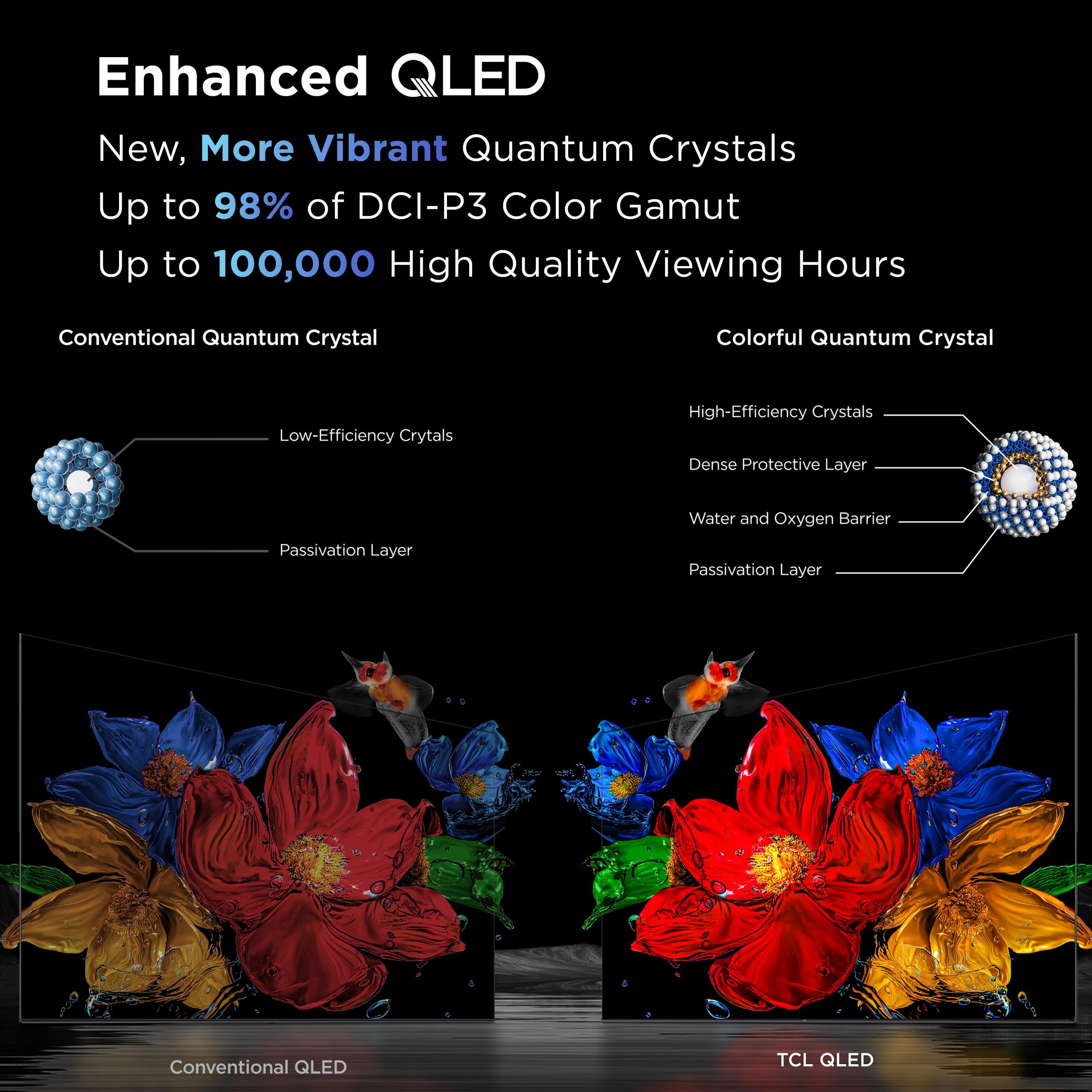
The TCL QM6K uses a different approach entirely. Mini LED technology shrinks the backlight LEDs to roughly 1/40th the size of traditional LEDs, allowing manufacturers to pack thousands of them behind the screen. These tiny LEDs are grouped into "local dimming zones"—areas that can be brightened or dimmed independently to improve contrast. The QM6K features up to 500 of these zones, which sounds impressive until you realize that the Sony A95K has over 8 million individually controlled pixels.
The quantum dots in the TCL QM6K work similarly to Sony's implementation, converting backlight into more accurate colors. However, since they're working with an LED backlight rather than self-emitting pixels, the end result differs significantly in how blacks are rendered and how light is controlled.
When evaluating TV picture quality, several metrics matter most: contrast ratio (the difference between brightest whites and darkest blacks), color accuracy, peak brightness, and viewing angles. Each display technology excels in different areas.
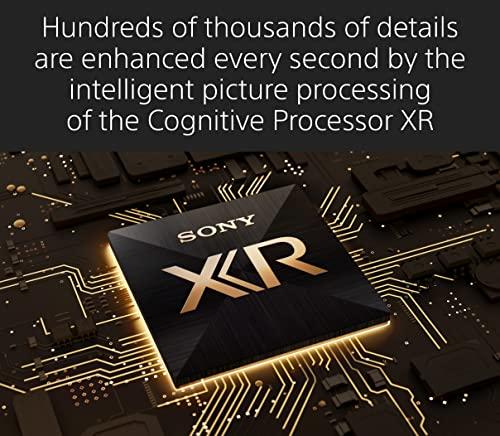
The Sony A95K achieves what's effectively an infinite contrast ratio because its pixels can turn completely off. This creates stunning visual depth, especially in dark scenes where details emerge from truly black backgrounds without any gray haze. The TV's Cognitive Processor XR analyzes content to identify focal points—like a person's face in a movie scene—and enhances those areas specifically rather than applying generic adjustments across the entire image.
Peak brightness tells a different story. While the Sony A95K reaches respectable brightness levels for an OLED (significantly higher than older OLED generations), the TCL QM6K can produce brighter highlights in small areas. This matters primarily for HDR (High Dynamic Range) content, where bright explosions, car headlights, or sunny skies need to pop against darker surroundings.
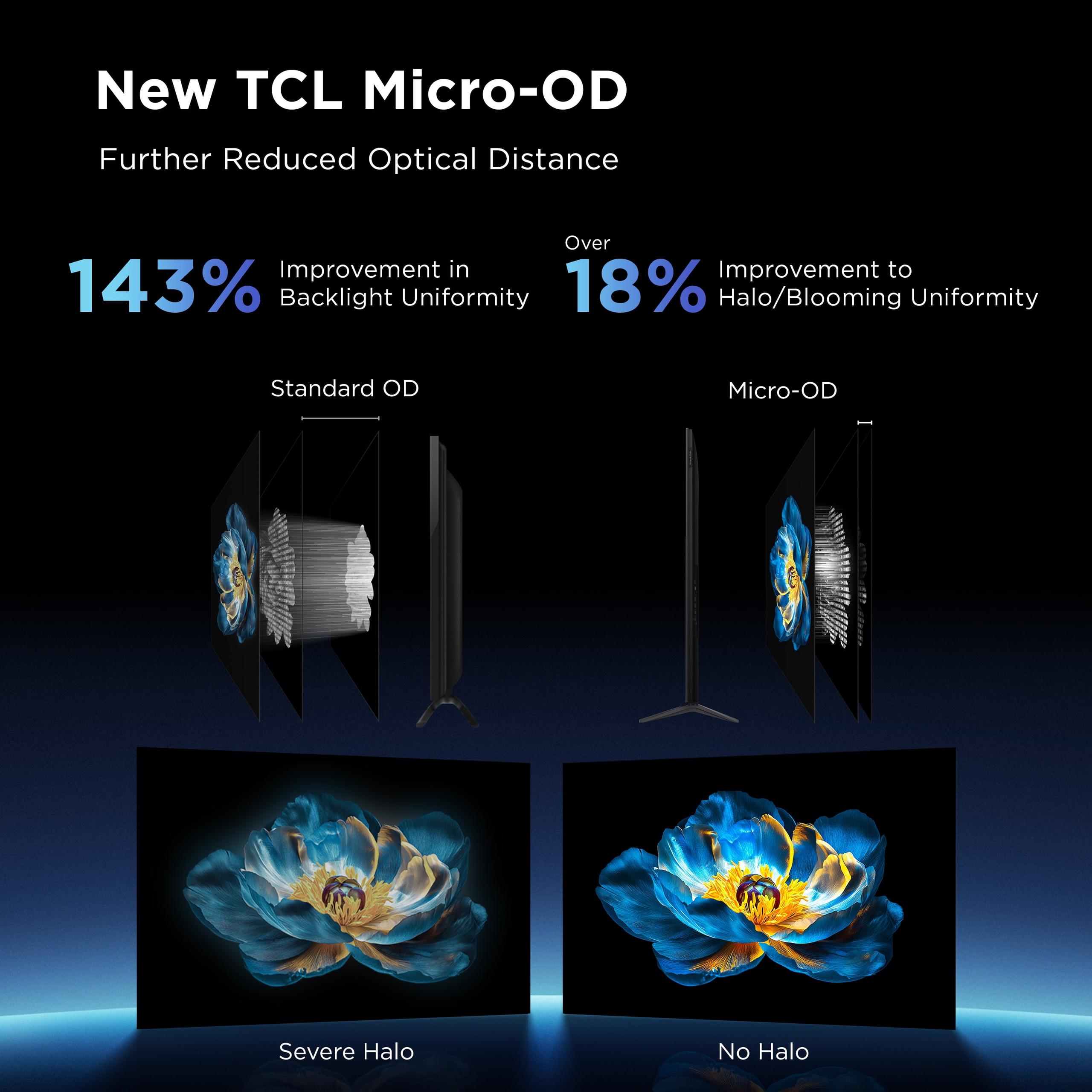
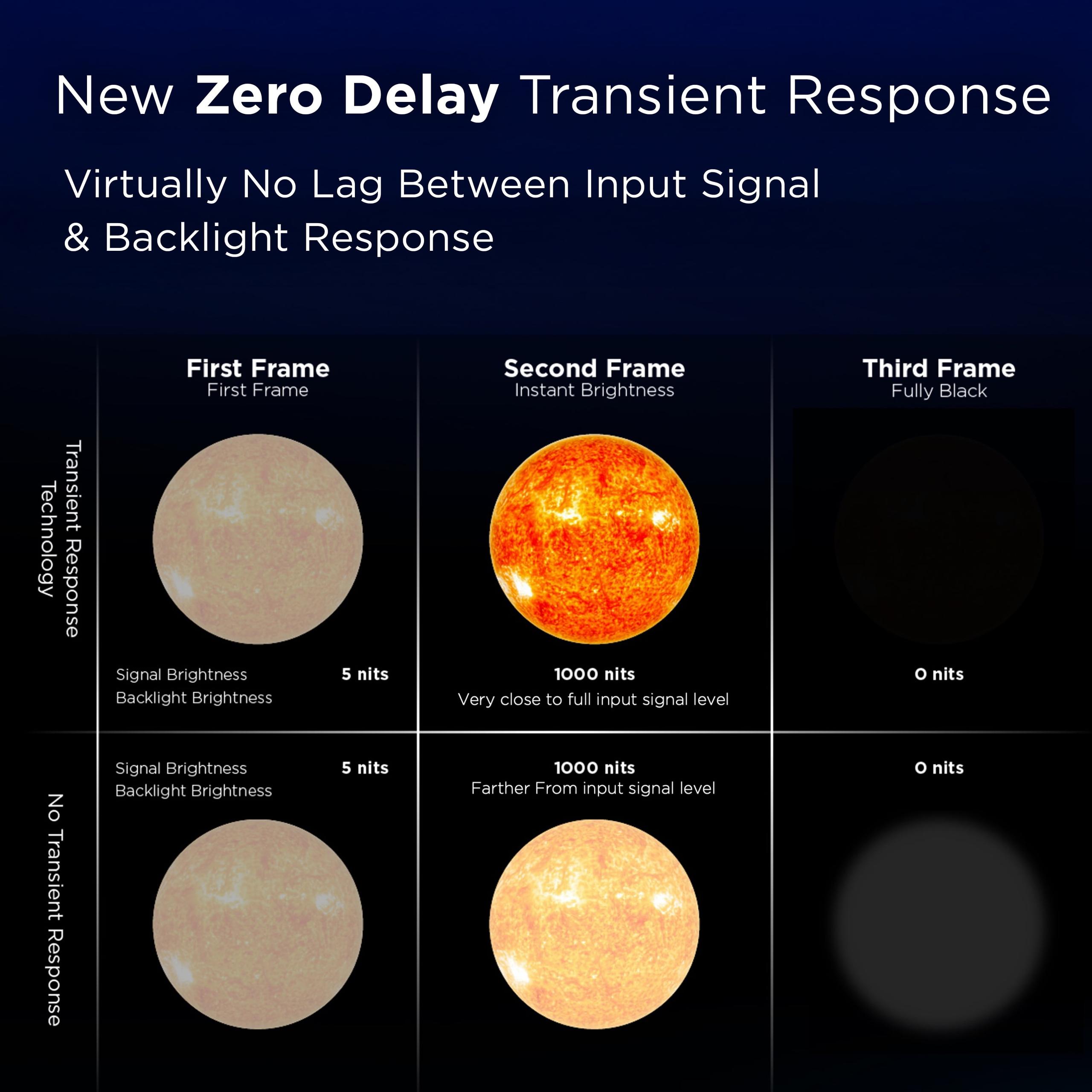
However, brightness isn't everything. The TCL QM6K's higher peak brightness comes with a caveat called "blooming"—when bright objects create halos of light in surrounding dark areas. Imagine watching a movie with white text on a black background; on the TCL, you might notice gray halos around each letter, while the Sony A95K renders crisp white text against perfectly black backgrounds.
Color accuracy strongly favors the Sony A95K. The combination of quantum dots and OLED technology, enhanced by Sony's decades of display expertise, produces colors that consistently match what content creators intended. The TCL QM6K can display vibrant colors, but they sometimes appear oversaturated or inconsistent depending on the content.
Viewing angles represent another clear OLED advantage. The Sony A95K maintains consistent brightness and color from almost any seating position, making it ideal for rooms where people sit at various angles to the TV. The TCL QM6K, despite including wide-angle viewing technology, shows noticeable color shifting and brightness reduction when viewed from the sides—typical of LCD-based displays.
Gaming has become a crucial TV consideration, especially with PlayStation 5 and Xbox Series X demanding high refresh rates and low input lag. Both TVs include modern gaming features, but with different strengths.
The Sony A95K supports 4K resolution at 120Hz refresh rate on two of its four HDMI inputs. It includes Variable Refresh Rate (VRR), which eliminates screen tearing by matching the TV's refresh rate to the gaming console's output frame rate. Auto Low Latency Mode (ALLM) automatically switches to game mode when it detects gaming content, reducing input lag—the delay between pressing a button and seeing the action on screen.
Where the TCL QM6K pulls ahead is refresh rate capability. It supports 4K at 144Hz and can even handle 1080p at 288Hz through its "Game Accelerator" technology. For PC gamers with powerful graphics cards, this higher refresh rate ceiling provides smoother motion in fast-paced competitive games. Console gamers won't benefit from rates above 120Hz since current consoles don't output higher than that, but the flexibility is valuable for mixed gaming setups.
Input lag performance is excellent on both displays. The Sony A95K achieves around 8-10 milliseconds in game mode, while the TCL QM6K performs similarly. These response times are imperceptible to most users and competitive for online gaming.
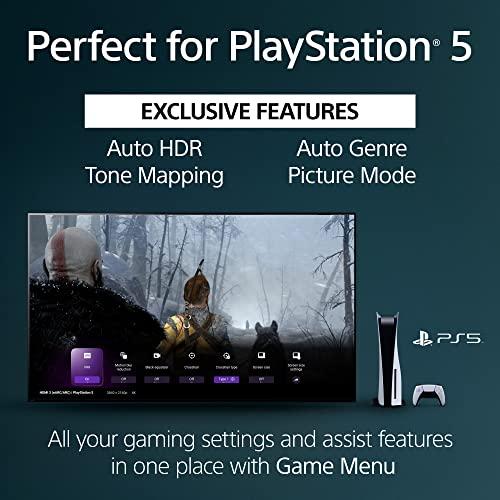
The Sony A95K includes some PlayStation-specific optimizations, like Auto HDR Tone Mapping that works specifically with PS5 games. However, it's limited to just two HDMI 2.1 ports (the inputs capable of 4K at 120Hz), which can be restrictive if you have multiple next-generation consoles plus a soundbar requiring the eARC connection.
TV audio often gets overlooked, but these models take distinctly different approaches that significantly impact the viewing experience.
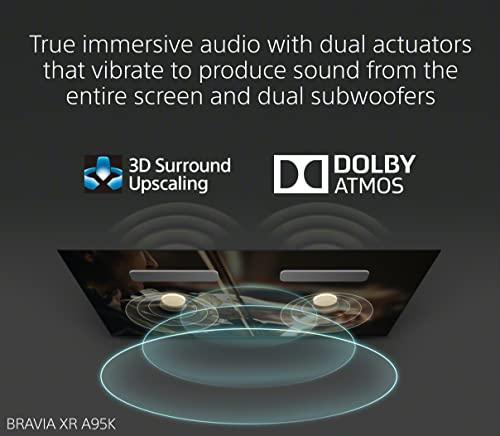
The Sony A95K features something genuinely innovative: Acoustic Surface Audio+. Instead of traditional speakers pointing downward or backward, the TV uses actuators (small vibrating devices) positioned behind the OLED screen itself. These actuators vibrate the entire display to produce sound, creating the illusion that dialogue and effects come directly from the actors' mouths or the source of on-screen action.
This technology provides exceptional dialogue clarity and spatial audio positioning. When a car drives across the screen, you hear the engine sound move correspondingly. The system includes dedicated actuators for different frequency ranges and can even function as a center channel speaker when connected to a home theater receiver—a feature that audiophiles particularly appreciate.
The TCL QM6K uses a more conventional approach with a 2.1-channel speaker system featuring dedicated subwoofer drivers for bass response. It supports Dolby Atmos and DTS Virtual:X for spatial audio processing, but the sound still originates from traditional speaker locations rather than the screen itself.
For users planning to connect external sound systems, the audio difference becomes less relevant. However, for those relying on built-in speakers—which represents most TV buyers—the Sony A95K's audio innovation provides a noticeably more immersive experience.
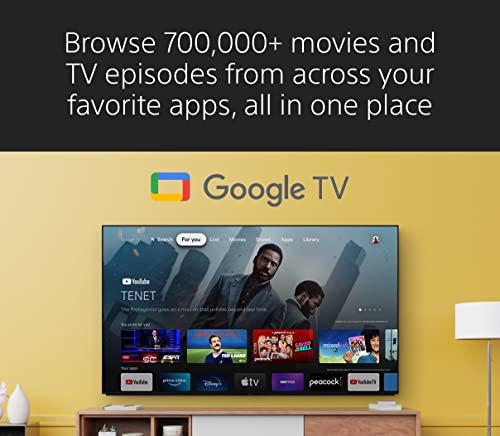
Both TVs run Google TV as their smart platform, providing access to Netflix, Disney+, YouTube, and other streaming services. The interface includes Google Assistant voice control and supports casting from Android and iOS devices.
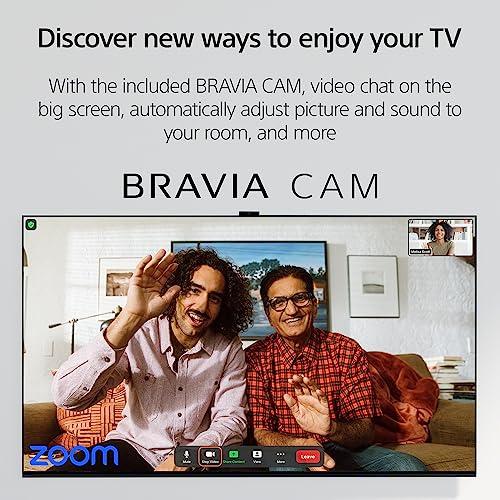
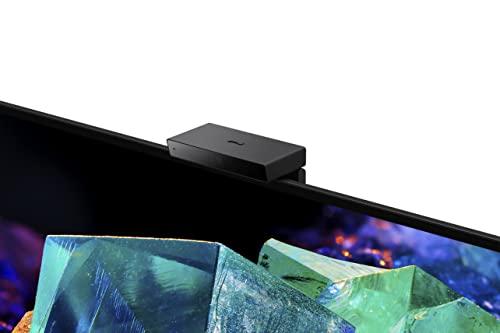
The Sony A95K includes several premium features that justify its positioning. The BRAVIA CAM—a detachable camera that clips onto the TV—enables video chatting and gesture controls. More interesting is its ambient optimization feature, which uses the camera to analyze your room's lighting conditions and your seating position, then adjusts picture and sound settings accordingly. Netflix Adaptive Calibrated Mode attempts to replicate the color and contrast settings Netflix uses in their mastering studios.
The TCL QM6K focuses on core functionality rather than premium features. It includes Wi-Fi 6 support (versus Wi-Fi 5 on the Sony), which provides better performance in homes with many connected devices. The interface tends to be more responsive due to newer processing hardware, though neither TV suffers from significant lag in menu navigation.
Both support Apple AirPlay 2 and Google Cast for wireless streaming from mobile devices. The Sony A95K additionally provides access to BRAVIA CORE, Sony's premium streaming service that offers movies in higher quality than typical streaming platforms.
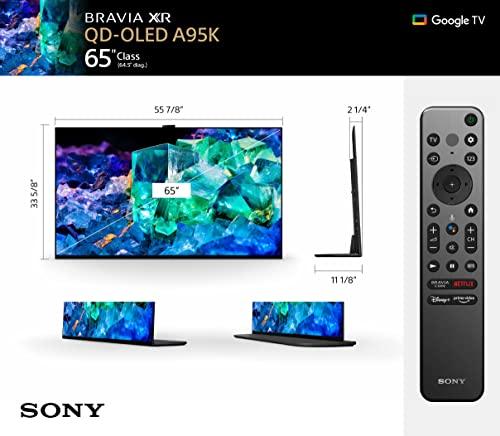
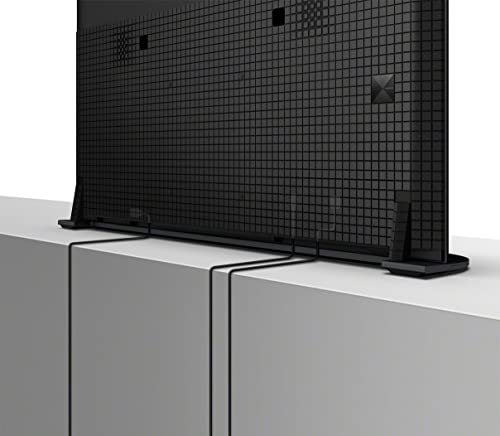
The Sony A95K reflects its premium positioning through its physical construction. The bezels are essentially invisible at just 0.0625 inches on three sides, creating an immersive "floating screen" appearance. The stand system offers flexibility—you can position it toward the back of the TV for a clean look or toward the front to accommodate soundbars underneath.
Material quality feels substantially more premium, with careful attention to finish details and overall construction. The remote control includes backlit buttons for dark-room use and features improved button placement compared to previous Sony remotes.
The TCL QM6K uses more cost-conscious materials appropriate for its price positioning. While perfectly functional, the build quality doesn't match premium TVs in terms of finish refinement or material selection. The bezels are larger, though still relatively thin by budget TV standards.
For dedicated home theater setups, several factors become particularly important: color accuracy in dark environments, motion handling for cinematic content, and audio integration capabilities.
The Sony A95K excels in home theater applications. Its perfect blacks eliminate the gray haze that can distract in dark viewing environments, while its color accuracy ensures movies appear as directors intended. The Acoustic Surface Audio+ technology can integrate seamlessly with surround sound receivers, functioning as a center channel for dialogue while external speakers handle other frequency ranges.
The TV's Cinema mode and various filmmaker-approved picture settings prioritize accuracy over "pop," making it suitable for users who want authentic reproduction of movie content. The wide viewing angles ensure consistent picture quality for theater seating arrangements.
The TCL QM6K serves home theater applications adequately but with compromises. Its higher peak brightness can create impressive HDR highlights, but blooming around bright objects becomes more noticeable in dark rooms. The inclusion of Filmmaker Mode—a first for TCL's QM6 series—demonstrates the company's growing attention to color accuracy, though it doesn't match Sony's processing sophistication.
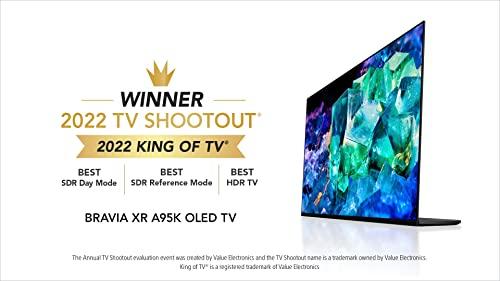
The Sony A95K launched in 2022 as Sony's first QD-OLED television, representing a significant technological leap from the company's previous OLED offerings. At the time of writing, this technology has proven reliable without the early-adoption issues that sometimes plague new display technologies.
Since 2022, OLED technology has continued evolving with brighter panels and improved longevity. However, the fundamental advantages the A95K offered at launch—perfect blacks, excellent color accuracy, and innovative audio—remain compelling compared to newer budget alternatives.
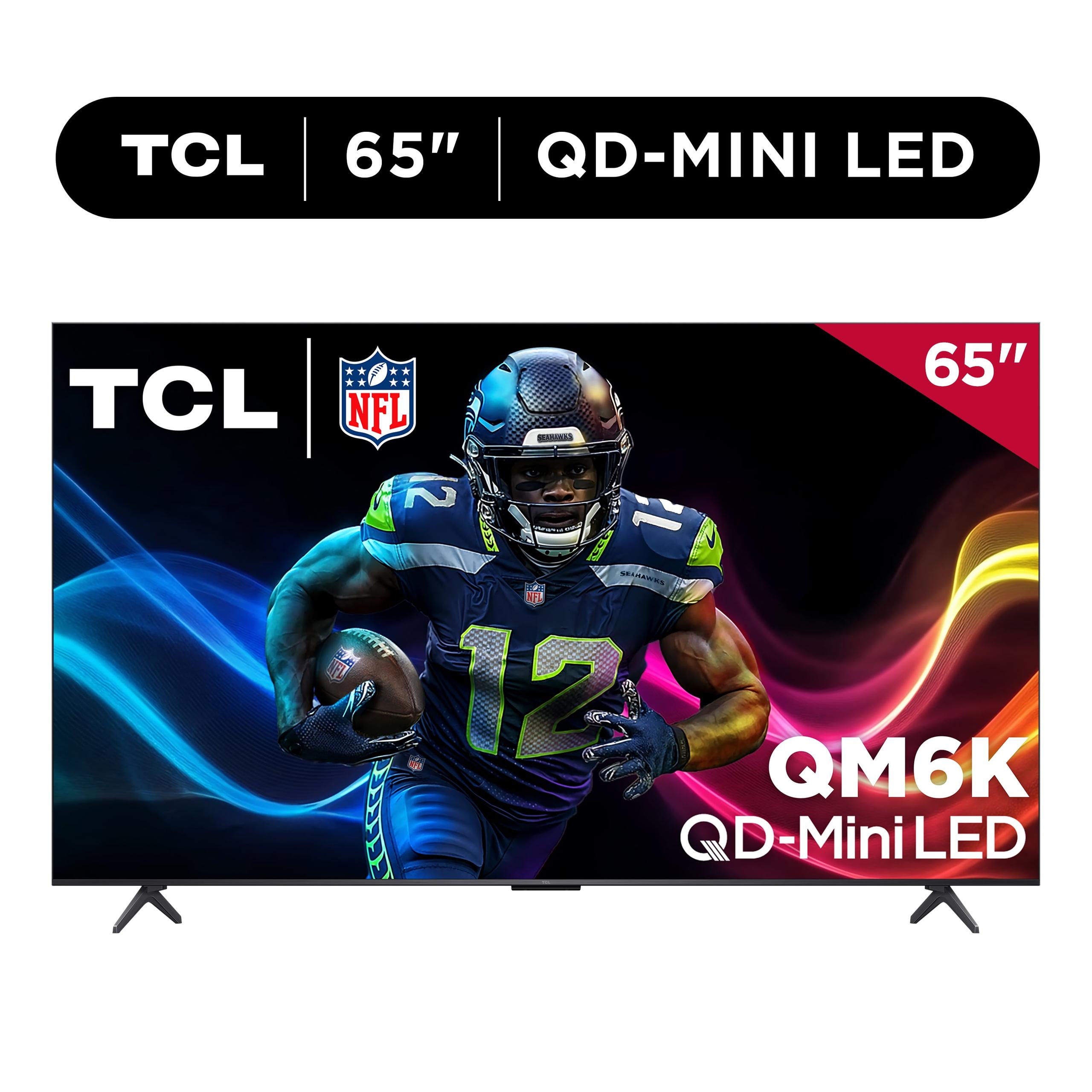
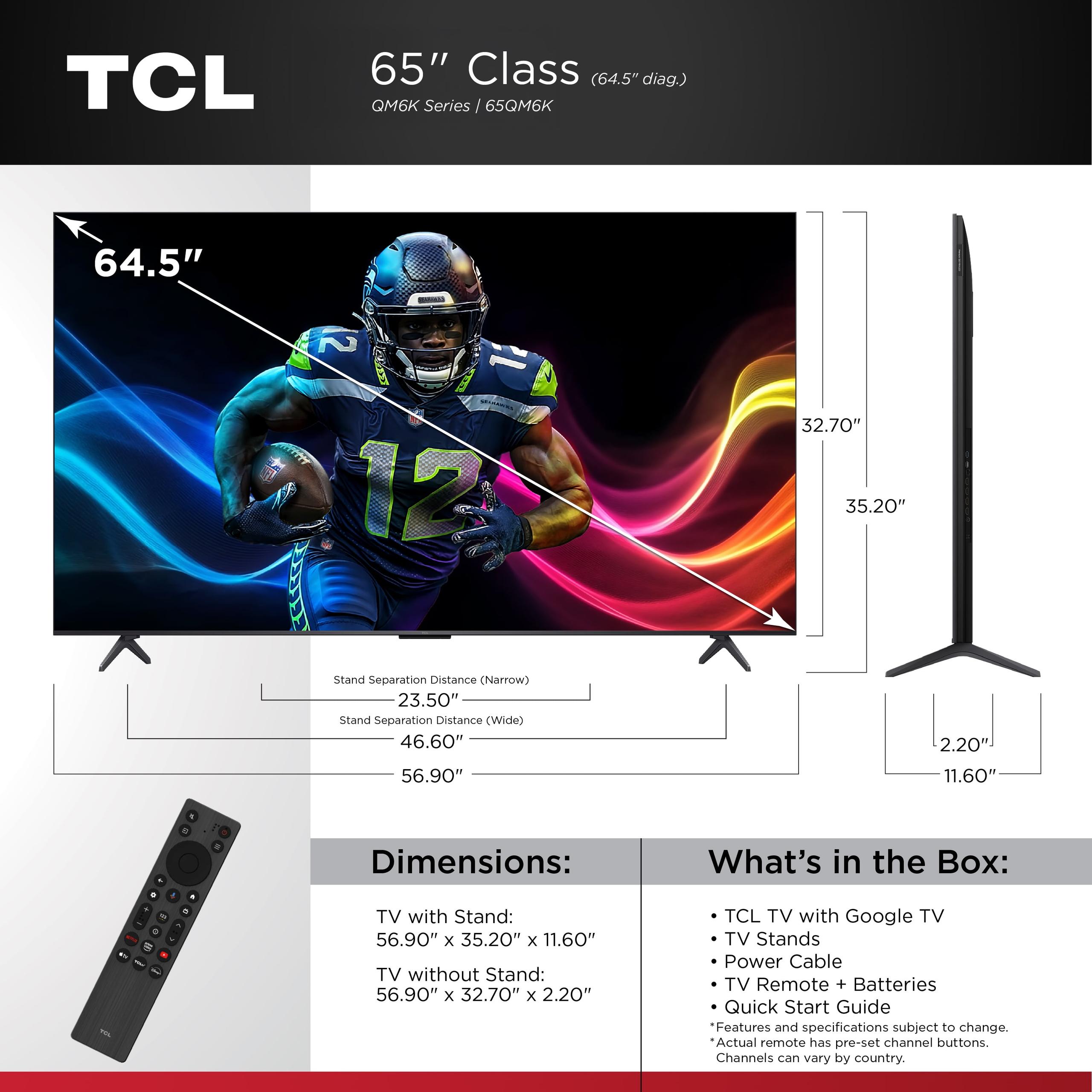
The TCL QM6K represents TCL's 2025 entry-level quantum dot offering, incorporating lessons learned from previous generations. Mini LED technology has matured significantly since its introduction, with manufacturers improving local dimming algorithms and increasing zone counts. The QM6K benefits from these refinements while maintaining aggressive pricing.
At the time of writing, the Sony A95K typically costs nearly three times as much as the TCL QM6K. This price difference reflects fundamental differences in display technology, processing power, and overall refinement.
Choose the Sony A95K if picture quality represents your primary concern. Users who primarily watch movies and prestige television in controlled lighting environments will appreciate the perfect blacks, accurate colors, and immersive audio. The TV particularly excels for users upgrading from older displays who want to experience what current flagship technology offers.
The TCL QM6K makes sense for value-conscious buyers who prioritize screen size and modern features over absolute picture quality. It's particularly suitable for bright rooms where OLED's perfect blacks provide less advantage, and for users whose content consists primarily of sports, news, and standard streaming rather than cinematic material.
For gaming, the choice depends on your priorities. PC gamers seeking higher refresh rates will prefer the TCL QM6K's 144Hz capability, while console gamers prioritizing image quality in single-player games will appreciate the Sony A95K's perfect blacks and motion handling.
The price difference represents the cost of display technology fundamentals—perfect pixel-level control versus zones of local dimming, infinite contrast versus blooming, and premium processing versus adequate functionality. For most buyers prioritizing value, the TCL QM6K delivers satisfying performance at a fraction of the cost. However, users seeking the best possible picture quality and willing to invest accordingly will find the Sony A95K's OLED technology provides experiences that LED-backlit displays simply cannot match.
The decision ultimately depends on your viewing environment, content preferences, and whether the substantial price difference fits within your budget for the improved experience that flagship OLED technology provides.
| Sony Bravia XR A95K 65" QD-OLED TV | TCL 65" QM6K QD-Mini LED 4K TV |
|---|---|
| Display Technology - Fundamentally determines picture quality and viewing experience | |
| QD-OLED with 8+ million self-emitting pixels | QD-Mini LED with up to 500 local dimming zones |
| Black Level Performance - Critical for contrast and dark scene detail | |
| Perfect blacks (pixels turn completely off) | Gray blacks with some light leakage |
| Peak Brightness - Important for HDR highlights and bright room viewing | |
| Moderate OLED brightness levels | Higher peak brightness in small areas |
| Refresh Rate - Matters for gaming and smooth motion | |
| 120Hz native panel | 144Hz native with 288Hz gaming support |
| Processing Power - Affects upscaling, motion, and overall image quality | |
| Cognitive Processor XR with AI-based optimization | AiPQ Pro processor with basic AI features |
| Color Accuracy - Essential for cinematic content and realistic images | |
| Professional-grade color reproduction with XR Triluminos Max | Good color saturation but less consistent accuracy |
| Viewing Angles - Important for rooms with multiple seating positions | |
| Excellent wide-angle viewing with minimal color shift | Limited viewing angles with noticeable degradation |
| Audio System - Built-in sound quality without external speakers | |
| Acoustic Surface Audio+ (screen acts as speaker) | 2.1 channel Onkyo system with subwoofer |
| Gaming Features - Modern console and PC gaming support | |
| 4K@120Hz, VRR, ALLM on 2 HDMI 2.1 ports | 4K@144Hz, 1080p@288Hz, VRR, ALLM support |
| Smart Platform - Streaming apps and user interface | |
| Google TV with BRAVIA CAM and premium features | Google TV with Wi-Fi 6 and standard features |
| Build Quality - Materials, design, and long-term durability | |
| Premium construction with invisible bezels | Functional build with budget-appropriate materials |
| Burn-in Risk - Potential for permanent image retention | |
| OLED technology has minimal but present burn-in risk | LCD technology eliminates burn-in concerns |
| Best Use Cases - Ideal viewing scenarios and user types | |
| Dark rooms, cinematic content, premium experience seekers | Bright rooms, casual viewing, value-conscious buyers |
The Sony Bravia XR A95K delivers superior picture quality for movies due to its QD-OLED technology. It produces perfect blacks, infinite contrast, and exceptional color accuracy that matches what filmmakers intended. The TCL QM6K offers decent picture quality but suffers from blooming around bright objects and less accurate colors, making the Sony A95K the clear winner for cinematic content.
OLED technology in the Sony A95K uses millions of self-emitting pixels that can turn completely off for perfect blacks. Mini LED technology in the TCL QM6K uses thousands of tiny LED backlights grouped into dimming zones. While the TCL QM6K can get brighter, the Sony A95K provides better contrast and no light bleeding.
Both TVs excel at gaming but in different ways. The TCL QM6K supports higher refresh rates (144Hz for 4K, 288Hz for 1080p) making it better for PC gaming. The Sony A95K offers excellent gaming performance at 4K 120Hz with superior motion clarity and response times, though it's limited to two HDMI 2.1 ports compared to the TCL QM6K's broader connectivity.
The Sony A95K features revolutionary Acoustic Surface Audio+ technology where the screen itself produces sound, creating exceptional dialogue clarity and immersive audio positioning. The TCL QM6K uses conventional speakers with a 2.1 channel system. For users relying on built-in audio, the Sony A95K provides a significantly better experience.
The Sony A95K is exceptional for home theater setups with its perfect blacks eliminating gray haze in dark rooms, accurate color reproduction, and ability to function as a center channel speaker. The TCL QM6K works adequately for home theaters but blooming effects become more noticeable in dark environments, making the Sony A95K the superior choice for dedicated theater rooms.
The TCL QM6K provides outstanding value, offering modern features and large screen size at a budget-friendly price. While the Sony A95K delivers premium picture quality and features, it costs significantly more. For value-conscious buyers, the TCL QM6K delivers satisfying performance at a fraction of the cost.
Both TVs support HDR formats, but with different strengths. The Sony A95K excels at HDR with perfect blacks and accurate color reproduction, though it has moderate peak brightness. The TCL QM6K achieves higher peak brightness for HDR highlights but may show blooming effects. Overall, the Sony A95K provides a more refined HDR experience.
The Sony A95K offers excellent wide-angle viewing with consistent brightness and color from almost any seating position due to its OLED technology. The TCL QM6K includes wide-angle viewing technology but still shows noticeable color shifting and brightness reduction when viewed from the sides, typical of LCD-based displays.
The Sony A95K has minimal but present burn-in risk due to its OLED technology, though modern OLEDs have significantly improved longevity. The TCL QM6K uses LCD technology which eliminates burn-in concerns entirely. For users worried about long-term image retention from static content like news tickers or gaming HUDs, the TCL QM6K offers peace of mind.
Both TVs run Google TV and support all major streaming platforms equally well. The Sony A95K includes premium features like Netflix Calibrated Mode and BRAVIA CORE access, while the TCL QM6K offers Wi-Fi 6 support for better network performance. The Sony A95K provides a slightly more refined streaming experience with its superior processing and picture quality.
Choose the Sony A95K OLED if you prioritize picture quality, watch mostly movies and premium content, and can control room lighting. Select the TCL QM6K Mini LED if you have a bright living room, want maximum value for screen size, or prefer avoiding any burn-in risk. The TCL QM6K offers excellent performance for most users at a more accessible price point.
We've done our best to create useful and informative comparisons to help you decide what product to buy. Our research uses advanced automated methods to create this comparison and perfection is not possible - please contact us for corrections or questions. These are the sites we've researched in the creation of this article: tomsguide.com - audioadvice.com - wepc.com - bestbuy.com - tvsbook.com - rtings.com - youtube.com - flatpanelshd.com - rtings.com - youtube.com - reviewed.com - avsforum.com - youtube.com - youtube.com - rtings.com - youtube.com - electronics.sony.com - sonypremiumhome.com - valueelectronics.com - sony.com - displayspecifications.com - flatpanelshd.com - donstv.com - youtube.com - businessinsider.com - youtube.com - displayspecifications.com - bestbuy.com - youtube.com - tomsguide.com - youtube.com - tcl.com - tomsguide.com - youtube.com - youtube.com - hometechnologyreview.com - rtings.com - bestbuy.com - tcl.com - youtube.com - youtube.com - bestbuy.com - youtube.com - youtube.com - youtube.com - tcl.com - youtube.com - walmart.com - tcl.com - displayspecifications.com - kitele.com - displayspecifications.com - flatpanelshd.com - woodruffappliance.com - displayspecifications.com - prnewswire.com - tcl.com - youtube.com - abt.com - youtube.com - tclkenya.co.ke - budgethomefurn.com

Privacy Policy
Terms and Conditions - Affiliate Policy
Home Security
© Copyright 2008-2026.
11816 Inwood Rd #1211, Dallas, TX 75244