

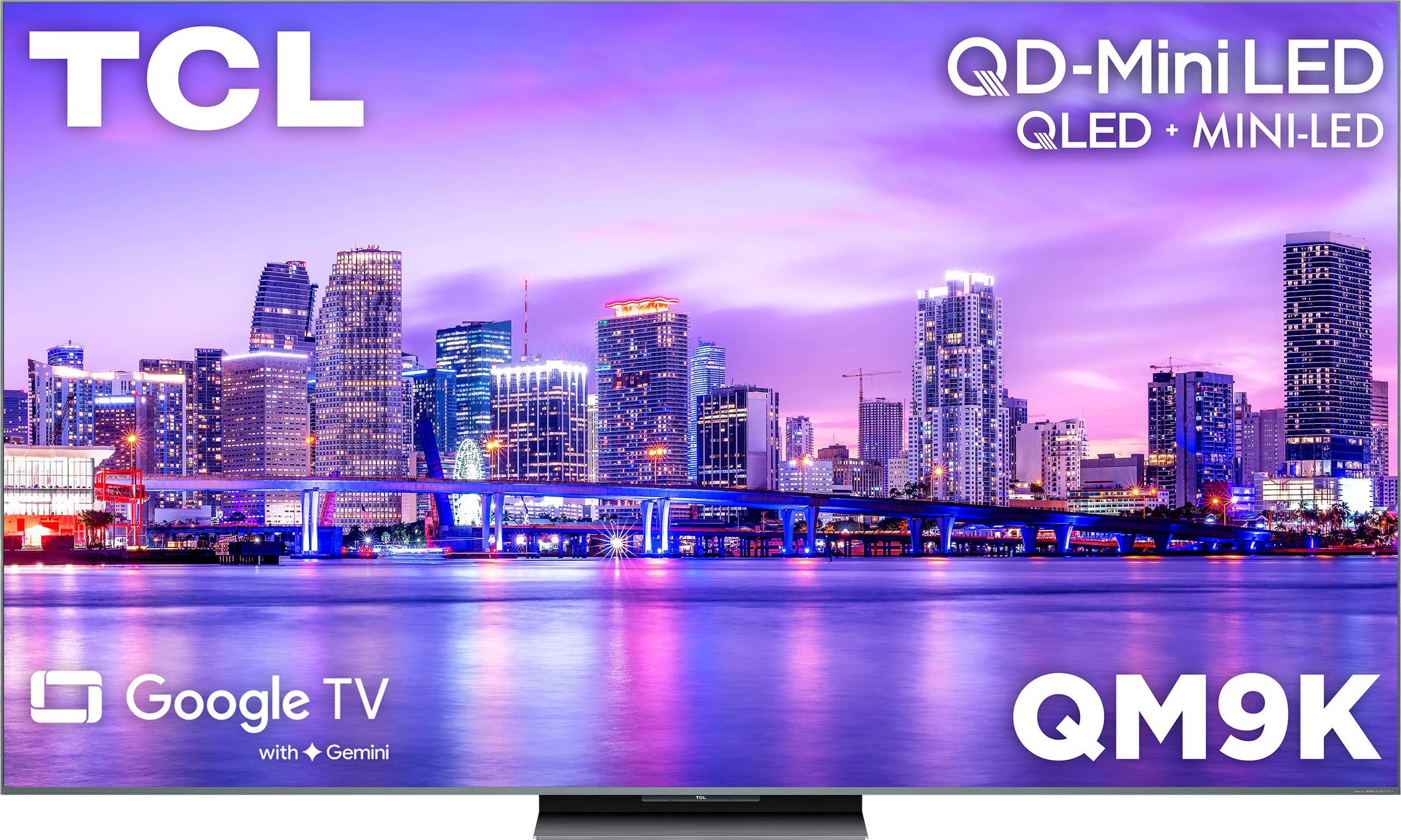
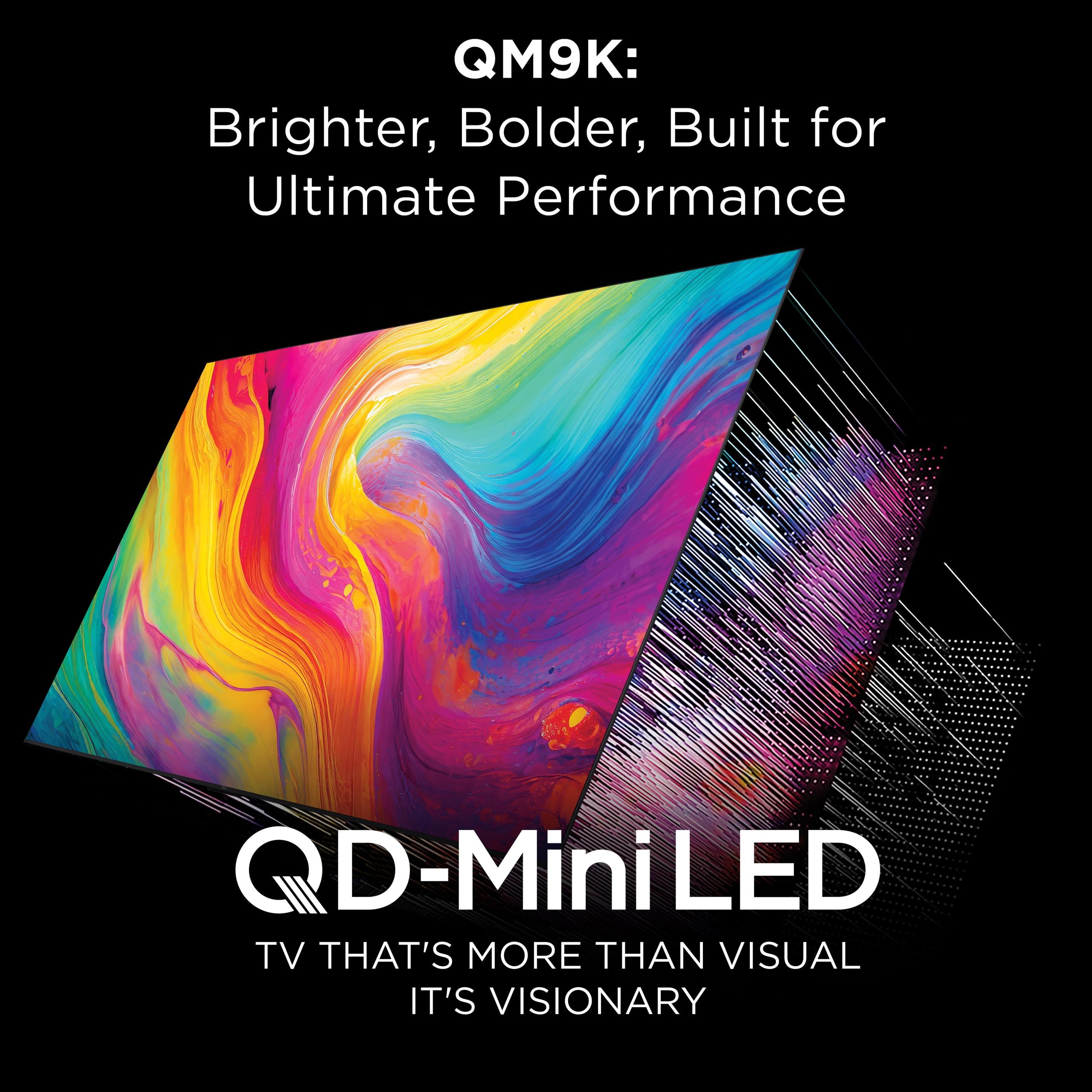
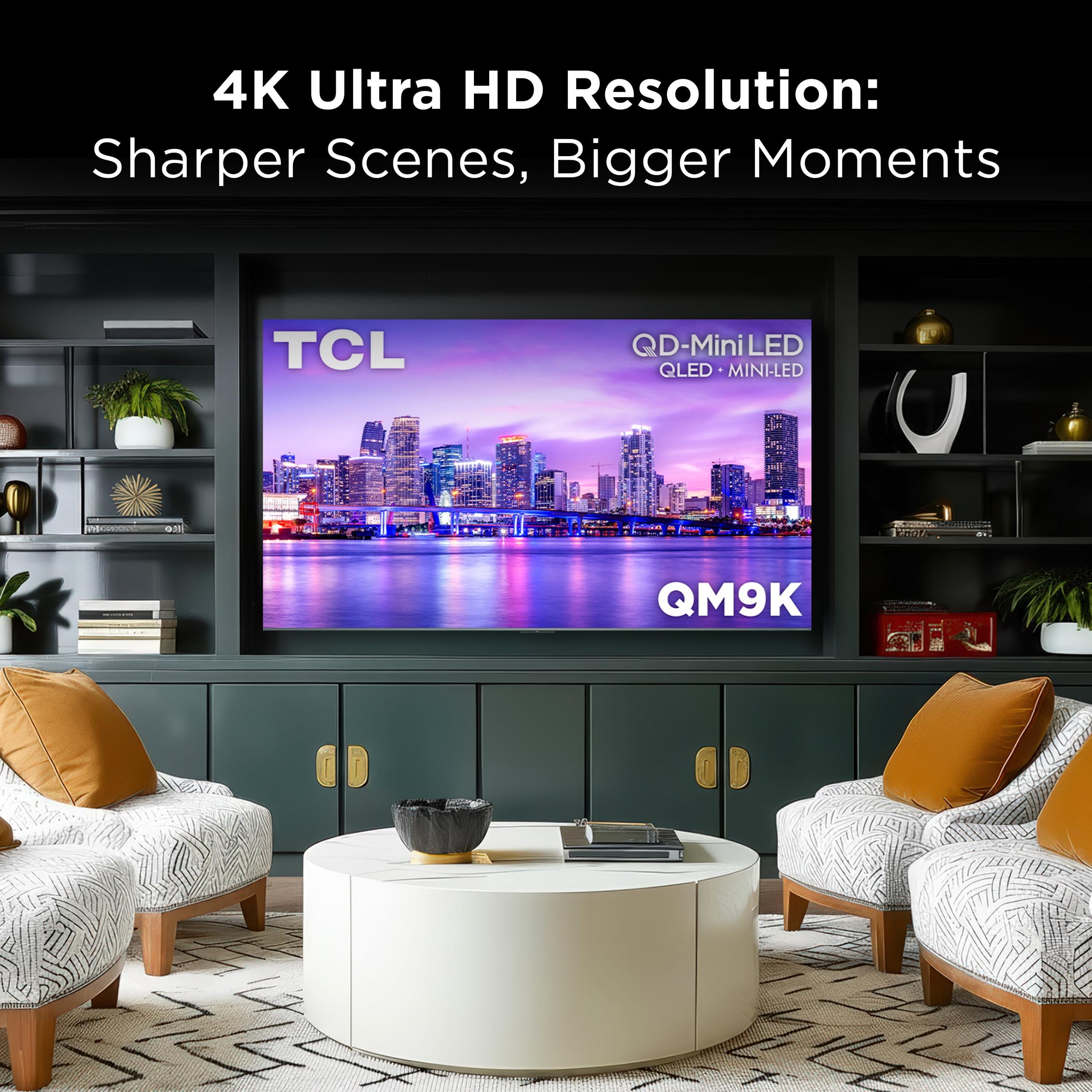
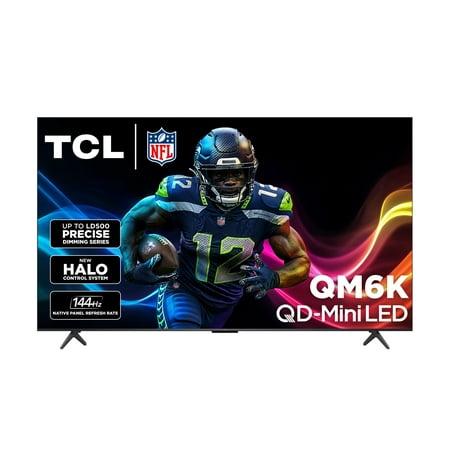
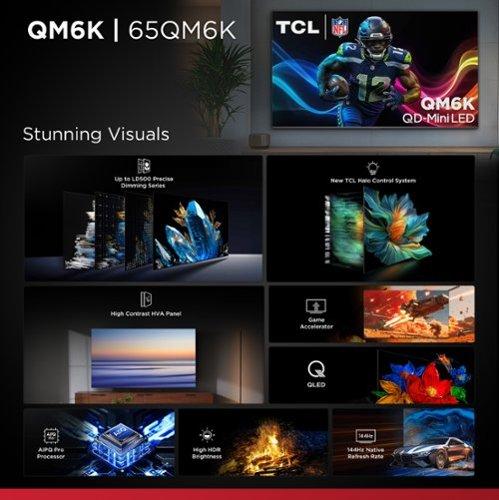
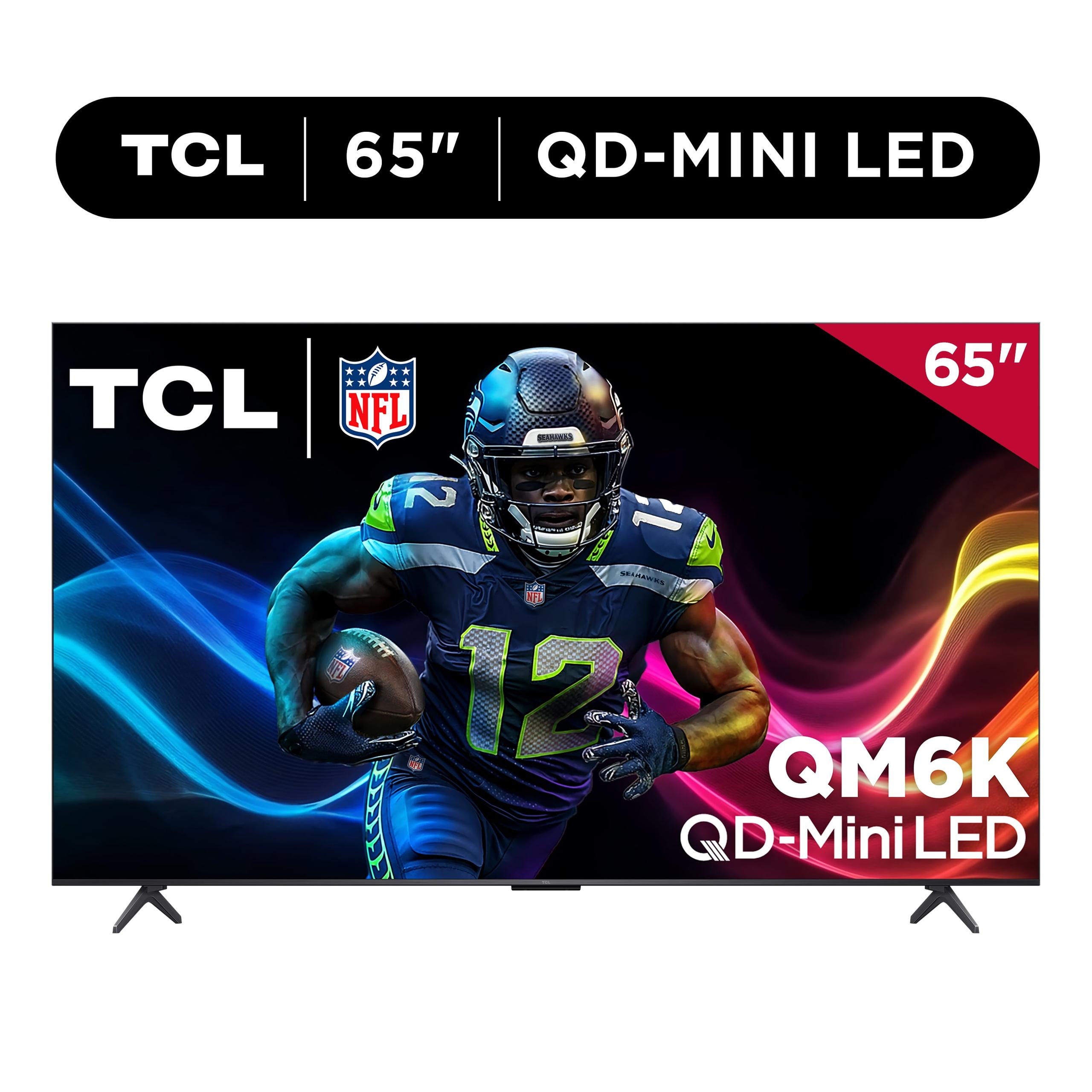
When TCL released both the QM9K and QM6K in 2025, they created an interesting dilemma for TV shoppers. Both models use the same core mini LED technology, but they're aimed at completely different buyers. The flagship QM9K pushes every spec to the limit, while the budget-friendly QM6K makes premium mini LED features accessible to mainstream buyers.
After researching dozens of professional reviews and analyzing thousands of user opinions, I've found that choosing between these two comes down to a simple question: Do you need the absolute best picture quality, or do you want excellent performance at a reasonable price? Let me walk you through everything you need to know to make that decision.
Before diving into the comparison, let's talk about what makes mini LED special. Traditional LED TVs use a handful of large LED lights behind the screen, which creates problems with contrast – when you want a bright star against a dark sky, the whole section lights up, making the blacks look grayish.
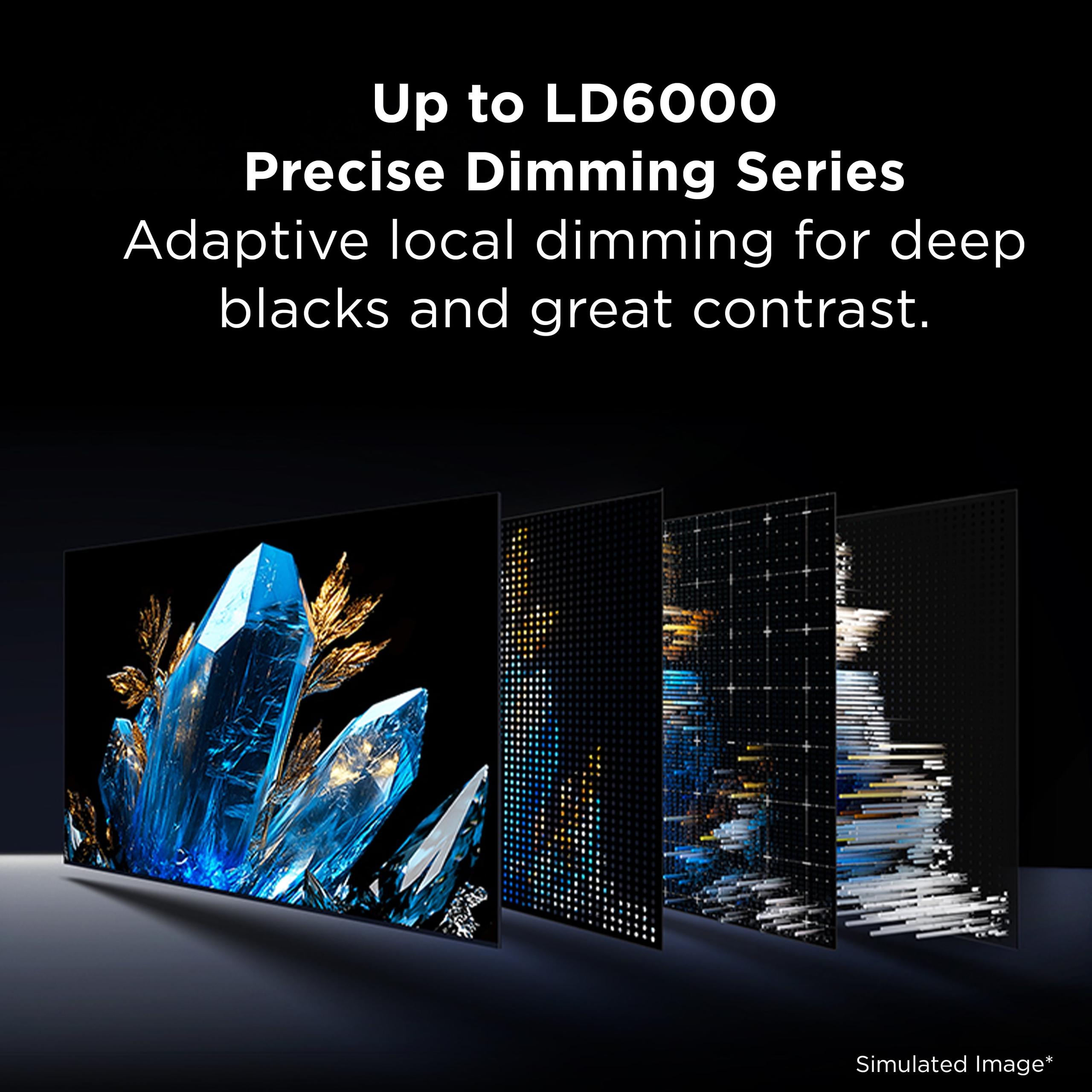
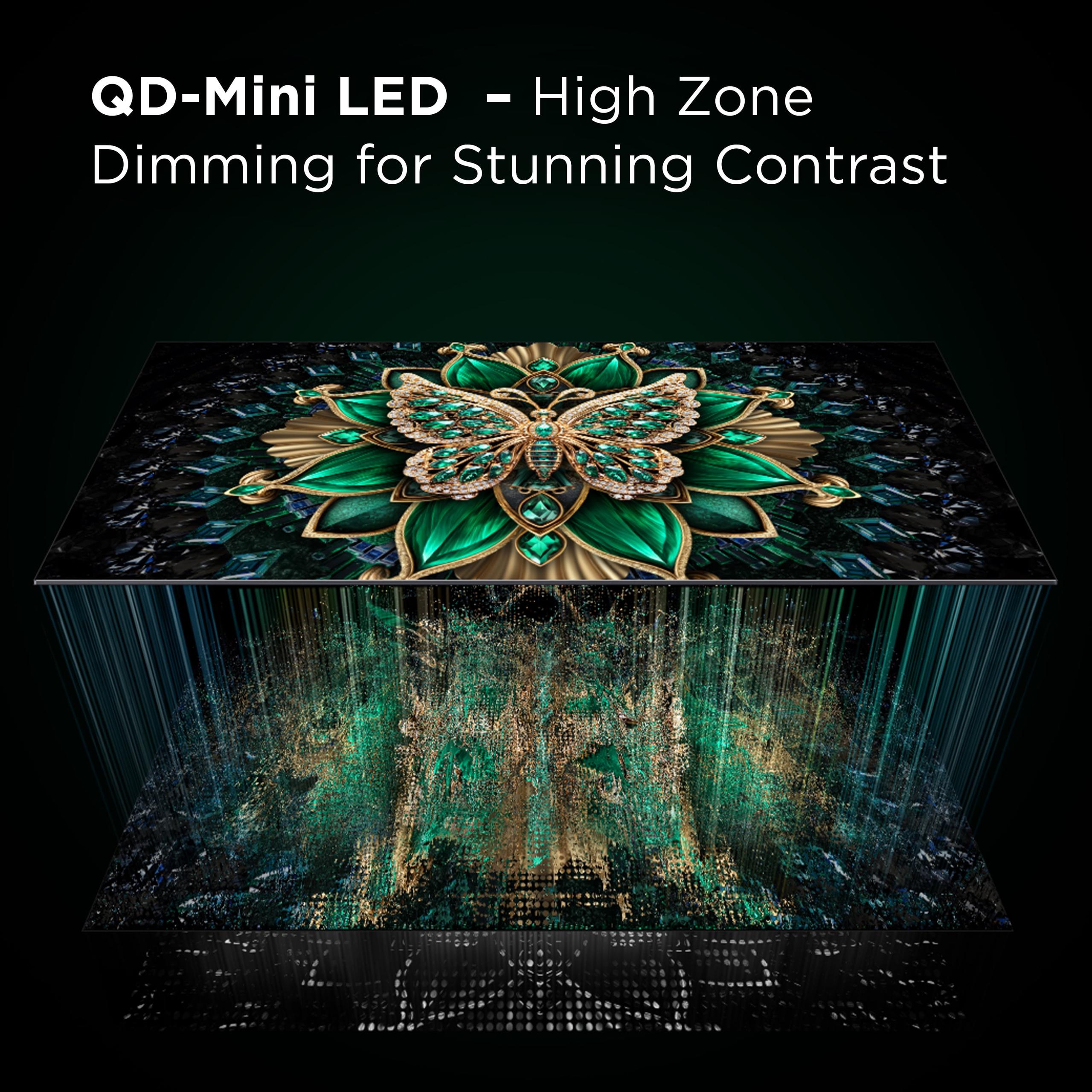
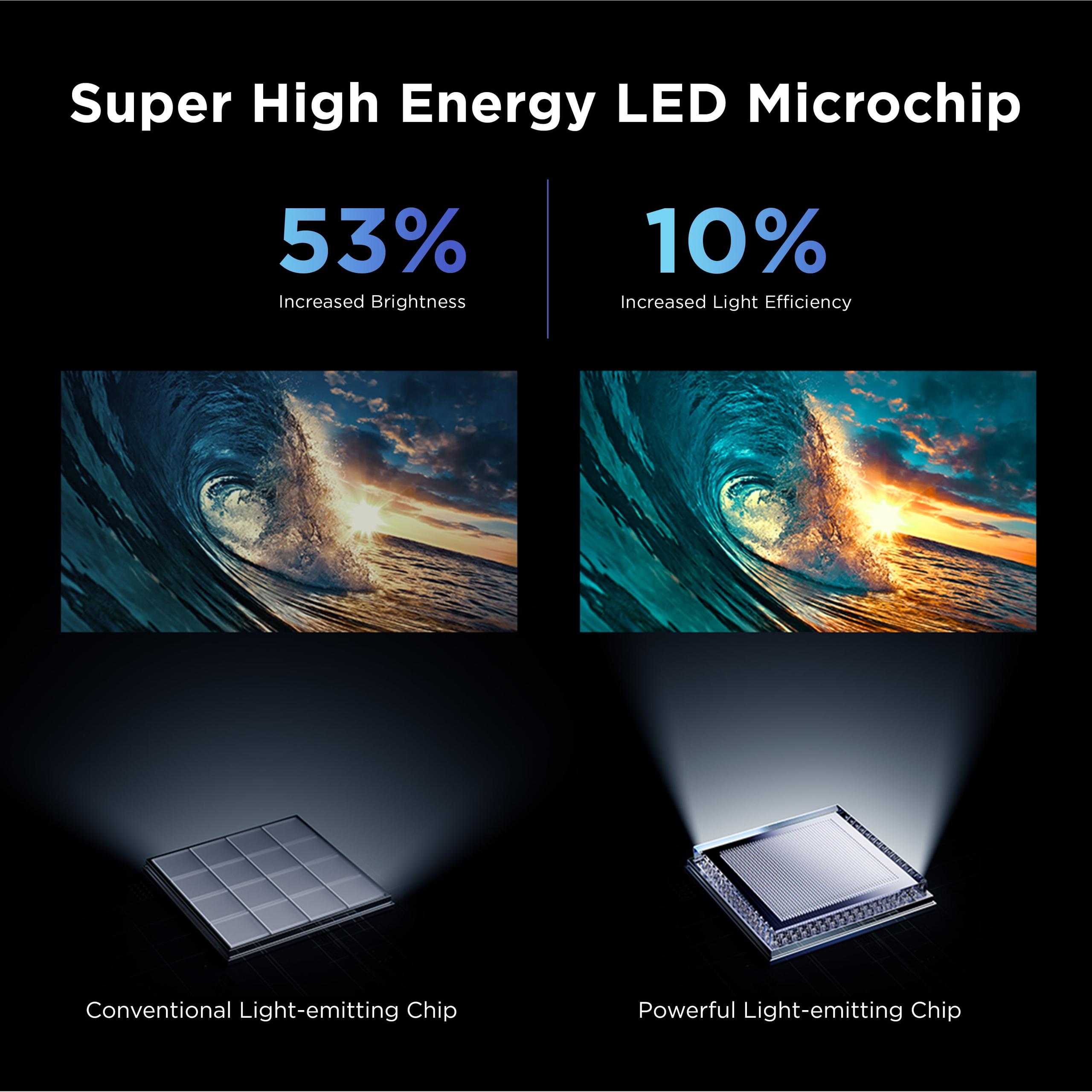
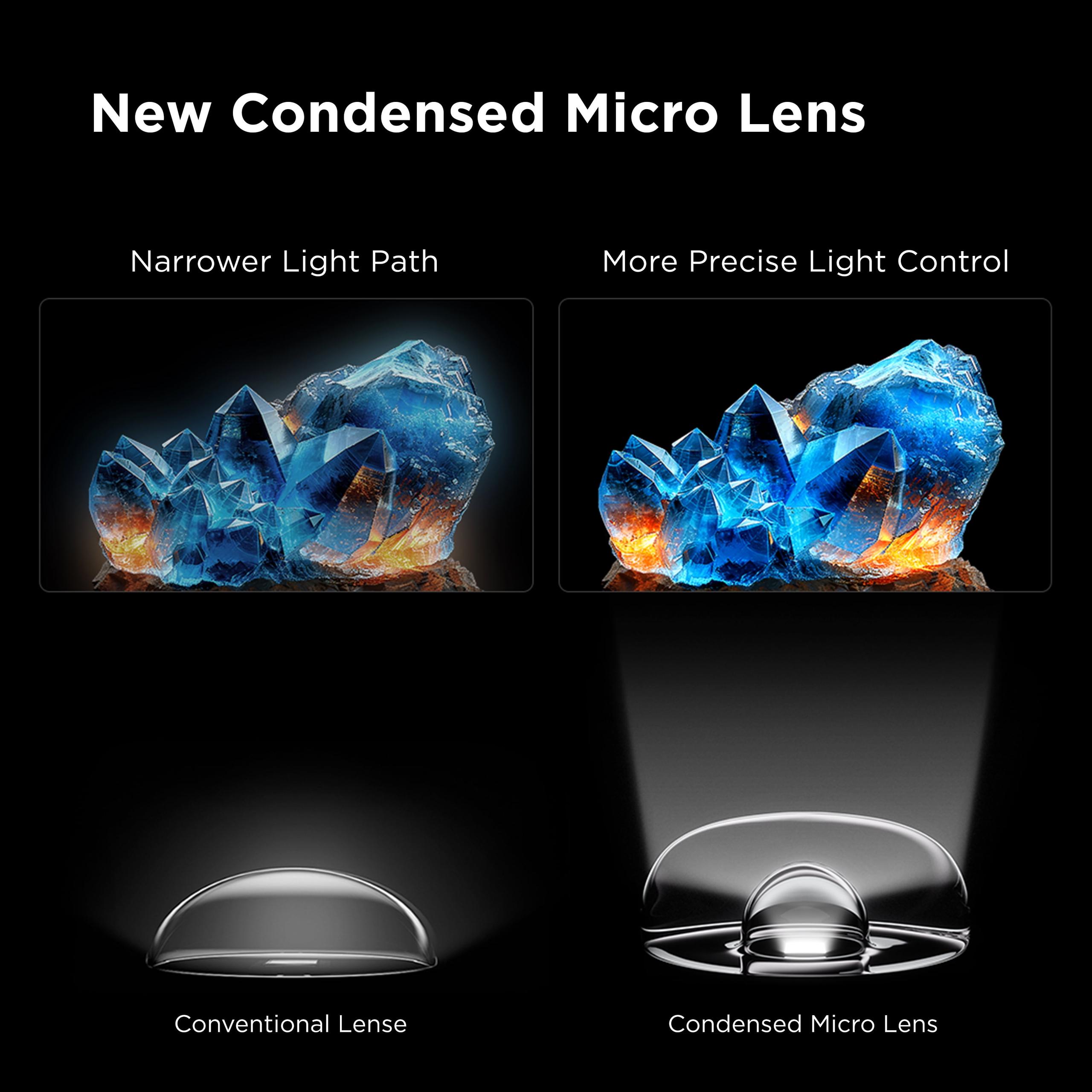
Mini LED solves this by using thousands of tiny LEDs, each smaller than a grain of rice. These can be controlled independently through "local dimming zones" – think of each zone as a dimmer switch for a small section of the screen. More zones mean more precise control, which translates to deeper blacks sitting right next to brilliant whites.
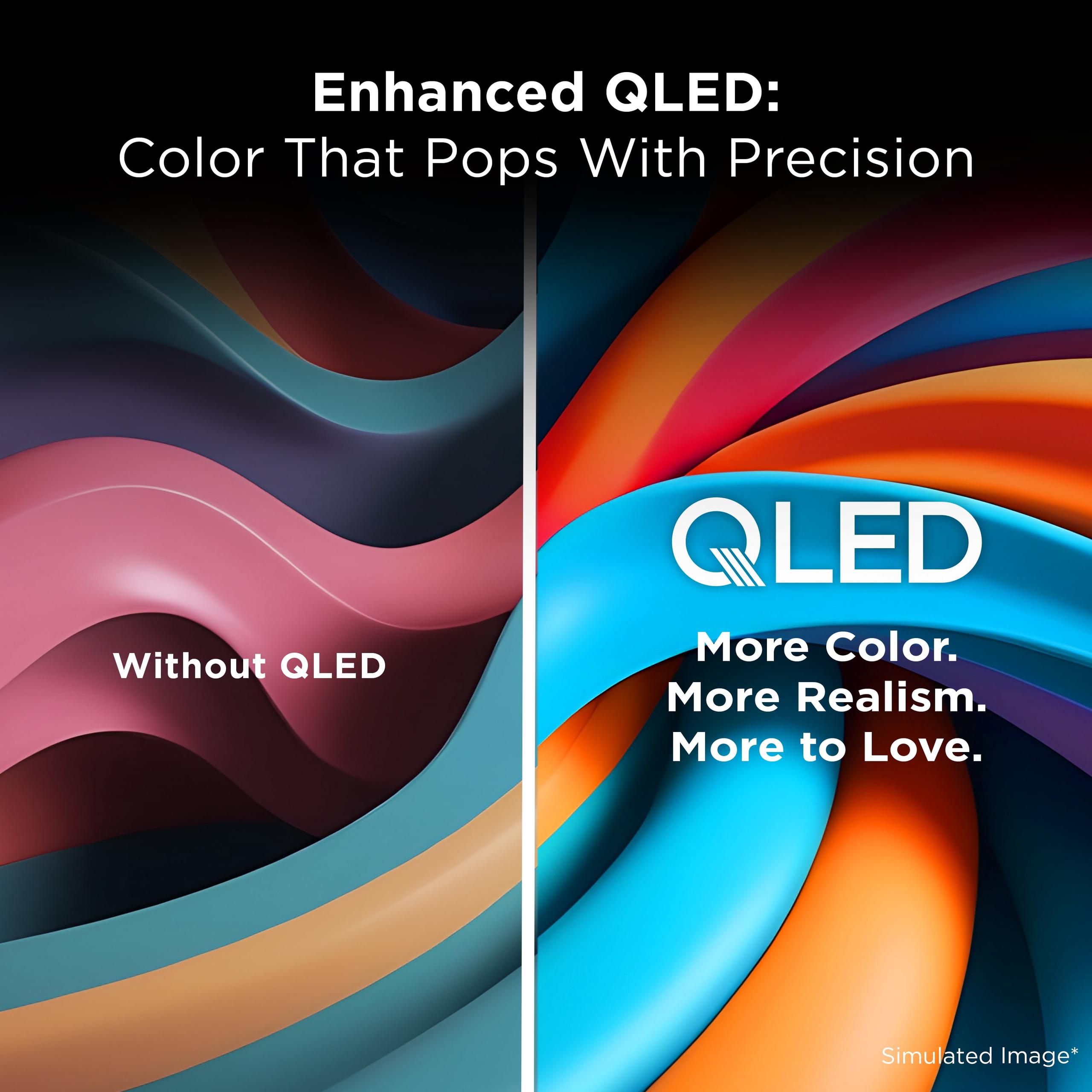
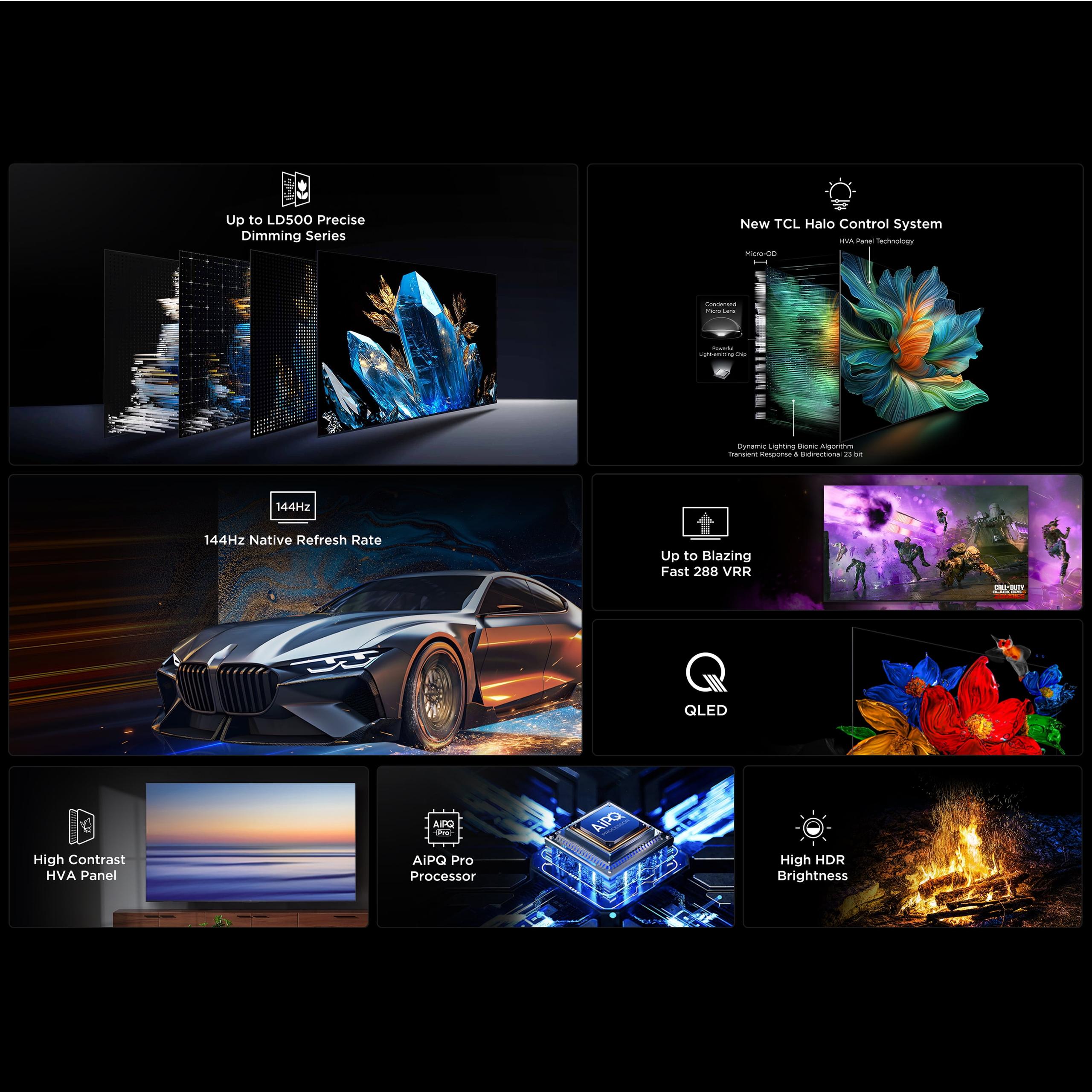
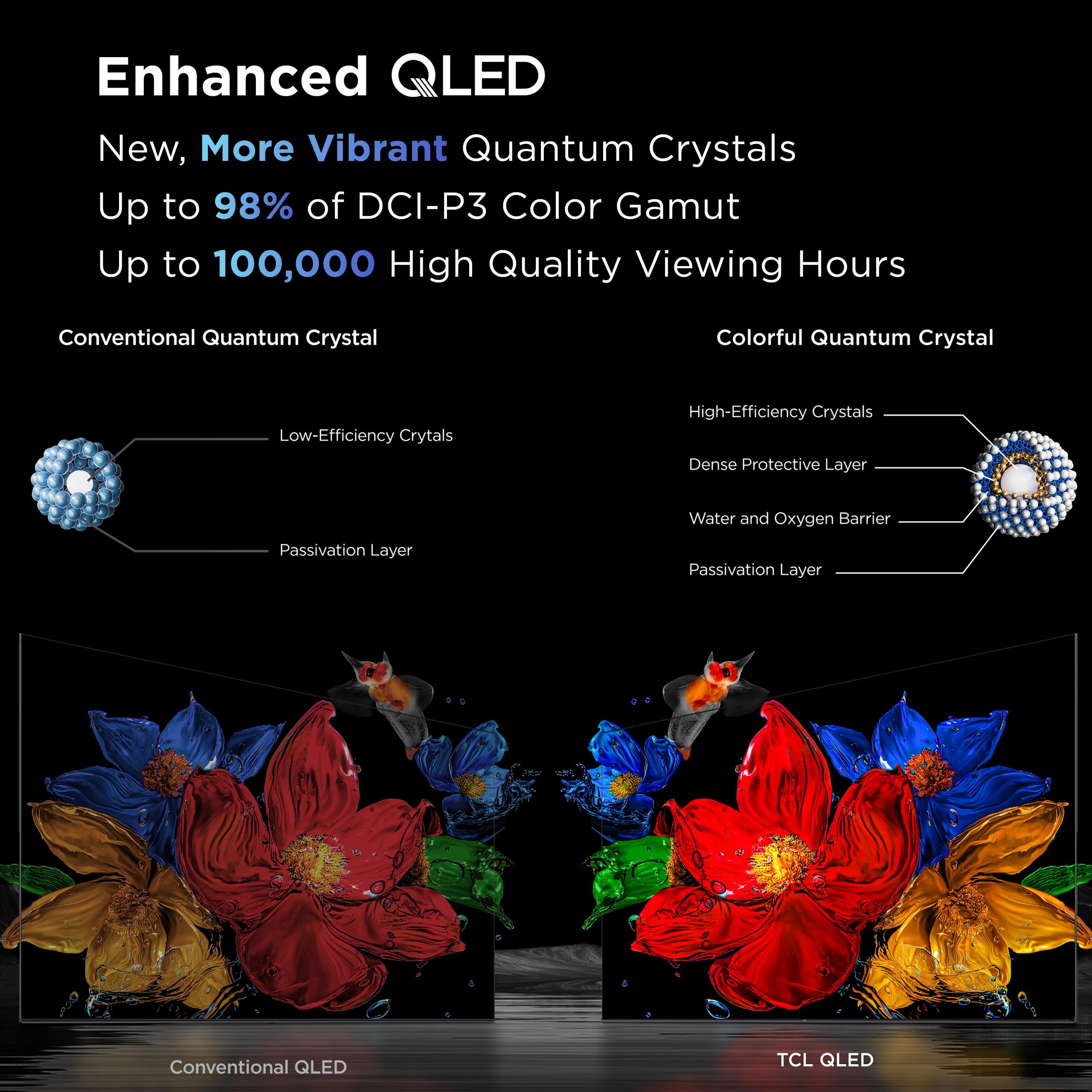
Both the QM9K and QM6K combine this mini LED backlight with quantum dot technology, which enhances colors by using microscopic crystals that emit pure red, green, and blue light when hit with LED light. The result is a picture that approaches OLED-like contrast while maintaining the superior brightness that LCD technology provides.
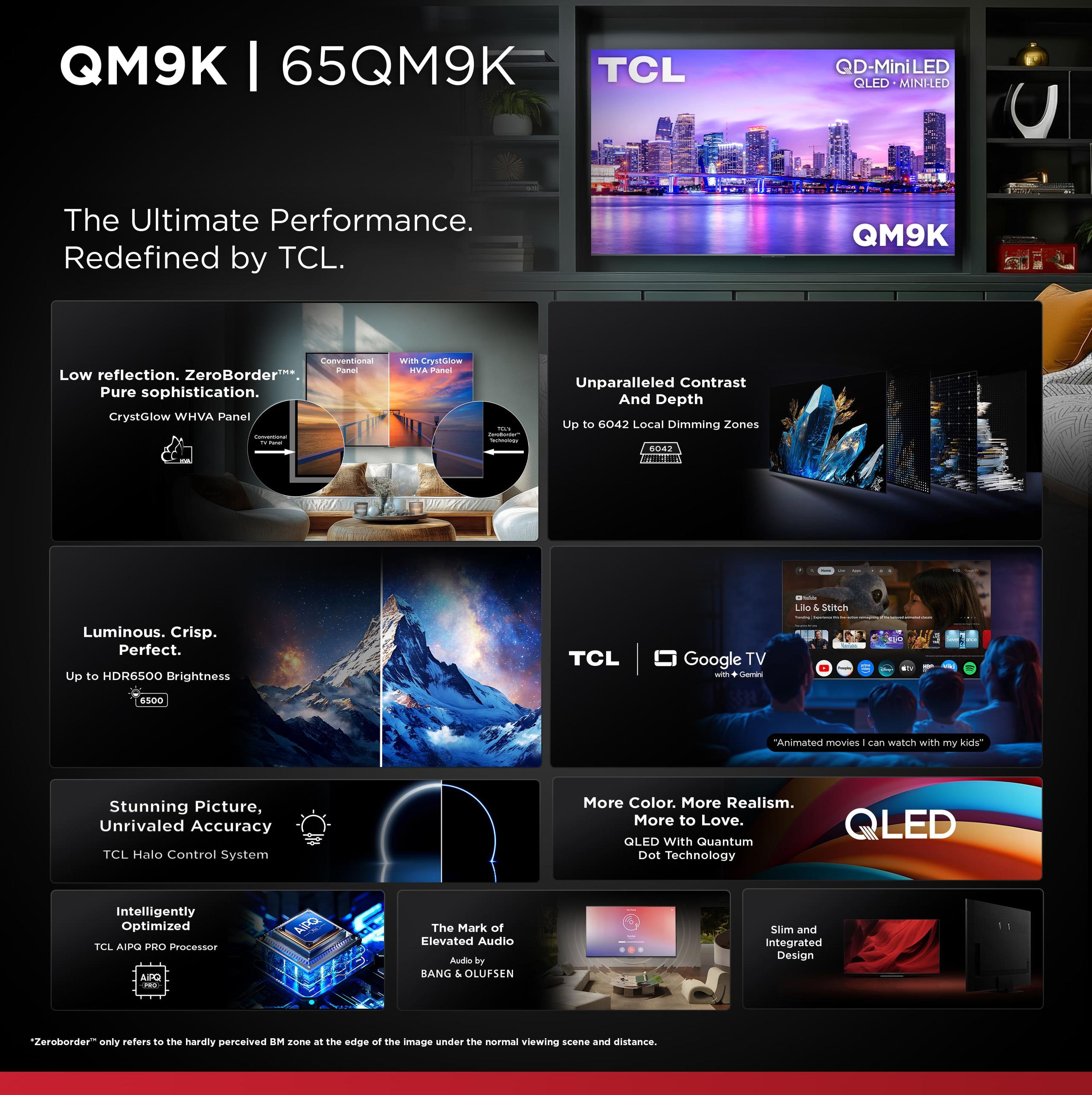
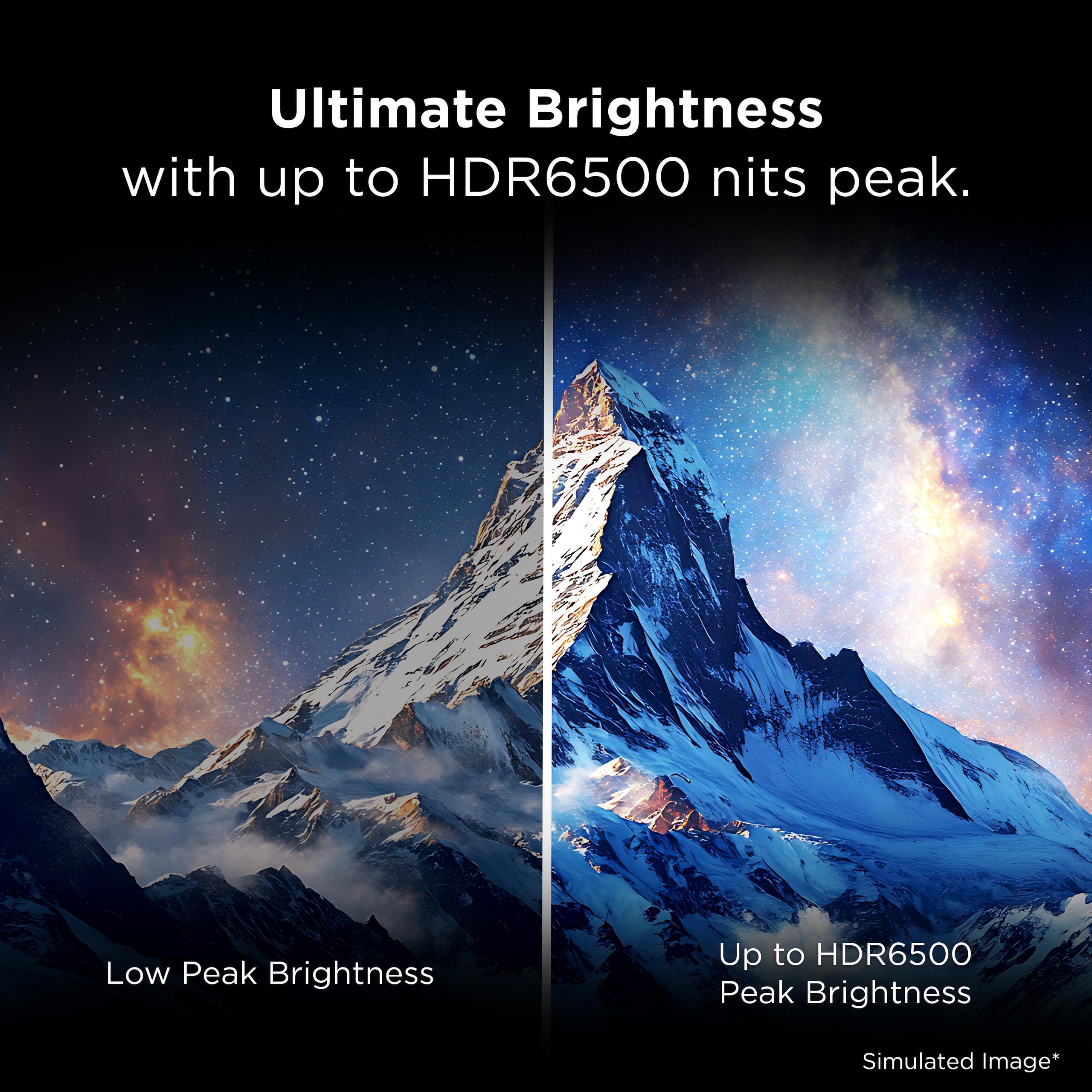
The most dramatic difference between these TVs is brightness capability. The QM9K achieves HDR6500 certification, meaning it can hit an eye-searing 6,500 nits at peak brightness. To put that in perspective, a sunny day outdoors measures about 100,000 nits, while most TVs struggle to reach 1,000 nits.
This extreme brightness isn't just about showing off specs – it fundamentally changes how HDR (High Dynamic Range) content looks. When you're watching a movie with explosions, car headlights, or sunlight streaming through windows, the QM9K can make those highlights feel genuinely bright and impactful. Based on our research of professional reviews, this TV can maintain impressive brightness even across larger areas of the screen, not just tiny highlights.
The QM6K, by contrast, peaks around 750 nits in typical HDR scenes. That's perfectly adequate for most content and still brighter than many budget TVs, but it won't deliver that "wow factor" when HDR content is supposed to dazzle you. If you primarily watch in a dim room and aren't chasing the most impactful HDR experience, this limitation becomes less significant.
For daytime viewing in bright rooms, the QM9K absolutely dominates. It can overpower virtually any amount of ambient light, making it ideal for living rooms with large windows or sports viewing during the day.
Here's where the technical differences become stark. The QM9K features up to 6,000 local dimming zones, while the QM6K has 500 zones. That's a twelve-fold difference in backlight precision.
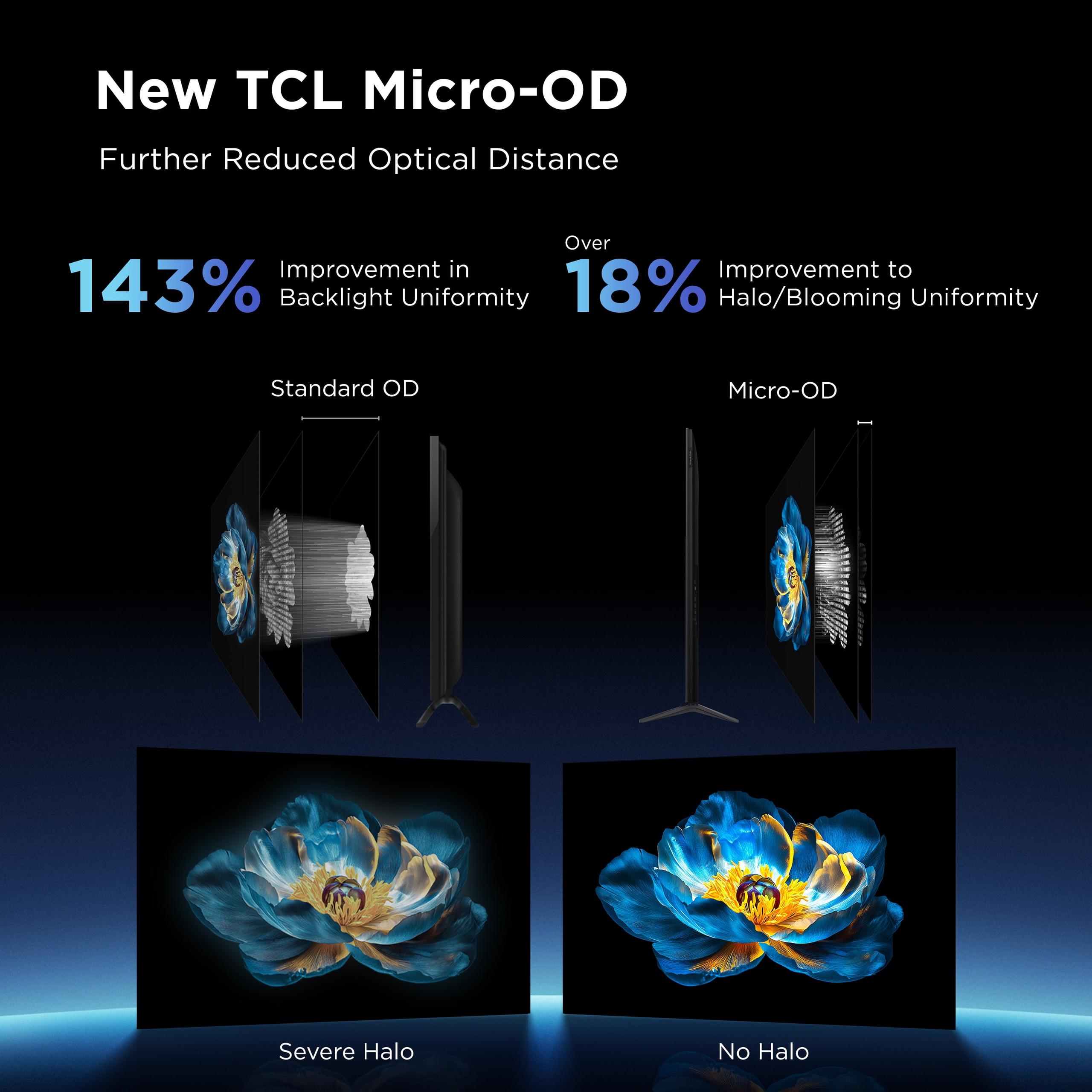
In practice, this translates to how well each TV handles scenes with mixed lighting. Imagine a movie scene with a character holding a flashlight in a dark cave. The QM9K can keep the flashlight beam brilliant while maintaining inky blacks everywhere else, with minimal "haloing" – that unwanted glow around bright objects.
The QM6K handles the same scene competently but with visible compromises. You might notice some haloing around bright objects, and the blacks won't be quite as deep in complex scenes. However, for straightforward content like news, sitcoms, or well-lit movies, both TVs perform similarly.
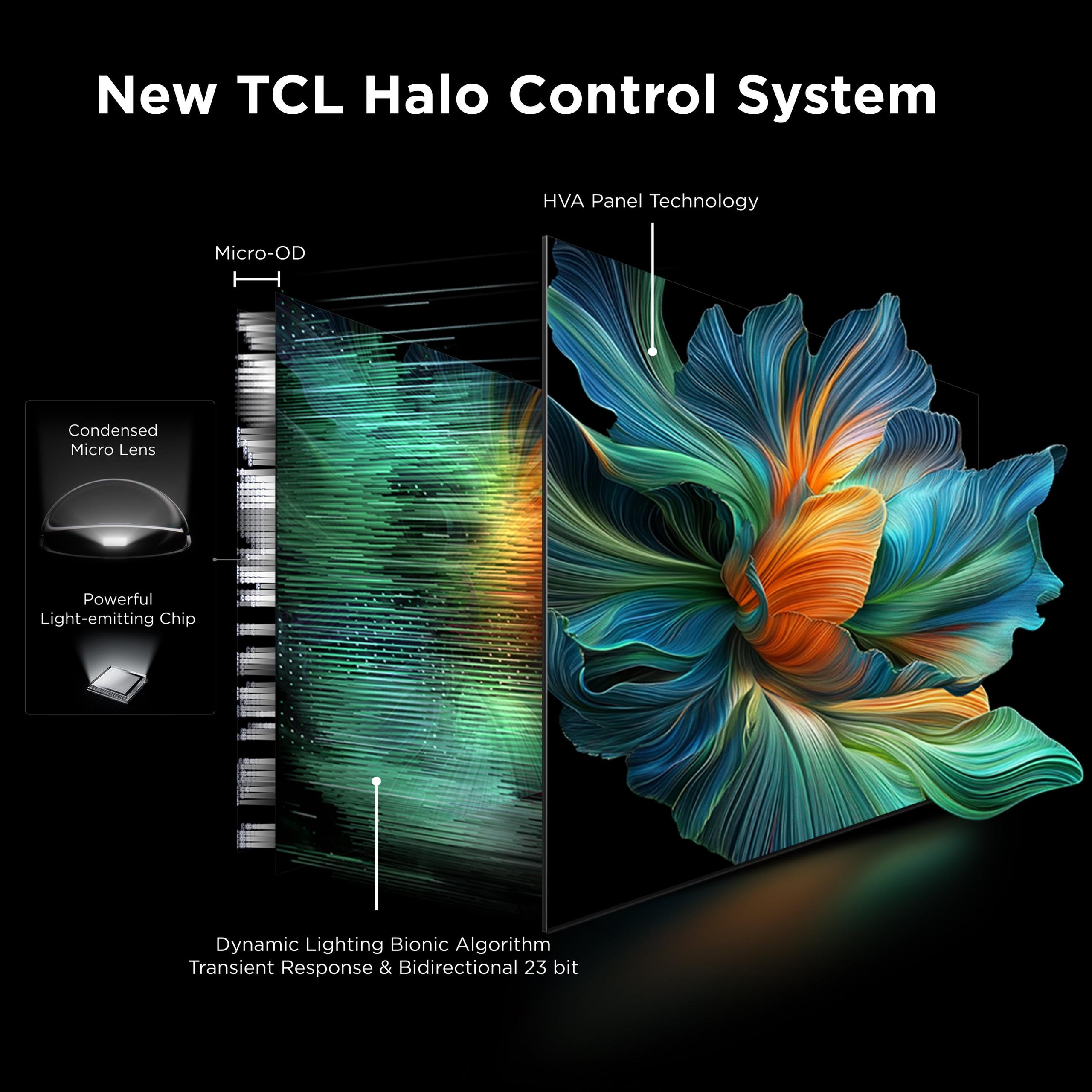
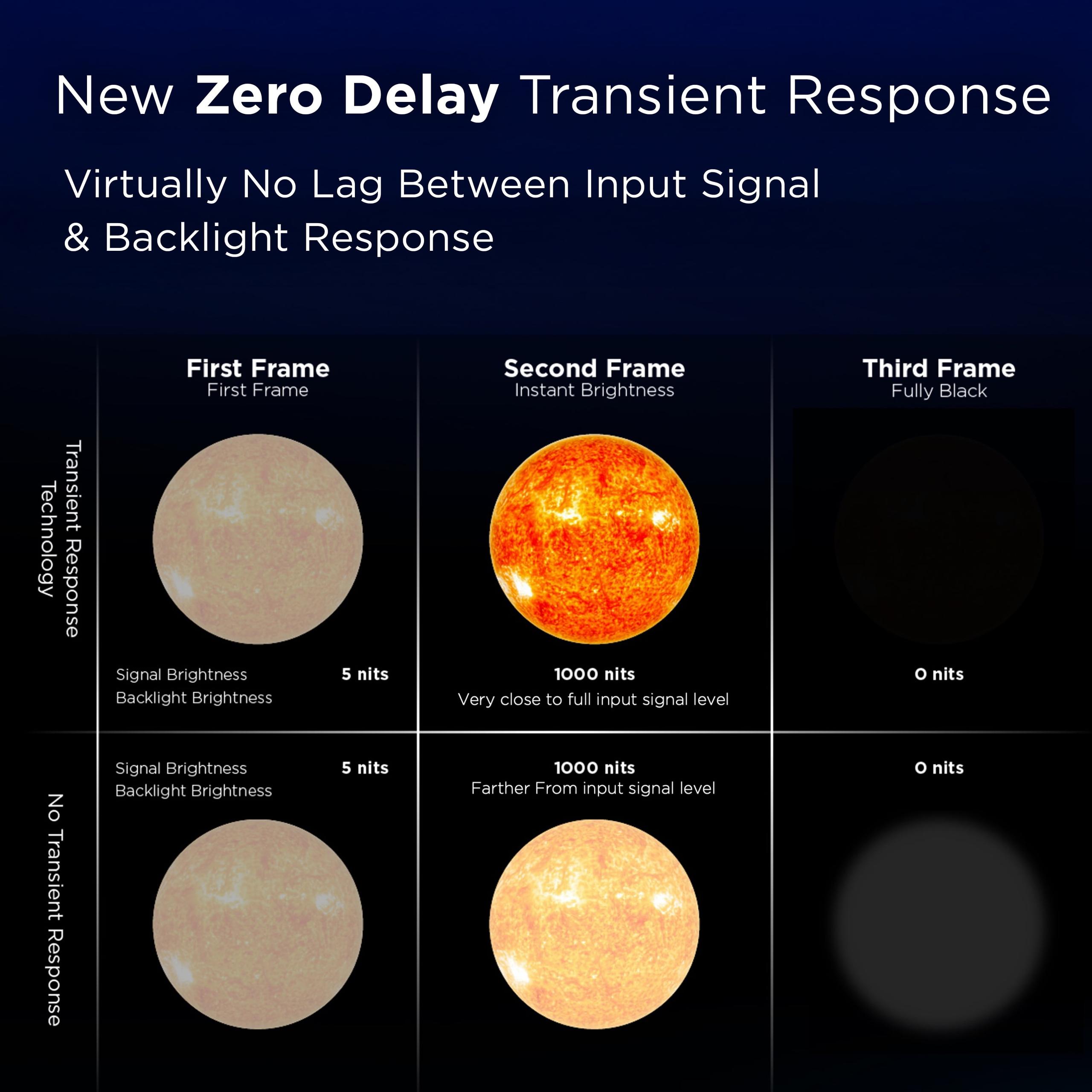
The QM9K also benefits from TCL's advanced Halo Control System, which includes sophisticated algorithms that predict and minimize unwanted light bleeding. The QM6K has a simplified version of this technology that works well for its price point but can't match the flagship's precision.
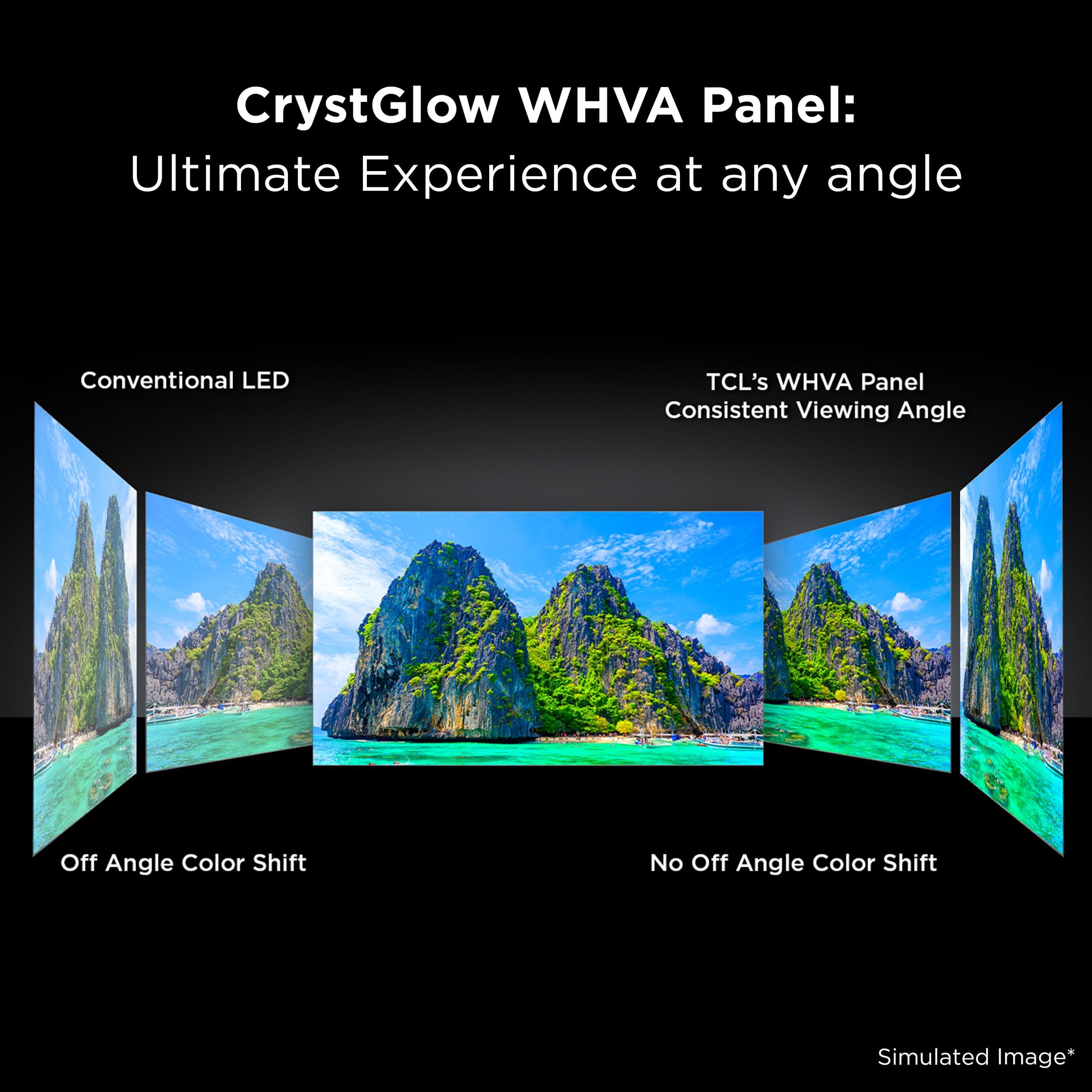
Both TVs cover over 90% of the DCI-P3 color space – the standard used for 4K HDR content – but they approach colors differently. The QM9K uses a CrystGlow WHVA panel with enhanced quantum dot layers that can produce incredibly vibrant colors even at high brightness levels. This "color volume" capability means bright reds, blues, and greens maintain their saturation instead of washing out.
However, our research suggests the QM9K has some color mapping issues out of the box, particularly in HDR content. Professional reviews note that while colors are spectacular, they may not always match the content creator's intent without calibration.
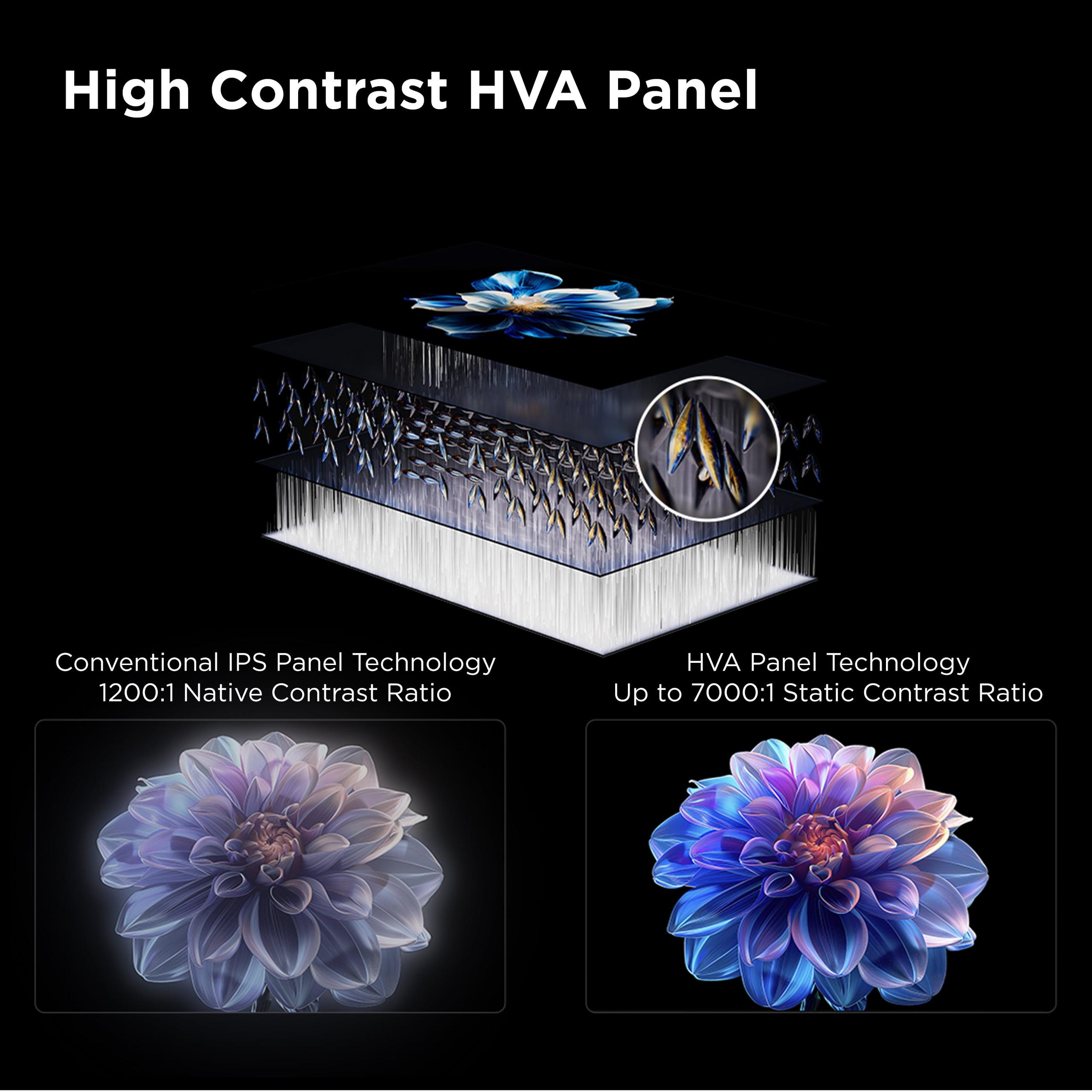
The QM6K takes a more conservative approach with its High Contrast HVA panel. Colors are accurate and pleasing without being as dramatically enhanced. Interestingly, many reviews suggest it has better out-of-box color accuracy than its flagship sibling, making it more "plug and play" friendly.
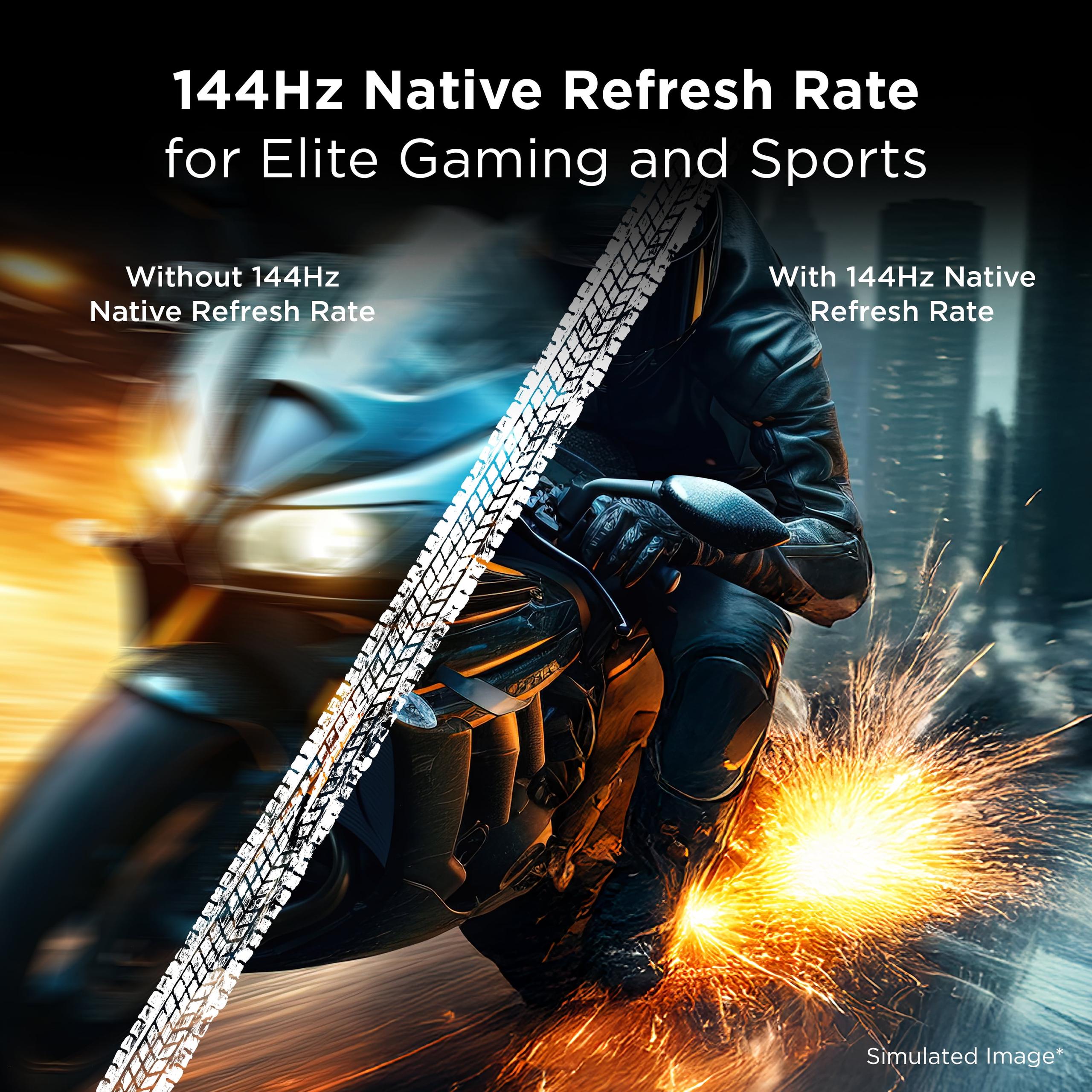
Gaming is where both TVs truly shine, and the differences become less significant. Both offer native 144Hz refresh rates – meaning the panel itself can display 144 frames per second without any processing tricks. This is crucial for smooth motion in fast-paced games and sports content.
The standout feature is Game Accelerator 288, which allows variable refresh rates up to 288Hz at 1080p and 1440p resolutions. For competitive gamers playing first-person shooters or racing games, this ultra-high refresh rate can provide a genuine competitive advantage by reducing motion blur and input lag.
Input lag – the delay between pressing a button and seeing the action on screen – measures extremely low on both models. Based on professional testing, both TVs achieve around 5-6 milliseconds of input lag in game mode, which is virtually imperceptible and competitive with the best gaming TVs available.
The QM9K has a slight edge in HDR gaming thanks to its superior brightness, making highlights in games more impactful. However, the QM6K delivers 95% of the gaming experience at a significantly lower price point, making it an excellent choice for console gamers.
Both support all major gaming features including Auto Low Latency Mode (ALLM), which automatically switches to game mode when it detects a gaming console, and AMD FreeSync Premium Pro for tear-free gaming on compatible devices.
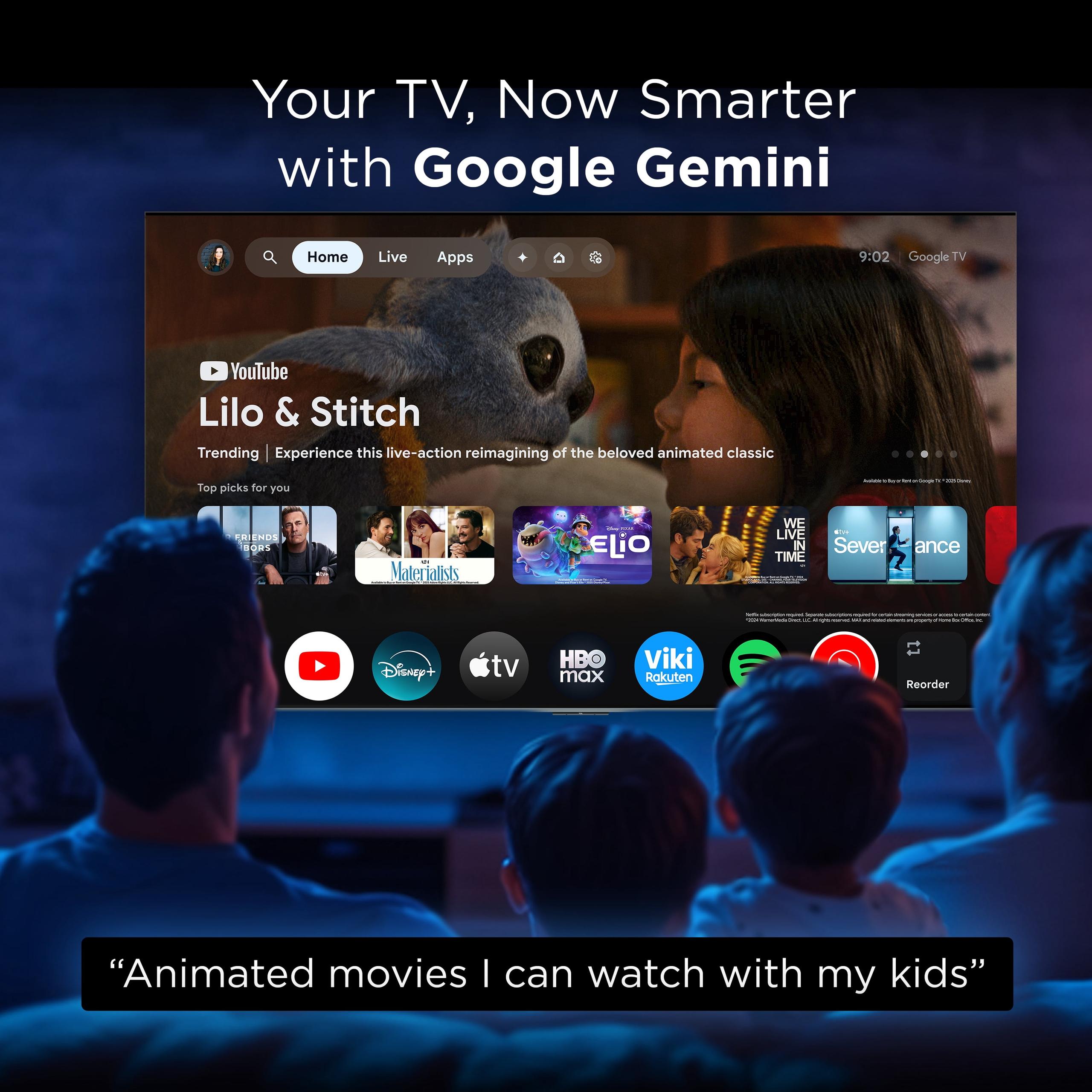
Both TVs run Google TV, which has evolved into one of the most comprehensive smart TV platforms available. The interface is snappy and responsive, with excellent content recommendations that actually improve over time as the system learns your preferences.
The QM9K includes some premium smart features like a presence sensor that can automatically turn the TV on when you enter the room and display ambient information or artwork when you're nearby but not actively watching. It also features enhanced Google Gemini AI integration for more sophisticated voice control.
Both models support all major streaming apps, Chromecast built-in, Apple AirPlay 2, and work with Amazon Alexa and Google Assistant ecosystems. The difference in smart features isn't significant enough to influence most buying decisions.
Audio represents one area where the QM9K provides a genuinely superior experience. Its Bang & Olufsen-tuned 2.1.1 channel system includes a built-in subwoofer that adds meaningful bass response. For users who don't plan to add a soundbar immediately, this enhanced audio system provides a more immersive experience for movies and music.
The QM6K features an Onkyo 2.1 speaker system that's perfectly adequate for casual viewing but lacks the depth and richness of its premium sibling. Both support Dolby Atmos and DTS Virtual:X for spatial audio effects, but the QM9K has the hardware to better realize these formats' potential.
For dedicated home theater setups, the choice becomes more nuanced. The QM9K is clearly superior for rooms with any ambient light, where its extreme brightness becomes a significant advantage. Its superior local dimming also delivers the contrast performance that home theater enthusiasts crave.
However, both TVs have some motion handling limitations that affect the cinematic experience. Professional reviews consistently note visible blur in fast-paced action scenes and some stutter in slow panning shots. While both TVs offer Motion Rate 480 processing to smooth out motion, purists might prefer to disable these features and accept some inherent motion limitations.
For dark room viewing where brightness is less critical, the QM6K can deliver a surprisingly satisfying home theater experience. Its black levels are genuinely impressive for the price point, and the color accuracy is quite good without calibration.
At the time of writing, the QM9K typically costs about 2-2.5 times more than the QM6K. This price ratio makes the value equation relatively straightforward for most buyers.
The QM6K delivers approximately 70-75% of the QM9K's performance at roughly 40-45% of the cost. For the majority of users, this represents exceptional value. The performance gaps are real but not proportional to the price difference.
The QM9K justifies its premium primarily through brightness capability and build quality. If you're not specifically seeking maximum HDR impact or dealing with a very bright room, the performance improvements may not justify the significant price increase.
Choose the QM9K if:
Choose the QM6K if:
After extensive research and analysis, the QM6K emerges as the better choice for most buyers. It delivers the core benefits of mini LED technology – excellent black levels, good brightness, and strong gaming performance – at a price point that makes this premium technology accessible.
The QM9K is undeniably superior in key areas like brightness and local dimming precision, but these advantages matter most in specific scenarios: very bright rooms, maximum HDR impact, or flagship-level home theater setups.
Both TVs represent solid entries in TCL's 2025 lineup, with meaningful improvements in processing power and mini LED implementation compared to previous generations. The choice ultimately comes down to whether the QM9K's premium features align with your specific needs and budget.
For most living rooms and viewing habits, the QM6K provides an excellent introduction to mini LED technology without the financial commitment of a flagship model. However, if you're seeking the absolute best performance and have the budget to match, the QM9K delivers on its flagship promises with genuinely impressive brightness and contrast performance.
| TCL 65" QM9K QD-Mini LED Smart TV | TCL 65" QM6K QD-Mini LED 4K TV |
|---|---|
| Peak HDR Brightness - Critical for impactful HDR and bright room viewing | |
| Up to 6,500 nits (HDR6500) - delivers spectacular highlights and overcomes any room lighting | ~750 nits - adequate for HDR but lacks the "wow factor" of premium models |
| Local Dimming Zones - Controls contrast and minimizes haloing around bright objects | |
| Up to 6,000 zones with advanced Halo Control System - virtually eliminates blooming for OLED-like blacks | 500 zones - good black levels for the price but noticeable haloing in complex scenes |
| Panel Technology - Affects color accuracy and viewing angles | |
| CrystGlow WHVA with enhanced quantum dot layer - superior color volume at high brightness | High Contrast HVA with standard quantum dot - good color accuracy, more conservative approach |
| Gaming Refresh Rate - Smoothness for competitive gaming and sports | |
| 144Hz native, up to 288Hz VRR (1080p/1440p) with Game Accelerator 288 | 144Hz native, up to 288Hz VRR (1080p/1440p) with Game Accelerator 288 |
| Audio System - Built-in sound quality before adding external speakers | |
| Bang & Olufsen 2.1.1 system with subwoofer - rich, room-filling sound | Onkyo 2.1 system - adequate for casual viewing, lacks bass depth |
| Smart Features - Premium conveniences and AI integration | |
| Google TV with Gemini AI, presence sensor, ambient display mode | Google TV with standard voice control - same core functionality, fewer premium features |
| Color Gamut Coverage - How vibrant and accurate colors appear | |
| 97% DCI-P3 coverage but requires calibration for accuracy | 94% DCI-P3 coverage with better out-of-box color accuracy |
| Input Lag - Responsiveness for gaming (lower is better) | |
| ~5.3ms in Game Mode - excellent for competitive gaming | ~5-6ms in Game Mode - virtually identical gaming performance |
| Design and Build Quality - Premium materials and aesthetics | |
| Ultra-slim profile with premium materials and integrated cable management | FullView 360 bezel-less design with standard build quality appropriate for price point |
| Value Proposition - Performance delivered relative to typical pricing | |
| Flagship performance at premium pricing - justified only for brightness-critical scenarios | Excellent mini LED introduction at accessible pricing - outstanding value for most buyers |
The primary difference is brightness and local dimming precision. The TCL QM9K features up to 6,500 nits peak brightness with 6,000 local dimming zones, while the TCL QM6K offers around 750 nits with 500 zones. This makes the QM9K significantly better for bright rooms and impactful HDR, while the QM6K provides excellent value with good performance.
Both TVs offer nearly identical gaming performance with 144Hz native refresh rates, Game Accelerator 288 (up to 288Hz VRR), and extremely low input lag around 5-6ms. The TCL QM9K has a slight edge in HDR gaming due to superior brightness, but the TCL QM6K delivers 95% of the gaming experience at a much lower price point.
The TCL QM9K is dramatically better for bright rooms due to its HDR6500 brightness capability that can overpower virtually any ambient light. The TCL QM6K works adequately in moderately lit rooms but may struggle with picture quality in very bright environments with large windows or strong lighting.
The TCL QM9K features a Bang & Olufsen-tuned 2.1.1 channel system with a built-in subwoofer, providing richer bass and overall audio quality. The TCL QM6K has an Onkyo 2.1 speaker system that's adequate for casual viewing but lacks the depth and richness of the flagship model. Both support Dolby Atmos.
For dedicated home theaters, the TCL QM9K is superior due to its exceptional contrast from 6,000 local dimming zones and superior audio system. However, for dark room viewing where brightness is less critical, the TCL QM6K can provide a surprisingly satisfying cinematic experience with impressive black levels for its price point.
For typical mixed usage including news, sitcoms, movies, and sports, the TCL QM6K provides excellent performance across all categories without flagship pricing. Choose the TCL QM9K only if you prioritize maximum brightness, have a very bright room, or want the absolute best mini LED performance available.
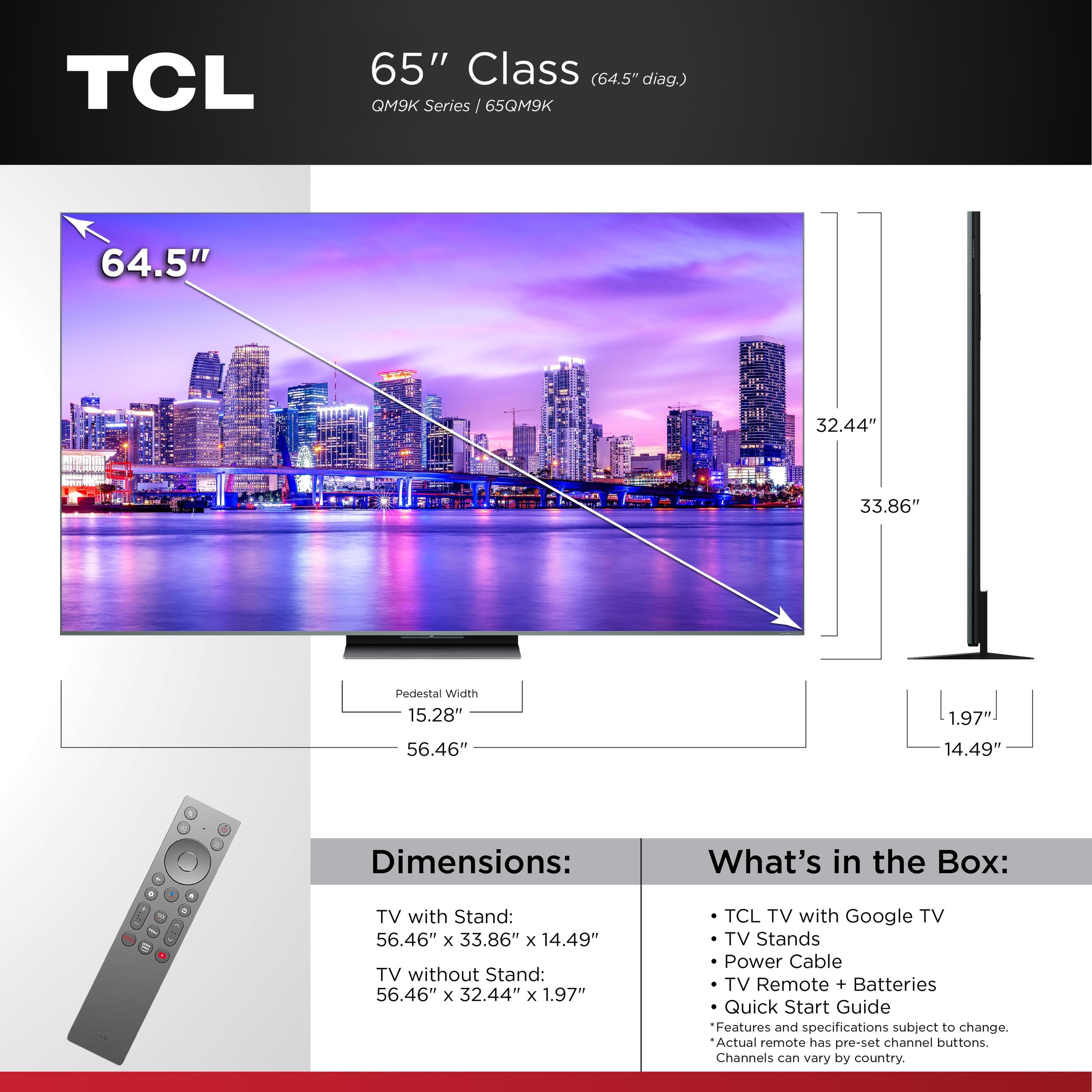
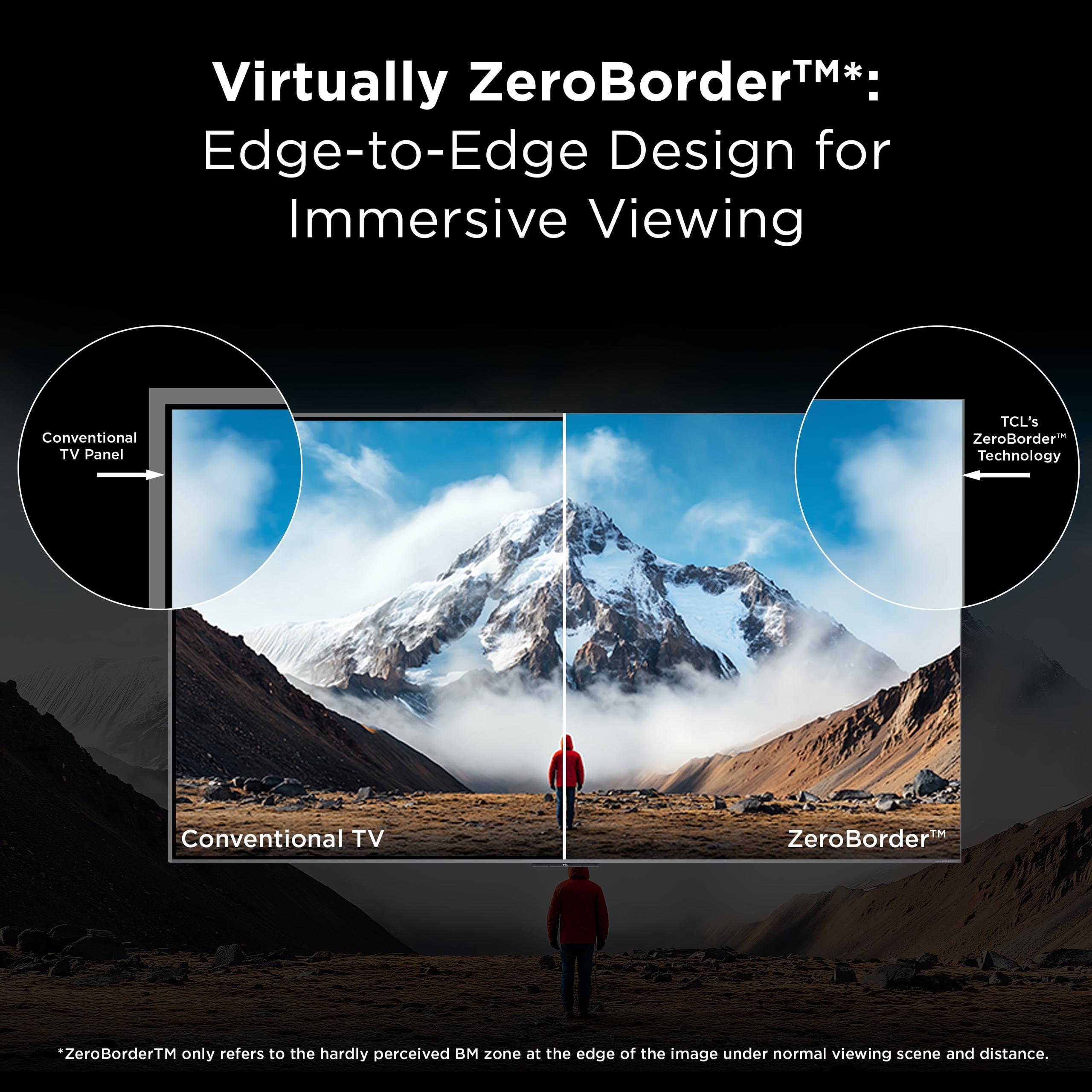
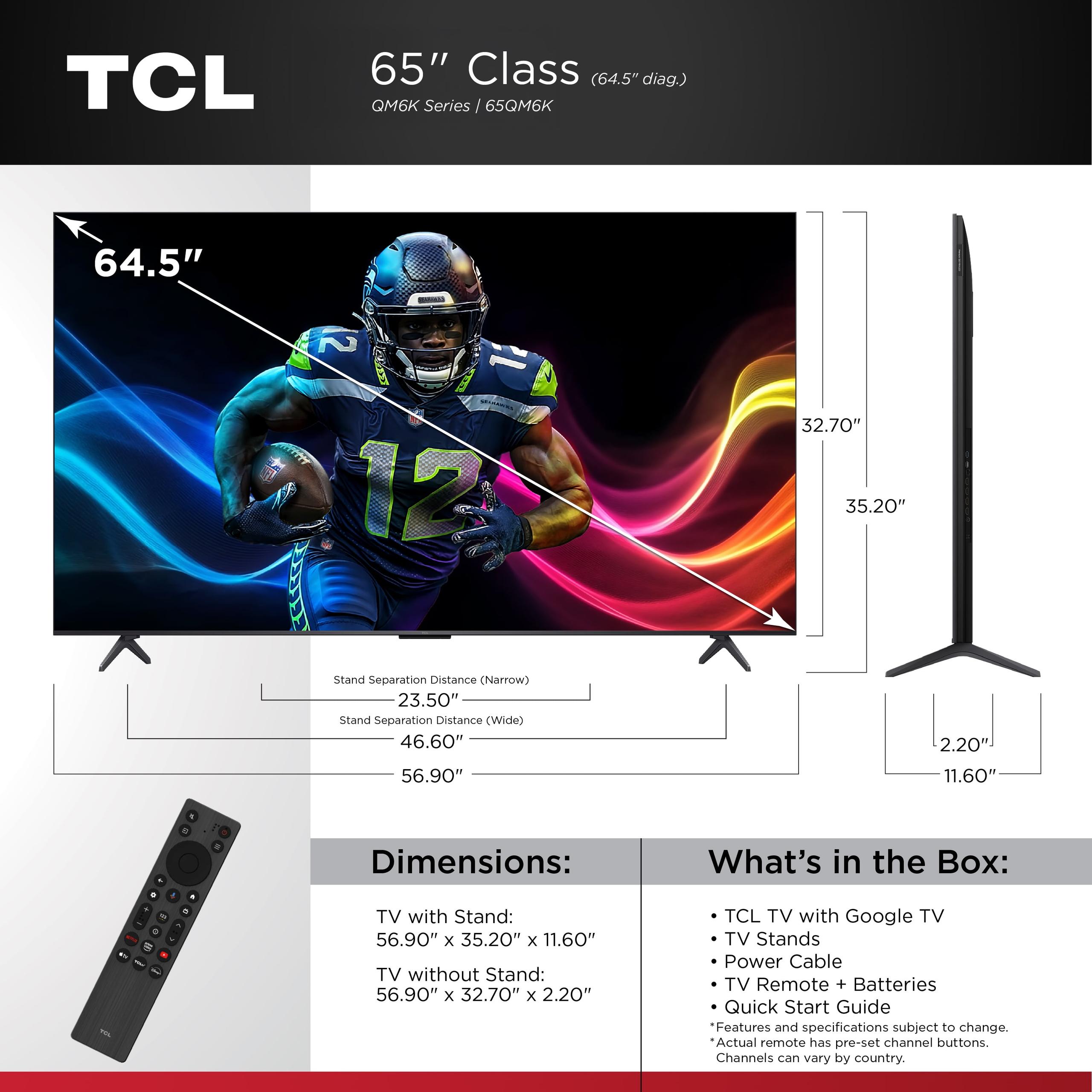
The TCL QM9K features premium materials, ultra-slim profile, and integrated cable management for a more refined appearance. The TCL QM6K offers a FullView 360 bezel-less design with solid build quality appropriate for its price point. Both are VESA wall mount compatible, but the QM9K has superior industrial design and materials.
We've done our best to create useful and informative comparisons to help you decide what product to buy. Our research uses advanced automated methods to create this comparison and perfection is not possible - please contact us for corrections or questions. These are the sites we've researched in the creation of this article: rtings.com - bestbuy.com - youtube.com - youtube.com - youtube.com - techaeris.com - displayspecifications.com - pcrichard.com - residentialsystems.com - us.tcl.com - displayspecifications.com - valueelectronics.com - woodruffappliance.com - tcl.com - pcrichard.com - tcl.com - techradar.com - tcl.com - us.tcl.com - youtube.com - youtube.com - bestbuy.com - youtube.com - youtube.com - tomsguide.com - youtube.com - tcl.com - tomsguide.com - youtube.com - youtube.com - hometechnologyreview.com - rtings.com - bestbuy.com - tcl.com - youtube.com - youtube.com - bestbuy.com - youtube.com - youtube.com - youtube.com - tcl.com - youtube.com - walmart.com - tcl.com - displayspecifications.com - kitele.com - displayspecifications.com - flatpanelshd.com - woodruffappliance.com - displayspecifications.com - prnewswire.com - youtube.com - abt.com - youtube.com - tclkenya.co.ke - budgethomefurn.com

Privacy Policy
Terms and Conditions - Affiliate Policy
Home Security
© Copyright 2008-2026.
11816 Inwood Rd #1211, Dallas, TX 75244