

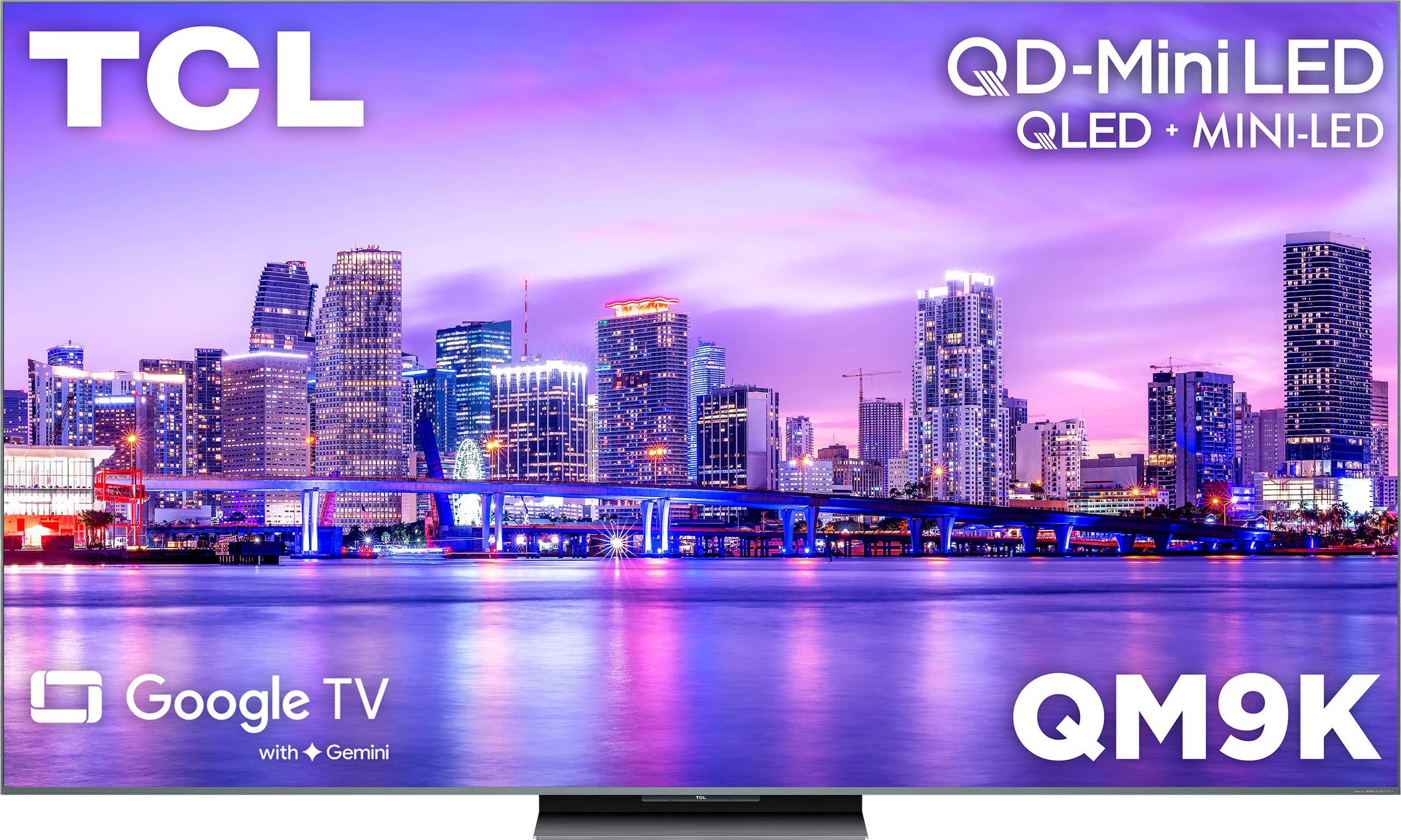
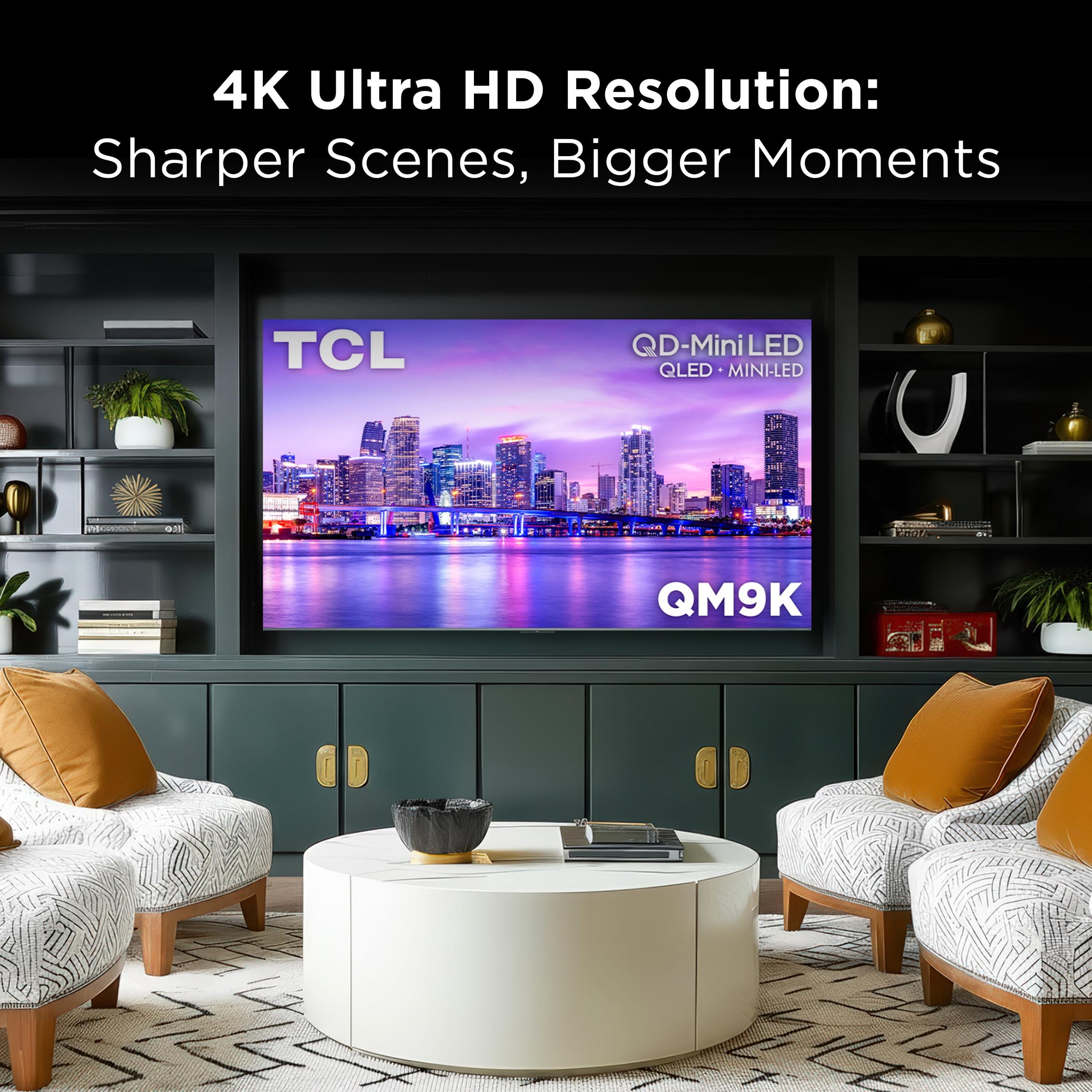
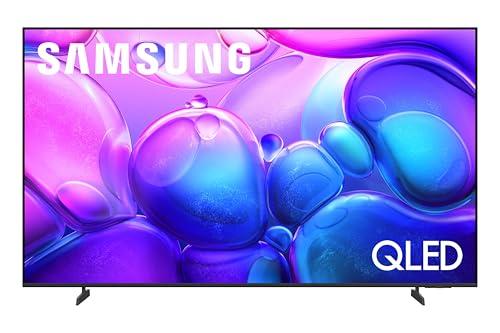
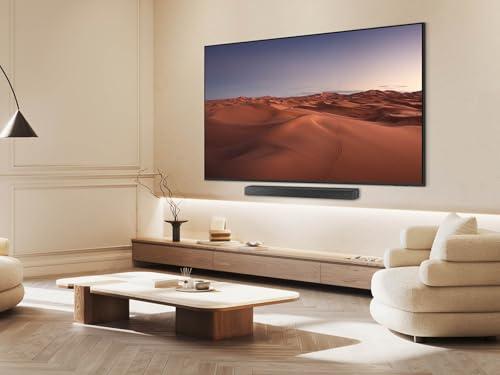
When you're shopping for a big-screen TV to anchor your living room or home theater, you'll quickly discover there are two main paths: pay more for cutting-edge display technology in a smaller size, or maximize screen real estate with more basic tech for less money. This fundamental choice perfectly captures the difference between the TCL 65" QM9K and Samsung 75" Q6F.
Released in 2025, both TVs represent their manufacturers' latest thinking, but they target completely different buyers. The TCL QM9K packs flagship-level display technology into a 65-inch package, while the Samsung Q6F stretches that budget across 75 inches of more conventional QLED tech. At the time of writing, these TVs sit in different price brackets entirely—the TCL costs about 2.5 times more than the Samsung, making this less about direct competition and more about understanding what you're getting for your money.
Before diving into specifics, it's worth understanding what separates these approaches. Traditional LED TVs—including most QLEDs—use a backlight that illuminates the entire screen. Think of it like a flashlight behind a photograph: you can make the whole image brighter or darker, but you can't selectively brighten just the sun while keeping the shadows dark.
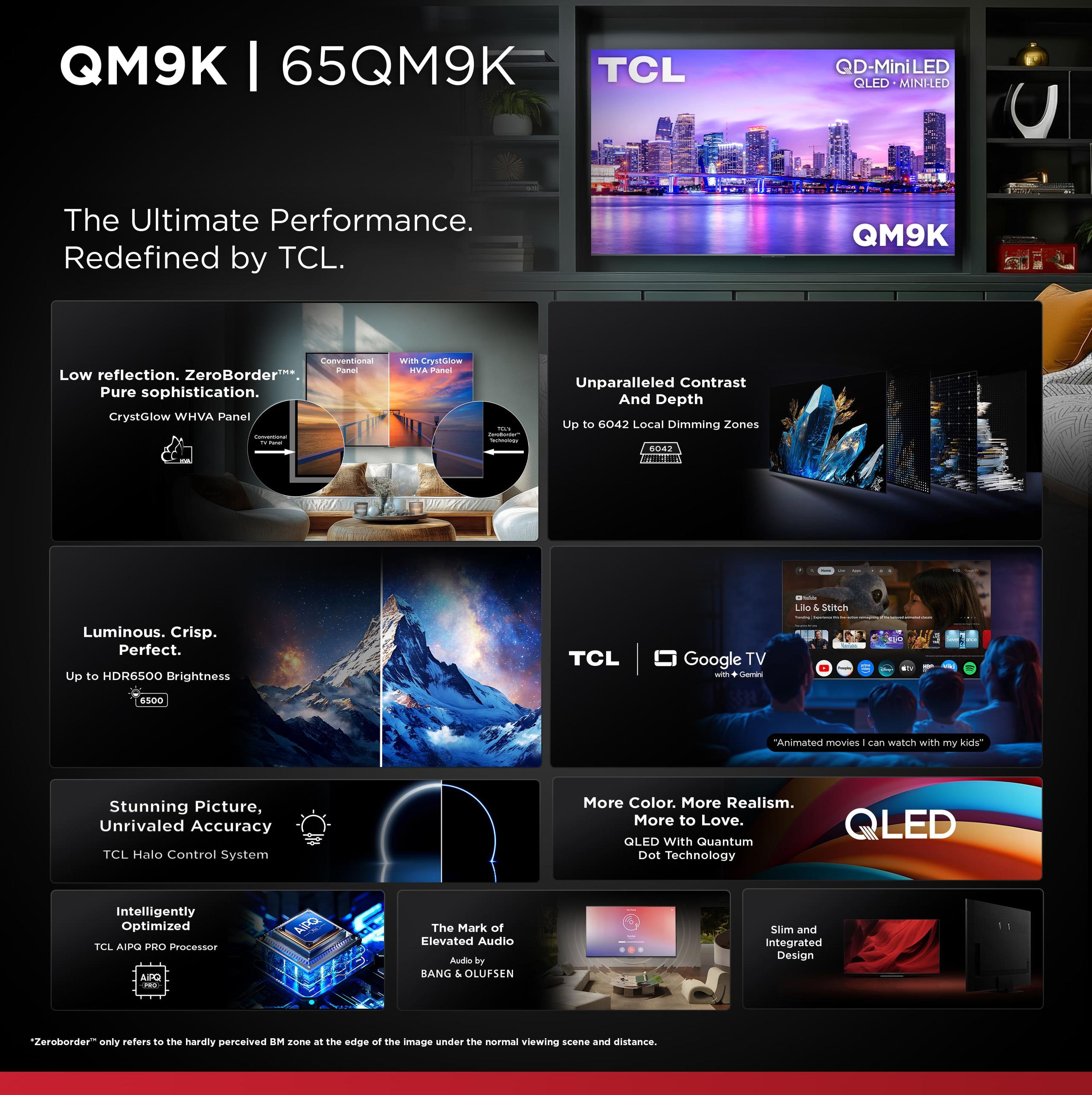
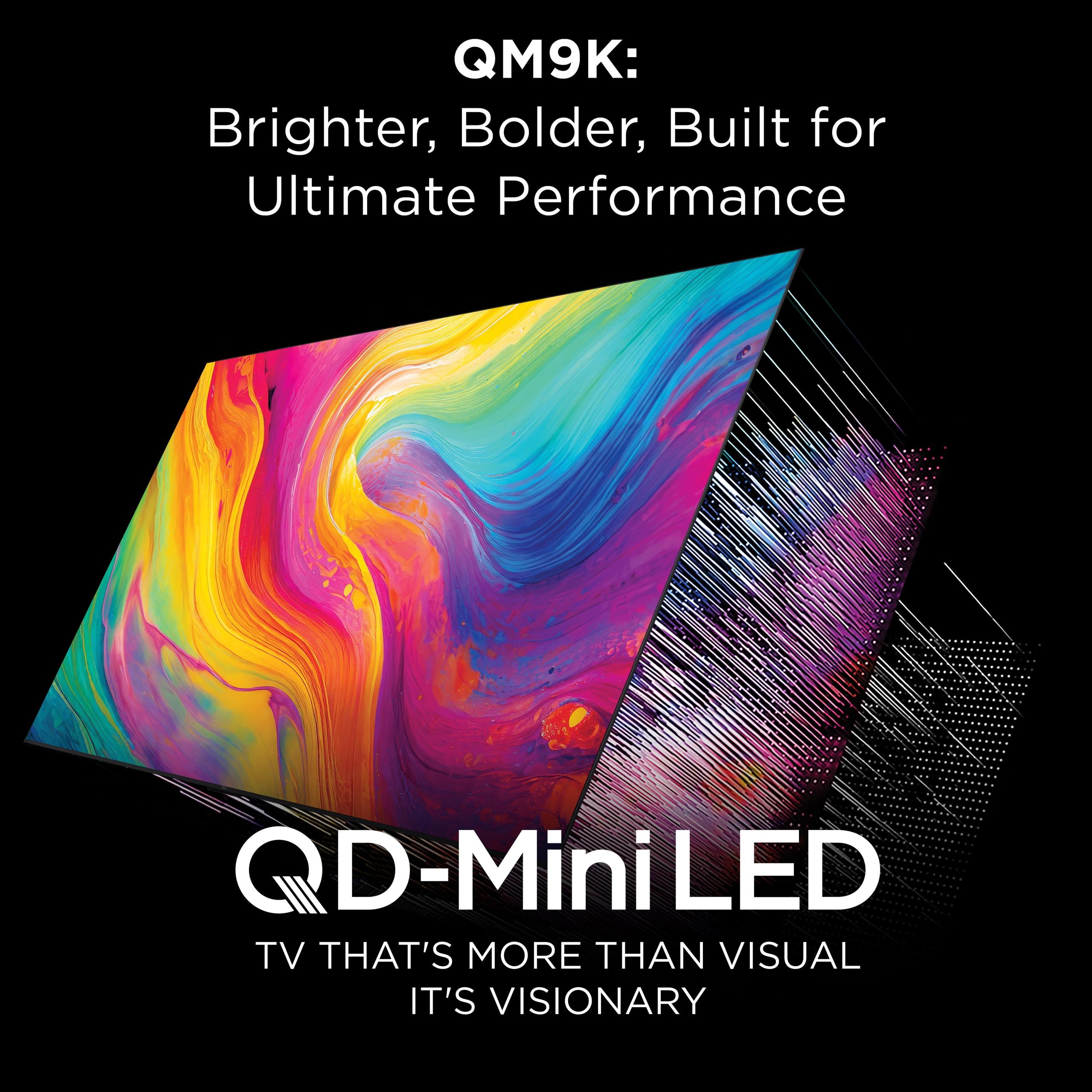
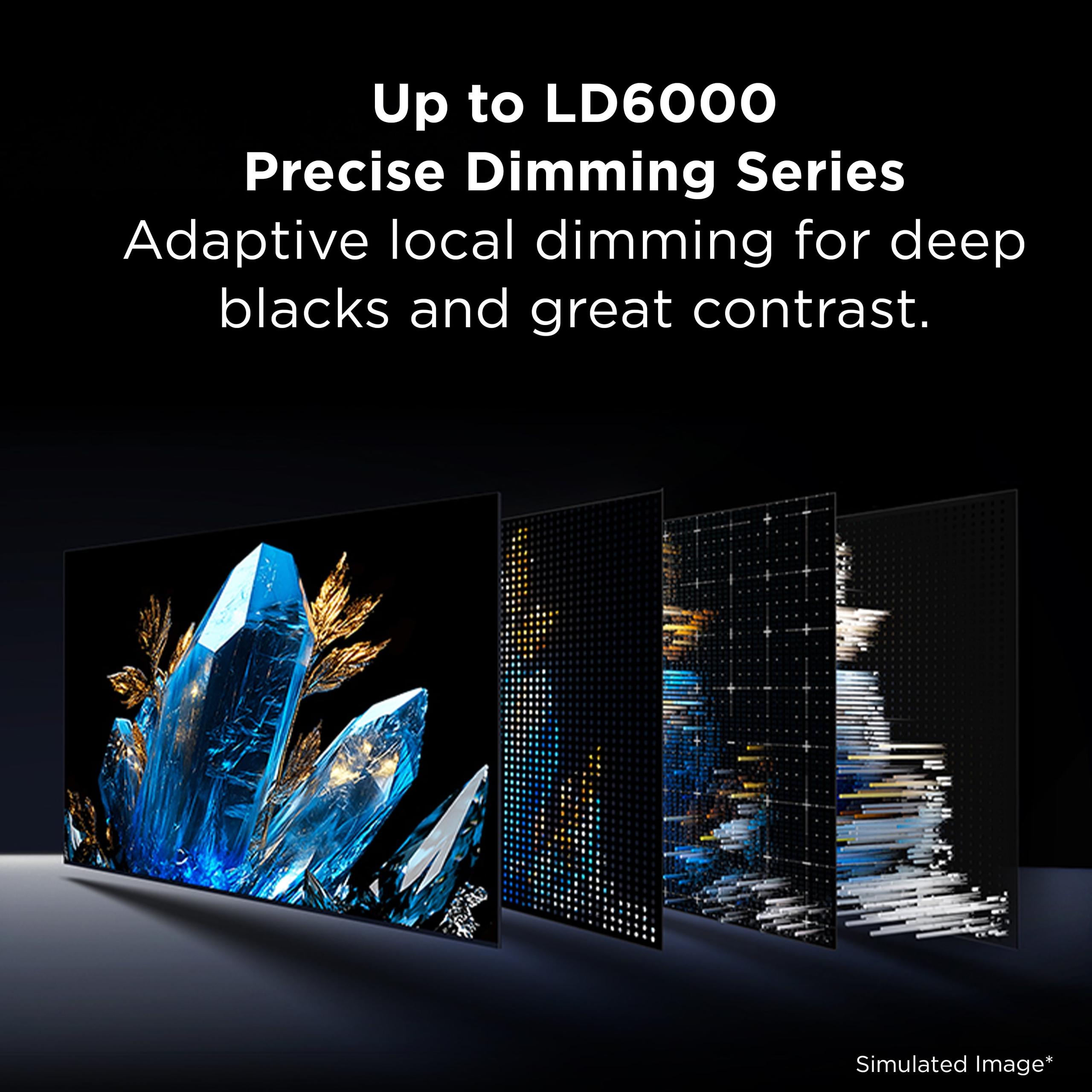
Mini-LED changes this completely. The TCL QM9K uses thousands of tiny LEDs (called "zones") that can independently brighten or dim specific areas of the screen. With up to 6,000 of these zones, it can make a bright explosion pop while keeping the surrounding darkness truly black—something that's crucial for movies and HDR content.
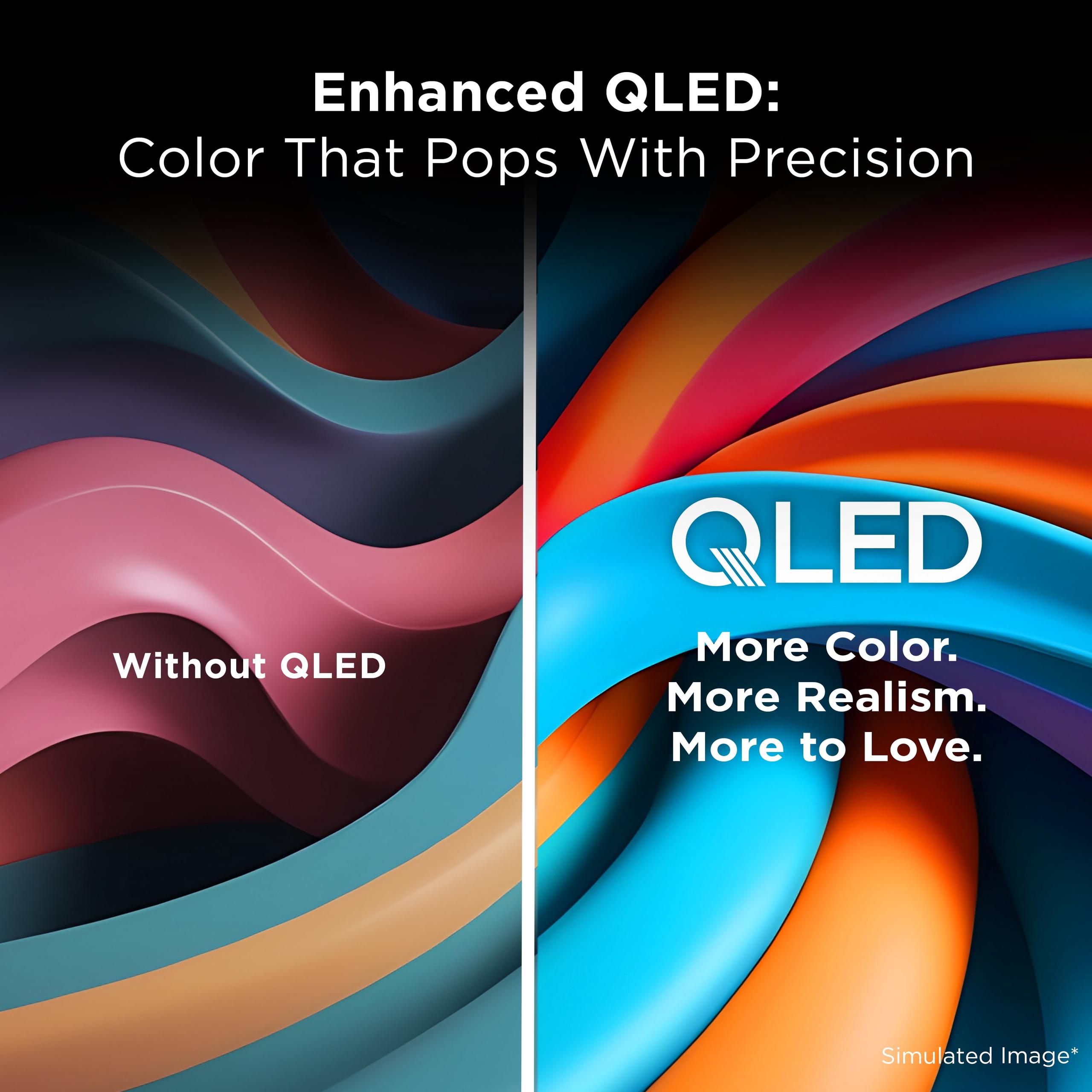
The Samsung Q6F sticks with traditional QLED, which still offers vibrant colors through quantum dot technology (microscopic crystals that produce pure colors when hit with light), but lacks the precise control that Mini-LED provides. It's the difference between painting with a fine brush versus a roller—both can create a picture, but one offers far more precision.
The display quality difference between these TVs becomes immediately apparent in dark room viewing. The TCL QM9K delivers what's genuinely impressive contrast performance. Those 6,000 dimming zones mean when you're watching a movie with a campfire scene, the flames will glow brilliantly while the surrounding forest stays inky black. Traditional edge-lit or basic LED TVs would make that whole scene appear grayish.
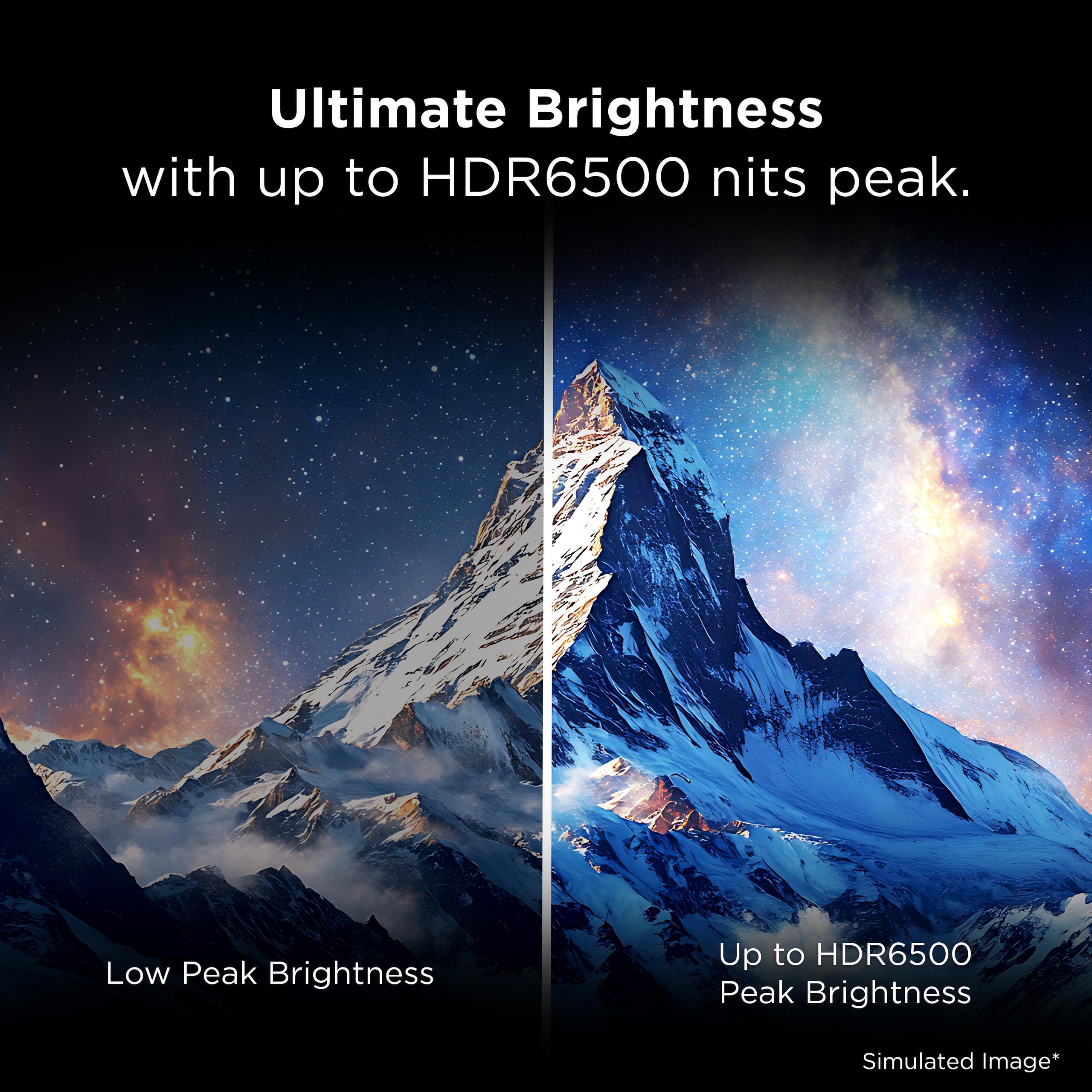
Peak brightness tells another crucial story. The TCL QM9K can hit 6,500 nits in small areas—that's bright enough to make HDR highlights genuinely pop, even in a bright living room. For context, most TVs max out around 400-600 nits, while movie theaters typically show content at 48 nits. This extreme brightness capability means HDR content looks as intended, with specular highlights (think car headlights, explosions, or sunlight reflecting off water) that actually grab your attention.
The Samsung Q6F operates more conservatively. While it offers quantum dot color enhancement and decent overall brightness for daily viewing, it can't match the TCL's HDR impact. In practical terms, this means HDR movies and shows will look more vivid on the Samsung than on a basic LED TV, but won't deliver that "wow" moment you get from premium displays.
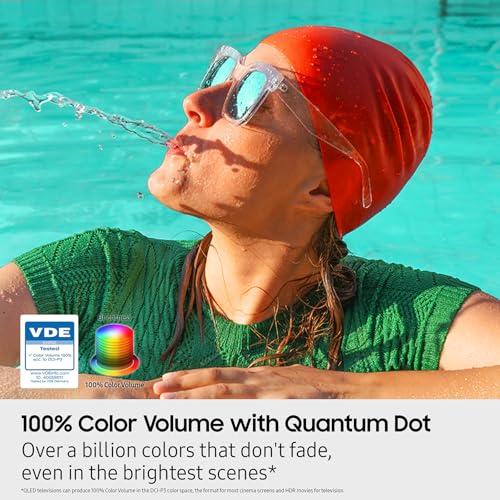
Color reproduction reveals each TV's priorities. The TCL QM9K covers 97% of the DCI-P3 color space (the standard used for digital cinema) and maintains color accuracy even at high brightness levels. The Samsung Q6F achieves 100% color volume within its capabilities, meaning colors stay vibrant across its brightness range, though that range isn't as extensive.
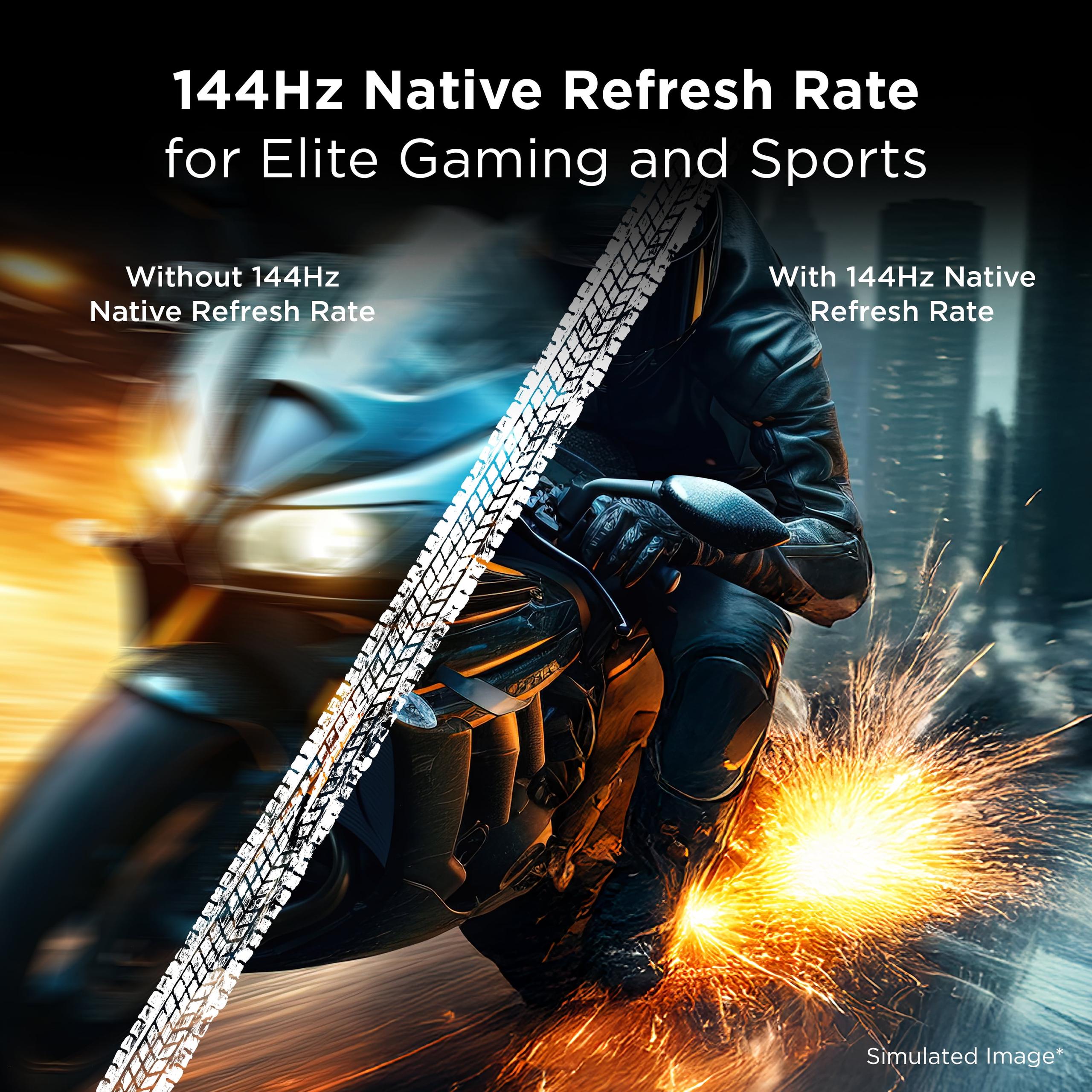
Gaming capabilities separate these TVs dramatically. The TCL QM9K was clearly designed with serious gamers in mind. Its 144Hz native refresh rate means it can display 144 unique frames per second—crucial for competitive gaming where every millisecond matters. Even more impressively, it supports up to 288Hz at 1080p through its "Game Accelerator 288" feature.
Input lag—the delay between pressing a button and seeing the result on screen—measures just 5.3 milliseconds on the TCL. For perspective, most people can't perceive delays under 20ms, so this is exceptionally responsive. Combined with AMD FreeSync Premium Pro support (which eliminates screen tearing by synchronizing the TV's refresh rate with your gaming device), it delivers a premium gaming experience that rivals dedicated gaming monitors.
The Samsung Q6F offers competent but basic gaming features. Its 60Hz refresh rate handles standard gaming fine, and it includes Auto Game Mode to reduce input lag automatically. However, it lacks the high refresh rates and advanced variable refresh rate features that make the TCL future-proof for next-generation consoles and PC gaming.
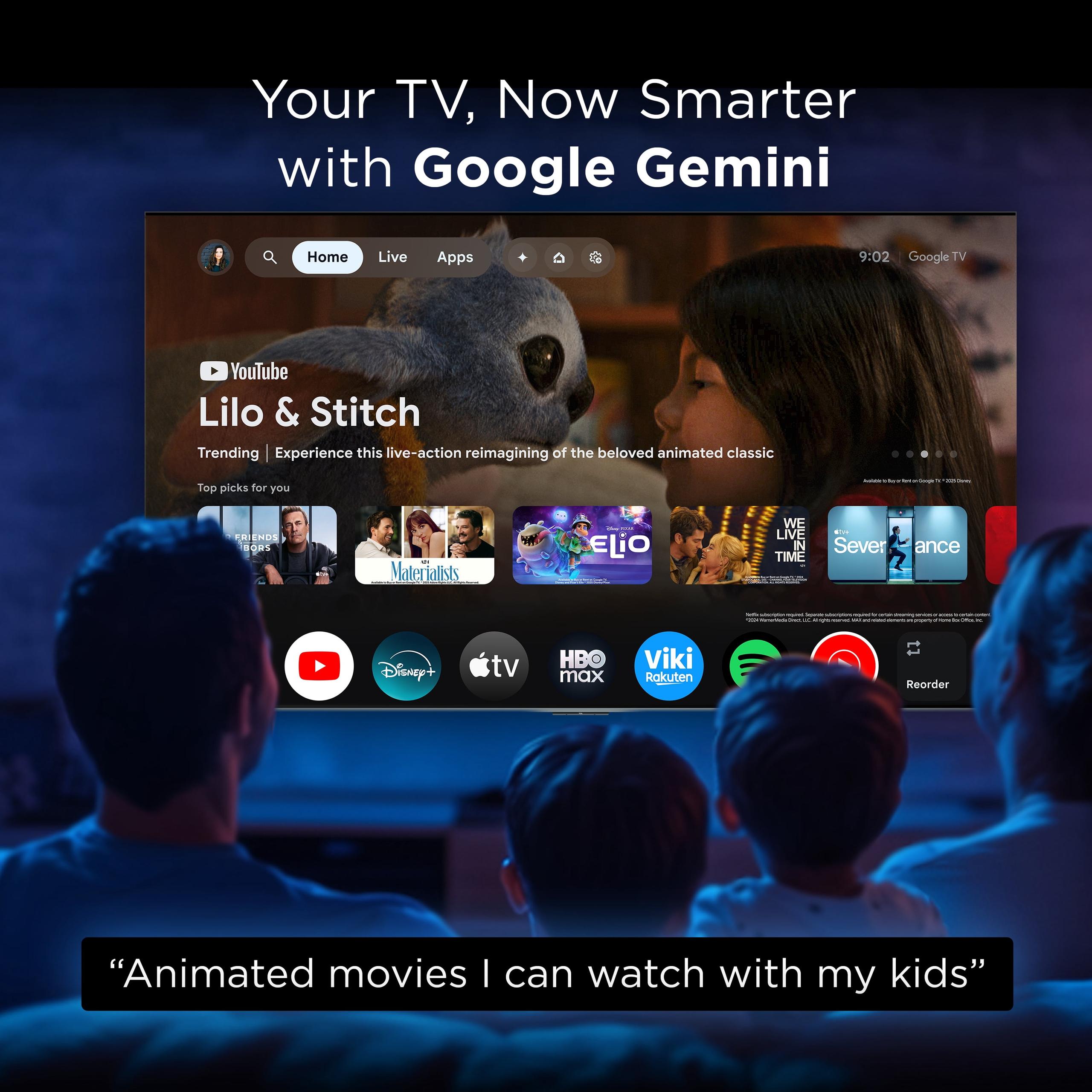
Both TVs run mature smart platforms, though with different philosophies. The TCL QM9K uses Google TV powered by Google Gemini AI, which excels at content discovery and voice control. The presence sensor automatically detects when you're in the room, adjusting settings or displaying ambient information accordingly. This kind of contextual awareness feels genuinely useful rather than gimmicky.
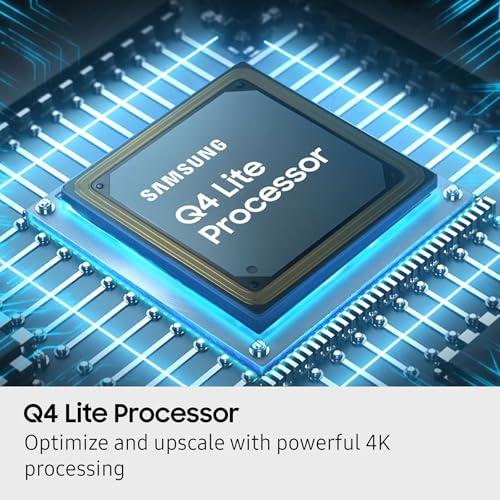
The Samsung Q6F runs Tizen, Samsung's proprietary platform that's evolved significantly since its introduction. Tizen offers excellent app support and integrates seamlessly with Samsung's SmartThings ecosystem. If you already use Samsung phones, soundbars, or smart home devices, this integration can be compelling.
Audio represents an interesting contrast. The TCL features audio tuned by Bang & Olufsen with Dolby Atmos support, delivering surprisingly capable built-in sound for a flat-panel TV. The Samsung uses Object Tracking Sound Lite, which attempts to make audio follow action across the screen, though with less sophisticated processing than the TCL's approach.
Motion clarity becomes crucial for sports viewing and action movies. The TCL QM9K employs Motion Rate 480 with MEMC (Motion Estimation, Motion Compensation) frame insertion. This technology analyzes consecutive frames and creates intermediate frames to smooth motion. While some purists dislike frame interpolation, it genuinely helps with sports viewing where tracking a fast-moving ball or player is important.
The higher native refresh rate also helps here. At 144Hz, the TCL can display more unique frames per second than the Samsung's 60Hz panel, resulting in inherently smoother motion even without processing tricks.
The Samsung Q6F uses Motion Xcelerator technology, which is competent for general viewing but can't match the TCL's comprehensive approach to motion handling.
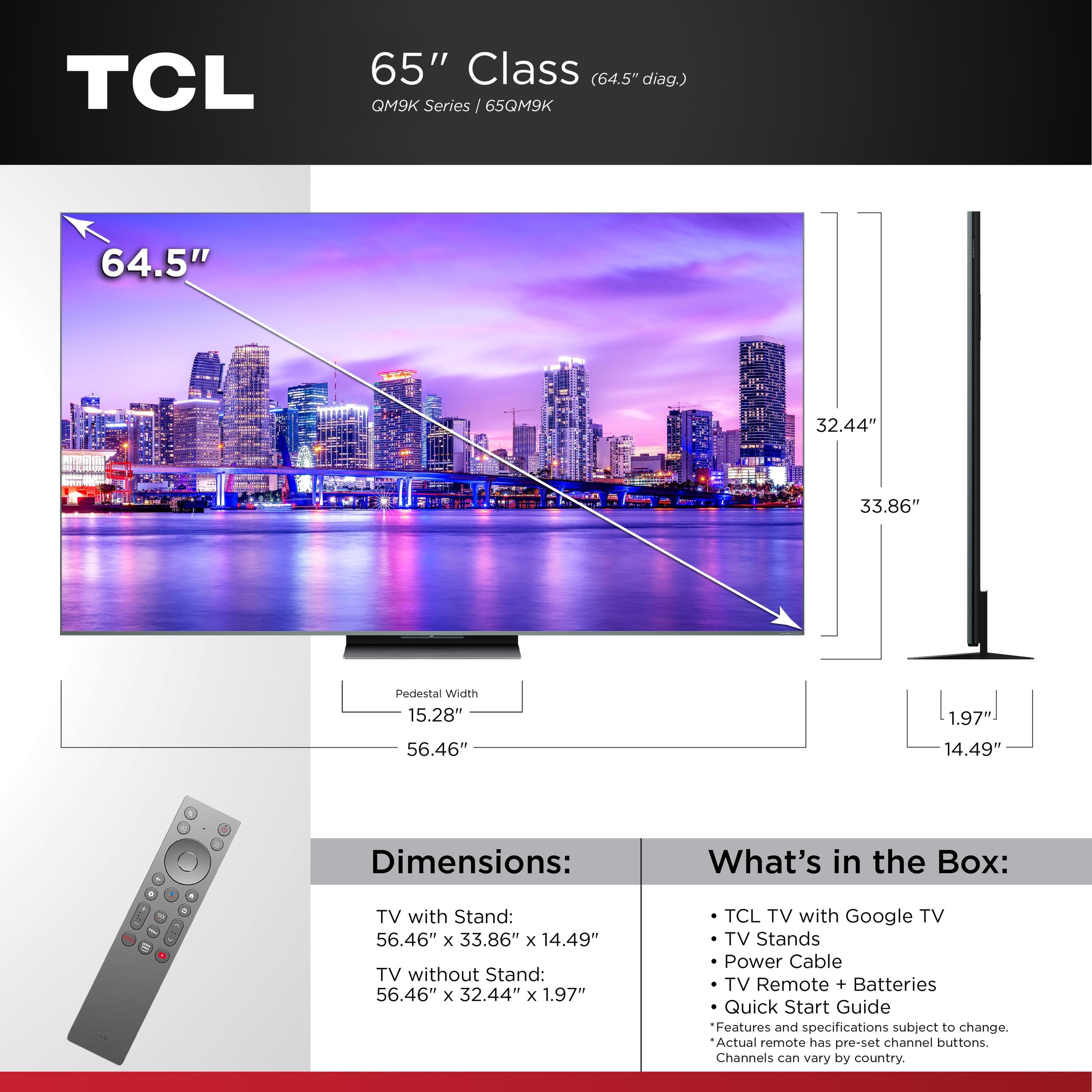
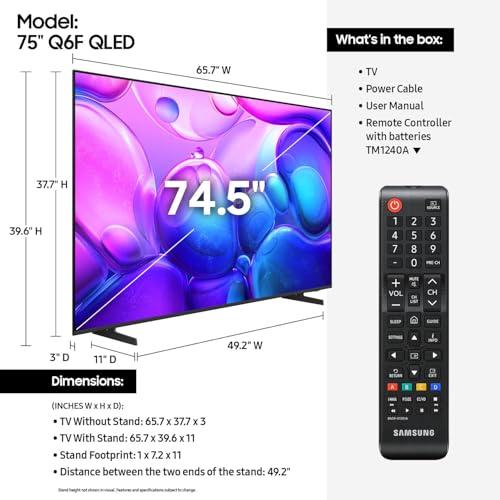
Screen size dramatically affects the viewing experience, and this represents the Samsung Q6F's primary advantage. At 75 inches versus 65 inches, you're getting 31% more screen area—a genuinely substantial difference that affects immersion.
Optimal viewing distance matters here. For 4K content, you can sit closer than with older HD TVs without seeing individual pixels. A 65-inch TV works best from about 8-10 feet away, while a 75-inch TV is ideal from 10-12 feet. If you have a large room or prefer sitting farther back, the Samsung's extra size might outweigh the TCL's technical advantages.
Brightness capabilities also interact with room lighting. The TCL QM9K's higher peak brightness makes it better suited for bright rooms with lots of windows, while the Samsung Q6F works fine in moderate lighting but may struggle in very bright environments.
For dedicated home theater use—meaning a darkened room optimized for movie watching—the TCL QM9K clearly excels. The combination of deep blacks from local dimming, bright highlights from high peak brightness, and wide color gamut creates the kind of contrast that makes movies look cinematic.
The Samsung Q6F can certainly serve in a home theater setup, especially given its larger size, but it lacks the contrast precision that makes dark scenes truly immersive. In a light-controlled environment, you'll notice the difference in black levels and overall dynamic range.
However, room size matters significantly. In a very large home theater, the Samsung's 75-inch screen might provide better immersion than the TCL's superior but smaller display.
At the time of writing, these TVs occupy different value propositions entirely. The TCL QM9K offers premium display technology at a price point that would have been considered flagship just a few years ago. You're essentially getting Mini-LED technology that trickled down from TVs costing significantly more.
The Samsung Q6F maximizes screen size per dollar spent. For buyers prioritizing the biggest possible screen within budget, it's hard to argue with 75 inches of QLED technology at its price point.
Consider longevity too. The TCL's 144Hz capability and advanced gaming features make it more future-proof as content and gaming evolve. The Samsung will handle current needs well but may feel limited as 120Hz+ content becomes more common.
The TCL QM9K makes sense if you're serious about picture quality and have the budget for premium technology. Gamers who want the absolute best performance, movie enthusiasts who appreciate accurate HDR rendering, and tech enthusiasts who want cutting-edge features will find it compelling. The 65-inch size works well for most living rooms and provides excellent pixel density at typical viewing distances.
The Samsung Q6F serves buyers who prioritize screen size above all else. If you have a large room, limited budget, or simply want the biggest TV possible for your money, the 75-inch size provides undeniable impact. It's also smart for casual viewers who want solid smart features and reliable performance without paying for capabilities they won't use.
For home theater enthusiasts, I'd lean toward the TCL despite the size disadvantage. The superior contrast and HDR performance create more cinematic experiences in dark rooms. However, if your theater space is very large, the Samsung's bigger screen might provide better immersion.
Sports fans face an interesting choice. The TCL's superior motion handling and brightness work well for sports viewing, but the Samsung's larger size makes it easier to follow action across the field. Your priorities and room setup will determine the better choice.
This comparison ultimately comes down to your priorities and viewing environment. The TCL 65" QM9K represents the premium choice—cutting-edge display technology that delivers exceptional picture quality and gaming performance in a reasonably sized package. The Samsung 75" Q6F takes the budget-maximizing approach, offering the biggest screen possible with solid but unremarkable technology.
Neither choice is wrong, but they serve different needs. If picture quality, gaming performance, and future-proofing matter most, the TCL justifies its higher price. If maximizing screen size within budget is the priority, the Samsung delivers exceptional value.
Consider your room size, seating distance, primary use cases, and budget. Both TVs will serve you well within their intended roles—the key is understanding which role better matches your needs and expectations.
| TCL 65" QM9K QD-Mini LED Smart TV | Samsung 75-Inch QLED Q6F Series 2025 Smart TV |
|---|---|
| Screen Size - Bigger screens provide more immersion but require larger rooms | |
| 65 inches (ideal for 8-10 foot viewing distance) | 75 inches (ideal for 10-12 foot viewing distance) |
| Display Technology - Mini-LED offers superior contrast control vs traditional backlighting | |
| QD-Mini LED with up to 6,000 local dimming zones | Traditional QLED with edge-lit backlighting |
| Peak Brightness - Critical for HDR impact and bright room performance | |
| 6,500 nits (exceptional HDR highlights) | Limited brightness (adequate for moderate lighting) |
| Gaming Performance - High refresh rates essential for competitive gaming | |
| 144Hz native, up to 288Hz at 1080p, 5.3ms input lag | 60Hz refresh rate, basic gaming features |
| HDR Support - Determines color accuracy and dynamic range in movies | |
| HDR10, HDR10+, Dolby Vision, Dolby Vision IQ | HDR10+ (no Dolby Vision support) |
| Smart Platform - Affects app selection and user experience | |
| Google TV with Gemini AI integration | Samsung Tizen with SmartThings Hub |
| Audio System - Built-in sound quality affects need for soundbar | |
| Audio by Bang & Olufsen, Dolby Atmos, 2.1.1 channels | Object Tracking Sound Lite, basic 2-channel |
| Motion Handling - Important for sports viewing and action content | |
| Motion Rate 480 with MEMC frame insertion | Motion Xcelerator 60Hz (basic enhancement) |
| Connectivity - Future-proofing for next-gen devices | |
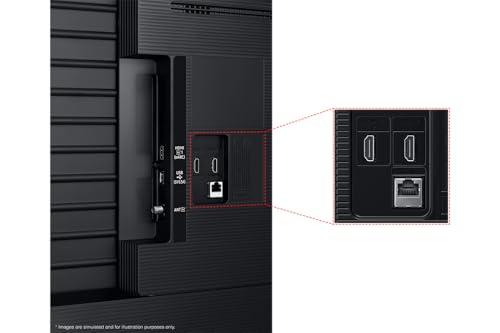
| 4 HDMI 2.1 ports, Wi-Fi 6, Bluetooth 5.4 | 3 HDMI ports (4K 60Hz), Wi-Fi 5, Bluetooth 5.3 |
| Target Market - Who each TV serves best | |
| Premium buyers prioritizing picture quality and gaming | Budget-conscious buyers maximizing screen size |
The TCL 65" QM9K is significantly better for gaming with its 144Hz native refresh rate, 5.3ms input lag, and support for up to 288Hz at 1080p. It includes AMD FreeSync Premium Pro and Game Accelerator 288 features. The Samsung 75" Q6F only offers 60Hz refresh rate and basic gaming features, making it adequate for casual gaming but not ideal for competitive or next-gen console gaming.
The TCL QM9K uses Mini-LED technology with up to 6,000 local dimming zones, delivering superior contrast with deep blacks and bright highlights. It reaches 6,500 nits peak brightness for exceptional HDR performance. The Samsung Q6F uses traditional QLED backlighting without local dimming, offering vibrant colors but less precise contrast control and lower peak brightness.
The TCL 65" QM9K performs better in bright rooms due to its much higher peak brightness of 6,500 nits, which helps overcome ambient light and maintains HDR impact. The Samsung 75" Q6F has adequate brightness for moderate lighting but may struggle in very bright environments with lots of windows.
The Samsung Q6F offers 75 inches compared to the TCL QM9K's 65 inches—that's 31% more screen area. For large rooms or viewers who sit farther away (10-12 feet), the bigger size provides better immersion. However, the TCL offers better picture quality technology in the smaller package, ideal for 8-10 foot viewing distances.
The TCL 65" QM9K excels in home theater setups with its Mini-LED local dimming, superior HDR brightness, and Dolby Vision support creating cinematic contrast in dark rooms. The Samsung Q6F can work in home theaters, especially if you need a larger screen, but lacks the contrast precision for truly immersive dark room viewing experiences.
The TCL QM9K runs Google TV with Gemini AI integration, presence sensors, and hands-free voice control. The Samsung 75" Q6F uses Tizen with SmartThings Hub integration, Samsung Knox security, and compatibility with Samsung ecosystem devices. Both offer comprehensive streaming app support and voice assistant compatibility.
The TCL 65" QM9K provides superior motion handling with Motion Rate 480, MEMC frame insertion, and 144Hz native refresh rate for smoother sports viewing. The Samsung Q6F uses Motion Xcelerator 60Hz technology, which is adequate for general sports viewing but can't match the TCL's advanced motion processing capabilities.
The TCL QM9K features audio tuned by Bang & Olufsen with Dolby Atmos support and a 2.1.1 channel system including a subwoofer. The Samsung 75" Q6F offers Object Tracking Sound Lite and Q-Symphony compatibility with Samsung soundbars, but has more basic 2-channel built-in audio compared to the TCL's premium sound system.
Value depends on priorities: the Samsung Q6F maximizes screen size per dollar with 75 inches at an entry-level price point. The TCL 65" QM9K offers premium Mini-LED technology, advanced gaming features, and superior picture quality at a higher price point, providing excellent value for buyers prioritizing performance over size.
The TCL 65" QM9K supports HDR10, HDR10+, Dolby Vision, Dolby Vision IQ, and HLG for comprehensive HDR compatibility. The Samsung Q6F supports HDR10+ and standard HDR10 but lacks Dolby Vision support, which may limit compatibility with some streaming content and UHD Blu-rays.
The TCL QM9K is more future-proof with its 144Hz refresh rate, HDMI 2.1 connectivity, Wi-Fi 6, and advanced gaming features that support next-generation consoles and content. The Samsung 75" Q6F offers current-generation features adequate for today's needs but may feel limited as higher refresh rate content becomes more common.
The TCL 65" QM9K works best in medium to large rooms with 8-10 foot viewing distances, providing optimal pixel density and immersion. The Samsung Q6F is ideal for larger rooms or open floor plans where viewers sit 10-12 feet away, as the 75-inch screen maintains impact at greater distances while the TCL might feel too small in very large spaces.
We've done our best to create useful and informative comparisons to help you decide what product to buy. Our research uses advanced automated methods to create this comparison and perfection is not possible - please contact us for corrections or questions. These are the sites we've researched in the creation of this article: rtings.com - bestbuy.com - youtube.com - youtube.com - youtube.com - techaeris.com - displayspecifications.com - pcrichard.com - residentialsystems.com - us.tcl.com - displayspecifications.com - valueelectronics.com - woodruffappliance.com - tcl.com - pcrichard.com - tcl.com - techradar.com - tcl.com - us.tcl.com - youtube.com - youtube.com - bestbuy.com - youtube.com - youtube.com - rtings.com - cnet.com - youtube.com - rtings.com - samsung.com - bestbuy.com - samsung.com - samsung.com - bestbuy.com - manuals.plus - arrowassociatedstores.com - samsung.com - samsung.com - samsung.com - flatpanelshd.com - device.report

Privacy Policy
Terms and Conditions - Affiliate Policy
Home Security
© Copyright 2008-2026.
11816 Inwood Rd #1211, Dallas, TX 75244