

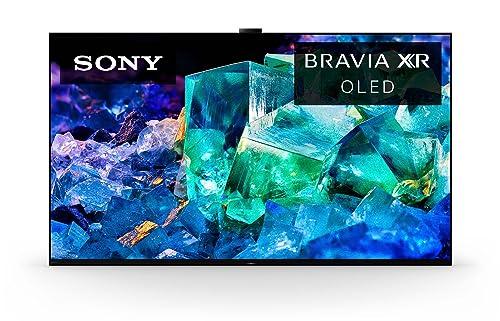


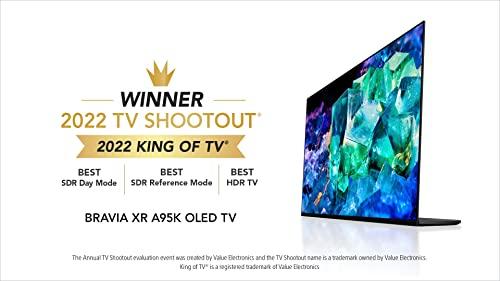
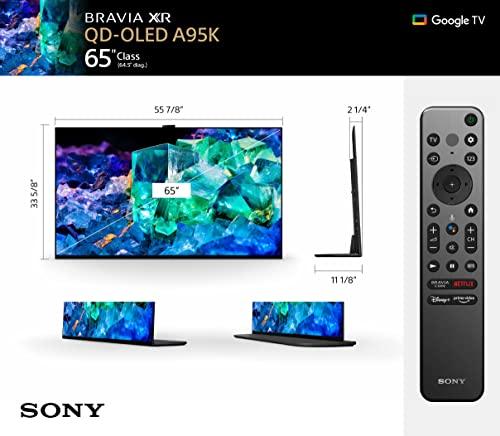


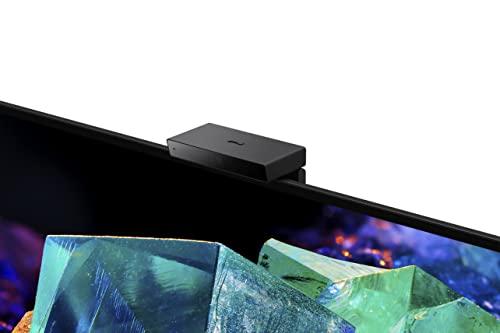
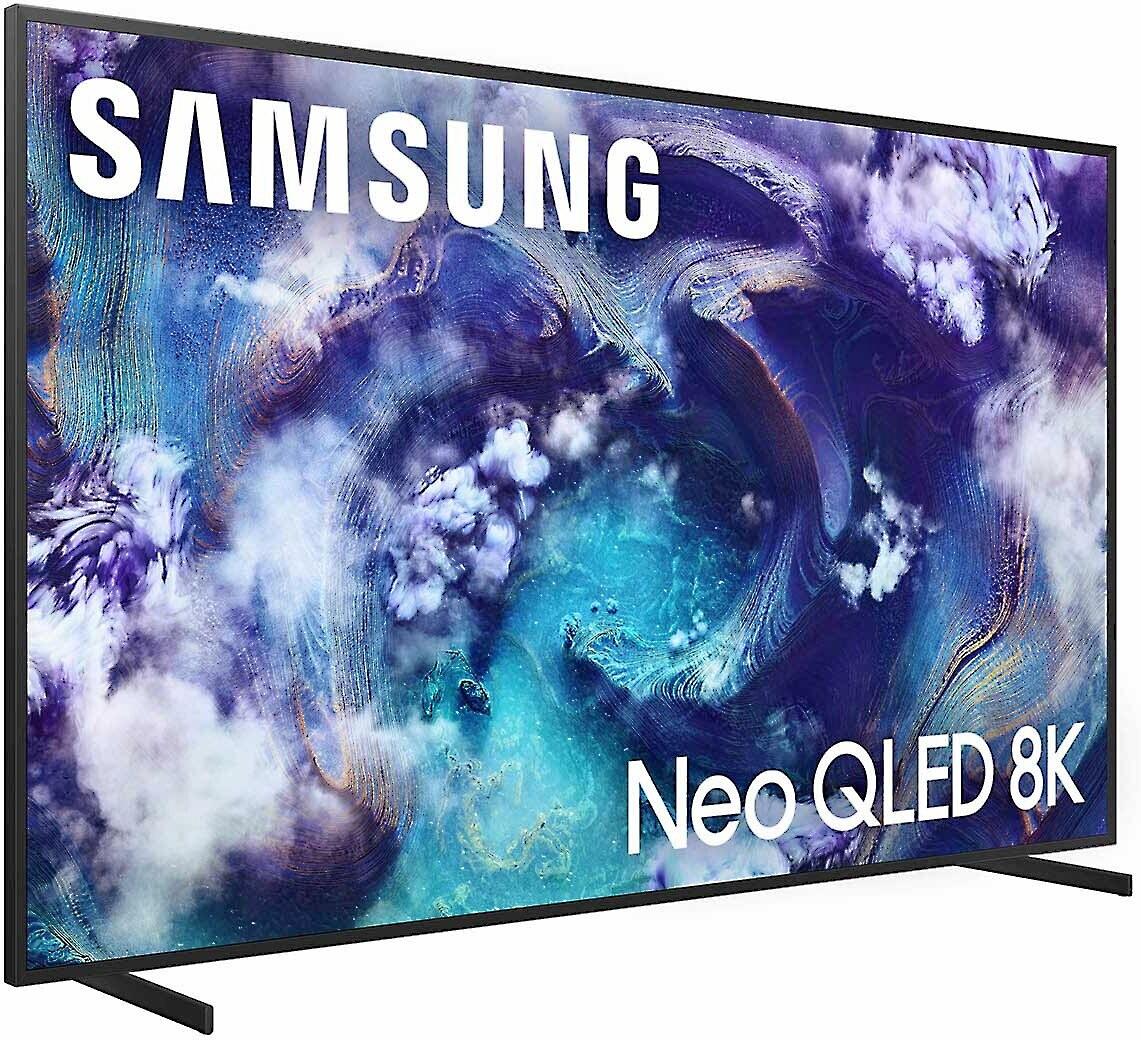
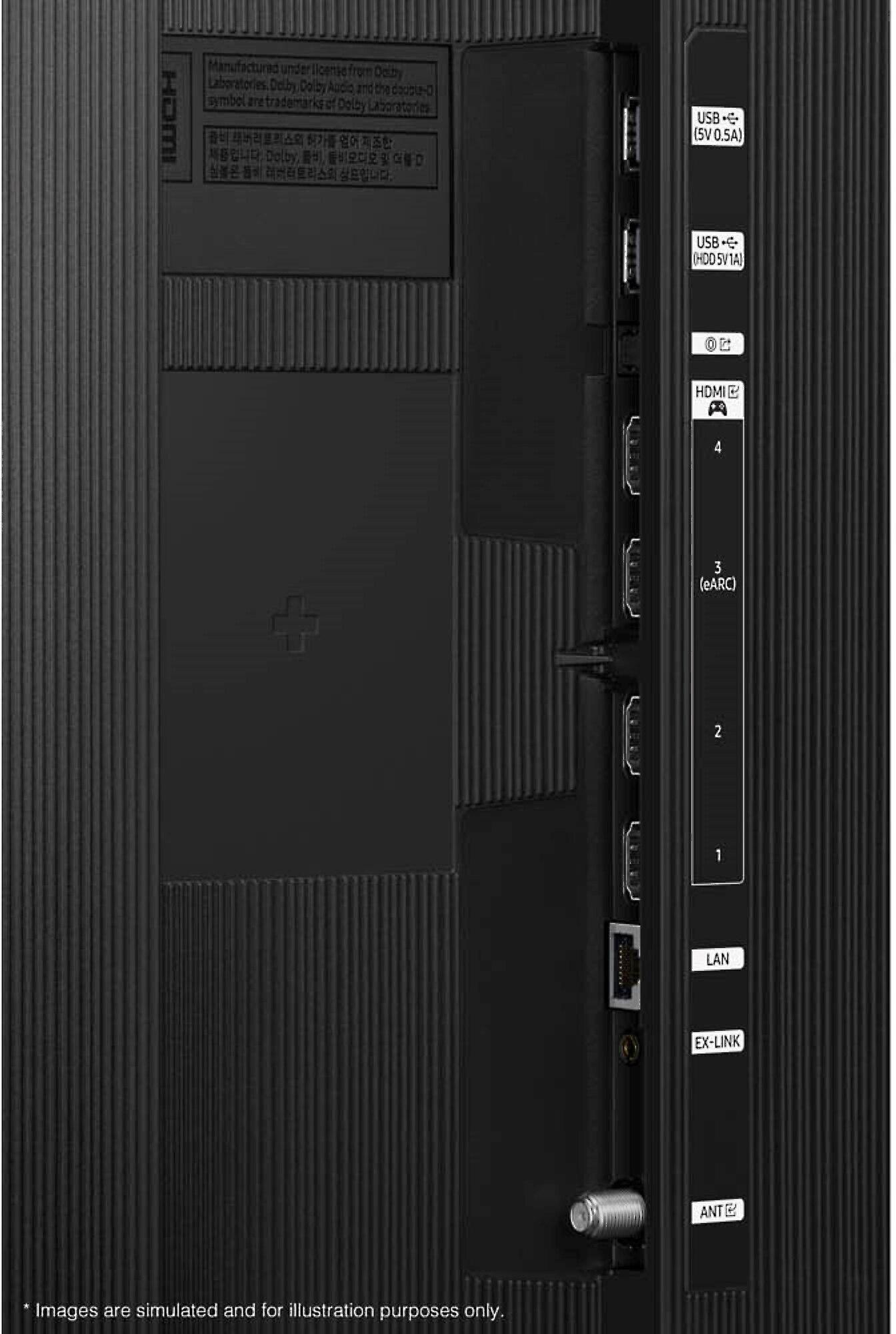
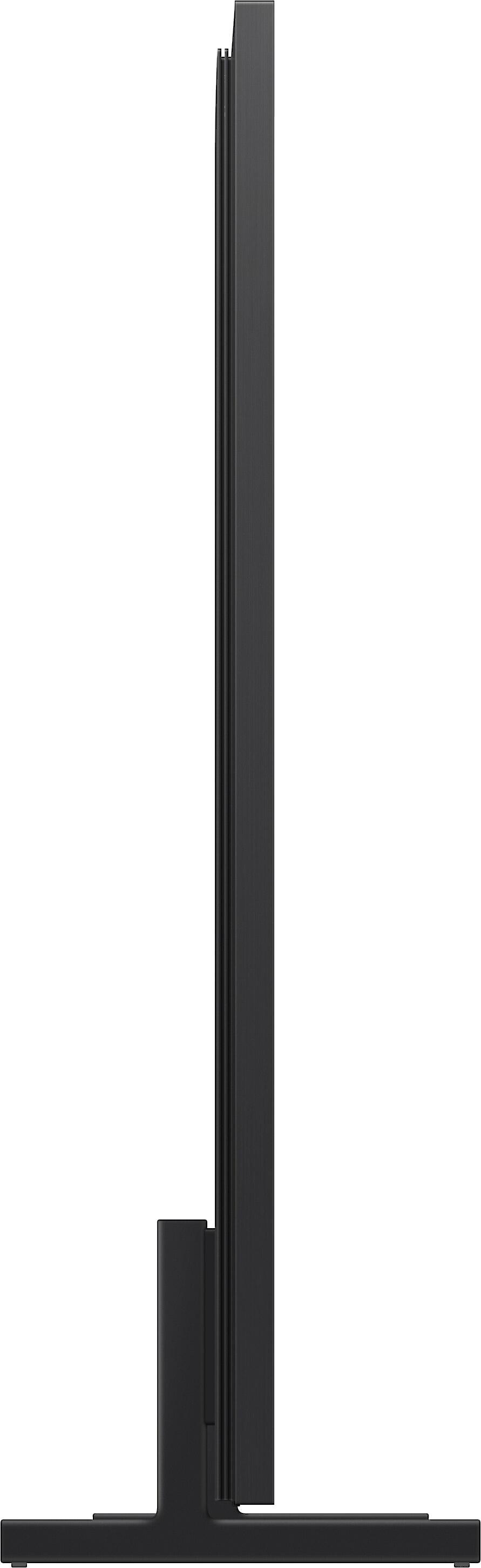
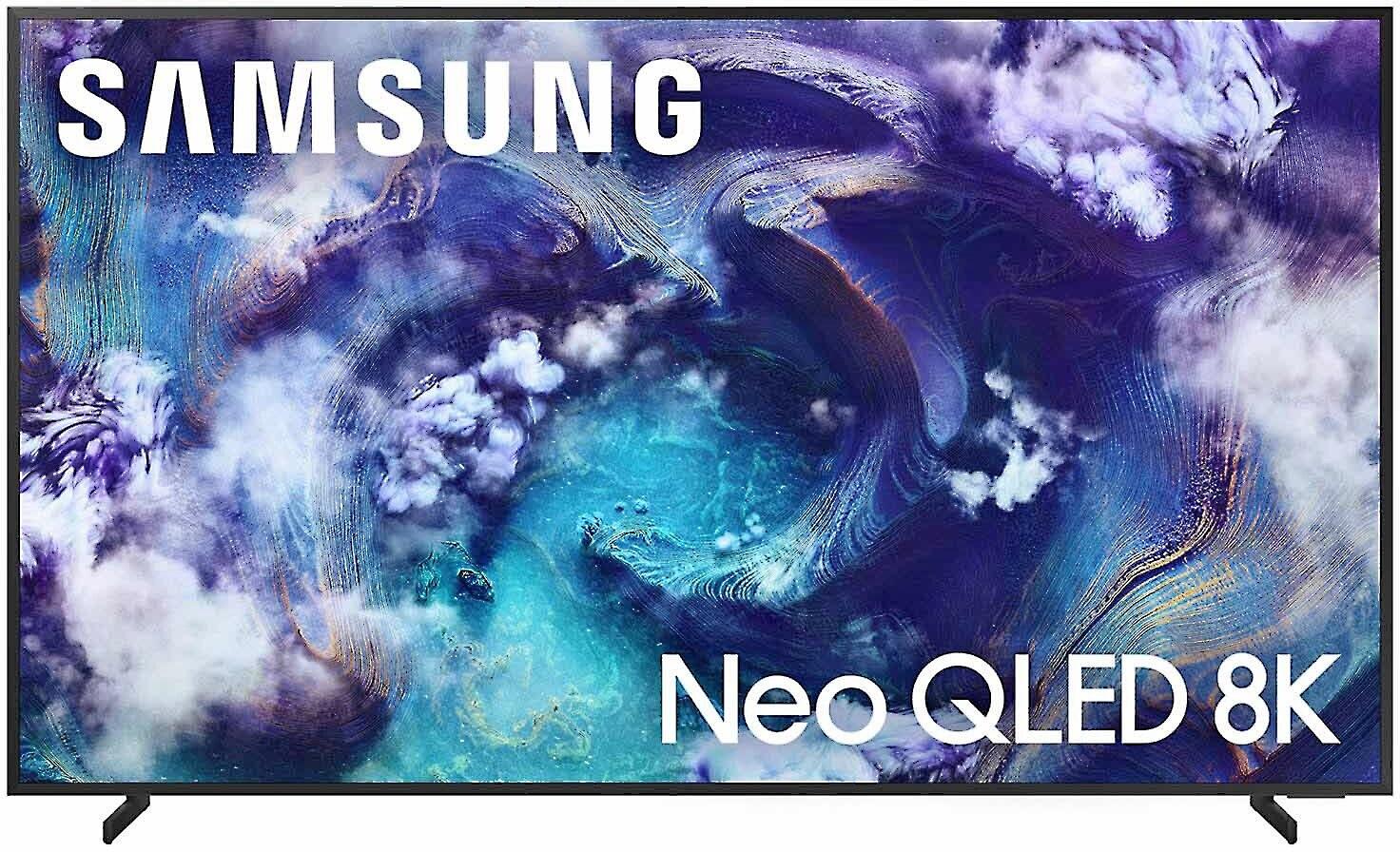
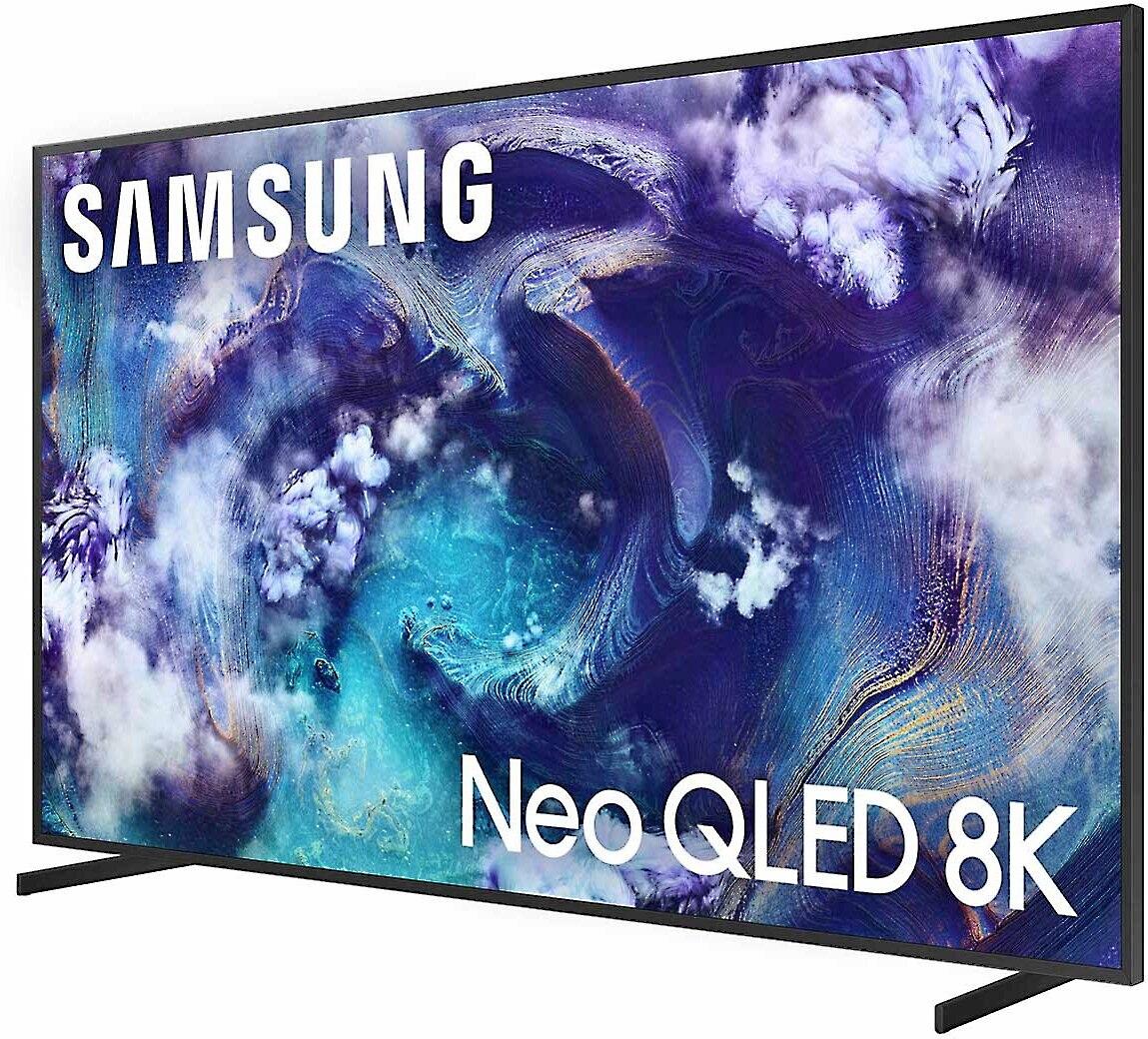

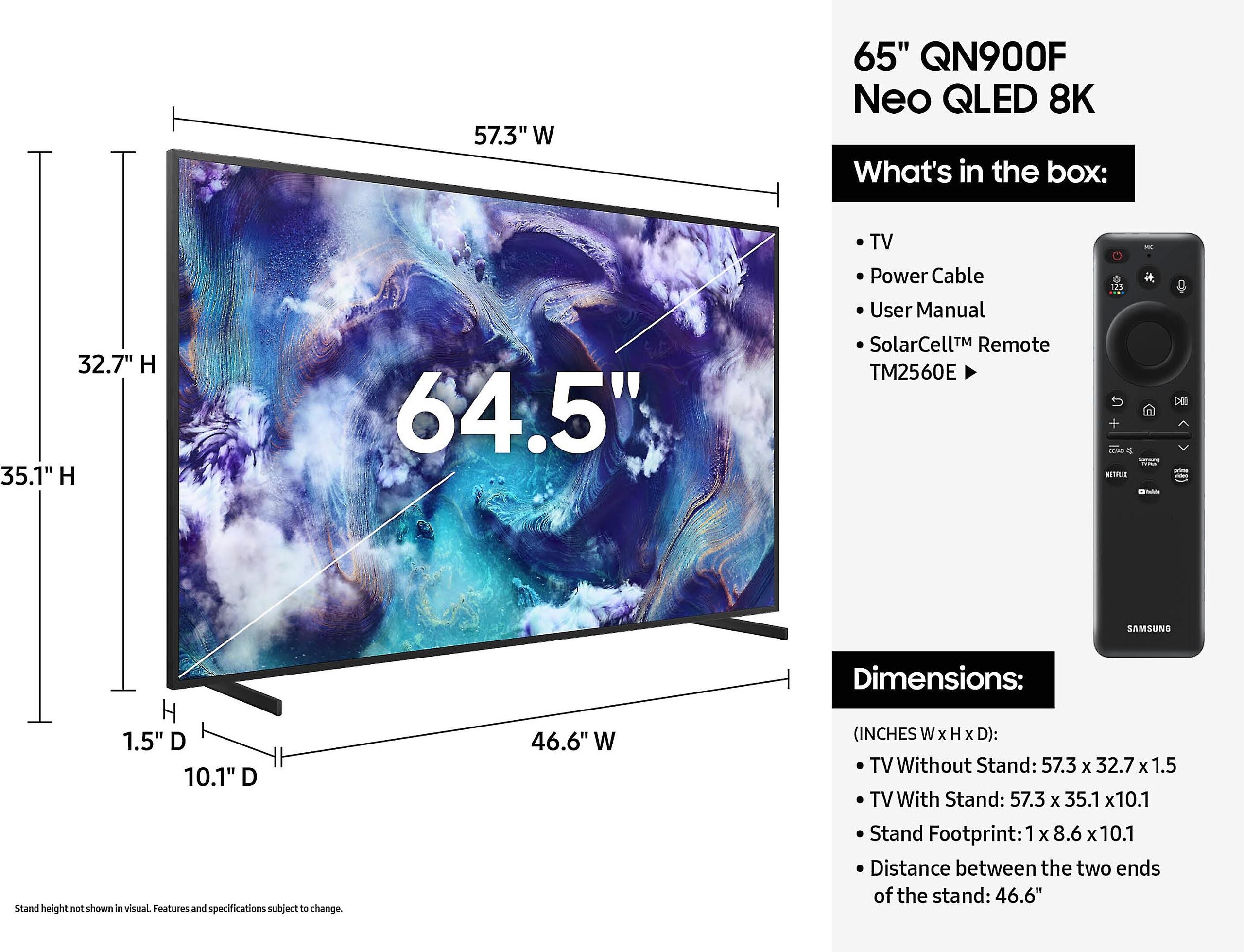
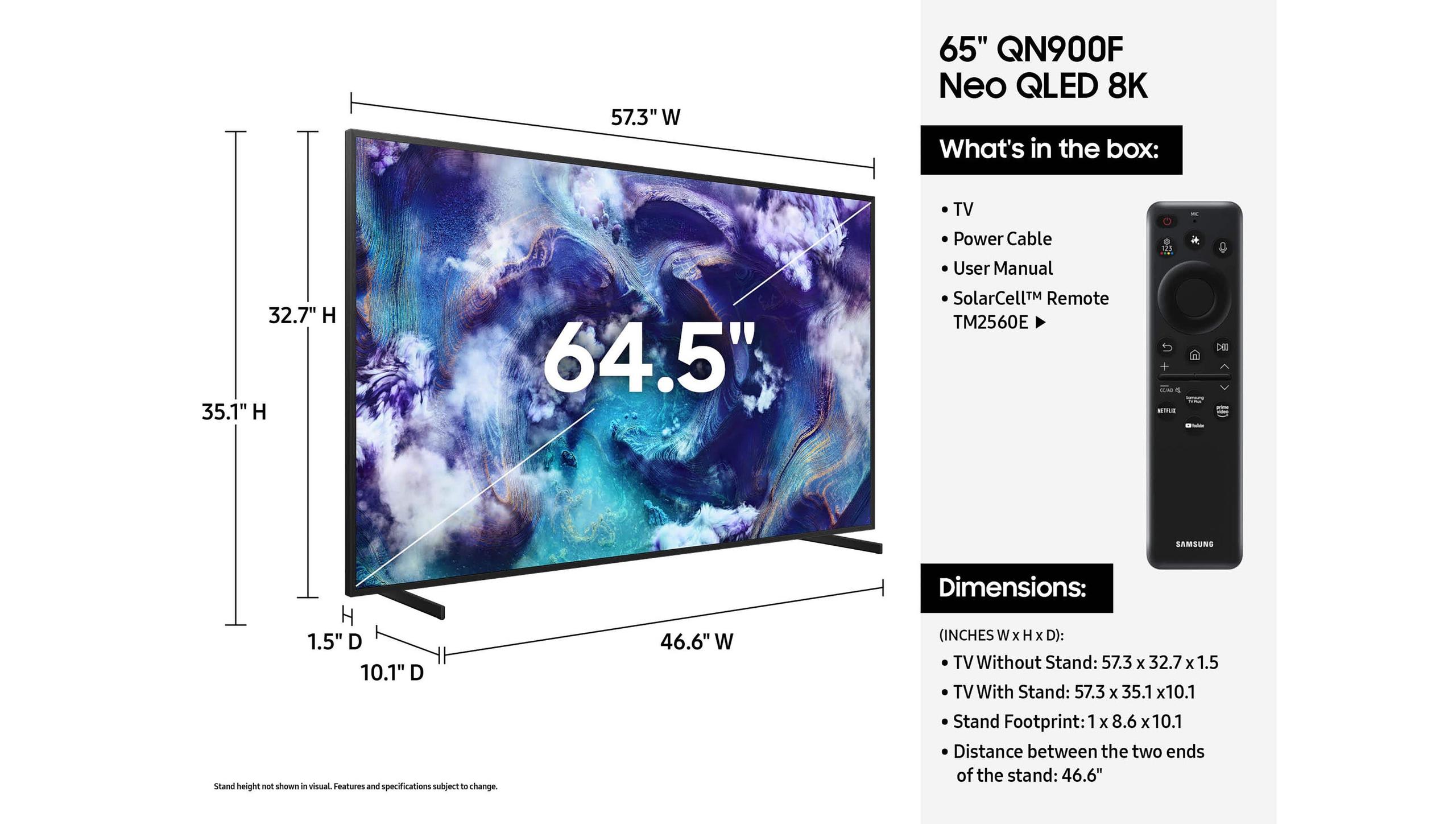
When you're shopping for a premium 65-inch television, you're essentially choosing between two completely different philosophies about what makes a great picture. The Sony Bravia XR A95K, released in 2022, represents the pinnacle of OLED technology with its revolutionary QD-OLED panel. Meanwhile, the Samsung 65" Neo QLED 8K QN900F, launched in 2025, pushes LCD technology to its absolute limits with 8K resolution and thousands of tiny LED lights.
At the time of writing, both TVs command premium prices, though the Sony A95K has become more accessible since its launch, while the Samsung QN900F sits at the very top of the price spectrum as Samsung's flagship offering. The question isn't just which one costs more—it's which approach to premium TV technology makes more sense for your specific needs.
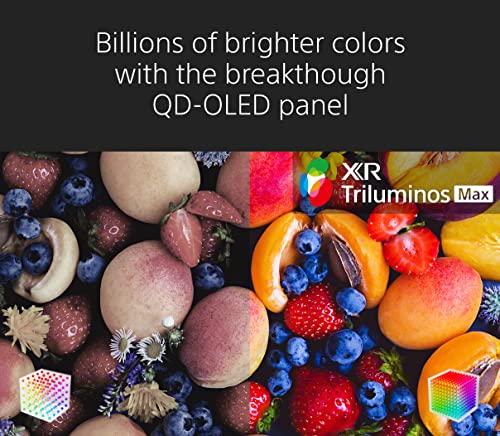
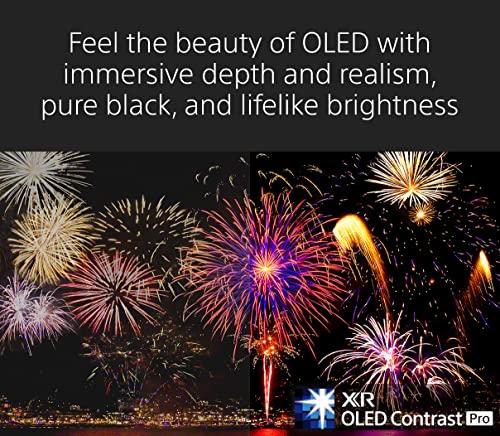
Before diving into the specifics, it's crucial to understand what sets these technologies apart. The Sony A95K uses QD-OLED, which combines the perfect blacks of OLED technology (where each pixel can turn completely off) with quantum dots that boost color brightness and accuracy. Think of it as having 8.3 million tiny light bulbs that can each turn on or off individually, creating perfect contrast.
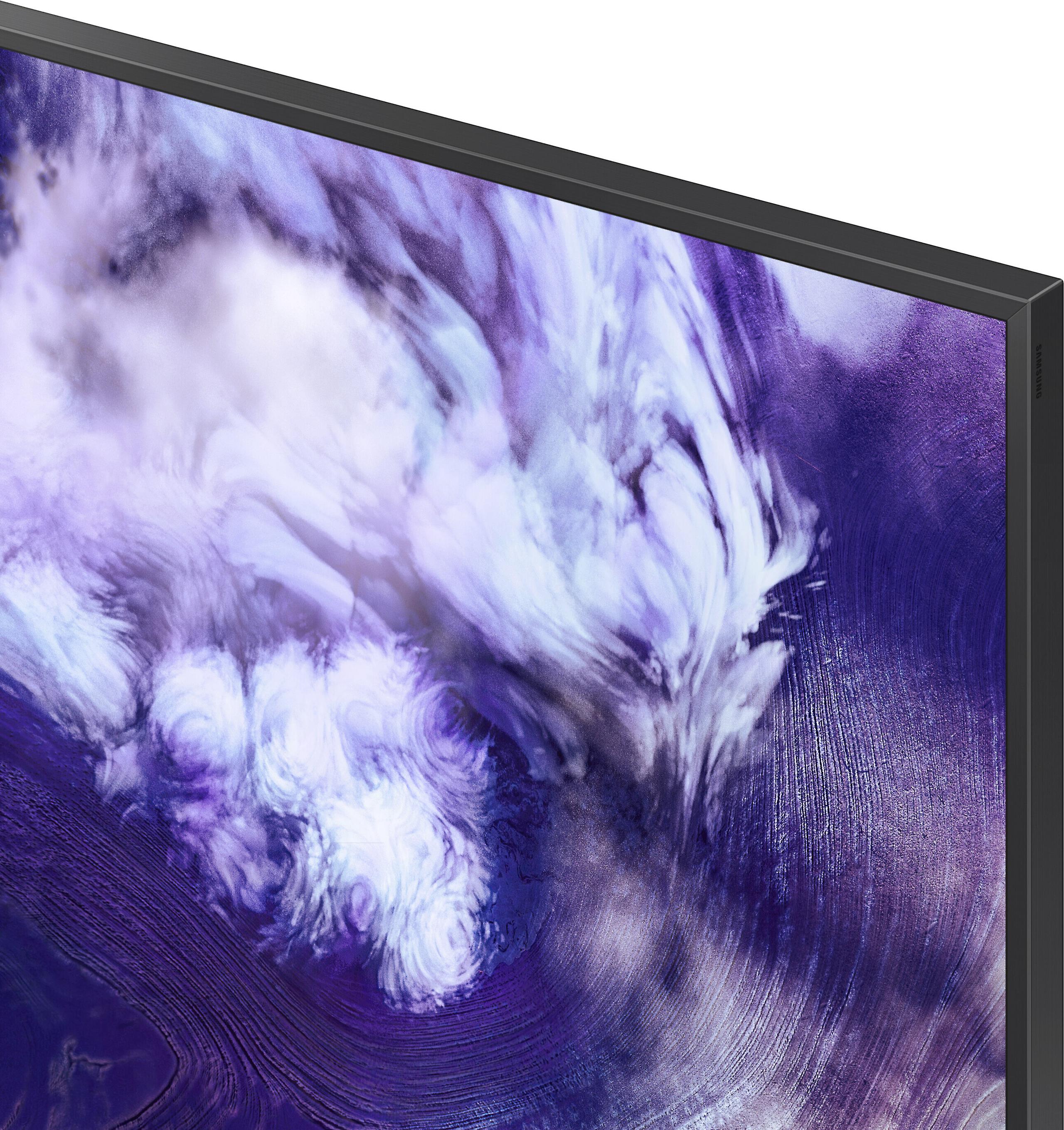
The Samsung QN900F, on the other hand, uses Neo QLED technology with thousands of Mini LEDs behind the screen. These Mini LEDs are much smaller than traditional LED backlights—about 1/40th the size—allowing for incredibly precise local dimming. While it can't achieve the perfect blacks of OLED, it can get much brighter than any OLED panel currently available.
The resolution difference is also significant: the Sony A95K displays native 4K (3840 x 2160 pixels), while the Samsung QN900F offers true 8K resolution (7680 x 4320 pixels)—four times the detail of 4K. However, there's virtually no native 8K content available yet, so the Samsung relies heavily on AI upscaling to enhance lower-resolution content.
The most fundamental difference between these TVs lies in how they handle dark scenes. The Sony A95K delivers what's called "infinite contrast ratio" because its OLED pixels can turn completely off, creating true black. When you're watching a movie with space scenes or dark cinematography, you'll see the difference immediately—stars against pure black space rather than slightly grey space.
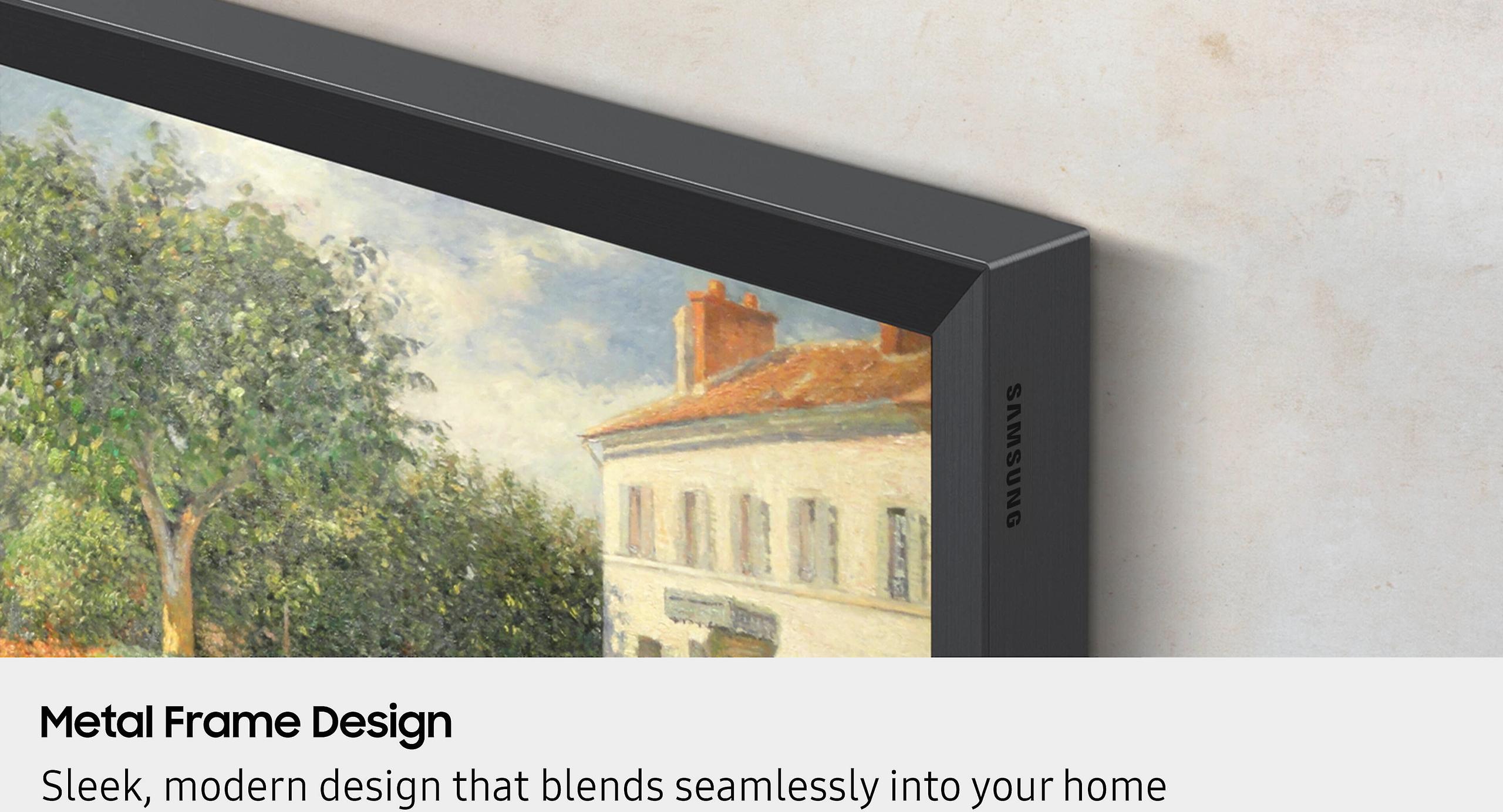
The Samsung QN900F uses local dimming, where zones of Mini LEDs can dim or brighten independently. While Samsung has made impressive strides with thousands of dimming zones, physics still limits LCD technology. Dark areas appear dark grey rather than true black, and you might notice some "blooming" where bright objects seem to glow slightly into darker areas around them.
For home theater enthusiasts watching movies in darkened rooms, this difference is substantial. The Sony A95K creates a more immersive, cinema-like experience where dark scenes have depth and detail that simply disappears when blacks aren't truly black.
Here's where the tables turn completely. The Samsung QN900F can achieve peak brightness levels that absolutely dwarf what the Sony A95K can produce. We're talking about brightness levels exceeding 4,000 nits in small areas, compared to the Sony's peak of around 1,000 nits.
This brightness advantage has real-world implications. If your TV room has large windows, overhead lighting, or you simply prefer watching with lights on, the Samsung QN900F will maintain its picture quality in ways the Sony A95K cannot. Bright HDR highlights—like explosions, sunlight, or fire—will have genuine impact and realism that makes you squint.
However, brightness isn't just about getting brighter. The Samsung QN900F also features Samsung's Glare Free technology, which uses a specialized anti-reflective coating to minimize reflections. This combination of high brightness and glare reduction makes it genuinely usable in rooms where other premium TVs would struggle.
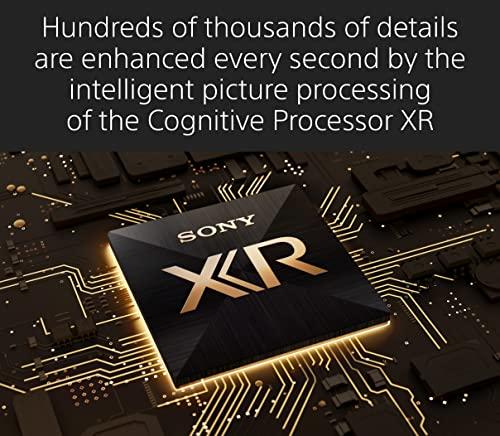
The Sony A95K takes a more nuanced approach to color reproduction. Its QD-OLED panel can display colors with both accuracy and intensity, but Sony's image processing prioritizes natural, film-like reproduction over eye-catching saturation. The Cognitive Processor XR analyzes content to understand how humans perceive images, adjusting colors, contrast, and sharpness to create more realistic pictures.
Samsung's approach with the QN900F is more aggressive. The NQ8 AI Gen3 Processor uses 256 neural networks to enhance images in real-time, often making colors more vibrant and details sharper than they were originally recorded. While this can make content look spectacular, it sometimes veers toward artificial enhancement rather than accuracy.
For movie purists and those who prefer natural color reproduction, the Sony A95K typically delivers more authentic results. For viewers who want their TV to make everything look as impressive as possible, the Samsung QN900F excels at creating wow factor.
Gaming represents one of the most decisive differences between these TVs. The Samsung QN900F is engineered specifically for modern gaming, supporting refresh rates up to 165Hz at 4K resolution, Variable Refresh Rate (VRR) to eliminate screen tearing, and FreeSync Premium Pro for smooth gameplay with AMD graphics cards.
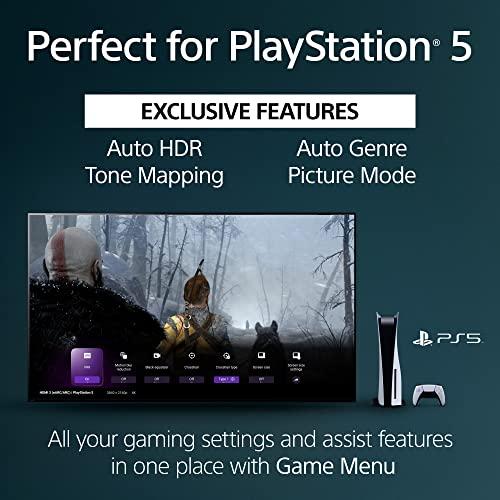
Input lag—the delay between pressing a controller button and seeing the action on screen—is notably lower on the Samsung QN900F. While both TVs support 4K gaming at 120Hz with current-generation consoles, Samsung's dedicated Gaming Hub provides additional features like game optimization settings, streaming game services, and real-time performance monitoring.
The Sony A95K handles gaming adequately but clearly wasn't designed with competitive gaming as a priority. It supports basic gaming features like Auto Low Latency Mode and 4K at 120Hz, but lacks the advanced gaming optimizations that serious gamers expect from premium TVs.
If gaming is important to your TV usage, the Samsung QN900F is the obvious choice. For casual gaming or primarily media consumption, the Sony A95K performs well enough without excelling.
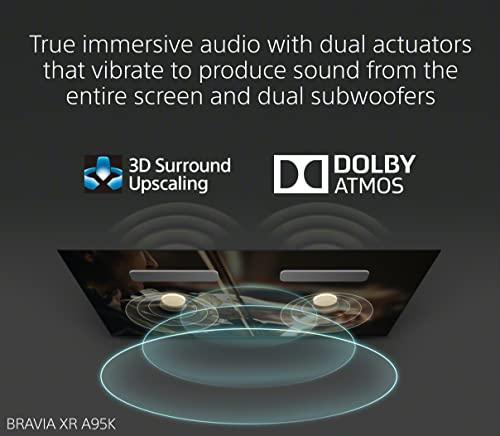
Both TVs deliver surprisingly good built-in audio for flat-panel displays, but through completely different approaches. The Sony A95K uses Acoustic Surface Audio+, where actuators behind the screen vibrate the display itself to produce sound. This creates an unusual but effective illusion where dialogue and effects seem to come directly from their location on screen.
This screen-as-speaker technology also allows the Sony A95K to function as a center channel speaker in a surround sound setup—a genuinely useful feature for home theater systems. The audio quality is clear and well-positioned, though it lacks the deep bass that external speakers provide.
The Samsung QN900F uses a more traditional but sophisticated 4.2.2-channel speaker system with dedicated top-firing speakers for Dolby Atmos effects. Object Tracking Sound Pro attempts to move audio around the screen to match visual action, creating good spatial audio without the innovative approach of the Sony.
For most users, both TVs provide good enough audio that external speakers aren't immediately necessary, though serious home theater setups will benefit from dedicated audio systems regardless.
The Samsung QN900F's 8K resolution deserves special attention because it represents both the TV's biggest advantage and its most questionable feature. With four times the pixels of 4K, 8K theoretically provides incredible detail—but only if you have 8K content to watch.
Currently, there's virtually no native 8K content available. No streaming services offer 8K, 8K Blu-rays don't exist, and even YouTube's 8K content is extremely limited. The Samsung QN900F relies on AI upscaling to enhance 4K, HD, and even standard definition content to fill its 8K display.
Samsung's AI upscaling is genuinely impressive, using machine learning to add detail and sharpness to lower-resolution content. However, you're essentially paying premium prices for technology that recreates detail rather than displaying actual recorded detail.
The Sony A95K's 4K resolution matches virtually all current premium content. Its upscaling from HD sources is excellent, and it displays native 4K content with the accuracy and detail that content creators intended.
Unless you're specifically future-proofing for 8K content that may arrive years from now, the resolution difference provides limited practical benefit today.
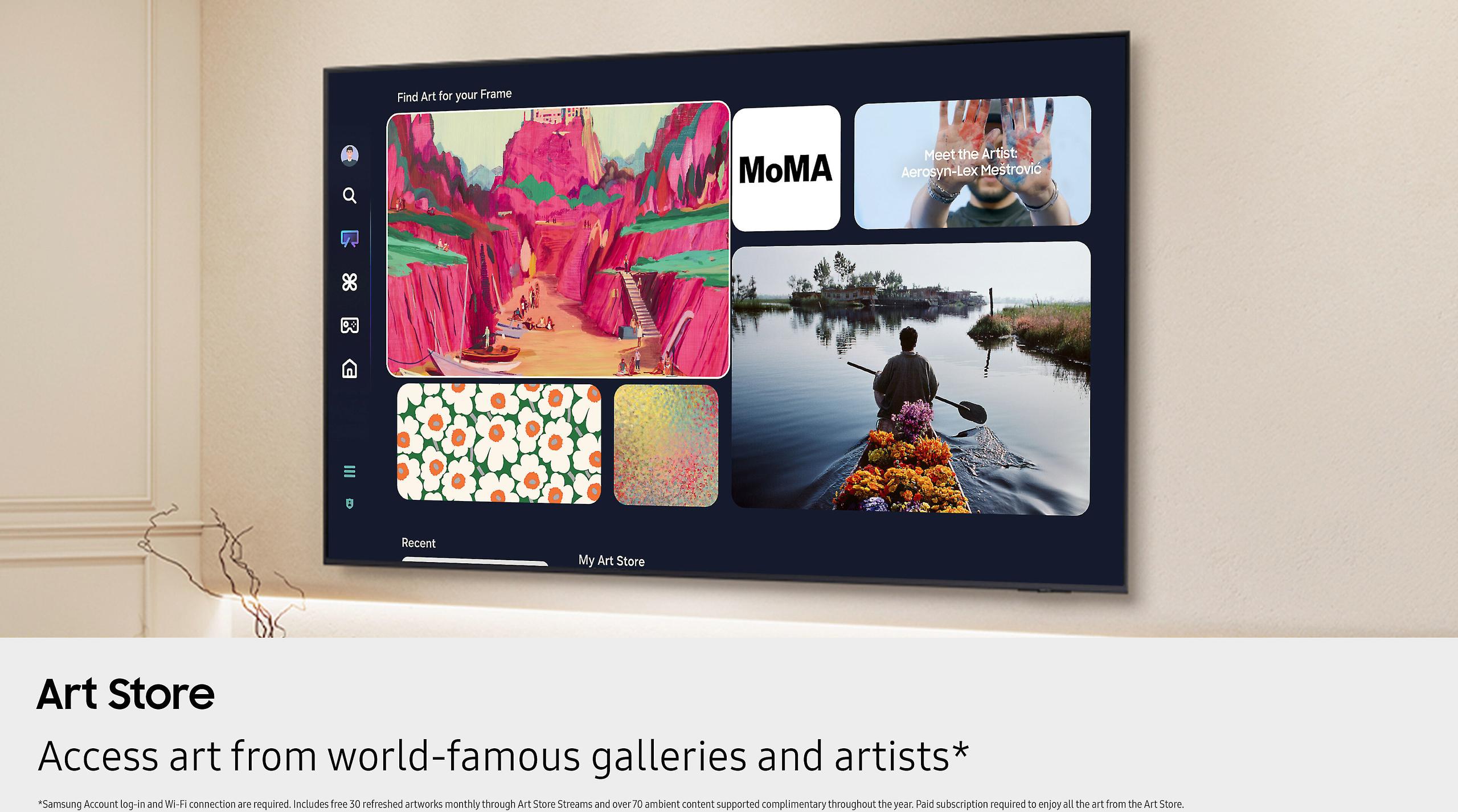
Both TVs offer comprehensive smart TV features, but through different platforms. The Samsung QN900F runs Tizen 9.0, Samsung's mature and feature-rich smart TV platform. It includes extensive app support, Samsung's TV Plus free streaming service, and deep integration with Samsung's SmartThings ecosystem for smart home control.
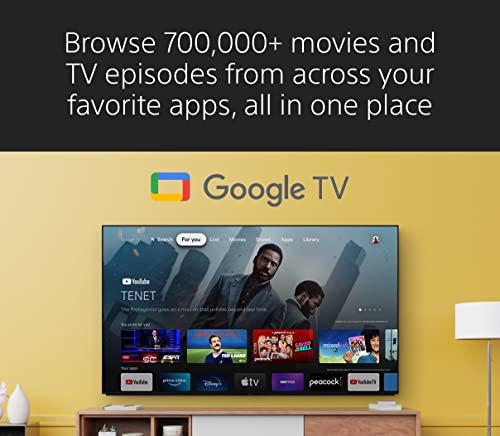
The Sony A95K uses Google TV, which provides excellent integration with Google services, comprehensive voice control, and Chromecast built-in for easy content sharing from mobile devices. Google TV's interface is clean and content-focused, making it easy to find shows across multiple streaming services.
Both platforms work well, with the choice often coming down to existing ecosystem preferences. Samsung users might prefer Tizen's integration with Samsung phones and devices, while Google users will appreciate Google TV's seamless integration with Android devices and Google services.
For dedicated home theater setups, these TVs serve different purposes. The Sony A95K excels in light-controlled environments where its perfect blacks and accurate colors create the most film-like experience possible. Its support for Dolby Vision—used by Netflix, Disney+, and most premium streaming content—ensures optimal HDR performance for the content you're most likely to watch.
The Samsung QN900F works better in multi-purpose rooms where some ambient light is inevitable. Its extreme brightness and glare-free coating maintain picture quality even with room lights on, making it more versatile for families who use their TV room for multiple activities.
However, the Samsung QN900F's lack of Dolby Vision support is a genuine limitation for home theater enthusiasts. While it supports HDR10+ (Samsung's alternative), most premium content uses Dolby Vision, potentially limiting your HDR experience.
Choose the Sony A95K if you prioritize picture accuracy and natural color reproduction, watch primarily in darker environments, and want the most film-like experience available. It's ideal for movie enthusiasts who value authentic reproduction over maximum brightness, and its more accessible pricing (at the time of writing) makes premium OLED technology more attainable.
The Samsung QN900F makes sense if you want maximum brightness for bright room viewing, prioritize gaming features, or want the most advanced display technology available regardless of current content limitations. Its 8K resolution and extreme brightness represent the cutting edge of TV technology, even if some features feel ahead of their time.
For most buyers, the choice comes down to room lighting and viewing priorities. Dark room movie watchers will prefer the Sony A95K's perfect contrast and natural colors. Bright room users and gamers will benefit more from the Samsung QN900F's brightness and advanced features.
Both represent the pinnacle of their respective technologies, delivering premium experiences through fundamentally different approaches. Your choice should align with how and where you actually watch TV, rather than which technology sounds more impressive on paper.
| Sony Bravia XR A95K 65" QD-OLED TV | Samsung 65" Neo QLED 8K QN900F Vision AI Smart TV 2025 |
|---|---|
| Display Technology - Fundamentally different approaches to picture quality | |
| QD-OLED with perfect pixel control and infinite contrast | Neo QLED with thousands of Mini LEDs for extreme brightness |
| Resolution - Current content vs future-proofing | |
| 4K (3840 x 2160) - matches all current premium content | 8K (7680 x 4320) - 4x detail but limited native content available |
| Peak Brightness - Critical for bright room viewing | |
| ~1,000 nits (excellent for dark rooms, limited in bright spaces) | 4,000+ nits (maintains quality in any lighting condition) |
| Black Levels - Foundation of contrast and movie experience | |
| Perfect blacks with infinite contrast ratio | Very good blacks for LCD but cannot match OLED's perfection |
| HDR Support - Compatibility with streaming content | |
| HDR10, HLG, Dolby Vision (used by Netflix, Disney+, most premium content) | HDR10+, HLG (no Dolby Vision support limits some streaming experiences) |
| Gaming Performance - Important for console and PC gaming | |
| Basic gaming features, higher input lag, 4K@120Hz support | Advanced gaming with low input lag, VRR, FreeSync, up to 165Hz at 4K |
| Smart TV Platform - Interface and app ecosystem | |
| Google TV with Chromecast built-in and voice control | Tizen 9.0 with Samsung ecosystem integration and AI features |
| Audio Innovation - Built-in sound quality | |
| Acoustic Surface Audio+ (screen acts as speaker for precise positioning) | 4.2.2-channel system with Object Tracking Sound Pro and Dolby Atmos |
| Processor - Image enhancement and upscaling quality | |
| Cognitive Processor XR (human-like perception processing) | NQ8 AI Gen3 with 256 neural networks for aggressive AI enhancement |
| Design Philosophy - Picture accuracy vs maximum impact | |
| Natural, film-accurate colors prioritizing authenticity | Vibrant, enhanced colors designed for maximum visual impact |
| Room Compatibility - Where each TV performs best | |
| Ideal for dark or controlled lighting environments | Glare-free coating makes it suitable for any room lighting |
| Release Year - Technology generation and pricing maturity | |
| 2022 (more accessible pricing as technology matures) | 2025 (latest flagship with premium pricing for cutting-edge features) |
The Sony Bravia XR A95K delivers superior picture quality for movies due to its QD-OLED technology that produces perfect blacks and infinite contrast. This creates a more cinematic experience with deeper shadows and more realistic dark scenes. The Sony A95K also supports Dolby Vision, which is used by most streaming services for premium HDR content.
The Samsung 65" Neo QLED 8K QN900F is significantly better for bright rooms. It can reach peak brightness levels over 4,000 nits and features Samsung's Glare Free anti-reflective coating that minimizes reflections. The Sony A95K performs best in darker, controlled lighting environments where its perfect blacks can be appreciated.
The Samsung QN900F is clearly superior for gaming, offering lower input lag, Variable Refresh Rate (VRR), FreeSync Premium Pro support, and refresh rates up to 165Hz at 4K. It also includes a dedicated Gaming Hub with optimization features. The Sony A95K provides basic gaming support but lacks advanced gaming features.
Currently, there's virtually no native 8K content available from streaming services, gaming, or physical media. The Samsung QN900F relies on AI upscaling to enhance lower-resolution content to 8K. While impressive, you're paying premium prices for future-proofing rather than immediate benefits. The Sony A95K's 4K resolution matches all current premium content perfectly.
Both TVs offer good built-in audio, but with different approaches. The Sony A95K uses innovative Acoustic Surface Audio+ technology where the screen itself produces sound, creating better dialogue positioning. The Samsung QN900F uses a traditional 4.2.2-channel speaker system with Dolby Atmos support and Object Tracking Sound Pro.
The Sony Bravia XR A95K is generally better for dedicated home theater rooms with controlled lighting. Its perfect blacks, accurate colors, and Dolby Vision support create the most film-like experience. However, the Samsung QN900F works better in multi-purpose rooms where ambient light is present.
Both offer comprehensive smart TV platforms. The Samsung QN900F runs Tizen 9.0 with extensive AI features, Samsung ecosystem integration, and the Gaming Hub. The Sony A95K uses Google TV with Chromecast built-in and excellent voice control. Choice often depends on your existing device ecosystem.
The Sony A95K typically handles HDR content better due to its superior tone mapping and Dolby Vision support, which is used by Netflix, Disney+, and most premium streaming content. The Samsung QN900F supports HDR10+ but lacks Dolby Vision, potentially limiting your HDR experience with some content.
The Sony Bravia XR A95K delivers more accurate, natural colors that closely match how content was originally intended to look. The Samsung QN900F tends toward more vibrant, enhanced colors that create visual impact but may be less authentic to the original source material.
The Samsung 65" Neo QLED 8K QN900F is more future-proof with its 8K resolution and latest 2025 technology, though most benefits won't be realized until 8K content becomes available. The Sony A95K uses proven QD-OLED technology that excels with all current content formats.
Value depends on your priorities and room setup. The Sony A95K typically offers better value for movie enthusiasts in dark rooms, providing premium OLED technology at a more accessible price point. The Samsung QN900F provides cutting-edge technology and maximum brightness but at flagship pricing.
Choose the Samsung QN900F if your living room has significant natural light, you prioritize gaming, or want maximum brightness and future-proofing. Select the Sony A95K if you can control room lighting, prioritize movie watching, and want the most accurate picture quality with better streaming compatibility.
We've done our best to create useful and informative comparisons to help you decide what product to buy. Our research uses advanced automated methods to create this comparison and perfection is not possible - please contact us for corrections or questions. These are the sites we've researched in the creation of this article: tomsguide.com - audioadvice.com - wepc.com - bestbuy.com - tvsbook.com - rtings.com - youtube.com - flatpanelshd.com - rtings.com - youtube.com - reviewed.com - avsforum.com - youtube.com - youtube.com - rtings.com - youtube.com - electronics.sony.com - sonypremiumhome.com - valueelectronics.com - sony.com - displayspecifications.com - flatpanelshd.com - donstv.com - youtube.com - businessinsider.com - youtube.com - displayspecifications.com - bestbuy.com - rtings.com - samsung.com - techradar.com - dolby.com - youtube.com - samsung.com - youtube.com - samsung.com - samsung.com - samsung.com - samsung.com - displayspecifications.com - samsung.com - rtings.com - bestbuy.com - merlinstv.com - news.samsung.com - bestbuy.com

Privacy Policy
Terms and Conditions - Affiliate Policy
Home Security
© Copyright 2008-2026.
11816 Inwood Rd #1211, Dallas, TX 75244