

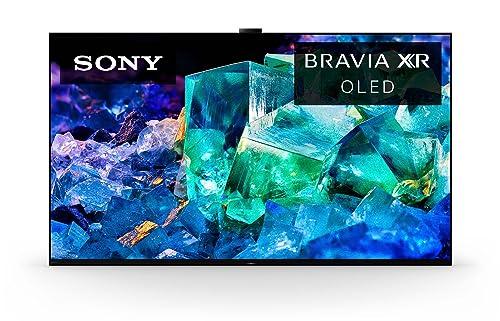


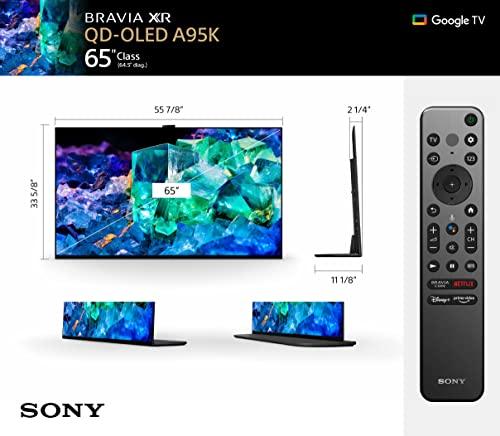


When you're ready to upgrade to a premium 65-inch TV, you're entering a world where display technology has reached truly impressive heights. The two TVs we're comparing today represent fundamentally different approaches to achieving exceptional picture quality: the Sony Bravia XR A95K with its revolutionary QD-OLED panel, and the Hisense U8 Series with its advanced Mini-LED backlighting system.
These aren't just bigger versions of budget TVs—they're engineered to deliver experiences that rival commercial theaters. But with different technologies come different strengths, and understanding these differences will help you choose the right TV for your specific needs and viewing environment.
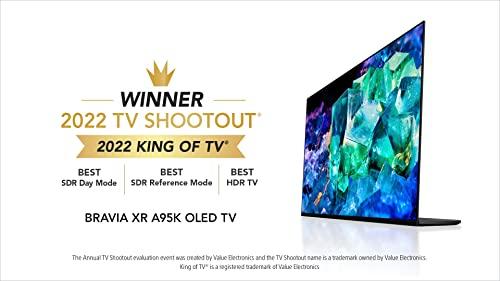
The premium TV market has exploded with innovation over the past few years. Both the Sony A95K (released in 2022) and the current Hisense U8 Series represent significant technological leaps from earlier generations.
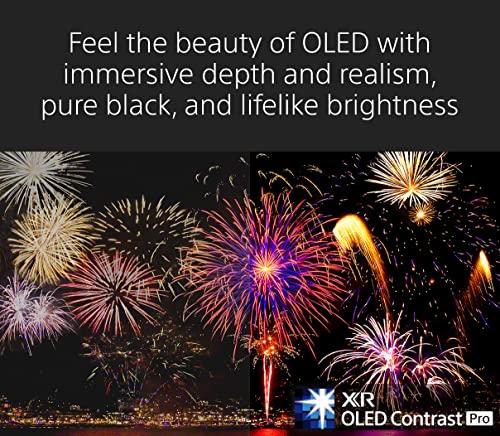
The core battle here is between two display technologies: OLED (Organic Light-Emitting Diode) and Mini-LED. Traditional OLED TVs use organic compounds that emit light when electricity passes through them—meaning each pixel creates its own light and can turn completely off for perfect blacks. The Sony A95K takes this further with QD-OLED technology, which adds quantum dots (microscopic particles that enhance color reproduction) to the OLED foundation.
Mini-LED, used in the Hisense U8 Series, represents the evolution of LCD technology. Instead of using a few dozen LED zones behind the screen like older TVs, Mini-LED uses thousands of tiny LEDs arranged in precise zones. This creates much better control over brightness and darkness across different parts of the screen, approaching OLED-like contrast while achieving much higher peak brightness levels.
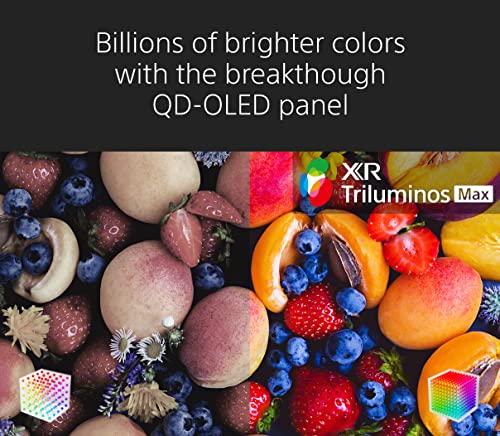
The Sony A95K pioneered consumer QD-OLED technology, and it's genuinely revolutionary. Traditional OLED panels use white light filtered through color filters, which can limit brightness and color saturation. QD-OLED panels use blue OLED light converted through quantum dots to create red and green light, essentially creating a true RGB OLED display.
This technical difference translates to real-world benefits you can see. Colors appear more saturated and vibrant, especially in brighter scenes where traditional OLEDs might look washed out. The Sony A95K can display colors that are up to 200% brighter than conventional OLED panels, making HDR content look more lifelike and impactful.
The viewing angles are exceptional—you can sit almost anywhere in the room and the picture quality remains consistent. There's no color shifting or brightness drop-off that you might notice with other display technologies. Perfect blacks remain perfect blacks from any angle, since each pixel can turn completely off.
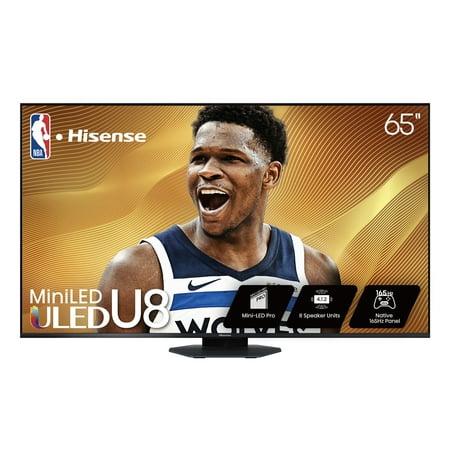
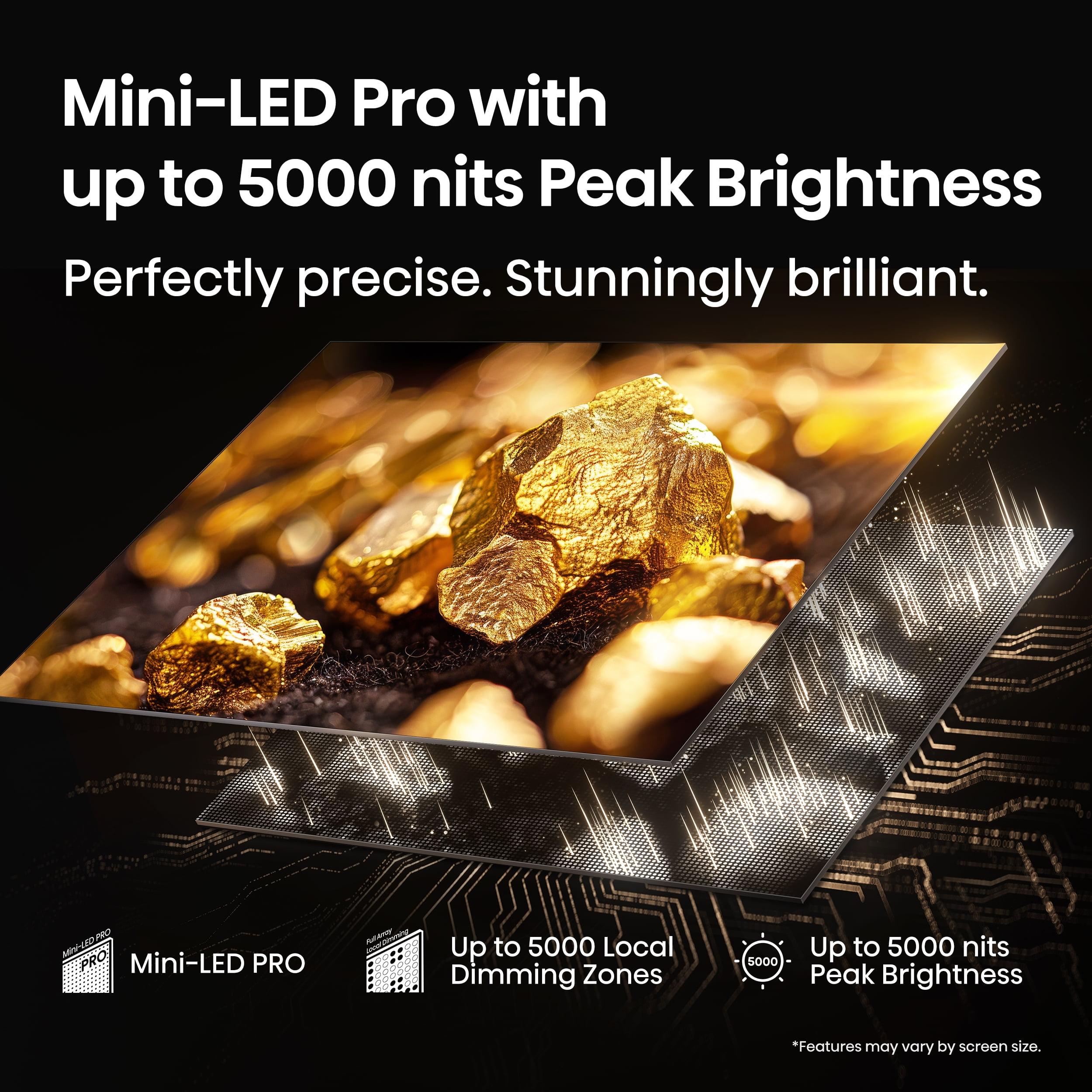
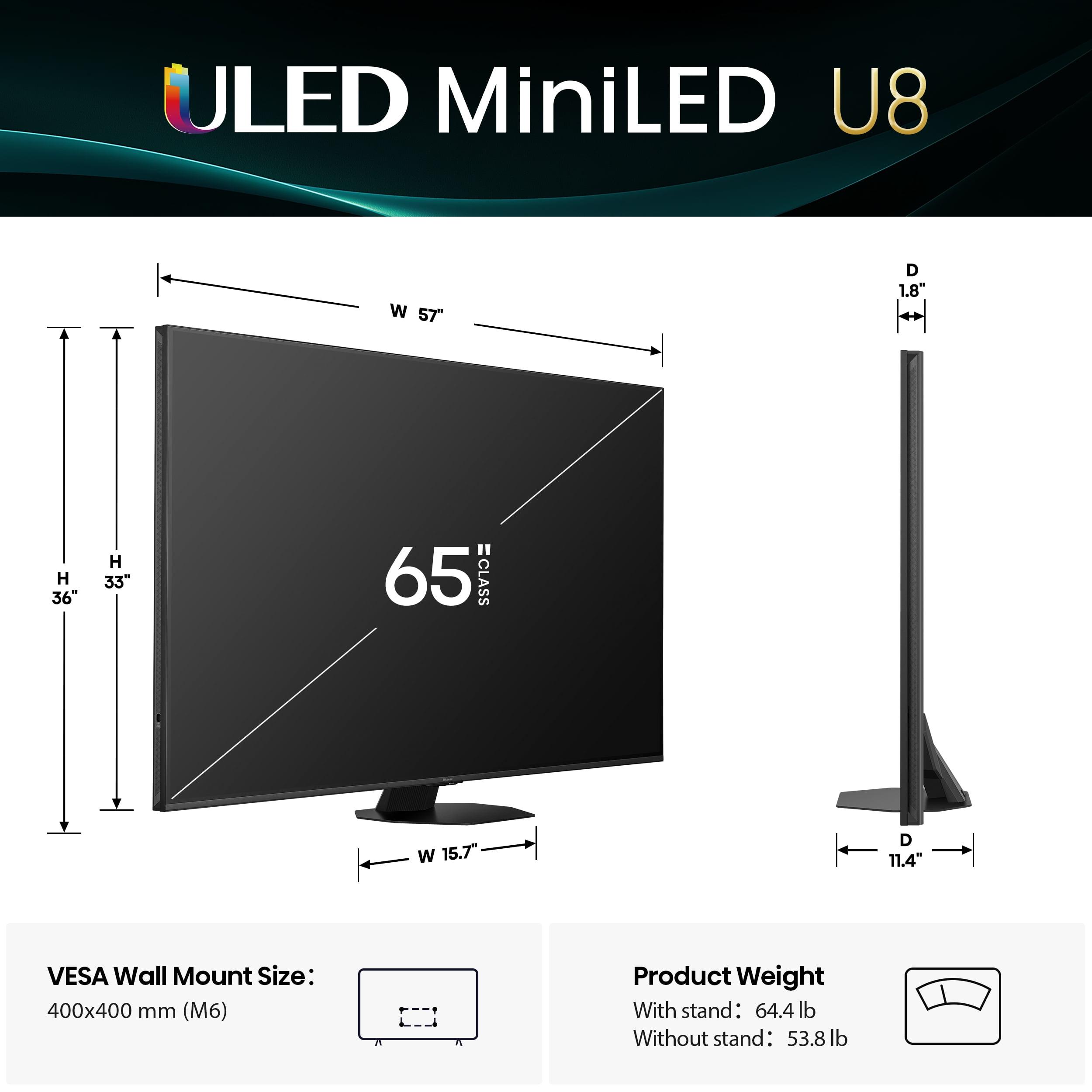
The Hisense U8 Series represents what Mini-LED technology can achieve when done right. With over 2,000 local dimming zones (compared to maybe 100-200 on older LED TVs), this TV can create incredibly precise contrast. Each zone can be controlled independently, so bright objects can shine while dark areas remain deep and detailed.
The standout feature is brightness capability. While the Sony A95K tops out around 1,000 nits (a measure of brightness), the Hisense U8 Series can reach up to 3,000 nits. This massive brightness advantage makes HDR content pop in ways that even premium OLEDs can't match, especially in bright rooms.
However, Mini-LED isn't perfect. Despite thousands of dimming zones, you might still notice some "blooming"—a subtle halo effect around very bright objects against dark backgrounds. It's much less noticeable than older LED TVs, but it's still there if you look for it.
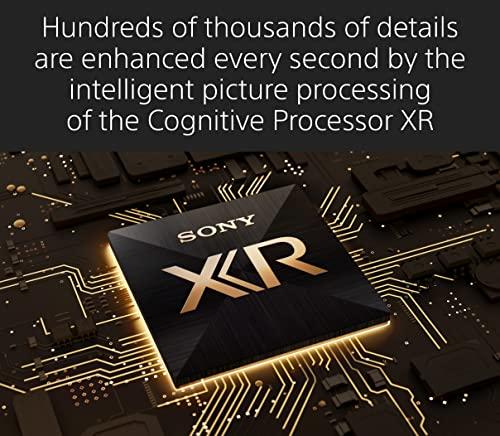
Color performance is where these TVs show their different philosophies. The Sony A95K focuses on accuracy and naturalism. Sony's XR Triluminos Max technology, combined with the Cognitive Processor XR, analyzes content to deliver colors that match what filmmakers intended. This TV covers nearly 100% of the DCI-P3 color space used in cinema production, making movies look exactly as directors envisioned them.
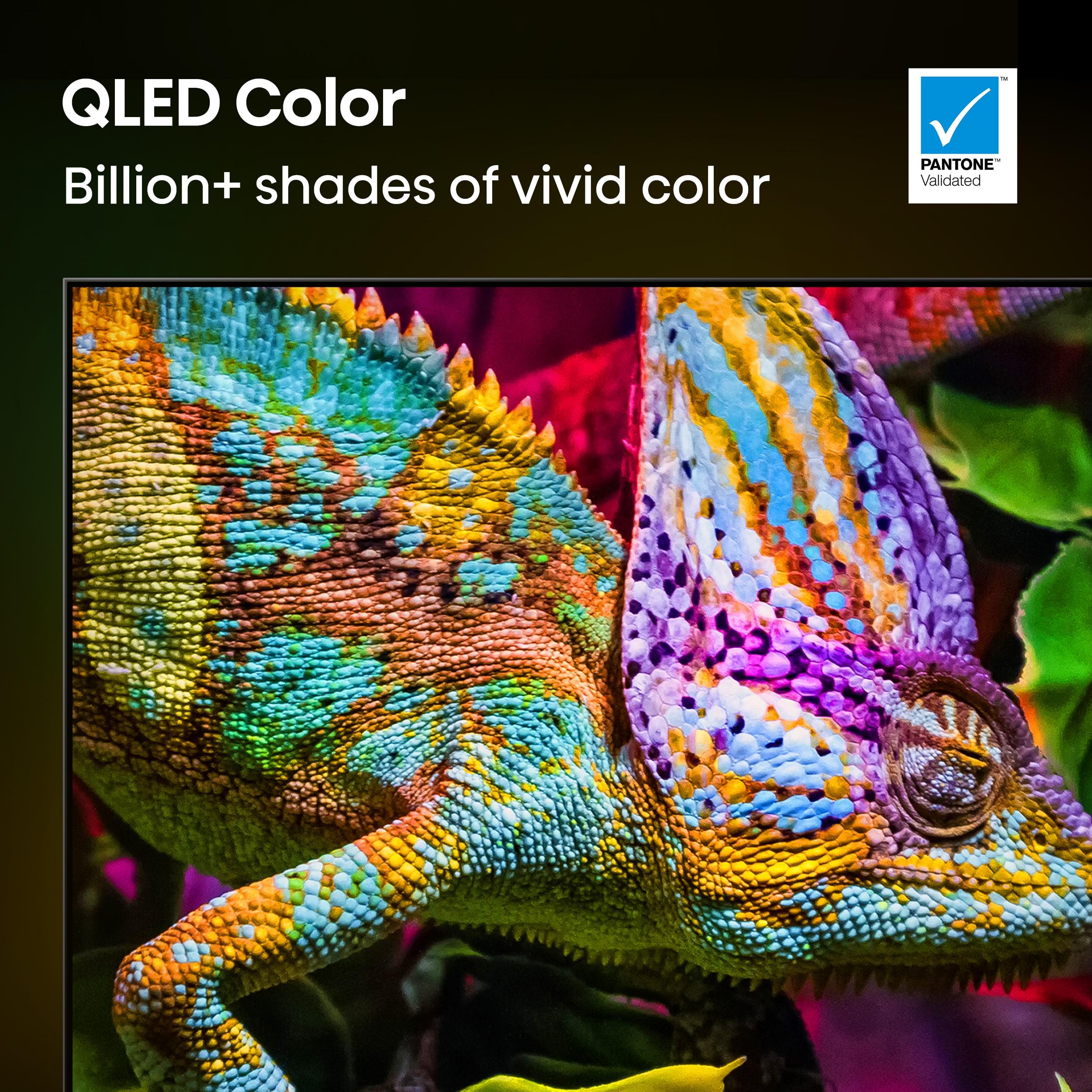
The Hisense U8 Series takes a more consumer-friendly approach with its Quantum Dot technology. Colors are vibrant and punchy, with over a billion color combinations possible. While not quite as precise as the Sony for professional color accuracy, most viewers will find the colors engaging and lifelike for everyday content.
HDR (High Dynamic Range) content is where these TVs really flex their capabilities, but in different ways. HDR essentially allows TVs to display a wider range of brightness levels, from deeper blacks to brighter highlights, creating more realistic and immersive images.
The Sony A95K excels with its infinite contrast ratio—since OLED pixels can turn completely off, blacks are truly black, making bright highlights pop dramatically. When you're watching a space scene with stars against the void, or a campfire scene in a dark forest, the contrast is breathtaking.
But the Hisense U8 Series fights back with sheer brightness. Those 3,000 nits of peak brightness mean HDR highlights can be genuinely dazzling. Sunlight reflecting off water, explosions, or bright sky scenes have an intensity that makes them feel almost real. In bright rooms, this brightness advantage becomes even more important since ambient light won't wash out the image.
Our research shows that for dark room viewing, the Sony A95K generally provides a more cinematic HDR experience. For bright rooms or when you want maximum "wow factor," the Hisense U8 Series often delivers more impressive results.
This is crucial for your decision. The Sony A95K performs best in dark or dimly lit rooms where its perfect blacks can shine without ambient light interference. In bright rooms, OLED panels can appear slightly purple or gray instead of true black, reducing their contrast advantage.
The Hisense U8 Series is much more versatile with room lighting. Its anti-glare coating and high brightness capability mean it looks excellent even in bright living rooms with lots of windows. The trade-off is narrower viewing angles—sit too far to the side and you'll notice color and brightness changes.
Both TVs represent significant upgrades for gaming, but with different strengths that matter for different types of gamers.
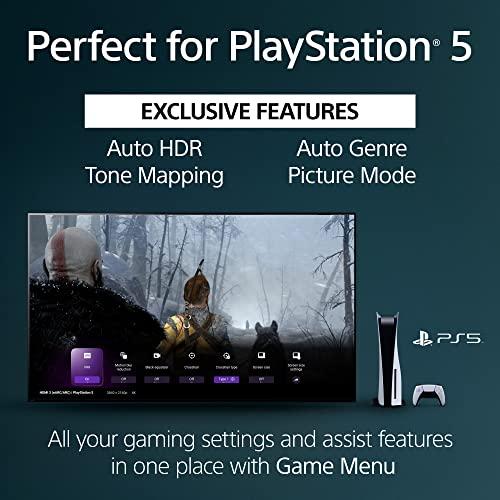
For PlayStation 5 and Xbox Series X/S owners, both TVs support the essential gaming features: 4K resolution at 120Hz refresh rates, Variable Refresh Rate (VRR) to eliminate screen tearing, and Auto Low Latency Mode (ALLM) that automatically switches to game mode when it detects a gaming signal.
The Sony A95K delivers excellent gaming with input lag around 16 milliseconds—fast enough that you won't notice any delay between pressing a button and seeing the action on screen. The OLED technology provides perfect motion clarity since there's no backlight blur, making fast-paced games look crisp and clear.
However, the Sony has a significant limitation: only two HDMI 2.1 ports. Since one is typically used for audio equipment (eARC), you're left with just one port for gaming devices. This could be frustrating if you have both current-gen consoles plus a PC.
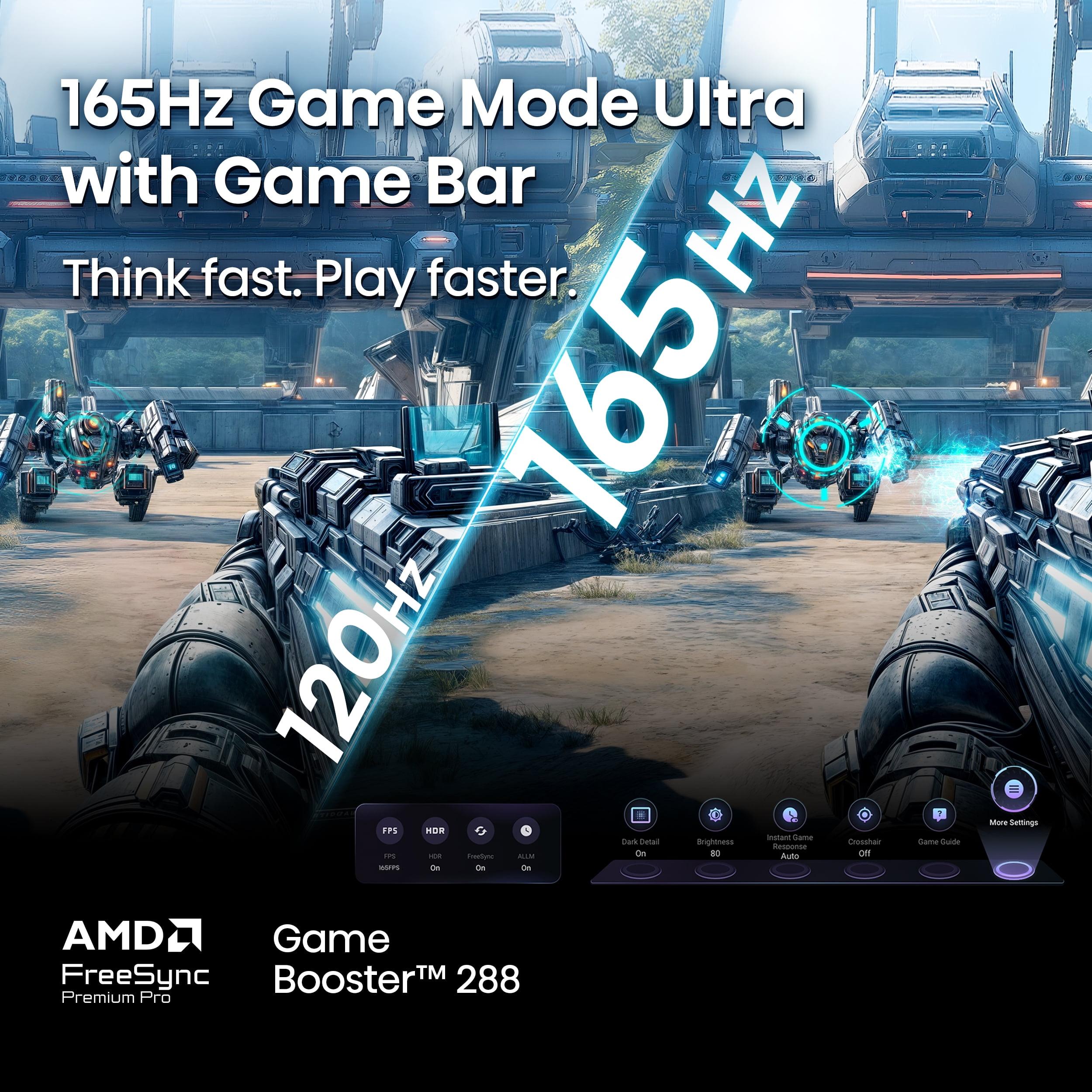
The Hisense U8 Series shines for gaming with its 144Hz native refresh rate—higher than most premium TVs. Input lag is similarly low, and it includes gaming-specific features like AMD FreeSync Premium Pro and a customizable game bar for quick setting adjustments. Multiple HDMI 2.1 ports mean you can connect all your gaming devices simultaneously.
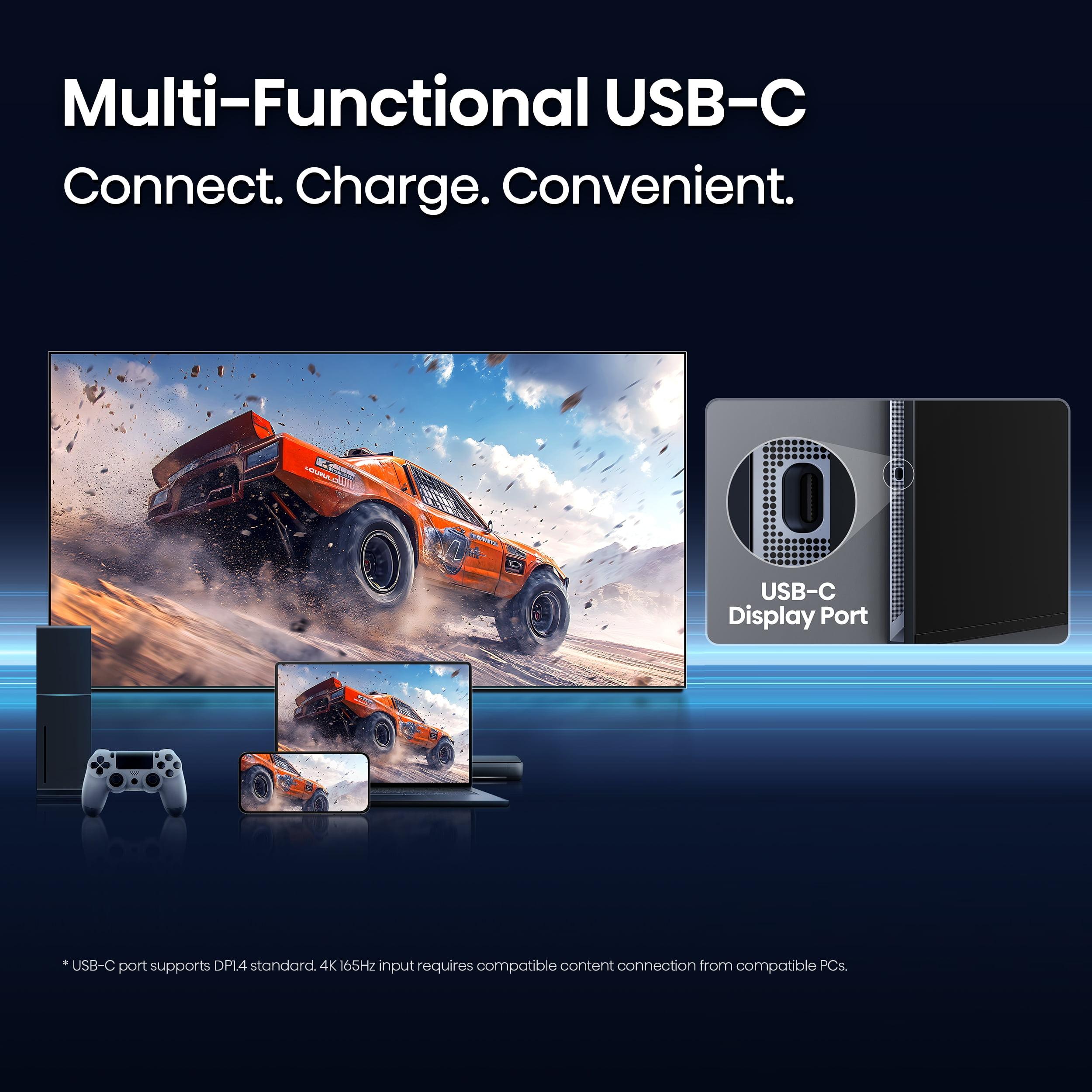
If you're a PC gamer, the Hisense U8 Series has clear advantages. That 144Hz refresh rate means you can take full advantage of high-end graphics cards, and the VRR range extends all the way up to 144Hz. The Sony caps out at 120Hz, which is still excellent but not quite as future-proof for high-performance gaming.
Both TVs recognize that premium picture quality deserves premium audio, but they take completely different approaches.
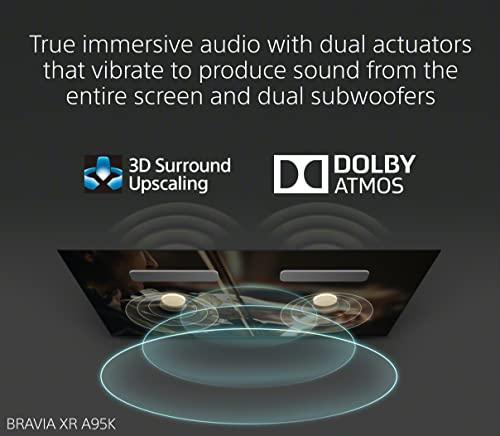
The Sony A95K uses Acoustic Surface Audio+ technology, which is genuinely clever. Instead of traditional speakers, actuators behind the screen vibrate the OLED panel itself to create sound. This means audio appears to come directly from the action on screen—when someone speaks, their voice comes from their location on the display, not from speakers below the screen.
This creates an unusually immersive experience, especially for dialogue-heavy content. The TV can even function as a center channel speaker in a surround sound setup, blending seamlessly with external speakers for home theater use.
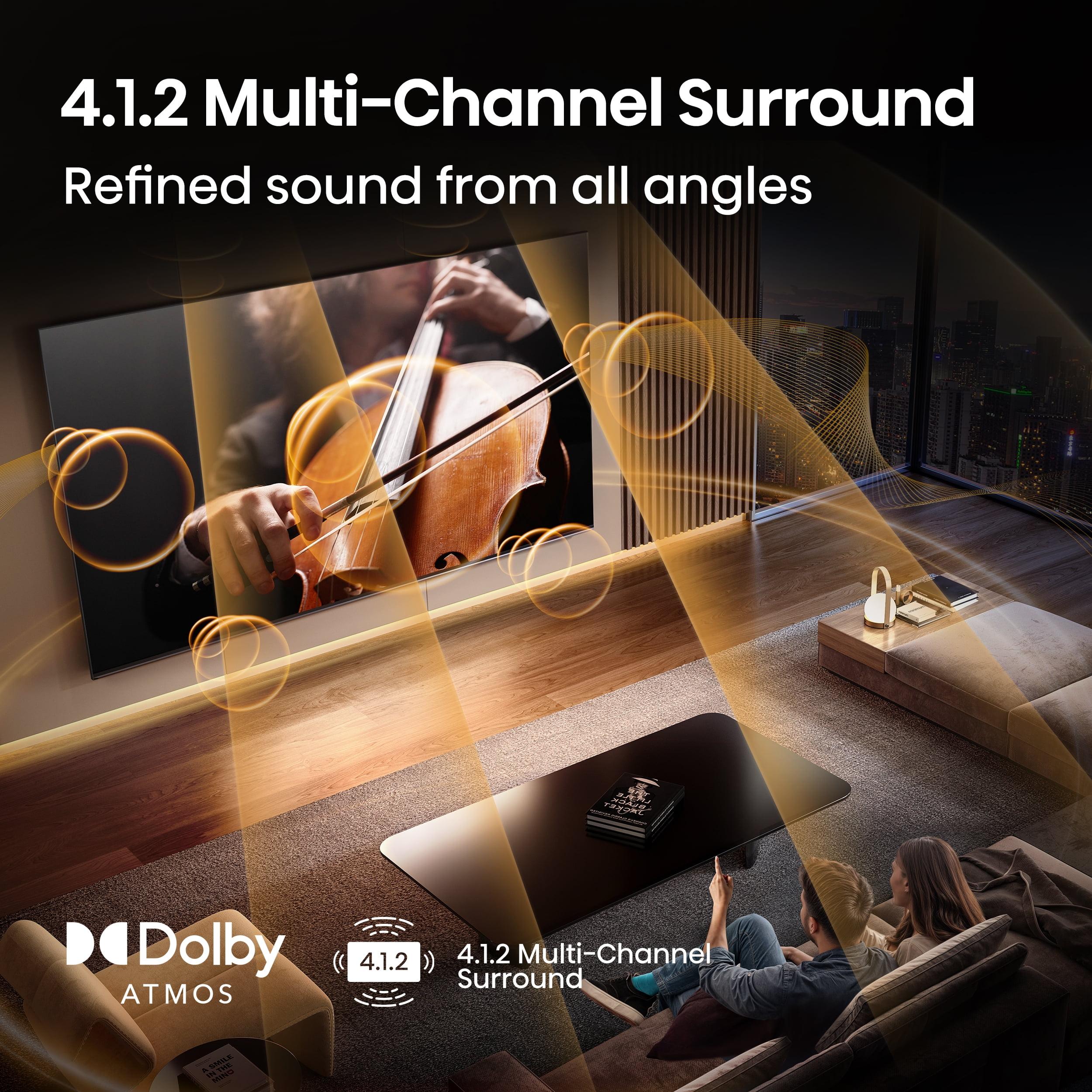
The Hisense U8 Series goes with a more conventional but robust audio system. The 50W 2.1.2 channel setup includes dedicated side speakers, rear subwoofers, and upward-firing drivers for Dolby Atmos effects. While the sound doesn't come directly from the screen like the Sony, it's powerful and dynamic with impressive bass response for a TV.
For most content, both systems sound significantly better than typical TV speakers. However, serious home theater enthusiasts will likely want to add a dedicated sound system to either TV.
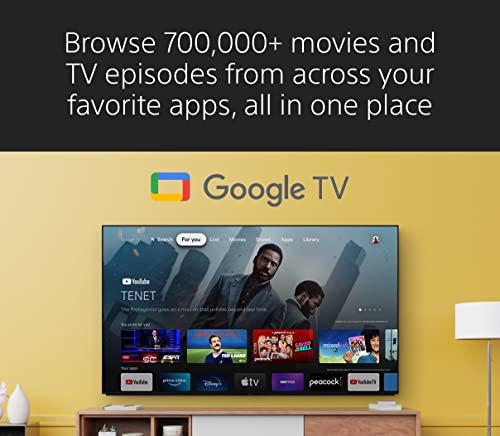
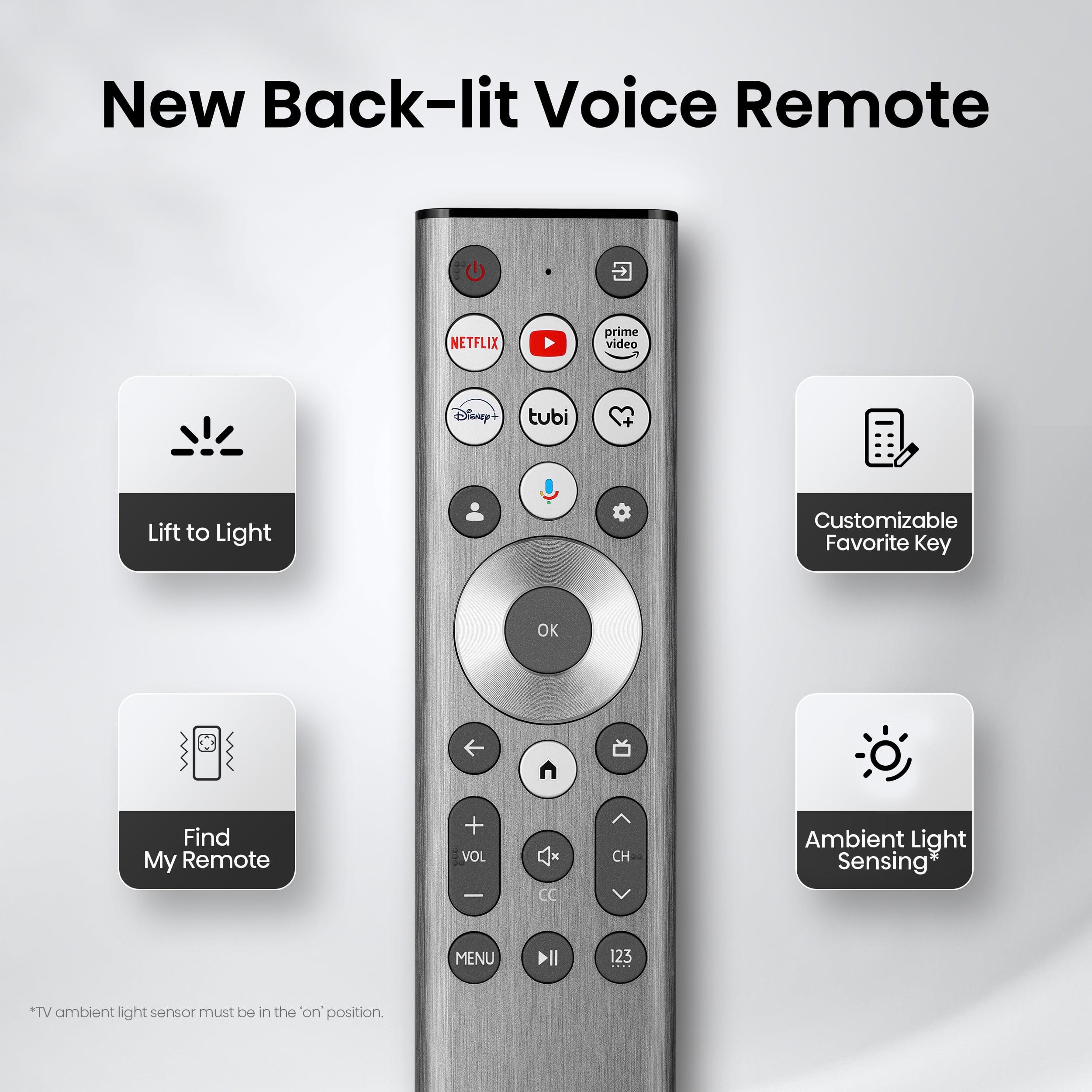
Both TVs run Google TV, which is currently one of the better smart TV platforms. It's intuitive, regularly updated, and has excellent app selection including all major streaming services. The interface is clean and responsive, with useful features like content recommendations across different streaming platforms.
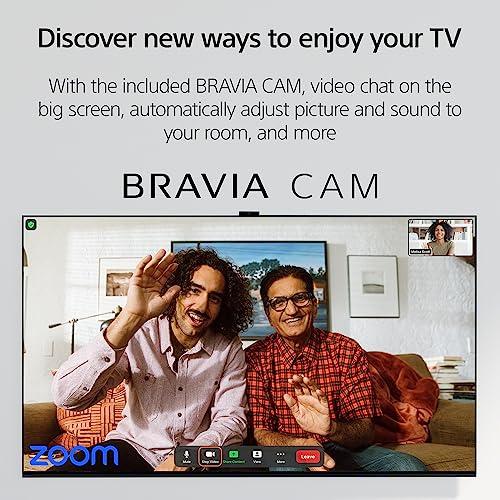
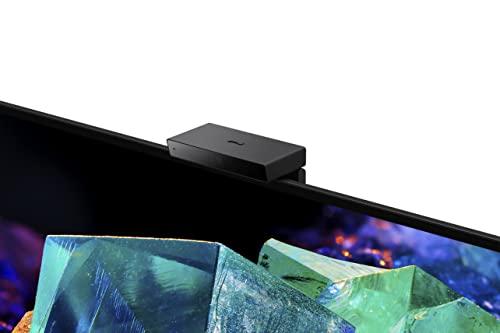
The Sony A95K includes the BRAVIA CAM, a camera that enables gesture controls and video calling. It's a nice addition that adds functionality, though many users end up covering cameras for privacy reasons.
The Hisense U8 Series focuses on connectivity and future-proofing with Wi-Fi 6E support for faster wireless speeds and a NEXTGEN TV ATSC 3.0 tuner for improved over-the-air broadcasts. These might seem like minor features now, but they'll become more valuable over time.
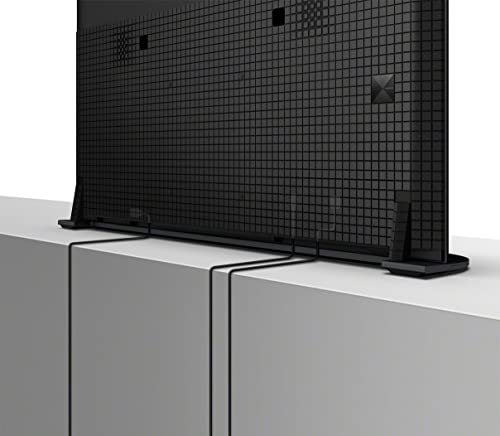
The Sony A95K exemplifies premium construction with refined materials, a sophisticated stand design, and attention to detail that justifies its higher price point. It looks like a piece of premium electronics that belongs in a high-end home theater setup.
The Hisense U8 Series offers solid build quality at its price point, with practical design choices like an adjustable-height stand that accommodates soundbars and side-facing ports for easier cable management. While not quite as refined as the Sony, it's well-built and functional.
At the time of writing, these TVs occupy different price tiers that reflect their target markets. The Sony A95K, as a flagship model from 2022, typically commands a premium price that reflects its cutting-edge QD-OLED technology and Sony's reputation for picture quality. However, since it's been on the market for over two years, prices have become more accessible than at launch.
The Hisense U8 Series represents exceptional value in the premium TV space, typically priced significantly lower than the Sony while delivering many similar capabilities. Hisense has built a reputation for offering features and performance that punch above their price class.
For dedicated home theater rooms, the Sony A95K often edges ahead due to its superior dark room performance and more accurate color reproduction. The perfect blacks and wide viewing angles make it ideal for the controlled lighting environment of a home theater, while the Acoustic Surface Audio+ technology can actually improve the overall sound system integration.
The Hisense U8 Series works well in home theaters too, especially if you prioritize maximum brightness for HDR impact. Its higher peak brightness can make certain HDR content more spectacular, even in dark rooms.
The Sony A95K is the right choice if you prioritize absolute picture quality and have a dark or controllable viewing environment. It's ideal for movie enthusiasts who want cinema-quality reproduction, viewers who care about color accuracy, and anyone who values the unique acoustic technology. The limited HDMI 2.1 ports make it better suited for users with simpler setups.
The Hisense U8 Series makes more sense if you want excellent performance in a bright room, prioritize gaming features, or want maximum value for your investment. It's perfect for versatile family rooms, serious gamers, and anyone who wants premium TV features without paying flagship prices.
Both represent excellent choices in the premium TV market, but your specific viewing environment, content preferences, and budget will determine which technology approach serves you better. The TV market has reached a point where both OLED and Mini-LED technologies can deliver truly impressive results—it's just a matter of matching the right technology to your needs.
| Sony Bravia XR A95K 65" QD-OLED TV | Hisense 65" U8 Series Mini-LED ULED 4K Google TV |
|---|---|
| Display Technology - Determines contrast, viewing angles, and room compatibility | |
| QD-OLED with perfect blacks and infinite contrast | Mini-LED with 2,000+ dimming zones and exceptional brightness |
| Peak Brightness - Critical for HDR impact and bright room viewing | |
| ~1,000 nits (excellent for dark rooms) | Up to 3,000 nits (superior for bright rooms and HDR highlights) |
| Viewing Angles - Important for off-center seating | |
| Excellent (178° with minimal quality loss) | Limited (noticeable color/brightness drop when viewed from side) |
| Gaming Refresh Rate - Higher is better for PC gaming and future consoles | |
| 120Hz with VRR support | 144Hz native with VRR up to 144Hz |
| HDMI 2.1 Ports - Needed for 4K@120Hz gaming from multiple devices | |
| 2 ports (limiting for multiple gaming setups) | Multiple ports with full HDMI 2.1 bandwidth |
| Audio System - Built-in sound quality affects need for external speakers | |
| Acoustic Surface Audio+ (screen vibrates to create sound) | 50W 2.1.2 channel system with Dolby Atmos |
| Color Accuracy - More important for cinema content than gaming/sports | |
| Cinema-grade with 99.95% UHDA-P3 coverage | Vibrant Quantum Dot with over 1 billion colors |
| Smart Platform - Both use Google TV but with different extras | |
| Google TV + BRAVIA CAM for gesture controls | Google TV + Wi-Fi 6E and NEXTGEN TV tuner |
| Best Room Type - Where each TV performs optimally | |
| Dark/controlled lighting rooms and home theaters | Bright living rooms and versatile family spaces |
| Target User - Who benefits most from each approach | |
| Movie enthusiasts prioritizing picture accuracy | Gamers and bright-room viewers wanting maximum value |
The Hisense U8 Series is significantly better for bright rooms due to its peak brightness of up to 3,000 nits and anti-glare coating. The Sony A95K performs best in dark or controlled lighting environments where its perfect blacks can shine without ambient light interference.
The Sony A95K uses QD-OLED technology, which combines self-illuminating OLED pixels with quantum dots for perfect blacks and vibrant colors. The Hisense U8 Series uses Mini-LED backlighting with over 2,000 dimming zones to achieve high brightness and excellent contrast, though not quite as perfect as OLED.
The Hisense U8 Series has advantages for gaming with its 144Hz refresh rate, multiple HDMI 2.1 ports, and AMD FreeSync Premium Pro support. The Sony A95K offers excellent gaming at 120Hz but is limited by having only two HDMI 2.1 ports.
Both TVs offer above-average audio. The Sony A95K uses unique Acoustic Surface Audio+ technology where the screen itself produces sound, creating immersive audio positioning. The Hisense U8 Series has a powerful 50W 2.1.2 channel system with Dolby Atmos. While both sound good, a dedicated soundbar will still provide superior audio quality.
The Sony A95K excels in color accuracy with cinema-grade reproduction covering 99.95% of the UHDA-P3 color space used in film production. The Hisense U8 Series offers vibrant, punchy colors that are engaging for everyday viewing but not quite as precise for professional color accuracy.
The Sony A95K maintains excellent picture quality from almost any viewing angle due to OLED technology. The Hisense U8 Series has more limited viewing angles typical of LED-based displays, with noticeable color and brightness changes when viewed from the side.
For dedicated home theaters with controlled lighting, the Sony A95K is typically preferred due to its perfect blacks, accurate colors, and wide viewing angles. The unique Acoustic Surface Audio+ can even integrate as a center channel speaker. The Hisense U8 Series works well in home theaters too, especially if maximum HDR brightness is prioritized.
Both TVs excel at HDR but differently. The Sony A95K provides exceptional contrast with perfect blacks making highlights pop dramatically. The Hisense U8 Series delivers brighter HDR highlights that can be more impactful in bright rooms, with peak brightness three times higher than the Sony.
The Hisense U8 Series typically offers better value, providing premium features and performance at a more accessible price point. The Sony A95K commands a premium for its cutting-edge QD-OLED technology and superior picture accuracy, making it worthwhile for those prioritizing absolute picture quality.
Both run Google TV with comprehensive app selection and voice control. The Sony A95K includes the BRAVIA CAM for gesture controls and video calling. The Hisense U8 Series focuses on connectivity with Wi-Fi 6E support and a NEXTGEN TV ATSC 3.0 tuner for future-proofing.
Both TVs handle motion well, but differently. The Sony A95K provides perfect motion clarity due to OLED's instant pixel response with no backlight blur. The Hisense U8 Series offers higher 144Hz refresh rates and excellent motion processing, making it particularly good for high frame rate content and gaming.
Choose the Hisense U8 Series for bright, versatile living rooms where you need excellent performance in various lighting conditions. Select the Sony A95K if you can control lighting and prioritize the most accurate, cinema-quality picture reproduction for your living space.
We've done our best to create useful and informative comparisons to help you decide what product to buy. Our research uses advanced automated methods to create this comparison and perfection is not possible - please contact us for corrections or questions. These are the sites we've researched in the creation of this article: tomsguide.com - audioadvice.com - wepc.com - bestbuy.com - tvsbook.com - rtings.com - youtube.com - flatpanelshd.com - rtings.com - youtube.com - reviewed.com - avsforum.com - youtube.com - youtube.com - rtings.com - youtube.com - electronics.sony.com - sonypremiumhome.com - valueelectronics.com - sony.com - displayspecifications.com - flatpanelshd.com - donstv.com - youtube.com - businessinsider.com - youtube.com - displayspecifications.com - bestbuy.com - bestbuy.com - hisense-usa.com - rtings.com - bestbuy.com - rtings.com - hisense-usa.com - youtube.com - hisense-usa.com - avsforum.com - hisense-usa.com - hisense-usa.com - rtings.com - avsforum.com - hisense-usa.com - prnewswire.com - hisense-usa.com - bestbuy.com - youtube.com - hisense-usa.com

Privacy Policy
Terms and Conditions - Affiliate Policy
Home Security
© Copyright 2008-2026.
11816 Inwood Rd #1211, Dallas, TX 75244