

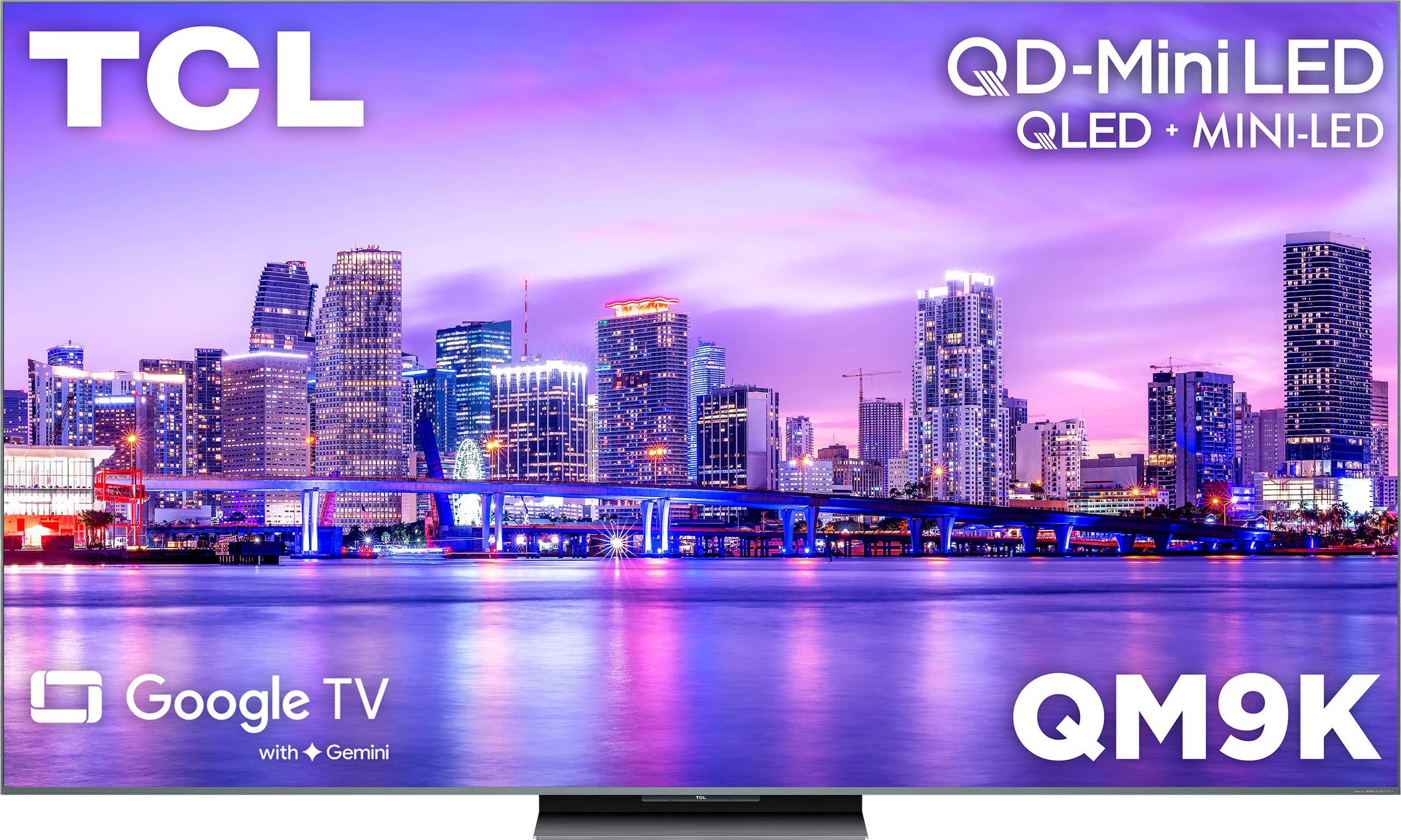
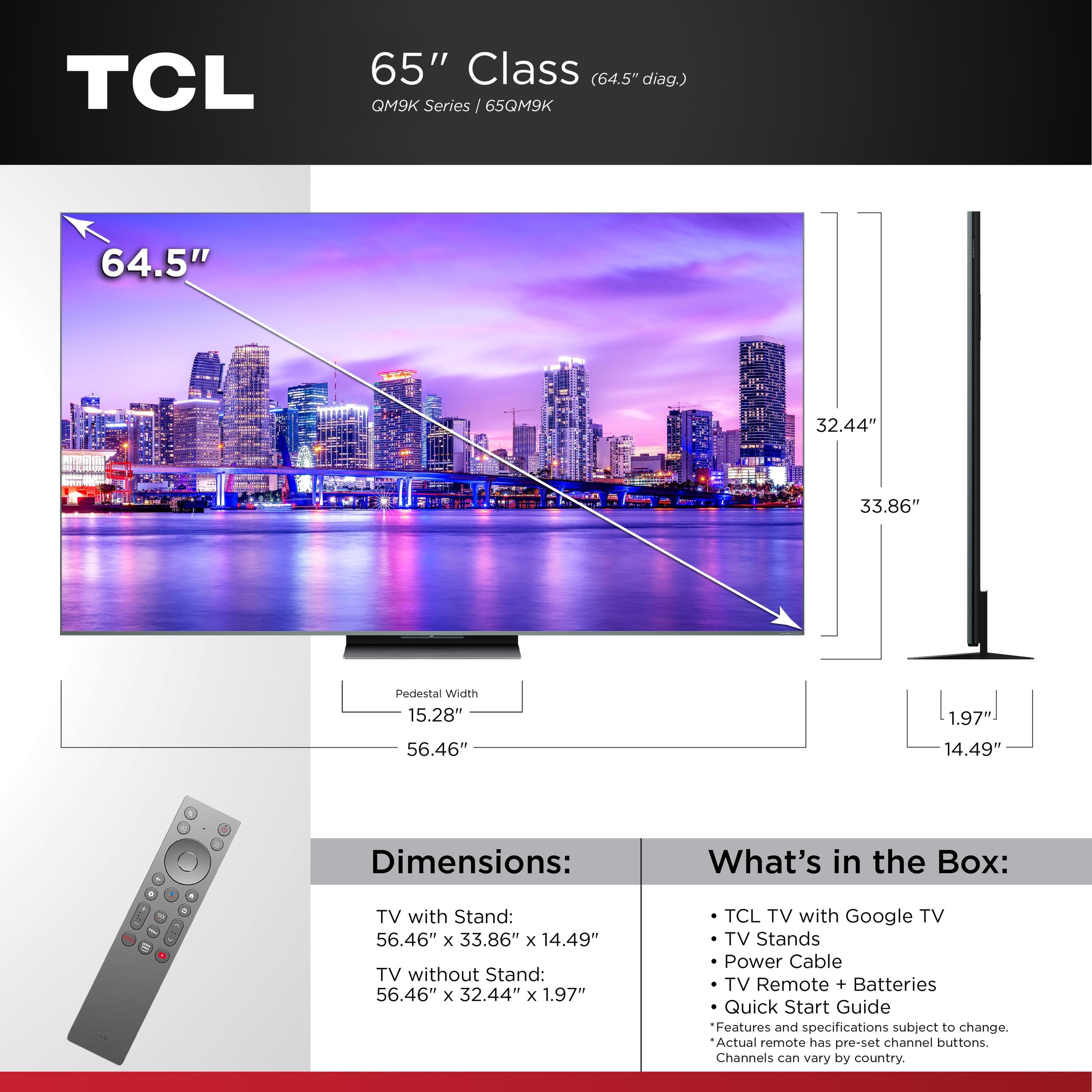
When shopping for a premium 65-inch TV in 2024, you're facing a fascinating choice between two completely different philosophies. The TCL QM9K represents the bleeding edge of display technology, packed with features that would make any home theater enthusiast drool. Meanwhile, the Samsung Frame 2024 takes a radical approach—it's designed to disappear into your living room as a piece of art when you're not watching Netflix.
At the time of writing, these TVs sit in different price tiers, with the Samsung Frame coming in significantly cheaper than the TCL QM9K. But as we'll explore, that price difference tells an important story about what you're actually paying for.
Before diving into these specific models, it's worth understanding what makes modern premium TVs tick. The biggest game-changers in recent years have been improvements in local dimming (controlling brightness in specific areas of the screen), peak brightness capabilities, and gaming features. Both TVs launched in 2024, but they represent very different approaches to these technologies.
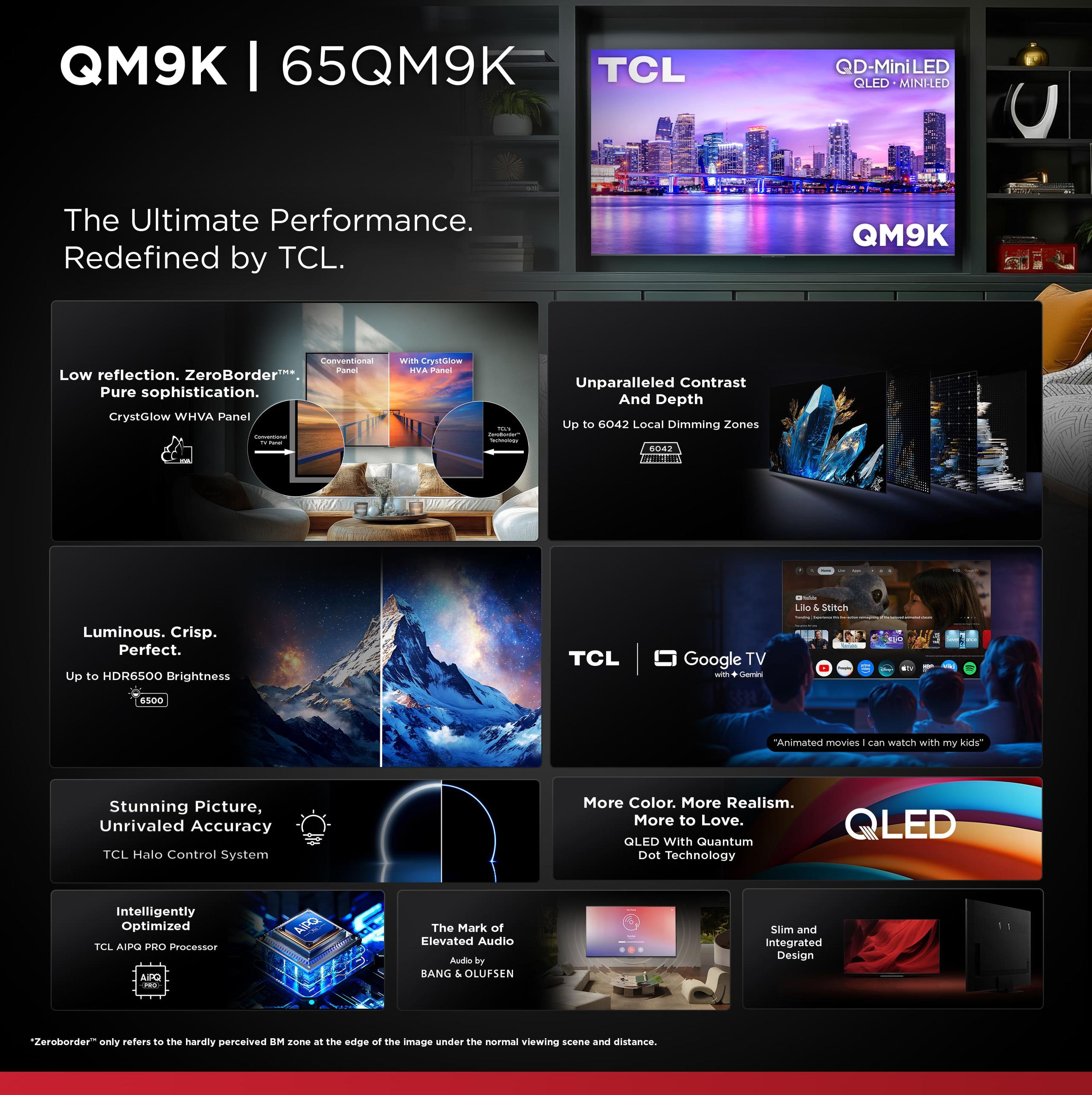
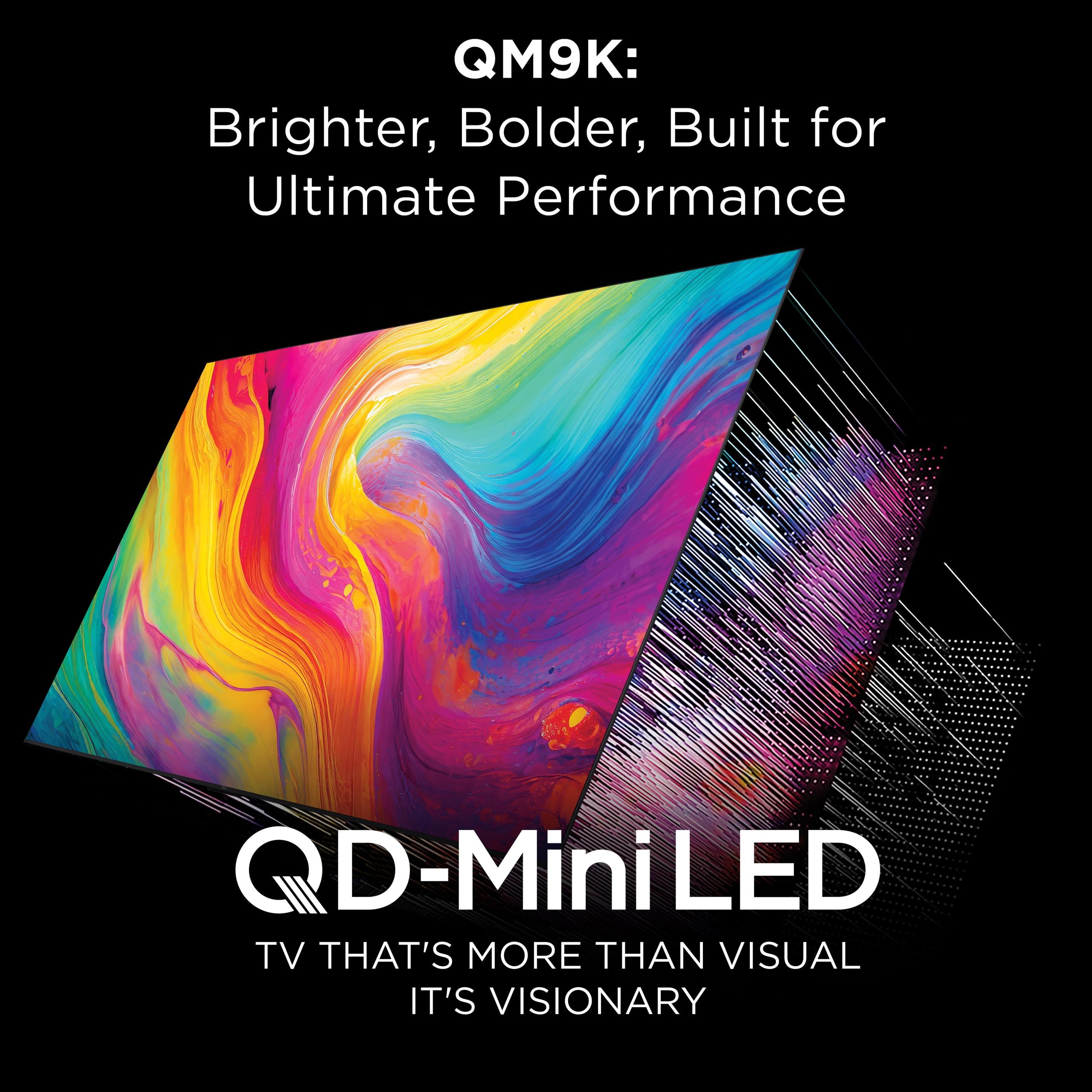
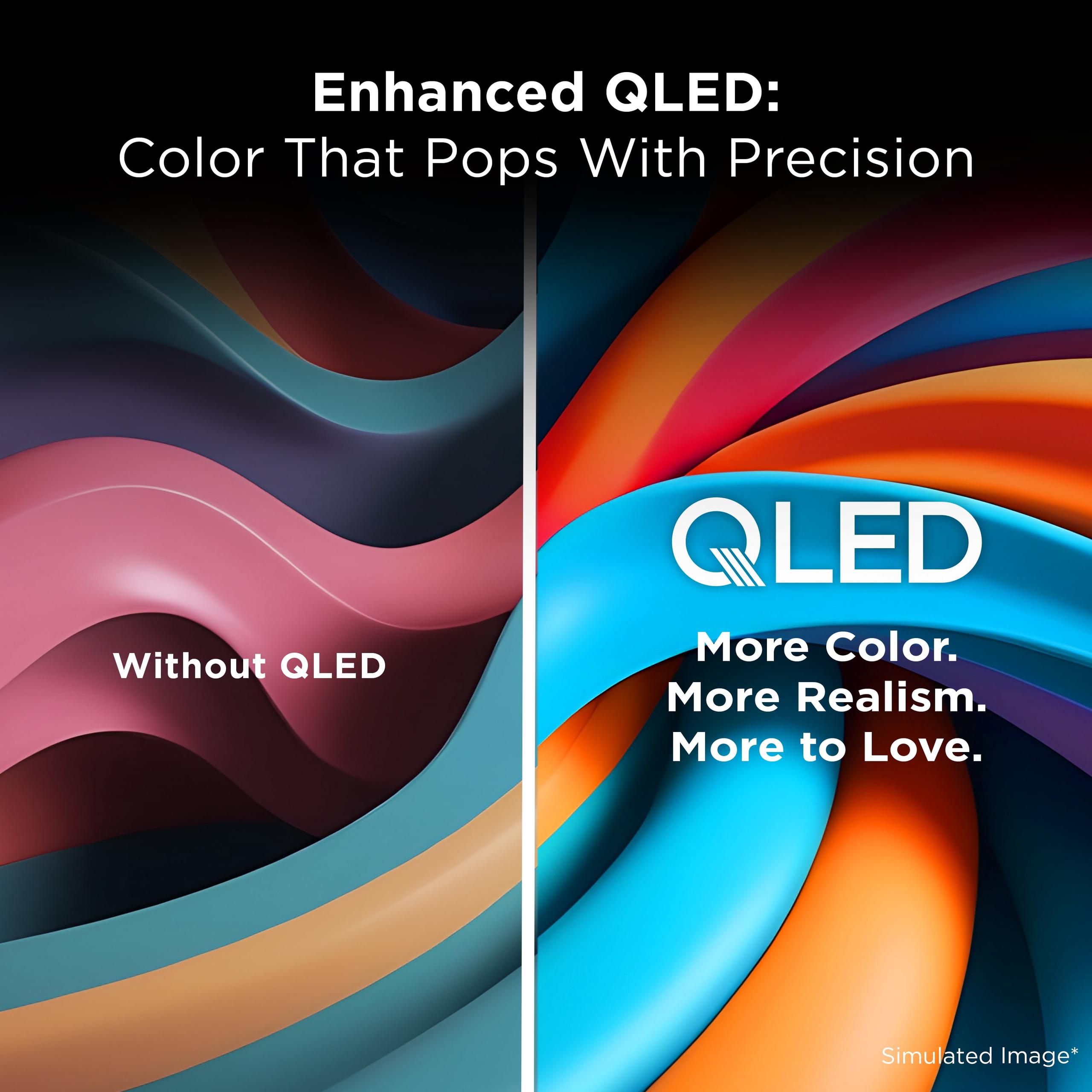
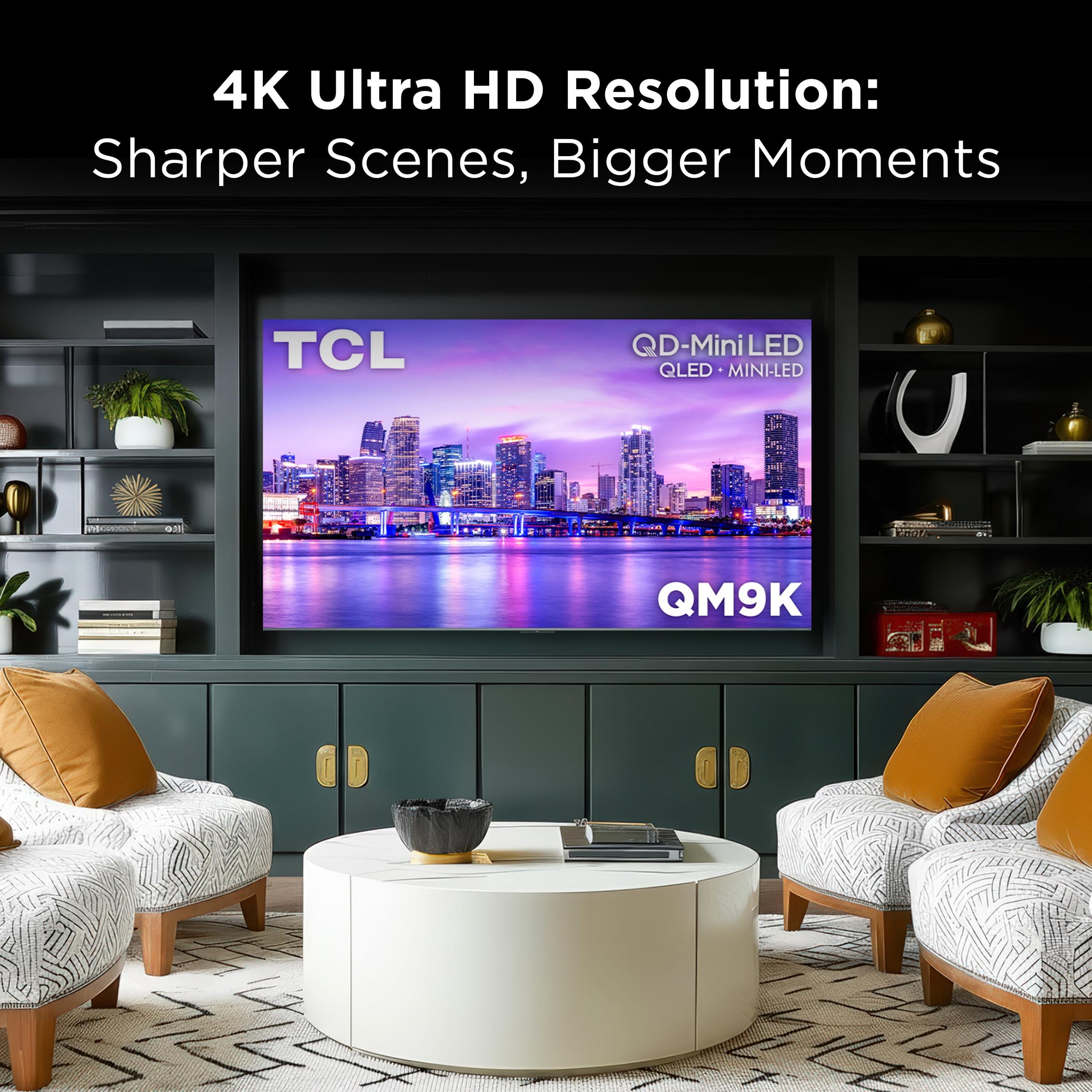
The TCL QM9K uses what's called QD-Mini LED technology. Think of this as having thousands of tiny LED lights behind the screen that can turn on and off independently. The "QD" stands for Quantum Dot—microscopic particles that enhance color accuracy and brightness. When you combine these technologies, you get incredible control over which parts of the screen are bright and which parts are dark, creating that cinematic look where stars pop against a truly black night sky.
The Samsung Frame, on the other hand, uses a more traditional QLED setup with Dual LED backlighting. While it still uses quantum dots for enhanced colors, it doesn't have the thousands of individual dimming zones that make such a dramatic difference in contrast.
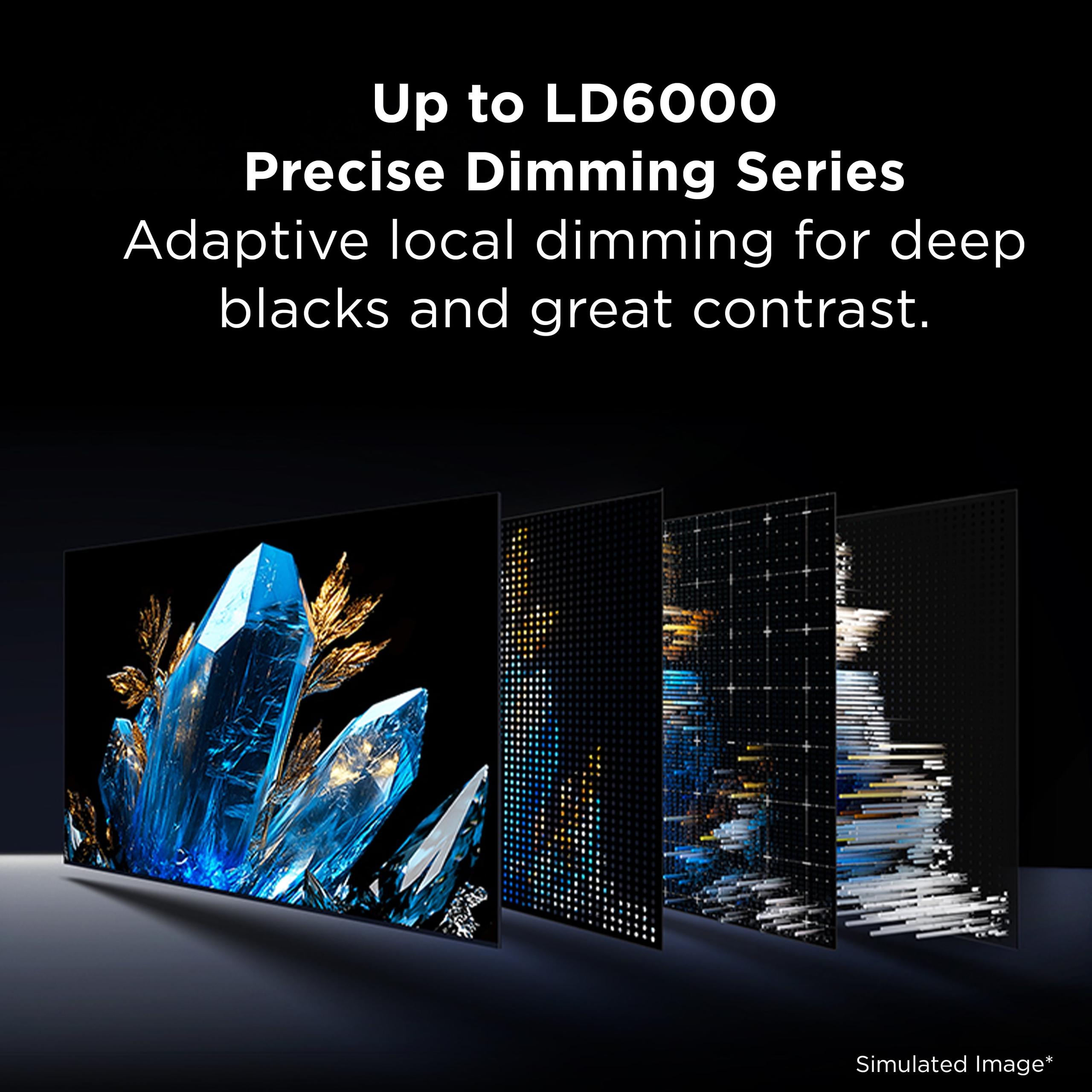
This is where the TCL QM9K absolutely dominates. With up to 6,000 local dimming zones, this TV can make specific areas of the screen incredibly bright while keeping others completely black. In practical terms, this means when you're watching a movie scene with someone holding a flashlight in a dark room, the flashlight beam will be brilliantly bright while the shadows remain truly dark—not the grayish black you get with lesser TVs.
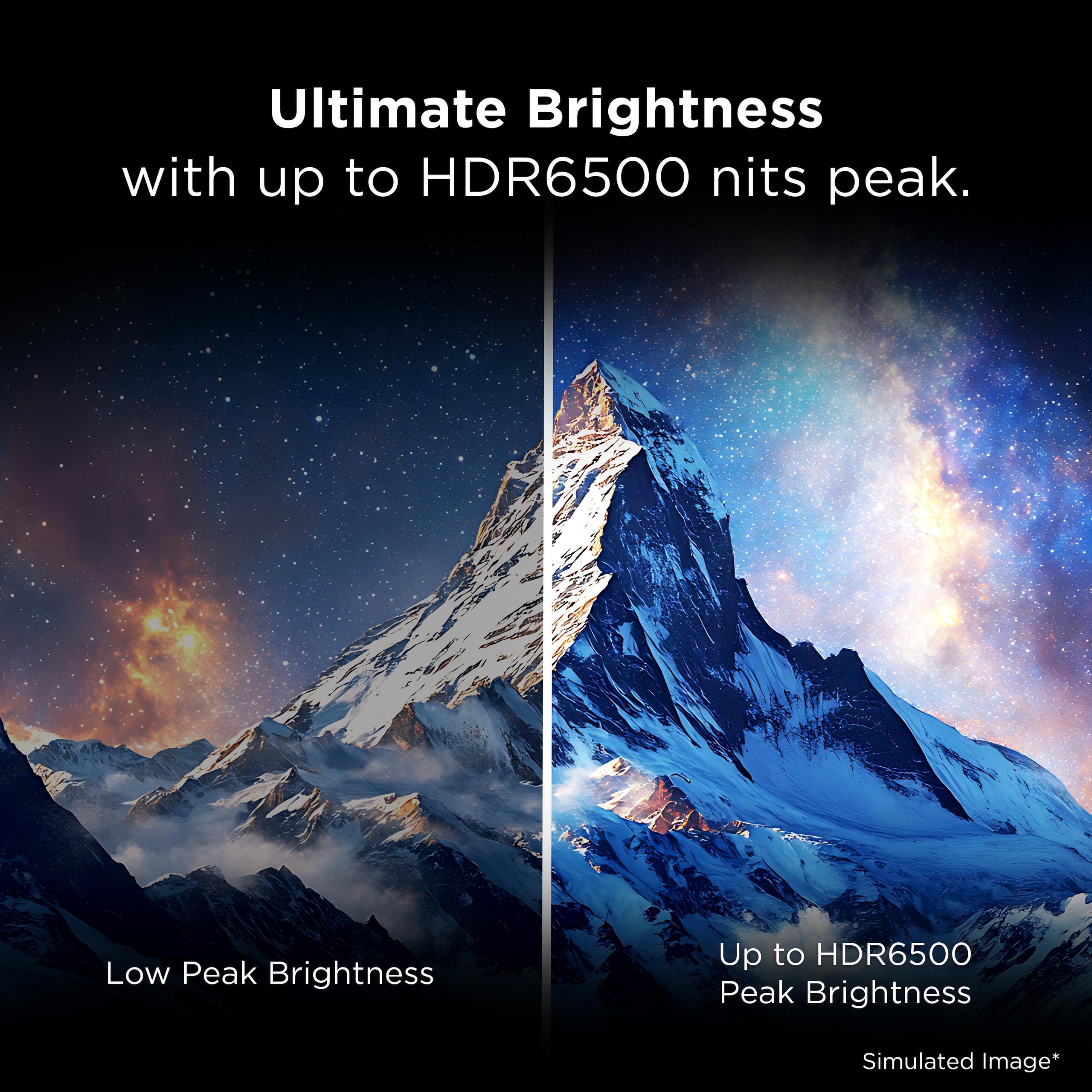
The peak brightness of the TCL QM9K reaches an impressive 6,500 nits in HDR (High Dynamic Range) content. To put this in perspective, a sunny day outside measures about 100,000 nits, while most older TVs topped out around 400-600 nits. This massive brightness capability means HDR content—like the latest Marvel movies or nature documentaries—will have highlights that genuinely pop off the screen.
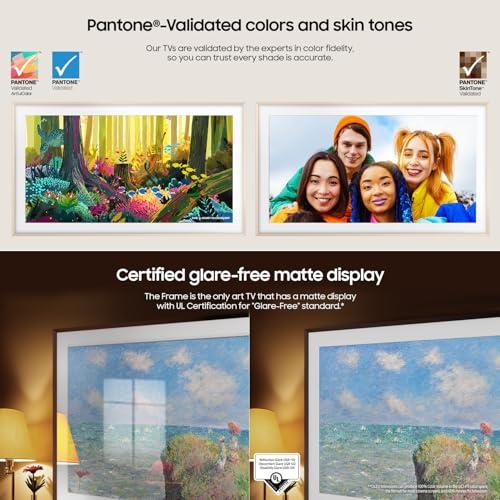
The Samsung Frame takes a completely different approach. Instead of chasing maximum brightness and contrast, it uses a matte anti-glare coating that's specifically designed to look like canvas or paper. This is brilliant if you want to display art, but it does sacrifice some of that "wow factor" you get with glossy, high-contrast displays. The trade-off is that you can watch this TV comfortably in a bright living room without squinting at reflections.
From our research into expert reviews and user feedback, the picture quality difference is substantial. The TCL QM9K delivers that premium cinema experience where dark scenes have genuine depth and bright scenes have impact. The Samsung Frame provides perfectly watchable picture quality that prioritizes comfort over spectacle.
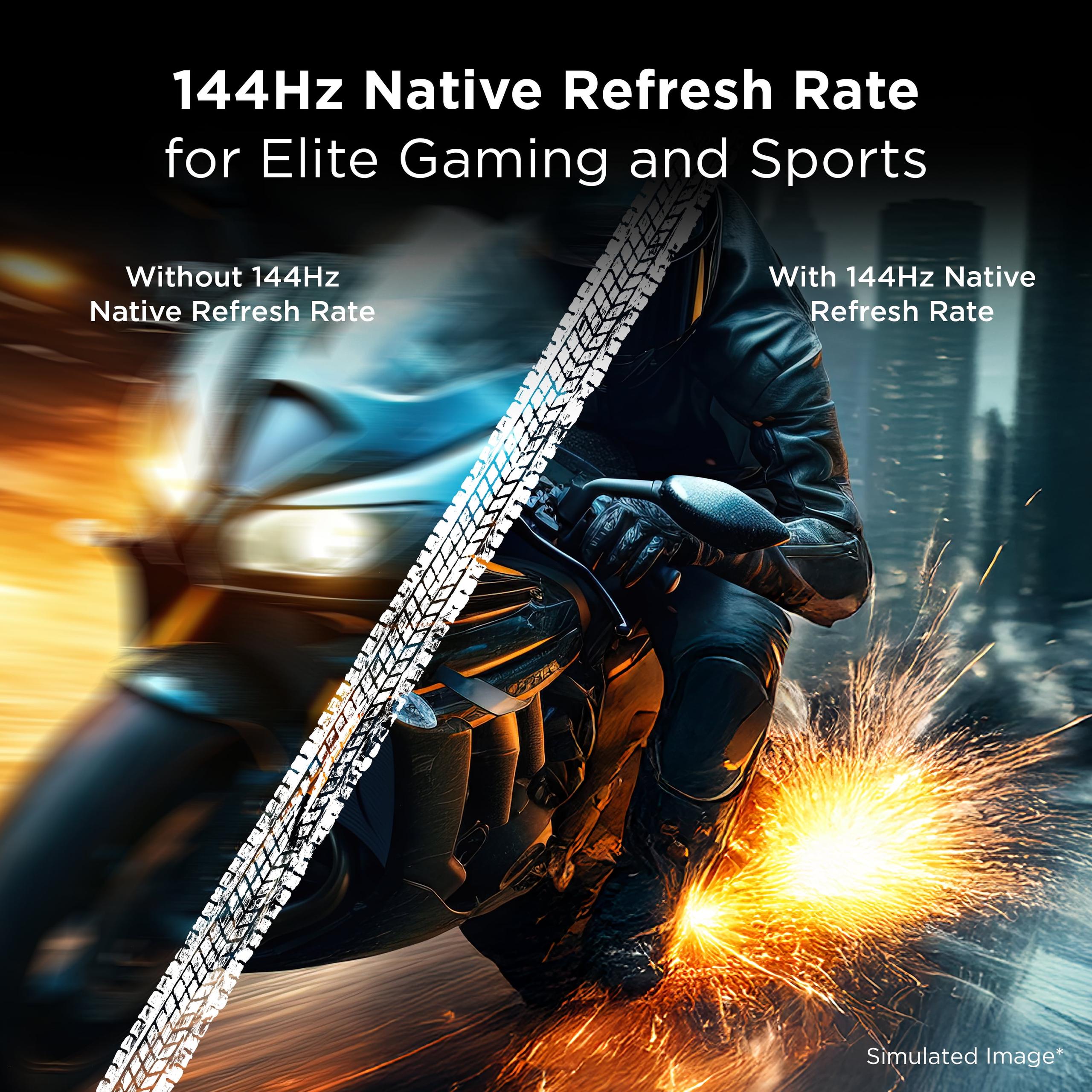
Here's where the TCL QM9K really flexes its technical muscles. With a native 144Hz refresh rate and something called Game Accelerator 288, it can display up to 288 frames per second for competitive gaming. To understand why this matters, imagine watching a tennis ball move across the screen—at 60Hz, you see 60 individual snapshots of that ball per second. At 288Hz, you see 288 snapshots, making the motion appear incredibly smooth.
The input lag (the delay between pressing a button and seeing the result on screen) measures just 5.3 milliseconds on the TCL QM9K. For context, most people can't even perceive delays under 20 milliseconds, so this TV responds almost instantaneously to your controller inputs.
The Samsung Frame offers solid gaming performance with 120Hz maximum refresh rate and low input lag, but it's clearly not built for serious gamers. If you're playing the latest PlayStation or Xbox games casually, it'll serve you well. If you're into competitive gaming where every millisecond matters, the TCL QM9K is the clear winner.
Both TVs support Variable Refresh Rate (VRR), which synchronizes the TV's refresh rate with your gaming console's output to eliminate screen tearing—those horizontal lines that can appear during fast motion.
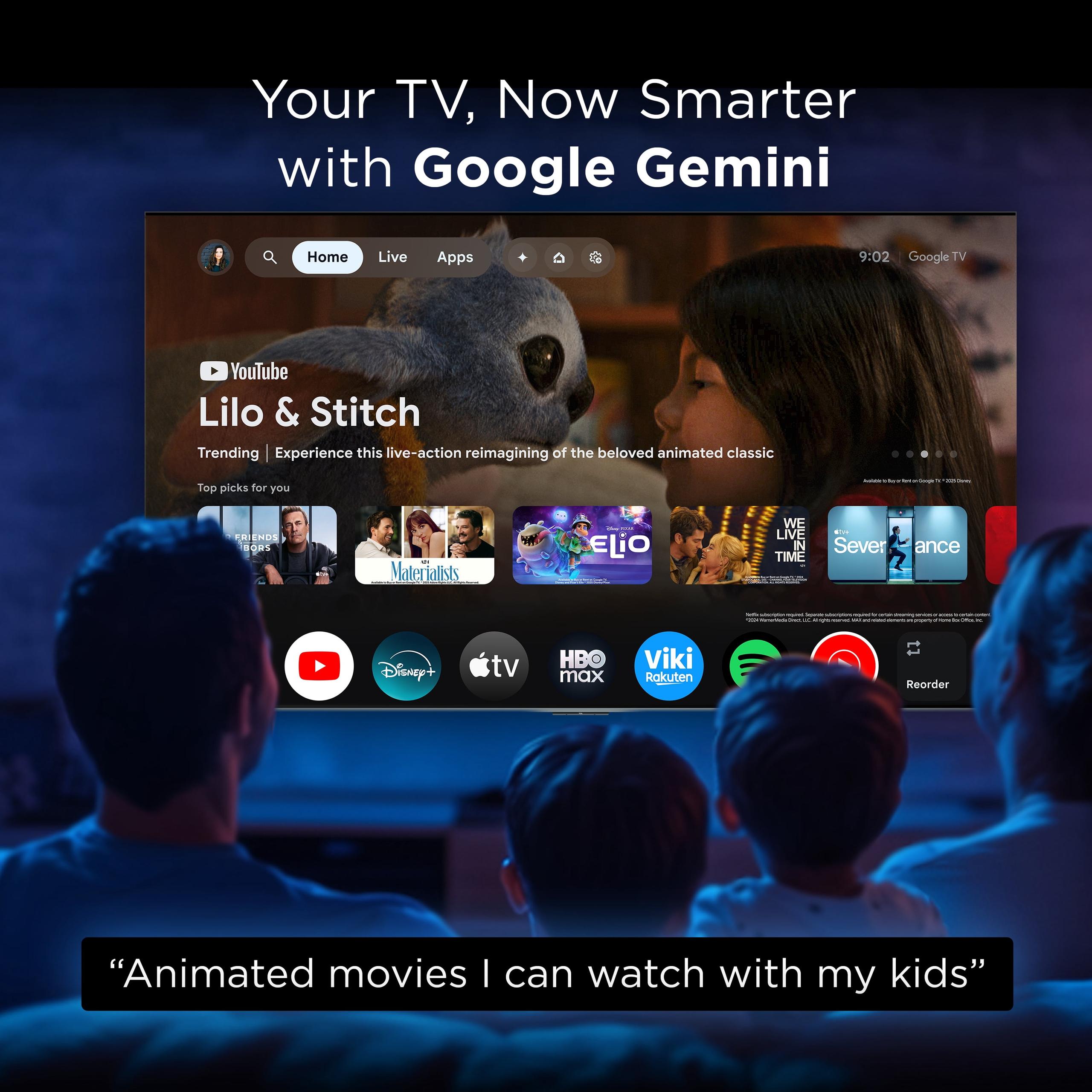
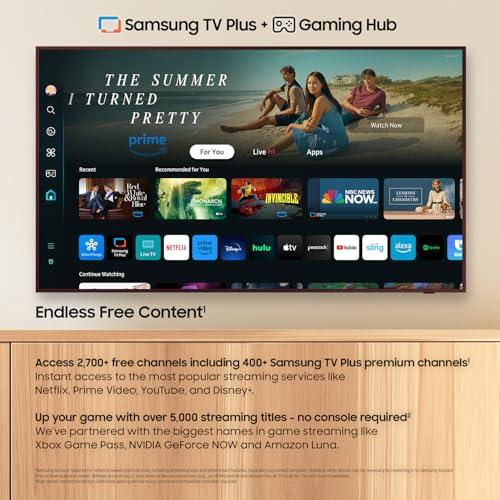
The smart TV experience has evolved dramatically since these platforms launched. The TCL QM9K runs Google TV with Google Gemini integration, which means you can ask questions like "Show me action movies from the 90s" and get relevant suggestions across all your streaming services. The presence sensor is a neat touch—it can detect when you walk into the room and automatically turn on or display widgets.
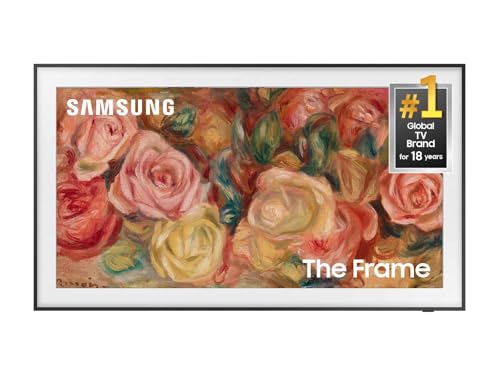
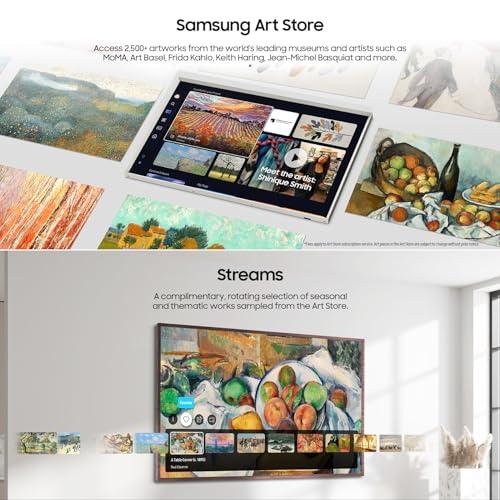
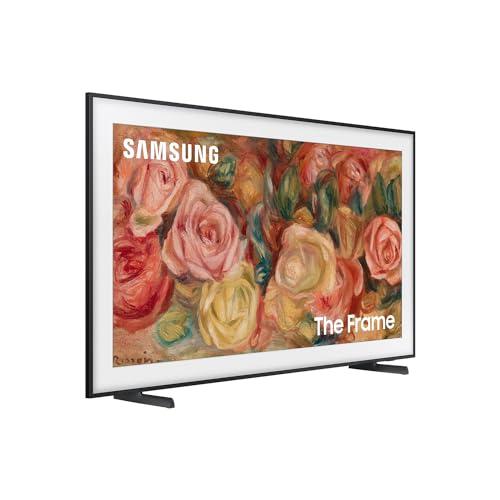
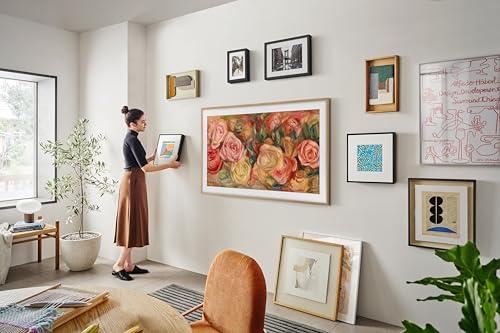
The Samsung Frame uses Samsung's Tizen operating system, which integrates well with other Samsung devices and SmartThings home automation. However, the real star here is Art Mode. When you're not watching TV, the screen displays artwork that looks surprisingly convincing as a real painting. The motion sensor turns the display on when you approach and off when the room is empty, helping manage electricity costs.
Both TVs handle 4K upscaling well—taking lower-resolution content and making it look better on the 4K screen. However, the TCL QM9K's AIPQ PRO processor uses artificial intelligence to analyze each scene and optimize clarity, color, and contrast in real-time, which tends to produce more natural-looking results with older TV shows and movies.
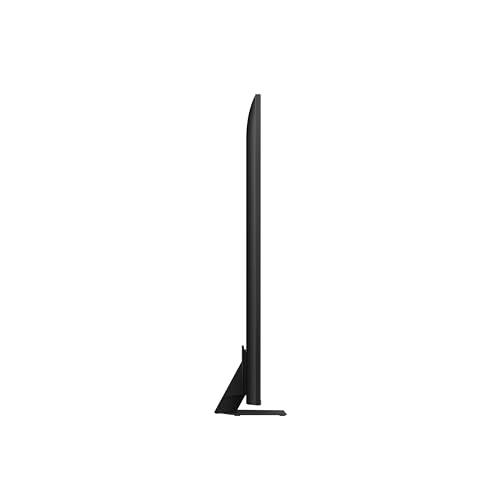
This is where these TVs diverge most dramatically. The TCL QM9K looks like a premium TV—sleek, modern, but unmistakably a television. It's designed to deliver the best possible picture quality, and everything else is secondary.
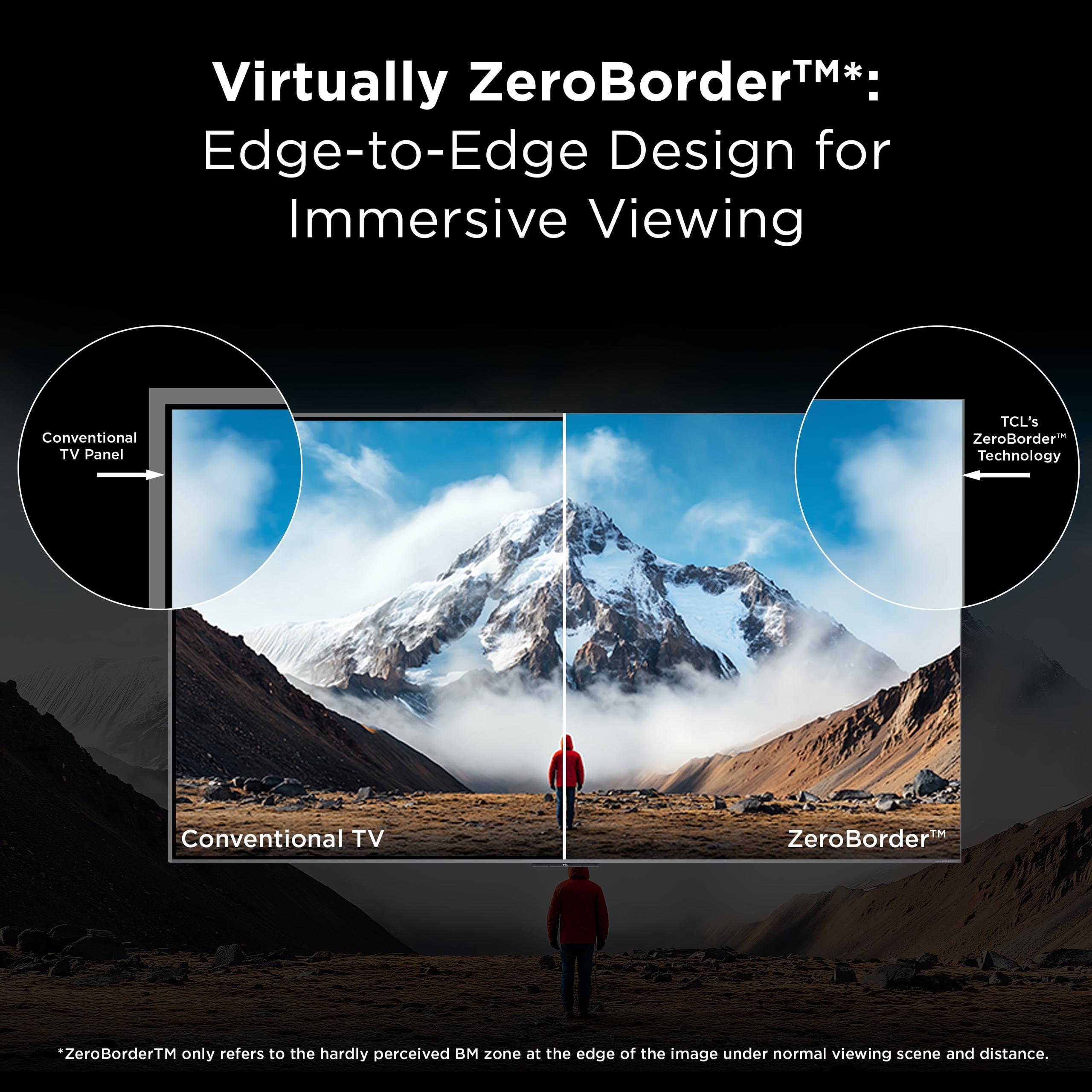
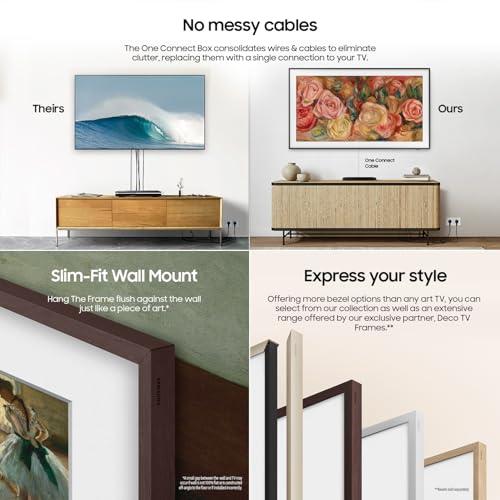
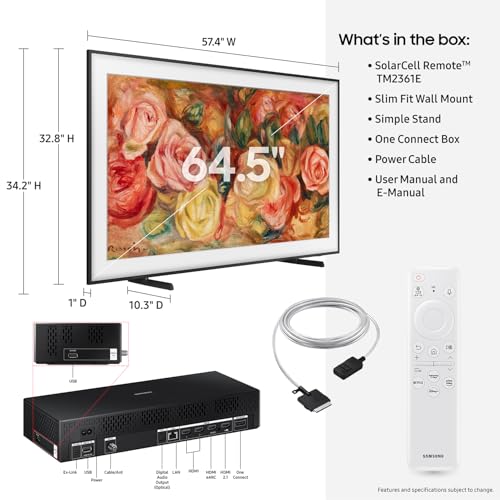
The Samsung Frame is a piece of furniture first, TV second. When displaying art, visitors genuinely mistake it for a framed painting. The customizable magnetic bezels let you match your room's decor, and the slim-fit wall mount makes it sit nearly flush against the wall. The One Connect Box is particularly clever—it houses all the ports and processing, connecting to the TV with a single, nearly invisible cable. This means no unsightly HDMI cables snaking down your wall.
The matte screen on the Samsung Frame deserves special mention. While it reduces the "pop" of HDR content, it virtually eliminates reflections from windows or lamps. If your TV will be in a bright living room with lots of natural light, this can actually provide a more comfortable viewing experience than a glossy screen.
Both TVs recognize that thin displays have inherent audio limitations, but they approach the solution differently. The TCL QM9K features audio tuned by Bang & Olufsen with a 2.1.1 channel system that includes a subwoofer in the 65-inch model. This provides better bass response and overall dynamics than typical TV speakers.
The Samsung Frame uses a 2.0.2 channel system with Object Tracking Sound, which attempts to make audio appear to come from different parts of the screen based on what's happening in the scene. Both support Dolby Atmos for more immersive surround sound from compatible content.
Realistically, if you're serious about audio quality, you'll want to pair either TV with a dedicated soundbar or surround sound system. Both TVs support HDMI eARC for passing high-quality audio to external speakers.
For a dedicated home theater room, the TCL QM9K is the obvious choice. The combination of deep blacks, brilliant highlights, and comprehensive HDR support creates that cinematic experience you're after. The 144Hz refresh rate also eliminates judder (stuttering motion) that can be distracting during movie panning shots.
The local dimming zones are particularly important in a dark room. When watching something like "Dune" or "Blade Runner 2049," the thousands of dimming zones create depth and atmosphere that simply isn't possible with edge-lit displays like the Samsung Frame.
However, the Samsung Frame has its place in home theater setups too. If your "theater" is really a multi-purpose living room that needs to look good during the day, the ability to display art instead of a black rectangle adds real value to your living space.
At the time of writing, the price difference between these TVs reflects their different priorities. The TCL QM9K commands a premium for its cutting-edge display technology and gaming features. You're paying for thousands of local dimming zones, extreme brightness, and processing power that genuinely improves the viewing experience.
The Samsung Frame offers a different type of value. You're paying for industrial design, the unique art display functionality, and the ability to integrate a TV seamlessly into your living space. The picture quality is good, but you're not getting the latest display technology.
From our analysis of user reviews and expert opinions, satisfaction tends to correlate with expectations. Buyers who choose the TCL QM9K for its performance capabilities are generally thrilled with the picture quality and gaming features. Those who buy the Samsung Frame for its design are usually happy with how it transforms their living space, though some express disappointment if they expected flagship-level picture quality.
Choose the TCL QM9K if you're a performance enthusiast who wants the best possible picture quality and gaming experience. This TV excels in dark rooms, handles HDR content beautifully, and provides that "wow factor" when showing off your favorite movies or games. It's particularly compelling if you're a serious gamer who wants every competitive advantage, or if you're building a dedicated home theater where picture quality is paramount.
The Samsung Frame makes sense if you value design integration over peak performance. It's perfect for bright living rooms where traditional TVs would be washed out by ambient light. The art display functionality genuinely transforms how a TV integrates into your living space, making it feel less like a piece of technology and more like décor.
Both TVs will serve casual viewers well, but they excel in different scenarios. The TCL QM9K is about experiencing content at its absolute best, while the Samsung Frame is about living with technology in a more aesthetically pleasing way.
Consider your viewing habits, room setup, and priorities. If you spend most evenings watching movies or gaming in a dedicated space, the TCL QM9K's superior picture quality justifies its higher cost. If you want a TV that enhances your living space even when turned off, the Samsung Frame offers unique value that traditional TVs simply can't match.
The choice ultimately comes down to whether you prioritize peak performance or lifestyle integration. Both approaches have merit—it just depends on what matters most in your home.
| TCL 65" QM9K QD-Mini LED Smart TV | Samsung 65" The Frame QLED 4K 2024 TV |
|---|---|
| Display Technology - Determines picture quality and contrast performance | |
| QD-Mini LED with up to 6,000 local dimming zones | QLED with Dual LED, no local dimming |
| Peak Brightness - Critical for HDR impact and bright room viewing | |
| Up to 6,500 nits HDR (exceptional for highlights) | ~590 nits HDR (adequate but not spectacular) |
| Refresh Rate - Essential for gaming and smooth motion | |
| 144Hz native, up to 288Hz with Game Accelerator | 120Hz native maximum |
| HDR Format Support - Determines compatibility with premium content | |
| Dolby Vision IQ, HDR10+, HDR10, HLG (comprehensive) | HDR10+, HDR10, HLG (no Dolby Vision) |
| Gaming Features - Important for console and PC gaming | |
| 5.3ms input lag, AMD FreeSync Premium Pro, multiple HDMI 2.1 | Low input lag, basic VRR, limited HDMI 2.1 bandwidth |
| Design Philosophy - How it integrates into your living space | |
| Traditional premium TV aesthetic | Art display with customizable bezels and matte finish |
| Smart Platform - Affects daily usability and app selection | |
| Google TV with Gemini AI, Wi-Fi 6 | Tizen OS with SmartThings, Wi-Fi 5 |
| Audio System - Built-in sound quality | |
| Bang & Olufsen 2.1.1 with subwoofer | 2.0.2 with Object Tracking Sound |
| Anti-Glare Performance - Critical for bright room viewing | |
| Glossy screen (may reflect light sources) | Matte anti-glare coating (excellent reflection control) |
| Target Use Case - Who this TV is designed for | |
| Performance enthusiasts, gamers, home theater | Design-conscious buyers, bright living rooms, art lovers |
The TCL 65" QM9K QD-Mini LED Smart TV delivers significantly better picture quality with its QD-Mini LED technology and up to 6,000 local dimming zones. This creates deeper blacks, brighter highlights, and better contrast compared to the Samsung 65" The Frame QLED 4K 2024 TV, which uses standard edge-lit QLED without local dimming.
For dedicated home theater rooms, the Samsung 65" The Frame QLED 4K 2024 TV isn't the best choice due to limited contrast and brightness. The TCL 65" QM9K QD-Mini LED Smart TV is much better suited for dark room viewing with its superior black levels and HDR performance that creates a more cinematic experience.
The TCL 65" QM9K QD-Mini LED Smart TV is far superior for gaming with its 144Hz refresh rate, 5.3ms input lag, and Game Accelerator 288 technology. The Samsung 65" The Frame QLED 4K 2024 TV offers decent gaming at 120Hz but lacks the advanced gaming features serious players need.
The Samsung 65" The Frame QLED 4K 2024 TV excels in bright rooms thanks to its matte anti-glare coating that reduces reflections. While the TCL 65" QM9K QD-Mini LED Smart TV has much higher brightness to fight glare, its glossy screen can reflect light sources directly.
The fundamental difference is philosophy: the TCL 65" QM9K QD-Mini LED Smart TV prioritizes maximum performance and picture quality, while the Samsung 65" The Frame QLED 4K 2024 TV focuses on design aesthetics and room integration with its art display functionality.
The TCL 65" QM9K QD-Mini LED Smart TV runs Google TV with Gemini AI and Wi-Fi 6, offering more advanced voice control and faster connectivity. The Samsung 65" The Frame QLED 4K 2024 TV uses Tizen OS with good Samsung ecosystem integration but older Wi-Fi 5 connectivity.
Yes, the Samsung 65" The Frame QLED 4K 2024 TV convincingly displays artwork when not in use, with customizable bezels and a matte finish that mimics real canvas. The TCL 65" QM9K QD-Mini LED Smart TV is a traditional TV that always looks like a TV, even when turned off.
Value depends on priorities: the Samsung 65" The Frame QLED 4K 2024 TV costs significantly less and offers unique design benefits, while the TCL 65" QM9K QD-Mini LED Smart TV commands a premium for cutting-edge display technology and superior performance.
The TCL 65" QM9K QD-Mini LED Smart TV features Bang & Olufsen tuning with a 2.1.1 system including a subwoofer for better bass. The Samsung 65" The Frame QLED 4K 2024 TV has Object Tracking Sound technology but lacks dedicated bass, though both benefit from external sound systems.
The TCL 65" QM9K QD-Mini LED Smart TV is superior for sports with its 144Hz refresh rate, Motion Rate 480, and higher brightness that makes action clearer and reduces motion blur. The Samsung 65" The Frame QLED 4K 2024 TV handles sports adequately but doesn't excel in fast motion clarity.
The TCL 65" QM9K QD-Mini LED Smart TV supports comprehensive HDR including Dolby Vision IQ, HDR10+, HDR10, and HLG for maximum content compatibility. The Samsung 65" The Frame QLED 4K 2024 TV supports HDR10+, HDR10, and HLG but notably lacks Dolby Vision support.
Choose the Samsung 65" The Frame QLED 4K 2024 TV if you want a TV that doubles as décor in a bright living room and prioritize aesthetics over peak performance. Select the TCL 65" QM9K QD-Mini LED Smart TV if you want the best possible picture quality and gaming features, regardless of room lighting conditions.
We've done our best to create useful and informative comparisons to help you decide what product to buy. Our research uses advanced automated methods to create this comparison and perfection is not possible - please contact us for corrections or questions. These are the sites we've researched in the creation of this article: rtings.com - bestbuy.com - youtube.com - youtube.com - youtube.com - techaeris.com - displayspecifications.com - pcrichard.com - residentialsystems.com - us.tcl.com - displayspecifications.com - valueelectronics.com - woodruffappliance.com - tcl.com - pcrichard.com - tcl.com - techradar.com - tcl.com - us.tcl.com - youtube.com - youtube.com - bestbuy.com - youtube.com - tomsguide.com - rtings.com - rtings.com - youtube.com - bestbuy.com - techlicious.com - youtube.com - smalllilystudio.com - theeverymom.com - livingetc.com - pcrichard.com - image-us.samsung.com - samsung.com - images.samsung.com - samsung.com - buydig.com - tvsbook.com - bestbuy.com - samsung.com - samsung.com - flatpanelshd.com

Privacy Policy
Terms and Conditions - Affiliate Policy
Home Security
© Copyright 2008-2026.
11816 Inwood Rd #1211, Dallas, TX 75244