







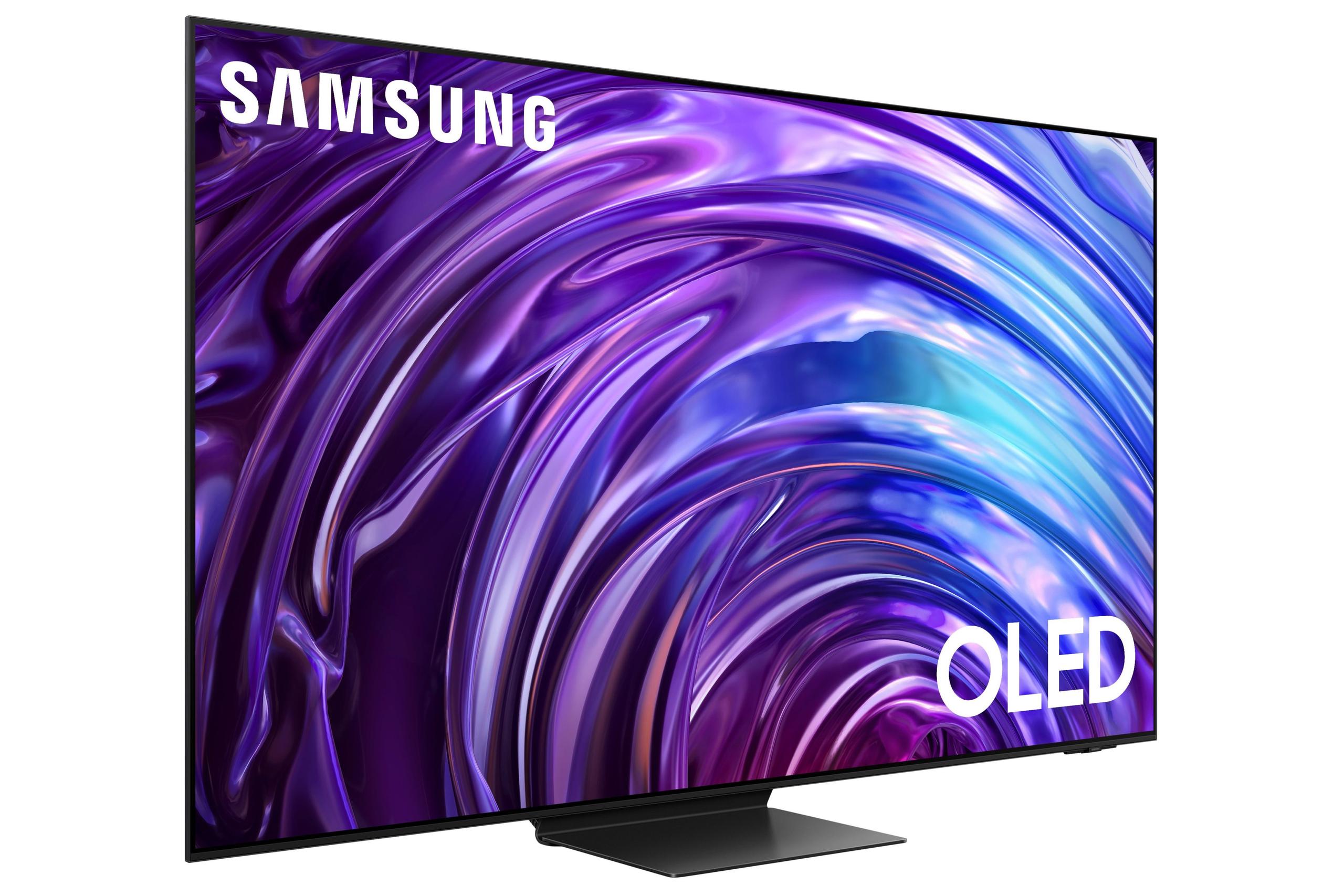
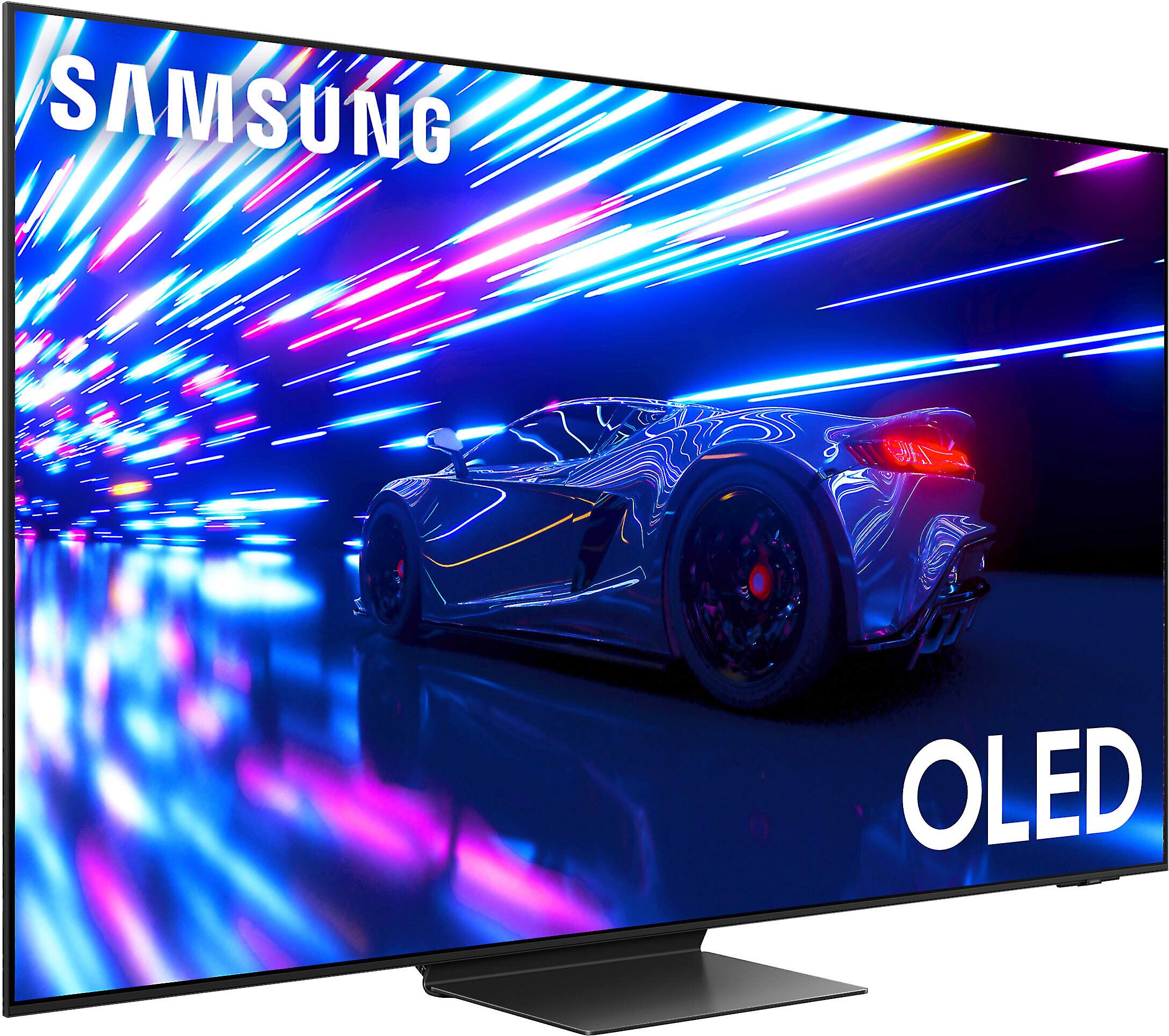

When you're shopping for a premium television, the choice between the Sony Bravia XR A95K and Samsung S95D represents more than just picking between two excellent TVs—it's choosing between different philosophies of what makes the perfect viewing experience. Both use cutting-edge QD-OLED technology, but they arrived at different times and take notably different approaches to delivering stunning visuals.
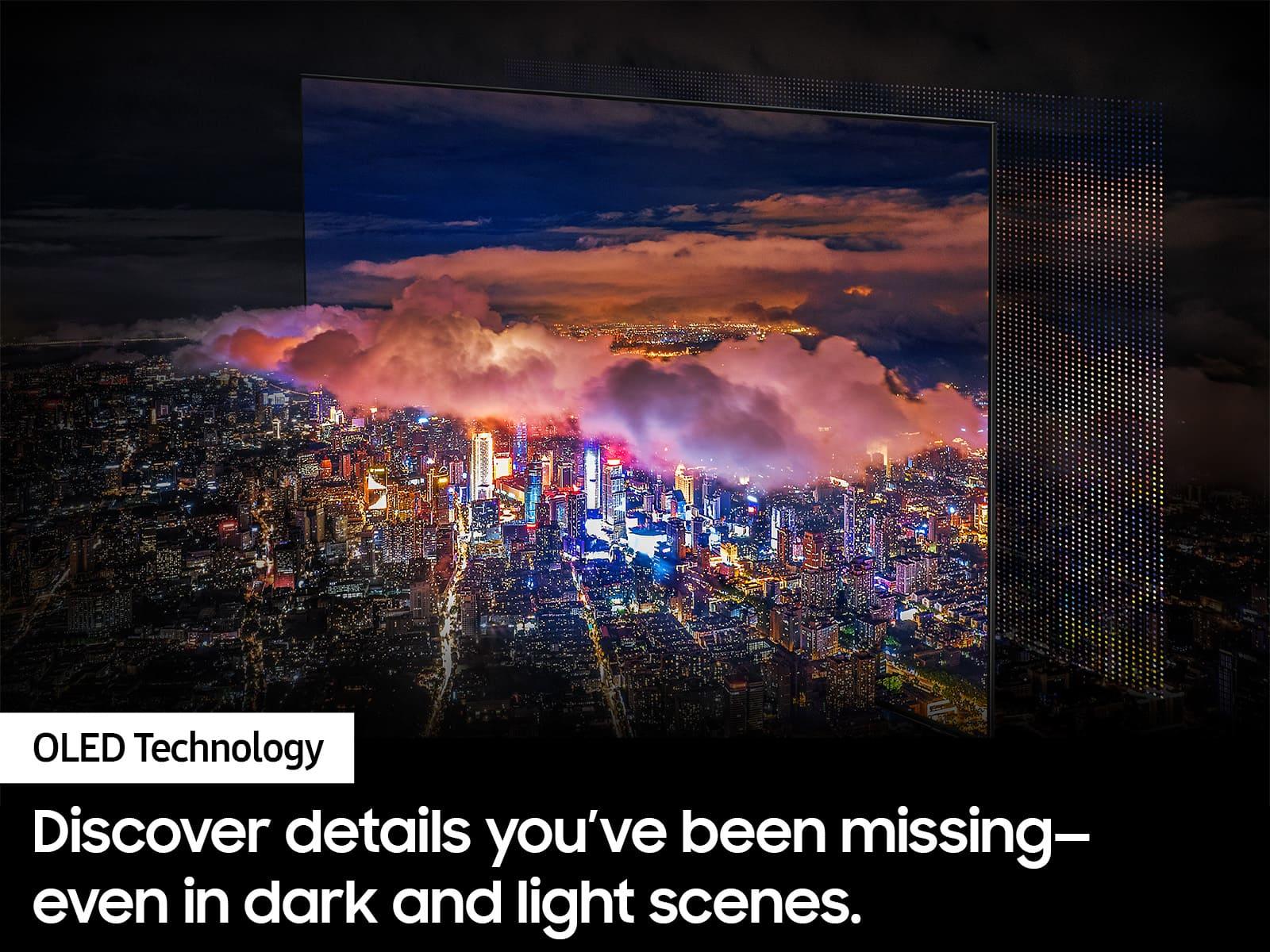
Before diving into the comparison, it's worth understanding why QD-OLED technology matters so much. Traditional OLED displays create light by exciting organic compounds that glow in specific colors, but they've always struggled with brightness, especially when displaying vibrant colors. QD-OLED solves this by using blue OLED emitters combined with quantum dots—tiny semiconductor crystals that convert blue light into pure red and green wavelengths. This hybrid approach delivers the perfect blacks OLED is famous for while dramatically boosting color brightness and saturation.
Think of it this way: if regular OLED is like having perfect shadows but dim highlights, QD-OLED gives you those same perfect shadows with highlights that can compete with bright LED displays. Both the Sony A95K and Samsung S95D use this technology, but they represent different generations of its evolution.
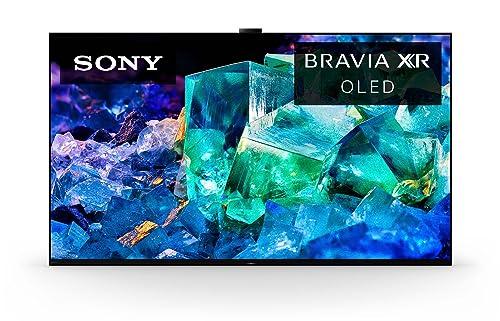
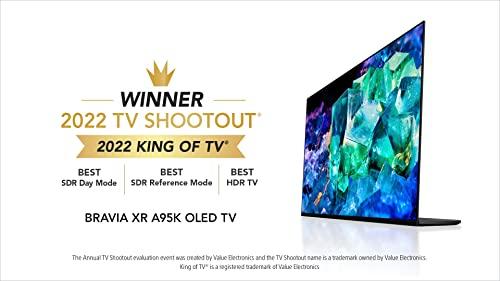
The Sony A95K launched in 2022 as Sony's first-ever QD-OLED television, marking a significant departure from their traditional OLED partnerships. It represented a bold move into uncharted territory, and Sony's execution was remarkably polished for a first-generation product. At the time of writing, this maturity shows in its current pricing—you can find it for significantly less than its original launch price, making it an exceptional value proposition.
The Samsung S95D arrived in 2024 as Samsung's third-generation QD-OLED, incorporating two additional years of technological refinement. This newer panel technology achieves 20-30% higher brightness than first-generation panels, representing a meaningful leap in performance. However, being newer to market, it commands a premium price that reflects its cutting-edge status.
Both TVs achieve outstanding picture quality, but they take distinctly different philosophical approaches that matter significantly in real-world use.
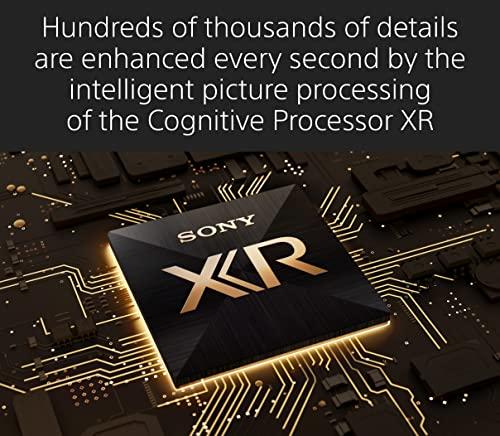
The Sony A95K leverages Sony's decades of experience in professional film equipment. Its Cognitive Processor XR analyzes content the way human eyes and brains process visual information, prioritizing natural color reproduction and accurate HDR tone mapping. When watching movies, this translates to images that look exactly as directors intended—colors appear natural rather than artificially enhanced, and bright scenes maintain detail rather than clipping to pure white.
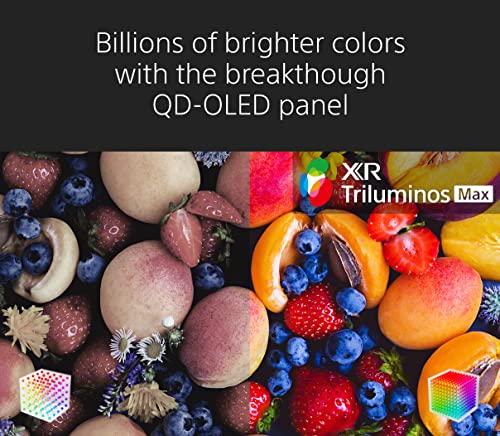
Sony's XR Triluminos Max color technology works with the QD-OLED panel to achieve what Sony calls "the widest range of OLED colors ever" on their TVs. In practice, this means skin tones look incredibly realistic, and subtle color gradations in scenes like sunsets or forest canopies are preserved rather than compressed into broader bands of similar colors.
The Cognitive Processor XR also handles upscaling exceptionally well. When you're watching older content or lower-resolution streaming, the processor uses dual database processing to intelligently enhance details while maintaining the original artistic intent. This is particularly noticeable when watching classic films or older TV shows.
The Samsung S95D takes a more aggressive approach to visual impact. Its NQ4 AI Gen2 processor uses 20 separate neural networks to analyze each frame, focusing on creating the most spectacular and intense imagery possible. Colors are more saturated, highlights are brighter, and the overall presentation is designed to grab your attention and maintain it.
This third-generation QD-OLED panel achieves brightness levels that were impossible just two years ago. In HDR content, bright objects like explosions, sunlight, or neon signs can reach intensities that genuinely surprise you—they're bright enough that you might instinctively squint, something that wasn't possible with earlier OLED technology.
Samsung's Real Depth Enhancer uses AI to increase foreground contrast, creating an almost 3D-like effect that makes foreground objects pop from the background. While this isn't always perfectly natural, it creates an engaging, immersive experience that works particularly well with action movies and modern content designed with high dynamic range in mind.
One of the most significant practical differences lies in how these TVs handle room lighting. Both feature anti-reflection coatings, but the Samsung S95D's implementation represents a genuine breakthrough. Based on extensive testing by display experts, its matte finish virtually eliminates reflections from windows, lamps, and other light sources that typically plague OLED displays.
This matters enormously in real-world use. Traditional OLEDs, including the Sony A95K, can become nearly unwatchable in bright rooms due to reflections washing out the image. The S95D's anti-glare technology works so effectively that the screen remains clearly visible even in direct sunlight streaming through windows.
However, this technology isn't without trade-offs. The matte coating can make black levels appear slightly raised in very bright environments, and there's some minor loss of shadow detail in the darkest scenes. In dark rooms, these effects disappear entirely, but they represent the price paid for superior bright-room performance.
Both TVs excel at gaming, but the Samsung S95D edges ahead with what experts consistently rate as perfect gaming performance.
Both models support the complete suite of modern gaming features: 4K resolution at 120Hz refresh rates, Variable Refresh Rate (VRR) to eliminate screen tearing, and Auto Low Latency Mode (ALLM) that automatically switches to game mode when it detects gaming content. Input lag—the delay between pressing a button and seeing the action on screen—measures around 9 milliseconds on both TVs, which is excellent for competitive gaming.
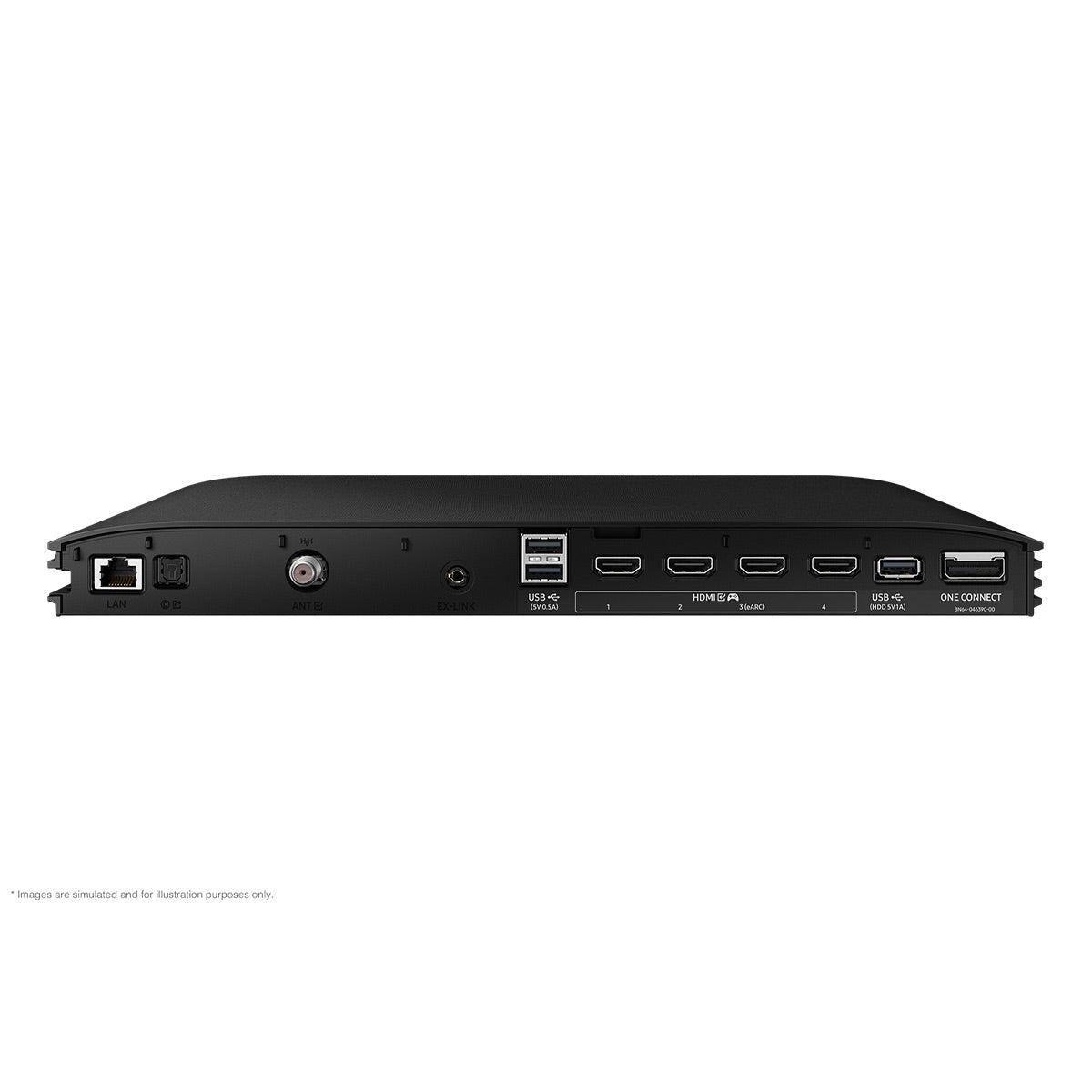
Where the Samsung S95D pulls ahead is in connectivity flexibility. All four of its HDMI ports support full 48Gbps HDMI 2.1 bandwidth, meaning you can connect multiple next-generation gaming consoles, a high-end PC, and other devices without compromising on features or performance.
The Sony A95K provides two HDMI 2.1 ports, which is adequate for most setups but can become limiting if you have multiple current-generation gaming devices. Since one port often handles audio return channel (eARC) duties for sound systems, you're effectively left with one full-bandwidth gaming port.
The S95D's Motion Xcelerator 144Hz technology provides exceptionally smooth motion rendering that's particularly beneficial for fast-paced games. Racing games, first-person shooters, and sports games all benefit from the enhanced motion clarity, reducing blur during quick camera movements or rapid action sequences.
This is where the Sony A95K delivers one of its most significant advantages over the competition.
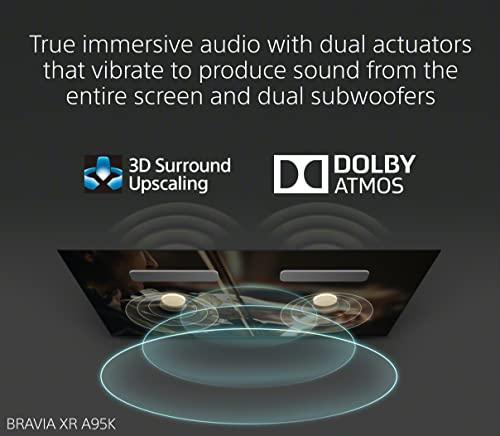
The A95K features Acoustic Surface Audio+ technology, where actuators behind the screen literally vibrate the display panel to produce sound. This isn't just a gimmick—it creates remarkably effective audio-visual synchronization where dialogue appears to come from actors' mouths and sound effects originate from their precise screen locations.
The system delivers 60 watts of power through a 2.2-channel configuration, but the real magic lies in how it integrates with the visual experience. When explosions happen on the right side of the screen, you hear them from the right side. When characters speak, their voices emanate from exactly where they appear visually.
The Samsung S95D uses a conventional speaker system, albeit a fairly sophisticated one. Its 70-watt, 4.2.2-channel setup with Object Tracking Sound+ and Dolby Atmos support should theoretically outperform Sony's system on paper.
However, extensive testing reveals that Samsung's implementation lacks the projection and impact of Sony's screen-vibrating approach. While it supports advanced audio formats and provides decent built-in sound, it doesn't create the same immersive experience that makes the Sony system special.
For serious home theater enthusiasts, the Sony A95K can actually function as a center channel speaker in surround sound setups. This integration allows the TV's screen-based audio to blend seamlessly with external left and right speakers, creating a cohesive soundstage that's remarkably effective.
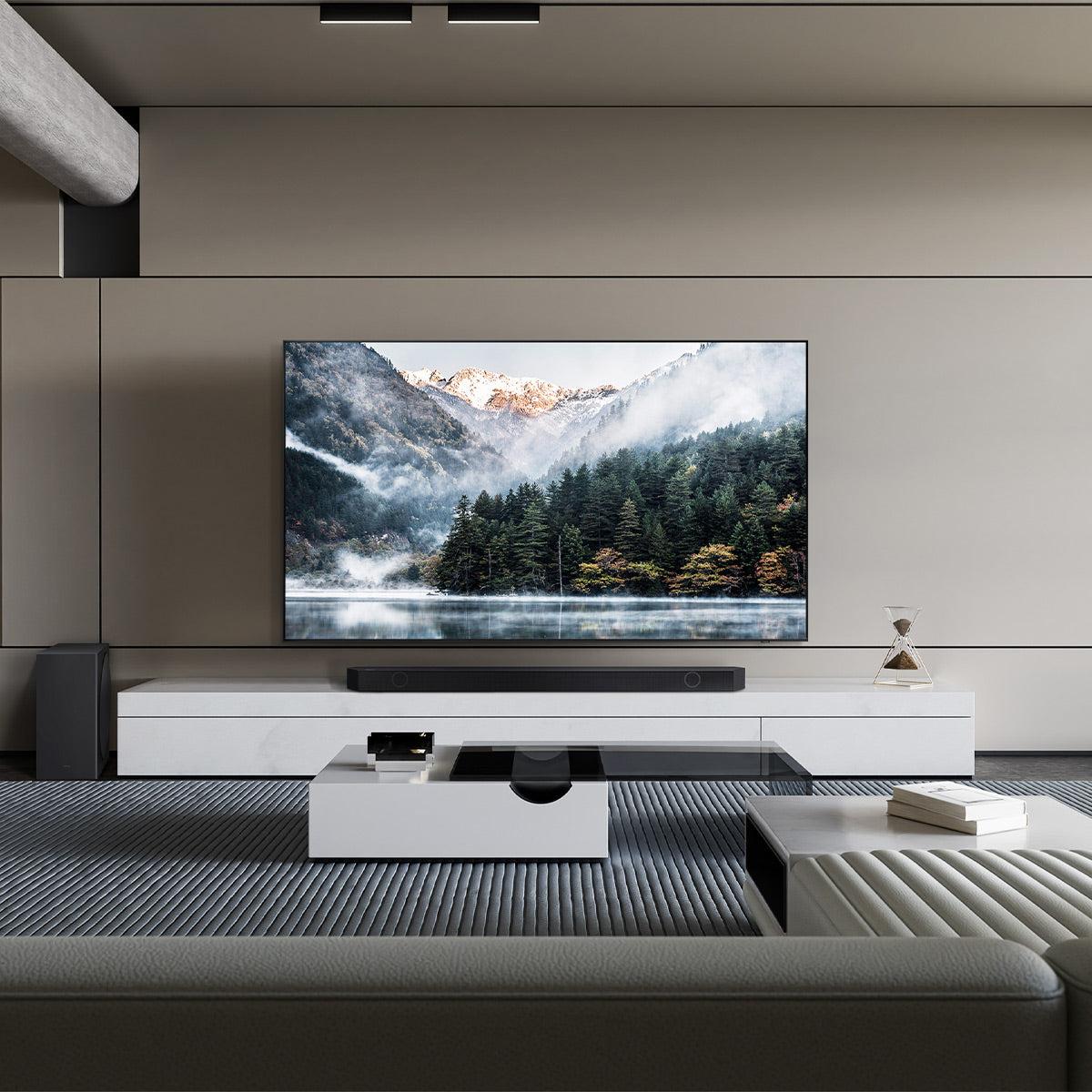
The Samsung S95D, while capable, generally benefits more from a dedicated soundbar or surround system to reach its full potential. This represents an additional investment that should factor into total system cost considerations.
The physical design differences between these TVs reflect fundamentally different approaches to living room integration.
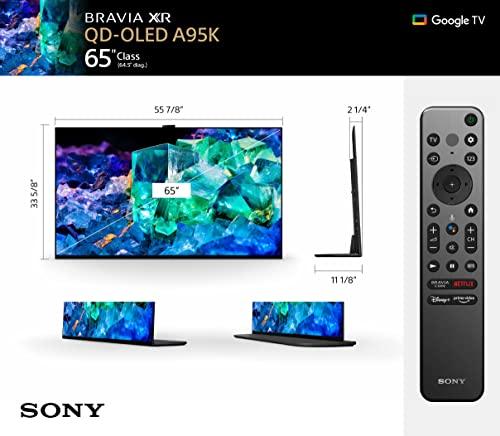
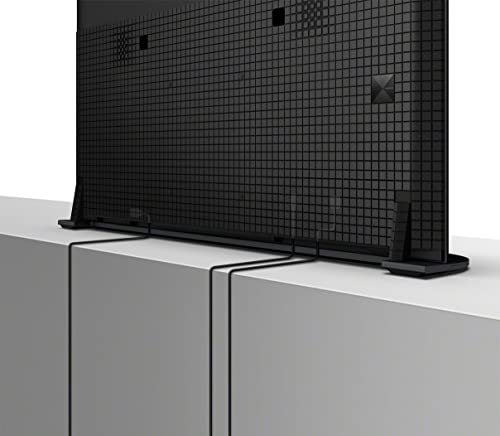
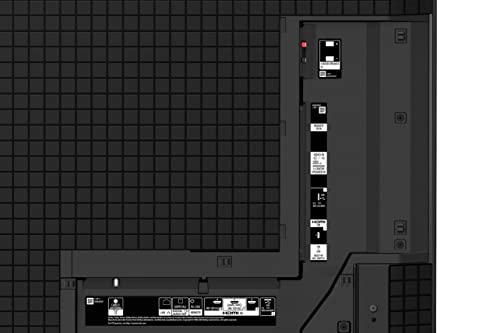
The Sony A95K follows conventional TV design wisdom with all processing and connections built into the main unit. At 1.7 inches thick and weighing nearly 60 pounds, it's substantial but not unusually so for a premium 65-inch TV. The adjustable stand design allows positioning the legs either in front of or behind the display, providing flexibility for different entertainment center configurations.
This integrated approach means setup is straightforward—mount it or place it on its stand, connect your devices directly to the TV, and you're ready to go. Cable management requires the usual attention, but there's nothing unusual about the installation process.
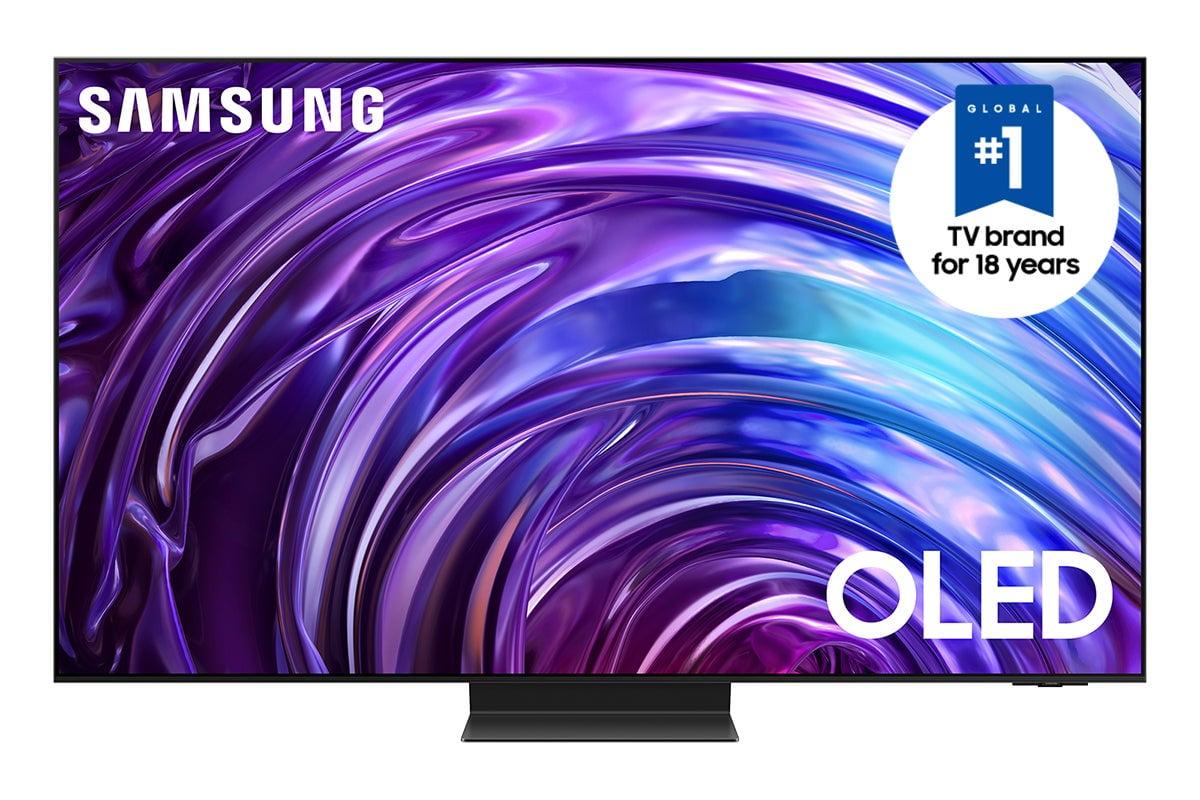
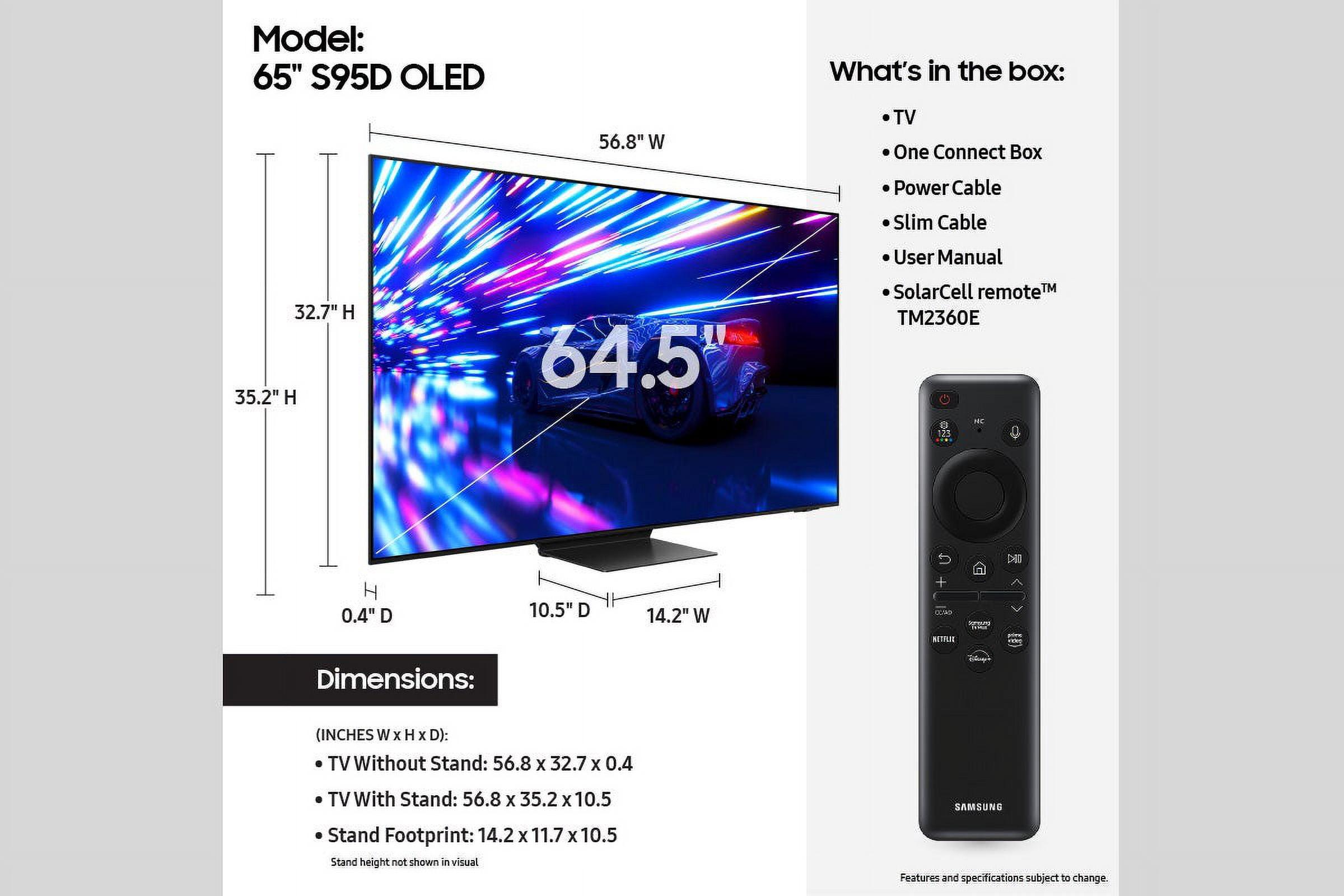
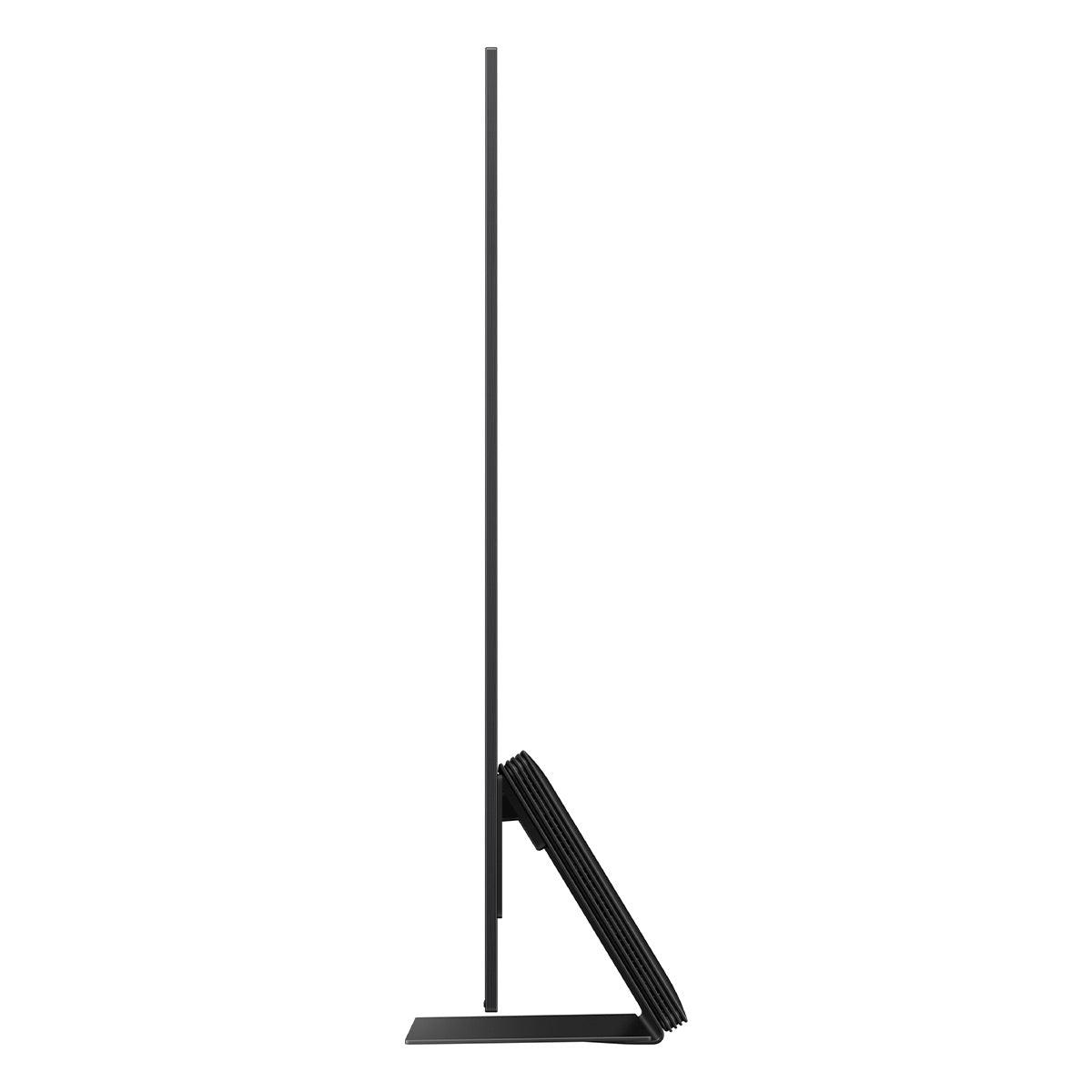
The Samsung S95D takes a dramatically different approach with its One Connect box design. The actual display panel measures just 0.4 inches thick—thin enough that it almost disappears when wall-mounted. All inputs, processing, and power connections live in a separate One Connect box that you can hide in an entertainment center or closet.
This design philosophy creates the cleanest possible wall-mounted installation, with just a single, nearly invisible cable running to the display. For those prioritizing aesthetics, especially in minimalist or modern interiors, this approach is transformative.
However, the One Connect box does require strategic placement and adds complexity to the setup process. You need to plan for both the TV location and the box location, ensuring the connecting cable can reach while keeping the box accessible for connections.
Both TVs offer comprehensive smart TV platforms, but with different strengths and weaknesses.
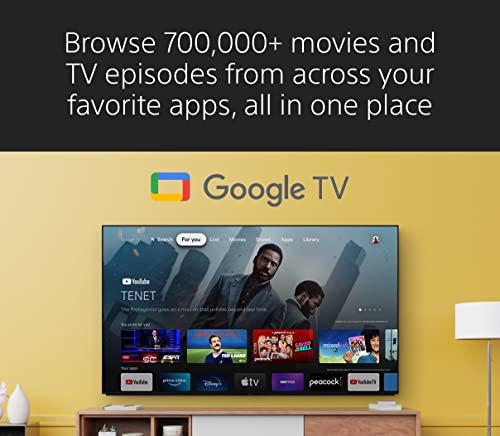
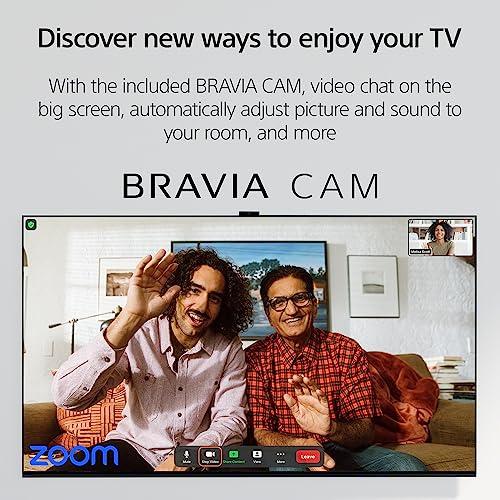
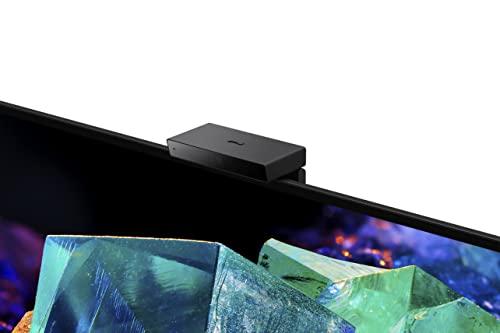
The Sony A95K runs Android TV, which provides access to virtually every streaming service and app you could want. Google Assistant integration is thorough, and the included BRAVIA CAM adds gesture controls and video calling capabilities. However, Android TV can feel sluggish compared to more streamlined alternatives, and the interface sometimes feels cluttered.
The Samsung S95D uses Samsung's Tizen operating system, which prioritizes speed and responsiveness over comprehensive app selection. The interface feels snappier, and navigation is more fluid. While app selection is somewhat more limited than Android TV, all major streaming services are well-represented.
At the time of writing, the pricing difference between these TVs reflects their generational gap and current market positioning.
The Sony A95K represents exceptional value for first-generation QD-OLED technology. Having been on the market for over two years, its pricing has reached a sweet spot where you get flagship-level performance at a more accessible price point. The superior built-in audio means you may not need to invest in additional sound equipment immediately, further enhancing its value proposition.
For buyers who want excellent QD-OLED performance without paying cutting-edge prices, the A95K delivers remarkably well. It's mature technology that Sony has refined through firmware updates, and its picture quality remains competitive with newer models in most scenarios.
The Samsung S95D commands a premium for its third-generation technology and superior brightness capabilities. This pricing reflects its status as the current state-of-the-art in consumer OLED displays. However, you'll likely want to budget for a quality soundbar to match its visual performance, adding to the total system cost.
For buyers who want the absolute best performance available and are willing to pay for cutting-edge technology, the S95D delivers on its promises. Its superior bright-room performance alone may justify the premium for many users.
You're building a home theater where natural, cinema-accurate reproduction matters more than maximum spectacle. The superior built-in audio makes it ideal for users who don't want to immediately invest in external sound systems. It's also the clear choice for budget-conscious buyers who want premium QD-OLED performance without paying current-generation prices.
The A95K excels in darker viewing environments where its natural color reproduction and excellent contrast shine without the brightness limitations of first-generation technology becoming apparent. It's particularly well-suited for movie enthusiasts who prioritize accurate reproduction over enhanced presentation.
Your viewing environment includes significant ambient light, particularly if you have windows that create problematic reflections on traditional displays. The revolutionary anti-glare technology alone may justify the premium for users struggling with bright room viewing.
Gamers who want maximum flexibility and future-proofing will appreciate the four full-bandwidth HDMI 2.1 ports and perfect gaming performance scores. The ultra-thin design also makes it ideal for wall mounting in modern or minimalist interiors where aesthetics are paramount.
The S95D is also the better choice for users who prefer more spectacular, enhanced visuals over strictly natural reproduction, and who don't mind investing in a separate audio solution to complement its visual excellence.
Both the Sony A95K and Samsung S95D represent excellent choices in the premium TV market, but they serve different priorities and budgets. The Sony delivers exceptional value with mature technology and superior built-in audio, while the Samsung provides cutting-edge performance with record-breaking brightness at a premium price.
Your decision should primarily rest on your viewing environment, budget constraints, and preferences between natural versus spectacular picture presentation. Neither choice will disappoint, but understanding these key differences will help ensure you choose the TV that best matches your specific needs and viewing habits.
| Sony Bravia XR A95K 65" QD-OLED TV | Samsung 65" S95D 4K OLED Smart TV |
|---|---|
| Panel Technology - Determines brightness and color performance | |
| First-generation QD-OLED (2022) with strong color accuracy | Third-generation QD-OLED (2024) with 20-30% higher brightness |
| Peak Brightness - Critical for HDR content and bright rooms | |
| ~400 nits (excellent for dark rooms, limited in bright spaces) | Record-breaking OLED brightness (superior for all lighting conditions) |
| Anti-Glare Performance - Essential for rooms with windows or lamps | |
| Standard anti-reflection coating (some reflections visible) | Revolutionary matte finish that virtually eliminates all reflections |
| Audio System - Affects whether you need a soundbar | |
| Acoustic Surface Audio+ with screen vibration (60W, exceptional quality) | Object Tracking Sound+ speakers (70W, requires soundbar for best experience) |
| Gaming Connectivity - Important for console and PC gamers | |
| 2 HDMI 2.1 ports (adequate for most setups) | 4 HDMI 2.1 ports (maximum flexibility for multiple devices) |
| Gaming Performance Score - Based on input lag and motion handling | |
| 9/10 (excellent performance, ~9ms input lag) | 10/10 (perfect performance, superior motion at 144Hz) |
| Design Approach - Impacts installation and aesthetics | |
| Traditional integrated design (1.7" thick, 59.5 lbs) | Ultra-thin 0.4" panel with external One Connect box |
| Smart TV Platform - Affects app selection and responsiveness | |
| Android TV with Google Assistant (comprehensive but slower) | Samsung Tizen OS (faster interface, good app selection) |
| Picture Processing Philosophy - Determines overall visual character | |
| Cognitive Processor XR focused on natural, cinema-accurate colors | NQ4 AI Gen2 with 20 neural networks for spectacular, enhanced visuals |
| Value Proposition - First-generation vs cutting-edge pricing | |
| Exceptional value for mature QD-OLED technology | Premium pricing for latest third-generation panel technology |
| Best Use Case - Who should choose this TV | |
| Home theater enthusiasts wanting natural colors and great built-in audio | Bright room viewers and gamers wanting maximum brightness and flexibility |
Both the Sony Bravia XR A95K and Samsung S95D deliver exceptional picture quality using QD-OLED technology, but they take different approaches. The Sony A95K focuses on natural, cinema-accurate colors with Sony's Cognitive Processor XR, making it ideal for movies and TV shows. The Samsung S95D uses third-generation QD-OLED technology that's 20-30% brighter, creating more spectacular and intense visuals that really pop off the screen.
The Samsung S95D is superior for gaming with a perfect 10/10 gaming score compared to the Sony A95K's excellent 9/10 rating. The Samsung offers four full HDMI 2.1 ports versus Sony's two, providing more flexibility for multiple gaming devices. Both TVs support 4K at 120Hz, VRR, and have low input lag around 9ms, but the Samsung S95D adds Motion Xcelerator 144Hz for ultra-smooth gaming performance.
The Samsung S95D is significantly better for bright rooms thanks to its revolutionary anti-glare matte finish that virtually eliminates reflections from windows and lamps. The Sony A95K has standard anti-reflection coating that helps but doesn't match Samsung's breakthrough technology. If you struggle with reflections on your current TV, the Samsung S95D is the clear winner for bright viewing environments.
The Sony A95K has superior built-in audio with its Acoustic Surface Audio+ technology that vibrates the screen to produce sound, creating excellent audio-visual synchronization. You likely won't need a soundbar immediately. The Samsung S95D has decent built-in speakers but lacks the impact and projection of Sony's system, so most users will want to add a soundbar for the best audio experience with the Samsung model.
The Sony A95K offers exceptional value as a mature first-generation QD-OLED TV that has come down significantly in price since its 2022 launch. You get flagship picture quality with superior built-in audio at a more accessible price point. The Samsung S95D commands a premium for its cutting-edge third-generation technology and record-breaking brightness, making it better for those wanting the absolute latest features.
The Sony A95K runs Android TV with comprehensive app selection and Google Assistant integration, plus includes a BRAVIA CAM for gesture controls. The Samsung S95D uses Samsung's Tizen OS, which is faster and more responsive but has a slightly more limited app selection. Both platforms support all major streaming services, so the choice comes down to interface preference and speed versus comprehensiveness.
The Sony A95K is generally better for dedicated home theaters due to its superior built-in audio and natural color reproduction that matches cinema standards. Its Acoustic Surface Audio+ can even function as a center channel in surround sound setups. The Samsung S95D works well in home theaters too, especially if you're adding a full surround sound system, and its ultra-thin design looks stunning when wall-mounted.
The Samsung S95D is dramatically better for wall mounting with its ultra-thin 0.4-inch profile and One Connect box that houses all inputs externally. Only one nearly invisible cable connects to the TV. The Sony A95K uses a traditional integrated design at 1.7 inches thick, which is fine for wall mounting but not as sleek as the Samsung's minimalist approach.
The Samsung S95D has superior HDR performance thanks to its third-generation QD-OLED panel that achieves record-breaking brightness levels for more impactful highlights and better performance in bright rooms. The Sony A95K delivers excellent HDR with more natural tone mapping that preserves detail in bright scenes, making it better for cinema-accurate reproduction of HDR content.
The Samsung S95D offers superior gaming connectivity with four full 48Gbps HDMI 2.1 ports, allowing you to connect multiple next-gen consoles, PCs, and other devices without compromising features. The Sony A95K has two HDMI 2.1 ports, which is adequate for most users but can be limiting if you have multiple high-bandwidth gaming devices or need one port for eARC audio.
The Sony A95K is generally better for movies and TV shows thanks to Sony's expertise in professional film equipment and their focus on natural, cinema-accurate color reproduction. The Cognitive Processor XR delivers images exactly as directors intended. The Samsung S95D creates more spectacular visuals that some prefer for modern content, but the Sony A95K excels at faithful reproduction of cinematic content.
Choose the Sony A95K if you want excellent QD-OLED performance with superior built-in audio at a more accessible price point, especially for dark room viewing and movie watching. Choose the Samsung S95D if you need maximum brightness for bright rooms, want the latest technology, prioritize gaming with multiple devices, or prefer the ultra-thin wall-mounted aesthetic. Both are excellent choices depending on your specific needs and budget.
We've done our best to create useful and informative comparisons to help you decide what product to buy. Our research uses advanced automated methods to create this comparison and perfection is not possible - please contact us for corrections or questions. These are the sites we've researched in the creation of this article: tomsguide.com - audioadvice.com - wepc.com - bestbuy.com - tvsbook.com - rtings.com - youtube.com - flatpanelshd.com - rtings.com - youtube.com - reviewed.com - avsforum.com - youtube.com - youtube.com - rtings.com - youtube.com - electronics.sony.com - sonypremiumhome.com - valueelectronics.com - sony.com - displayspecifications.com - flatpanelshd.com - donstv.com - youtube.com - businessinsider.com - youtube.com - displayspecifications.com - bestbuy.com - techradar.com - videoandaudiocenter.com - avsforum.com - cnet.com - abt.com - merlinstv.com - nfm.com - rtings.com - flintsfurniture.com - samsung.com - bestbuy.com - displayspecifications.com

Privacy Policy
Terms and Conditions - Affiliate Policy
Home Security
© Copyright 2008-2026.
11816 Inwood Rd #1211, Dallas, TX 75244