

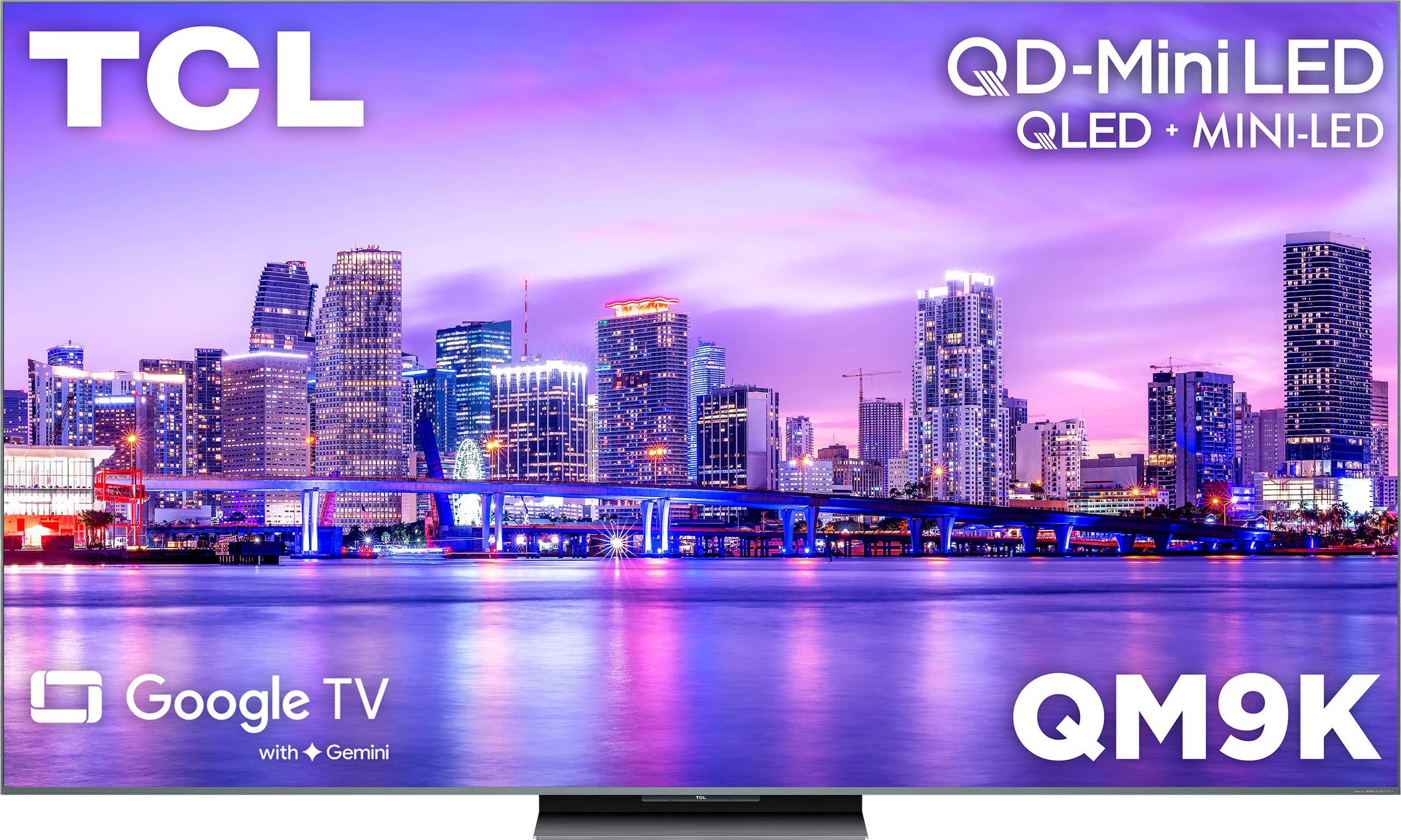
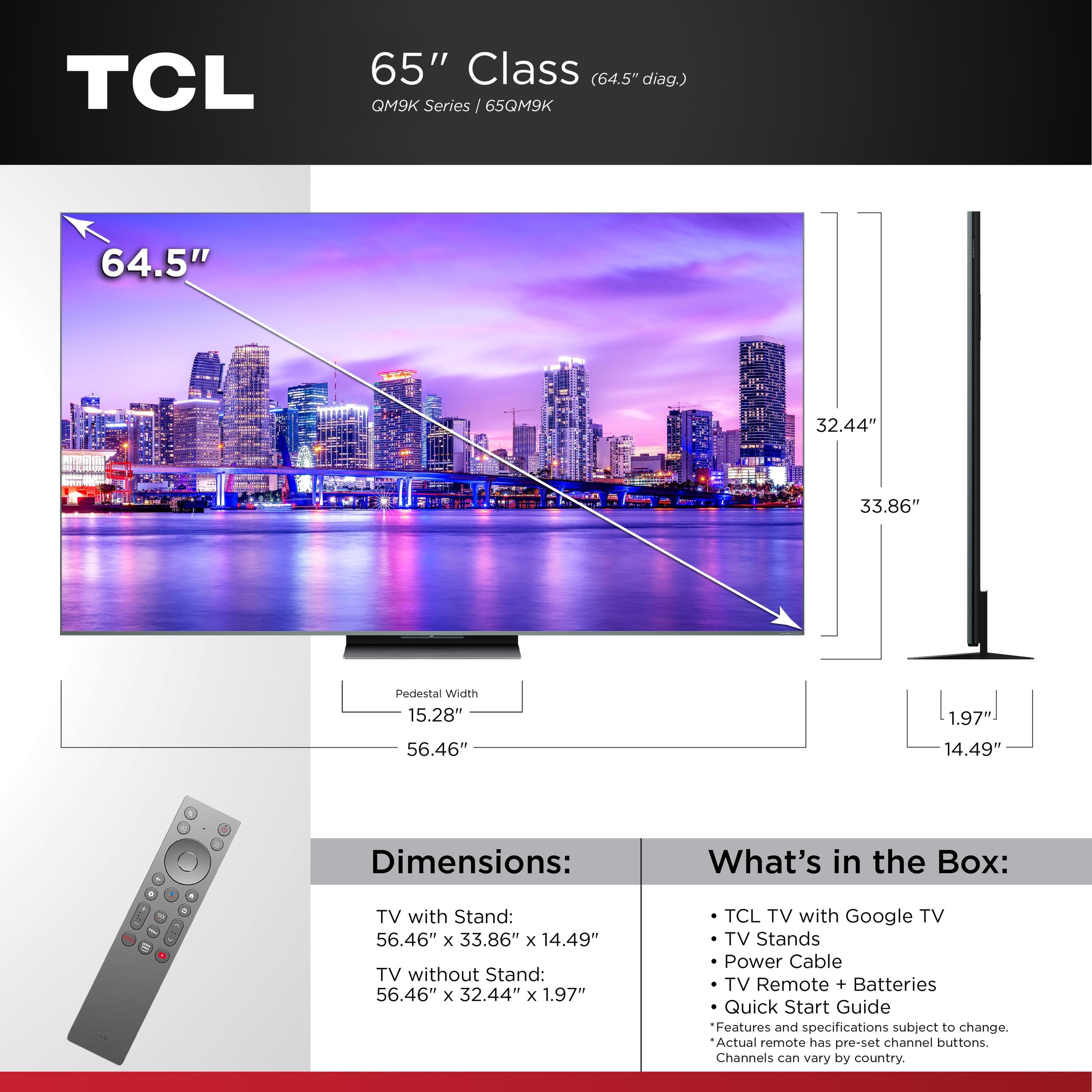
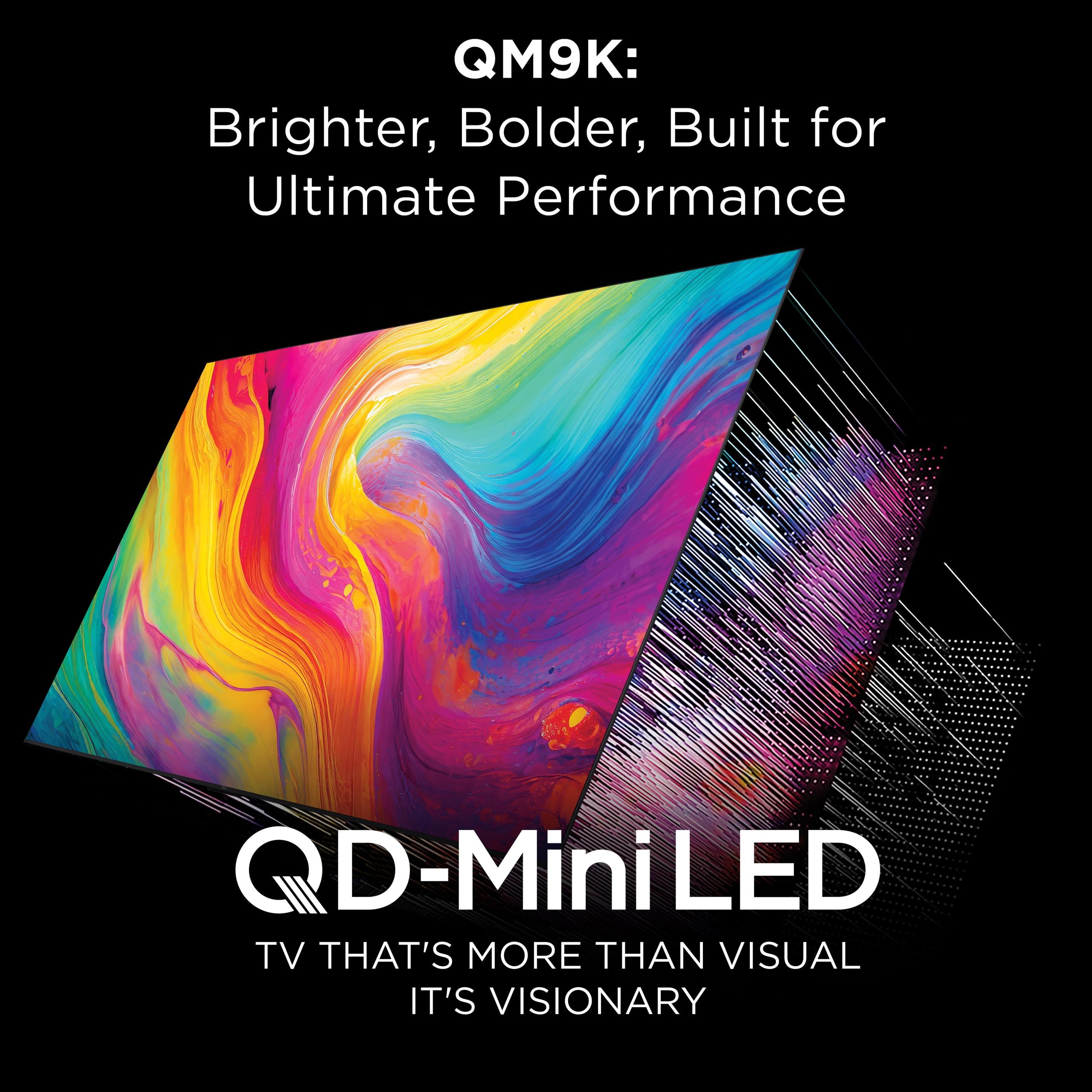
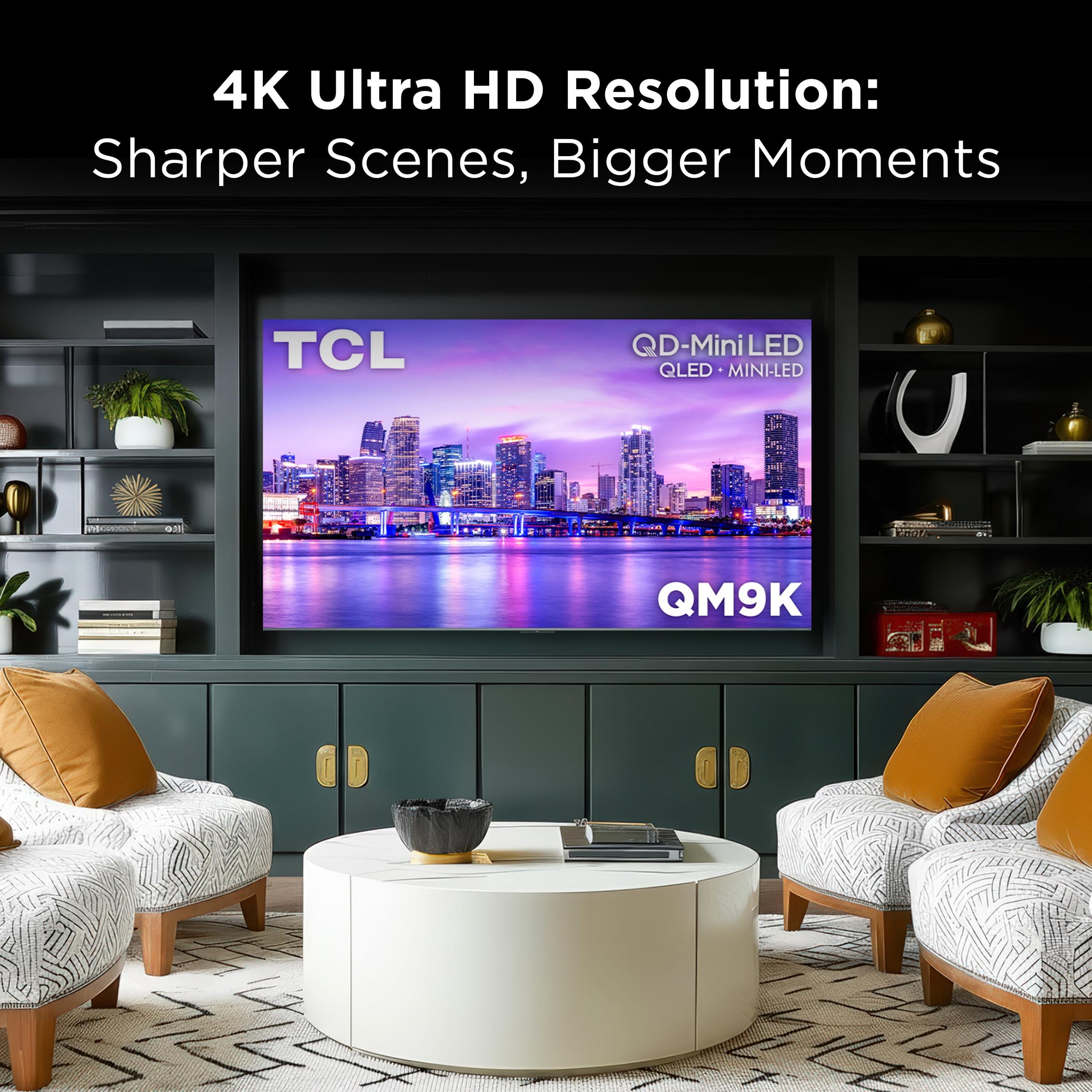
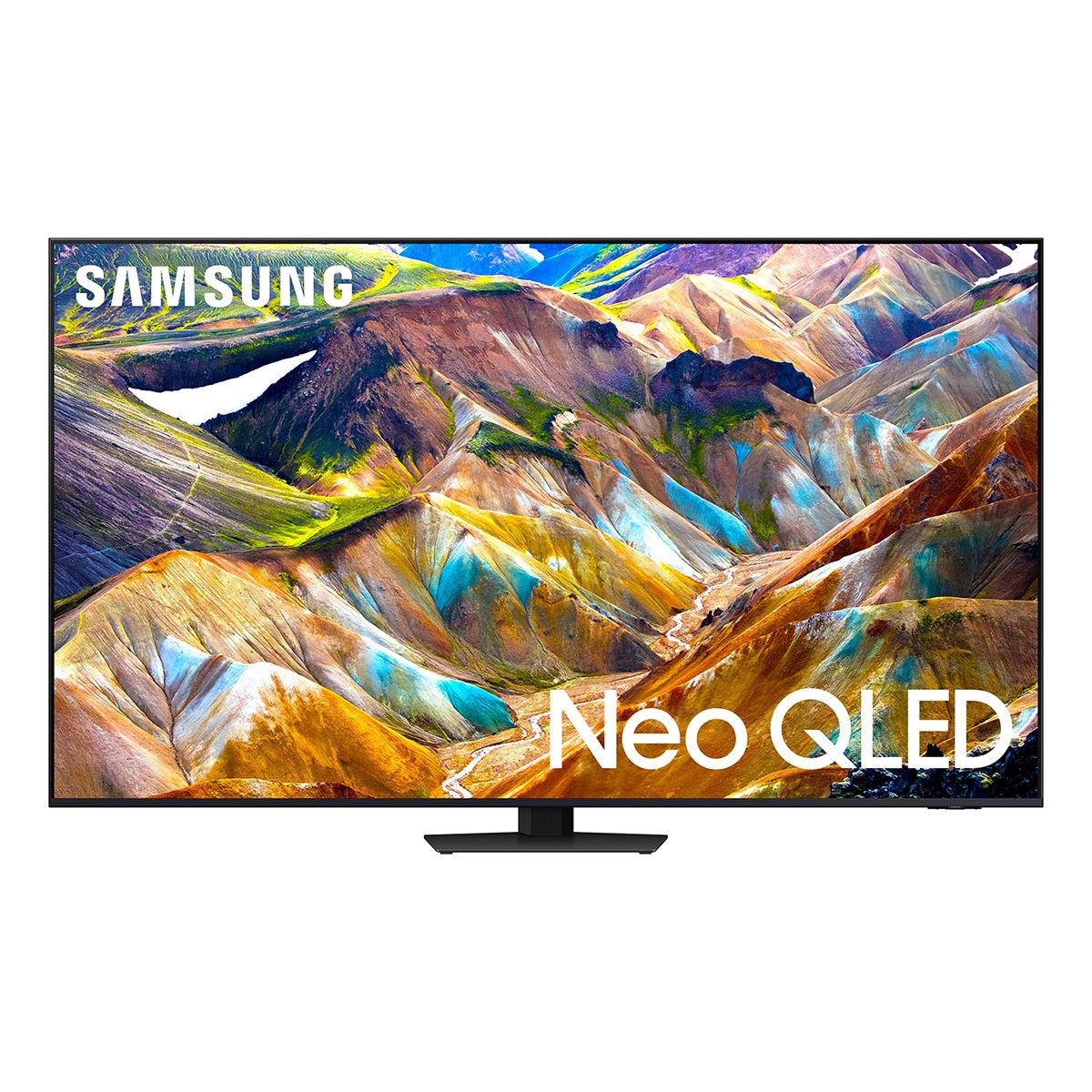
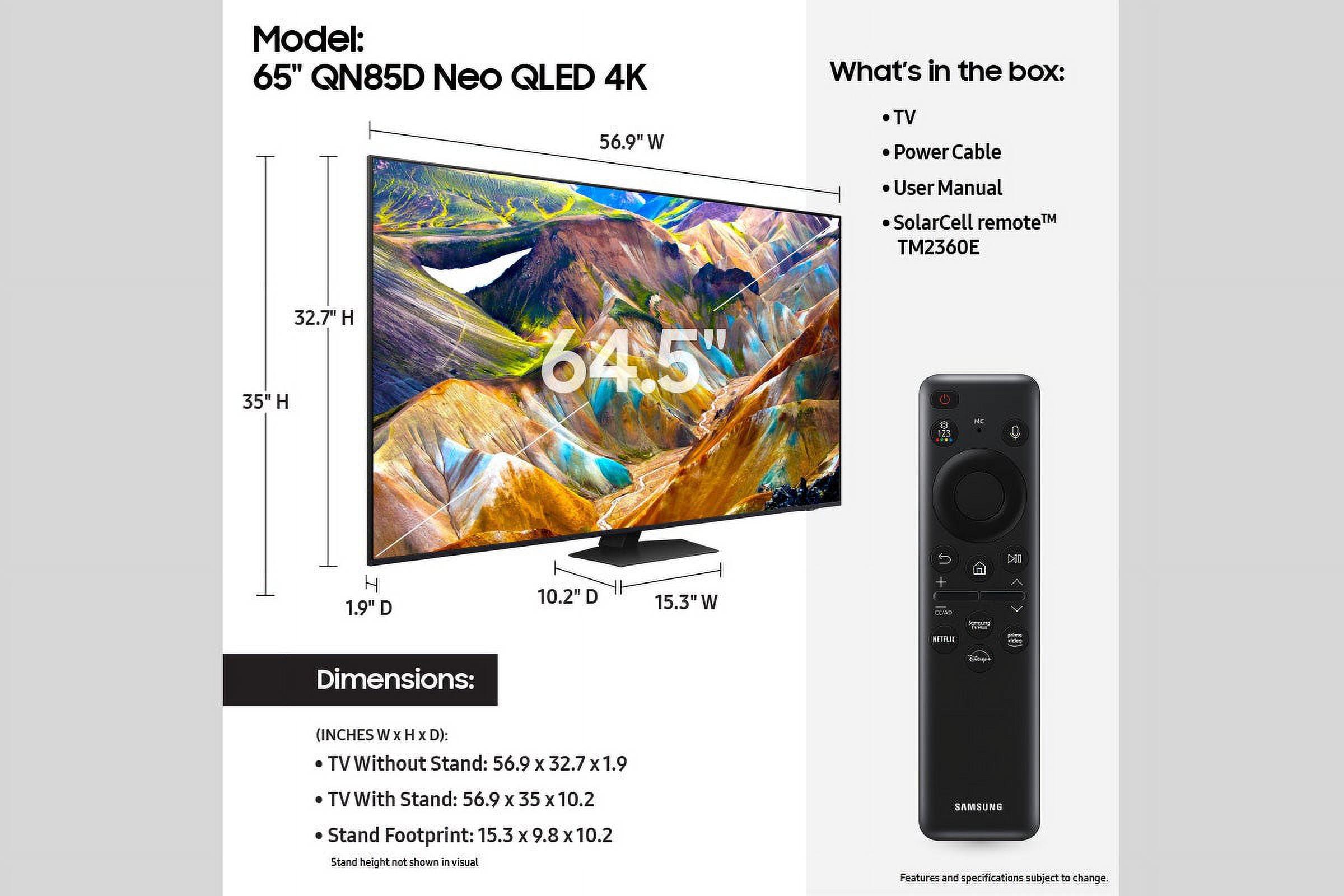
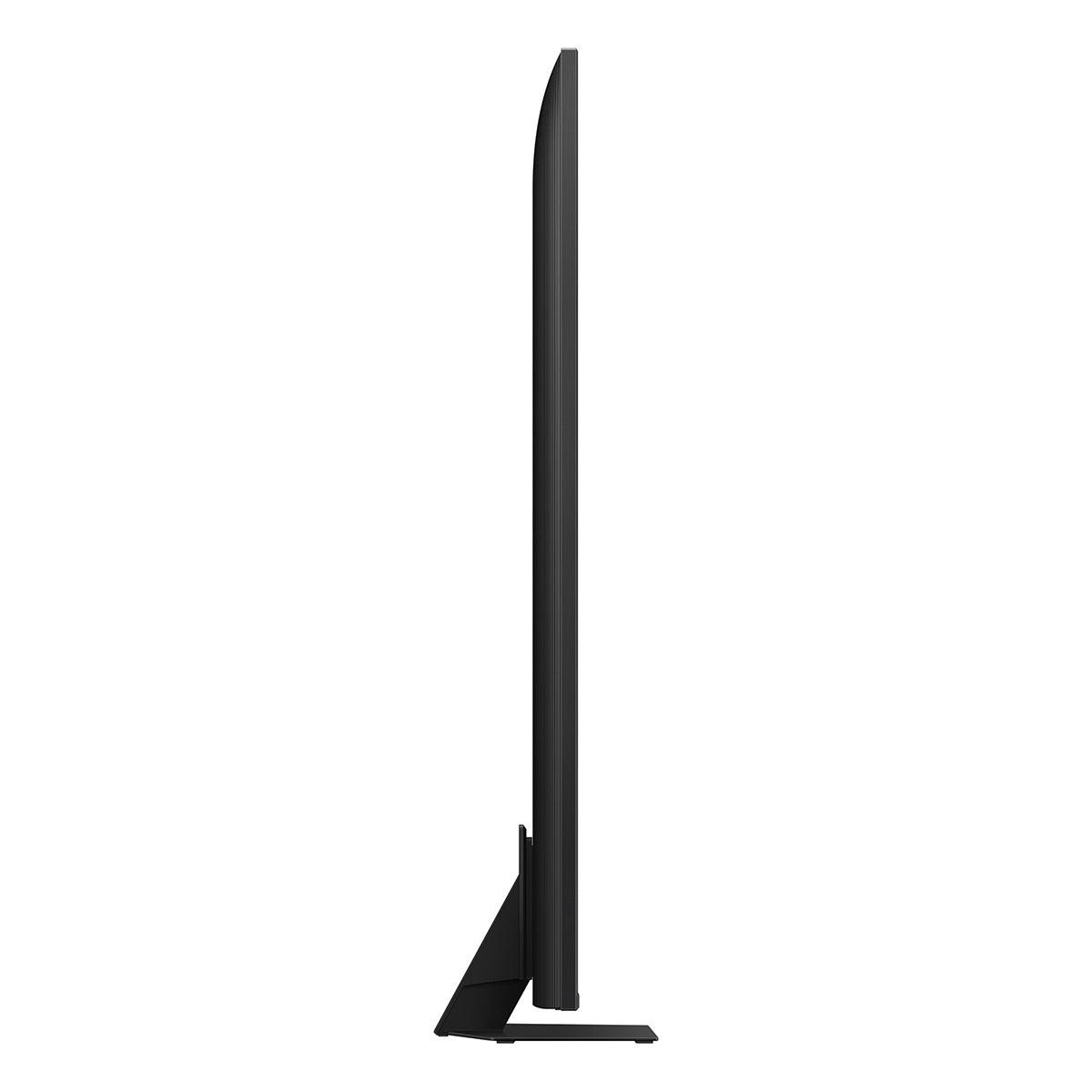
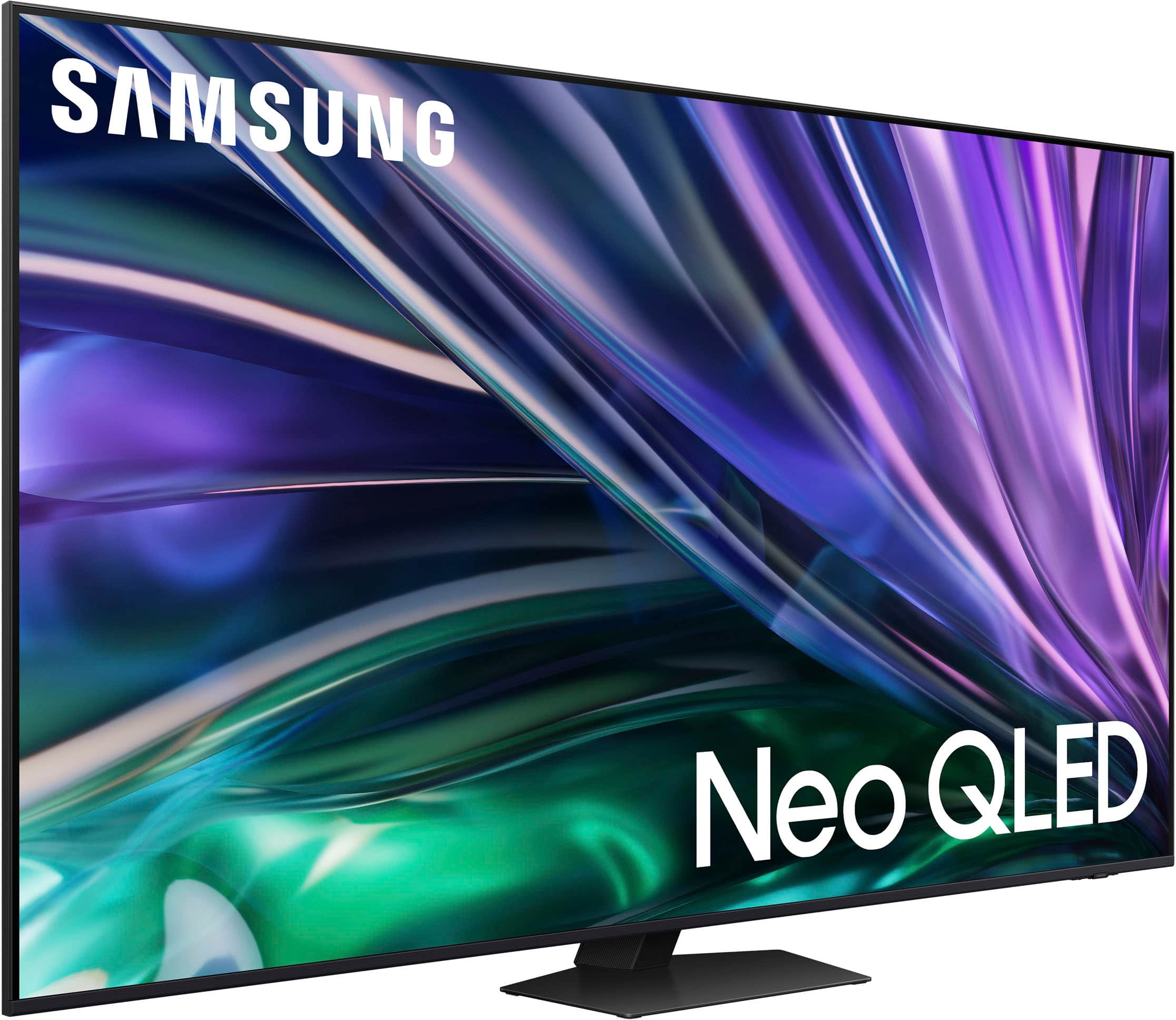

Shopping for a premium 65-inch TV in 2024 means diving into the fascinating world of Mini-LED technology. Both the TCL QM9K and Samsung QN85D represent this exciting middle ground between traditional LED TVs and premium OLED displays, but they take notably different approaches to delivering an exceptional viewing experience.
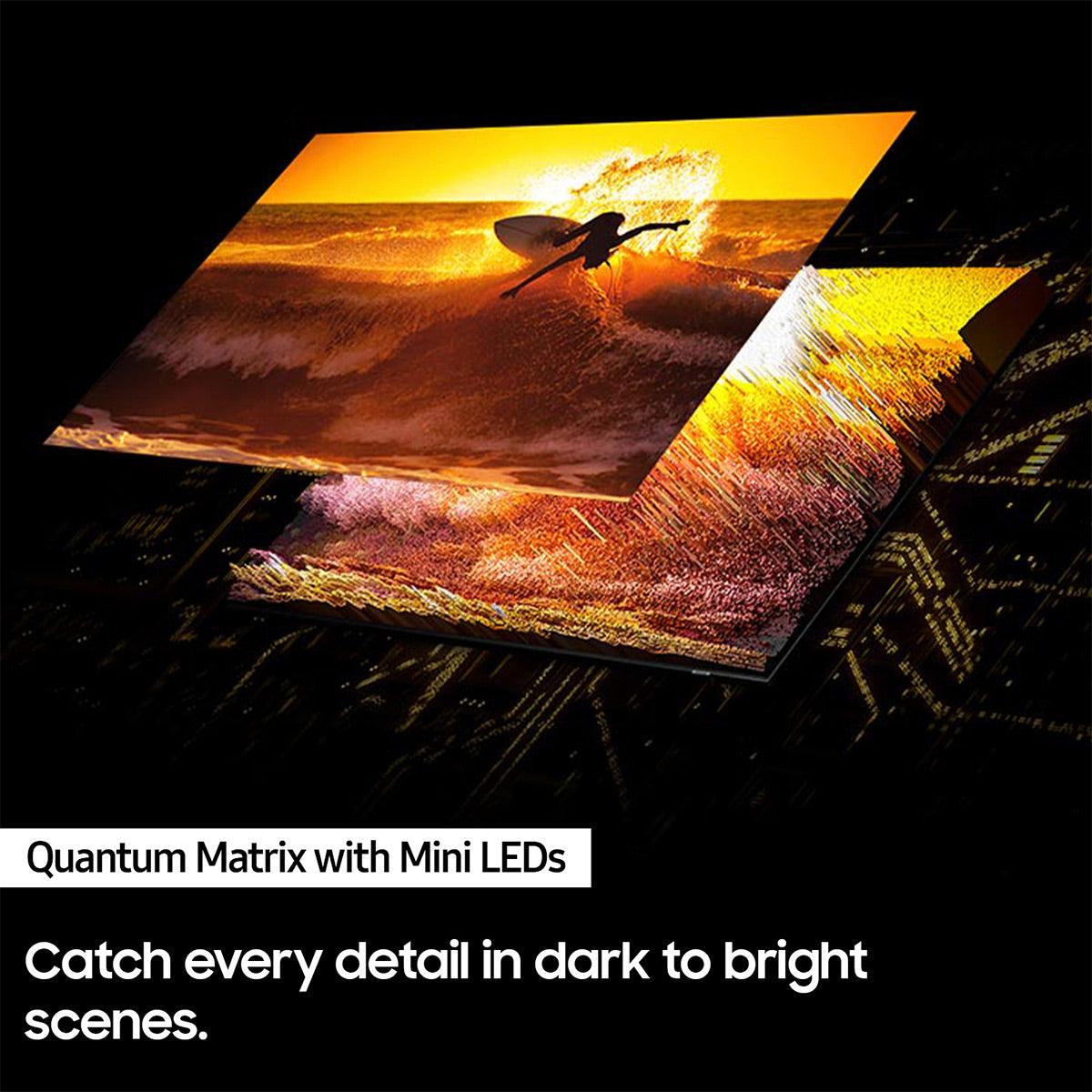
Before we compare these specific models, let's break down what makes Mini-LED special. Traditional LED TVs use relatively large LED lights behind the screen, creating zones of brightness that can feel imprecise. OLED TVs control each pixel individually for perfect blacks but struggle with peak brightness. Mini-LED technology bridges this gap by using thousands of tiny LEDs – each roughly the size of a grain of sand – paired with local dimming zones that can brighten or darken specific screen areas independently.
Think of it like having thousands of tiny flashlights behind your screen instead of a few big ones. This approach delivers much of OLED's contrast control while maintaining LED's superior brightness for daytime viewing and HDR content. The key considerations when shopping in this category include peak brightness capabilities, the number of local dimming zones, gaming performance, smart platform quality, and overall value proposition.
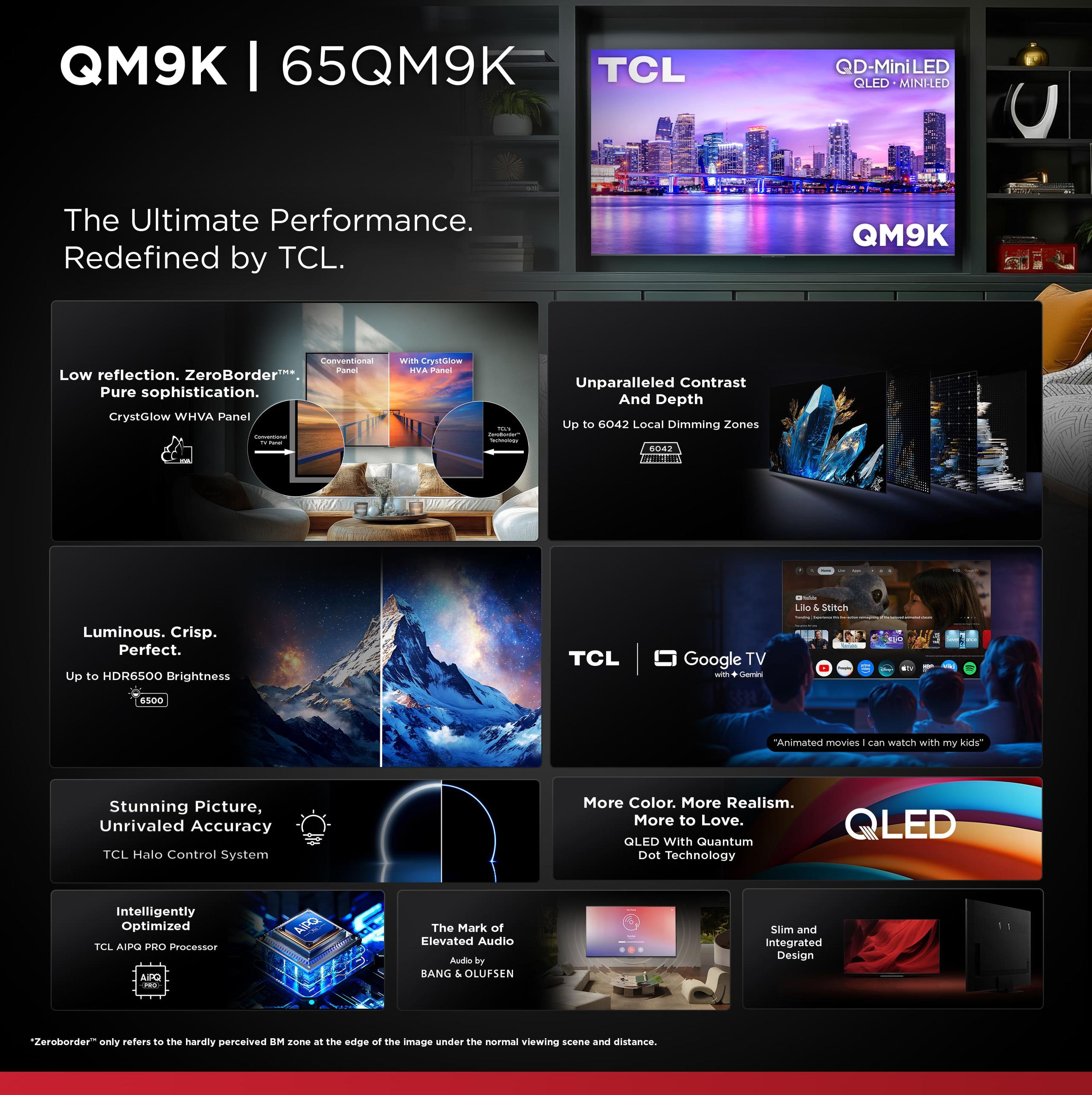
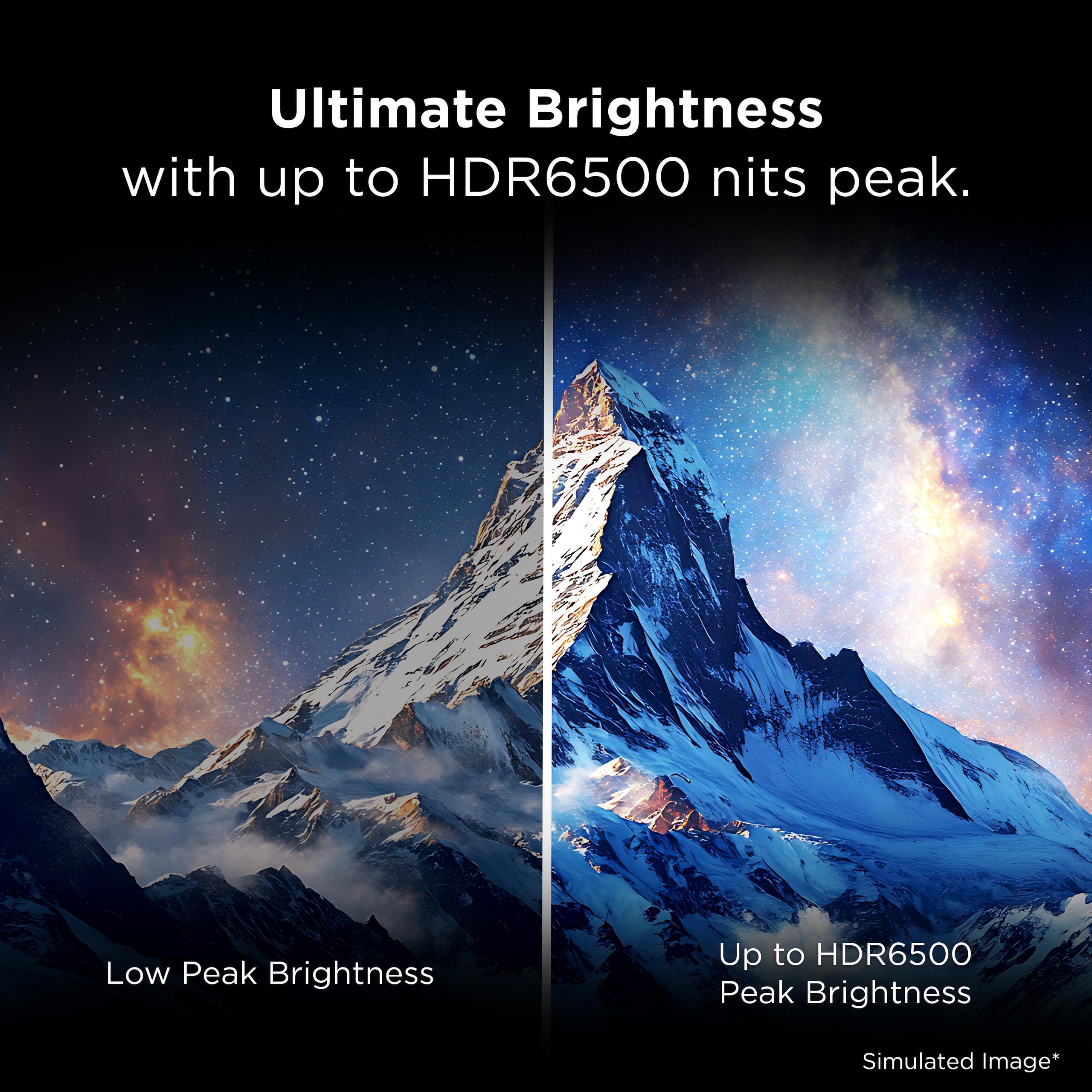
The most striking difference between these TVs lies in their approach to brightness. The TCL QM9K absolutely dominates here with its claimed 6,500 nits peak brightness compared to the Samsung QN85D's more modest 1,500 nits. To put this in perspective, most content is mastered around 1,000-4,000 nits, so the TCL can reproduce highlights closer to their intended brightness levels.
This massive brightness advantage becomes particularly apparent when watching HDR content in bright rooms. The TCL's superior luminance means you'll see those explosion flashes in action movies, sunlight glinting off water, or stadium lights in sports exactly as the content creators intended – even with afternoon sunlight streaming through your windows.
However, brightness alone doesn't tell the complete story. The Samsung QN85D focuses on what engineers call "brightness efficiency" – making every nit count through superior processing and tone mapping. Samsung's NQ4 AI Gen2 processor analyzes each frame to optimize how that brightness is distributed, often resulting in a more naturally balanced image even if it's not as blindingly bright as the TCL.
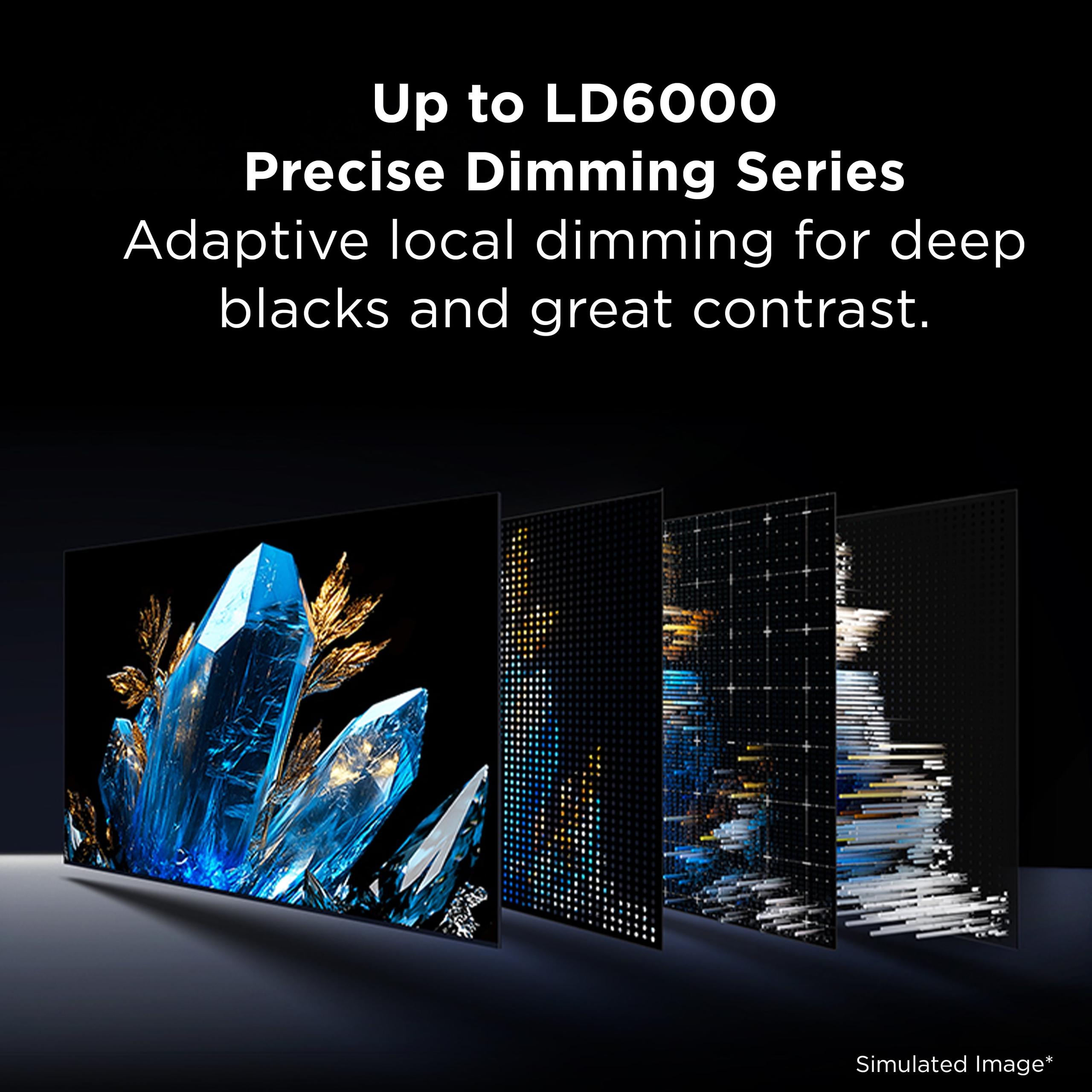
Here's where the TCL QM9K truly separates itself from the competition. With up to 6,000 precise local dimming zones compared to Samsung's approximately 160 zones, the TCL can control light with surgical precision. Local dimming zones are sections of the backlight that can be independently controlled – more zones mean finer control over which parts of the screen are bright and which are dark.
Picture watching a movie scene with a bright campfire against a starry night sky. The TCL's massive zone count allows it to make the fire brilliantly bright while keeping the surrounding darkness genuinely black. The Samsung, with fewer zones, might need to illuminate a larger area around that fire, potentially creating a subtle "halo" effect.
However, Samsung compensates with what they call "Supreme UHD Dimming" – sophisticated algorithms that make those 160 zones work smarter, not just harder. In practice, this means less visible blooming (unwanted light spillover) than you might expect from a lower zone count.
Both TVs use Quantum Dot technology for enhanced color reproduction, but they implement it differently. The Samsung QN85D ships with notably better color accuracy out of the box, particularly in standard dynamic range (SDR) content like cable TV and older movies. Samsung's decades of display calibration expertise show here – you're more likely to get natural-looking skin tones and accurate colors without any adjustments.
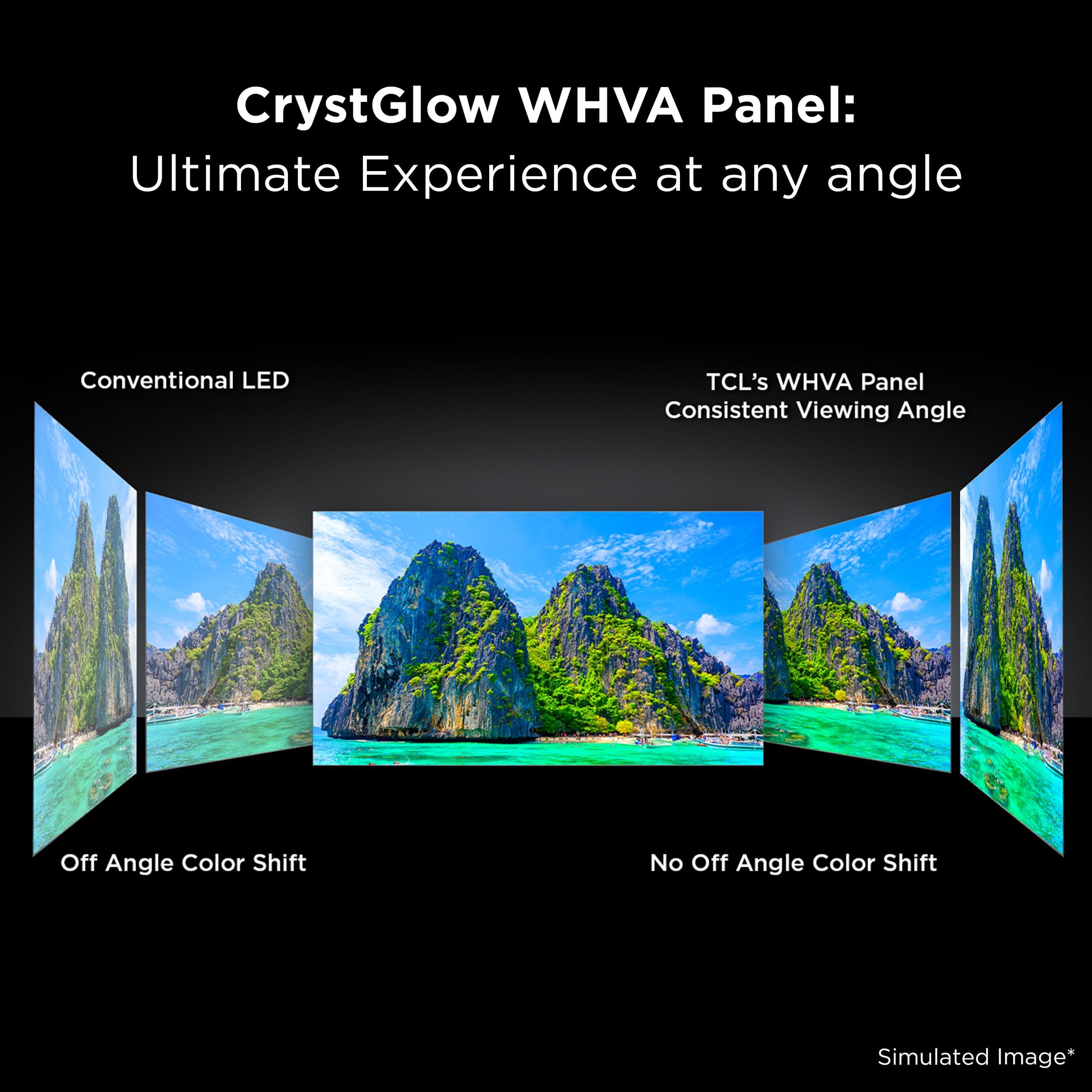
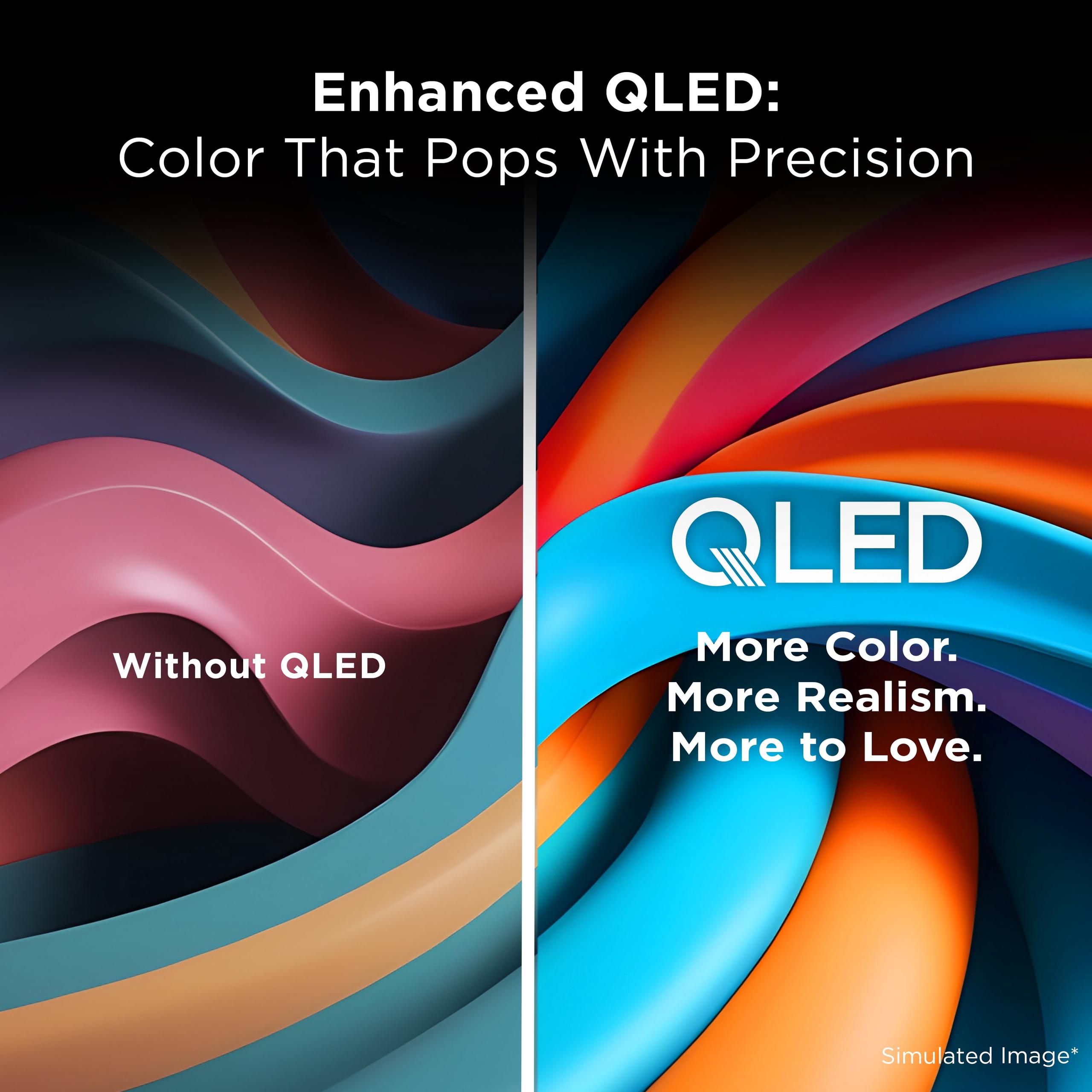
The TCL QM9K, while offering spectacular color volume and intensity, can appear oversaturated initially. Its Enhanced QLED implementation with the CrystGlow WHVA panel delivers incredibly vibrant colors that can make nature documentaries and animated content pop off the screen. However, our research suggests some users prefer to dial back the color intensity for more realistic reproduction.
For home theater enthusiasts who plan to calibrate their display, both TVs offer excellent potential. The TCL's wider color gamut provides more room to work with, while the Samsung's more conservative tuning serves as a better starting point for most viewers.
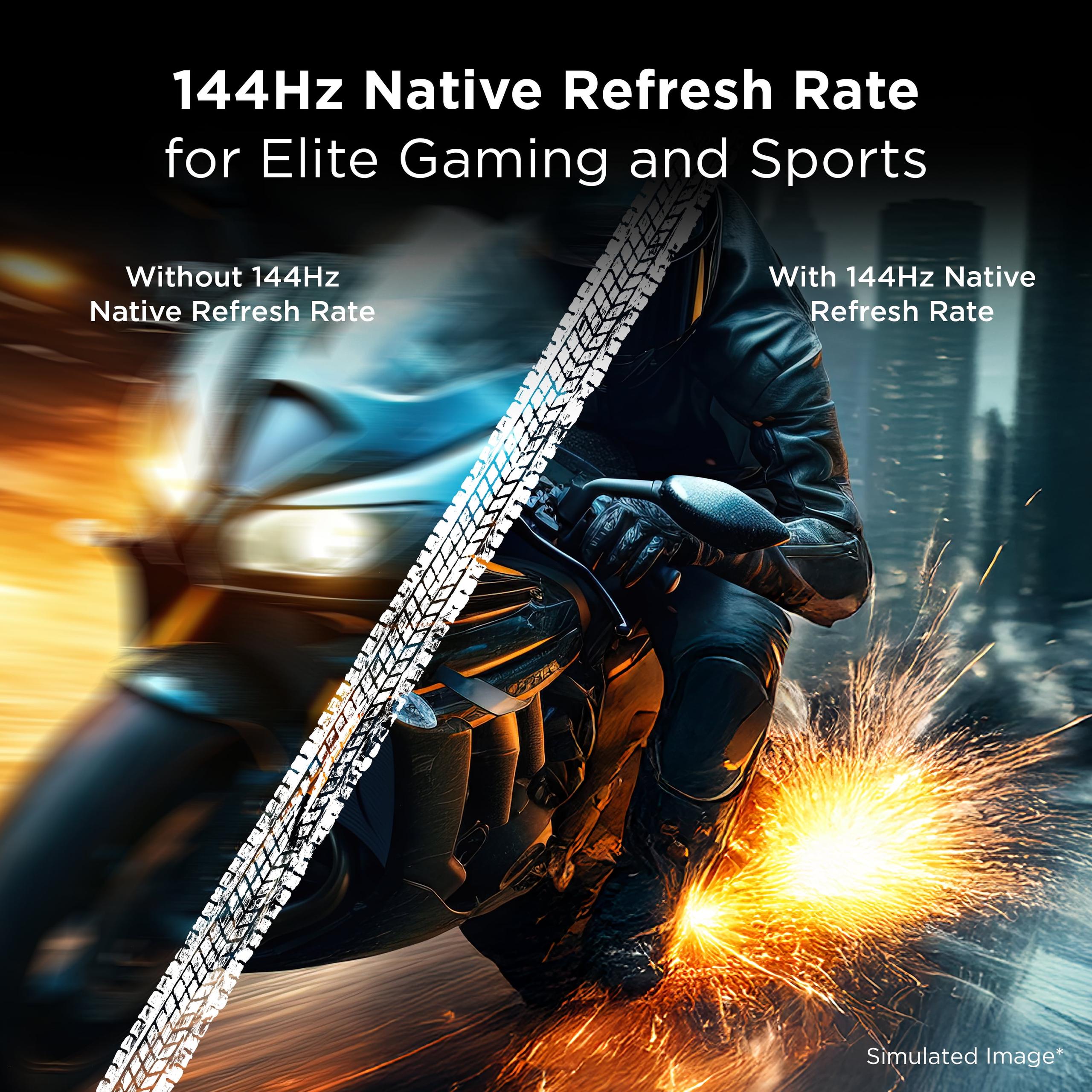
Gaming capabilities represent another clear differentiation between these models. The TCL QM9K positions itself as a gaming powerhouse with its native 144Hz refresh rate and Game Accelerator 288 technology. This means the TV can display up to 288 frames per second at 1080p resolution – far beyond what current consoles output but future-proofing for PC gaming and upcoming console generations.
The TCL's 5.3ms input lag also edges out the Samsung's 10-12ms, though both are well within the range most gamers consider excellent. Input lag measures the delay between when you press a button and when the action appears on screen – lower is always better for competitive gaming.
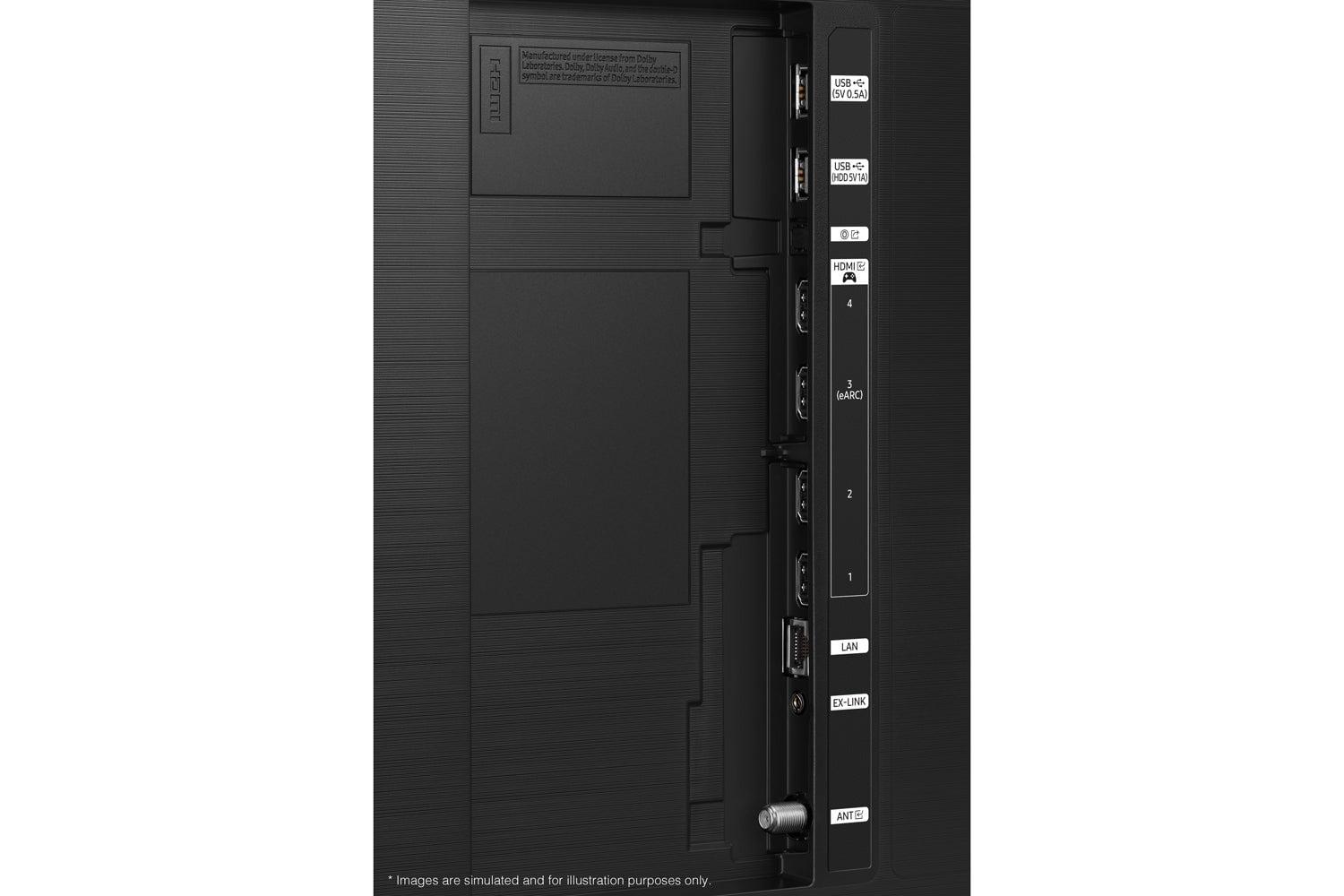
However, the Samsung QN85D takes a more practical approach to gaming features. All four HDMI ports support HDMI 2.1 features like 4K at 120Hz and Variable Refresh Rate (VRR), while the TCL limits these features to two ports. For households with multiple gaming devices – perhaps a PlayStation 5, Xbox Series X, and gaming PC – this connectivity advantage matters significantly.
Samsung's Gaming Hub also deserves mention for its cloud gaming integration, allowing you to play Xbox Game Pass or GeForce Now titles directly through the TV without a console. This feature has improved considerably since the QN85D's 2024 launch and represents Samsung's broader ecosystem approach.
Both TVs excel at motion processing, but with different strengths. The TCL QM9K's Motion Rate 480 with MEMC (Motion Estimation/Motion Compensation) frame insertion creates incredibly smooth motion by interpolating frames between the original content. This works particularly well for sports broadcasts, where camera panning across a football field becomes buttery smooth.
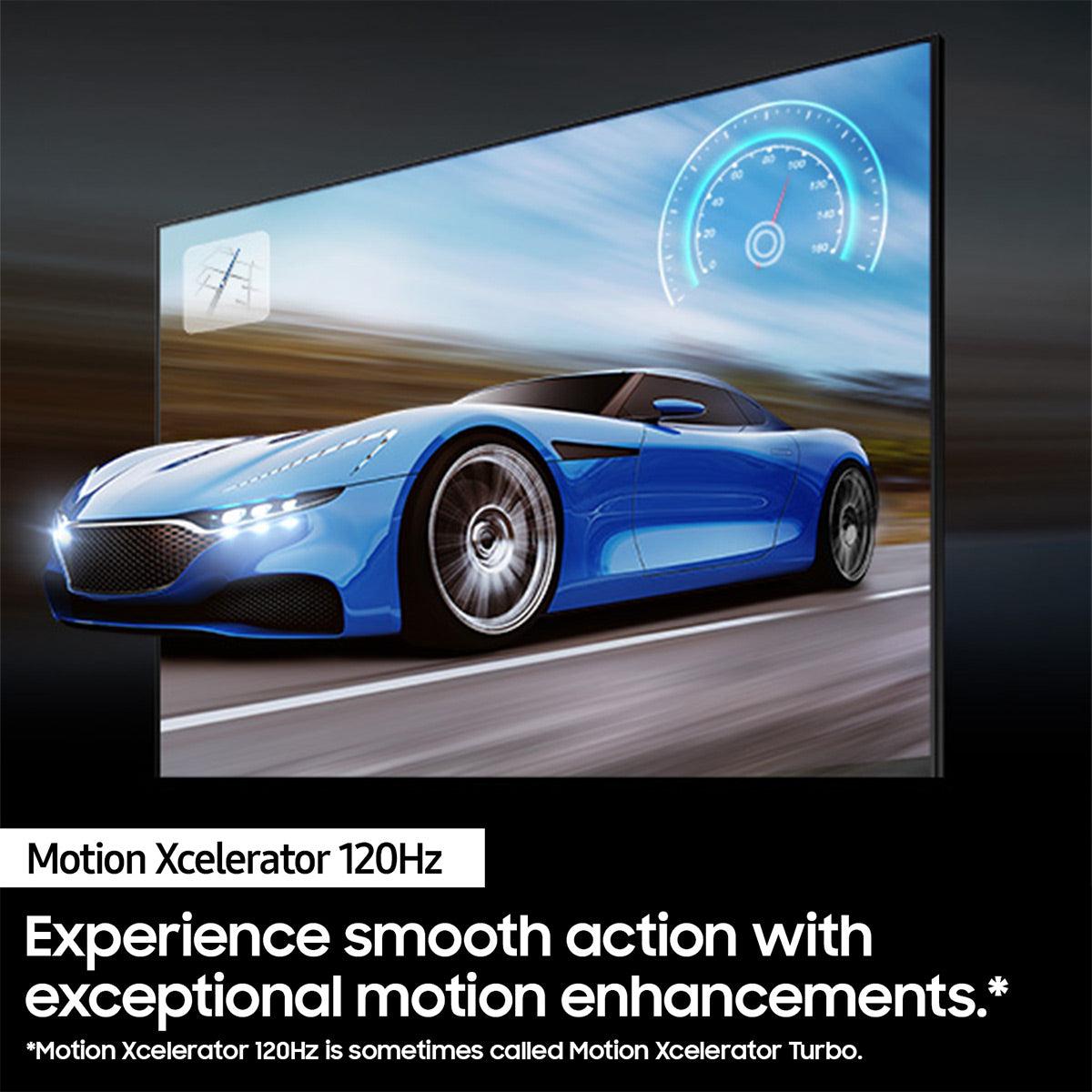
The Samsung QN85D's Motion Xcelerator Turbo takes a more subtle approach, focusing on reducing blur without the artificial "soap opera effect" that aggressive motion processing can create. Many viewers prefer this more natural motion handling, especially for movies where the director's intended frame rate matters.
For sports viewing specifically, both TVs handle fast action well, though the TCL's higher native refresh rate provides a slight edge in eliminating motion blur during rapid player movements or ball tracking.
The smart TV experience has become increasingly important as streaming dominates our viewing habits. The Samsung QN85D runs Samsung's mature Tizen operating system, which offers fast navigation, extensive app support, and seamless integration with Samsung's broader ecosystem. If you own Samsung phones, tablets, or soundbars, the interconnectedness creates a genuinely convenient experience.
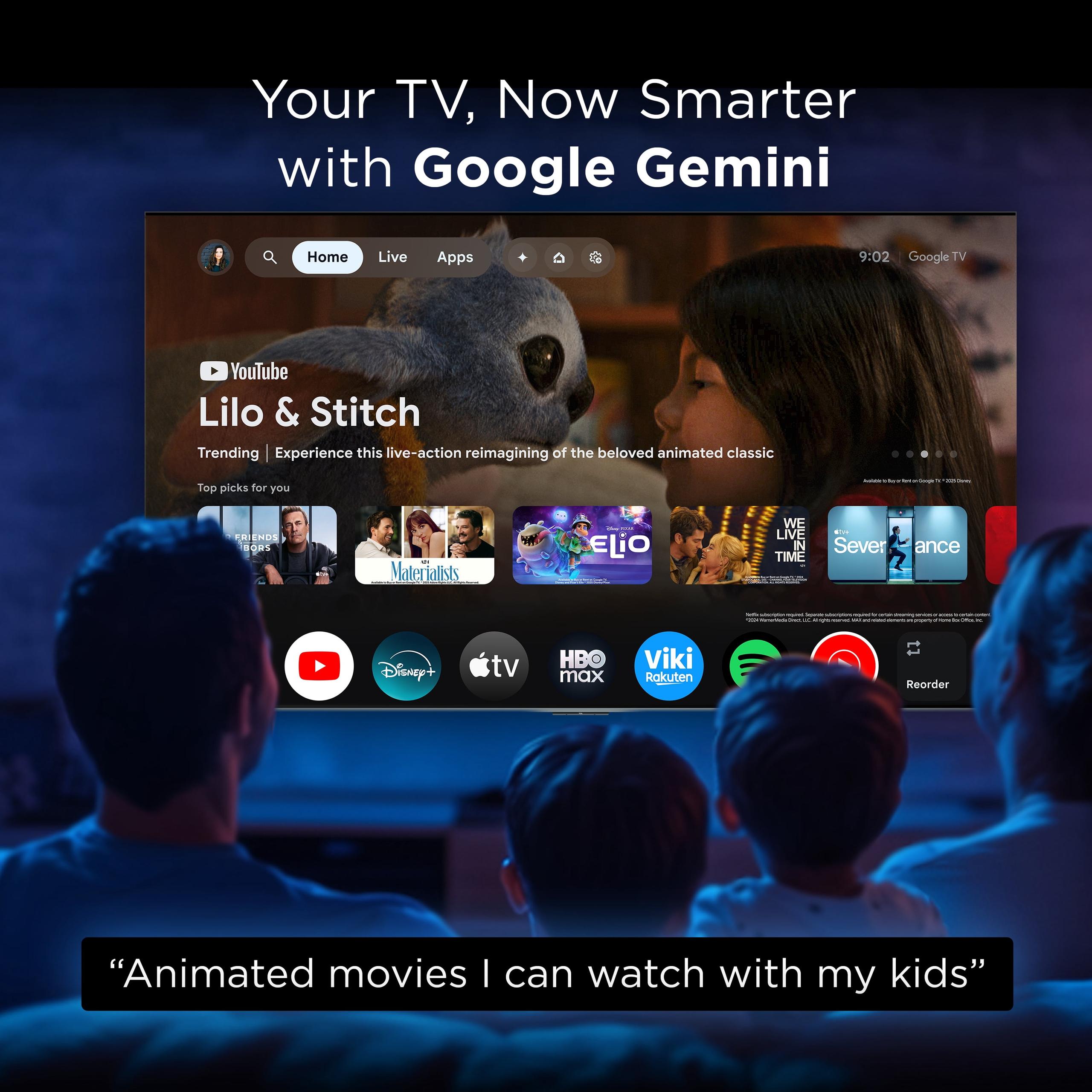
The TCL QM9K uses Google TV, which excels at content discovery and personalization. Its recommendation engine pulls from across all your streaming services to suggest what to watch next, rather than promoting specific platforms. The built-in Google Gemini voice assistant also enables hands-free control – you can change channels, adjust volume, or search for content just by speaking to the TV.
Both platforms support all major streaming services, but Samsung's Tizen tends to receive app updates slightly faster, while Google TV provides better search functionality across services.
Audio often gets overlooked in TV comparisons, but both manufacturers have invested significantly in this area. The TCL QM9K features audio tuning by Bang & Olufsen with a 2.1.1 channel system that includes a built-in subwoofer on the 65-inch model. This creates notably better bass response than most built-in TV speakers manage.
The Samsung QN85D counters with Object Tracking Sound Lite technology, which moves audio around the screen to follow the action. When a car drives from left to right across the screen, the sound genuinely follows that movement. Combined with Dolby Atmos support, this creates an impressively immersive experience without additional speakers.
For serious home theater setups, both TVs support eARC (enhanced Audio Return Channel) for connecting high-end soundbars or surround sound systems. However, the built-in audio quality means casual viewers might not feel compelled to immediately upgrade their sound setup.
At the time of writing, both TVs occupy similar price ranges in the premium 65-inch segment, though the TCL QM9K generally offers more aggressive pricing for its specification level. TCL's strategy focuses on delivering flagship-level performance metrics – those 6,000 dimming zones and 6,500-nit brightness typically appear in much more expensive displays.
The Samsung QN85D commands a modest premium for its more refined overall experience, brand reputation, and ecosystem integration. Samsung's pricing reflects their focus on polish and user experience rather than raw specifications.
Both represent solid value in the Mini-LED segment, especially considering OLED alternatives often cost significantly more while offering lower peak brightness and potential burn-in concerns.
Choose the TCL QM9K if picture quality specifications matter most to you. Its superior brightness and contrast capabilities make it exceptional for HDR content and bright room viewing. Serious gamers will appreciate the higher refresh rates and lower input lag. The Google TV platform and Bang & Olufsen audio also create a compelling overall package, especially if you prioritize raw performance over brand recognition.
The Samsung QN85D makes more sense if you value a refined, predictable experience. Its superior color accuracy out of the box, more comprehensive gaming connectivity, and mature smart platform make it the safer choice for most households. Samsung's reputation for longevity and customer support also provides peace of mind that shouldn't be underestimated.
For dedicated home theater rooms, the TCL QM9K's superior contrast control and peak brightness create a more cinematic experience with properly mastered content. However, for family rooms with varied lighting conditions and mixed usage, the Samsung QN85D's more balanced approach and superior processing often prove more satisfying day-to-day.
Both TVs represent the exciting evolution of display technology, offering OLED-like performance benefits without OLED's limitations. Your choice ultimately comes down to whether you prioritize cutting-edge specifications or refined execution – either way, you're getting a genuinely impressive viewing experience that would have seemed impossible just a few years ago.
| TCL 65" QM9K QD-Mini LED Smart TV | Samsung 65" QN85D Neo QLED 4K Smart TV |
|---|---|
| Peak Brightness - Critical for HDR impact and bright room viewing | |
| 6,500 nits (exceptional for any lighting condition) | 1,500 nits (very good for most rooms) |
| Local Dimming Zones - Controls blooming and contrast precision | |
| Up to 6,000 zones (flagship-level precision) | ~160 zones (good algorithm makes it effective) |
| Native Refresh Rate - Smoothness for gaming and sports | |
| 144Hz native with 288Hz gaming mode | 120Hz (excellent for current consoles) |
| Input Lag - Response time for competitive gaming | |
| 5.3ms (exceptional for competitive play) | 10-12ms (very good for casual gaming) |
| HDMI 2.1 Ports - Future-proof gaming connectivity | |
| 2 ports with full features | 4 ports with full features |
| Smart Platform - Daily navigation and app experience | |
| Google TV with built-in Gemini voice control | Samsung Tizen OS (mature, fast, extensive apps) |
| Color Accuracy Out-of-Box - How natural colors look without calibration | |
| Very good but can appear oversaturated initially | Excellent, more natural skin tones |
| Panel Type - Affects viewing angles and contrast | |
| CrystGlow WHVA (excellent contrast, narrower angles) | VA panel (good contrast, decent angles) |
| Audio System - Built-in sound quality | |
| Bang & Olufsen tuned 2.1.1 with subwoofer | Object Tracking Sound Lite with Dolby Atmos |
| Motion Processing - Smoothness of fast action | |
| Motion Rate 480 with MEMC (very smooth) | Motion Xcelerator Turbo 120Hz (natural) |
| Release Year - Technology generation and features | |
| 2024 (latest QD-Mini LED advances) | 2024 (refined Neo QLED implementation) |
| Best For - Primary use case recommendation | |
| Picture quality enthusiasts and serious gamers | Balanced experience seekers and Samsung ecosystem users |
The TCL 65" QM9K is significantly better for bright rooms due to its exceptional 6,500 nits peak brightness compared to the Samsung QN85D's 1,500 nits. This massive brightness advantage means the TCL can overcome glare from windows and maintain vibrant HDR colors even in well-lit spaces, while the Samsung may appear washed out in very bright conditions.
The TCL QM9K offers superior gaming specs with 144Hz native refresh rate, 288Hz gaming mode, and 5.3ms input lag. However, the Samsung QN85D provides more practical gaming connectivity with four HDMI 2.1 ports versus TCL's two ports. Choose the TCL for competitive gaming performance or the Samsung if you need to connect multiple gaming devices.
The TCL QM9K features up to 6,000 local dimming zones compared to the Samsung QN85D's approximately 160 zones. More zones mean better control over brightness and darkness in different screen areas, resulting in deeper blacks and less blooming around bright objects. The TCL's zone count is flagship-level, while Samsung compensates with superior dimming algorithms.
The Samsung QN85D runs Samsung's mature Tizen OS, offering fast navigation and extensive app support with excellent ecosystem integration. The TCL QM9K uses Google TV, which excels at content discovery across streaming services and includes built-in Google Gemini voice control. Choose Samsung for reliability or Google TV for better search and recommendations.
The TCL QM9K is superior for dedicated home theaters due to its exceptional contrast ratio from 6,000 dimming zones and 6,500-nit peak brightness, creating more cinematic HDR experiences. The Samsung QN85D offers better color accuracy out-of-box but lacks the dramatic contrast control that makes movie scenes truly immersive in dark viewing environments.
The TCL QM9K features Bang & Olufsen tuned audio with a 2.1.1 channel system including a built-in subwoofer for better bass response. The Samsung QN85D uses Object Tracking Sound Lite technology that moves audio around the screen to follow action, creating more immersive sound placement. Both support Dolby Atmos and eARC for external sound systems.
Both TVs handle sports well, but differently. The TCL QM9K offers Motion Rate 480 with frame interpolation for extremely smooth motion, ideal for fast-paced sports. The Samsung QN85D uses Motion Xcelerator Turbo for more natural motion without the artificial "soap opera effect." Choose TCL for maximum smoothness or Samsung for more natural-looking motion.
The Samsung QN85D delivers better color accuracy out-of-the-box, especially for skin tones and natural colors in regular TV content. The TCL QM9K offers more vibrant, saturated colors that can appear oversaturated initially but provides wider color volume for HDR content. Samsung is more immediately pleasing, while TCL offers more dramatic color reproduction.
The TCL QM9K typically offers better specifications per dollar, delivering flagship-level features like 6,000 dimming zones and extreme brightness at competitive pricing. The Samsung QN85D commands a modest premium for its refined user experience, brand reliability, and mature smart platform. Choose TCL for maximum specs or Samsung for polish and ecosystem benefits.
The Samsung QN85D offers four HDMI 2.1 ports with full gaming features, accommodating multiple consoles and devices simultaneously. The TCL QM9K provides two HDMI 2.1 ports with advanced gaming features, which may require port switching for households with multiple gaming systems. Samsung wins for gaming device flexibility.
The TCL QM9K excels at HDR movies due to its 6,500-nit peak brightness and superior local dimming, reproducing bright highlights and deep blacks as content creators intended. The Samsung QN85D offers excellent HDR processing with more natural tone mapping but cannot match the TCL's dramatic brightness and contrast capabilities for premium HDR content.
The TCL QM9K can appear oversaturated initially and has only two HDMI 2.1 ports, limiting gaming device connections. The Samsung QN85D has significantly lower peak brightness and fewer dimming zones, reducing its effectiveness in very bright rooms and limiting contrast control compared to the TCL's flagship-level specifications.
We've done our best to create useful and informative comparisons to help you decide what product to buy. Our research uses advanced automated methods to create this comparison and perfection is not possible - please contact us for corrections or questions. These are the sites we've researched in the creation of this article: rtings.com - bestbuy.com - youtube.com - youtube.com - youtube.com - techaeris.com - displayspecifications.com - pcrichard.com - residentialsystems.com - us.tcl.com - displayspecifications.com - valueelectronics.com - woodruffappliance.com - tcl.com - pcrichard.com - tcl.com - techradar.com - tcl.com - us.tcl.com - youtube.com - youtube.com - bestbuy.com - youtube.com - bestbuy.com - rtings.com - youtube.com - youtube.com - avsforum.com - youtube.com - samsung.com - videoandaudiocenter.com - shopjetson.com - mysoundconcepts.com - samsung.com - merlinstv.com - youtube.com - samsung.com - samsung.com

Privacy Policy
Terms and Conditions - Affiliate Policy
Home Security
© Copyright 2008-2026.
11816 Inwood Rd #1211, Dallas, TX 75244