

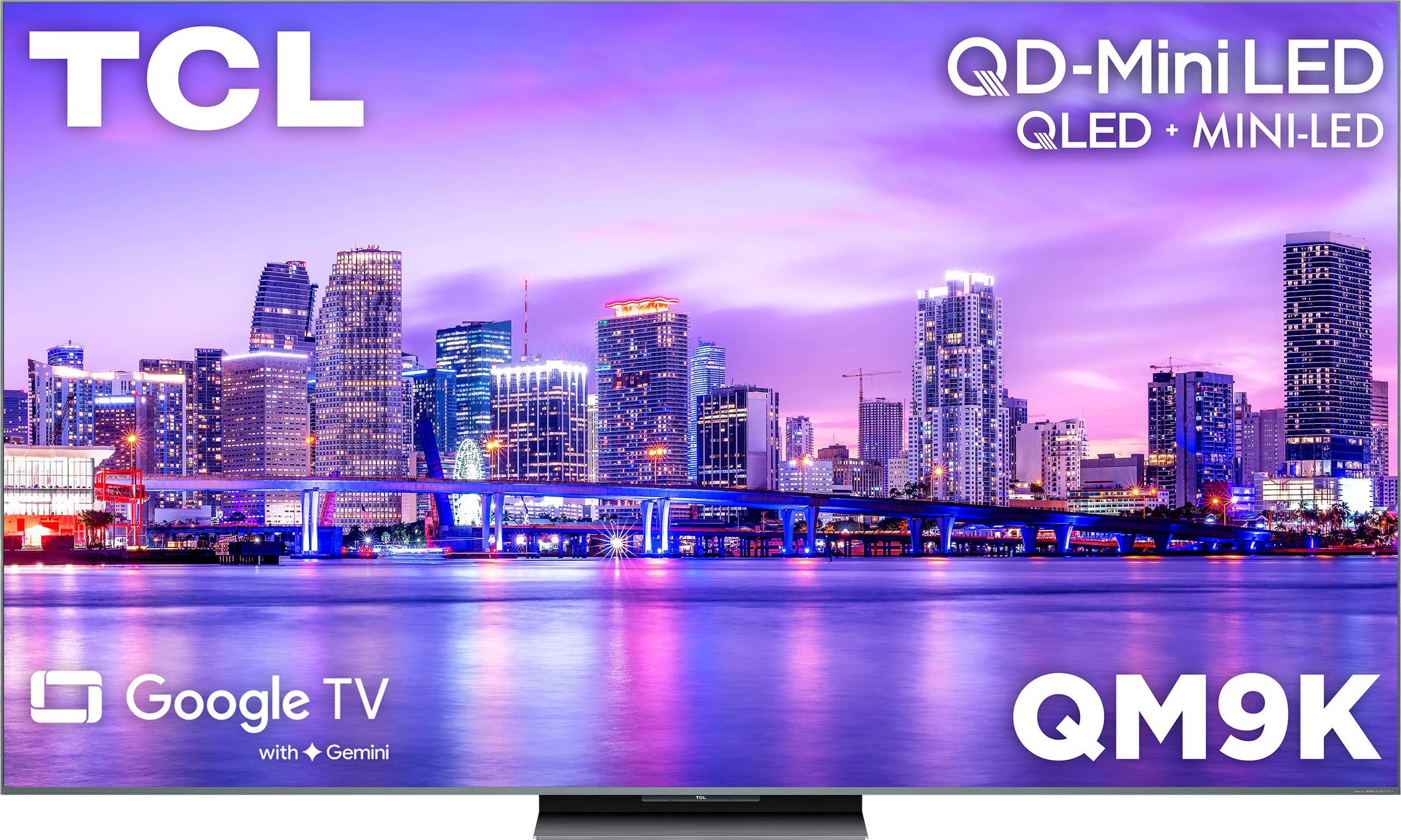
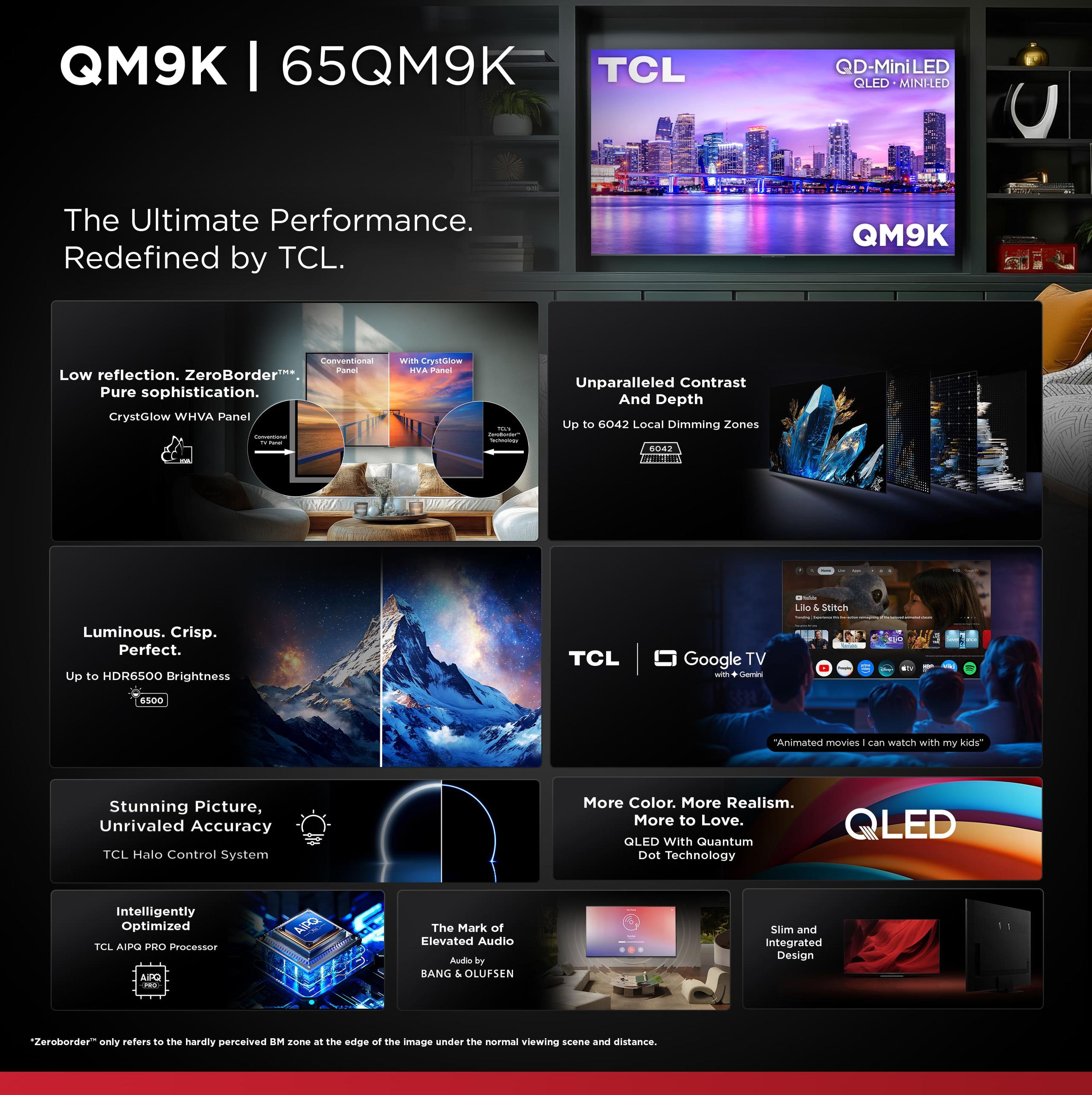
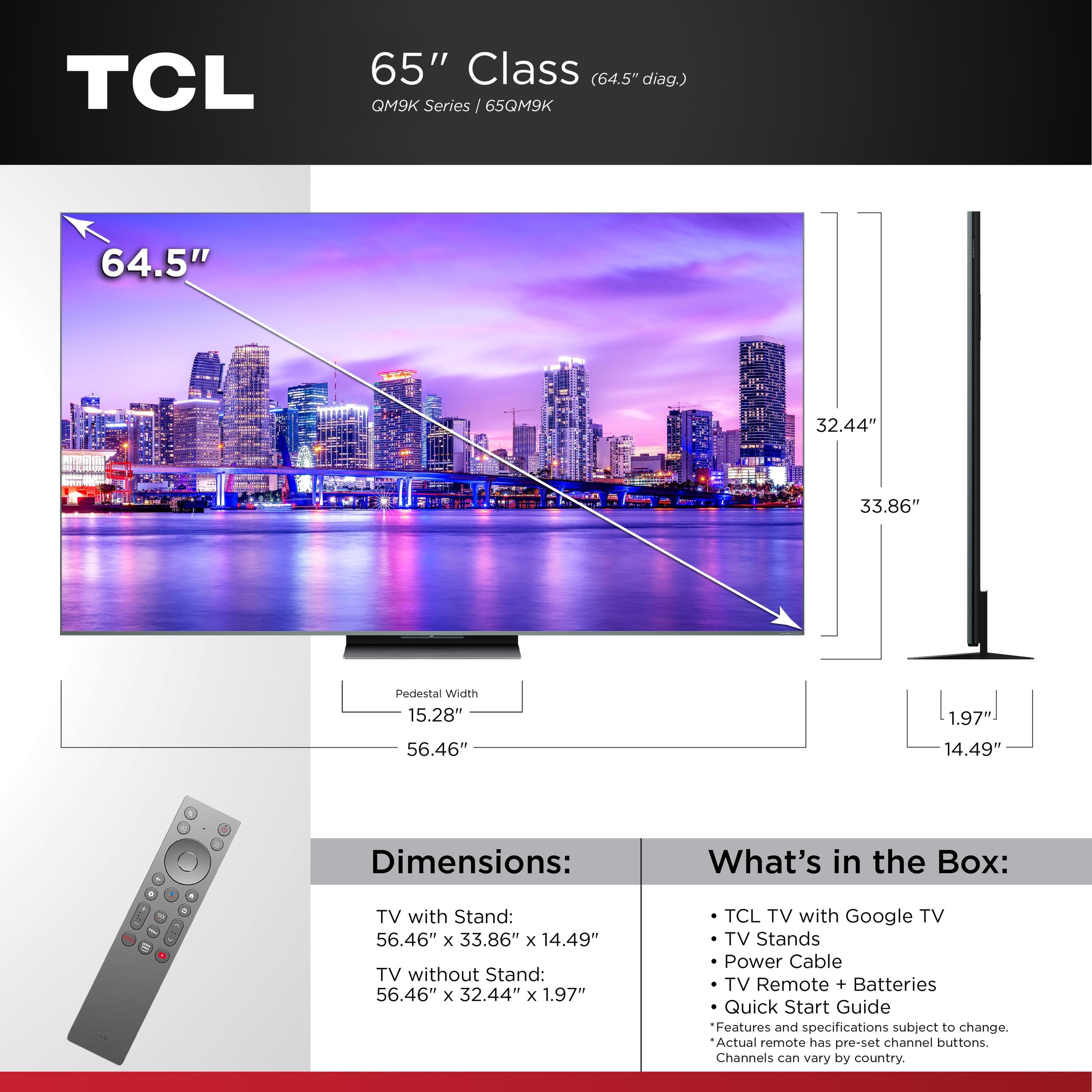
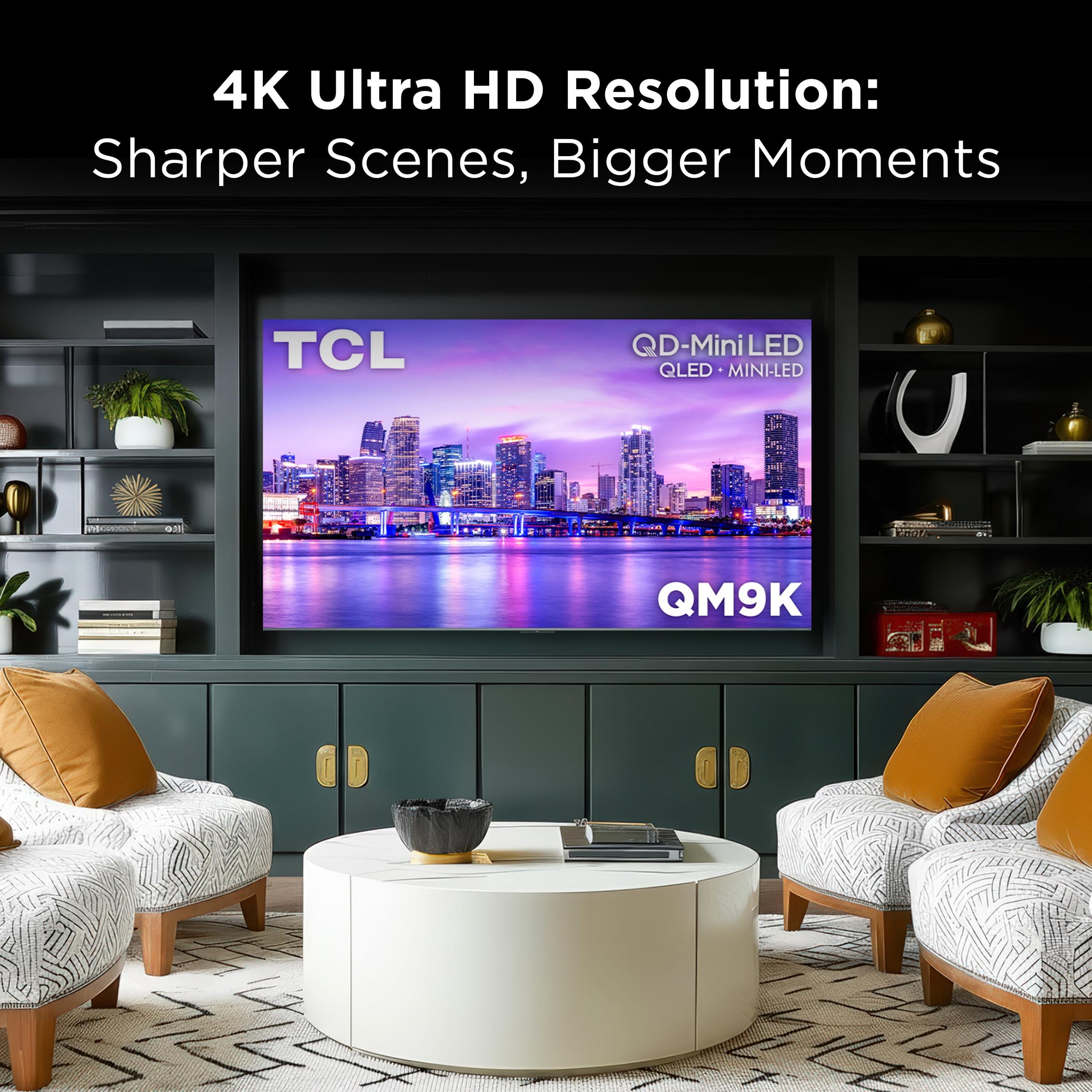
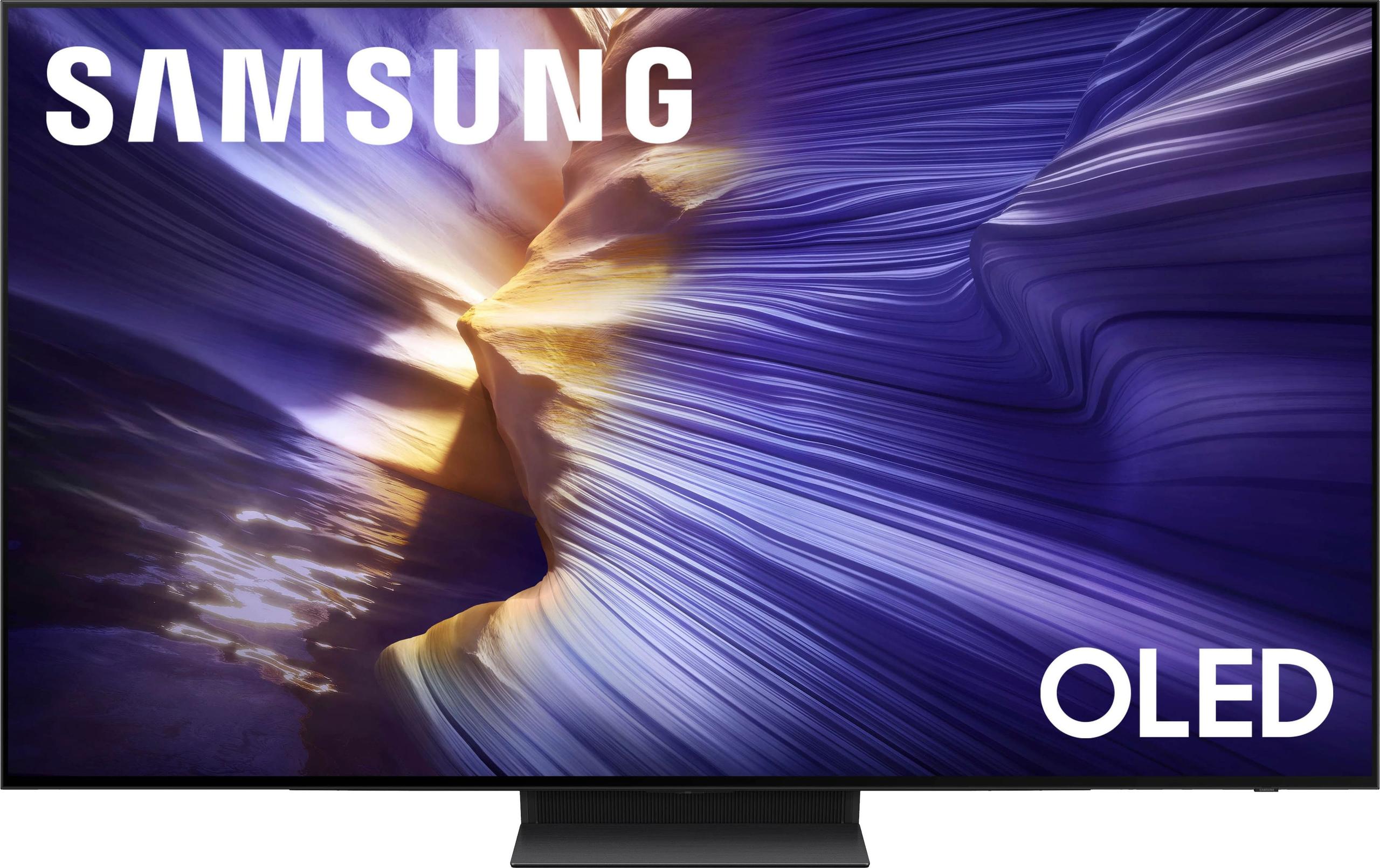
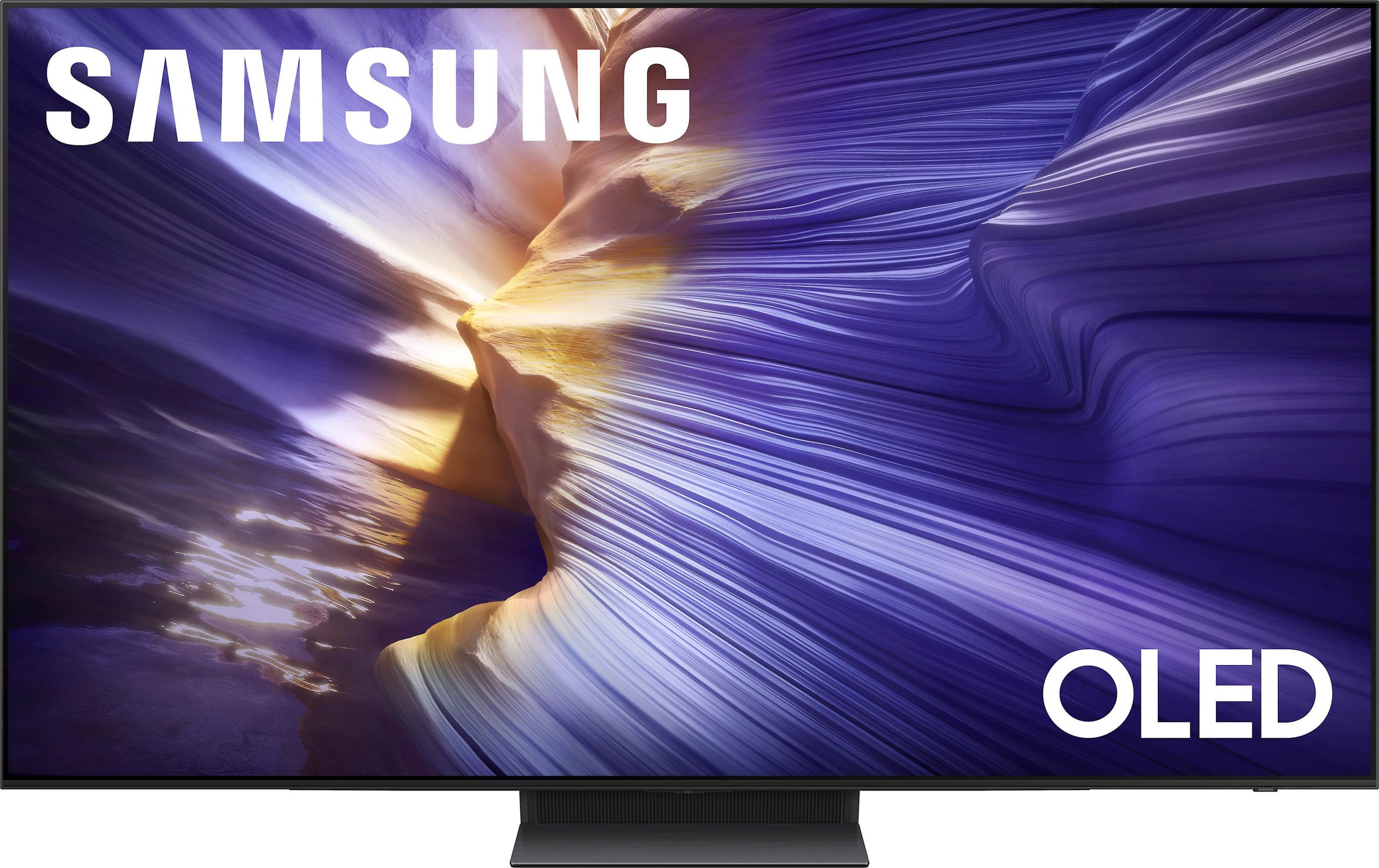
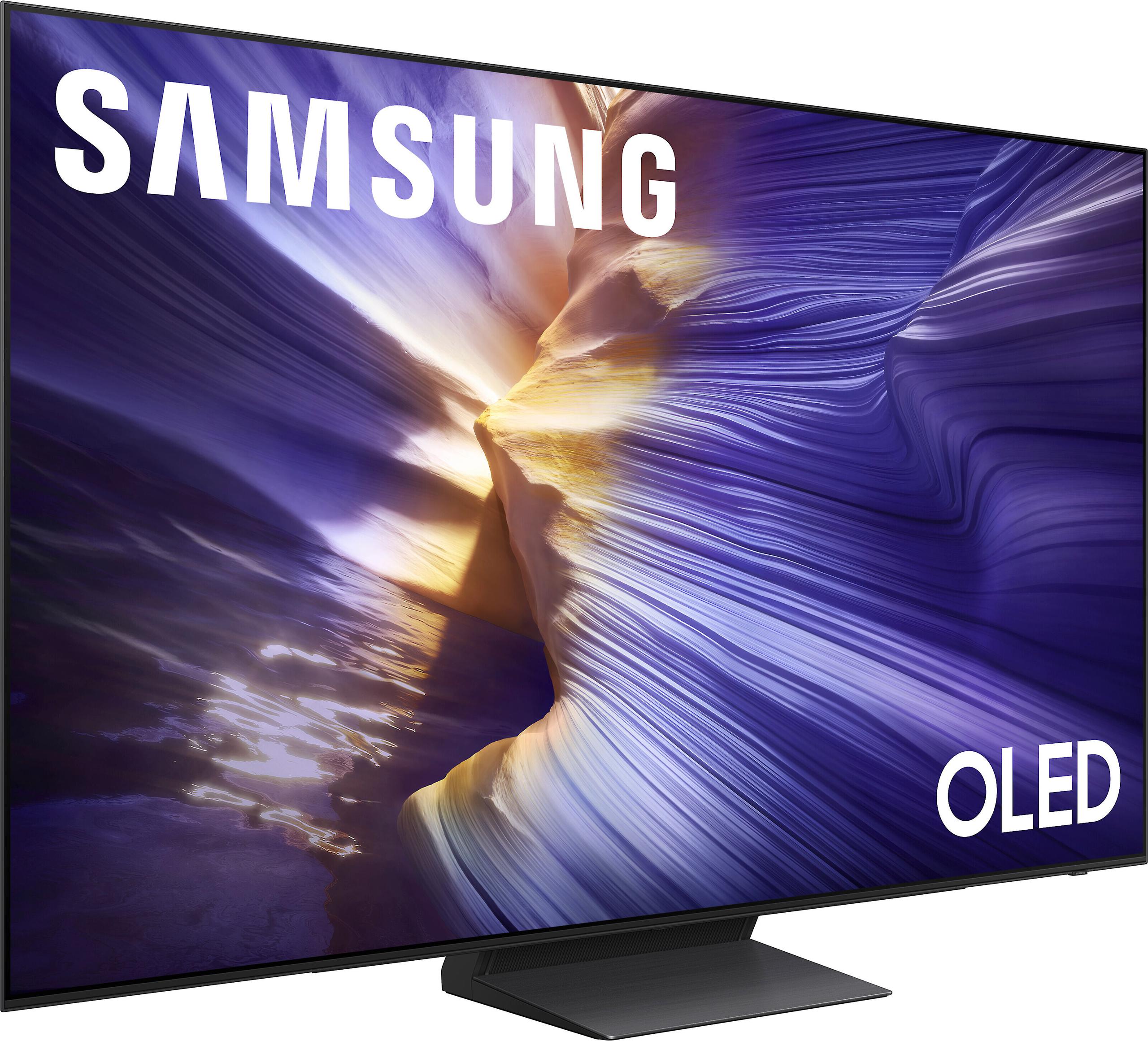
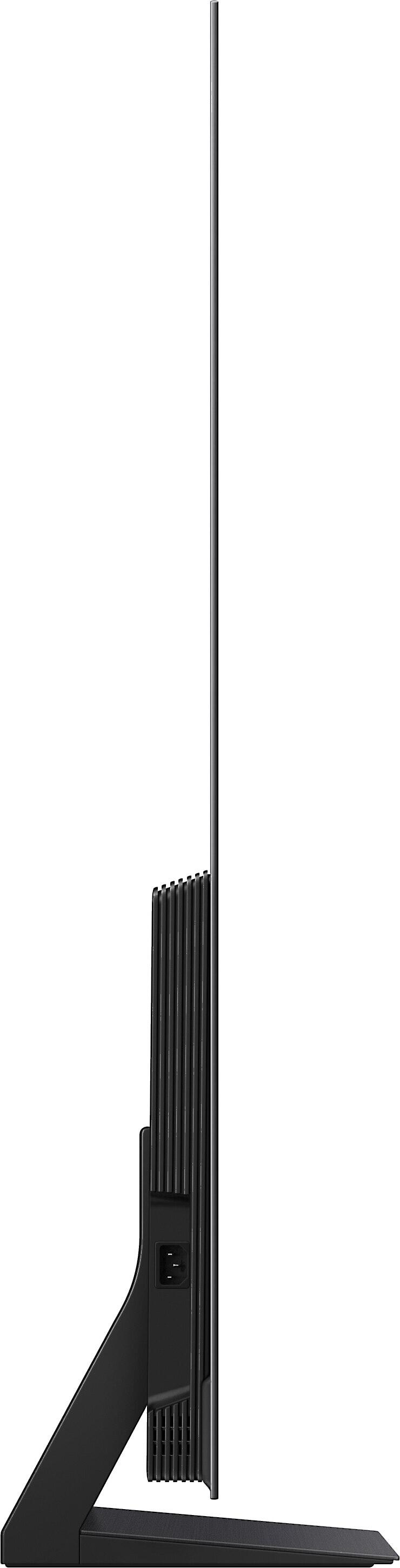
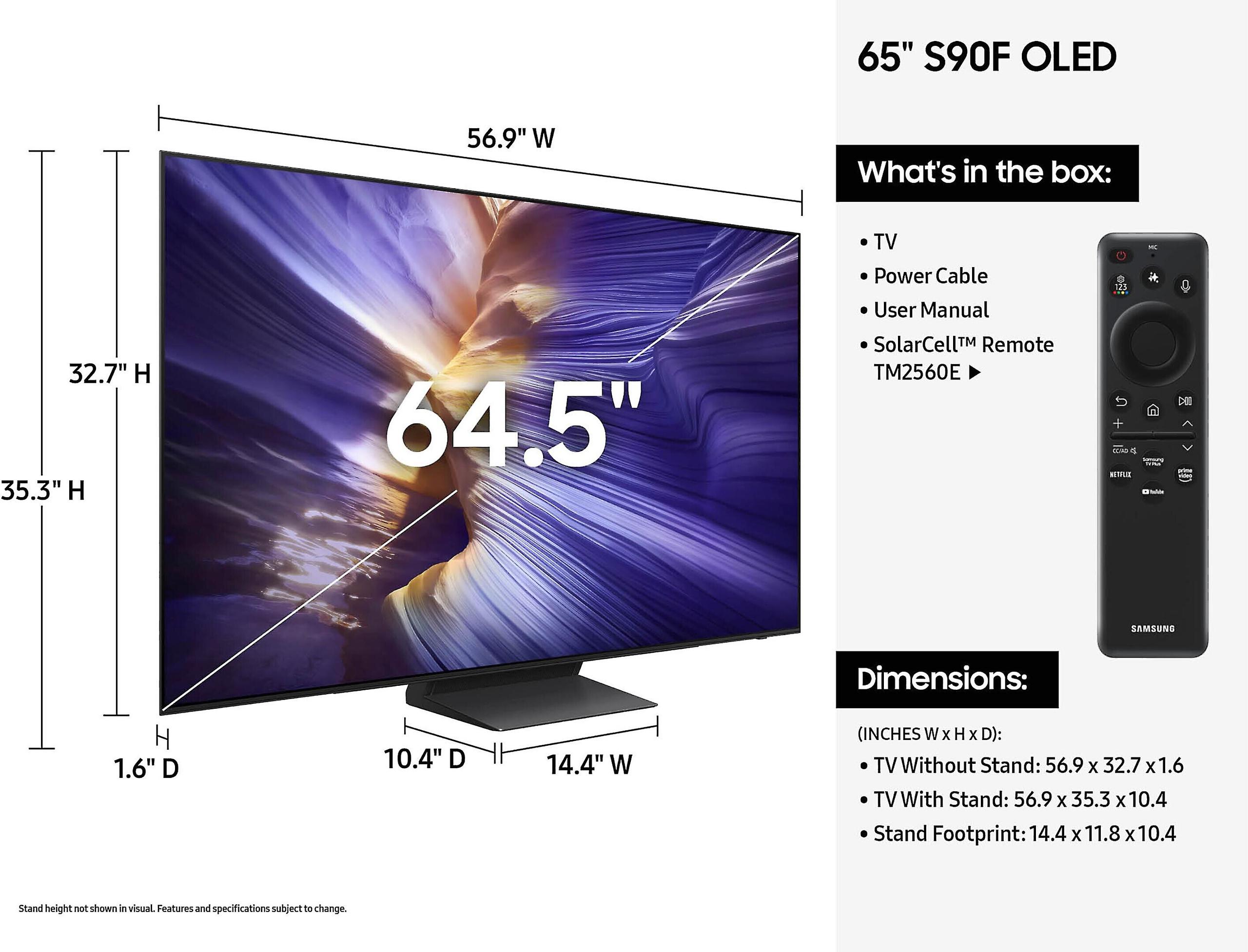

When you're shopping for a premium 65-inch TV, you're essentially choosing between two fundamentally different approaches to creating stunning pictures. The TCL QM9K QD-Mini LED and Samsung S90F OLED represent the pinnacle of their respective technologies, each with distinct advantages that make them better suited for different viewing situations.
At the time of writing, both TVs compete in the premium segment, though the TCL QM9K typically offers more performance per dollar while the Samsung S90F commands a premium for its OLED technology. Understanding which approach works better for your specific needs will save you from buyer's remorse and ensure you get the best possible viewing experience for your investment.
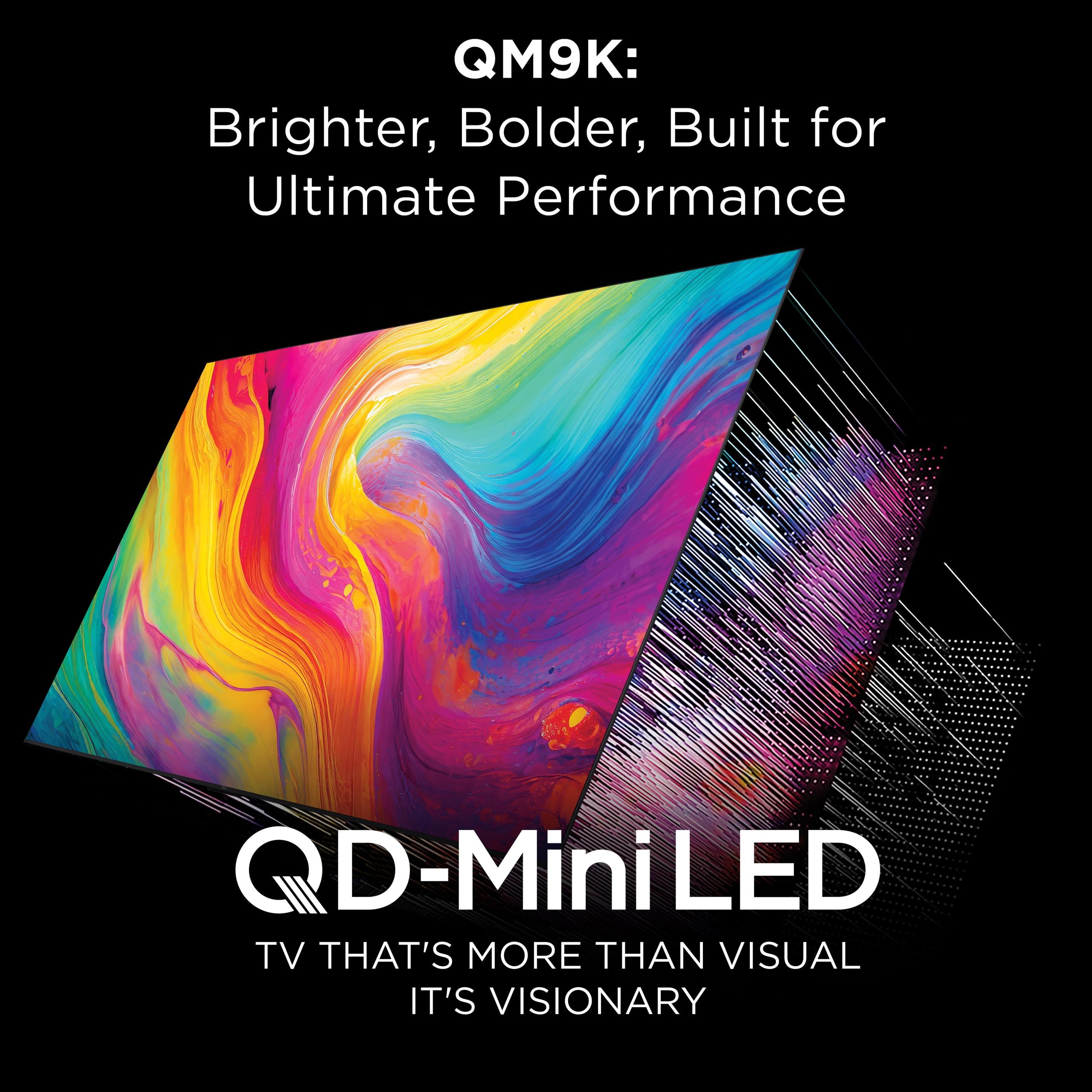
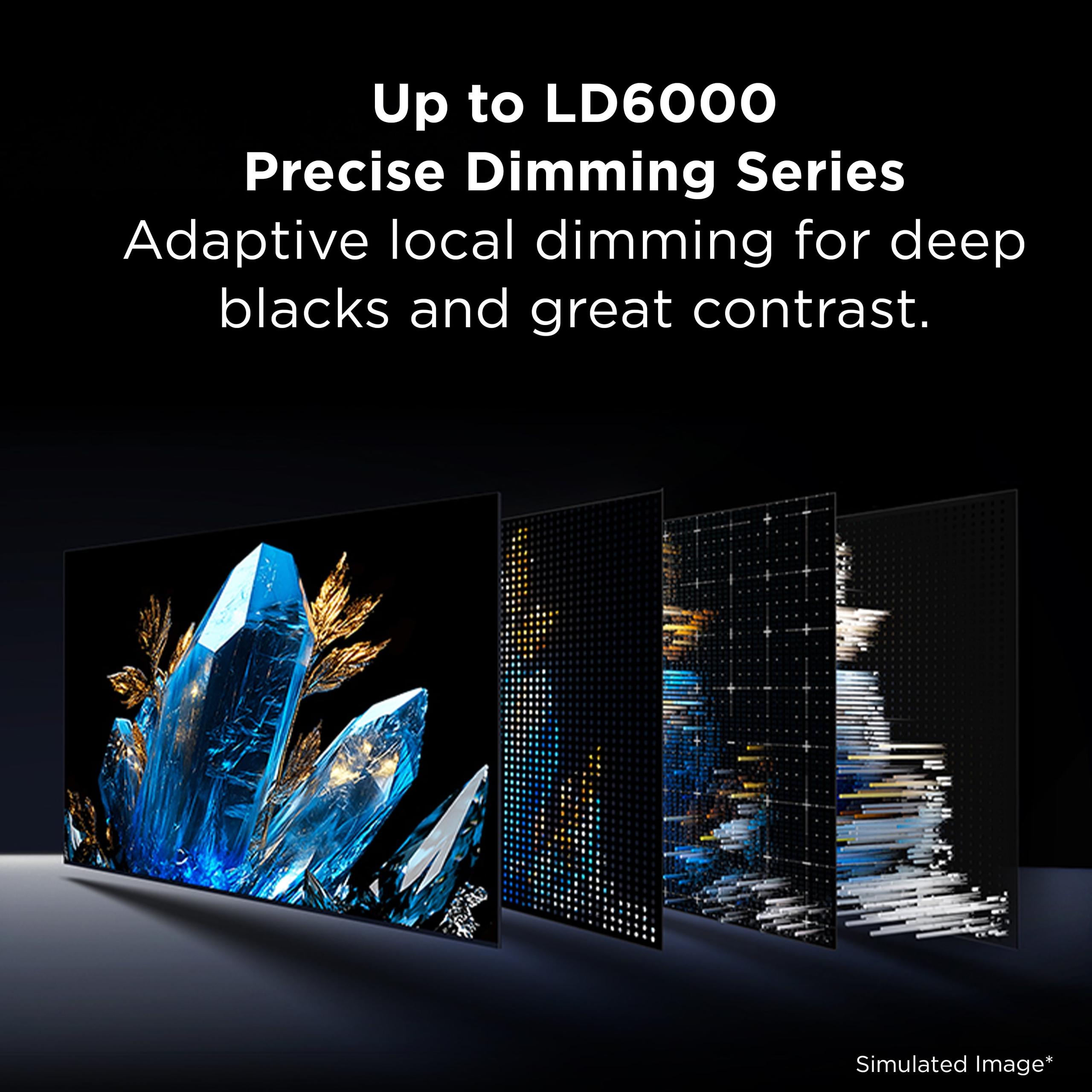
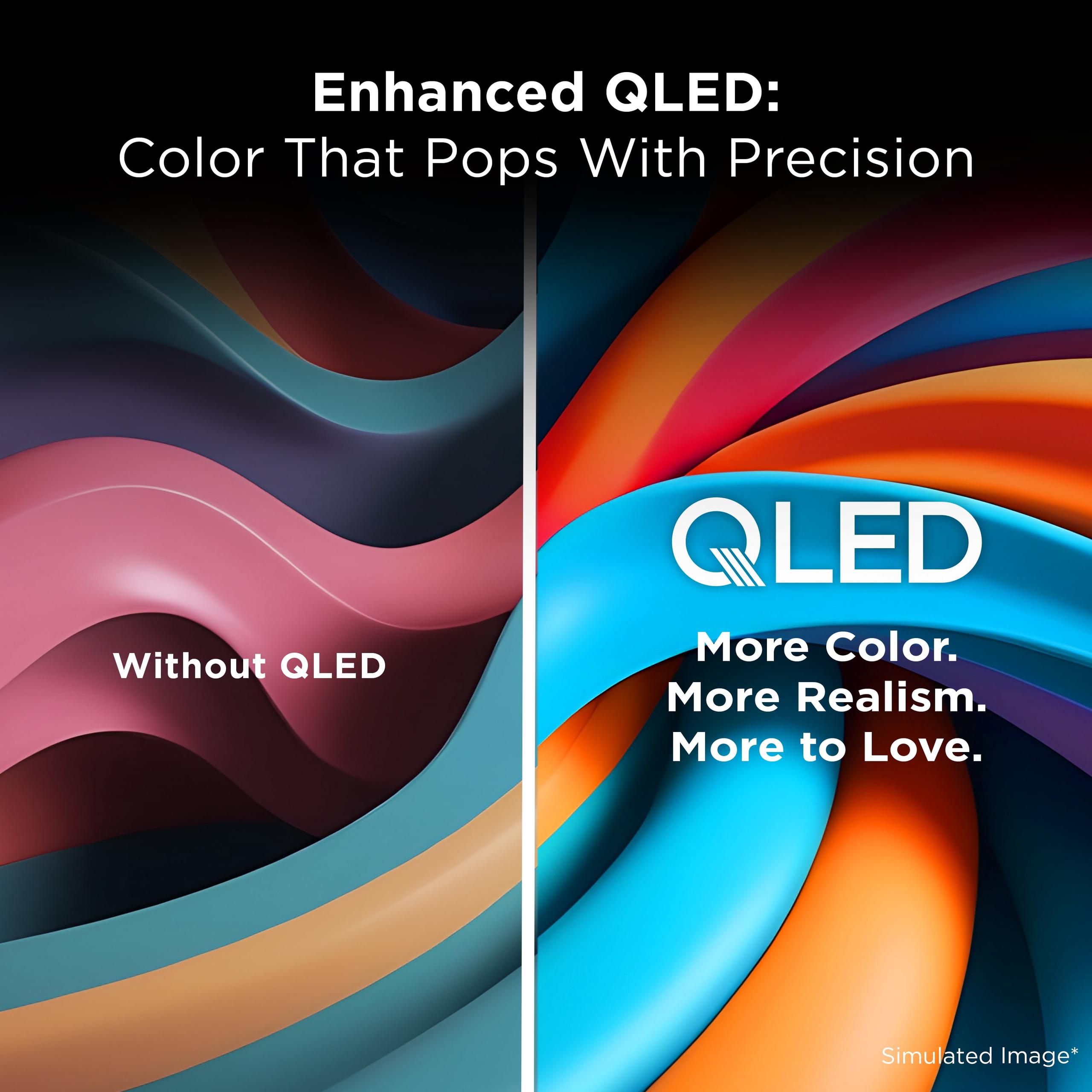
The core difference between these TVs lies in how they create light and darkness. The TCL QM9K uses QD-Mini LED technology, which combines thousands of tiny LED backlights with quantum dot enhancement. Think of it like having up to 6,000 individual flashlights behind the screen that can dim or brighten independently to create precise lighting zones. This approach allows for incredibly bright highlights while maintaining deep blacks in adjacent areas.
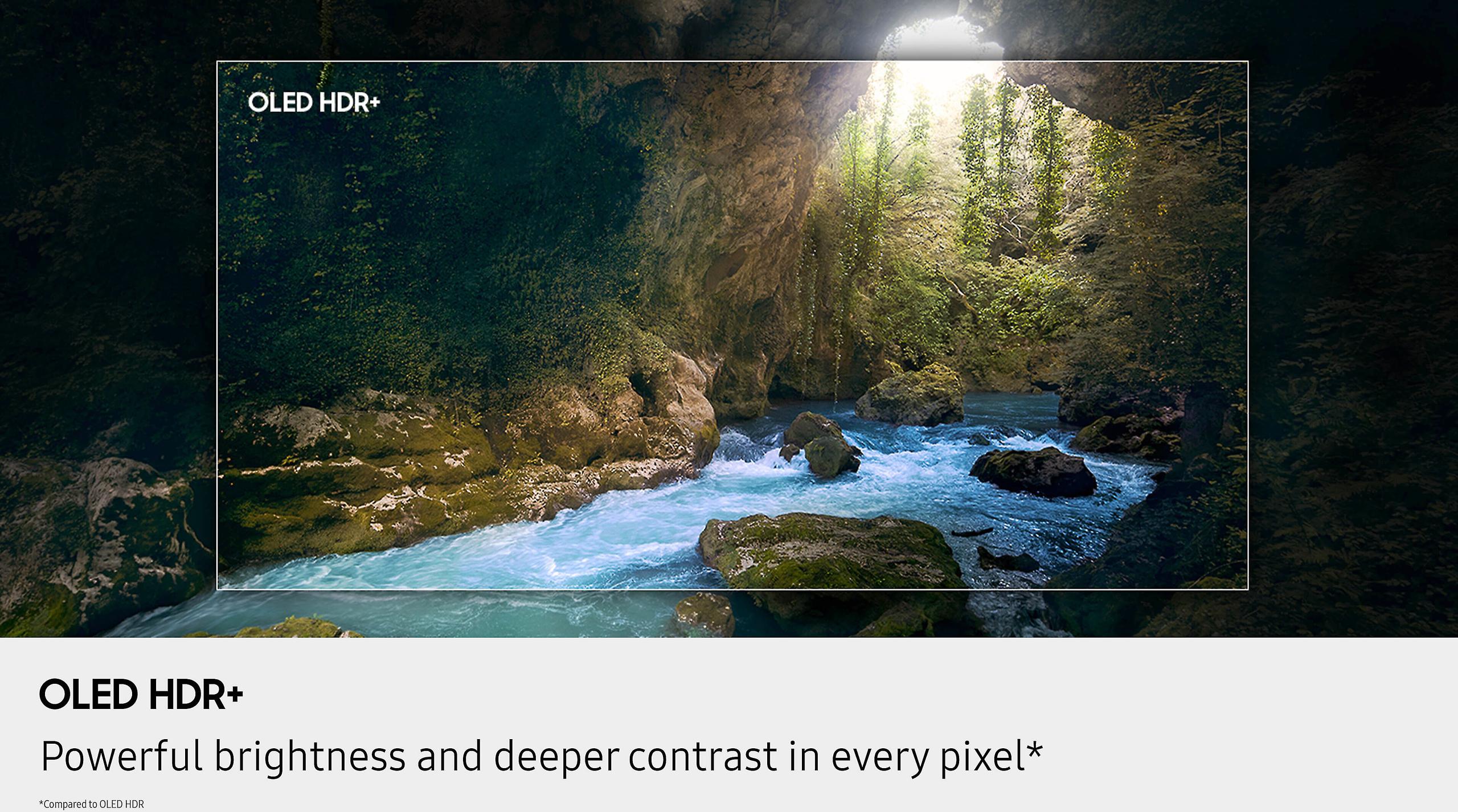
The Samsung S90F, released in 2025, uses OLED (Organic Light-Emitting Diode) technology where each pixel generates its own light. When a pixel needs to be black, it simply turns off completely. This creates perfect blacks but limits overall brightness compared to LED-based displays. It's the difference between having millions of tiny candles that can each turn on or off versus having powerful floodlights that can be precisely dimmed.
Both approaches have evolved significantly since their introduction. OLED technology, which became mainstream around 2015, has steadily improved in brightness and longevity. The Samsung S90F benefits from years of refinement, including better burn-in resistance and AI-powered picture processing that debuted in Samsung's 2024 lineup and was further enhanced for 2025.
Mini LED technology is newer to the premium space, really hitting its stride around 2021-2022. The TCL QM9K represents the current peak of this technology with its Halo Control System and up to 6,000 dimming zones – a massive improvement from early Mini LED sets that had just a few hundred zones.
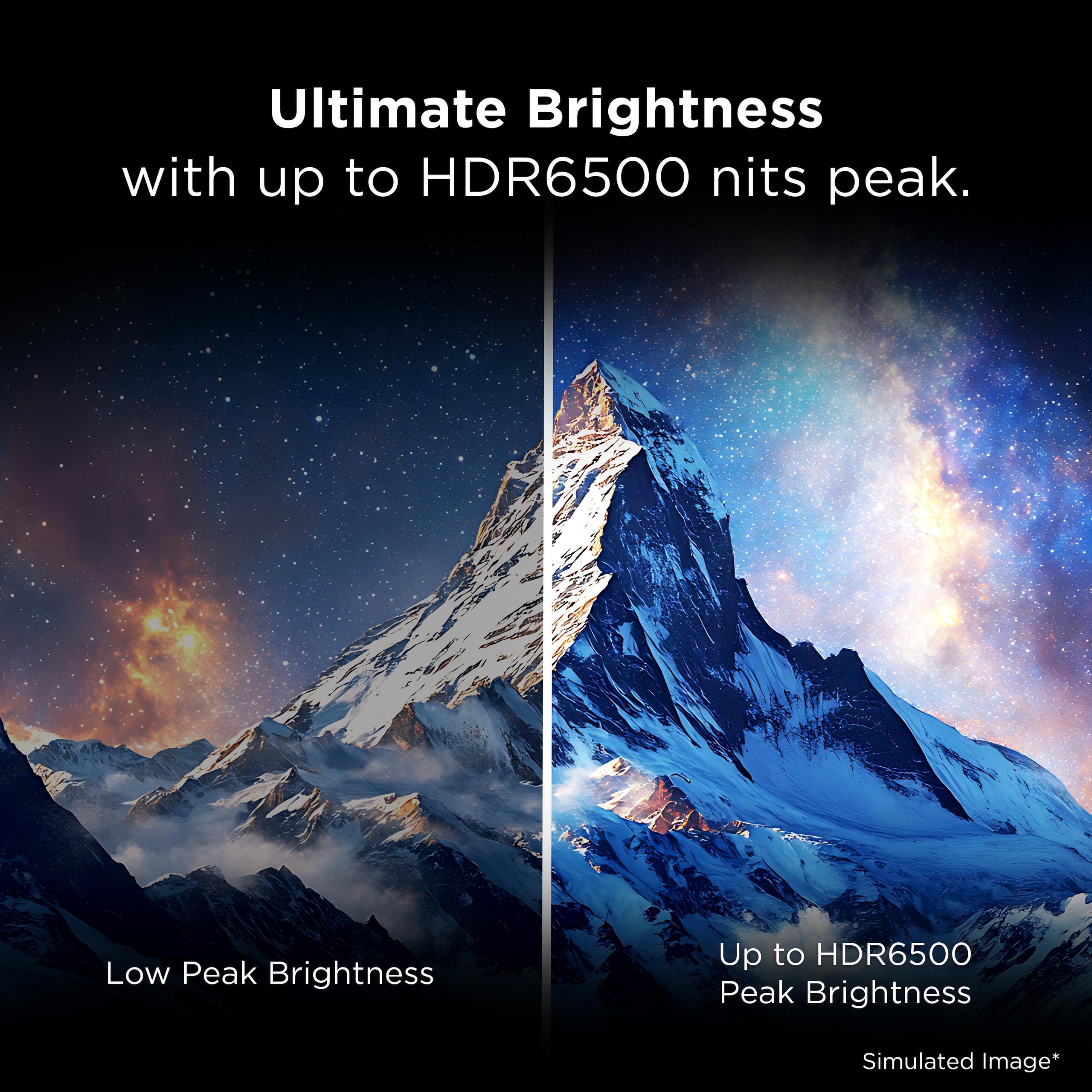
If you've ever tried to watch TV during a sunny afternoon, you understand why brightness matters. The TCL QM9K delivers an absolutely staggering 6,500 nits of peak brightness through its HDR6500 technology. To put this in perspective, a bright sunny day measures about 10,000 nits, while most standard TVs peak around 400-500 nits. This means the TCL QM9K can create highlights that genuinely feel sun-bright.
This extreme brightness capability transforms HDR (High Dynamic Range) content. When you're watching a movie scene with sunlight streaming through a window or explosions in an action film, those bright elements pop off the screen with an intensity that makes you squint. The quantum dot enhancement ensures these bright colors remain saturated and accurate, not just blindingly white.
The Samsung S90F, by contrast, likely peaks around 1,500-2,000 nits – still very respectable for OLED technology and bright enough for most HDR content, but noticeably dimmer than the TCL in direct comparison. Where Samsung compensates is in tone mapping – the way the TV translates the brightness information from movies and shows to what you actually see. Our research into professional reviews consistently shows that Samsung's processing better preserves the filmmaker's intended look, avoiding the overblown highlights that can sometimes plague ultra-bright displays.
For bright room viewing, this difference is decisive. If your TV faces windows or you watch primarily during daytime, the TCL QM9K will maintain picture quality where the Samsung S90F might appear washed out. However, if you primarily watch in a controlled lighting environment, Samsung's more natural approach often looks more pleasing to the eye.
While the TCL QM9K impresses with brightness, the Samsung S90F dominates in darkness. OLED's ability to turn pixels completely off creates true black – not dark gray, but actual absence of light. This makes dark movie scenes, like those in horror films or space movies, appear with a depth and realism that's immediately noticeable.
The TCL QM9K fights back with its 6,000 local dimming zones and Halo Control System. This technology uses advanced algorithms to prevent light bleeding between zones, minimizing the "blooming" effect where bright objects create halos in dark scenes. TCL's implementation is genuinely impressive – much better than earlier Mini LED sets that suffered from obvious blooming around bright objects like logos or subtitles.
However, even the best local dimming can't match per-pixel control. When watching a movie with bright stars against a black sky, the Samsung S90F will show pinpoint stars against perfect blackness, while the TCL QM9K might show slight halos around the brightest stars as entire dimming zones brighten slightly.
The practical impact depends on your viewing habits. For most content – sports, news, bright TV shows – both TVs deliver excellent contrast. The difference becomes pronounced during dark, cinematic content where OLED's perfect blacks create a more immersive experience.
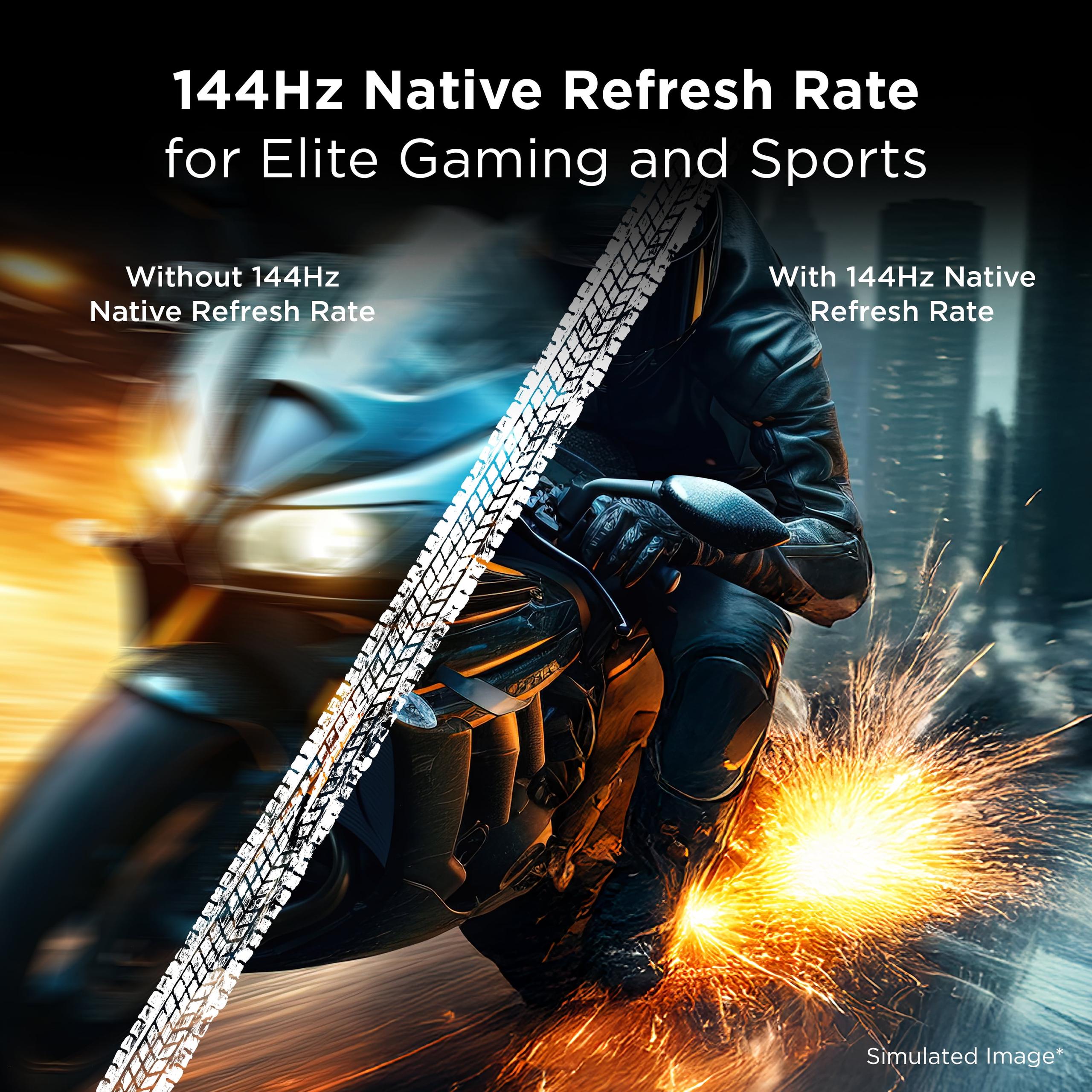
Both TVs excel for gaming but take different approaches. The TCL QM9K offers Game Accelerator 288 technology, supporting refresh rates up to 288Hz at 1080p and 1440p resolutions, and 4K at 144Hz. This ultra-high refresh rate capability makes it exceptional for competitive PC gaming where every millisecond matters. The measured 5.3ms input lag ensures your controller inputs translate to on-screen action with minimal delay.
The Samsung S90F matches the 4K 144Hz capability through its Motion Xcelerator technology but doesn't offer the extreme 288Hz option. However, OLED's instantaneous pixel response time creates motion clarity that's difficult to match. When you're spinning around quickly in a first-person shooter, OLED pixels change from one color to another immediately, while even fast LED pixels take a few milliseconds to transition, creating slight blur around moving objects.
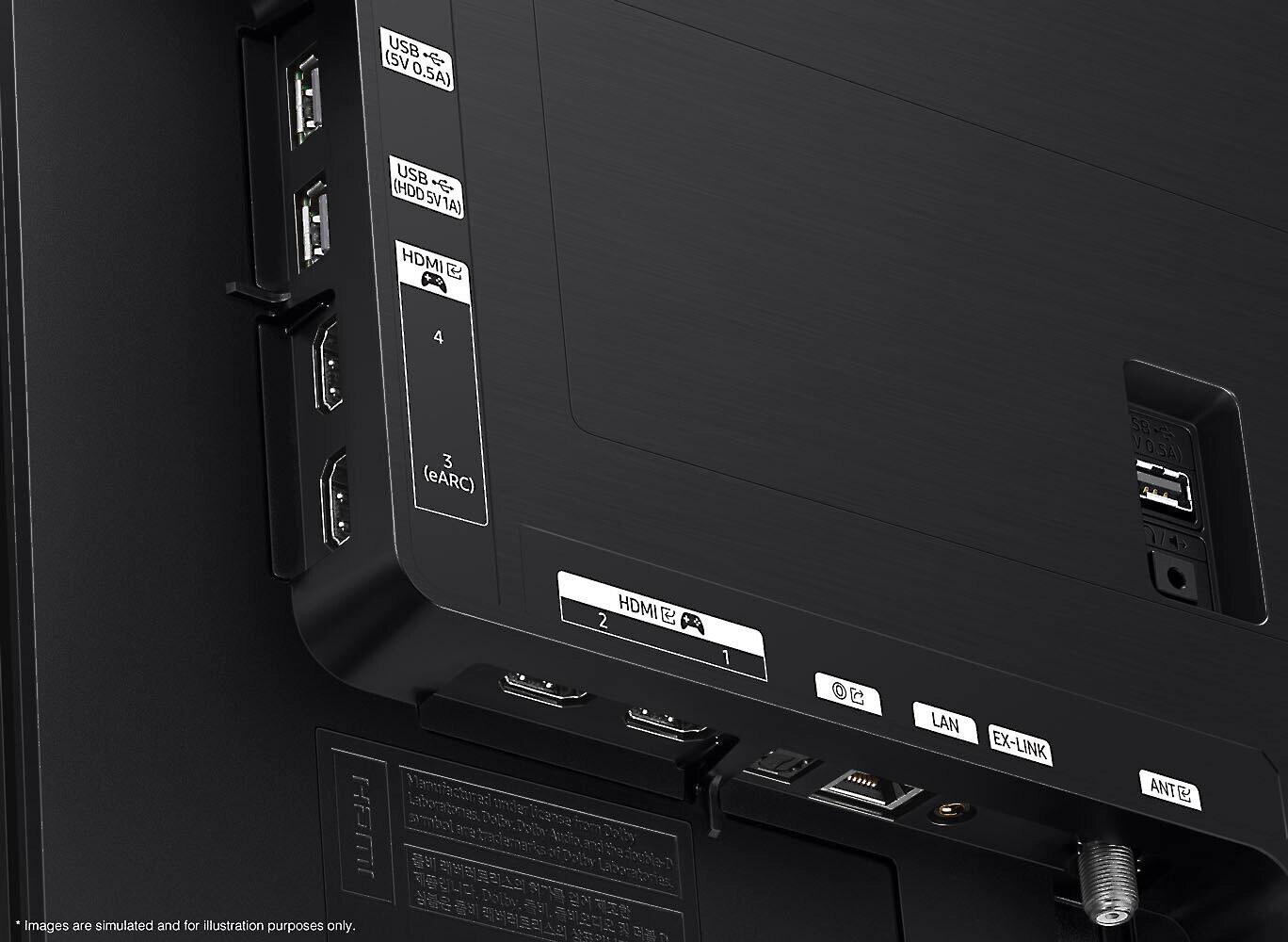
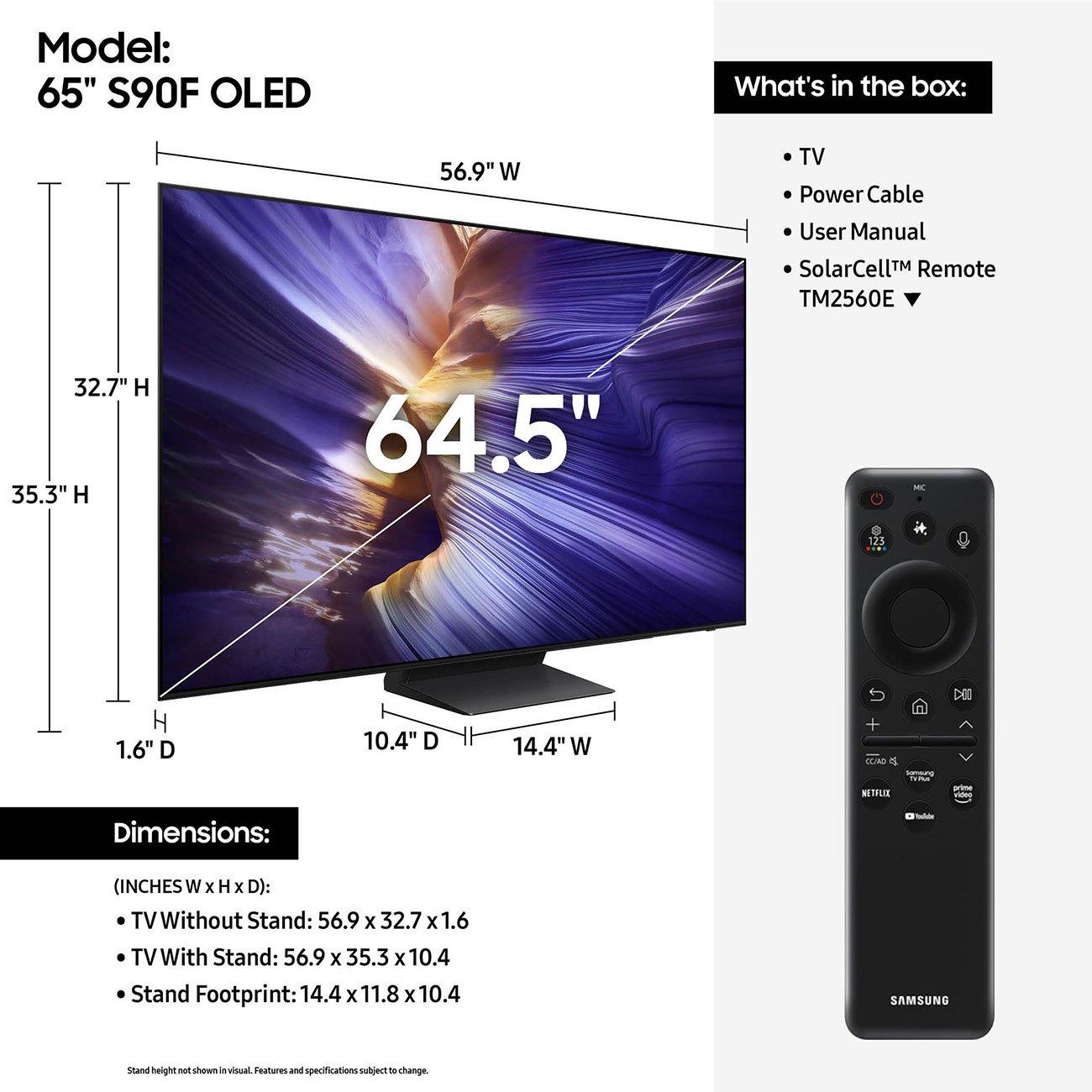
For console gaming, both TVs support all the important features: Variable Refresh Rate (VRR) to eliminate screen tearing, Auto Low Latency Mode (ALLM) that automatically switches to game mode, and full HDMI 2.1 bandwidth for next-generation console features. The Samsung S90F provides four HDMI 2.1 ports compared to the TCL QM9K's two, which matters if you're connecting multiple gaming devices plus a sound system.
From our analysis of gaming reviews, competitive PC gamers might prefer the TCL QM9K for its higher refresh rates, while console gamers and those prioritizing motion clarity would benefit from the Samsung S90F's instant pixel response.
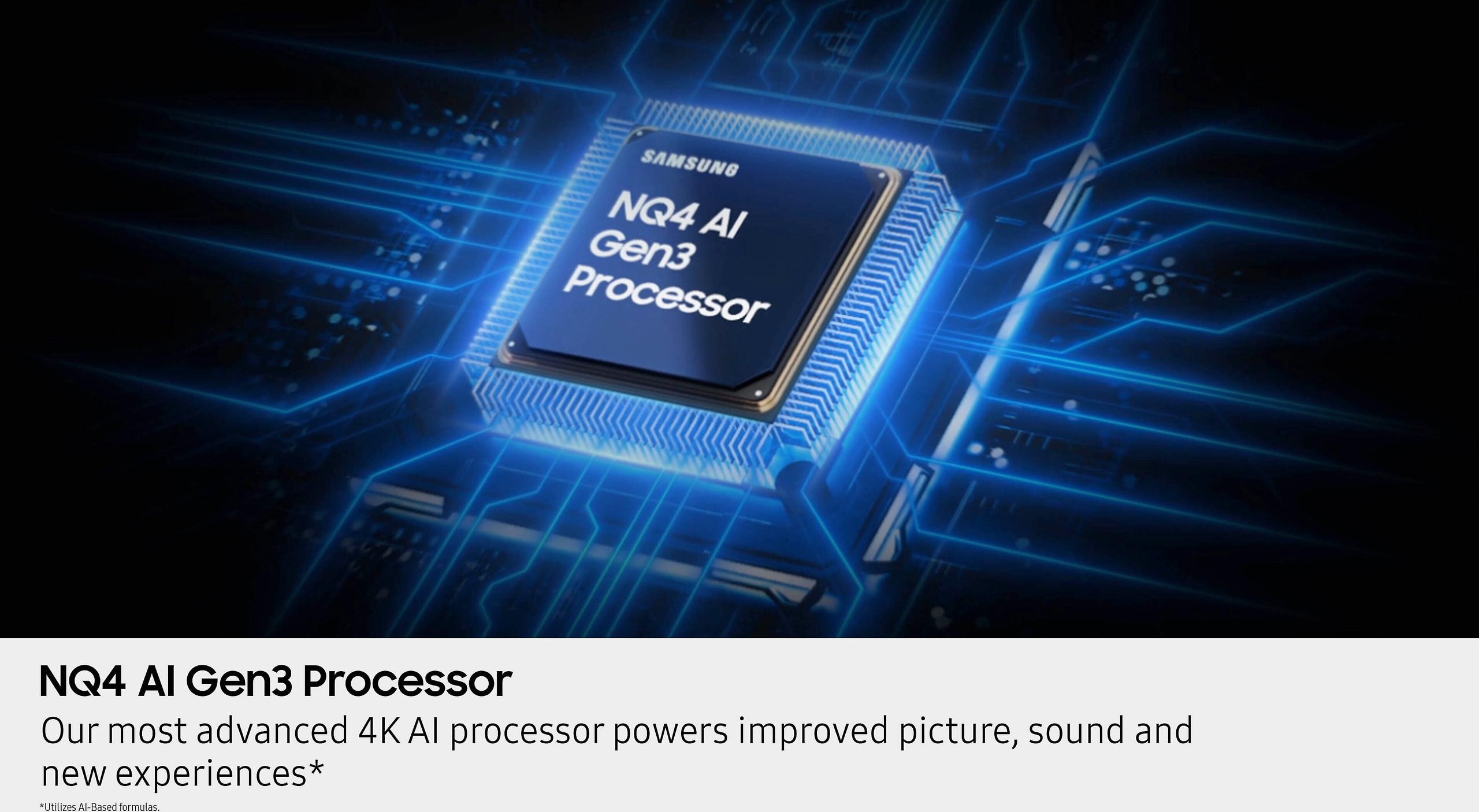
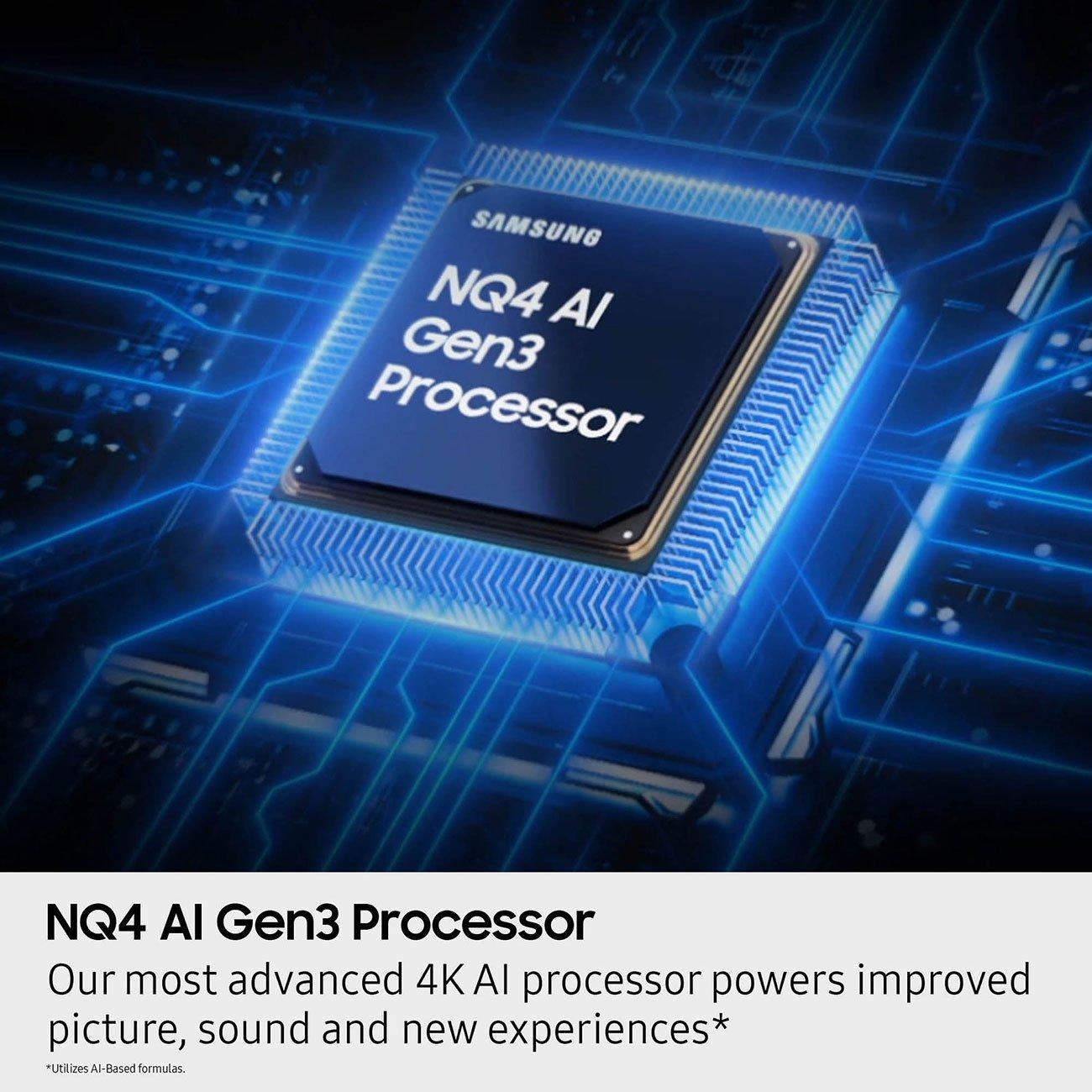
Both TVs showcase sophisticated AI processing, but with different focuses. The Samsung S90F features the NQ4 AI Gen3 processor, which represents Samsung's most advanced TV brain. This processor powers several standout features, including Auto HDR Remastering that uses deep learning to enhance standard content to near-HDR quality. When you're watching older shows or lower-quality streaming content, this feature can dramatically improve color vibrancy and contrast.
Samsung's Vision AI goes further, analyzing content in real-time to optimize picture settings automatically. It recognizes whether you're watching a dark movie, bright sports, or animated content and adjusts accordingly. The Adaptive Sound Pro feature even optimizes audio based on your room's acoustics, using the TV's microphones to understand how sound reflects in your space.
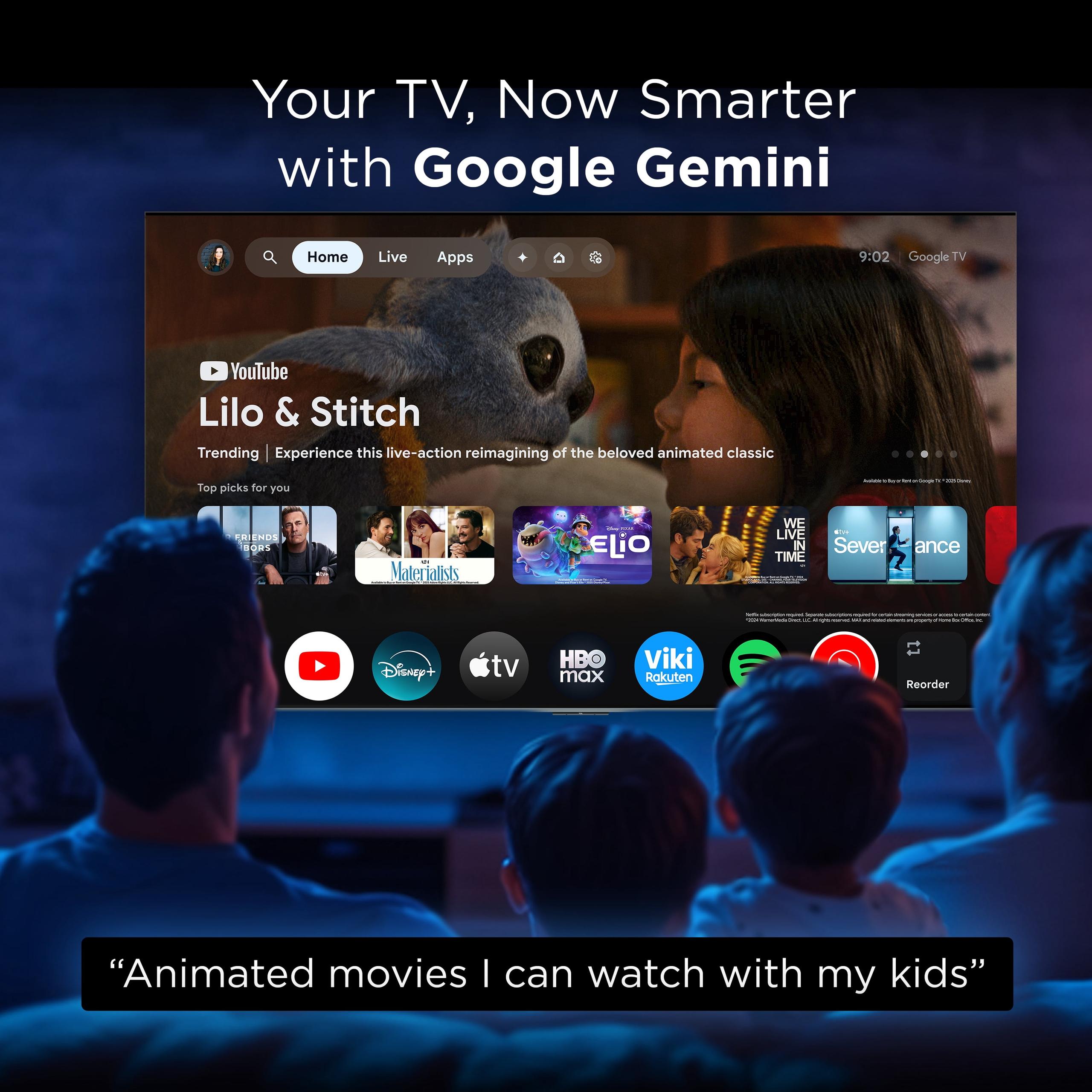
The TCL QM9K runs Google TV with integrated Gemini AI, offering excellent voice control and content discovery. The presence sensor is a thoughtful touch – it detects when you enter the room and can automatically turn on the TV or display useful information like weather and calendar events. While perhaps not as technically sophisticated as Samsung's AI processing, Google TV's interface is intuitive and regularly updated.
Based on our research into user experiences, Samsung's AI features provide more noticeable day-to-day improvements to picture and sound quality, while TCL's implementation focuses more on convenience and smart home integration.
Motion performance reveals fundamental differences between the technologies. The Samsung S90F benefits from OLED's instant pixel response – when a pixel needs to change from black to white, it happens immediately. This creates exceptionally clean motion in fast-paced content like sports or action movies, with minimal blur around moving objects.
The TCL QM9K uses Motion Rate 480 with MEMC (Motion Estimation, Motion Compensation) processing to enhance motion clarity. This system analyzes movement between frames and inserts calculated intermediate frames to smooth motion. While effective, this processing can sometimes create artifacts – unnatural-looking smoothness in movies or slight halos around moving objects.
For sports viewing, professional reviews consistently favor OLED's natural motion clarity. Fast camera pans during football games or tennis matches appear smoother and more natural on the Samsung S90F. However, the TCL QM9K's extreme brightness often compensates by making action easier to follow in bright rooms where OLED might appear dimmer.
When investing in a premium TV, longevity matters. The TCL QM9K uses LED technology that doesn't suffer from burn-in – the permanent image retention that can affect OLED displays with static content like news tickers or gaming HUDs. LEDs also maintain their brightness over time, so your TV will look as bright in year five as it did on day one.
OLED technology has improved significantly in burn-in resistance, and the Samsung S90F includes advanced pixel refresh algorithms that run automatically to prevent image retention. However, heavy gaming or news watching can still potentially cause permanent marks over several years. Samsung's pixels also gradually dim over time, though this process is slow and often imperceptible during normal viewing.
At the time of writing, the TCL QM9K typically offers superior value in terms of raw performance per dollar. You're getting flagship-level brightness, gaming features, and smart TV capabilities at a price point that makes the technology accessible to more buyers. The Samsung S90F commands a premium for its OLED technology and Samsung's brand reputation, but the price difference has narrowed considerably as OLED manufacturing has matured.
For dedicated home theater setups, the choice becomes more nuanced. The Samsung S90F excels in dark room environments where its perfect blacks create an immersive cinematic experience. Movie enthusiasts often prefer OLED's natural contrast and color accuracy, particularly for films shot with careful attention to shadow detail and subtle gradations.
However, the TCL QM9K's extreme brightness capability can be transformative for HDR content. When watching movies mastered for theatrical presentation, those bright highlights – sunlight, explosions, reflections off water – appear with an intensity that genuine makes you feel like you're experiencing them firsthand.
The key consideration is your room's light control. A dedicated theater room with blackout curtains favors the Samsung S90F, while a family room with ambient lighting benefits from the TCL QM9K's ability to overcome reflections and maintain contrast in bright conditions.
Choose the TCL QM9K QD-Mini LED if you prioritize versatility and maximum impact. Its extreme brightness makes it excellent for bright rooms, its gaming features are comprehensive and future-proof, and its resistance to burn-in provides peace of mind for long-term use. The value proposition is exceptional – you're getting flagship performance at a more accessible price point.
Choose the Samsung S90F OLED if you value picture quality refinement and primarily watch in controlled lighting. Its perfect blacks, natural motion, and sophisticated AI processing create a premium viewing experience that's immediately recognizable. The four HDMI 2.1 ports and advanced smart features also provide excellent connectivity and convenience.
For most buyers, the decision comes down to viewing environment and budget priorities. The TCL QM9K offers more flexibility and value, while the Samsung S90F provides the ultimate in contrast and motion clarity for those willing to pay the premium and accept OLED's inherent limitations.
Both represent the pinnacle of their respective technologies and will deliver years of exceptional viewing experiences. Your specific needs – room lighting, content preferences, gaming requirements, and budget – should guide the final choice between these two outstanding displays.
| TCL 65" QM9K QD-Mini LED Smart TV | Samsung 65" S90F OLED 4K Vision AI Smart TV |
|---|---|
| Display Technology - Fundamental difference in how they create picture quality | |
| QD-Mini LED with up to 6,000 local dimming zones | OLED with per-pixel light control |
| Peak Brightness - Critical for HDR impact and bright room viewing | |
| 6,500 nits (HDR6500) - exceptional for overcoming ambient light | ~1,500-2,000 nits - very good but dimmer than Mini LED |
| Black Levels - Essential for dark scene detail and contrast | |
| Excellent blacks with minimal blooming from Halo Control System | Perfect blacks - pixels turn completely off |
| Gaming Refresh Rates - Important for competitive and high-frame gaming | |
| Up to 288Hz at 1080p/1440p, 4K at 144Hz via Game Accelerator 288 | 4K at 144Hz with Motion Xcelerator technology |
| Input Lag - Lower is better for responsive gaming | |
| 5.3ms - excellent for competitive gaming | Ultra-low (typical OLED performance) - excellent for all gaming |
| HDMI 2.1 Ports - Needed for next-gen consoles and high refresh PC gaming | |
| 2 ports with full HDMI 2.1 features | 4 ports with full HDMI 2.1 features |
| Smart TV Platform - Affects daily usability and app performance | |
| Google TV with Gemini AI and presence sensor | Tizen OS with Samsung Vision AI and advanced processing |
| Motion Handling - Critical for sports and fast action content | |
| Motion Rate 480 with MEMC processing - good but some artifacts | Instant pixel response - superior natural motion clarity |
| Burn-in Risk - Long-term reliability consideration | |
| No burn-in risk from LED technology | Potential burn-in with static content, improved resistance vs older OLEDs |
| Brightness Consistency - How well brightness maintains over time | |
| Maintains full brightness throughout lifespan | Gradual brightness decline over 5-7 years |
| Best Room Type - Where each TV performs optimally | |
| Bright rooms with lots of ambient light | Dark to moderately lit rooms with controlled lighting |
| Value Proposition - Performance relative to typical pricing tier | |
| Flagship performance at more accessible pricing | Premium OLED experience at competitive OLED pricing |
The TCL 65" QM9K QD-Mini LED Smart TV is significantly better for bright rooms due to its 6,500 nits peak brightness, which easily overcomes ambient light and glare. The Samsung 65" S90F OLED peaks around 1,500-2,000 nits and may appear washed out in very bright environments, though it still performs well in moderately lit rooms.
The TCL QM9K has no burn-in risk since it uses LED technology that doesn't suffer from permanent image retention. The Samsung S90F OLED has potential burn-in risk with static content like news tickers or gaming HUDs, though Samsung has improved burn-in resistance significantly with advanced pixel refresh algorithms.
Both TVs excel for gaming but in different ways. The TCL QM9K offers higher refresh rates up to 288Hz at 1080p/1440p and excellent 5.3ms input lag. The Samsung S90F provides superior motion clarity with instant pixel response and offers four HDMI 2.1 ports compared to the TCL's two ports.
The Samsung S90F OLED delivers perfect blacks since pixels can turn completely off, creating infinite contrast. The TCL QM9K produces excellent blacks through its 6,000 local dimming zones and Halo Control System, but can't match OLED's per-pixel control, occasionally showing slight blooming around bright objects in dark scenes.
The Samsung S90F offers more advanced AI processing with its NQ4 AI Gen3 processor, featuring Auto HDR Remastering, Vision AI content optimization, and Adaptive Sound Pro. The TCL QM9K runs Google TV with Gemini AI integration and includes a useful presence sensor for automatic on/off functionality.
The Samsung S90F OLED is superior for dark room movie watching due to its perfect blacks, natural contrast, and excellent shadow detail preservation. While the TCL QM9K performs very well with its advanced local dimming, OLED's per-pixel control creates a more immersive cinematic experience in dark environments.
The Samsung S90F OLED handles motion better due to its instantaneous pixel response time, creating cleaner motion in fast-paced sports without blur artifacts. The TCL QM9K uses Motion Rate 480 with MEMC processing which is effective but can sometimes introduce slight motion artifacts or over-smoothing.
Mini LED in the TCL QM9K provides exceptional brightness, no burn-in risk, consistent performance over time, and better bright room viewing. OLED in the Samsung S90F offers perfect blacks, instant pixel response, superior contrast, and more natural color reproduction, but with potential burn-in concerns and gradual brightness decline.
The TCL QM9K typically offers superior value with flagship-level performance including extreme brightness, comprehensive gaming features, and advanced smart TV capabilities at a more accessible price point. The Samsung S90F OLED commands a premium for OLED technology but provides the ultimate contrast and motion clarity experience.
The Samsung S90F provides four HDMI 2.1 ports, making it better for connecting multiple gaming devices and audio equipment. The TCL QM9K offers two HDMI 2.1 ports with full gaming features, which may require an HDMI switch if you have multiple high-end gaming devices.
Both excel at HDR but differently. The TCL QM9K delivers more impactful HDR with its 6,500 nits peak brightness, making highlights genuinely pop off the screen. The Samsung S90F OLED provides more accurate HDR tone mapping that better preserves filmmakers' creative intent, though with lower overall brightness levels.
The TCL QM9K maintains consistent brightness and performance throughout its lifespan with no degradation from LED technology. The Samsung S90F OLED will gradually lose brightness over 5-7 years and has potential burn-in risks, though Samsung's pixel refresh technology helps minimize these issues compared to earlier OLED generations.
We've done our best to create useful and informative comparisons to help you decide what product to buy. Our research uses advanced automated methods to create this comparison and perfection is not possible - please contact us for corrections or questions. These are the sites we've researched in the creation of this article: rtings.com - bestbuy.com - youtube.com - youtube.com - youtube.com - techaeris.com - displayspecifications.com - pcrichard.com - residentialsystems.com - us.tcl.com - displayspecifications.com - valueelectronics.com - woodruffappliance.com - tcl.com - pcrichard.com - tcl.com - techradar.com - tcl.com - us.tcl.com - youtube.com - youtube.com - bestbuy.com - youtube.com - youtube.com - t3.com - rtings.com - bestbuy.com - stereonet.com - samsung.com - bestbuy.com - flatpanelshd.com - myallsouth.com - pcrichard.com - samsung.com - bestbuy.com - samsung.com - samsung.com - samsung.com

Privacy Policy
Terms and Conditions - Affiliate Policy
Home Security
© Copyright 2008-2026.
11816 Inwood Rd #1211, Dallas, TX 75244