

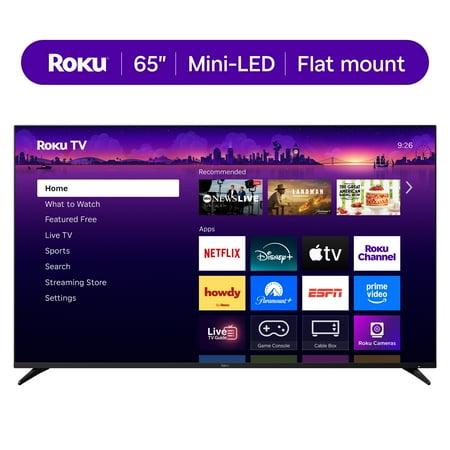
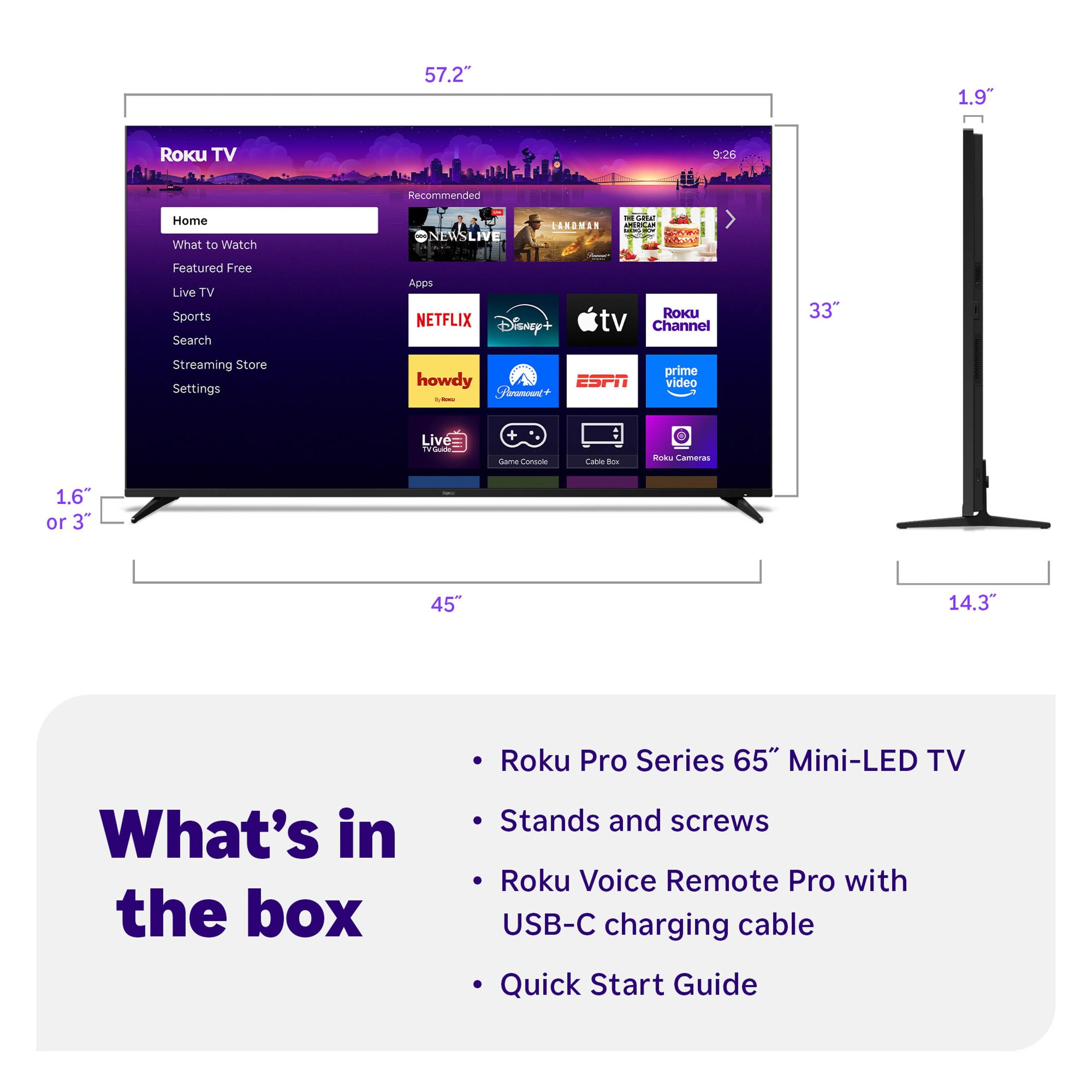

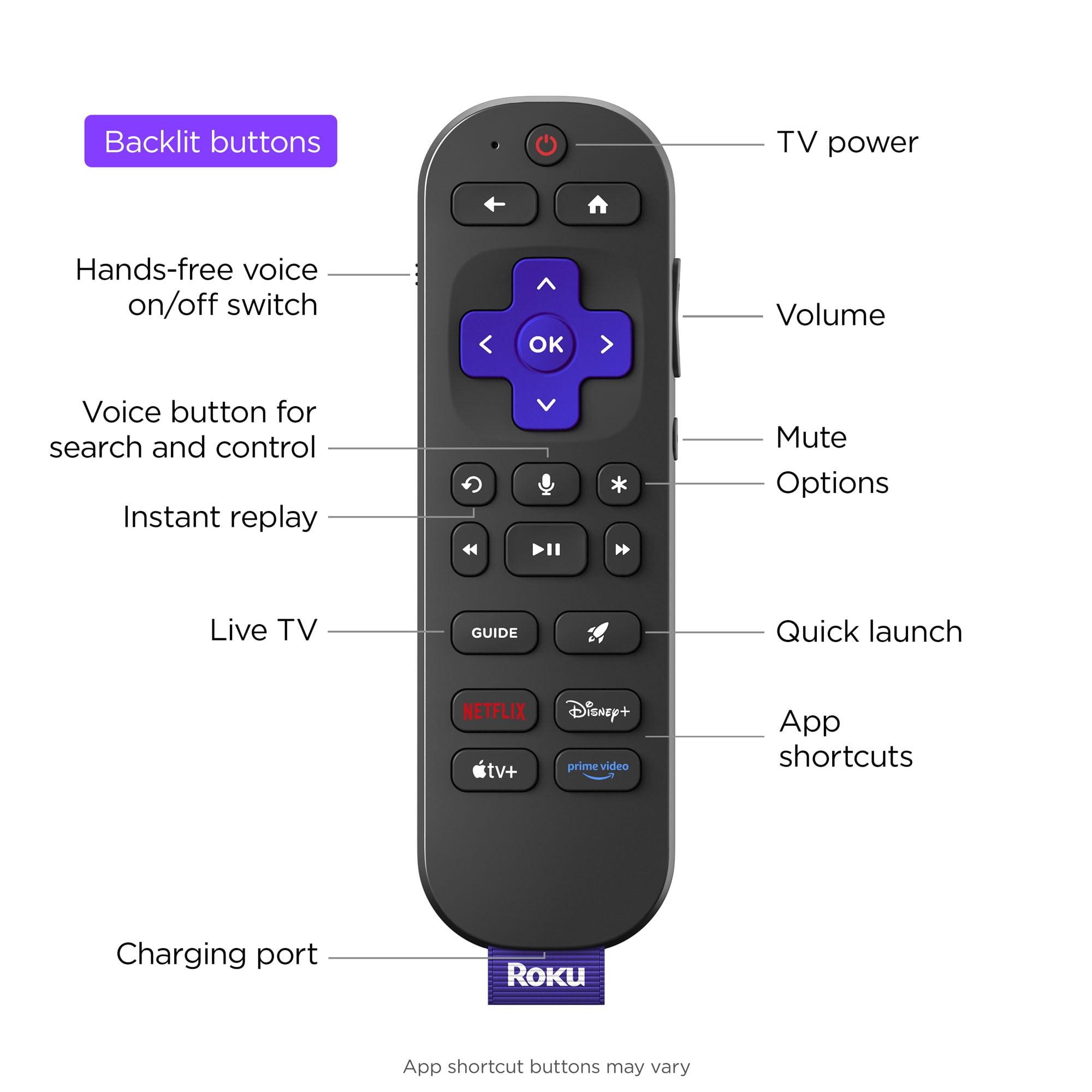
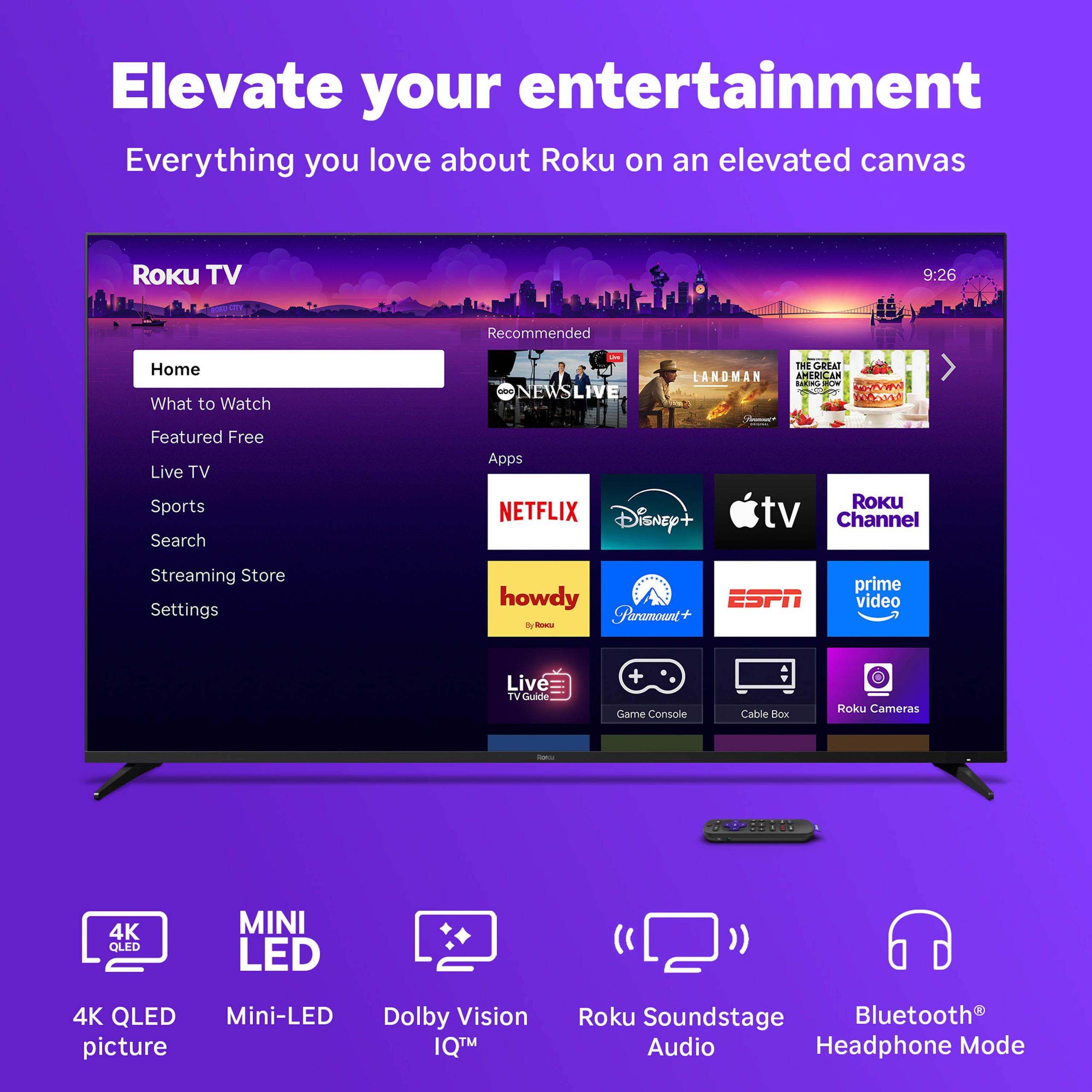
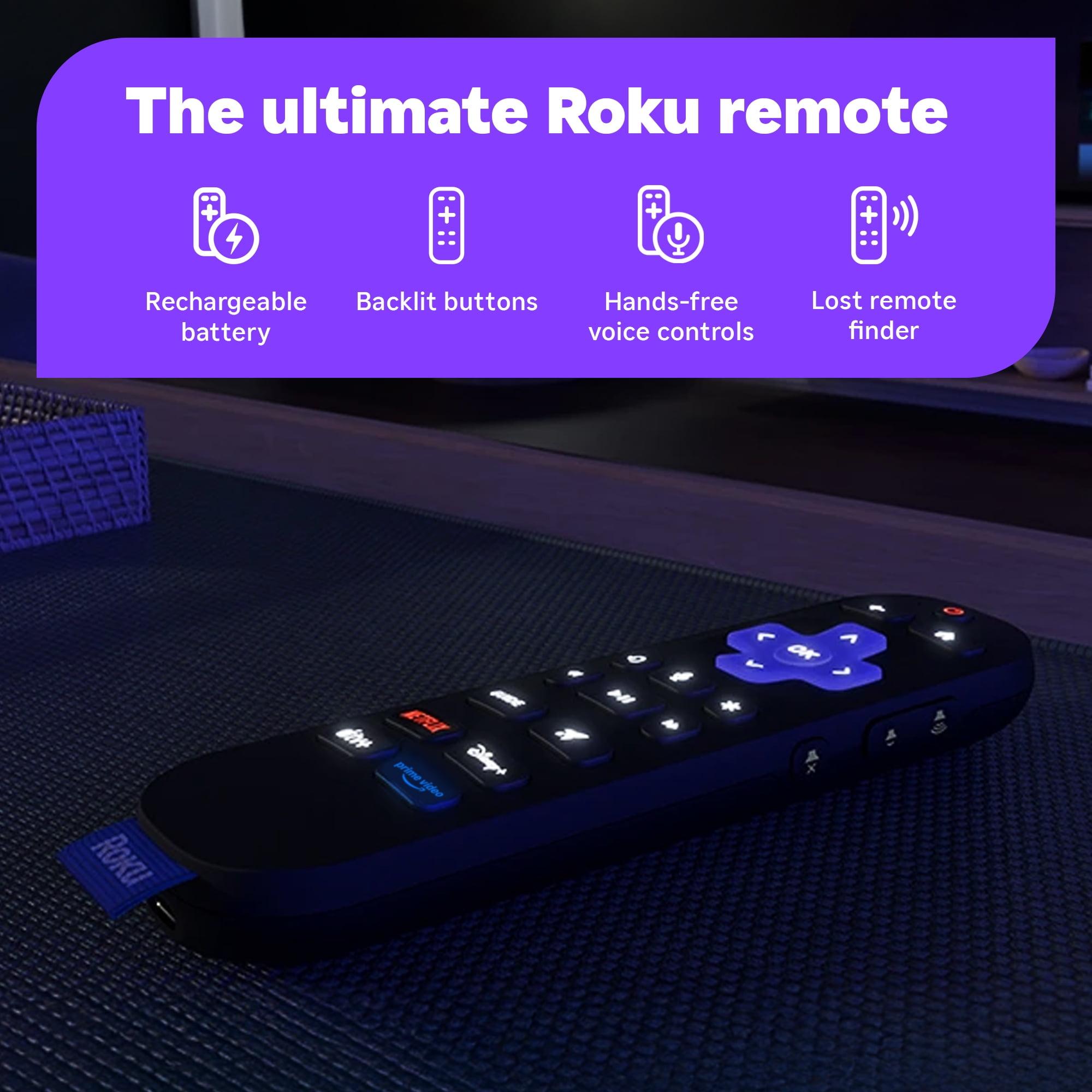






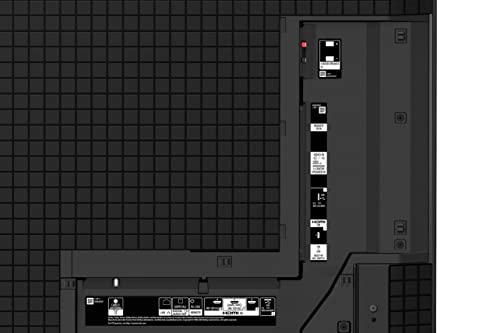
When you're shopping for a premium 65-inch TV, you're essentially choosing between two fundamentally different approaches to creating exceptional picture quality. The Roku 65" Pro Series 2025 represents the pinnacle of Mini-LED QLED technology, while the Sony Bravia XR A95K showcases cutting-edge QD-OLED innovation. Both hit the market in 2025 and 2022 respectively, bringing significant technological advances that have redefined what's possible in the premium TV space.
Understanding these technologies matters because they directly impact how your TV performs in your specific viewing environment. This isn't just about specs on paper—it's about which technology works better for how you actually watch TV.
The core difference between these TVs lies in how they produce light and color. The Roku Pro Series 2025 uses Mini-LED backlighting—thousands of tiny LEDs arranged behind an LCD panel with quantum dot color enhancement. Think of it like having a massive grid of individually controlled flashlights illuminating your picture from behind. When the TV needs to show a bright star against a dark sky, it can turn up specific zones while keeping others completely dark.
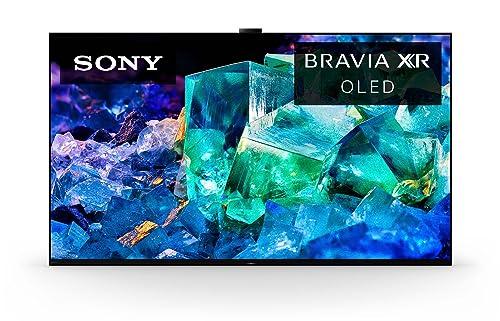
The Sony A95K takes a completely different approach with QD-OLED technology. Here, each individual pixel produces its own light without any backlighting. Blue OLED emitters combine with quantum dot converters to create red and green light, resulting in what's essentially a self-illuminating display. When that same star needs to appear against darkness, the dark pixels simply turn off completely while the star pixel shines at full brightness.
This fundamental difference cascades into every aspect of performance, from how bright the TV can get to how it handles motion and color reproduction.
Room lighting plays a massive role in TV performance, and this is where these technologies really diverge. The Roku Pro Series 2025 absolutely dominates in bright environments. Our research shows it can reach peak brightness levels of around 1,800 nits—that's bright enough to overcome even harsh afternoon sunlight streaming through your windows. For context, most older TVs struggle to hit 400 nits.
This brightness advantage isn't just about numbers. In practice, it means HDR content (High Dynamic Range, which allows for brighter highlights and deeper shadows) actually looks impressive during daytime viewing. When you're watching a Marvel movie and Iron Man's arc reactor lights up, it genuinely looks like it's glowing even with your living room lights on.
The Sony A95K takes a different approach. While it doesn't get as bright in absolute terms—typically reaching 400-600 nits—it compensates with perfect blacks. Because each pixel can turn completely off, you get infinite contrast ratio. This creates incredibly dramatic picture quality in darker viewing environments where the TV's moderate brightness is sufficient.
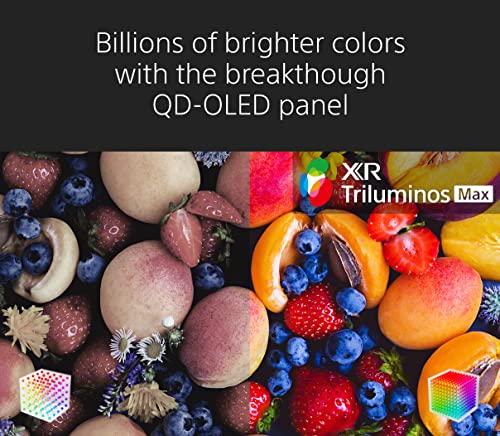
Color reproduction reveals another key distinction. The Sony A95K leverages its QD-OLED technology to achieve what many consider reference-level color accuracy. The quantum dot layer allows for wider color gamuts (the range of colors the TV can display) while maintaining precision. This translates to more realistic skin tones, more vibrant landscapes, and colors that closely match what filmmakers intended.
The Roku Pro Series 2025 covers an impressive 96.9% of the UHDA-P3 color space—a technical standard that encompasses most colors in modern content. While not quite as accurate as the Sony out of the box, it includes Smart Picture Max AI processing that automatically adjusts color, contrast, and sharpness on a scene-by-scene basis. This creates a more consistently optimized picture without requiring manual tweaking.
From a practical standpoint, both TVs deliver excellent color, but the Sony edges ahead for critical viewing while the Roku excels at automated optimization for varied content.
Motion clarity becomes crucial for sports viewing and gaming. The Sony A95K has a significant advantage here due to OLED's instantaneous pixel response. When a soccer player runs across the field or you're tracking enemies in a first-person shooter, there's virtually no motion blur because pixels can change from one color to another instantly.
The Roku Pro Series 2025 offers solid motion handling with its 120Hz refresh rate, but LCD technology inherently has slower pixel response times. You might notice slight motion blur during very fast action, though it's generally not distracting for most viewers.
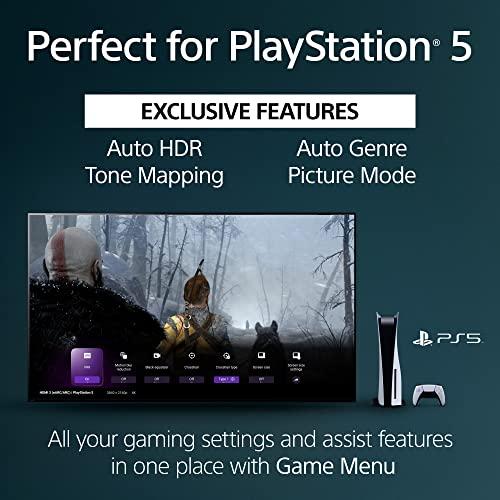
Both TVs support modern gaming features like Variable Refresh Rate (VRR) and Auto Low Latency Mode (ALLM), which sync the TV's refresh rate with your console and automatically switch to gaming mode for minimal input delay. The Roku provides two HDMI 2.1 ports capable of 4K at 120Hz, while the Sony offers the same bandwidth but with only two such ports total.
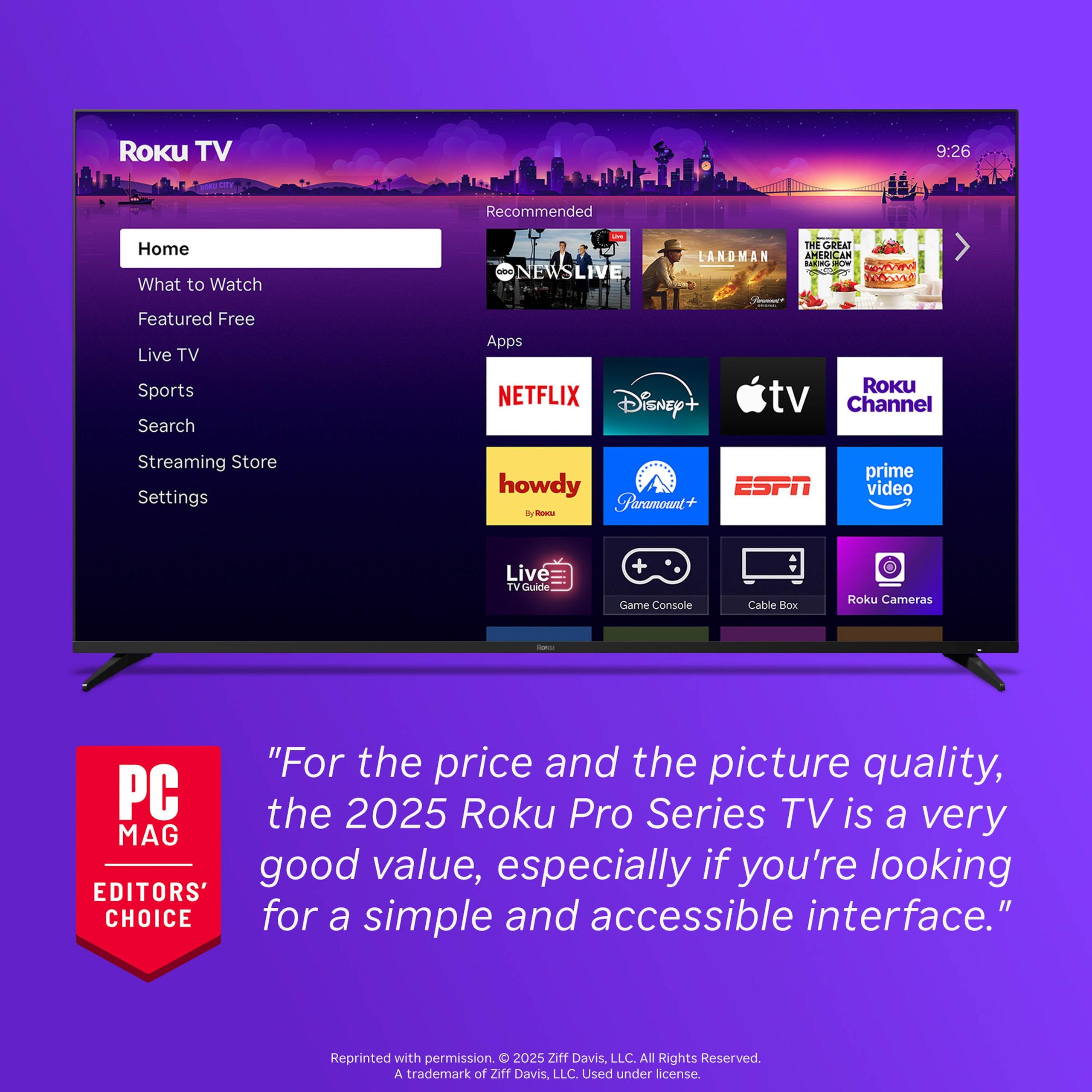
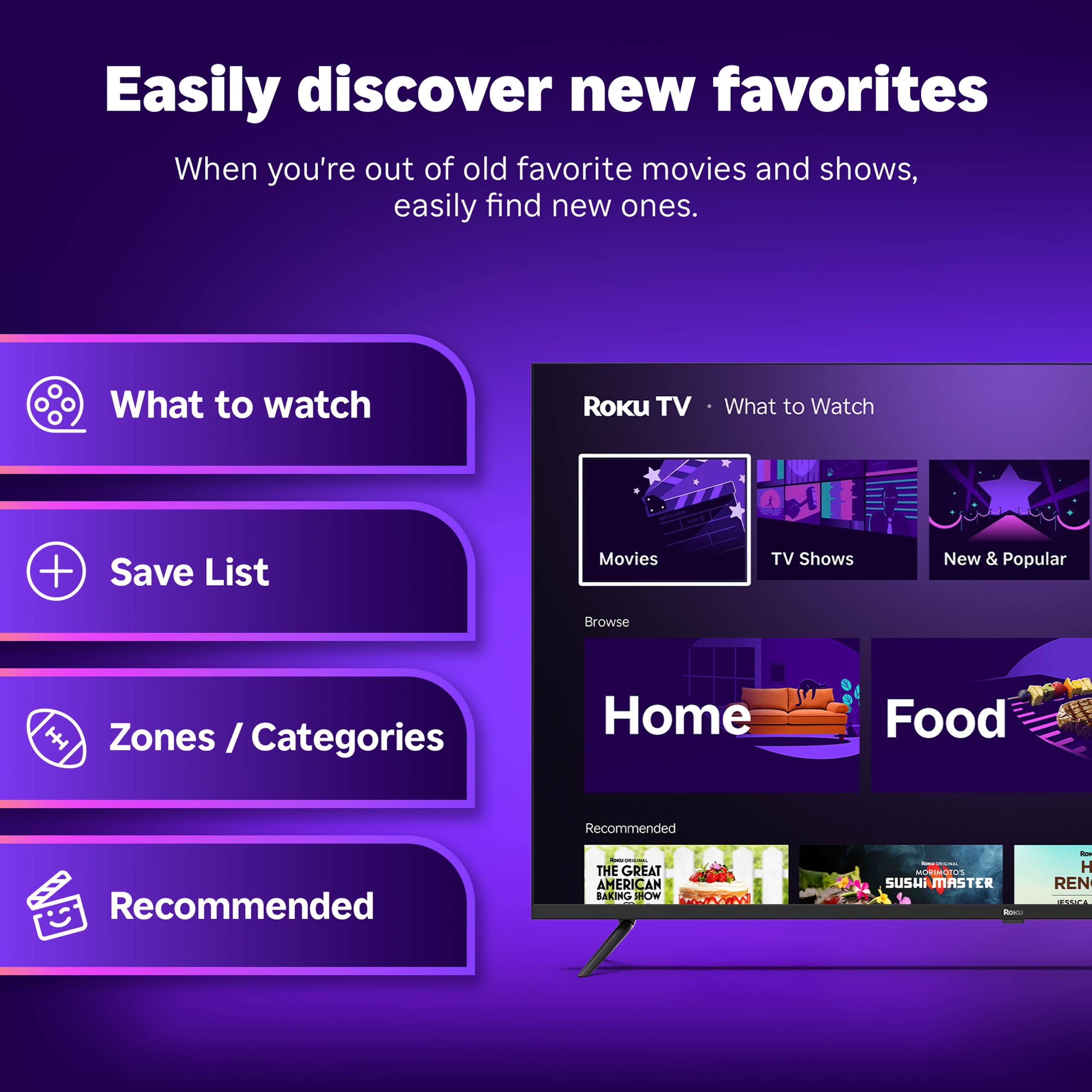
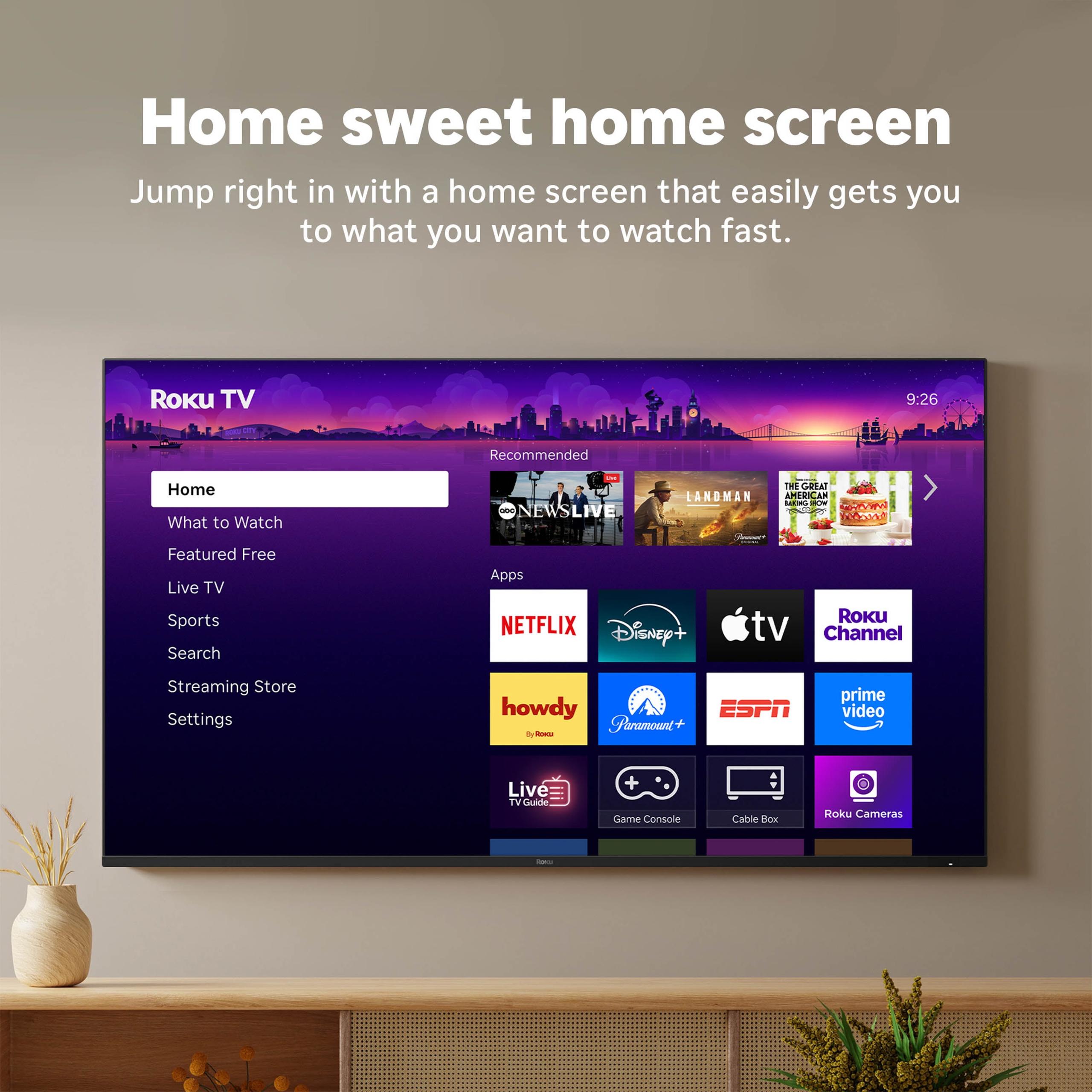
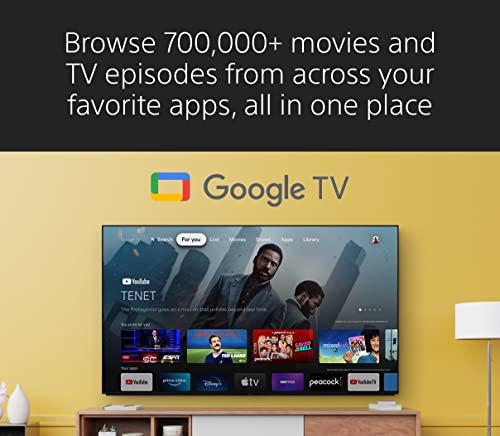
The software experience differs dramatically between these TVs. Roku TV OS, powering the Roku Pro Series 2025, prioritizes simplicity and content discovery. The interface presents all your streaming apps, live TV, and recommendations in one unified home screen. It's particularly strong at surfacing content across different services—if you're looking for a specific movie, it'll show you whether it's free on Tubi, rentable on Amazon, or available with your Netflix subscription.
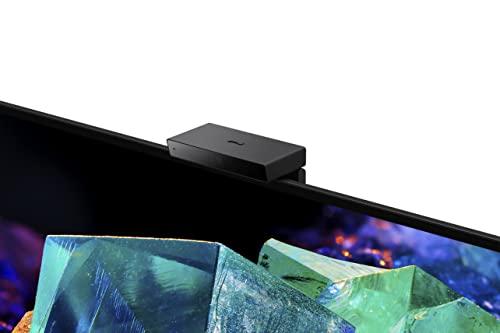
Google TV on the Sony A95K offers more sophisticated features and deeper integration with Google services. Voice control feels more natural, and the AI recommendations improve over time based on your viewing habits. The included BRAVIA CAM enables gesture controls and video calling, though these features feel more novelty than necessity for most users.
For most families, Roku's approach proves more immediately useful and less overwhelming, especially for less tech-savvy household members.
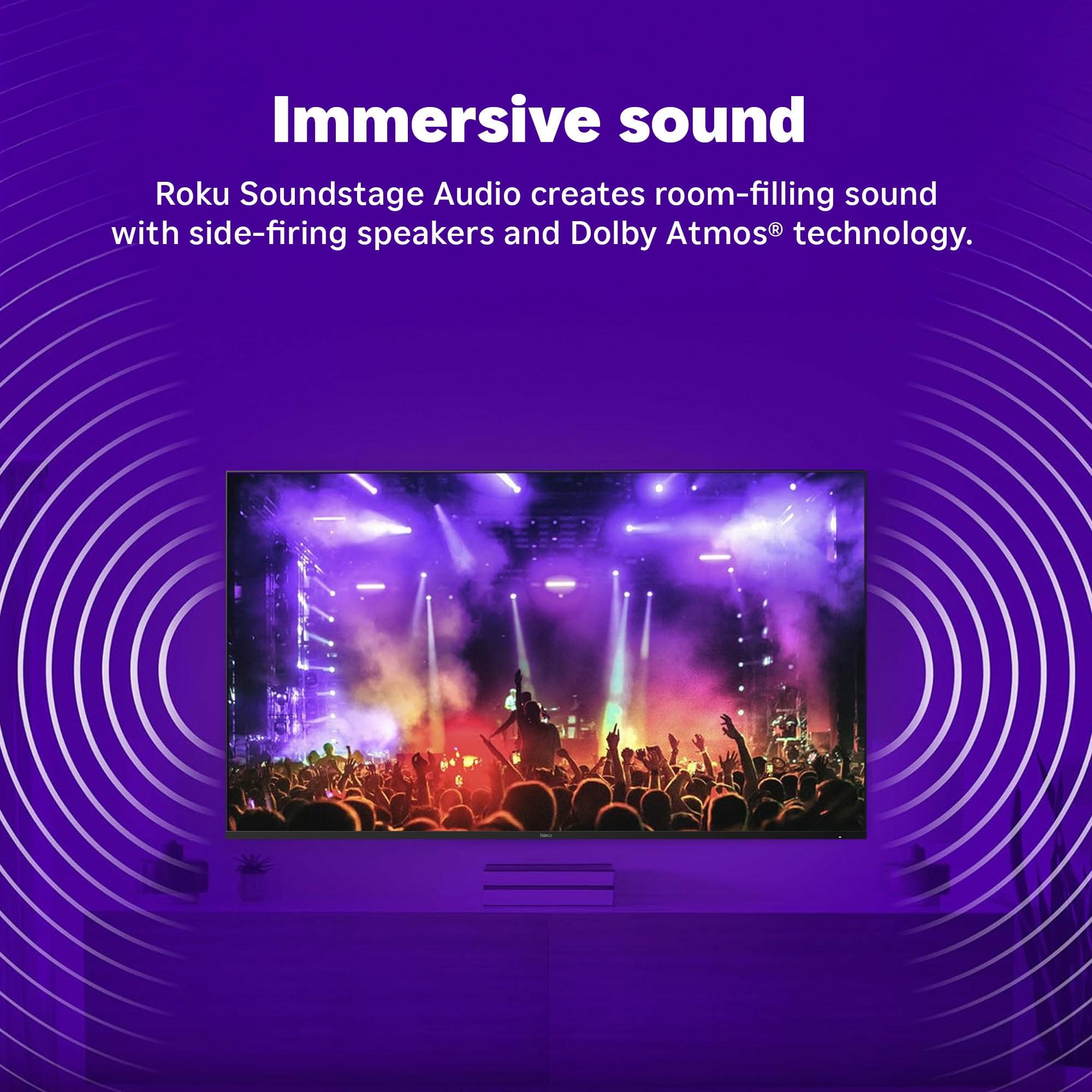
Audio design philosophy differs significantly between these models. The Roku Pro Series 2025 uses traditional speaker placement with enhanced Sound Stage Audio technology and side-firing Dolby Atmos speakers. User feedback consistently highlights the surprisingly powerful bass response—several reviewers mentioned the audio being capable of "rattling walls" without external speakers.
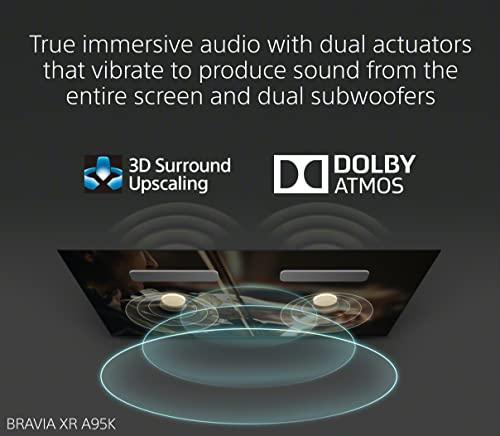
The Sony A95K implements Acoustic Surface Audio+, where actuators behind the screen vibrate the display itself to produce sound. This creates precise audio positioning where dialogue appears to come directly from characters' mouths rather than from below the screen. It's genuinely impressive technology that enhances immersion, particularly for movies and TV shows.
Both approaches have merit, but the Sony's screen-as-speaker technology feels more innovative and immersive, while the Roku delivers more raw power and traditional surround sound processing.
For dedicated home theater setups, viewing environment becomes the primary deciding factor. In light-controlled rooms, the Sony A95K delivers a more cinematic experience. The perfect blacks create that "floating in space" effect during movie opening credits, and the infinite contrast ratio makes HDR content genuinely dramatic.
The Sony A95K also offers better viewing angles—OLED technology maintains consistent picture quality when viewed from the side, making it ideal for wider seating arrangements. The Roku Pro Series 2025 suffers from the typical LCD limitation where picture quality degrades when viewed off-axis.
However, if your home theater doubles as a family room with ambient lighting, the Roku Pro Series 2025 proves more versatile. Its superior brightness cuts through light pollution, maintaining vibrant colors and strong contrast even with windows or room lights on.
Modern gaming demands have evolved significantly since these technologies emerged. The Sony A95K excels for competitive gaming where motion clarity matters most. The instantaneous pixel response eliminates ghosting in fast-paced games, and the infinite contrast enhances visibility in dark game environments.
The Roku Pro Series 2025 offers practical advantages for gaming setups. With multiple HDMI 2.1 ports, you can connect both a PlayStation 5 and Xbox Series X simultaneously while maintaining full 4K 120Hz capabilities. Input lag measures respectably low at 5.2ms, though not quite matching the absolute fastest gaming displays.
Both TVs support the full suite of modern gaming features, including FreeSync Premium Pro (on the Roku) for tear-free gaming with compatible graphics cards.
At the time of writing, the Roku Pro Series 2025 represents exceptional value in the premium TV segment. You're getting flagship-level features—Mini-LED backlighting, quantum dot color, comprehensive gaming support, and outstanding built-in audio—at a price point significantly below traditional premium offerings.
The Sony A95K commands a premium price reflecting its cutting-edge QD-OLED technology and Sony's brand positioning. While more expensive, it delivers reference-level picture quality and innovative features like Acoustic Surface Audio+ that justify the cost for enthusiasts prioritizing ultimate performance.
Consider longevity as well. OLED displays can experience image retention or burn-in over extended periods, particularly with static elements like news tickers or gaming HUDs. Mini-LED technology doesn't face these concerns, potentially offering better long-term reliability for varied usage patterns.
Your decision ultimately hinges on viewing environment and priorities. Choose the Roku Pro Series 2025 if you're setting up in a bright living room where the TV needs to perform well during daytime viewing. It's also the better choice if you value straightforward operation, need multiple high-bandwidth gaming connections, or want flagship performance without flagship pricing.
The Sony A95K makes sense for dedicated home theaters or controlled lighting environments where you can appreciate its superior contrast and color accuracy. It's worth the premium if you're a videophile who prioritizes reference-level picture quality, enjoys cutting-edge features, or primarily watches movies and premium content.
Both represent excellent examples of their respective technologies at maturity. The Roku maximizes the potential of Mini-LED QLED while offering outstanding value, while the Sony showcases what's possible with QD-OLED innovation. Neither choice is wrong—they're simply optimized for different viewing preferences and environments.
The TV landscape continues evolving rapidly, but these models demonstrate how both traditional LCD-based and self-emissive display technologies can achieve premium performance through different technical approaches. Your choice depends on which approach better matches your specific viewing needs and environment.
| Roku 65" Pro Series 2025 4K QLED TV | Sony Bravia XR A95K 65" QD-OLED TV |
|---|---|
| Display Technology - Determines picture quality fundamentals | |
| Mini-LED QLED with thousands of dimming zones | QD-OLED with self-emitting pixels |
| Peak Brightness - Critical for bright room performance | |
| Up to 1,818 nits (excellent for daytime viewing) | ~400-600 nits typical (best in dark rooms) |
| Contrast Ratio - How deep blacks appear | |
| Very high with minimal blooming | Infinite (perfect blacks, each pixel off) |
| Color Gamut Coverage - How vibrant colors look | |
| 96.9% UHDA-P3, 80.6% BT.2020 | Superior color accuracy, reference monitor level |
| Smart Platform - Daily usability and app ecosystem | |
| Roku TV OS (simple, unified interface) | Google TV (advanced AI, voice control) |
| Gaming HDMI 2.1 Ports - For next-gen consoles | |
| 2 ports (can connect multiple consoles) | 2 ports total (one often used for eARC audio) |
| Motion Handling - Sports and gaming clarity | |
| Good with 120Hz, some LCD motion blur | Excellent, instantaneous OLED response |
| Audio System - Built-in sound quality | |
| Sound Stage Audio with powerful bass | Acoustic Surface Audio+ (screen produces sound) |
| Viewing Angles - Picture quality from the side | |
| Limited (typical LCD weakness) | Excellent (consistent from any angle) |
| Input Lag - Gaming responsiveness | |
| 5.2ms at 120Hz (very good) | Extremely low (excellent for competitive gaming) |
| Upscaling Quality - How 1080p content looks | |
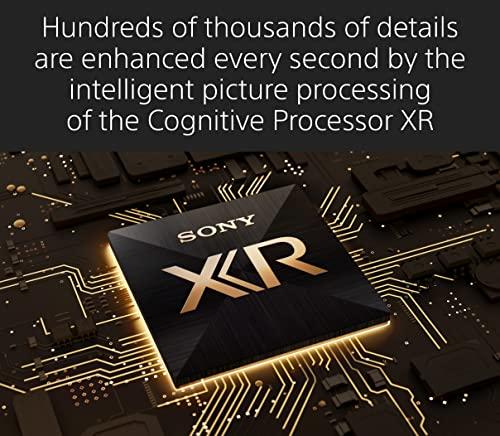
| Decent with Smart Picture Max AI | Excellent with Cognitive Processor XR |
| HDR Support - Enhanced contrast formats | |
| Dolby Vision IQ, HDR10+, HLG | Dolby Vision, HDR10, HLG (superior processing) |
| Ideal Room Setup - Where each excels | |
| Bright living rooms, family spaces | Dark home theaters, controlled lighting |
| Value Proposition - Performance per dollar | |
| Exceptional flagship features at competitive price | Premium pricing for cutting-edge QD-OLED tech |
The Roku 65" Pro Series 2025 4K QLED TV is significantly better for bright rooms. It reaches peak brightness levels up to 1,818 nits, making it excellent for daytime viewing with windows and ambient lighting. The Sony Bravia XR A95K 65" QD-OLED TV performs best in darker, controlled lighting environments where its perfect blacks can shine.
The Roku Pro Series 2025 uses Mini-LED QLED technology with thousands of tiny LEDs providing backlighting behind an LCD panel. The Sony A95K features QD-OLED technology where each pixel produces its own light without backlighting. This gives the Sony perfect blacks and infinite contrast, while the Roku offers superior brightness for well-lit rooms.
Both TVs offer excellent gaming features with HDMI 2.1, 4K at 120Hz, and VRR support. The Sony A95K has better motion clarity due to instantaneous OLED pixel response, making it ideal for competitive gaming. However, the Roku Pro Series 2025 provides more HDMI 2.1 ports, allowing multiple next-gen consoles to be connected simultaneously.
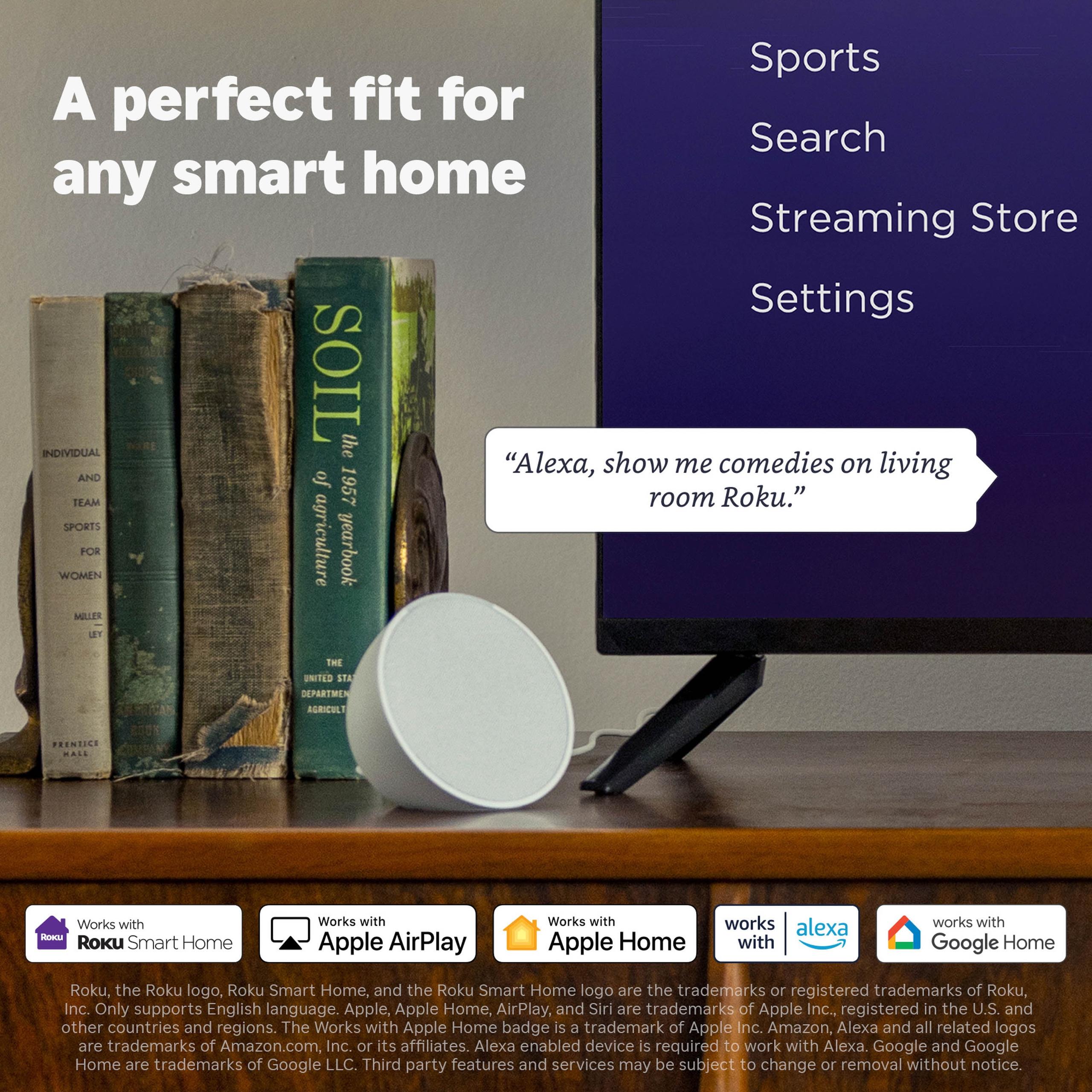
The Roku Pro Series 2025 runs Roku TV OS, known for its simple, unified interface that makes finding content across streaming services easy. The Sony A95K uses Google TV, which offers more advanced AI recommendations and deeper integration with Google services, but can be more complex for some users.
Both TVs offer impressive audio for their category. The Roku Pro Series 2025 features Sound Stage Audio with powerful bass that reviewers describe as "theater-like." The Sony A95K uses innovative Acoustic Surface Audio+ technology where the screen itself produces sound, creating more precise audio positioning for an immersive experience.
The Sony A95K delivers superior picture quality in dark rooms with perfect blacks, infinite contrast, and reference-level color accuracy. The Roku Pro Series 2025 excels in bright environments with exceptional peak brightness and vibrant colors, plus AI-powered scene optimization that automatically adjusts picture settings.
For dedicated home theaters with controlled lighting, the Sony A95K is the better choice. Its perfect blacks, infinite contrast ratio, and superior viewing angles create a more cinematic experience. However, if your home theater doubles as a family room with ambient lighting, the Roku Pro Series 2025 performs better due to its superior brightness.
The Roku Pro Series 2025 offers exceptional value, providing flagship-level features at a more accessible price point. The Sony A95K commands a premium price reflecting its cutting-edge QD-OLED technology and Sony's brand positioning, making it more expensive but justified for those prioritizing ultimate picture quality.
The Sony A95K has superior motion handling due to OLED's instantaneous pixel response, virtually eliminating motion blur during fast sports action. The Roku Pro Series 2025 offers good motion handling with its 120Hz refresh rate, though some slight motion blur may be visible during very fast action due to LCD limitations.
The Sony A95K maintains consistent picture quality when viewed from the side, making it ideal for wider seating arrangements. The Roku Pro Series 2025 suffers from typical LCD limitations where picture quality degrades when viewed off-axis, making it better suited for centered viewing positions.
The Roku Pro Series 2025 may offer better long-term reliability since Mini-LED technology doesn't face burn-in concerns that can affect OLED displays. The Sony A95K uses QD-OLED technology that's less prone to burn-in than traditional OLEDs, but static content like news tickers or gaming HUDs could still cause image retention over extended periods.
Choose the Roku Pro Series 2025 if you have a bright living room with lots of natural light, want straightforward operation, or prioritize value. Select the Sony A95K if you can control lighting in your living room, prioritize reference-level picture quality, or want cutting-edge features like screen-as-speaker audio technology.
We've done our best to create useful and informative comparisons to help you decide what product to buy. Our research uses advanced automated methods to create this comparison and perfection is not possible - please contact us for corrections or questions. These are the sites we've researched in the creation of this article: bestbuy.com - rtings.com - techradar.com - youtube.com - roku.com - youtube.com - walmart.com - bestbuy.com - youtube.com - electronicexpress.com - roku.com - pcvarge.com - ecoustics.com - tomsguide.com - audioadvice.com - wepc.com - bestbuy.com - tvsbook.com - rtings.com - youtube.com - flatpanelshd.com - rtings.com - youtube.com - reviewed.com - avsforum.com - youtube.com - youtube.com - rtings.com - youtube.com - electronics.sony.com - sonypremiumhome.com - valueelectronics.com - sony.com - displayspecifications.com - flatpanelshd.com - donstv.com - youtube.com - businessinsider.com - youtube.com - displayspecifications.com - bestbuy.com

Privacy Policy
Terms and Conditions - Affiliate Policy
Home Security
© Copyright 2008-2026.
11816 Inwood Rd #1211, Dallas, TX 75244