

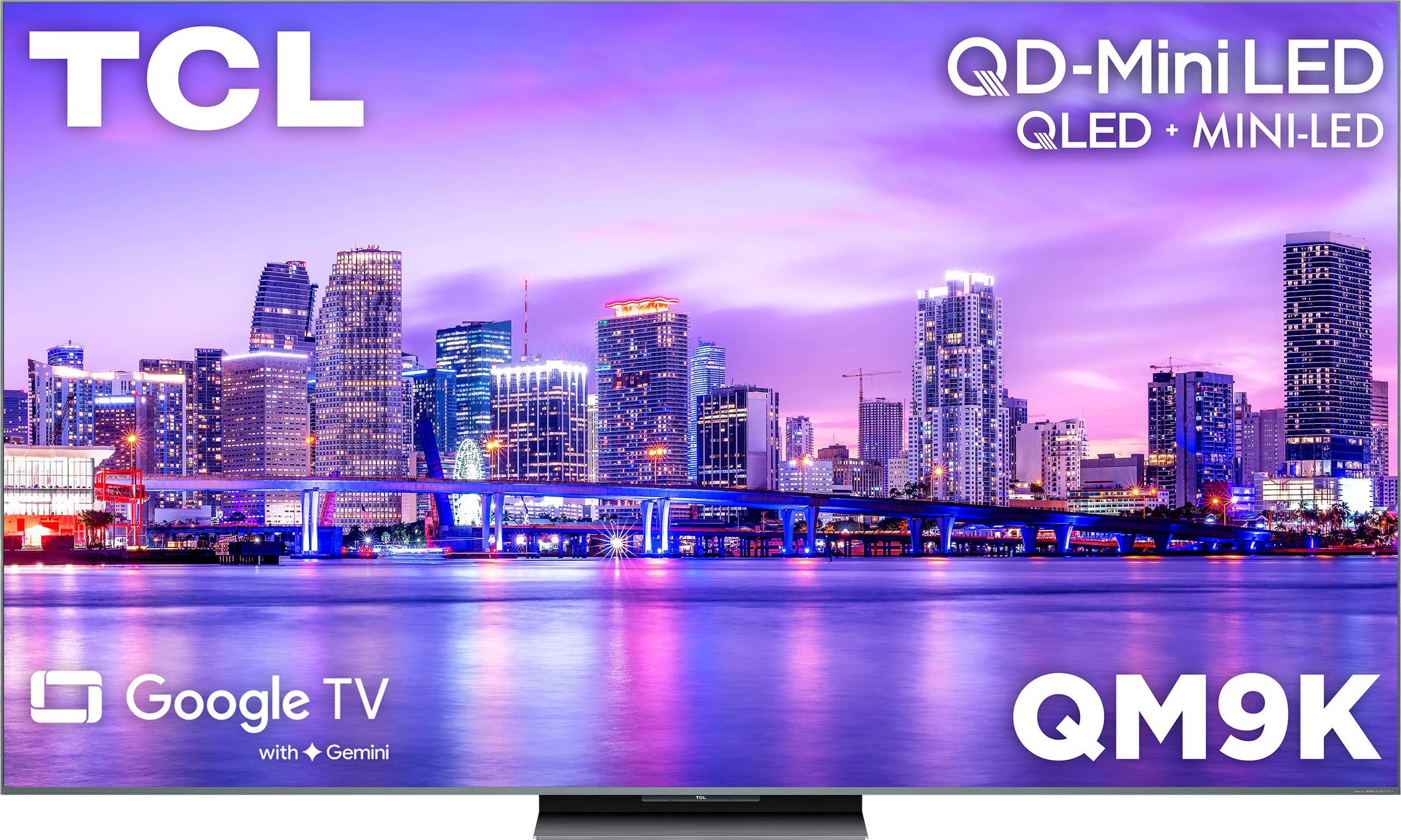
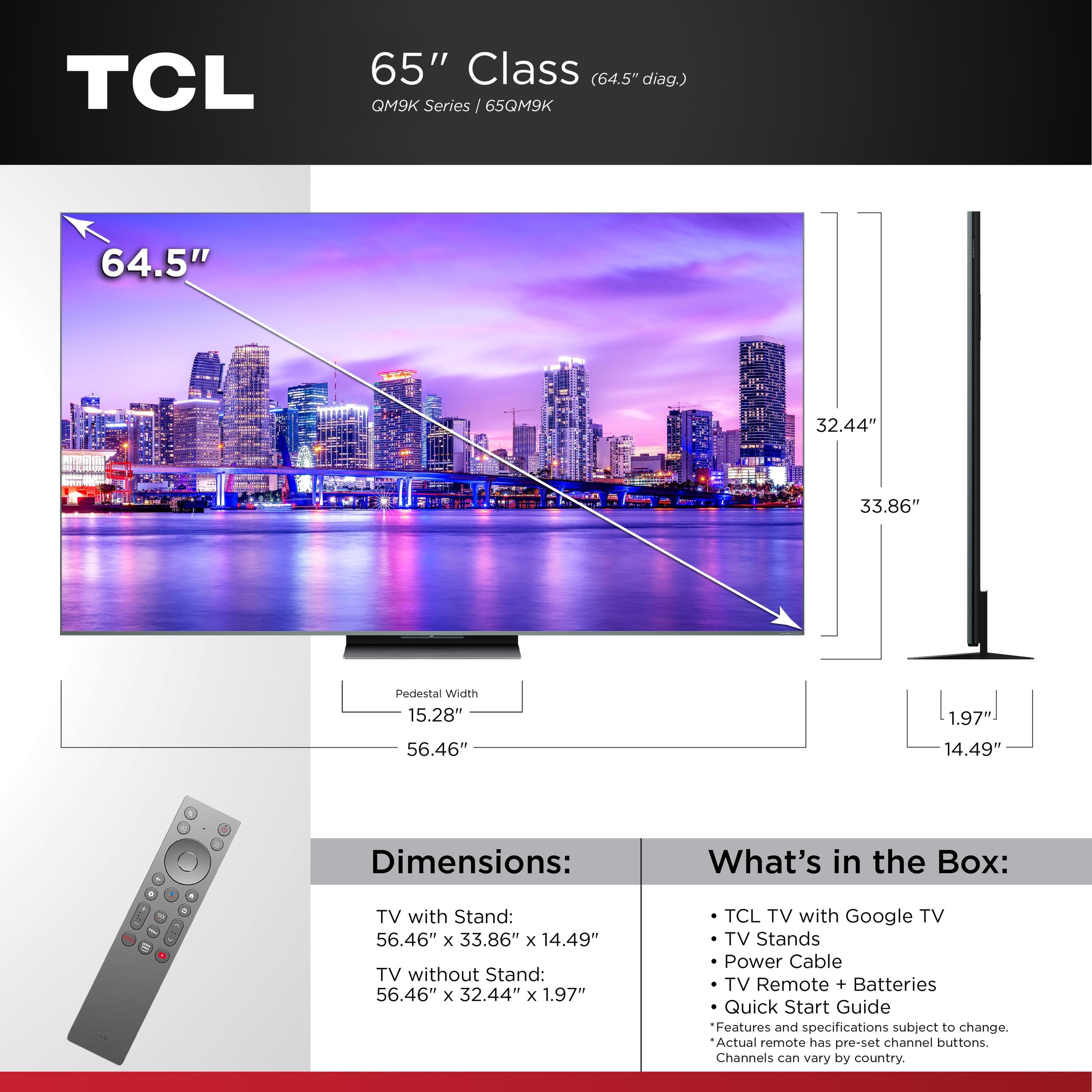
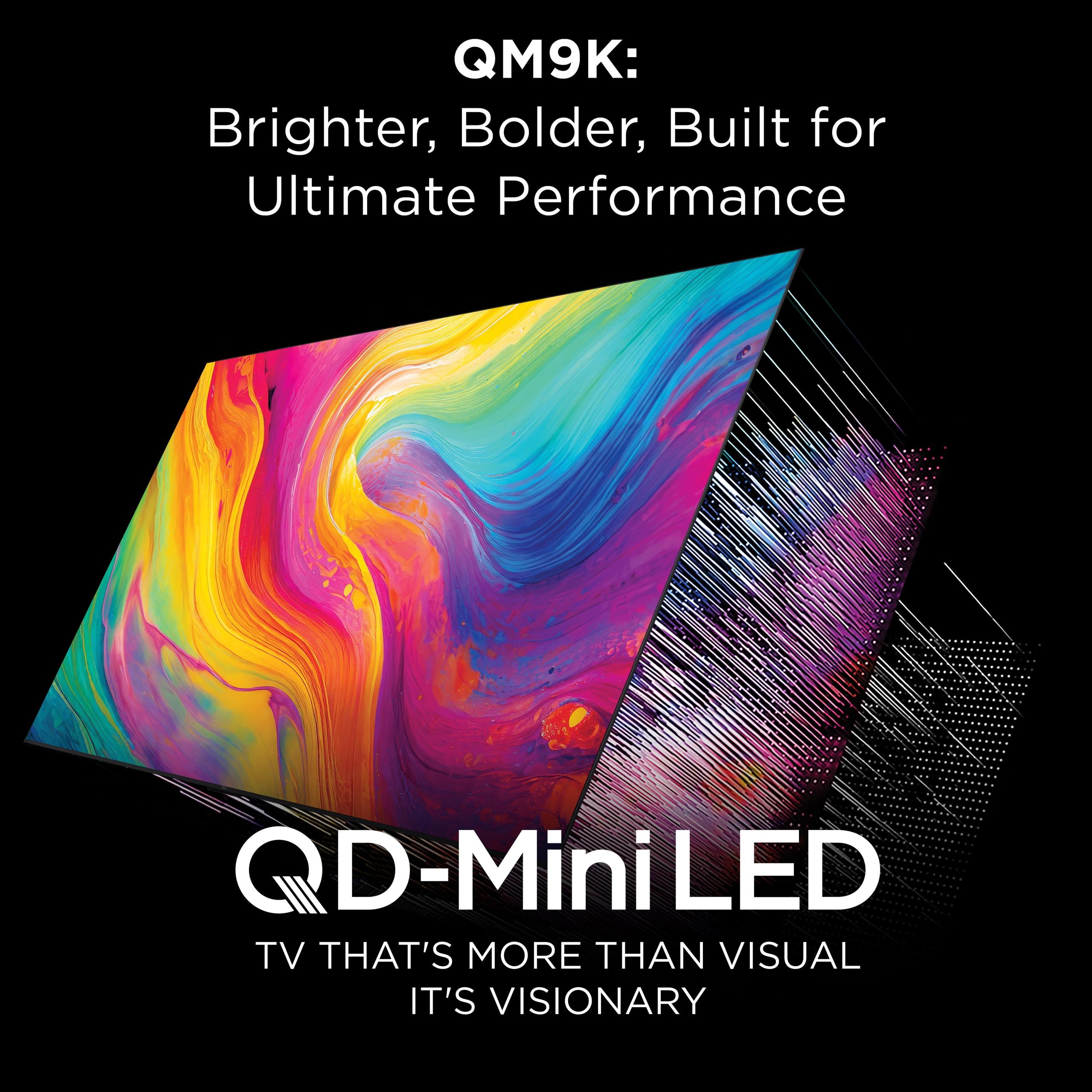
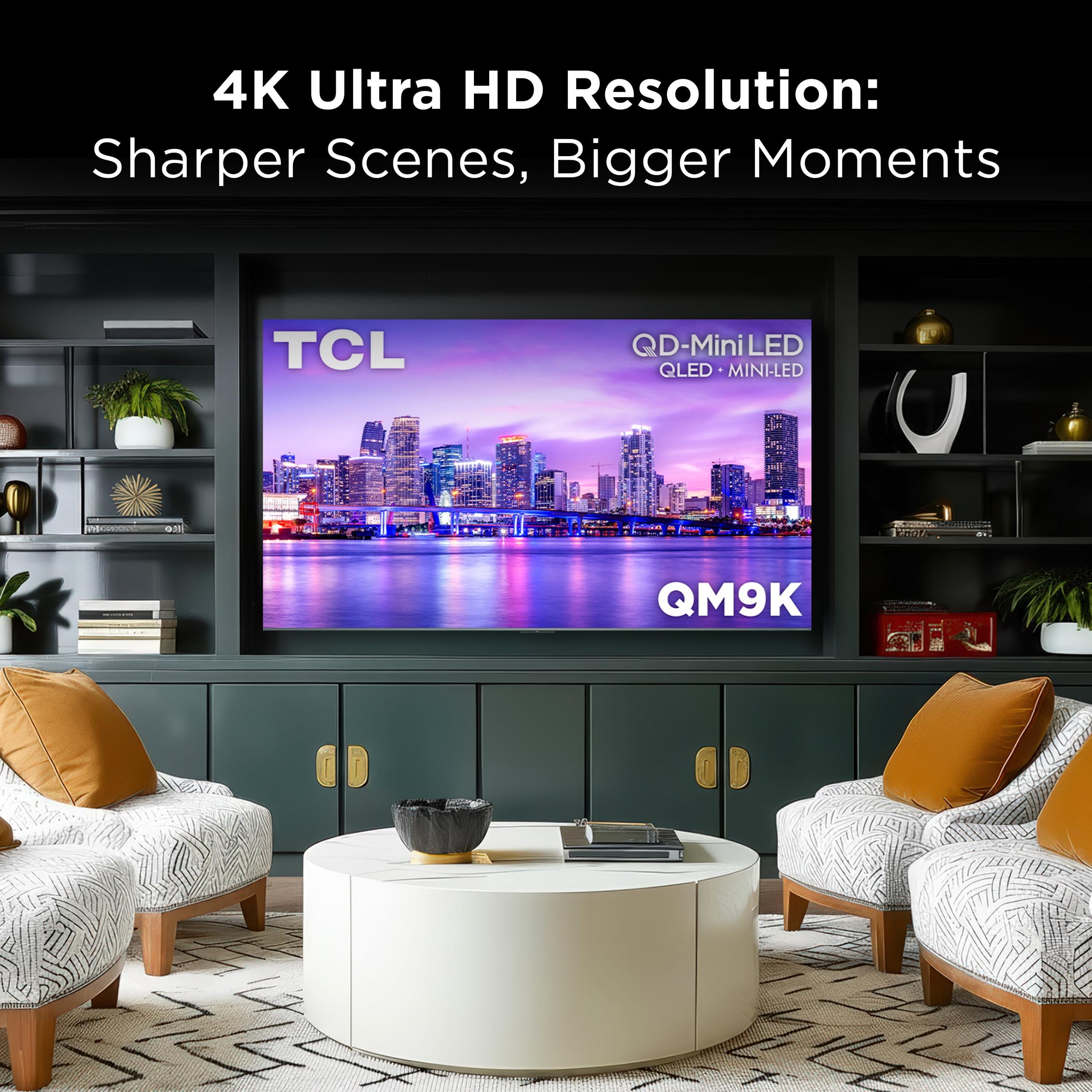
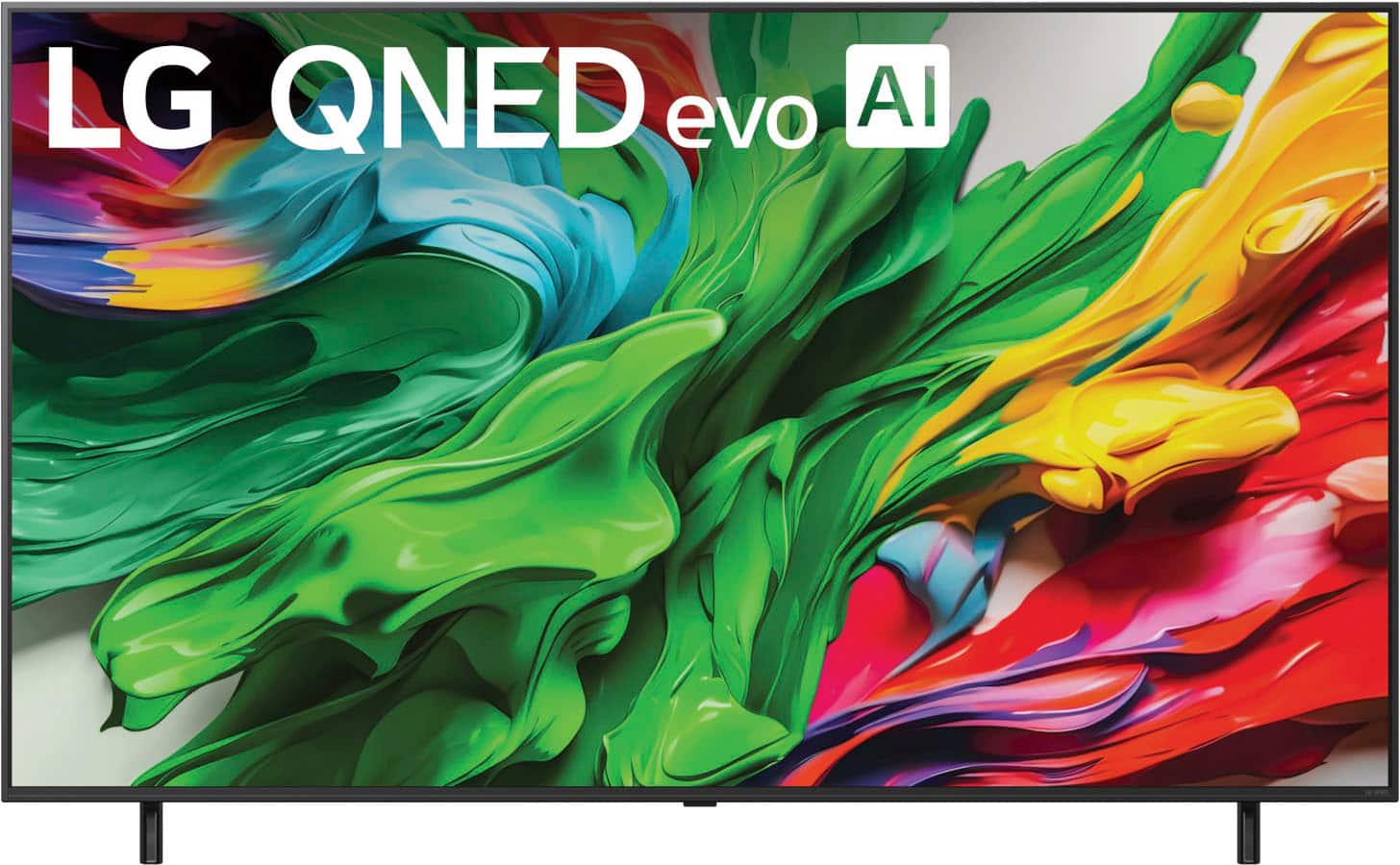
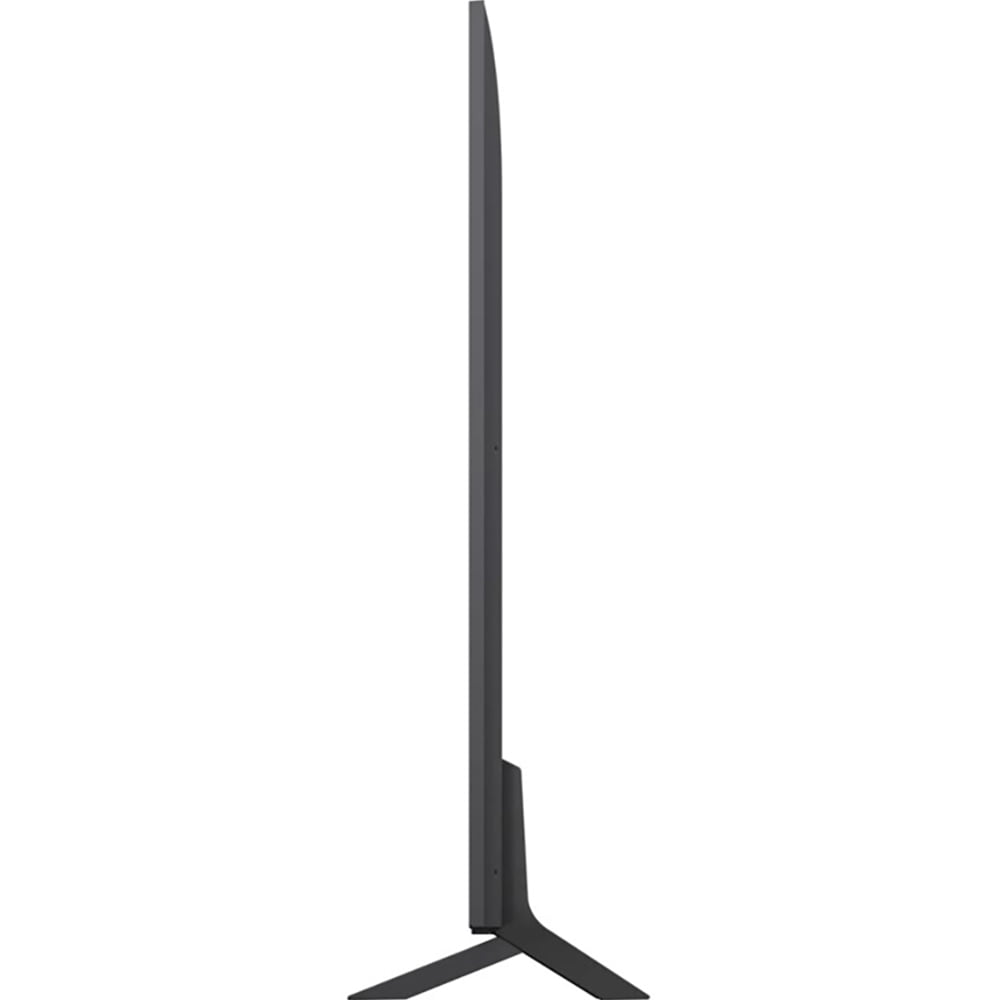
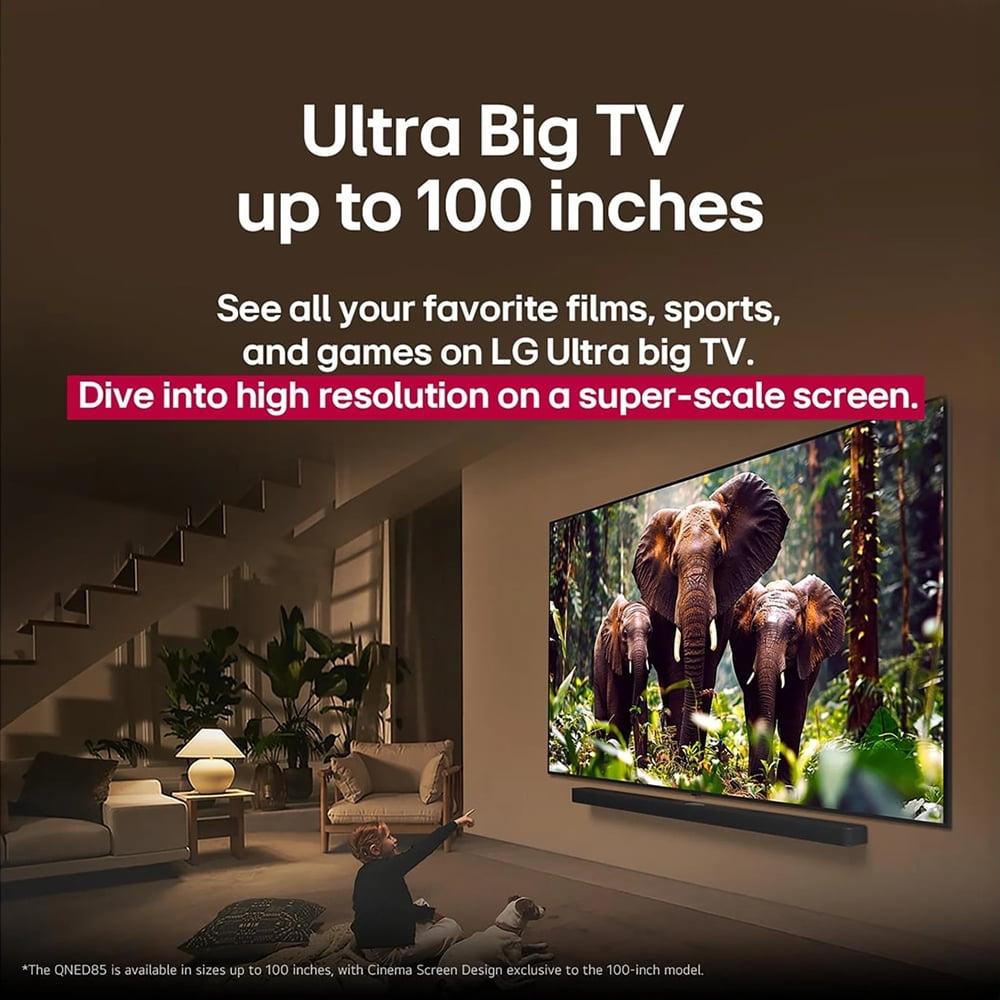
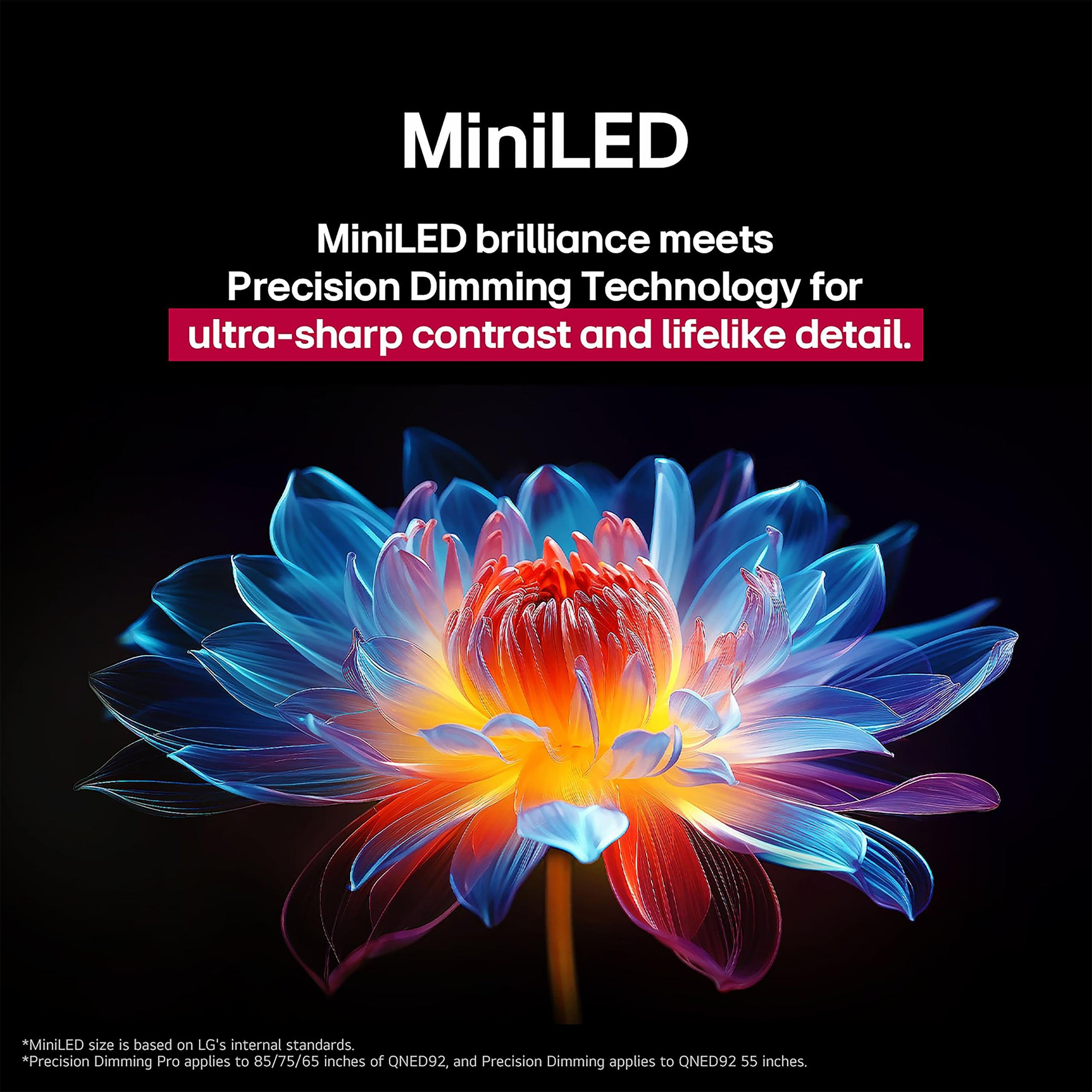
The premium TV market has become incredibly competitive, especially in the 65-inch Mini-LED category where both the TCL QM9K and LG QNED85A compete for your attention. These aren't your standard LED TVs from five years ago—both pack sophisticated technology that was once reserved for flagship models costing thousands more.
Released in 2025, these TVs represent the latest evolution in Mini-LED technology, where thousands of tiny LEDs work together to create precise lighting control across the screen. Think of it like having individual dimmer switches for different sections of your TV, allowing for deeper blacks next to brilliant whites without the annoying glow (called blooming) that plagued older LED TVs.
Mini-LED sits in an interesting position between traditional LED and OLED technology. Unlike OLED, where each pixel creates its own light, Mini-LED uses clusters of tiny LEDs behind the screen to illuminate different zones. This approach delivers several key advantages: it gets much brighter than OLED (crucial for HDR content and bright rooms), costs less to manufacture, and doesn't suffer from burn-in issues that can affect OLED displays over time.
The technology has matured significantly since its introduction. Early Mini-LED TVs from 2021-2022 often struggled with zone transitions and software optimization. By 2025, both the TCL QM9K and LG QNED85A benefit from years of refinement in both hardware and processing algorithms.
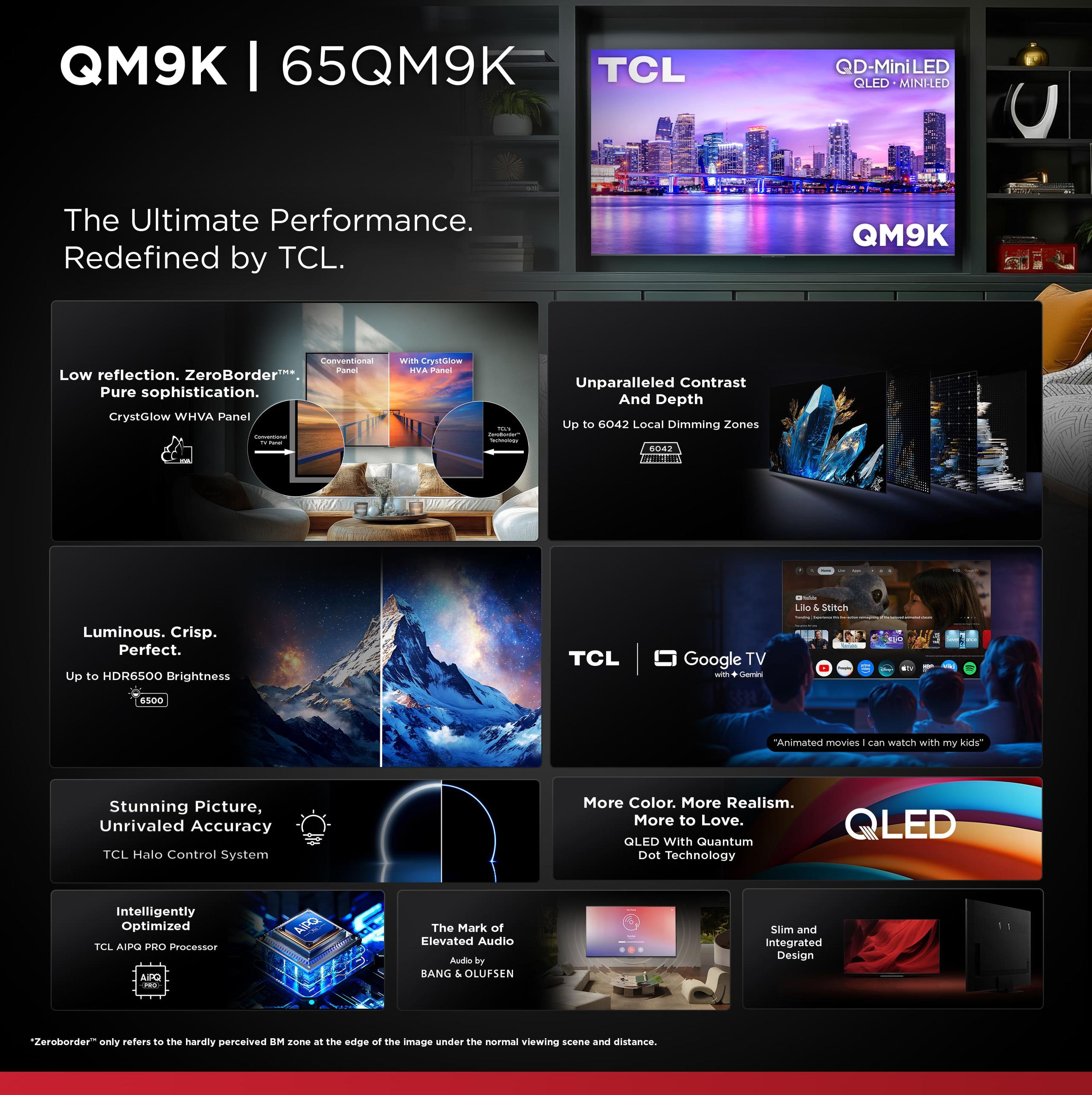
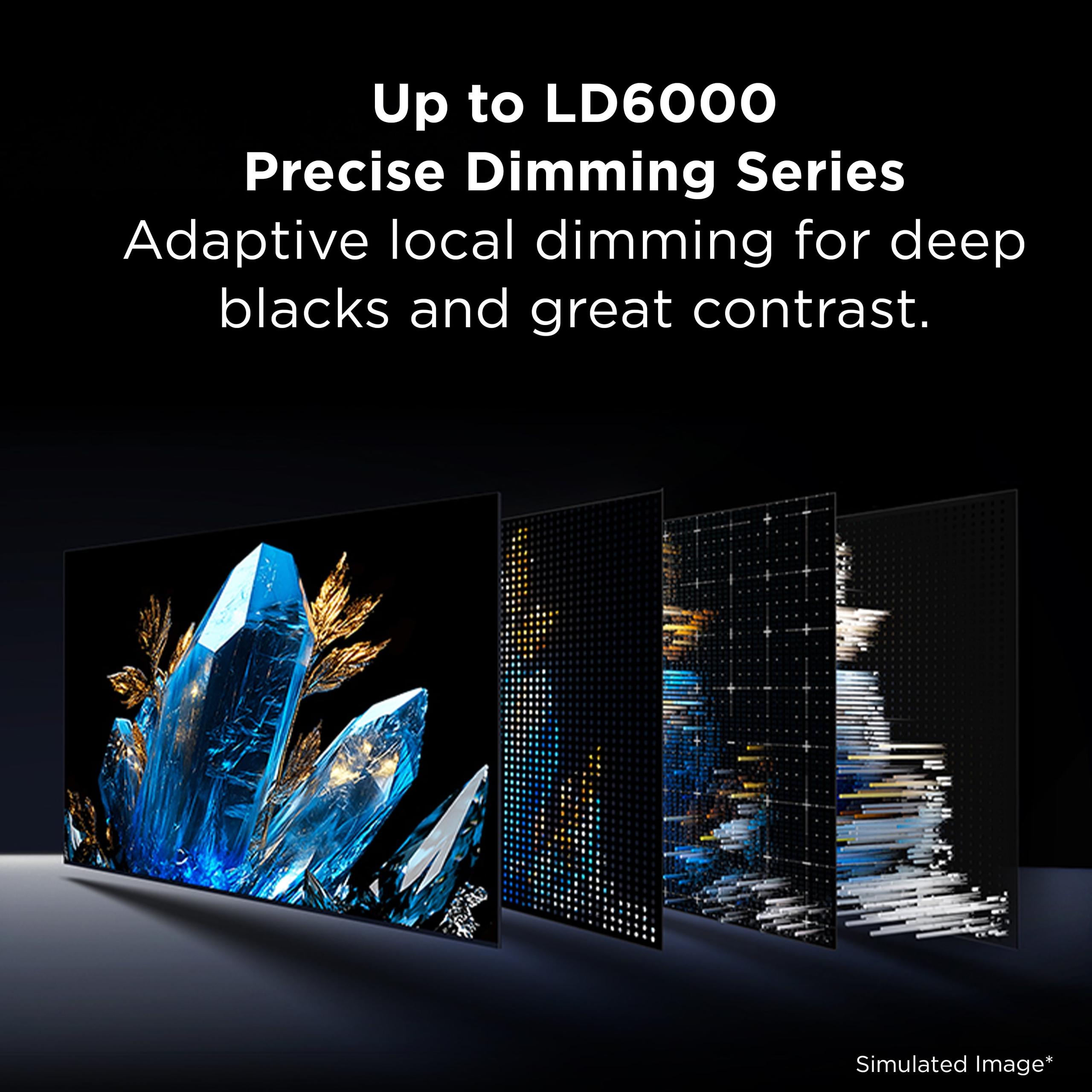
The most critical difference between these TVs lies in their local dimming implementation. The TCL QM9K boasts up to 6,000 precise dimming zones, which is genuinely impressive for a TV at this price point. More zones mean better control over which parts of the screen are lit and which stay dark. When you're watching a space movie with bright stars against a black void, more zones prevent the light from the stars from bleeding into the surrounding darkness.
The LG QNED85A doesn't specify its exact zone count, which typically means it's lower than what TCL offers. In our research across professional reviews and user feedback, this difference is noticeable in challenging content like dark movie scenes with bright elements. The TCL consistently delivers deeper blacks with less of that annoying halo effect around bright objects.
TCL's Halo Control System deserves particular attention here. It's not just marketing speak—this system includes a 23-bit backlight controller that can make incredibly fine adjustments to lighting levels. To put this in perspective, that's over 8 million different brightness levels the TV can control for each zone. The result is more precise contrast control than most competitors can achieve.
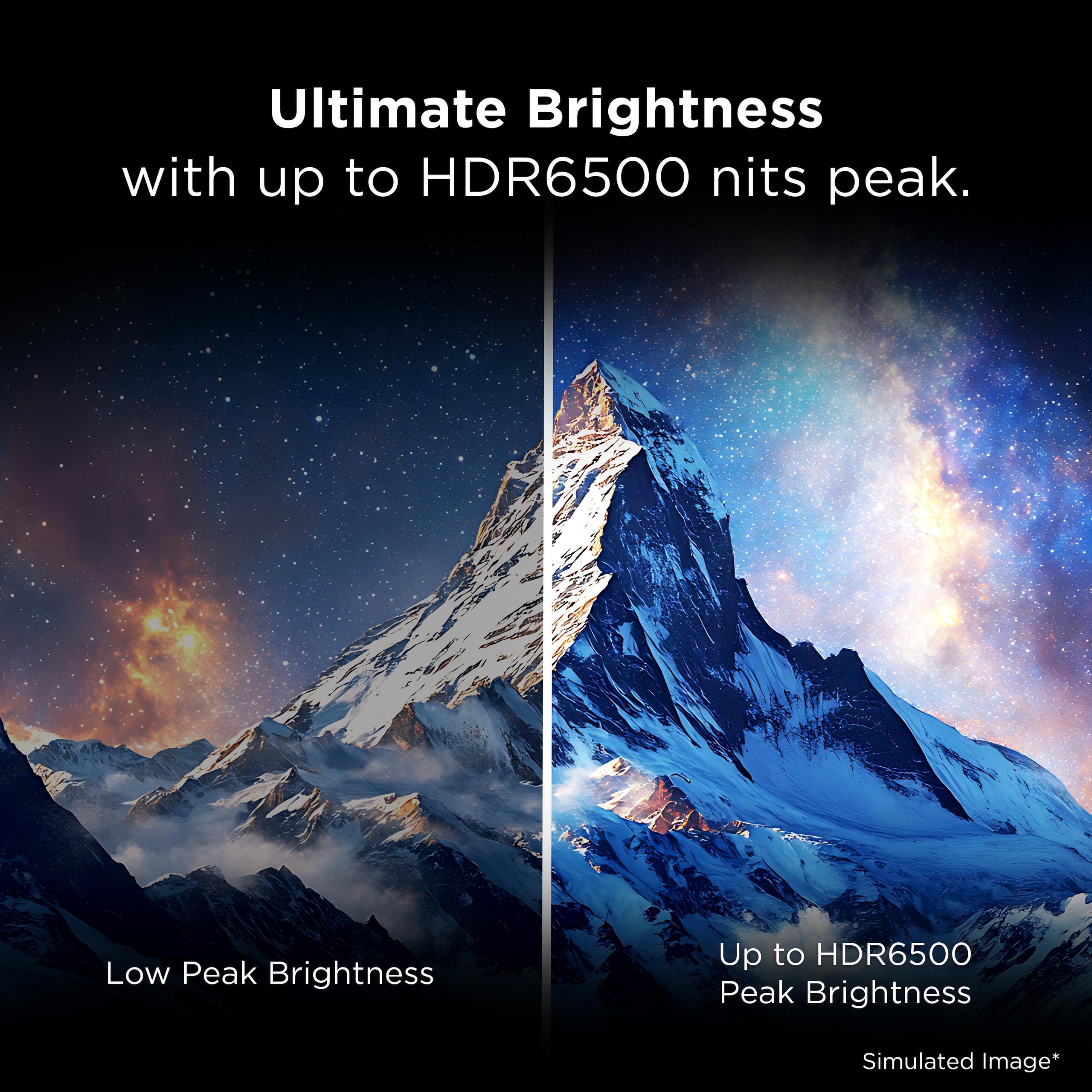
Peak brightness separates good HDR from truly spectacular HDR, and this is where the TCL QM9K takes a commanding lead. With HDR6500 certification (meaning it can hit 6,500 nits of peak brightness), it can make highlights pop in ways that genuinely surprise viewers. Whether it's sunlight reflecting off water, car headlights at night, or explosions in action movies, the TCL delivers the kind of visual impact that makes HDR worthwhile.
The LG QNED85A produces respectable brightness for its category, but it can't match the TCL's peaks. In practical terms, this means HDR content looks more dramatic on the TCL, especially in bright rooms where you need that extra luminance to overcome ambient light.
This brightness advantage becomes crucial for sports viewing. Bright stadium lights, white jerseys, and outdoor daytime games all benefit from higher peak brightness. If you watch a lot of sports or action movies, the TCL's brightness advantage translates to a more engaging viewing experience.
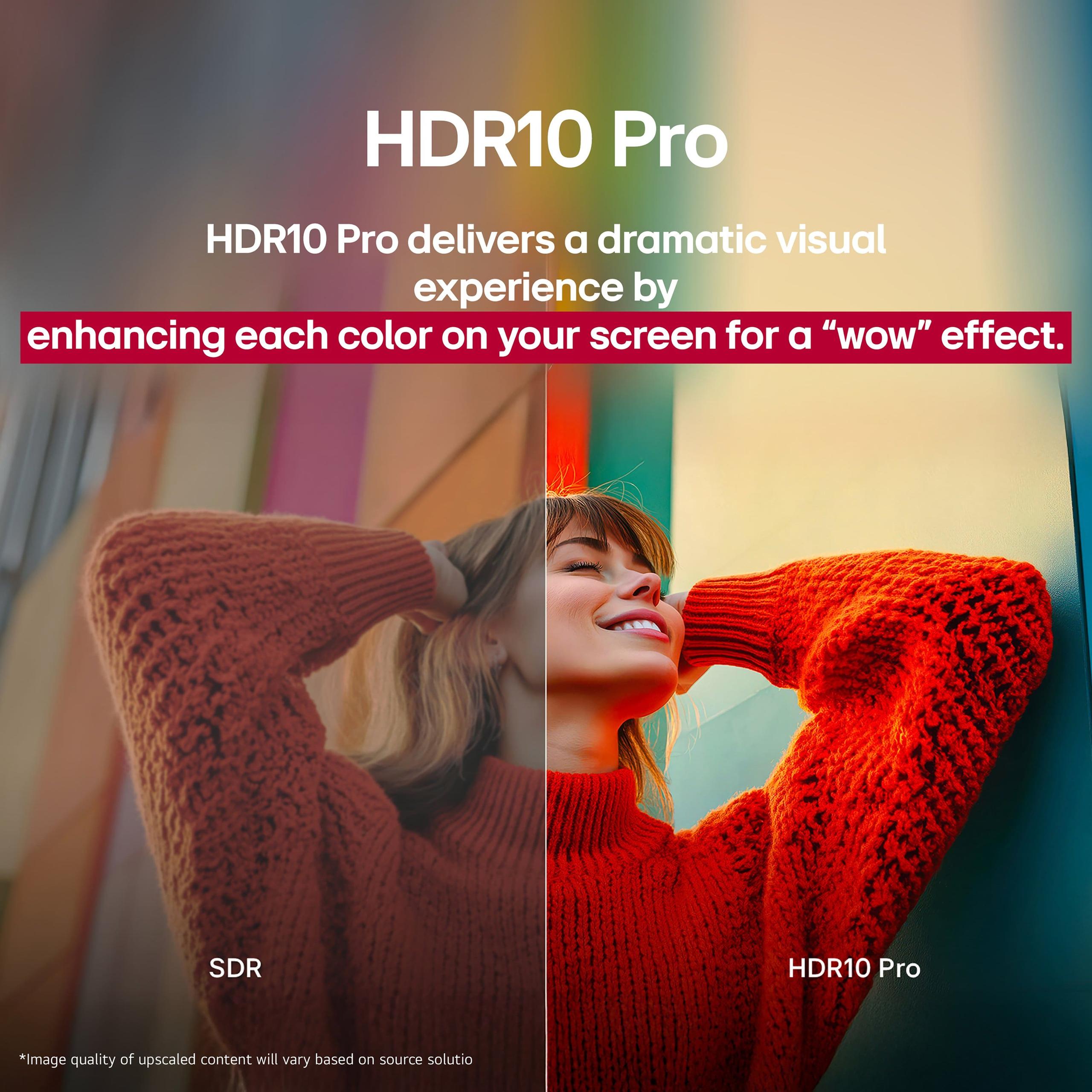
Here's where things get more nuanced. The LG QNED85A demonstrates better out-of-the-box color accuracy, particularly in standard dynamic range (SDR) content like cable TV and streaming. LG's color processing tends to be more conservative and accurate without calibration, while the TCL can appear oversaturated in some content.
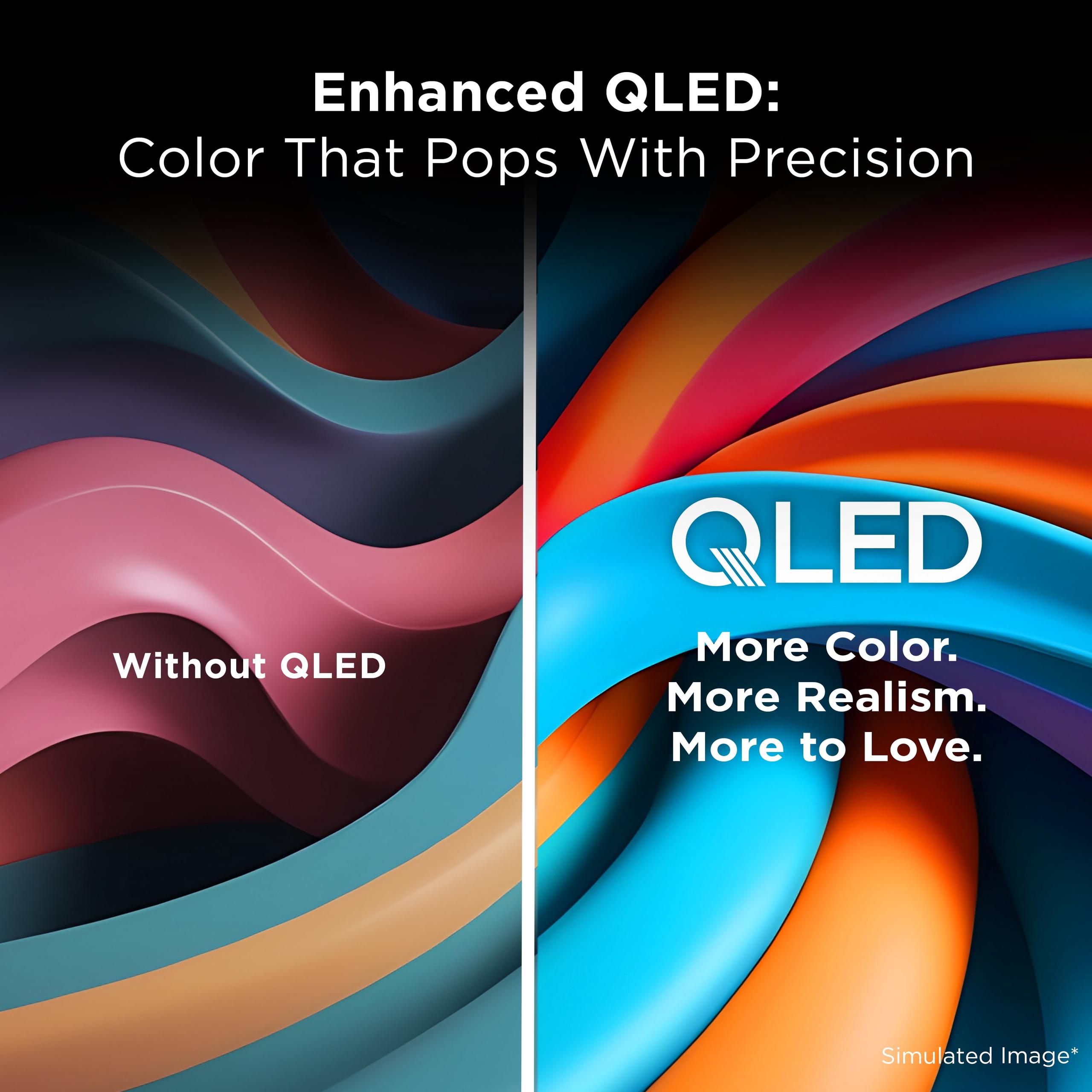
However, the TCL QM9K achieves impressive color volume—the ability to maintain vibrant colors even at high brightness levels. This matters more than you might think. Many TVs can show deep, rich colors in dark scenes, but struggle to maintain that vibrancy when brightness increases. The TCL maintains color saturation even during those brilliant HDR highlights.
For most viewers, the LG's better out-of-box accuracy might be preferable since it requires less tweaking. But enthusiasts willing to spend time with calibration settings can coax exceptional performance from the TCL.
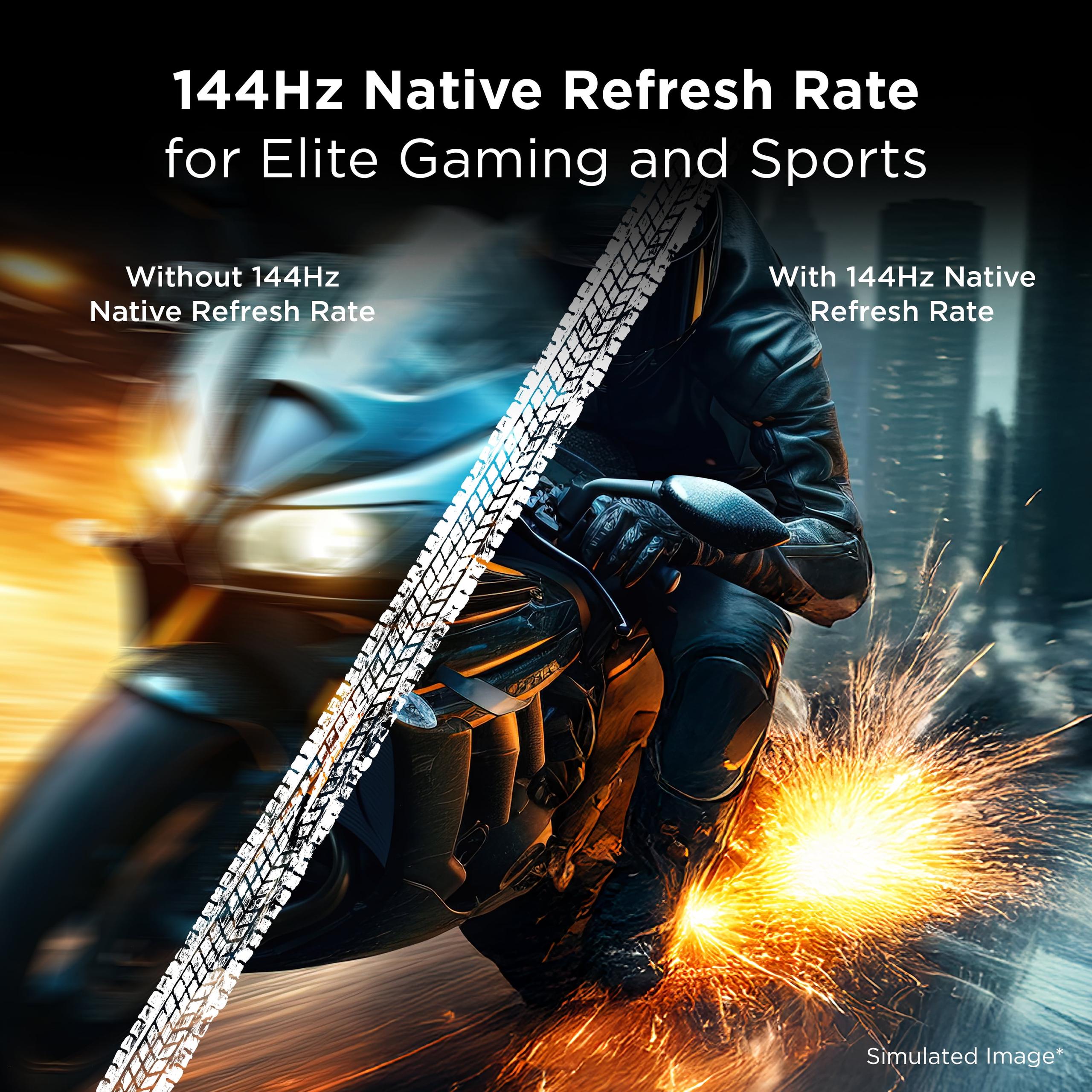
Gaming has become a major battleground for premium TVs, and both models target serious gamers. The TCL QM9K takes an aggressive approach with its Game Accelerator 288 feature, supporting refresh rates up to 288Hz at 1080p and 1440p resolutions. For competitive gaming, this kind of ultra-high refresh rate can provide a real advantage in fast-paced shooters or racing games.
More practically for console gaming, the TCL supports 4K at 144Hz, which future-proofs it for next-generation consoles and high-end PC gaming. Its 5.3ms input lag is genuinely impressive—that's the delay between pressing a button and seeing the result on screen. For context, anything under 20ms is considered good for gaming, so 5.3ms puts the TCL in elite territory.
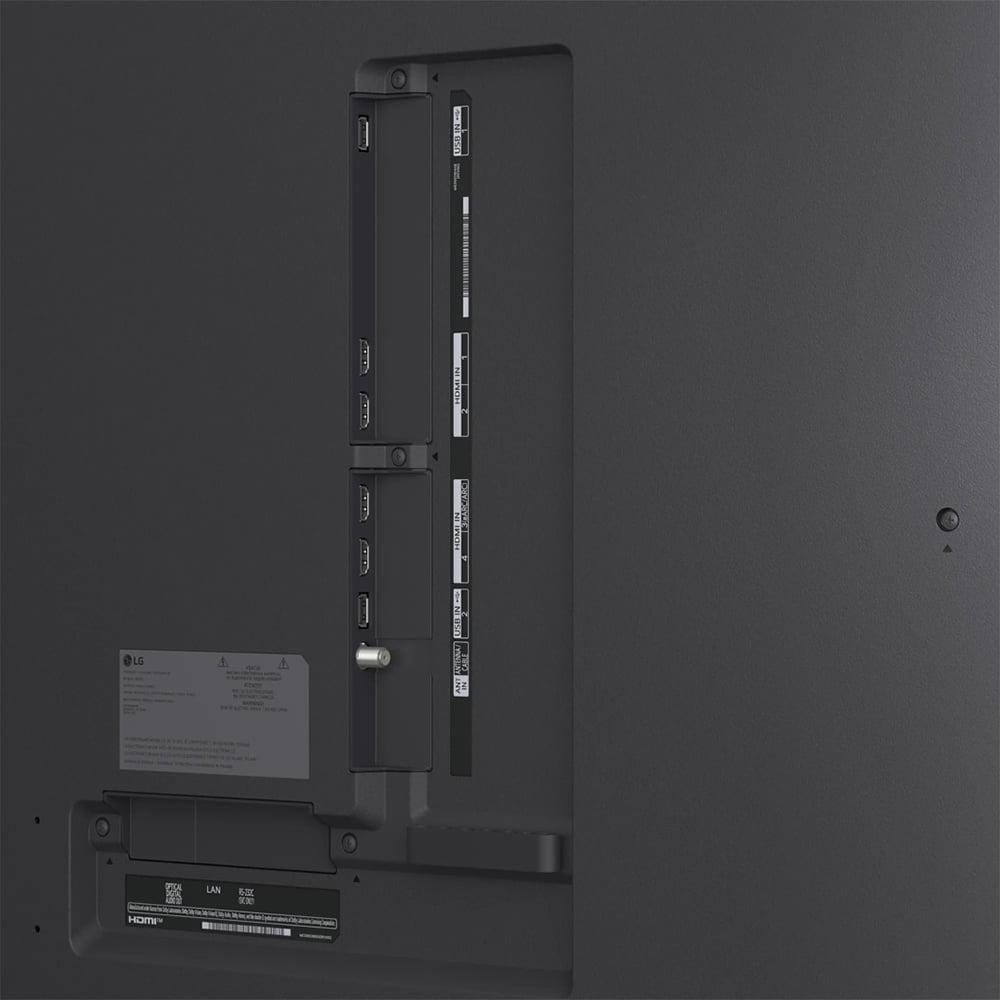
The LG QNED85A takes a more balanced approach with native 120Hz refresh rates and solid VRR (Variable Refresh Rate) support. Where it gains an advantage is connectivity—four HDMI 2.1 ports compared to the TCL's two. If you have multiple gaming devices, a soundbar, and other HDMI 2.1 equipment, those extra ports become valuable.
Both TVs support the essential gaming features like Auto Low Latency Mode (ALLM) and Variable Refresh Rate, which eliminate screen tearing and reduce input lag automatically when gaming. The difference comes down to whether you prioritize maximum performance (TCL) or maximum flexibility (LG).
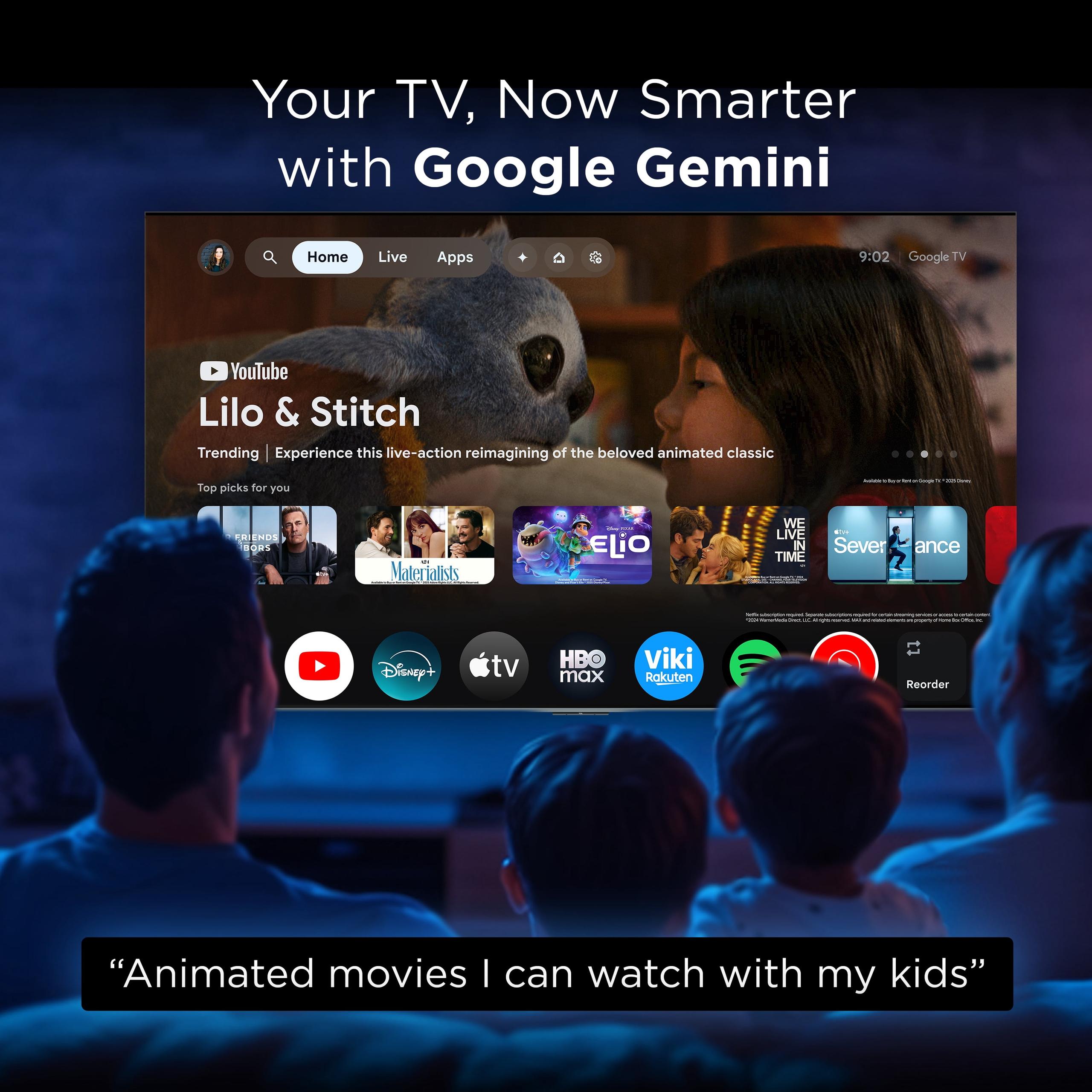
This category shows the clearest philosophical difference between the two manufacturers. The TCL QM9K runs Google TV with Google Gemini integration, providing a familiar Android-based interface with excellent app selection and voice control. The presence sensor that automatically turns the TV on when you approach is a nice touch, though not revolutionary.
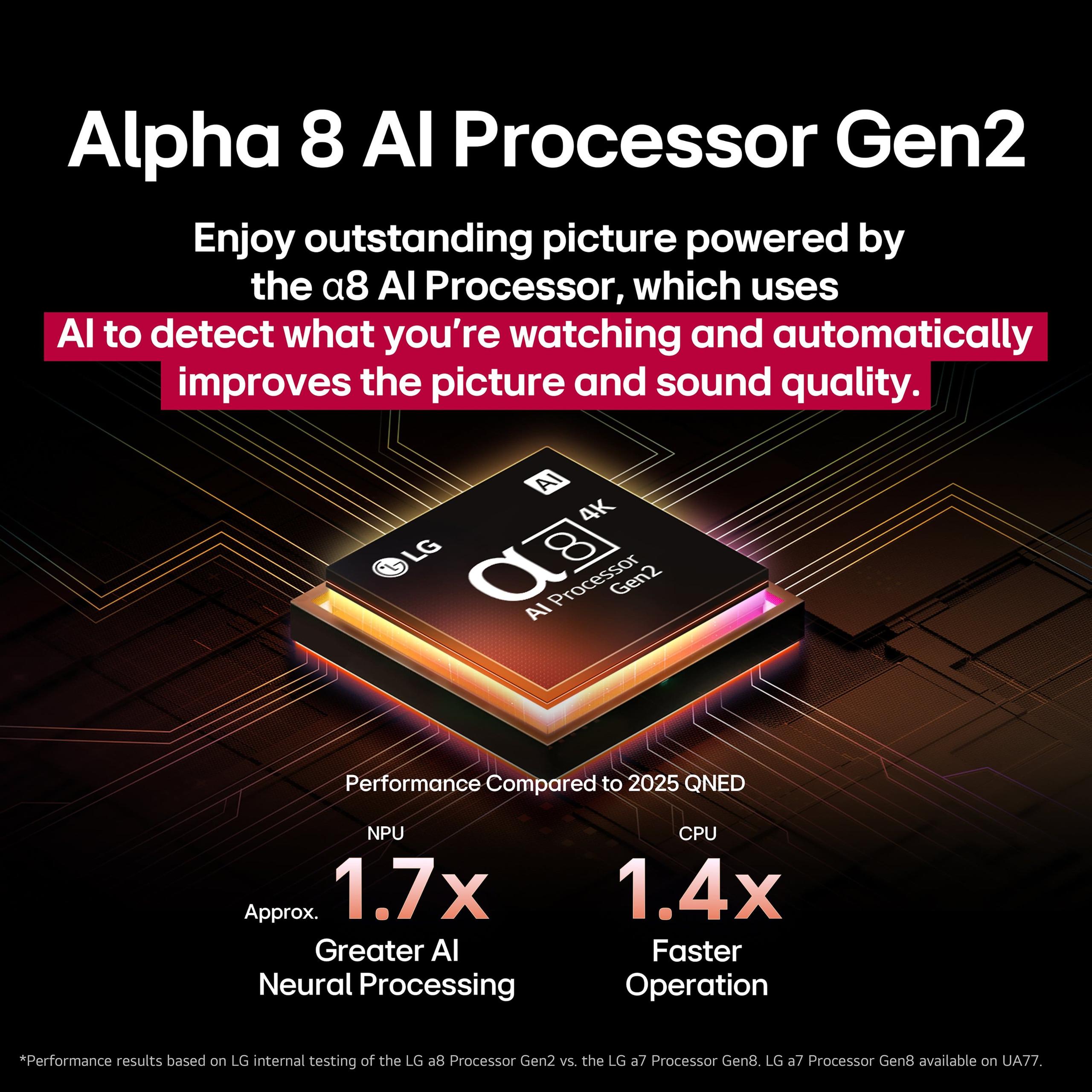
The LG QNED85A goes all-in on AI-powered personalization with webOS 25. LG's approach feels more sophisticated, with features like AI Voice ID that recognizes different family members and switches to their preferred settings and recommendations. The AI Concierge learns viewing habits and suggests content across different streaming services, while Microsoft Copilot integration helps with more complex queries and troubleshooting.
What sets LG apart is its commitment to long-term software support through the webOS Re:New Program, guaranteeing five years of OS updates. This matters more than most people realize—smart TV platforms evolve quickly, and older TVs often get left behind as apps stop working or new features aren't supported.
Motion processing reveals interesting trade-offs between the two approaches. The TCL QM9K uses Motion Rate 480 with MEMC (Motion Estimation, Motion Compensation) frame insertion to create smoother motion. This works exceptionally well for sports, making fast-moving balls and players appear crisp and clear. However, this aggressive processing can sometimes create artifacts in certain content, like the "soap opera effect" that makes movies look unnaturally smooth.
The LG QNED85A takes a more conservative approach to motion processing, resulting in more natural-looking content with fewer artifacts. For movie watching, this often produces a more cinematic experience. However, it may not provide the same level of motion clarity for fast sports action that the TCL achieves.
For sports enthusiasts, the TCL's approach generally produces superior results. The combination of high refresh rates, aggressive motion processing, and exceptional brightness makes it particularly compelling for daytime sports viewing in bright rooms.
In a dedicated home theater setup, both TVs have strengths that cater to different priorities. The TCL QM9K excels in the fundamental aspects of picture quality—contrast, brightness, and black levels. In a darkened room, its superior local dimming and higher zone count create a more immersive experience with deeper blacks and more precise highlight control.
The TCL also supports Filmmaker Mode, which disables motion processing and adjusts color temperature to match the director's intent. Combined with its excellent contrast capabilities, this makes it a strong choice for serious movie watching.
However, the LG QNED85A brings advantages in user experience and long-term ownership. Its better color accuracy out-of-box means less time spent calibrating, and its superior smart platform integration makes it easier to manage a complex home theater setup with multiple devices.
For home theater purists who plan to professionally calibrate their display and use external streaming devices, the TCL's superior contrast and brightness capabilities make it the stronger choice. For users who want excellent performance with less tweaking and better integration, the LG offers compelling advantages.
Both TVs recognize that internal speakers remain important despite the popularity of soundbars. The TCL QM9K features Audio by Bang & Olufsen tuning with a 2.1.1 channel system that includes a built-in subwoofer on the 65-inch model. The Dolby Atmos support creates surprisingly immersive audio for built-in speakers, though it can't match dedicated sound systems.
The LG QNED85A uses AI Sound Pro to convert stereo content into virtual 9.1.2 surround sound. While this sounds impressive on paper, the reality is that both TVs benefit significantly from external audio solutions for serious viewing.
At the time of writing, these TVs occupy similar price ranges in the premium Mini-LED segment, though street prices vary significantly based on sales and promotions. The TCL QM9K typically offers more performance per dollar, especially in picture quality metrics that matter most for TV viewing. Its superior local dimming, peak brightness, and gaming features provide flagship-level performance at a more accessible price point.
The LG QNED85A commands a premium for its brand reputation, advanced smart features, and commitment to long-term software support. Whether that premium is justified depends largely on how much value you place on the smart TV experience versus pure performance.
Neither TV is perfect, and understanding their limitations helps set realistic expectations. The TCL QM9K achieves its impressive performance through aggressive processing that doesn't always handle every type of content perfectly. Some users report occasional motion artifacts in specific scenarios, and the color accuracy requires adjustment for optimal results.
The LG QNED85A makes fewer missteps but also reaches lower peaks. Its more conservative approach to brightness and contrast means it can't deliver the same visual impact in challenging HDR content or bright room conditions.
Both TVs use glossy screens that handle direct reflections adequately but aren't ideal for rooms with lots of windows or bright light sources positioned directly in front of the screen.
The TCL QM9K makes the most sense for viewers who prioritize picture quality above all else. If you're a gaming enthusiast who wants maximum performance, watch a lot of HDR content, or have a bright room that demands high peak brightness, the TCL delivers flagship-level performance at a competitive price. It's also the better choice for sports fans who want the clearest motion and brightest daytime viewing.
The LG QNED85A suits buyers who want a premium TV experience that extends beyond just picture quality. If you value sophisticated smart features, long-term software support, and consistent performance across all types of content, the LG justifies its positioning. It's particularly appealing for families with diverse viewing preferences and users who prioritize ease of use over maximum performance.
For home theater enthusiasts, the choice often comes down to priorities: pure performance (TCL) versus user experience and reliability (LG). Both can anchor an impressive setup, but they excel in different ways.
Based on our research and evaluation of expert and user consensus, the TCL QM9K emerges as the performance leader, delivering more dramatic HDR, superior gaming capabilities, and exceptional brightness at a competitive price point. Its technical specifications and real-world performance benchmarks consistently exceed expectations for its category.
The LG QNED85A represents the more well-rounded choice, offering solid performance across all categories while excelling in smart features, user experience, and long-term value. Its approach prioritizes consistency and reliability over peak performance.
Neither choice is wrong, but your specific priorities should guide the decision. For maximum visual impact and gaming performance, choose the TCL. For the best overall experience and long-term satisfaction, the LG makes a compelling case. Both represent significant improvements over older TV technologies and will satisfy most viewers' expectations for a premium viewing experience.
| TCL 65" QM9K QD-Mini LED Smart TV | LG 65" QNED evo AI QNED85A 4K MiniLED Smart TV 2025 |
|---|---|
| Local Dimming Zones - More zones mean better contrast and less blooming around bright objects | |
| Up to 6,000 zones with Halo Control System | Precision Dimming Pro (zone count unspecified, likely lower) |
| Peak Brightness - Critical for HDR impact and bright room viewing | |
| 6,500 nits HDR (HDR6500 certified) | Lower peak brightness (exact spec not disclosed) |
| Native Refresh Rate - Higher rates provide smoother motion for gaming and sports | |
| 144Hz native with Game Accelerator 288 (up to 288Hz) | 120Hz native |
| Input Lag - Lower is better for competitive gaming responsiveness | |
| 5.3ms (excellent for gaming) | Standard gaming latency (likely 10-15ms) |
| HDMI 2.1 Ports - Needed for 4K@120Hz gaming and future devices | |
| 2 HDMI 2.1 ports (limits multi-device setups) | 4 HDMI 2.1 ports (better connectivity flexibility) |
| Color Accuracy - Better out-of-box accuracy means less calibration needed | |
| Requires calibration for optimal results | Superior out-of-box color accuracy |
| Smart Platform - Affects long-term usability and feature updates | |
| Google TV with Gemini AI | webOS 25 with 5-year update guarantee |
| Motion Processing - Important for sports and action content clarity | |
| Motion Rate 480 with MEMC (aggressive processing) | Native 120Hz with conservative processing (fewer artifacts) |
| VRR Gaming Support - Eliminates screen tearing in variable framerate games | |
| AMD FreeSync Premium Pro | Standard VRR with GeForce NOW cloud gaming |
| Audio System - Built-in sound quality before adding external speakers | |
| Bang & Olufsen 2.1.1 with subwoofer | AI Sound Pro with virtual 9.1.2 surround |
| AI Features - Smart personalization and voice control capabilities | |
| Google Gemini integration with presence sensor | Advanced AI Voice ID, Concierge, Microsoft Copilot |
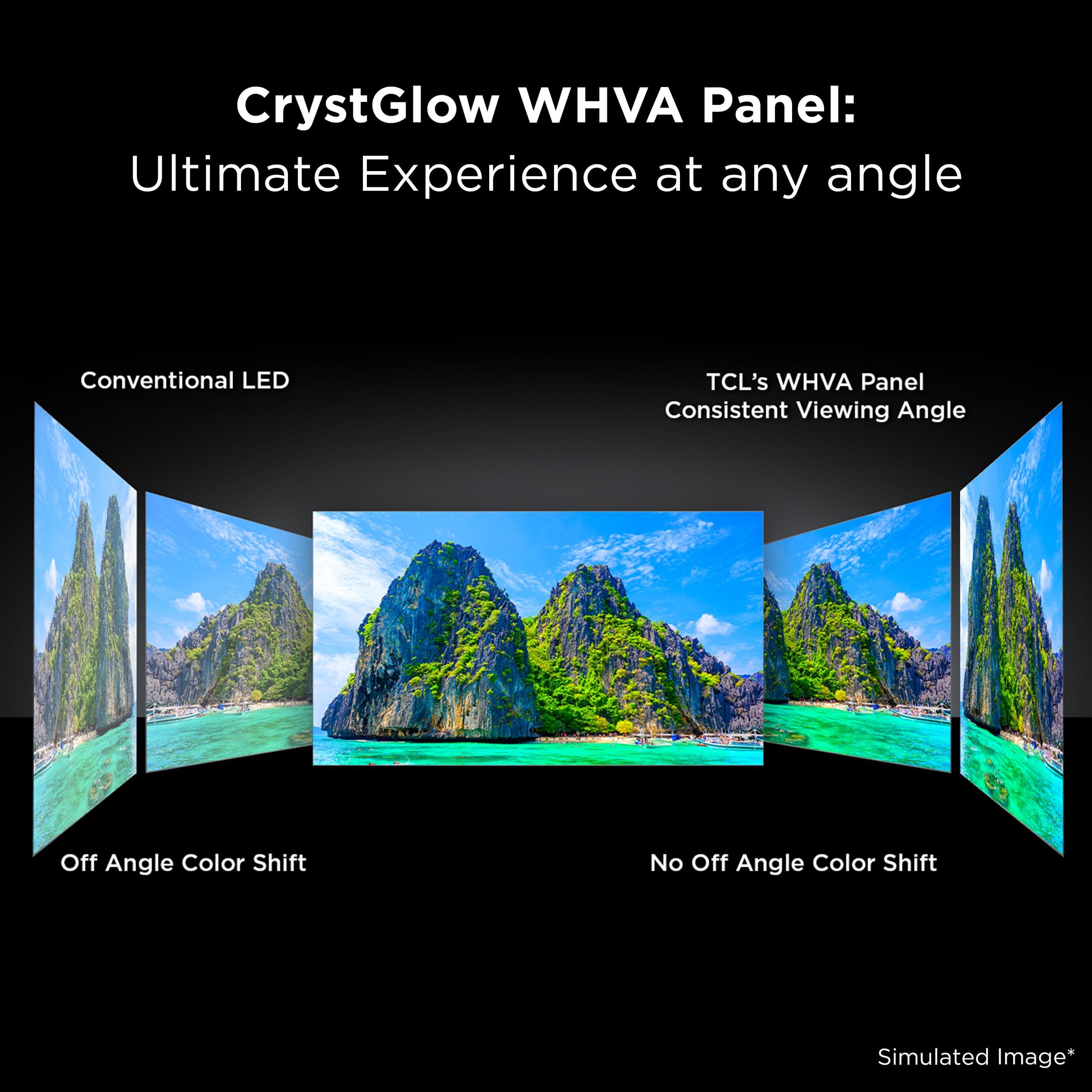
| Viewing Angles - How well colors hold when viewing from the side | |
| Good but some color shift off-axis | Better color consistency at wide angles |
The TCL 65" QM9K delivers superior picture quality for movies and shows thanks to its 6,000 local dimming zones and 6,500 nits peak brightness. This creates deeper blacks, brighter highlights, and more dramatic HDR effects that make movies more immersive. While the LG QNED85A offers better color accuracy out of the box, the TCL's superior contrast control makes it the better choice for serious movie watching.
The TCL QM9K is the superior gaming TV with 144Hz native refresh rate, 5.3ms input lag, and Game Accelerator 288 supporting up to 288Hz at lower resolutions. It offers faster response times and lower latency than the LG QNED85A. However, the LG provides four HDMI 2.1 ports compared to TCL's two, giving you more connectivity options for multiple gaming devices.
The TCL 65" QM9K significantly outperforms the LG QNED85A in bright rooms due to its exceptional 6,500 nits peak brightness. This allows it to overcome glare and maintain vibrant colors even in daylight conditions. The LG produces adequate brightness for most rooms but can't match the TCL's ability to cut through ambient light during daytime viewing.
The LG QNED85A offers more advanced smart features with webOS 25, AI Voice ID that recognizes family members, AI Concierge for personalized recommendations, and Microsoft Copilot integration. It also guarantees five years of software updates. The TCL QM9K uses Google TV with decent smart features but lacks the sophisticated AI personalization and long-term update commitment of the LG.
The TCL QM9K features up to 6,000 precise dimming zones with its advanced Halo Control System, providing exceptional contrast control and minimal blooming around bright objects. The LG QNED85A uses Precision Dimming Pro but doesn't specify zone count, which typically indicates fewer zones than the TCL. More zones mean better black levels and more precise lighting control.
The TCL 65" QM9K excels at sports viewing with its Motion Rate 480 processing, exceptional brightness for daytime games, and superior motion clarity. Its aggressive motion processing reduces blur in fast-moving action like football or basketball. The LG QNED85A offers good sports performance but with more conservative motion processing that may not provide the same level of clarity for rapid action.
The TCL QM9K features Audio by Bang & Olufsen with a 2.1.1 channel system including a built-in subwoofer, delivering impressive bass for internal speakers. The LG QNED85A uses AI Sound Pro to create virtual 9.1.2 surround sound from its speakers. Both provide decent audio for their category, but the TCL's dedicated subwoofer gives it an edge for movies and music.
The TCL 65" QM9K typically offers superior value with flagship-level picture quality, exceptional gaming features, and premium brightness at a competitive price point. The LG QNED85A commands a premium for its advanced smart features, brand reliability, and long-term software support. The TCL provides more performance per dollar, while the LG offers better overall user experience.
The TCL QM9K has only two HDMI 2.1 ports, requires calibration for optimal color accuracy, and can show motion artifacts in some content. The LG QNED85A has lower peak brightness limiting HDR impact, fewer local dimming zones affecting contrast, and typically costs more for similar screen size and basic performance.
For home theater use, the TCL 65" QM9K is generally superior due to its exceptional contrast ratio, deeper black levels, and brighter highlights that create a more cinematic experience in dark rooms. Its superior local dimming with 6,000 zones provides the precision needed for movie watching. The LG QNED85A offers better out-of-box accuracy and easier setup, making it suitable for users who don't want to calibrate their display.
The TCL QM9K offers 144Hz native refresh rate with Game Accelerator 288 supporting up to 288Hz at lower resolutions, providing exceptional motion smoothness for gaming and sports. The LG QNED85A features 120Hz native refresh rate, which is excellent for most content but can't match the TCL's ultra-high refresh capabilities for competitive gaming scenarios.
The LG QNED85A offers superior long-term value with its webOS Re:New Program guaranteeing five years of OS updates and feature additions. This ensures the TV stays current with streaming apps and smart features. The TCL 65" QM9K uses Google TV which receives regular updates, but LG's specific five-year commitment provides more certainty for long-term ownership and software support.
We've done our best to create useful and informative comparisons to help you decide what product to buy. Our research uses advanced automated methods to create this comparison and perfection is not possible - please contact us for corrections or questions. These are the sites we've researched in the creation of this article: rtings.com - bestbuy.com - youtube.com - youtube.com - youtube.com - techaeris.com - displayspecifications.com - pcrichard.com - residentialsystems.com - us.tcl.com - displayspecifications.com - valueelectronics.com - woodruffappliance.com - tcl.com - pcrichard.com - tcl.com - techradar.com - tcl.com - us.tcl.com - youtube.com - youtube.com - bestbuy.com - youtube.com - rtings.com - rtings.com - youtube.com - lg.com - smarthomesounds.co.uk - abt.com - abt.com - lg.com - displayspecifications.com - walmart.com - bestbuy.com - lg.com - lg.com - lg.com - files.bbystatic.com - flatpanelshd.com - north-side-appliance.com - lgnewsroom.com - lg.com - youtube.com - youtube.com - hindustantimes.com

Privacy Policy
Terms and Conditions - Affiliate Policy
Home Security
© Copyright 2008-2026.
11816 Inwood Rd #1211, Dallas, TX 75244