

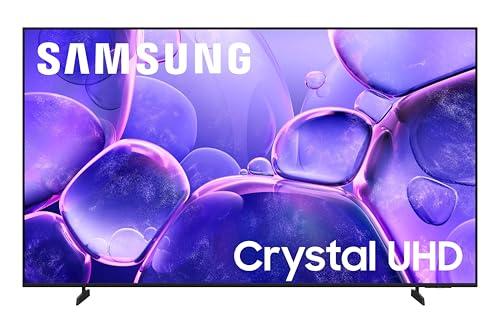
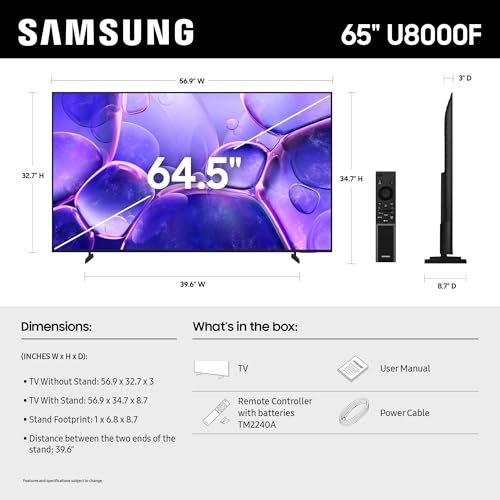






When shopping for a 65-inch TV, you'll quickly discover that not all televisions are created equal. The Samsung 65-Inch Crystal UHD U8000F and Sony Bravia XR A95K represent two completely different philosophies in TV design—one prioritizes affordability and basic functionality, while the other pushes the boundaries of display technology regardless of cost.
Understanding these differences is crucial because your choice will impact your viewing experience for the next 5-10 years. Let's dive deep into what sets these TVs apart and help you determine which approach makes more sense for your needs.
Today's TV market spans from budget-friendly models around a few hundred dollars to premium flagships that cost several thousand. The key differentiators include display technology (LED, QLED, OLED, and the newer QD-OLED), processing power, gaming capabilities, and smart features.
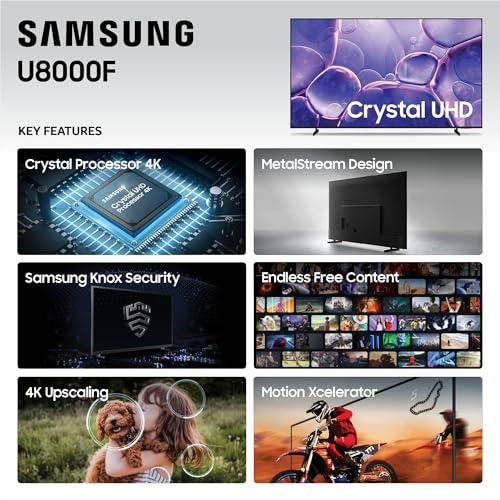
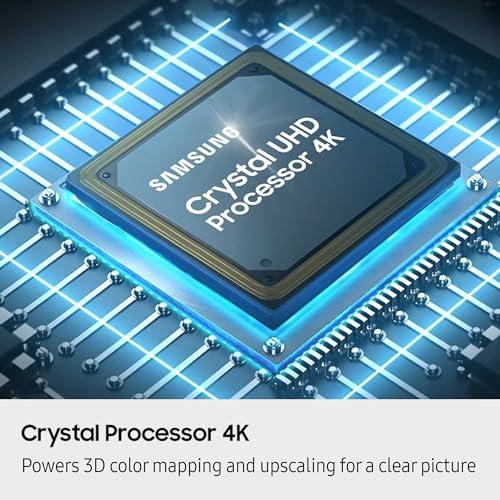
The Samsung U8000F, released in 2025, sits firmly in the entry-level category. It uses traditional LED backlighting—essentially, LED lights behind an LCD panel that create the picture you see. This is the same fundamental technology that's been refined over the past two decades, though Samsung has added their Crystal Processor 4K for better upscaling and color processing.
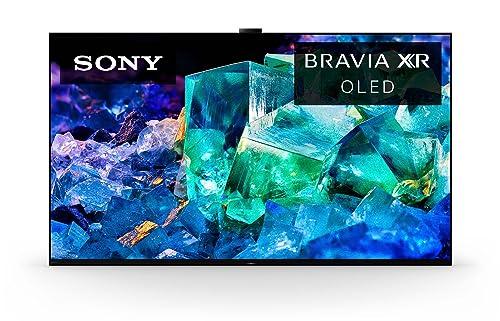
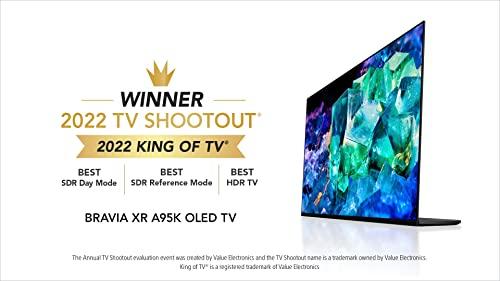
The Sony A95K, launched in 2022, represents cutting-edge display technology with its QD-OLED panel. OLED stands for Organic Light-Emitting Diode, where each individual pixel produces its own light and can turn completely off for perfect black levels. The "QD" part refers to quantum dots—tiny semiconductor particles that enhance color reproduction and brightness. This combination was revolutionary when Sony introduced it, and even three years later, QD-OLED remains premium technology.
The most fundamental difference between these TVs lies in how they create the picture you see. Understanding this distinction is essential because it affects every aspect of visual performance.
The Samsung U8000F uses LED backlighting with what Samsung calls UHD Dimming. This means a uniform backlight illuminates the entire screen, with the LCD panel controlling how much light passes through to create the image. The TV can adjust brightness in small zones across the screen, but it's nothing like true local dimming found in higher-end models.
This approach has limitations. When displaying a movie scene with bright stars against a dark sky, the LED backlight must stay on for the stars, which means the dark sky appears grayish rather than true black. This phenomenon, called "blooming" or "light bleed," is inherent to non-OLED displays.
The Sony A95K works completely differently. Each of its 8.3 million pixels is essentially a tiny light bulb that can turn on, off, or dim independently. Want perfect black? Those pixels simply turn off. Need a bright highlight? They can illuminate fully while adjacent pixels remain dark. This creates what's called an "infinite contrast ratio"—the difference between the brightest whites and deepest blacks is theoretically unlimited.
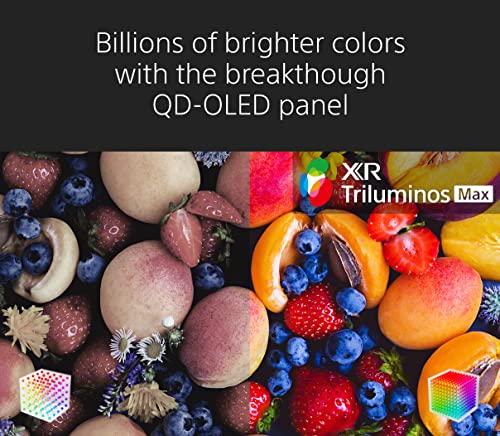
The quantum dot enhancement in the Sony A95K takes this further. Traditional OLEDs use white light filtered through color layers, which can limit brightness and color saturation. QD-OLED uses blue OLEDs combined with quantum dot converters to create red and green light directly. This results in colors that are both more accurate and significantly brighter—up to 200% more luminous than conventional OLEDs, according to Sony's specifications.
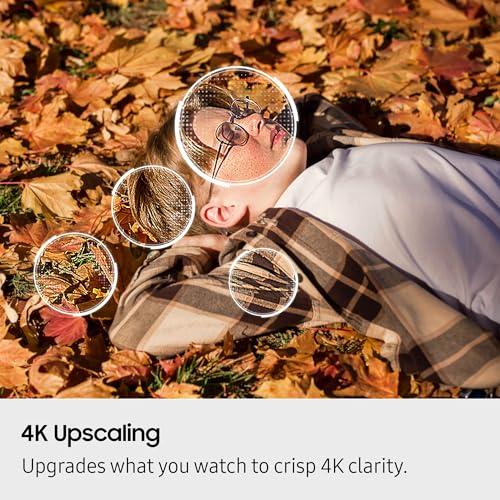
In practice, these technical differences translate to dramatically different viewing experiences. The Samsung U8000F delivers perfectly acceptable picture quality for casual viewing. Colors are reasonably accurate out of the box, and the Crystal Processor 4K does a decent job upscaling lower-resolution content to fill the 4K screen.
However, the Sony A95K operates in a different league entirely. Dark movie scenes reveal shadow detail that simply isn't visible on LED TVs. Bright HDR highlights pop with intensity while maintaining deep blacks in the same frame. Colors appear more vibrant and natural simultaneously—a combination that seems contradictory until you experience it firsthand.
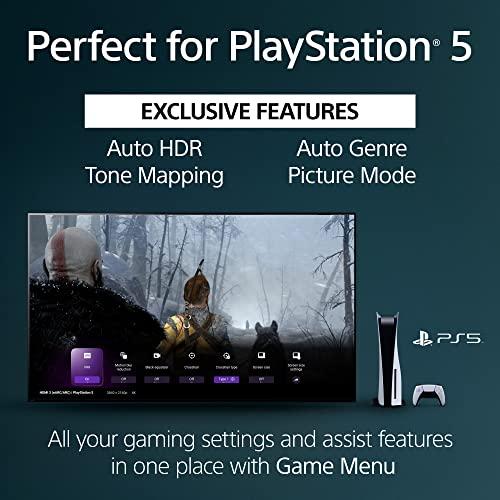
Modern gaming demands have transformed TV requirements. The PlayStation 5 and Xbox Series X can output 4K resolution at 120 frames per second, but only if your TV can keep up.
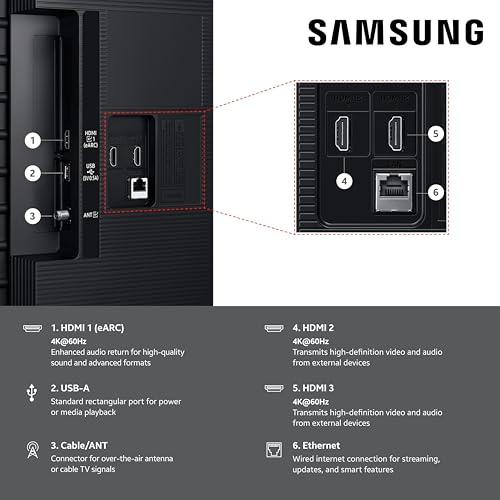
The Samsung U8000F operates at 60Hz, meaning it can display a maximum of 60 frames per second. While it includes Variable Refresh Rate (VRR) and Auto Low Latency Mode (ALLM)—features that reduce stuttering and input lag—the fundamental 60Hz limitation means you won't experience the full capabilities of modern gaming hardware.
The Sony A95K supports native 120Hz refresh rates with full HDMI 2.1 bandwidth. This allows for silky-smooth gaming at 4K resolution with 120 frames per second. The difference is immediately noticeable in fast-paced games where camera movements and action sequences appear more fluid and responsive.
Response time—how quickly pixels can change from one color to another—also favors the Sony A95K. OLED pixels can switch nearly instantaneously, virtually eliminating motion blur during gaming. LED displays like the Samsung U8000F typically have slower response times, which can create ghosting effects during rapid movements.
Both TVs offer acceptably low input lag in their game modes—the delay between pressing a controller button and seeing the action on screen. The Samsung U8000F measures respectably in this area despite its other limitations, making it adequate for casual gaming.
However, the Sony A95K combines low input lag with superior motion handling and higher refresh rates, creating a more responsive and visually impressive gaming experience overall.
The intelligence behind modern TVs extends far beyond display technology. Both models offer comprehensive smart TV functionality, but with different approaches and capabilities.
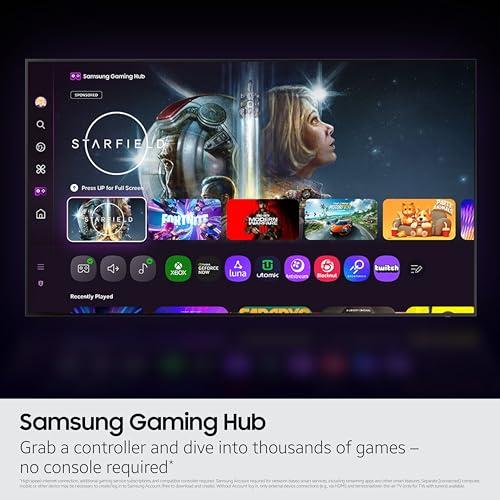
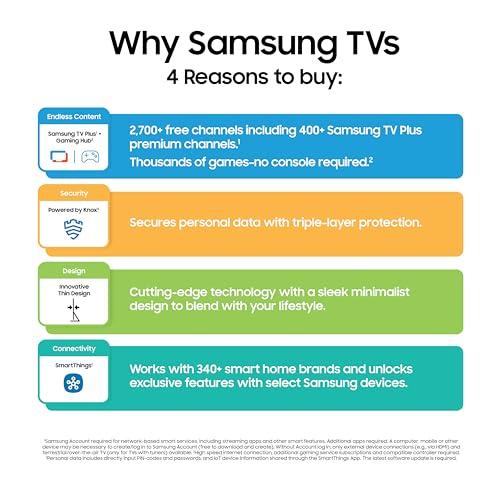
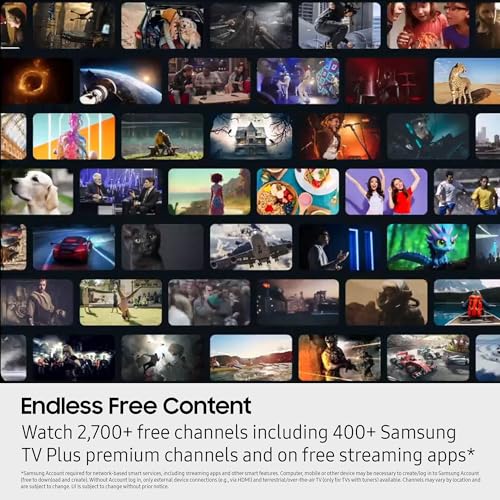
The Samsung U8000F runs Samsung's Tizen operating system, which has matured into a capable smart TV platform. The interface is intuitive, app selection is comprehensive, and integration with Samsung's SmartThings ecosystem allows control of compatible smart home devices. Samsung TV Plus provides access to free streaming channels, which adds value for cord-cutters.
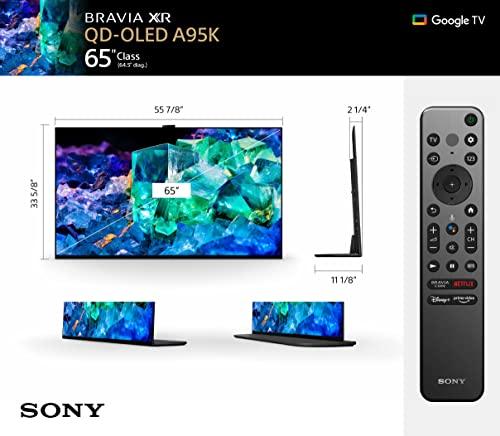
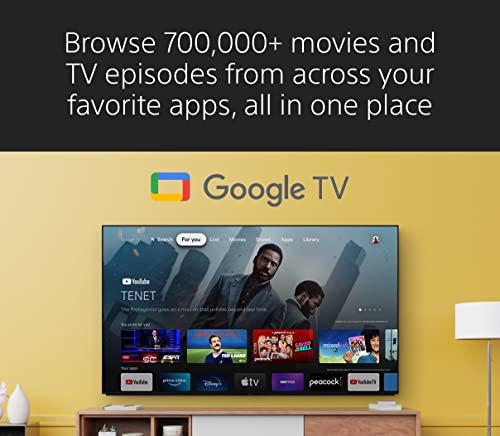
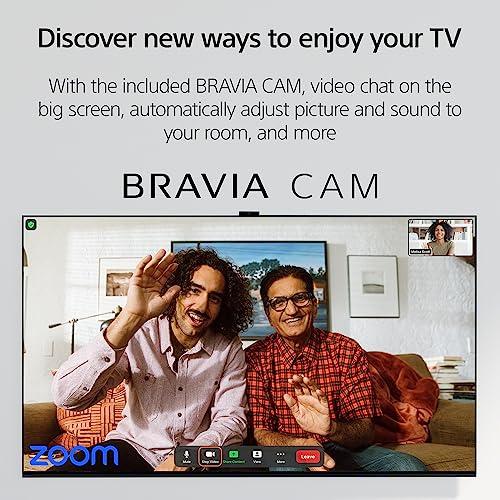
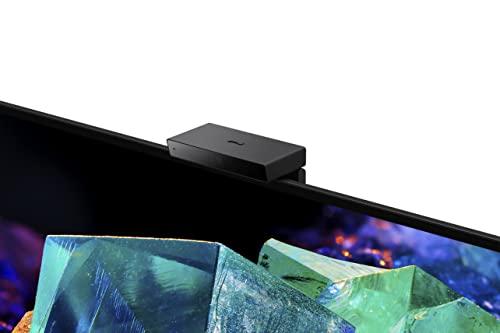
The Sony A95K uses Google TV, which offers deeper integration with Google services and excellent voice control through Google Assistant. The platform includes Chromecast built-in for easy casting from mobile devices, and the included BRAVIA webcam enables gesture controls and video calling—a unique feature that was ahead of its time when introduced.
The processing capabilities reveal another significant gap. The Samsung U8000F uses Samsung's Crystal Processor 4K, which handles basic upscaling and color optimization adequately for entry-level viewing.
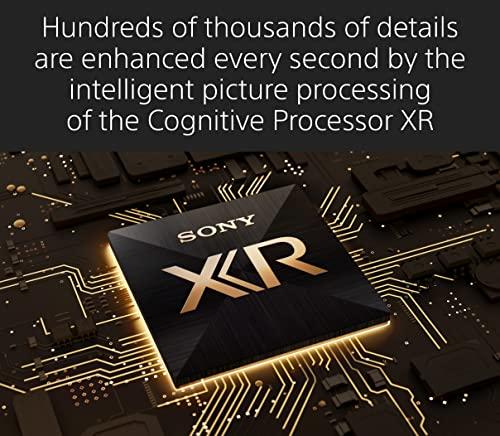
The Sony A95K employs Sony's Cognitive Processor XR, a more sophisticated system that analyzes content in real-time to optimize picture and sound quality. This processor powers advanced features like XR Triluminos Max for expanded color reproduction and XR OLED Contrast Pro for enhanced brightness and shadow detail.
Television audio often receives less attention than picture quality, but the differences between these models are substantial and worth considering.
The Samsung U8000F features conventional speakers with Object Tracking Sound Lite, which attempts to make audio follow on-screen action. The 20-watt, 2-channel system provides clear dialogue and adequate volume for most rooms, but lacks the depth and power for an immersive experience.
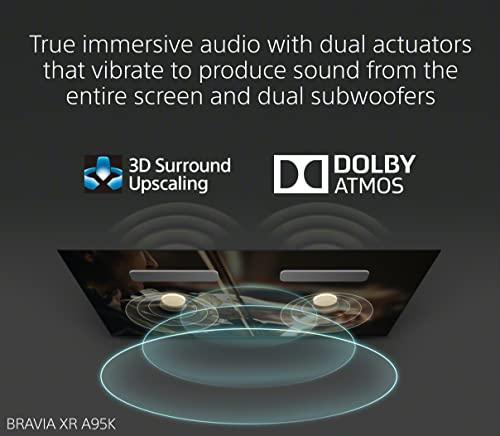
The Sony A95K incorporates Acoustic Surface Audio+ technology—an innovative approach where actuators behind the screen vibrate the display itself to produce sound. This creates a unique experience where dialogue and effects appear to emanate directly from their location on screen, rather than from speakers positioned elsewhere.
This screen-as-speaker technology also enables the Sony A95K to function as a center channel in a surround sound setup, seamlessly integrating with external speakers for enhanced home theater configurations.
The physical construction of these TVs reflects their market positioning and target audiences.
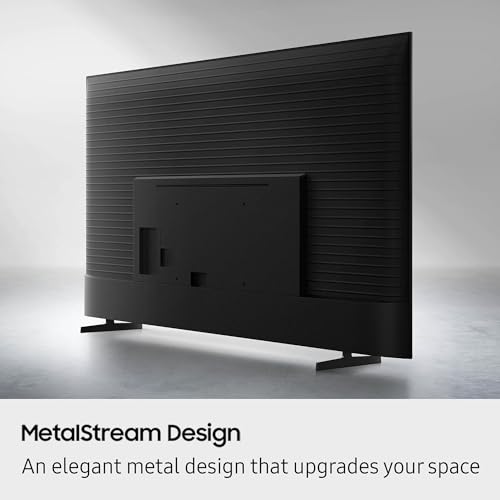
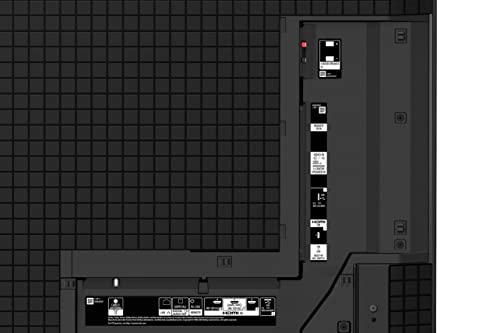
The Samsung U8000F represents a significant design upgrade from previous entry-level Samsung models. The 2025 version introduces Samsung's MetalStream Design, featuring a metal back panel instead of the plastic construction typical of budget TVs. This aircraft-inspired aesthetic elevates the appearance beyond what you'd traditionally expect in this price range.
The Sony A95K embodies premium design sensibilities with its minimalist aesthetic and premium materials throughout. The build quality reflects its flagship positioning, with attention to detail that justifies its higher cost.
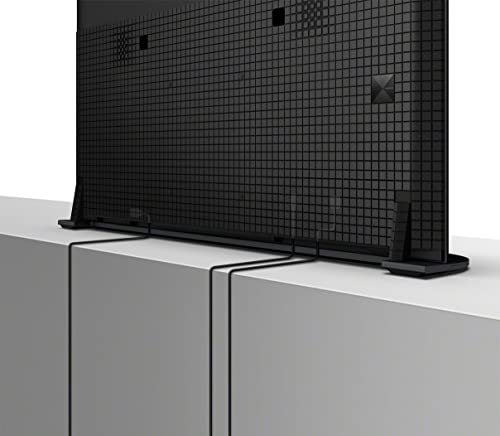
Both TVs are relatively thin and wall-mountable, though the Samsung U8000F uses a fixed pedestal stand that limits positioning options. The Sony A95K offers more flexibility in stand positioning and includes cable management features that maintain a clean appearance.
At the time of writing, these TVs represent dramatically different value equations that serve distinct buyer segments.
The Samsung U8000F typically costs several hundred dollars, making it accessible to budget-conscious buyers seeking basic 4K functionality. For this investment, you receive adequate picture quality, comprehensive smart TV features, and basic gaming capabilities that will satisfy casual users.
This pricing makes sense for secondary TVs, first-time 4K buyers, or those upgrading from older HD televisions where any 4K display represents a significant improvement.
The Sony A95K commands a premium price—typically several times more than the Samsung—but delivers exponentially superior performance across every metric that matters for picture quality. Current pricing represents significant value compared to its original launch price, as newer models have entered Sony's lineup.
For enthusiasts who prioritize visual excellence, this investment pays dividends through years of superior viewing experiences that remain competitive as content standards evolve.
For dedicated home theater setups, the choice becomes clearer based on your priorities and commitment to the medium.
While adequate for casual movie watching, the Samsung U8000F has limitations that become apparent in dedicated home theater environments. The lack of local dimming means dark scenes appear washed out, and HDR content doesn't deliver the impact intended by content creators.
However, for family rooms where ambient light is common and viewing is primarily casual, these limitations may not significantly impact enjoyment.
The Sony A95K excels in home theater applications where picture quality is paramount. Its perfect black levels, wide color gamut, and accurate tone mapping deliver reference-quality images that closely match what filmmakers intended.
The Acoustic Surface Audio+ technology eliminates the need for a center channel speaker in many setups, simplifying installation while improving dialogue clarity. For dedicated movie enthusiasts, this TV can serve as the centerpiece of a high-end home theater system.
Technology evolution makes future compatibility an important consideration for any TV purchase.
The Samsung U8000F, with its 60Hz refresh rate and HDMI 2.0 connectivity, may become limiting as 4K 120Hz content becomes more prevalent in streaming and gaming. However, for current content consumption patterns, these limitations may not impact most users for several years.
The Sony A95K offers better longevity with full HDMI 2.1 support and 120Hz capabilities that accommodate current and emerging content standards. The superior processing power also provides headroom for future software updates and feature additions.
You're budget-conscious but want to experience 4K resolution and modern smart TV features. This TV makes sense for secondary rooms, first-time 4K buyers, or situations where picture quality perfection isn't the primary concern. It's also suitable if your viewing consists mainly of streaming content, broadcast television, and casual gaming with older consoles.
Picture quality is your top priority and you can invest in premium display technology. This TV justifies its cost for movie enthusiasts, serious gamers with current-generation consoles, and anyone who wants a display that will remain competitive for years to come. The superior performance becomes especially valuable in dedicated home theater environments where viewing conditions can be optimized.
These TVs serve fundamentally different needs, and both succeed within their intended markets. The Samsung U8000F democratizes 4K viewing with acceptable performance at an accessible price point. The Sony A95K pushes display technology forward, delivering reference-quality performance that justifies its premium positioning.
Your choice should align with both your budget constraints and how much you value visual excellence. For casual viewers seeking good value, the Samsung delivers adequate performance. For enthusiasts who prioritize the best possible picture quality, the Sony's advanced QD-OLED technology represents a worthwhile investment in viewing pleasure that will be appreciated every time you watch.
Consider your viewing habits, budget, and performance priorities carefully—the right choice will enhance your entertainment experience for years to come.
| Samsung 65-Inch Crystal UHD U8000F | Sony Bravia XR A95K |
|---|---|
| Display Technology - Determines picture quality ceiling | |
| LED with Crystal UHD (traditional backlight) | QD-OLED (quantum dot + self-emitting pixels) |
| Contrast Ratio - Critical for dark room viewing and HDR impact | |
| Limited contrast (no local dimming, visible gray blacks) | Infinite contrast (perfect blacks, no blooming) |
| Refresh Rate - Essential for smooth gaming and sports | |
| 60Hz (adequate for casual use, limits gaming) | 120Hz native (excellent for PS5/Xbox Series X gaming) |
| HDR Support - Affects color vibrancy and highlight detail | |
| HDR10, HDR10+ (decent but limited brightness impact) | HDR10, HLG, Dolby Vision (exceptional HDR performance) |
| Gaming Features - Important for console and PC gaming | |
| VRR, ALLM via HDMI 2.0 (basic next-gen support) | Full HDMI 2.1, VRR, ALLM, 4K@120Hz (premium gaming) |
| Smart TV Platform - Determines app selection and ease of use | |
| Tizen OS with Samsung TV Plus (solid, free content) | Google TV with Chromecast built-in (comprehensive) |
| Audio Technology - Impacts whether you need a soundbar | |
| 20W conventional speakers with OTS Lite | Acoustic Surface Audio+ (screen produces sound) |
| Processor - Affects upscaling quality and smart TV speed | |
| Crystal Processor 4K (basic upscaling and optimization) | Cognitive Processor XR (AI-driven picture/sound optimization) |
| Color Performance - Visible in all content types | |
| Standard LED color gamut (adequate for most viewing) | QD-OLED wide color gamut (200% brighter colors than standard OLED) |
| Viewing Angles - Important for off-center seating | |
| Limited (colors shift when viewed from sides) | Excellent (consistent picture quality from any angle) |
| Build Quality - Affects longevity and appearance | |
| MetalStream Design with metal back (upgraded for 2025) | Premium flagship construction with included BRAVIA webcam |
| Best Use Cases - Who should choose each TV | |
| Budget-conscious buyers, casual viewing, secondary TVs | Movie enthusiasts, serious gamers, home theater setups |
The biggest difference is display technology. The Samsung U8000F uses traditional LED backlighting, while the Sony A95K features advanced QD-OLED technology. This means the Sony A95K delivers perfect black levels, infinite contrast, and significantly brighter colors, while the Samsung U8000F offers good basic picture quality at a much lower price point.
The Sony A95K is significantly better for gaming with its 120Hz refresh rate, HDMI 2.1 ports, and support for 4K gaming at 120fps on PS5 and Xbox Series X. The Samsung U8000F is limited to 60Hz and HDMI 2.0, though it does include VRR and ALLM for basic next-gen console support.
The Sony A95K excels at HDR with support for HDR10, HLG, and Dolby Vision, delivering impactful highlights and deep shadows. The Samsung U8000F supports HDR10 and HDR10+ but lacks the brightness and contrast needed for truly impressive HDR performance.
The Sony A95K is dramatically better for dark rooms thanks to its perfect black levels and infinite contrast ratio. Each pixel can turn completely off, eliminating the grayish blacks common with LED TVs like the Samsung U8000F.
The Sony A95K has impressive built-in audio with Acoustic Surface Audio+ technology that makes the screen itself produce sound. The Samsung U8000F has adequate speakers for basic viewing, but most users will benefit from adding a soundbar for better audio quality.
Both handle bright rooms reasonably well, but the Sony A95K has better reflection handling despite some black level rise in ambient light. The Samsung U8000F maintains consistent performance in bright conditions but with more limited overall picture quality.
Yes, both offer comprehensive smart TV platforms. The Samsung U8000F runs Tizen OS with good app selection and Samsung TV Plus for free content. The Sony A95K uses Google TV with Chromecast built-in and excellent voice control integration.
The Sony A95K offers better future-proofing with HDMI 2.1, 120Hz support, and advanced processing that can handle evolving content standards. The Samsung U8000F may become limiting as 4K 120Hz content becomes more common, but should remain adequate for basic viewing needs for years.
The Sony A95K works well as a premium monitor with low input lag and excellent picture quality, though some users may notice text clarity issues due to the unique pixel structure. The Samsung U8000F is adequate for basic computer use but limited by its 60Hz refresh rate.
The Sony A95K provides superior sports viewing with better motion handling, higher refresh rates, and excellent viewing angles for group viewing. The Samsung U8000F offers acceptable sports performance but with more motion blur during fast action.
The Sony A95K costs significantly more and may experience black level rise in very bright rooms. The Samsung U8000F has limited gaming capabilities, no local dimming, and only three HDMI ports, which may be restrictive for some setups.
Choose the Samsung U8000F if you want basic 4K functionality at an affordable price for casual viewing and light gaming. Choose the Sony A95K if picture quality is your priority and you can invest in premium display technology for movie watching, serious gaming, or home theater use.
We've done our best to create useful and informative comparisons to help you decide what product to buy. Our research uses advanced automated methods to create this comparison and perfection is not possible - please contact us for corrections or questions. These are the sites we've researched in the creation of this article: bestbuy.com - youtube.com - youtube.com - rtings.com - youtube.com - samsung.com - hometechnologyreview.com - rtings.com - samsung.com - displayspecifications.com - samsung.com - displayspecifications.com - walmart.com - billsmith.com - dentonstv.com - samsung.com - samsung.com - samsung.com - youtube.com - bestbuy.com - bestbuy.com - youtube.com - samsung.com - donstv.com - tomsguide.com - audioadvice.com - wepc.com - bestbuy.com - tvsbook.com - rtings.com - youtube.com - flatpanelshd.com - rtings.com - youtube.com - reviewed.com - avsforum.com - youtube.com - youtube.com - rtings.com - youtube.com - electronics.sony.com - sonypremiumhome.com - valueelectronics.com - sony.com - displayspecifications.com - flatpanelshd.com - donstv.com - youtube.com - businessinsider.com - youtube.com - displayspecifications.com - bestbuy.com

Privacy Policy
Terms and Conditions - Affiliate Policy
Home Security
© Copyright 2008-2026.
11816 Inwood Rd #1211, Dallas, TX 75244