

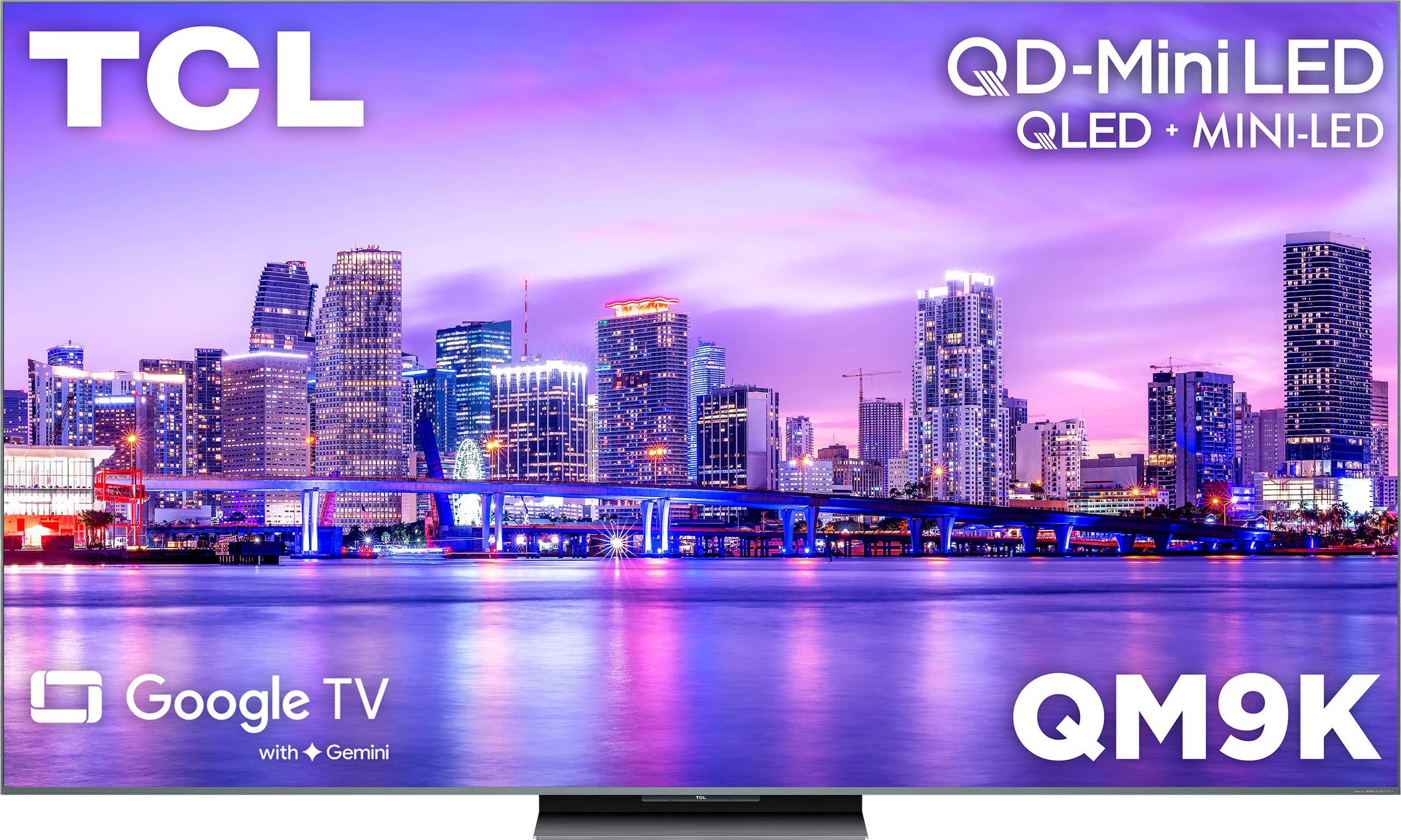
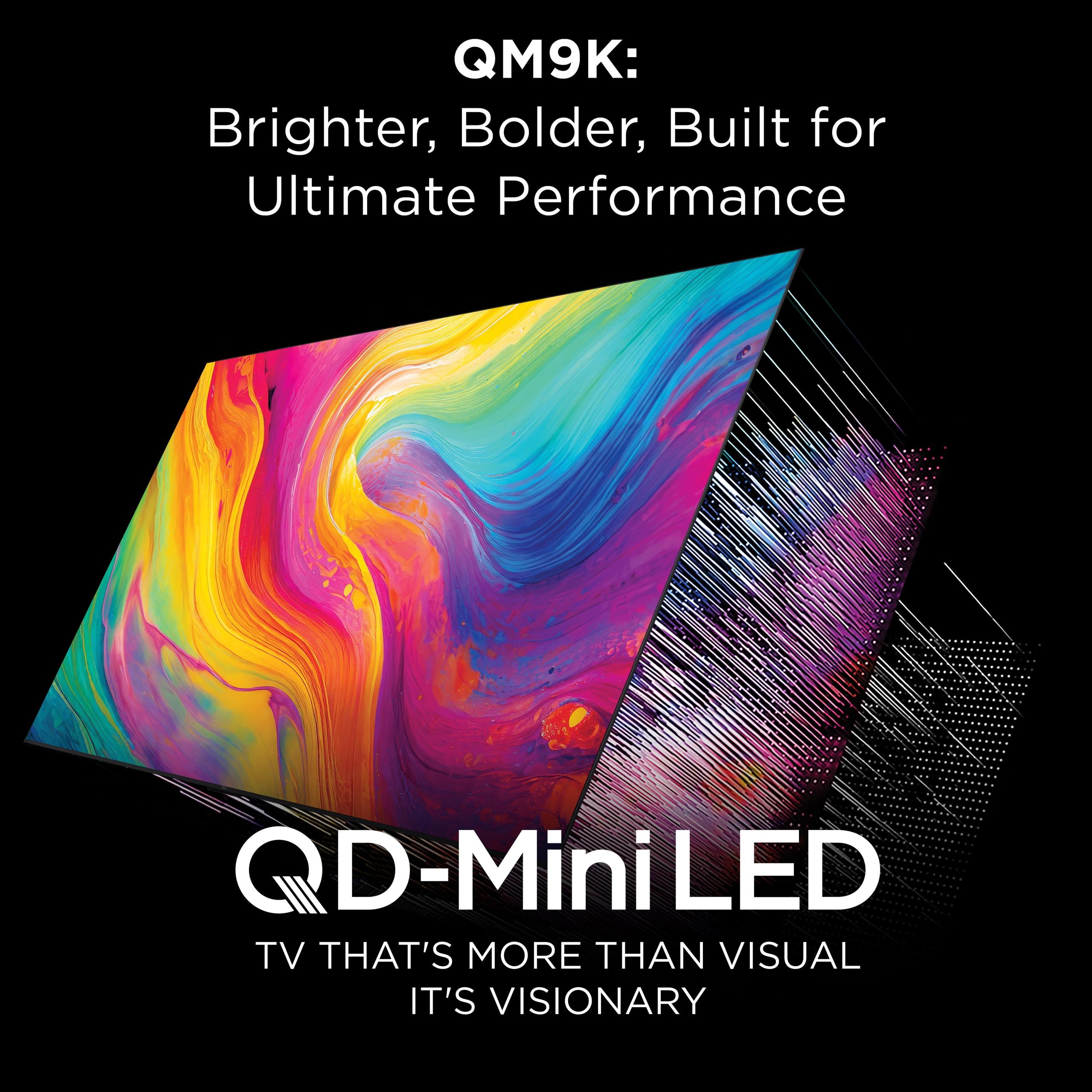
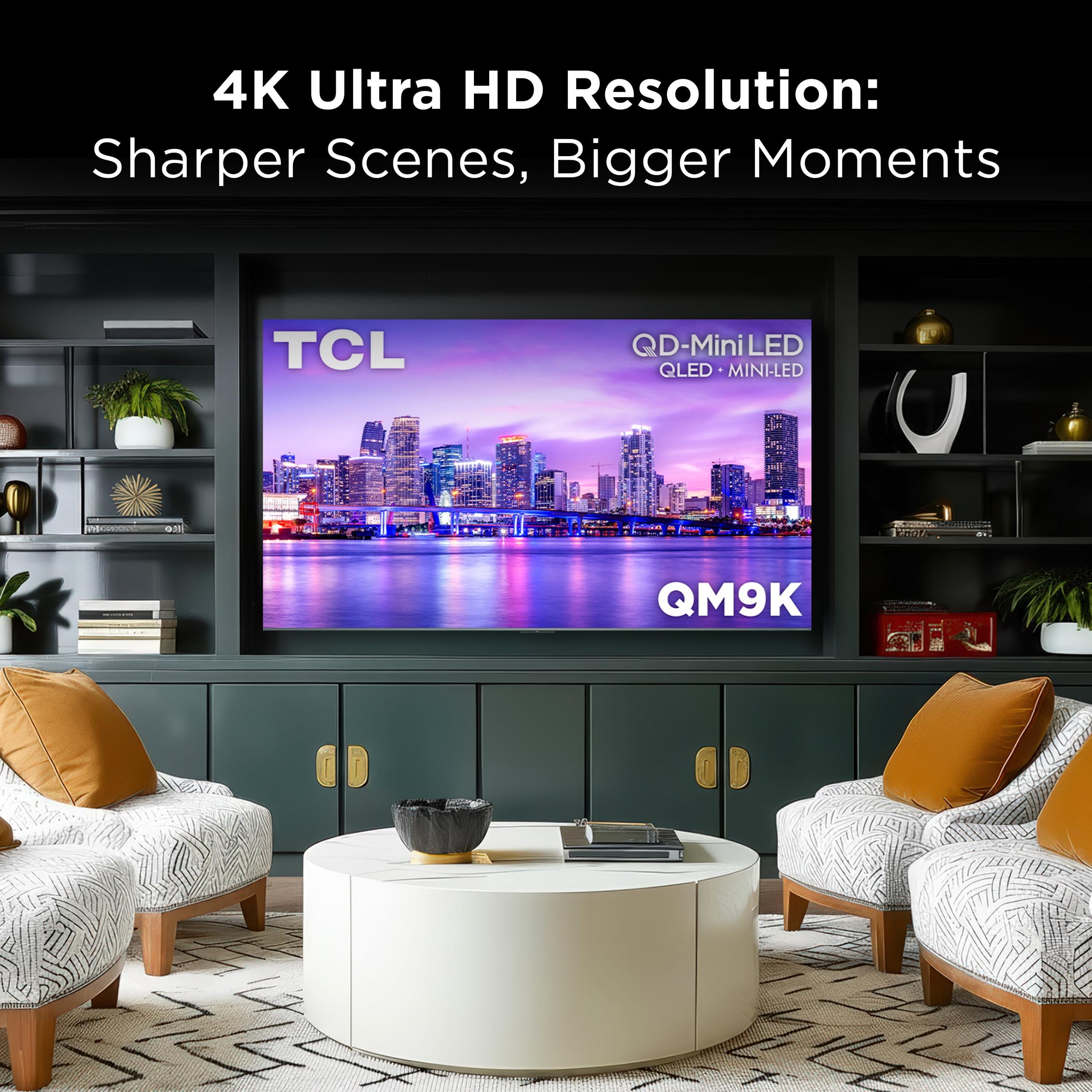
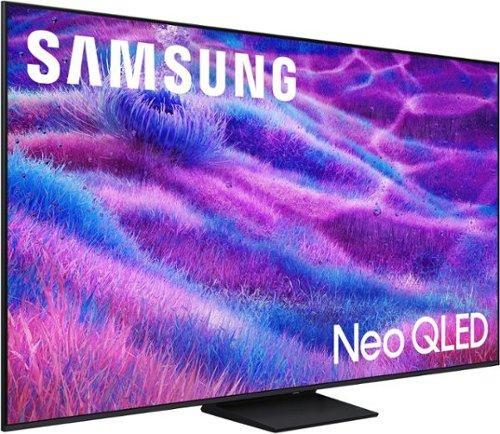
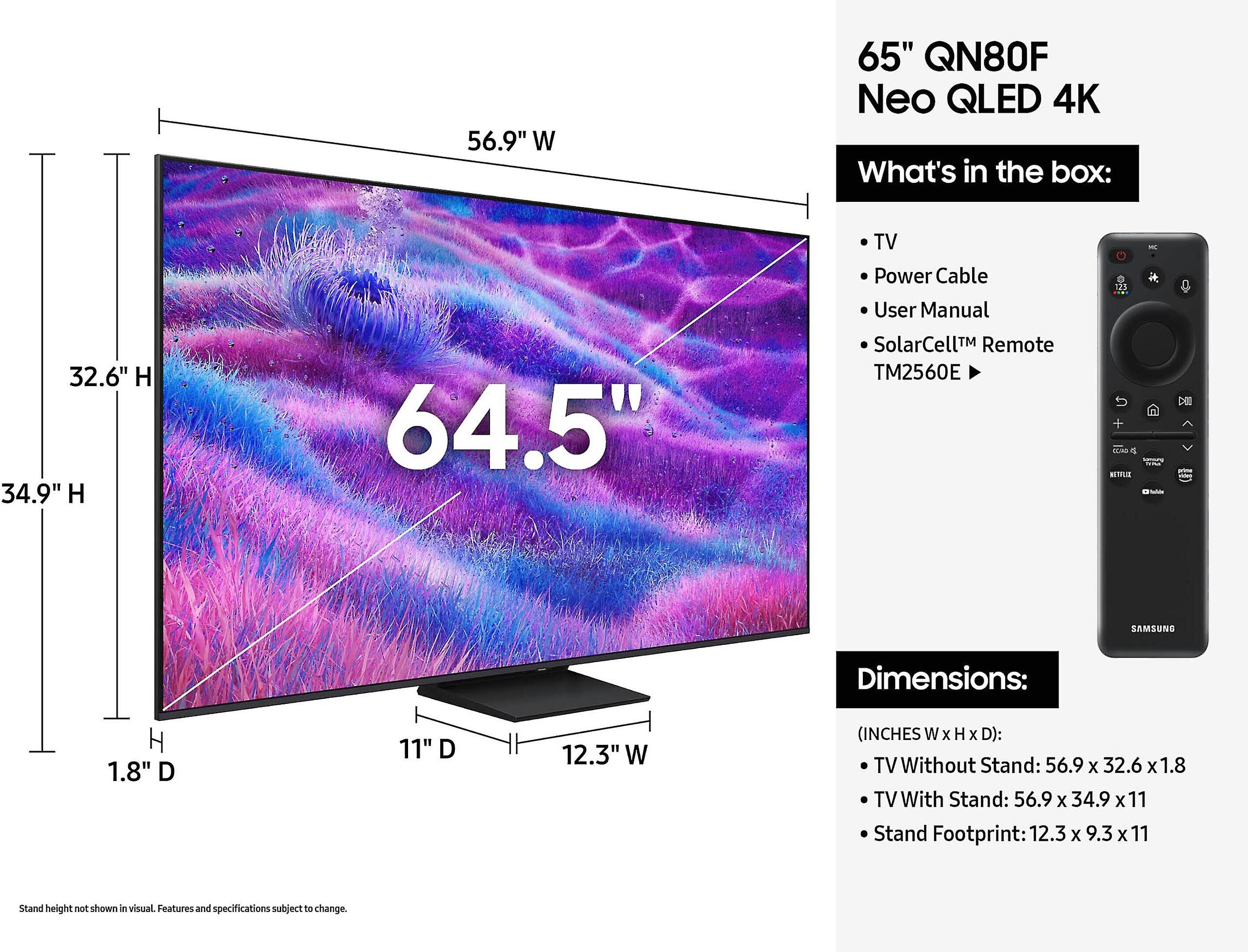
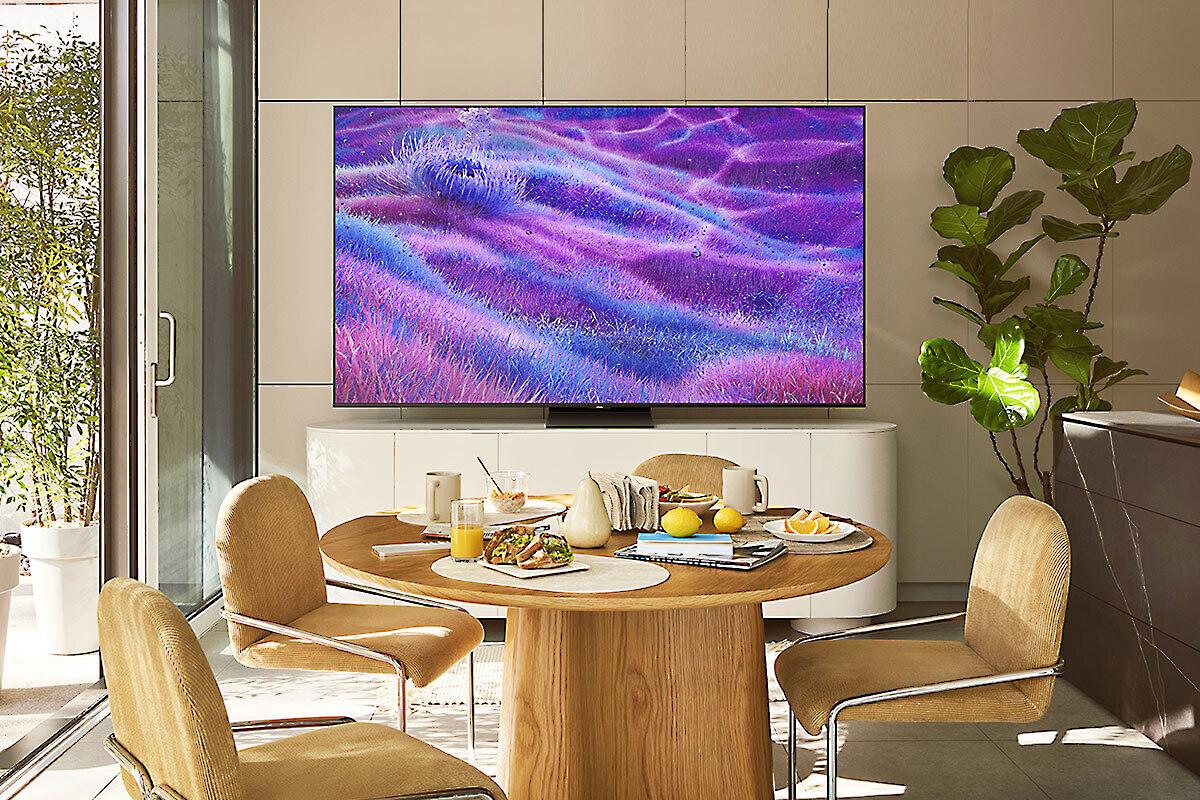
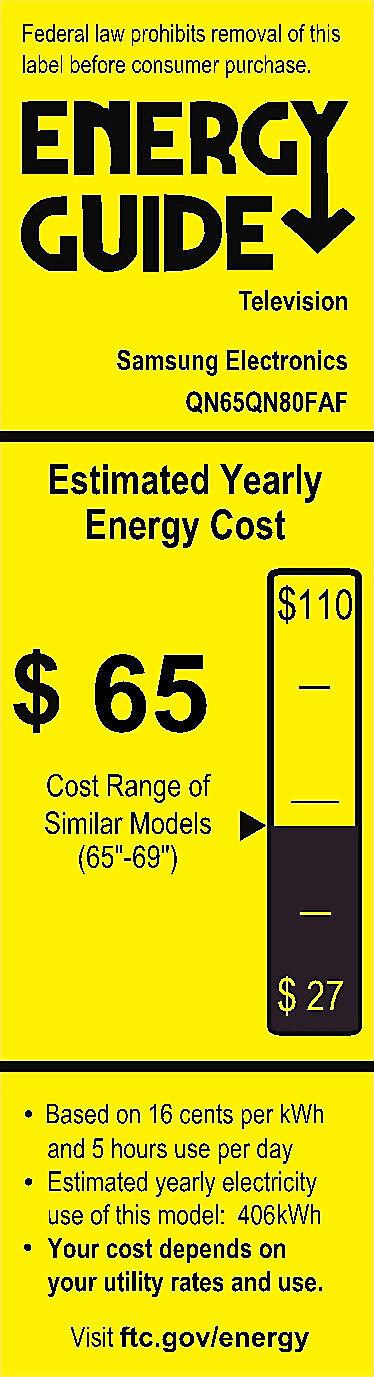
The premium TV market has never been more competitive, especially in the mini-LED segment where manufacturers are pushing brightness and contrast to new extremes. Two standout models from 2025 represent different philosophies in this space: the TCL QM9K, which prioritizes raw visual impact and gaming prowess, and the Samsung QN80F, which emphasizes balanced performance and smart features.
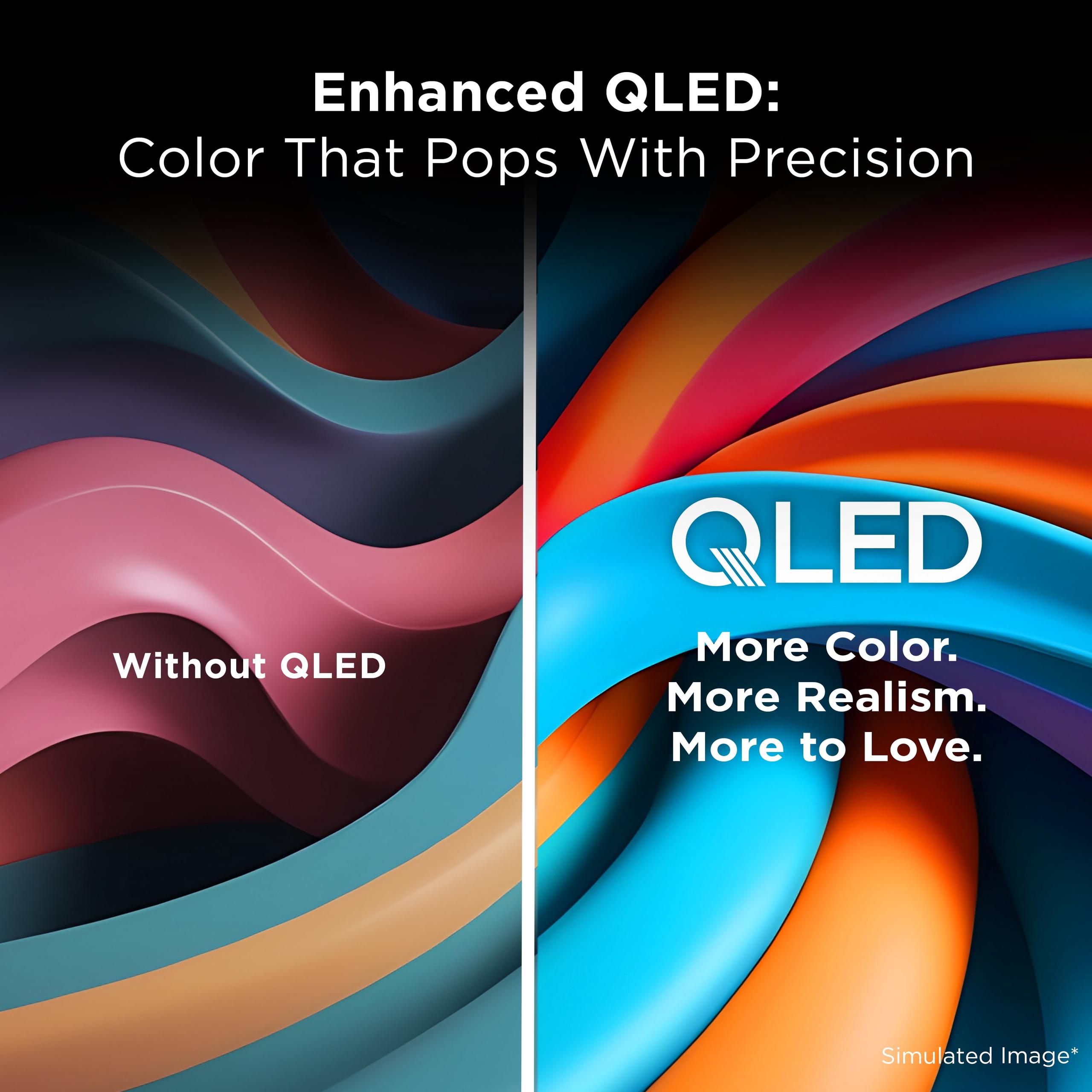
Both TVs belong to the premium mini-LED category—a sweet spot that combines quantum dot technology (which enhances color accuracy and volume) with thousands of tiny LED backlights for precise local dimming. This approach delivers OLED-like contrast with superior peak brightness and longer lifespan than traditional OLED panels. Think of mini-LEDs as the middle ground between standard LED TVs and premium OLED displays, offering the best of both worlds for most viewers.
When evaluating TVs in this category, several key factors determine real-world performance. Peak brightness capability affects how well HDR content looks and how the TV performs in bright rooms. Local dimming precision—essentially how many independent lighting zones the TV can control—directly impacts contrast and black levels. Gaming features like high refresh rates and low input lag have become crucial as consoles and PCs push higher frame rates. Processing quality determines how well the TV handles motion, upscaling, and color accuracy. Finally, the smart platform ecosystem affects daily usability and long-term software support.
The TCL QM9K and Samsung QN80F approach these priorities differently, making the choice between them depend heavily on your specific needs and viewing environment.
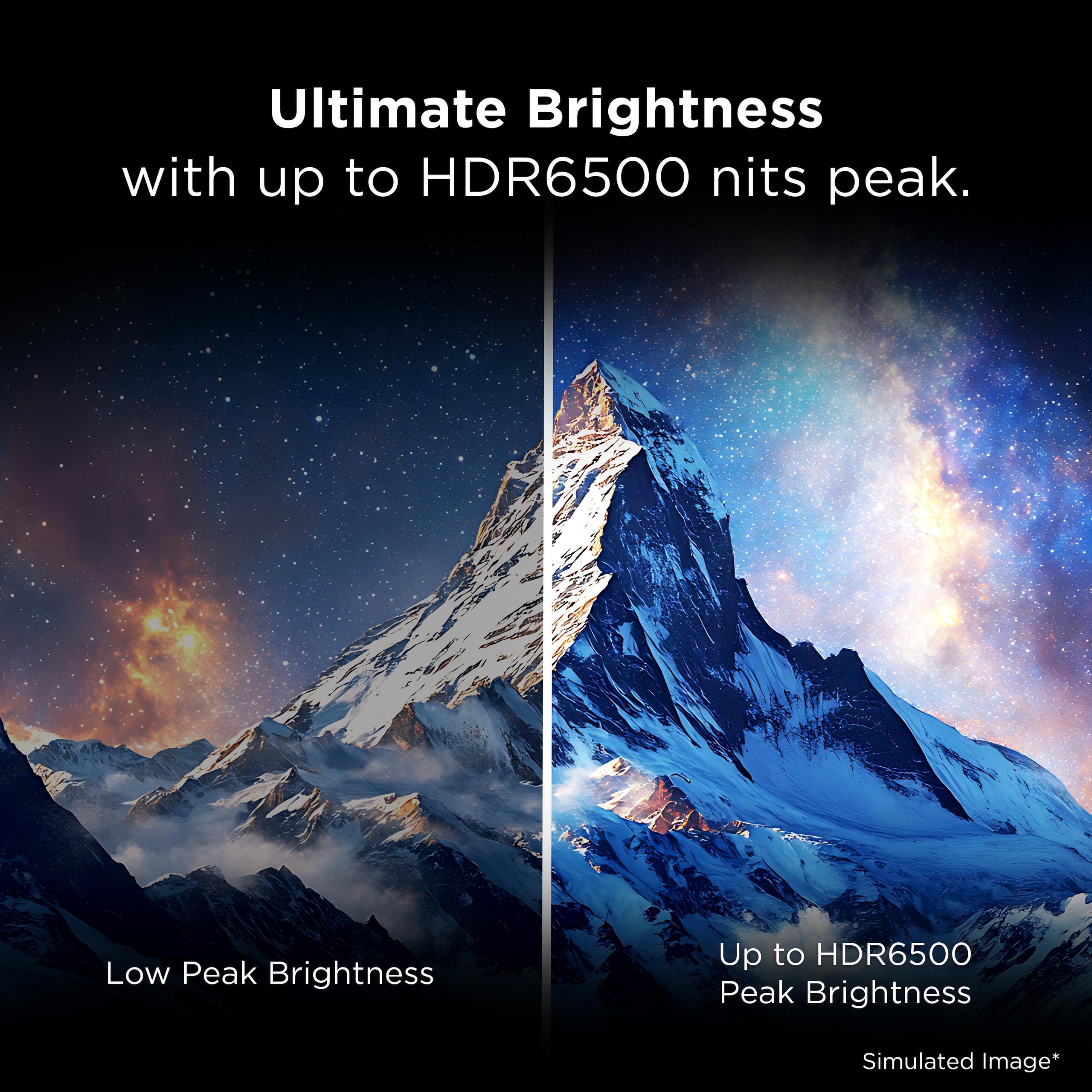
The most striking difference between these TVs lies in their approach to picture quality. The TCL QM9K is designed to impress with sheer visual impact, boasting up to 6,500 nits of peak HDR brightness—a figure that's almost absurdly high for home viewing. To put this in perspective, most premium TVs peak around 1,000-2,000 nits, while the human eye can perceive roughly 10,000 nits in direct sunlight. This extreme brightness means HDR highlights literally pop off the screen, creating an almost three-dimensional effect that's immediately noticeable.
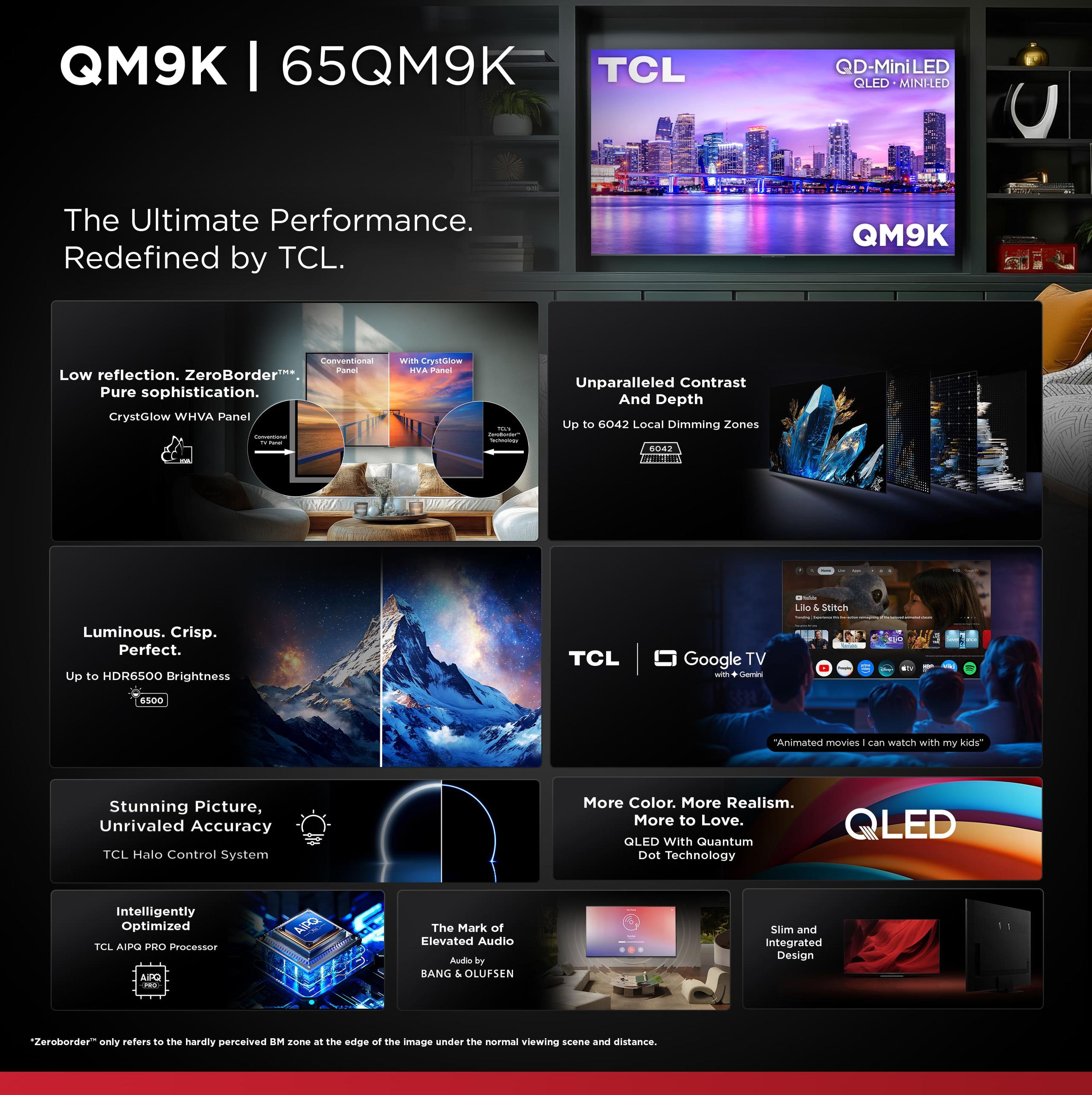
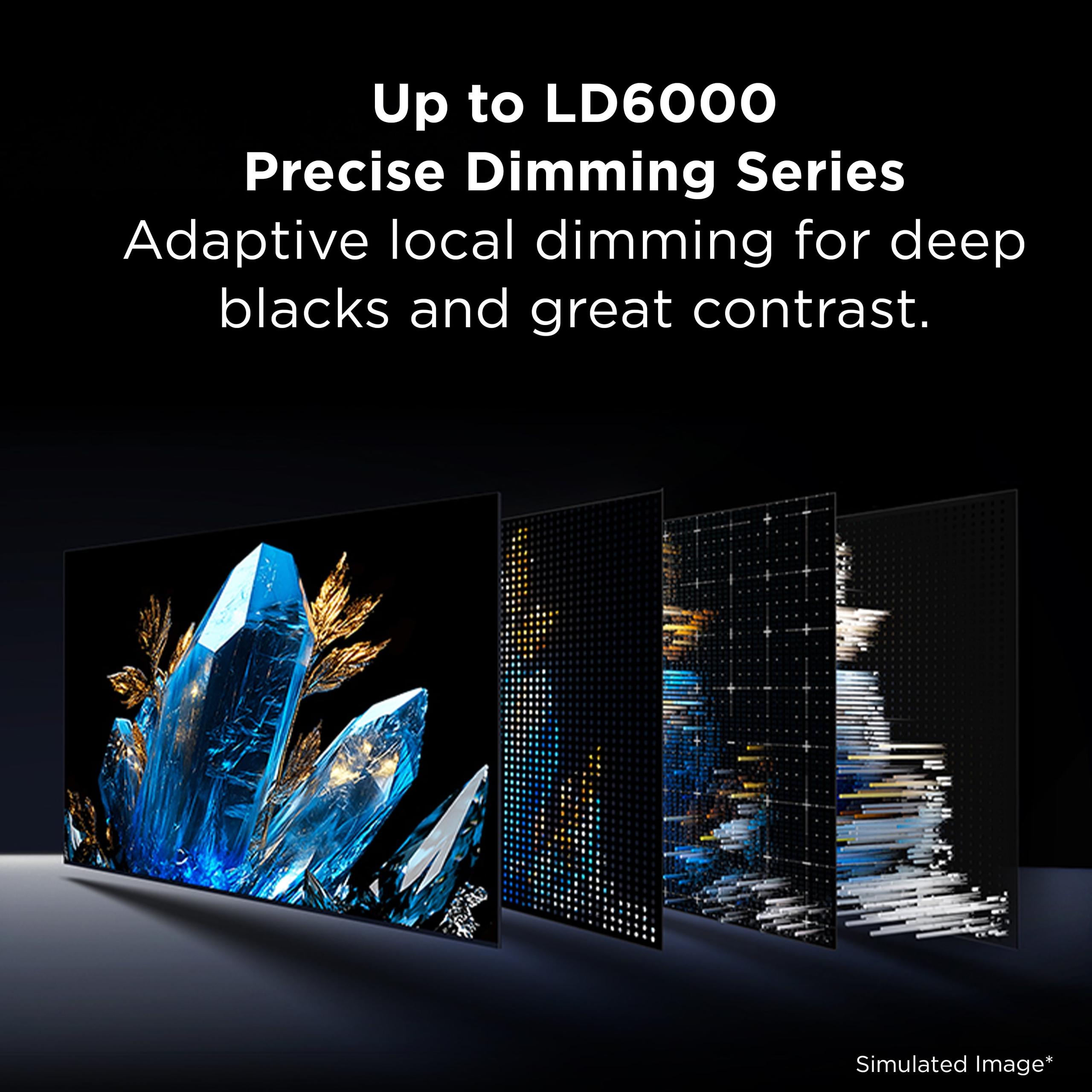
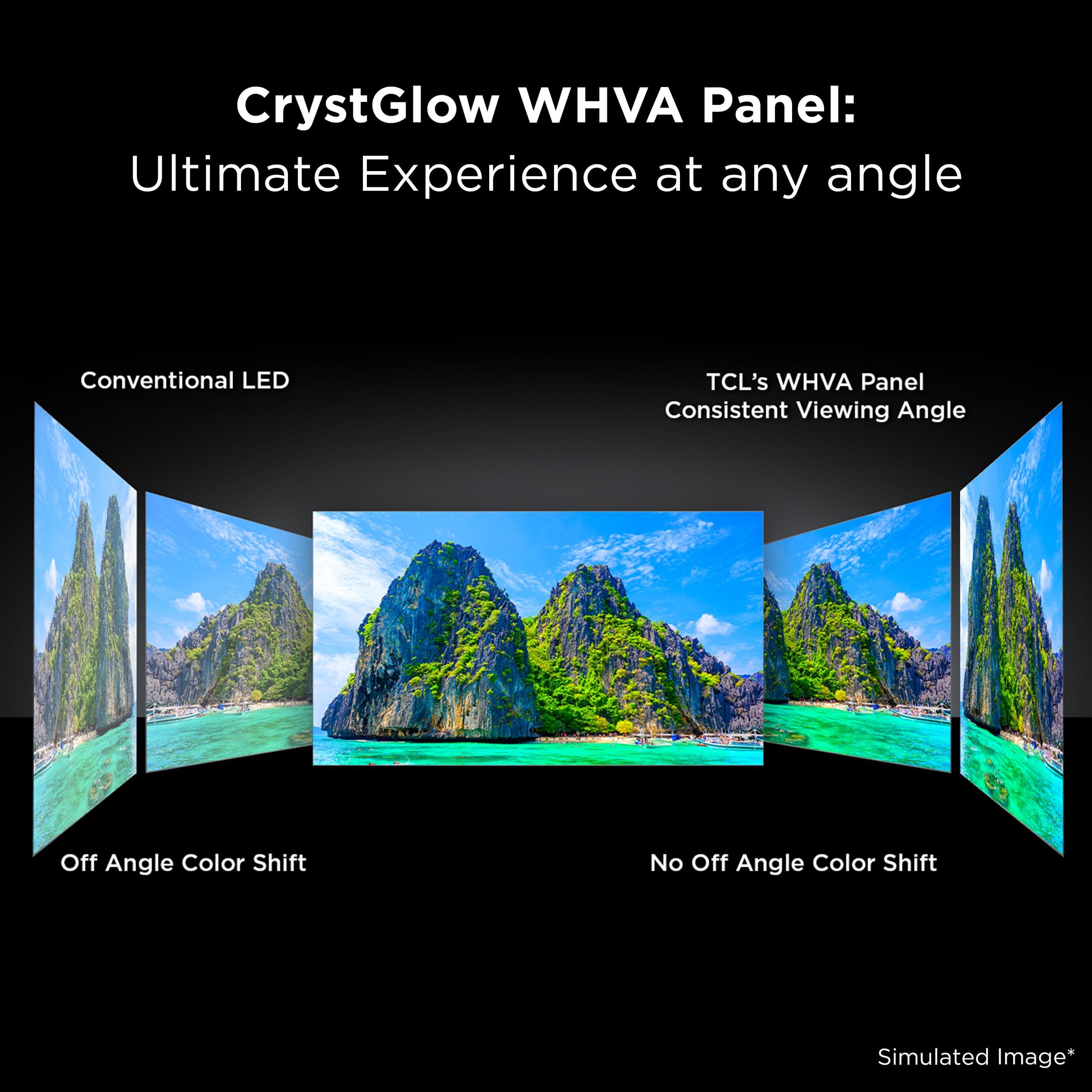
Supporting this brightness is the QM9K's advanced Halo Control System, which uses up to 6,000 precise dimming zones. Local dimming zones are independent sections of the backlight that can brighten or dim individually—more zones mean more precise control over contrast. The QM9K's CrystGlow WHVA panel technology claims 5x contrast enhancement over standard panels, using nanoscale improvements in the liquid crystal structure to reduce light leakage and improve black levels.
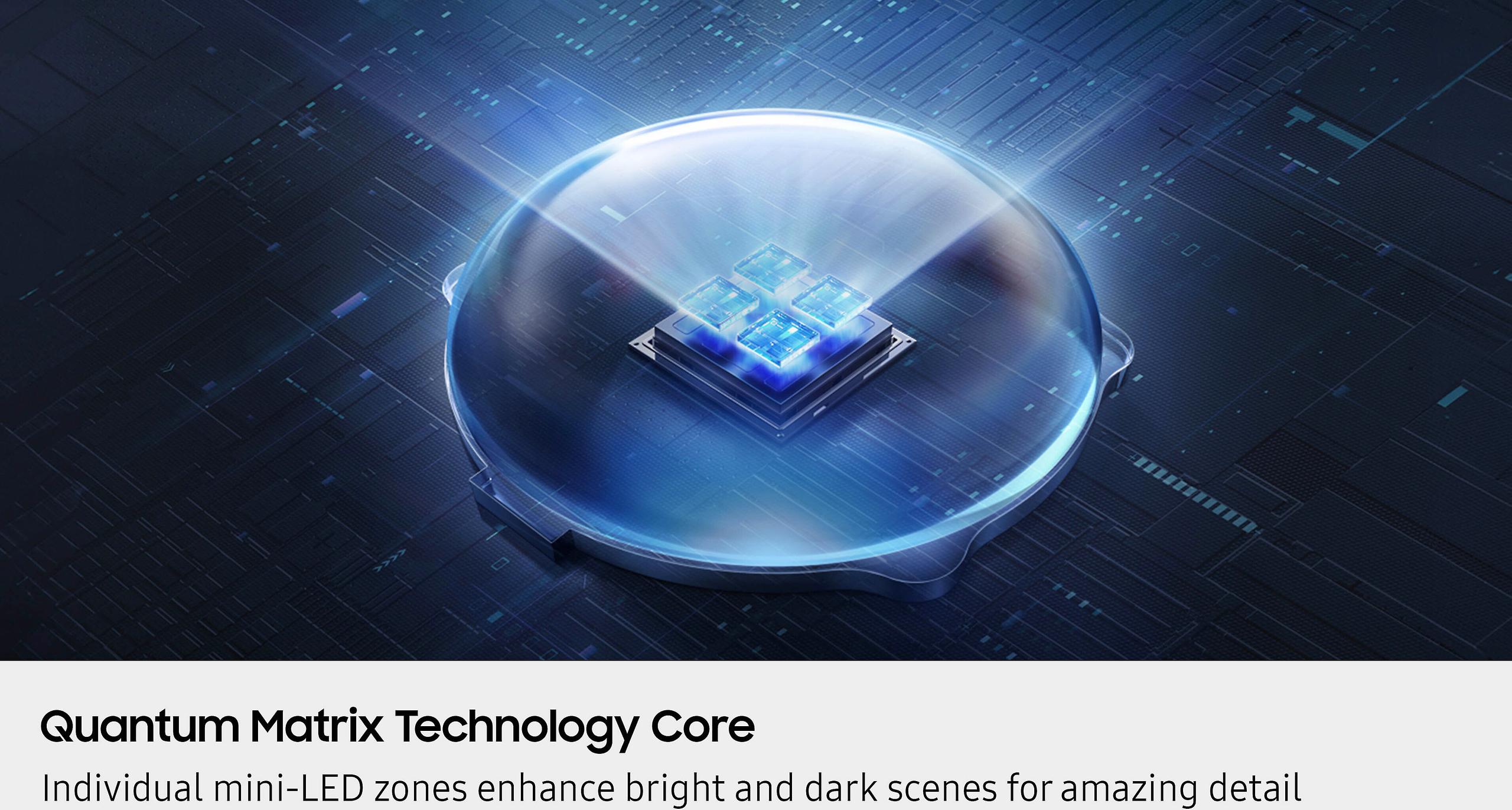
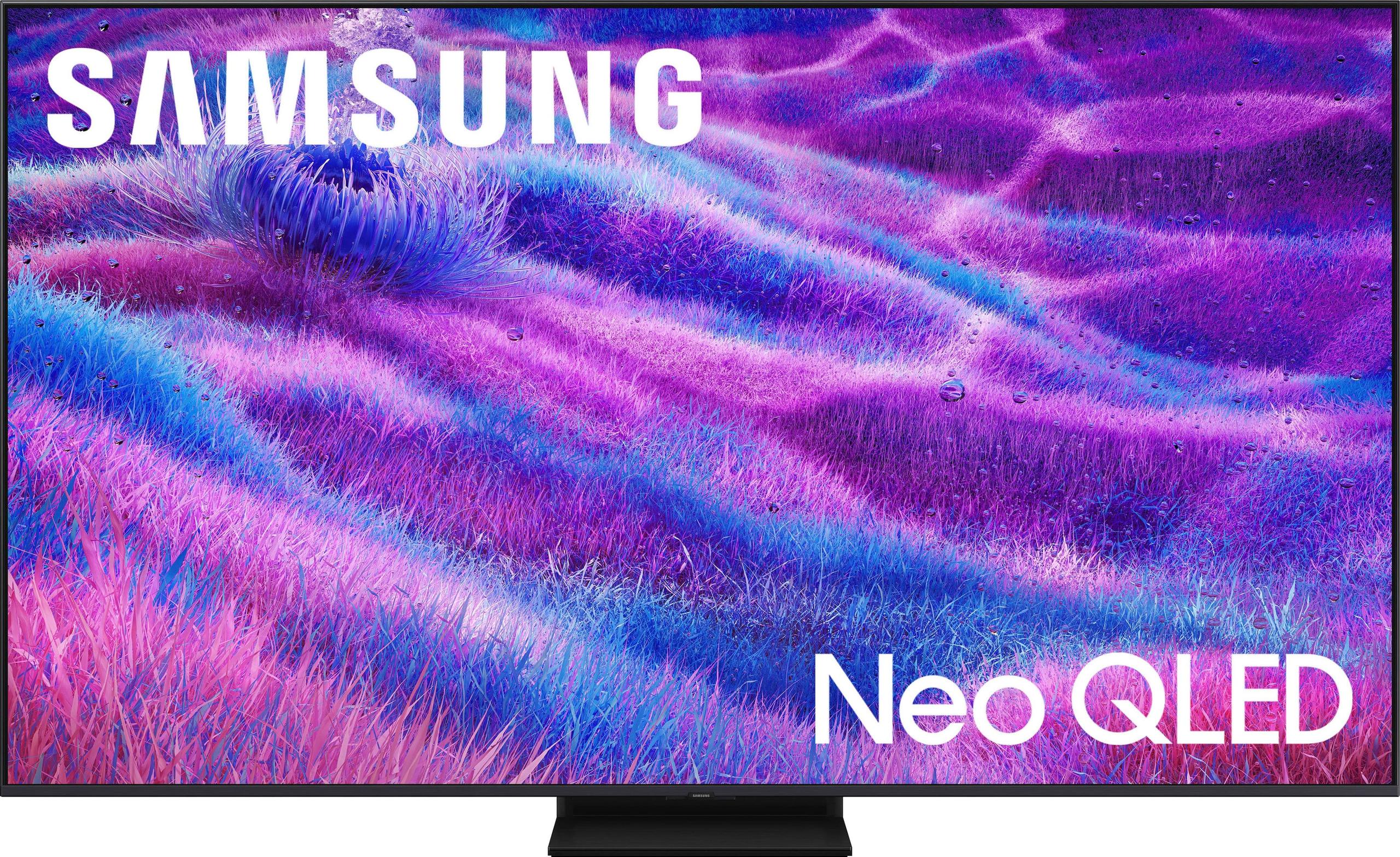
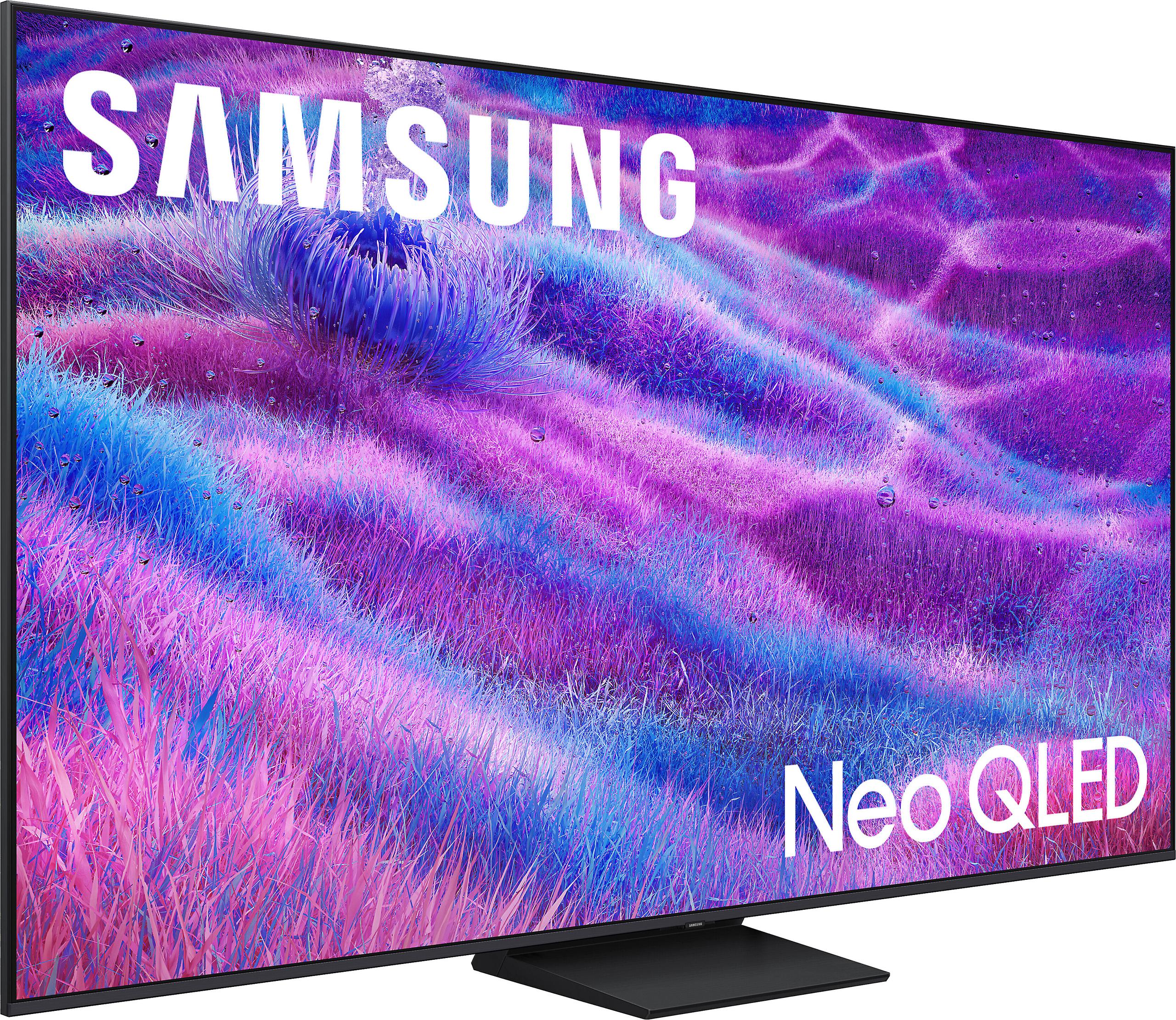
The Samsung QN80F, by contrast, takes a more measured approach with around 1,500 nits peak brightness and Quantum Matrix local dimming technology. Samsung's focus is on color accuracy and natural presentation rather than maximum impact. The company's new glare-free coating technology, introduced across their 2025 lineup, significantly reduces reflections—a practical advantage that becomes apparent when watching in rooms with multiple light sources.
Based on professional reviews and user feedback, the TCL QM9K delivers more immediate visual wow factor, especially for HDR content like action movies or vibrant nature documentaries. Colors appear more saturated and punchy, while bright highlights have an almost laser-like intensity. However, this aggressive approach sometimes comes at the cost of accuracy—skin tones can appear overly warm, and shadow details may be crushed in favor of maximum contrast.
The Samsung QN80F prioritizes what professionals call "reference accuracy"—colors that match the filmmaker's original intent. This approach works better for varied content, from dark dramas to bright comedies, maintaining consistency across different viewing scenarios. The trade-off is less immediate impact, though the refined presentation often feels more natural during extended viewing sessions.
For home theater enthusiasts, this difference is crucial. If you primarily watch movies in a dedicated dark room, the Samsung's accurate color reproduction and natural presentation typically provide a more cinematic experience. But if you're drawn to the spectacle of big-budget action films or want your TV to serve as a conversation piece, the TCL's aggressive brightness and contrast make a stronger impression.
Gaming performance has become a major differentiator in premium TVs, and both models excel here with distinct advantages. The TCL QM9K pushes frame rates to extreme levels with its Game Accelerator 288 technology, supporting up to 288Hz variable refresh rate (VRR) at 1080p and 1440p resolutions. This feature primarily benefits PC gamers with high-end graphics cards capable of pushing such frame rates in competitive games like Counter-Strike or Valorant.
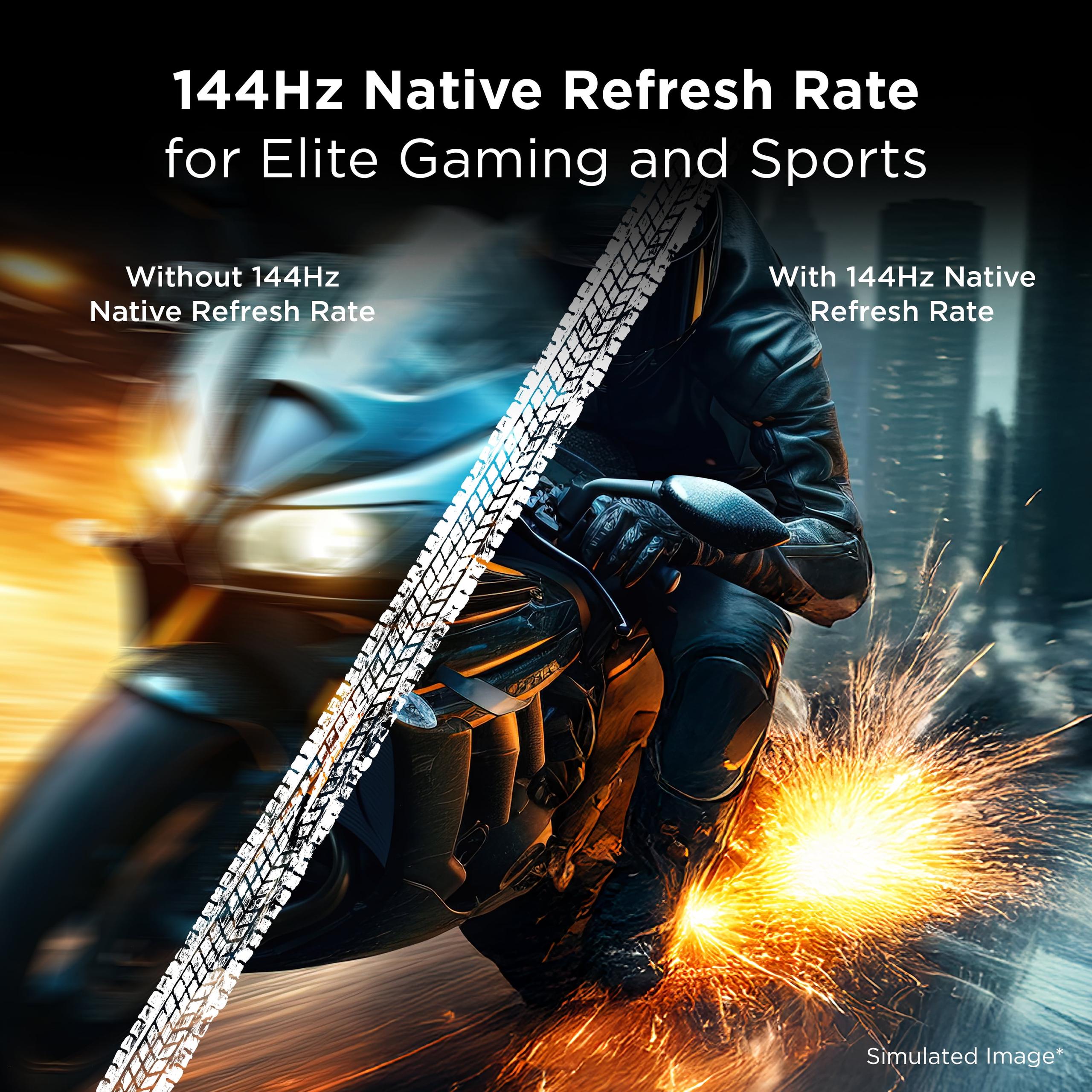
The QM9K's 144Hz native refresh rate at 4K resolution across two HDMI 2.1 ports provides smooth gameplay for console owners with PlayStation 5 or Xbox Series X systems. Input lag measures an impressive 5.3ms, making controller responses feel instantaneous. AMD FreeSync Premium Pro support eliminates screen tearing—the visual artifact where the display shows multiple frames simultaneously, creating a torn appearance.
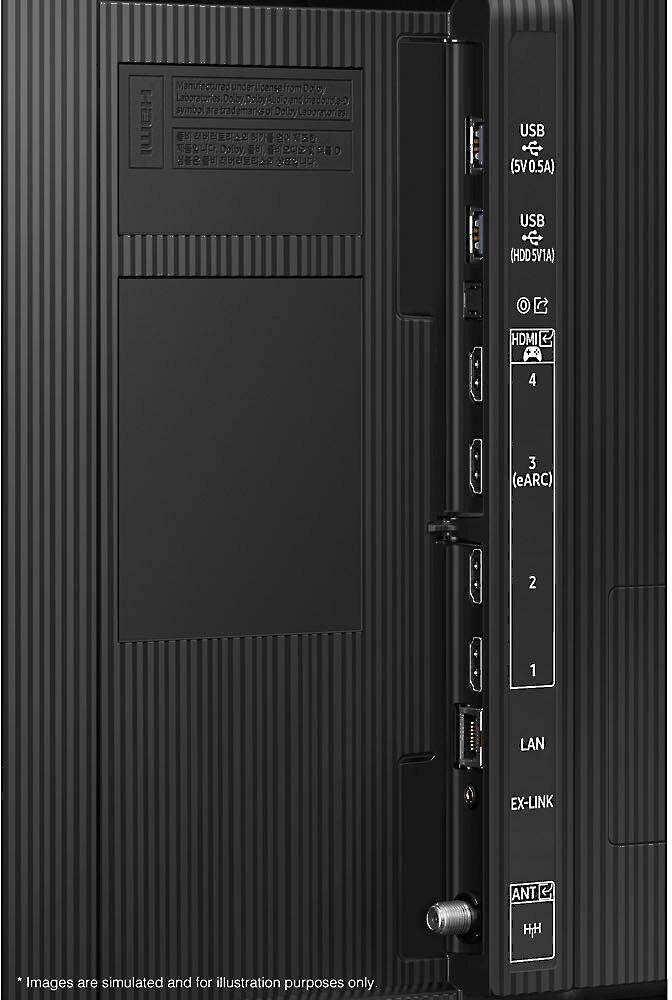
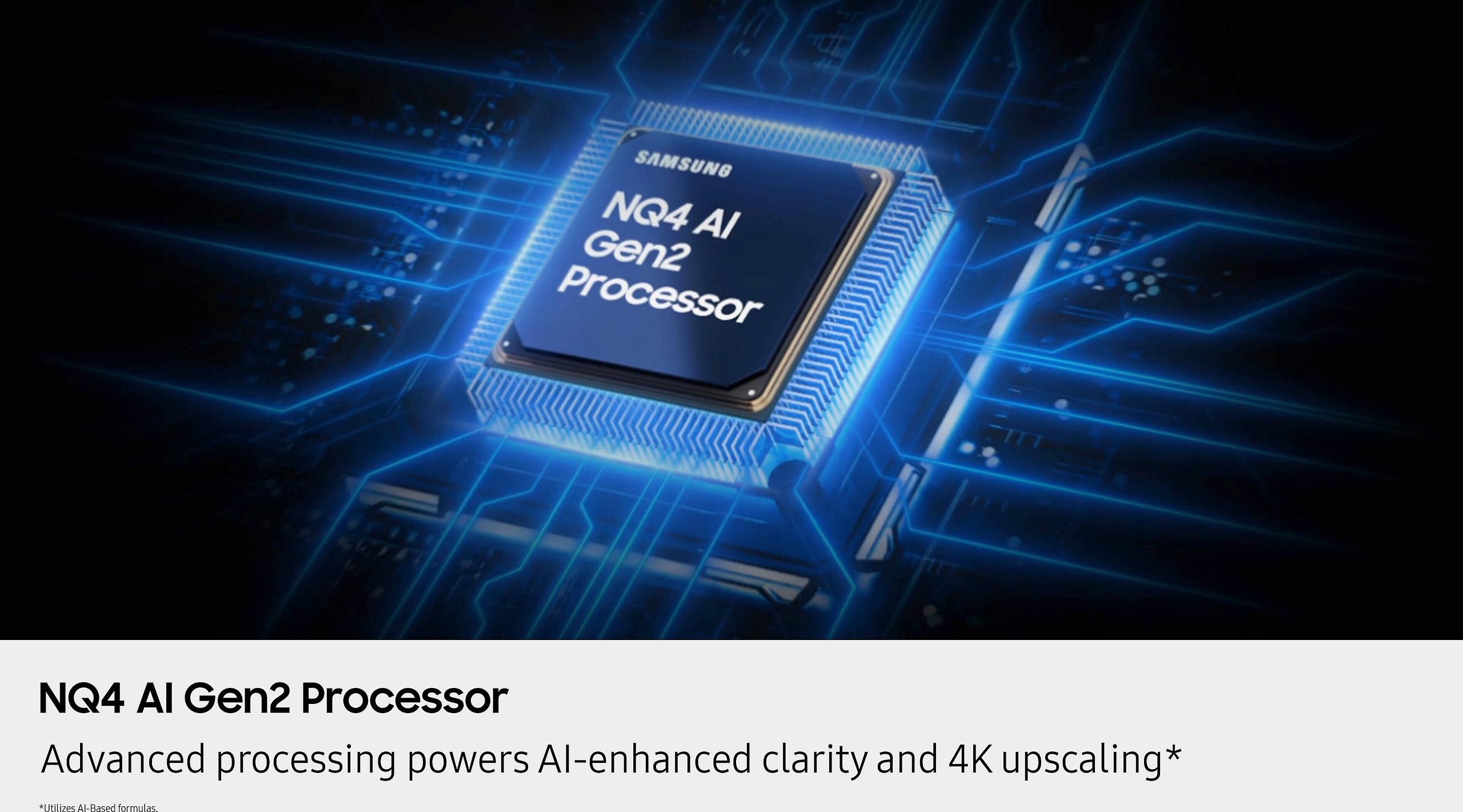
The Samsung QN80F takes a more practical approach with four HDMI 2.1 ports supporting 144Hz gaming, providing more connectivity flexibility for users with multiple gaming devices. The NQ4 AI Gen2 processor includes AI Auto Game Mode, which automatically optimizes picture settings when it detects gaming content. Samsung's Dynamic Black EQ enhances shadow detail in dark games, helping players spot enemies hiding in shadows—a competitive advantage in many titles.
From a pure performance standpoint, the TCL QM9K edges ahead for serious PC gamers who can utilize its extreme refresh rate capabilities. However, the Samsung QN80F proves more versatile for multi-device gaming setups, especially households with multiple consoles or mixed PC/console gaming.
Both TVs support variable refresh rate technology, which synchronizes the display's refresh rate with the graphics card's output to prevent stuttering and tearing. This feature has become essential for modern gaming, and both implementations work effectively across supported games and platforms.
Motion handling—how well a TV displays fast-moving content without blur or artifacts—reveals another key difference between these models. The TCL QM9K employs Motion Rate 480 with MEMC (Motion Estimation, Motion Compensation) frame insertion, which creates intermediate frames to smooth motion. This aggressive processing works excellently for sports and action movies, reducing blur around fast-moving objects.
However, based on user reports, the QM9K occasionally suffers from zone flickering as bright objects move across the screen, where the local dimming zones struggle to keep up with rapid movement. This manifests as subtle brightness variations that can be distracting during panning shots or camera movements in movies.
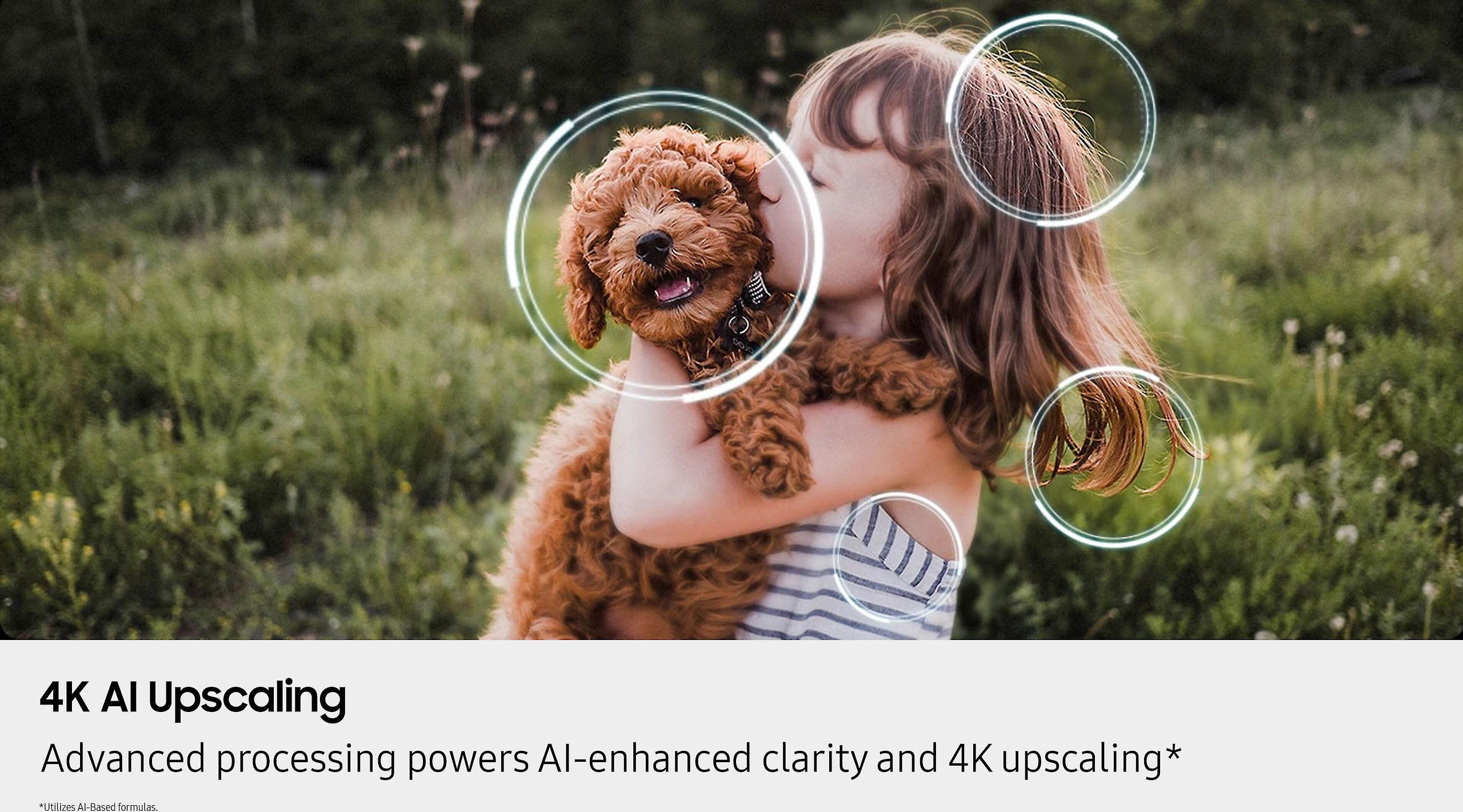
The Samsung QN80F uses Motion Xcelerator 144Hz technology with more conservative processing that prioritizes consistency over maximum smoothness. Samsung's approach handles varied content types more reliably, from film-based movies at 24 frames per second to high-frame-rate sports broadcasts. The NQ4 AI Gen2 processor demonstrates superior upscaling capabilities, making lower-resolution content look sharper and more detailed.
For home theater use, motion handling preferences often come down to personal taste. Film purists typically prefer Samsung's more natural approach, which preserves the original cinematic motion cadence. Sports enthusiasts and action movie fans might appreciate TCL's more aggressive smoothing, despite occasional artifacts.
Audio represents a surprising area where these TVs diverge significantly. The TCL QM9K includes Audio by Bang & Olufsen tuning with a 2.1.1 channel system featuring a dedicated subwoofer (on the 65" model). This hardware advantage provides fuller, more immersive sound with genuine bass extension that most TV speakers cannot match.
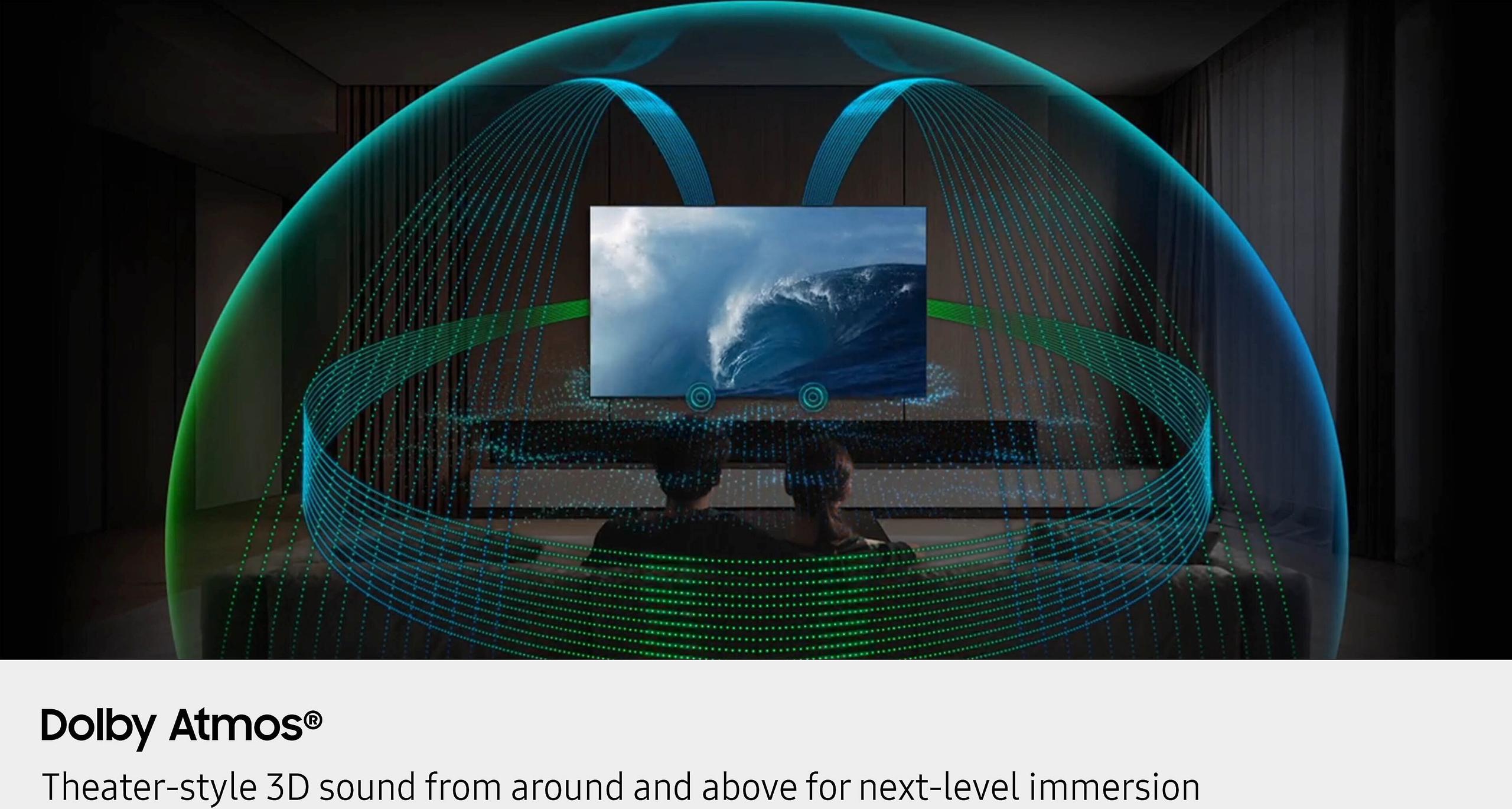
Dolby Atmos support creates virtual height channels, making sound appear to come from above and around the viewer. DTS Virtual:X and DTS-HD compatibility ensures broad format support for various streaming services and physical media. The result is audio that approaches dedicated soundbar quality without additional equipment.
The Samsung QN80F focuses on intelligent audio processing rather than raw hardware power. Adaptive Sound Pro uses AI to analyze incoming audio and optimize it based on content type—dialogue in dramas receives clarity enhancement, while action scenes get dynamic range expansion. The system also considers room acoustics, adjusting output based on the TV's placement and surrounding environment.
For most users, the TCL QM9K provides superior out-of-box audio experience, especially for larger rooms where the subwoofer's bass response becomes noticeable. However, Samsung's intelligent processing proves more adaptive to varied content and listening conditions.
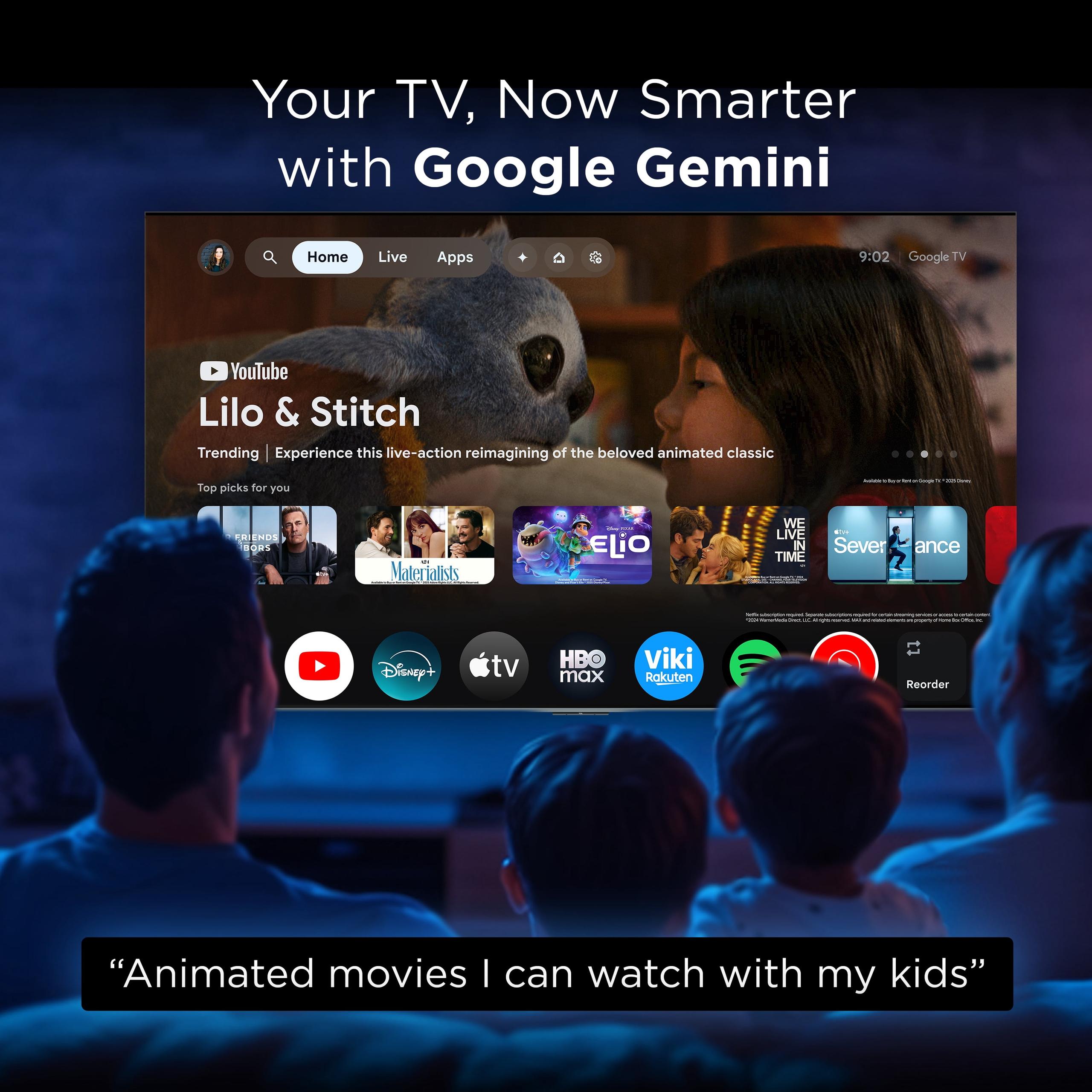
The smart TV experience has evolved beyond simple app access into comprehensive AI-powered platforms. The TCL QM9K runs Google TV with integrated Google Gemini, offering hands-free voice control and contextual search capabilities. The Presence Sensor automatically detects when someone approaches, turning on the TV and displaying relevant widgets or screensavers.
Google TV's open ecosystem provides broad app compatibility and seamless integration with Android phones and Chromebooks. Apple users can still access AirPlay 2 and HomeKit compatibility, making the platform reasonably universal. The ATSC 3.0 NextGen TV tuner future-proofs the TV for over-the-air broadcast improvements.
The Samsung QN80F introduces Samsung Vision AI, a comprehensive suite including Live Translate for real-time subtitle translation, Generative Wallpaper that creates AI-powered backgrounds based on user prompts, and Pet & Family Care features that can monitor household activities. Bixby voice assistant has received significant improvements for 2025, handling multiple simultaneous commands and understanding conversational context better.
Samsung's ecosystem integration runs deeper for users already invested in Galaxy phones, watches, and appliances. Features like Universal Gesture control and seamless device handoff create a more cohesive smart home experience. However, this integration can feel limiting for users who prefer diverse brand ecosystems.
At the time of writing, these TVs compete closely on price, with the Samsung QN80F carrying a modest premium over the TCL QM9K. The value proposition depends heavily on feature priorities and usage patterns.
The TCL QM9K delivers exceptional brightness-to-dollar ratio, making it compelling for users who prioritize visual impact and gaming performance. The included Bang & Olufsen audio system adds significant value, potentially eliminating the need for a separate soundbar. For bright living rooms or home theater enthusiasts who want maximum HDR impact, the QM9K's extreme brightness capabilities justify its positioning.
The Samsung QN80F's premium reflects its refined processing, comprehensive smart features, and superior connectivity options. Four HDMI 2.1 ports versus the TCL's two provide significant practical advantages for multi-device setups. Samsung's reputation for longer software support and more reliable long-term performance adds value for users who keep TVs for many years.
Choose the TCL QM9K if you prioritize visual wow factor and gaming performance. Its extreme brightness works exceptionally well in bright rooms or for HDR content that benefits from maximum impact. The superior audio system and excellent gaming features make it ideal for entertainment-focused households. Users who prefer Google's ecosystem or want the most brightness for their money will find strong value here.
Choose the Samsung QN80F if you prefer balanced, accurate performance with advanced smart features. The refined picture processing, superior motion handling, and comprehensive AI features suit users who watch varied content types. The four HDMI 2.1 ports and better ecosystem integration make it more practical for complex setups or users already invested in Samsung's platform.
Both represent excellent choices in the premium mini-LED segment, but they serve different priorities. The TCL QM9K maximizes impact and gaming performance, while the Samsung QN80F emphasizes versatility and refinement. Your specific room lighting, content preferences, and ecosystem investments should ultimately guide the decision between these two capable displays.
| TCL 65" QM9K QD-Mini LED Smart TV | Samsung 65" QN80F Neo QLED 4K TV |
|---|---|
| Peak HDR Brightness - Critical for HDR impact and bright room viewing | |
| Up to 6,500 nits (exceptional for overcoming glare) | ~1,500 nits (excellent for most rooms) |
| Local Dimming Zones - More zones mean better contrast control | |
| Up to 6,000 precise zones (industry-leading precision) | ~1,500 zones with Quantum Matrix (very good control) |
| Native Refresh Rate - Higher is better for gaming and sports | |
| 144Hz native with Motion Rate 480 | 144Hz with Motion Xcelerator |
| Gaming Refresh Rate Support - Maximum frame rates for competitive gaming | |
| Up to 288Hz VRR at 1080p/1440p via Game Accelerator | Up to 144Hz VRR (still excellent for console gaming) |
| HDMI 2.1 Ports - More ports allow multiple high-end devices | |
| 2 ports (may require switching for multiple consoles) | 4 ports (connects everything simultaneously) |
| Input Lag - Lower is better for responsive gaming | |
| 5.3ms (excellent for competitive gaming) | Not specified but likely similar performance |
| Audio System - Better hardware reduces need for soundbar | |
| Audio by Bang & Olufsen with 2.1.1 channels + subwoofer | Adaptive Sound Pro with AI optimization |
| Smart TV Platform - Affects app selection and ecosystem integration | |
| Google TV with Google Gemini AI assistant | Samsung Vision AI with Tizen OS |
| Anti-Glare Technology - Reduces reflections in bright rooms | |
| Low-reflective CrystGlow coating | New glare-free technology (2025 improvement) |
| Voice Control Features - Convenience for smart home users | |
| Hands-free Google Assistant with presence sensor | Enhanced Bixby with multi-command processing |
| HDR Format Support - Ensures compatibility with streaming content | |
| HDR10, HDR10+, Dolby Vision IQ, HLG, IMAX Enhanced | HDR10, HDR10+, likely Dolby Vision support |
| Color Technology - Affects color accuracy and volume | |
| Enhanced QLED with 97% DCI-P3 coverage | Neo QLED with Quantum Matrix color control |
| Processor - Affects upscaling and motion processing quality | |
| AIPQ PRO with real-time AI optimization | NQ4 AI Gen2 with superior upscaling algorithms |
The TCL QM9K is significantly brighter with up to 6,500 nits peak brightness compared to the Samsung QN80F's approximately 1,500 nits. This makes the TCL QM9K better for overcoming glare in sunny living rooms or spaces with lots of windows.
Both TVs excel at gaming, but they have different strengths. The TCL QM9K supports up to 288Hz refresh rates and has 5.3ms input lag, making it ideal for competitive PC gaming. The Samsung QN80F offers four HDMI 2.1 ports versus the TCL's two, providing better connectivity for multiple gaming consoles.
The TCL QM9K prioritizes maximum visual impact with extreme brightness and vibrant colors, while the Samsung QN80F focuses on accurate, balanced picture quality. The TCL has up to 6,000 local dimming zones for superior contrast control, while Samsung emphasizes color accuracy and natural presentation.
The TCL QM9K has superior built-in audio with Bang & Olufsen tuning and a 2.1.1 channel system including a subwoofer. The Samsung QN80F uses AI-powered Adaptive Sound Pro for intelligent audio optimization but lacks the hardware advantage of the TCL's dedicated subwoofer.
The TCL QM9K runs Google TV with Google Gemini integration, offering broad app compatibility and hands-free voice control. The Samsung QN80F features Samsung's Vision AI suite with advanced features like Live Translate and Generative Wallpaper. Choice depends on your preferred ecosystem and smart home setup.
For dedicated home theaters, the Samsung QN80F typically provides more accurate colors and natural motion handling that film enthusiasts prefer. However, the TCL QM9K delivers more dramatic HDR impact and includes superior built-in audio, potentially eliminating the need for a separate sound system.
The TCL QM9K uses aggressive Motion Rate 480 processing that excels at smoothing fast sports action, though it may occasionally show zone flickering. The Samsung QN80F provides more consistent motion handling across different content types with its Motion Xcelerator technology.
The Samsung QN80F offers four HDMI 2.1 ports, allowing you to connect multiple gaming consoles, streaming devices, and other equipment simultaneously. The TCL QM9K provides two HDMI 2.1 ports, which may require device switching in complex setups.
The TCL QM9K excels at HDR impact with its extreme 6,500-nit brightness capability, making highlights pop dramatically. The Samsung QN80F provides more balanced HDR presentation with better shadow detail preservation. Both support major HDR formats including Dolby Vision.
The TCL QM9K features up to 6,000 precise dimming zones with advanced Halo Control technology for exceptional contrast control. The Samsung QN80F uses Quantum Matrix local dimming with fewer zones but emphasizes consistent performance and reduced blooming artifacts.
The Samsung QN80F generally provides superior upscaling with its NQ4 AI Gen2 processor, making lower-resolution content appear sharper and more detailed. The TCL QM9K uses AIPQ PRO processing that's effective but may prioritize brightness and contrast over fine detail preservation.
The Samsung QN80F typically offers longer software support and more reliable long-term performance, plus four HDMI ports for future device compatibility. The TCL QM9K provides exceptional brightness performance and premium audio hardware that could reduce the need for additional equipment purchases.
We've done our best to create useful and informative comparisons to help you decide what product to buy. Our research uses advanced automated methods to create this comparison and perfection is not possible - please contact us for corrections or questions. These are the sites we've researched in the creation of this article: rtings.com - bestbuy.com - youtube.com - youtube.com - youtube.com - techaeris.com - displayspecifications.com - pcrichard.com - residentialsystems.com - us.tcl.com - displayspecifications.com - valueelectronics.com - woodruffappliance.com - tcl.com - pcrichard.com - tcl.com - techradar.com - tcl.com - us.tcl.com - youtube.com - youtube.com - bestbuy.com - youtube.com - samsung.com - theshortcut.com - youtube.com - bestbuy.com - rtings.com - samsung.com - samsung.com - samsung.com - sargentappliance.com - displayspecifications.com - bestbuy.com

Privacy Policy
Terms and Conditions - Affiliate Policy
Home Security
© Copyright 2008-2026.
11816 Inwood Rd #1211, Dallas, TX 75244