

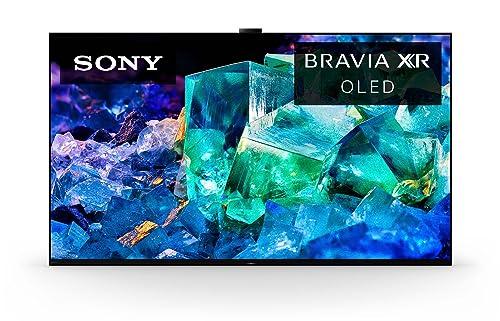


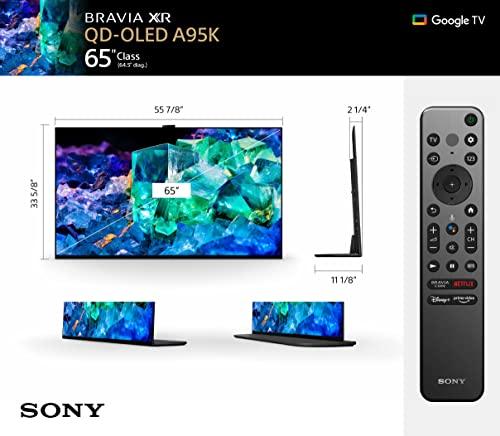
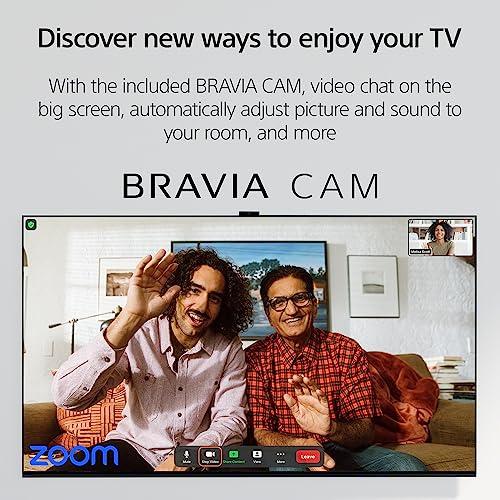


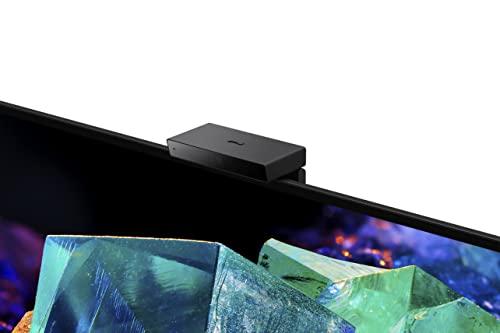
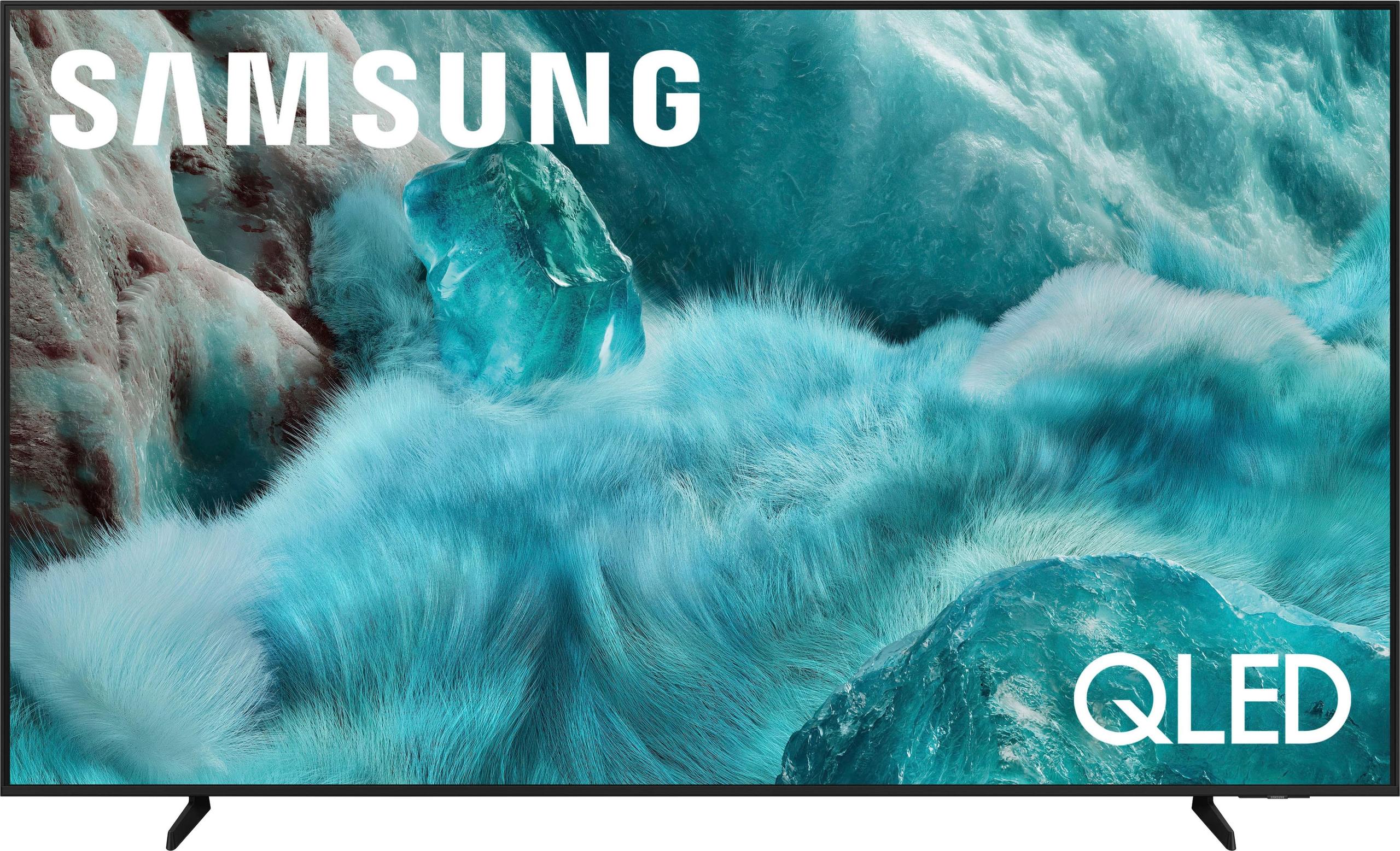
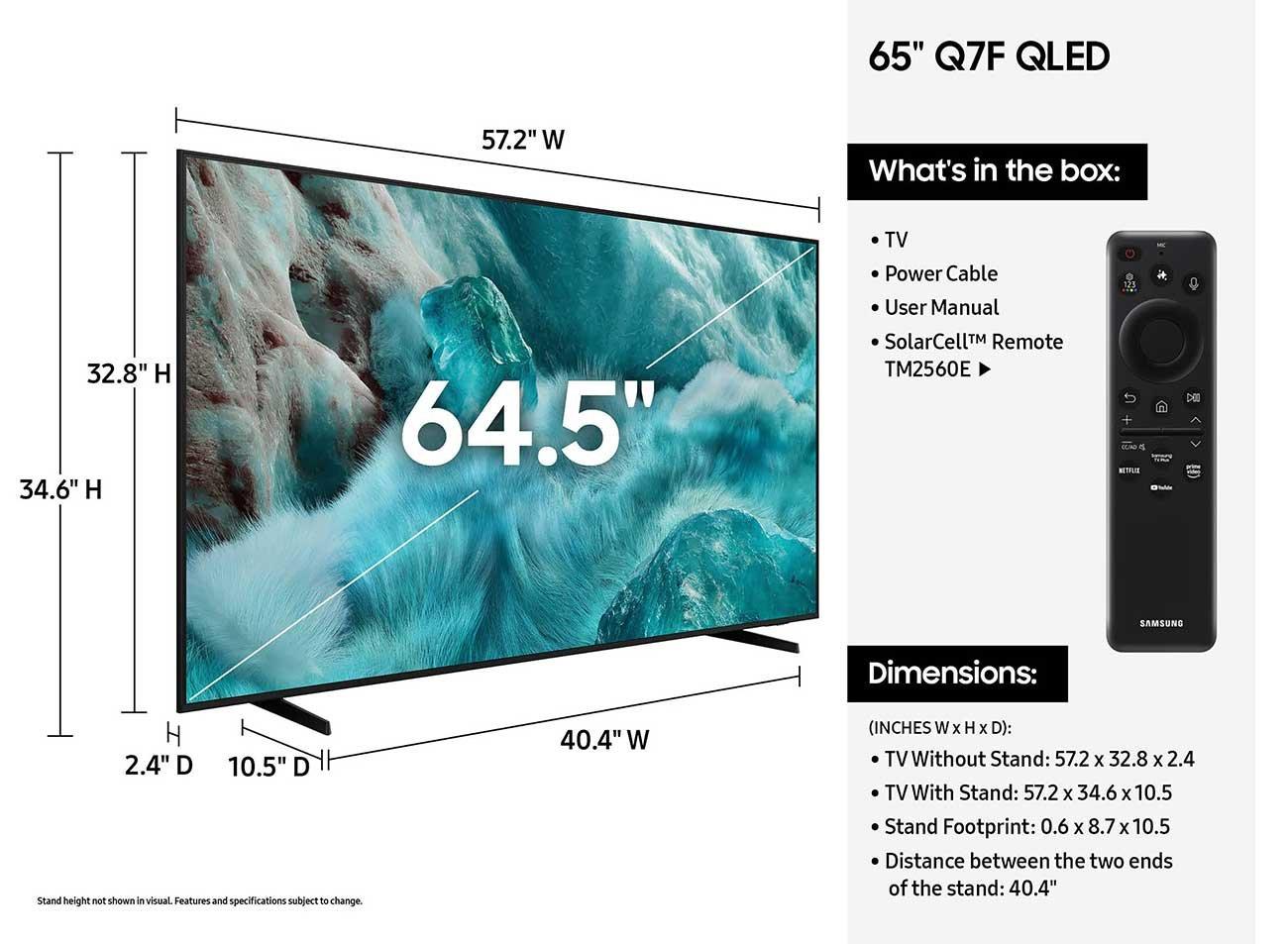


Choosing the right TV can feel overwhelming, especially when you're comparing products from completely different price tiers. The Sony Bravia XR A95K and Samsung Q7F QLED represent two fundamentally different approaches to television technology—one prioritizing cutting-edge performance, the other maximizing value for money.
At the time of writing, these TVs sit about three price tiers apart, with the Sony commanding roughly three times the cost of the Samsung. But here's where it gets interesting: the Sony A95K launched in 2022 as a flagship model, while the Samsung Q7F debuted in 2025 as an entry-level option. This creates a unique comparison between premium technology that's depreciated in price and brand-new budget-focused features.
Before diving into specifics, it's crucial to understand what sets these TVs apart at the most fundamental level—their display technology.
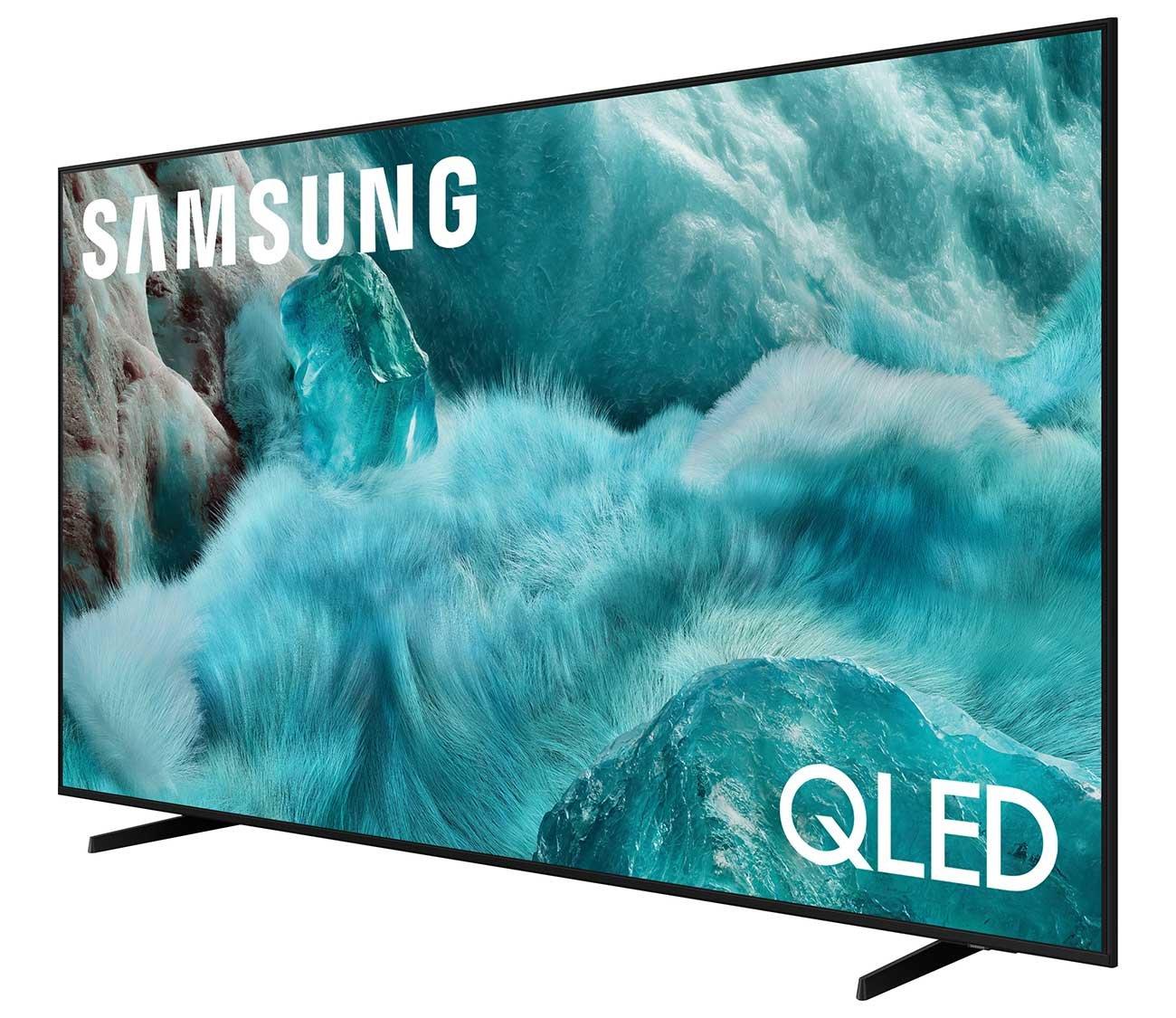
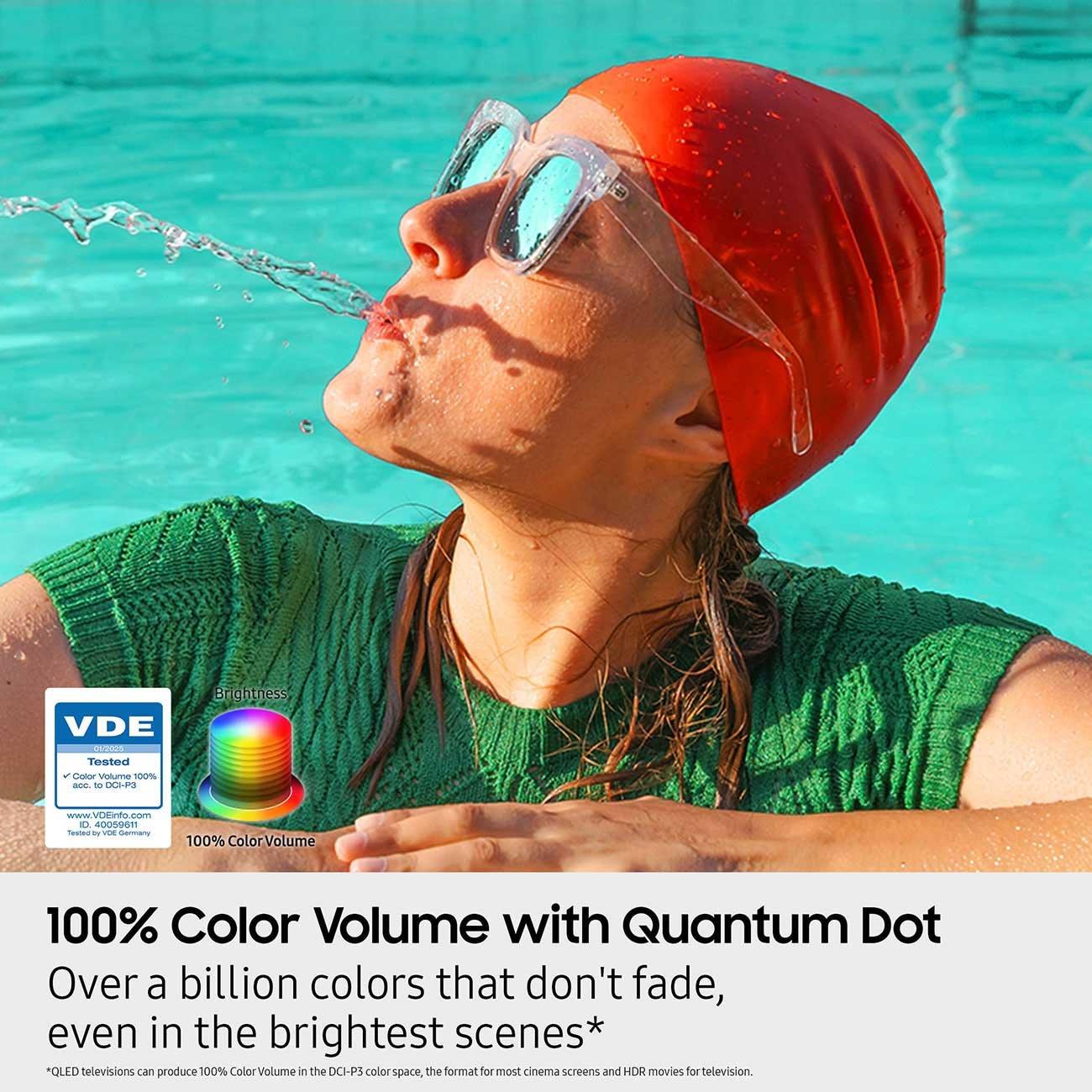
The Samsung Q7F uses QLED technology, which is essentially a traditional LCD panel enhanced with quantum dots (tiny semiconductor particles that emit specific colors when hit with light) and LED backlighting. Think of it like having millions of tiny light bulbs behind your screen, with a special filter that makes colors more vibrant. This approach has been refined over many years and offers excellent brightness and color, but it comes with inherent limitations—the backlight can't turn completely off, so you never get true black levels.
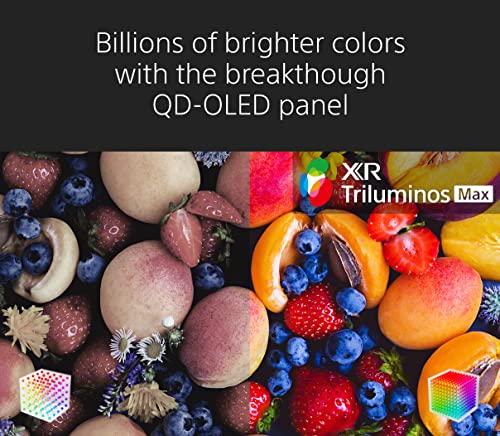
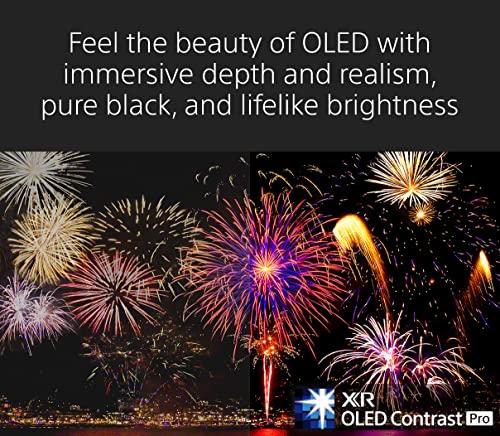
The Sony A95K, on the other hand, uses QD-OLED technology—a revolutionary approach that was brand new when this TV launched in 2022. QD-OLED combines the best of both worlds: OLED's perfect blacks (because each pixel produces its own light and can turn completely off) with quantum dot color enhancement. This means you get infinite contrast ratios alongside colors that are 200% brighter than traditional OLED displays.
To put this in perspective, imagine looking at a starry night sky. The Samsung Q7F would show you the stars clearly but the "black" sky would appear slightly gray due to backlight bleeding. The Sony A95K would show you perfectly black space with brilliant stars, exactly as your eyes would see them in real life.
This is where the technology difference becomes immediately apparent. The Sony A95K achieves what's called an infinite contrast ratio because its pixels can produce light or turn completely off. When you're watching a movie with dark scenes—think of any Christopher Nolan film—the Sony displays true black while maintaining perfect detail in shadows.
The Samsung Q7F uses direct-lit LED backlighting, meaning LED lights behind the screen illuminate the entire panel. While it includes local dimming zones that can dim certain areas independently, it can't achieve the pixel-level control of OLED. This results in what's called "blooming"—bright objects appear to have a subtle halo around them in dark scenes.
From our research into professional reviews and user feedback, the difference is night and day (literally). The Sony excels in home theater environments where controlling ambient light enhances the OLED advantage. The Samsung performs better in bright living rooms where its higher peak brightness can overcome ambient light that would wash out darker displays.
Here's where things get technical, but it matters for your viewing experience. HDR (High Dynamic Range) is essentially your TV's ability to display a wider range of brightness and color than standard content. Think of it as the difference between a black-and-white photo and a vibrant color image.
The Sony A95K supports the full HDR ecosystem: HDR10 (the basic standard), HDR10+ (Samsung's enhanced version), HLG (for broadcast content), and Dolby Vision (the premium standard used by Netflix, Disney+, and Apple TV+). Its QD-OLED panel maintains color accuracy across all brightness levels, meaning reds stay red whether they're dim or blazingly bright.
The Samsung Q7F supports HDR10 and HDR10+ but notably lacks Dolby Vision support. While this might seem like a minor omission, Dolby Vision content looks noticeably better on compatible displays, with enhanced contrast and more accurate colors. For someone building a home theater around premium streaming content, this limitation becomes significant.
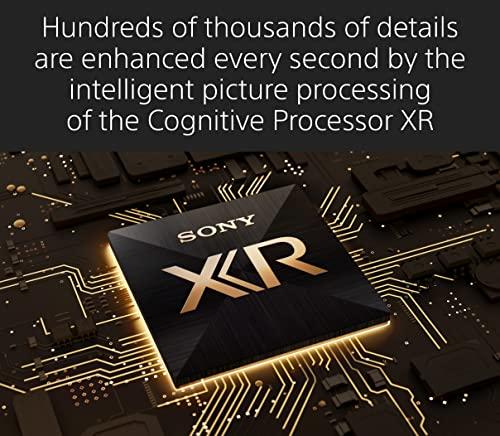
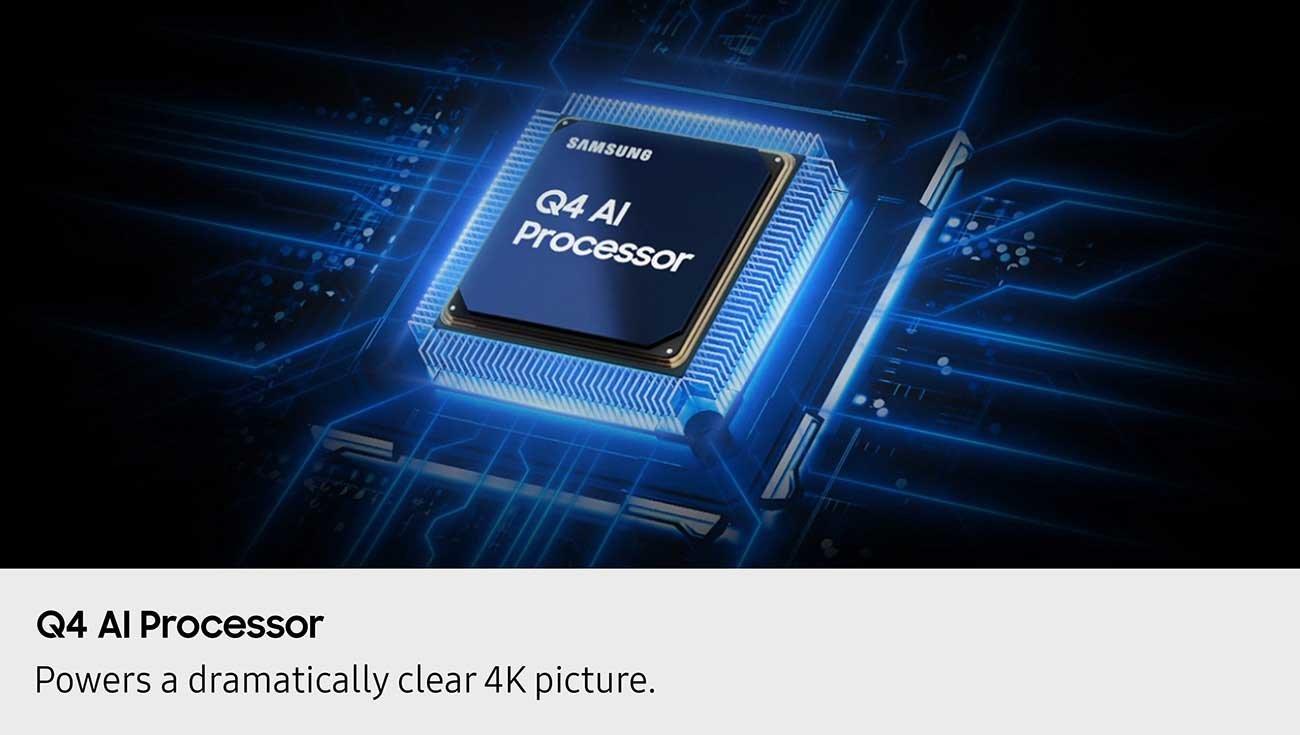
The color science differences are profound. Sony's Cognitive Processor XR analyzes content the way human vision works, enhancing contrast and color in the areas where your eyes naturally focus. Samsung's Q4 AI processor provides basic scene optimization but lacks the sophisticated processing of higher-end chips.
Motion handling separates casual viewing from sports and action movie enthusiasts. The Sony A95K includes XR OLED Motion technology, which combines the naturally fast response time of OLED pixels with intelligent motion processing. This results in crisp action scenes without the "soap opera effect" that makes movies look artificial.
The Samsung Q7F features Motion Xcelerator, Samsung's entry-level motion processing. While adequate for most content, it's not in the same league as Sony's implementation. More critically, the Samsung's 60Hz refresh rate means it can't take advantage of newer gaming features or high frame rate content that's becoming more common.
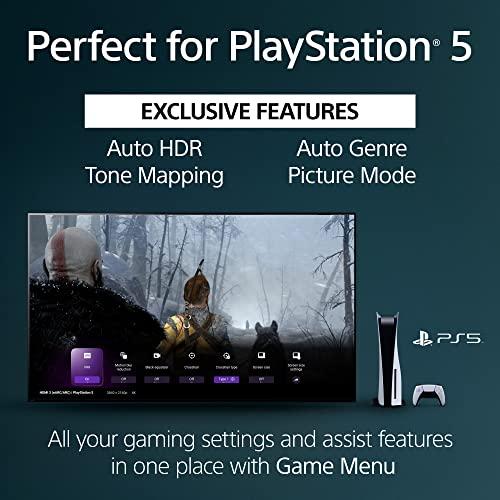
If gaming matters to you, the performance gap becomes a chasm. The Sony A95K was designed with next-generation consoles in mind, featuring HDMI 2.1 connectivity that supports 4K gaming at 120Hz. This means if you own a PlayStation 5 or Xbox Series X, you can experience games as the developers intended—with smooth motion and no input delay.
The TV also supports Variable Refresh Rate (VRR), which synchronizes the display's refresh rate with your console's frame rate, eliminating screen tearing and stuttering. Its input lag measures just 8.5 milliseconds in Game Mode, which is imperceptible to human reaction times.
The Samsung Q7F is limited to 60Hz refresh rates and HDMI 2.0 connectivity. While perfectly adequate for casual gaming or older consoles, it can't access the advanced features of modern gaming systems. If you're serious about gaming or plan to upgrade your console, this limitation becomes a significant factor.
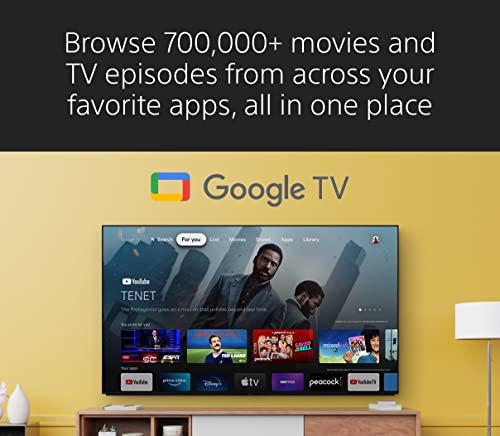
Both TVs offer comprehensive smart platforms, but with different approaches. The Sony A95K runs Google TV, which provides excellent app selection, seamless integration with Google services, and intuitive voice control. The interface is clean and focused on content discovery rather than overwhelming you with options.
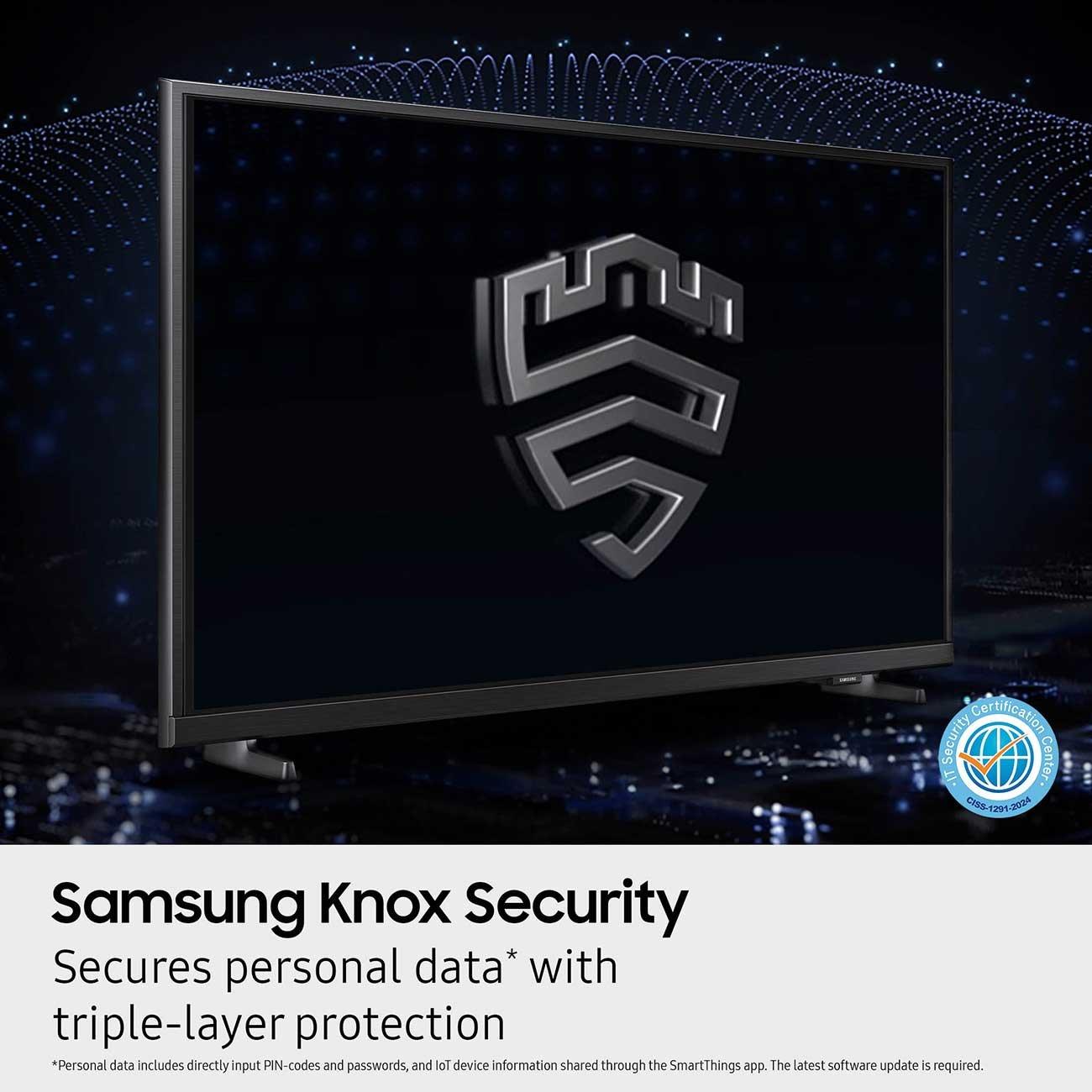
The Samsung Q7F uses Tizen OS with Samsung's latest 2025 improvements. It includes Vision AI technology that automatically optimizes picture settings based on what you're watching. The interface is more customizable than Google TV, and Samsung includes integration with their SmartThings ecosystem if you have other Samsung devices.
One interesting feature of the Samsung is its solar cell remote, which charges itself from ambient light—a small but thoughtful touch that eliminates battery changes. The Sony includes a more premium remote with better build quality but requires traditional batteries.
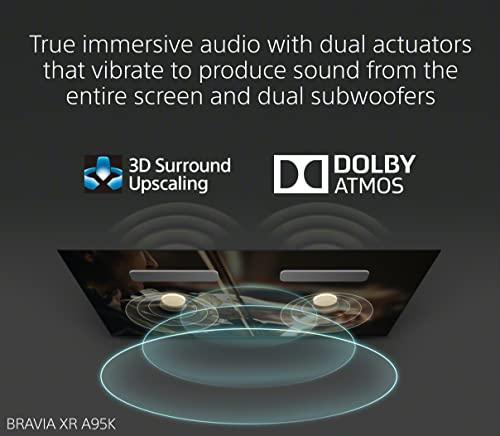
Audio represents another philosophical divide. The Sony A95K features Acoustic Surface Audio+, where actuators behind the screen vibrate the display itself to produce sound. This creates a unique experience where dialogue seems to come directly from characters' mouths on screen, rather than from speakers below or to the sides.
The Samsung uses traditional down-firing speakers with Object Tracking Sound Lite. While competent for basic viewing, it doesn't match the immersive quality of Sony's screen-based audio system. However, most serious home theater enthusiasts will pair either TV with a dedicated sound system, making this less critical for that use case.
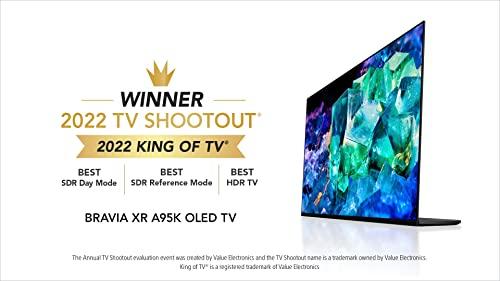
For dedicated home theater setups, the Sony A95K is the clear winner. Its perfect black levels shine in dark rooms, and the wide viewing angles mean everyone gets the same excellent picture quality regardless of seating position. The TV's low reflectivity reduces glare from any ambient lighting you can't eliminate.
The support for all HDR formats ensures compatibility with any premium content you throw at it. Whether you're watching 4K Blu-rays, streaming Dolby Vision content, or gaming with HDR, the Sony handles everything at reference quality.
The Samsung Q7F makes more sense in family rooms or bright environments where its higher peak brightness helps overcome ambient light. It's also more appropriate if you're not planning to invest in the premium content that showcases the Sony's advantages.
At the time of writing, the Sony A95K represents exceptional value for what was originally a flagship television. The depreciation from its 2022 launch price brings cutting-edge QD-OLED technology within reach of buyers who couldn't justify the original premium. You're essentially getting technology that competed with $4,000+ TVs for roughly half that investment.
The Samsung Q7F offers outstanding value at the budget end of the large-screen market. For buyers who need a big, modern TV without premium features, it delivers exactly what's needed without unnecessary cost.
However, there are long-term considerations. OLED panels, including QD-OLED, can potentially suffer from burn-in if static images (like news channel logos) are displayed for hundreds of hours. While QD-OLED is more resistant than traditional OLED, it's still a consideration for certain usage patterns. LCD panels like the Samsung's don't face this risk.
Conversely, the Sony's advanced gaming features and comprehensive HDR support provide better future-proofing as content and gaming continue evolving toward higher frame rates and enhanced formats.
The Sony A95K makes sense if you're building a dedicated home theater, if picture quality is your primary concern, or if you're a serious gamer with next-generation consoles. The depreciated pricing makes it accessible to enthusiasts who want reference-level performance without current flagship pricing.
The Samsung Q7F is ideal for budget-conscious buyers who need a large 4K display for family rooms, bright environments, or secondary viewing areas. It's also appropriate if you primarily watch standard streaming content and don't need advanced gaming features.
The decision ultimately comes down to whether superior picture quality justifies the price premium, and whether your viewing habits and environment can take advantage of the Sony's strengths. For casual viewers in bright rooms, the Samsung provides everything needed at an exceptional price point. For enthusiasts who appreciate the finer details of picture quality, the Sony offers technology that was cutting-edge just a few years ago at more accessible pricing.
Both TVs serve their intended markets well—the choice depends on matching your priorities, budget, and viewing environment to the right technology approach.
| Sony Bravia XR A95K 65" QD-OLED TV | Samsung 65" Q7F QLED 4K Vision AI Smart TV 2025 |
|---|---|
| Display Technology - The fundamental difference affecting picture quality | |
| QD-OLED (self-emissive pixels with quantum dot enhancement) | QLED (LCD with quantum dot filter and LED backlighting) |
| Black Levels - Critical for contrast and dark scene detail | |
| Perfect blacks with infinite contrast ratio | Limited by backlight, some light bleeding in dark scenes |
| Refresh Rate - Essential for gaming and smooth motion | |
| 100Hz native panel, supports 120Hz input | 60Hz maximum (no high refresh rate gaming) |
| HDR Format Support - Affects premium streaming content compatibility | |
| HDR10, HDR10+, HLG, Dolby Vision (full ecosystem) | HDR10, HDR10+ only (no Dolby Vision support) |
| Gaming Features - Important for console owners | |
| 4K/120Hz, VRR, HDMI 2.1, 8.5ms input lag | Basic 60Hz gaming, HDMI 2.0, no advanced features |
| Viewing Angles - How picture quality holds up off-center | |
| Excellent (no color shift or brightness loss) | Poor (typical LCD limitations when viewed from sides) |
| Peak Brightness - Affects visibility in bright rooms | |
| High for OLED, especially vibrant colors | Higher overall brightness, better for daylit rooms |
| Processor - Impacts upscaling and picture processing | |
| Cognitive Processor XR (flagship-level processing) | Q4 AI Gen1 (entry-level with basic optimization) |
| Smart Platform - Daily interface and app experience | |
| Google TV with comprehensive app ecosystem | Tizen OS with Vision AI and latest 2025 features |
| Audio System - Built-in sound quality | |
| Acoustic Surface Audio+ (screen produces sound) | Traditional speakers with Object Tracking Sound Lite |
| Burn-in Risk - Long-term reliability consideration | |
| Potential concern with static content (though QD-OLED resistant) | No risk (LCD technology immune to burn-in) |
| Release Year - Affects warranty support and future updates | |
| 2022 (discontinued but excellent depreciated value) | 2025 (current model with full manufacturer support) |
| Value Proposition - Performance per dollar consideration | |
| Premium QD-OLED technology at mid-tier pricing | Outstanding budget option for large-screen 4K viewing |
The Sony Bravia XR A95K delivers superior picture quality with its QD-OLED technology, offering perfect black levels and infinite contrast ratio. This makes it ideal for watching movies in dark rooms where you'll notice deep blacks and vibrant colors. The Samsung Q7F QLED provides good picture quality for its price range but can't match the contrast performance of OLED technology.
The Sony A95K costs significantly more but offers flagship-level performance with QD-OLED technology, comprehensive HDR support including Dolby Vision, and advanced gaming features. The Samsung Q7F provides excellent value for budget-conscious buyers who need basic 4K performance. The Sony is worth the premium if picture quality and gaming features are priorities.
The Sony Bravia XR A95K is far superior for next-gen gaming, supporting 4K/120Hz, Variable Refresh Rate (VRR), and HDMI 2.1 connectivity with just 8.5ms input lag. The Samsung Q7F is limited to 60Hz refresh rates and basic gaming features, making it unsuitable for competitive gaming or accessing advanced console features.
The Sony A95K supports all major HDR formats including HDR10, HDR10+, HLG, and Dolby Vision, ensuring compatibility with premium streaming content. The Samsung Q7F QLED supports HDR10 and HDR10+ but lacks Dolby Vision support, which is used by Netflix, Disney+, and Apple TV+ for their highest quality content.
The Samsung Q7F performs better in very bright rooms due to its higher peak brightness from LED backlighting. The Sony A95K has good brightness for an OLED but may struggle against direct sunlight. For typical living room lighting, both work well, but the Samsung has an advantage in extremely bright environments.
The Samsung Q7F uses QLED technology, which is an LCD panel with quantum dot enhancement and LED backlighting. The Sony A95K features QD-OLED technology, combining self-emissive OLED pixels with quantum dots for perfect blacks and 200% brighter colors than traditional OLED. QD-OLED represents a newer, more advanced display technology.
Both TVs offer comprehensive smart platforms. The Sony A95K runs Google TV with excellent app selection and voice control integration. The Samsung Q7F uses the latest Tizen OS with Vision AI technology and 2025 interface improvements. Both provide access to major streaming services, with slightly different user experiences.
The Sony A95K uses OLED technology which has potential burn-in risks with static content, though QD-OLED is more resistant than traditional OLED. The Samsung Q7F uses LCD technology with no burn-in concerns. Both TVs should provide years of reliable service with normal viewing habits.
The Sony Bravia XR A95K excels in home theater environments with its perfect black levels, wide viewing angles, and comprehensive HDR support. The QD-OLED technology shines in dark rooms where contrast performance matters most. The Samsung Q7F is better suited for family rooms or bright spaces rather than dedicated theater setups.
The Sony A95K supports up to 120Hz input with 4K resolution and includes VRR for smooth gaming. The Samsung Q7F QLED is limited to 60Hz maximum refresh rate with no advanced gaming features, making it adequate only for casual gaming or older consoles.
The Samsung Q7F offers exceptional value for budget-conscious buyers needing large-screen 4K viewing with modern smart features. The Sony A95K provides premium value due to depreciation from its original flagship pricing, making high-end QD-OLED technology more accessible than current flagship models.
The Sony A95K features Acoustic Surface Audio+ technology where the screen itself produces sound, creating immersive audio that appears to come from on-screen action. The Samsung Q7F uses traditional down-firing speakers with Object Tracking Sound Lite. For serious home theater use, both would benefit from external audio systems, but the Sony offers superior built-in audio.
We've done our best to create useful and informative comparisons to help you decide what product to buy. Our research uses advanced automated methods to create this comparison and perfection is not possible - please contact us for corrections or questions. These are the sites we've researched in the creation of this article: tomsguide.com - audioadvice.com - wepc.com - bestbuy.com - tvsbook.com - rtings.com - youtube.com - flatpanelshd.com - rtings.com - youtube.com - reviewed.com - avsforum.com - youtube.com - youtube.com - rtings.com - youtube.com - electronics.sony.com - sonypremiumhome.com - valueelectronics.com - sony.com - displayspecifications.com - flatpanelshd.com - donstv.com - youtube.com - businessinsider.com - youtube.com - displayspecifications.com - bestbuy.com - bestbuy.com - youtube.com - samsung.com - samsung.com - pcrichard.com - samsung.com - samsung.com - videoandaudiocenter.com - displayspecifications.com - bestbuy.com - samsung.com - samsung.com - samsung.com - samsung.com - news.samsung.com

Privacy Policy
Terms and Conditions - Affiliate Policy
Home Security
© Copyright 2008-2026.
11816 Inwood Rd #1211, Dallas, TX 75244