

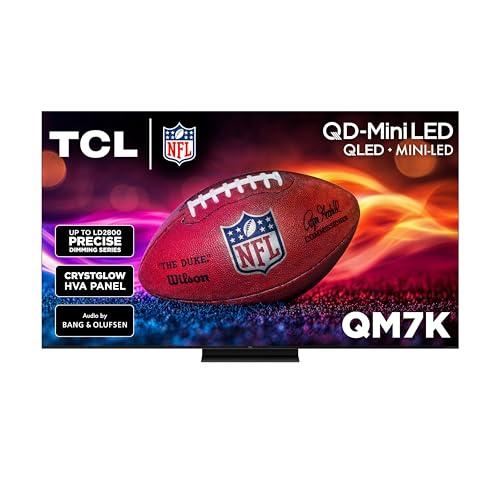
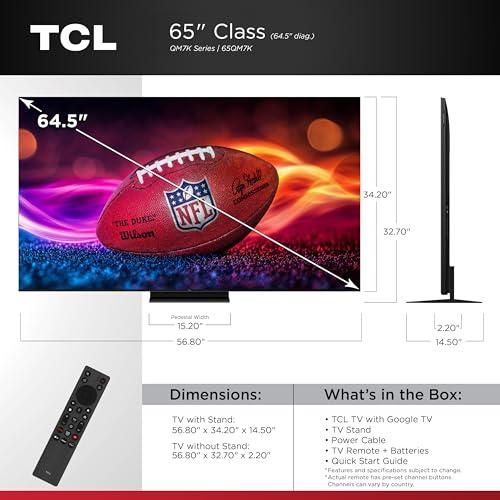

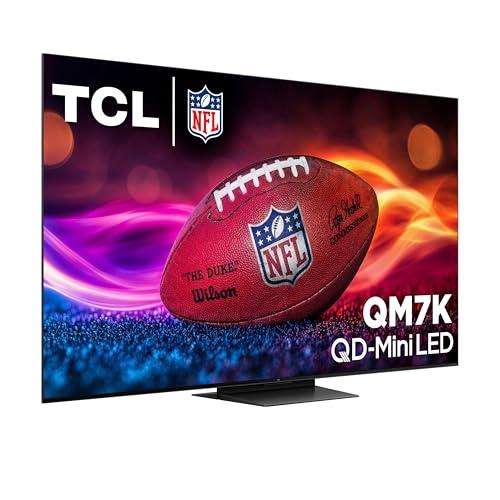
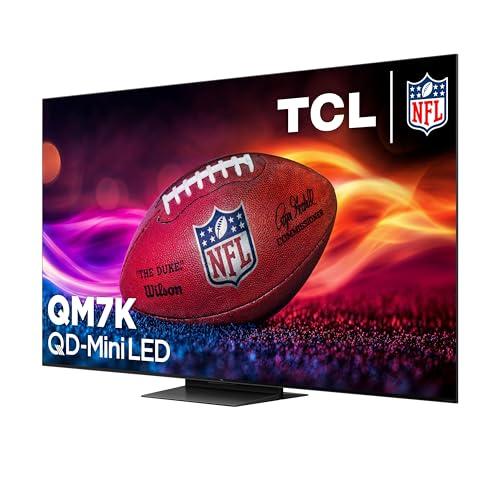
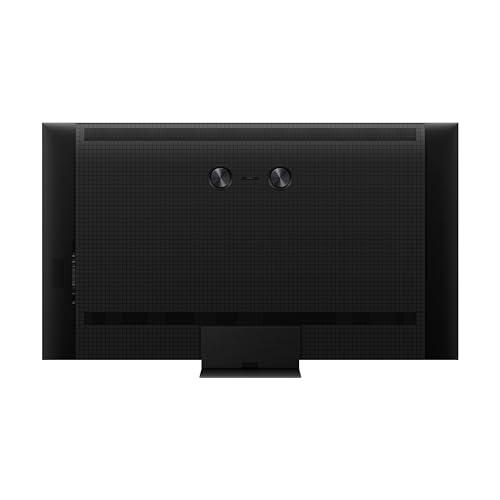
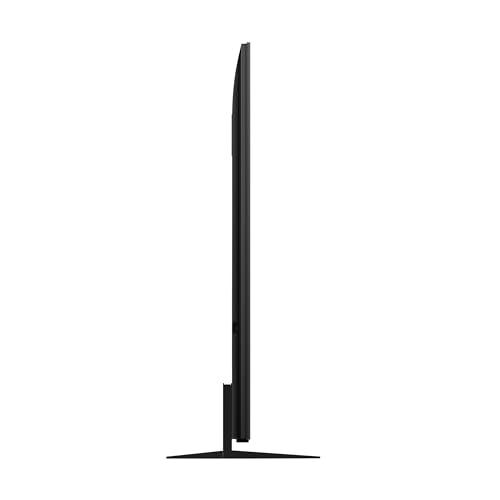
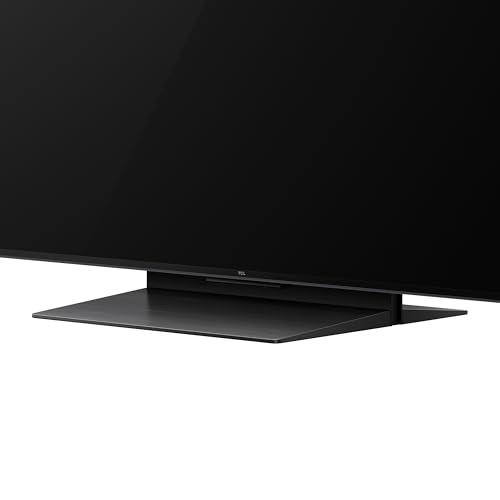



The TV landscape has transformed dramatically since 2022, when both quantum dot technologies and advanced backlighting systems reached new heights. If you're shopping for a premium 65-inch television today, you've likely encountered two compelling but fundamentally different approaches: the TCL 65QM7K's QD-Mini LED technology and the Sony Bravia XR A95K's groundbreaking QD-OLED panel. Understanding these technologies—and their real-world performance differences—is crucial for making the right choice for your home.
Both TVs represent significant technological leaps from traditional LCD and basic OLED displays. The TCL QM7K launched in 2024 as part of TCL's push to bring flagship-level features to more accessible price points, while the Sony A95K debuted in 2022 as one of the first consumer QD-OLED televisions, showcasing Sony's premium engineering philosophy.
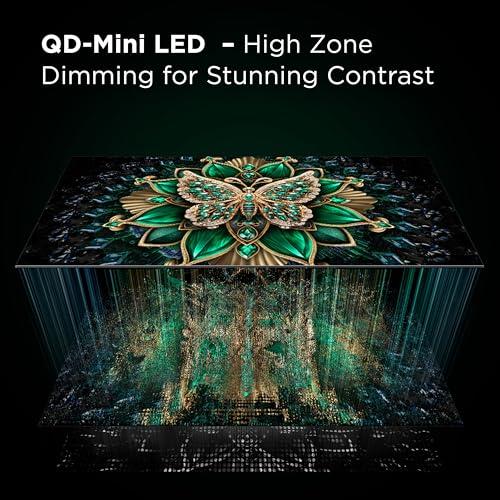
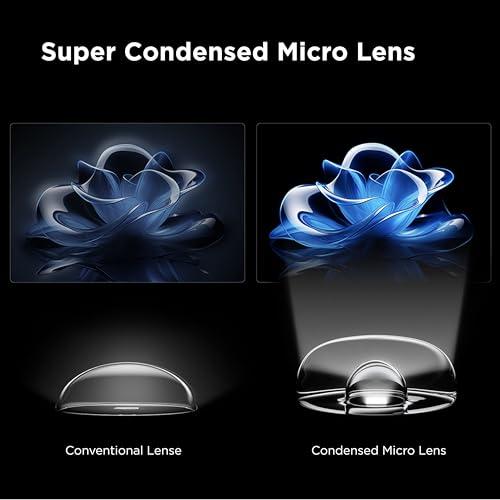
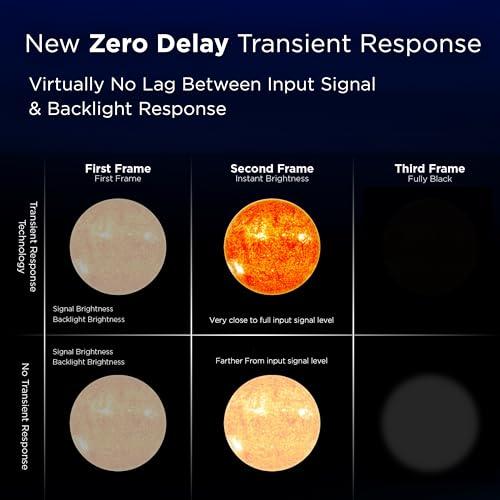
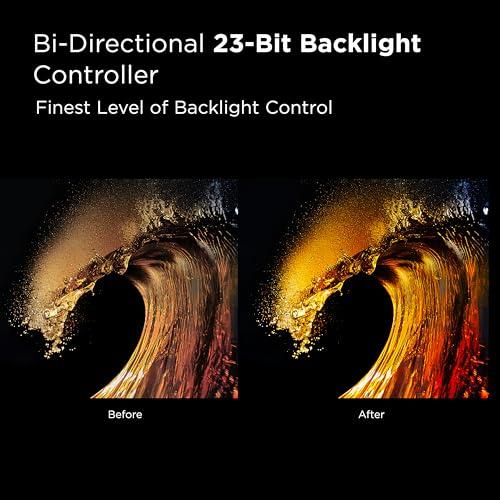
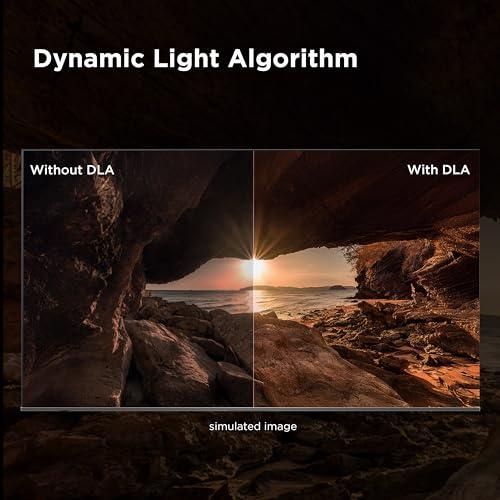
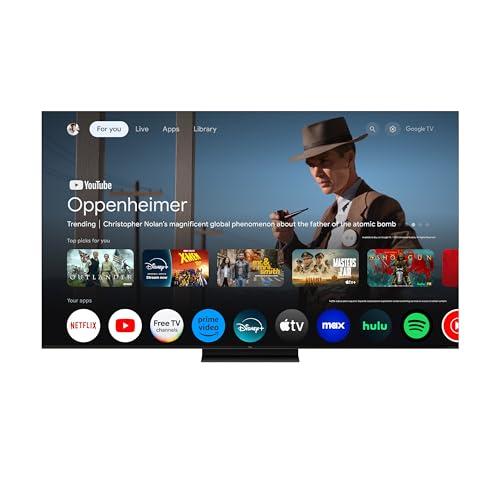
To appreciate why these TVs perform differently, you need to understand their fundamental approaches to creating images. The TCL QM7K uses QD-Mini LED technology, which enhances traditional LCD panels by combining thousands of tiny LED backlights with quantum dot materials. Think of it as having up to 2,500 individual dimming zones behind the screen—each zone can brighten or dim independently to create contrast between light and dark areas of the image.
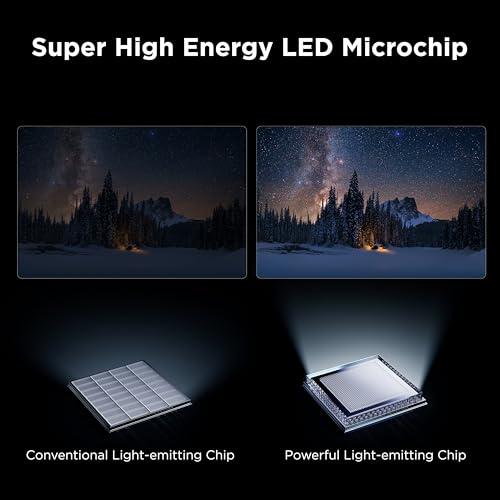
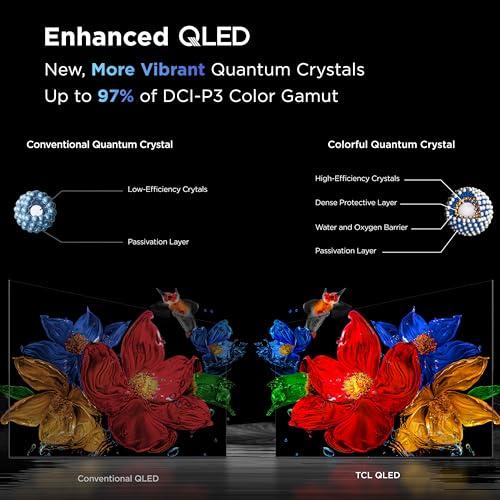
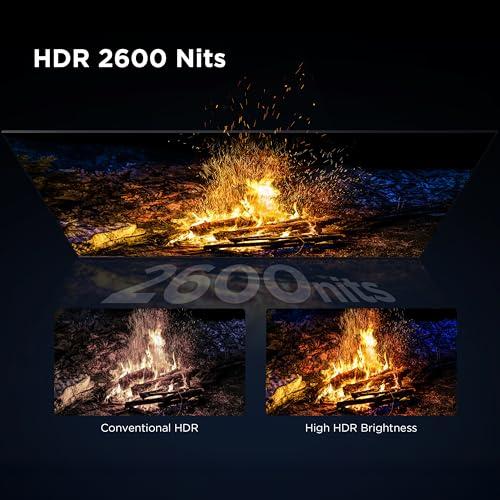
The quantum dots act like precision color filters, converting blue LED light into incredibly pure reds and greens. This combination allows the TCL to achieve remarkable peak brightness levels—up to 3,000 nits—while maintaining vibrant colors that don't fade as the screen gets brighter.
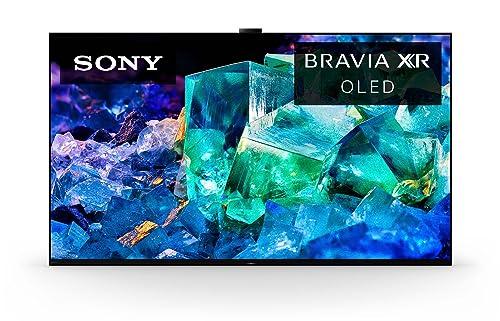
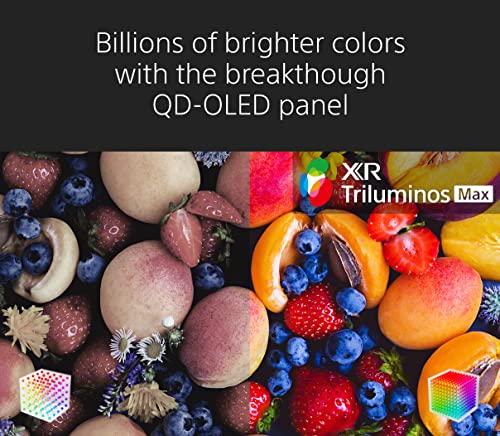
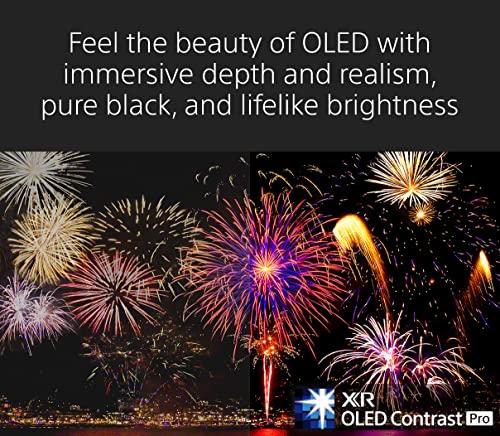
The Sony A95K, meanwhile, uses QD-OLED technology, where each pixel generates its own light. Instead of traditional OLED's white subpixels, this system uses blue OLED material combined with quantum dots to create red and green light directly at each pixel. The result is perfect contrast since pixels can turn completely off for true blacks, combined with the color purity advantages of quantum dots.
Since 2022, when QD-OLED first appeared, the technology has proven remarkably stable with minimal burn-in concerns and excellent longevity—addressing traditional OLED weaknesses while maintaining the perfect contrast that makes OLED special.
This is where the fundamental difference between these technologies becomes most apparent. The Sony A95K achieves perfect infinite contrast because each pixel can turn completely off, creating absolute blacks with no light bleed. When you're watching a movie with dark scenes, like space sequences or nighttime cinematography, the Sony delivers an almost theatrical experience where black areas of the screen disappear entirely.
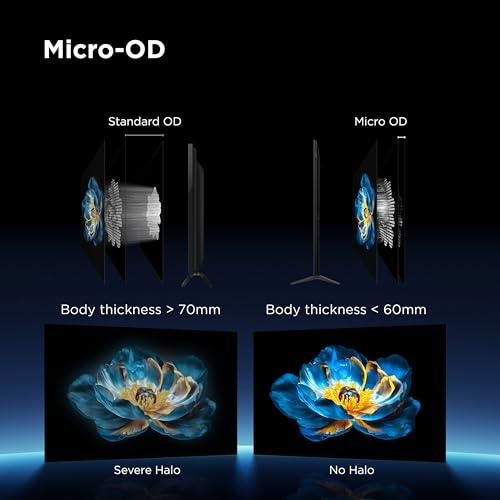
The TCL QM7K, despite its impressive 2,500 local dimming zones, still uses backlighting that must shine through the LCD panel. While it achieves excellent contrast—7,000:1 static ratio—you'll notice some "blooming" around bright objects against dark backgrounds. Imagine a bright moon against a night sky; the TCL might show a subtle halo around the moon, while the Sony renders crisp edges with perfect darkness surrounding bright elements.
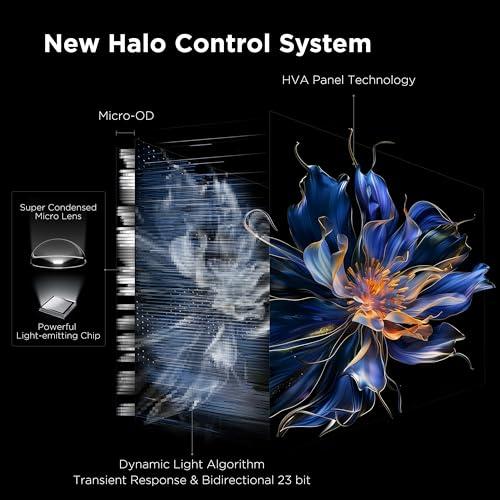
However, this limitation becomes less noticeable in typical viewing scenarios with mixed content, and the TCL's advanced halo control system minimizes these effects significantly compared to older mini-LED implementations.
Here's where the TCL QM7K takes a decisive lead. With peak brightness reaching 3,000 nits compared to the Sony's more modest 800 nits in typical viewing, the TCL handles bright rooms exceptionally well and makes HDR content truly pop. High Dynamic Range (HDR) content—which includes highlights brighter than standard video—benefits enormously from this extra brightness capability.
When watching HDR movies or shows with sun-drenched scenes, explosions, or bright sky shots, the TCL can reproduce these highlights with intensity that approaches real-world brightness levels. The Sony A95K handles HDR beautifully but focuses more on color accuracy and contrast rather than peak brightness.
For daytime viewing or rooms with lots of windows, this brightness difference is substantial. The TCL maintains vibrant, punchy images even with ambient light, while the Sony performs best in controlled lighting environments.
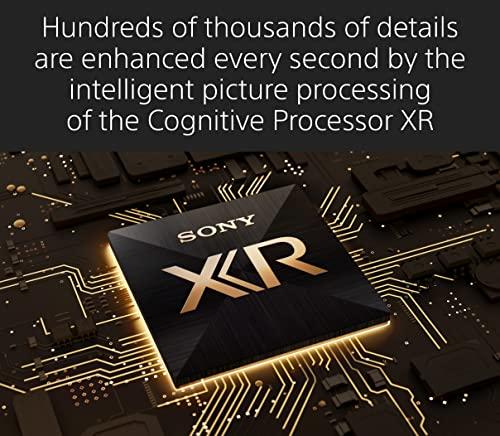
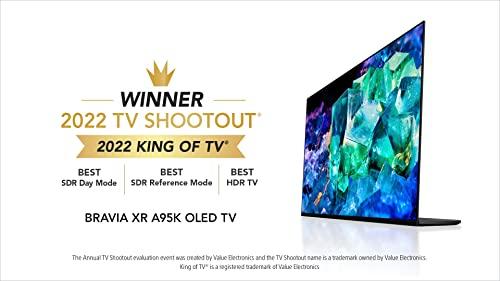
Both televisions excel at color reproduction, but through different approaches. The Sony A95K focuses on color accuracy and naturalness, with its Cognitive Processor XR analyzing content to deliver colors that match how our eyes perceive the real world. Professional reviewers consistently praise its color accuracy out of the box, particularly for cinematic content.
The Sony's QD-OLED panel delivers what the company calls "200% color brightness" compared to conventional displays. This means colors remain vibrant and saturated even in bright scenes—a traditional weakness of OLED technology. Reds appear richer, greens more vivid, and the overall palette feels more lifelike.
The TCL QM7K covers a wide color gamut and reproduces over 1 billion colors through its quantum dot enhancement. While it may require some calibration to match the Sony's out-of-box accuracy, it's capable of excellent color performance, particularly for HDR content where its brightness advantage helps colors appear more intense and dynamic.
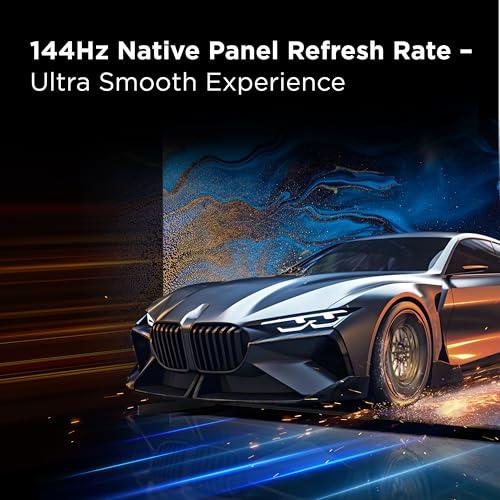
Modern TVs serve as gaming displays as much as entertainment centers, and both models cater to this reality with advanced gaming features. The TCL QM7K takes an aggressive approach to gaming performance, offering a native 144Hz refresh rate that can scale up to 288Hz through its Game Accelerator feature at 1080p resolution.
For PC gamers or those using high-end graphics cards capable of pushing frame rates beyond 120fps, the TCL's higher refresh rate capability provides noticeably smoother motion and reduced input lag. The difference between 120Hz and 144Hz might seem small, but competitive gamers often notice the improvement in fast-paced titles.
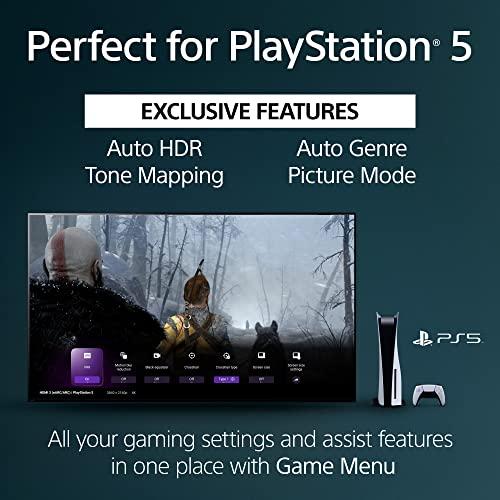
The Sony A95K caps out at 120Hz but compensates with exceptional response times and motion clarity. OLED technology's instant pixel response eliminates motion blur almost entirely, making fast-moving scenes in games appear crystal clear. For console gaming on PlayStation 5 or Xbox Series X, both TVs perform excellently, but the Sony edges ahead in motion clarity while the TCL wins on pure refresh rate capability.
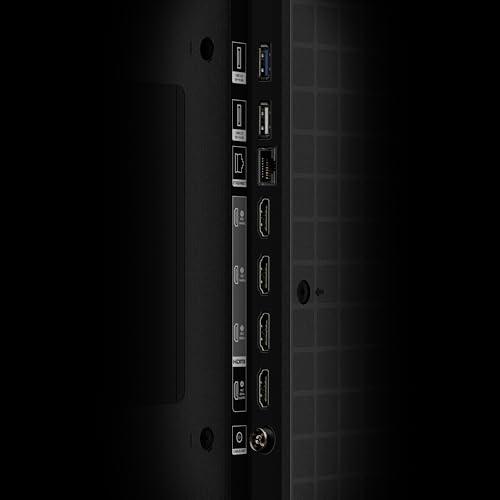
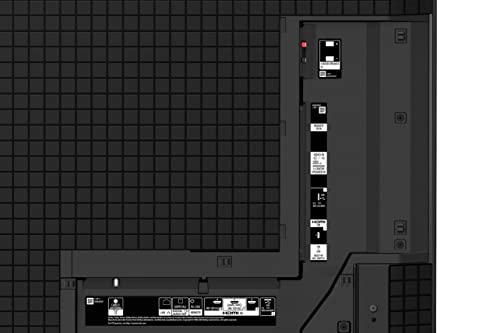
Both models support Variable Refresh Rate (VRR) and Auto Low Latency Mode (ALLM), essential features for modern gaming. However, both are limited to two HDMI 2.1 ports, which can be restrictive if you have multiple next-generation consoles or gaming PCs.
One notable limitation on the Sony A95K: Dolby Vision gaming is restricted to 60Hz, meaning you must choose between enhanced visual quality and higher refresh rates. The TCL handles this balance more gracefully.
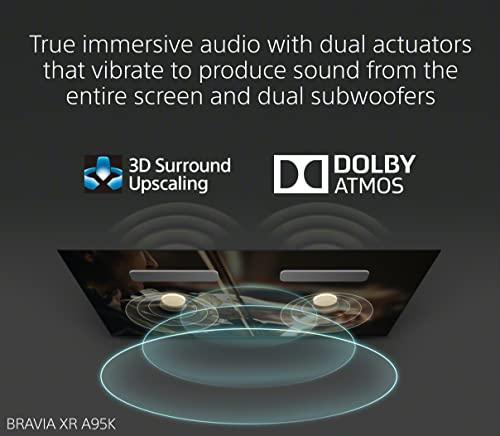
Audio represents one of the most significant differences between these televisions. The Sony A95K incorporates Acoustic Surface Audio+ technology, which uses actuators behind the screen to vibrate the entire display, turning it into a speaker. This creates an incredibly immersive experience where dialogue and sound effects appear to come directly from their visual sources on screen.
The Sony's built-in audio quality approaches what you'd expect from a dedicated soundbar, with clear dialogue, decent bass response, and impressive spatial audio through Dolby Atmos support. For many users, the built-in audio eliminates the immediate need for additional sound equipment.
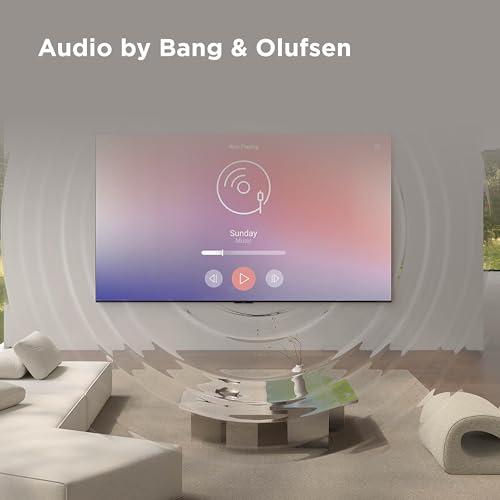
The TCL QM7K features Bang & Olufsen-tuned audio with a 60W speaker system. While competent and supporting Dolby Atmos, it follows the more traditional approach of speakers positioned around the TV frame. The sound quality is respectable but doesn't match the Sony's innovative screen-as-speaker implementation.
If you plan to use a soundbar or home theater system regardless, this difference becomes less relevant. However, for users wanting excellent built-in audio, the Sony A95K provides a compelling advantage.
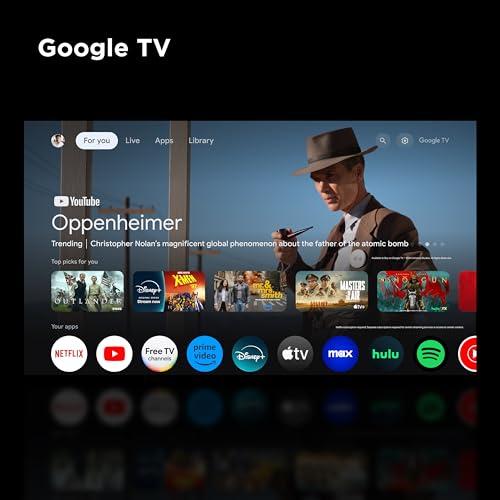
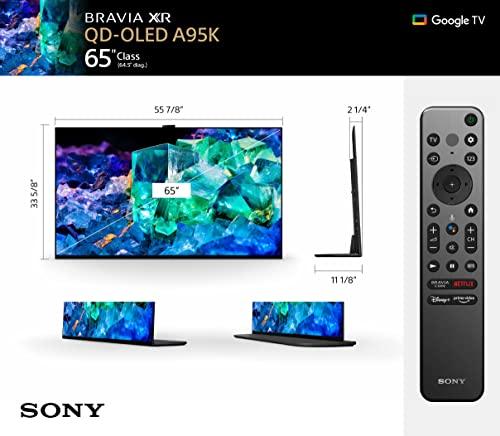
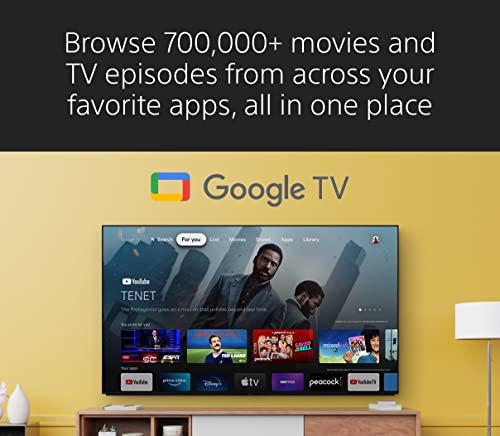
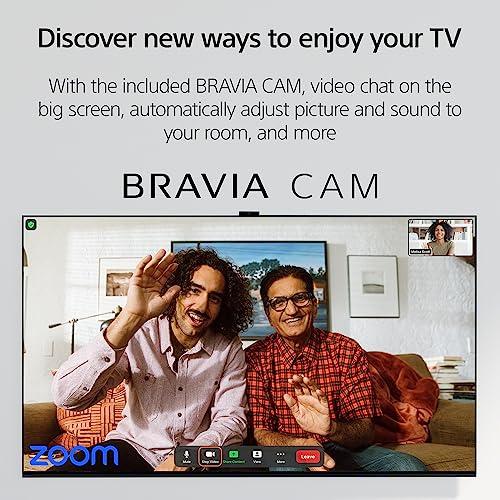
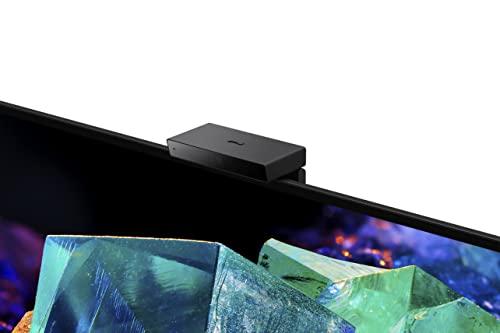
Both televisions run Google TV, providing identical app selection and interface design. However, the Sony A95K includes additional premium features like the BRAVIA CAM—a webcam that enables gesture controls and video chat functionality. While not revolutionary, these features hint at Sony's premium positioning and attention to user experience details.
The TCL QM7K focuses on core smart TV functionality with hands-free voice control through its far-field microphone array. Both support major voice assistants (Google Assistant, Alexa) and casting protocols (Chromecast, AirPlay 2), ensuring compatibility with various smart home ecosystems.
At the time of writing, these televisions occupy different market segments despite similar screen sizes and premium feature sets. The TCL QM7K positions itself as an accessible flagship, bringing advanced mini-LED technology and high refresh rates to a broader audience. It typically costs significantly less than the Sony A95K, often representing 40-50% savings while delivering roughly 85% of the picture quality performance.
The Sony A95K commands premium pricing justified by its cutting-edge QD-OLED technology, superior built-in audio, and refined user experience. For videophiles and users prioritizing absolute picture quality, the price premium delivers measurable improvements in contrast, color accuracy, and overall cinematic experience.
Your viewing environment significantly influences which television performs better. The TCL QM7K excels in bright living rooms, family rooms with lots of windows, or spaces where you can't control ambient lighting. Its high peak brightness cuts through glare and maintains vibrant images regardless of room lighting.
The Sony A95K reaches its full potential in controlled lighting environments—dedicated home theaters, basement media rooms, or spaces where you can dim lights during viewing. In these environments, its perfect blacks and superior color accuracy create an almost cinematic experience that justifies the premium price.
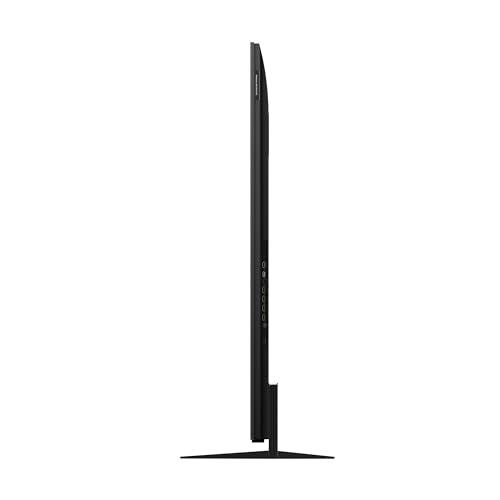
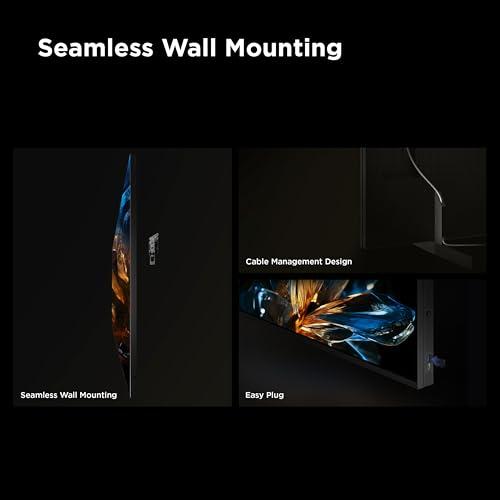
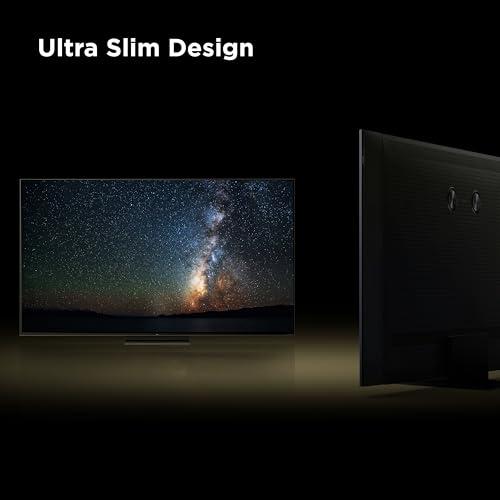
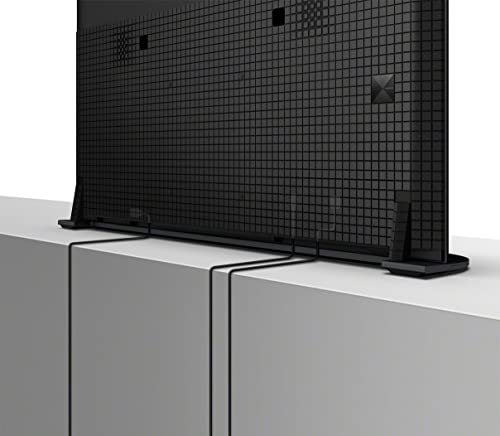
For wall mounting, both televisions offer sleek profiles, though the Sony edges ahead in design sophistication and build quality premium feel.
In dedicated home theater environments, the Sony A95K typically provides the more engaging experience. Its perfect contrast ratio, accurate colors, and exceptional built-in audio create immersive movie watching that approaches commercial theater quality. The ability to reproduce true blacks without any light bleed enhances the cinematic experience, particularly for films shot with dark, moody cinematography.
The TCL QM7K still performs excellently in home theaters, particularly for HDR content where its brightness advantage helps highlights pop with impressive intensity. However, the slight blooming around bright objects becomes more noticeable in completely dark rooms.
For users building multi-component home theater systems, both TVs integrate well with external audio equipment. The Sony's center speaker mode allows it to function as the center channel in surround sound setups, while the TCL offers excellent picture quality to complement dedicated audio systems.
Choose the TCL 65QM7K if you want flagship-level performance without flagship pricing. It's ideal for bright rooms, gaming enthusiasts who value high refresh rates, and users seeking the best performance-per-dollar ratio. The TCL delivers impressive picture quality that satisfies most viewers while offering gaming capabilities that exceed many premium competitors.
Choose the Sony Bravia XR A95K if picture quality is your primary concern and budget allows for premium pricing. It's perfect for dedicated viewing spaces, movie enthusiasts, and users who appreciate cutting-edge technology and refined user experiences. The Sony represents the current pinnacle of consumer display technology, with performance that justifies its premium position.
Both televisions showcase how far TV technology has advanced since 2022. The TCL QM7K democratizes premium features, while the Sony A95K pushes technological boundaries. Your choice ultimately depends on balancing performance priorities, budget considerations, and viewing environment requirements.
| TCL 65QM7K QD-Mini LED 4K Google TV | Sony Bravia XR A95K 65" QD-OLED TV |
|---|---|
| Display Technology - Core difference affecting picture quality and price | |
| QD-Mini LED with 2,500 local dimming zones | QD-OLED with individually controlled pixels |
| Peak Brightness - Critical for bright rooms and HDR impact | |
| 3,000 nits (excellent for daylight viewing) | ~800 nits typical (best in controlled lighting) |
| Contrast Ratio - Determines how deep blacks appear | |
| 7,000:1 static (some blooming around bright objects) | Infinite contrast (perfect blacks, no blooming) |
| Refresh Rate - Important for gaming and sports | |
| 144Hz native, up to 288Hz VRR at 1080p | 120Hz maximum |
| HDMI 2.1 Ports - Needed for next-gen gaming consoles | |
| 2 HDMI 2.1 ports (may limit multi-device setups) | 2 HDMI 2.1 ports (one doubles as eARC) |
| Color Performance - Affects vibrancy and accuracy | |
| Wide color gamut, good after calibration | Exceptional accuracy out-of-box, 200% color brightness |
| Built-in Audio - Can eliminate need for soundbar | |
| Bang & Olufsen 60W system (decent, benefits from soundbar) | Acoustic Surface Audio+ (exceptional, screen acts as speaker) |
| Gaming Features - VRR, ALLM support for smooth gameplay | |
| AMD FreeSync Premium Pro, Game Accelerator 288 | VRR, ALLM, but Dolby Vision limited to 60Hz |
| Smart Platform - Interface and app availability | |
| Google TV with hands-free voice control | Google TV plus BRAVIA CAM for gesture controls |
| Best Room Environment - Where each TV performs optimally | |
| Bright living rooms, lots of ambient light | Dark rooms, controlled lighting, home theaters |
| Value Proposition - Performance per dollar consideration | |
| Flagship features at mid-range pricing | Premium technology at premium pricing |
The TCL 65QM7K is significantly better for bright rooms due to its 3,000 nits peak brightness, which cuts through ambient light and glare. The Sony Bravia XR A95K performs best in controlled lighting environments with its more modest brightness levels but perfect contrast.
The TCL 65QM7K offers superior gaming performance with 144Hz native refresh rate and up to 288Hz VRR support. The Sony Bravia XR A95K caps at 120Hz but provides excellent motion clarity. Both support HDMI 2.1 features, making either suitable for PS5 and Xbox Series X gaming.
The Sony Bravia XR A95K delivers perfect infinite contrast with true blacks since pixels can turn completely off. The TCL 65QM7K offers excellent contrast but some blooming around bright objects due to its backlighting system.
The TCL 65QM7K provides exceptional value, delivering about 85% of premium TV performance at a significantly lower price point. The Sony A95K costs more but offers cutting-edge QD-OLED technology and superior built-in audio for those prioritizing absolute quality.
The TCL 65QM7K excels for sports viewing with its high brightness, making it perfect for daytime games in bright rooms. Its 144Hz refresh rate also provides smooth motion. The Sony A95K offers superior motion clarity but performs better in controlled lighting environments.
Yes, both the TCL QM7K and Sony Bravia XR A95K support Dolby Vision, HDR10, and other HDR formats. However, the TCL can display HDR content much brighter, while the Sony focuses on color accuracy and contrast for HDR material.
Absolutely. Choose the TCL 65QM7K for bright living rooms or spaces with lots of windows due to its superior brightness. Select the Sony Bravia XR A95K for dark rooms, basements, or dedicated home theaters where its perfect contrast and color accuracy shine brightest.
We've done our best to create useful and informative comparisons to help you decide what product to buy. Our research uses advanced automated methods to create this comparison and perfection is not possible - please contact us for corrections or questions. These are the sites we've researched in the creation of this article: bestbuy.com - businessinsider.com - tomsguide.com - tomsguide.com - rtings.com - tomsguide.com - youtube.com - rtings.com - consumerreports.org - youtube.com - youtube.com - displayspecifications.com - youtube.com - tcl.com - tcl.com - tcl.com - youtube.com - rcwilley.com - bestbuy.com - tclcentral.com - displayspecifications.com - tomsguide.com - tcl.com - brandsmartusa.com - tcl.com - tcl.com - gizmochina.com - nfm.com - dolby.com - alexraytv.com - tomsguide.com - audioadvice.com - wepc.com - bestbuy.com - tvsbook.com - rtings.com - youtube.com - flatpanelshd.com - rtings.com - youtube.com - reviewed.com - avsforum.com - youtube.com - youtube.com - rtings.com - youtube.com - electronics.sony.com - sonypremiumhome.com - valueelectronics.com - sony.com - displayspecifications.com - flatpanelshd.com - donstv.com - youtube.com - businessinsider.com - youtube.com - displayspecifications.com - bestbuy.com

Privacy Policy
Terms and Conditions - Affiliate Policy
Home Security
© Copyright 2008-2026.
11816 Inwood Rd #1211, Dallas, TX 75244