

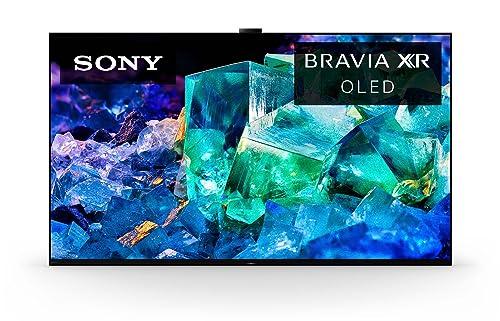












Shopping for a premium 65-inch TV can feel overwhelming with all the acronyms, competing technologies, and marketing claims. Today we're comparing two fascinating approaches to high-end television: the Sony Bravia XR A95K 65" QD-OLED, a 2022 model that pushed OLED technology forward, and the Samsung 65" The Frame Pro 4K Neo QLED Smart TV 2025, which just launched as Samsung's most ambitious lifestyle TV yet.
These TVs represent fundamentally different philosophies. The Sony A95K is all about delivering the best possible picture quality, while the Samsung Frame Pro asks "what if your TV could disappear into your living room décor when you're not watching?" Both cost roughly the same at the time of writing, making this decision more about what matters most to you rather than budget constraints.
Premium TVs in this price range need to excel at several key areas. Picture quality sits at the top—this includes how deep the blacks look, how bright the highlights can get, and how accurate colors appear. Gaming performance has become increasingly important as consoles like PlayStation 5 and Xbox Series X demand 4K resolution at 120 frames per second. Smart TV features determine how easy it is to access Netflix, Disney+, and other streaming services. Finally, design and build quality matter more at this price point since these TVs often become focal points in living rooms.
The most crucial technical specification is the display technology itself. This determines everything else about how the TV performs, from contrast ratio (the difference between the darkest blacks and brightest whites) to viewing angles and energy consumption.
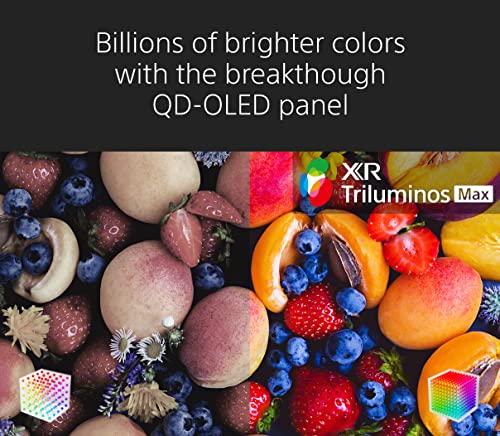
The Sony A95K uses QD-OLED technology, which sounds complex but is actually quite elegant. Traditional OLED TVs have millions of tiny pixels that can turn completely on or off individually—this creates perfect blacks since pixels can shut off entirely. The "QD" part stands for Quantum Dot, a layer that enhances colors by converting blue light into more precise red and green wavelengths. Think of it like having a more advanced color filter that makes reds more vibrant and greens more natural.
The Samsung Frame Pro takes a different approach with Neo QLED Mini-LED technology. Instead of self-emitting pixels, it uses thousands of tiny LED backlights behind the screen with local dimming zones that can brighten or dim independently. "Mini-LED" refers to backlights much smaller than traditional LED TVs—sometimes smaller than a grain of rice—allowing for more precise control over brightness in different screen areas.
This fundamental difference shapes everything about how these TVs perform. OLED excels at contrast and black levels but has brightness limitations. Mini-LED can get much brighter but struggles with perfect blacks since the backlight can never turn completely off.
The Sony A95K delivers what many consider the gold standard for contrast. When a scene shows stars against a night sky, those black areas are truly black—not dark gray—because the pixels turn off completely. This creates an infinite contrast ratio that makes images pop with three-dimensional depth. There's no "blooming" effect where bright objects cause halos of light around them in dark scenes.
The Samsung Frame Pro handles contrast differently. Its Mini-LED backlighting with local dimming zones can create very dark blacks, but they're not perfect since some light always bleeds through. However, Samsung has improved this significantly in 2025 models, and most viewers won't notice the difference except in very dark room viewing of letterboxed movies.
From our research into professional reviews and user experiences, the Sony's perfect blacks become most noticeable when watching cinematic content in darkened rooms—exactly the scenario where serious movie watchers do their viewing.
Here's where the Samsung Frame Pro shines, literally. Its Mini-LED backlighting can push over 1,000 nits of peak brightness, compared to around 400 nits for the Sony A95K. In practical terms, this means the Samsung handles bright living rooms much better, with HDR highlights that remain punchy even when sunlight streams through windows.
The Sony's lower brightness isn't necessarily a weakness—400 nits is perfectly adequate for most viewing environments. But if your TV sits in a bright room with lots of windows, the Samsung's extra brightness provides a more comfortable viewing experience during daytime hours.
Both TVs excel at color reproduction, but through different methods. The Sony A95K's QD-OLED technology combines perfect blacks with quantum dot color enhancement, creating exceptional color volume—meaning colors remain saturated even in darker scenes. Sony's Cognitive Processor XR analyzes each frame and adjusts colors to appear more natural, mimicking how human vision perceives reality.
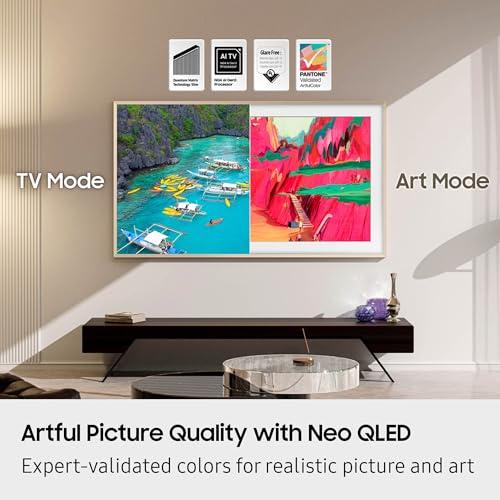
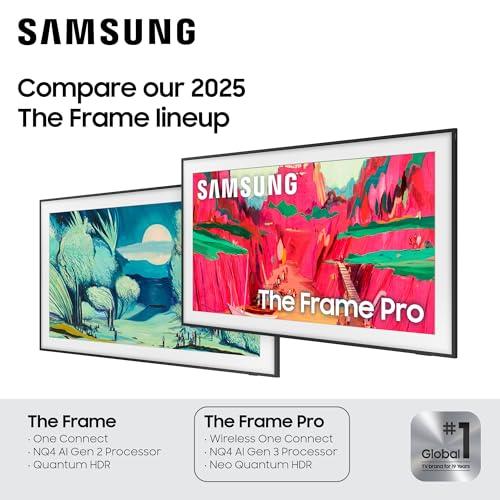
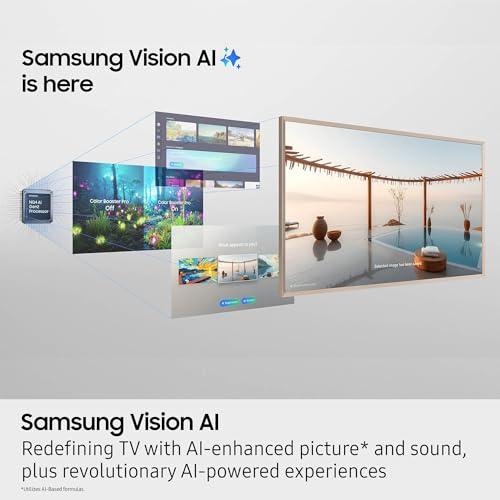
The Samsung Frame Pro uses Pantone color validation, which means colors match professional color standards. The NQ4 Gen 3 processor leverages artificial intelligence with 20 neural networks analyzing each frame for optimal color mapping. In brighter scenes, the Samsung can actually display more vibrant colors thanks to its higher brightness capability.
Based on professional calibration reviews, both TVs achieve excellent color accuracy out of the box, with the Sony having a slight edge in darker content and the Samsung excelling in bright, colorful material.
Gaming has become a major TV battleground, and these models take different approaches. The Samsung Frame Pro supports 144Hz refresh rates, meaning it can display 144 frames per second for incredibly smooth motion. This primarily benefits PC gaming, as most console games top out at 120fps. Samsung includes four HDMI 2.1 ports, providing flexibility for multiple gaming devices plus a soundbar.
The Sony A95K supports 4K gaming at 120Hz with two HDMI 2.1 ports, which covers most users' needs but could feel limiting if you own multiple current-generation consoles. Sony was among the first manufacturers to support Dolby Vision gaming, which enhances HDR gaming experiences when supported by games and consoles.
Input lag—the delay between pressing a controller button and seeing the action on screen—matters enormously for competitive gaming. Professional testing consistently shows the Sony achieving lower input lag, making it better for fast-paced games where reaction time matters. The Samsung's higher input lag (around 30ms based on reviews) makes it less suitable for serious gaming despite its higher refresh rate capability.
For home theater gaming where picture quality matters more than competitive performance, the Sony A95K's superior contrast creates more immersive gaming experiences, especially in darker games.
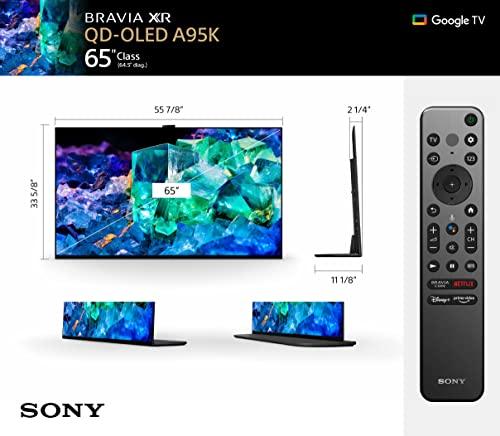
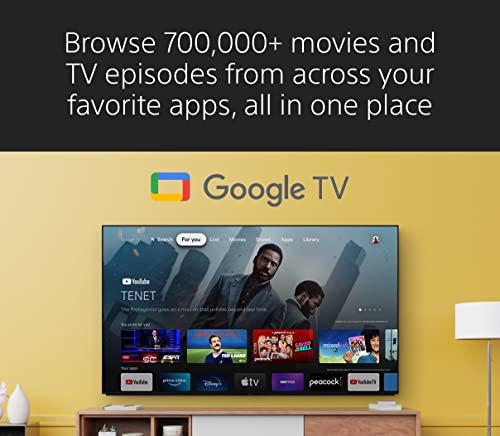
The Sony A95K runs Google TV, which provides access to virtually every streaming service through the Google Play Store. The interface feels familiar to Android users and supports Google Assistant voice control plus Chromecast built-in for easy phone-to-TV casting. Google TV's recommendation engine pulls content from across multiple services, making discovery easier.
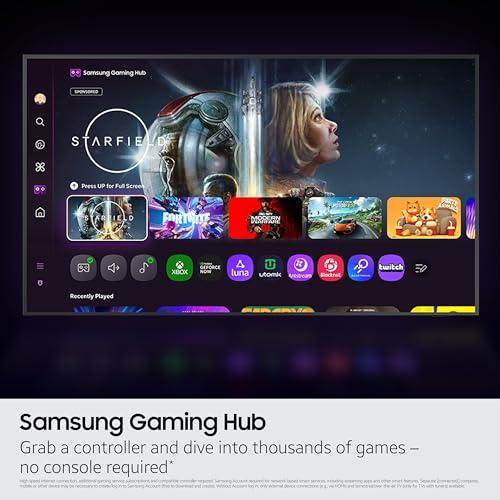
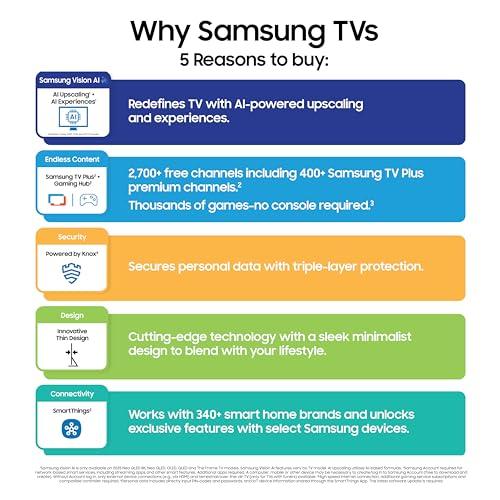
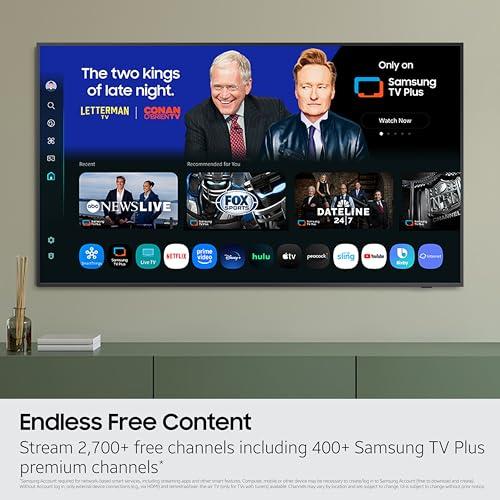
The Samsung Frame Pro uses Samsung's Tizen operating system, generally praised for its speed and responsiveness. Samsung's Gaming Hub provides direct access to cloud gaming services like Xbox Game Pass and NVIDIA GeForce Now without requiring a console. The interface feels more polished and loads apps faster based on user feedback.
Both platforms access the same major streaming services, so this often comes down to personal preference and which ecosystem you're already invested in.
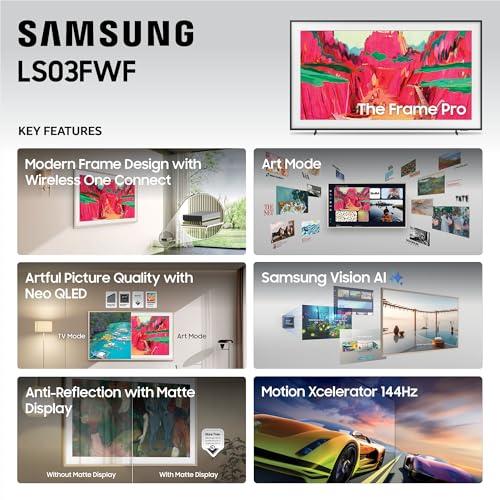
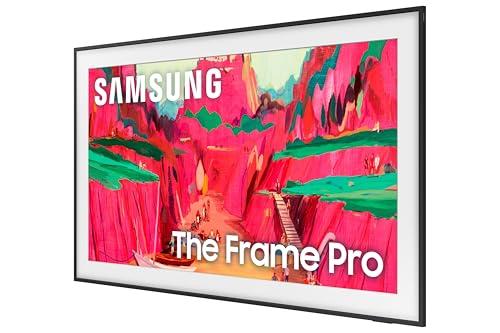
The Samsung Frame Pro's most distinctive feature deserves detailed discussion. Art Mode transforms your TV into a digital art gallery when not in use, displaying thousands of curated artworks from the Samsung Art Store. The matte anti-glare screen coating makes displayed art look remarkably like real paintings or photographs, eliminating the glossy "TV look."
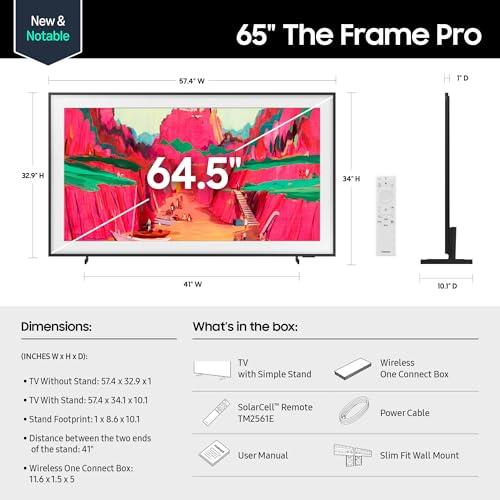
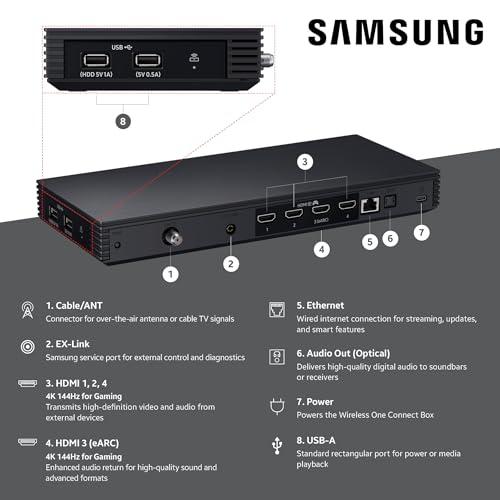
The Wireless One Connect Box represents a genuine innovation. This separate device houses all your HDMI inputs and connects wirelessly to the TV using Wi-Fi 7 technology, maintaining connection up to 33 feet away even through walls. This eliminates visible cables entirely, crucial for the gallery aesthetic.
Customizable bezels let you match the TV's frame to your room's décor. While previous Frame models felt like compromises between art and TV functionality, the 2025 Frame Pro delivers legitimate high-performance TV capabilities while maintaining its artistic appeal.
The Sony A95K includes Acoustic Surface Audio+ technology, where actuators behind the screen vibrate the display itself to produce sound. This creates an unusually immersive experience where dialogue appears to come directly from actors' mouths on screen rather than from speakers below. It's particularly effective for center channel audio in movies and TV shows.
The Samsung Frame Pro uses more traditional speakers with Dolby Atmos support, Object Tracking Sound, and Q-Symphony technology that can coordinate with Samsung soundbars for enhanced audio. While competent, it doesn't match Sony's innovative screen-as-speaker approach.
For serious home theater setups, both TVs benefit significantly from external audio systems. However, the Sony's superior built-in audio makes it more enjoyable for casual viewing without additional speakers.
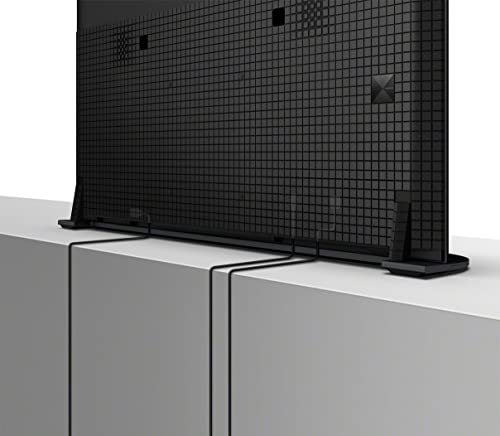
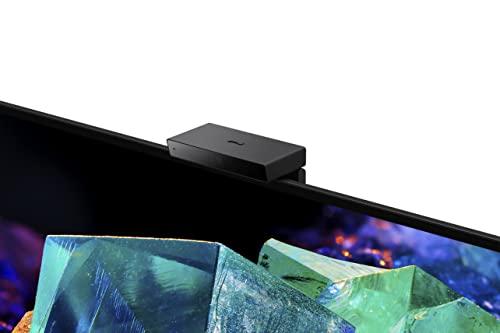
These TVs approach design from opposite directions. The Sony A95K follows traditional premium TV aesthetics—minimize the bezels and stand to focus attention on the picture. It succeeds at disappearing visually when content is playing but clearly looks like a TV when off.
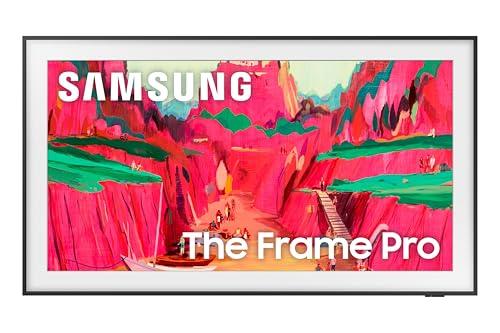
The Samsung Frame Pro embraces being furniture. Its ultra-slim profile, customizable bezels, and matte screen are designed to blend into your room's décor. The Wireless One Connect Box allows clean wall mounting without visible cables. When displaying art, it genuinely resembles a framed painting rather than a TV.
This design difference matters enormously depending on your living situation. In dedicated media rooms, the Sony's approach makes sense. In open-concept living spaces or formal rooms where the TV needs to coexist with carefully chosen décor, the Samsung's approach is transformative.
For dedicated home theater setups, the Sony A95K holds clear advantages. Its perfect blacks and infinite contrast ratio create the cinematic experience that home theater enthusiasts seek. Letterboxed movies display with truly black bars rather than gray ones, and shadow detail in dark scenes reveals information invisible on other display technologies.
The Sony's Acoustic Surface Audio+ technology works particularly well in home theaters, creating more convincing dialogue placement. For users who invest in external audio systems, the Sony can function as a center channel speaker, integrating seamlessly with surround sound setups.
The Samsung Frame Pro can certainly serve home theater duty, especially with its superior brightness for HDR content. However, its higher input lag and inability to achieve perfect blacks make it less ideal for the dark-room, serious viewing that defines home theater use.
At the time of writing, both TVs command similar premium pricing, making this decision about features rather than budget. The Sony A95K, being a 2022 model, represents mature QD-OLED technology at potentially reduced prices as newer models arrive. This maturity means most early-adoption issues have been resolved through firmware updates.
The Samsung Frame Pro, as a 2025 model, includes the latest processor technology and features but commands new-product pricing. Its unique art functionality adds value that's difficult to quantify—it depends entirely on how much you value having your TV serve dual purposes.
Both TVs should provide excellent longevity, with software support expected for several years. OLED panels have resolved early burn-in concerns through improved manufacturing and software protections, while Mini-LED technology has proven reliable in Samsung's premium lineup.
Choose the Sony Bravia XR A95K if you prioritize pure picture quality above all else. It's ideal for movie enthusiasts who watch in darkened or controlled lighting environments, gamers who need low input lag for competitive play, and anyone who wants the most cinematic viewing experience possible. The innovative audio technology makes it excellent for users who won't immediately add external speakers.
The Sony makes particular sense for dedicated media rooms, master bedrooms, or any space where the TV's primary job is displaying content rather than serving as décor.
Choose the Samsung Frame Pro if you need your TV to integrate seamlessly into your living space. It's perfect for open-concept homes, formal living rooms, or any space where the TV needs to look good when turned off. The superior brightness makes it ideal for bright rooms with lots of windows.
The Samsung also suits users who want the latest technology, need multiple HDMI 2.1 ports for various devices, or prefer Samsung's faster smart TV interface. Despite higher gaming input lag, the 144Hz capability benefits PC gamers who prioritize smooth motion over competitive response times.
These represent two peak achievements in television technology, each optimized for different priorities. The Sony A95K delivers reference-quality picture performance that satisfies the most demanding viewers. The Samsung Frame Pro proves that lifestyle integration doesn't require sacrificing performance.
Your decision ultimately depends on whether you want a TV that excels purely at being a TV, or one that successfully serves double duty as both entertainment device and room décor. Both approaches have merit, and both deliver experiences that justify their premium pricing in different ways.
The beauty of having two such different yet capable options is that there's genuinely no wrong choice—only different priorities and use cases. Consider your room lighting, viewing habits, gaming needs, and aesthetic preferences. The TV that aligns best with how you actually live and watch content will provide years of satisfaction.
| Sony Bravia XR A95K 65" QD-OLED TV | Samsung 65" The Frame Pro 4K Neo QLED Smart TV 2025 |
|---|---|
| Display Technology - Determines contrast, blacks, and overall picture quality | |
| QD-OLED with self-emitting pixels | Neo QLED Mini-LED with local dimming |
| Peak Brightness - Critical for bright room viewing and HDR impact | |
| ~400 nits (adequate for most rooms) | 1,000+ nits (excellent for bright spaces) |
| Black Levels - Essential for cinematic contrast and dark scene detail | |
| Perfect blacks (pixels turn completely off) | Very good blacks (some backlight bleed) |
| Gaming Refresh Rate - Important for smooth gaming motion | |
| 4K @ 120Hz | 4K @ 144Hz |
| Gaming Input Lag - Critical for competitive gaming responsiveness | |
| Low (~10ms, excellent for gaming) | High (~30ms, less suitable for competitive play) |
| HDMI 2.1 Ports - Needed for next-gen consoles and high refresh gaming | |
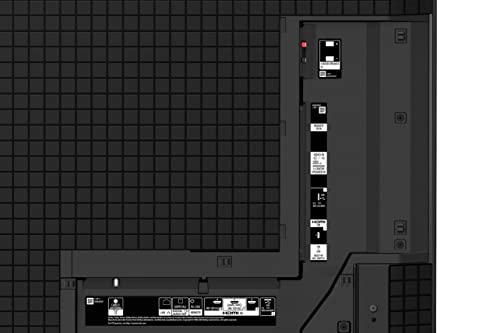
| 2 ports (may limit multiple device setup) | 4 ports (excellent connectivity flexibility) |
| Smart Platform - Affects app selection and interface speed | |
| Google TV with Chromecast built-in | Samsung Tizen OS (faster, more responsive) |
| Audio Innovation - Built-in sound quality without external speakers | |
| Acoustic Surface Audio+ (screen produces sound) | Traditional speakers with Dolby Atmos |
| Design Philosophy - How the TV integrates into your living space | |
| Traditional premium TV aesthetic | Art Mode with customizable bezels and matte finish |
| Unique Features - Standout capabilities that differentiate each model | |
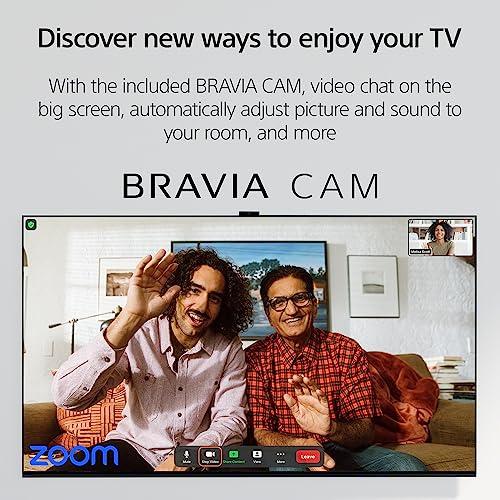
| BRAVIA CAM, Cognitive Processor XR | Wireless One Connect Box, Samsung Art Store access |
| HDR Support - Enhanced contrast and color in compatible content | |
| HDR10, Dolby Vision, HLG | HDR10+, no Dolby Vision support |
| Ideal Room Lighting - Where each TV performs best | |
| Dark to moderate lighting (home theater optimal) | Bright rooms with lots of ambient light |
| Release Year - Technology generation and maturity | |
| 2022 (mature QD-OLED technology) | 2025 (latest processors and features) |
The Sony Bravia XR A95K delivers superior picture quality for movies due to its QD-OLED technology. It produces perfect blacks by turning pixels completely off, creating infinite contrast that makes dark scenes pop with detail. The Samsung Frame Pro offers excellent brightness and colors but cannot match the Sony's black levels and contrast performance that serious movie watchers prefer.
QD-OLED in the Sony A95K uses self-emitting pixels that can turn completely off for perfect blacks, combined with quantum dots for enhanced colors. Neo QLED in the Samsung Frame Pro uses thousands of tiny LED backlights with local dimming zones. The Sony excels at contrast and blacks, while the Samsung achieves higher peak brightness for bright rooms.
The Samsung Frame Pro performs better in bright rooms with its 1,000+ nits peak brightness and matte anti-glare screen coating. The Sony A95K reaches around 400 nits, which works well in controlled lighting but may struggle against direct sunlight or very bright ambient lighting conditions.
Both TVs support 4K gaming at high refresh rates, but differ in capabilities. The Sony A95K offers 4K @ 120Hz with excellent low input lag, making it ideal for competitive gaming. The Samsung Frame Pro supports 4K @ 144Hz but has higher input lag around 30ms, making it less suitable for serious gaming despite the higher refresh rate.
The Sony A95K includes 2 HDMI 2.1 ports, which may limit setups with multiple gaming consoles and a soundbar. The Samsung Frame Pro provides 4 HDMI 2.1 ports, offering much more flexibility for connecting PlayStation 5, Xbox Series X, gaming PCs, and audio equipment simultaneously.
The Samsung Frame Pro transforms into a digital art display when not watching content, with access to thousands of artworks through Samsung's Art Store. Its matte screen eliminates glare, customizable bezels match your décor, and the Wireless One Connect Box eliminates visible cables for a true picture frame aesthetic that the Sony A95K cannot replicate.
The Sony A95K features innovative Acoustic Surface Audio+ technology where the screen itself produces sound, creating more immersive audio with dialogue appearing to come from actors' mouths. The Samsung Frame Pro uses traditional speakers with Dolby Atmos support, which sounds good but cannot match Sony's unique screen-as-speaker approach.
Yes, both TVs access all major streaming platforms. The Sony A95K runs Google TV with the Google Play Store and Chromecast built-in. The Samsung Frame Pro uses Samsung's Tizen OS, which is generally faster and more responsive, plus includes Samsung's Gaming Hub for cloud gaming services.
The Sony A95K excels in home theater setups with its perfect blacks, infinite contrast, and superior performance in dark rooms. The letterboxed movie bars appear truly black rather than gray, and shadow detail reveals more information. The Samsung Frame Pro works well but cannot match the cinematic experience that home theater enthusiasts seek.
The Samsung Frame Pro generally offers a faster, more responsive smart TV experience with Samsung's Tizen OS loading apps quicker than the Sony A95K's Google TV platform. However, Google TV provides better content discovery across multiple streaming services and deeper integration with Google services and Android devices.
Both TVs handle motion well, but the Sony A95K typically provides better motion processing for sports and action content. Sony's Cognitive Processor XR includes advanced motion technologies that reduce blur and judder. The Samsung Frame Pro offers good motion handling with its higher 144Hz capability, but the Sony's processing generally produces smoother results.
Both the Sony A95K and Samsung Frame Pro represent solid long-term investments with different strengths. The Sony offers mature 2022 QD-OLED technology with resolved early-adoption issues, while the Samsung provides the latest 2025 processing and features. Both should receive software updates for several years and deliver excellent performance throughout their lifespan.
We've done our best to create useful and informative comparisons to help you decide what product to buy. Our research uses advanced automated methods to create this comparison and perfection is not possible - please contact us for corrections or questions. These are the sites we've researched in the creation of this article: tomsguide.com - audioadvice.com - wepc.com - bestbuy.com - tvsbook.com - rtings.com - youtube.com - flatpanelshd.com - rtings.com - youtube.com - reviewed.com - avsforum.com - youtube.com - youtube.com - rtings.com - youtube.com - electronics.sony.com - sonypremiumhome.com - valueelectronics.com - sony.com - displayspecifications.com - flatpanelshd.com - donstv.com - youtube.com - businessinsider.com - youtube.com - displayspecifications.com - bestbuy.com - tomsguide.com - youtube.com - smarthomesounds.co.uk - images.samsung.com - rtings.com - samsung.com - bestbuy.com - bestbuy.com - businessinsider.com - dentonstv.com - samsung.com - flatpanelshd.com - samsung.com - jefflynch.com - youtube.com - costco.com

Privacy Policy
Terms and Conditions - Affiliate Policy
Home Security
© Copyright 2008-2026.
11816 Inwood Rd #1211, Dallas, TX 75244