

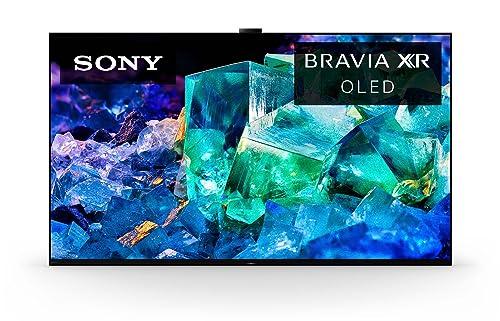


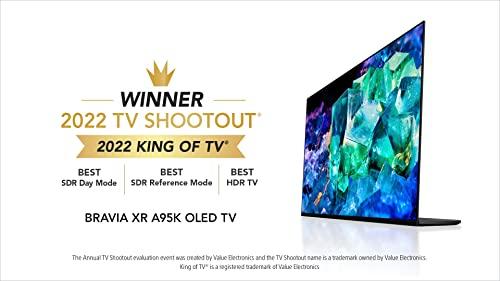
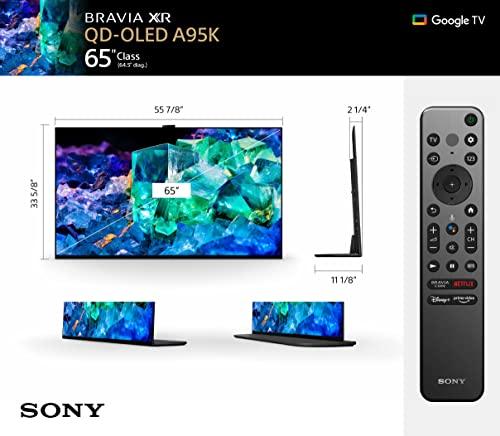



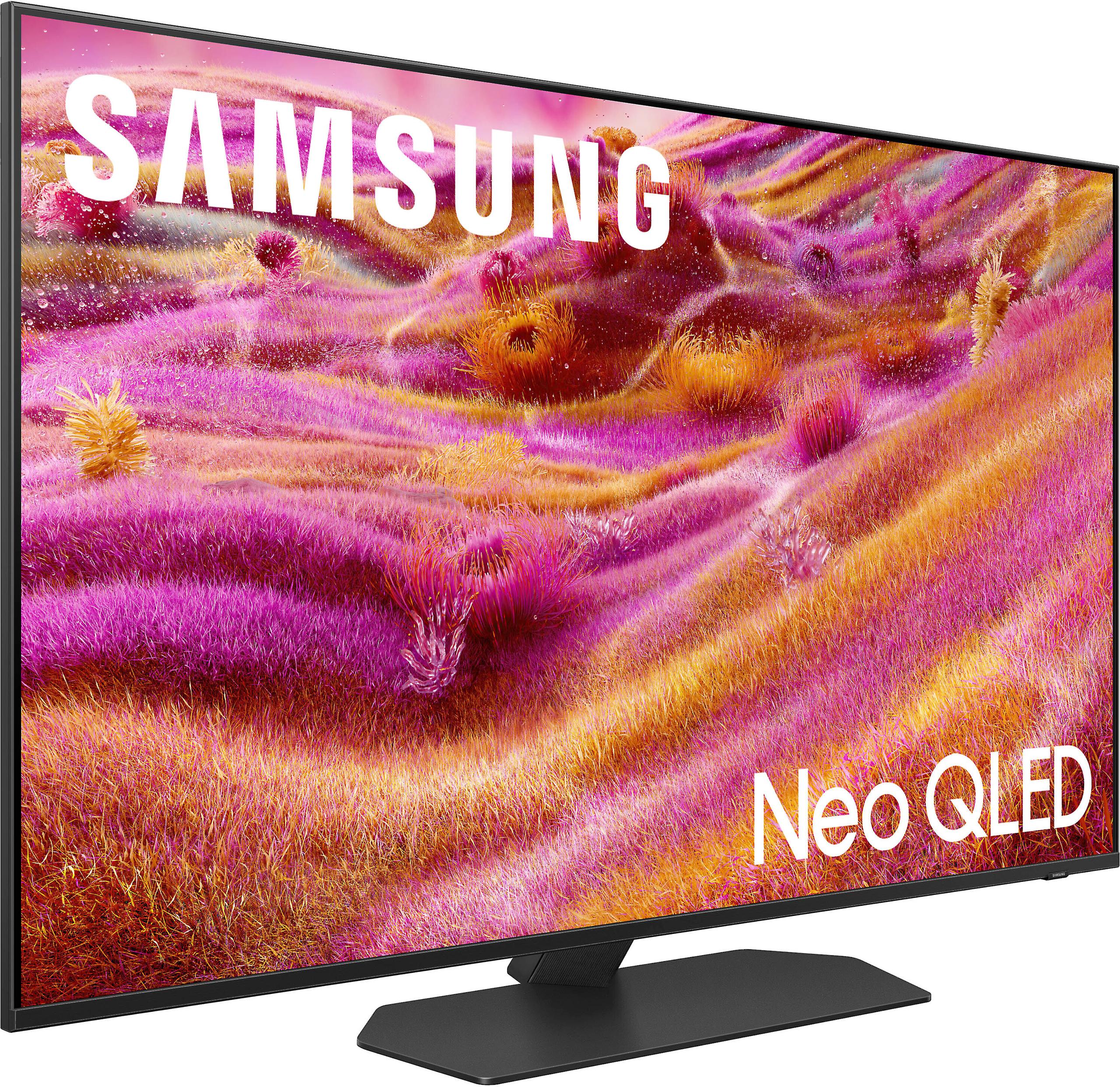
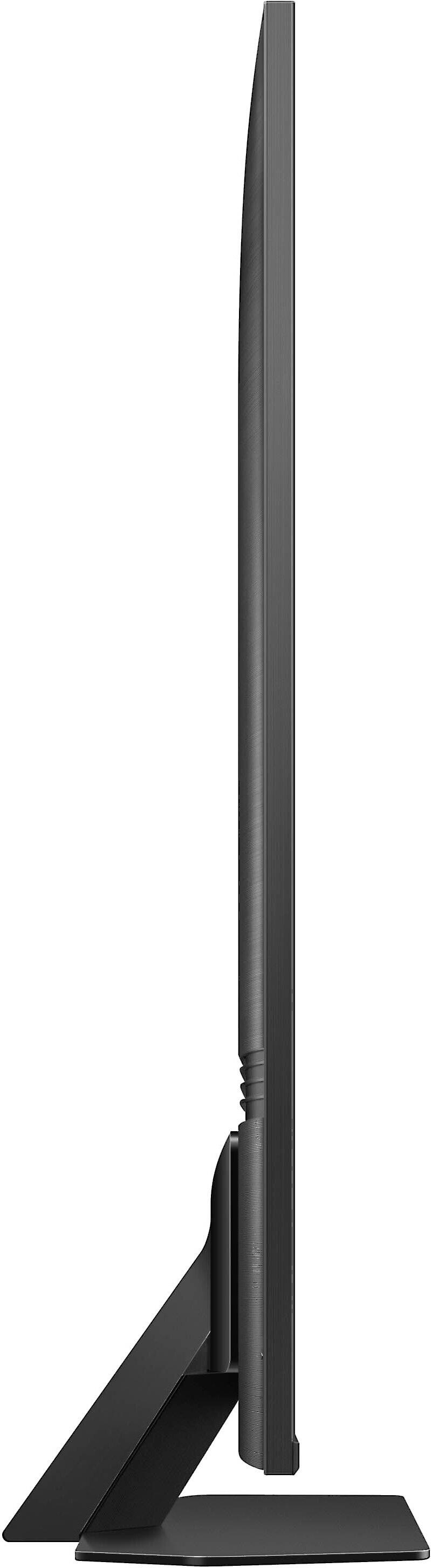
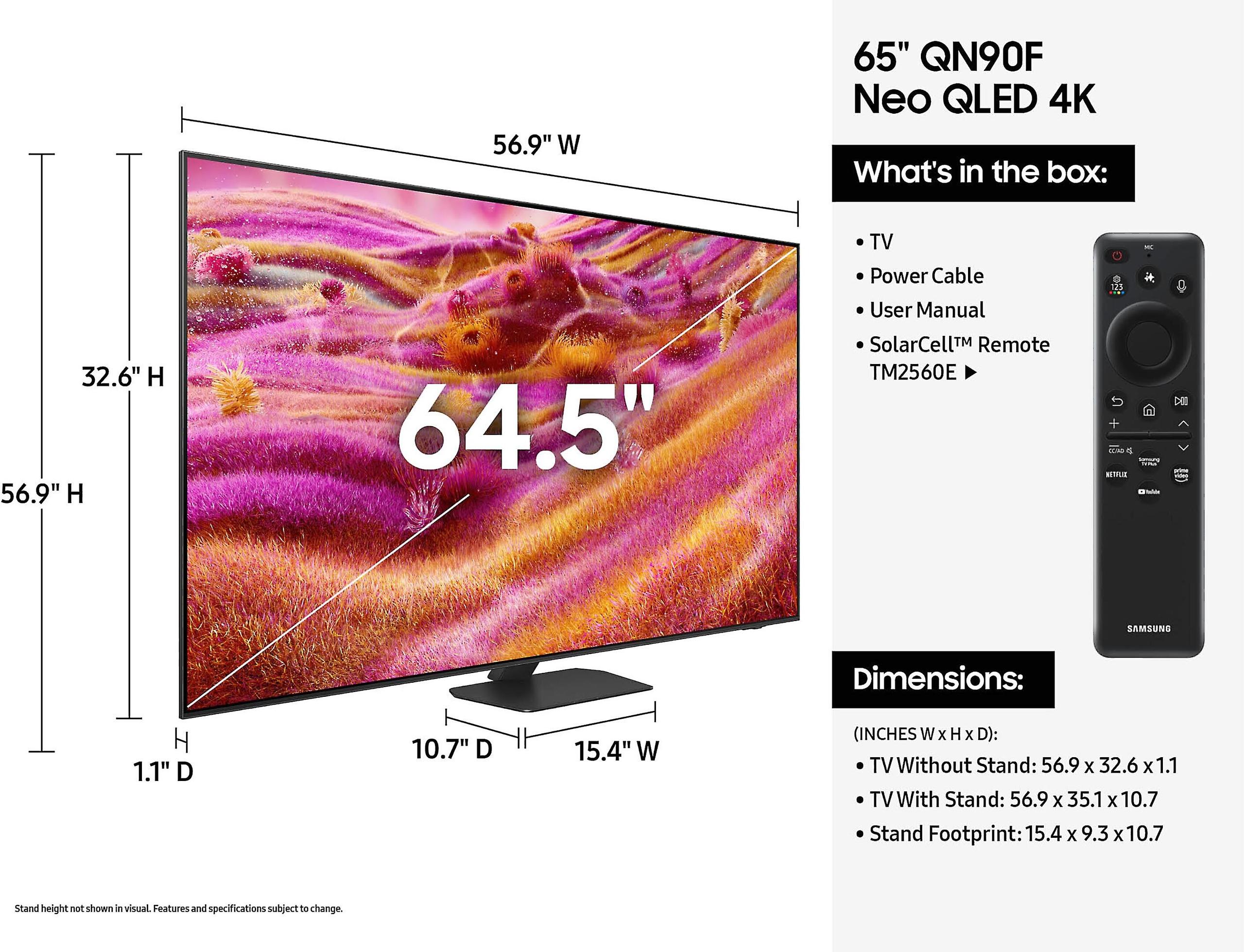


Shopping for a premium 65-inch TV can feel overwhelming, especially when you're comparing fundamentally different display technologies. The Sony Bravia XR A95K represents the cutting edge of OLED innovation from 2022, while the Samsung 65" QN90F showcases Samsung's latest 2025 Neo QLED advancements. Both TVs target the high-end market, but they take completely different approaches to delivering exceptional picture quality.
At the time of writing, these TVs sit in different price tiers—the Sony A95K commands a premium price typical of advanced OLED technology, while the Samsung QN90F offers more accessible pricing despite being Samsung's flagship 4K model. Understanding which technology suits your viewing habits and room setup is crucial to making the right choice.
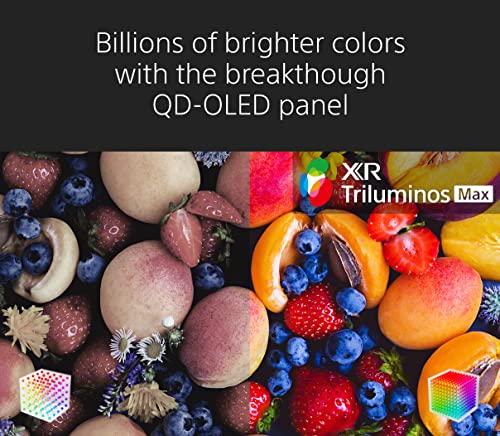
The Sony A95K uses Quantum Dot OLED (QD-OLED) technology, which was genuinely revolutionary when it launched in 2022. Think of traditional OLED panels as having millions of tiny light bulbs that can turn completely on or off—that's what gives OLED its famous perfect black levels. But here's where Sony's version gets interesting: instead of using white OLED pixels with color filters (like most OLEDs), the A95K uses blue OLED pixels combined with quantum dot converters to create red and green light.
This might sound like technical mumbo-jumbo, but the real-world impact is significant. The quantum dot layer acts like a color enhancer, producing more vibrant and accurate colors while maintaining OLED's signature infinite contrast. Each of the 8.3 million pixels controls its own brightness independently, meaning when you're watching a movie with a bright explosion against a starry sky, the bright areas don't affect the darkness of the surrounding pixels at all—something called "blooming" that LCD TVs struggle with.
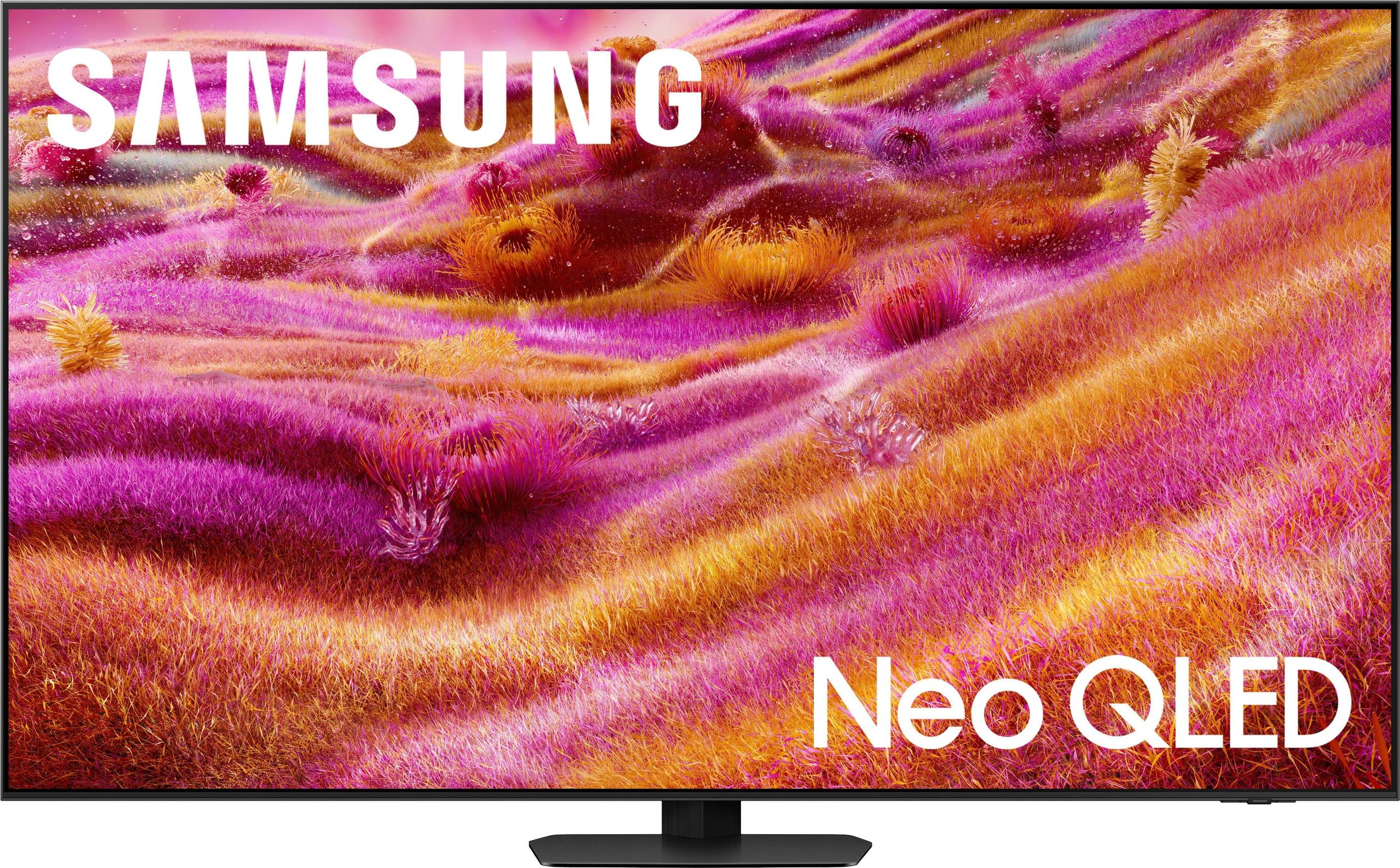
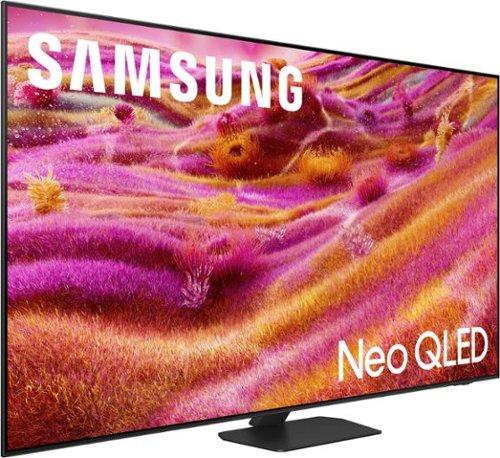
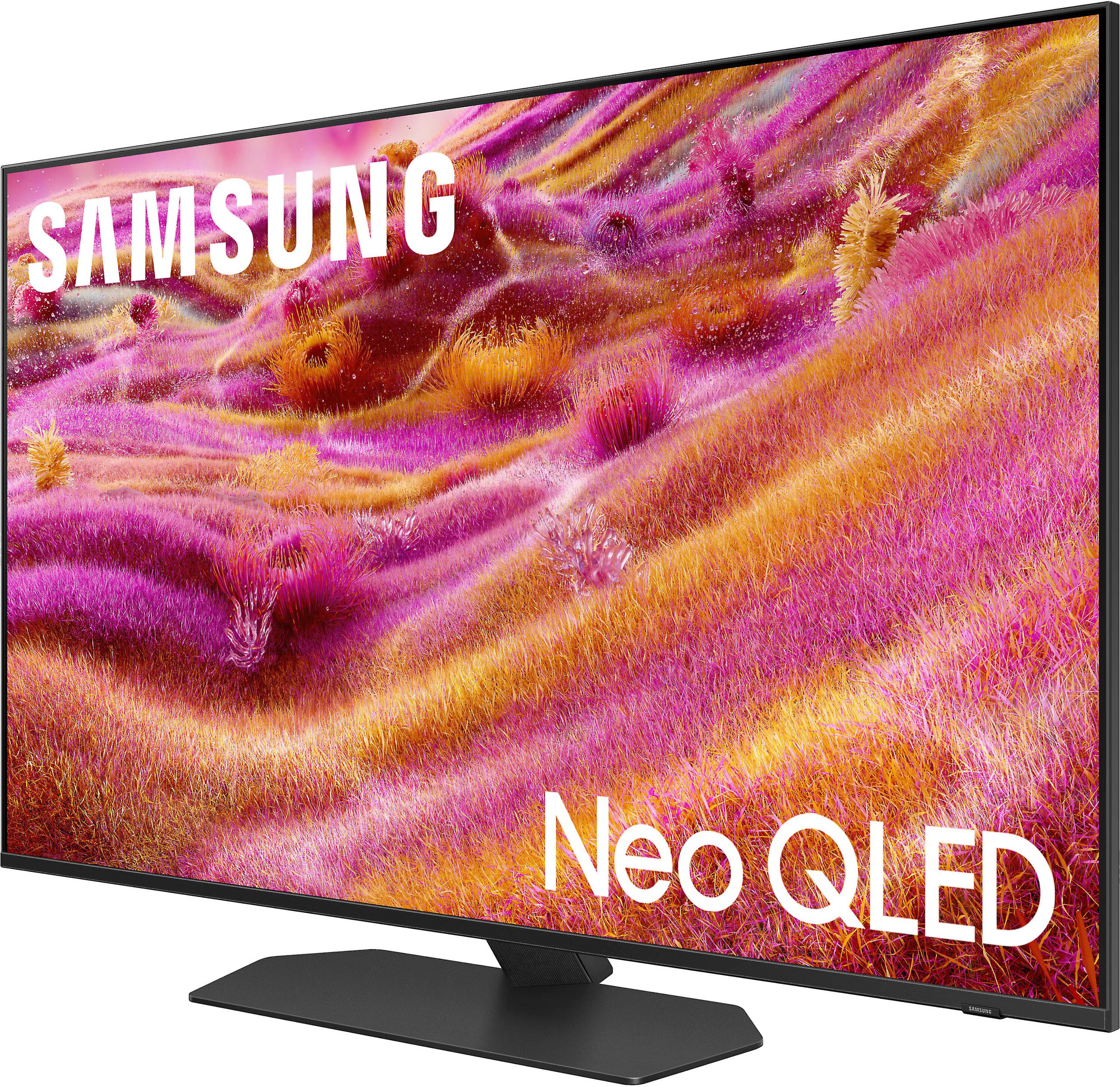
The Samsung QN90F takes the LCD approach but pushes it to its limits with Mini LED technology. Instead of having a few dozen LED zones behind the screen like older LCD TVs, the QN90F uses thousands of tiny LED lights grouped into dimming zones. Samsung calls this Quantum Matrix Technology Pro, and it allows for much more precise control over which parts of the screen are bright or dark.
Picture it like this: if older LCD TVs were like having a few flashlights behind frosted glass, the QN90F is more like having thousands of tiny, controllable LED lights. This creates much better contrast and reduces that annoying halo effect you might notice around bright objects on dark backgrounds. The Mini LEDs are combined with quantum dot technology for enhanced color reproduction, though the fundamental LCD structure means it can't achieve the perfect blacks of OLED.
Here's where the fundamental difference between these technologies becomes most apparent. The Sony A95K achieves what we call "infinite contrast"—when a pixel needs to be black, it simply turns off completely. No backlight bleeding, no grayish blacks, just pure darkness. This makes watching movies in dark rooms absolutely stunning, especially with HDR content where you have bright highlights against deep shadows.
The Samsung QN90F can't match this level of black performance because it's still an LCD at heart. Even with thousands of Mini LED zones, some light inevitably leaks through when displaying dark content. However, Samsung has made impressive improvements, and for most viewers in normal lighting conditions, the difference isn't as dramatic as you might expect.
Where things get interesting is in real-world performance. Based on extensive reviews and testing data, the A95K often appears brighter than the QN90F in actual movie scenes, despite having lower peak brightness measurements on paper. This happens because OLED excels at creating those small, intense highlights that HDR content uses to create impact—like sunlight reflecting off water or car headlights at night.
The Sony A95K covers 99% of the DCI-P3 color space, which is the standard that most movies are mastered in. More importantly, it does this with exceptional accuracy right out of the box. The QD-OLED technology produces colors that are both wider and more accurate than traditional OLEDs, making everything from animated movies to nature documentaries look more lifelike.
The Samsung QN90F also produces vibrant, appealing colors thanks to its quantum dot layer, but it tends to be more saturated and less accurate in its default settings. This isn't necessarily bad—many people prefer the punchy, vivid look Samsung provides. However, if you're particular about color accuracy (especially important for a home theater setup), the A95K has a clear advantage.
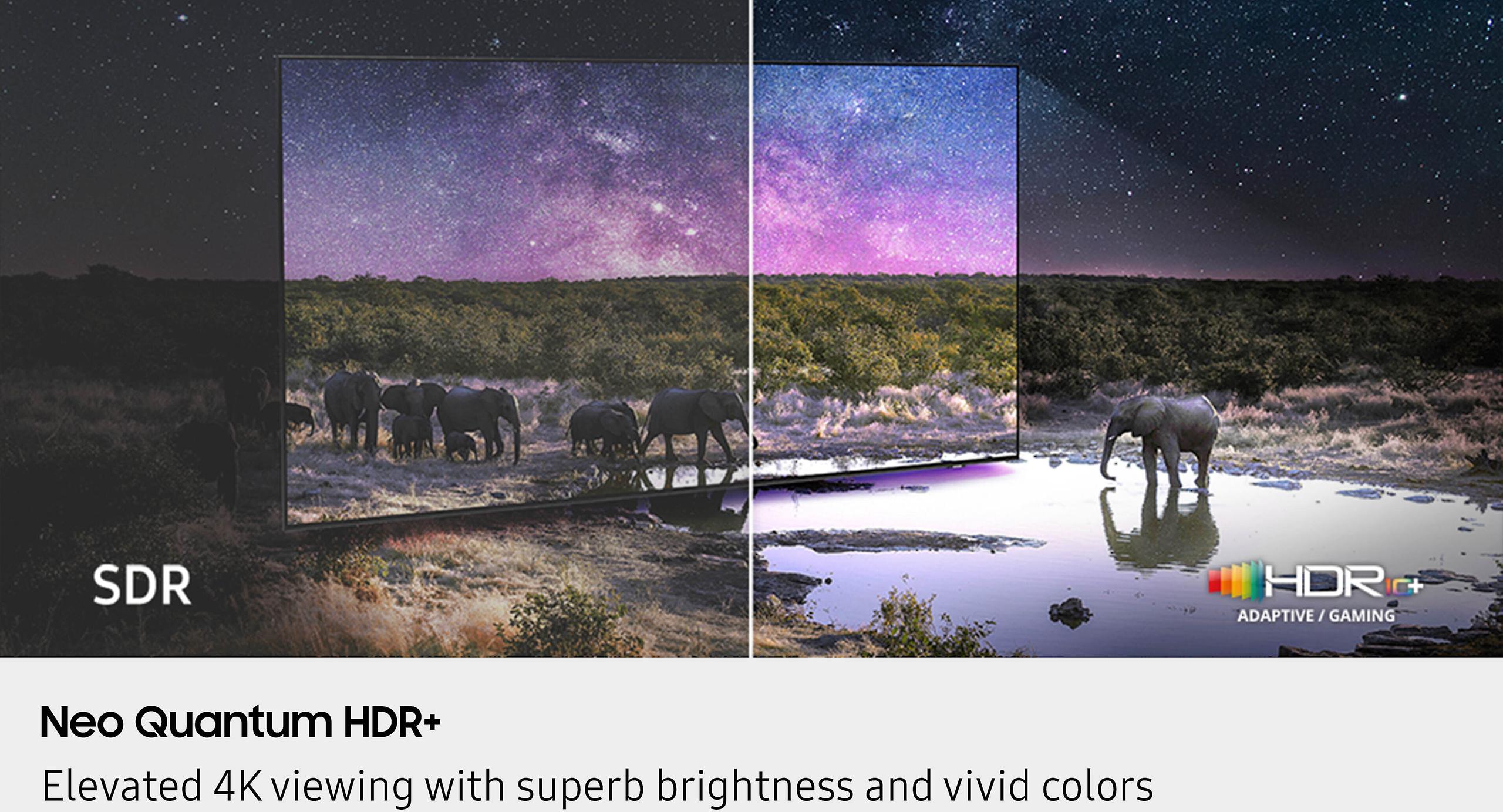
HDR (High Dynamic Range) content is where modern TVs really shine, and both of these models handle it well but differently. The Sony A95K supports Dolby Vision, which is considered the premium HDR format used by Netflix, Disney+, and most Hollywood studios. Dolby Vision provides scene-by-scene optimization, meaning each frame is adjusted for optimal brightness and color.
The Samsung QN90F reaches higher peak brightness levels—around 2,000 nits compared to the A95K's 1,000 nits—which can make bright HDR highlights more impactful. However, it only supports HDR10+ (Samsung's competing format) and lacks Dolby Vision entirely. For a home theater enthusiast, this could be a significant limitation since most premium streaming content uses Dolby Vision.
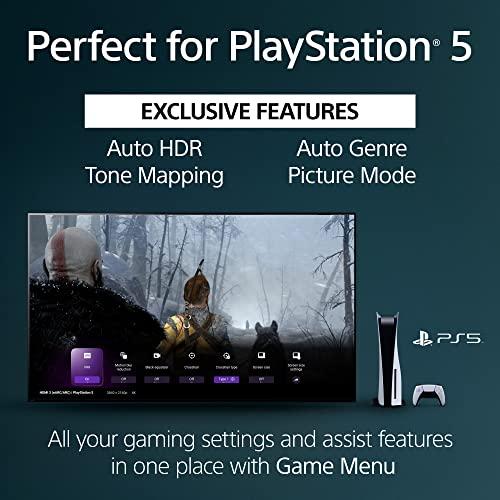
Gaming has become a crucial consideration for modern TVs, and both models offer compelling but different experiences. The Sony A95K provides 4K gaming at 120Hz with full HDMI 2.1 support, plus special optimizations for PlayStation 5 including Auto HDR Tone Mapping and Auto Genre Picture Switch. These features automatically adjust picture settings when you switch between games and movies.
But here's where OLED technology really shines for gaming: response time. The A95K has essentially instantaneous pixel response, meaning there's no motion blur or ghosting when you're playing fast-paced games. This creates incredibly clean, sharp motion that's particularly noticeable in competitive gaming or sports games.
The Samsung QN90F technically supports even higher refresh rates—up to 165Hz for PC gaming—and offers four HDMI 2.1 ports compared to the Sony's two. However, there's a significant caveat based on user reviews and testing: the QN90F suffers from slow pixel response times that create noticeable ghosting and motion blur. Several reviewers described this as severe enough to cause discomfort during gaming sessions.
Additionally, the QN90F's black levels degrade noticeably in Game Mode, creating a grayish appearance in dark scenes that undermines the Mini LED technology's contrast advantages.
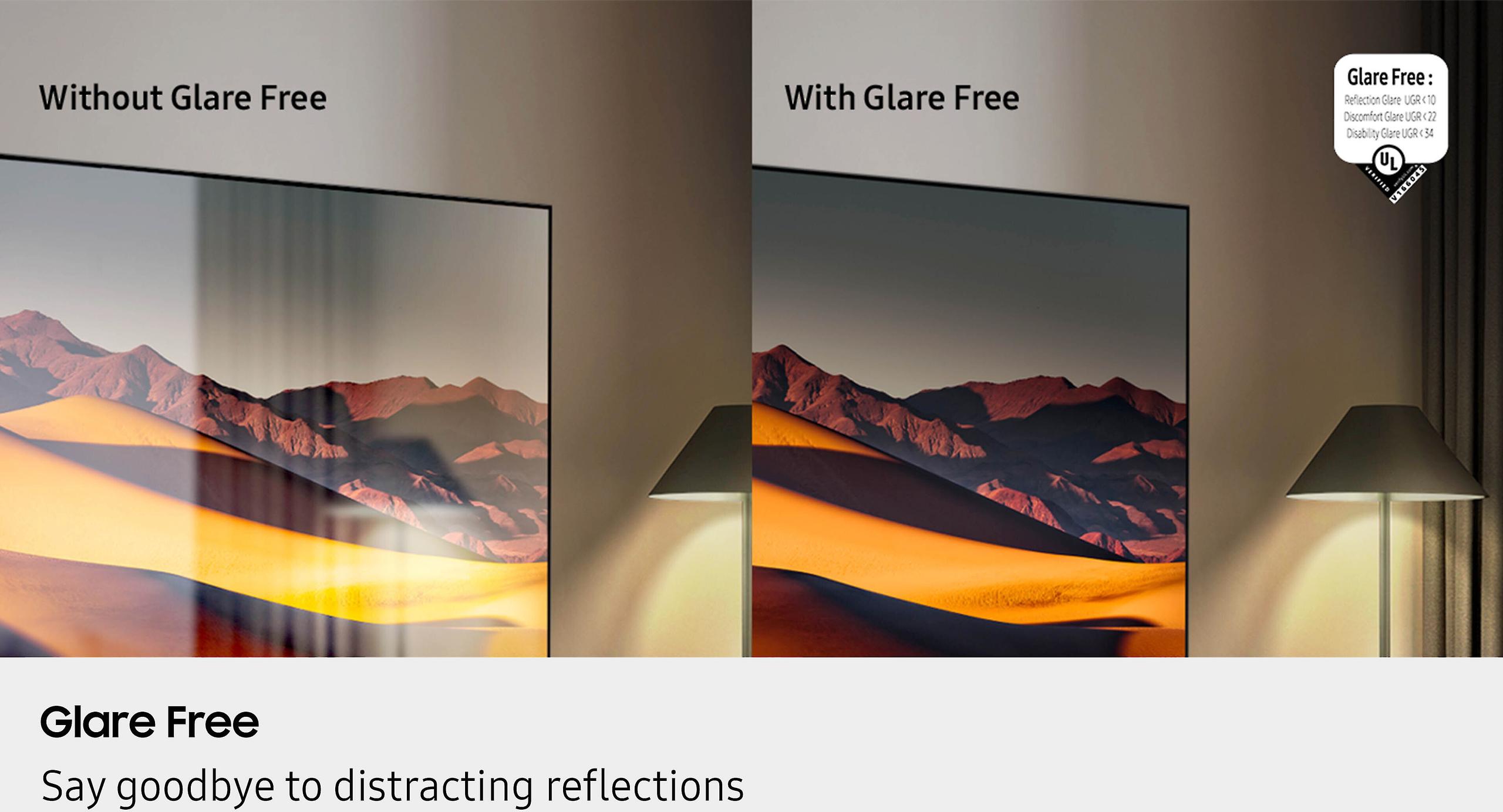
If your TV room has lots of windows or bright lighting, this consideration becomes crucial. The Samsung QN90F features Samsung's award-winning anti-glare coating that virtually eliminates reflections, even in very bright rooms. Combined with its higher peak brightness, this makes it exceptionally viewable in challenging lighting conditions.
Interestingly, despite having lower peak brightness, the Sony A95K also performs well in bright rooms thanks to its excellent anti-reflection coating. The OLED's superior contrast helps maintain image quality even when some ambient light is present. However, in extremely bright rooms with lots of direct sunlight, the Samsung has a clear advantage.
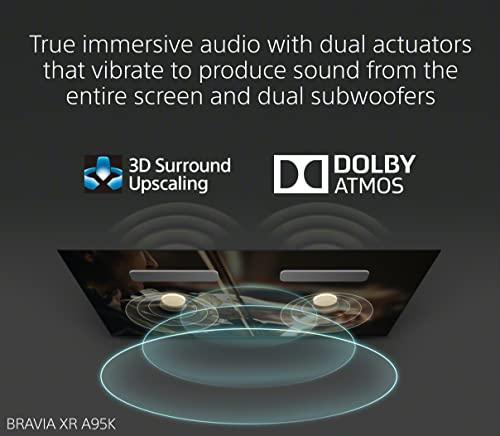
Both TVs take innovative approaches to audio. The Sony A95K uses Acoustic Surface Audio+ technology, where actuators behind the screen make the display itself vibrate to produce sound. This creates precise audio positioning—when someone speaks on the left side of the screen, you hear their voice coming from exactly that location. It's particularly effective for dialogue clarity and creates an immersive experience without a soundbar.
The Samsung QN90F features a more traditional but powerful 60W, 4.2.2 channel speaker system with Object Tracking Sound+ and Dolby Atmos support. While it doesn't have the Sony's unique screen-as-speaker technology, it provides robust, room-filling audio with good bass response and spatial effects.
For a home theater setup, the Sony A95K can actually function as a center channel speaker when connected to external surround speakers, creating seamless audio integration that's difficult to achieve with traditional TV speakers.
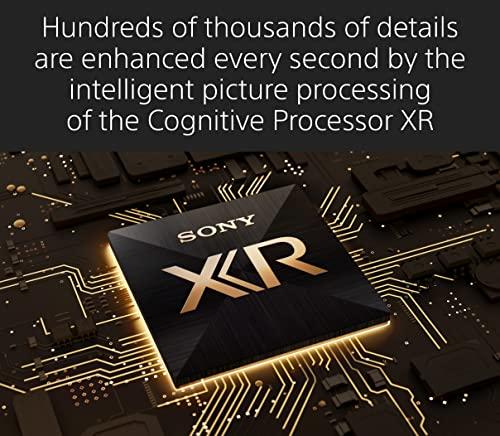
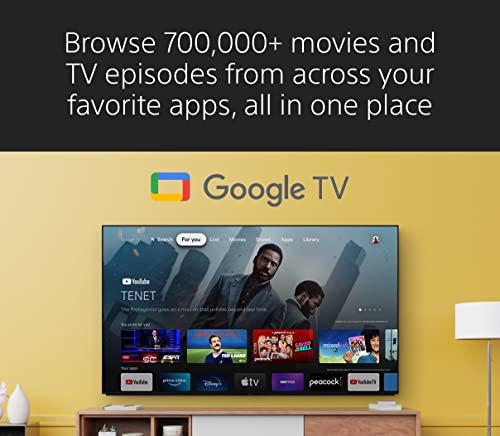
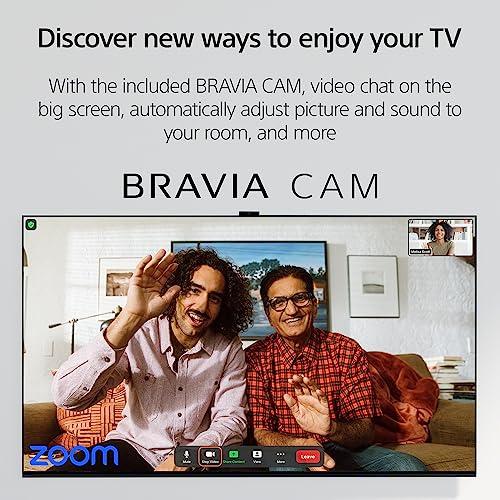
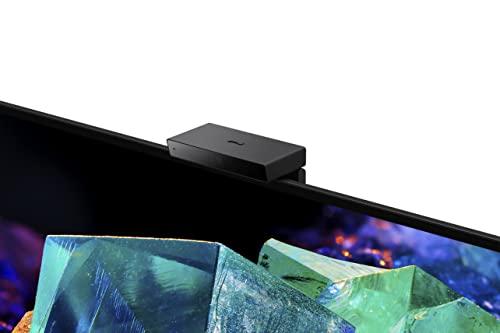
The platform difference here reflects their release years. The Sony A95K runs Google TV with the XR Cognitive Processor, which provides excellent upscaling of lower-resolution content and good app support. It includes the BRAVIA CAM for gesture controls and video chat capabilities.
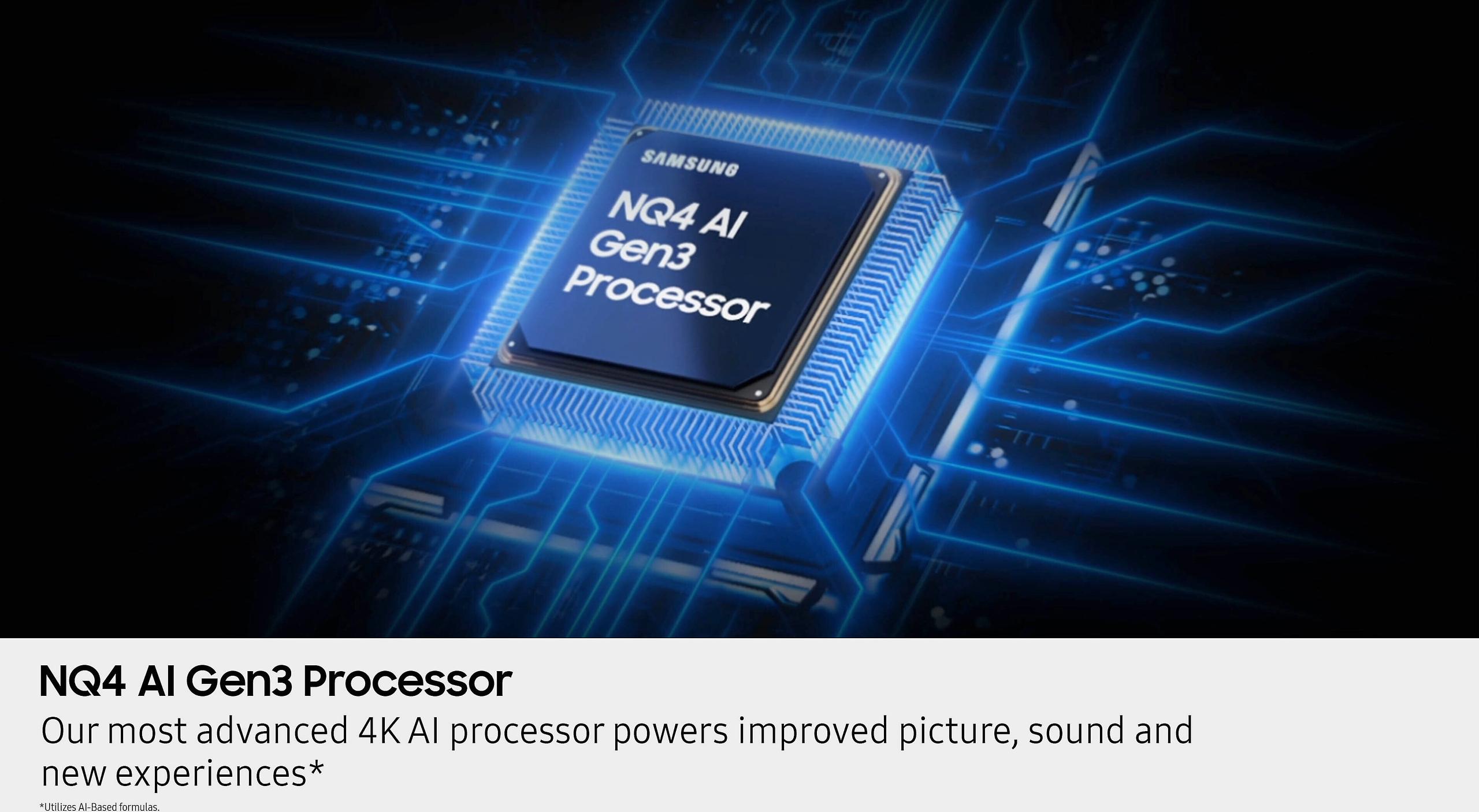
The Samsung QN90F showcases 2025's smart TV innovations with Samsung Vision AI, powered by the NQ4 AI Gen3 processor with 128 neural networks. This enables advanced features like universal gesture control, generative art wallpapers, and real-time home monitoring. The Tizen OS platform is generally faster and more responsive than Google TV, though both offer comprehensive app ecosystems.
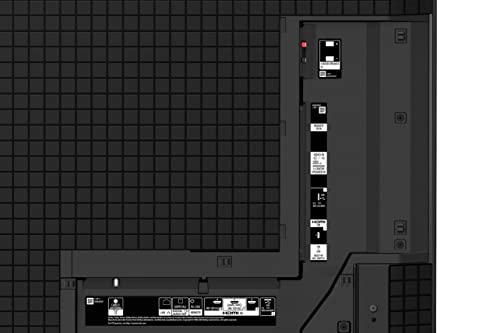
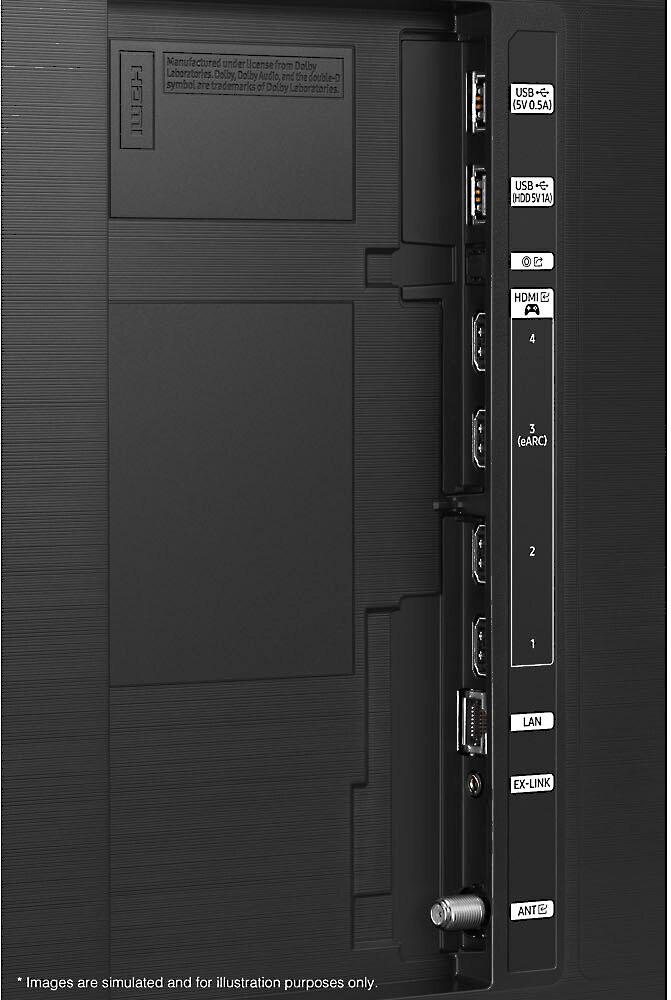
From a connectivity standpoint, the QN90F is clearly more future-proof with four HDMI 2.1 ports compared to the A95K's two. If you have multiple gaming consoles, a PC, and a soundbar, those extra ports become valuable.
For dedicated home theater use, the Sony A95K has several advantages. Its superior color accuracy means less need for calibration, Dolby Vision support ensures compatibility with premium streaming content, and the infinite contrast creates that cinematic experience that makes movies feel more immersive. The Acoustic Surface Audio+ technology also reduces the immediate need for external speakers, though serious enthusiasts will likely add a sound system regardless.
The Samsung QN90F isn't a poor choice for home theater use, but the lack of Dolby Vision support and less accurate default colors mean you'll need to spend more time adjusting settings or investing in professional calibration to achieve reference-quality picture performance.
Choose the Sony A95K if picture quality is your top priority. It's ideal for movie enthusiasts, those with controlled lighting environments, and gamers who value motion clarity over high refresh rates. The superior contrast, color accuracy, and motion handling make it excellent for cinematic content, while the unique audio technology adds to the immersive experience. The premium price reflects genuinely advanced technology that delivers measurable performance benefits.
The Samsung QN90F makes more sense if you need bright room performance, want the latest smart features, or require maximum connectivity with four HDMI 2.1 ports. At the time of writing, it also offers better value for those who want premium features without OLED pricing. However, be aware of the motion handling limitations—if you're sensitive to ghosting or play fast-paced games frequently, this could be a deal-breaker.
Consider your room's lighting, your primary content types, and your tolerance for technical compromises. The A95K delivers superior fundamental picture quality with some limitations in connectivity and smart features. The QN90F offers modern conveniences and bright-room performance but with notable motion handling issues that affect gaming and sports viewing.
Both are excellent TVs, but they excel in different scenarios. Your specific viewing habits and room setup should ultimately drive your decision between these two very different approaches to premium display technology.
| Sony Bravia XR A95K 65" QD-OLED TV | Samsung 65" QN90F Neo QLED 4K Vision AI Smart TV 2025 |
|---|---|
| Display Technology - Determines contrast, black levels, and overall picture quality | |
| QD-OLED with quantum dot enhancement | Neo QLED with Mini LED backlighting |
| Peak Brightness - Critical for HDR impact and bright room viewing | |
| ~1,000 nits (excellent for controlled lighting) | ~2,000 nits (superior for bright rooms) |
| Black Levels - Essential for contrast and cinematic experience | |
| Perfect blacks (infinite contrast ratio) | Very good blacks with minimal blooming |
| Gaming Refresh Rate - Important for console and PC gaming | |
| 120Hz (smooth for all consoles) | 165Hz (excellent for high-end PC gaming) |
| HDMI 2.1 Ports - Needed for next-gen gaming features | |
| 2 ports (sufficient for most users) | 4 ports (excellent for multiple devices) |
| Motion Handling - Critical for sports and fast-paced gaming | |
| Instantaneous pixel response (no blur) | Slow pixel response with ghosting issues |
| HDR Format Support - Affects streaming content compatibility | |
| HDR10, Dolby Vision, HLG | HDR10+, HLG (no Dolby Vision support) |
| Color Accuracy - Important for cinematic and professional content | |
| 99% DCI-P3 coverage, reference-level accuracy | Wide color gamut, more saturated than accurate |
| Anti-Glare Performance - Essential for bright room viewing | |
| Good anti-reflection coating | Exceptional glare-free technology |
| Audio Technology - Determines need for external speakers | |
| Acoustic Surface Audio+ (screen vibrates for sound) | 60W 4.2.2CH with Object Tracking Sound+ |
| Smart Platform - Affects user experience and app availability | |
| Google TV (2022 features) | Tizen with Vision AI (2025 features) |
| Release Year - Indicates technology generation and feature currency | |
| 2022 (proven QD-OLED technology) | 2025 (latest AI and connectivity features) |
The Sony Bravia XR A95K delivers superior picture quality for cinematic content with its QD-OLED technology providing perfect black levels, infinite contrast, and exceptional color accuracy. The Samsung QN90F offers impressive picture quality with higher peak brightness, but can't match the Sony A95K's contrast performance and color precision that's ideal for movies and premium streaming content.
QD-OLED in the Sony A95K uses self-emitting pixels that can turn completely off for perfect blacks and infinite contrast. Neo QLED in the Samsung QN90F uses thousands of Mini LED lights behind an LCD panel for precise local dimming. While the Samsung achieves higher brightness, the Sony provides superior contrast and eliminates blooming entirely.
The Sony A95K excels for console gaming with instantaneous pixel response eliminating motion blur, plus special PlayStation 5 optimizations. The Samsung QN90F offers higher refresh rates (165Hz vs 120Hz) and more HDMI 2.1 ports, but suffers from slow pixel response causing ghosting that can impact gaming experience, especially in fast-paced titles.
The Samsung QN90F performs better in bright rooms thanks to its exceptional anti-glare coating and higher peak brightness (~2,000 nits). While the Sony A95K has good anti-reflection properties, the Samsung is specifically designed to handle challenging lighting conditions without washing out colors or losing contrast.
Only the Sony A95K supports Dolby Vision, which is used by Netflix, Disney+, and most Hollywood studios for premium HDR content. The Samsung QN90F supports HDR10+ but lacks Dolby Vision entirely, which could be a significant limitation for home theater enthusiasts who want the best streaming experience.
The Samsung QN90F features 2025's latest Vision AI technology with advanced gesture controls, generative art, and home monitoring capabilities powered by the NQ4 AI Gen3 processor. The Sony A95K runs Google TV with solid smart features but represents 2022 technology, making the Samsung more future-ready in terms of smart capabilities.
The Sony A95K uses unique Acoustic Surface Audio+ technology where the screen itself vibrates to produce sound, creating precise audio positioning and excellent dialogue clarity. The Samsung QN90F has a powerful 60W 4.2.2 channel system with Object Tracking Sound+, but the Sony's screen-based audio technology provides a more immersive experience without external speakers.
The Samsung QN90F offers four HDMI 2.1 ports, providing excellent connectivity for multiple gaming consoles, PCs, and soundbars. The Sony A95K has only two HDMI 2.1 ports (one shared with eARC), which may be limiting if you have multiple high-bandwidth devices that need simultaneous connection.
The Sony A95K is superior for home theater use with its reference-level color accuracy, perfect black levels, Dolby Vision support, and unique audio technology that can function as a center channel speaker. While the Samsung QN90F offers good performance, the Sony provides the cinematic experience that home theater enthusiasts prioritize.
The Sony A95K excels at motion handling with instantaneous OLED pixel response that eliminates blur and ghosting entirely. The Samsung QN90F unfortunately suffers from slow pixel response times that create noticeable ghosting during fast motion, making the Sony clearly superior for sports viewing and action movies.
Value depends on priorities: the Samsung QN90F offers more accessible pricing with 2025 features, four HDMI 2.1 ports, and excellent bright-room performance. The Sony A95K commands premium pricing but delivers superior fundamental picture quality with perfect blacks and color accuracy that justify the investment for quality-focused buyers.
The Sony A95K has limited HDMI 2.1 connectivity, represents 2022 smart features, and costs more due to advanced QD-OLED technology. The Samsung QN90F suffers from significant motion blur/ghosting issues, lacks Dolby Vision support, and has less accurate colors requiring calibration, making the Sony better for critical viewing despite higher cost.
We've done our best to create useful and informative comparisons to help you decide what product to buy. Our research uses advanced automated methods to create this comparison and perfection is not possible - please contact us for corrections or questions. These are the sites we've researched in the creation of this article: tomsguide.com - audioadvice.com - wepc.com - bestbuy.com - tvsbook.com - rtings.com - youtube.com - flatpanelshd.com - rtings.com - youtube.com - reviewed.com - avsforum.com - youtube.com - youtube.com - rtings.com - youtube.com - electronics.sony.com - sonypremiumhome.com - valueelectronics.com - sony.com - displayspecifications.com - flatpanelshd.com - donstv.com - youtube.com - businessinsider.com - youtube.com - displayspecifications.com - bestbuy.com - rtings.com - images.samsung.com - youtube.com - listenup.com - youtube.com - cullenshomecenter.com - rtings.com - shopjetson.com - youtube.com - samsung.com - samsung.com - videoandaudiocenter.com - rtings.com - bestbuy.com - youtube.com - news.samsung.com - news.samsung.com - news.samsung.com - bestbuy.com - news.samsung.com - youtube.com - news.samsung.com - youtube.com - smarthomesounds.co.uk

Privacy Policy
Terms and Conditions - Affiliate Policy
Home Security
© Copyright 2008-2026.
11816 Inwood Rd #1211, Dallas, TX 75244