





When shopping for a 65-inch TV in 2024, you'll encounter everything from sub-$400 budget models to $3,000+ flagship displays. The gap between these price points has never been wider, raising an important question: how much do you really need to spend to get a great viewing experience?
We've spent considerable time researching two TVs that represent opposite ends of this spectrum: the Toshiba 65" M550 Series QLED Fire TV and the Sony Bravia XR A95K 65" QD-OLED TV. At the time of writing, these TVs are priced roughly ten times apart, but both promise to deliver compelling 4K experiences. Let's break down what you're actually getting for your money.
Before diving into specifics, it's worth understanding what separates budget from premium TVs in 2024. The core differences come down to four main areas: the display panel technology, image processing power, smart platform performance, and build quality.
Display technology is perhaps the most crucial factor. Budget TVs typically use LED panels with quantum dots (QLED) or basic LED backlighting. Premium TVs have moved toward OLED (Organic Light-Emitting Diode) technology, where individual pixels can turn completely on or off, creating perfect blacks and infinite contrast. The newest innovation, QD-OLED, combines the best of both worlds by using quantum dots with OLED pixels for enhanced brightness and color.
Image processing refers to the TV's brain – the chip that takes incoming video signals and optimizes them for display. Think of it like the difference between a basic smartphone camera and a professional camera with advanced computational photography. Better processors can upscale lower-resolution content, reduce motion blur, and optimize colors in real-time.
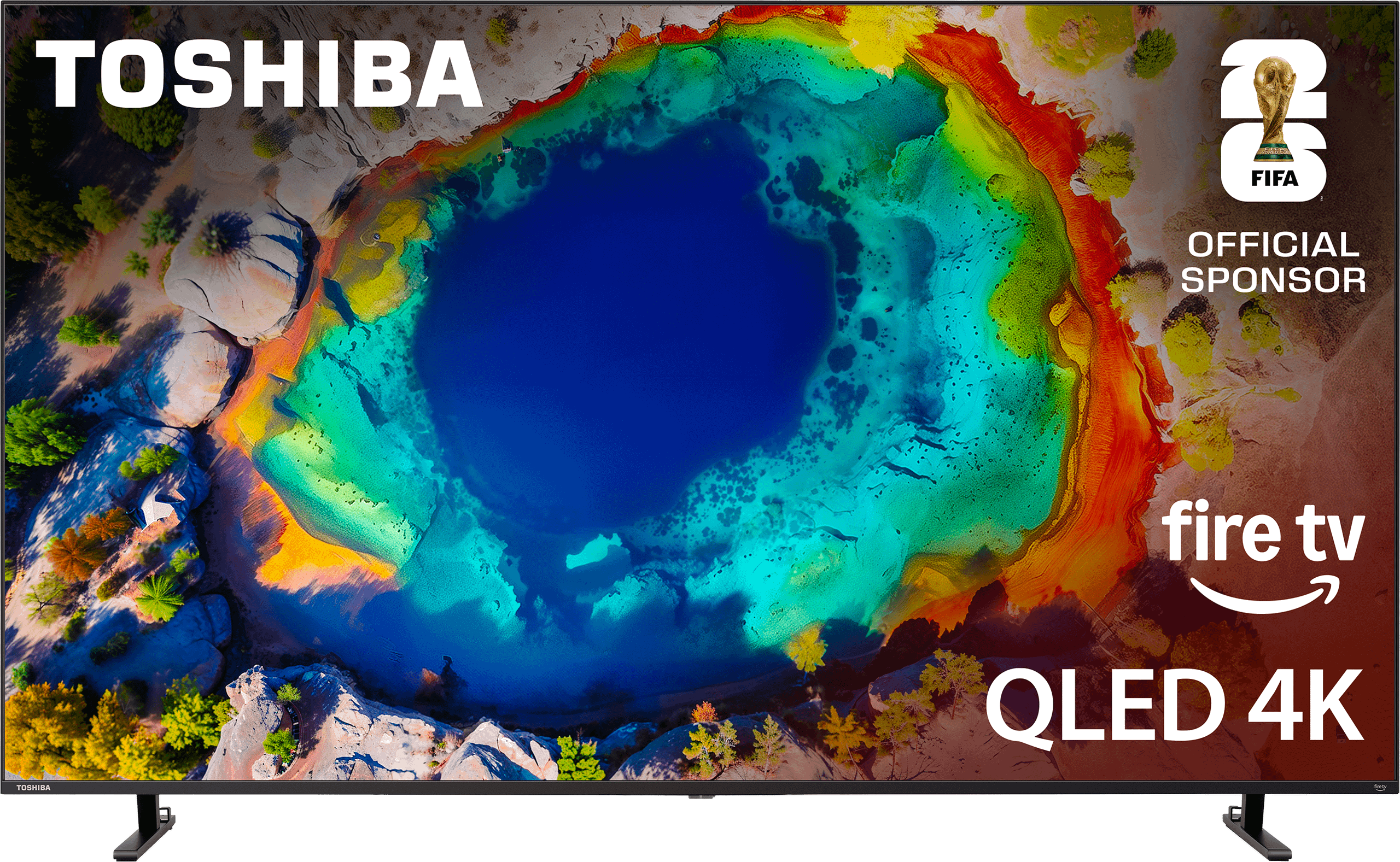
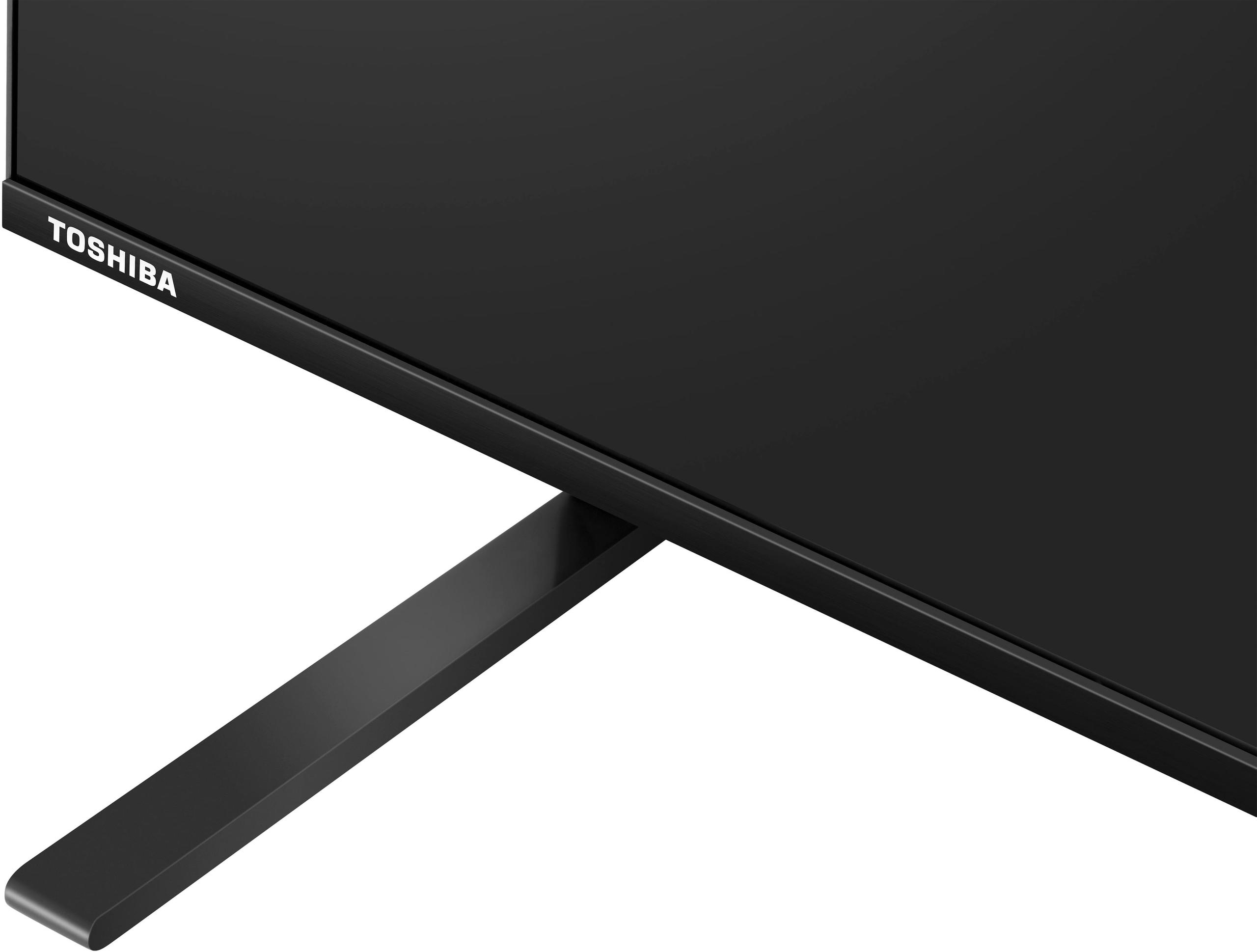
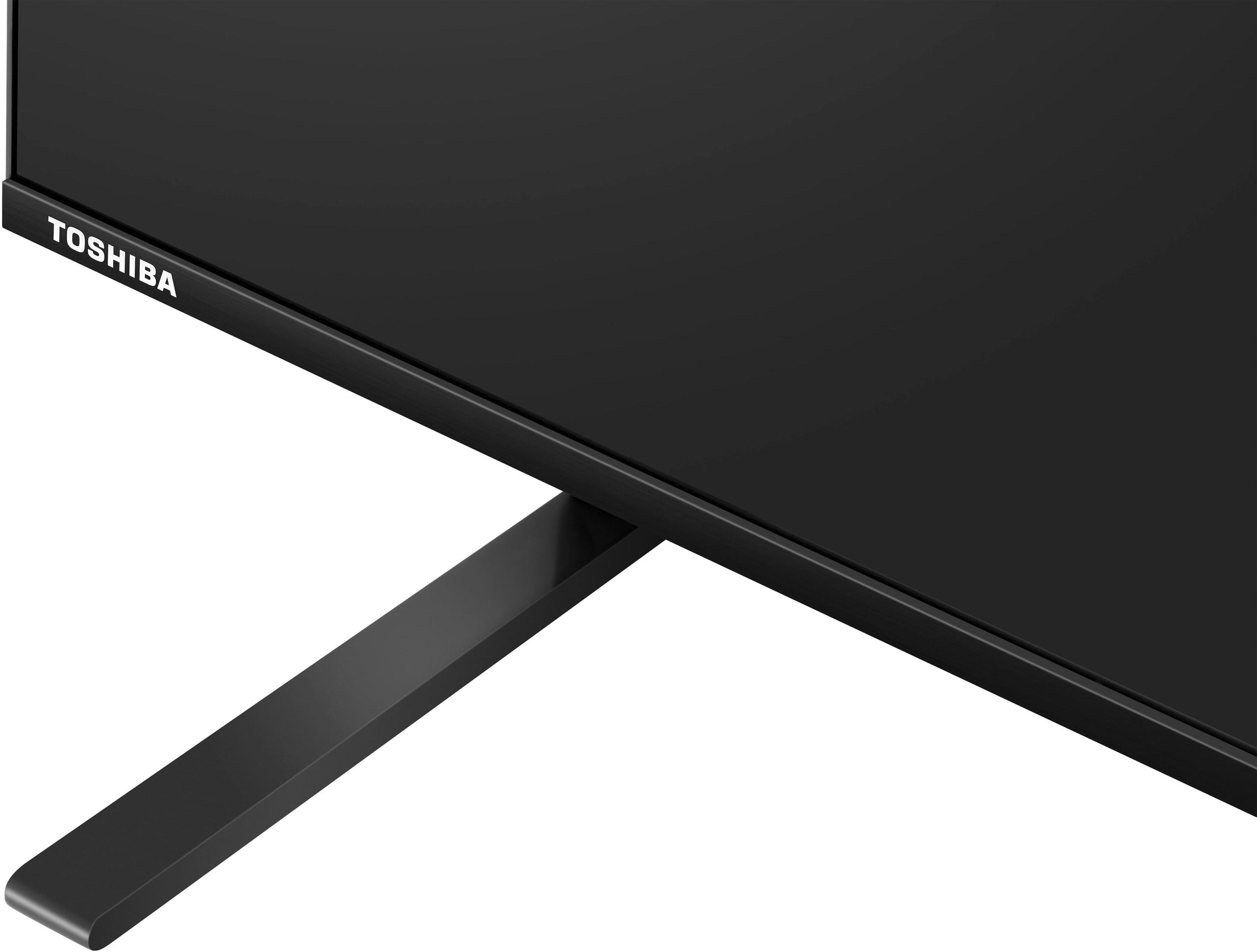
Released in 2023, the Toshiba M550 represents what's possible when manufacturers focus on delivering core 4K performance at an aggressive price point. Toshiba has been making steady improvements to their budget lineup, and the M550 showcases several technologies that were premium features just a few years ago.
The M550 uses a QLED panel with full-array local dimming across 48 zones. Local dimming means the TV can dim or brighten specific areas of the screen independently, rather than adjusting the entire backlight at once. With 48 zones controlling the backlighting, the TV can deliver deeper blacks and higher contrast than basic edge-lit displays, though it's still limited compared to per-pixel control found in OLED panels.
The quantum dot layer enhances color reproduction, covering over 90% of the DCI-P3 color gamut – the standard used in movie theaters. This translates to more vibrant greens and reds, particularly noticeable in nature documentaries or animated content. For HDR (High Dynamic Range) content, the M550 supports all major formats including Dolby Vision, HDR10+, and HLG, ensuring compatibility with content from Netflix, Disney+, and Ultra HD Blu-rays.
However, our research into user experiences reveals some significant limitations. The TV's peak brightness, while adequate for most viewing environments, struggles in very bright rooms. More concerning are reports of motion handling issues during fast-paced content. Users consistently mention that action scenes can appear jerky with "phantom images" around moving objects – a significant drawback for sports fans or action movie enthusiasts.
The Toshiba M550 runs Amazon's Fire TV platform, which provides access to virtually every streaming service and includes built-in Alexa voice control. The interface is familiar and functional, but here's where the budget nature becomes apparent: the TV's processor struggles to keep up with the demands of modern smart TV features.
Multiple user reports indicate that apps can take 30-60 seconds to load, and the system occasionally freezes or exits apps unexpectedly. This isn't just an inconvenience – it fundamentally impacts the daily user experience. The TV's REGZA Engine ZR does include AI upscaling to enhance lower-resolution content, but the processing power limitations mean these features don't always work smoothly.
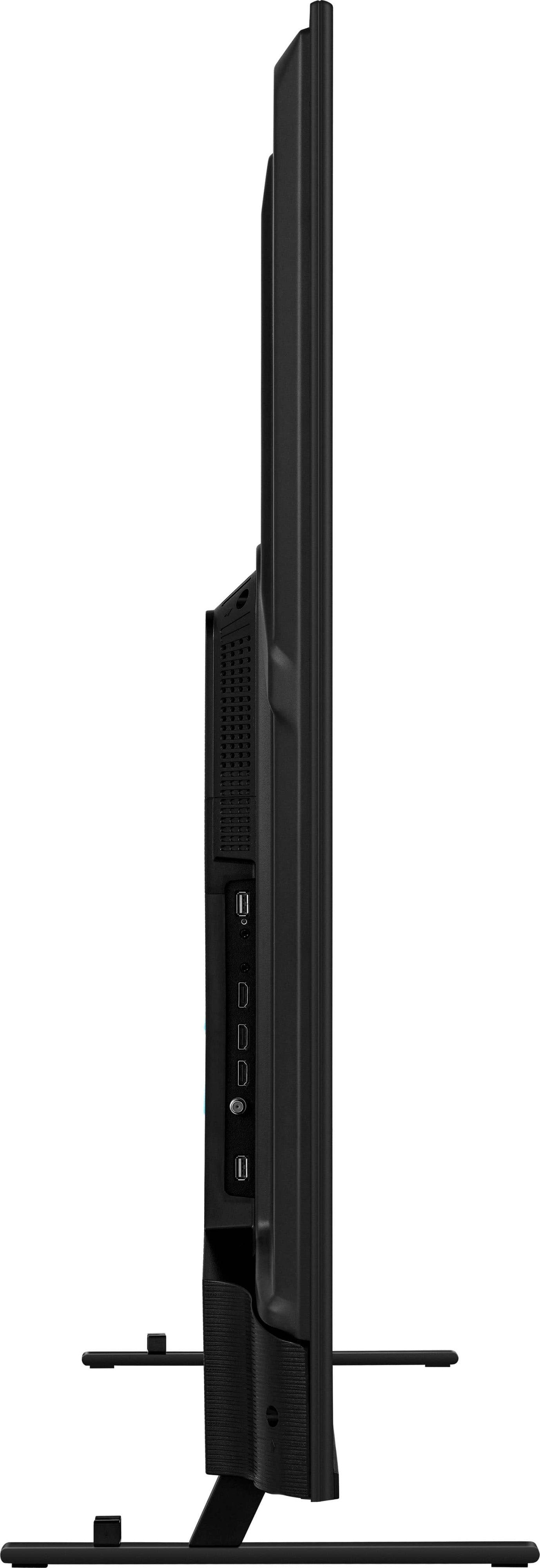
For gaming, the M550 offers some modern features like Variable Refresh Rate (VRR) up to 60Hz and support for 120Hz at 1440p resolution. However, the HDMI ports are older specifications, and users report noticeable input lag that makes competitive gaming challenging.
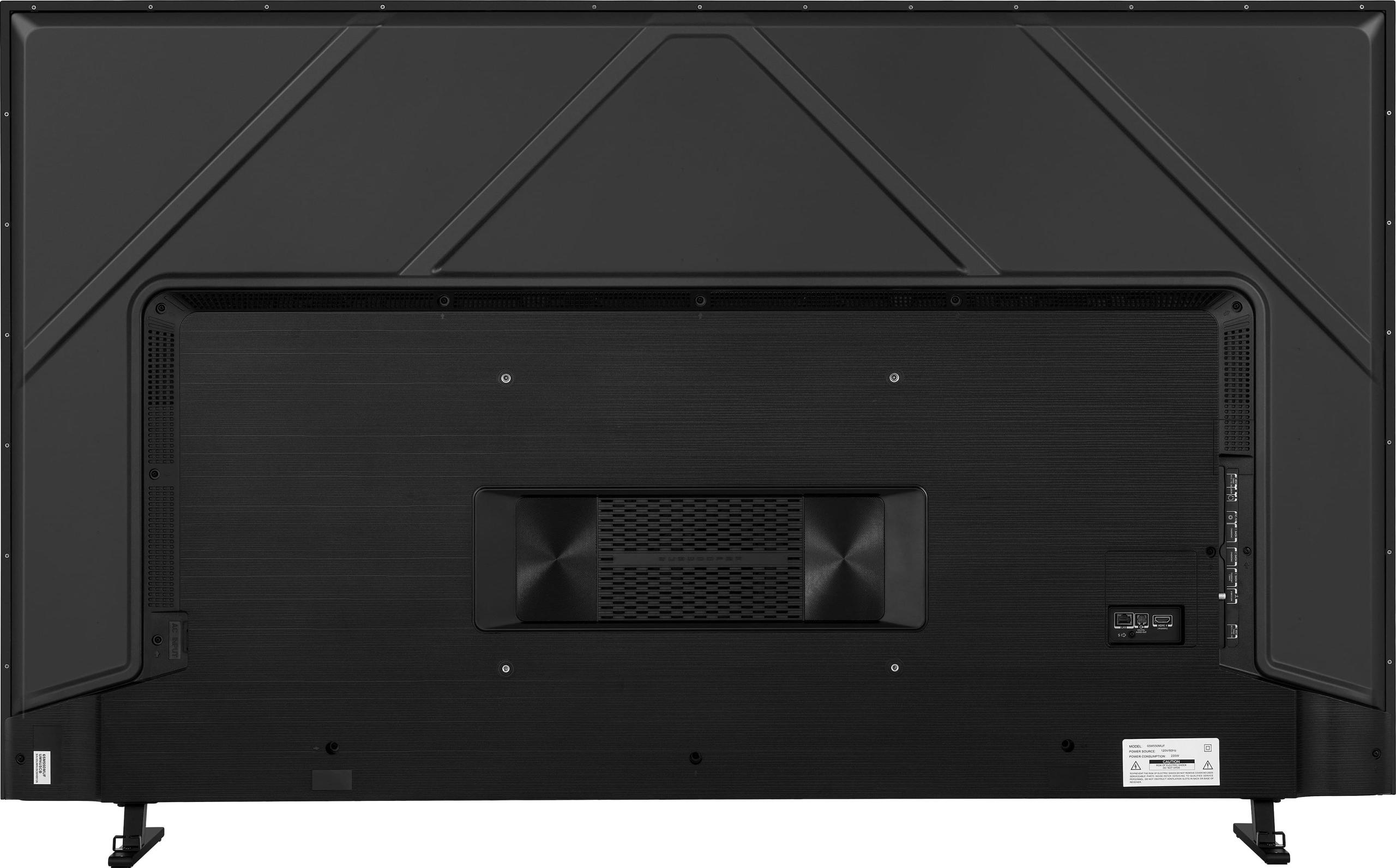
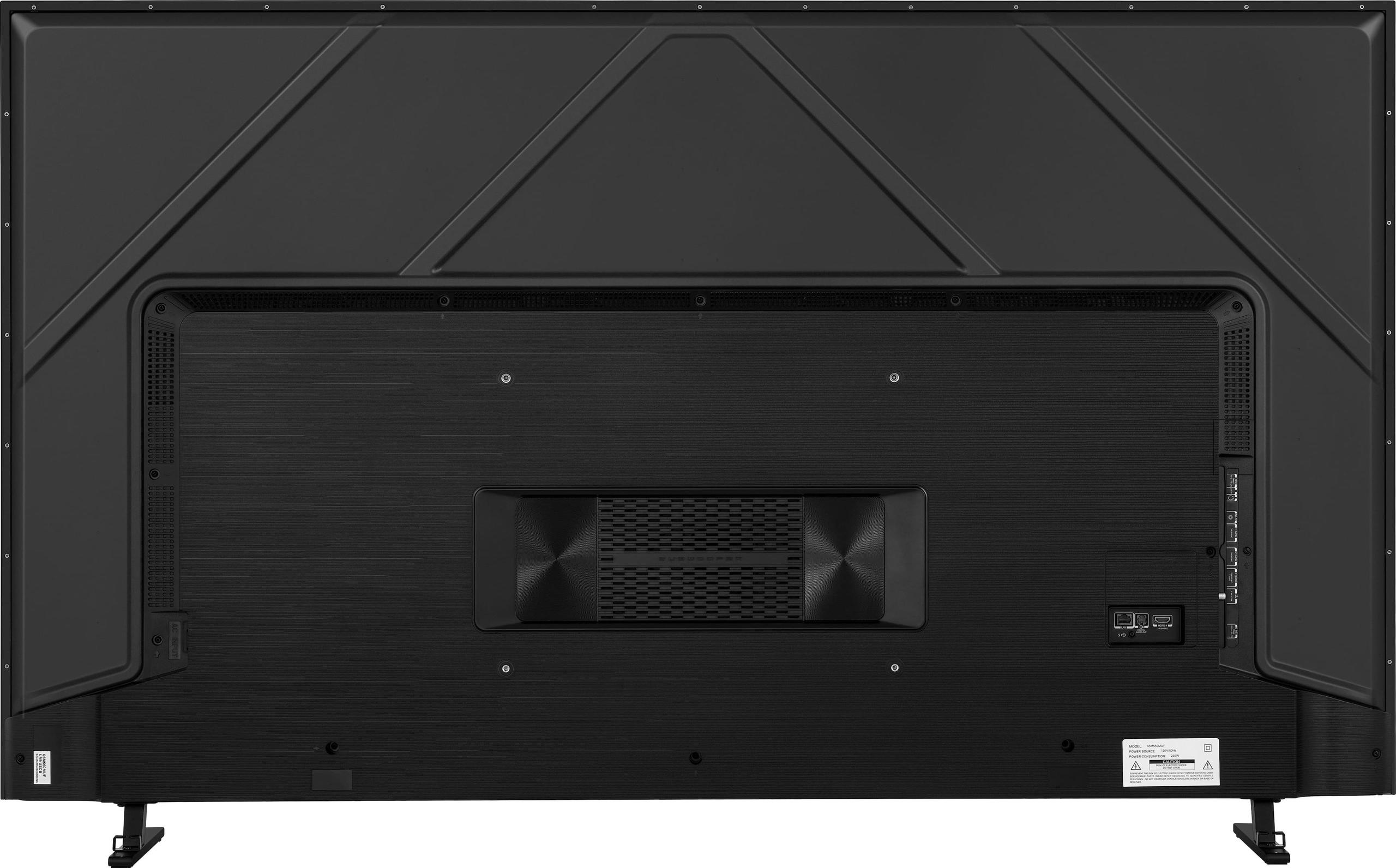
One area where the M550 punches above its weight is audio. The REGZA Power Audio Pro system includes a built-in subwoofer and dual speakers, delivering surprisingly robust sound for a budget TV. Many users report that the audio quality eliminates the immediate need for a soundbar – unusual in this price category where tinny, weak audio is the norm.
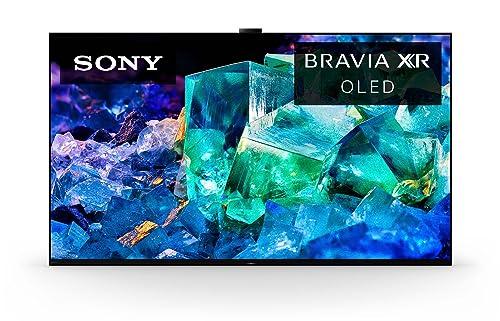
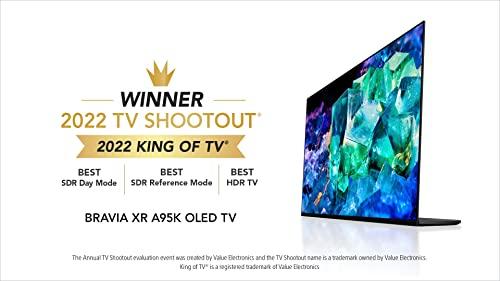
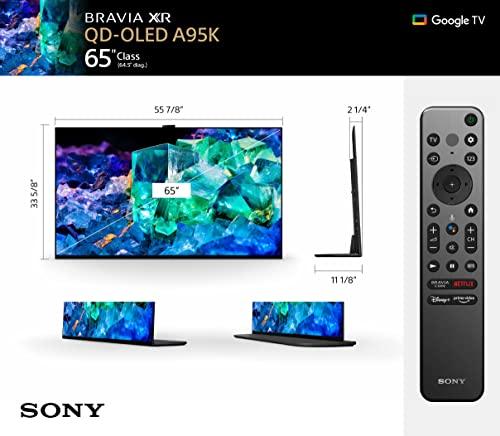
Sony's A95K, released in 2022, represents the cutting edge of TV technology. It was among the first consumer QD-OLED TVs available, showcasing Sony's commitment to pushing display technology forward. Even two years later, it remains one of the most technically advanced TVs you can buy.
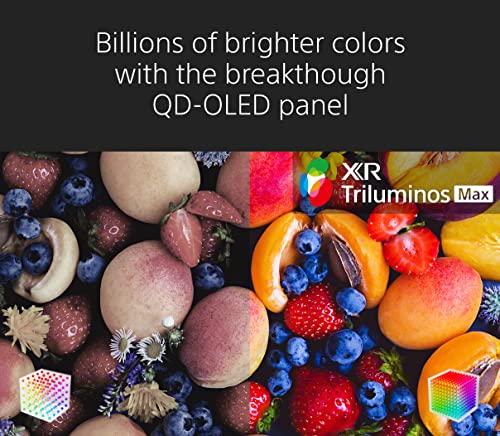
The Sony A95K uses a QD-OLED panel – technology that was virtually unheard of in consumer TVs before 2022. This combines self-illuminating OLED pixels (each of the 8.2 million pixels can turn completely off) with quantum dot color conversion. The result is a display that delivers perfect blacks like traditional OLED, but with significantly enhanced brightness and color volume.
This isn't just marketing speak – the practical differences are substantial. Where the Toshiba M550 might struggle to display bright HDR highlights without sacrificing shadow detail, the A95K can simultaneously show deep blacks and brilliant highlights in the same scene. Colors appear more saturated and accurate, particularly in bright scenes where traditional OLEDs often look washed out.
The A95K achieves up to 200% higher color brightness than conventional OLED displays, covering virtually 100% of the DCI-P3 color gamut with exceptional accuracy. This makes it ideal for premium HDR content where you want to see exactly what filmmakers intended.
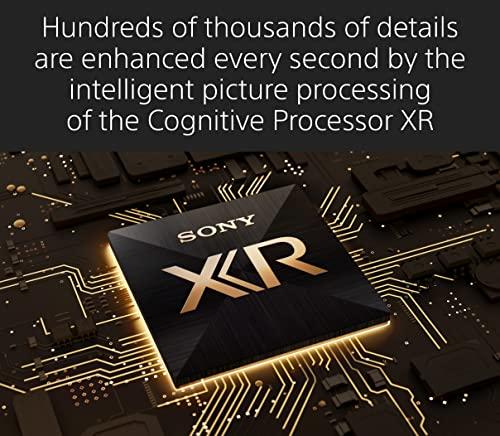
Sony's Cognitive Processor XR represents a significant leap in TV processing technology. Rather than simply enhancing individual picture elements, it analyzes content the way human brains process visual information – focusing on where people naturally look in a scene and optimizing those areas first.
This translates to remarkably natural-looking images. Faces appear more three-dimensional, textures look more realistic, and the overall viewing experience feels more immersive. The processor also handles upscaling exceptionally well – 1080p content looks nearly as good as native 4K, and even 720p sources are dramatically improved.
For motion handling, the A95K excels where the M550 struggles. Sports content appears smooth and natural, with minimal blur or artifacts during fast camera pans or rapid player movements.
The Sony A95K was designed with next-generation gaming in mind. It supports full HDMI 2.1 bandwidth on two ports, enabling 4K gaming at 120Hz with Variable Refresh Rate and Auto Low Latency Mode. Input lag measures under 8.5 milliseconds – competitive with dedicated gaming monitors.
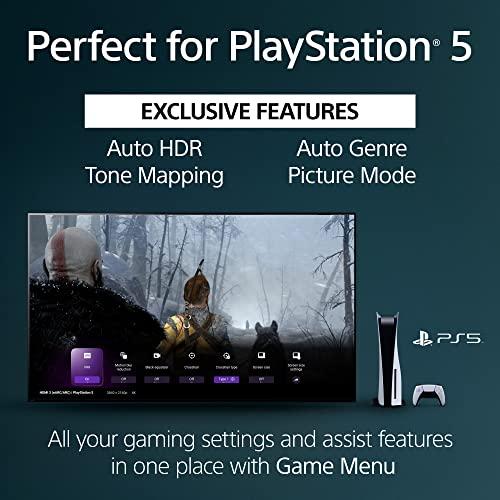
PlayStation 5 owners get additional benefits through Auto HDR Tone Mapping, which automatically optimizes the display for each game's HDR implementation. This attention to gaming details reflects Sony's understanding that modern premium TVs must excel at both traditional content and interactive entertainment.
However, the A95K does have some limitations. Only two HDMI ports support the full HDMI 2.1 feature set, which can be constraining if you have multiple gaming consoles plus a soundbar connected via eARC (Enhanced Audio Return Channel).
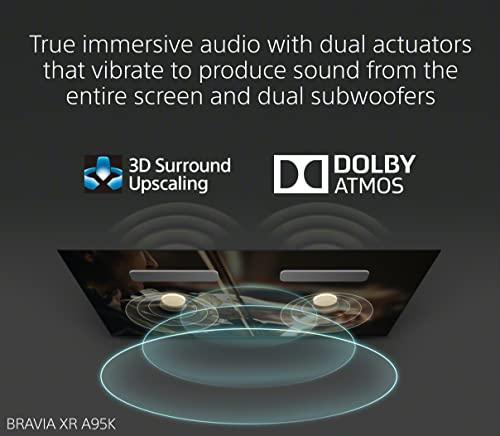
Perhaps the most unique feature of the Sony A95K is its Acoustic Surface Audio+ technology. Instead of traditional speakers, actuators behind the screen vibrate the display itself to produce sound. This creates an incredibly immersive experience where dialogue appears to come directly from actors' mouths, and sound effects seem to originate from their precise on-screen locations.
The system supports Dolby Atmos and can even function as a center channel speaker in a home theater setup, seamlessly blending with external surround speakers. This technology represents a fundamental rethinking of TV audio that goes far beyond the simple speaker upgrades found in most premium TVs.
For everyday streaming content like Netflix shows or YouTube videos, both TVs deliver satisfying 4K experiences. The M550 provides vibrant colors and adequate contrast that will please most viewers, especially considering its price point. However, the differences become stark with premium content.
When watching Dolby Vision movies or high-quality HDR content, the Sony A95K reveals details and creates a sense of depth that the Toshiba simply cannot match. Dark scenes retain shadow detail while bright elements pop with realistic intensity. The M550, constrained by its LED backlighting, often crushes shadow details or allows bright elements to appear washed out.
This is where the technology gap becomes most apparent. The M550 struggles with fast motion, creating distracting artifacts during sports or action movies. The A95K handles motion exceptionally well, making it ideal for sports enthusiasts or action movie fans.
If you frequently watch football, basketball, or fast-paced movies, this difference alone might justify the premium for the Sony. The smooth, natural motion adds significantly to the viewing experience.
For casual gaming, the Toshiba M550 is adequate but not exceptional. Serious gamers, particularly those with PlayStation 5 or Xbox Series X consoles, will appreciate the A95K's advanced gaming features. The low input lag, 4K@120Hz support, and VRR create a noticeably more responsive and visually impressive gaming experience.
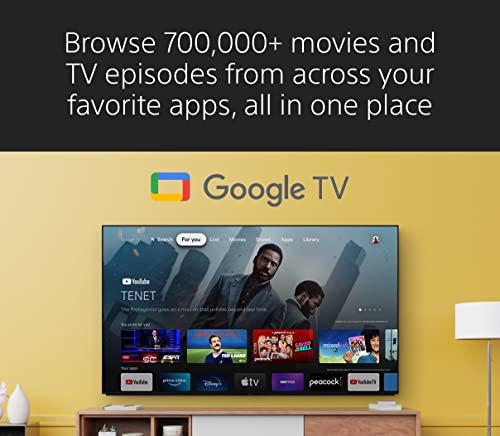
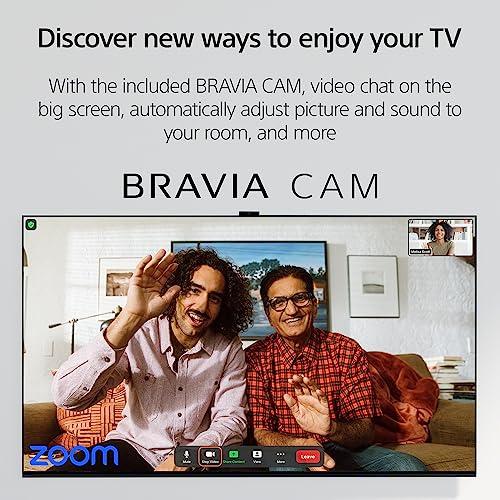
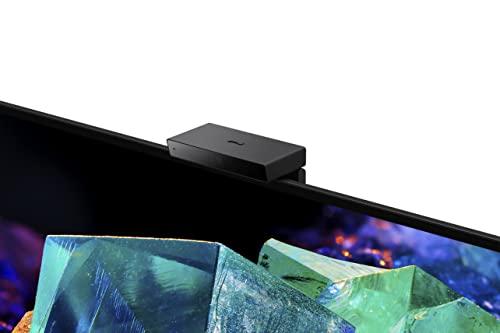
The Fire TV platform on the M550 offers excellent content selection and voice control, but the underpowered processor creates frustrating delays and occasional crashes. The A95K's Google TV platform runs smoothly with responsive navigation and additional features like gesture control through the included BRAVIA CAM.
For dedicated home theater setups, the Sony A95K clearly takes the lead. Its superior contrast, color accuracy, and motion handling make it ideal for serious movie watching. The Acoustic Surface Audio+ can integrate with external surround systems, and the overall build quality matches the premium home theater aesthetic.
The Toshiba M550 can certainly work in a home theater, particularly if budget is the primary constraint. However, its motion handling issues and limited brightness may disappoint viewers who've invested in premium surround sound and room treatments.
The Toshiba M550 represents exceptional value for viewers who prioritize screen size and basic 4K performance over cutting-edge features. It's ideal for:
The built-in audio quality is genuinely impressive for this price range, and the Fire TV platform provides access to all major streaming services. If you can accept some performance limitations and occasional system sluggishness, it delivers remarkable value.
The Sony A95K justifies its significantly higher price for viewers who can appreciate and utilize its advanced capabilities:
The QD-OLED technology, advanced processing, and premium build quality create a viewing experience that's genuinely transformative compared to budget alternatives.
At the time of writing, these TVs represent fundamentally different approaches to the 65-inch market. The Toshiba M550 proves that acceptable 4K performance is now available at remarkably low prices, making large-screen entertainment accessible to more families than ever before.
The Sony A95K demonstrates what's possible when manufacturers push technological boundaries without major cost constraints. Its QD-OLED panel and advanced processing create viewing experiences that were impossible at any price just a few years ago.
Your choice between them depends on your priorities, viewing habits, and budget flexibility. For most families seeking a large 4K TV for everyday entertainment, the Toshiba delivers impressive value. For enthusiasts who want cutting-edge technology and can appreciate the differences in premium content, the Sony represents one of the finest TVs ever made.
The gap between these products illustrates how diverse the modern TV market has become – there truly is something for every budget and use case, but understanding what you're gaining or giving up at each price point is crucial for making the right decision.
| Toshiba 65" M550 Series QLED Fire TV | Sony Bravia XR A95K 65" QD-OLED TV |
|---|---|
| Display Technology - The foundation of picture quality | |
| QLED with LED backlighting + 48-zone local dimming | QD-OLED with 8.2 million self-illuminating pixels |
| Peak Brightness - Critical for HDR and bright room viewing | |
| Moderate brightness, adequate for most rooms | 1,000+ nits with perfect blacks for exceptional HDR |
| Color Performance - Affects realism and vibrancy | |
| 90%+ DCI-P3 coverage, good for the price | Near-100% DCI-P3 with 200% higher color brightness than traditional OLED |
| Motion Handling - Essential for sports and action content | |
| Poor with jerky movement and phantom images reported | Excellent 120Hz with smooth motion processing |
| Processor Performance - Impacts overall user experience | |
| REGZA Engine ZR, underpowered causing 30-60s app load times | Cognitive Processor XR with real-time AI optimization |
| Smart Platform - Your daily interface with the TV | |
| Fire TV with Alexa, frequent freezing and crashes reported | Google TV with responsive performance and gesture controls |
| Gaming Features - Important for console owners | |
| VRR up to 60Hz, 120Hz at 1440p, high input lag | Full HDMI 2.1 with 4K@120Hz, VRR, |
| Audio Technology - Affects whether you need a soundbar | |
| REGZA Power Audio Pro with built-in subwoofer, surprisingly good | Acoustic Surface Audio+ using screen as speaker, supports Dolby Atmos |
| Build Quality & Reliability - Long-term ownership experience | |
| Basic construction, system stability issues reported | Premium build with excellent reliability track record |
| HDR Support - Determines premium content experience | |
| Dolby Vision, HDR10+, HLG but limited by brightness | Full HDR support with exceptional dynamic range capability |
| HDMI Connectivity - Affects device compatibility | |
| 4 HDMI ports, older specifications | 4 HDMI ports (2 with full HDMI 2.1 bandwidth) |
| Value Proposition - Cost vs. performance delivered | |
| Exceptional value for basic 4K viewing needs | Premium price justified by cutting-edge technology and performance |
The Sony Bravia XR A95K delivers significantly superior picture quality with its QD-OLED technology, offering perfect blacks, exceptional brightness, and 200% higher color brightness than traditional displays. The Toshiba M550 provides good picture quality for its price range but cannot match the contrast and color accuracy of the Sony's advanced panel technology.
The Toshiba M550 uses traditional QLED technology with LED backlighting and local dimming zones, while the Sony A95K features cutting-edge QD-OLED technology where each pixel can turn completely on or off. QD-OLED combines the perfect blacks of OLED with enhanced brightness and color volume, resulting in superior contrast and more vibrant colors.
The Sony A95K is significantly better for next-gen gaming, offering full HDMI 2.1 support with 4K@120Hz, Variable Refresh Rate, and input lag under 8.5ms. The Toshiba M550 has limited gaming features with VRR only up to 60Hz and higher input lag that may impact competitive gaming performance.
Both TVs offer above-average built-in audio. The Toshiba M550 includes a built-in subwoofer that many users find adequate for casual viewing. The Sony A95K features revolutionary Acoustic Surface Audio+ technology that uses the screen itself as a speaker, creating immersive sound that often eliminates the immediate need for external audio equipment.
The Sony A95K excels at motion handling with its 120Hz panel and advanced processing, delivering smooth sports and action content. The Toshiba M550 struggles with fast motion, with users reporting jerky movement and phantom images during sports or action scenes, making it less suitable for sports enthusiasts.
The Toshiba M550 runs Amazon Fire TV with Alexa integration but suffers from slow performance due to an underpowered processor, with apps taking 30-60 seconds to load. The Sony A95K uses Google TV with responsive performance, gesture controls, and smooth navigation that enhances the daily viewing experience.
The Sony A95K is ideal for home theater setups with its superior contrast, color accuracy, and motion handling that reveals every detail in premium content. The Toshiba M550 can work in a home theater on a budget, but its motion handling issues and brightness limitations may disappoint serious movie enthusiasts who've invested in premium audio equipment.
Both the Toshiba M550 and Sony A95K support major HDR formats including Dolby Vision, HDR10, and HLG. However, the Sony A95K delivers dramatically better HDR performance due to its ability to simultaneously display perfect blacks and bright highlights, while the Toshiba M550 is limited by its LED backlighting technology.
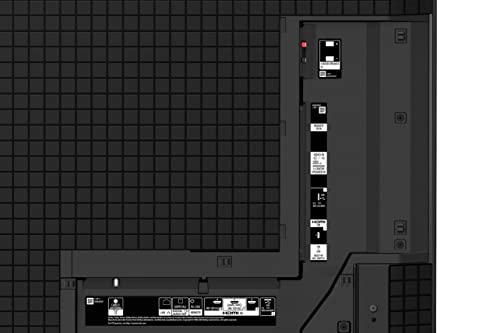
The Toshiba M550 offers 4 HDMI ports but with older specifications and limited advanced features. The Sony A95K provides 4 HDMI ports with 2 supporting full HDMI 2.1 bandwidth for 4K@120Hz gaming and one featuring eARC for high-quality audio return to soundbars or receivers.
The Toshiba M550 provides exceptional value for budget-conscious buyers seeking a large 4K display with adequate performance for casual viewing. The Sony A95K justifies its premium pricing through cutting-edge QD-OLED technology, superior processing, and professional-grade picture quality that appeals to enthusiasts and serious viewers.
User reports indicate the Toshiba M550 experiences system stability issues including frequent freezing, app crashes, and slow responsiveness due to its underpowered processor. The Sony A95K demonstrates excellent build quality and reliability consistent with Sony's premium TV reputation, though it comes at a significantly higher price point.
For casual streaming, the Toshiba M550 delivers satisfying 4K performance at an accessible price point, making it ideal for everyday entertainment needs. However, if you watch premium HDR content or want the best possible streaming experience, the Sony A95K provides superior picture quality that enhances even basic streaming content through its advanced processing and display technology.
We've done our best to create useful and informative comparisons to help you decide what product to buy. Our research uses advanced automated methods to create this comparison and perfection is not possible - please contact us for corrections or questions. These are the sites we've researched in the creation of this article: bestbuy.com - bestbuy.com - consumerreports.org - youtube.com - pcvarge.com - tomsguide.com - youtube.com - bestbuy.com - toshibatv-usa.com - marketplace-staging.paytomorrow.com - toshibatv-usa.com - productabout.com - leaseville.com - youtube.com - toshibatv-usa.com - tomsguide.com - audioadvice.com - wepc.com - bestbuy.com - tvsbook.com - rtings.com - youtube.com - flatpanelshd.com - rtings.com - youtube.com - reviewed.com - avsforum.com - youtube.com - youtube.com - rtings.com - youtube.com - electronics.sony.com - sonypremiumhome.com - valueelectronics.com - sony.com - displayspecifications.com - flatpanelshd.com - donstv.com - youtube.com - businessinsider.com - youtube.com - displayspecifications.com - bestbuy.com

Privacy Policy
Terms and Conditions - Affiliate Policy
Home Security
© Copyright 2008-2026.
11816 Inwood Rd #1211, Dallas, TX 75244