

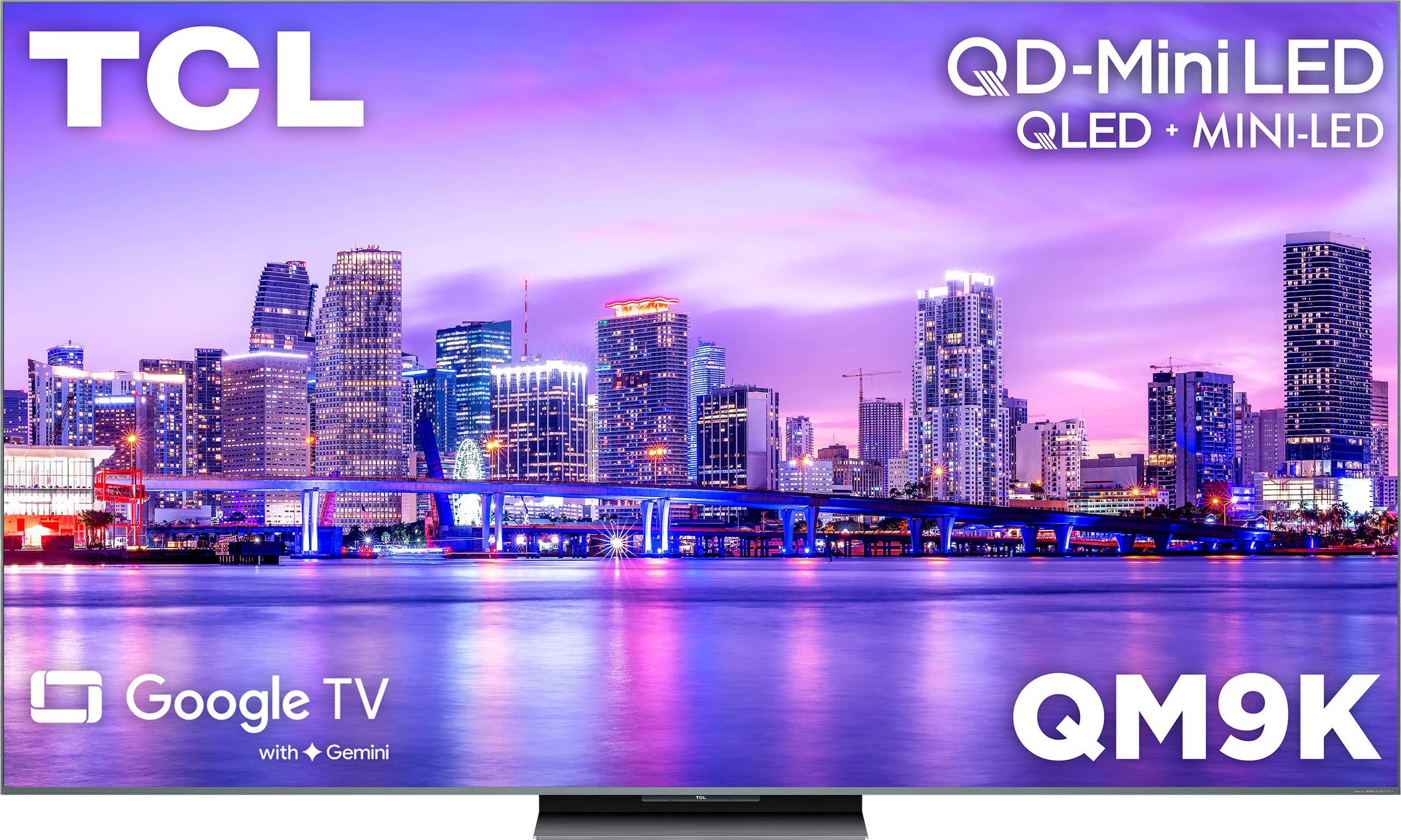
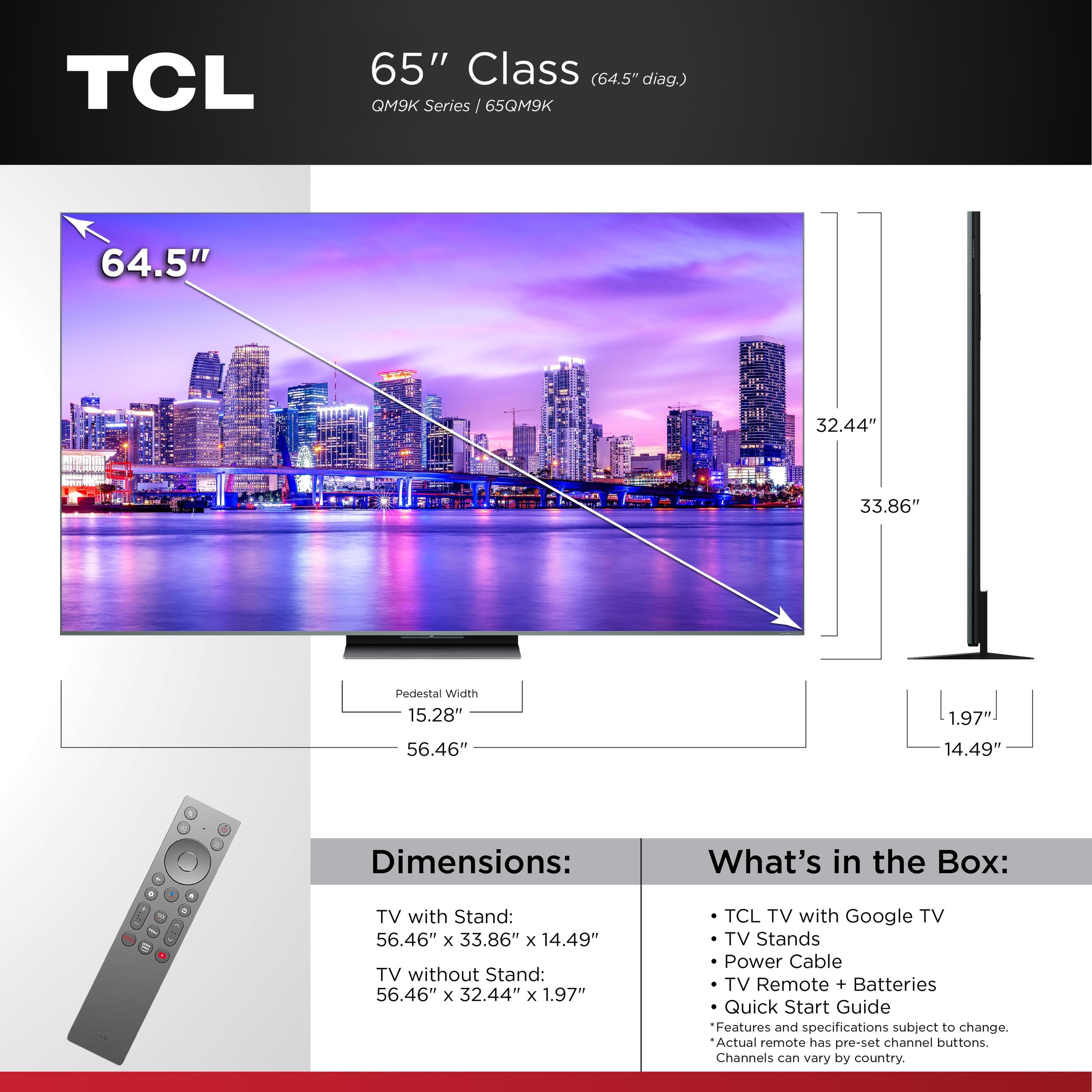

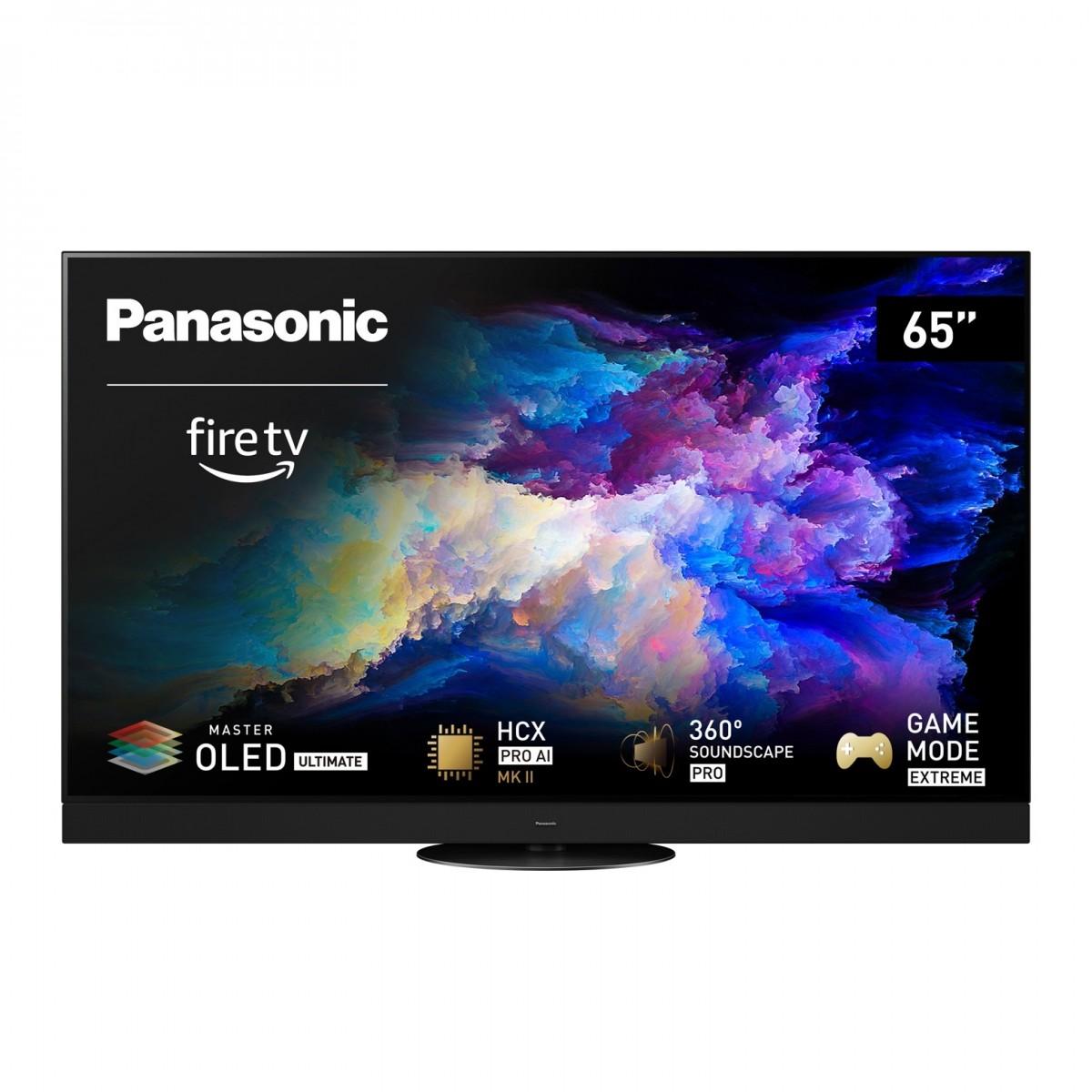
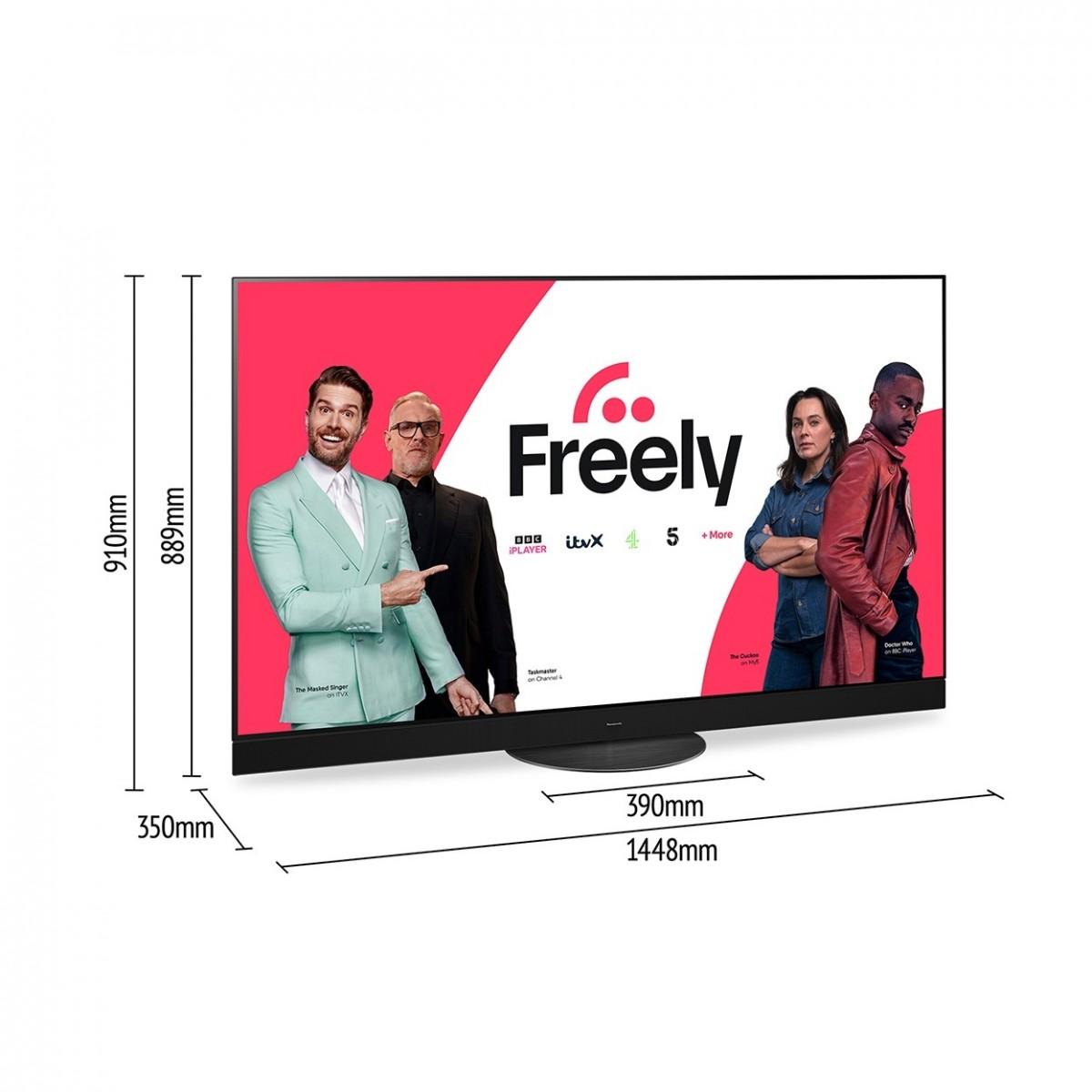
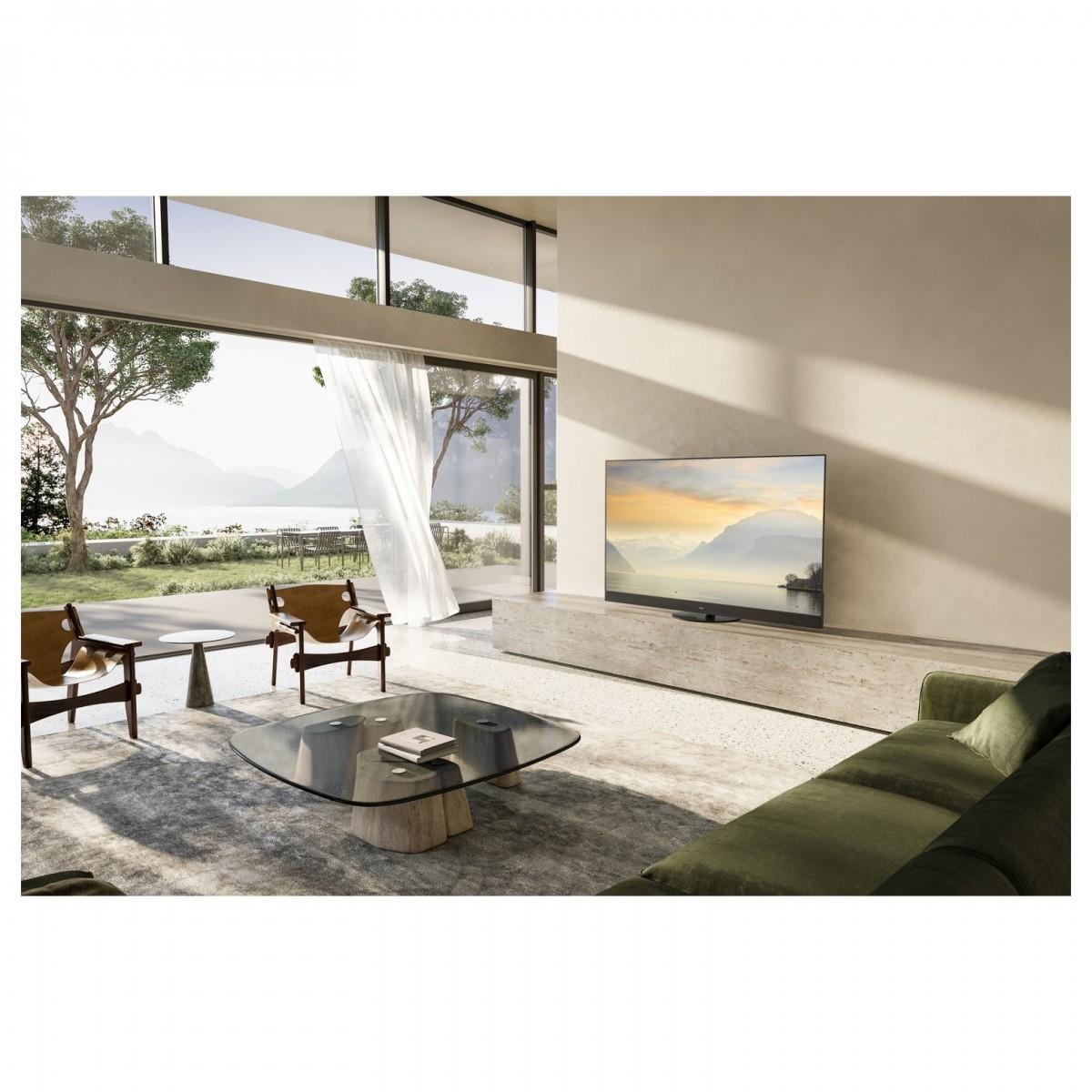
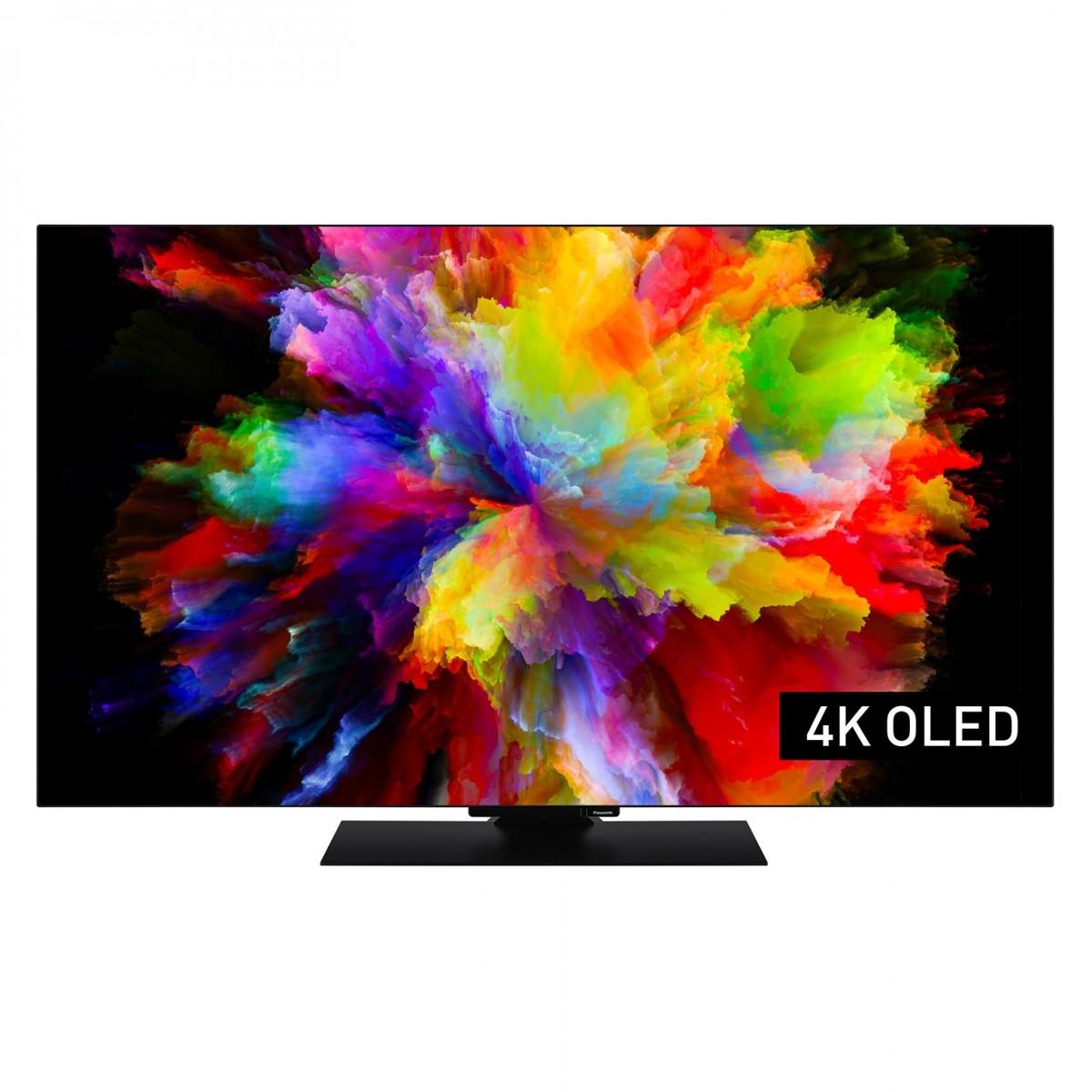
Choosing between the TCL 65" QM9K QD-Mini LED Smart TV and the Panasonic Z95A 65" OLED 4K Ultra HD Smart TV feels like picking between two completely different philosophies of what makes a great TV. Released in 2025, these represent the cutting edge of their respective display technologies, each taking a fundamentally different approach to delivering stunning picture quality.
The TCL QM9K pushes Mini LED technology to new extremes with up to 6,500 nits of peak brightness—that's bright enough to hurt your eyes if you stare directly at a white screen. Meanwhile, the Panasonic Z95A takes the refined OLED approach, where each individual pixel can turn completely off to create perfect blacks that look like you're peering into deep space.
At the time of writing, both TVs occupy the premium segment of the 65" market, though the TCL QM9K typically commands a slight price premium for its flagship Mini LED technology. The value proposition becomes much more interesting when you consider what each TV does exceptionally well—and where each one falls short.
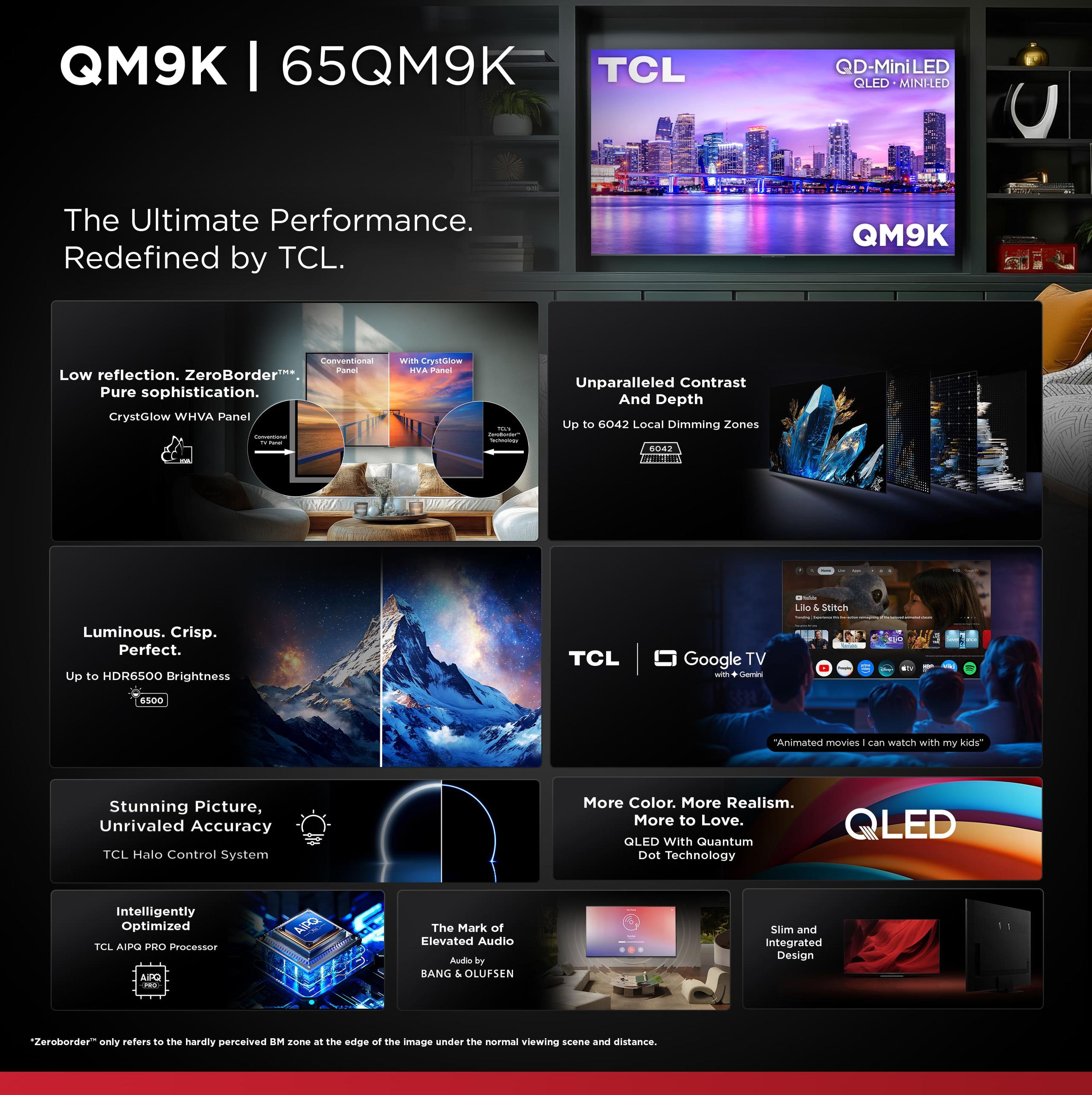
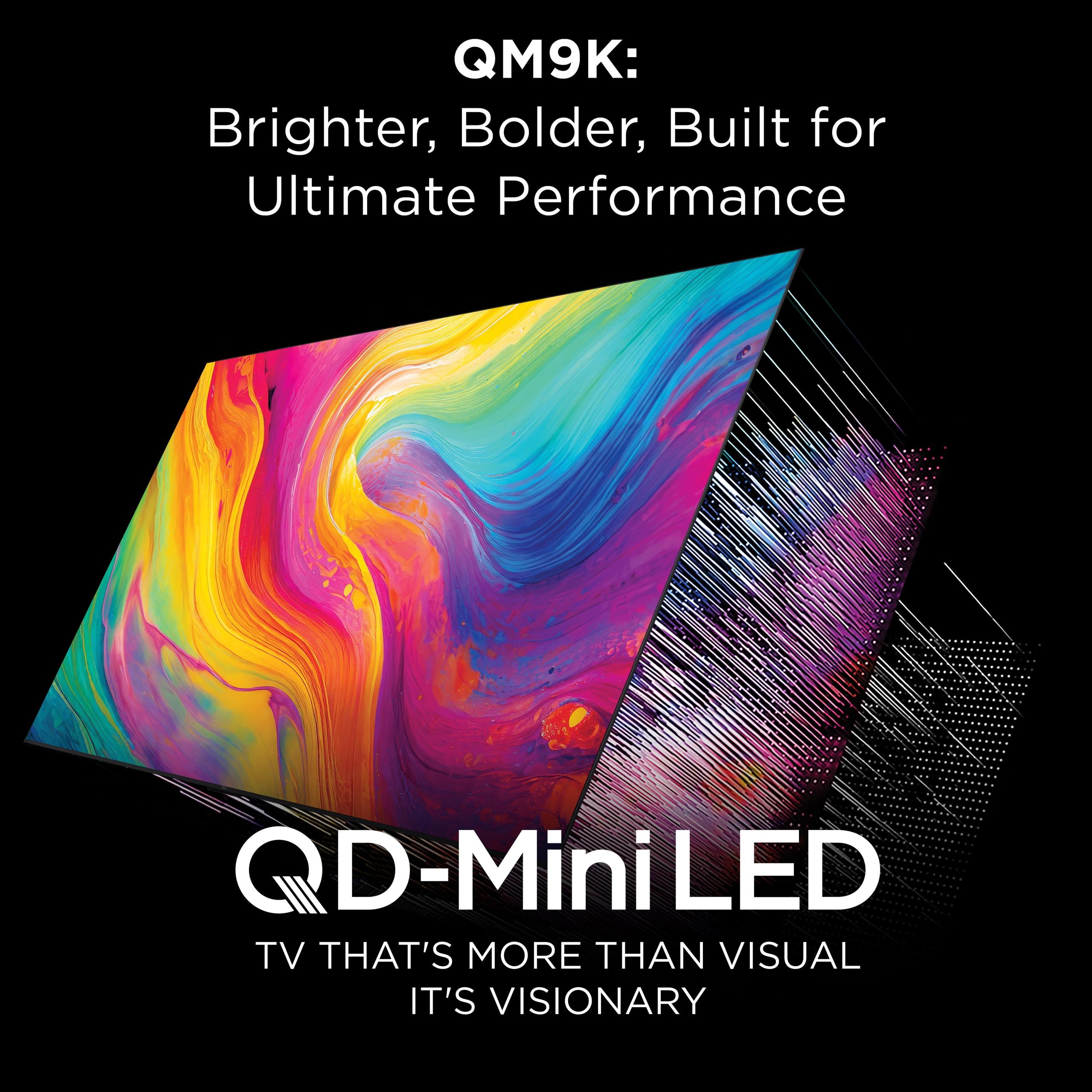
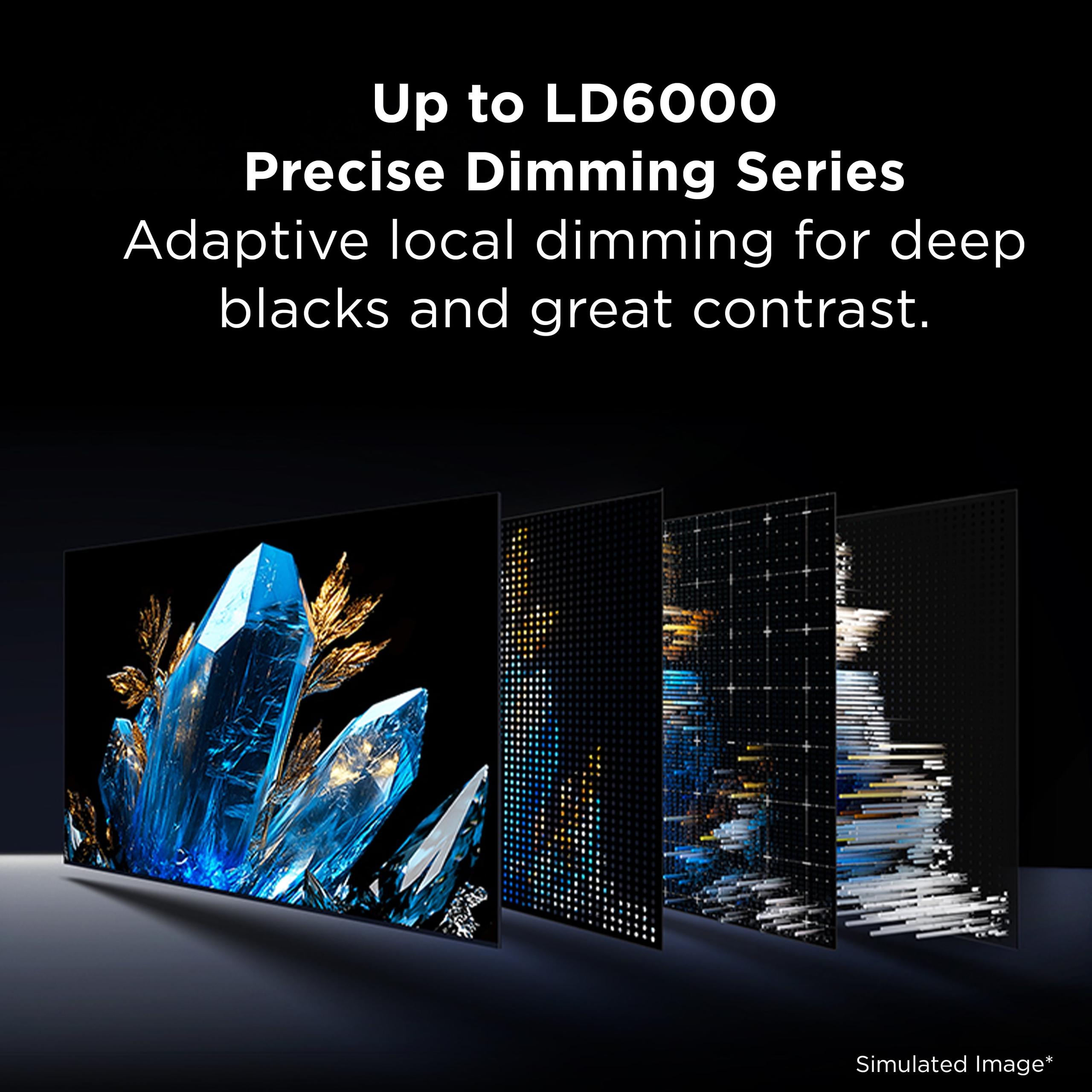
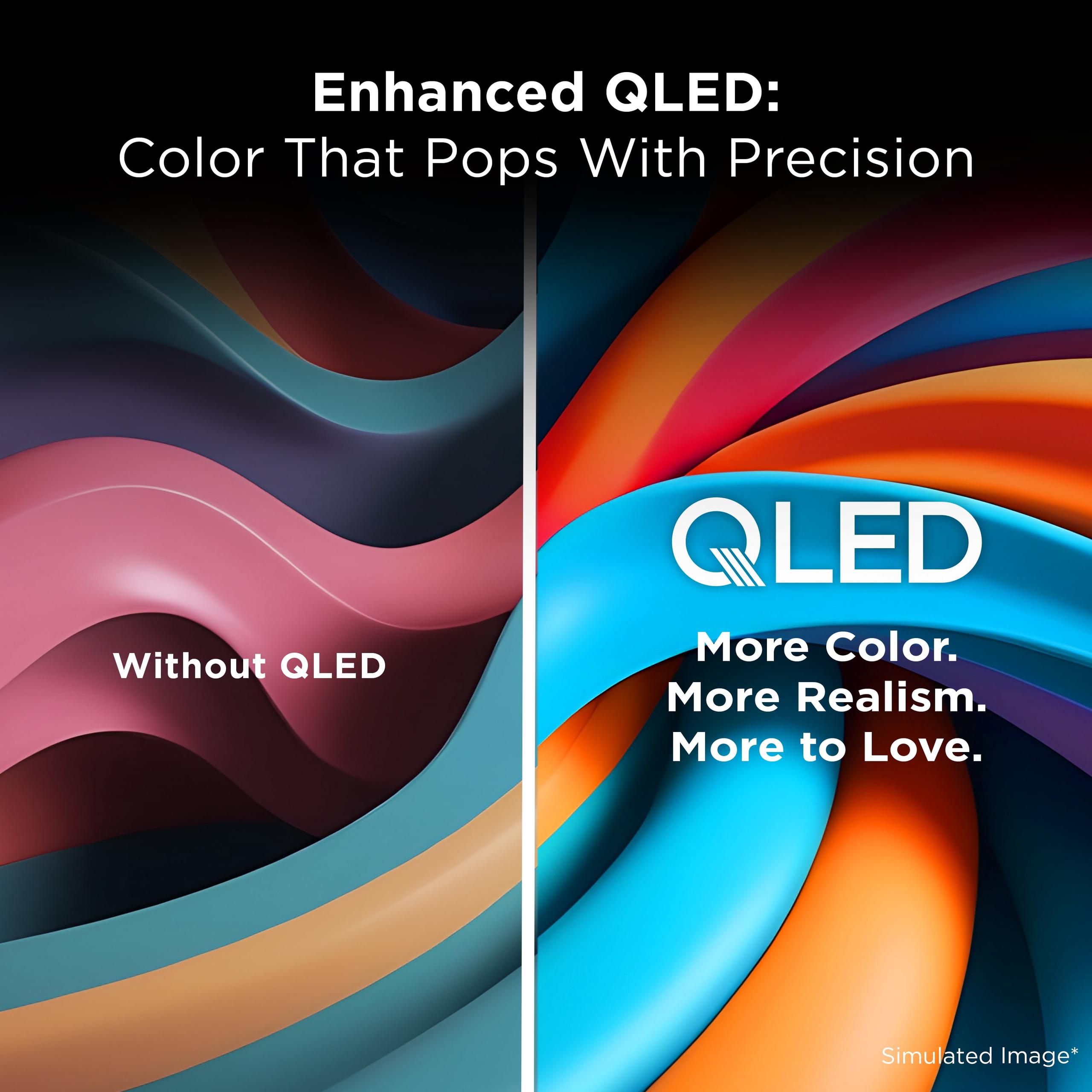
The fundamental difference between these TVs comes down to how they create light and color. The TCL QM9K uses what's called QD-Mini LED technology, which sounds complicated but breaks down into two key parts: thousands of tiny LED backlights (up to 6,000 zones) that can dim independently, plus a quantum dot layer that converts blue light into incredibly pure red and green colors.
Think of it like having thousands of tiny flashlights behind the screen, each one controllable separately. When a scene needs deep blacks in one corner and bright highlights in another, the TV can turn off the flashlights in the dark areas while cranking up the brightness elsewhere. The quantum dots act like color filters that make reds redder and greens greener than traditional TVs can manage.
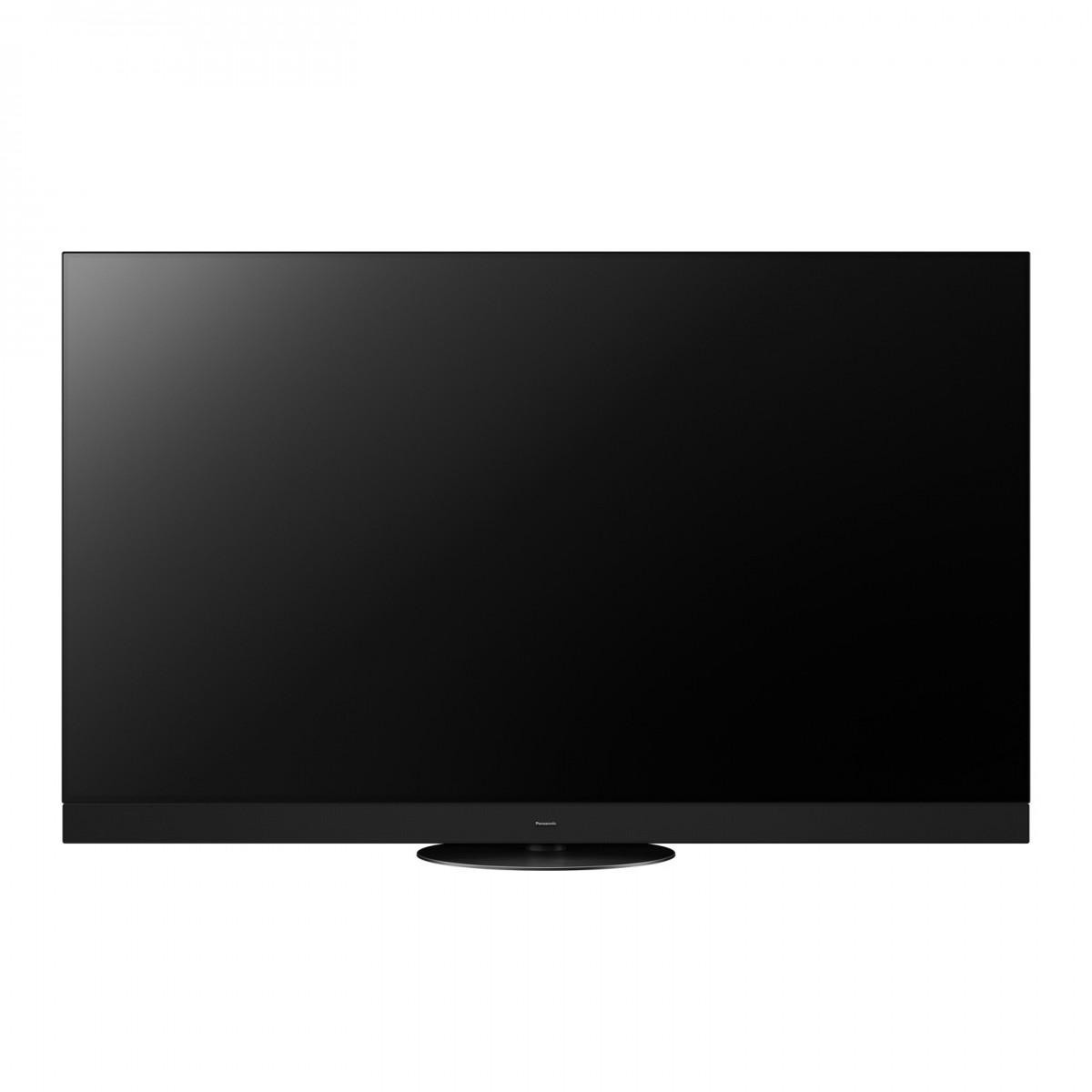
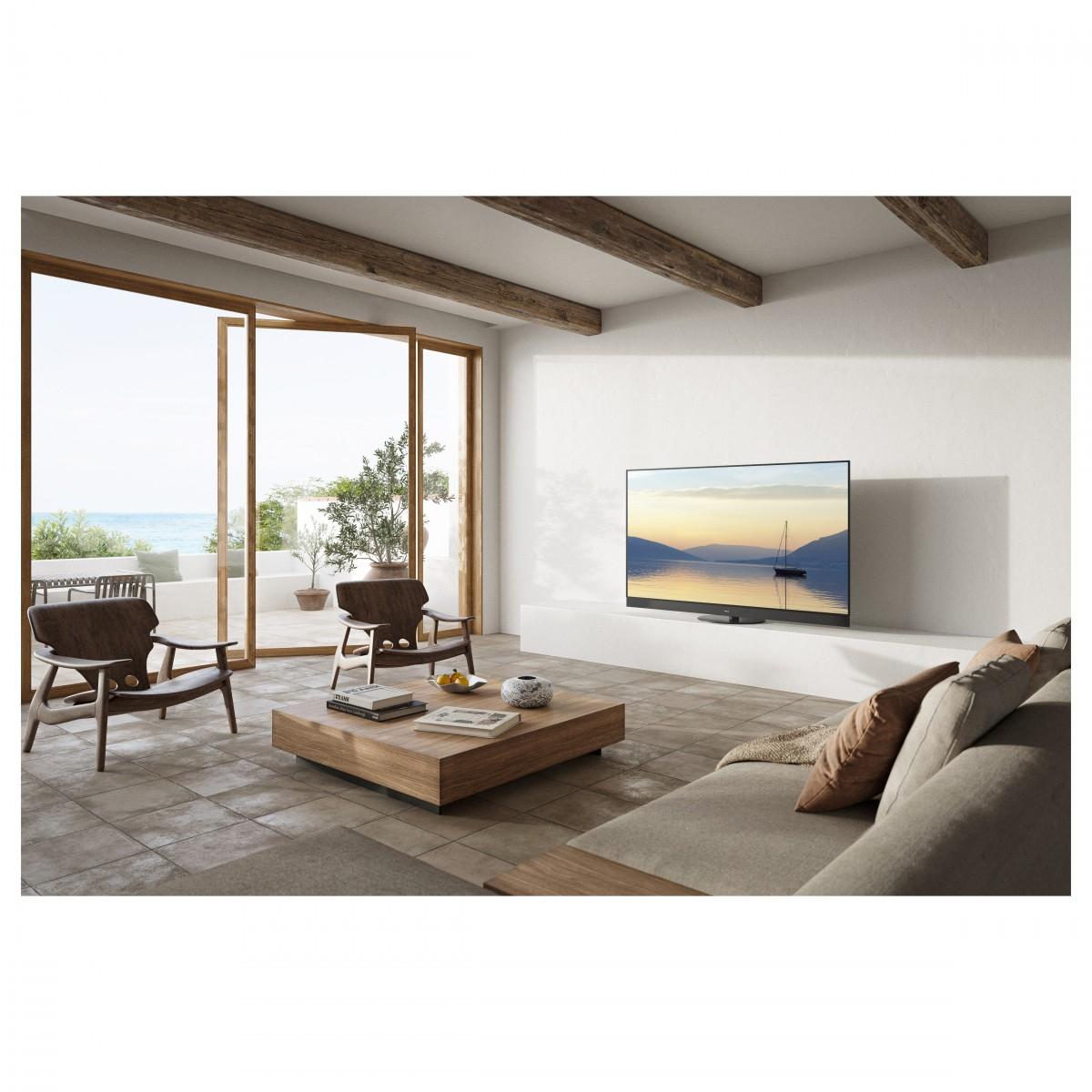
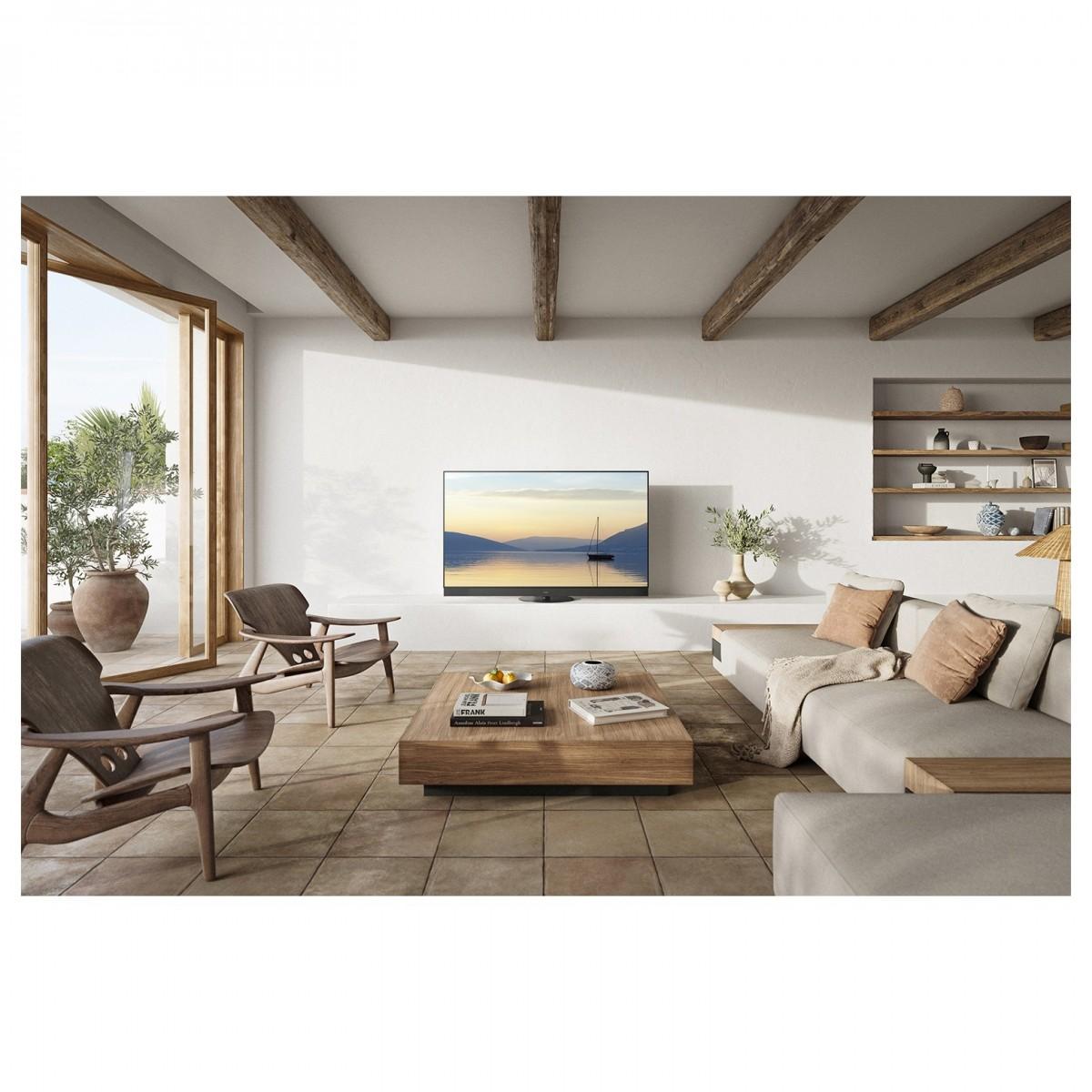
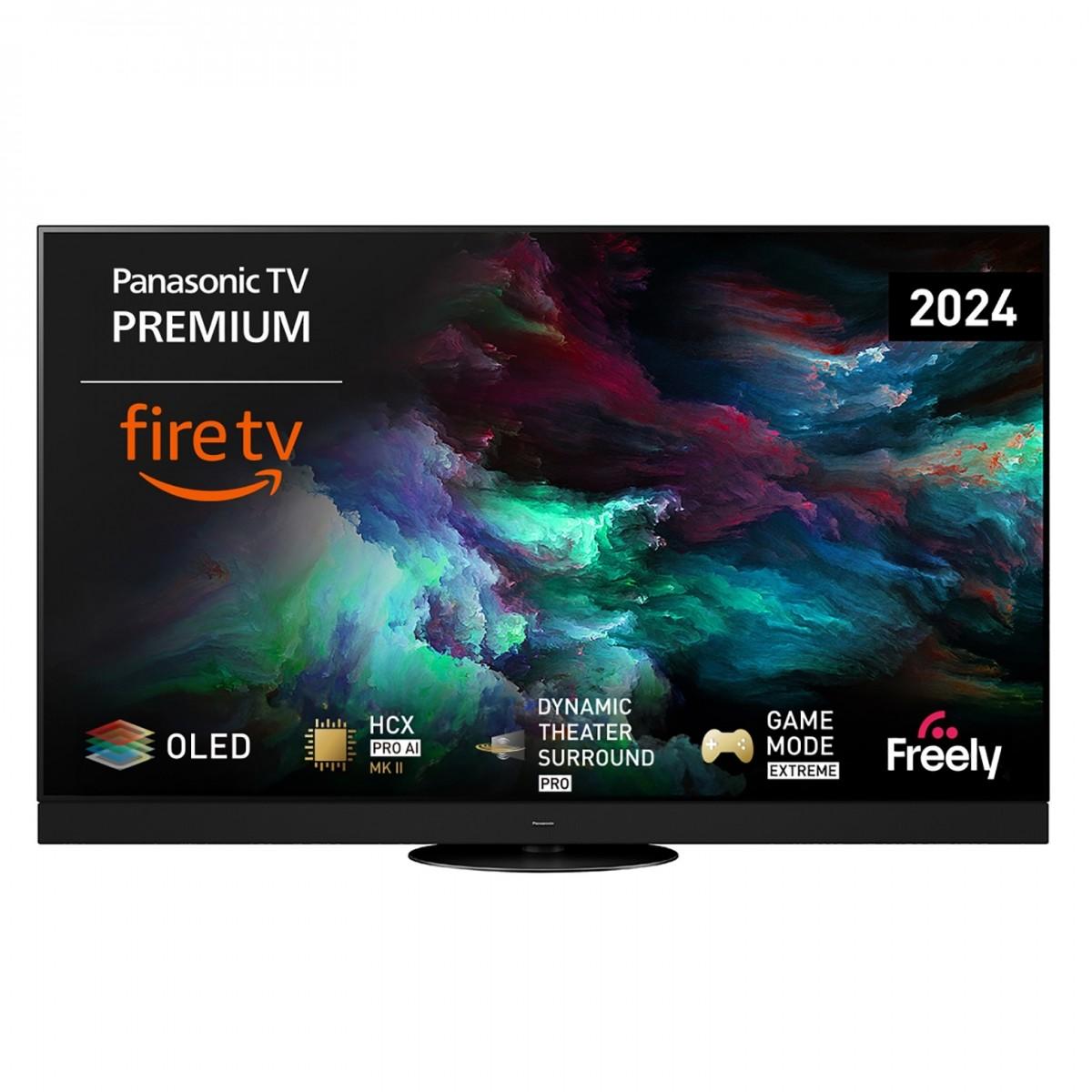
The Panasonic Z95A, on the other hand, uses OLED technology where each pixel generates its own light. Instead of backlights shining through layers, every individual pixel can turn completely on, completely off, or anywhere in between. It's like having over 8 million tiny colored lights that can each be controlled independently.
Both approaches have evolved significantly since their early days. The TCL QM9K represents a massive leap from earlier Mini LED TVs that might have had only a few hundred dimming zones—this one has up to 6,000. The Panasonic Z95A benefits from years of OLED refinement, eliminating many of the brightness limitations and burn-in concerns that plagued earlier OLED panels.
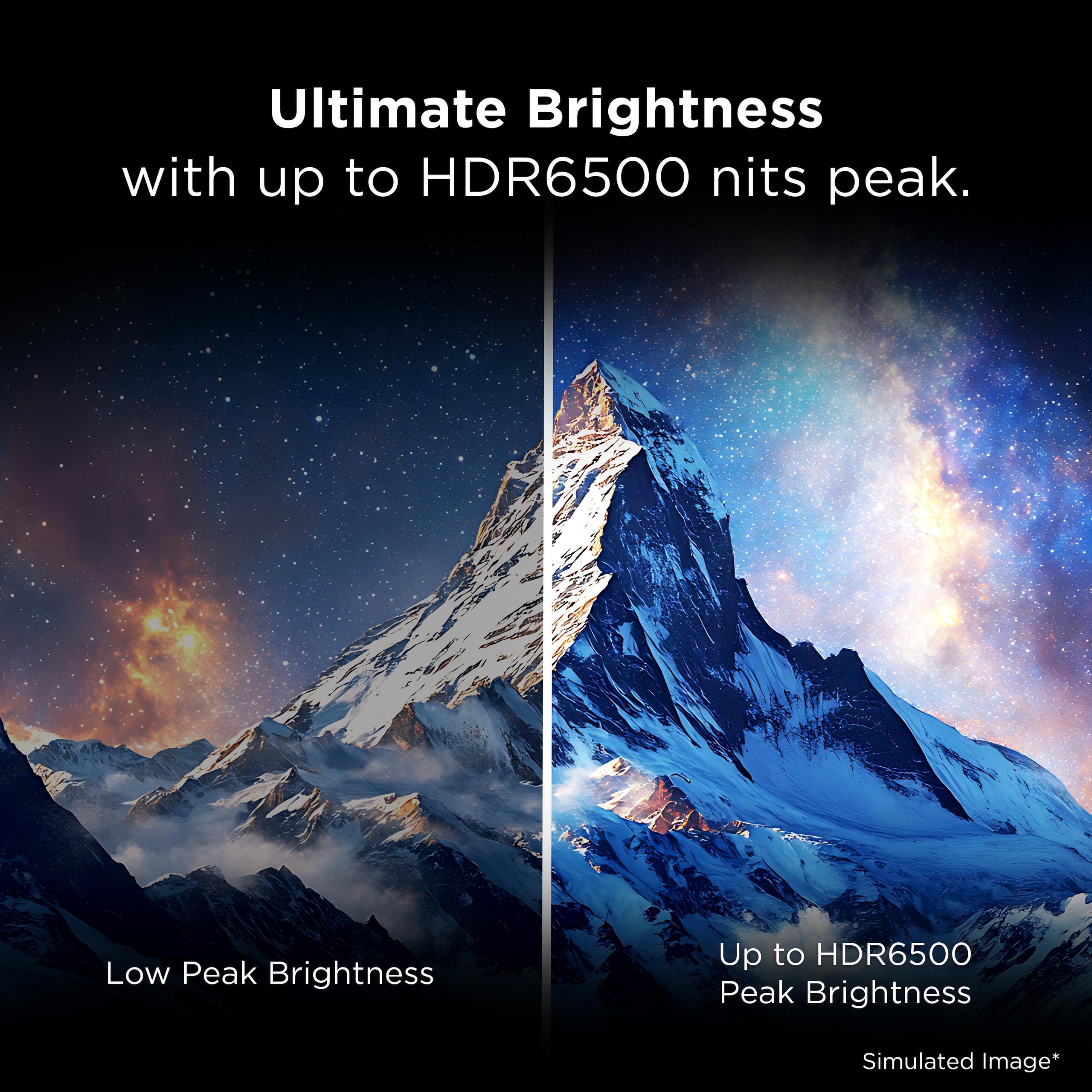
This isn't even close—the TCL QM9K absolutely crushes the competition in brightness. With 6,500 nits of peak brightness and 1,000 nits sustained across larger areas, it can make HDR content look spectacular even in the brightest living rooms. By comparison, the Panasonic Z95A peaks around 1,000 nits, which sounds like a lot but feels dim next to the TCL.
What does this mean in real-world usage? If you've got a living room with large windows, afternoon sun streaming in, or lots of ambient lighting, the TCL QM9K will power through that glare like it's not even there. Sports broadcasts maintain their punch, HDR movies deliver jaw-dropping highlights, and even regular TV shows look more vibrant.
The Panasonic Z95A struggles more in bright conditions. While 1,000 nits isn't dim by any means, ambient light washes out the picture and reduces the impact of HDR content. This TV really comes alive in darker viewing environments where its strengths can shine.
The brightness advantage goes beyond just fighting room lighting. HDR content—movies and shows specifically designed to take advantage of high dynamic range—looks dramatically different on the TCL QM9K. Explosions in action movies, sun reflections on water, or the gleam of metal surfaces all pop with an intensity that makes you feel like you're looking through a window rather than at a screen.
Here's where the Panasonic Z95A strikes back. OLED's ability to turn pixels completely off creates what's called "infinite contrast"—the mathematical difference between pure black and peak white is technically infinite since you're dividing by zero.
In practice, this means when you're watching a movie with dark scenes, the Panasonic Z95A displays blacks that look like the screen isn't even on in those areas. Stars against space, dark theater scenes, or nighttime cityscapes all have an inky richness that feels three-dimensional.
The TCL QM9K can't achieve true blacks because it still has backlights that need to be controlled. However, its Halo Control System with up to 6,000 dimming zones gets surprisingly close. The TV can dim specific areas dramatically while keeping bright areas blazing, and the sophisticated processing minimizes the "blooming" effect where bright objects seem to glow into dark areas around them.
For most content, both TVs deliver excellent contrast. The difference becomes most apparent in very specific scenarios: letterboxed movies (those with black bars on top and bottom), dark sci-fi films, or late-night viewing sessions where you want the deepest possible blacks.
Both TVs cover wide color gamuts—meaning they can display more colors than standard TVs—but they approach color differently. The TCL QM9K uses quantum dot enhancement to create incredibly saturated, vibrant colors that really pop off the screen. It covers 97% of the DCI-P3 color space, which is the standard used for digital cinema.
The quantum dots work by converting blue LED light into very pure red and green light, creating colors that are more intense than what traditional TVs can produce. This makes everything from nature documentaries to animated movies look more vivid and engaging.
The Panasonic Z95A takes a more restrained approach, focusing on color accuracy rather than maximum saturation. Its HCX Pro AI Processor MKII analyzes incoming content and adjusts colors to match what filmmakers intended. This results in more natural-looking skin tones and realistic colors that stay true to the original source material.
Neither approach is inherently better—it depends on what you prefer. If you want colors that grab your attention and make everything look more spectacular than real life, the TCL QM9K delivers that experience. If you prefer colors that look natural and accurate to what the director intended, the Panasonic Z95A excels.
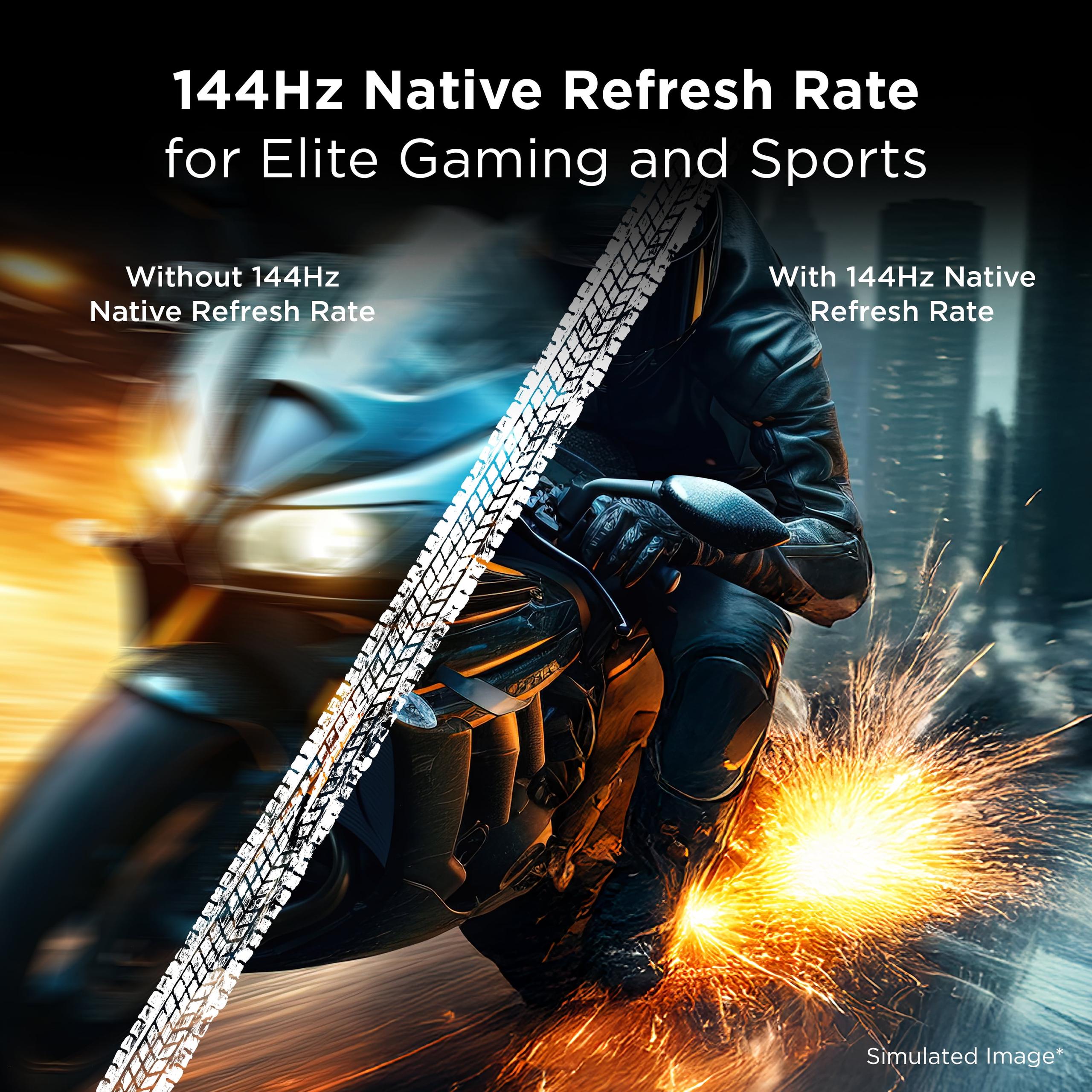
Both TVs are serious gaming machines, but they excel in different ways. The TCL QM9K supports up to 288Hz variable refresh rate through its Game Accelerator 288 feature, though this requires dropping to 1080p resolution. For 4K gaming, it maxes out at 144Hz, which is still double what most TVs offered just a few years ago.
Variable refresh rate (VRR) technology synchronizes the TV's refresh with your gaming console or PC, eliminating the stuttering and screen tearing that can occur when frame rates fluctuate. The TCL QM9K supports both AMD FreeSync Premium Pro and Auto Low Latency Mode (ALLM), which automatically switches the TV to its fastest gaming mode when it detects a gaming console.
The Panasonic Z95A also supports 144Hz and all the modern gaming features, but its real advantage lies in response time. OLED pixels can change states nearly instantaneously—we're talking sub-millisecond response times compared to the 7.4ms minimum response time of the TCL QM9K.
For competitive gaming, especially fast-paced shooters or fighting games, the OLED's instant response means less motion blur and clearer tracking of fast-moving objects. However, the TCL QM9K's superior brightness makes gaming more comfortable in rooms with ambient light, and its higher refresh rate capabilities future-proof it for upcoming gaming hardware.
Input lag—the delay between pressing a button and seeing the result on screen—is excellent on both TVs. The TCL QM9K measures 5.3ms in game mode, while OLED technology typically delivers sub-10ms performance.
Motion handling reveals another fundamental difference between these technologies. The TCL QM9K uses Motion Rate 480 processing with MEMC (Motion Estimation and Motion Compensation) to create intermediate frames between the original frames, smoothing out motion in sports and action scenes.
This processing approach works well for most content, especially lower-quality sources that might look choppy otherwise. However, the TV's relatively slow pixel response time means fast-moving objects can still show some blur around their edges, particularly in dark-to-bright transitions.
The Panasonic Z95A takes the opposite approach: instead of heavy processing, it relies on the physics of OLED technology. Since pixels can change states instantly, there's virtually no motion blur from the display itself. This creates incredibly clean motion that's particularly noticeable in sports broadcasts or action movies.
For sports viewing, the TCL QM9K's brightness advantage often outweighs its motion limitations, especially during daytime viewing. The Panasonic Z95A delivers cleaner motion but struggles more with bright room conditions that are common during weekend sports viewing.
The smart TV platform choice reflects each company's broader ecosystem approach. The TCL QM9K runs Google TV with the new Gemini AI integration, offering personalized content recommendations and hands-free voice control through Google Assistant. If you're already invested in the Google ecosystem—Android phones, Google smart home devices, YouTube Premium—this integration feels seamless.
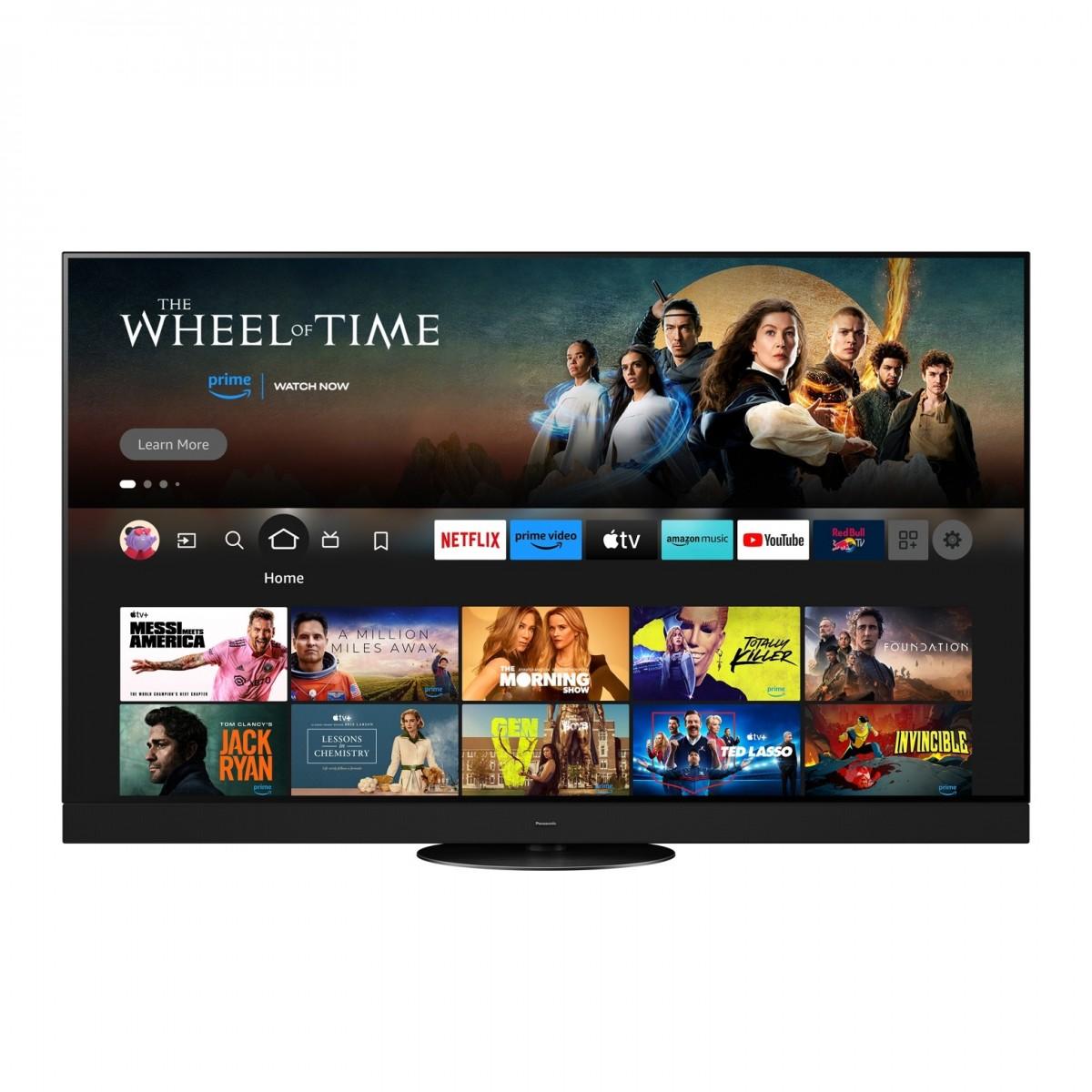
The Panasonic Z95A uses Amazon Fire TV, which provides excellent access to streaming services and deep integration with Alexa devices. Fire TV's interface feels faster and more responsive than some smart TV platforms, and Amazon's content recommendations are surprisingly good at surfacing new shows and movies you might actually want to watch.
Both platforms support all major streaming services, though the specific app experience can vary. Google TV tends to get new streaming apps first, while Fire TV sometimes has better integration with Amazon Prime Video features.
The TCL QM9K adds a presence sensor that detects when you're near the TV, automatically turning it on or displaying ambient information. It's a nice touch that makes the TV feel more responsive to your daily routine.
Neither TV delivers outstanding audio performance, though both include respectable speaker systems. The TCL QM9K features audio tuning by Bang & Olufsen with Dolby Atmos support, while the Panasonic Z95A includes a 20W speaker system with Dolby Atmos processing.
In both cases, the built-in audio represents the weakest aspect of these otherwise excellent TVs. The slim form factors simply don't have room for the large drivers and acoustic chambers needed for truly impressive sound. If you're investing in a premium TV like either of these, budget for a quality soundbar or home theater system to match the exceptional video performance.
For dedicated home theater setups, the choice becomes more nuanced. The Panasonic Z95A offers several advantages in controlled lighting environments: perfect blacks create incredible depth in dark scenes, accurate colors ensure you're seeing movies as directors intended, and instant pixel response eliminates motion artifacts that can distract from cinematic experiences.
The TV also includes filmmaker mode, which disables motion processing and adjusts colors to match cinema standards. For serious movie enthusiasts who control their viewing environment, these features matter.
However, the TCL QM9K shouldn't be dismissed for home theater use. Its exceptional brightness makes HDR content more impactful than what most commercial theaters can achieve, and its wide color gamut creates stunning visuals that can enhance the cinematic experience, even if they're not perfectly accurate to the director's intent.
The choice often comes down to room setup. A basement theater with full light control favors the Panasonic Z95A, while a family room that doubles as a home theater benefits from the TCL QM9K's versatility.
After extensive research and evaluation of expert and user consensus, both TVs excel in their intended use cases, but neither is perfect for everyone.
Choose the TCL QM9K if you have a bright room, watch varied content throughout the day, prioritize gaming performance, or simply want the most impactful HDR experience available. Its brightness advantage is so significant that it transforms how HDR content looks, making it feel more immersive and engaging than dimmer displays can achieve.
The quantum dot color enhancement creates vibrant, engaging visuals that make everything from nature documentaries to animated movies look more spectacular. For families who watch TV during the day and want one display that handles everything well, the TCL QM9K is the more versatile choice.
Choose the Panasonic Z95A if you primarily watch in darker environments, prioritize color accuracy over impact, or want the smoothest possible motion performance. The perfect blacks and infinite contrast create an almost three-dimensional viewing experience that's particularly compelling for movies and high-quality TV shows.
The instant pixel response makes this the better choice for competitive gaming where motion clarity matters more than peak brightness. Cinema enthusiasts who appreciate color accuracy and filmmaker intent will prefer the Panasonic Z95A's more restrained but accurate approach.
At the time of writing, both TVs represent excellent value in the premium segment, though the TCL QM9K offers more groundbreaking technology for the price. The Panasonic Z95A costs more but delivers the refined OLED experience that many videophiles consider the gold standard.
Ultimately, your room lighting and viewing preferences should drive the decision. The TCL QM9K adapts better to real-world living spaces, while the Panasonic Z95A excels in optimal viewing conditions. Both will deliver years of exceptional entertainment—just in very different ways.
| TCL 65" QM9K QD-Mini LED Smart TV | Panasonic Z95A 65" OLED 4K Ultra HD Smart TV |
|---|---|
| Display Technology - Fundamentally different approaches to picture quality | |
| QD-Mini LED with up to 6,000 local dimming zones | OLED with self-lit pixels |
| Peak Brightness - Critical for HDR impact and bright room viewing | |
| 6,500 nits (exceptional for any lighting condition) | ~1,000 nits (best for dark/controlled rooms) |
| Black Levels - How deep blacks appear, especially important for movies | |
| Excellent with minimal blooming (7,000:1 contrast) | Perfect blacks with infinite contrast |
| Refresh Rate - Smoothness for gaming and sports | |
| 144Hz native, up to 288Hz VRR (1080p/1440p) | 144Hz native |
| Response Time - Speed of pixel changes, affects motion blur | |
| 7.4ms (good for most gaming) | Near-instantaneous (excellent for competitive gaming) |
| Input Lag - Delay between controller and screen action | |
| 5.3ms (excellent for gaming) | Sub-10ms typical (excellent for gaming) |
| Color Gamut - Range of colors the TV can display | |
| 97% DCI-P3 with quantum dot enhancement | Wide color gamut with cinema-accurate processing |
| HDR Support - High dynamic range format compatibility | |
| HDR10, HDR10+, Dolby Vision, HLG | HDR10, HDR10+, Dolby Vision IQ, HLG |
| Smart Platform - Streaming interface and voice control | |
| Google TV with Gemini AI, Google Assistant | Amazon Fire TV with Alexa Built-in |
| Audio System - Built-in sound quality | |
| Audio by Bang & Olufsen, Dolby Atmos | 20W speakers, Dolby Atmos |
| Burn-in Risk - Permanent image retention concerns | |
| No burn-in risk (Mini LED backlight) | Minimal risk with modern OLED technology |
| Viewing Angles - Picture quality when viewed from the side | |
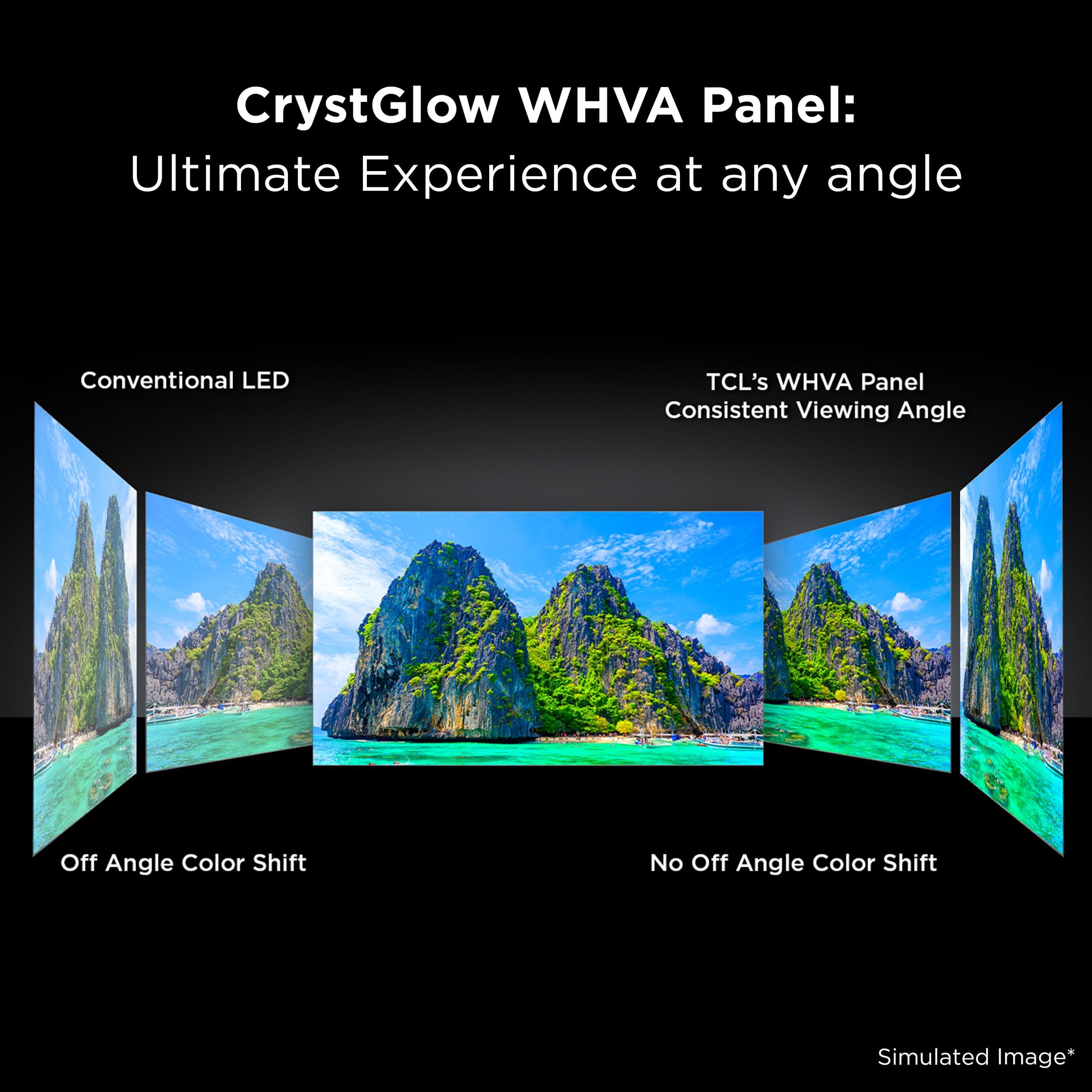
| 178° but image washes out from extreme angles | Excellent from all angles |
| Motion Processing - Smoothing technology for fast action | |
| Motion Rate 480 with MEMC processing | Minimal processing, relies on instant pixel response |
| Gaming Features - Console and PC gaming capabilities | |
| Game Accelerator 288, AMD FreeSync Premium Pro, ALLM | 144Hz VRR, ALLM, Game Mode optimization |
| Power Consumption - Energy efficiency and operating costs | |
| 67W average, 290W maximum | Typical OLED efficiency (specs not detailed) |
| Release Year - Technology generation and future support | |
| 2025 (latest Mini LED advancement) | 2025 (refined OLED technology) |
The TCL 65" QM9K QD-Mini LED Smart TV is significantly better for bright rooms. With 6,500 nits of peak brightness, it can easily overcome glare from windows and ambient lighting. The Panasonic Z95A 65" OLED 4K Ultra HD Smart TV peaks at around 1,000 nits, which may appear washed out in very bright conditions.
The TCL QM9K uses Mini LED backlighting with up to 6,000 dimming zones behind a quantum dot layer, delivering exceptional brightness and vibrant colors. The Panasonic Z95A uses OLED technology where each pixel generates its own light and can turn completely off, creating perfect blacks and infinite contrast ratios.
The Panasonic Z95A 65" OLED has superior black levels since OLED pixels can turn completely off, creating true blacks and infinite contrast. The TCL QM9K achieves excellent blacks through local dimming but cannot match OLED's perfect black performance, though it gets surprisingly close with minimal blooming.
Yes, both the TCL QM9K and Panasonic Z95A are excellent for gaming. Both support 144Hz refresh rates, VRR, and ALLM. The TCL QM9K offers Game Accelerator 288 for up to 288Hz at lower resolutions, while the Panasonic Z95A provides near-instantaneous pixel response for cleaner motion.
The Panasonic Z95A 65" OLED is better for dark room movie watching due to its perfect blacks, infinite contrast, and cinema-accurate colors. The TV includes filmmaker mode and delivers the contrast ratios that make dark scenes look truly cinematic. The TCL QM9K is still excellent but cannot achieve the same inky black levels.
Both TVs support all major streaming services. The TCL QM9K runs Google TV with Gemini AI and Google Assistant integration, while the Panasonic Z95A uses Amazon Fire TV with Alexa built-in. Both platforms are fast and reliable, with the choice depending on your preferred ecosystem.
The TCL 65" QM9K produces more vibrant, saturated colors thanks to quantum dot technology covering 97% of the DCI-P3 color space. The Panasonic Z95A focuses on color accuracy rather than saturation, delivering more natural-looking colors that match filmmakers' intentions.
Both the TCL QM9K and Panasonic Z95A offer 144Hz native refresh rates. The TCL QM9K adds Motion Rate 480 processing and can reach 288Hz at lower resolutions. The Panasonic Z95A relies on instant pixel response rather than processing, delivering cleaner motion with less blur.
The TCL QM9K QD-Mini LED has no burn-in risk since it uses LED backlighting technology. The Panasonic Z95A OLED has minimal burn-in risk with modern OLED technology and built-in protection features, but static images displayed for extended periods could theoretically cause permanent retention.
The TCL QM9K delivers more impactful HDR with its 6,500-nit peak brightness making highlights dramatically brighter and more spectacular. The Panasonic Z95A provides more accurate HDR with better shadow detail and natural color reproduction, though with less peak brightness impact.
Both TVs have decent but not exceptional built-in audio. The TCL QM9K features Audio by Bang & Olufsen with Dolby Atmos, while the Panasonic Z95A includes 20W speakers with Dolby Atmos processing. For premium picture quality like these TVs offer, investing in a separate soundbar or home theater system is recommended.
The TCL 65" QM9K offers excellent long-term value with no burn-in concerns and cutting-edge Mini LED technology that should remain competitive for years. The Panasonic Z95A 65" OLED provides refined OLED technology with excellent build quality, though OLED panels may have slightly shorter lifespans than LED-based displays under heavy usage.
We've done our best to create useful and informative comparisons to help you decide what product to buy. Our research uses advanced automated methods to create this comparison and perfection is not possible - please contact us for corrections or questions. These are the sites we've researched in the creation of this article: rtings.com - bestbuy.com - youtube.com - youtube.com - youtube.com - techaeris.com - displayspecifications.com - pcrichard.com - residentialsystems.com - us.tcl.com - displayspecifications.com - valueelectronics.com - woodruffappliance.com - tcl.com - pcrichard.com - tcl.com - techradar.com - tcl.com - us.tcl.com - youtube.com - youtube.com - bestbuy.com - youtube.com - youtube.com - youtube.com - whathifi.com - tomsguide.com - shop.panasonic.com - store.in.panasonic.com - rtings.com - applianceplus.co.nz - rtings.com - store.in.panasonic.com - samsung.com

Privacy Policy
Terms and Conditions - Affiliate Policy
Home Security
© Copyright 2008-2026.
11816 Inwood Rd #1211, Dallas, TX 75244