

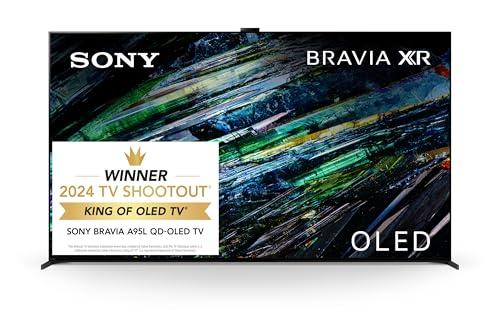
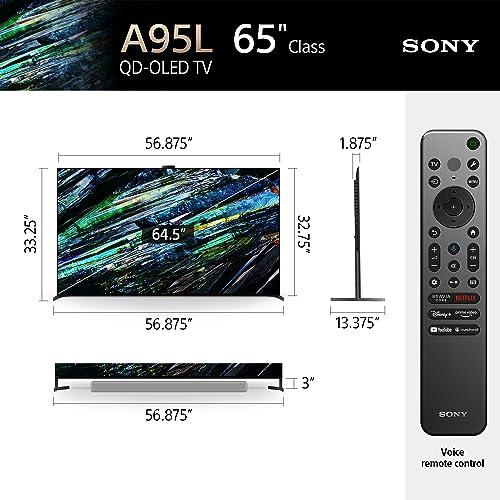




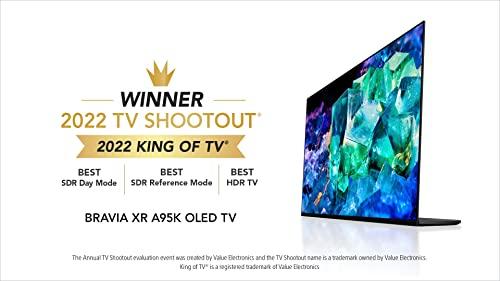
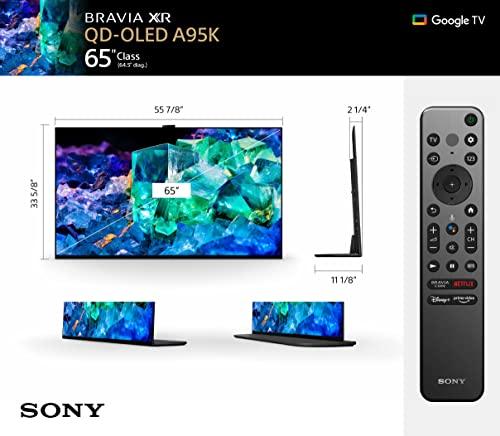



If you're shopping for a premium television and have your sights set on Sony's flagship QD-OLED models, you're likely weighing the Sony BRAVIA XR A95L from 2023 against its predecessor, the Sony BRAVIA XR A95K from 2022. Both represent the absolute pinnacle of Sony's TV technology, but the question remains: are the improvements in the newer model worth the extra cost?
After diving deep into expert reviews and user feedback, I can tell you that while both TVs deliver exceptional performance, the differences between them are more significant than you might expect for just one generation apart.
Before we compare these specific models, let's talk about what makes QD-OLED special. Traditional OLED TVs create light by exciting organic compounds, which can produce perfect blacks by completely turning off individual pixels. However, they've historically struggled with brightness, especially compared to LED-backlit TVs.
QD-OLED technology combines the best of both worlds. It uses blue OLED emitters as a light source, then passes that light through quantum dots (tiny semiconductor particles) to convert blue light into pure red and green. This eliminates the need for the white subpixel found in traditional OLEDs, resulting in more vibrant colors and higher brightness levels while maintaining those perfect blacks that make OLED so appealing.
Both the A95L and A95K use this technology, but they represent different generations of the same breakthrough approach.
The most significant difference between these models lies in brightness performance. The A95L uses a second-generation QD-OLED panel that Sony claims delivers 200% higher brightness than the A95K. In practical terms, this translates to much more impactful HDR (High Dynamic Range) content.
When watching movies with bright highlights—think sunlight streaming through windows, explosions, or reflections off water—the A95L makes these elements truly pop off the screen. The difference isn't subtle; it's immediately noticeable and particularly impressive with well-mastered HDR content from sources like Netflix's premium titles or 4K Blu-rays.
This brightness improvement also matters for everyday viewing conditions. If your living room has windows or ambient lighting, the A95L handles glare and maintains image quality better than its predecessor. The A95K, while still excellent, can struggle more in bright environments where its blacks might appear slightly gray.
For home theater enthusiasts, this brightness advantage is transformative. HDR content is meant to mimic the dynamic range of human vision, with bright highlights that genuinely feel bright. The A95L gets much closer to this goal, making movie nights feel more cinematic.
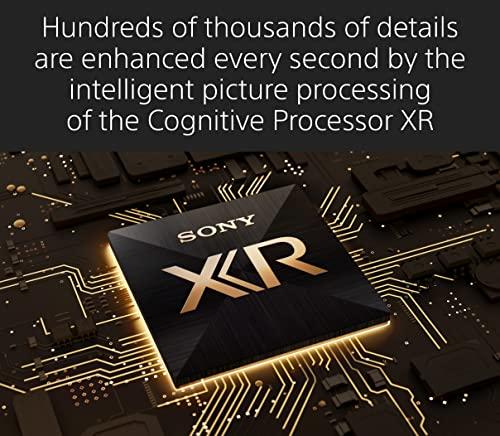
Both TVs run on Sony's Cognitive Processor XR, which analyzes content in real-time to optimize picture and sound quality. Think of it as an AI that understands how humans perceive images and adjusts accordingly. However, the A95L includes the MediaTek Pentonic 1000 HDMI chipset—the only Sony TV to feature this advanced processor in 2023.
This upgraded chipset contributes to better overall performance and future-proofing, though the day-to-day differences in processing speed aren't dramatic. Both models excel at upscaling lower-resolution content to 4K, making your old DVDs and streaming content look surprisingly sharp.
Where the A95L truly shines with unique features is Multi View functionality. This lets you split the screen to watch two different sources simultaneously—imagine watching a football game while keeping an eye on news, or following a gaming tutorial while playing. It's not something you'll use daily, but when you need it, it's incredibly handy.
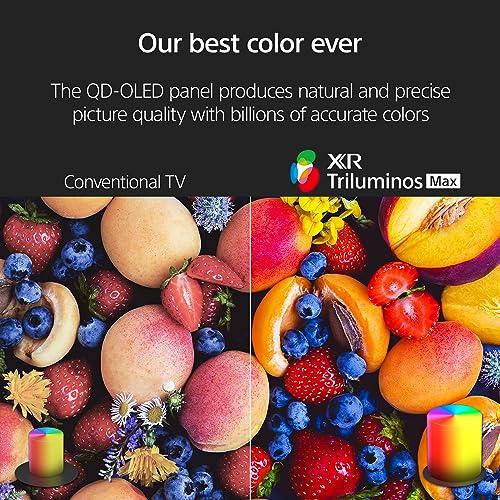
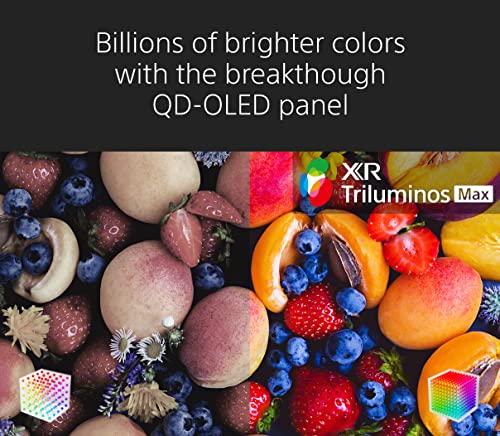
Both models deliver exceptional color reproduction thanks to Sony's XR Triluminos Max technology, which takes advantage of the QD-OLED panel's expanded color gamut. However, our research into professional reviews reveals that the A95L demonstrates better pre-calibration accuracy and smoother color gradients.
For most viewers, both TVs will look fantastic right out of the box. The A95K might benefit from some calibration adjustments, while the A95L is so accurate that even enthusiasts often skip professional calibration entirely.
The improved gradient handling in the A95L means you'll see less color banding—those annoying stepped transitions between similar colors that can appear in skies or smooth surfaces. This might seem minor, but it contributes to a more polished, film-like image quality.
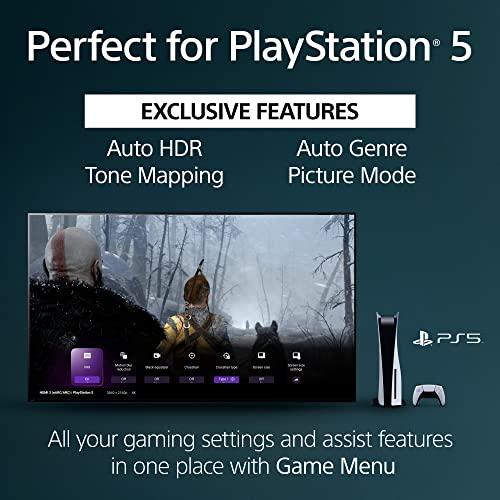
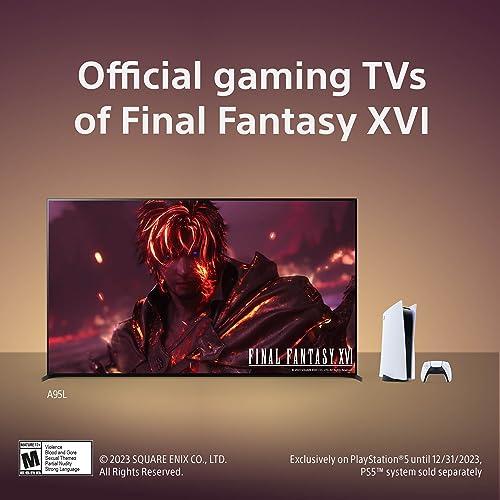
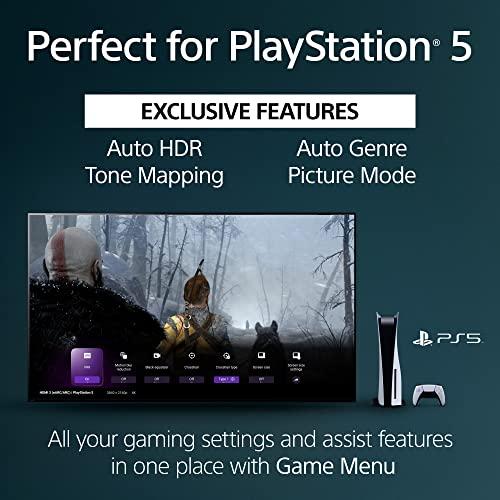
Both Sony TVs excel for gaming with identical core features: 4K resolution at 120Hz refresh rates, Variable Refresh Rate (VRR) support, and Auto Low Latency Mode (ALLM). They're particularly optimized for PlayStation 5 with features like Auto HDR Tone Mapping that adjusts the picture specifically for Sony's console.
The near-instantaneous pixel response time of OLED technology means motion appears crystal clear with no blur trails—crucial for fast-paced games. However, both models share a common limitation: input lag that's slightly higher than competitors like Samsung's QD-OLED offerings. For casual gaming, this isn't noticeable, but competitive gamers who need every millisecond advantage might prefer other brands.
Both TVs also limit you to two HDMI 2.1 ports capable of 4K@120Hz, with one typically reserved for eARC (enhanced Audio Return Channel) if you're using a soundbar or receiver. This can be constraining if you have multiple next-gen consoles or a gaming PC.
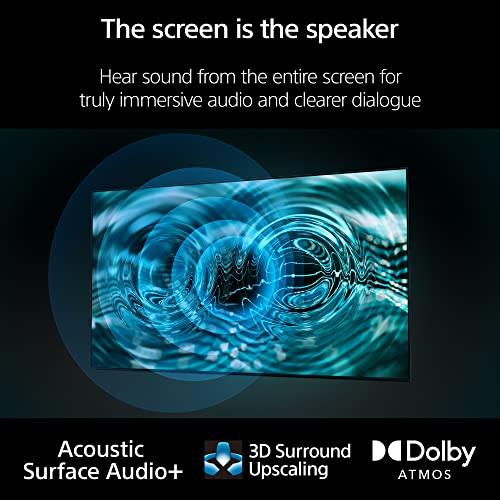
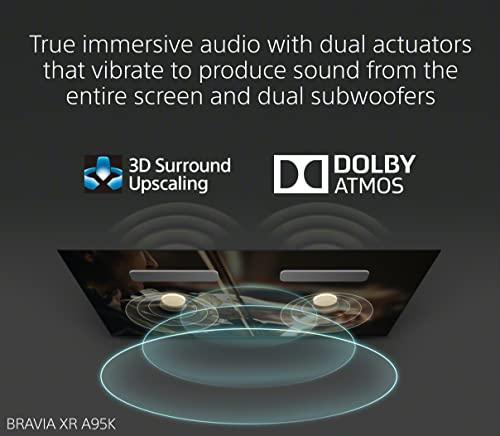
Sony's Acoustic Surface Audio+ technology sets both models apart from the competition. Instead of traditional speakers, actuators behind the screen vibrate the entire display to produce sound. This creates an incredibly immersive experience where dialogue seems to come directly from actors' mouths on screen.
The technology works remarkably well, producing clear dialogue and decent bass response. Both models support Dolby Atmos for three-dimensional surround sound, and they can even function as center channel speakers when paired with compatible Sony soundbars.
While the screen-as-speaker approach won't match a dedicated high-end sound system, it's impressive enough that many users won't feel the immediate need for additional audio equipment.
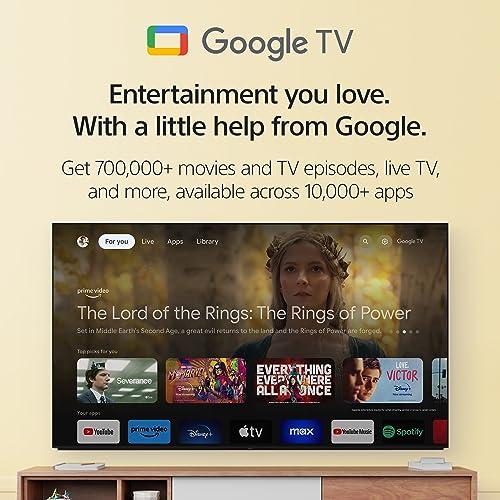
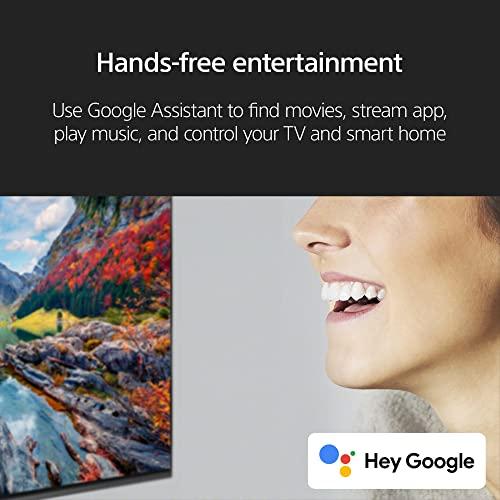
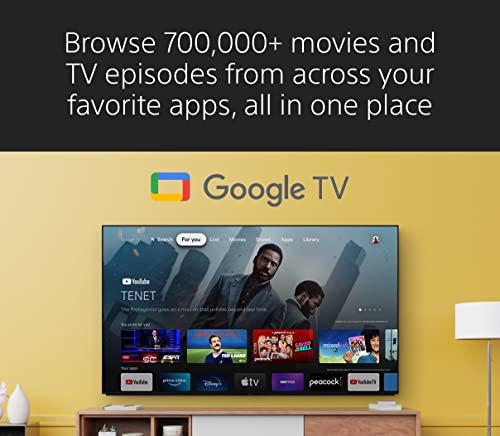
Both TVs run Google TV, which offers excellent app selection and integration with Google's ecosystem. The interface is intuitive, with good content recommendations and hands-free voice control through built-in microphones.
However, user reviews consistently mention occasional slowness when first powering on or switching inputs. The Google TV platform can feel sluggish during these transitions, though it performs well once content is playing.
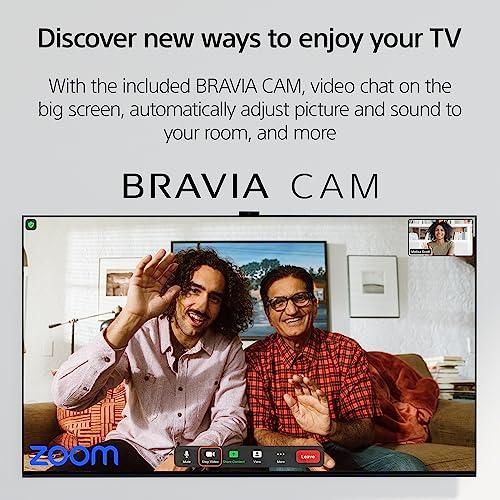
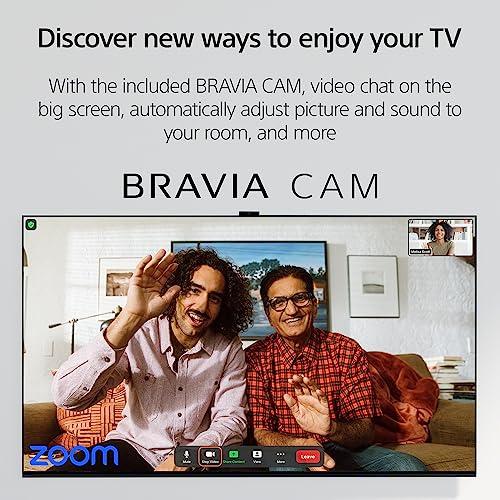
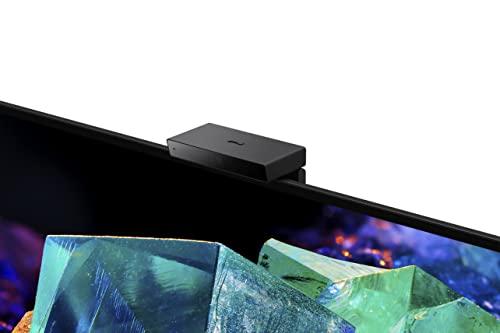
The A95L includes the BRAVIA CAM as a standard accessory, while it was sold separately for the A95K. This camera enables gesture controls, video chat capabilities, and Ambient Optimization Pro, which automatically adjusts picture settings based on your seating position and room lighting conditions.
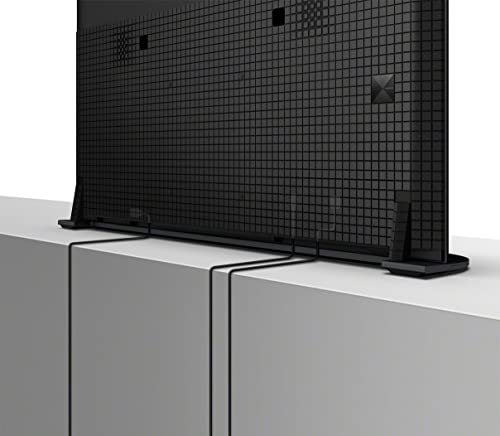
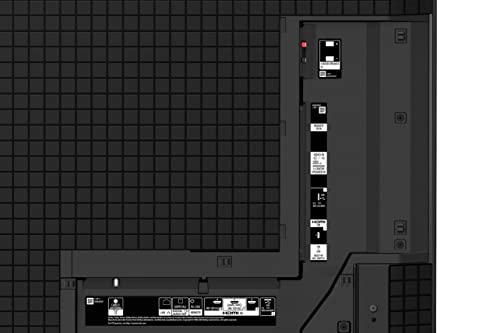
Both models feature Sony's premium design language with textured backs displaying their signature checkerboard pattern. The A95L comes with an improved backlit remote that automatically illuminates when picked up—a small but appreciated touch for dark room viewing.
The stand design allows for multiple positions, including a low-profile option that works well with soundbars. Cable management is well-thought-out on both models, with easily accessible ports that work well for wall mounting.
When evaluating premium TVs like these, several key performance characteristics determine the viewing experience:
Peak brightness in HDR is perhaps the most important metric, as it determines how impactful bright highlights appear. The A95L significantly outperforms the A95K here, making HDR content more engaging and realistic.
Color accuracy and volume measure how true-to-life colors appear and how saturated they can get while maintaining accuracy. Both models excel, but the A95L has a slight edge in precision.
Black level performance determines contrast capability. Both achieve perfect blacks thanks to OLED technology, but the A95L maintains these blacks better in bright environments.
Input lag and response time matter for gaming. Both models perform identically here—excellent for motion clarity but not class-leading for competitive gaming.
Viewing angles affect how the image looks from the sides. Both QD-OLED panels maintain excellent image quality even at extreme angles.
At the time of writing, the A95L typically commands a premium of several hundred dollars over the A95K, assuming you can still find the older model in stock. The value equation depends heavily on current pricing and your specific needs.
The A95K often appears at significant discounts as retailers clear inventory, making it an attractive option for buyers who want premium QD-OLED performance without paying for the latest generation improvements.
For the A95L, you're paying for meaningful improvements in brightness, bundled accessories, and future-proofing. If you frequently watch HDR content or have a bright room, these improvements can justify the premium.
For dedicated home theater setups, the brightness advantage of the A95L becomes particularly valuable. Home theaters aren't always completely dark, and even subtle ambient lighting can diminish the impact of HDR content on dimmer displays.
The improved color accuracy also matters more in home theater applications where you're likely watching premium content that benefits from precise color reproduction. The bundled BRAVIA CAM's ambient optimization features can automatically adjust the picture for optimal viewing as lighting conditions change throughout the day.
Both models support the full range of HDR formats including Dolby Vision, and their excellent upscaling makes even older content look impressive on a large screen.
The Sony A95K makes sense if you're budget-conscious but still want flagship QD-OLED performance. It's particularly appealing for dark room viewing where its brightness limitations are less noticeable. If you can find it at a substantial discount, it represents excellent value for a premium TV that's still among the best available.
The Sony A95L is worth the premium if you prioritize the latest technology, watch a lot of HDR content, or have a bright viewing environment. The bundled BRAVIA CAM and Multi View features add practical value, and the significantly improved brightness makes HDR content genuinely more impactful.
For most buyers choosing between these models, the decision comes down to how much value you place on that brightness improvement versus the potential cost savings of the older model. The A95L is objectively better, but the A95K remains an exceptional television that still outperforms most competitors.
In my opinion, if the price difference is modest (under $500), the A95L is the clear choice. However, if you find the A95K at a significant discount, it's still one of the best TVs you can buy and represents excellent value in the premium OLED market.
| Sony BRAVIA XR A95L 65" QD-OLED | Sony Bravia XR A95K 65" QD-OLED |
|---|---|
| Panel Generation - Determines HDR brightness and overall picture impact | |
| Second-generation QD-OLED with 200% higher brightness | First-generation QD-OLED with excellent but limited brightness |
| Peak HDR Brightness - Critical for impactful highlights and bright room viewing | |
| Up to 1,300 nits (dramatic improvement for HDR content) | ~650 nits (good for OLED but less impactful HDR) |
| Processing Chipset - Affects future-proofing and performance | |
| MediaTek Pentonic 1000 (latest 2023 chipset) | Previous generation HDMI processing |
| Color Accuracy - Important for cinematic viewing experience | |
| Excellent pre-calibration accuracy, minimal setup needed | Very good accuracy, may benefit from calibration |
| BRAVIA CAM Inclusion - Adds gesture control and ambient optimization | |
| Bundled in box (adds significant value) | Sold separately (additional cost if desired) |
| Multi View Feature - Useful for multitasking viewers | |
| Split-screen functionality for two sources simultaneously | Not available |
| Gaming Performance - Both excel with identical core features | |
| 4K@120Hz, VRR, ALLM, 2x HDMI 2.1 ports | 4K@120Hz, VRR, ALLM, 2x HDMI 2.1 ports |
| Smart Platform - Same Google TV experience on both | |
| Google TV with voice control and extensive app support | Google TV with voice control and extensive app support |
| Audio Technology - Both use innovative screen-as-speaker design | |
| Acoustic Surface Audio+ with Dolby Atmos support | Acoustic Surface Audio+ with Dolby Atmos support |
| Release Year - Affects availability and pricing | |
| 2023 model (current flagship with premium pricing) | 2022 model (often available at significant discounts) |
| Best For - Target buyer profiles | |
| Bright rooms, HDR enthusiasts, latest features | Dark rooms, value seekers, core QD-OLED benefits |
The biggest difference is brightness performance. The Sony BRAVIA XR A95L uses a second-generation QD-OLED panel that delivers 200% higher brightness than the Sony Bravia XR A95K. This makes HDR content significantly more impactful and improves performance in bright rooms.
The Sony BRAVIA XR A95L is much better for bright rooms due to its dramatically improved brightness capabilities. While both are OLED TVs, the A95L can better overcome ambient lighting and maintain deep blacks, whereas the Sony Bravia XR A95K may show some black level raising in bright environments.
Yes, both the Sony BRAVIA XR A95L and Sony Bravia XR A95K offer identical gaming features including 4K@120Hz, Variable Refresh Rate (VRR), and Auto Low Latency Mode. Both are optimized for PlayStation 5 and deliver excellent motion clarity with near-instantaneous pixel response times.
The Sony Bravia XR A95K typically offers better value when found at discounted prices, delivering flagship QD-OLED performance for less money. However, if the price difference is small, the Sony BRAVIA XR A95L provides meaningful improvements that justify the premium for most buyers.
Both run Google TV with identical core functionality, but the Sony BRAVIA XR A95L includes additional features like Multi View (split-screen viewing) and comes with the BRAVIA CAM bundled for gesture control and ambient optimization. The Sony Bravia XR A95K has the same smart platform but lacks these extra features.
The Sony BRAVIA XR A95L is superior for home theater use due to its higher peak brightness, which makes HDR movies more cinematic and impactful. The improved color accuracy and bundled BRAVIA CAM's ambient optimization also enhance the home theater experience compared to the Sony Bravia XR A95K.
Yes, the picture quality differences are immediately noticeable, especially with HDR content. The Sony BRAVIA XR A95L displays much brighter highlights that truly pop off the screen, while the Sony Bravia XR A95K, though excellent, appears dimmer in comparison and may not deliver the same HDR impact.
Both the Sony BRAVIA XR A95L and Sony Bravia XR A95K feature Sony's Acoustic Surface Audio+ technology, where the screen itself acts as a speaker. Both deliver impressive audio quality with clear dialogue and Dolby Atmos support, making external speakers less necessary for many users.
If you frequently watch HDR content on Netflix and other streaming services, the Sony BRAVIA XR A95L is the better choice due to its superior brightness making HDR shows and movies more engaging. Both TVs excel at upscaling streaming content, but the A95L delivers more impactful viewing experiences.
Both the Sony BRAVIA XR A95L and Sony Bravia XR A95K share some limitations including only two HDMI 2.1 ports, input lag that's higher than Samsung competitors, and occasional Google TV interface slowness. The main downside of the A95K is its lower brightness affecting HDR performance.
The Sony BRAVIA XR A95L offers better future-proofing with its newer MediaTek Pentonic 1000 chipset and promised software updates like Dolby Vision Gaming. The Sony Bravia XR A95K is still very current but represents previous-generation processing technology.
Choose the Sony BRAVIA XR A95L if you want the best possible picture quality, watch lots of HDR content, or have a bright viewing room. Choose the Sony Bravia XR A95K if you're budget-conscious, primarily watch in dark rooms, or can find it at a significant discount while still getting excellent QD-OLED performance.
We've done our best to create useful and informative comparisons to help you decide what product to buy. Our research uses advanced automated methods to create this comparison and perfection is not possible - please contact us for corrections or questions. These are the sites we've researched in the creation of this article: rtings.com - youtube.com - rtings.com - avsforum.com - rtings.com - smarthomesounds.co.uk - smarthomesounds.co.uk - rtings.com - smarthomesounds.co.uk - youtube.com - tomsguide.com - avsforum.com - rtings.com - perfectrec.com - flatpanelshd.com - videoandaudiocenter.com - sonypremiumhome.com - bestbuy.com - sony.com - electronics.sony.com - displayspecifications.com - donstv.com - youtube.com - static.pcrichard.com - smarthomesounds.co.uk - youtube.com - electronics.sony.com - electronics.sony.com - displayspecifications.com - tomsguide.com - audioadvice.com - wepc.com - bestbuy.com - tvsbook.com - rtings.com - flatpanelshd.com - rtings.com - youtube.com - reviewed.com - youtube.com - youtube.com - rtings.com - youtube.com - electronics.sony.com - sonypremiumhome.com - valueelectronics.com - sony.com - displayspecifications.com - flatpanelshd.com - donstv.com - youtube.com - businessinsider.com - youtube.com - displayspecifications.com - bestbuy.com

Privacy Policy
Terms and Conditions - Affiliate Policy
Home Security
© Copyright 2008-2026.
11816 Inwood Rd #1211, Dallas, TX 75244