

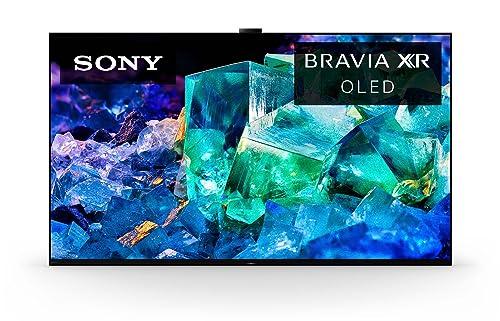


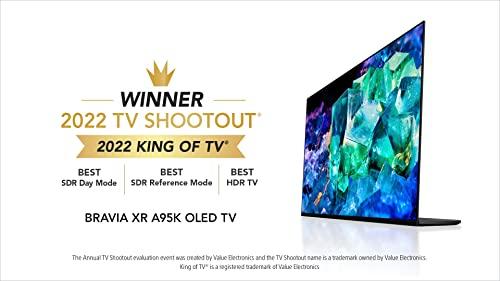
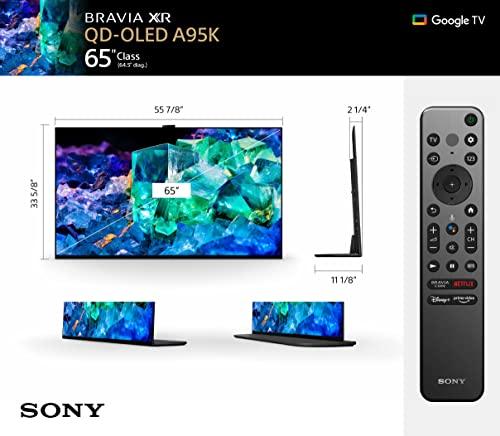




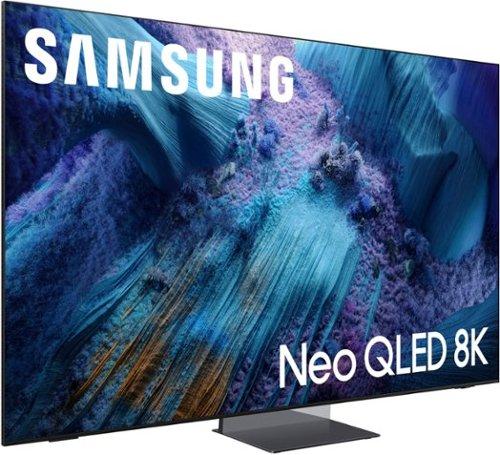
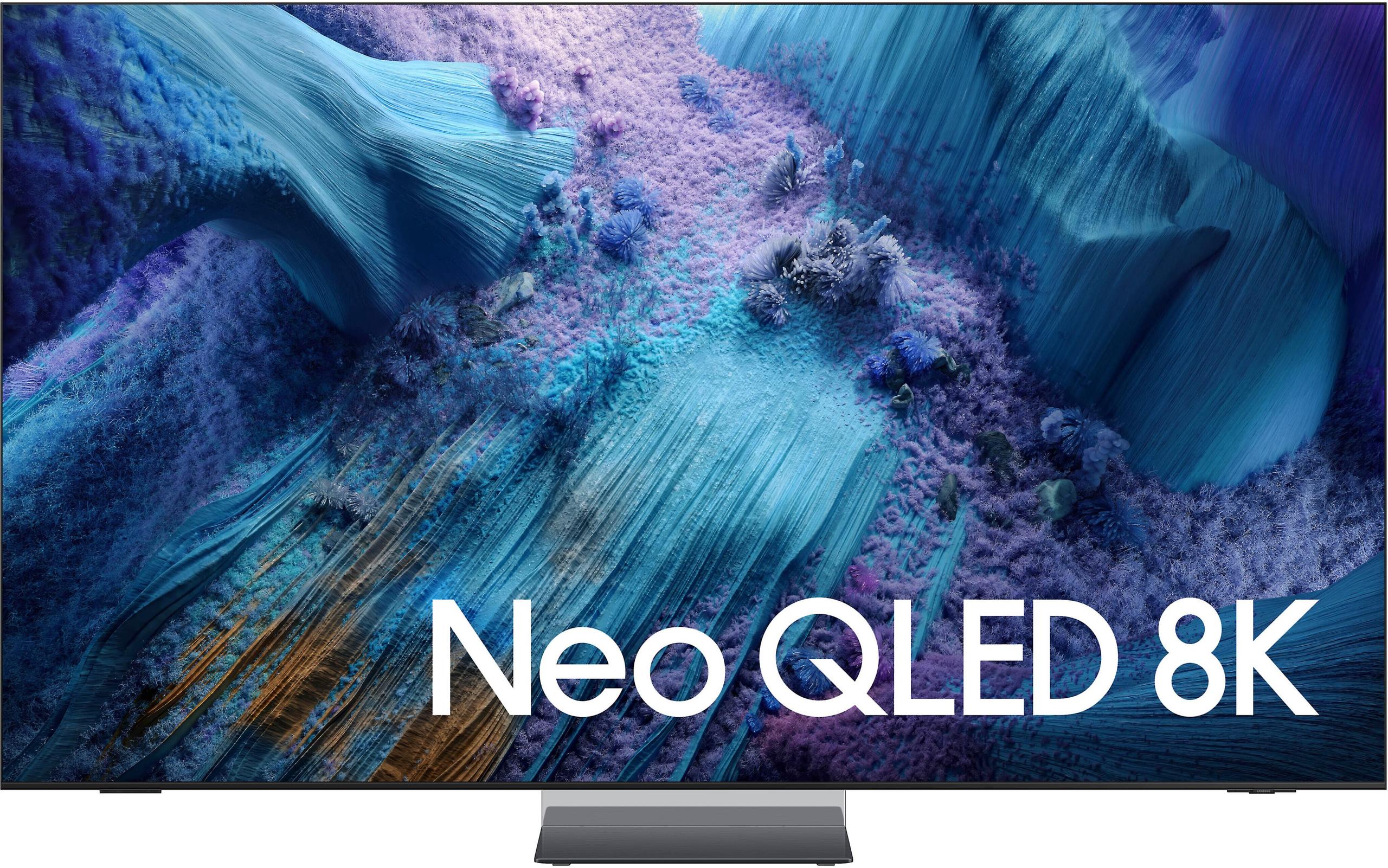
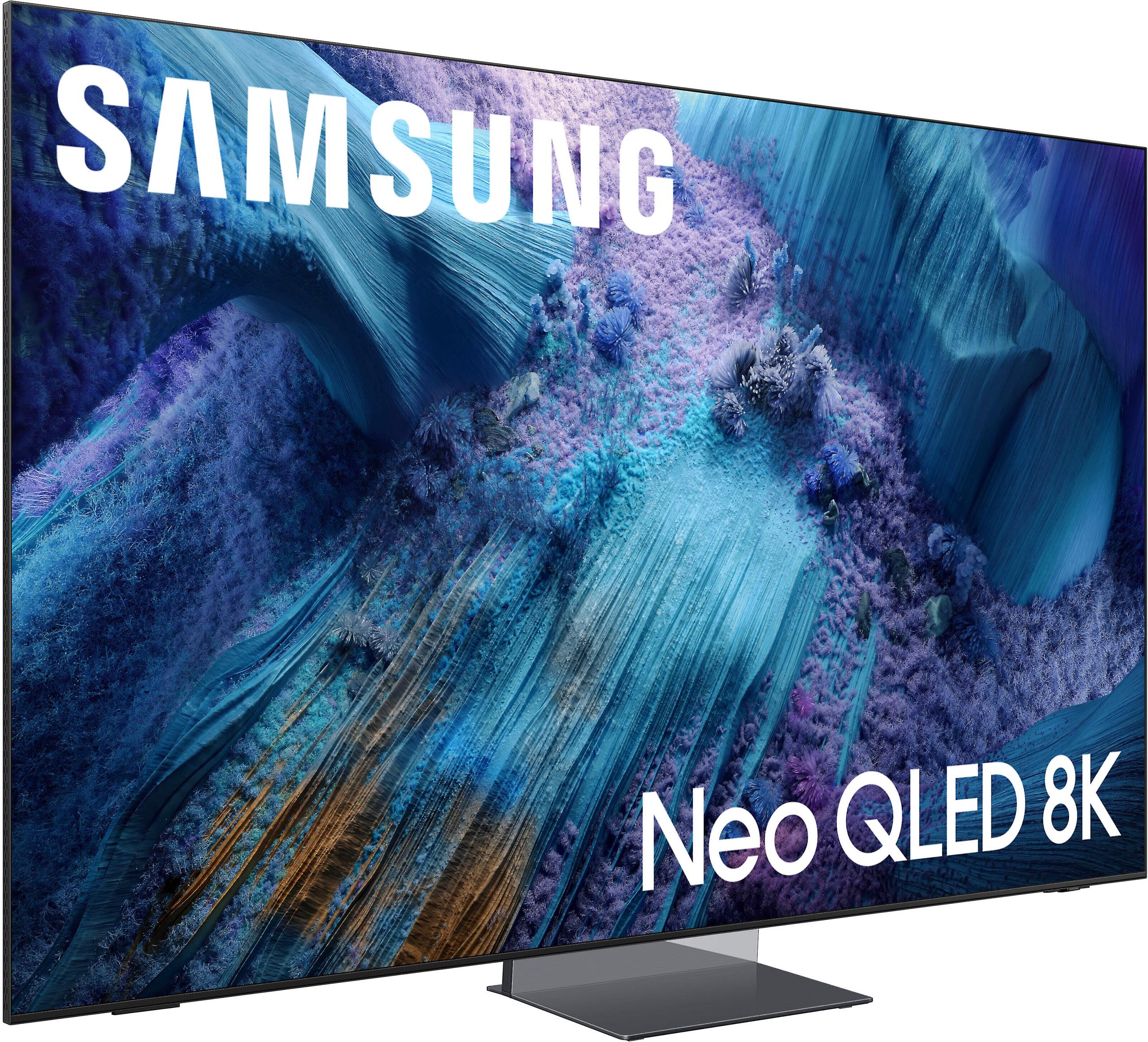
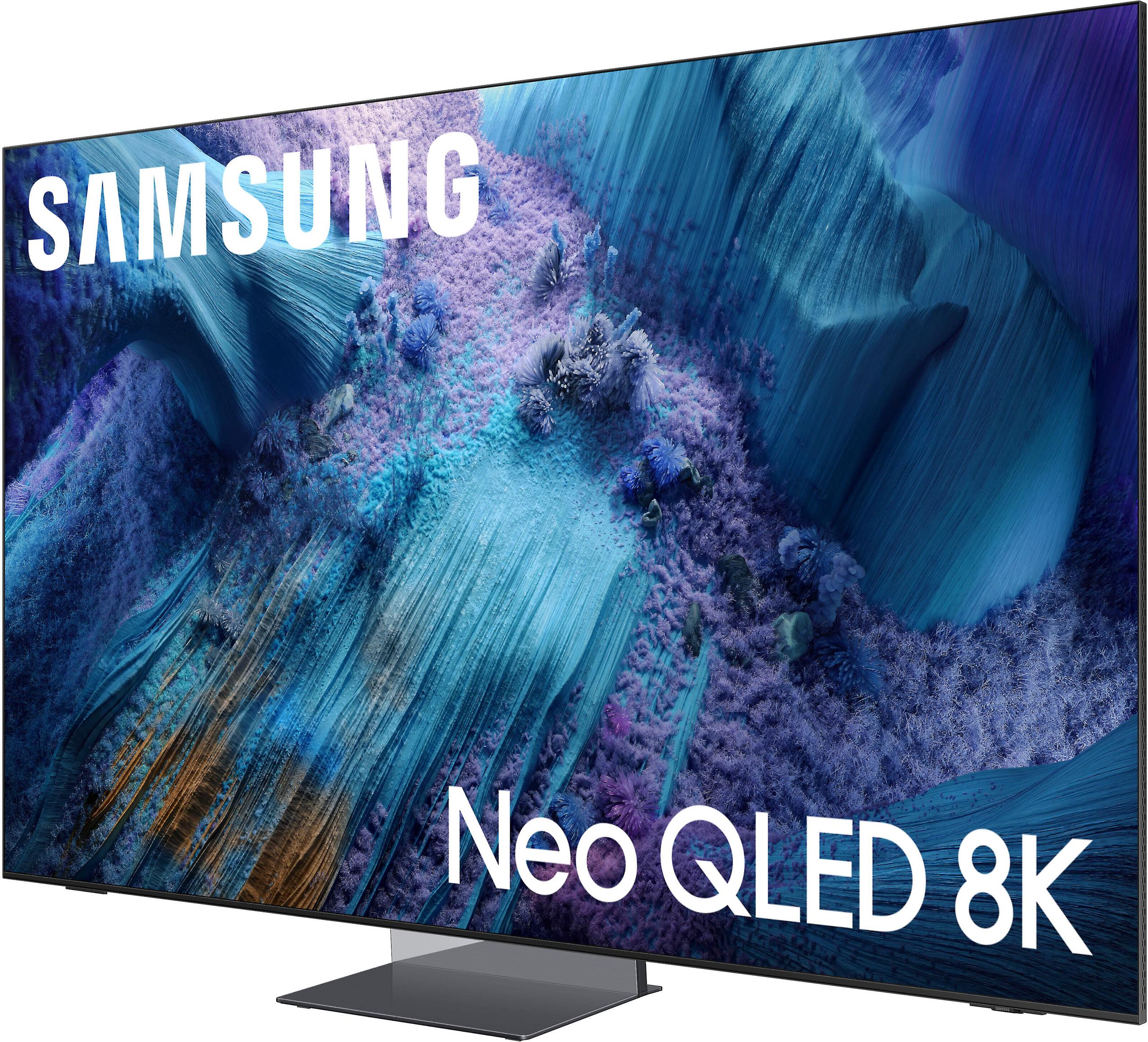

Choosing between the Sony Bravia XR A95K and Samsung QN990F Neo QLED 8K feels like picking between two completely different philosophies of what makes a great TV. One prioritizes cinematic perfection with technology that creates true blacks, while the other pushes brightness to levels that can compete with daylight streaming through your windows. At the time of writing, these TVs sit at vastly different price points—making the decision even more interesting.
The premium 65-inch TV market has exploded with innovation over the past few years. We're no longer just choosing between "good" and "better" TVs; we're selecting between fundamentally different approaches to displaying images. The Sony A95K represents the breakthrough moment when Sony embraced QD-OLED technology in 2022, while the Samsung QN990F showcases Samsung's 2025 vision of what 8K Mini LED can achieve with advanced AI processing.
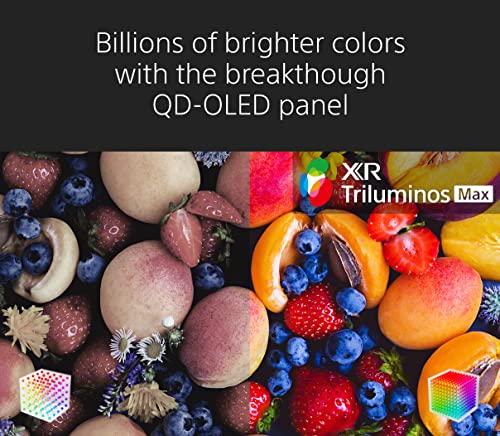
The biggest difference between these TVs lies in how they create light and color. The Sony A95K uses QD-OLED technology, which sounds complicated but works elegantly. Instead of using a backlight like traditional TVs, each pixel creates its own light and can turn completely off. Quantum dots (tiny crystals that convert blue light into pure red and green) are applied directly to the OLED panel, creating incredibly pure colors without needing a separate backlight layer.
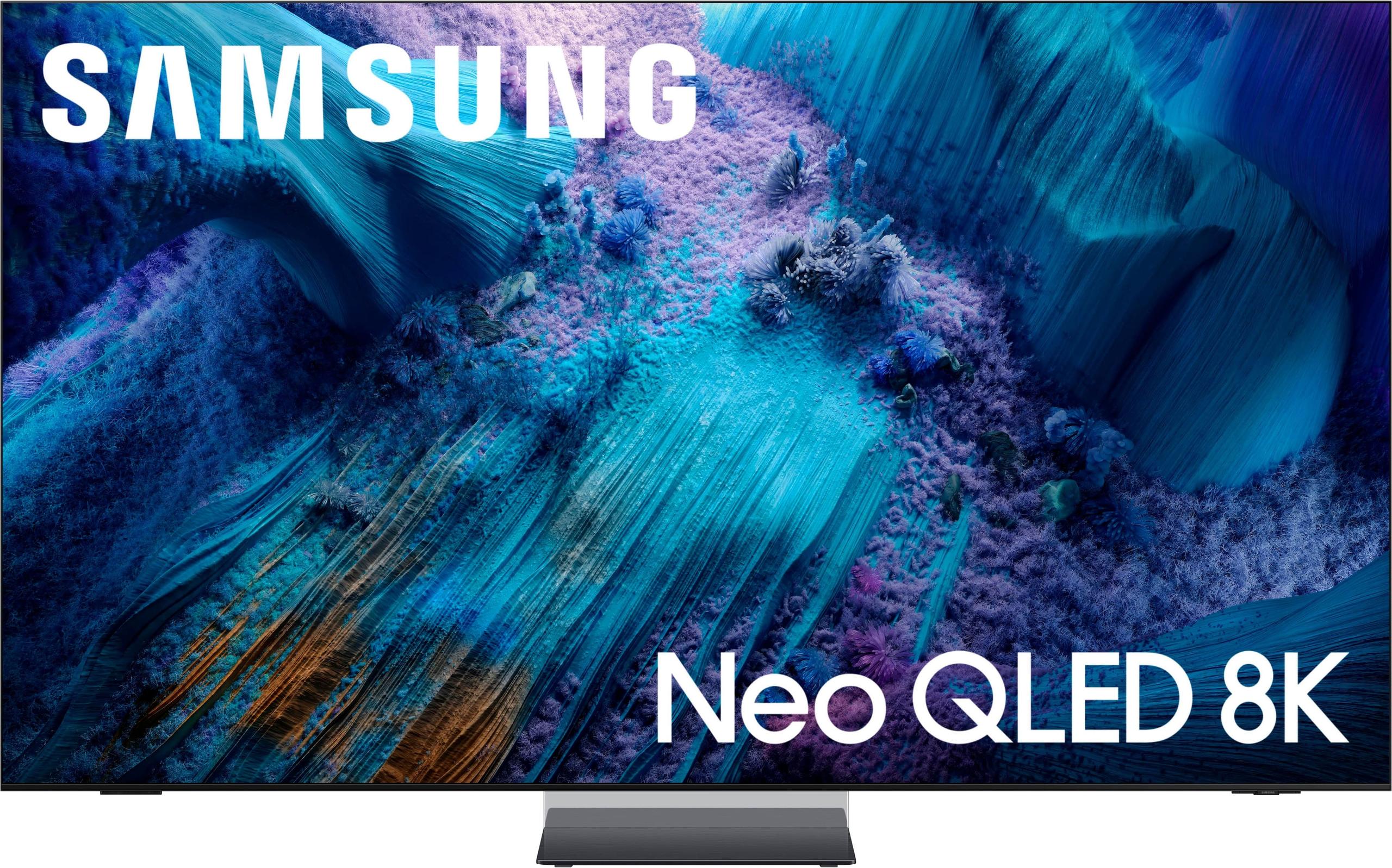
The Samsung QN990F takes a different approach with Neo QLED technology. It uses thousands of tiny Mini LEDs as a backlight behind a quantum dot layer and LCD panel. These Mini LEDs are much smaller than traditional LED backlights, allowing Samsung to control brightness in thousands of precise zones across the screen. While it can't turn individual pixels completely off like OLED, the local dimming (selectively dimming regions of the backlight) comes remarkably close to creating true blacks.
This fundamental difference shapes everything about how these TVs perform. OLED excels at contrast and accuracy, while Mini LED dominates in brightness and can better handle bright viewing environments.
When you're watching a space movie like "Interstellar" or a dark thriller, the Sony A95K delivers something that no backlit TV can match: perfect blacks. When a pixel needs to be black, it simply turns off completely, creating what's technically called infinite contrast ratio. This means the difference between the brightest white and darkest black is essentially unlimited.
The Samsung QN990F handles darkness impressively with its sophisticated local dimming system, but physics prevents it from achieving true black. Even with thousands of dimming zones, some light inevitably bleeds through. In most viewing scenarios, this difference is subtle, but in a darkened home theater watching cinematic content, the OLED's perfect blacks create depth and realism that feels more immersive.
However, this advantage flips dramatically in bright rooms. The Samsung QN990F can reach peak brightness levels exceeding 2,000 nits—bright enough to maintain picture quality even with sunlight streaming through windows. The Sony A95K, like all OLEDs, produces more modest brightness levels that can appear washed out in very bright environments.
Both TVs excel at color reproduction but in different ways. The Sony A95K focuses on accuracy, delivering colors that match what filmmakers intended when they created content in professional studios. Sony's processing emphasizes natural skin tones, realistic textures, and subtle gradations that preserve fine details in complex scenes.
The Samsung QN990F produces colors that genuinely pop off the screen. Samsung's approach emphasizes vibrancy and impact, making HDR content look spectacular with saturated blues, deep reds, and brilliant highlights. While this can sometimes stray from strict accuracy, it creates an engaging viewing experience that many viewers prefer for everyday watching.
For movie purists who want to see films exactly as directors intended, the Sony A95K maintains an edge. For viewers who enjoy vivid, impactful visuals that grab attention, the Samsung QN990F delivers thrilling results.
The Samsung QN990F offers 8K resolution with 33 million pixels compared to the Sony A95K's 8.3 million 4K pixels. On paper, this sounds like a massive advantage, but the reality is more nuanced.
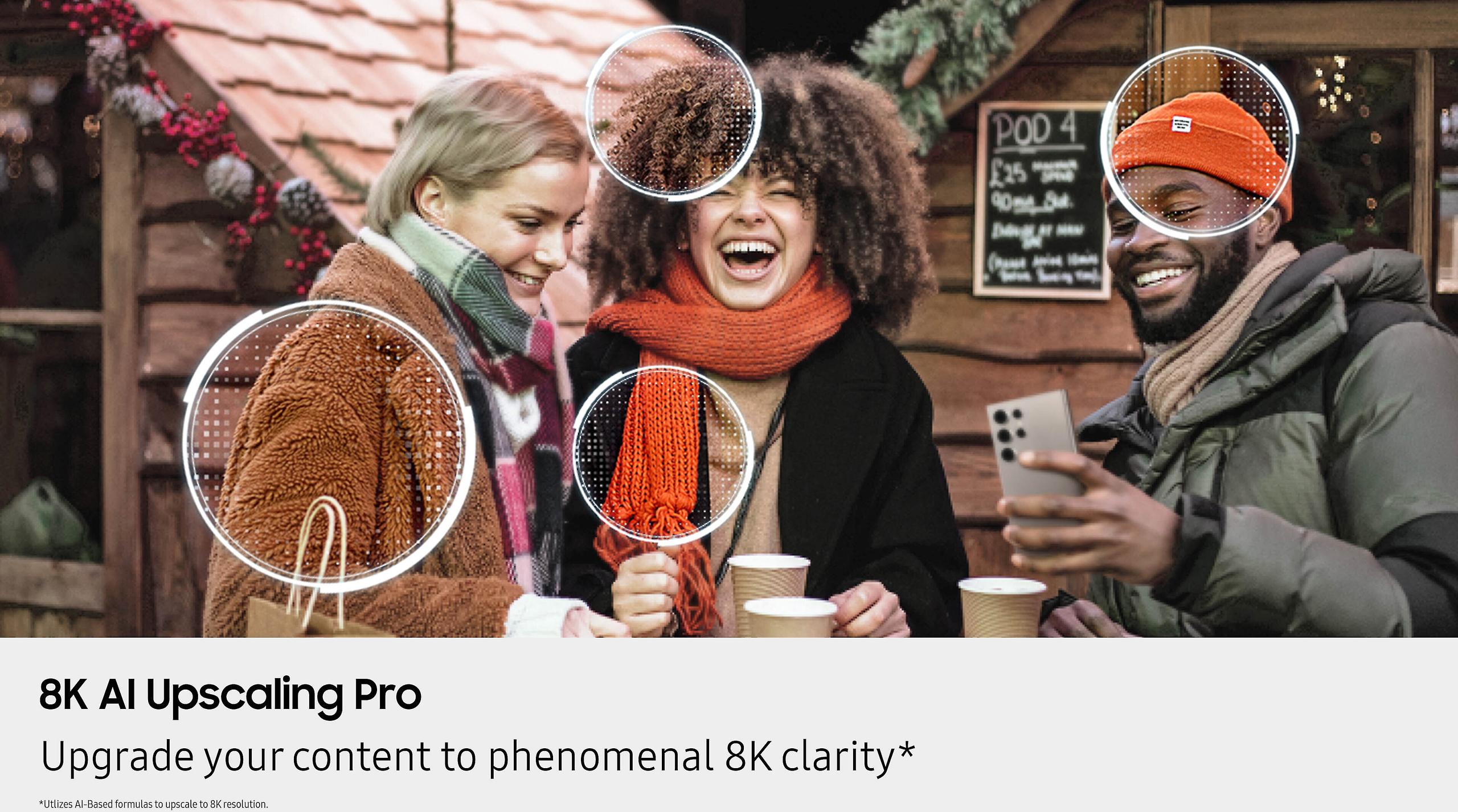
As of 2025, virtually no native 8K content exists for consumers. Netflix, Disney+, YouTube, gaming consoles, and Blu-ray discs all max out at 4K resolution. This means the Samsung's 8K advantage depends entirely on upscaling—taking lower-resolution content and using artificial intelligence to add detail and sharpness.
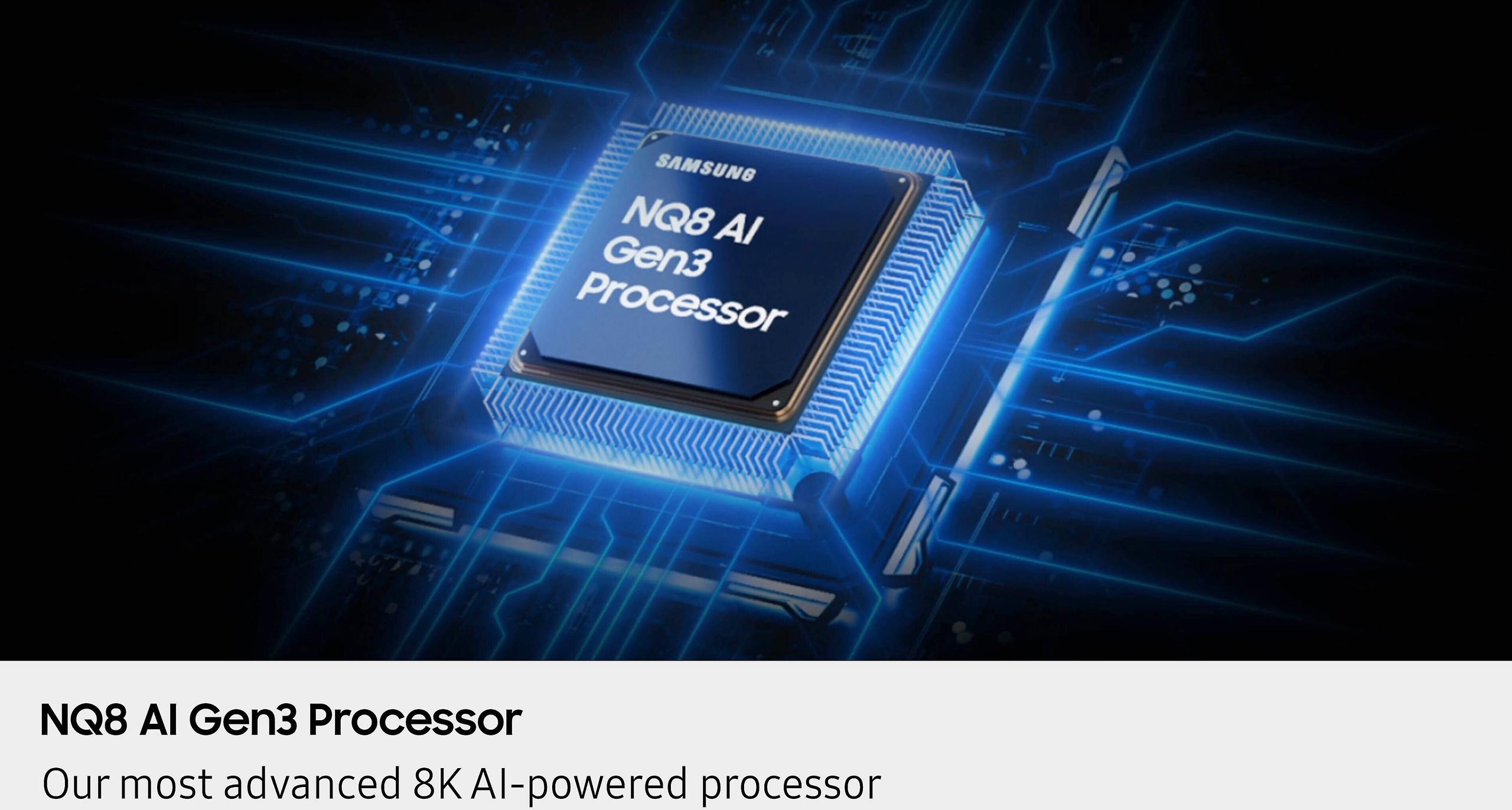
Samsung's 8K AI Upscaling Pro technology, powered by 768 neural networks, does impressive work transforming 4K content. The processing analyzes textures, edges, and patterns to reconstruct images with additional detail. From typical viewing distances of 8-12 feet, the results can look noticeably sharper, especially with high-quality 4K sources.
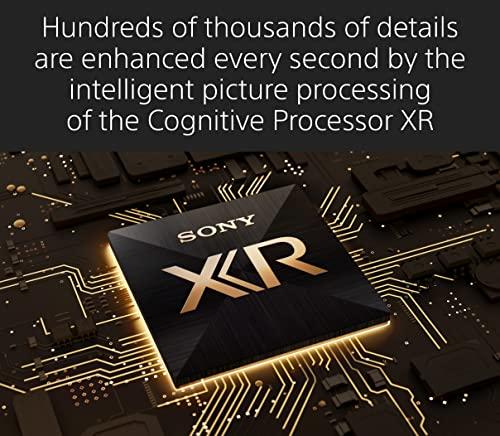
But here's the critical question: is the 8K upscaling better than the Sony A95K's native 4K performance? Based on extensive research into professional reviews and user feedback, the answer depends on your priorities. The Sony's Cognitive Processor XR excels at making 4K content look natural and film-like, while the Samsung's upscaling creates impressive sharpness that can sometimes appear artificial.
For most viewers at normal seating distances, the practical benefit of 8K resolution remains limited until native 8K content becomes widely available—which may still be years away.
Gaming represents one area where these TVs take notably different approaches. The Samsung QN990F is built for competitive gaming with specifications that read like a gaming monitor: 4K at 240Hz refresh rates, sub-10ms input lag, and four HDMI 2.1 ports for connecting multiple high-end devices. Features like Motion Xcelerator 240Hz create exceptionally smooth motion that gives competitive gamers every possible advantage.
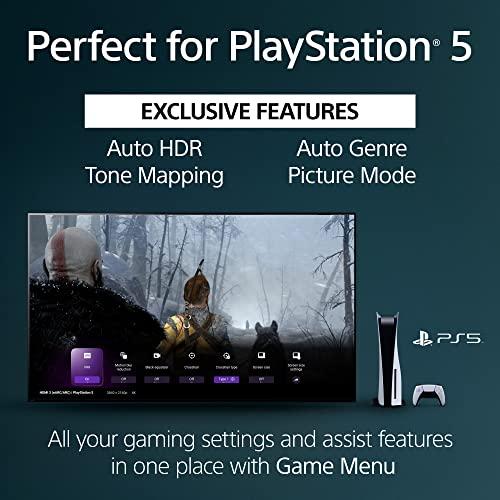
The Sony A95K offers excellent gaming performance with 4K at 120Hz, low input lag, and support for Variable Refresh Rate (VRR) and Auto Low Latency Mode (ALLM). While the specifications seem less impressive than the Samsung, OLED technology provides gaming benefits that numbers can't capture. Perfect blacks make dark game environments more immersive—exploring caves in "Elden Ring" or navigating space in "Dead Space" feels more realistic when shadows are truly black rather than slightly gray.
Current gaming consoles like PlayStation 5 and Xbox Series X don't support 8K gaming, so both TVs display console games at 4K resolution. However, PC gamers with high-end graphics cards can potentially benefit from the Samsung's higher refresh rates and 8K capabilities.
For most console gamers, the Sony A95K provides an exceptionally immersive experience. For competitive PC gamers who prioritize every frame per second and minimal input lag, the Samsung QN990F offers technical advantages that could impact performance.
High Dynamic Range (HDR) makes colors more vivid and increases the range between bright and dark areas, but not all HDR formats are equal. This represents a critical difference between these TVs that many buyers overlook.
The Sony A95K supports Dolby Vision, the premium HDR format used by Netflix, Disney+, Apple TV+, Amazon Prime Video, and most high-quality streaming content. Dolby Vision uses dynamic metadata, meaning it can adjust brightness and color settings scene by scene for optimal results. When you're watching "The Mandalorian" on Disney+ or "Stranger Things" on Netflix, you're seeing the content exactly as the creators intended.
The Samsung QN990F supports HDR10+ but lacks Dolby Vision compatibility. While HDR10+ offers some of the same benefits as Dolby Vision, it's not as widely adopted by streaming services. This means you're potentially missing out on the best possible HDR experience with premium streaming content.
For serious movie and TV enthusiasts who subscribe to multiple streaming services, this difference matters significantly. The Samsung's superior brightness helps HDR content look spectacular, but without Dolby Vision support, you're not getting the complete premium streaming experience.
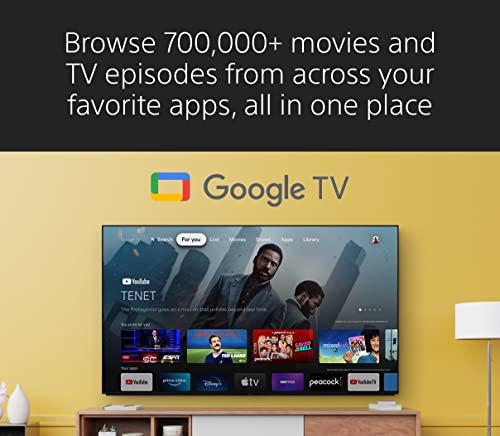
Both TVs offer comprehensive smart platforms, but with different strengths. The Sony A95K runs Google TV, which excels at content discovery and personalization. The interface learns your viewing habits and surfaces relevant content from across different apps and services. Integration with Google Assistant provides hands-free control, and compatibility with both Android and iOS through Chromecast and Apple AirPlay makes it universally compatible.
The Samsung QN990F uses Samsung's Tizen operating system with SmartThings integration for smart home control. The interface is clean and customizable, and Samsung's Gaming Hub provides centralized access to cloud gaming services.
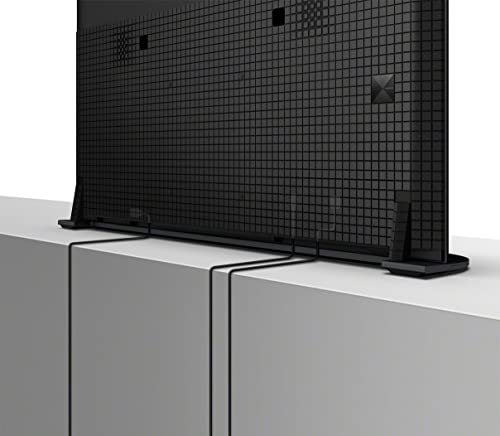
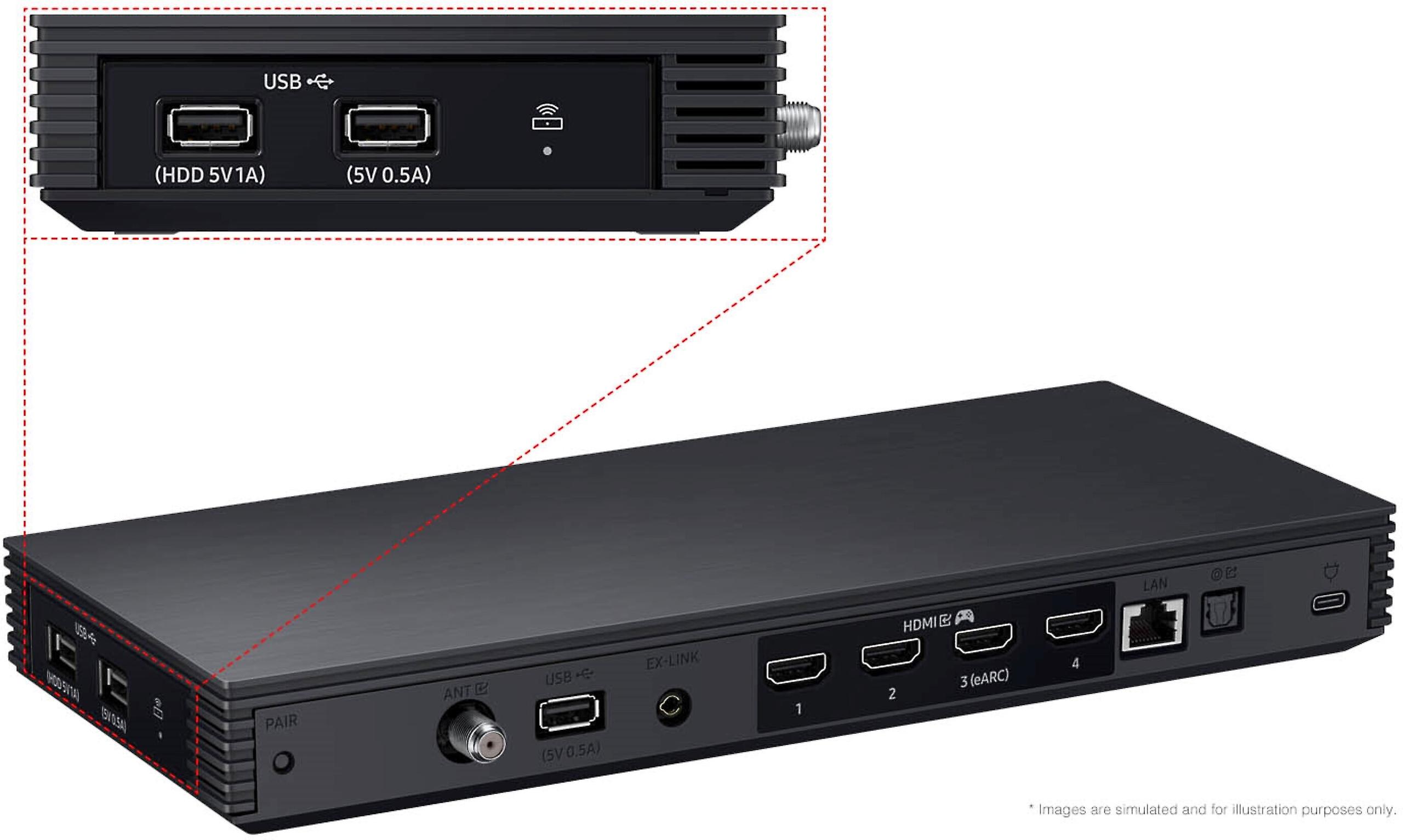
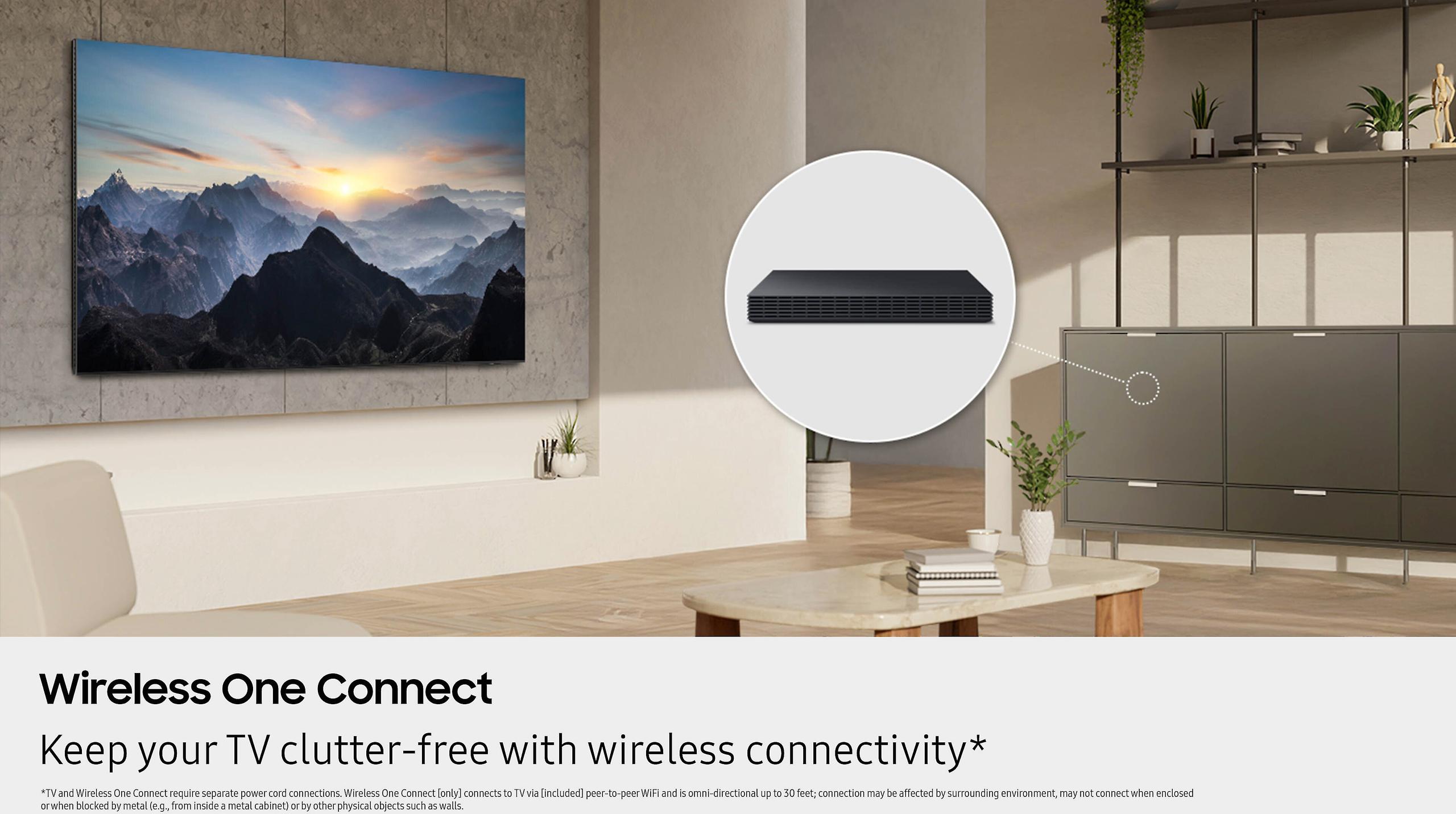
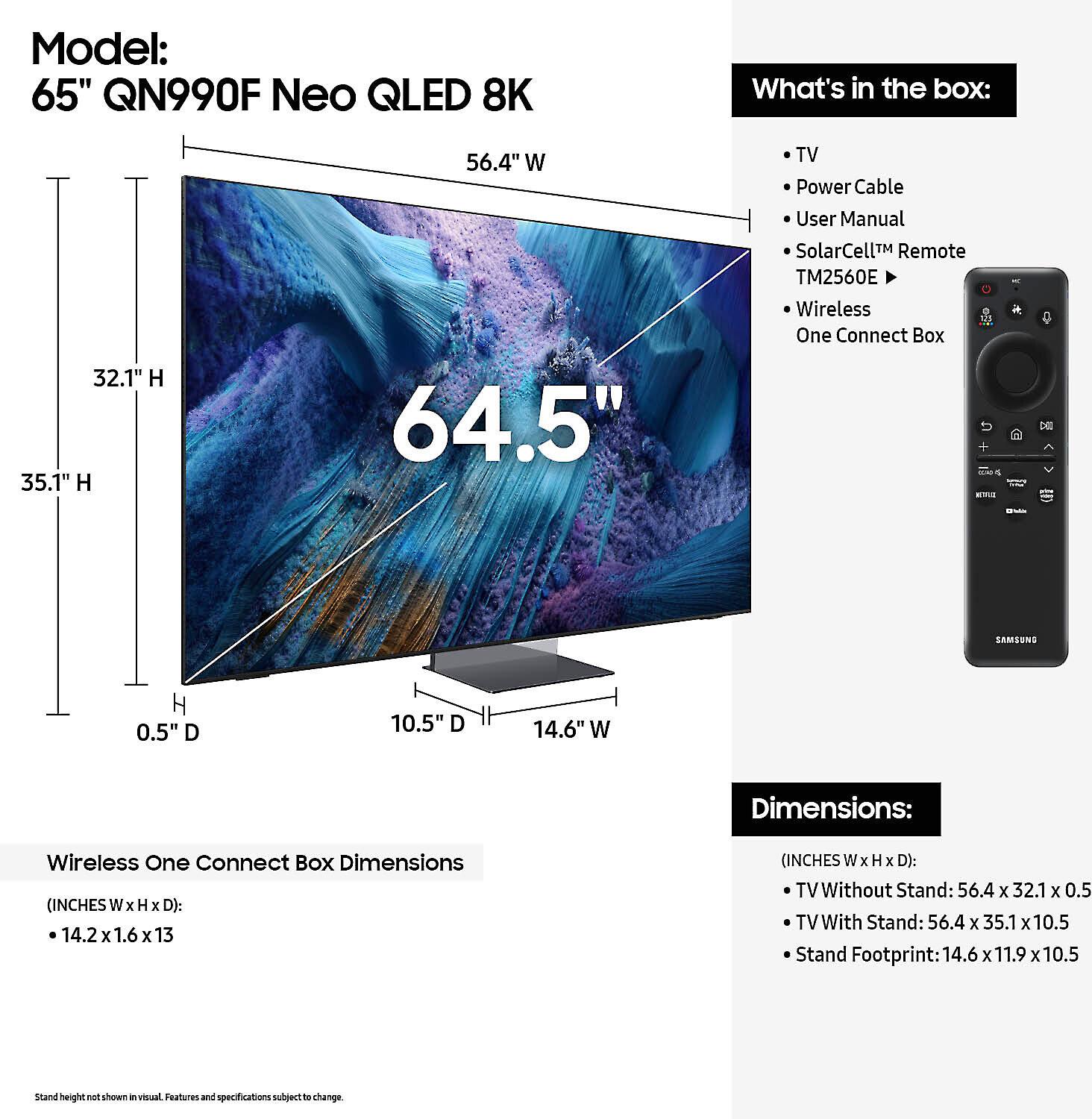
However, the Samsung includes one truly innovative feature: the Wireless One Connect box. This allows you to connect all your devices—cable box, gaming consoles, sound system—to a hub that communicates wirelessly with the TV from up to 30 feet away. For wall-mounted installations, this means only a single power cable runs to the TV, creating an impossibly clean setup that eliminates cable clutter entirely.
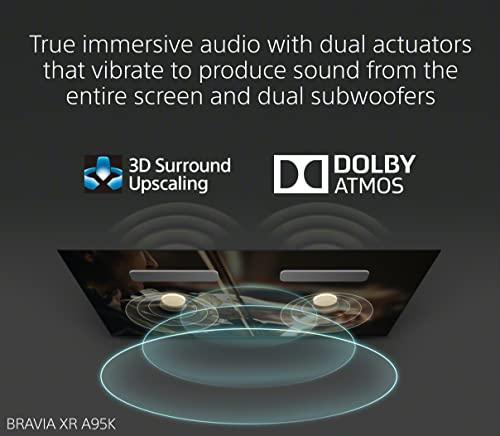
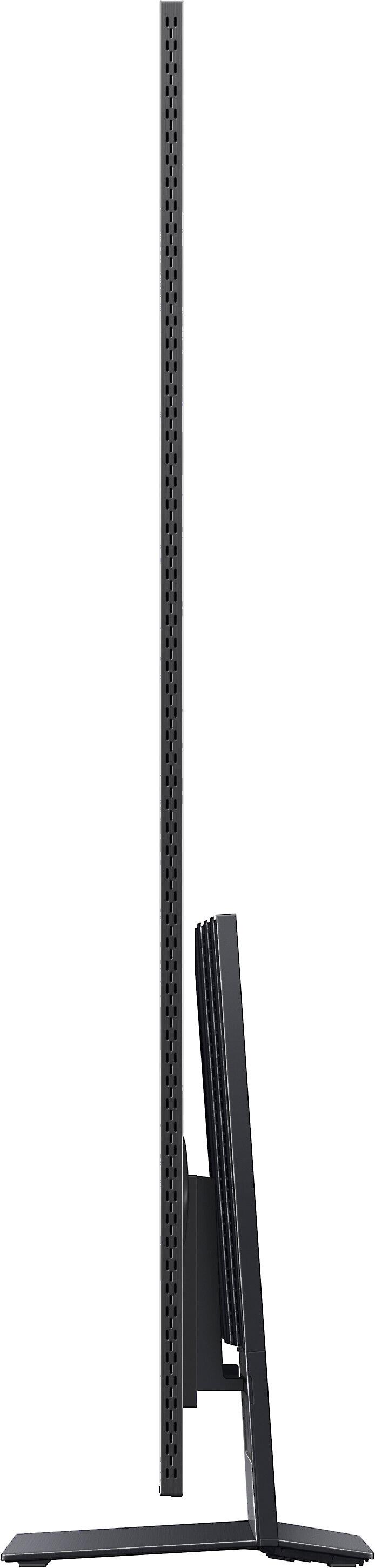
The Sony A95K incorporates Acoustic Surface Audio+ technology, where actuators behind the screen vibrate the display itself to create sound. This innovation means dialogue and effects come directly from where they appear on screen, creating more realistic spatial audio. When characters speak, their voices seem to emanate from their exact position rather than from speakers below the screen.
The Samsung QN990F includes a capable 90W speaker system with Object Tracking Sound Pro, which uses multiple speakers to create 3D positioning effects. While this produces good results for built-in TV speakers, it can't match the spatial accuracy of the Sony's screen-based audio system.
For users planning to add a soundbar or surround sound system, this difference becomes less important. But for those wanting excellent audio from the TV itself, the Sony's innovative approach provides a more immersive experience.
At the time of writing, these TVs exist in completely different price categories. The Sony A95K, as a 2022 model, represents exceptional value as a depreciated flagship that maintains reference-quality performance. You're getting breakthrough QD-OLED technology and cinema-quality picture for significantly less than current flagship pricing.
The Samsung QN990F commands a substantial premium as Samsung's current 8K flagship with cutting-edge features. Whether this premium is justified depends on your specific needs and viewing environment.
For most buyers seeking maximum value, the Sony delivers 90% of premium TV performance at a fraction of current flagship pricing. For buyers who want the absolute latest technology and have specific requirements that benefit from the Samsung's unique features, the premium may be worthwhile.
In a dedicated home theater environment with controlled lighting, the Sony A95K creates a more cinematic experience. Perfect blacks provide depth and realism that enhance the movie-watching experience, while color accuracy ensures you're seeing films as directors intended. The screen-based audio system contributes to immersion without requiring immediate soundbar upgrades.
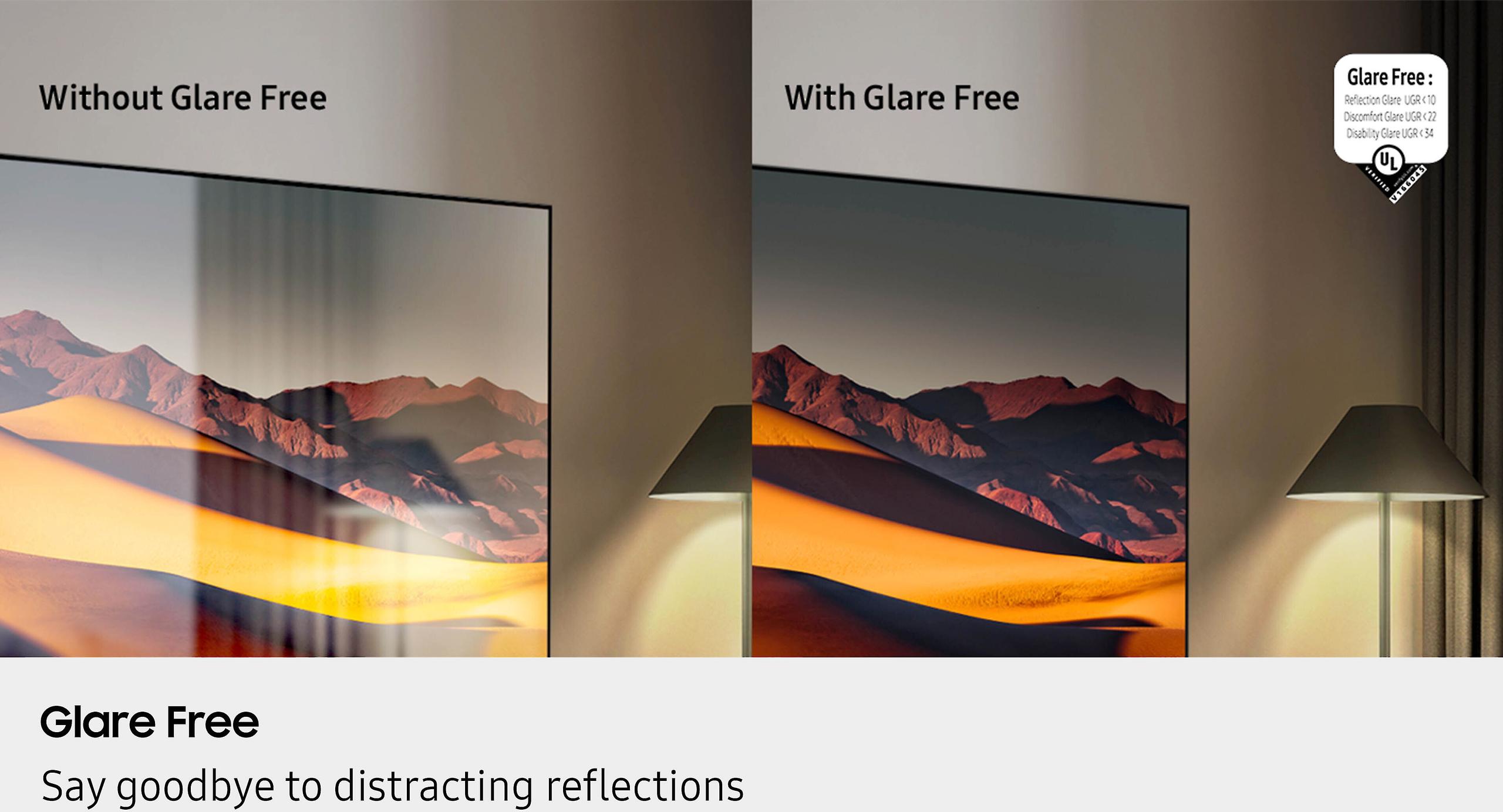
For home theaters in bright rooms or multi-purpose living spaces with lots of windows, the Samsung QN990F maintains picture quality better in challenging lighting conditions. The anti-glare coating and extreme brightness help preserve image quality even with ambient light that would wash out OLED displays.
The Sony A95K makes sense for movie enthusiasts who prioritize cinematic accuracy, anyone setting up a dedicated home theater, viewers who primarily watch premium streaming content with Dolby Vision, and budget-conscious buyers seeking flagship performance at a significant discount. The perfect blacks and natural color reproduction create an engaging viewing experience that feels more like a professional cinema.
The Samsung QN990F justifies its premium for competitive gamers needing maximum refresh rates and minimal input lag, anyone with a bright viewing environment where extreme brightness is essential, users requiring clean cable management through the Wireless One Connect system, and early adopters who want future-proof 8K capabilities for eventual content availability.
Based on extensive research into professional reviews and user feedback, the Sony A95K delivers exceptional value and superior picture quality for most viewing scenarios. Its QD-OLED technology creates a more engaging, cinema-like experience, while Dolby Vision support ensures compatibility with premium streaming content.
The Samsung QN990F represents impressive engineering and cutting-edge features, but its advantages primarily benefit specific use cases. Unless you specifically need extreme brightness, 8K future-proofing, or advanced gaming features, the substantial price premium is difficult to justify.
For most buyers researching premium TVs, the Sony offers the better combination of performance and value. However, if your specific viewing environment or usage patterns align with the Samsung's strengths, it delivers features that no other TV currently matches.
The decision ultimately comes down to your priorities: cinematic perfection at exceptional value, or cutting-edge technology with future-proof specifications at a premium price point.
| Sony Bravia XR A95K 65" QD-OLED TV | Samsung 65" Neo QLED QN990F 8K Smart TV 2025 |
|---|---|
| Display Technology - Fundamental difference that affects all picture quality | |
| QD-OLED with self-emissive pixels (perfect blacks, infinite contrast) | Neo QLED with Mini LED backlight (extremely bright, thousands of dimming zones) |
| Resolution - Future-proofing vs current content optimization | |
| 4K (3840 x 2160) - matches all available premium content | 8K (7680 x 4320) - future-proof but requires AI upscaling for all current content |
| Peak Brightness - Critical for bright room performance | |
| Moderate OLED brightness (excellent for dark/controlled rooms) | 2,000+ nits (dominates bright rooms, maintains HDR impact in daylight) |
| Black Levels - Most important for cinematic viewing experience | |
| Perfect blacks (pixels turn completely off, infinite contrast ratio) | Excellent but not perfect (minimal light bleed with advanced local dimming) |
| HDR Format Support - Affects premium streaming content quality | |
| Dolby Vision + HDR10 (full compatibility with Netflix, Disney+, Apple TV+) | HDR10+ only (missing Dolby Vision ecosystem used by major streaming services) |
| Gaming Performance - Refresh rates and input lag for competitive play | |
| 4K @ 120Hz, VRR, ALLM, 2 HDMI 2.1 ports, excellent response time | 4K @ 240Hz, 8K @ 120Hz, sub-10ms input lag, 4 HDMI 2.1 ports |
| Color Accuracy - Filmmaker intent vs vibrant presentation | |
| Superior accuracy, natural skin tones, preserves filmmaker intent | More vibrant and saturated colors that "pop," great for casual viewing |
| Smart Platform - Interface and app ecosystem | |
| Google TV with excellent personalization and voice control | Samsung Tizen with SmartThings integration and Gaming Hub |
| Unique Features - Standout technologies that differentiate each TV | |
| Acoustic Surface Audio+ (screen produces sound for spatial accuracy) | Wireless One Connect box (eliminates cable clutter, 30ft range) |
| Release Year - Technology generation and value consideration | |
| 2022 flagship (mature QD-OLED, exceptional depreciated value) | 2025 flagship (cutting-edge 8K AI processing, premium current pricing) |
| Ideal Viewing Environment - Room conditions where each TV excels | |
| Dark to moderately lit rooms, dedicated home theaters | Bright rooms with ambient light, multi-purpose living spaces |
The Sony Bravia XR A95K delivers superior picture quality for movies due to its QD-OLED technology that produces perfect blacks and infinite contrast. This creates more cinematic depth and realism, especially in dark scenes. The Sony A95K also supports Dolby Vision, which is used by Netflix, Disney+, and other premium streaming services to deliver movies exactly as filmmakers intended.
The Samsung QN990F 8K offers 8K resolution, but from typical viewing distances of 8-12 feet, the difference is minimal since virtually no native 8K content exists. The Samsung QN990F uses AI upscaling to enhance 4K content, which can look sharper, but the Sony A95K often produces more natural-looking 4K images without artificial enhancement.
The Samsung QN990F 8K significantly outperforms in bright rooms with its 2,000+ nit peak brightness and anti-glare coating. The Sony A95K can appear washed out in very bright environments due to OLED's more modest brightness levels, making the Samsung QN990F the clear winner for rooms with lots of windows or ambient lighting.
The Sony A95K uses QD-OLED where each pixel creates its own light and can turn completely off for perfect blacks. The Samsung QN990F uses Neo QLED with thousands of Mini LEDs as a backlight behind quantum dots, achieving excellent brightness but unable to produce true blacks like the Sony A95K.
The Samsung QN990F 8K offers superior gaming specs with 4K at 240Hz, sub-10ms input lag, and four HDMI 2.1 ports. However, the Sony A95K provides an immersive gaming experience with perfect blacks that enhance dark game environments, plus excellent 4K at 120Hz performance that satisfies most console gamers.
No - this is a crucial difference. The Sony A95K supports Dolby Vision, which is used by Netflix, Disney+, and Apple TV+ for premium HDR content. The Samsung QN990F only supports HDR10+, meaning you'll miss the optimal HDR experience on major streaming platforms when using the Samsung QN990F.
Yes - the Sony A95K features Acoustic Surface Audio+ where the screen itself produces sound for better spatial accuracy. The Samsung QN990F includes a revolutionary Wireless One Connect box that eliminates cable clutter by connecting devices wirelessly up to 30 feet away from the TV.
The Sony A95K excels in dedicated home theaters with its perfect blacks, infinite contrast, and accurate colors that create a truly cinematic experience. The screen-based audio system also enhances immersion without requiring immediate soundbar upgrades, making the Sony A95K ideal for movie enthusiasts.
The Sony A95K runs Google TV with excellent content personalization and broad app compatibility, while the Samsung QN990F uses Samsung's Tizen platform with SmartThings smart home integration. Both offer comprehensive app selections, but the Sony A95K provides better streaming service compatibility due to Dolby Vision support.
The Samsung QN990F 8K offers more future-proofing with 8K resolution and cutting-edge 2025 technology, potentially staying relevant longer as 8K content eventually becomes available. However, the Sony A95K uses mature, proven QD-OLED technology that delivers exceptional performance with all current content sources.
Choose the Sony A95K QD-OLED if you prioritize perfect blacks, cinematic accuracy, and movie-watching in controlled lighting. Choose the Samsung QN990F Neo QLED if you need extreme brightness for bright rooms, prefer vibrant colors, or want cutting-edge gaming features with future-proof 8K capabilities.
We've done our best to create useful and informative comparisons to help you decide what product to buy. Our research uses advanced automated methods to create this comparison and perfection is not possible - please contact us for corrections or questions. These are the sites we've researched in the creation of this article: tomsguide.com - audioadvice.com - wepc.com - bestbuy.com - tvsbook.com - rtings.com - youtube.com - flatpanelshd.com - rtings.com - youtube.com - reviewed.com - avsforum.com - youtube.com - youtube.com - rtings.com - youtube.com - electronics.sony.com - sonypremiumhome.com - valueelectronics.com - sony.com - displayspecifications.com - flatpanelshd.com - donstv.com - youtube.com - businessinsider.com - youtube.com - displayspecifications.com - bestbuy.com - samsung.com - abt.com - bestbuy.com - pcnation.com - samsung.com - videoandaudiocenter.com - exertisalmo.com - displayspecifications.com - theapplianceplug.com - news.samsung.com

Privacy Policy
Terms and Conditions - Affiliate Policy
Home Security
© Copyright 2008-2026.
11816 Inwood Rd #1211, Dallas, TX 75244