

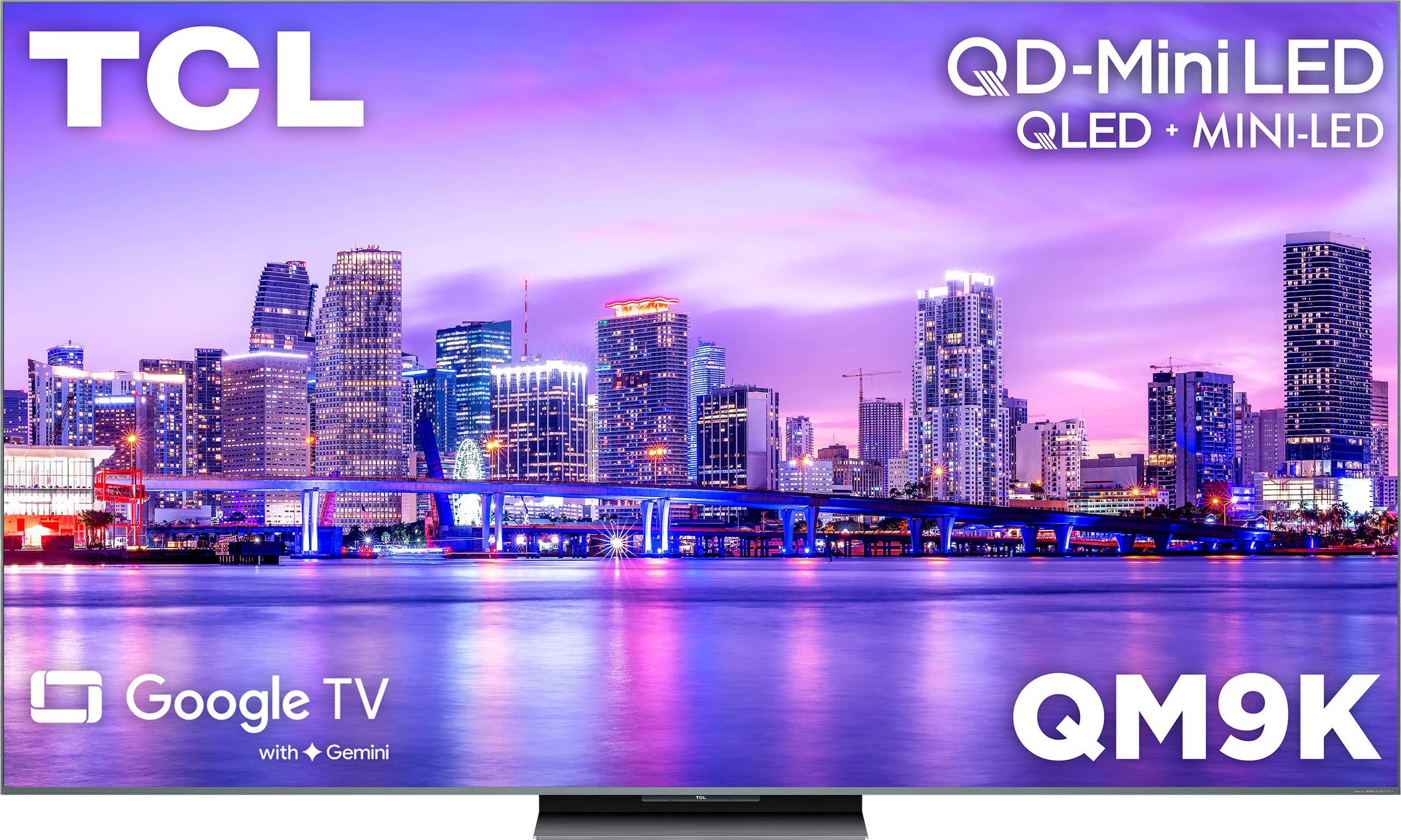
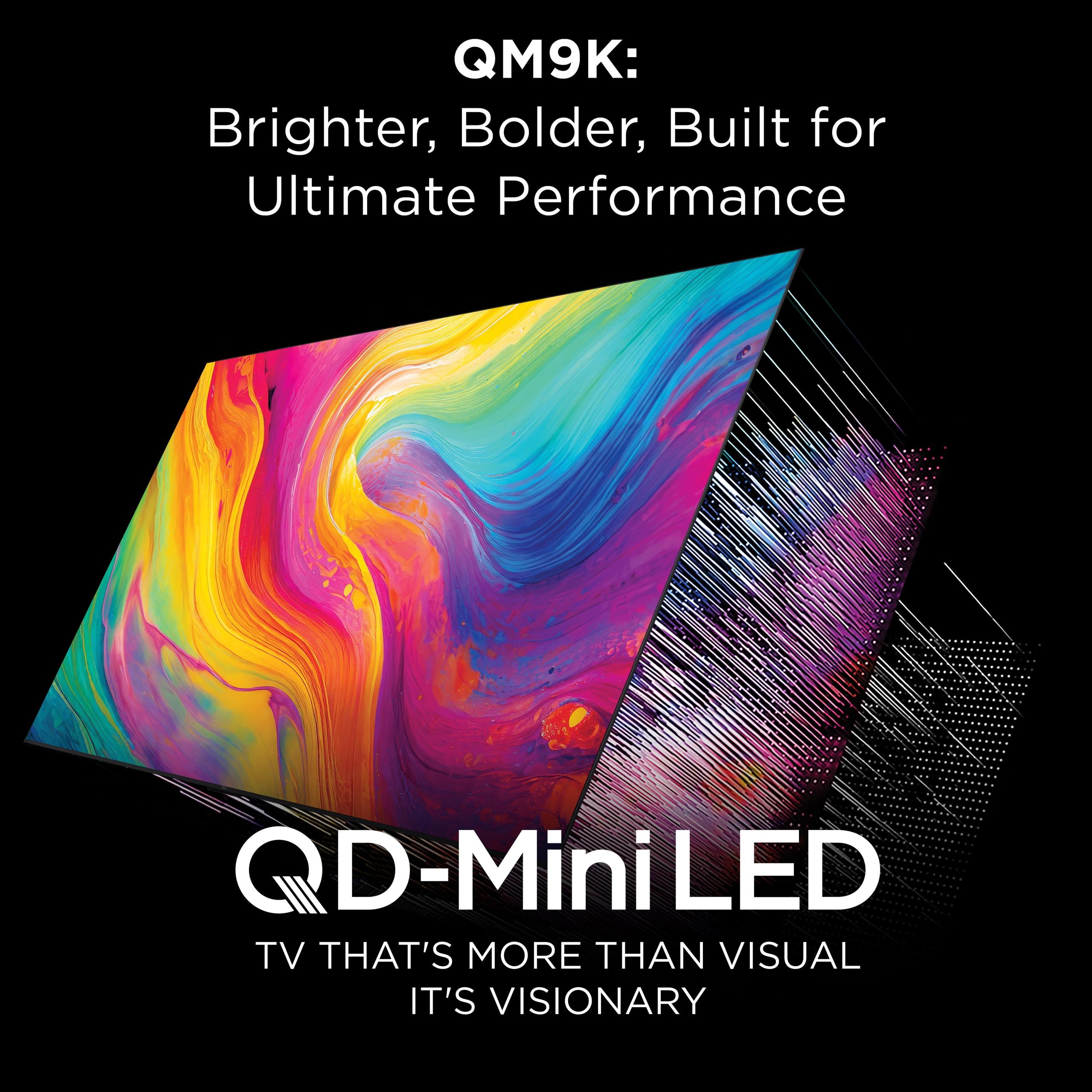
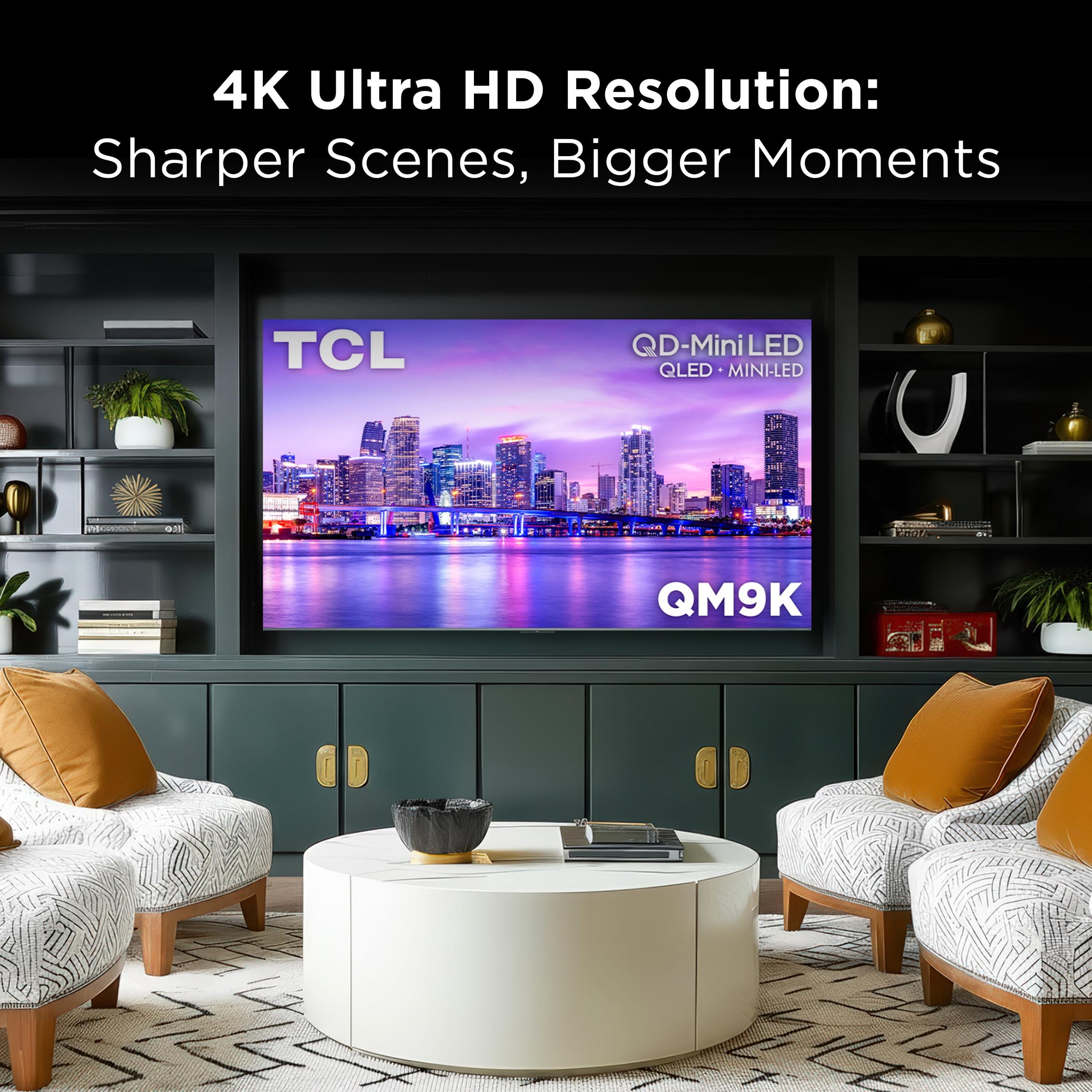
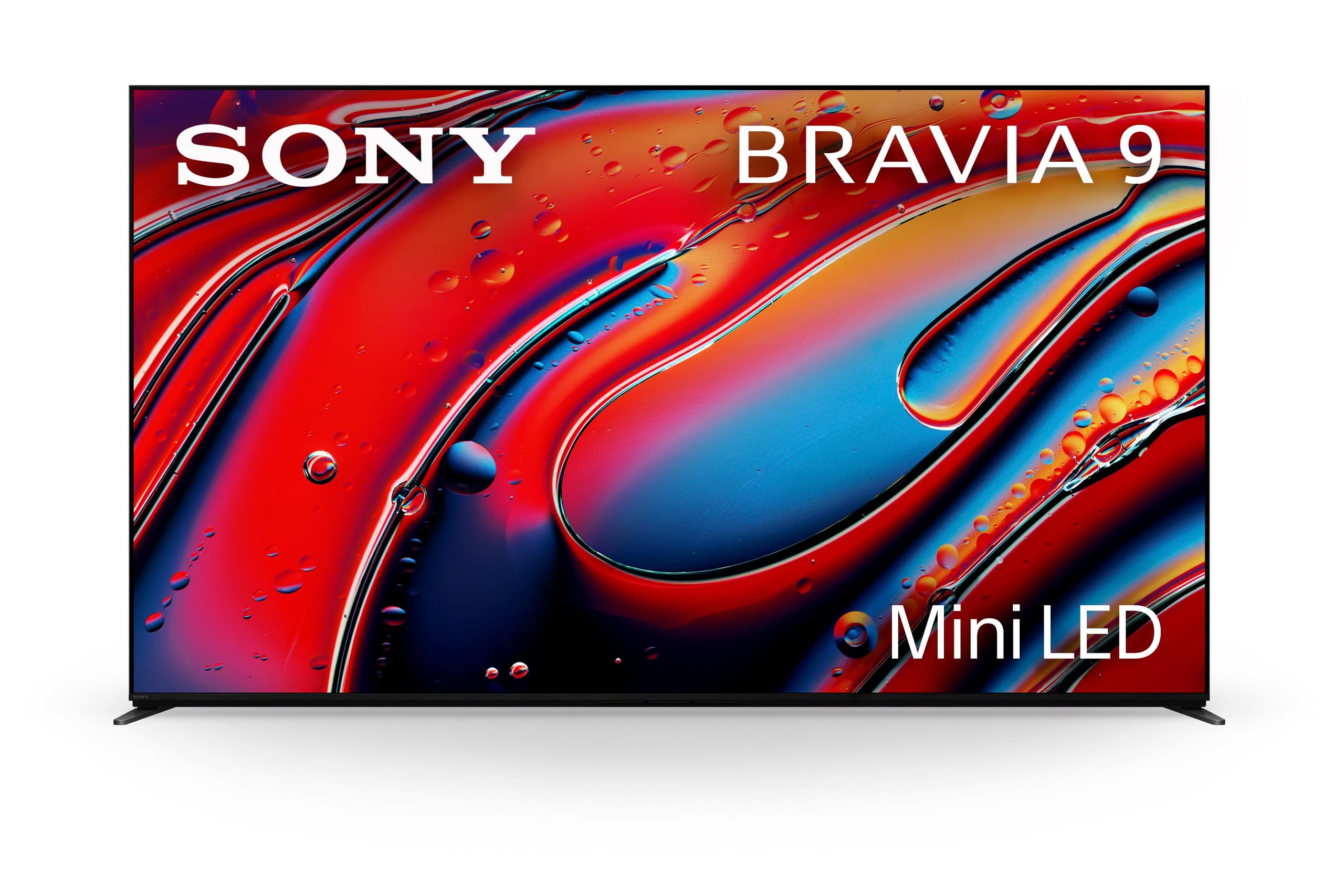
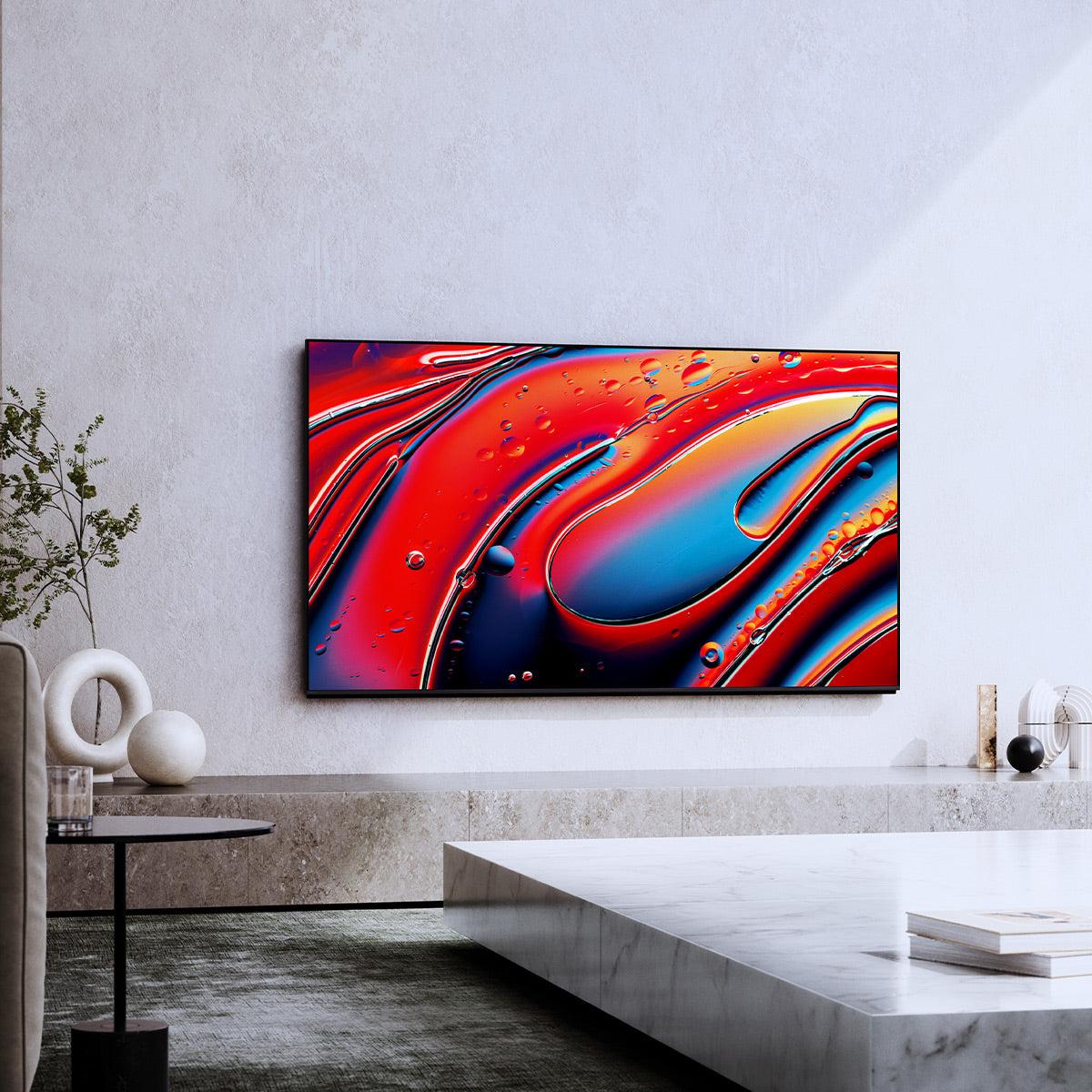
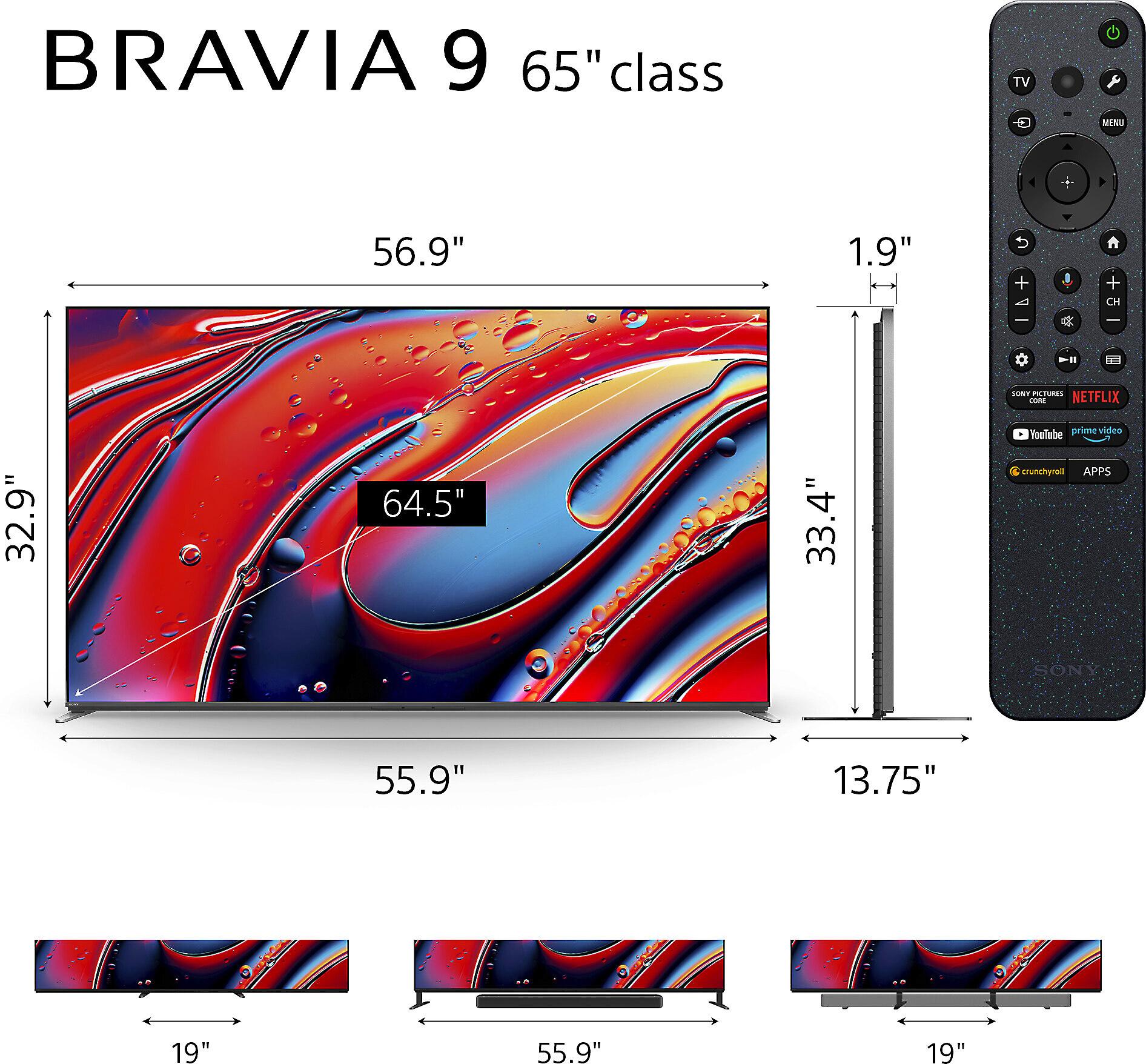
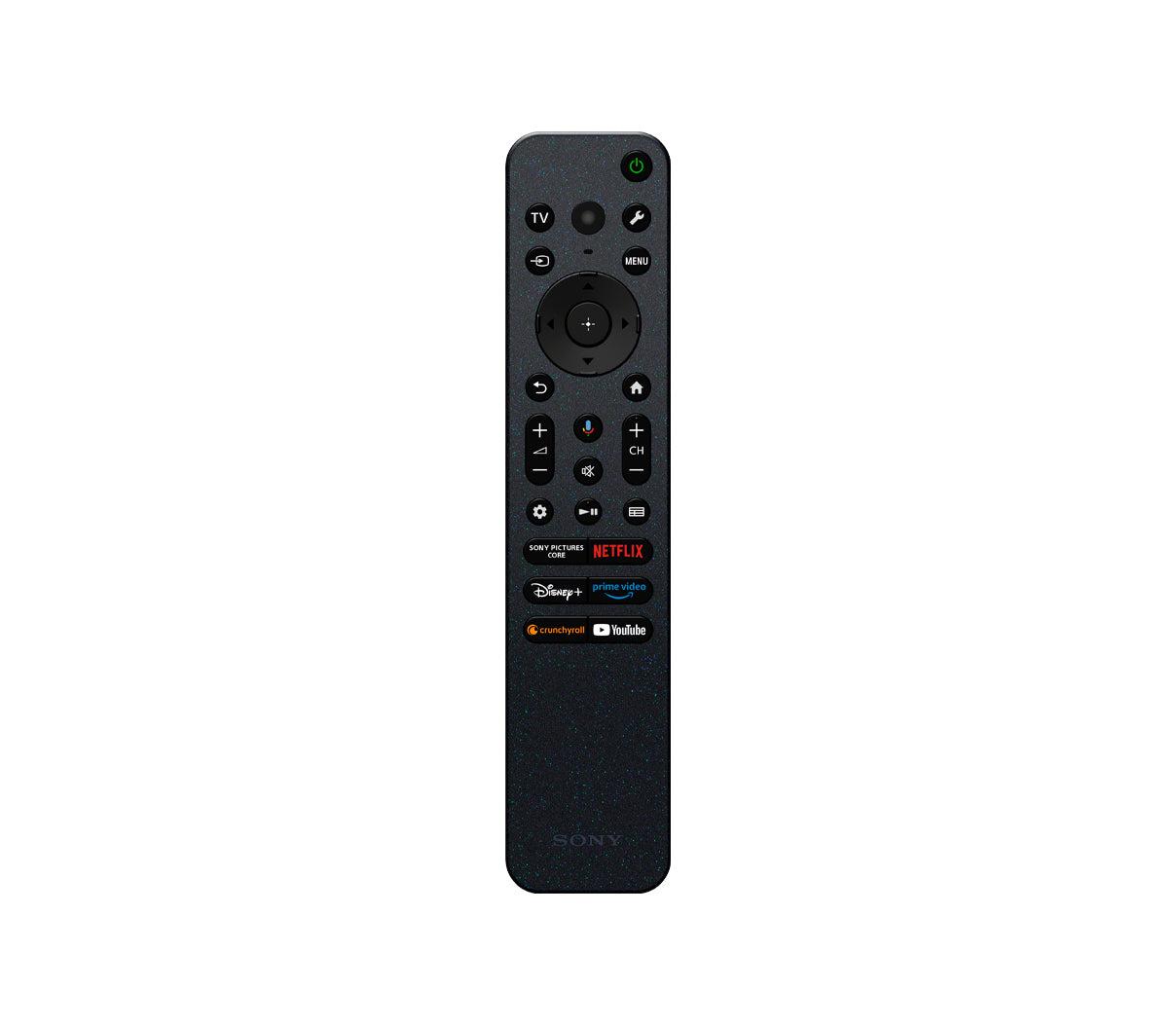
When shopping for a premium TV in 2024, you'll likely encounter Mini LED technology—and for good reason. These displays represent the current sweet spot between OLED's perfect blacks and traditional LCD's blazing brightness. Two standout options dominate this space: the gaming-focused TCL QM9K and the cinema-oriented Sony BRAVIA 9. Both released in 2024, they take markedly different approaches to Mini LED excellence.
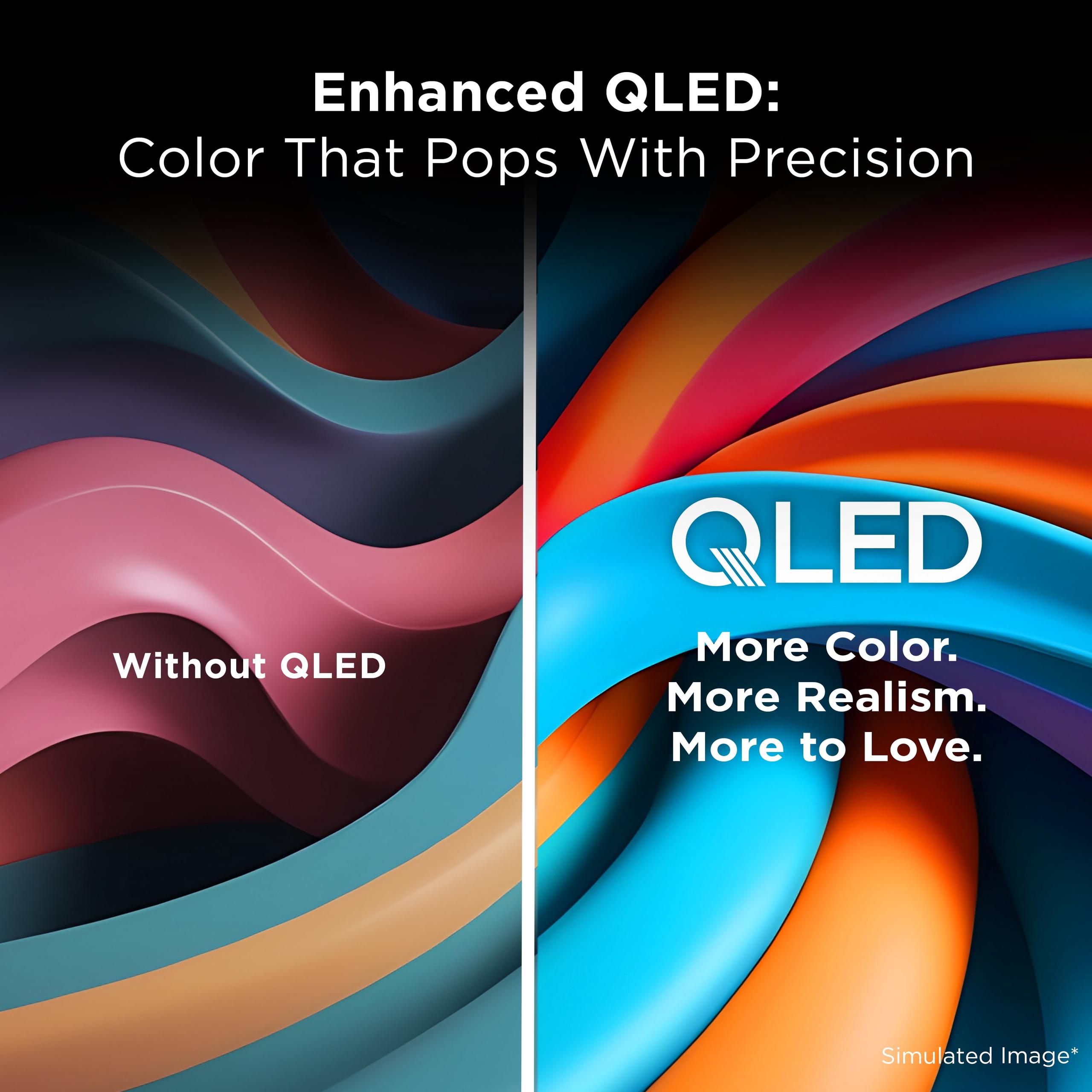
Before diving into the comparison, let's demystify Mini LED technology. Traditional LCD TVs use either edge lighting (LEDs along the screen's edges) or full-array local dimming with relatively large LED zones. Mini LED takes this concept to its logical extreme, using thousands of tiny LEDs—each smaller than a grain of rice—to create precise backlight control.
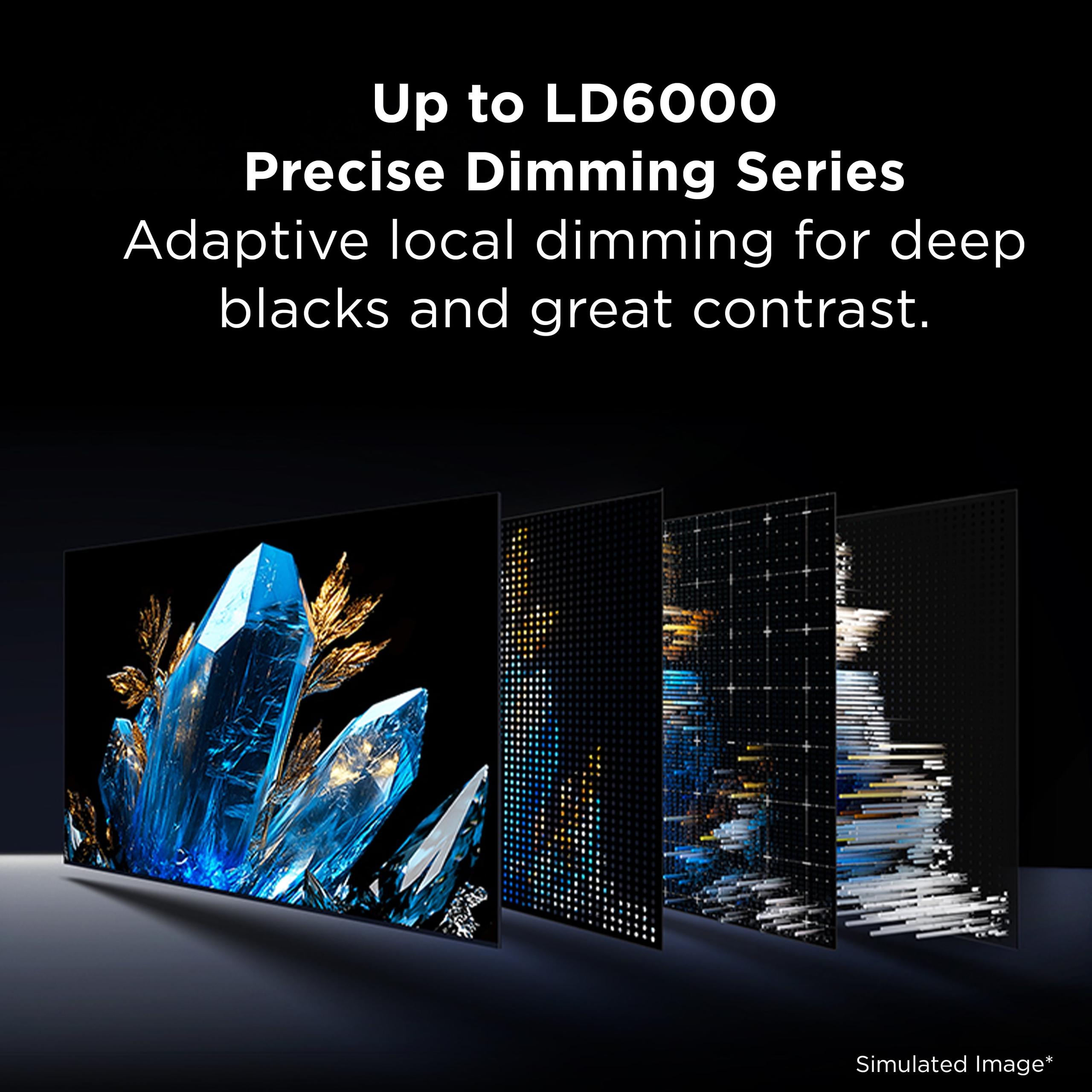
This dense LED array allows for incredible peak brightness while maintaining deep blacks through local dimming. Local dimming means the TV can independently brighten or dim specific screen areas, creating better contrast than traditional LCDs. The more zones you have, the more precise this control becomes, reducing the "halo effect" where bright objects cause unwanted glow in surrounding dark areas.
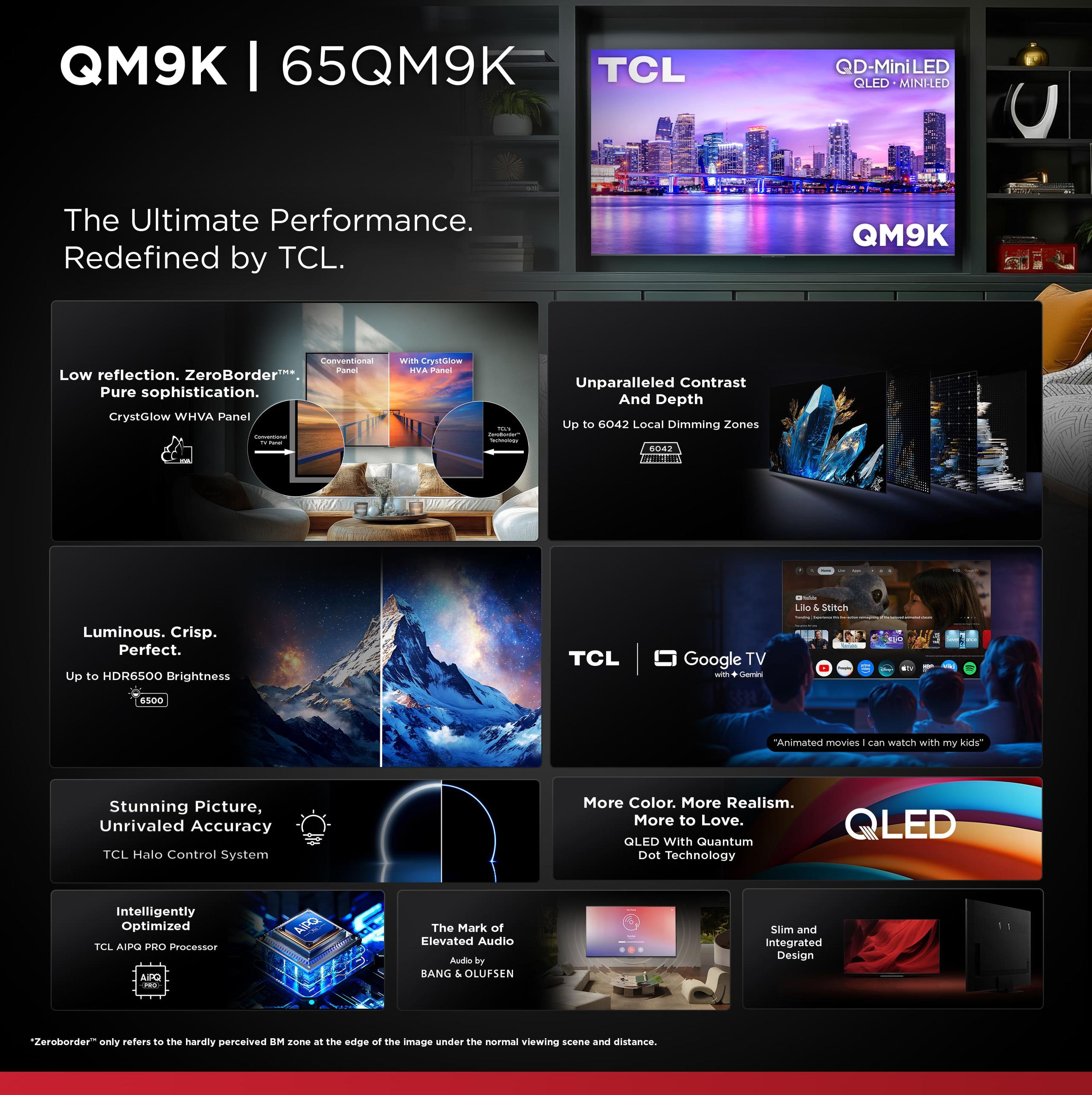
The TCL QM9K pushes this to an extreme with up to 6,000 local dimming zones, while the Sony BRAVIA 9 uses a dense but unspecified array paired with sophisticated processing algorithms. Both approaches have merit, but they prioritize different aspects of the viewing experience.
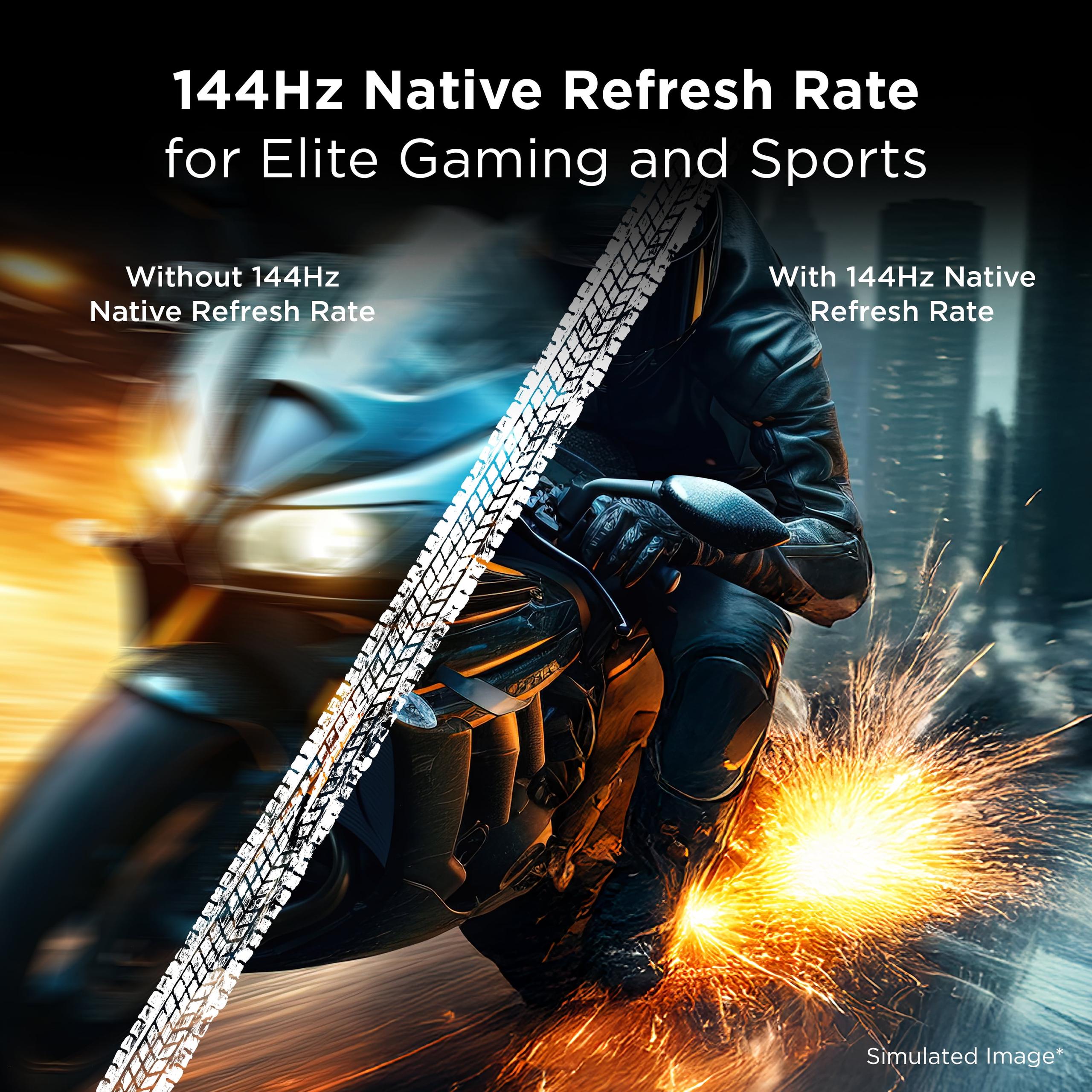
If gaming is your priority, the TCL QM9K isn't just better—it's in a different league entirely. The most significant advantage lies in its 144Hz native panel refresh rate. Most TVs, including the Sony BRAVIA 9, max out at 120Hz. While 120Hz is perfectly adequate for current consoles like the PS5 and Xbox Series X, the extra headroom matters for PC gaming and future-proofing.
What really sets the TCL QM9K apart is its Game Accelerator 288 technology. This allows the TV to display up to 288Hz at 1080p and 1440p resolutions—a feature that competitive gamers will appreciate for its ultra-smooth motion in fast-paced titles like first-person shooters and racing games. Even at 4K resolution, the TCL maintains its 144Hz capability on two of its HDMI 2.1 ports.
Input lag—the delay between pressing a button and seeing the action on screen—is crucial for responsive gaming. The TCL QM9K achieves an impressive 5.3ms input lag, significantly lower than the Sony BRAVIA 9. In competitive gaming scenarios, this difference is noticeable and can impact performance in fast-paced games where split-second reactions matter.
The TCL also supports AMD FreeSync Premium Pro, which eliminates screen tearing and stuttering by synchronizing the display's refresh rate with your graphics card's output. Combined with Auto Low Latency Mode (ALLM), which automatically switches to the TV's lowest-lag mode when gaming, the TCL QM9K creates an optimized gaming environment without manual intervention.
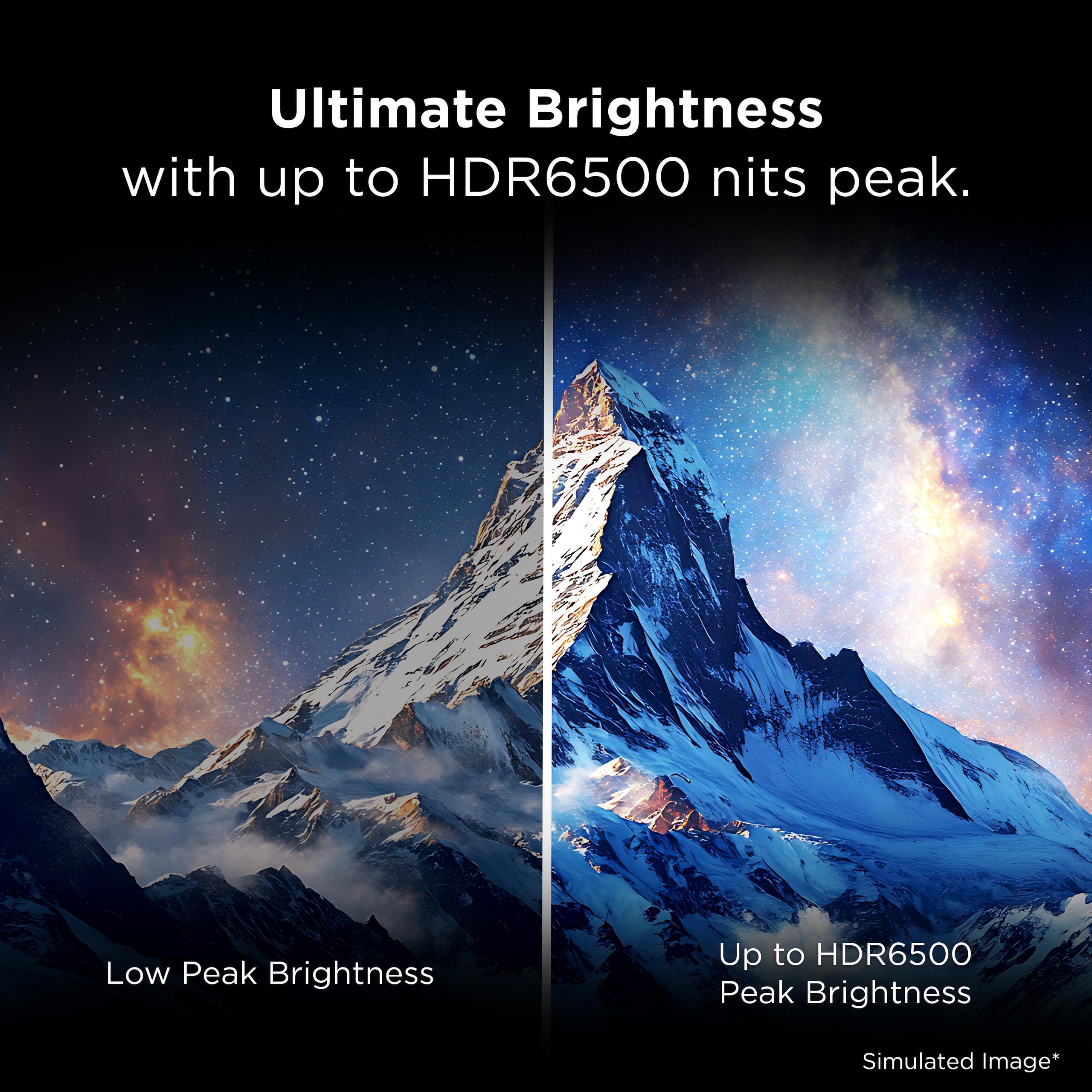
Peak brightness represents one of Mini LED's biggest advantages over OLED technology. The TCL QM9K delivers exceptional HDR performance with its HDR6500 specification, meaning it can reach peaks of 6,500 nits in small highlight areas. This extreme brightness makes HDR content truly pop, especially in bright viewing environments.
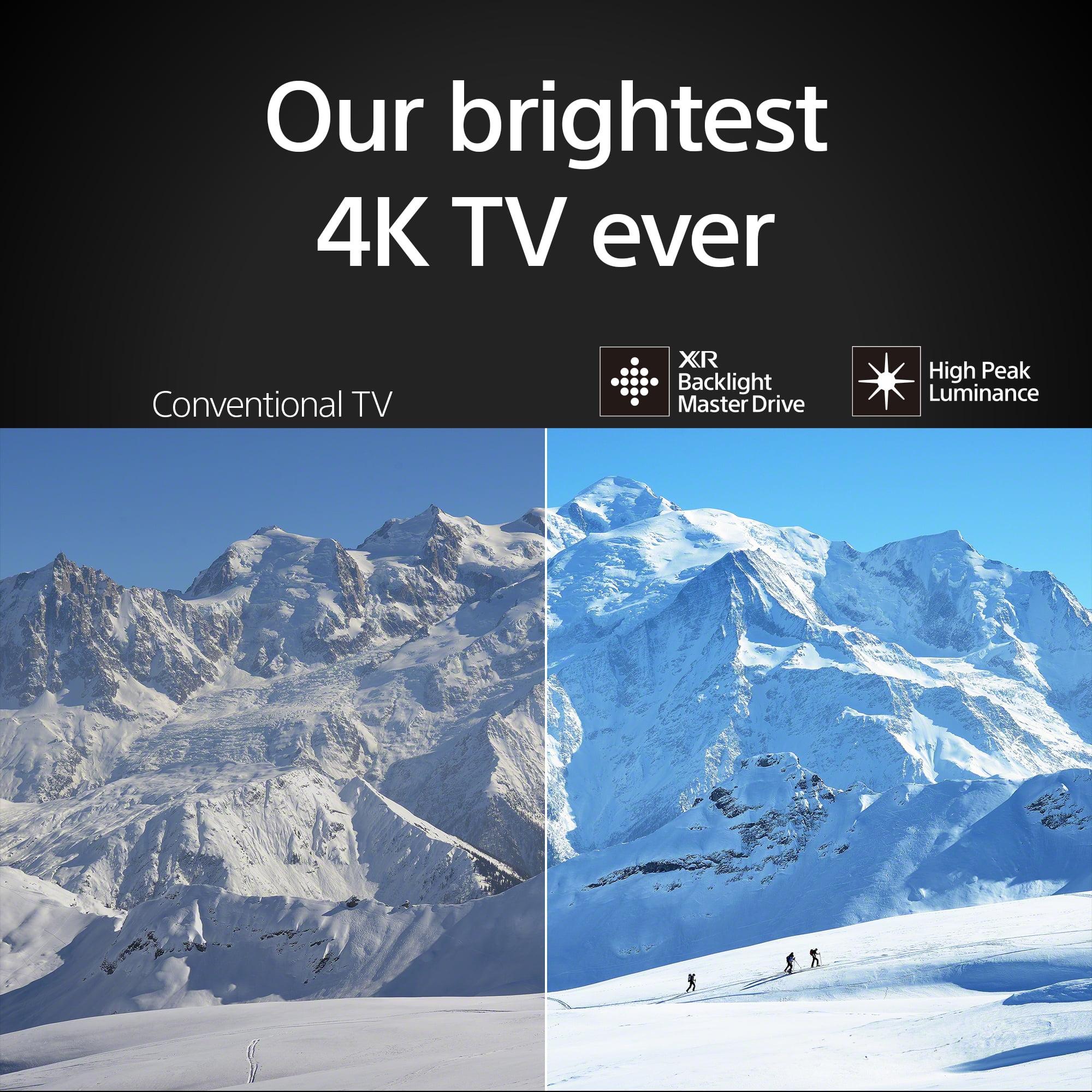
The Sony BRAVIA 9 takes a more measured approach, focusing on how brightness is managed rather than maximum output. Sony's XR Backlight Master Drive technology doesn't just pump out raw brightness—it intelligently controls Mini LED zones to create more refined highlights and smoother transitions between bright and dark areas.
Here's where technical implementation becomes crucial. The TCL excels at maintaining brightness when large portions of the screen turn bright—imagine an explosion scene in an action movie or bright outdoor sequences in sports broadcasts. However, the Sony BRAVIA 9 demonstrates superior PQ curve tracking, which is tech speak for how accurately the TV reproduces the brightness levels that content creators intended.
In practical terms, this means the Sony preserves subtle details in very dark scenes (near-black detail) while preventing bright highlights from becoming blown out or losing detail. The TCL QM9K sometimes crushes shadow details in HDR content or makes bright scenes appear overexposed, though its raw brightness capability often compensates for these shortcomings in typical viewing conditions.
The TCL QM9K uses its massive zone count—up to 6,000 local dimming zones—to create impressive contrast through sheer precision. More zones mean finer control over which parts of the screen are lit, reducing blooming and improving black levels. TCL's Halo Control System includes several advanced technologies working together: a Super High Energy LED Microchip for efficiency, Condensed Micro Lens for light focus, and Micro OD (Optical Distance) to reduce the space between LEDs and the screen.
The Sony BRAVIA 9 counters with fewer zones but more sophisticated processing. Sony's approach prioritizes smooth zone transitions—how cleanly bright objects move across different dimming zones without creating artifacts or visible boundaries. In practice, this means subtitles, bright logos, or moving highlights appear cleaner on the Sony, with less noticeable "stepping" as they transition between zones.
Both TVs excel at black uniformity in dark scenes, but they achieve it differently. The TCL QM9K uses brute force precision, while the Sony BRAVIA 9 relies on algorithmic finesse. For most viewers, both approaches deliver excellent results, though the Sony's refinement becomes more apparent in challenging content like starfields or scenes with many small bright objects against dark backgrounds.
This is where Sony's decades of display expertise shine through. The Sony BRAVIA 9 consistently delivers superior image processing across various content types. When watching compressed streaming content—which includes most of what we consume daily—Sony's processing engine excels at cleaning up artifacts without destroying legitimate detail.
Upscaling represents another Sony strength. While both TVs handle 4K content beautifully, much of our daily viewing consists of 1080p or even lower-resolution content. The Sony BRAVIA 9 does a noticeably better job converting this lower-resolution material to fill its 4K screen, maintaining sharpness while avoiding the artificial, over-processed look that can plague aggressive upscaling algorithms.
Color accuracy out of the box favors Sony significantly. The Sony BRAVIA 9 requires minimal calibration to achieve accurate colors, while the TCL QM9K shows noticeable color mapping issues, particularly in HDR content. This matters more than you might think—accurate colors mean skin tones look natural, landscapes appear realistic, and the overall viewing experience feels more immersive.
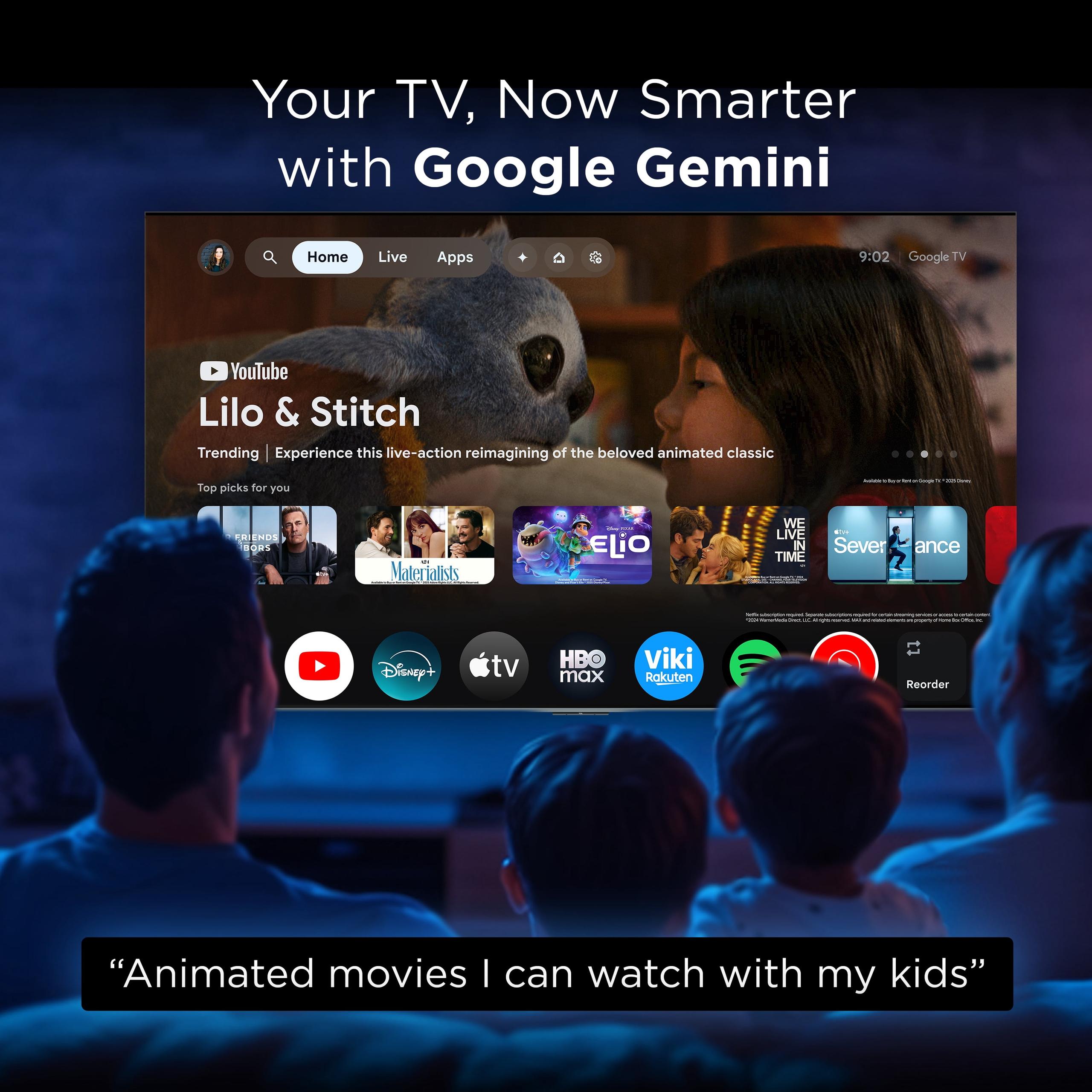
Both TVs run Google TV, but their implementations differ meaningfully. The TCL QM9K features newer Google TV software with Gemini AI integration, enabling more natural voice interactions. You can ask complex questions or make contextual requests, and the TV responds more intelligently than traditional voice commands allow.
The TCL also includes a presence sensor that detects when you're in the room, automatically turning the TV on or off and displaying ambient information widgets when you're nearby. These modern conveniences enhance daily usability in ways that become more valuable over time.
The Sony BRAVIA 9 offers a more polished, refined Google TV experience based on Sony's extensive smart TV development. While it lacks Gemini integration, it provides better long-term software support and fewer bugs in day-to-day use. Sony's track record for providing timely updates and maintaining platform stability over years gives it an edge for buyers concerned about longevity.
The Sony BRAVIA 9 delivers surprisingly excellent built-in audio through its 2.2.2-channel system with 70 watts total power. The Acoustic Multi-Audio+ technology includes up-firing beam tweeters positioned in the TV's frame, creating a more immersive soundstage that follows on-screen action.
Sony's Voice Zoom 3 technology deserves special mention—it intelligently enhances dialogue clarity without affecting other audio elements, making conversations easier to understand even during loud action sequences. The Acoustic Center Sync feature synchronizes TV speakers with compatible Sony soundbars for fuller, more cohesive audio.
The TCL QM9K features Audio by Bang & Olufsen tuning with a 2.1.1-channel system that includes a built-in subwoofer on the 65-inch model. While competent, it doesn't match the Sony's more sophisticated audio implementation. For most users planning to add a soundbar eventually, this difference matters less, but for those relying on built-in audio, the Sony provides a notably better experience.
At the time of writing, the TCL QM9K costs approximately $1,000 less than the Sony BRAVIA 9, representing significantly different value propositions. The TCL offers premium gaming features and exceptional brightness at a more accessible price point, making it attractive for users seeking flagship performance without flagship pricing.
The Sony BRAVIA 9 commands its premium through superior processing, build quality, and brand reputation. Sony's history of long-term software support and reliable hardware makes the higher initial investment more palatable for buyers planning to keep their TV for many years.
For dedicated home theater setups, the Sony BRAVIA 9 edges ahead due to its more accurate image reproduction and superior processing. In controlled lighting environments where you can fully appreciate subtle gradations and accurate color reproduction, Sony's refinements become more apparent.
However, the TCL QM9K shouldn't be dismissed for home theater use. Its exceptional peak brightness and impressive local dimming create spectacular HDR presentations that many viewers will find more immediately impressive than Sony's more accurate but subtle approach.
Choose the TCL QM9K if you're a serious gamer who values high refresh rates and low input lag, or if you primarily watch content in bright rooms where maximum brightness matters most. The modern smart TV features and exceptional value make it ideal for users wanting cutting-edge performance without premium pricing.
The Sony BRAVIA 9 suits viewers who prioritize image accuracy and processing quality over raw specifications. If you're building a dedicated home theater, consume lots of varied content sources, or simply prefer the peace of mind that comes with Sony's reputation for quality and longevity, the premium pricing becomes more justified.
Both TVs represent excellent choices in the Mini LED category, but they serve different priorities. The TCL pushes boundaries in gaming performance and brightness, while the Sony refines the overall viewing experience through superior processing and accuracy. Your choice ultimately depends on which approach better matches your viewing habits and priorities.
The Mini LED category continues evolving rapidly, with both manufacturers pushing innovation in different directions. Whether you prioritize the TCL QM9K's gaming prowess and brightness leadership or the Sony BRAVIA 9's processing excellence and refinement, you'll be getting a TV that represents the current state of the art in LCD display technology.
| TCL 65" QM9K QD-Mini LED Smart TV | Sony BRAVIA 9 65" 4K UHD Mini LED QLED Smart Google TV |
|---|---|
| Peak HDR Brightness - Critical for HDR content impact and bright room viewing | |
| Up to 6,500 nits (HDR6500) - exceptional for daytime viewing | ~4,000 nits - still excellent, more refined control |
| Local Dimming Zones - More zones mean better contrast and less blooming | |
| Up to 6,000 zones (LD6000 Precise Dimming) | Dense array with sophisticated processing (unspecified count) |
| Gaming Refresh Rate - Higher rates provide smoother motion for competitive gaming | |
| 144Hz native, up to 288Hz at 1080p/1440p | 120Hz maximum - adequate for consoles, limiting for PC gaming |
| Input Lag - Lower is better for responsive gaming | |
| 5.3ms (excellent for competitive gaming) | Higher input lag (good for casual gaming only) |
| Image Processing Quality - Affects how all content looks, especially streaming | |
| AIPQ PRO with AI enhancements (good but inconsistent) | XR processing with superior upscaling and noise reduction |
| Color Accuracy Out of Box - Important for realistic picture quality | |
| Noticeable color mapping issues, especially HDR | Excellent accuracy, minimal calibration needed |
| Smart TV Platform - Affects daily usability and future updates | |
| Google TV with Gemini AI integration, presence sensor | Refined Google TV, better long-term support track record |
| HDMI 2.1 Ports - Essential for 4K gaming at high refresh rates | |
| 2 ports supporting 4K@144Hz | 2 ports supporting 4K@120Hz maximum |
| Built-in Audio System - Matters if not using external sound | |
| 2.1.1 channels, Audio by Bang & Olufsen (decent) | 2.2.2 channels with up-firing tweeters (significantly better) |
| Variable Refresh Rate Support - Eliminates tearing in gaming | |
| AMD FreeSync Premium Pro | Standard VRR support |
| HDR Format Support - Determines compatibility with content | |
| HDR10, HDR10+, Dolby Vision, HLG | HDR10, Dolby Vision, HLG |
| Typical Use Case Advantage | |
| Gaming-focused, bright rooms, value-conscious buyers | Cinema viewing, mixed content, premium experience seekers |
The TCL QM9K is significantly better for gaming. It features a 144Hz native refresh rate compared to the Sony BRAVIA 9's 120Hz, supports up to 288Hz at 1080p/1440p, and has much lower input lag at 5.3ms. The TCL QM9K also includes AMD FreeSync Premium Pro and Game Accelerator 288 technology, making it ideal for competitive PC gaming and future console generations.
The Sony BRAVIA 9 delivers superior overall picture quality through more accurate color reproduction, better image processing, and refined local dimming control. While the TCL QM9K offers higher peak brightness, the Sony BRAVIA 9 provides more accurate tone mapping and better handling of various content sources, making it better for movies and mixed viewing.
The TCL QM9K achieves significantly higher peak HDR brightness at up to 6,500 nits compared to the Sony BRAVIA 9's approximately 4,000 nits. This makes the TCL QM9K better for very bright rooms and more impactful HDR highlights, though both TVs are excellent for daytime viewing.
For dedicated home theater use, the Sony BRAVIA 9 is the better choice. It offers more accurate color reproduction, superior image processing for various content sources, and better tone mapping that preserves the filmmaker's intent. The Sony BRAVIA 9 also has excellent built-in audio with a 2.2.2-channel system, reducing the immediate need for external speakers.
The TCL QM9K runs a newer version of Google TV with Gemini AI integration, allowing for more natural voice interactions and contextual search. It also includes a presence sensor for automatic on/off functionality. The Sony BRAVIA 9 offers a more polished Google TV experience with Sony's refined interface and better long-term software support track record.
Both TVs excel at local dimming but use different approaches. The TCL QM9K uses up to 6,000 local dimming zones for precise control, while the Sony BRAVIA 9 uses sophisticated processing algorithms for smoother zone transitions. The TCL QM9K offers better black uniformity, while the Sony BRAVIA 9 provides cleaner highlight movement and fewer artifacts.
The Sony BRAVIA 9 has significantly better built-in audio with its 2.2.2-channel system featuring up-firing beam tweeters and 70 watts total power. It includes Voice Zoom 3 technology for dialogue clarity and Acoustic Center Sync for soundbar integration. The TCL QM9K offers Audio by Bang & Olufsen tuning with a 2.1.1-channel system that's decent but not as impressive.
The TCL QM9K offers exceptional value, typically costing significantly less while delivering premium gaming features and the highest peak brightness in its class. The Sony BRAVIA 9 justifies its premium through superior processing, build quality, and Sony's reputation for longevity, making it better value for users prioritizing accuracy and refinement over raw specs.
Both TVs offer 4 HDMI inputs with 2 HDMI 2.1 ports each. The key difference is capability: the TCL QM9K supports 4K at 144Hz on its HDMI 2.1 ports, while the Sony BRAVIA 9 maxes out at 4K 120Hz. Both include eARC, Wi-Fi, Bluetooth, and similar connectivity options, but the TCL QM9K has more gaming-focused features.
The TCL QM9K performs better in bright rooms due to its exceptional peak brightness of 6,500 nits and better ambient light handling. Its blacks remain darker as room lighting increases, and colors stay more saturated in bright conditions. While the Sony BRAVIA 9 is still excellent for bright rooms, the TCL QM9K has a clear advantage in challenging lighting situations.
The TCL QM9K delivers more impactful HDR through raw brightness and supports HDR10, HDR10+, Dolby Vision, and HLG formats. The Sony BRAVIA 9 offers more accurate HDR reproduction with better tone mapping and supports HDR10, Dolby Vision, and HLG. The TCL QM9K creates more "wow factor" moments, while the Sony BRAVIA 9 provides more faithful content reproduction.
For mixed usage combining gaming, movies, and TV shows, your priorities determine the choice. Choose the TCL QM9K if gaming performance and bright room viewing are important, or if you want premium features at a more accessible price. Select the Sony BRAVIA 9 if you prioritize image accuracy, superior processing, and plan to keep the TV for many years, with the premium reflecting Sony's refinement and reliability.
We've done our best to create useful and informative comparisons to help you decide what product to buy. Our research uses advanced automated methods to create this comparison and perfection is not possible - please contact us for corrections or questions. These are the sites we've researched in the creation of this article: rtings.com - bestbuy.com - youtube.com - youtube.com - youtube.com - techaeris.com - displayspecifications.com - pcrichard.com - residentialsystems.com - us.tcl.com - displayspecifications.com - valueelectronics.com - woodruffappliance.com - tcl.com - pcrichard.com - tcl.com - techradar.com - tcl.com - us.tcl.com - youtube.com - youtube.com - bestbuy.com - youtube.com - bestbuy.com - bestbuy.com - youtube.com - whathifi.com - crutchfield.com - rtings.com - pcrichard.com - merlinstv.com - youtube.com - sony.ca - electronics.sony.com

Privacy Policy
Terms and Conditions - Affiliate Policy
Home Security
© Copyright 2008-2026.
11816 Inwood Rd #1211, Dallas, TX 75244