

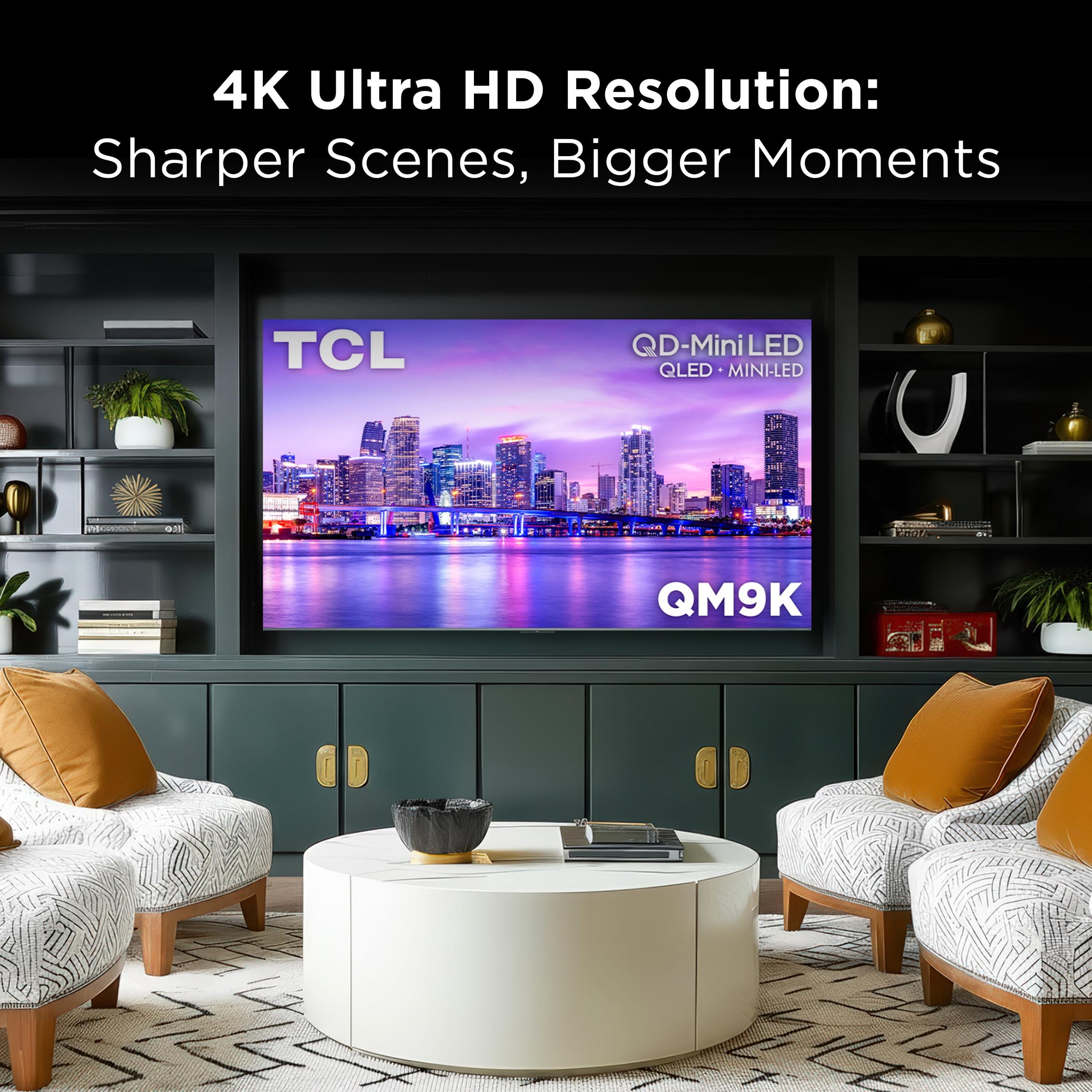
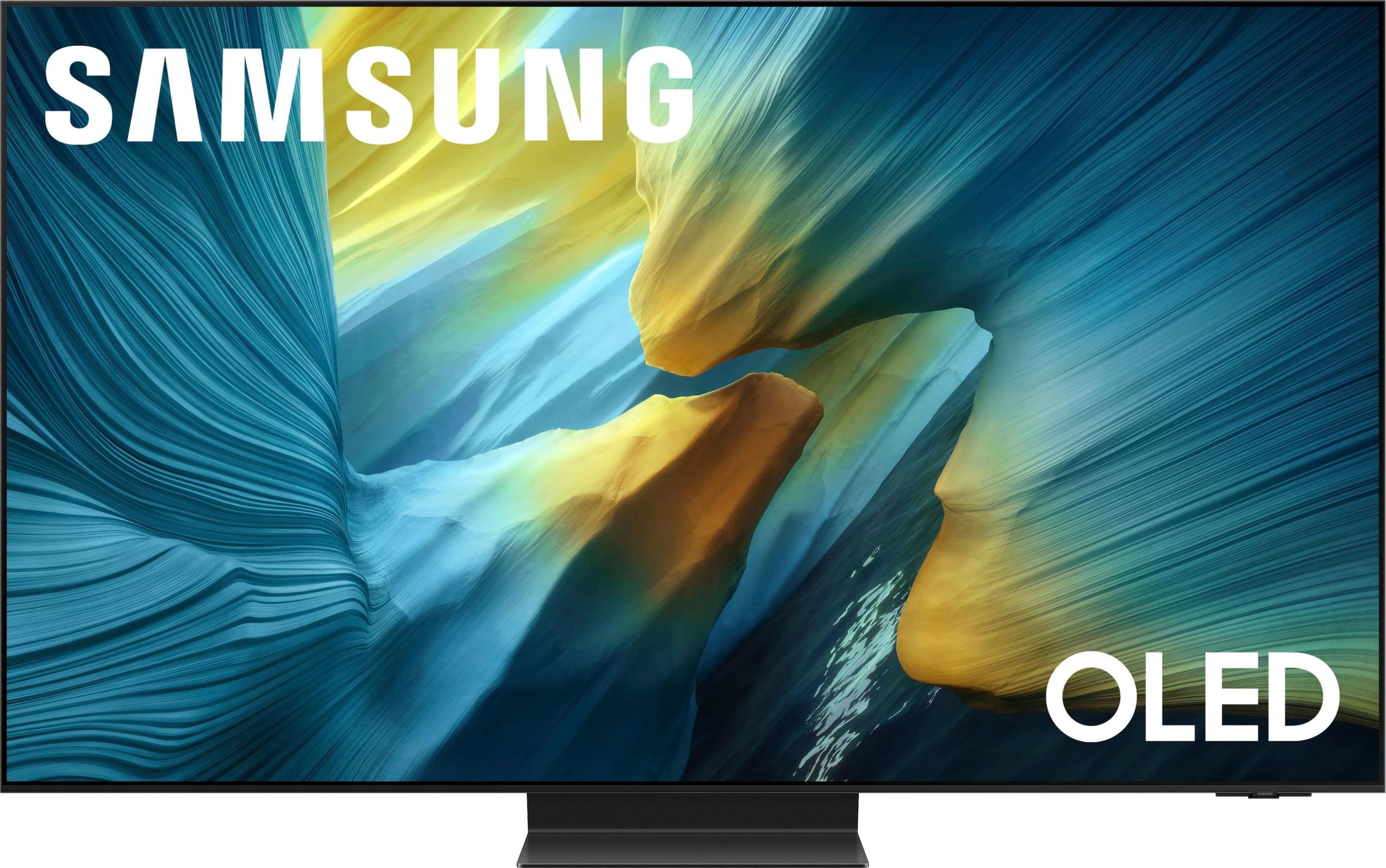
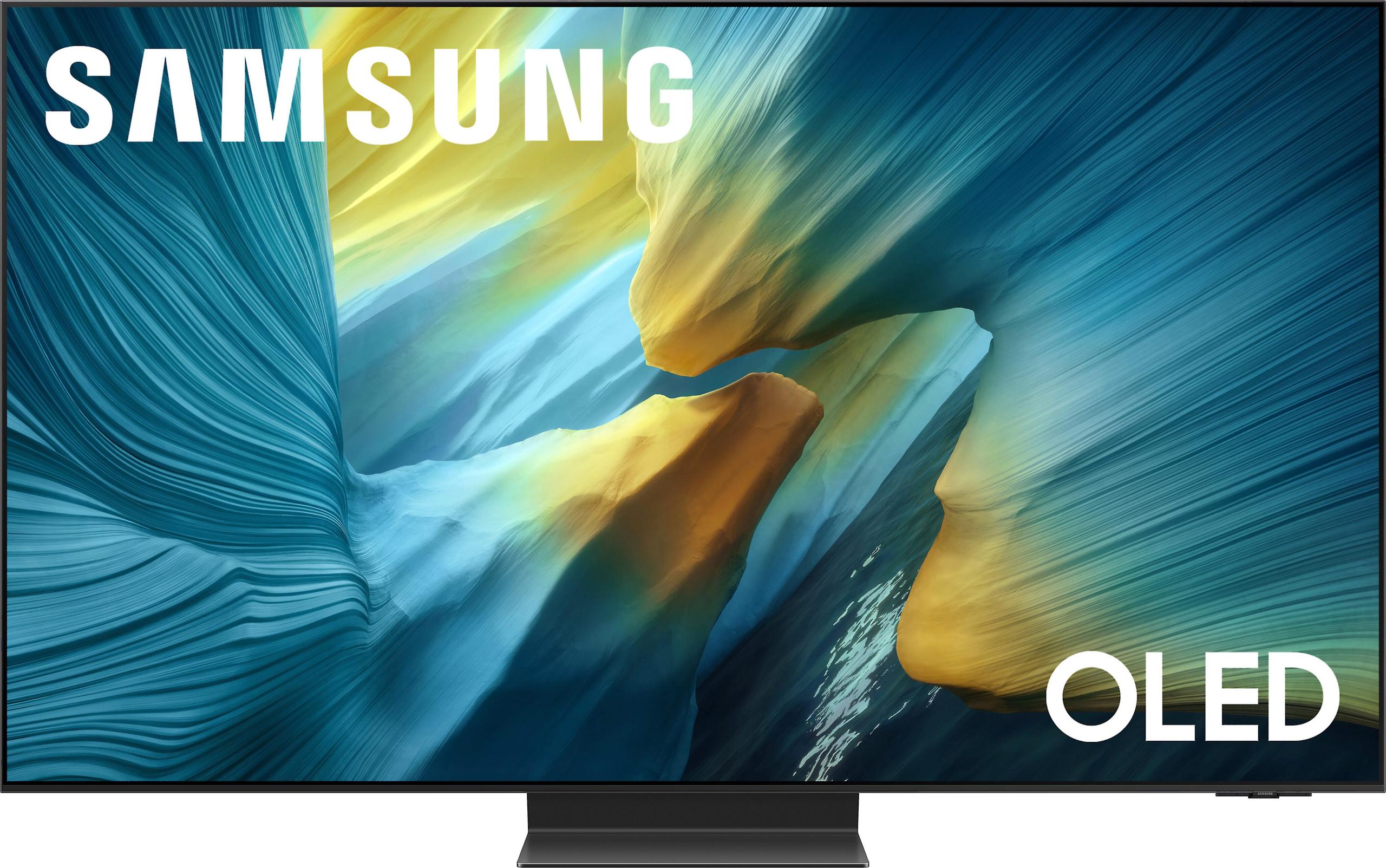
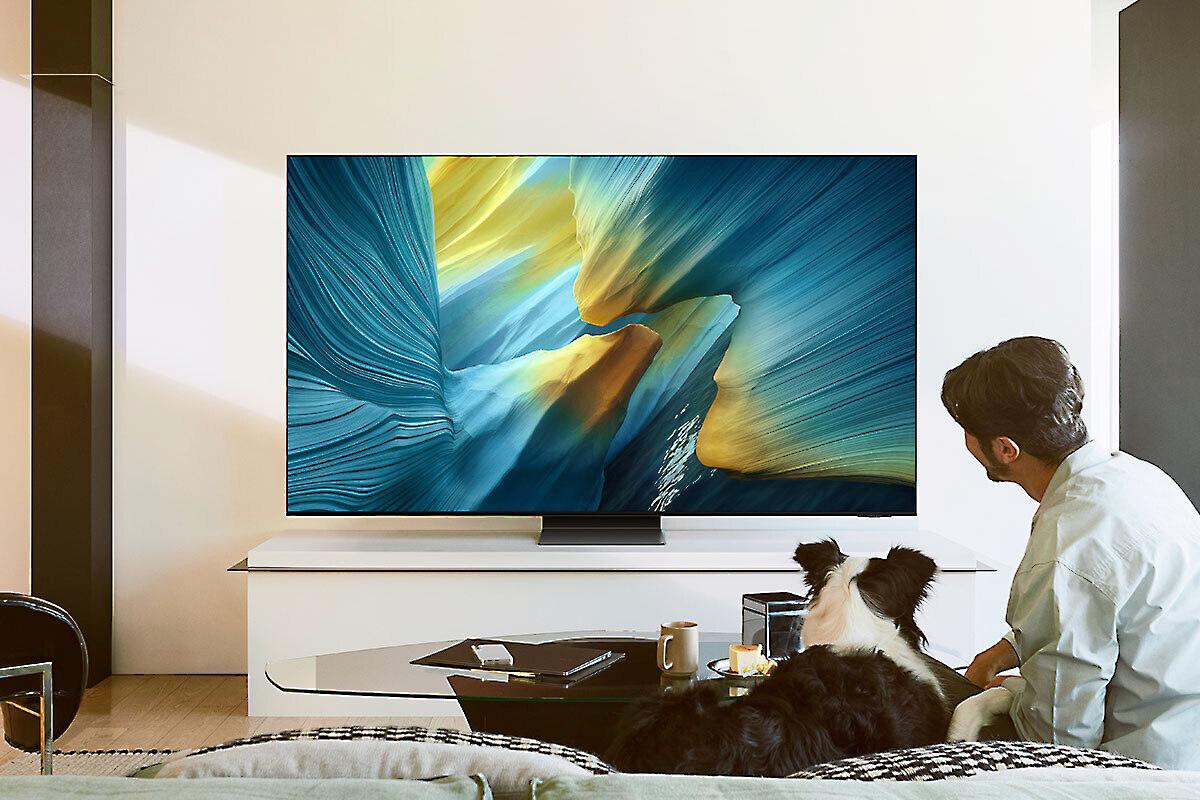
Shopping for a premium 65" TV can feel overwhelming, especially when you're comparing fundamentally different display technologies. The TCL QM9K represents the cutting edge of Mini LED technology, while Samsung's S95F OLED pushes the boundaries of what's possible with organic light-emitting diodes. Both arrived in 2025 with significant upgrades over their predecessors, but they take completely different approaches to delivering exceptional picture quality.
Understanding these differences matters because your choice will shape your viewing experience for years to come. At the time of writing, the TCL QM9K positions itself as a premium value option, while the Samsung S95F commands a significant price premium for its flagship OLED technology. The question isn't which TV is better in absolute terms—it's which one delivers the right balance of performance and value for your specific needs.
Before diving into specifics, it's worth understanding what makes these TVs tick. Traditional LED TVs use a backlight that shines through an LCD panel, but both of these models represent major evolutionary leaps beyond that basic approach.
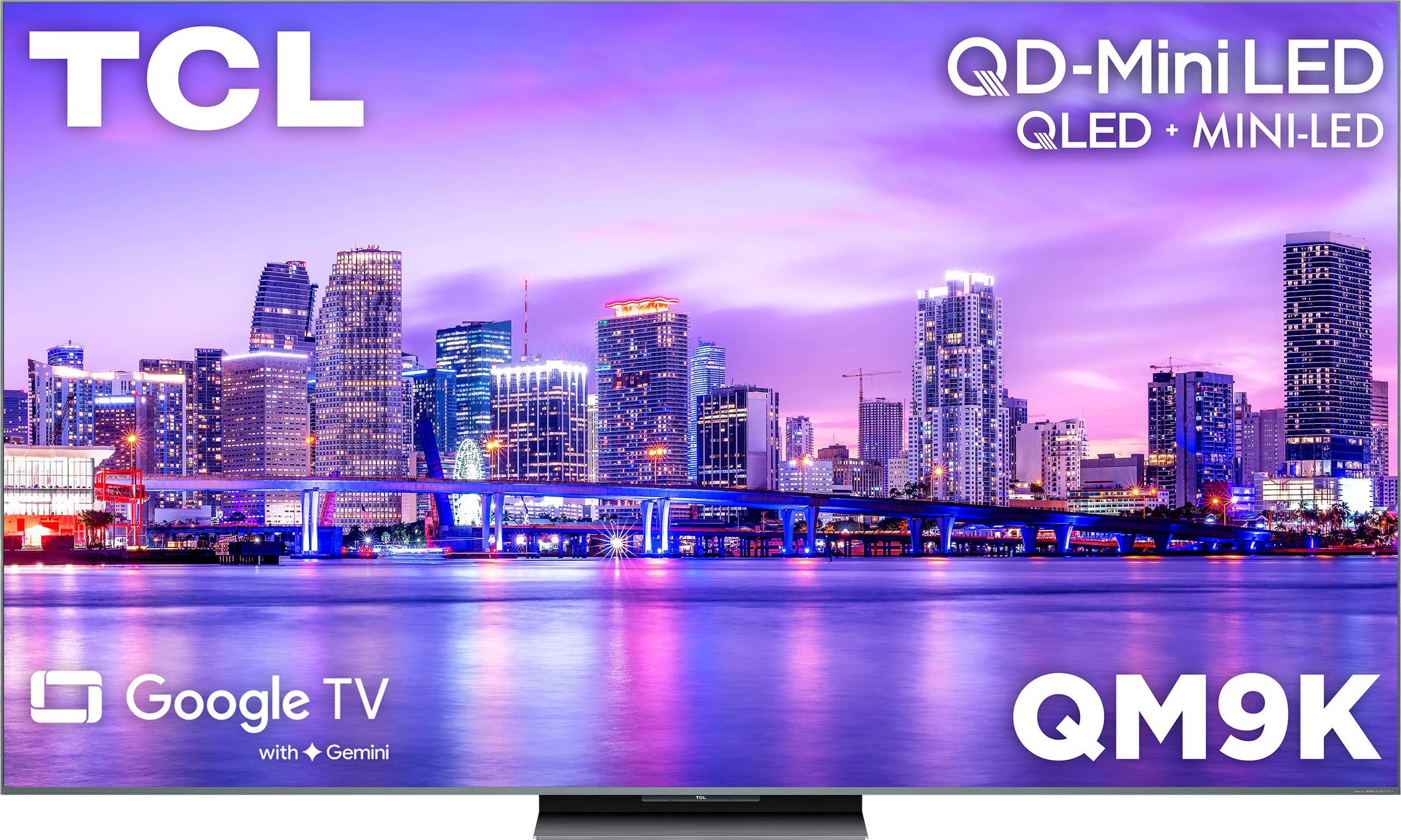
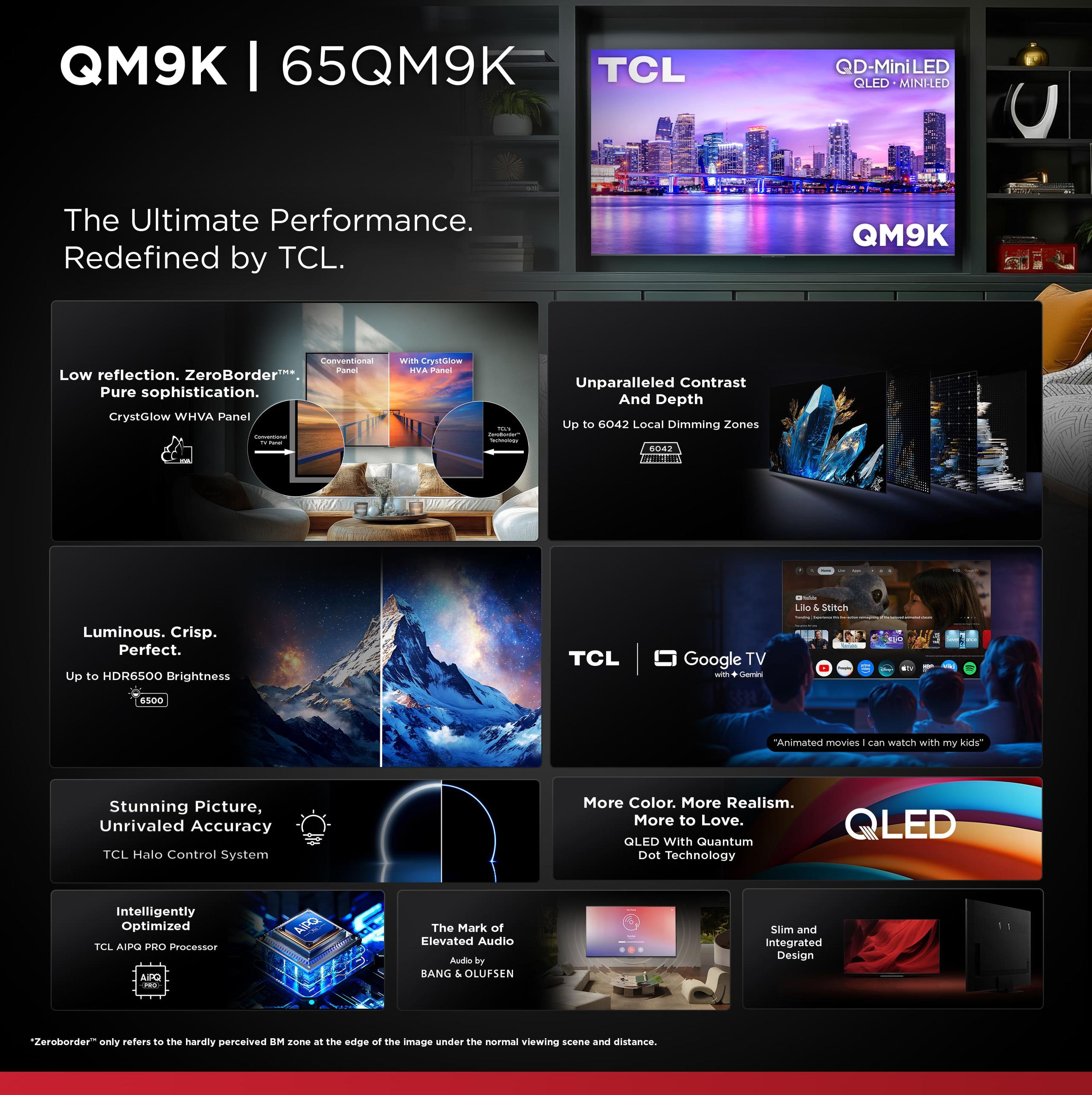
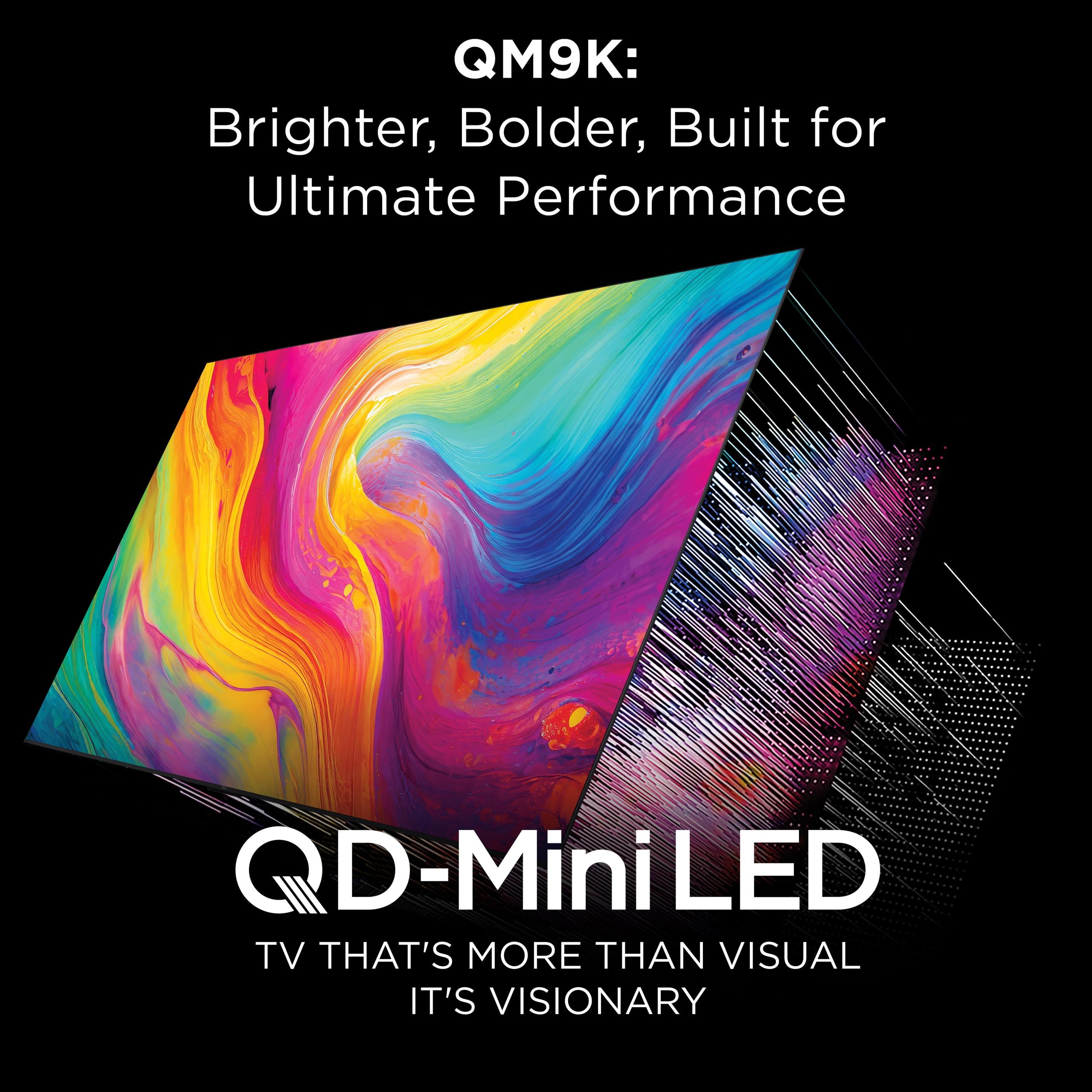
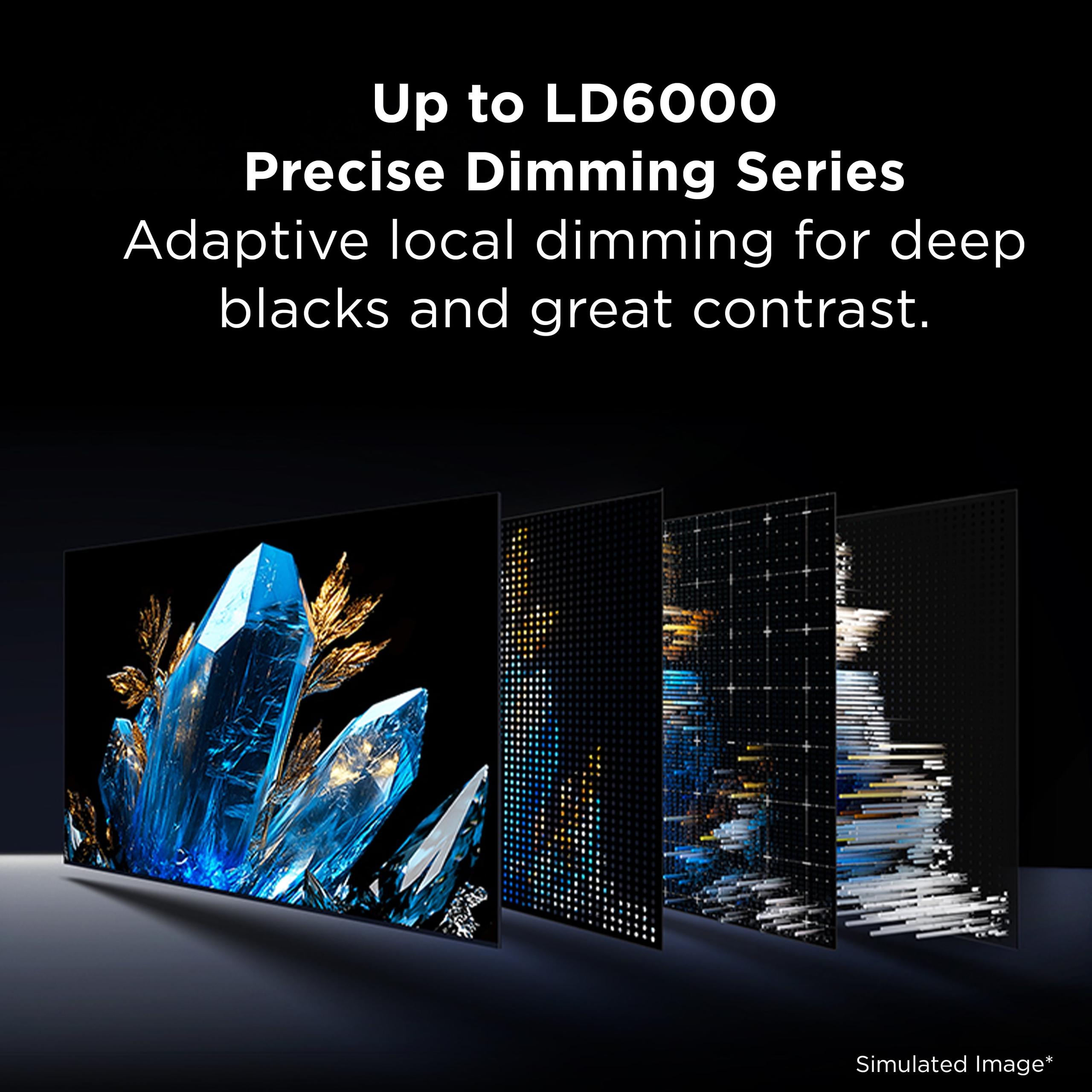
The TCL QM9K uses QD-Mini LED technology, which combines two breakthrough innovations. First, it replaces the large LED backlight with thousands of tiny Mini LEDs—each about the size of a grain of rice. These Mini LEDs are organized into over 6,000 local dimming zones, meaning different areas of the screen can be independently brightened or darkened. This creates much better contrast than traditional TVs because dark scenes can have truly dark areas while bright highlights pop with intensity.
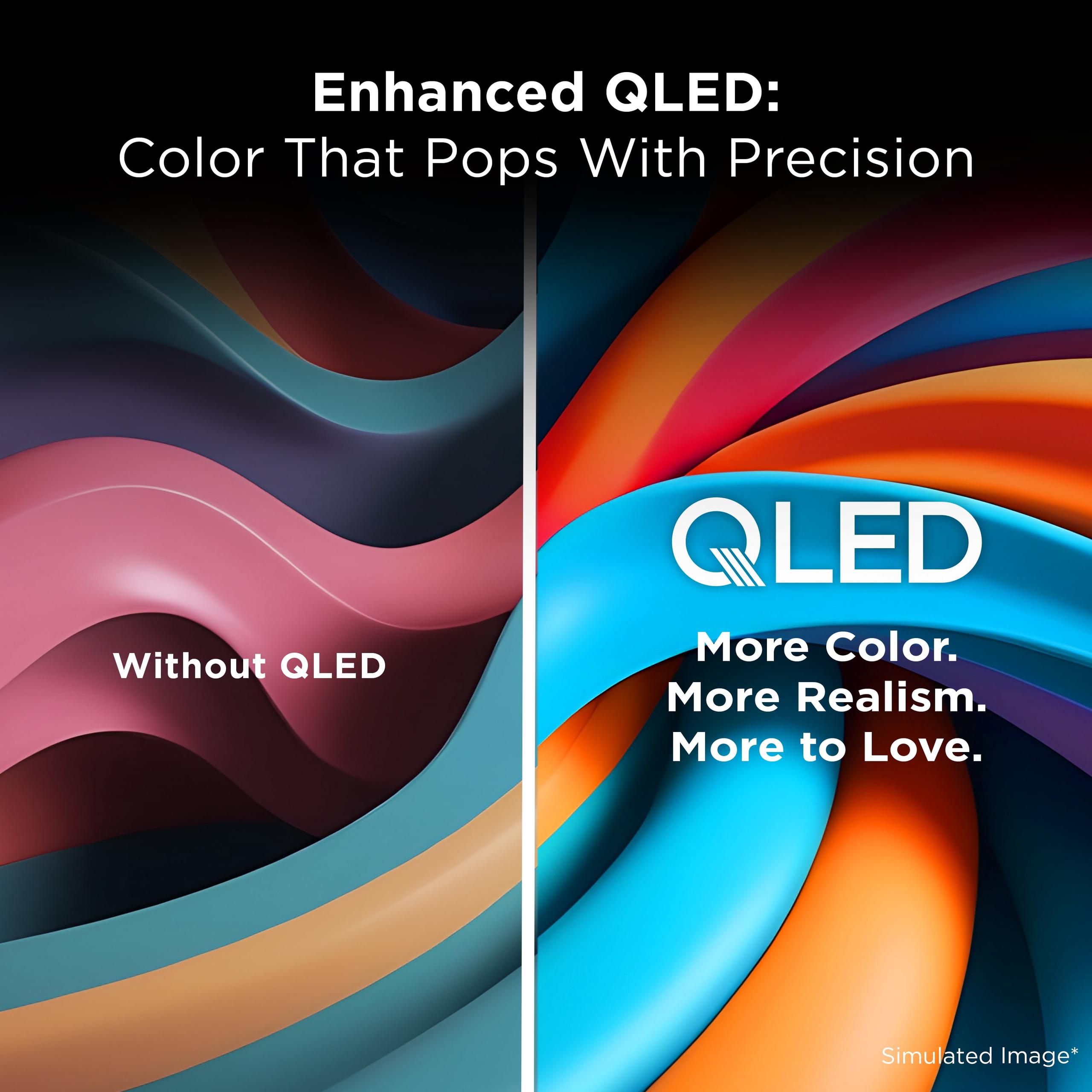
The "QD" part stands for Quantum Dot, a technology that uses microscopic crystals to produce purer, more vibrant colors. When Mini LEDs shine through these quantum dots, they create colors that cover a wider range of what human eyes can see compared to regular LED TVs.
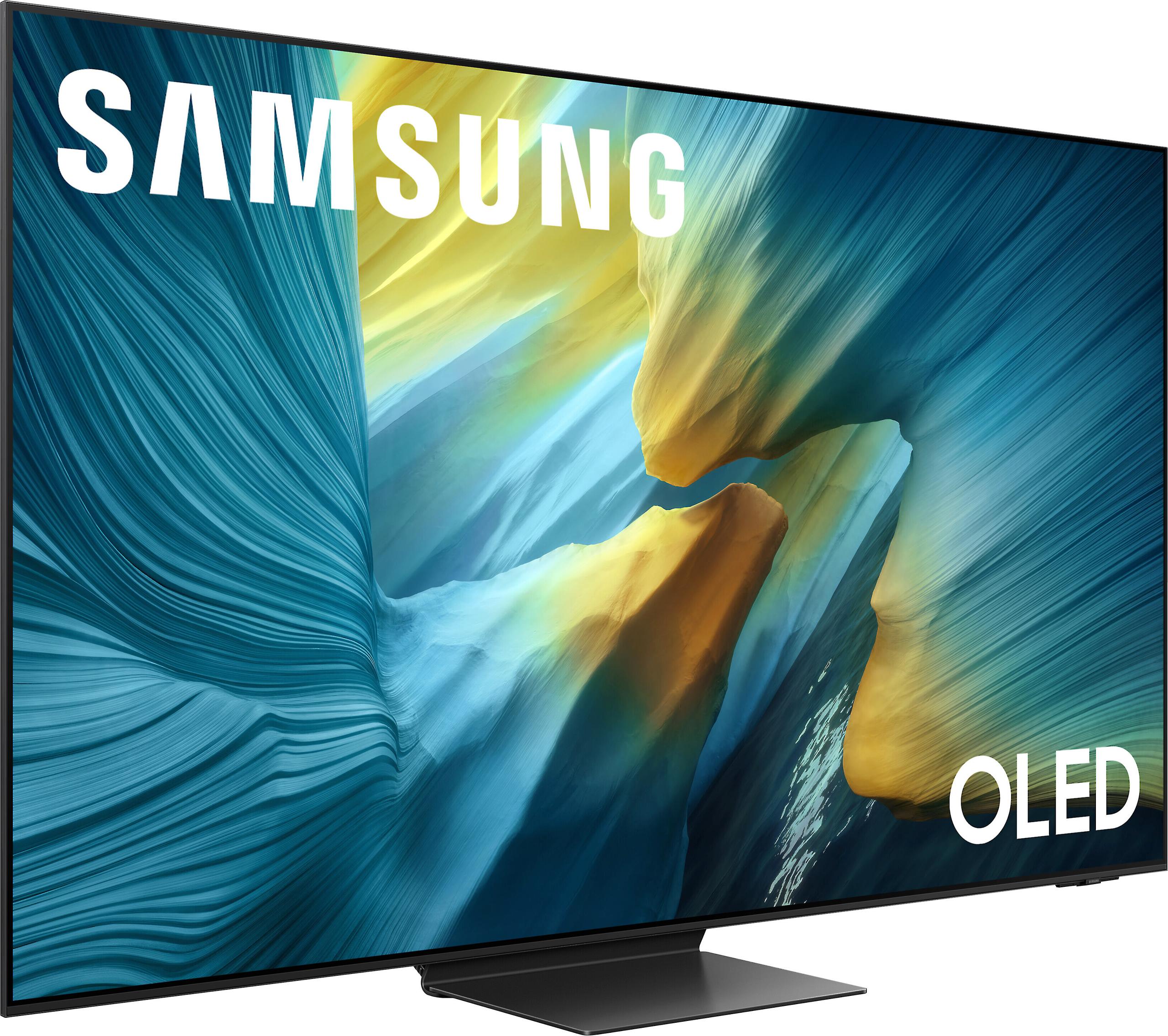
The Samsung S95F, on the other hand, uses OLED technology where each individual pixel produces its own light. Think of it like having 8.3 million tiny light bulbs (one for each pixel) that can turn completely off to create perfect black or shine brightly for vivid colors. This fundamental difference means OLEDs can achieve infinite contrast—the mathematical term for the difference between the darkest black and brightest white a display can produce.
When it comes to picture quality, both TVs excel but in different ways that matter for different viewing situations.
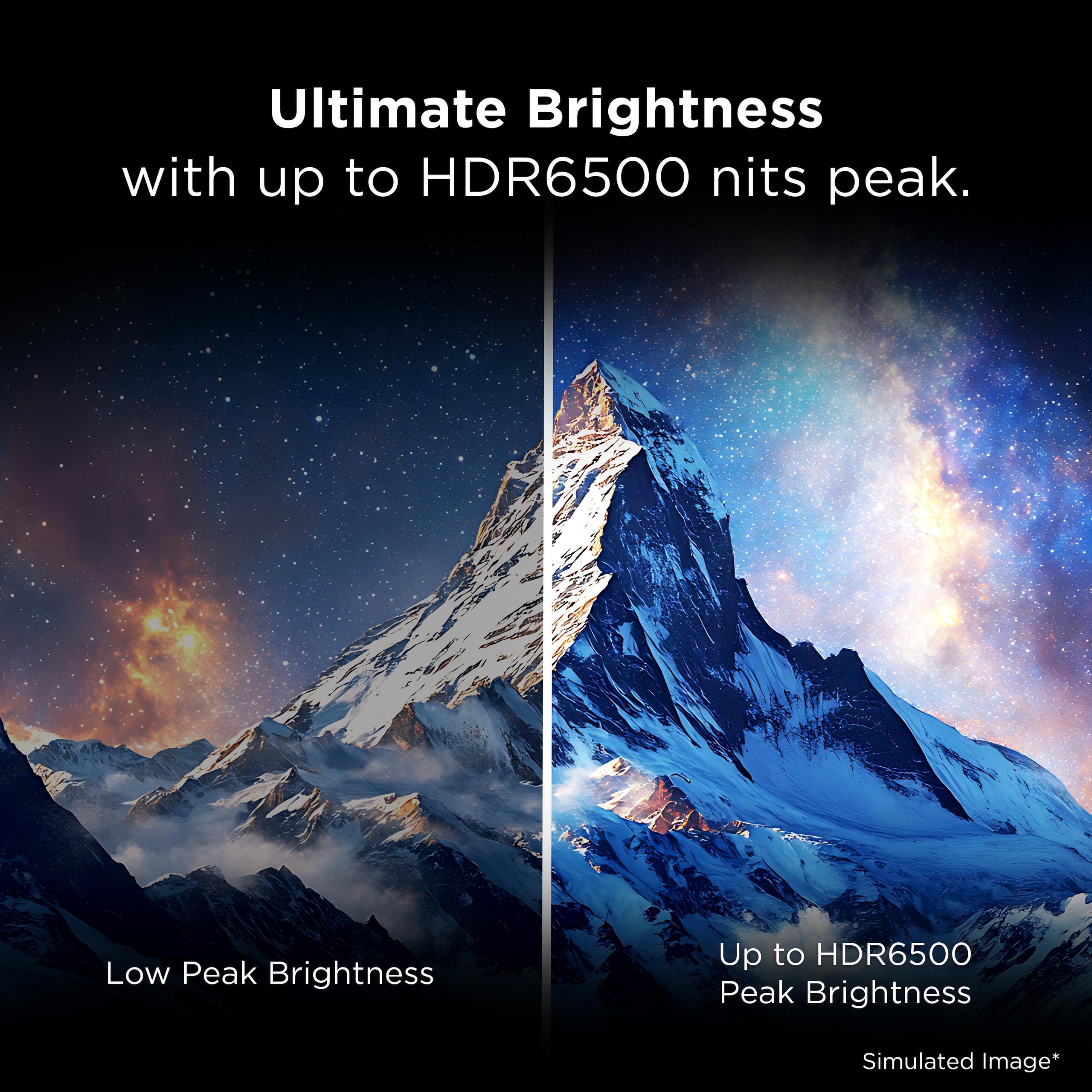
The TCL QM9K absolutely dominates in brightness, reaching up to 6,500 nits peak brightness in HDR content. To put that in perspective, a sunny day outdoors measures about 10,000 nits, while most TVs struggle to exceed 1,000 nits. This extreme brightness means HDR content—which relies on bright highlights to create impact—looks spectacular even in brightly lit rooms.
HDR (High Dynamic Range) content is designed to show a wider range of brightness levels than standard video, creating more realistic lighting that mirrors how our eyes see the real world. The TCL's brightness advantage means fireworks explode with intensity, car headlights pierce through darkness, and sunlit scenes maintain their brilliance even when you're watching during the day.
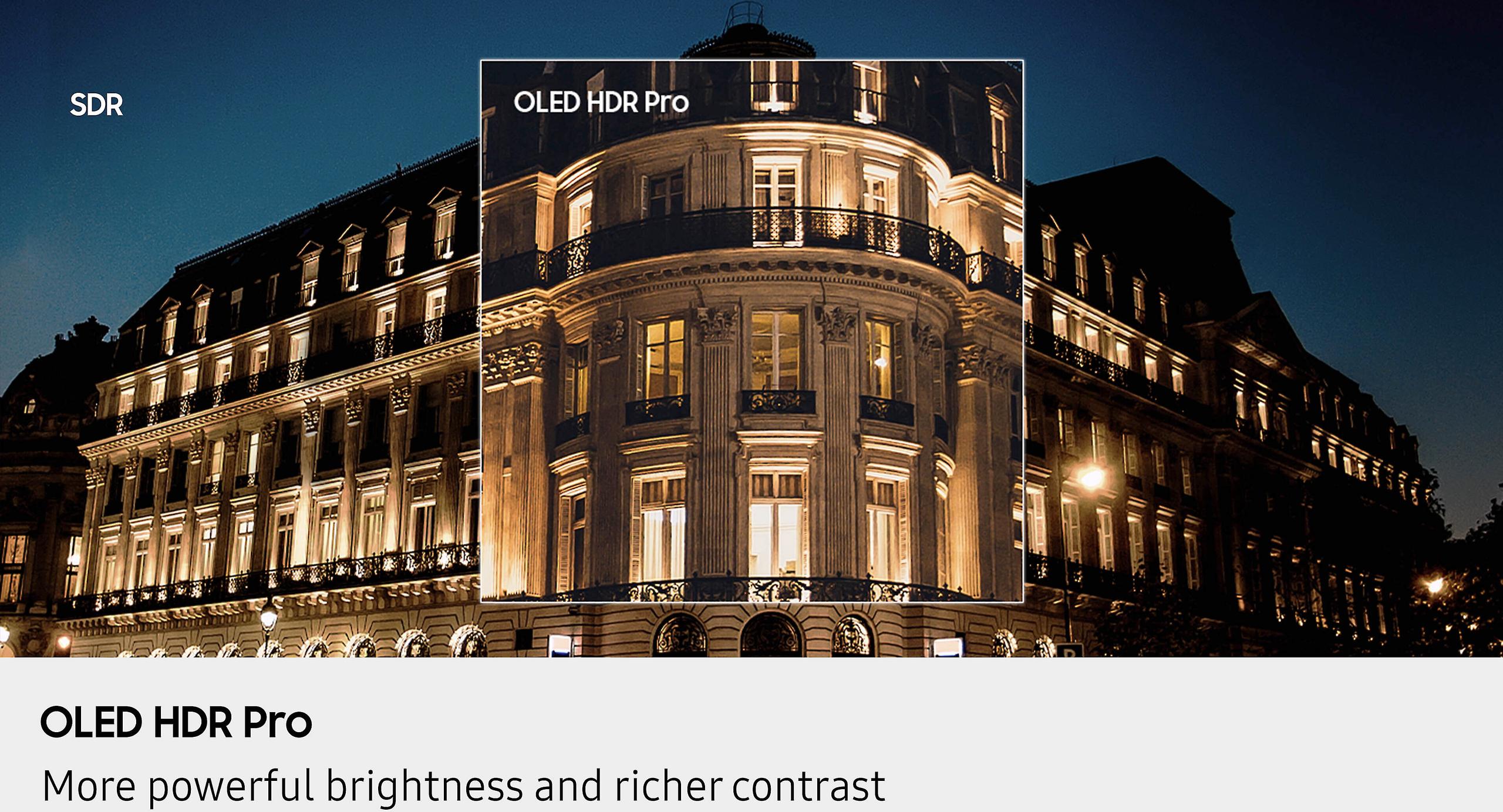
The Samsung S95F reaches approximately 2,000+ nits peak brightness—still impressive for an OLED and a significant improvement over previous generations. While this seems lower on paper, OLED's perfect blacks create contrast that can appear more dramatic than the raw brightness numbers suggest. When a pixel can turn completely off (true black) next to one shining at 2,000 nits, the perceived contrast can be breathtaking.
Here's where the fundamental technology differences become most apparent. The Samsung S95F achieves perfect blacks because individual pixels simply turn off completely. This creates an infinite contrast ratio that makes dark movie scenes look incredibly realistic—shadows have depth and detail without any grayish tint.
The TCL QM9K can't match perfect blacks because its Mini LEDs still need to shine through the LCD panel. However, with over 6,000 local dimming zones using TCL's Halo Control System, it gets remarkably close. The system includes advanced algorithms that prevent "blooming"—the annoying halo effect you sometimes see around bright objects on dark backgrounds. In practical terms, the difference in black levels is most noticeable in very dark rooms during nighttime movie watching.
Both TVs excel at color reproduction but through different strengths. The TCL QM9K's quantum dot enhancement creates what's called high "color volume"—the ability to maintain vibrant, saturated colors even at high brightness levels. This means bright red fire trucks stay intensely red instead of washing out, and vivid blue skies maintain their saturation.
The Samsung S95F focuses more on color accuracy, with sophisticated processing that aims to reproduce colors exactly as content creators intended. Samsung's Vision AI uses 128 neural networks to analyze and optimize every frame, adjusting colors based on the type of content and viewing conditions.
For most viewers, both approaches work well, but the choice depends on preference: do you want colors that pop with intensity (TCL) or colors that perfectly match the filmmaker's vision (Samsung)?
Gaming has become a crucial consideration for modern TVs, and both models deliver impressive capabilities that would have been unimaginable just a few years ago.
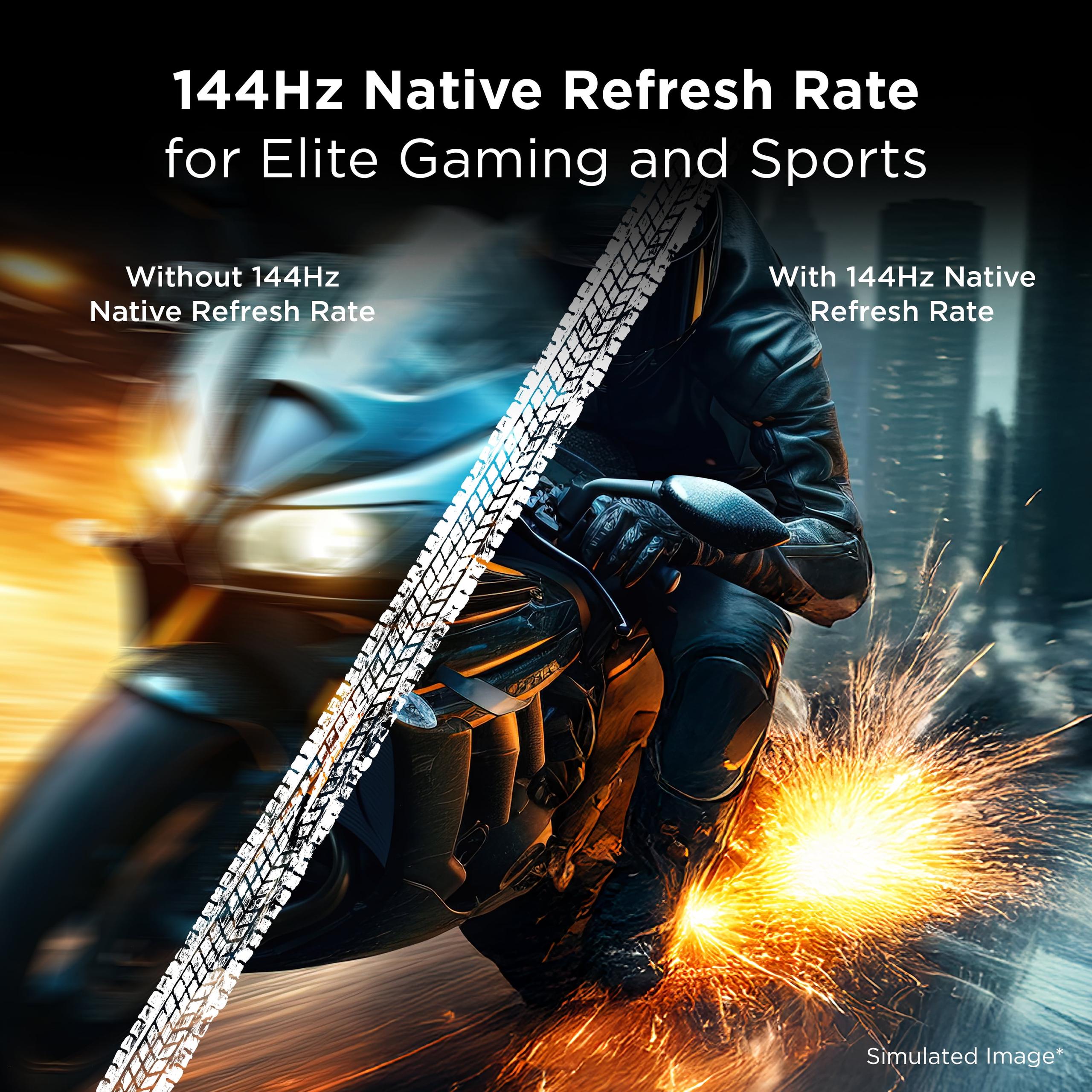
The TCL QM9K supports 4K gaming at 144Hz on two of its HDMI ports, with its Game Accelerator 288 feature pushing certain resolutions up to 288Hz. These high refresh rates mean games appear smoother, with less motion blur during fast action sequences. The 5.3ms input lag—the delay between pressing a controller button and seeing the action on screen—is virtually imperceptible and competitive with dedicated gaming monitors.
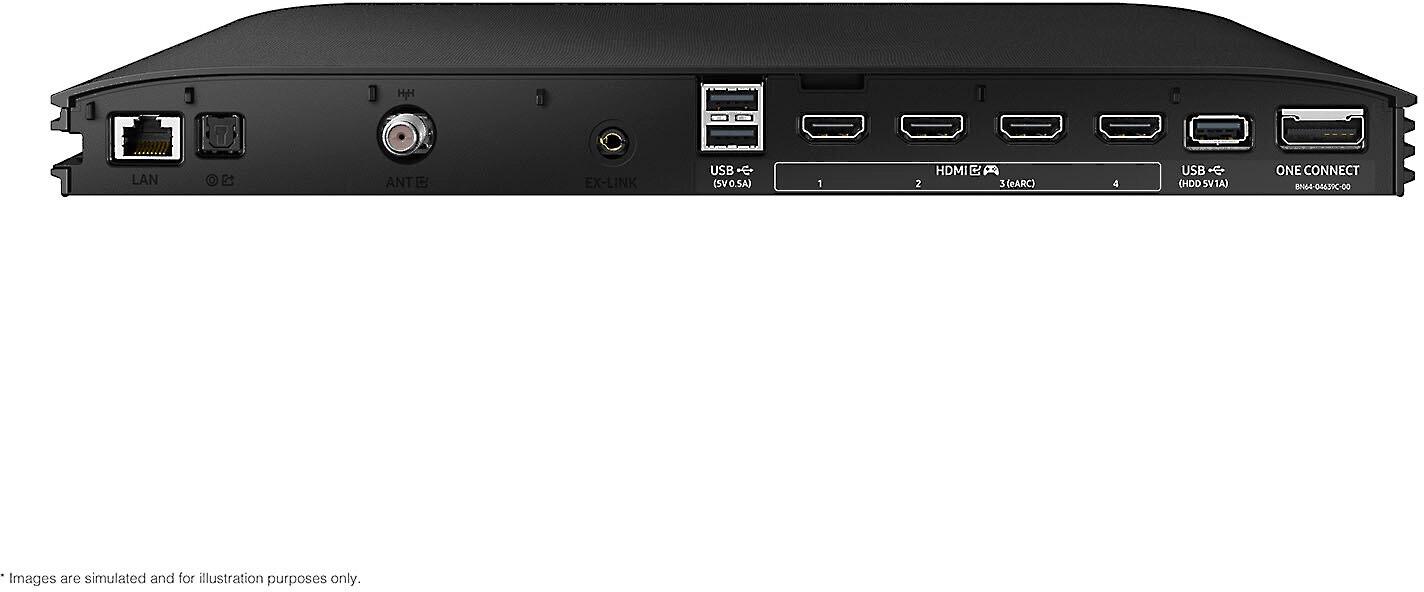
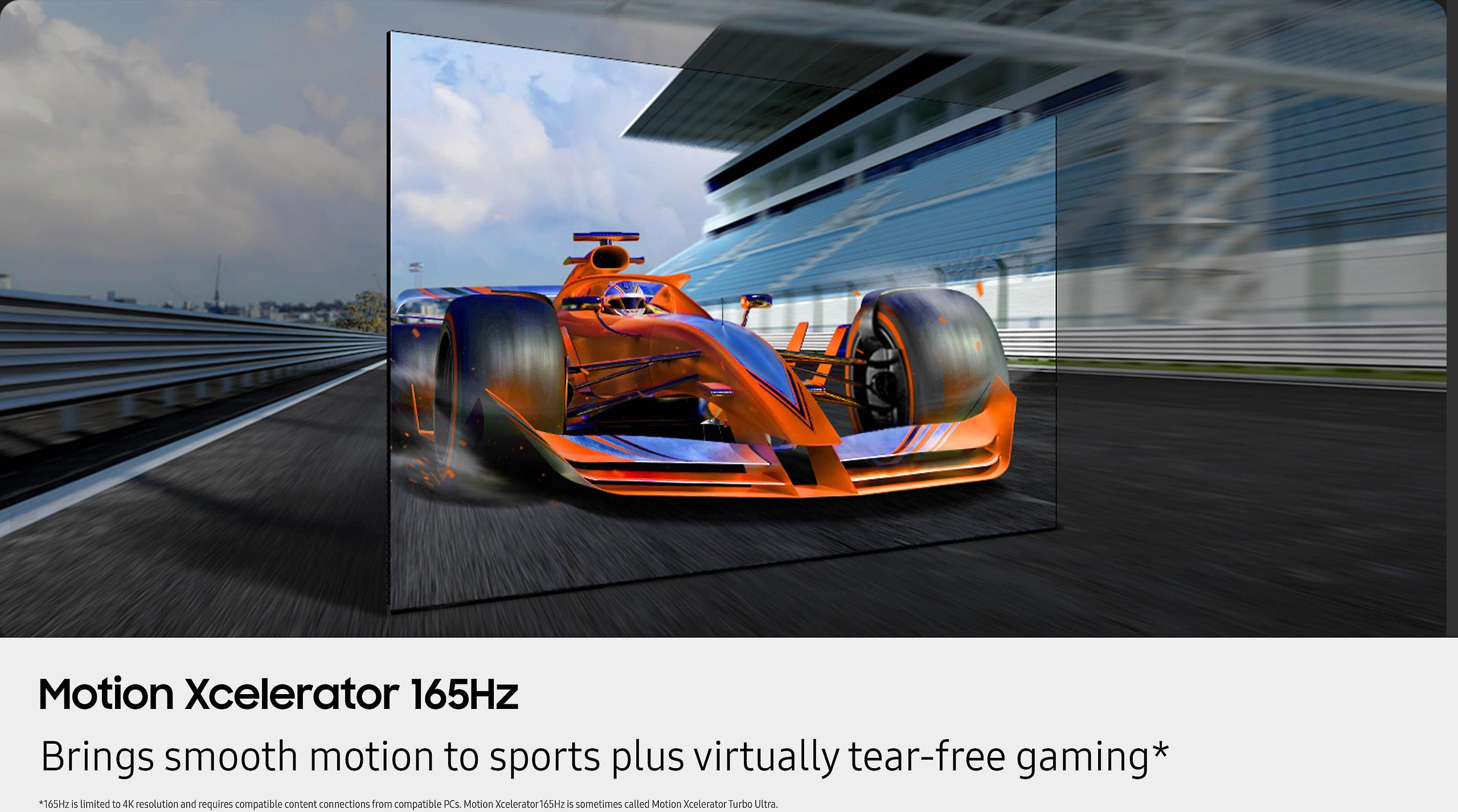
The Samsung S95F goes a step further with 4K at 165Hz across all four HDMI 2.1 ports, providing more flexibility for multiple gaming consoles or PCs. Its AI Auto Game Mode automatically detects gaming content and switches to optimized settings without manual intervention.
Both TVs support Variable Refresh Rate (VRR) technology through AMD FreeSync Premium Pro, which eliminates screen tearing—the visual artifact where the screen shows parts of multiple frames simultaneously. This creates smoother gameplay, especially in competitive scenarios where every frame matters.
For serious gamers, the choice often comes down to OLED's instant pixel response times versus Mini LED's superior brightness. OLED pixels can change states almost instantaneously, creating incredibly sharp motion during fast-paced games. However, the TCL's brightness advantage means games look more vivid in bright rooms and HDR gaming content delivers more impactful highlights.
The smart TV experience has evolved significantly, and both platforms offer compelling but different approaches.
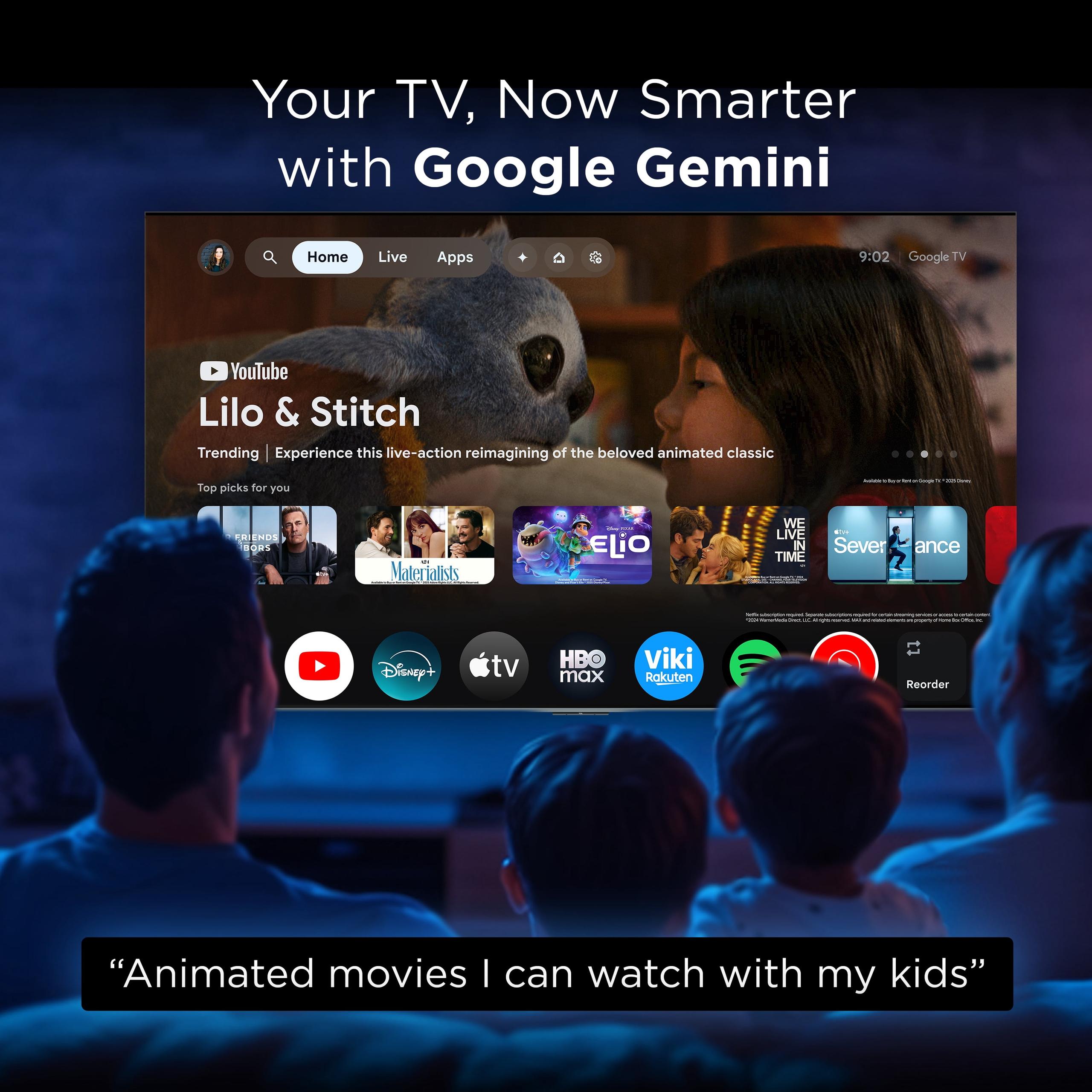
The TCL QM9K runs Google TV, which excels at content discovery and integration with Google services. The interface feels clean and responsive, with excellent voice control through Google Assistant. For users already invested in the Google ecosystem, the integration feels seamless.
Samsung's S95F uses Tizen OS with a significant commitment: seven years of software updates. This promise addresses one of the biggest concerns with smart TVs—becoming obsolete as streaming services evolve. Samsung's Vision AI adds another layer of sophistication, automatically optimizing picture settings based on content type and viewing conditions.
The long-term software support deserves emphasis because smart TV platforms can become security risks or lose compatibility with streaming services over time. Samsung's seven-year commitment provides peace of mind that's harder to quantify but valuable for long-term ownership.
While most serious home theater enthusiasts add external sound systems, built-in audio quality still matters for casual viewing and smaller setups.
The TCL QM9K features Bang & Olufsen tuning with a 2.1.1 channel system that includes a built-in subwoofer on the 65" model. This setup provides surprisingly robust bass for a TV and handles dialogue clearly during regular programming.
The Samsung S95F takes a more sophisticated approach with its 4.2.2 channel system outputting 70W total power. The Object Tracking Sound Plus (OTS+) technology attempts to match audio positioning with visual action on screen—so a car moving left to right will have its engine sound follow that path. The Q-Symphony feature allows the TV to work in harmony with compatible Samsung soundbars, using both the TV speakers and soundbar simultaneously for fuller sound.
Based on extensive research into professional reviews and user experiences, several practical considerations emerge.
The TCL QM9K excels in versatile viewing environments. Its extreme brightness means it performs well whether you're watching during a sunny afternoon or in a dimmed evening setting. The Mini LED technology also eliminates concerns about burn-in—permanent ghost images that can occur with OLED panels when static elements (like news tickers or video game HUDs) remain on screen for extended periods.
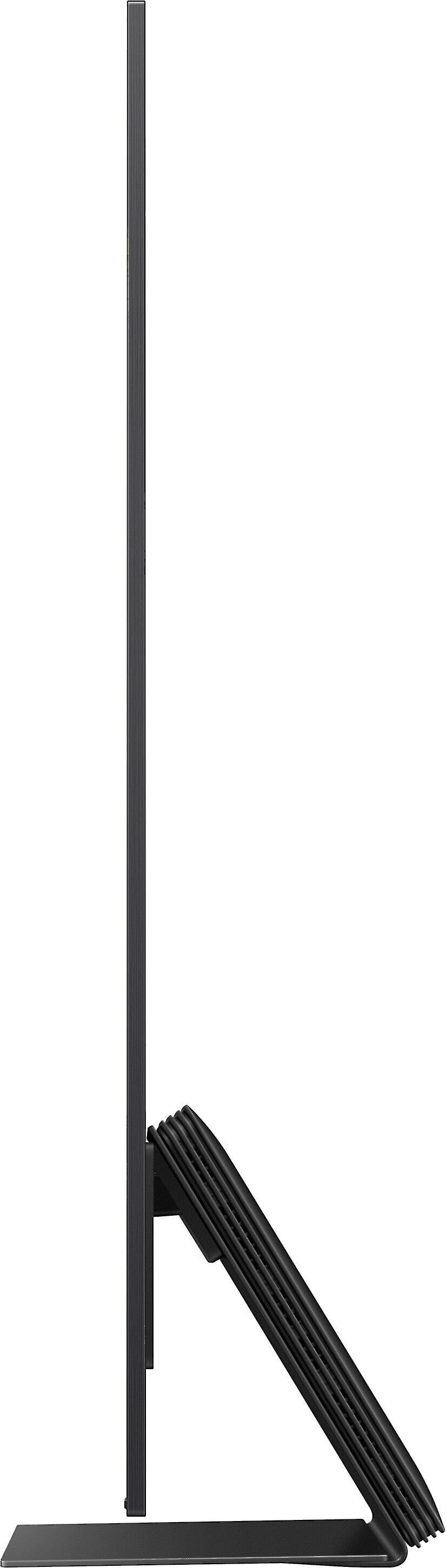
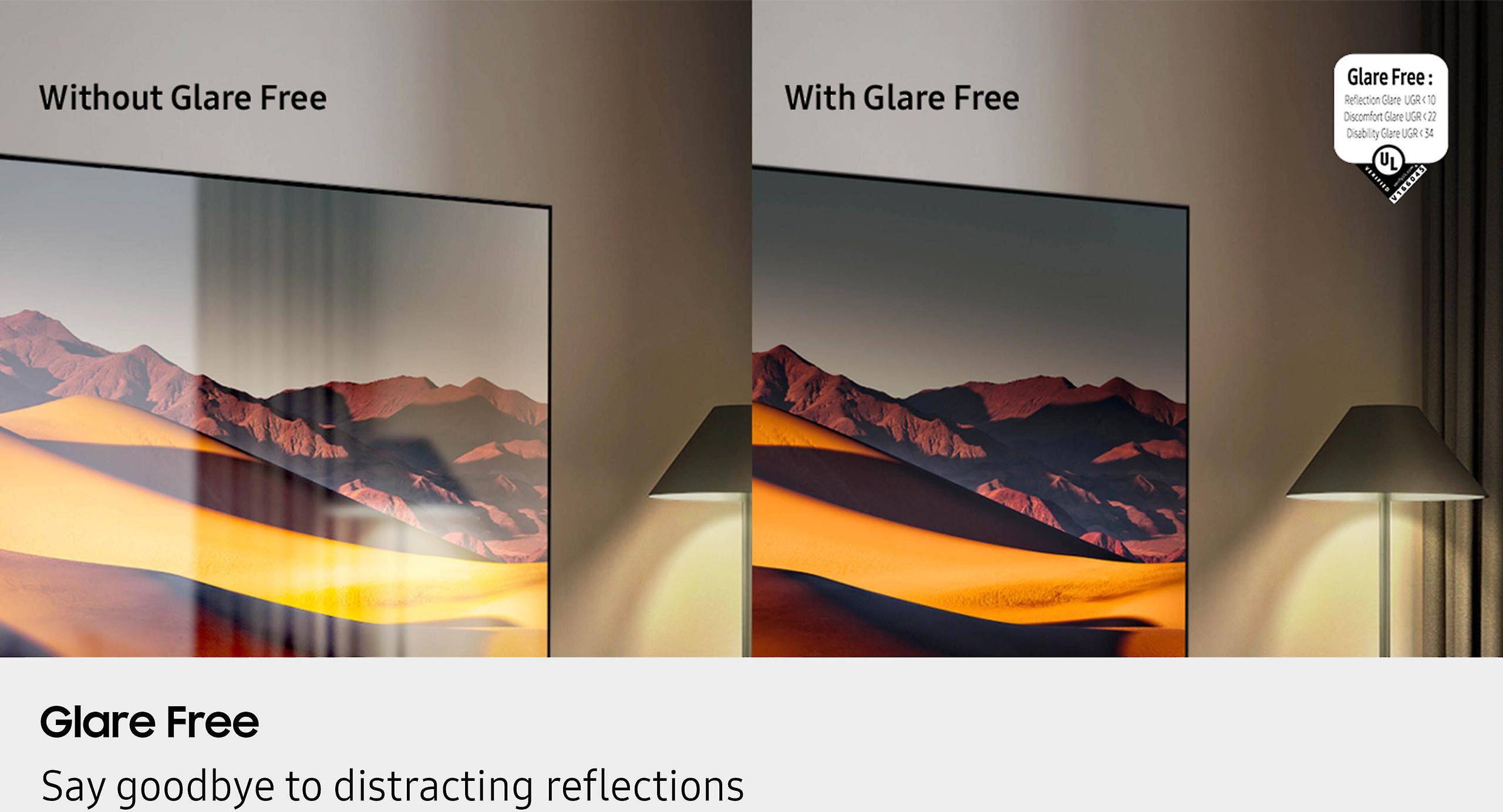
The Samsung S95F provides a more refined experience that shines in controlled environments. Its glare-free matte coating represents a significant breakthrough, reducing reflections without the brightness penalty that typically comes with anti-glare treatments. This makes it surprisingly usable in bright rooms despite OLED's traditional weakness in high ambient light.
However, OLED's burn-in risk remains a consideration, though it's less problematic than earlier generations. Modern OLEDs include pixel refreshing algorithms and other protective measures, but users who frequently display static content should be aware of this limitation.
For dedicated home theater setups, the choice between these TVs depends heavily on your room's characteristics and viewing habits.
The Samsung S95F creates a more cinematic experience in light-controlled rooms. The perfect blacks and accurate colors provide an experience closer to what filmmakers intended, especially for movies mastered in professional color grading suites. The wider viewing angles also matter in larger seating arrangements where family members might not all sit directly in front of the screen.
The TCL QM9K offers more flexibility for multi-purpose rooms that serve as both family living spaces and movie-watching areas. Its brightness advantage means you don't need to dim all the lights for an engaging experience, and the quantum dot color enhancement creates vivid, engaging visuals that work well for both movies and sports.
The decision between these TVs ultimately comes down to priorities and usage patterns.
Choose the TCL QM9K if you want flagship-level performance at a more accessible price point. It's ideal for versatile viewing environments, gaming enthusiasts who want the latest high-refresh features, and anyone who prioritizes brightness for HDR content. The quantum dot enhancement creates engaging, vibrant visuals that work well for sports, gaming, and general entertainment.
The Samsung S95F justifies its premium pricing for viewers who prioritize absolute picture quality and long-term value through software support. It's the better choice for dark room movie watching, users who want cutting-edge OLED technology, and those who value premium smart TV features and build quality.
Both TVs represent significant upgrades over previous generations, with the 2025 models incorporating years of refinement in their respective technologies. The TCL pushes Mini LED brightness to new heights while improving local dimming precision, while Samsung's S95F addresses traditional OLED limitations with better brightness and anti-glare technology.
At the time of writing, the value equation favors the TCL QM9K for most buyers, delivering premium performance at a more accessible price point. However, for viewers seeking the ultimate picture quality experience and willing to invest in long-term premium ownership, the Samsung S95F provides justification for its higher cost through superior technology and comprehensive feature set.
The choice isn't about finding a winner—both TVs excel in their intended roles. Instead, it's about matching the right technology approach to your specific viewing environment, usage patterns, and value priorities.
| TCL 65" QM9K QD-Mini LED Smart TV | Samsung 65" OLED S95F 4K Smart TV 2025 |
|---|---|
| Display Technology - Fundamentally determines picture quality approach | |
| QD-Mini LED with 6,000+ local dimming zones | OLED with self-illuminating pixels |
| Peak Brightness - Critical for HDR performance and bright room viewing | |
| 6,500 nits (exceptional for any lighting condition) | ~2,000+ nits (very good, improved from previous OLEDs) |
| Black Levels - Affects contrast and dark scene detail | |
| Near-perfect blacks with minimal blooming | Perfect blacks (infinite contrast ratio) |
| Gaming Refresh Rate - Important for smooth gaming performance | |
| 4K@144Hz on 2 ports, up to 288Hz at lower resolutions | 4K@165Hz on all 4 HDMI 2.1 ports |
| Input Lag - Critical for competitive gaming responsiveness | |
| 5.3ms (excellent for gaming) | Not specified but likely similar OLED performance |
| Smart TV Platform - Affects long-term usability and app support | |
| Google TV with regular updates | Tizen OS with 7-year software update guarantee |
| HDR Format Support - Determines compatibility with streaming content | |
| HDR10, HDR10+, Dolby Vision, HLG | HDR10, HDR10+ (no Dolby Vision support) |
| Audio System - Built-in sound quality for casual viewing | |
| Bang & Olufsen 2.1.1 with subwoofer | 4.2.2 channel, 70W with Object Tracking Sound+ |
| Burn-in Risk - Long-term durability consideration | |
| No burn-in risk (Mini LED advantage) | Potential burn-in with static content (improved but still OLED) |
| Viewing Angles - Picture quality from side seating | |
| Good but degrades at extreme angles | Excellent (OLED advantage) |
| Anti-Glare Performance - Handling bright room reflections | |
| CrystGlow WHVA panel reduces reflections | Glare-free matte coating (premium anti-glare) |
| Voice Assistant Integration | |
| Google Assistant with hands-free control | Bixby with multi-command processing |
| Processor & AI Features - Picture optimization capabilities | |
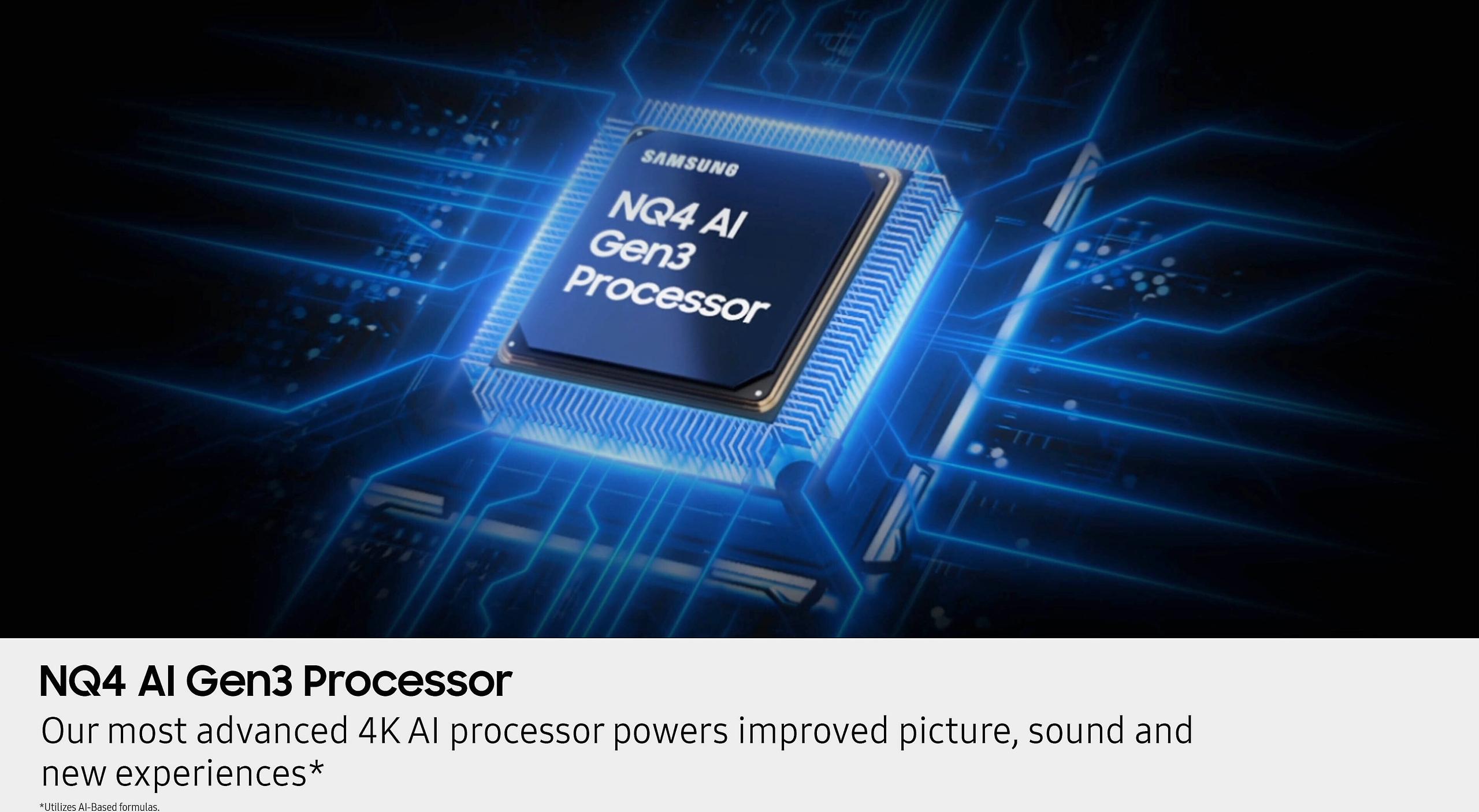
| AIPQ PRO with AI scene optimization | NQ4 AI Gen3 with Samsung Vision AI (128 neural networks) |
| Color Technology - Color accuracy and vibrancy | |
| Quantum Dot enhanced colors with high color volume | OLED natural colors with professional accuracy |
| Motion Handling - Smoothness during fast action | |
| Motion Rate 480 with MEMC | Motion Xcelerator 165Hz with advanced processing |
The TCL QM9K performs significantly better in bright rooms due to its exceptional 6,500 nits peak brightness and CrystGlow WHVA panel that reduces reflections. While the Samsung S95F features impressive glare-free matte coating, the TCL's superior brightness makes it the clear winner for daytime viewing and rooms with lots of windows.
The TCL QM9K uses Mini LED technology with thousands of tiny LEDs behind the screen that can be controlled in zones, offering exceptional brightness and no burn-in risk. The Samsung S95F uses OLED technology where each pixel produces its own light, creating perfect blacks and infinite contrast but with lower peak brightness and potential burn-in concerns.
Both TVs excel for gaming, but the Samsung S95F has a slight edge with 4K@165Hz on all four HDMI ports compared to the TCL QM9K's 4K@144Hz on two ports. However, the TCL offers unique Game Accelerator 288 technology for ultra-high refresh rates at lower resolutions. Both support VRR and have excellent input lag for competitive gaming.
The TCL QM9K supports Dolby Vision along with HDR10, HDR10+, and HLG formats. The Samsung S95F notably lacks Dolby Vision support, offering HDR10 and HDR10+ instead. This difference matters if you frequently watch Dolby Vision content from streaming services like Netflix and Disney+.
The Samsung S95F delivers perfect blacks since OLED pixels can turn completely off, creating infinite contrast ideal for dark room movie watching. The TCL QM9K achieves near-perfect blacks with its 6,000+ local dimming zones but can't match OLED's absolute black levels, though the difference is minimal in most viewing conditions.
The TCL QM9K runs Google TV with excellent content discovery and Google Assistant integration. The Samsung S95F uses Tizen OS and offers a significant advantage with a 7-year software update guarantee, ensuring long-term app compatibility and security updates that the TCL cannot match.
The TCL QM9K is dramatically brighter with 6,500 nits peak brightness compared to the Samsung S95F's approximately 2,000+ nits. This brightness advantage makes HDR content more impactful on the TCL, especially for highlights like explosions, sunlight, or bright objects in movies and games.
The TCL QM9K has no burn-in risk due to its Mini LED technology, making it worry-free for gaming, news watching, or any content with static elements. The Samsung S95F has potential burn-in risk like all OLED TVs, though modern OLEDs include protective features that make this less concerning than older generations.
The Samsung S95F offers superior built-in audio with its 4.2.2 channel system, 70W output, and Object Tracking Sound+ technology that matches audio to on-screen action. The TCL QM9K features Bang & Olufsen tuning with a 2.1.1 system including a subwoofer, which is good but not as advanced as the Samsung's audio setup.
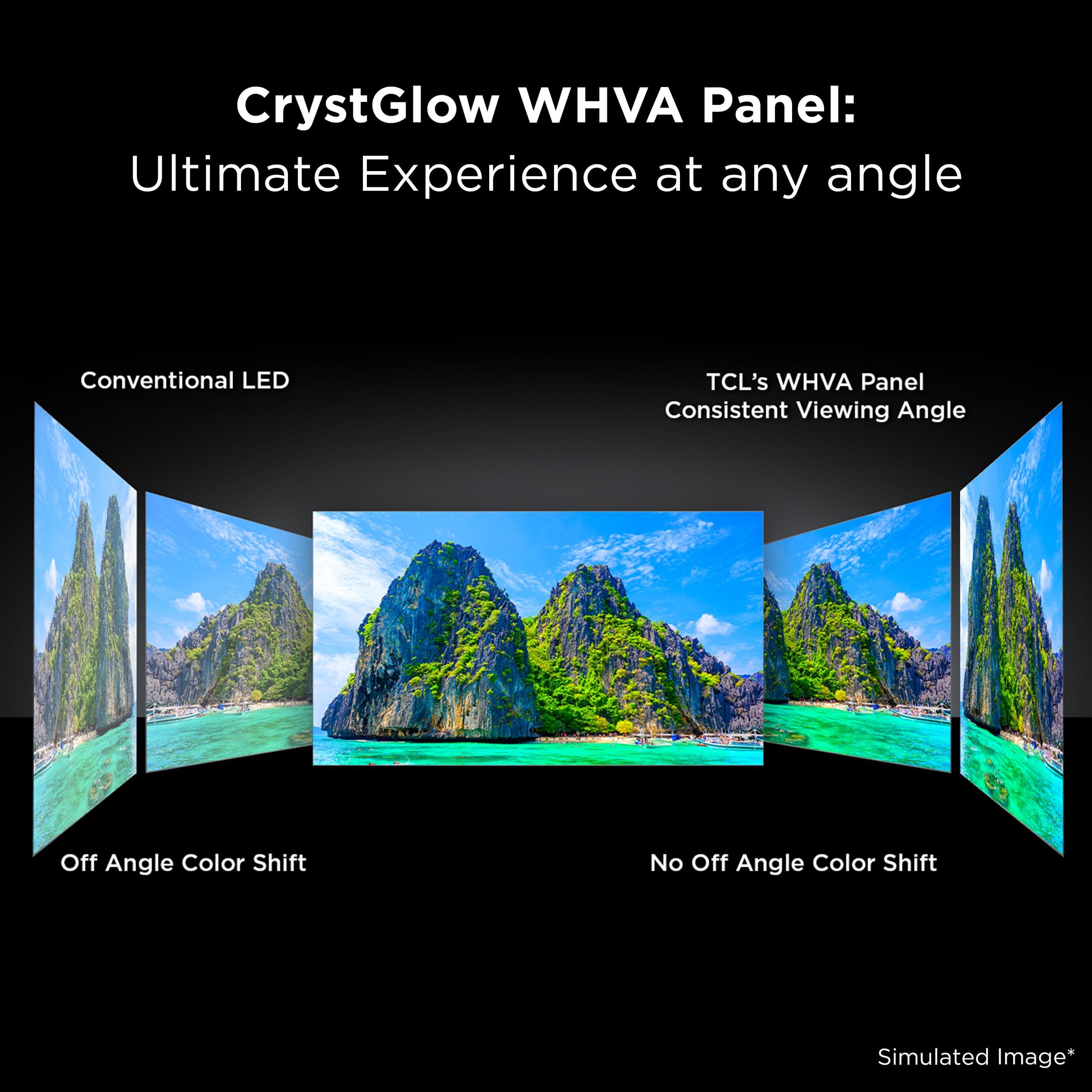
The Samsung S95F provides excellent viewing angles typical of OLED technology, maintaining picture quality from side seating positions. The TCL QM9K offers good viewing angles that are respectable for Mini LED technology but will show some color and brightness degradation when viewed from extreme side angles.
The TCL QM9K typically offers exceptional value, delivering flagship-level performance including extreme brightness, gaming features, and Mini LED technology at a more accessible price point. The Samsung S95F commands a premium but justifies it with perfect OLED blacks, 7-year software support, and premium features for buyers prioritizing ultimate picture quality.
For a light-controlled home theater, the Samsung S95F provides a more cinematic experience with perfect blacks, accurate colors, and excellent viewing angles for multiple seating positions. However, the TCL QM9K works well in multipurpose rooms that aren't always dark, offering flexibility with its superior brightness while still delivering excellent contrast for movie watching.
We've done our best to create useful and informative comparisons to help you decide what product to buy. Our research uses advanced automated methods to create this comparison and perfection is not possible - please contact us for corrections or questions. These are the sites we've researched in the creation of this article: rtings.com - bestbuy.com - youtube.com - youtube.com - youtube.com - techaeris.com - displayspecifications.com - pcrichard.com - residentialsystems.com - us.tcl.com - displayspecifications.com - valueelectronics.com - woodruffappliance.com - tcl.com - pcrichard.com - tcl.com - techradar.com - tcl.com - us.tcl.com - youtube.com - youtube.com - bestbuy.com - youtube.com - businessinsider.com - tomsguide.com - youtube.com - avsforum.com - zdnet.com - samsung.com - pioneertvandappliance.com - samsung.com - displayspecifications.com - samsung.com

Privacy Policy
Terms and Conditions - Affiliate Policy
Home Security
© Copyright 2008-2026.
11816 Inwood Rd #1211, Dallas, TX 75244