

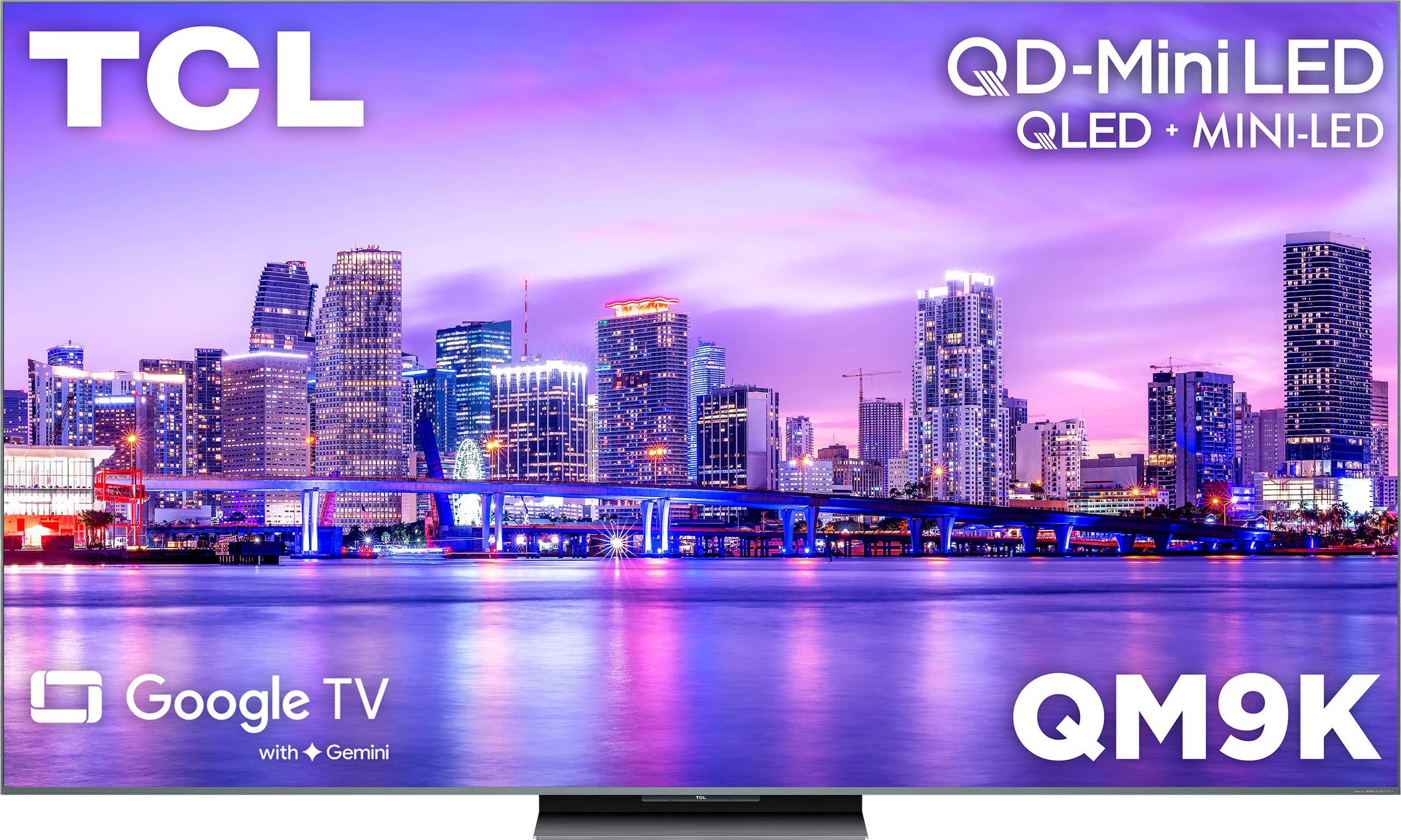
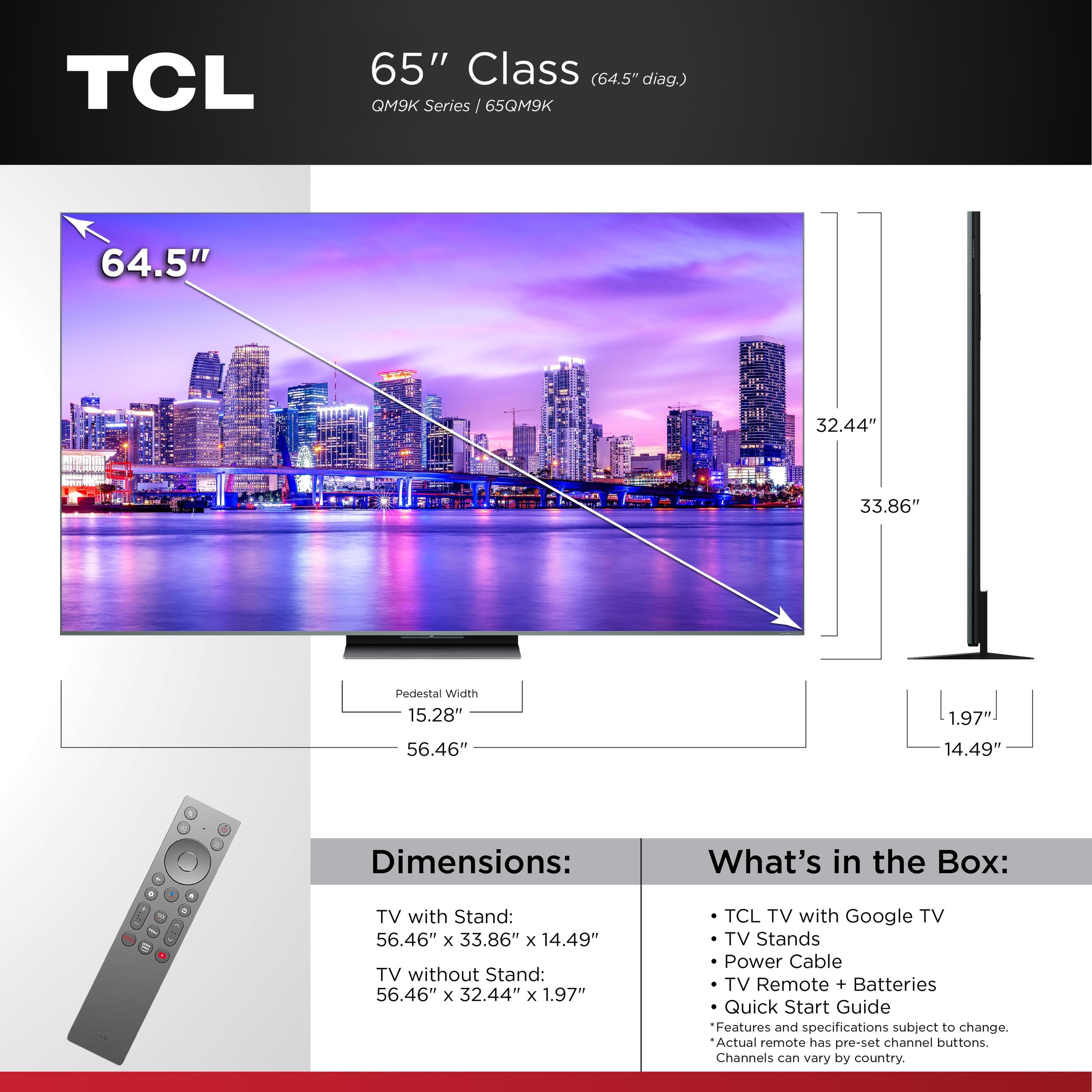
Shopping for a 65-inch TV can feel overwhelming with all the technical jargon and marketing claims floating around. Two popular options that often come up in searches are the TCL QM9K QD-Mini LED Smart TV and the Samsung Q8F 4K Smart TV. While both deliver excellent picture quality in the 65-inch size, they take very different approaches to getting there—and that difference matters a lot for your viewing experience and wallet.
The 65-inch TV category has become the sweet spot for most living rooms, offering that cinematic feel without completely dominating smaller spaces. At the time of writing, you'll find the TCL QM9K positioned in the premium segment, while the Samsung Q8F targets the upper-mainstream market with significantly more accessible pricing. Understanding what drives these price differences—and whether they matter for how you actually use your TV—is key to making the right choice.
The most fundamental difference between these TVs lies in their backlighting technology, which directly impacts everything from how dark your blacks look to how bright your HDR content can get.
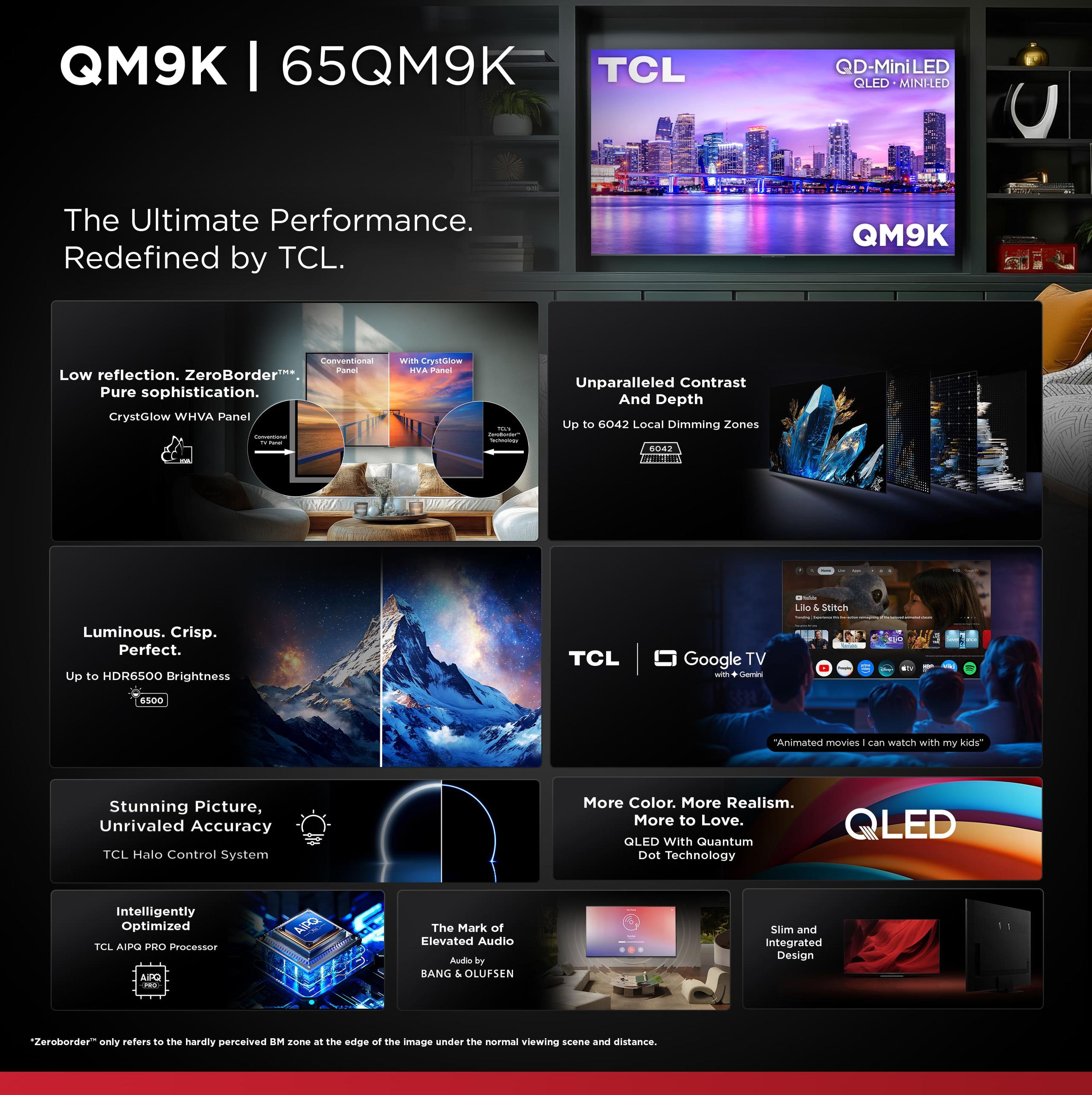
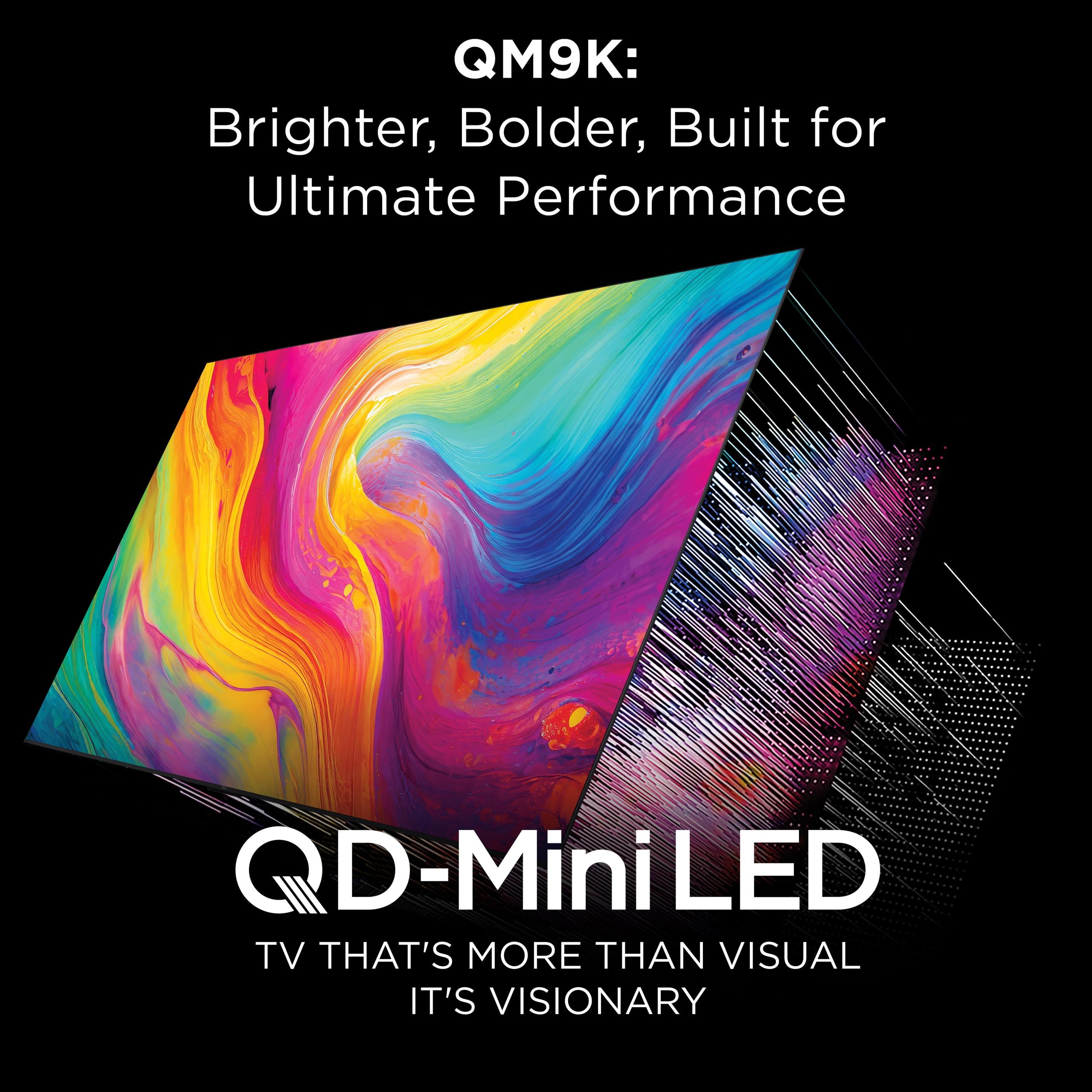
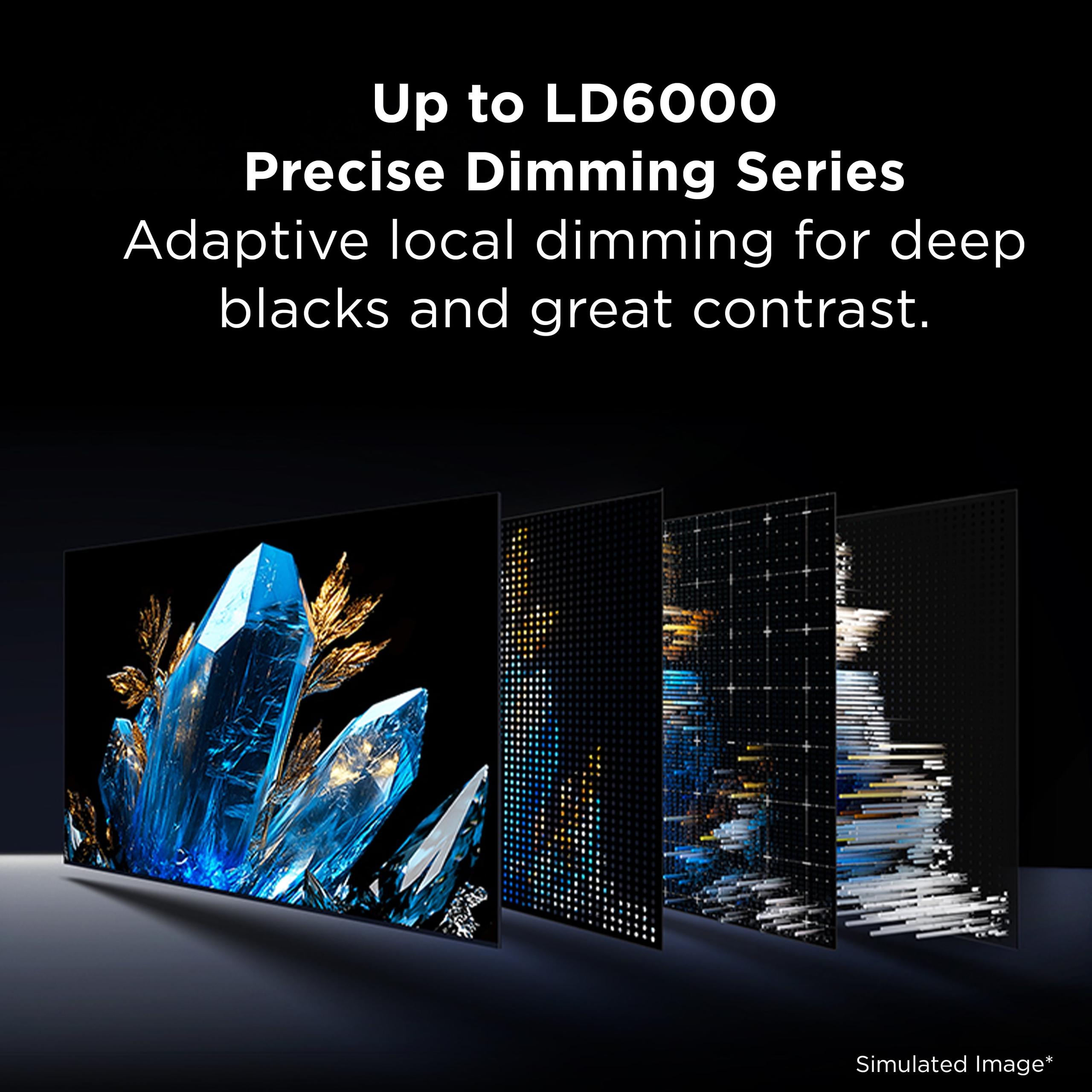
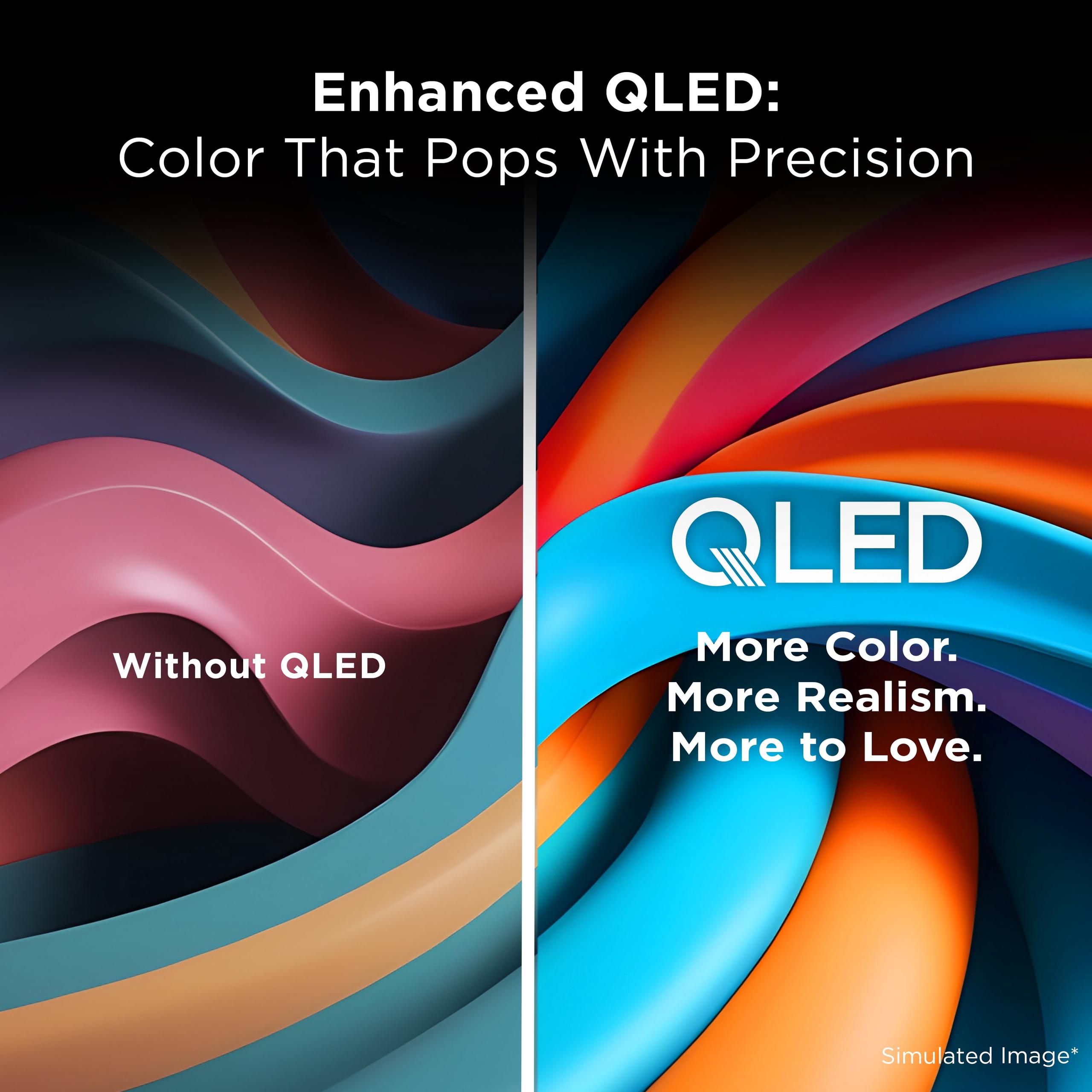
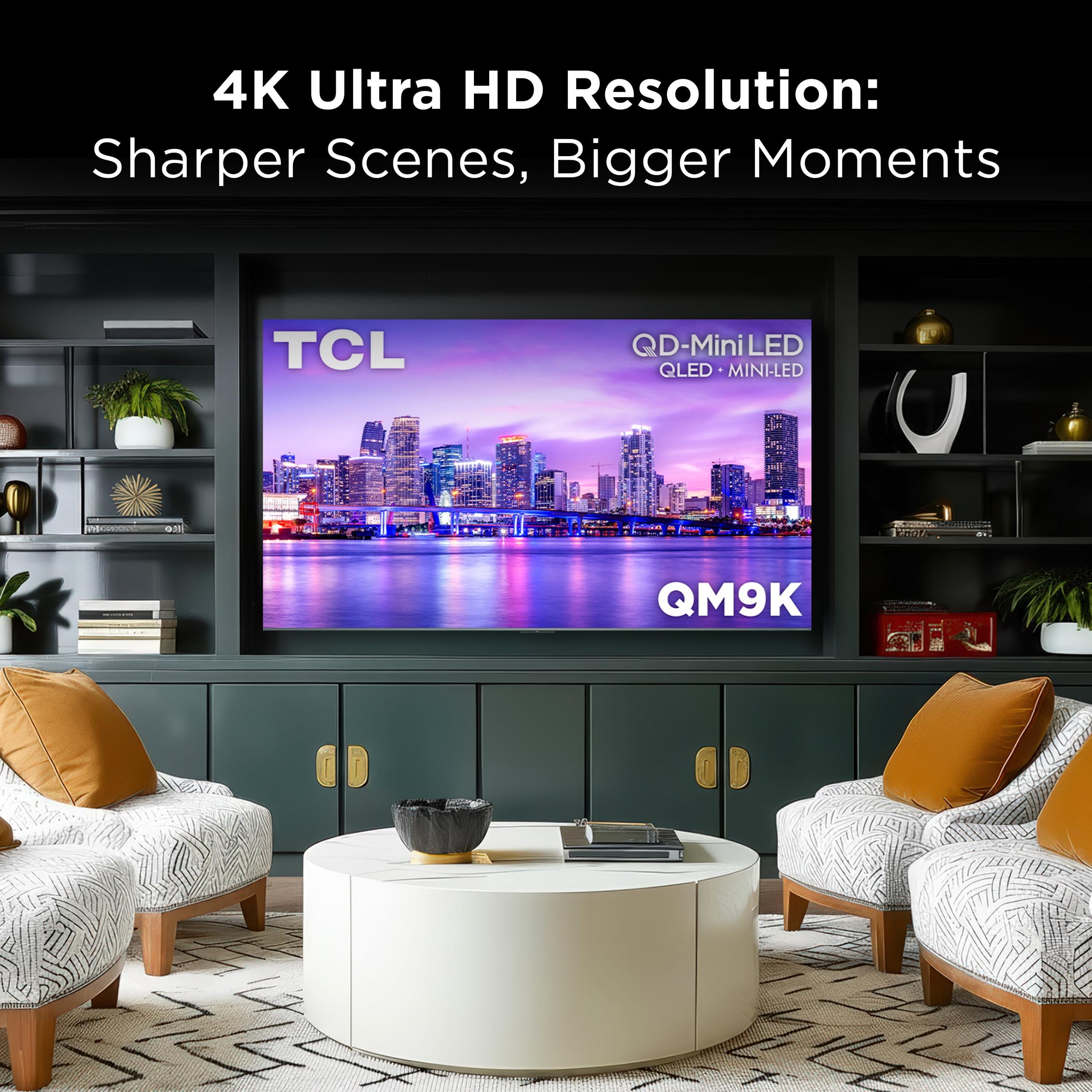
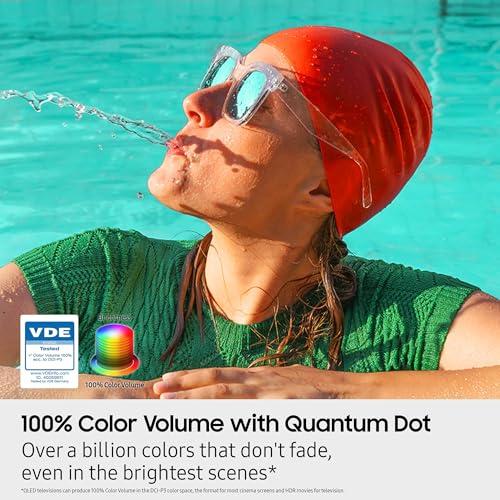
The TCL QM9K uses QD-Mini LED technology, which sounds complex but breaks down into two important parts. "QD" stands for Quantum Dot—tiny nanocrystals that help produce more accurate, vibrant colors when hit by light. The "Mini LED" part refers to thousands of tiny LEDs arranged behind the screen in a grid pattern. These Mini LEDs can be controlled in groups called "local dimming zones," with the QM9K offering up to 6,000 such zones. Think of it like having 6,000 individual flashlights behind your screen that can brighten or dim independently to create the perfect lighting for each part of the image.
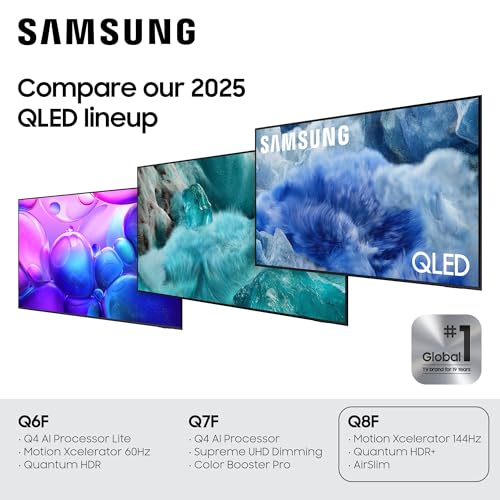
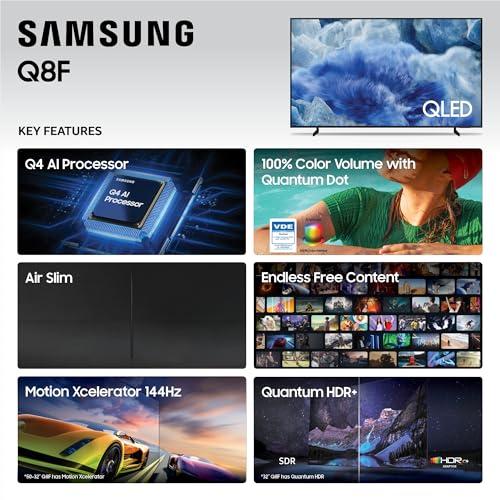
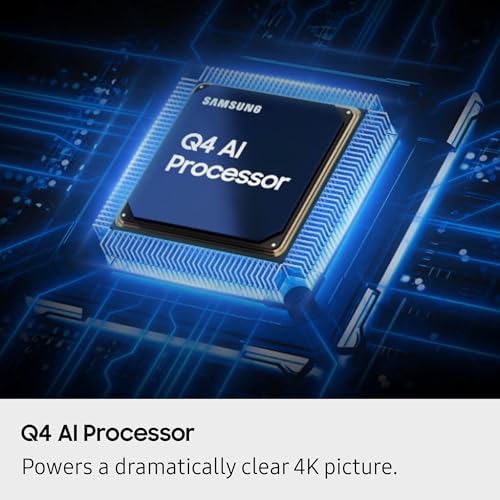
The Samsung Q8F, meanwhile, uses traditional QLED technology with edge-lit backlighting. It still has those color-enhancing Quantum Dots, but instead of thousands of Mini LEDs, it uses larger LEDs positioned around the edges of the screen. Light from these edge LEDs gets distributed across the entire panel through light guides and diffusion layers. Samsung's "Dual LED" system uses two different color temperatures of LEDs to improve color accuracy, while "Supreme UHD Dimming" divides the screen into zones for some local control—though far fewer zones than the TCL's Mini LED setup.
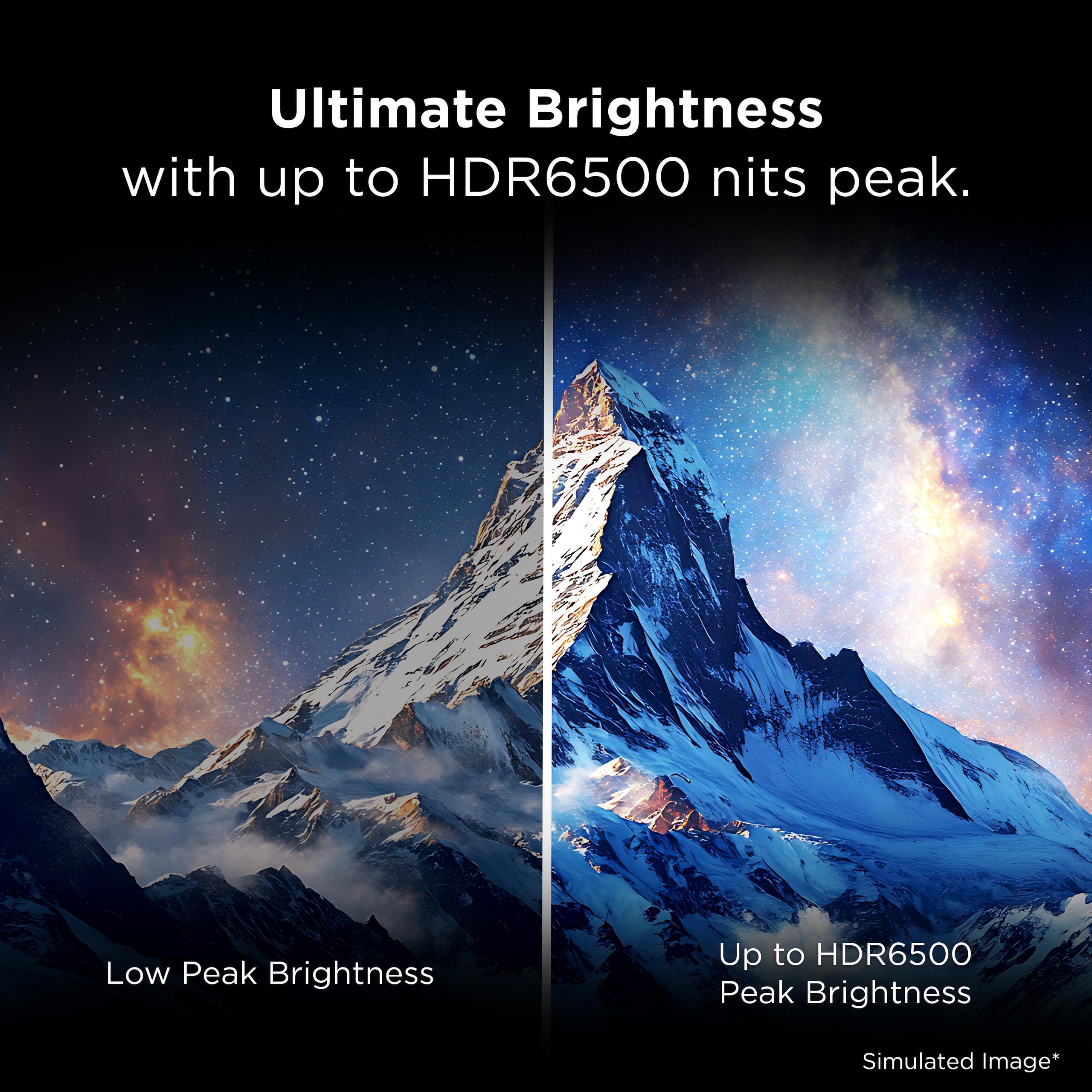
This technical difference has real-world implications. The TCL QM9K can create much deeper blacks because it can completely turn off sections of the backlight behind dark areas of the image. It can also get significantly brighter—up to 6,500 nits in small highlights compared to the Samsung's roughly 1,200 nits peak brightness. For reference, a bright sunny day measures about 100,000 nits, while indoor lighting typically ranges from 100-500 nits. Most TVs manage 400-1,000 nits, so the TCL's capability is genuinely impressive.
After researching extensive user feedback and professional reviews, the picture quality difference between these TVs becomes clear in specific scenarios. The TCL QM9K dominates in high-contrast situations—think a space movie with bright stars against deep black space, or a dark thriller with occasional bright outdoor scenes. Those 6,000 dimming zones prevent light from bleeding into areas that should be black, creating what reviewers consistently describe as "OLED-like" contrast without OLED's brightness limitations.
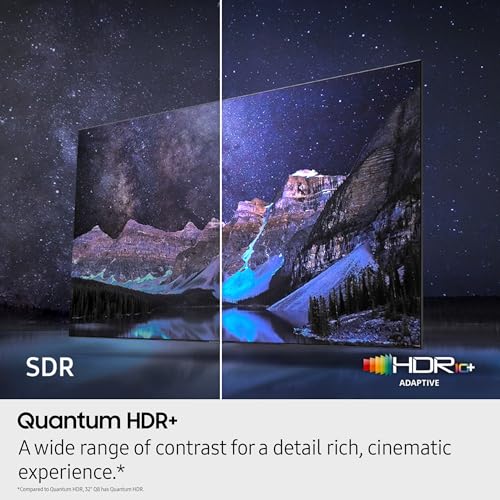
The brightness advantage matters more than you might expect. If your living room has large windows or you watch TV during the day, the TCL QM9K fights glare more effectively. Sports broadcasts benefit enormously from this brightness—white jerseys pop against green fields, and outdoor stadium shots look brilliant even with ambient room lighting. HDR (High Dynamic Range) content, which is designed to take advantage of bright highlights and dark shadows, truly shines on the TCL.
However, the Samsung Q8F holds its own in everyday viewing scenarios. Samsung's image processing, refined over years of development, handles lower-quality content exceptionally well. Cable TV, streaming at reduced bitrates, and older movies often look cleaner on the Samsung due to superior upscaling algorithms (the process of making lower-resolution content look good on a 4K screen). The color accuracy out of the box tends to be more neutral and natural-looking, while the TCL sometimes requires adjustment to avoid oversaturated colors.
Both TVs support different HDR formats, but there's an important distinction. The TCL QM9K supports Dolby Vision, which is considered the premium HDR standard used by Netflix, Disney+, and most streaming services. The Samsung Q8F notably lacks Dolby Vision support, instead relying on HDR10 and HDR10+. While HDR10+ offers some similar benefits, the absence of Dolby Vision means you won't get the absolute best experience from streaming content optimized for that format.
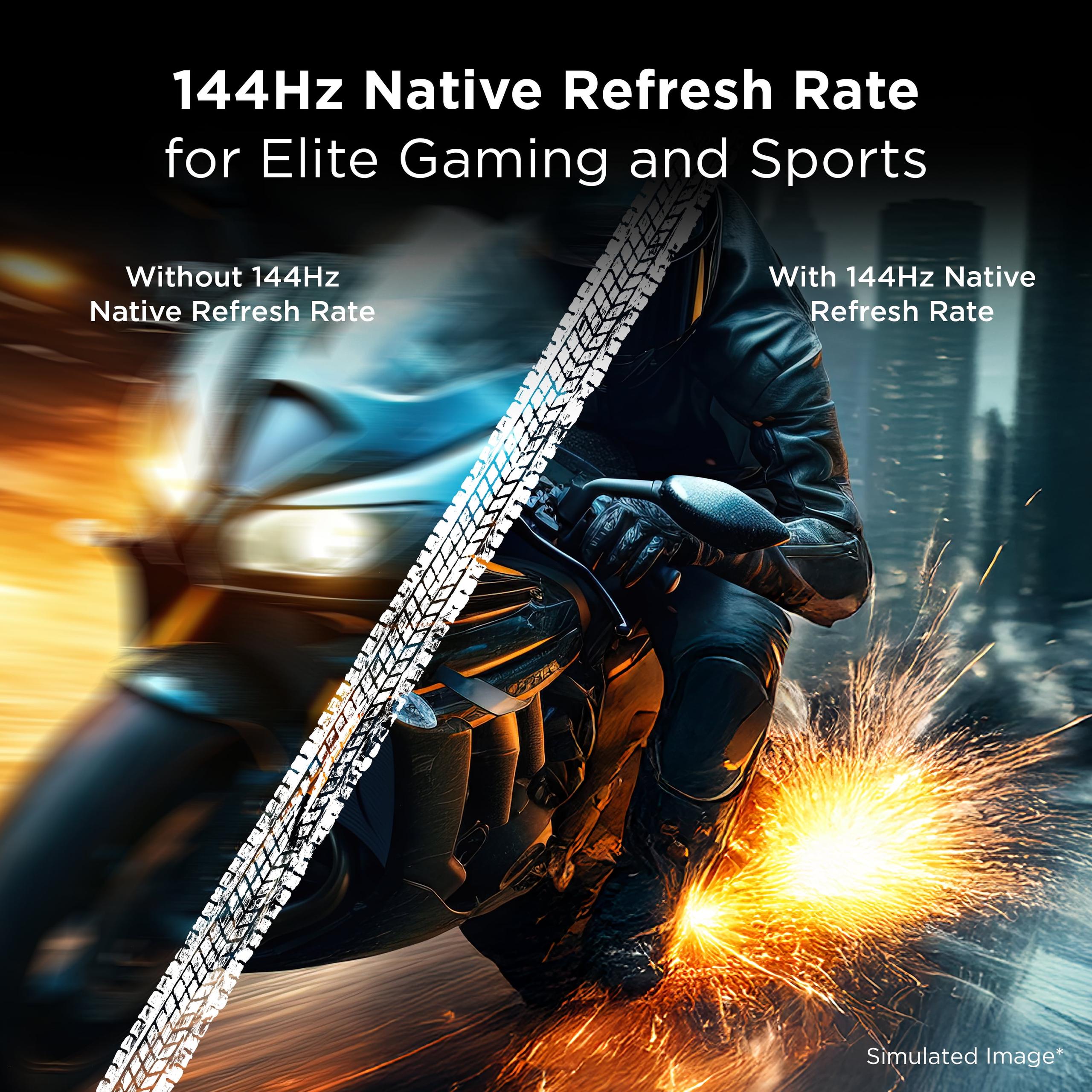
For gaming enthusiasts, the TCL QM9K offers a significantly more advanced feature set. Released in 2024, it includes full HDMI 2.1 support on multiple ports, enabling 4K gaming at 120Hz or even 144Hz—frame rates that make fast-paced games like first-person shooters feel incredibly responsive. The TV's "Game Accelerator 288" can push certain resolutions up to 288Hz, though you'll need to drop to 1080p or 1440p to hit those speeds.
Input lag—the delay between pressing a button and seeing the action on screen—measures just 5.3 milliseconds on the TCL QM9K. For comparison, most people can detect delays above 30-40 milliseconds, so this performance puts you at a competitive advantage in online gaming. Features like Auto Game Mode automatically switch the TV to optimized gaming settings when it detects a console, while VRR (Variable Refresh Rate) prevents screen tearing when frame rates fluctuate.
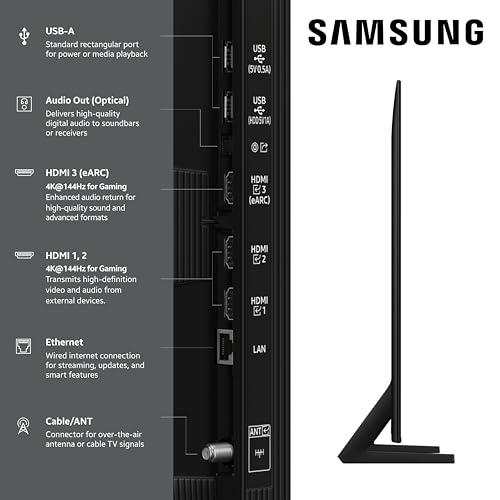
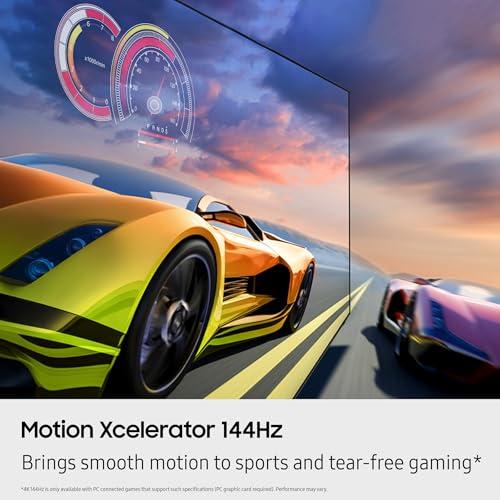
The Samsung Q8F offers respectable gaming features but falls short of the TCL's capabilities. It supports up to 120Hz refresh rates and includes Auto Game Mode, but lacks the advanced HDMI 2.1 features that future-proof your setup for next-generation gaming. If you primarily play single-player games or aren't concerned about competitive gaming performance, the Samsung provides adequate functionality.
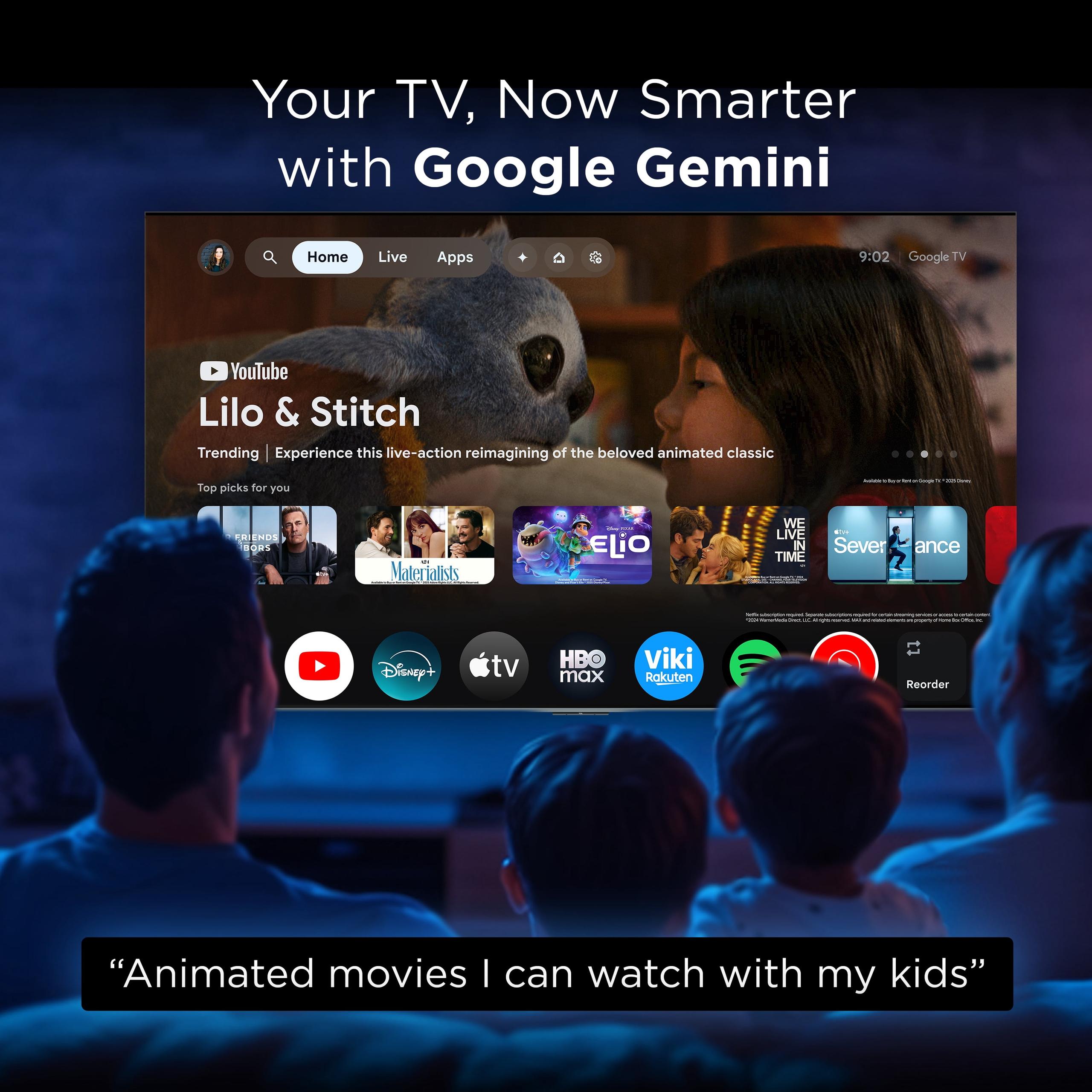
The smart TV experience differs significantly between these models, reflecting different philosophical approaches. The TCL QM9K runs Google TV with integrated Google Gemini AI, creating a more personalized, search-driven experience. Content recommendations improve over time based on your viewing habits, and voice control through Google Assistant works naturally for questions like "Show me action movies from the 1990s" or "Turn on the living room lights."
Google TV's interface prioritizes content discovery across multiple streaming services, showing you movies and shows from Netflix, Disney+, Prime Video, and others in unified recommendations. The platform integrates seamlessly with other Google services—your Google Photos automatically become screensavers, and Chromecast functionality lets you easily stream from phones and laptops.
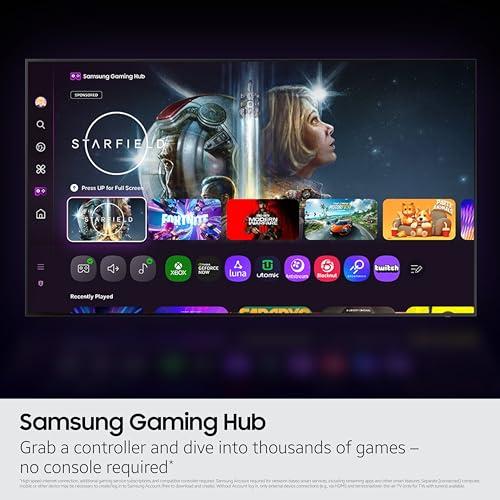
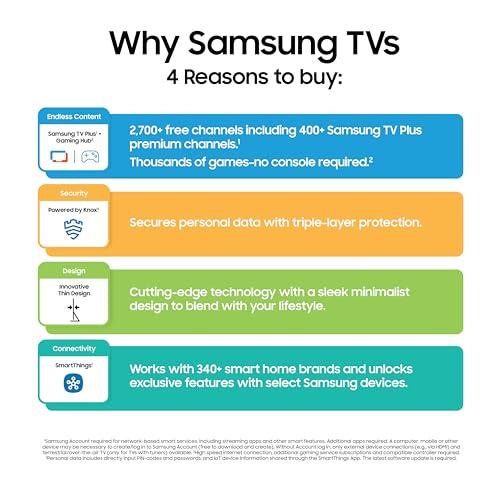
The Samsung Q8F uses Samsung's Tizen operating system, which takes a more structured, app-focused approach. Tizen has matured significantly since its 2015 launch, becoming one of the most stable smart TV platforms available. Samsung TV Plus provides hundreds of free streaming channels, while the SmartThings integration turns your TV into a smart home control center. If you own other Samsung devices—phones, soundbars, appliances—the ecosystem integration becomes particularly valuable.
Both platforms receive regular updates and support all major streaming apps, but their approaches to content organization and voice control feel distinctly different. Google TV feels more like using a giant Android tablet, while Tizen maintains a more traditional TV interface enhanced with smart features.
Audio performance reveals another philosophical split between these TVs. The TCL QM9K includes audio tuning by Bang & Olufsen, with a 2.1.1 channel system that includes a built-in subwoofer on the 65-inch model. This setup produces notably fuller sound with actual bass response—something most flat-panel TVs struggle with due to physical constraints.
Dolby Atmos support means the TV can process object-based audio tracks that create the illusion of sound coming from above and around you. While it can't match a dedicated surround sound system, the audio improvement over typical TV speakers is substantial enough that casual viewers might not feel compelled to immediately add a soundbar.
The Samsung Q8F takes a different approach with Object Tracking Sound Lite, which analyzes on-screen action and directs audio to follow movement across the screen. When a car drives from left to right, the sound pans accordingly. This creates an impressive sense of immersion, particularly for movies and sports. Samsung's Q-Symphony feature allows the TV speakers to work alongside compatible Samsung soundbars rather than being muted, creating a fuller soundstage.
Both approaches have merit, but the TCL's built-in subwoofer gives it an edge for users who plan to rely primarily on the TV's internal speakers.
For dedicated home theater use, these TVs serve different needs. The TCL QM9K excels in dark-room viewing where its contrast advantages become most apparent. Movie enthusiasts who've invested in 4K Blu-ray collections or high-bitrate streaming will appreciate the TV's ability to display the full dynamic range these formats offer. The support for Dolby Vision ensures compatibility with the latest UHD releases.
However, the TV's aggressive HDR processing can sometimes crush shadow details in darker scenes, and some users report flickering in certain Disney+ content—issues that hopefully improve with firmware updates but represent current limitations. Professional calibration can address some picture accuracy concerns, though this adds to the overall cost.
The Samsung Q8F provides a more predictable home theater experience. While it can't match the TCL's contrast performance, its image processing produces fewer artifacts with problematic content. The lack of Dolby Vision support is disappointing for a home theater setup, but HDR10+ still delivers noticeable improvements over standard dynamic range content.
The choice between these TVs ultimately depends on your priorities and viewing environment.
Choose the TCL QM9K if you want cutting-edge performance and don't mind paying a premium for it. This TV makes sense for serious gamers who need the latest HDMI 2.1 features, movie enthusiasts who want the best possible HDR experience, or anyone with a bright living room who needs that extra brightness to overcome glare. The Mini LED technology genuinely delivers picture quality that was reserved for much more expensive TVs just a few years ago.
The Samsung Q8F serves mainstream users exceptionally well at its price point. It's the better choice if you primarily watch cable TV, Netflix, and YouTube rather than premium 4K content. The reliable performance, mature smart platform, and strong brand support make it a lower-risk purchase. For families who need a great TV without the complexity of cutting-edge features, the Samsung delivers excellent value.
At the time of writing, the price gap between these TVs is substantial enough that the Samsung represents genuinely better value for most users, while the TCL justifies its premium pricing for enthusiasts who will actually use its advanced capabilities.
Neither TV is perfect, but they succeed in their intended markets. The TCL QM9K pushes technological boundaries at a competitive price point, delivering premium performance that would have cost thousands more just a few years ago. The Samsung Q8F offers refined, reliable performance with broad appeal and excellent value.
Your decision should align with how you actually watch TV. If you're the type of person who researches the best settings for each type of content and wants every technical advantage, the TCL rewards that enthusiasm. If you want a great TV that works excellently out of the box without fuss, Samsung's approach makes more sense.
Both represent solid choices in the 65-inch TV market—just for different types of viewers with different priorities and budgets.
| TCL 65" QM9K QD-Mini LED Smart TV | Samsung 65" QLED Q8F 4K Smart TV 2025 |
|---|---|
| Display Technology - Determines contrast performance and black levels | |
| QD-Mini LED with up to 6,000 local dimming zones | Edge-lit QLED with Dual LED backlighting |
| Peak Brightness - Critical for HDR and bright room viewing | |
| 6,500 nits (exceptional for any lighting condition) | ~1,200 nits (good for most rooms, limited in bright spaces) |
| Gaming Performance - Essential for console and PC gaming | |
| 144Hz native, 4K@144Hz, 5.3ms input lag, HDMI 2.1 | 120Hz refresh, basic gaming features, limited HDMI 2.1 |
| HDR Support - Affects streaming and movie quality | |
| Dolby Vision IQ, HDR10+, HDR10, HLG, IMAX Enhanced | HDR10+, HDR10 (notably lacks Dolby Vision) |
| Smart Platform - Daily interface and app experience | |
| Google TV with Gemini AI, Chromecast built-in | Tizen OS with SmartThings Hub, Samsung TV Plus |
| Audio System - Built-in sound quality | |
| Bang & Olufsen tuned, 2.1.1 channels with subwoofer | Object Tracking Sound Lite, Q-Symphony soundbar integration |
| Motion Handling - Important for sports and action content | |
| Motion Rate 480 with MEMC, can show some artifacts | Motion Xcelerator 144Hz, refined processing with fewer issues |
| Ecosystem Integration - Smart home and device compatibility | |
| Google Assistant, Apple HomeKit, universal compatibility | Samsung Galaxy integration, SmartThings, Matter support |
| Release & Positioning - Market segment and future support | |
| 2024 release, premium Mini LED technology | 2025 release, proven mainstream QLED with broad appeal |
| Best For - Target user and use cases | |
| Enthusiasts wanting cutting-edge performance, serious gamers | Mainstream users prioritizing reliability and value |
The TCL 65" QM9K QD-Mini LED Smart TV delivers superior dark room performance with its 6,000 local dimming zones that can turn off completely behind black areas. This creates much deeper blacks and better contrast compared to the Samsung 65" QLED Q8F 4K Smart TV 2025, which uses edge-lit backlighting that can't achieve the same level of darkness in shadowy scenes.
The TCL QM9K is significantly brighter with 6,500 nits peak brightness, making it excellent for bright living rooms with lots of windows. The Samsung Q8F reaches about 1,200 nits, which is adequate for most rooms but struggles more with glare and ambient light during daytime viewing.
The TCL QM9K is the clear winner for gaming with 144Hz native refresh rate, 4K@144Hz support, 5.3ms input lag, and full HDMI 2.1 features. The Samsung Q8F offers basic gaming features with 120Hz refresh but lacks the advanced gaming capabilities needed for competitive or next-gen console gaming.
The Samsung Q8F uses the mature Tizen platform that's proven reliable and user-friendly over many years. The TCL QM9K runs Google TV with more personalized recommendations and better voice search, but some users prefer Samsung's simpler, more traditional interface approach.
The TCL QM9K includes Bang & Olufsen audio tuning with a 2.1.1 channel system and built-in subwoofer, providing fuller sound with actual bass. The Samsung Q8F features Object Tracking Sound technology and works well with Samsung soundbars through Q-Symphony, but the built-in speakers lack the TCL's bass response.
The TCL QM9K supports Dolby Vision, which is used by Netflix, Disney+, and most premium streaming services, plus HDR10+ and other formats. The Samsung Q8F notably lacks Dolby Vision support, only offering HDR10 and HDR10+, which limits the best possible streaming experience.
The Samsung Q8F offers excellent value in the mainstream segment with reliable performance and proven technology. The TCL QM9K costs significantly more but delivers premium Mini LED technology that was previously found only in much more expensive TVs.
The Samsung Q8F benefits from Samsung's established service network and years of Tizen platform refinement, suggesting better long-term reliability. The TCL QM9K uses newer Mini LED technology that's less proven over time, though TCL has improved their quality control significantly in recent years.
For dedicated home theater setups, the TCL QM9K excels with superior contrast, Dolby Vision support, and brightness that handles the full dynamic range of 4K movies. The Samsung Q8F provides good home theater performance but lacks the contrast and HDR capabilities for the ultimate movie experience.
The Samsung Q8F integrates seamlessly with Samsung phones, soundbars, and smart home devices through SmartThings. The TCL QM9K offers broader compatibility with Google Assistant, Apple HomeKit, and Chromecast, making it more universal across different device ecosystems.
The TCL QM9K handles sports better due to its exceptional brightness that makes outdoor stadium shots pop and white jerseys stand out clearly. Both TVs offer good motion handling, but the Samsung Q8F has slightly more refined processing that reduces artifacts in fast-moving sports action.
For first-time premium TV buyers, the Samsung Q8F offers a safer choice with proven performance, easier setup, and lower risk. The TCL QM9K is better for enthusiasts who want cutting-edge technology and don't mind the higher cost for significantly better picture quality performance.
We've done our best to create useful and informative comparisons to help you decide what product to buy. Our research uses advanced automated methods to create this comparison and perfection is not possible - please contact us for corrections or questions. These are the sites we've researched in the creation of this article: rtings.com - bestbuy.com - youtube.com - youtube.com - youtube.com - techaeris.com - displayspecifications.com - pcrichard.com - residentialsystems.com - us.tcl.com - displayspecifications.com - valueelectronics.com - woodruffappliance.com - tcl.com - pcrichard.com - tcl.com - techradar.com - tcl.com - us.tcl.com - youtube.com - youtube.com - bestbuy.com - youtube.com - bestbuy.com - rtings.com - tomsguide.com - youtube.com - samsung.com - youtube.com - youtube.com - youtube.com - rtings.com - rtings.com - linqcdn.avbportal.com - bestbuy.com - samsung.com - samsung.com - samsung.com - youtube.com - youtube.com - billsmith.com - samsung.com - samsung.com - samsung.com - hometechnologyreview.com - shopjetson.com - certappl.com - samsung.com - theapplianceplug.com - samsung.com - manuals.plus - bestbuy.com - device.report - samsung.com - shopsilica.com - dentonstv.com

Privacy Policy
Terms and Conditions - Affiliate Policy
Home Security
© Copyright 2008-2026.
11816 Inwood Rd #1211, Dallas, TX 75244