

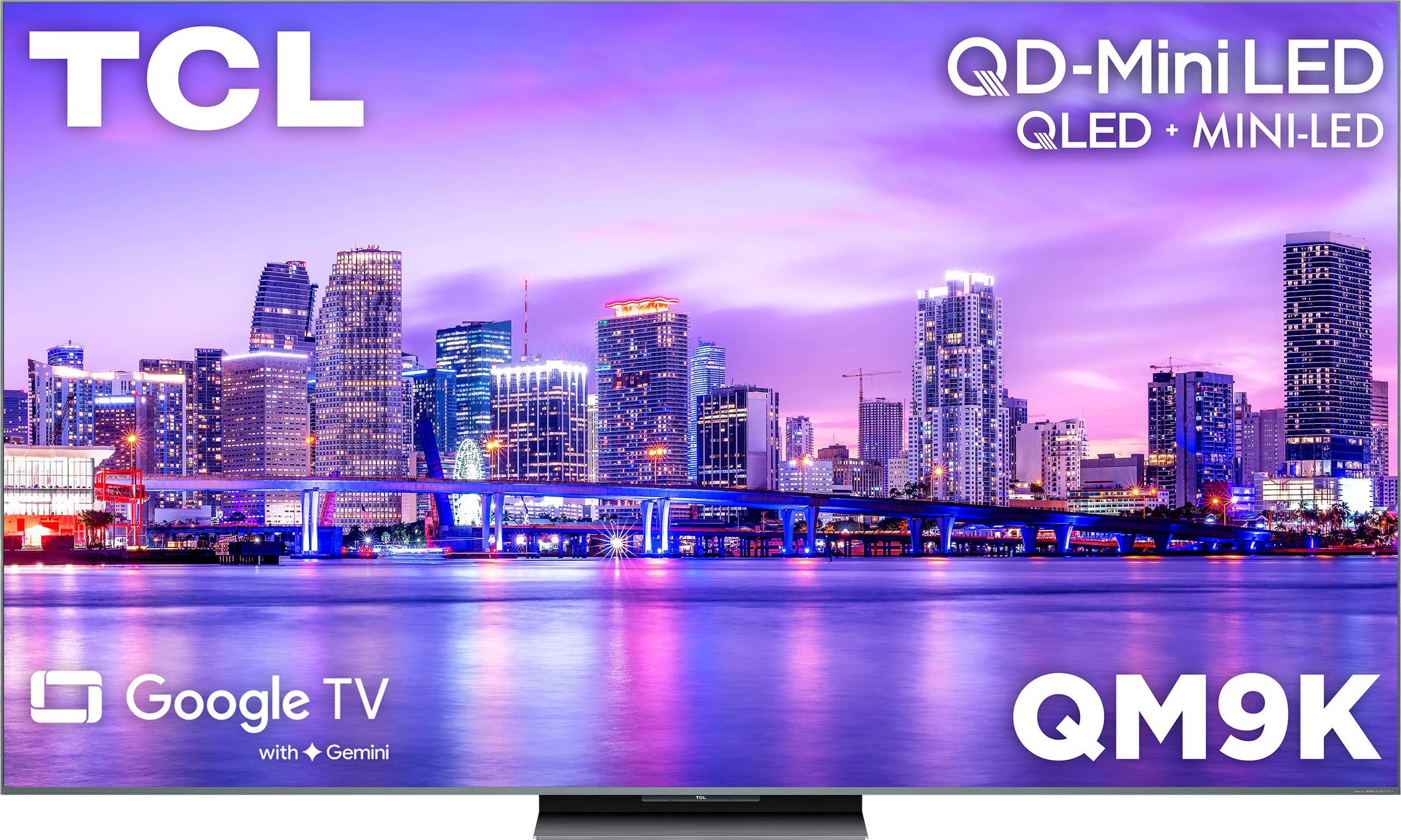
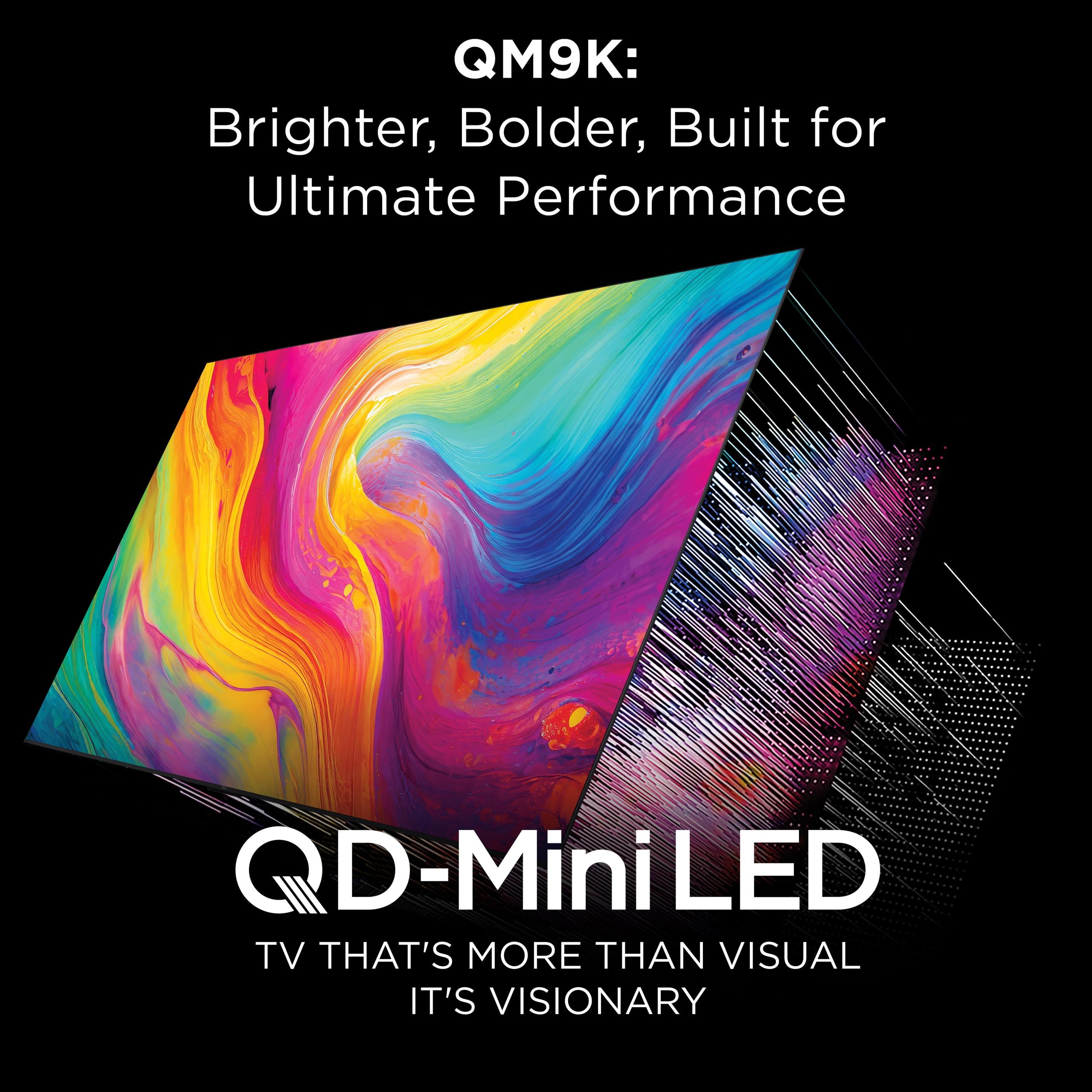
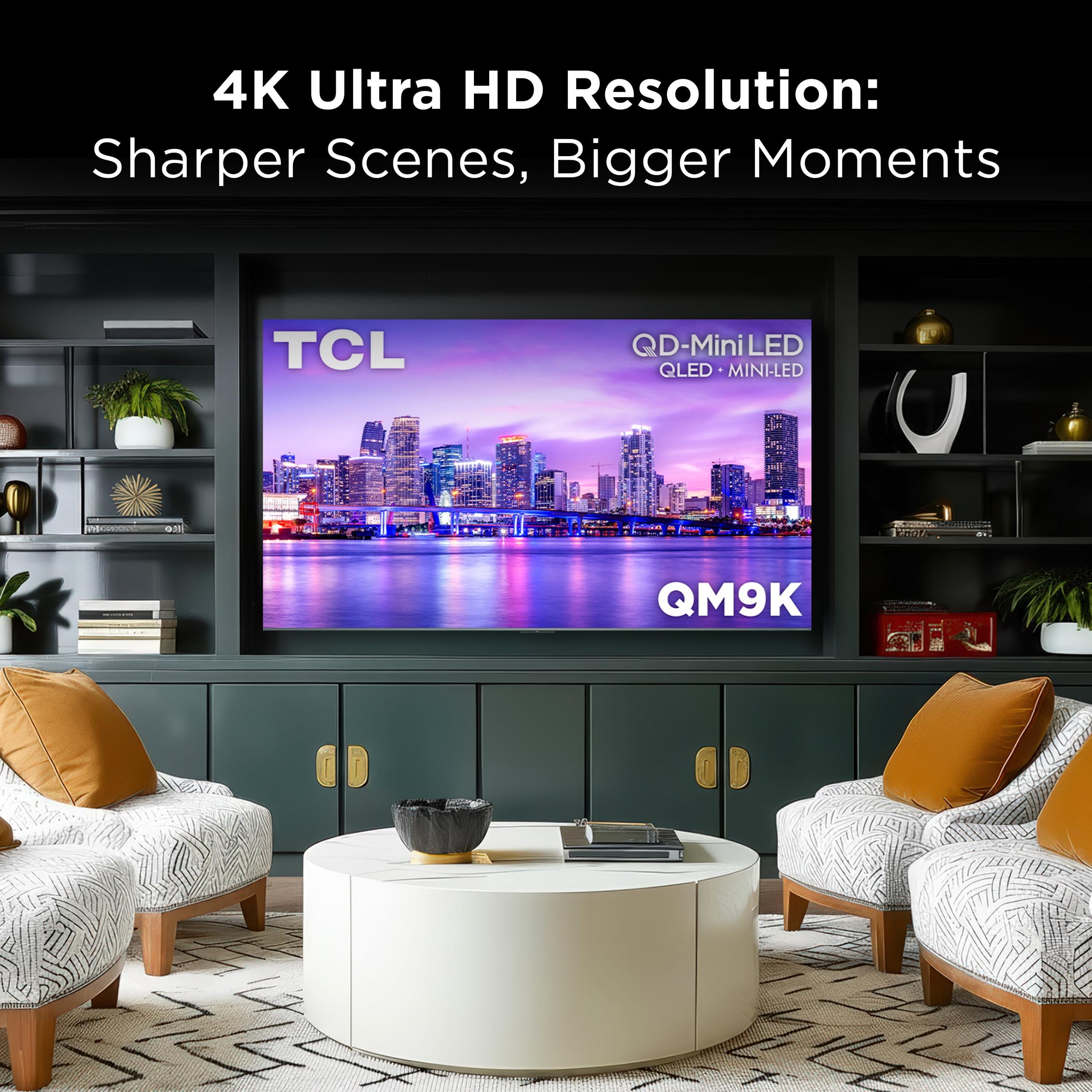
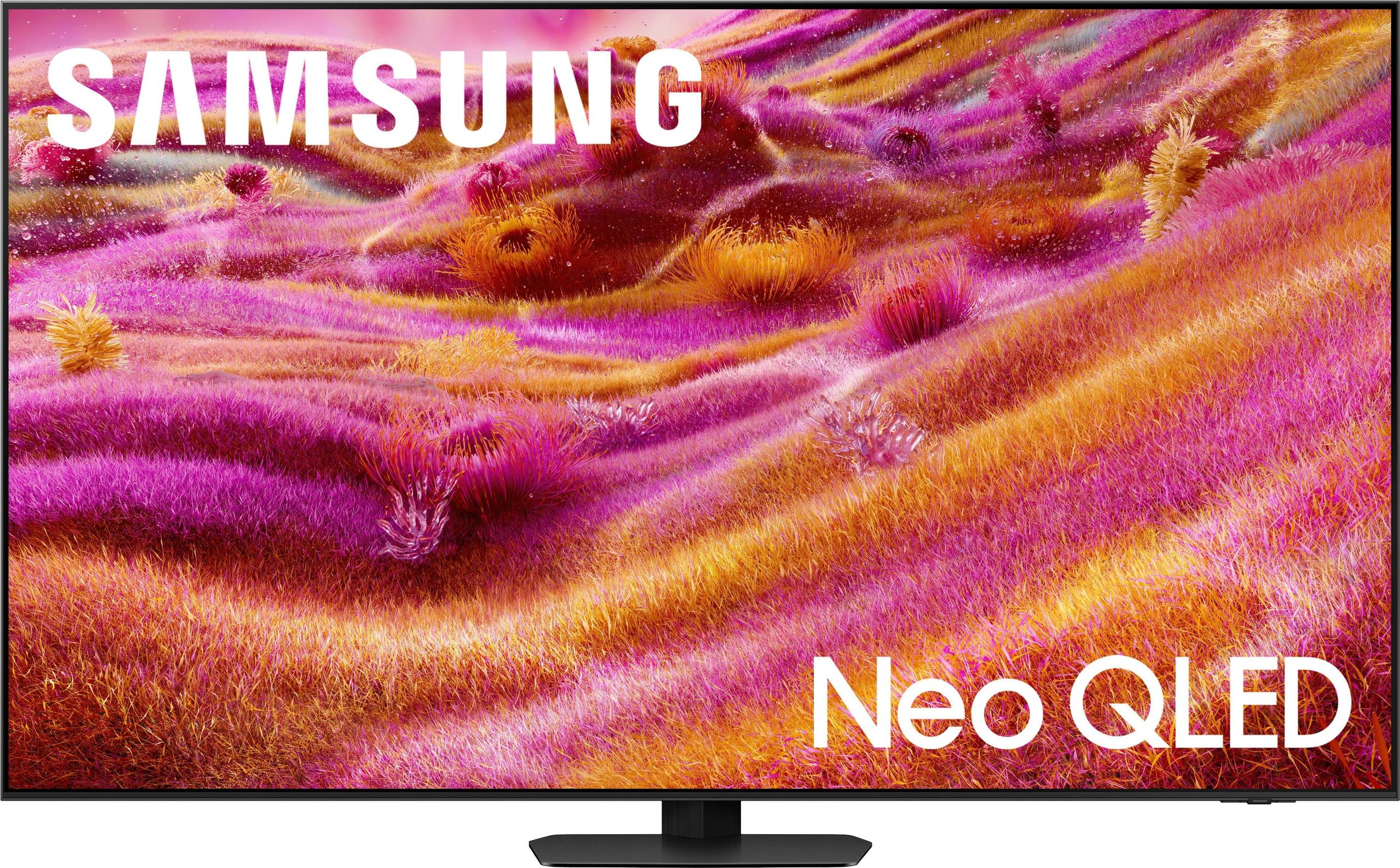
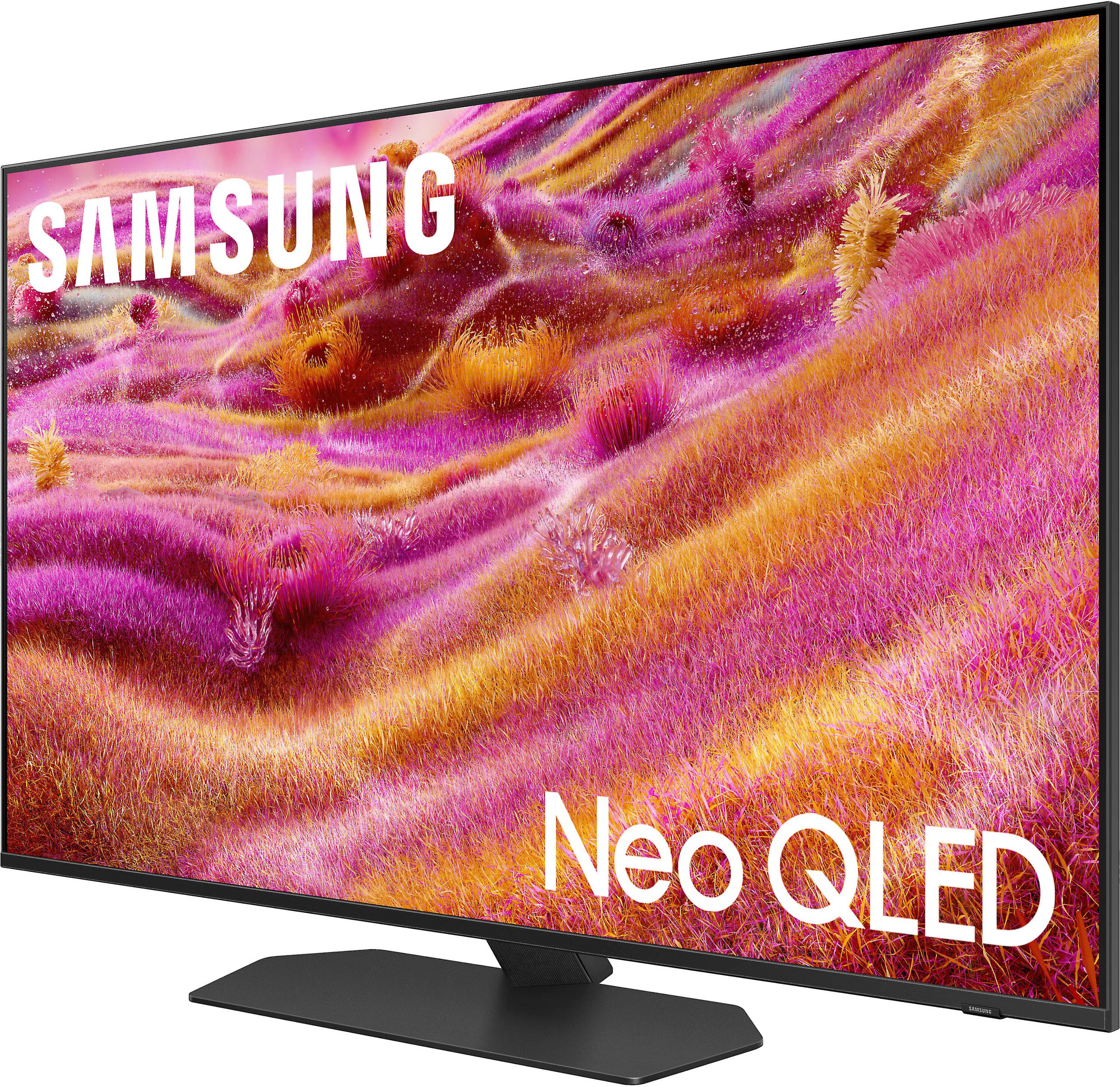
The 65-inch TV market has become incredibly competitive, especially in the premium Mini LED segment where manufacturers pack flagship-level technology into displays that cost significantly less than OLED alternatives. Two standout contenders represent different philosophies in this space: the TCL QM9K, which arrived in 2024 as TCL's brightness champion, and Samsung's QN90F, released in 2025 with refined Vision AI technology.
Both TVs use Mini LED backlighting—a technology that places thousands of tiny LEDs behind the screen for precise local dimming control. This approach delivers OLED-like contrast with superior brightness and longer lifespan. However, these two models take distinctly different approaches to achieving premium performance, making the choice between them more nuanced than simple spec comparisons might suggest.
Mini LED technology represents a significant leap forward from traditional LED backlighting. Instead of having LED strips along the edges or a grid of larger LEDs behind the panel, Mini LEDs use thousands of microscopic LEDs arranged in precise zones. This allows for incredibly detailed control over brightness and darkness across different parts of the screen simultaneously.
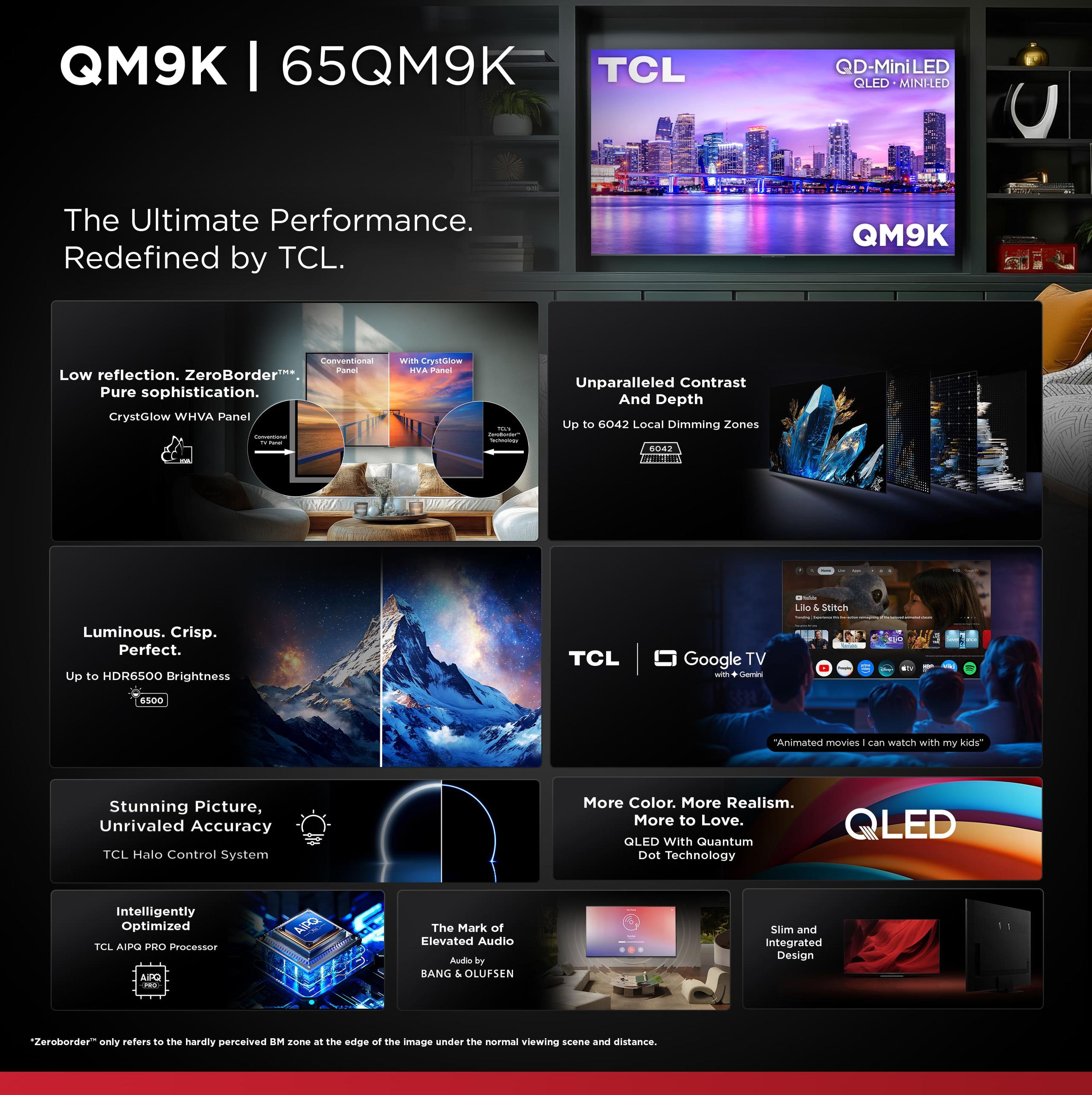
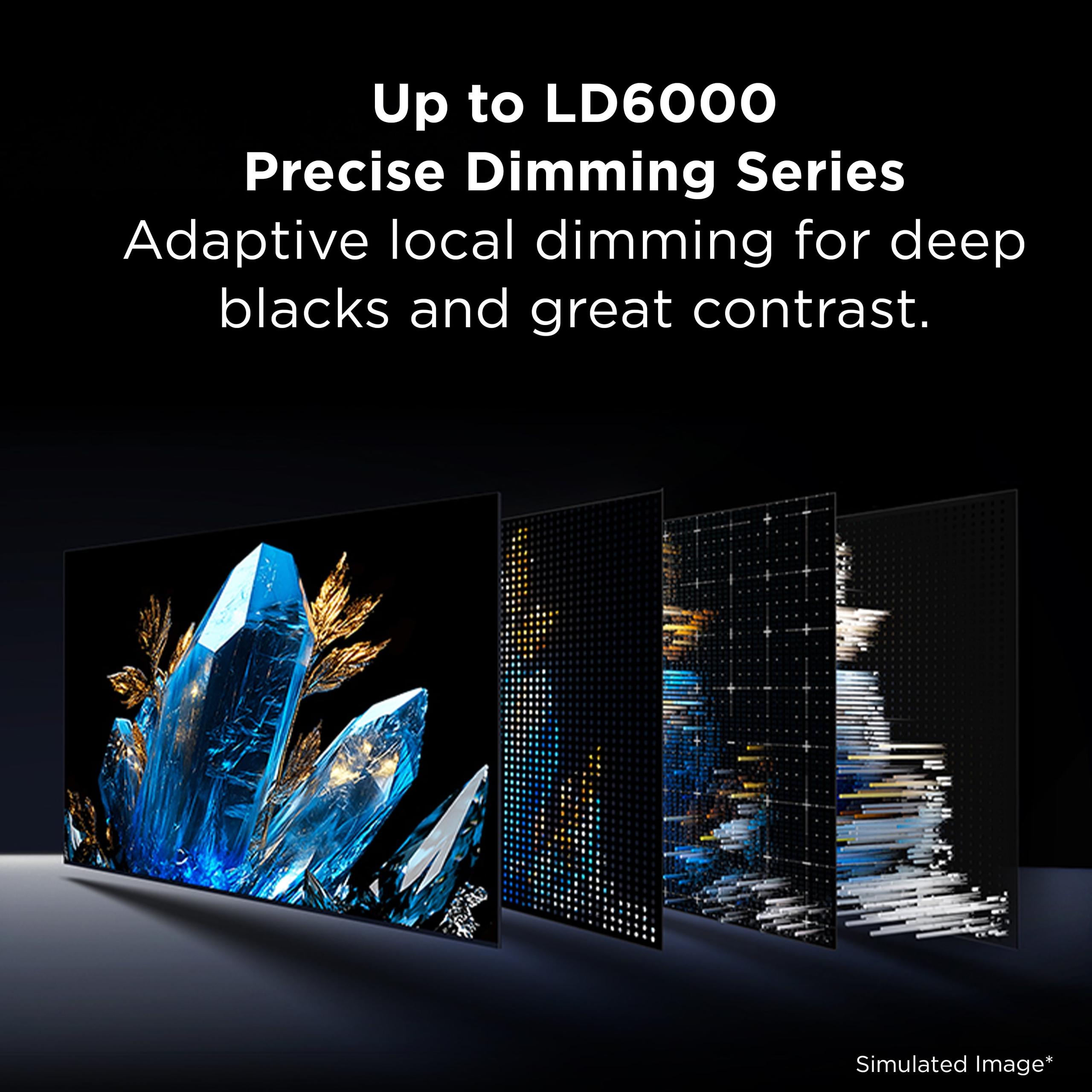
The TCL QM9K pushes this concept to extremes with up to 6,000 local dimming zones, while the Samsung QN90F takes a more conservative approach with fewer zones but more sophisticated processing. The zone count matters because more zones mean finer control over light and shadow, reducing the "blooming" effect where bright objects create halos against dark backgrounds.
What's particularly interesting is how each manufacturer has evolved their Mini LED implementation since these technologies first emerged. TCL has focused on raw performance metrics—more zones, higher brightness, faster refresh rates. Samsung has concentrated on refinement and integration, improving how the technology works with their processing algorithms and smart features.
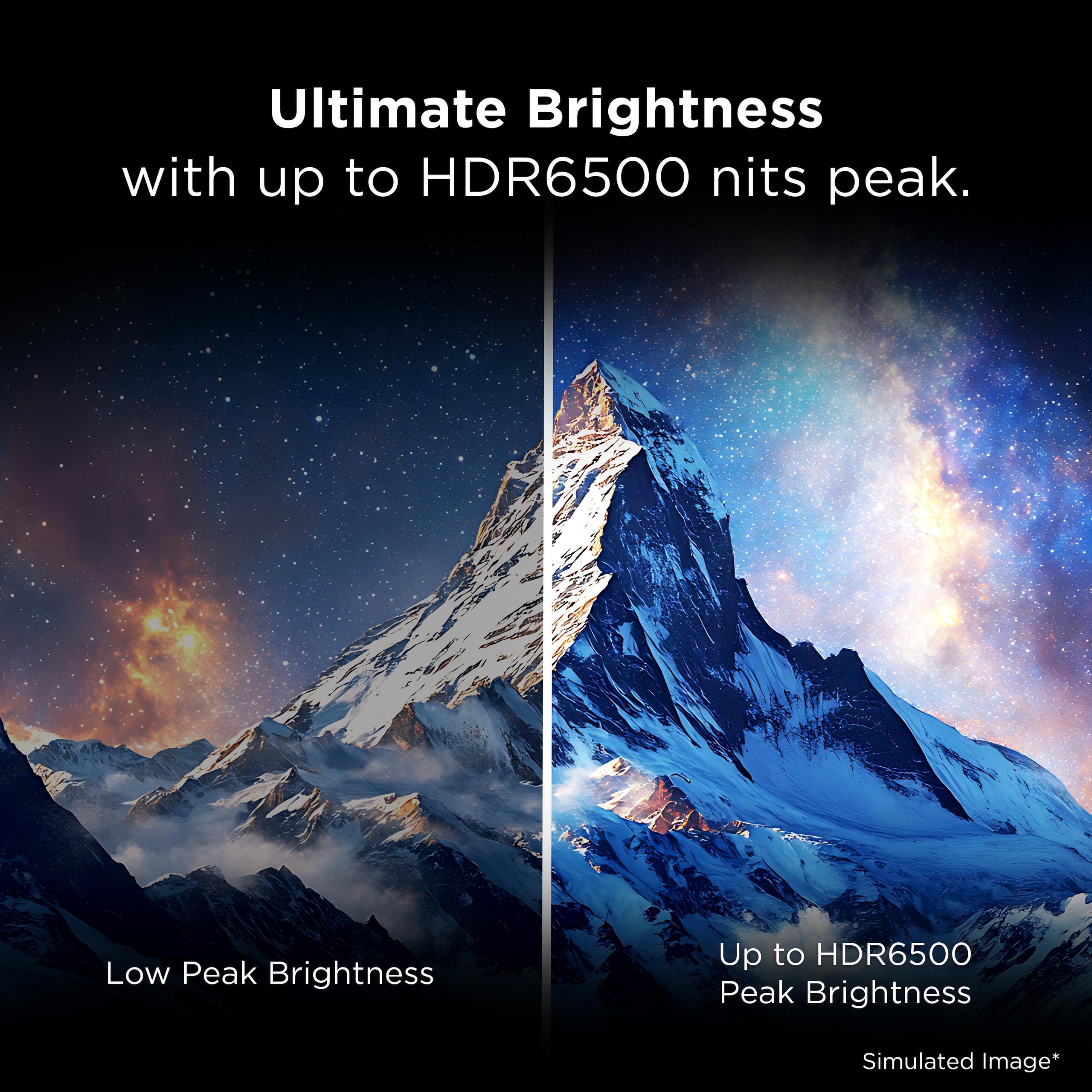
Peak brightness is where the TCL QM9K absolutely dominates. With a peak brightness reaching 6,500 nits compared to the Samsung QN90F's approximately 1,900 nits, the difference is dramatic. To put this in perspective, most premium OLED TVs peak around 1,000-1,500 nits, making the TCL exceptionally bright even by Mini LED standards.
This brightness advantage translates directly to real-world performance. If you have a living room with large windows or skylights, the TCL QM9K will remain clearly visible even in direct sunlight conditions where other TVs would appear washed out. HDR (High Dynamic Range) content—which is designed to take advantage of extreme brightness and darkness—truly pops on the TCL in ways that feel almost three-dimensional.
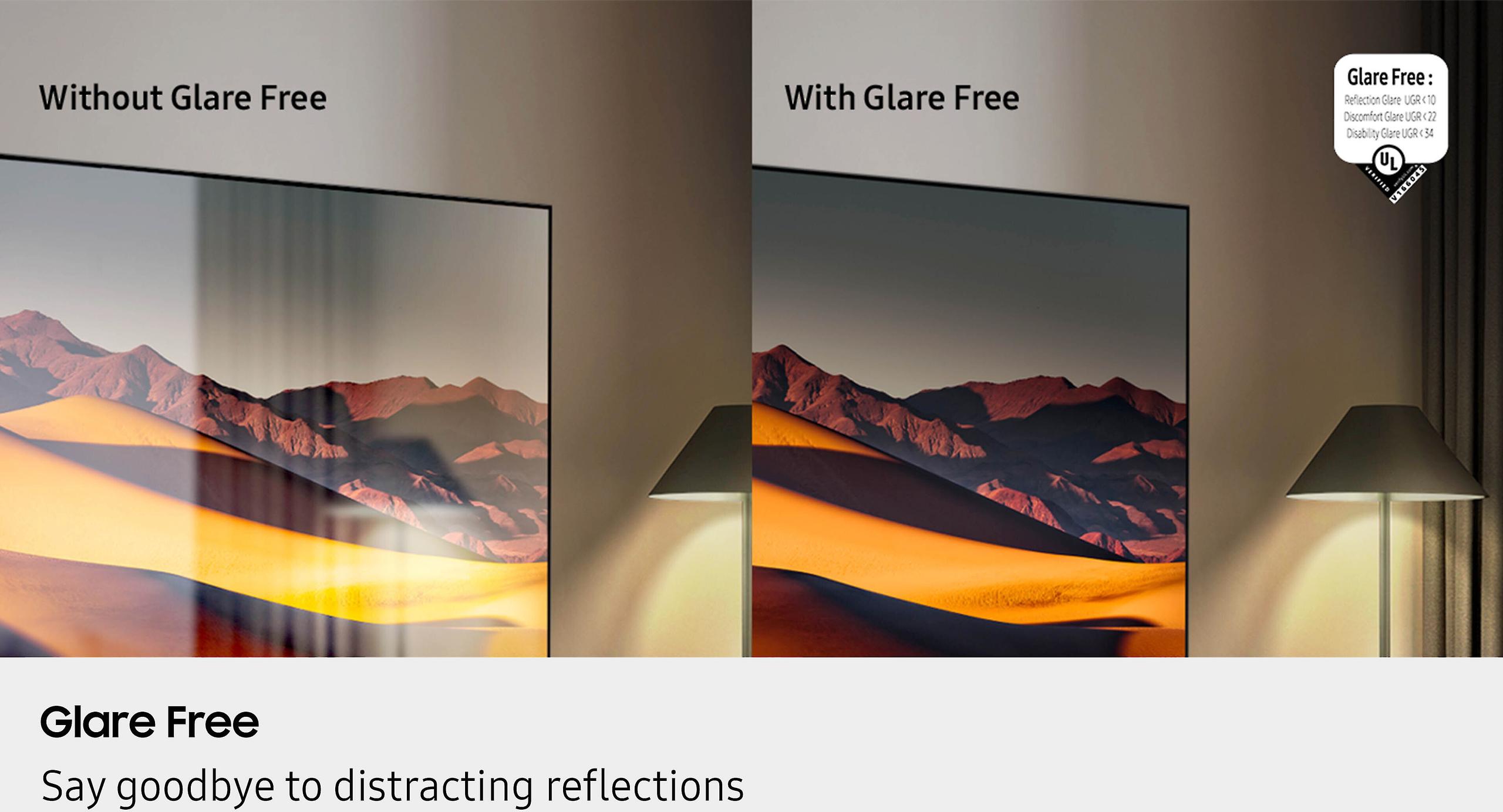
However, brightness isn't just about raw numbers. The Samsung QN90F includes Samsung's award-winning Glare Free technology, which uses a specialized matte coating to virtually eliminate reflections. This means that while it may not get as bright as the TCL, it can actually be easier to watch in bright rooms because you're not fighting reflections off the screen surface.
From our research into user experiences, the TCL's extreme brightness can occasionally feel overwhelming in dark rooms, requiring adjustment of the backlight settings. The Samsung tends to feel more naturally balanced out of the box, though it sacrifices some of that spectacular HDR punch that makes action movies and video games feel more immersive.
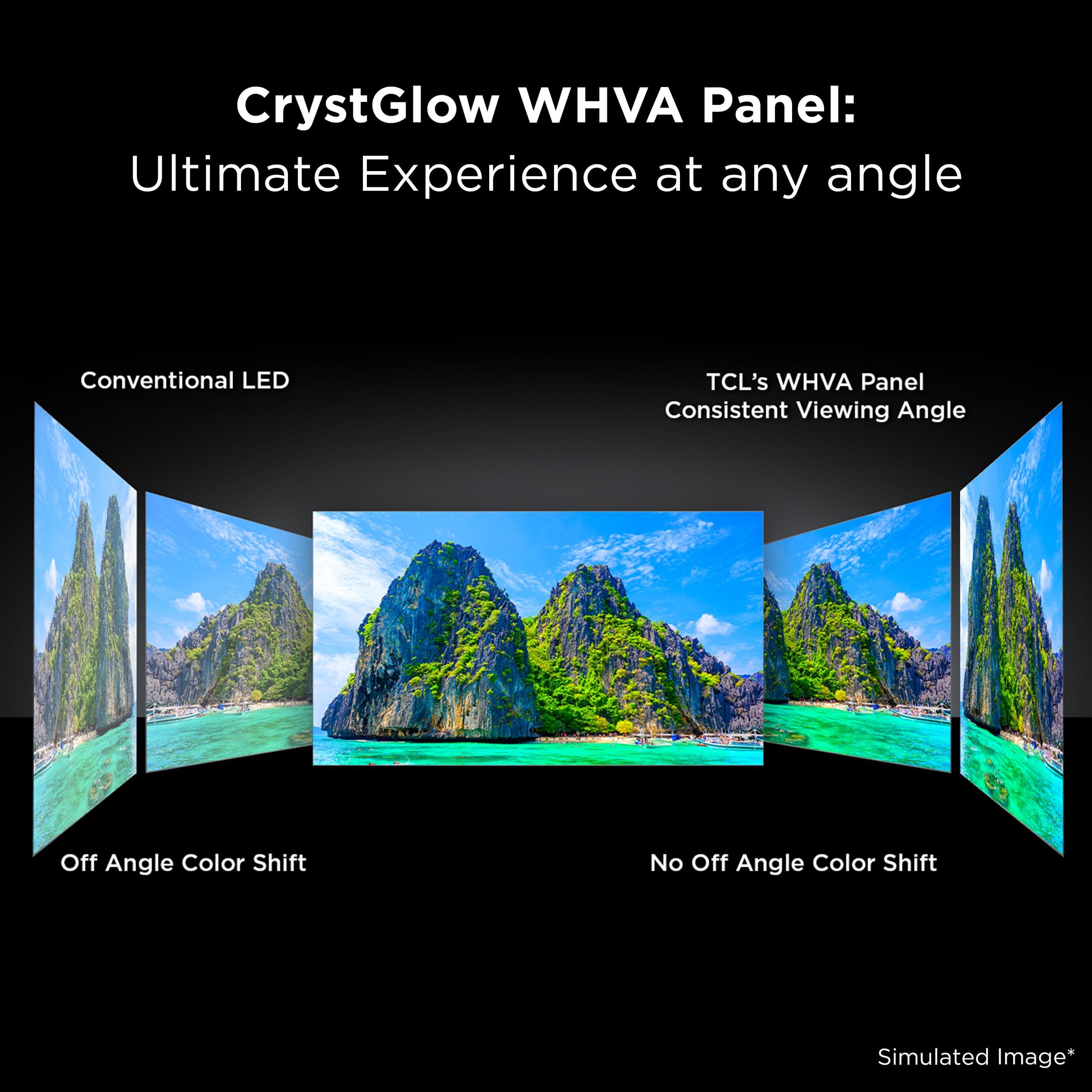
Both TVs achieve excellent black levels, but through different approaches. The TCL QM9K uses brute force—more dimming zones and higher contrast ratios (up to 50,000,000:1 dynamic contrast) combined with their Halo Control System. This system includes multiple technologies working together: a Super High Energy LED Microchip, Condensed Micro Lens arrays, and a specialized CrystGlow WHVA panel that reduces internal light scatter.
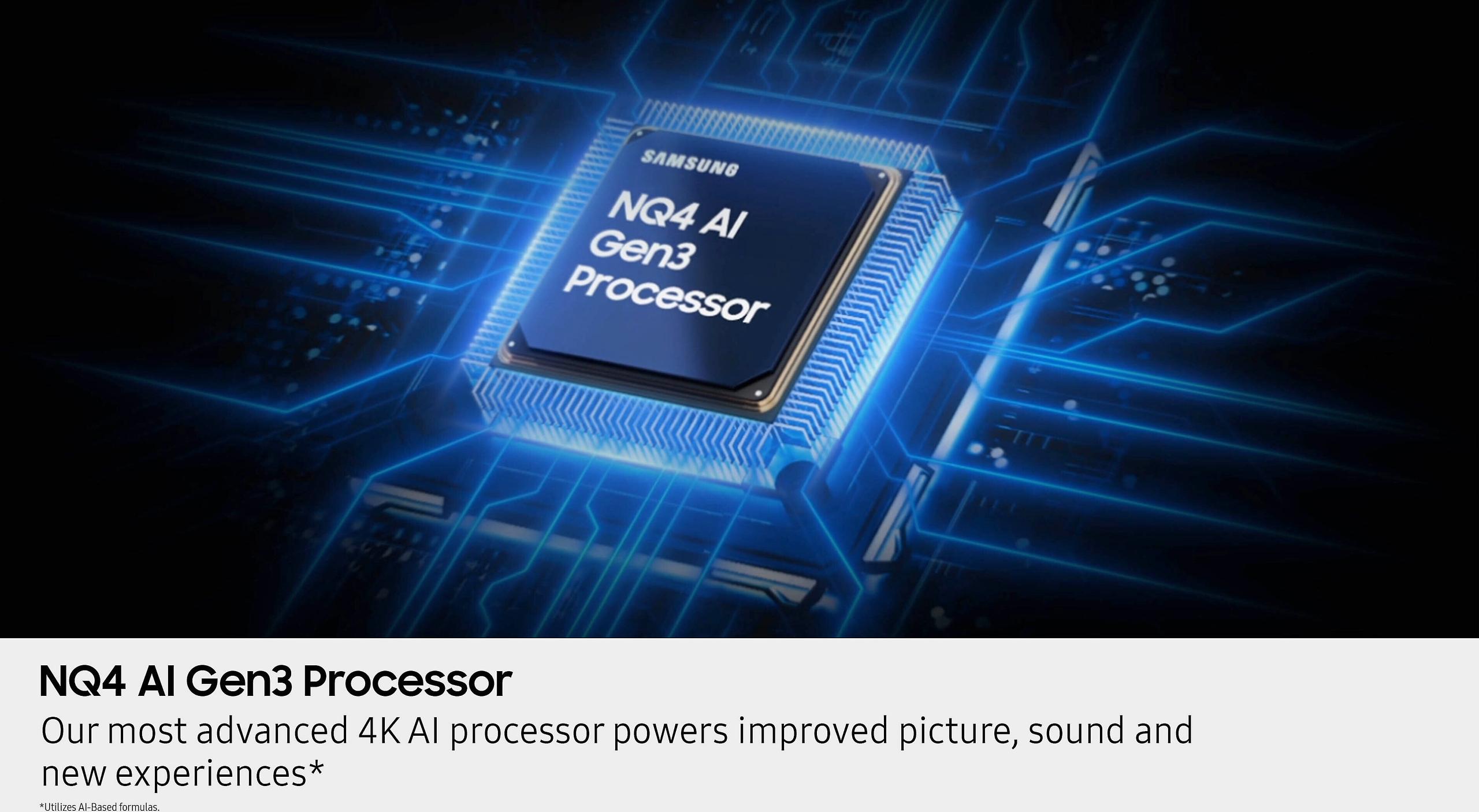
The Samsung QN90F takes a more algorithmic approach. While it has fewer dimming zones, Samsung's processing is exceptionally sophisticated at predicting and controlling how those zones should behave. The result is often smoother zone transitions and less noticeable "zone dancing"—the distracting effect when you can see individual backlight zones turning on and off as bright objects move across the screen.
In practice, both TVs deliver blacks that approach OLED quality in dark rooms. The TCL tends to have slightly deeper blacks in static scenes, while the Samsung maintains more consistent performance when there's complex motion or rapidly changing brightness levels. For home theater use, where you're watching movies in darkened rooms, both excel, though the Samsung's more refined processing gives it a slight edge for cinematic content.
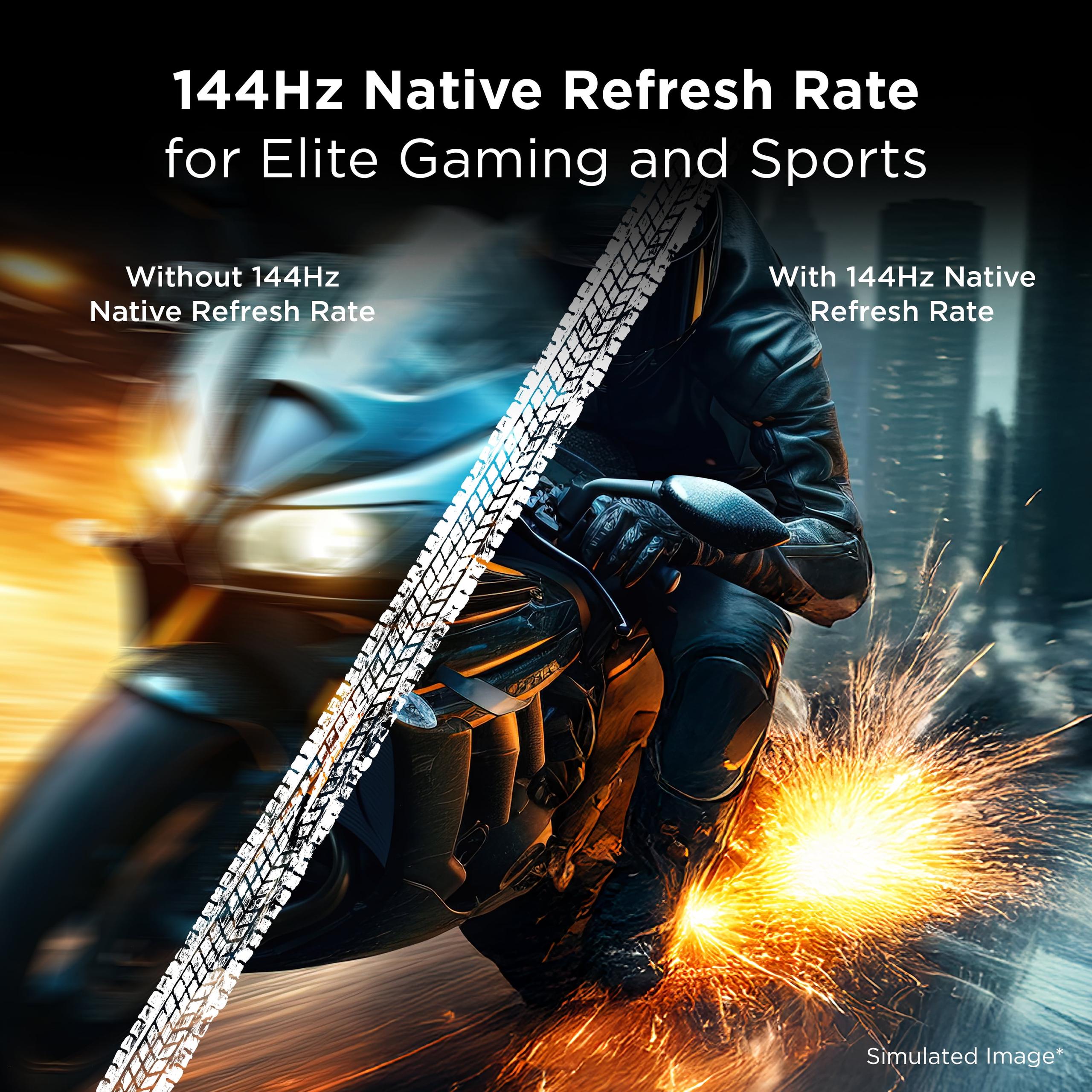
Gaming is where the philosophical differences between these TVs become most apparent. The TCL QM9K is built for performance with a native 144Hz refresh rate and support for up to 288Hz at 1080p through its Game Accelerator 288 feature. Input lag is exceptionally low at just 5.3 milliseconds, meaning the time between pressing a button and seeing the action on screen is virtually imperceptible.
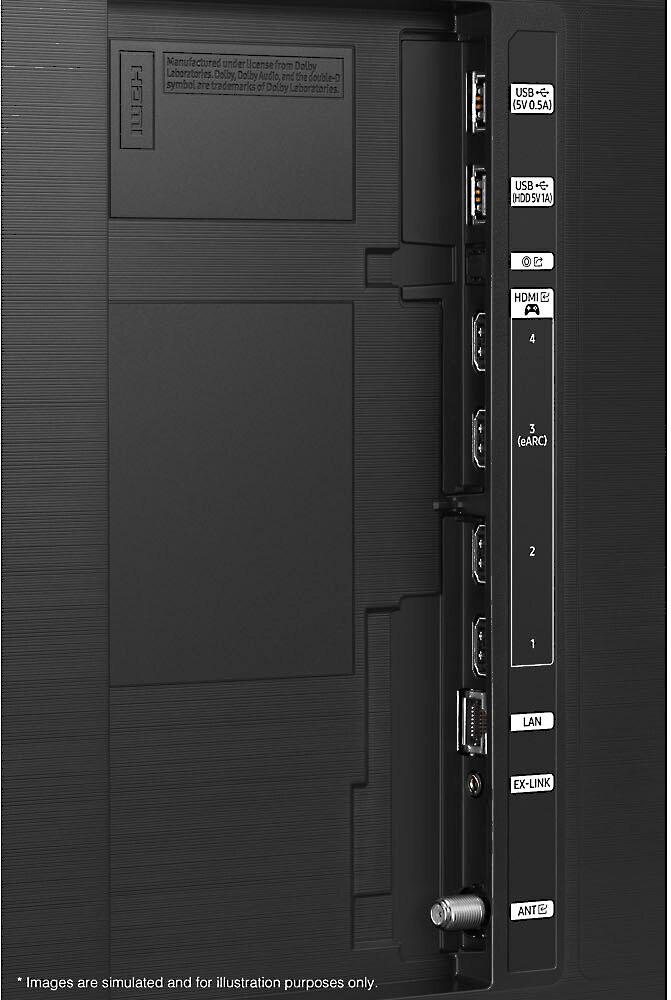
The Samsung QN90F offers a more conservative but well-rounded gaming experience with 120Hz refresh rate and four HDMI 2.1 ports (compared to the TCL's two). While 120Hz is perfectly adequate for console gaming with PlayStation 5 or Xbox Series X, serious PC gamers who want to push frame rates beyond 120fps will find the TCL more accommodating.
Variable Refresh Rate (VRR) technology, which synchronizes the TV's refresh rate with your gaming device to eliminate screen tearing, works well on both displays. However, the TCL QM9K supports AMD FreeSync Premium Pro, while the Samsung QN90F includes its own VRR implementation that works across more devices.
Gaming in HDR reveals interesting differences. The TCL QM9K's extreme brightness makes HDR gaming almost overwhelming in the best possible way—explosions, sunsets, and magical effects in games have an impact that's difficult to convey in words. The Samsung QN90F provides a more balanced HDR gaming experience that may be more comfortable for extended gaming sessions.
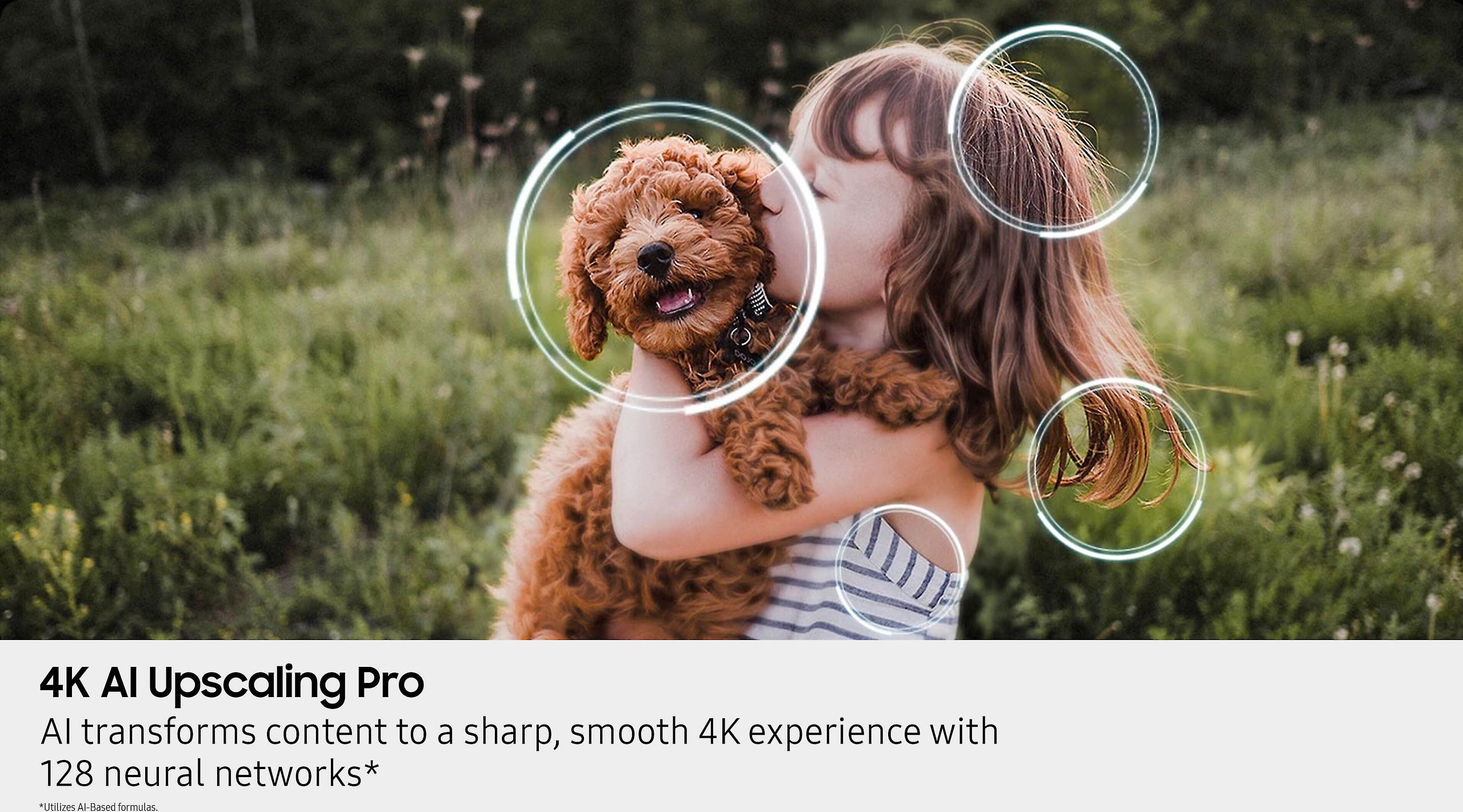
This is perhaps where the Samsung QN90F most clearly justifies its position as a 2025 model. Samsung's Vision AI represents a significant leap forward in smart TV technology. The system uses environmental sensors and AI processing to automatically adjust picture settings based on room lighting, content type, and even your viewing position. It can detect when you walk into the room and automatically turn on, displaying relevant information or art.
The Voice AI integration goes beyond simple voice commands. You can control the TV with gestures, ask complex questions about content, and even have the AI generate custom wallpapers based on your preferences. For users who appreciate cutting-edge technology integration, these features feel genuinely futuristic.
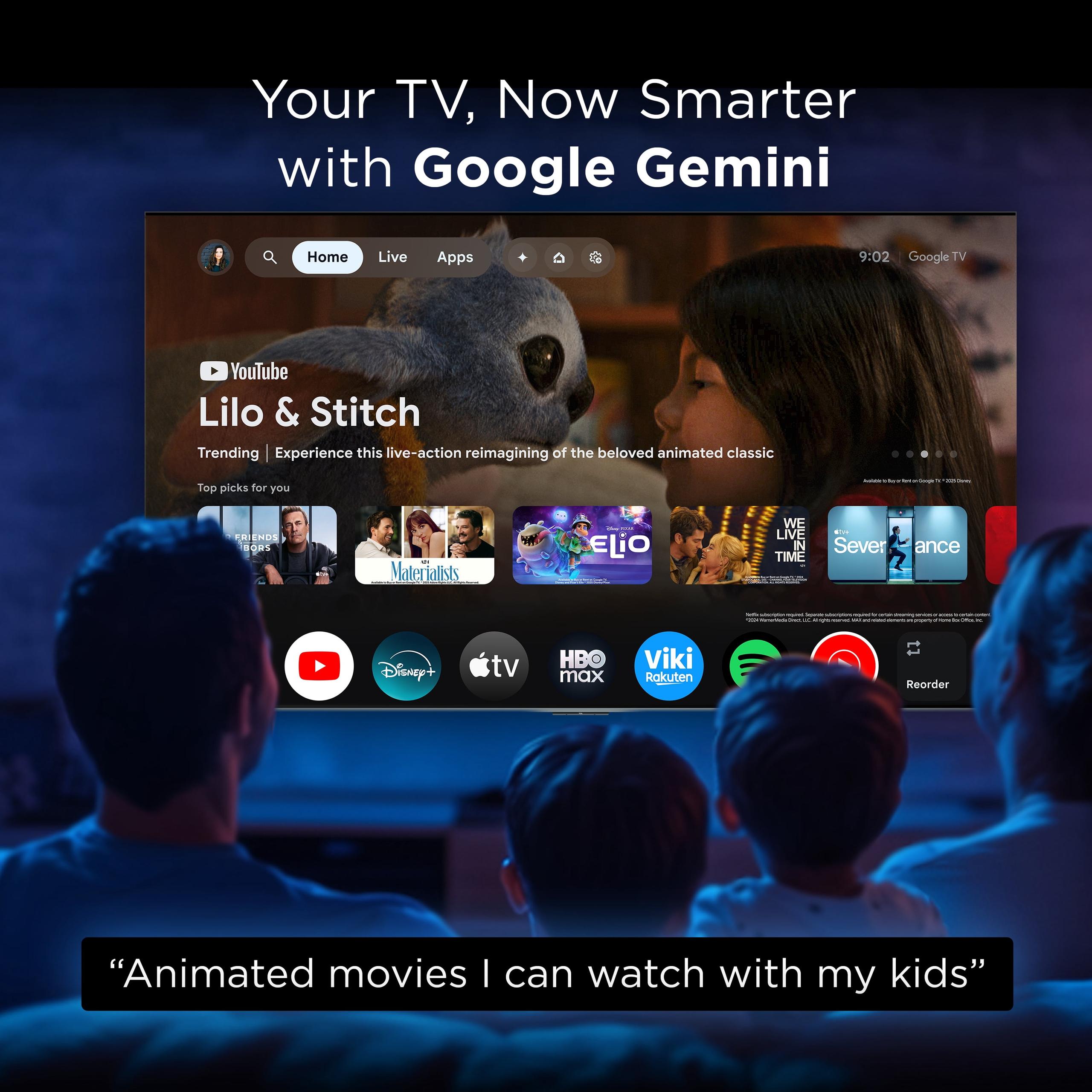
The TCL QM9K runs Google TV with Google Gemini integration, which is more straightforward but highly functional. The interface is clean, search works well across multiple streaming services, and the presence sensor automatically adjusts settings based on whether you're in the room. It's less flashy than Samsung's Vision AI but covers all the essential smart TV functions effectively.
Both platforms support all major streaming services, but Samsung's Tizen platform tends to receive app updates more quickly and has better integration with Samsung's broader ecosystem of devices. If you own Samsung phones, tablets, or other smart home devices, the QN90F integrates more seamlessly.
Audio quality is often overlooked in TV comparisons, but it shouldn't be. The TCL QM9K includes audio tuning by Bang & Olufsen, resulting in a 2.1.1 channel system that includes a dedicated subwoofer. This setup produces genuinely impressive bass response and clear dialogue that rivals many dedicated soundbars.
The Samsung QN90F offers a 60W 4.2.2 channel system with Object Tracking Sound+, which creates the illusion of sound following objects as they move across the screen. While this creates an impressive spatial effect, it lacks the deep bass response and overall power of the TCL's system.
For users who plan to eventually add a dedicated sound system, this difference matters less. However, if you want excellent audio straight out of the box without additional purchases, the TCL QM9K has a clear advantage.
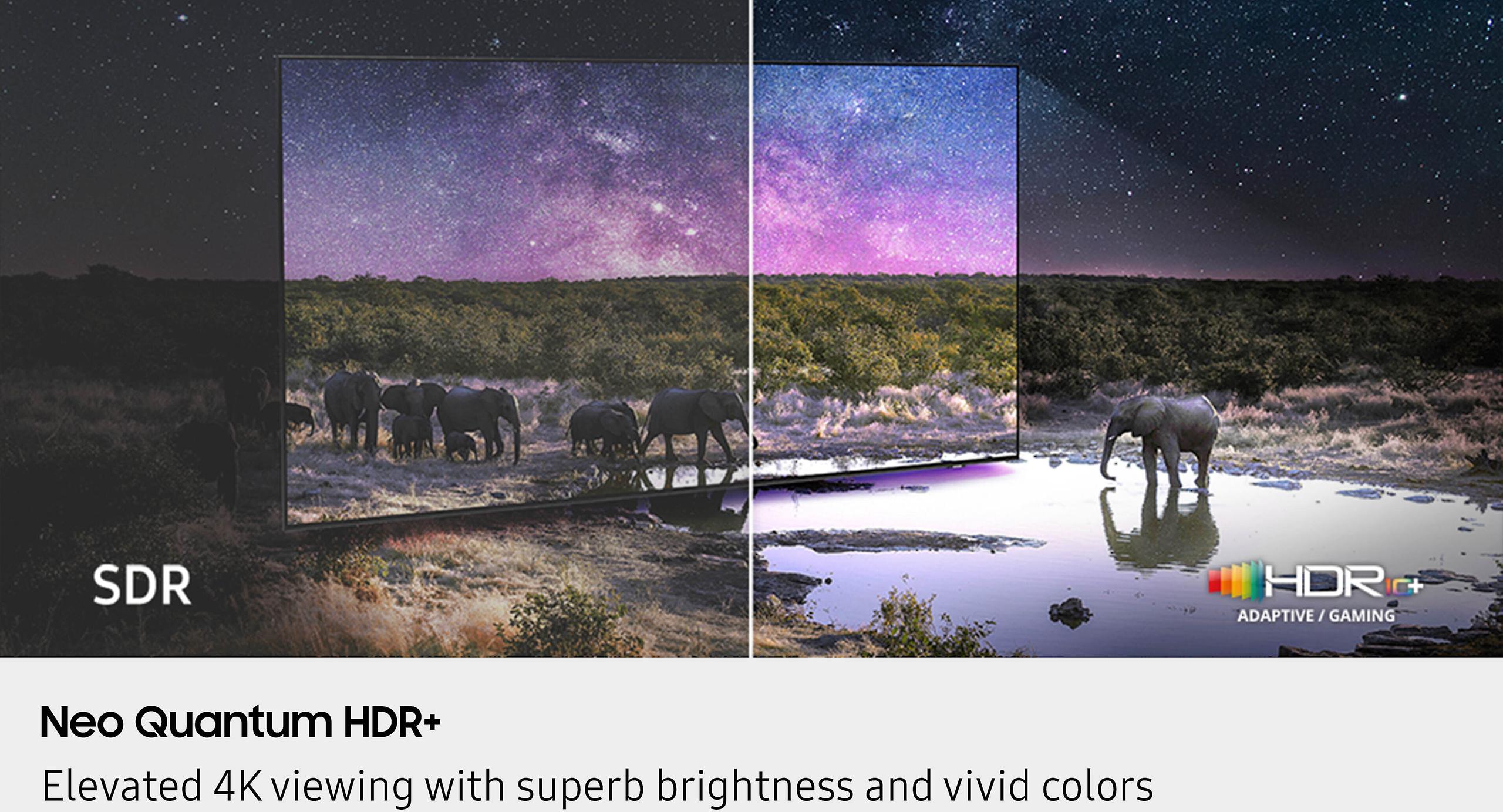
This is where Samsung's years of display expertise become evident. The Samsung QN90F delivers more accurate colors out of the box, with better flesh tones and more natural-looking scenes. Samsung's Neo Quantum HDR+ processing analyzes each scene and adjusts color and contrast dynamically, resulting in a more cinematic experience that respects the content creator's original intent.
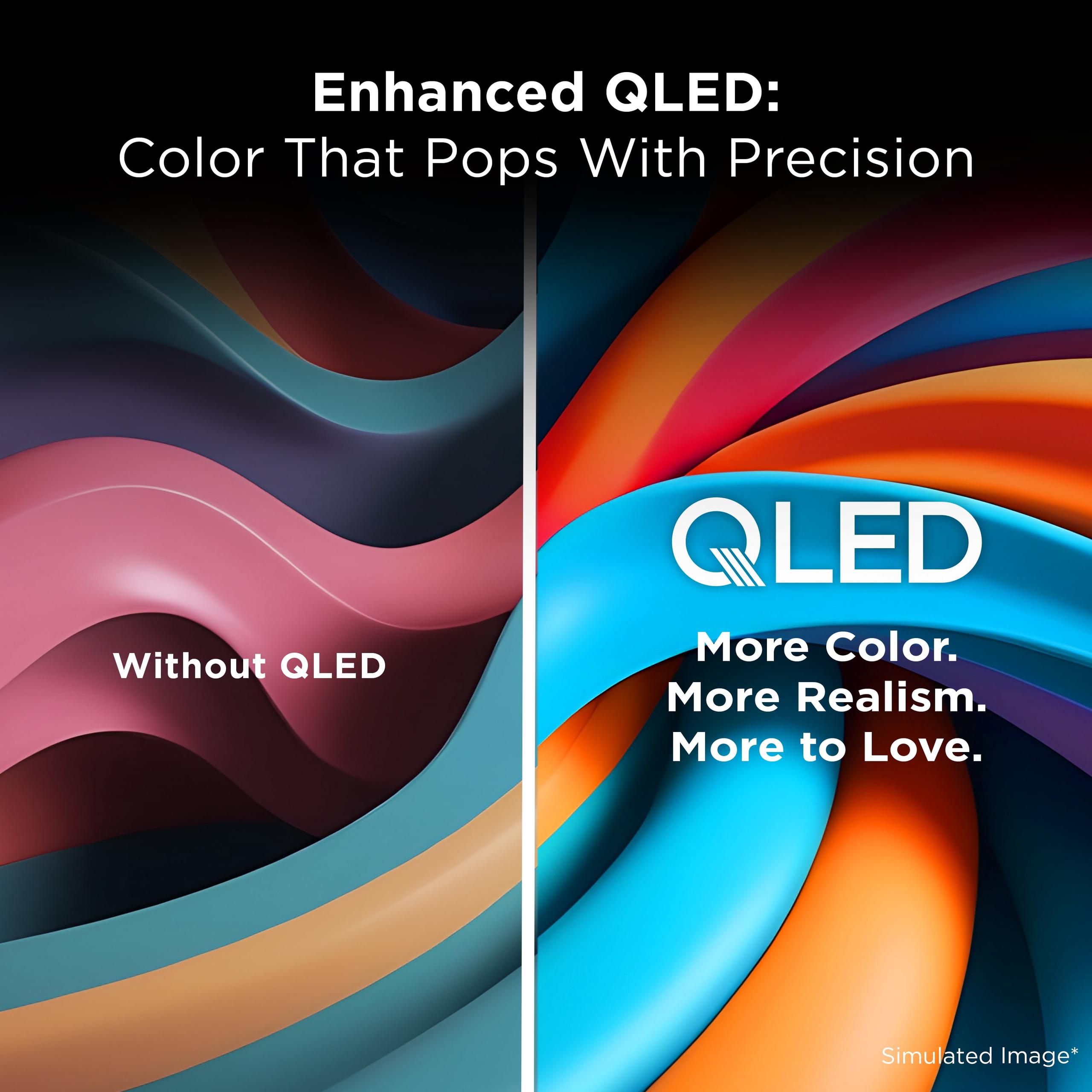
The TCL QM9K produces more vibrant, saturated colors that can look stunning but aren't always accurate. The 97% DCI-P3 color coverage is impressive, and the TV excels at color volume—the ability to maintain color accuracy even at high brightness levels. However, you may need to spend time calibrating settings or hire a professional to get the most accurate picture.
For home theater enthusiasts who care about color accuracy, the Samsung QN90F is more likely to satisfy without extensive tweaking. For users who prefer punchy, vibrant visuals that make content pop, the TCL QM9K delivers that excitement straight out of the box.
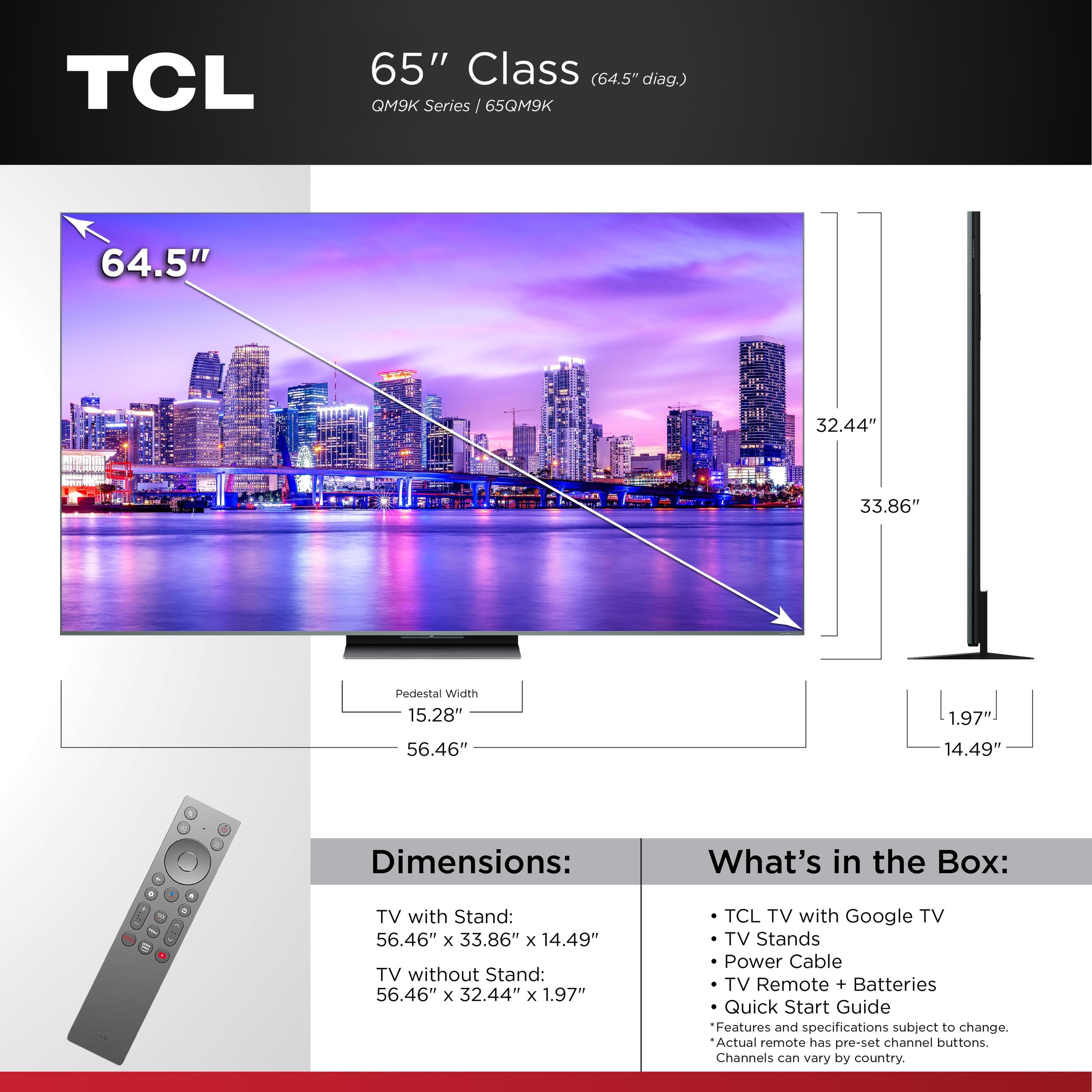
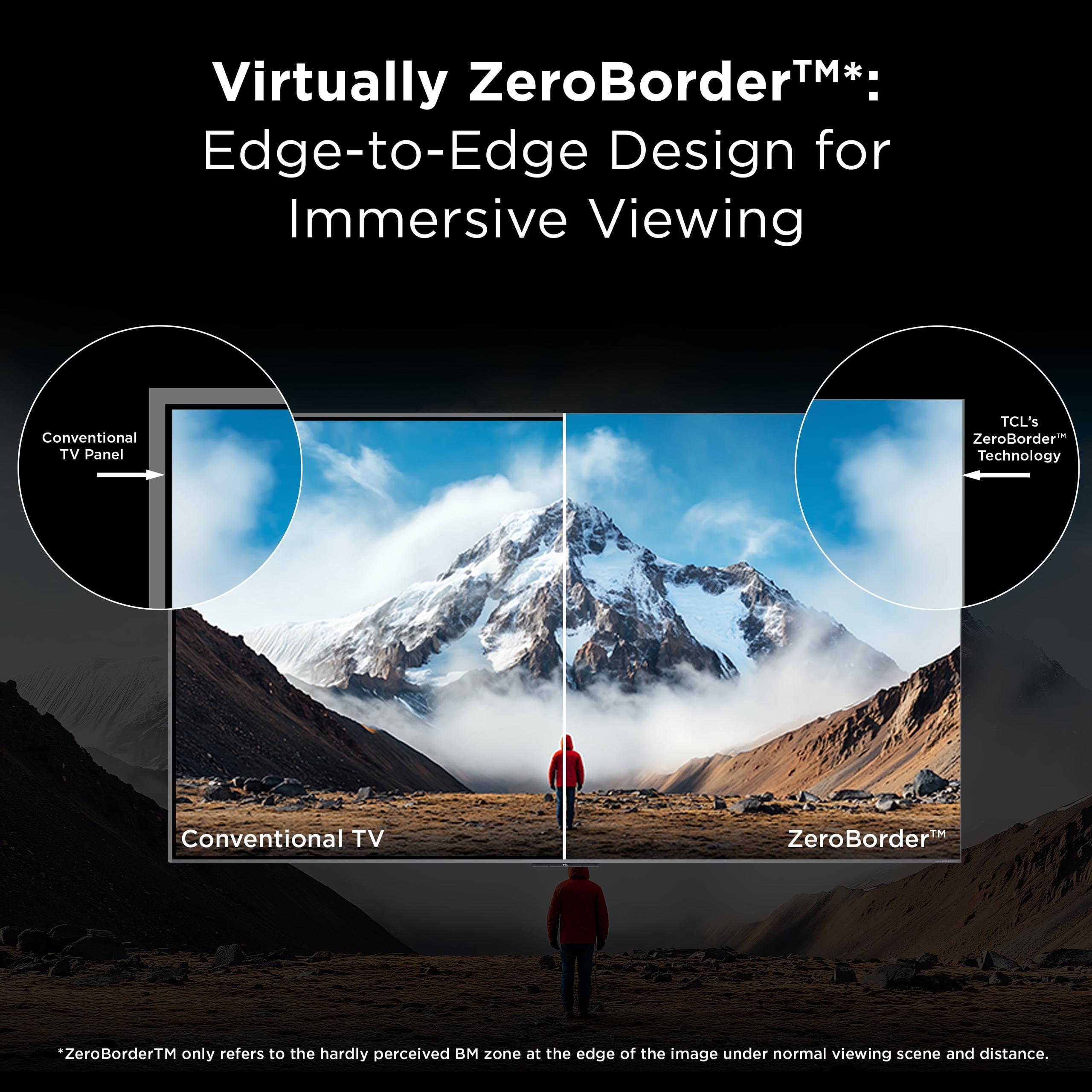
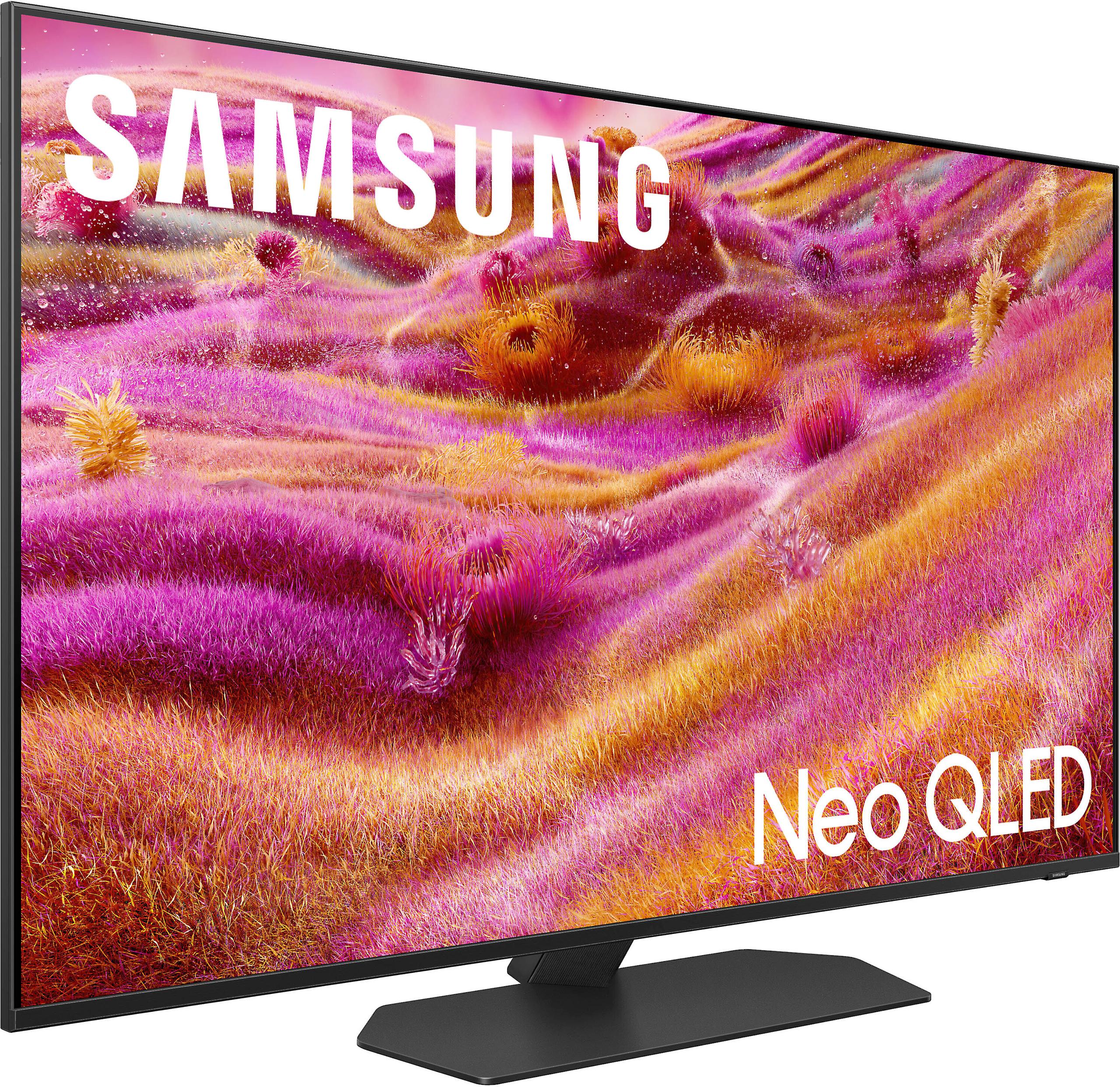
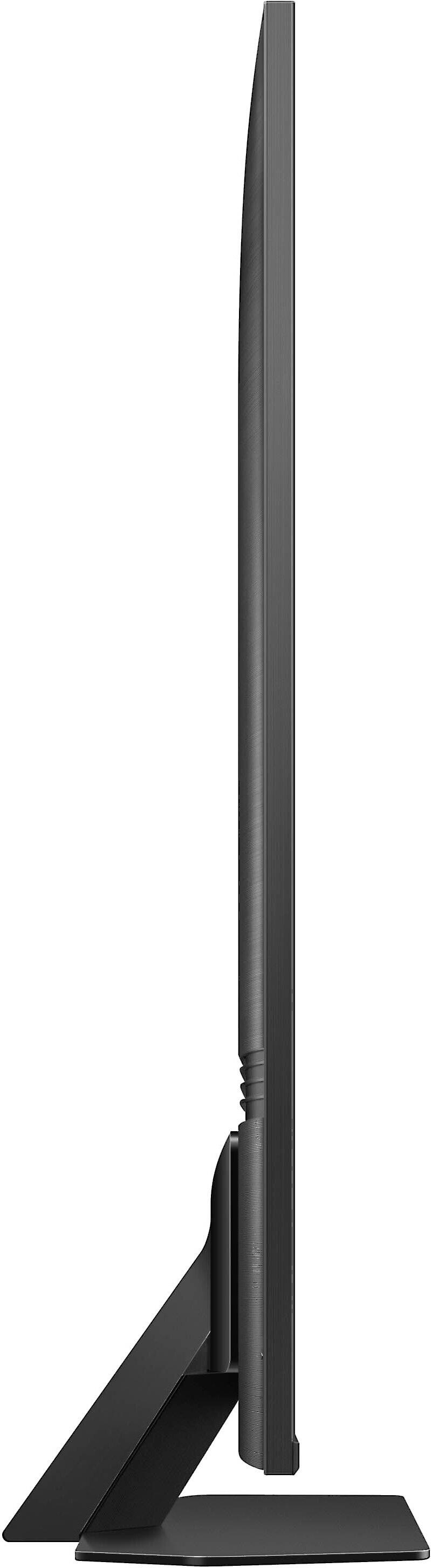
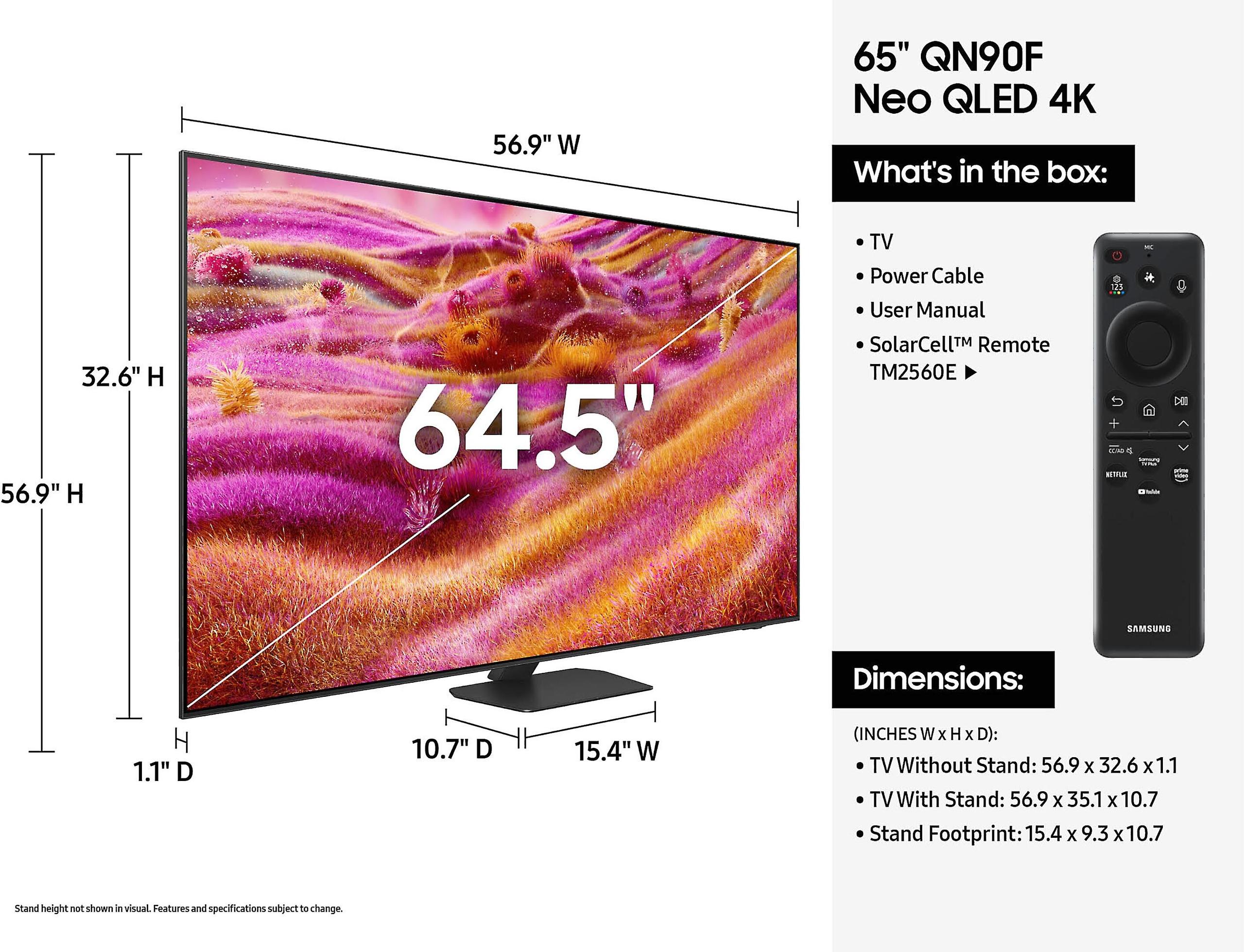
The physical differences between these TVs reflect their overall design philosophies. The Samsung QN90F feels premium in every detail—ultra-slim bezels, refined materials, and exceptional build quality. At just over an inch thick, it maintains an elegant profile despite the complex Mini LED backlighting system.
The TCL QM9K prioritizes function over form. While it's well-built and attractive, the focus is clearly on delivering maximum performance rather than premium aesthetics. The slightly thicker profile and more utilitarian remote control reflect this approach.
Both TVs mount easily on walls, but the Samsung's thinner profile and more refined cable management make it more suitable for installations where the TV needs to blend seamlessly with room décor.
For dedicated home theater use, both TVs excel but in different ways. The Samsung QN90F provides a more balanced, cinema-like experience with accurate colors and sophisticated processing that respects filmmaker intent. Its refined handling of motion and shadows makes it excellent for dramatic films and nuanced cinematography.
The TCL QM9K creates a more spectacular home theater experience. Its extreme brightness makes HDR content genuinely jaw-dropping, and the superior built-in audio reduces the immediate need for additional sound equipment. For action movies, sports, and visually stunning content, it provides an experience that's hard to match at any price point.
At the time of writing, the TCL QM9K typically costs several hundred dollars less than the Samsung QN90F, making it an exceptional value proposition for users who want flagship-level performance without flagship pricing. It's the clear choice for serious gamers, bright room viewing, and anyone who prioritizes specifications over refinement.
The Samsung QN90F justifies its higher cost through superior build quality, more accurate picture processing, advanced AI features, and the reliability that comes with Samsung's established brand presence. It's ideal for users who value a premium experience and don't mind paying extra for sophistication and brand confidence.
Both TVs represent excellent choices in the premium Mini LED category, but they serve different priorities. The TCL maximizes performance per dollar, while the Samsung maximizes refinement and integration. Your choice should depend on whether you're looking for the most impressive specifications or the most polished overall experience.
| TCL 65" QM9K QD-Mini LED Smart TV | Samsung 65" QN90F Neo QLED 4K Vision AI Smart TV 2025 |
|---|---|
| Peak Brightness - Critical for HDR impact and bright room viewing | |
| 6,500 nits (exceptional for sunlit rooms and spectacular HDR) | 1,900 nits (very bright but more balanced for most rooms) |
| Local Dimming Zones - Controls blooming and contrast precision | |
| Up to 6,000 zones (industry-leading precision) | Fewer zones but superior processing algorithms |
| Gaming Refresh Rate - Essential for competitive gaming and PC use | |
| 144Hz native, up to 288Hz at 1080p (ideal for high-end PC gaming) | 120Hz (perfect for console gaming, adequate for most PC use) |
| Input Lag - Response time for gaming | |
| 5.3ms (exceptionally responsive) | Slightly higher but still excellent for gaming |
| HDMI 2.1 Ports - Future-proofing for next-gen devices | |
| 2 ports (sufficient for most setups) | 4 ports (excellent for multiple high-bandwidth devices) |
| Smart TV Platform - Daily user experience and app ecosystem | |
| Google TV with Gemini AI (open ecosystem, good selection) | Tizen with Vision AI (premium features, better integration) |
| Anti-Glare Technology - Viewing comfort in bright rooms | |
| Standard glossy coating (relies on brightness to overcome glare) | Glare Free matte coating (virtually eliminates reflections) |
| Built-in Audio - Reduces need for additional sound equipment | |
| Bang & Olufsen 2.1.1 with subwoofer (exceptional for built-in speakers) | 60W 4.2.2 Object Tracking Sound+ (good but not outstanding) |
| Color Accuracy - Important for cinematic viewing | |
| Vibrant but requires calibration for accuracy | More accurate out-of-box, better tone mapping |
| Build Quality - Long-term reliability and premium feel | |
| Solid construction, value-focused materials | Premium materials, superior fit and finish |
| HDR Format Support - Compatibility with streaming content | |
| HDR10, HDR10+, Dolby Vision, HLG (comprehensive support) | HDR10, HDR10+, HLG (missing Dolby Vision) |
| Design Profile - Wall mounting and room aesthetics | |
| Functional design, slightly thicker profile | Ultra-slim 1.1" depth, premium industrial design |
| Value Proposition - Performance per dollar spent | |
| Maximum flagship specs at mid-range pricing | Premium experience with refined features at higher cost |
The TCL QM9K is significantly brighter with 6,500 nits peak brightness compared to the Samsung QN90F's 1,900 nits. However, the Samsung includes Glare Free technology that reduces reflections, making it easier to watch in bright rooms despite lower peak brightness. For sunny living rooms, both excel but in different ways.
The TCL QM9K is superior for serious gaming with 144Hz native refresh rate, 288Hz support at 1080p, and 5.3ms input lag. The Samsung QN90F offers 120Hz refresh rate with four HDMI 2.1 ports versus TCL's two. Choose the TCL for competitive PC gaming or the Samsung for console gaming with more device connections.
The TCL QM9K has exceptional built-in audio with Bang & Olufsen tuning and a 2.1.1 channel system including a subwoofer. The Samsung QN90F offers decent 4.2.2 channel audio with Object Tracking Sound+ but lacks the bass response of the TCL. The TCL reduces the need for a separate soundbar.
The Samsung QN90F leads with Vision AI offering gesture control, environmental awareness, and advanced automation. The TCL QM9K uses Google TV with Gemini AI, providing solid smart features but less sophisticated AI integration. Samsung offers more premium smart TV experiences.
The Samsung QN90F delivers more accurate colors out-of-the-box with better tone mapping and natural flesh tones. The TCL QM9K produces vibrant, saturated colors that look spectacular but may require calibration for accuracy. Samsung is better for cinematic viewing while TCL excels at punchy visuals.
Both excel in dark rooms, but the Samsung QN90F has more refined processing for smoother zone transitions and better motion handling. The TCL QM9K offers deeper blacks with more dimming zones but can show some zone dancing during complex scenes. Samsung provides a more cinematic experience.
The TCL QM9K delivers more spectacular HDR with extreme brightness making highlights truly pop. The Samsung QN90F provides more balanced HDR with better color accuracy and tone mapping. TCL creates wow-factor moments while Samsung offers more refined, filmmaker-intended visuals.
The Samsung QN90F offers premium build quality with superior materials, ultra-slim 1.1-inch profile, and refined design. The TCL QM9K has solid construction but focuses on value over premium aesthetics. Samsung feels more luxurious and is better for wall mounting in upscale rooms.
The TCL QM9K supports Dolby Vision, HDR10, HDR10+, and HLG for comprehensive HDR compatibility. The Samsung QN90F lacks Dolby Vision support, only offering HDR10, HDR10+, and HLG. TCL provides better streaming service compatibility for premium HDR content.
The TCL QM9K typically costs several hundred dollars less while offering flagship-level specs including higher brightness, more dimming zones, and faster gaming features. The Samsung QN90F costs more but provides premium build quality, better processing, and advanced AI features. TCL maximizes performance per dollar.
Both TVs offer good viewing angles, but the Samsung QN90F includes Ultra Wide Viewing Angle technology for more consistent picture quality from side positions. The TCL QM9K has decent viewing angles but may show some color shift when viewed off-center. Samsung is better for large rooms with multiple seating positions.
Choose the TCL QM9K if you want maximum brightness, superior gaming performance, excellent built-in audio, and flagship specs at a lower cost. Pick the Samsung QN90F if you prioritize color accuracy, premium build quality, advanced AI features, and refined user experience. Both are excellent choices depending on your priorities and budget.
We've done our best to create useful and informative comparisons to help you decide what product to buy. Our research uses advanced automated methods to create this comparison and perfection is not possible - please contact us for corrections or questions. These are the sites we've researched in the creation of this article: rtings.com - bestbuy.com - youtube.com - youtube.com - youtube.com - techaeris.com - displayspecifications.com - pcrichard.com - residentialsystems.com - us.tcl.com - displayspecifications.com - valueelectronics.com - woodruffappliance.com - tcl.com - pcrichard.com - tcl.com - techradar.com - tcl.com - us.tcl.com - youtube.com - youtube.com - bestbuy.com - youtube.com - rtings.com - images.samsung.com - youtube.com - listenup.com - youtube.com - cullenshomecenter.com - rtings.com - shopjetson.com - youtube.com - samsung.com - samsung.com - videoandaudiocenter.com - rtings.com - bestbuy.com - youtube.com - news.samsung.com - news.samsung.com - news.samsung.com - bestbuy.com - news.samsung.com - youtube.com - news.samsung.com - youtube.com - smarthomesounds.co.uk

Privacy Policy
Terms and Conditions - Affiliate Policy
Home Security
© Copyright 2008-2026.
11816 Inwood Rd #1211, Dallas, TX 75244