








When you're shopping for a premium television, the world of QD-OLED technology represents the absolute pinnacle of what's currently possible. These displays combine the perfect blacks and infinite contrast of OLED technology with quantum dots—tiny semiconductor particles that produce incredibly pure colors when hit by light. The result? TVs that deliver both the deepest blacks and the most vibrant colors you've ever seen.
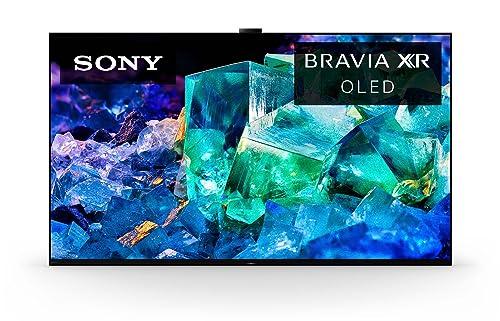
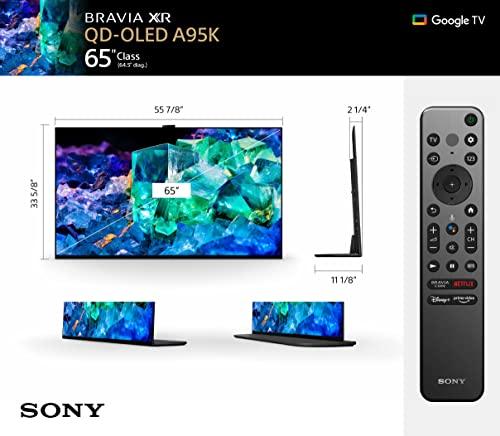
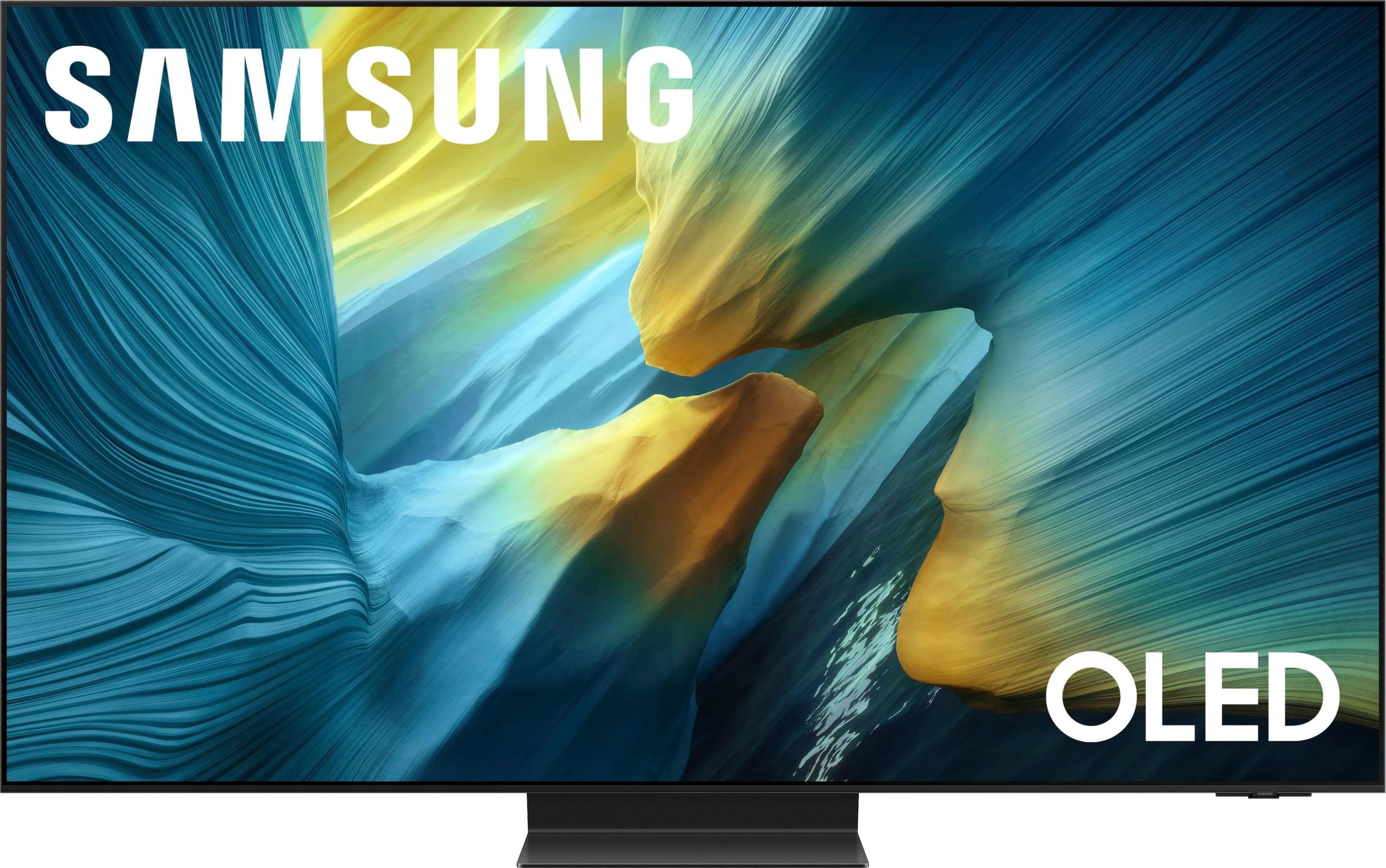
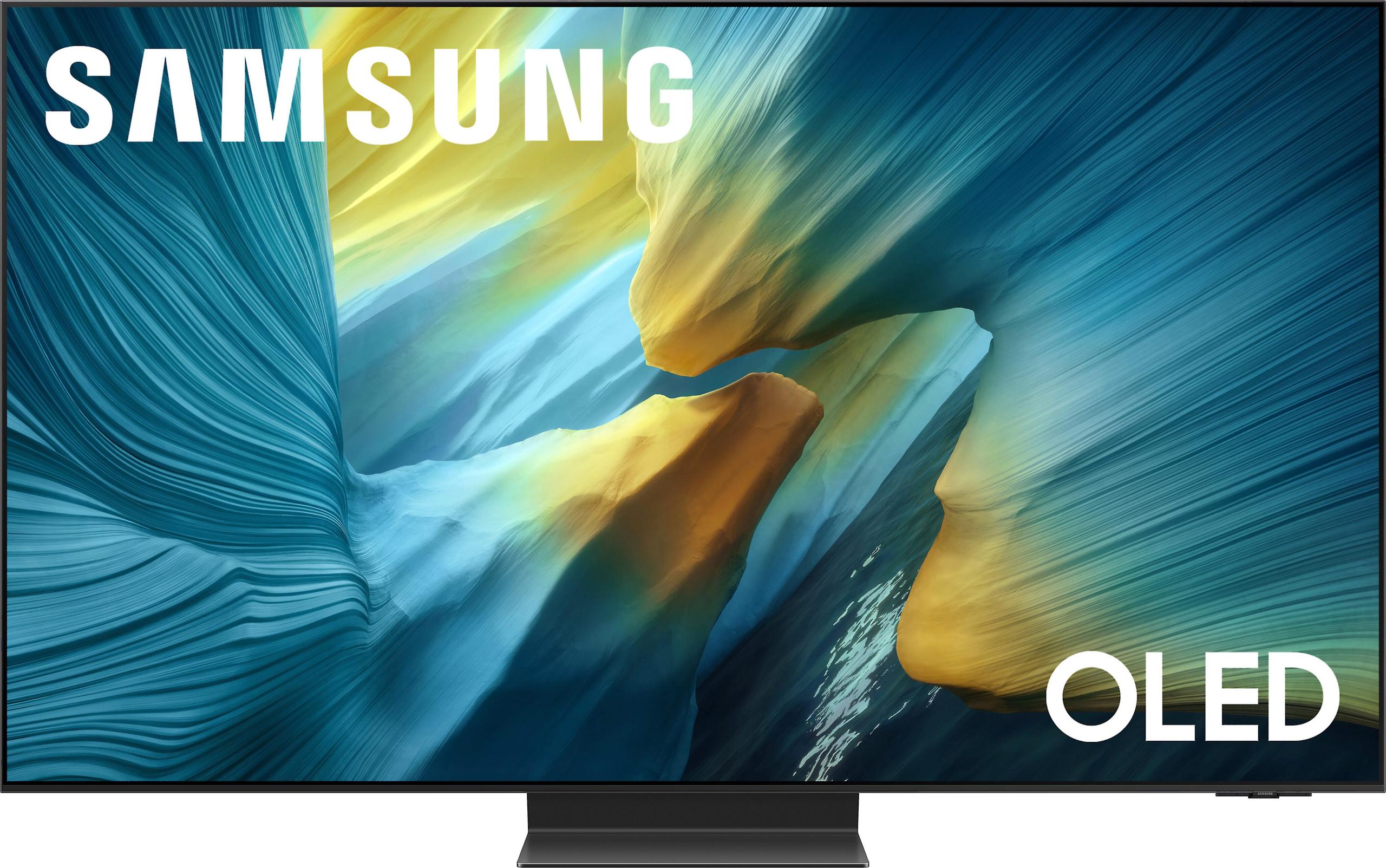
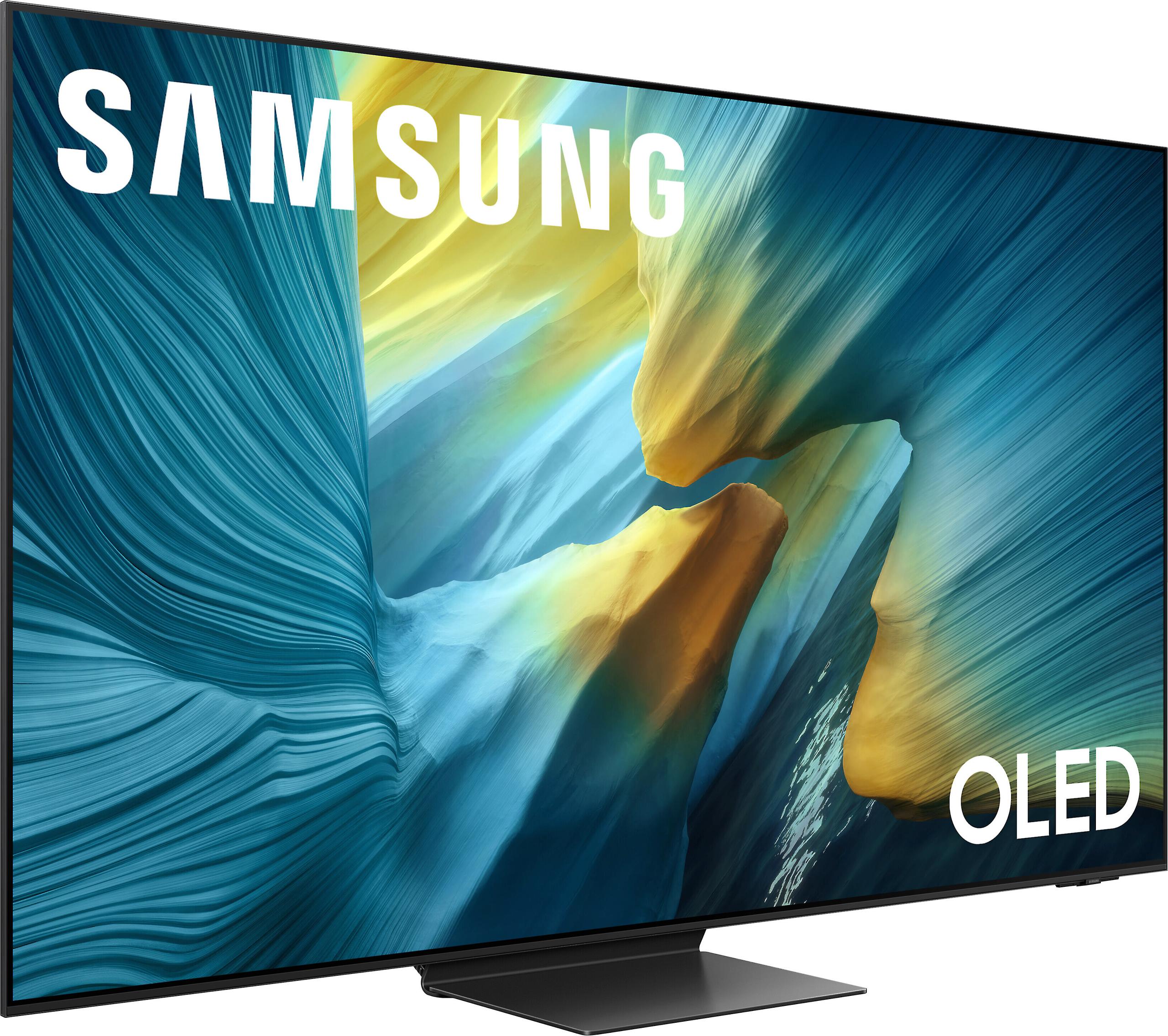
Today we're comparing two standout models: the Sony Bravia XR A95K from 2022 and the Samsung 65" OLED S95F from 2025. While both use QD-OLED panels, they represent different generations of the technology and take notably different approaches to picture processing and features. Understanding these differences is crucial because at the premium price point these TVs command, you want to make sure you're getting exactly what matters most for your viewing habits.
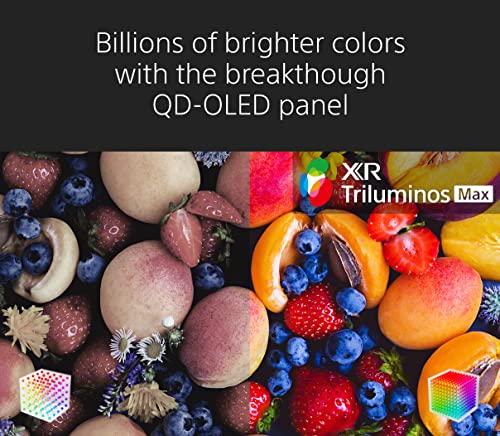
Before diving into the specifics, it's worth understanding what makes QD-OLED special. Traditional OLED TVs use white subpixels that get filtered through colored layers to create red, green, and blue light. QD-OLED panels instead use blue OLED light that hits quantum dots to create red and green, essentially building a true RGB display. This approach delivers significantly brighter colors—especially reds and greens—while maintaining those perfect OLED blacks.
The catch? QD-OLED panels are expensive to manufacture and historically have been limited to premium models. Both the Sony A95K and Samsung S95F use this technology, but there's a crucial three-year gap between them that shows in performance.
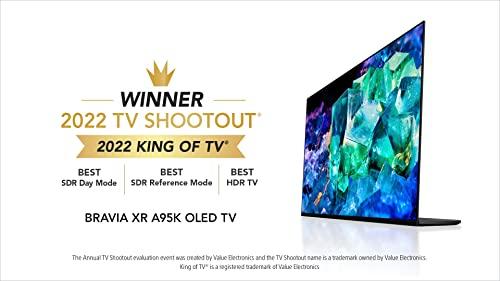
The Sony A95K launched in 2022 as one of the first QD-OLED TVs available to consumers. It was groundbreaking then, but QD-OLED technology has evolved significantly since 2022. The Samsung S95F, releasing in 2025, benefits from fourth-generation QD-OLED panels with improved brightness, efficiency, and color performance.
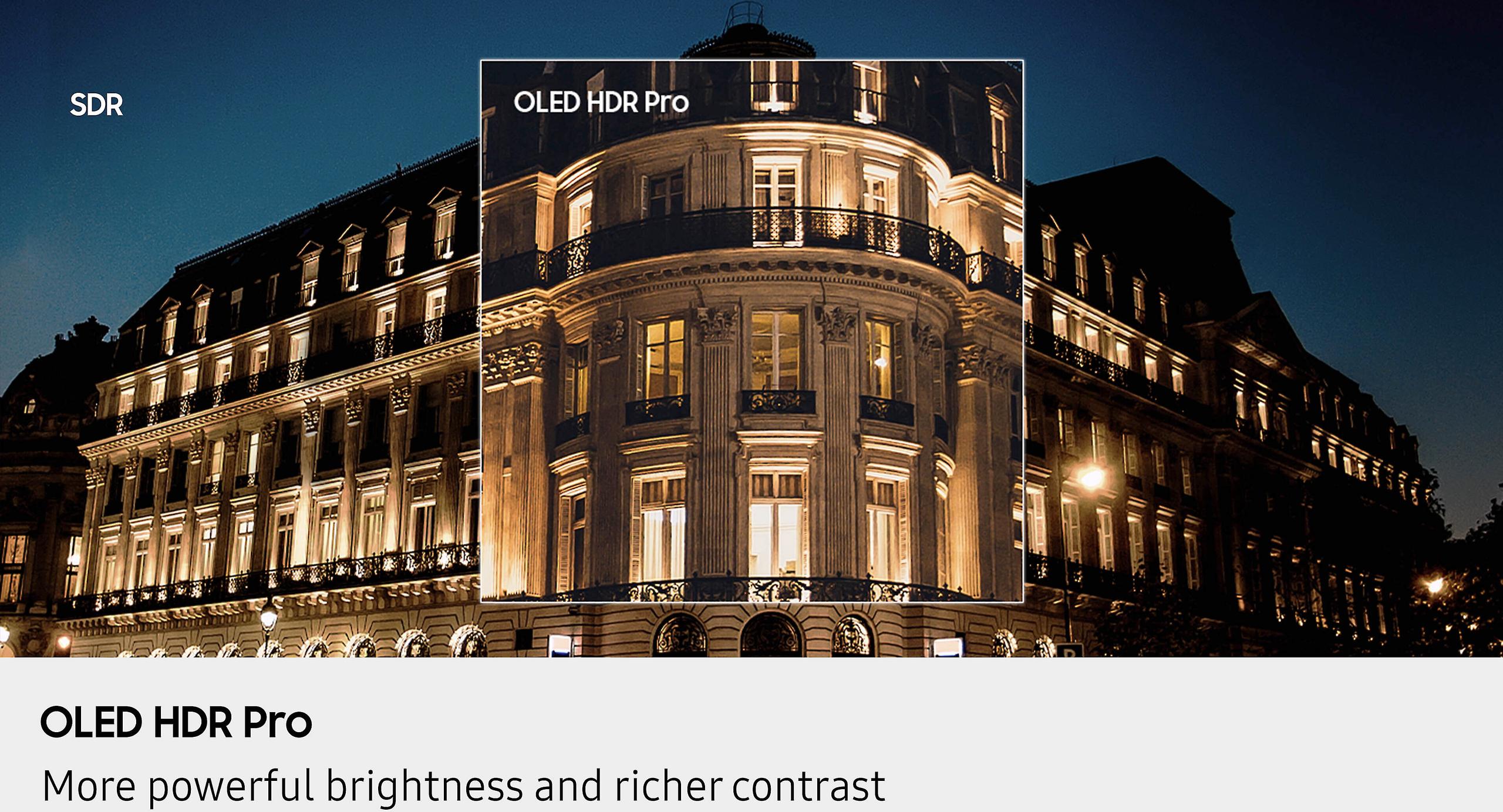
High Dynamic Range (HDR) is where these TVs should truly shine, and brightness is often the limiting factor for OLED displays. HDR content contains information about both the darkest shadows and brightest highlights in a scene, and your TV needs to be able to display both convincingly.
The Samsung S95F delivers substantially higher peak brightness than the Sony A95K, thanks to those generational panel improvements. In practical terms, this means HDR highlights—think sunlight reflecting off water or explosions in action movies—appear more impactful and realistic. The Samsung can make these specular highlights truly "pop" off the screen in a way that earlier QD-OLED panels couldn't quite achieve.
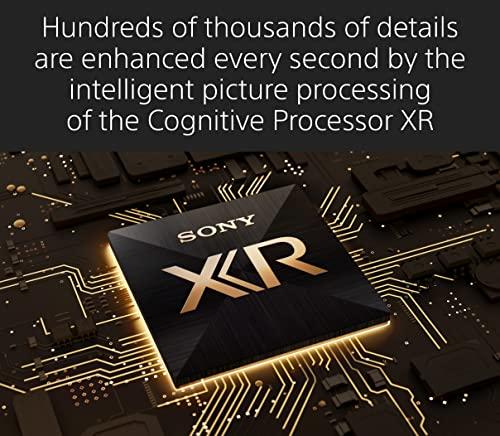
However, raw brightness isn't everything. The Sony A95K takes a different approach with its XR Cognitive Processor, focusing on what Sony calls "cognitive intelligence." This processor analyzes images to identify focal points—the parts of the scene your eye naturally wants to look at—then enhances those areas while maintaining natural gradations elsewhere. The result is an image that often appears to have more three-dimensional depth, even when displaying identical content.
The Sony's strength really shows in its HDR tone mapping—the process of translating the HDR signal into something your display can actually show. The A95K excels at preserving shadow detail in dark scenes, avoiding the "black crush" where dark details disappear entirely. If you're watching something like a nighttime scene in Game of Thrones, the Sony is more likely to show you those crucial details lurking in the shadows.
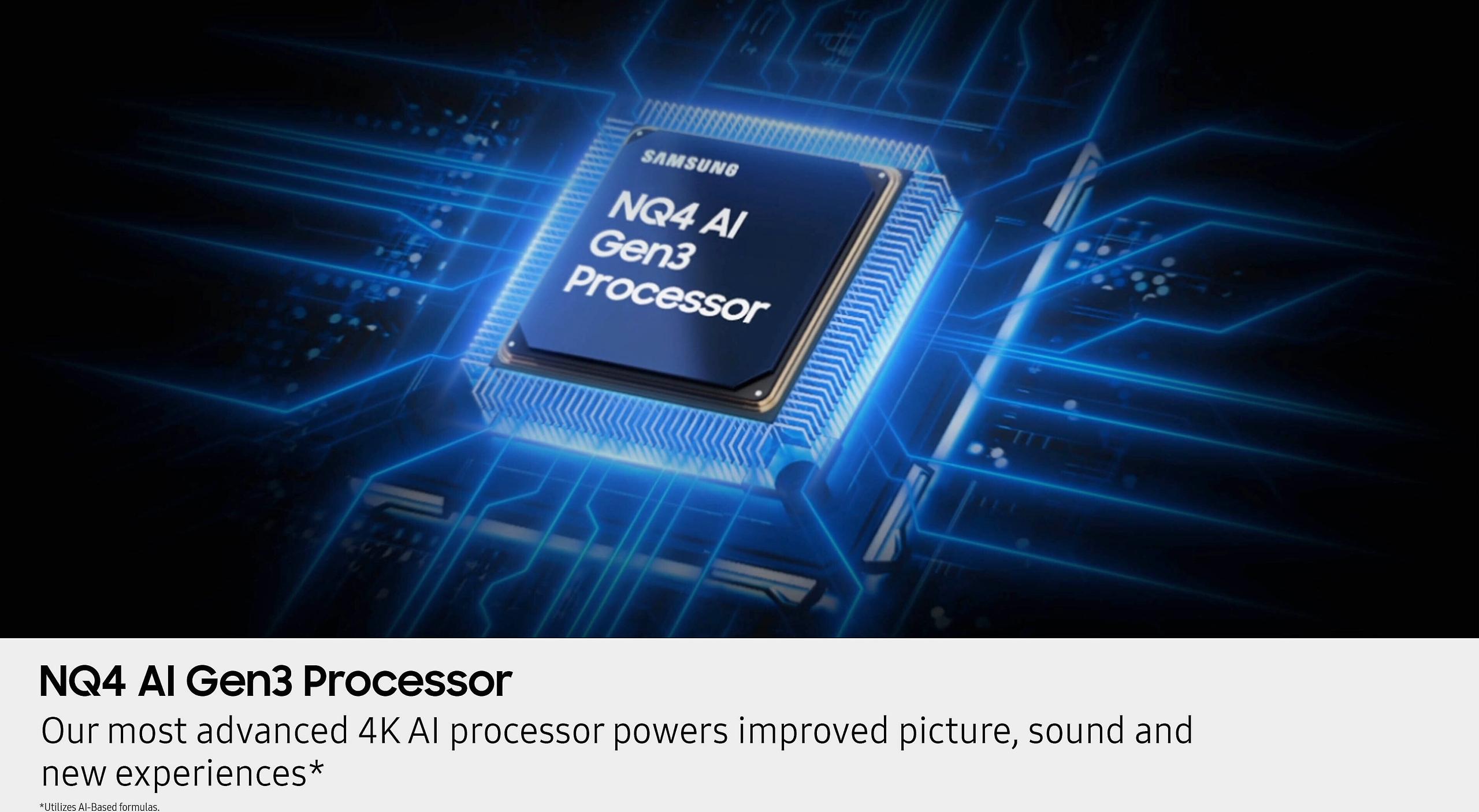
Both TVs deliver exceptional color performance, but they prioritize different aspects. The Samsung S95F uses its NQ4 AI Gen3 processor to achieve what testing shows is class-leading 10-bit gradation—essentially, smooth transitions between similar colors without visible banding. This matters most when you're watching content with subtle color gradients, like sunsets or skin tones.
The Sony A95K counters with XR Triluminos Max, which leverages the QD-OLED panel to deliver what Sony claims is their widest ever color gamut on an OLED TV. More importantly, the Sony tends to prioritize color accuracy over wow factor. In filmmaker mode—the setting that most closely matches the director's intent—the Sony often delivers more faithful reproduction of how the content was originally mastered.
This philosophical difference extends to overall image processing. The Samsung S95F isn't afraid to make images more dramatic and eye-catching, which many viewers prefer. The Sony A95K focuses more on accuracy and naturalism, which appeals to purists but might seem less impressive during a quick showroom comparison.
If gaming matters to you, the technological advancement between 2022 and 2025 becomes immediately apparent. The Samsung S95F is simply in a different league for gaming performance.
The Samsung S95F supports up to 165Hz at 4K resolution, compared to the Sony A95K's 120Hz maximum. While 120Hz is perfectly adequate for console gaming, PC gamers with high-end graphics cards will appreciate that extra headroom. More importantly, the Samsung achieves measurably lower input lag—the delay between when you press a button and when the action appears on screen.
For competitive gaming, every millisecond matters. Based on testing from multiple sources, the Samsung S95F consistently delivers lower input lag across different gaming modes. The difference isn't enormous, but it's noticeable enough that competitive gamers should strongly consider the Samsung.
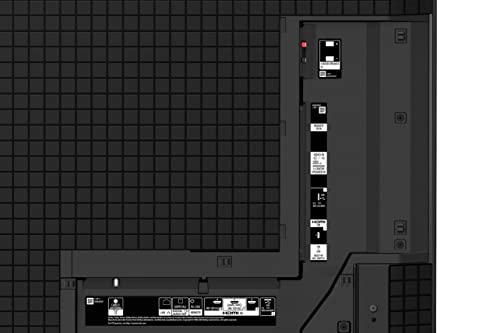
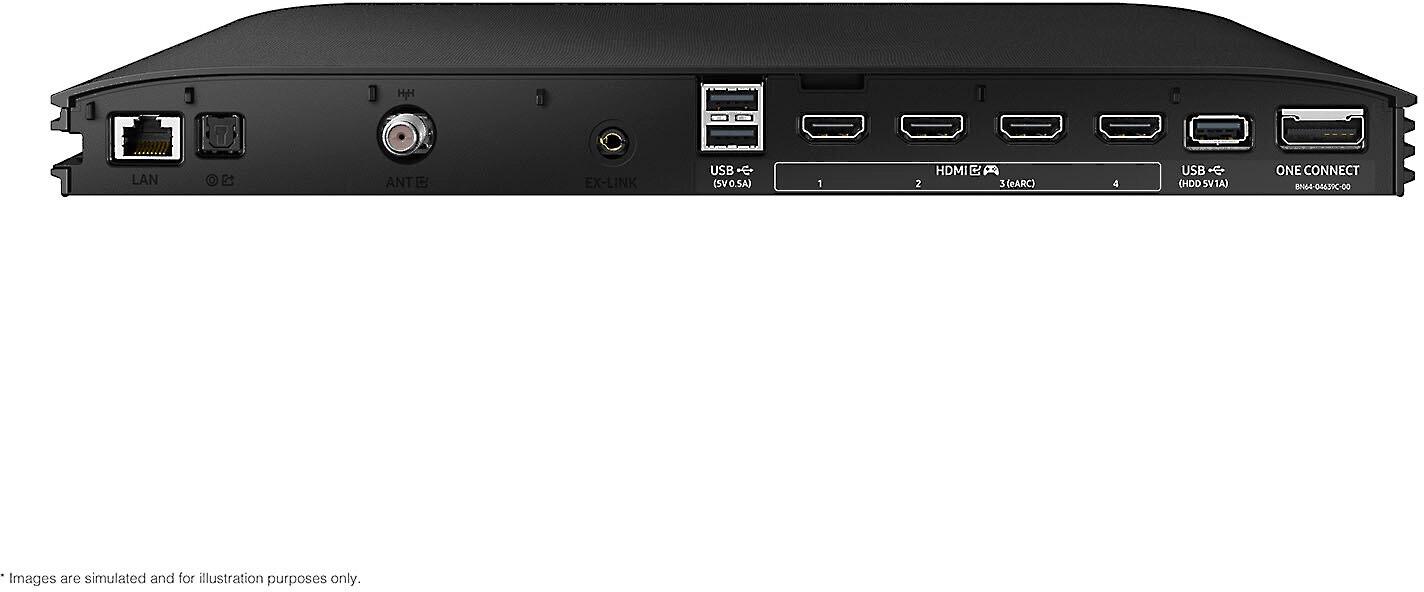
Here's where the Samsung S95F really pulls ahead: it offers four HDMI 2.1 ports compared to the Sony A95K's two. HDMI 2.1 is essential for getting the full 4K gaming experience from modern consoles and PCs. With only two ports, the Sony forces difficult choices—especially since one port often handles audio return channel (eARC) duties for your sound system.
The Samsung also supports AMD FreeSync, a variable refresh rate technology that eliminates screen tearing during gaming. The Sony lacks this feature entirely. For anyone serious about gaming, especially PC gaming, these connectivity and feature advantages make the Samsung S95F the clear winner.
This is where things get interesting from a home theater perspective. The Sony A95K supports Dolby Vision, while the Samsung S95F only supports HDR10+. Both are HDR formats, but they work differently and have different levels of industry support.
Dolby Vision is used by major streaming services like Netflix, Disney+, and Apple TV+, plus many 4K Blu-ray releases. It uses dynamic metadata—information that can change scene by scene—to optimize the HDR experience. HDR10+, Samsung's preferred format, offers similar capabilities but has more limited content availability.
For home theater enthusiasts, this format support difference is significant. If you're someone who cares about getting the absolute best experience from premium streaming content and 4K Blu-rays, the Sony's Dolby Vision support is a major advantage that's hard to overlook.
The Sony A95K also passes through advanced DTS audio formats, which the Samsung doesn't support. If you have a high-end sound system that relies on DTS encoding, this could be a dealbreaker for the Samsung.
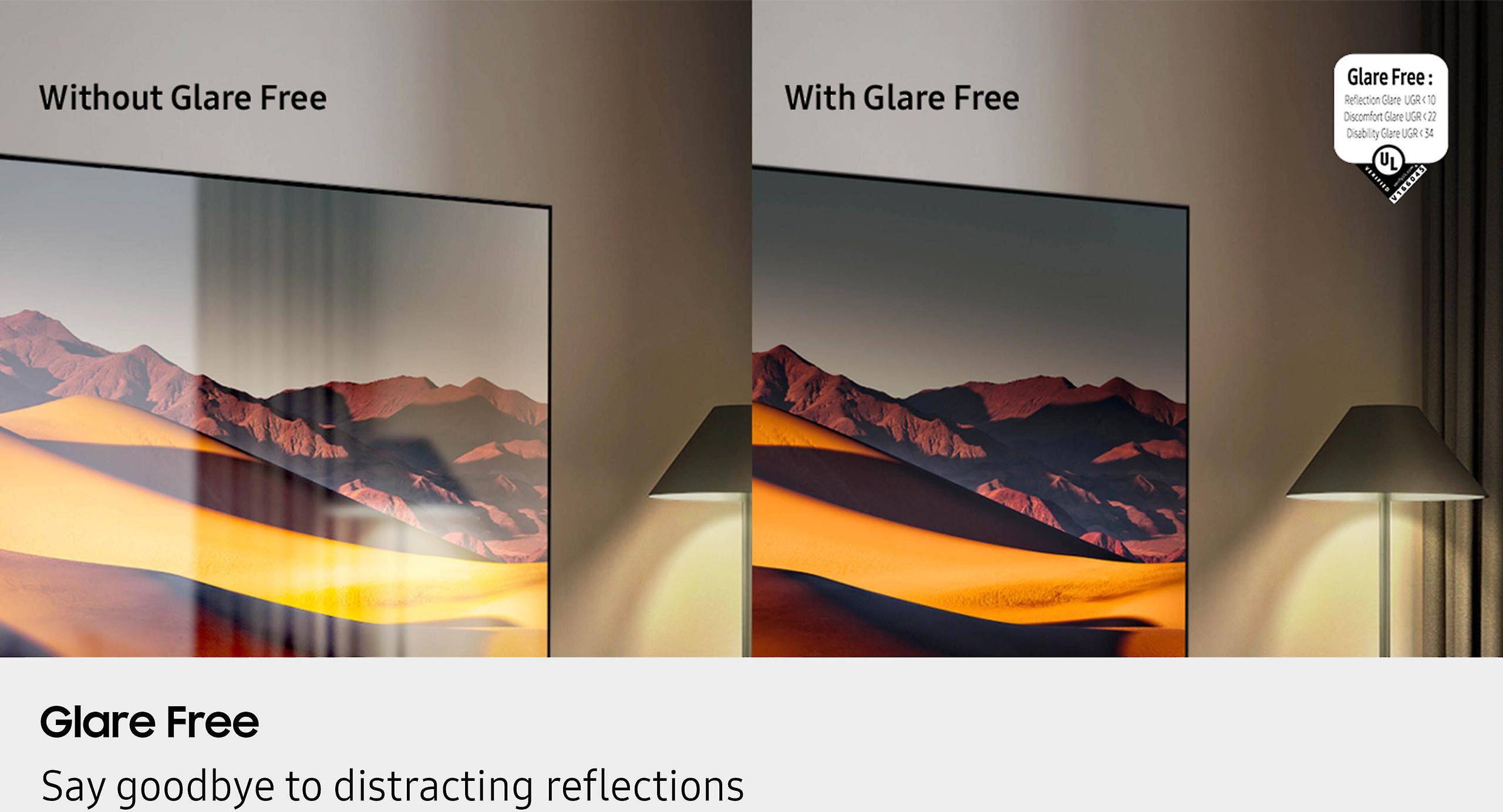
One of the biggest practical differences between these TVs is how they handle reflections. The Samsung S95F features an anti-glare coating that dramatically reduces reflections compared to the glossy screen on the Sony A95K.
In a dedicated, darkened home theater room, this difference might not matter much. But in a typical living room with windows and lighting, the Samsung's anti-glare technology provides a significantly better viewing experience. You can actually watch TV during the day without constantly adjusting blinds or struggling with annoying reflections.
Interestingly, some enthusiasts worry that anti-glare coatings might affect picture quality, but testing suggests the impact is minimal on the Samsung S95F. The benefits in real-world viewing situations typically outweigh any theoretical downsides.
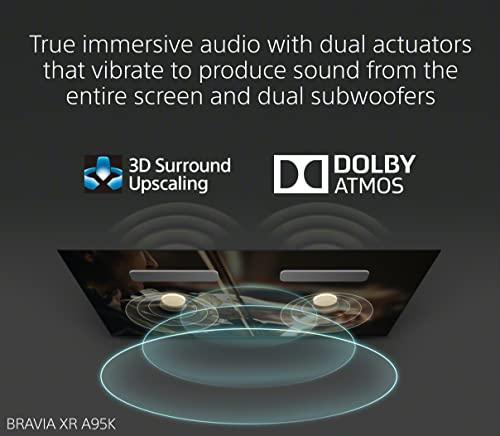
Both TVs deliver surprisingly good audio for thin displays, but they take different approaches. The Sony A95K uses Acoustic Surface Audio+, where actuators behind the screen vibrate the display itself to produce sound. This creates the effect of dialogue and audio coming directly from the screen, which can be remarkably immersive.
The Samsung S95F uses a more traditional speaker setup but with 70W of total power across a 4.2.2 channel configuration. It supports Dolby Atmos and Object Tracking Sound, which attempts to move audio around the screen to match visual elements.
For serious home theater use, you'll likely want to pair either TV with a dedicated sound system. The Sony's ability to act as a center channel speaker is particularly interesting for this application, allowing it to blend seamlessly with external speakers.
Here's where the timing of your purchase really matters. At the time of writing, the Samsung S95F represents dramatically better value than the Sony A95K. You're getting fourth-generation QD-OLED technology, superior gaming features, better reflection handling, and longer software support life for significantly less money.
The Sony A95K, being a 2022 model, is essentially discontinued and available primarily through remaining inventory. While it was a premium product at launch, the rapid advancement in QD-OLED technology means you're paying more for older technology.
This doesn't mean the Sony is a bad TV—it's still excellent. But unless you can find it at a substantial discount, the value equation strongly favors the Samsung.
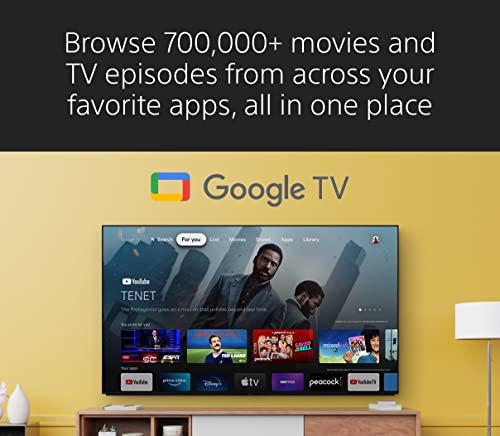
Both TVs offer robust smart TV platforms, but there are meaningful differences. The Sony A95K runs Google TV, which provides excellent app selection and integration with Google services. The Samsung S95F uses Samsung's Tizen platform, which is equally capable but works better if you're already invested in Samsung's ecosystem.
More importantly for long-term satisfaction, Samsung promises seven years of OS and software updates for the S95F. This means your TV will remain current and secure well into the future. The Sony, being from 2022, has already used up some of its expected software support lifespan.
Choose the Sony A95K if:
Choose the Samsung S95F if:
Unless you have very specific needs that favor the Sony—primarily Dolby Vision content or DTS audio requirements—the Samsung S95F represents the better choice for most buyers. The technological advancement between first-generation and fourth-generation QD-OLED panels is substantial, and Samsung's gaming features, reflection handling, and value proposition are hard to ignore.
The Sony A95K remains an excellent television that will deliver spectacular picture quality. Its processing is sophisticated, and for pure home theater use in a dark room, it can be magical. But for the majority of users in typical viewing environments, the Samsung's combination of newer technology, better gaming features, superior reflection handling, and stronger value makes it the more practical choice.
The rapid pace of display technology advancement means that sometimes newer really is better, and this comparison illustrates that perfectly. Both TVs deliver the exceptional picture quality that makes QD-OLED special, but the Samsung S95F does it with more features, better room compatibility, and a price that makes the decision much easier.
| Sony Bravia XR A95K 65" QD-OLED TV | Samsung 65" OLED S95F 4K Smart TV 2025 |
|---|---|
| Display Technology - Determines picture quality foundation | |
| First-gen QD-OLED panel (2022) with quantum dots | Fourth-gen QD-OLED panel (2025) with improved brightness |
| Peak HDR Brightness - Critical for HDR impact and bright rooms | |
| ~1,000 nits (good for dark rooms) | ~2,000+ nits (excellent for any room) |
| Gaming Refresh Rate - Essential for smooth gaming | |
| 120Hz maximum at 4K | 165Hz at 4K (better for PC gaming) |
| HDMI 2.1 Ports - Needed for next-gen consoles and PCs | |
| 2 ports (limiting for multiple devices) | 4 ports (connects everything without switching) |
| HDR Format Support - Affects streaming and disc compatibility | |
| HDR10, HDR10+, Dolby Vision (widest content support) | HDR10, HDR10+ only (no Dolby Vision) |
| Input Lag - Lower is better for competitive gaming | |
| ~16ms (decent for casual gaming) | ~10ms (excellent for competitive gaming) |
| Reflection Handling - Critical for bright room viewing | |
| Glossy screen (shows reflections easily) | Anti-glare matte coating (minimal reflections) |
| Audio Processing - Affects built-in sound quality | |
| Acoustic Surface Audio+ (screen vibrates for sound) | 70W 4.2.2CH with Dolby Atmos |
| Smart TV Platform - Determines app selection and updates | |
| Google TV (excellent app support) | Tizen with 7-year update promise |
| Screen Sizes Available - Flexibility for room size | |
| 55", 65" only | 55", 65", 77", 83" (more options) |
| Release Year - Affects technology generation and support | |
| 2022 (discontinued, first-gen QD-OLED) | 2025 (current model, latest tech) |
| Best For - Primary use case recommendation | |
| Dark room home theater with Dolby Vision content | Bright room gaming and general viewing |
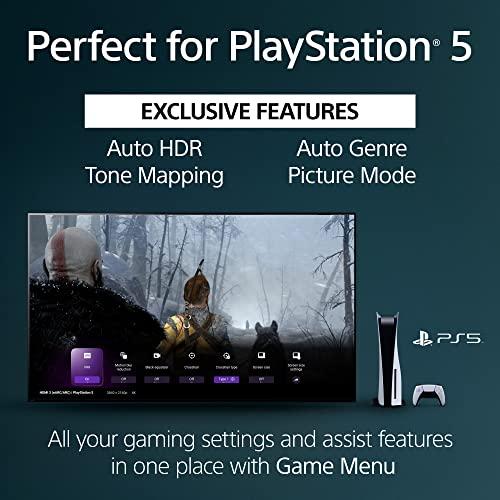
The Samsung S95F is significantly better for gaming. It offers 165Hz refresh rate at 4K compared to the Sony A95K's 120Hz, has four HDMI 2.1 ports versus Sony's two, and delivers lower input lag around 10ms. The Samsung S95F also supports AMD FreeSync for smoother gaming, which the Sony lacks entirely.
The Samsung S95F uses a fourth-generation QD-OLED panel from 2025 that delivers much brighter HDR highlights and better color volume than the Sony A95K's 2022 first-generation panel. However, the Sony A95K excels at HDR tone mapping and preserves shadow details better, making it more accurate for cinematic content.
The Samsung S95F is far superior for bright rooms thanks to its anti-glare matte coating that dramatically reduces reflections. The Sony A95K has a glossy screen that shows reflections easily, making it better suited for darker, controlled lighting environments.
No, only the Sony A95K supports Dolby Vision, which is used by Netflix, Disney+, and Apple TV+. The Samsung S95F only supports HDR10+, which has more limited content availability. This is a significant advantage for the Sony if you watch a lot of premium streaming content.
The Samsung S95F offers dramatically better value, providing newer fourth-generation QD-OLED technology, superior gaming features, better reflection handling, and longer software support at a lower price point than the discontinued Sony A95K.
The Sony A95K runs Google TV with excellent app selection and Google service integration. The Samsung S95F uses Samsung's Tizen platform, which is equally capable but offers seven years of guaranteed OS updates compared to the Sony's shorter remaining support lifecycle.
For a dark, controlled home theater environment, the Sony A95K might have a slight edge due to its superior HDR tone mapping, Dolby Vision support, and more accurate color reproduction. However, the Samsung S95F's brighter HDR highlights can make action movies more impactful even in dark rooms.
The Sony A95K uses Acoustic Surface Audio+ technology where the screen itself vibrates to produce sound, creating immersive audio that appears to come directly from the picture. The Samsung S95F features a traditional 70W 4.2.2CH speaker system with Dolby Atmos support and Object Tracking Sound.
The Samsung S95F offers superior connectivity with four HDMI 2.1 ports versus the Sony A95K's two ports. This is crucial if you have multiple gaming consoles, streaming devices, and sound systems that all need HDMI 2.1 connections for optimal performance.
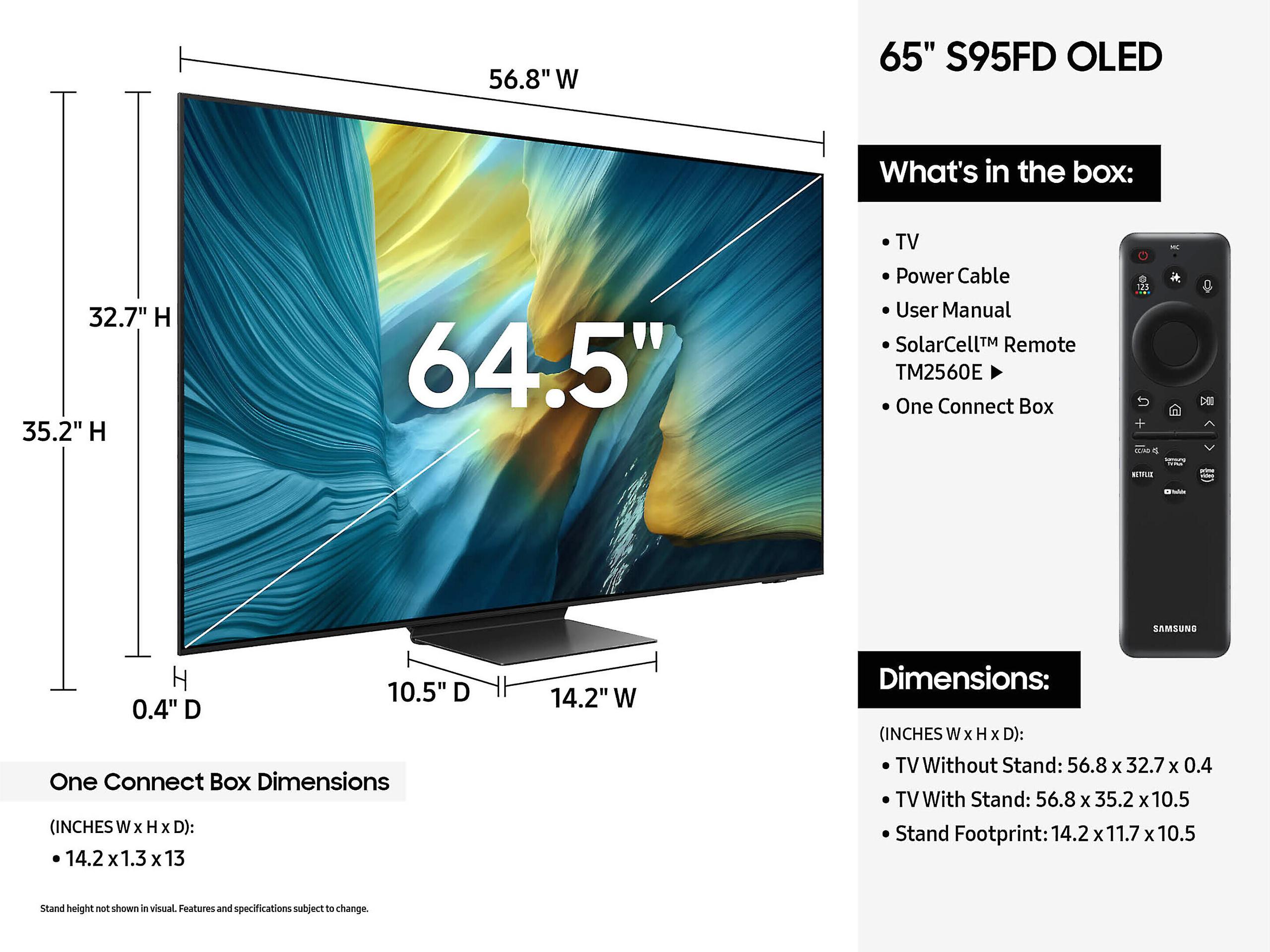
The Sony A95K was only available in 55" and 65" sizes when it launched in 2022. The Samsung S95F offers more flexibility with 55", 65", 77", and 83" screen sizes, though only the smaller three sizes use QD-OLED technology.
The Samsung S95F will remain current longer as a 2025 model with seven years of promised software updates and fourth-generation panel technology. The Sony A95K, being from 2022, has already used up some of its expected support lifespan and uses older first-generation QD-OLED technology.
Choose the Sony A95K only if you specifically need Dolby Vision support, have a dark home theater room, or can find it at a significant discount. For most buyers, the Samsung S95F is the better choice with its newer technology, superior gaming features, better bright room performance, and stronger overall value proposition.
We've done our best to create useful and informative comparisons to help you decide what product to buy. Our research uses advanced automated methods to create this comparison and perfection is not possible - please contact us for corrections or questions. These are the sites we've researched in the creation of this article: tomsguide.com - audioadvice.com - wepc.com - bestbuy.com - tvsbook.com - rtings.com - youtube.com - flatpanelshd.com - rtings.com - youtube.com - reviewed.com - avsforum.com - youtube.com - youtube.com - rtings.com - youtube.com - electronics.sony.com - sonypremiumhome.com - valueelectronics.com - sony.com - displayspecifications.com - flatpanelshd.com - donstv.com - youtube.com - businessinsider.com - youtube.com - displayspecifications.com - bestbuy.com - businessinsider.com - tomsguide.com - youtube.com - avsforum.com - zdnet.com - samsung.com - pioneertvandappliance.com - samsung.com - displayspecifications.com - samsung.com

Privacy Policy
Terms and Conditions - Affiliate Policy
Home Security
© Copyright 2008-2026.
11816 Inwood Rd #1211, Dallas, TX 75244