

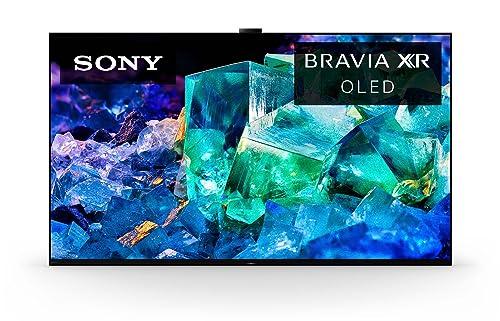


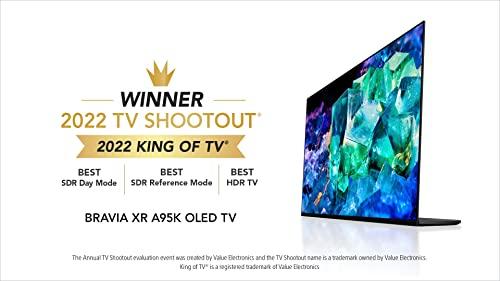
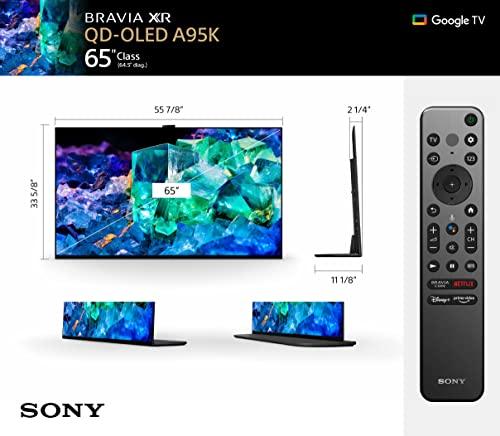




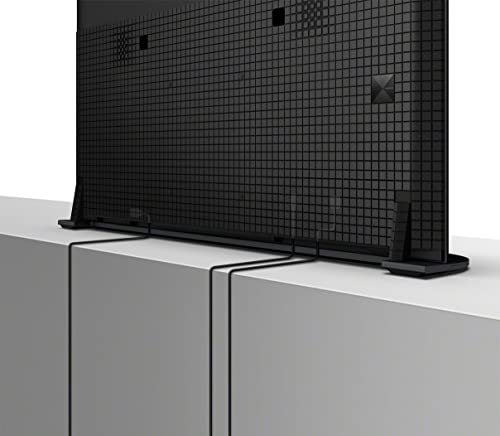
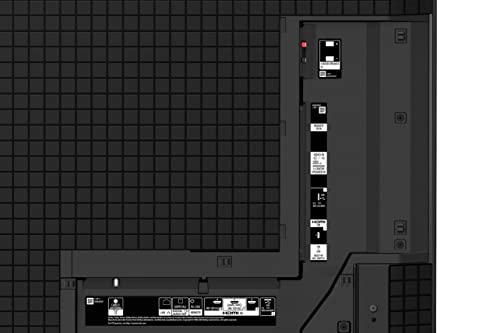
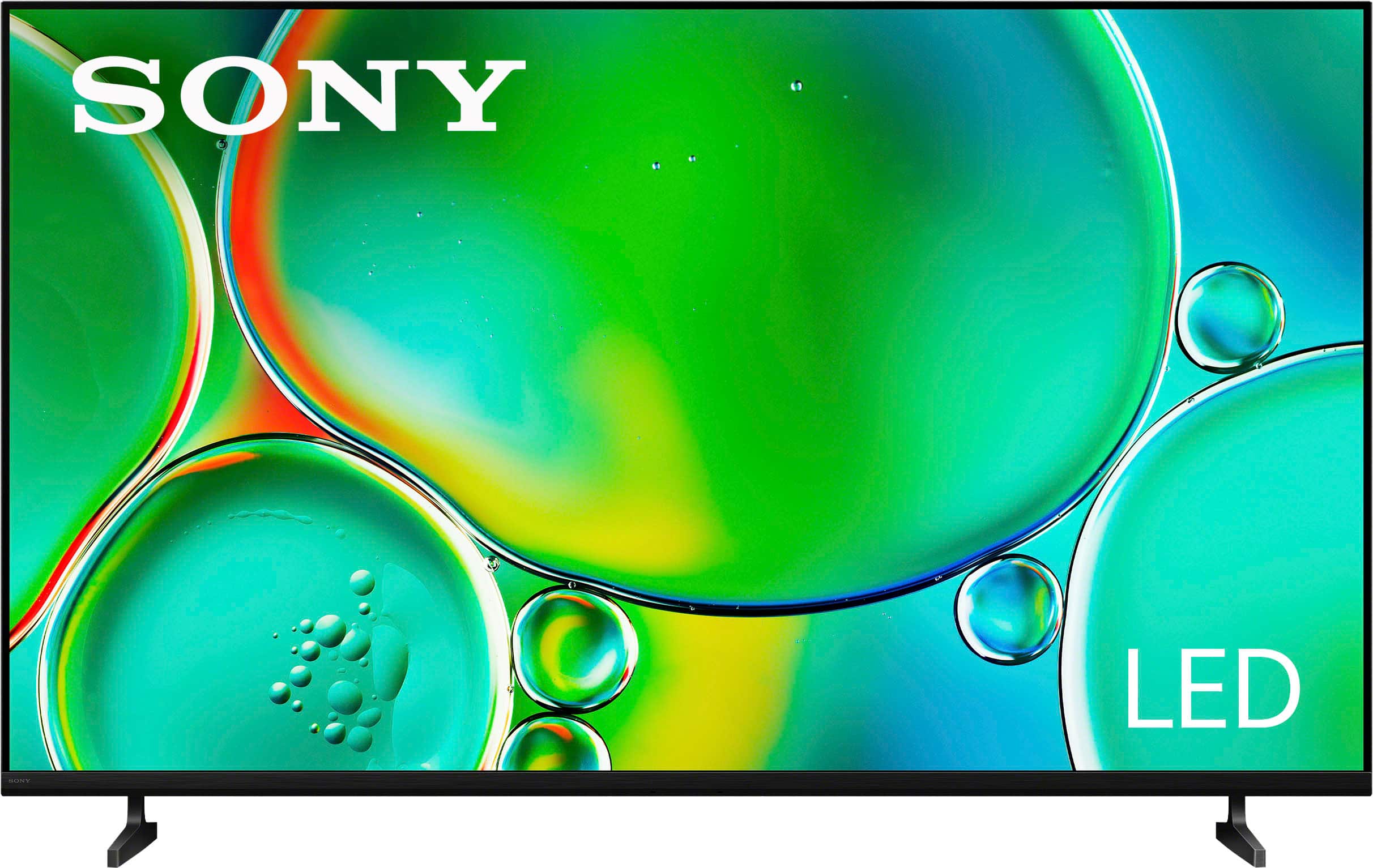
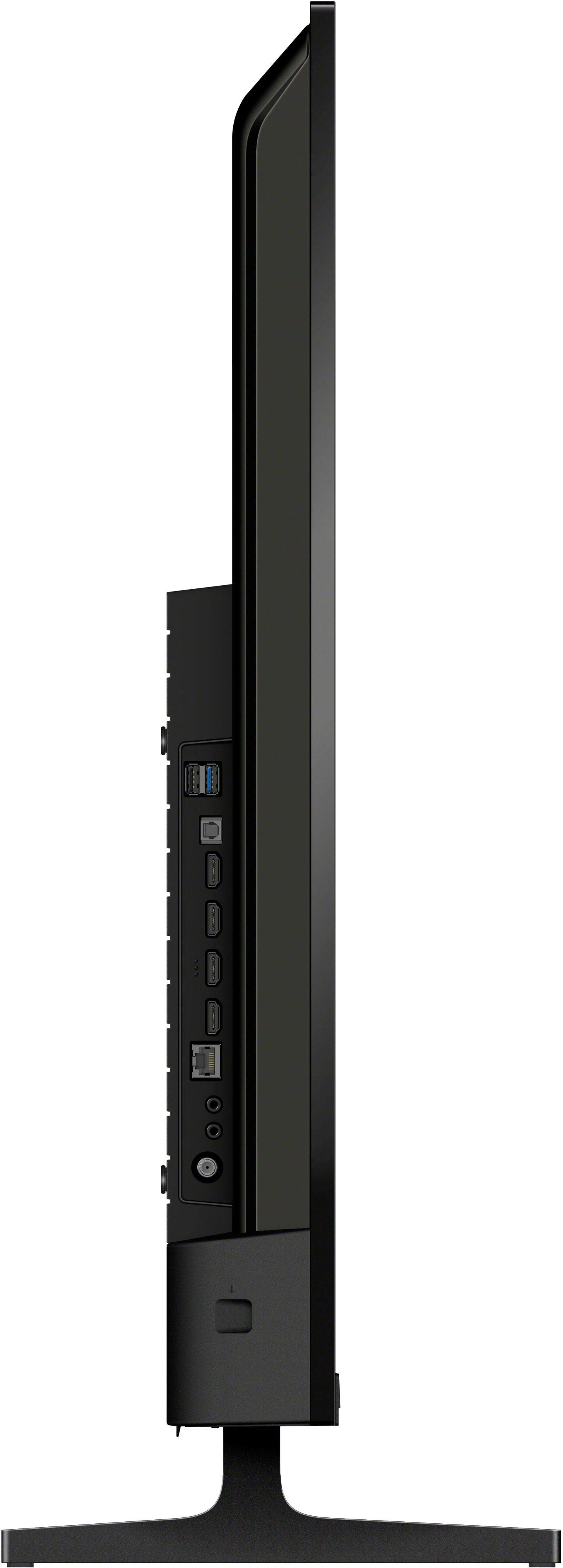
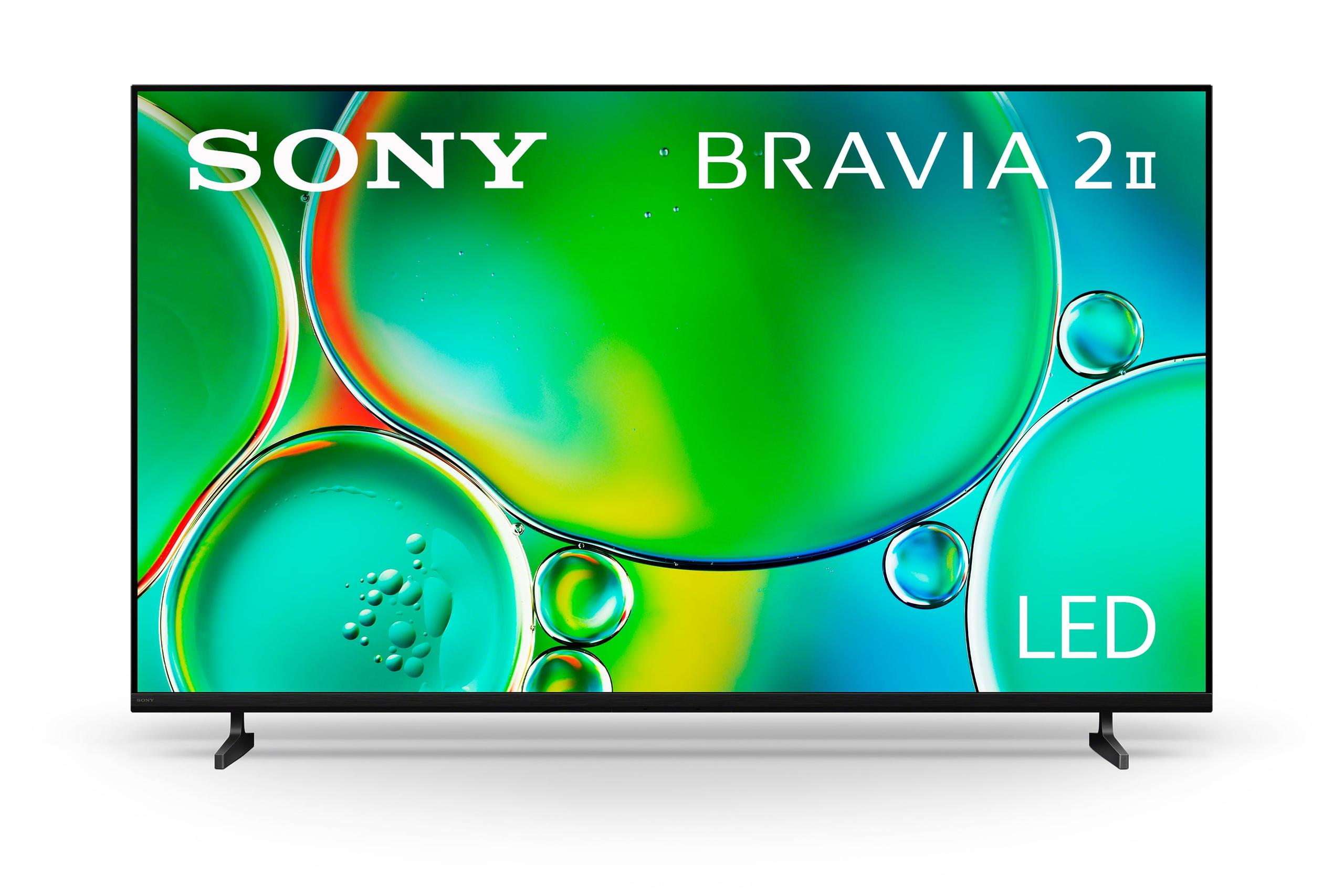


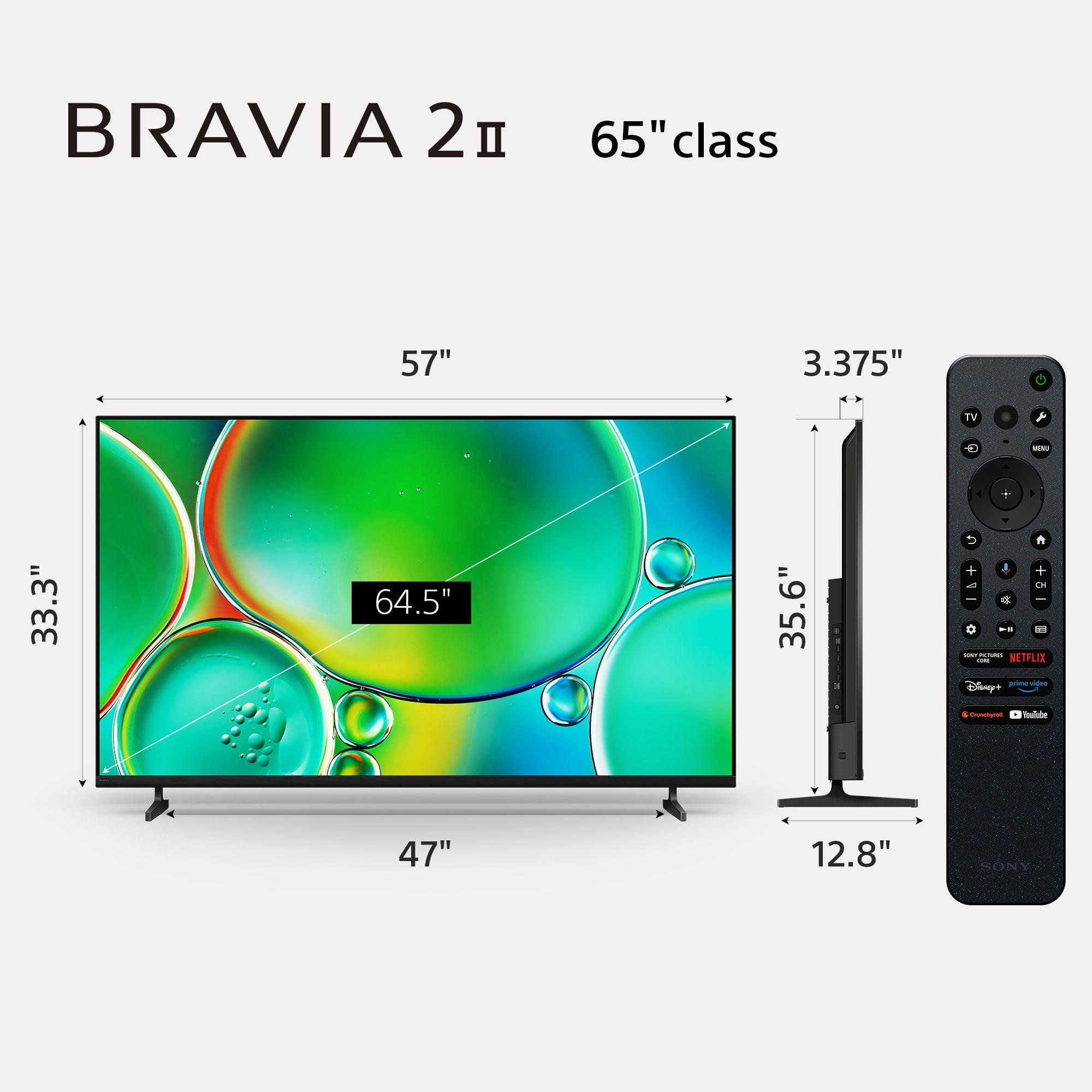




When you're shopping for a new TV, the sheer number of options can feel overwhelming. Sony's 2022-2025 lineup perfectly illustrates this challenge, offering everything from budget-friendly LED models to cutting-edge display technology. Today we're comparing two very different approaches: the flagship Sony Bravia XR A95K 65" QD-OLED TV from 2022 and the entry-level Sony BRAVIA 2 II 65" 4K LED Google TV from 2025.
These televisions couldn't be more different in their approach, price point, and target audience. The A95K represents Sony's technological showcase, introducing the world's first consumer QD-OLED panel, while the BRAVIA 2 II focuses on delivering essential 4K features at an accessible price. Understanding these differences will help you make the right choice for your specific needs and budget.
The most fundamental difference between these TVs lies in their display technology, which affects nearly every aspect of picture quality. Let's break down what each approach offers.
The Sony A95K features QD-OLED technology, a breakthrough that combines two advanced display technologies. Traditional OLED TVs use organic compounds that emit light when electricity passes through them, allowing each pixel to turn completely on or off. This creates perfect blacks since pixels can shut off entirely. However, conventional OLEDs struggle with brightness and color saturation, especially in well-lit rooms.
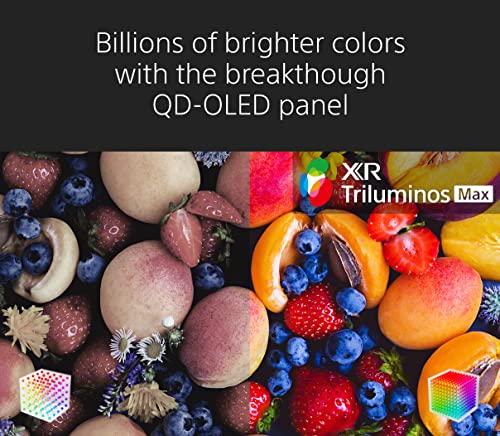
QD-OLED solves this by adding quantum dots - microscopic crystals that convert blue OLED light into pure red and green light. This creates what's essentially a true RGB display (red, green, blue), eliminating the need for white subpixels that dilute colors in traditional OLEDs. The result is up to 200% higher color brightness compared to conventional OLED panels, meaning colors pop with intensity while maintaining those perfect black levels.
This technology translates to real-world benefits you'll notice immediately. Bright scenes in HDR movies look more vibrant and realistic, while dark scenes maintain the deep blacks that make OLED famous. The A95K can display colors that simply aren't possible on other TV technologies, creating an almost three-dimensional depth to images.
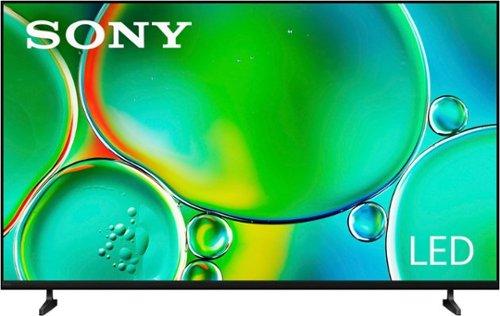
The BRAVIA 2 II uses direct LED backlighting, the most common TV technology today. Here, LED lights behind an LCD panel create the brightness, while the LCD controls how much light passes through to create the image. This approach is mature, reliable, and cost-effective, but it comes with inherent limitations.
Since the backlight is always on, LED TVs can't achieve true black levels - dark scenes appear more like dark gray. The BRAVIA 2 II uses frame dimming, which adjusts the entire backlight's brightness but can't control individual zones. This means bright objects in dark scenes can cause the entire image to appear washed out, a phenomenon called blooming.
However, LED technology has its advantages. These TVs typically get much brighter than OLEDs, making them excellent for well-lit rooms with lots of windows. They're also generally more durable and don't suffer from the burn-in concerns that can affect OLED panels with static images displayed for extended periods.
Picture quality represents the most significant performance gap between these models, and it's where your investment in premium technology really shows.
The A95K delivers color performance that approaches professional reference monitors used in movie production. Sony's XR Triluminos Max technology works with the QD-OLED panel to reproduce the widest color gamut ever seen in a Sony consumer TV. This means colors appear more saturated and accurate, particularly in bright scenes where traditional TVs often struggle.
In practice, this translates to skin tones that look natural, grass that appears genuinely green rather than yellowish, and sunsets with realistic orange and red gradations. The quantum dot technology ensures these colors remain vibrant even at high brightness levels, something conventional OLEDs can't match.
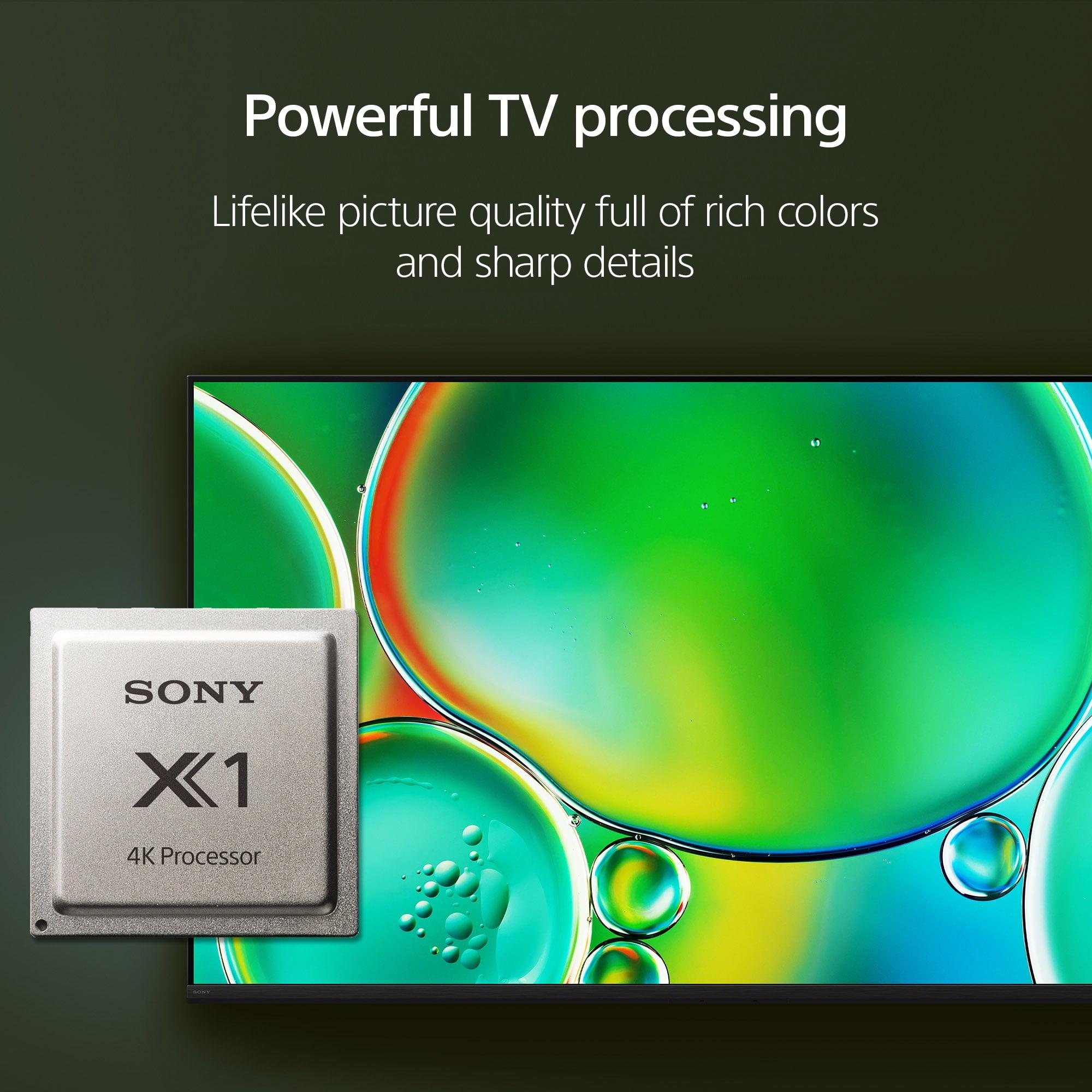
The BRAVIA 2 II offers respectable color performance thanks to Sony's Live Color technology and the 4K Processor X1. While it can't match the A95K's color volume or accuracy, it delivers pleasant, watchable colors that represent a solid upgrade from older HD TVs. For most viewers coming from budget displays, the color improvement will be noticeable and satisfying.
High Dynamic Range (HDR) represents one of the most important advances in TV technology, expanding both the brightness range and color palette beyond what standard definition can achieve. Here, the technology gap between these models becomes most apparent.
The A95K supports Dolby Vision, HDR10, and HLG formats, with the processing power and display capabilities to take full advantage of each. Dolby Vision, in particular, provides scene-by-scene optimization that adjusts brightness and color for optimal impact. When watching HDR movies on streaming services or 4K Blu-rays, highlights appear genuinely bright while shadows retain detail - creating that "looking through a window" effect that makes premium TVs special.
The BRAVIA 2 II handles HDR10 and HLG but lacks Dolby Vision support. More importantly, its LED panel can't achieve the contrast ratio needed to fully realize HDR's potential. Bright highlights don't pop as dramatically, and dark scenes lose shadow detail, resulting in a more compressed dynamic range.
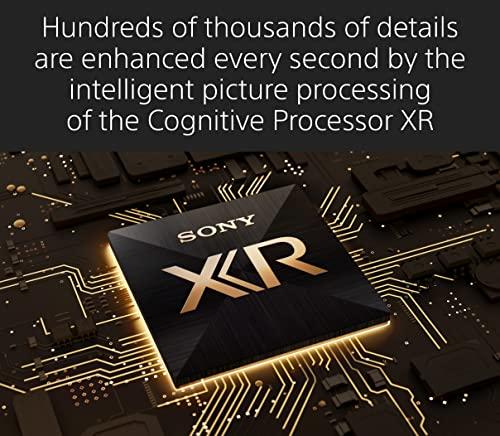
Both TVs need to handle content that isn't native 4K, and this is where processing power matters. The A95K features Sony's Cognitive Processor XR, which analyzes content similarly to how human vision works, focusing on the most important elements in each scene.
This advanced processing excels with older content, sports broadcasts, and streaming video that may be compressed or lower resolution. The processor identifies faces, main subjects, and important details, then applies different enhancement algorithms to each element. The result is upscaled content that often looks surprisingly close to native 4K quality.
The BRAVIA 2 II uses the 4K Processor X1, a capable but simpler processor that handles basic upscaling well. While it includes 4K X-Reality PRO technology for enhancement, it lacks the advanced scene analysis of the XR processor. The difference is most noticeable with challenging content like sports or action scenes with rapid motion.
Gaming has become increasingly important for TV buyers, especially with PlayStation 5 and Xbox Series X consoles pushing 4K gaming at higher frame rates.
The A95K supports 4K gaming at 120Hz through two HDMI 2.1 ports, enabling the smooth, fluid motion that makes fast-paced games more responsive and visually impressive. Variable Refresh Rate (VRR) synchronizes the TV's refresh rate with the console's output, eliminating screen tearing and stuttering during gameplay.
For competitive gamers or those who want the ultimate console gaming experience, these features make a significant difference. Racing games feel more immersive, first-person shooters appear smoother, and even casual gaming benefits from the reduced input lag that comes with optimized gaming modes.
The BRAVIA 2 II is limited to 4K at 60Hz, which covers most current gaming content but lacks the high refresh rate capabilities that future games may utilize more extensively. It includes Auto Low Latency Mode (ALLM) to reduce input lag, making it perfectly adequate for casual gaming, but serious gamers will notice the limitations.
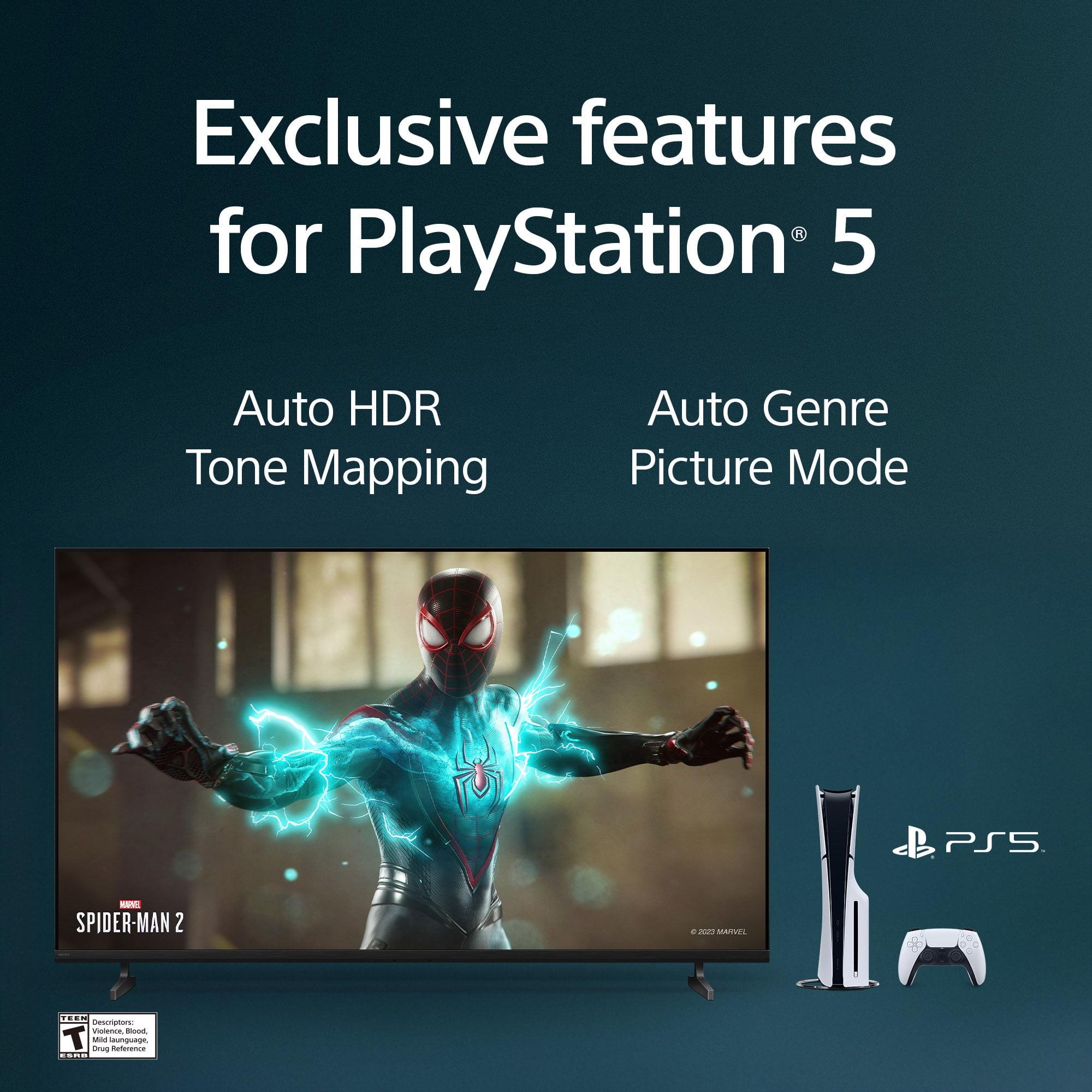
Both TVs include PlayStation 5-specific features like Auto HDR Tone Mapping and dedicated game modes, but the A95K offers more advanced integration. The superior HDR performance and higher refresh rate capabilities make PS5 games look their absolute best, particularly titles that support 120Hz modes.
TV audio quality varies dramatically between models, and it's an area where premium TVs often justify their higher prices.
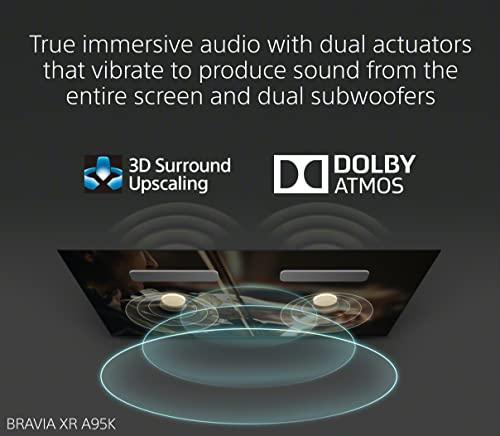
The A95K features Acoustic Surface Audio+ technology, a genuinely innovative approach where actuators vibrate the screen itself to produce sound. This creates a more immersive experience since dialogue appears to come directly from characters' mouths rather than from speakers below the screen. The 60-watt system includes dedicated tweeters and can even function as a center channel speaker in a surround sound setup.
This technology works particularly well for dialogue clarity and creates a more engaging viewing experience for movies and TV shows. While it won't replace a dedicated sound system for serious audiophiles, it's surprisingly effective and represents a significant upgrade over traditional TV speakers.
The BRAVIA 2 II includes a more conventional speaker system with Dolby Atmos processing, but the 20-watt output and standard placement limit its impact. It's adequate for casual viewing but will leave most users wanting external audio solutions for movies or music.
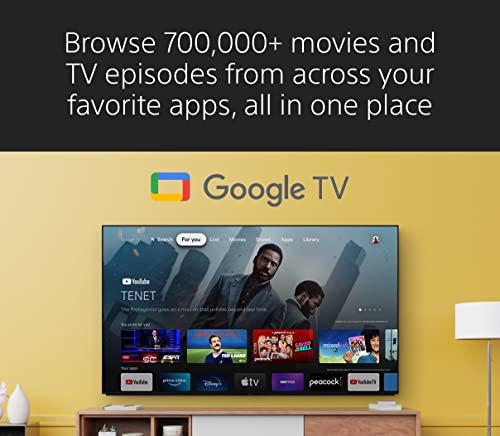
Both televisions run Google TV, Sony's chosen smart TV platform, providing access to all major streaming services and a user-friendly interface. The experience is nearly identical between models, with Google Assistant voice control, Chromecast built-in, and Apple AirPlay 2 support.
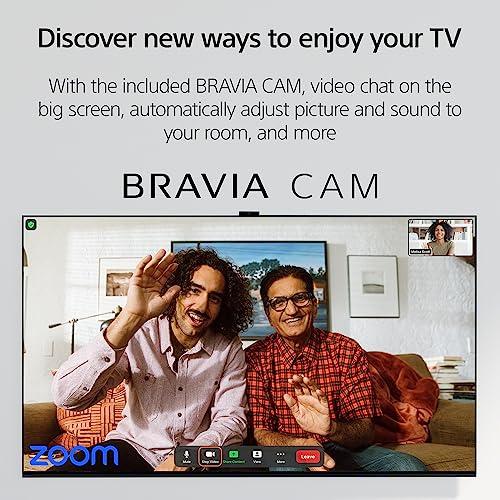
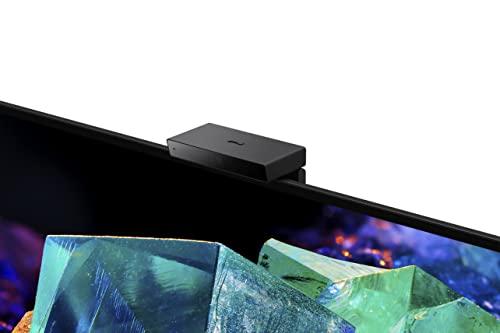
The A95K includes the BRAVIA CAM, an interesting addition that enables gesture controls and video chat capabilities. While not revolutionary, it adds convenience for smart home integration and video calling.
Both TVs receive regular software updates, ensuring access to new streaming services and security patches. The Google TV interface organizes content from multiple services into a cohesive recommendations system, making it easier to find something to watch.
For dedicated home theater setups, the A95K offers several advantages that justify its premium positioning. The superior contrast ratio and color accuracy make it ideal for movie viewing in controlled lighting environments. The wide viewing angles ensure consistent picture quality across different seating positions, while the advanced audio system reduces the need for immediate sound system upgrades.
The BRAVIA 2 II can certainly work in a home theater setting, but its limitations become more apparent in this context. The reduced contrast and HDR performance mean you won't get the full cinematic experience that premium content can provide.
At the time of writing, these TVs occupy very different price segments, with the A95K commanding a significant premium over the BRAVIA 2 II. However, the A95K's price has decreased substantially since its 2022 launch, making it more accessible to buyers seeking premium performance.
The value proposition depends entirely on your priorities and viewing habits. The BRAVIA 2 II delivers excellent value for basic 4K viewing, streaming, and casual gaming. It provides Sony's reliable build quality and smart TV features at an entry-level price point.
The A95K justifies its premium through breakthrough display technology, superior gaming capabilities, and advanced audio systems. For viewers who can appreciate these differences - and have the budget to support them - the enhanced experience is substantial and long-lasting.
The Sony BRAVIA 2 II makes sense for buyers who need a reliable 4K TV without premium features. It's excellent for bedrooms, kitchens, or as a family room TV where basic streaming and broadcast viewing are the primary uses. First-time 4K buyers will appreciate the upgrade from HD without the complexity or expense of premium features.
The Sony A95K targets buyers seeking the best possible picture quality and gaming performance. Movie enthusiasts, serious gamers, and tech enthusiasts who appreciate cutting-edge display technology will find the investment worthwhile. It's also ideal for main living room installations where the TV serves as the centerpiece of home entertainment.
Choose the BRAVIA 2 II if you need solid 4K performance at a budget-friendly price, plan to use it primarily for streaming and basic viewing, or are buying a secondary TV for casual use.
Select the A95K if picture quality is your top priority, you're a serious gamer needing advanced features, you watch a lot of movies and want cinema-quality performance, or you value having the latest display technology.
The technology gap between these models is substantial, but so is the price difference. Your choice should align with how you'll actually use the TV and whether you'll appreciate the advanced features enough to justify the additional investment. Both represent solid choices within their respective categories, but they serve very different audiences and use cases.
| Sony Bravia XR A95K 65" QD-OLED TV | Sony BRAVIA 2 II 65" 4K LED Google TV 2025 |
|---|---|
| Display Technology - The foundation that determines picture quality, contrast, and viewing experience | |
| QD-OLED with quantum dots for perfect blacks and 200% higher color brightness | Standard LED with LCD panel and direct backlighting |
| Peak Brightness - Critical for HDR performance and bright room viewing | |
| ~400 nits typical, optimized for controlled lighting with infinite contrast | Higher brightness capability but limited by contrast performance |
| Contrast Ratio - Most important factor for dramatic picture quality and depth | |
| Infinite contrast (pixels turn completely off for true blacks) | Limited by LED backlight always being on, blacks appear gray |
| HDR Support - Determines compatibility with premium streaming and disc content | |
| Dolby Vision, HDR10, HLG with exceptional processing | HDR10 and HLG only (no Dolby Vision support) |
| Gaming Performance - Essential for PlayStation 5 and Xbox Series X owners | |
| 4K@120Hz, VRR, ALLM on two HDMI 2.1 ports | 4K@60Hz maximum, ALLM but no VRR or high refresh rates |
| Processor - Affects upscaling quality and smart features responsiveness | |
| Cognitive Processor XR with advanced AI scene analysis | 4K Processor X1 with basic upscaling and enhancement |
| Audio System - Determines whether you need external speakers immediately | |
| Acoustic Surface Audio+ (60W, screen vibrates to create sound) | Standard speakers (20W total) with Dolby Atmos processing |
| Smart TV Platform - Both identical for streaming and app selection | |
| Google TV with BRAVIA CAM for gesture controls | Google TV with standard remote control |
| Target Audience - Who should consider each model | |
| Movie enthusiasts, serious gamers, premium picture quality seekers | Budget-conscious buyers, secondary TVs, basic 4K upgraders |
| Best Use Cases - Where each TV excels | |
| Home theaters, main living rooms, next-gen gaming setups | Bedrooms, casual viewing spaces, first-time 4K buyers |
| Value Proposition - What you get for the investment | |
| Cutting-edge display technology with flagship performance | Essential 4K features with Sony reliability at entry-level pricing |
The primary difference is display technology. The Sony Bravia XR A95K uses advanced QD-OLED technology with quantum dots for perfect blacks and vibrant colors, while the Sony BRAVIA 2 II uses standard LED backlighting. This creates a significant gap in picture quality, contrast, and color performance, with the A95K delivering premium cinema-like viewing and the BRAVIA 2 II providing solid basic 4K performance.
The Sony Bravia XR A95K is significantly better for gaming, supporting 4K at 120Hz, Variable Refresh Rate (VRR), and advanced gaming features on two HDMI 2.1 ports. The Sony BRAVIA 2 II is limited to 4K at 60Hz without VRR, making it adequate for casual gaming but not ideal for serious gamers with PlayStation 5 or Xbox Series X consoles.
Yes, both the Sony A95K and Sony BRAVIA 2 II run Google TV with identical app selection, streaming capabilities, and voice control features. The main difference is that the A95K includes a BRAVIA CAM for gesture controls and video chat, while the BRAVIA 2 II uses a standard remote control setup.
The Sony BRAVIA 2 II performs better in very bright rooms due to its LED backlighting technology, which can achieve higher peak brightness levels. The Sony A95K is optimized for controlled lighting environments where its superior contrast and color performance shine, though it includes anti-reflection coating to help with ambient light.
The Sony Bravia XR A95K features superior Acoustic Surface Audio+ technology where the screen itself produces sound, creating immersive audio with 60 watts of power. The Sony BRAVIA 2 II has conventional 20-watt speakers that are adequate for basic viewing but will likely require external audio solutions for optimal movie or music experience.
Value depends on your needs and budget. The Sony BRAVIA 2 II offers excellent value for buyers seeking reliable 4K performance at an entry-level investment. The Sony A95K provides superior value for those who prioritize picture quality, gaming features, and premium technology, especially considering its significant discount from original launch pricing.
The Sony Bravia XR A95K excels for home theater use with its infinite contrast ratio, wide color gamut, Dolby Vision support, and superior audio system. The Sony BRAVIA 2 II can work for casual movie watching but lacks the contrast performance and HDR capabilities needed for premium cinematic experiences in dedicated home theater setups.
The Sony A95K supports Dolby Vision, HDR10, and HLG formats with the processing power to fully utilize each format's capabilities. The Sony BRAVIA 2 II supports HDR10 and HLG but lacks Dolby Vision, limiting its compatibility with premium streaming content and reducing overall HDR impact.
The Sony Bravia XR A95K features the advanced Cognitive Processor XR that uses AI to analyze and enhance content similar to human vision, providing superior upscaling of HD content to near-4K quality. The Sony BRAVIA 2 II uses the capable 4K Processor X1 with decent upscaling, but it can't match the advanced scene analysis of the premium model.
The Sony A95K offers excellent viewing angles typical of OLED technology, maintaining consistent picture quality and colors from side seating positions. The Sony BRAVIA 2 II has more limited viewing angles due to its LCD panel, with some color shifting and contrast reduction when viewed from extreme angles.
The Sony Bravia XR A95K is more future-proof with its HDMI 2.1 ports, 4K@120Hz gaming support, advanced HDR processing, and cutting-edge display technology that will remain relevant longer. The Sony BRAVIA 2 II covers current 4K streaming and gaming needs but lacks the advanced features that may become more important as content and gaming evolve.
Choose the Sony BRAVIA 2 II if you need a reliable 4K TV for basic streaming, casual viewing, or secondary room use at an accessible price point. Select the Sony A95K if you're a movie enthusiast, serious gamer, or want the best possible picture quality for your main entertainment setup, and the premium investment fits your budget and viewing priorities.
We've done our best to create useful and informative comparisons to help you decide what product to buy. Our research uses advanced automated methods to create this comparison and perfection is not possible - please contact us for corrections or questions. These are the sites we've researched in the creation of this article: tomsguide.com - audioadvice.com - wepc.com - bestbuy.com - tvsbook.com - rtings.com - youtube.com - flatpanelshd.com - rtings.com - youtube.com - reviewed.com - avsforum.com - youtube.com - youtube.com - rtings.com - youtube.com - electronics.sony.com - sonypremiumhome.com - valueelectronics.com - sony.com - displayspecifications.com - flatpanelshd.com - donstv.com - youtube.com - businessinsider.com - youtube.com - displayspecifications.com - bestbuy.com - bestbuy.com - notebookcheck.net - rtings.com - youtube.com - youtube.com - rtings.com - avsforum.com - croma.com - totonstv.com - electronics.sony.com - listenup.com - pcrichard.com - youtube.com - flanners.com - brandsmartusa.com - displayspecifications.com - pioneertvandappliance.com - donstv.com

Privacy Policy
Terms and Conditions - Affiliate Policy
Home Security
© Copyright 2008-2026.
11816 Inwood Rd #1211, Dallas, TX 75244