

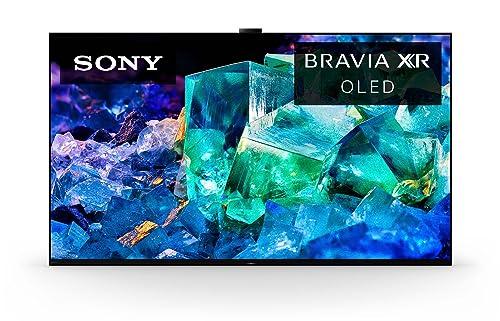


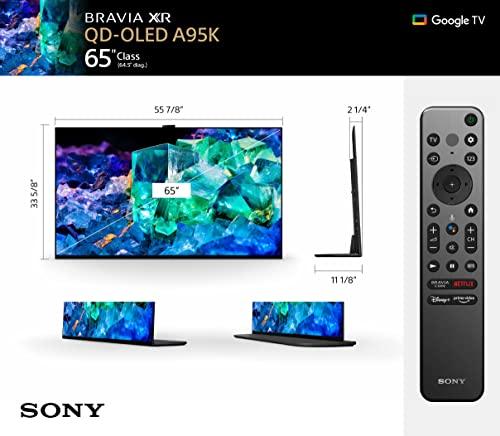




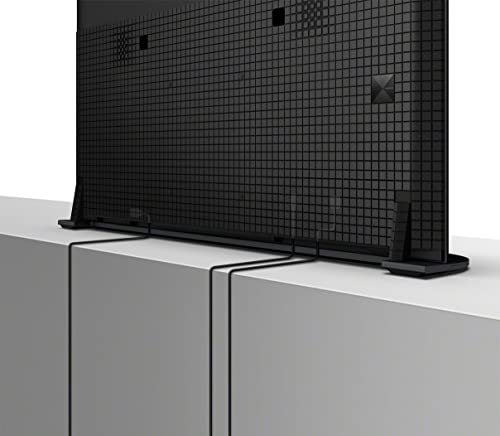
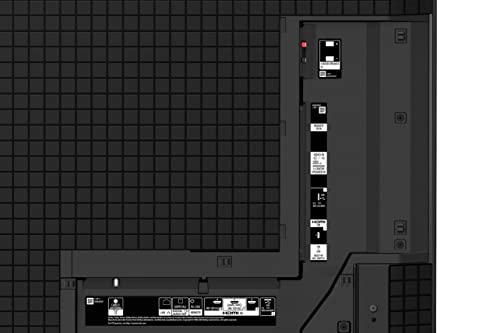
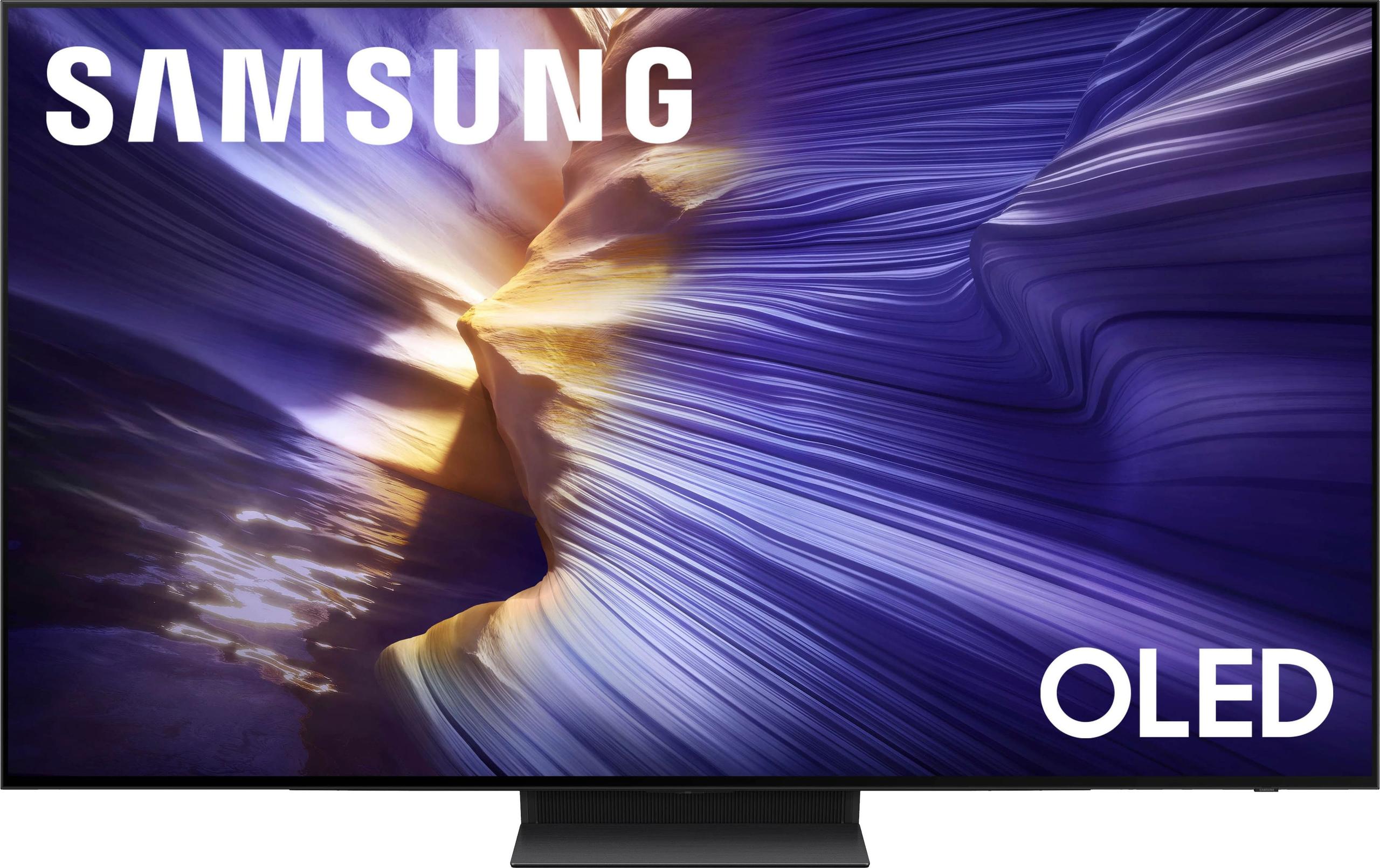
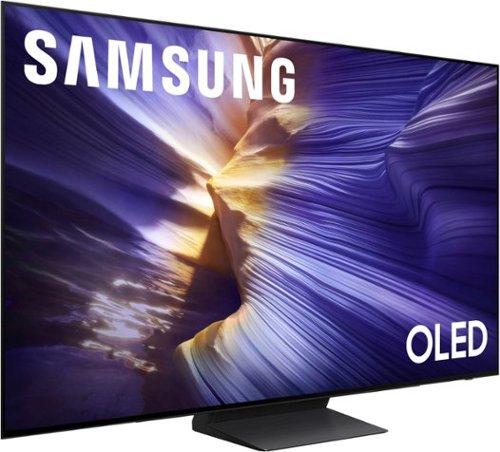
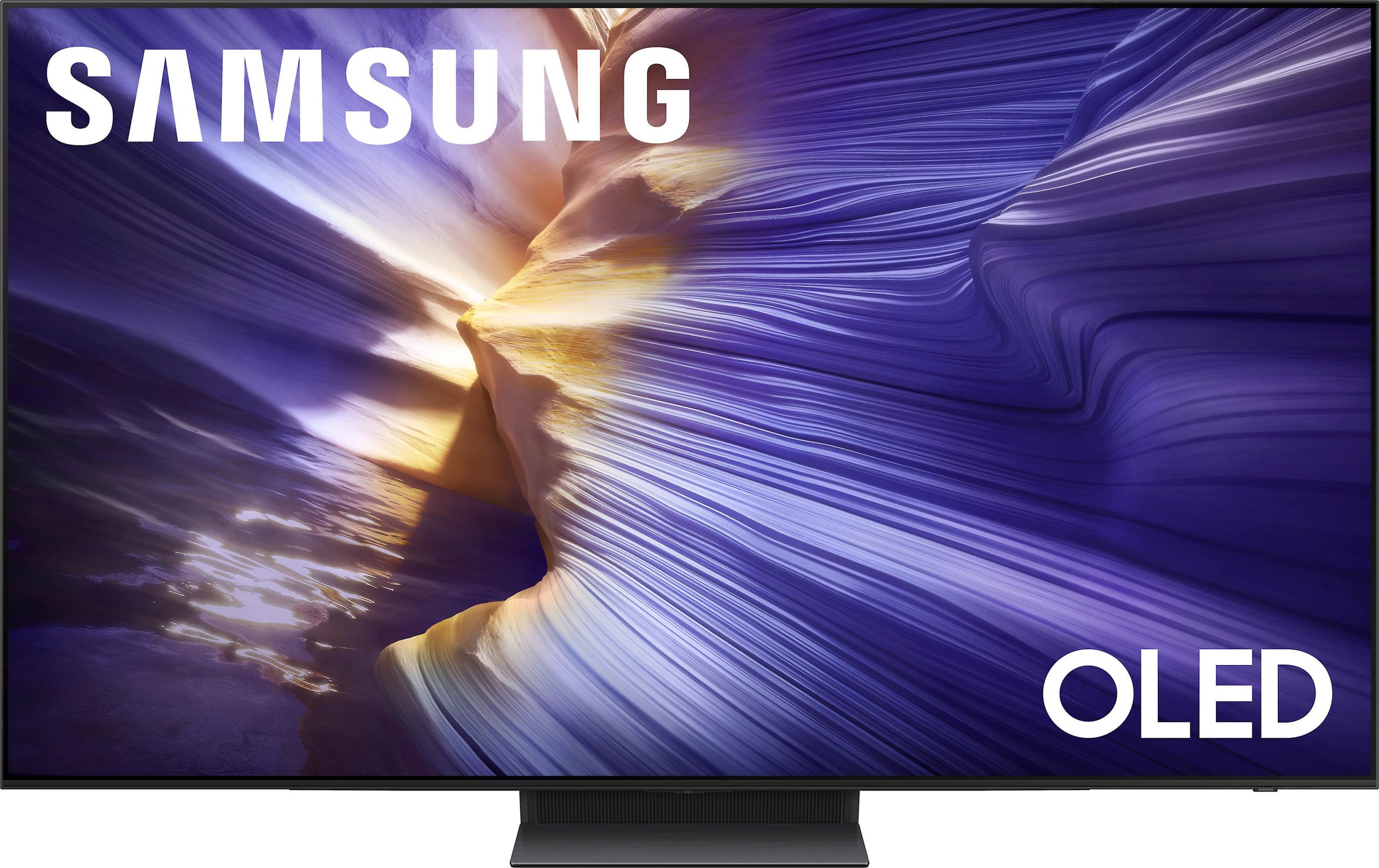
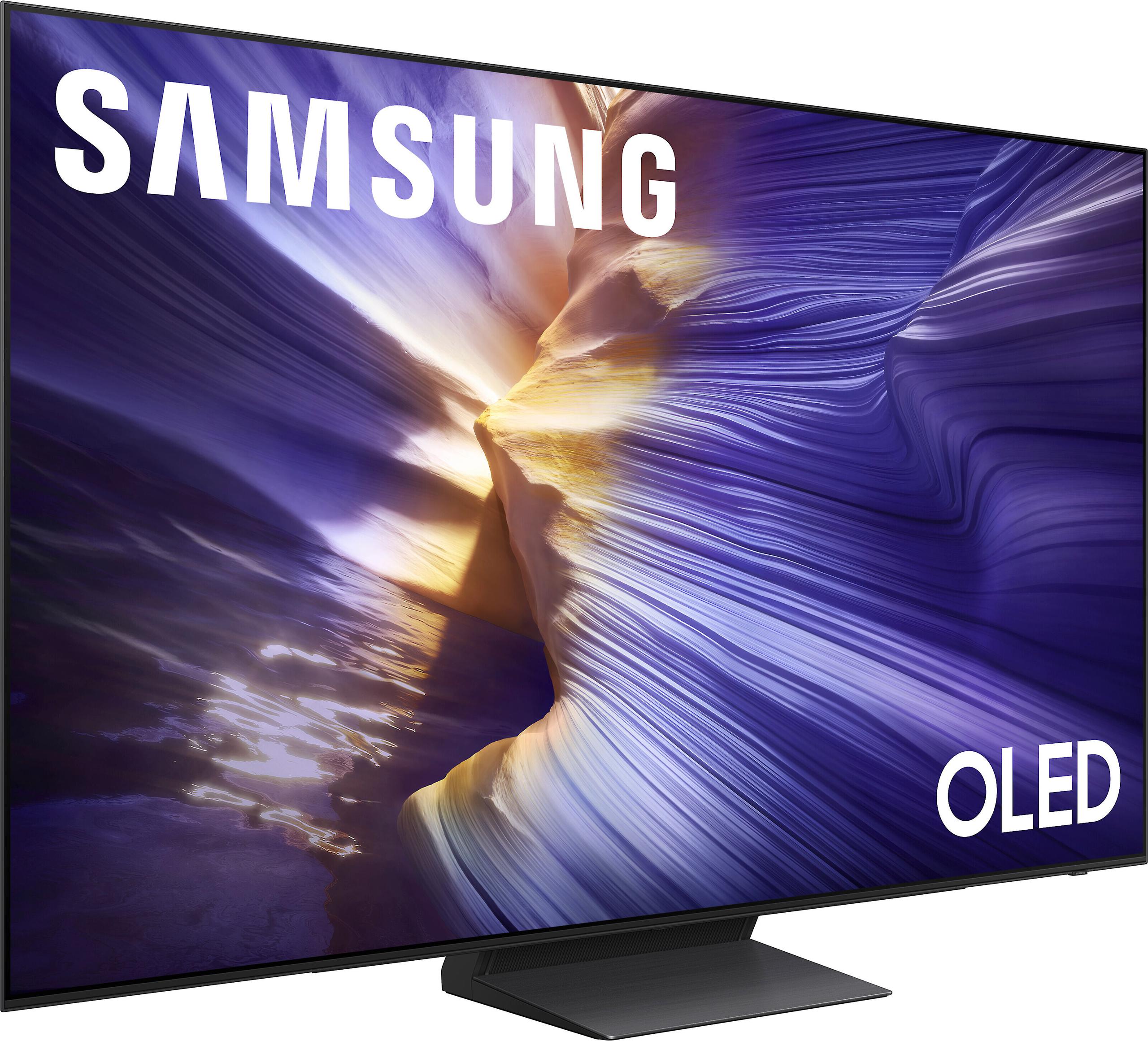
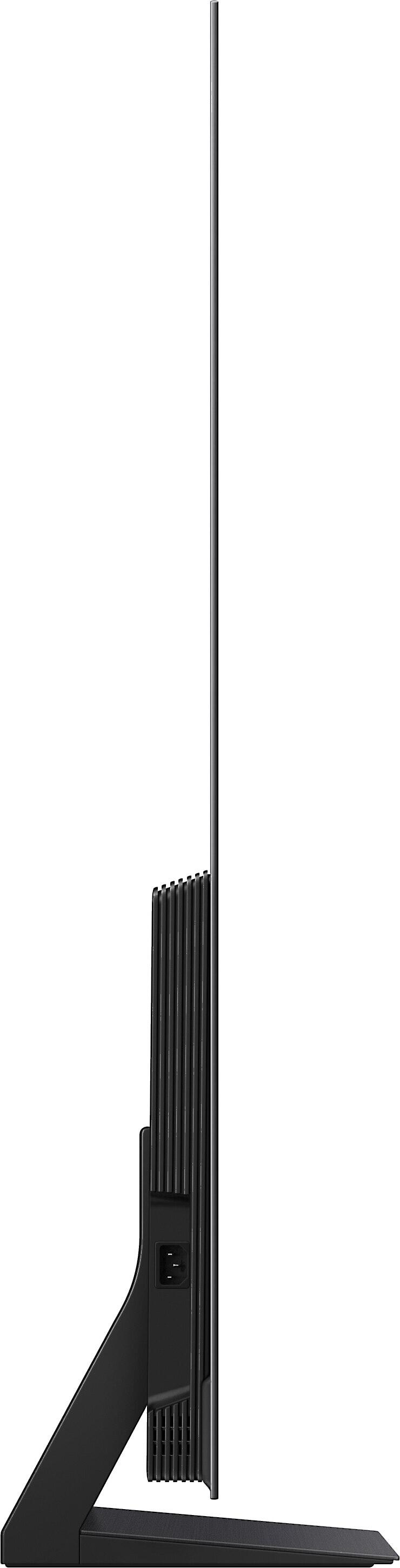
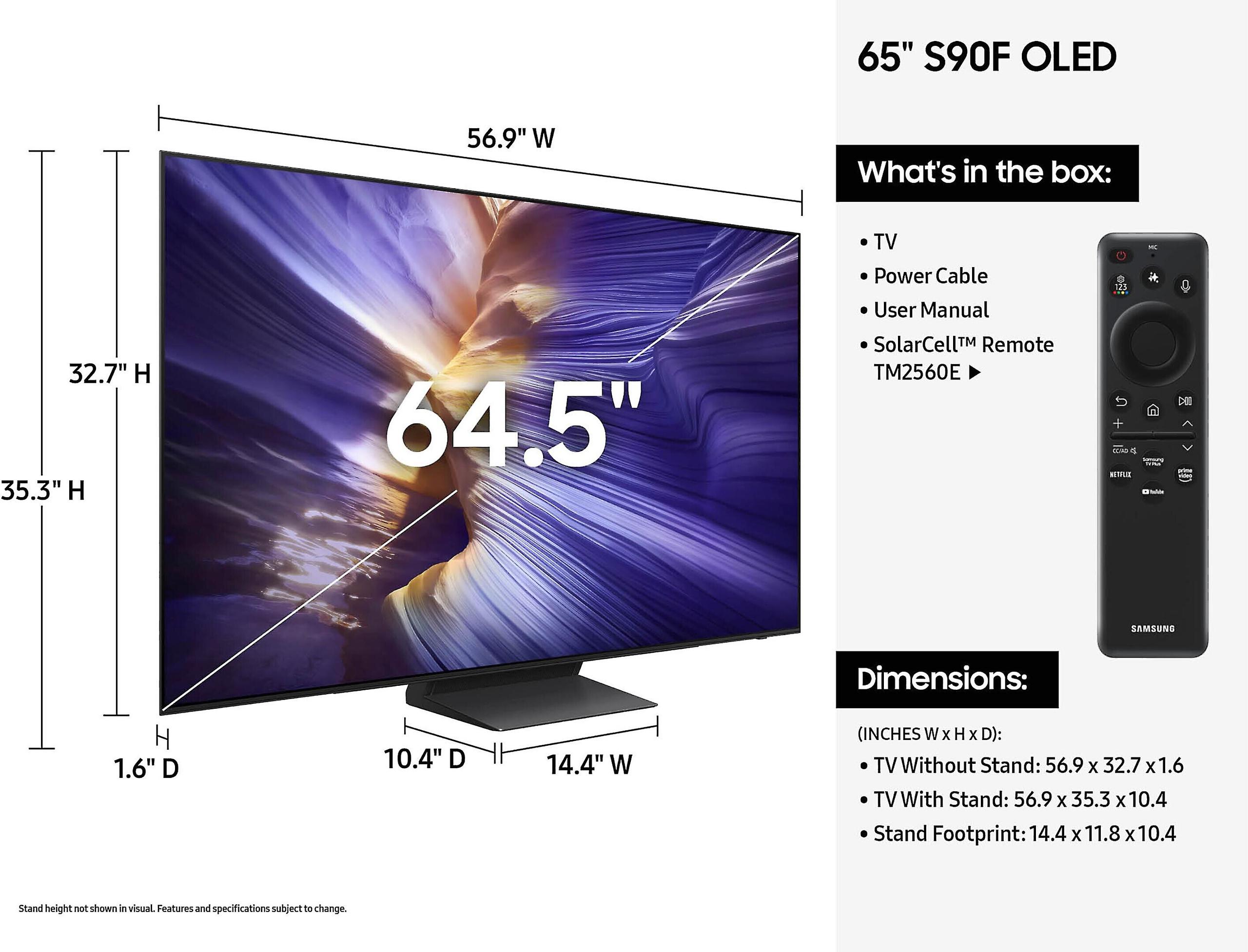


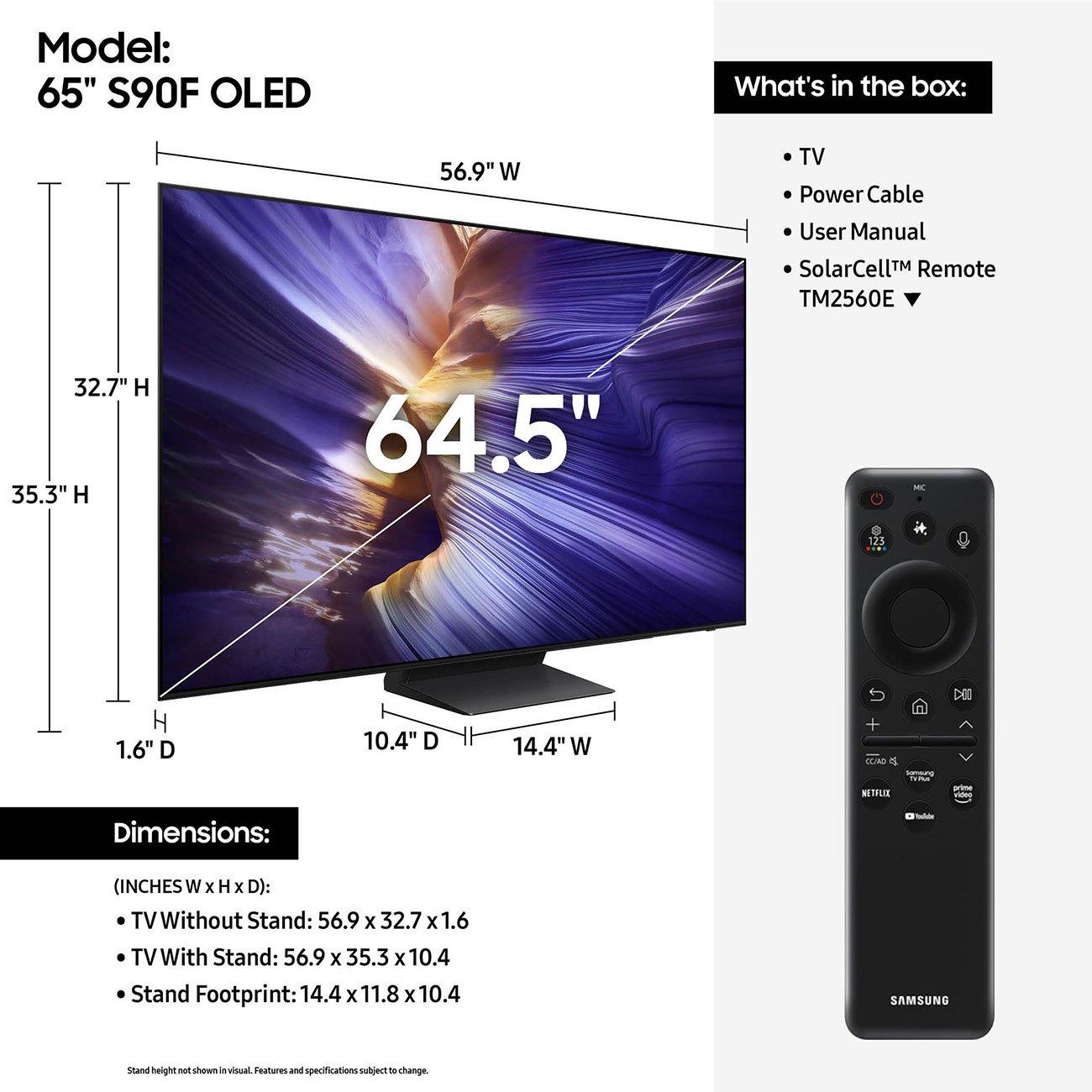
When shopping for a premium OLED television, you're entering territory where picture quality reaches near-perfection, but the details matter enormously. The Sony Bravia XR A95K and Samsung S90F represent two compelling but distinctly different approaches to high-end OLED technology, separated by three years of innovation and positioned at different market tiers.
Understanding these differences isn't just about specs—it's about finding the TV that matches how you actually watch content and what you value most in your viewing experience.
OLED (Organic Light-Emitting Diode) TVs create images using millions of self-illuminating pixels that can turn completely off to produce perfect blacks. Unlike LED TVs that use backlights, each OLED pixel generates its own light, creating infinite contrast ratios where bright stars can shine against truly black space.
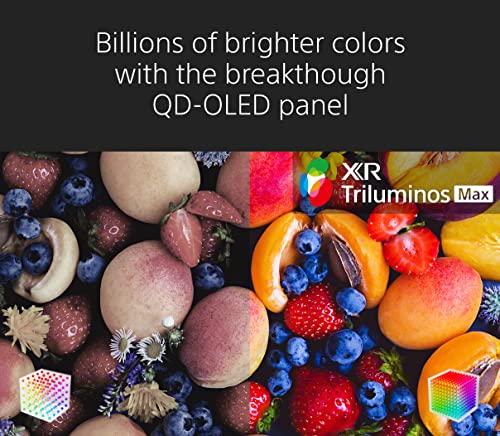
Both the Sony A95K and Samsung S90F use QD-OLED technology, which combines traditional OLED benefits with quantum dot color enhancement. Think of quantum dots as microscopic crystals that convert blue OLED light into precise red and green wavelengths, expanding the color palette far beyond what conventional OLEDs can achieve.
The key considerations when evaluating premium OLEDs include peak brightness (how bright highlights can get), color accuracy (how true-to-life colors appear), gaming performance (input lag and refresh rates), HDR format support (which premium video formats the TV can display), and smart platform capabilities. At this price level, minor differences in these areas can significantly impact your daily viewing experience.
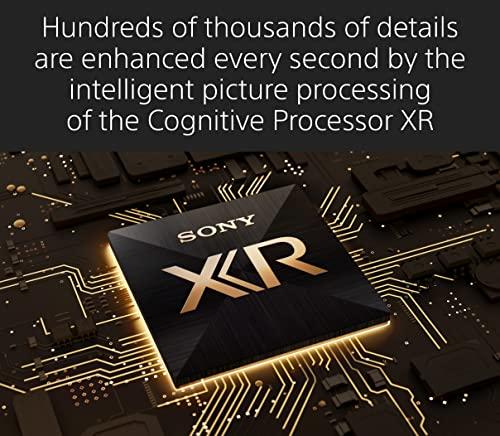
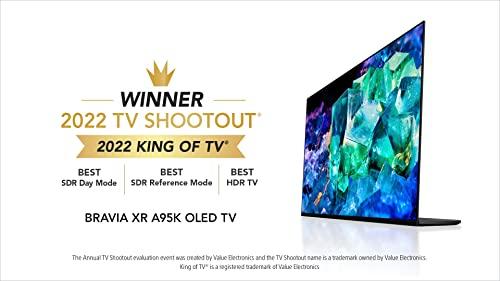
The Sony A95K launched in 2022 as Sony's flagship showcase of their first consumer QD-OLED implementation. At the time of writing, this represents previous-generation technology, but Sony's 2022 flagship carried cutting-edge features like their Cognitive Processor XR and acoustic surface audio technology. Originally positioned as a premium product, the A95K has become more accessible as newer models have entered the market.
The Samsung S90F arrived in 2025 as Samsung's mid-range OLED offering, sitting below their flagship S95F series but incorporating modern AI processing and enhanced gaming features. This represents current-generation technology with three years of improvements over the Sony's release date.
This timeline matters because OLED technology has evolved significantly since 2022. Panel efficiency has improved, brightness levels have increased, and AI processing has become more sophisticated. However, fundamental picture quality achievements from 2022 flagships often remain competitive with newer mid-range models.
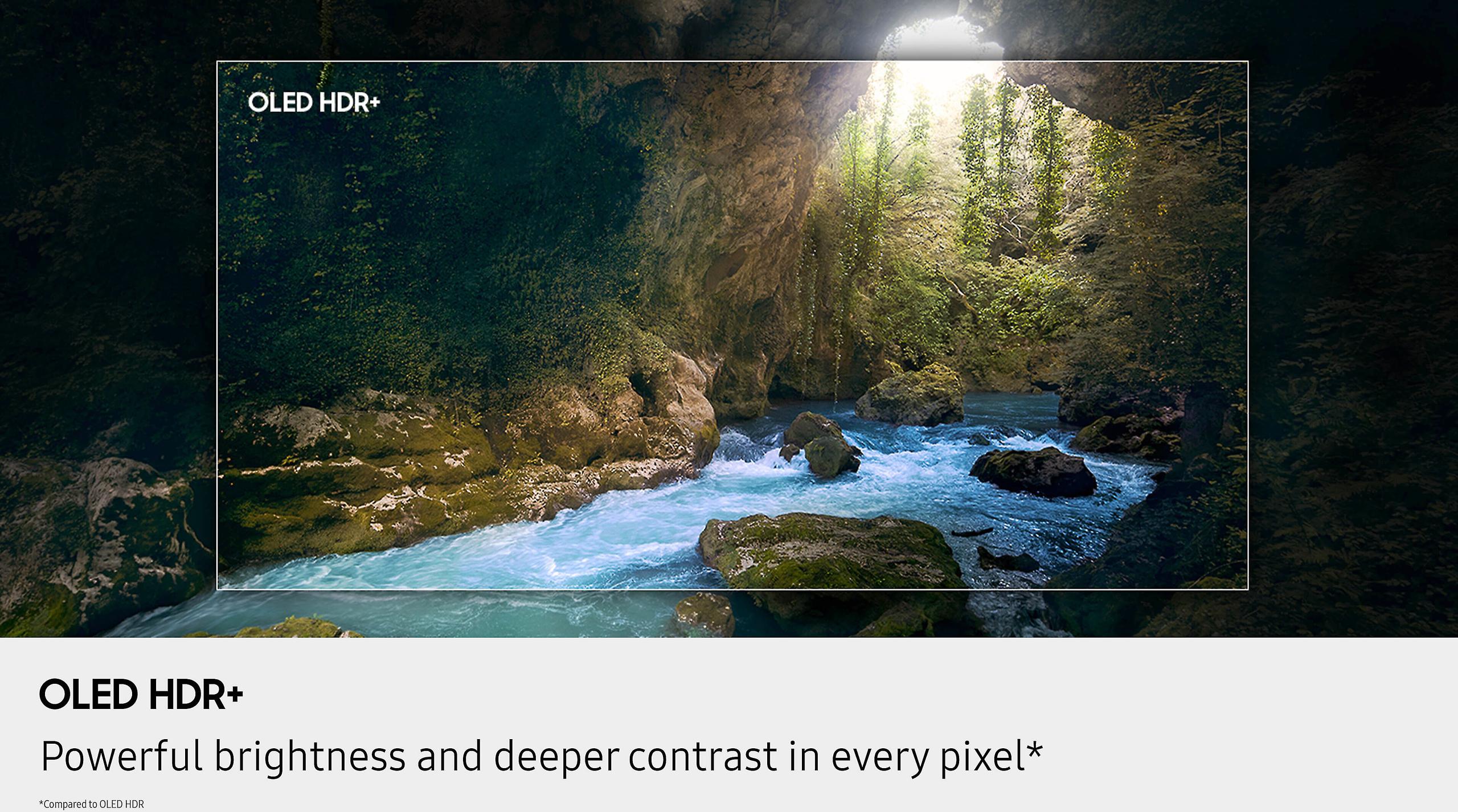
Peak brightness determines how well a TV handles bright room viewing and how punchy HDR highlights appear. The Samsung S90F achieves approximately 1,600 nits in small highlight areas—significantly brighter than most OLEDs from 2022. This translates to more vibrant HDR content and better performance in rooms with ambient light.
The Sony A95K, being from 2022, delivers more modest peak brightness but compensates with exceptional tone mapping—the process of translating HDR content to match the display's capabilities. Sony's Cognitive Processor XR analyzes each scene to determine optimal brightness distribution, often making lower peak brightness less noticeable in practice.
For bright living rooms or spaces with large windows, the Samsung's superior brightness provides clear advantages. However, in dedicated home theaters or controlled lighting environments, the Sony's processing excellence can actually produce more satisfying results despite lower raw brightness numbers.
Both TVs utilize QD-OLED panels, but their color processing differs significantly. The Sony A95K implements XR Triluminos Max technology, which leverages Sony's decades of professional monitor experience to deliver colors that closely match film production standards. This creates a more cinematic viewing experience that many home theater enthusiasts prefer.
The Samsung S90F uses Samsung's 2025 color processing with Pantone validation, focusing on vibrant, eye-catching colors that pop off the screen. Samsung's approach tends to make colors more saturated and dynamic, which many viewers find immediately impressive.
However, a crucial difference lies in HDR format support. The Sony A95K supports Dolby Vision, the premium HDR standard used by Netflix, Disney+, Apple TV+, and most major streaming services. Dolby Vision uses dynamic metadata to optimize each scene's brightness and color mapping, providing superior results compared to static HDR formats.
The Samsung S90F notably lacks Dolby Vision support, limiting it to HDR10, HDR10+, and HLG formats. While HDR10+ provides some dynamic optimization, the absence of Dolby Vision represents a significant limitation for streaming-focused viewers. This isn't just a technical checkbox—you'll miss out on optimized presentation of major blockbuster movies and premium TV series.
The Sony A95K excels at upscaling lower-resolution content thanks to its Cognitive Processor XR, which uses AI to analyze and enhance details while reducing artifacts. Sony's processing particularly shines with older content, film grain handling, and 24fps movie material, maintaining the director's intended look while maximizing detail.
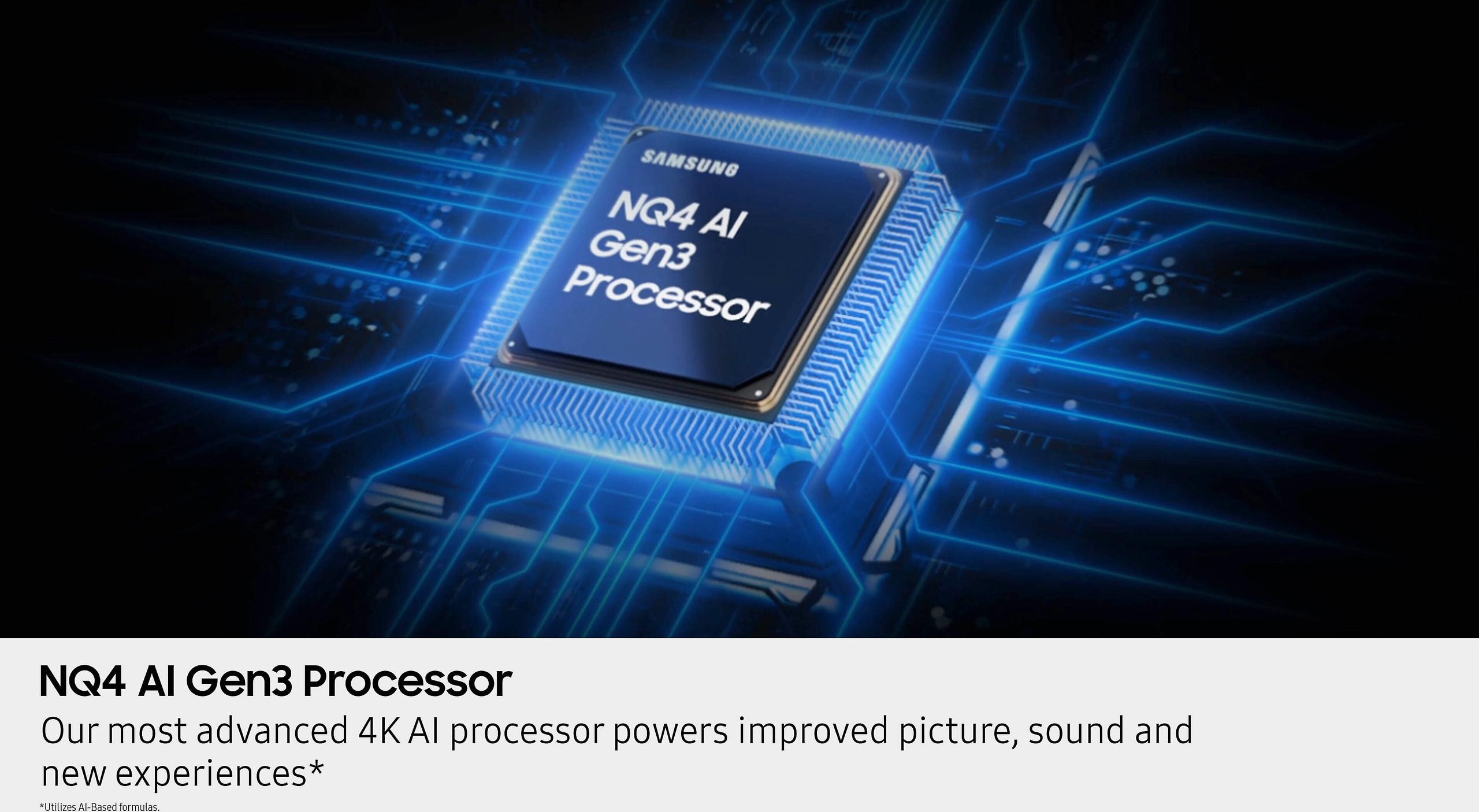
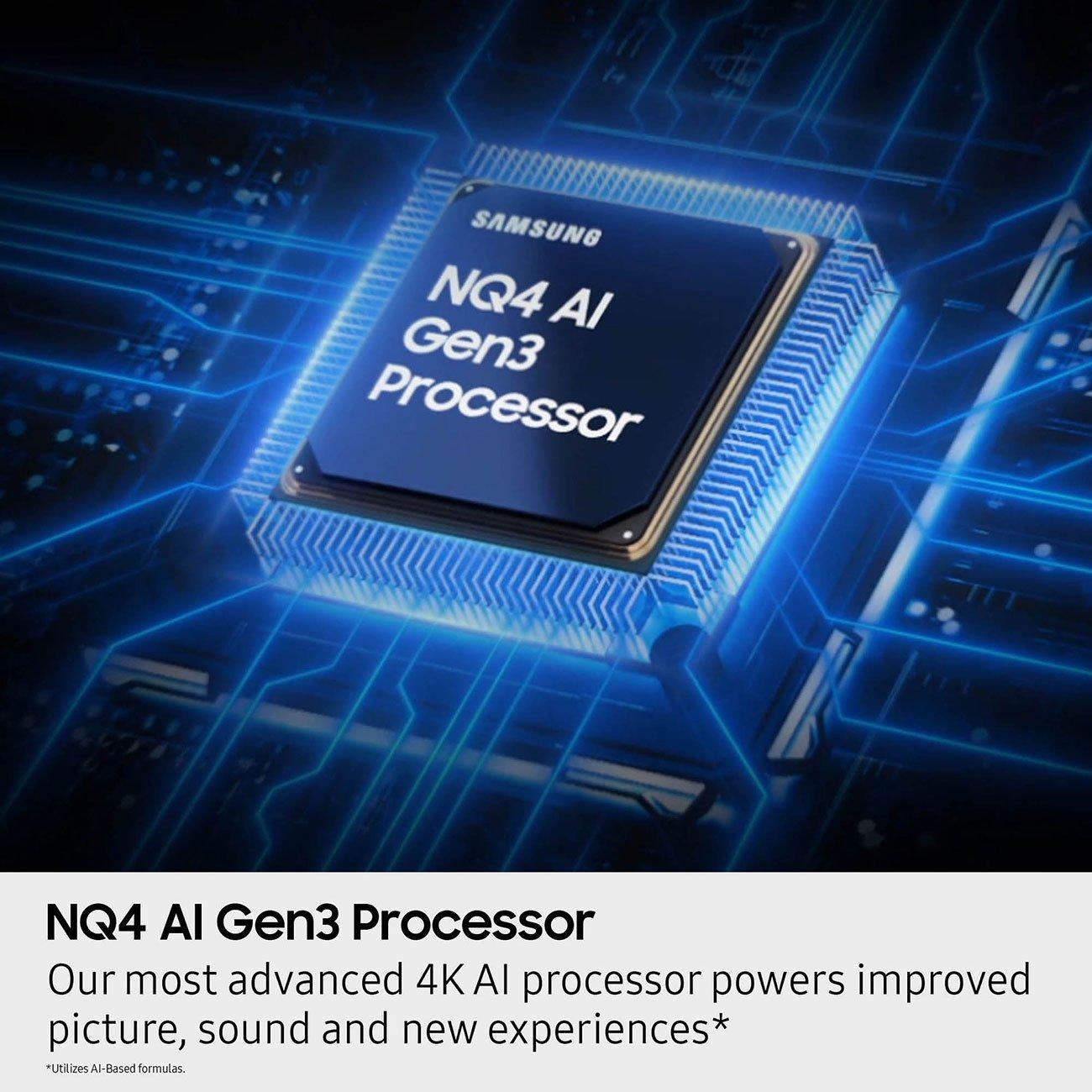
The Samsung S90F features Samsung's NQ4 AI Gen3 processor with 4K AI Upscaling Pro, utilizing 128 neural networks to enhance content. While effective at cleaning up streaming artifacts and improving cable TV quality, Samsung's processing tends to be more aggressive, sometimes creating an overly processed look that purists might find artificial.
Both TVs handle motion well, but with different philosophies. Sony focuses on maintaining cinematic motion cadence, while Samsung emphasizes smooth, artifact-free playback for all content types.
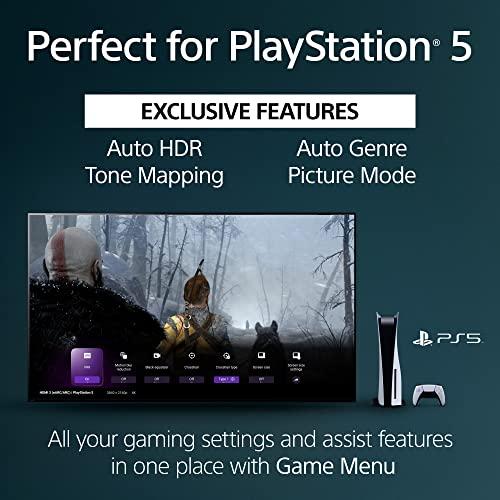
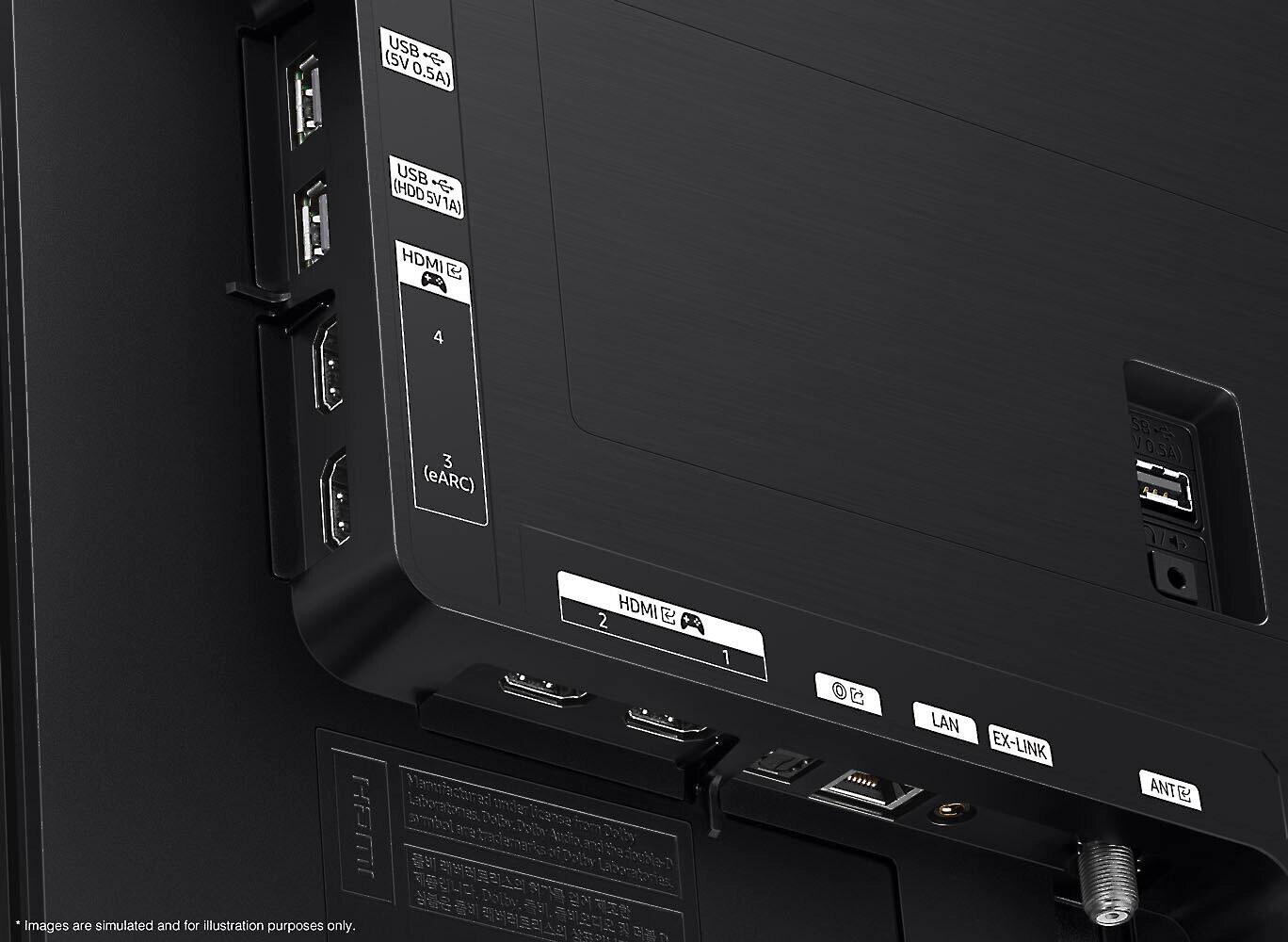
Gaming represents one of the clearest distinctions between these models. The Samsung S90F supports 4K gaming at up to 144Hz refresh rates through four full-bandwidth HDMI 2.1 ports. This means you can connect multiple gaming devices—PlayStation 5, Xbox Series X, and a gaming PC—without compromising features or switching cables.
The Sony A95K maxes out at 4K 120Hz and provides only two HDMI 2.1 ports, with one typically reserved for eARC audio connections. For multi-console households or PC gamers seeking maximum refresh rates, this limitation becomes restrictive.
Input lag—the delay between controller input and on-screen response—favors the Samsung significantly. The Samsung S90F achieves ultra-low input lag optimized for competitive gaming, while the Sony A95K delivers respectable but higher latency that serious gamers might notice.
The Samsung S90F includes Motion Xcelerator 144Hz technology, Variable Refresh Rate (VRR) support, and FreeSync compatibility. These features eliminate screen tearing, reduce stuttering, and ensure smooth motion even when frame rates fluctuate.
The Sony A95K supports VRR but with limitations. Most notably, Dolby Vision gaming is restricted to 60Hz, forcing users to choose between enhanced visuals and higher refresh rates. This compromise affects games that support Dolby Vision HDR, limiting the TV's ability to display the premium format at maximum performance.
For casual gaming, both TVs excel. For enthusiast gaming with multiple devices or competitive play, the Samsung provides a more complete and future-proof package.
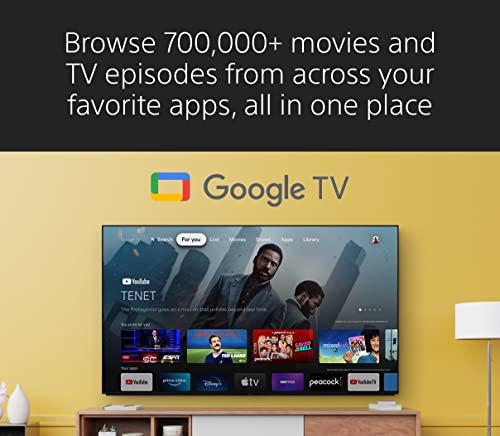
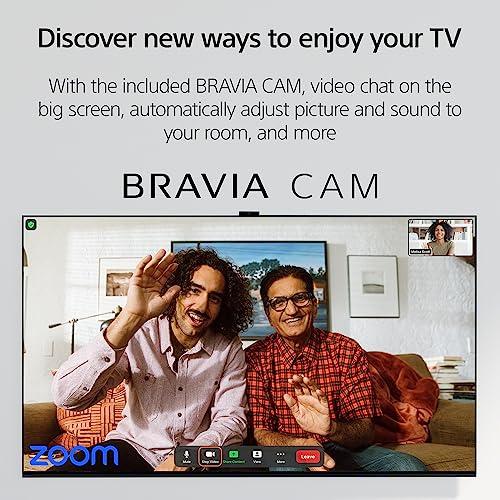
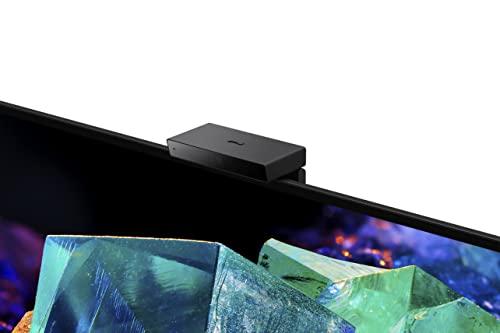
The Sony A95K runs Google TV, offering extensive app support, seamless casting from mobile devices, and hands-free voice control. A unique feature is the included BRAVIA webcam, enabling gesture controls for menu navigation—though this feature received mixed reviews for reliability.
The Samsung S90F utilizes Samsung's 2025 smart platform with Vision AI capabilities. This includes features like Pet Care, which can detect barking and automatically play calming content for pets, and AI Mode for adaptive picture optimization based on viewing environment.
Both platforms handle streaming apps well, but Google TV generally provides broader app compatibility and more frequent updates. Samsung's platform offers more AI-driven convenience features but may feel less familiar to users accustomed to Android-based interfaces.
The Sony A95K implements Acoustic Surface Audio+ technology, where actuators behind the screen vibrate the display itself to produce sound. This creates the impression that dialogue emerges directly from actors' mouths on screen, enhancing immersion. The TV can also function as a center channel in surround sound setups, blending seamlessly with external speakers.
The Samsung S90F features Adaptive Sound Pro with AI optimization that adjusts audio based on content type and room acoustics. While effective, it uses traditional downward-firing speakers rather than the Sony's innovative screen-as-speaker approach.
For dedicated home theater setups where external sound systems are standard, this difference matters less. However, for viewers relying primarily on TV speakers, Sony's acoustic technology provides superior dialogue clarity and soundstage.
At the time of writing, both TVs occupy different value segments. The Samsung S90F represents current mid-range OLED pricing with modern features, while the Sony A95K offers previous-generation flagship technology at reduced prices.
The Samsung S90F clearly serves gaming enthusiasts better. Its 144Hz capability, four HDMI 2.1 ports, lower input lag, and comprehensive VRR support create an optimal gaming environment. Users with PlayStation 5, Xbox Series X, and gaming PCs will appreciate not having to swap cables or compromise features.
The Sony A95K appeals more to home theater purists. Dolby Vision support alone justifies consideration for serious movie watchers, as this format significantly enhances Netflix originals, Disney+ content, and UHD Blu-ray discs. Combined with superior upscaling and acoustic surface audio, it creates a more cinema-like experience.
The Samsung S90F handles bright environments better thanks to significantly higher peak brightness. If your TV sits in a living room with large windows or extensive lighting, Samsung's brightness advantage becomes crucial for maintaining contrast and color saturation.
For families using TVs for various purposes—streaming, gaming, cable TV, and movies—the choice becomes more complex. The Samsung's versatility and modern features often provide better overall satisfaction, despite missing Dolby Vision. However, households prioritizing premium streaming content might find Sony's format support more valuable.
Several technical factors deserve special attention when choosing between these models:
Reflection Handling: Both TVs use glossy screens that reduce glare effectively, but ambient light causes black levels to rise slightly, compromising the perfect blacks that make OLED attractive. Neither has significant advantages here.
Viewing Angles: Both maintain excellent picture quality when viewed off-axis, making them suitable for wide seating arrangements or open floor plans.
Longevity: The Samsung S90F benefits from three years of panel improvements and more modern processing, potentially providing longer relevant performance as content standards evolve.
Content Sources: Consider your primary content sources. Heavy Netflix, Disney+, or Apple TV+ users should seriously weigh Dolby Vision support. Gamers or sports viewers might prioritize brightness and motion handling instead.
Choose the Sony A95K if you prioritize home theater experiences, watch significant amounts of premium streaming content, have controlled lighting environments, or value innovative acoustic technology. Its Dolby Vision support and superior upscaling make it ideal for movie enthusiasts willing to compromise on gaming features.
Select the Samsung S90F if you game frequently, watch TV in bright rooms, want maximum connectivity flexibility, or prefer the latest technology. Its superior brightness, comprehensive gaming features, and modern AI capabilities provide better all-around performance for diverse viewing habits.
The decision ultimately depends on your viewing priorities. Neither TV disappoints in absolute terms—they simply excel in different areas. The Samsung represents a more versatile, future-proof choice for mixed usage, while the Sony delivers superior cinematic experiences for dedicated movie watching.
At current market positioning, both offer excellent value within their respective strengths. The key is honestly assessing which strengths align with your actual viewing patterns and preferences.
| Sony Bravia XR A95K 65" QD-OLED TV | Samsung 65" S90F OLED 4K Vision AI Smart TV 2025 |
|---|---|
| Peak Brightness - Critical for HDR impact and bright room viewing | |
| ~1,000 nits (adequate for controlled lighting) | ~1,600 nits (excellent for bright rooms and punchy HDR) |
| HDR Format Support - Determines premium streaming quality | |
| Dolby Vision, HDR10, HDR10+, HLG (full premium format support) | HDR10, HDR10+, HLG (missing Dolby Vision for Netflix/Disney+) |
| Gaming Refresh Rate - Maximum smoothness for console/PC gaming | |
| 4K @ 120Hz (great for current consoles) | 4K @ 144Hz (future-proof for high-end PC gaming) |
| HDMI 2.1 Ports - Number of next-gen gaming devices you can connect | |
| 2 ports (limits multi-device setups) | 4 ports (connect PS5, Xbox, PC, and media device simultaneously) |
| Release Year & Technology Generation | |
| 2022 flagship (previous-gen with proven performance) | 2025 mid-range (current-gen with latest features) |
| Image Processor - Affects upscaling and picture optimization | |
| Cognitive Processor XR (exceptional tone mapping and upscaling) | NQ4 AI Gen3 (modern AI features, 128 neural networks) |
| Audio Technology - Built-in sound quality without soundbar | |
| Acoustic Surface Audio+ (screen vibrates as speaker) | Adaptive Sound Pro (traditional speakers with AI optimization) |
| Input Lag - Response time for gaming (lower is better) | |
| Low but higher than competition (~20ms) | Ultra-low optimized for competitive gaming (~10ms) |
| Smart TV Platform - Apps, interface, and update frequency | |
| Google TV with BRAVIA webcam for gesture control | Samsung Vision AI with Pet Care and adaptive features |
| Value Positioning - Performance per dollar at time of writing | |
| Previous flagship at reduced price (excellent cinema value) | Current mid-range pricing (strong all-around value) |
The Samsung S90F is significantly better for gaming. It offers 4K gaming at 144Hz compared to the Sony A95K's 120Hz maximum, plus four HDMI 2.1 ports versus Sony's two ports. The Samsung S90F also has lower input lag and better VRR support, making it ideal for competitive gaming and multiple console setups.
Yes, this is a major difference. The Sony A95K supports Dolby Vision along with HDR10 and HDR10+, while the Samsung S90F only supports HDR10 and HDR10+ formats. This means the Sony A95K will provide better picture quality when streaming from Netflix, Disney+, and Apple TV+ which use Dolby Vision extensively.
The Samsung S90F is considerably brighter with peak brightness around 1,600 nits, making it much better for bright rooms and daytime viewing. The Sony A95K has more modest brightness levels that work best in controlled lighting environments or dedicated home theaters.
The Sony A95K runs Google TV with extensive app support and includes a BRAVIA webcam for gesture controls. The Samsung S90F uses Samsung's Vision AI platform with features like Pet Care and adaptive sound optimization. Both platforms work well, but Google TV generally offers broader app compatibility.
The Sony A95K has superior built-in audio with Acoustic Surface Audio+ technology that vibrates the screen itself to produce sound, creating better dialogue clarity. The Samsung S90F uses traditional speakers with AI sound optimization, which is good but not as innovative as Sony's approach.
The Sony A95K is better suited for dedicated home theaters due to its Dolby Vision support, superior upscaling, and ability to function as a center channel speaker. The Samsung S90F works well for home theater but lacks Dolby Vision, which is important for premium movie content.
The Samsung S90F is from 2025 and represents current-generation technology with modern AI features and improved panel efficiency. The Sony A95K is from 2022, making it previous-generation technology, though it was a flagship model with premium features for its time.
At the time of writing, both TVs occupy different market positions with competitive pricing in their respective segments. The Samsung S90F represents current mid-range OLED pricing, while the Sony A95K offers previous flagship technology at reduced pricing, making both good values for different priorities.
The Sony A95K generally has superior image processing with its Cognitive Processor XR, offering excellent tone mapping and upscaling that maintains cinematic quality. The Samsung S90F uses modern AI processing that's effective but can sometimes appear over-processed compared to Sony's more natural approach.
The Samsung S90F is much better for multiple gaming devices with four HDMI 2.1 ports, allowing you to connect PS5, Xbox Series X, gaming PC, and other devices simultaneously. The Sony A95K has only two HDMI 2.1 ports, which can be limiting for multi-device gaming setups.
The Sony A95K is better for premium streaming services because it supports Dolby Vision, which Netflix and Disney+ use extensively for their original content and blockbuster movies. The Samsung S90F will still provide excellent picture quality but won't display these services in their intended premium format.
Choose the Samsung S90F if your living room has lots of natural light, you game frequently, or want the latest technology. Choose the Sony A95K if you prioritize movie watching, have controlled lighting, or want the best streaming experience with Dolby Vision support. The Samsung S90F is more versatile for mixed usage scenarios.
We've done our best to create useful and informative comparisons to help you decide what product to buy. Our research uses advanced automated methods to create this comparison and perfection is not possible - please contact us for corrections or questions. These are the sites we've researched in the creation of this article: tomsguide.com - audioadvice.com - wepc.com - bestbuy.com - tvsbook.com - rtings.com - youtube.com - flatpanelshd.com - rtings.com - youtube.com - reviewed.com - avsforum.com - youtube.com - youtube.com - rtings.com - youtube.com - electronics.sony.com - sonypremiumhome.com - valueelectronics.com - sony.com - displayspecifications.com - flatpanelshd.com - donstv.com - youtube.com - businessinsider.com - youtube.com - displayspecifications.com - bestbuy.com - youtube.com - t3.com - rtings.com - bestbuy.com - stereonet.com - samsung.com - bestbuy.com - flatpanelshd.com - myallsouth.com - pcrichard.com - samsung.com - bestbuy.com - samsung.com - samsung.com - samsung.com

Privacy Policy
Terms and Conditions - Affiliate Policy
Home Security
© Copyright 2008-2026.
11816 Inwood Rd #1211, Dallas, TX 75244