

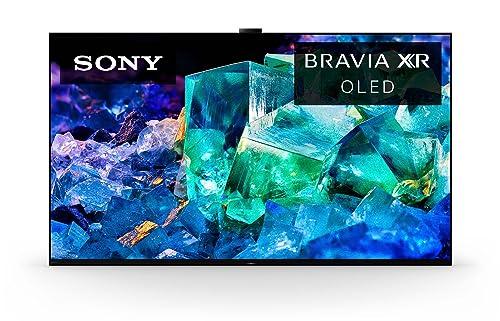


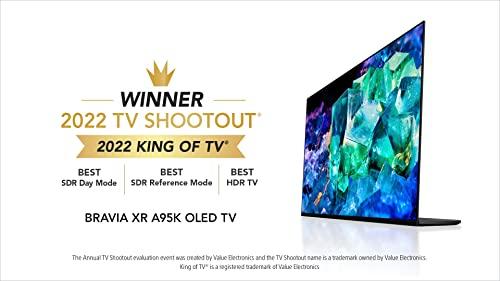
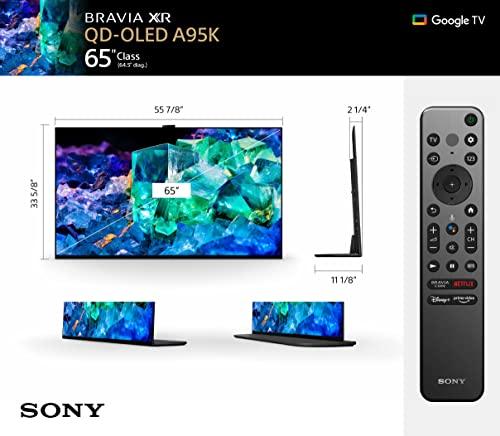


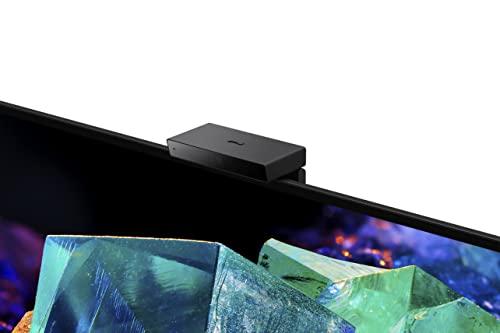
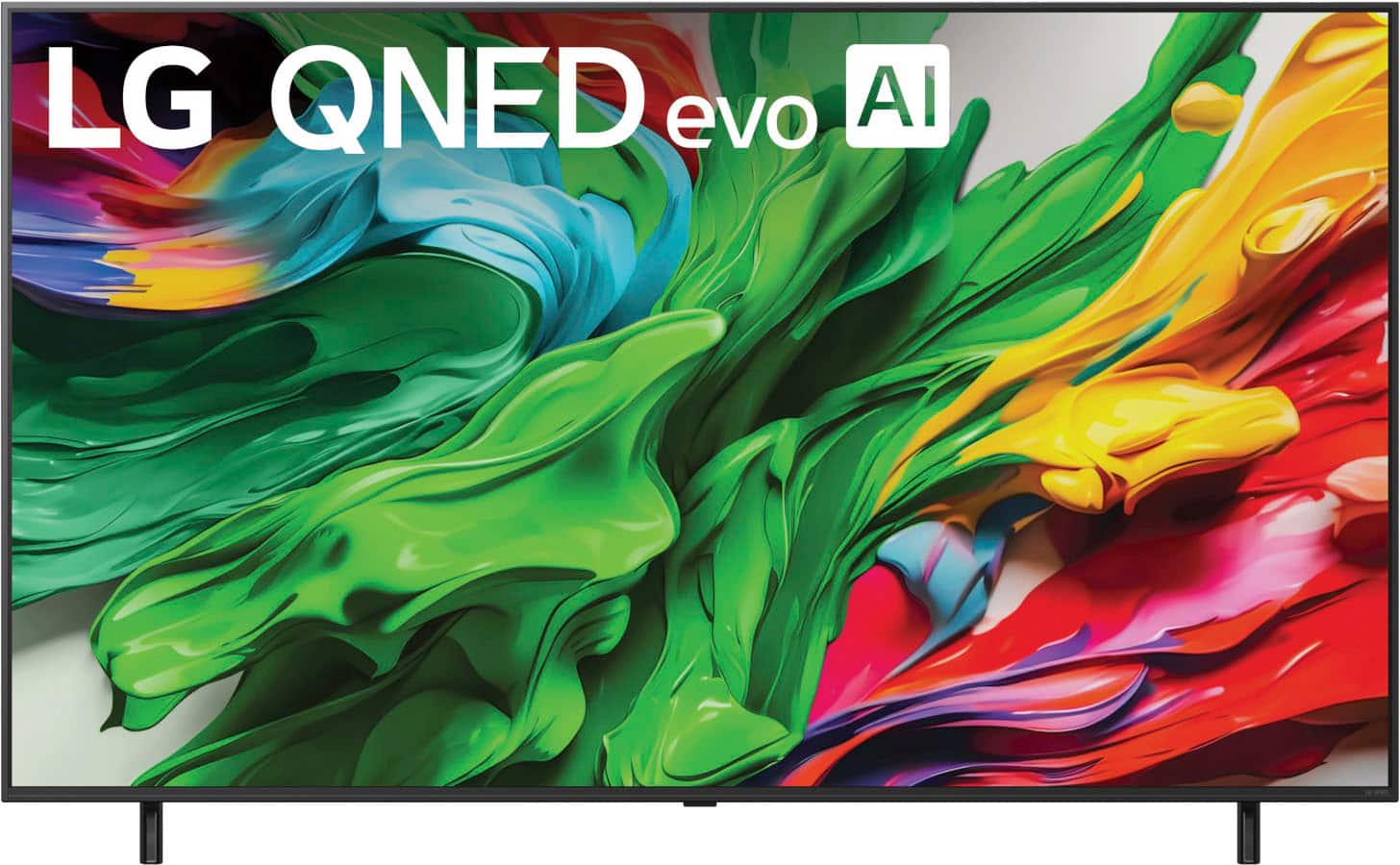
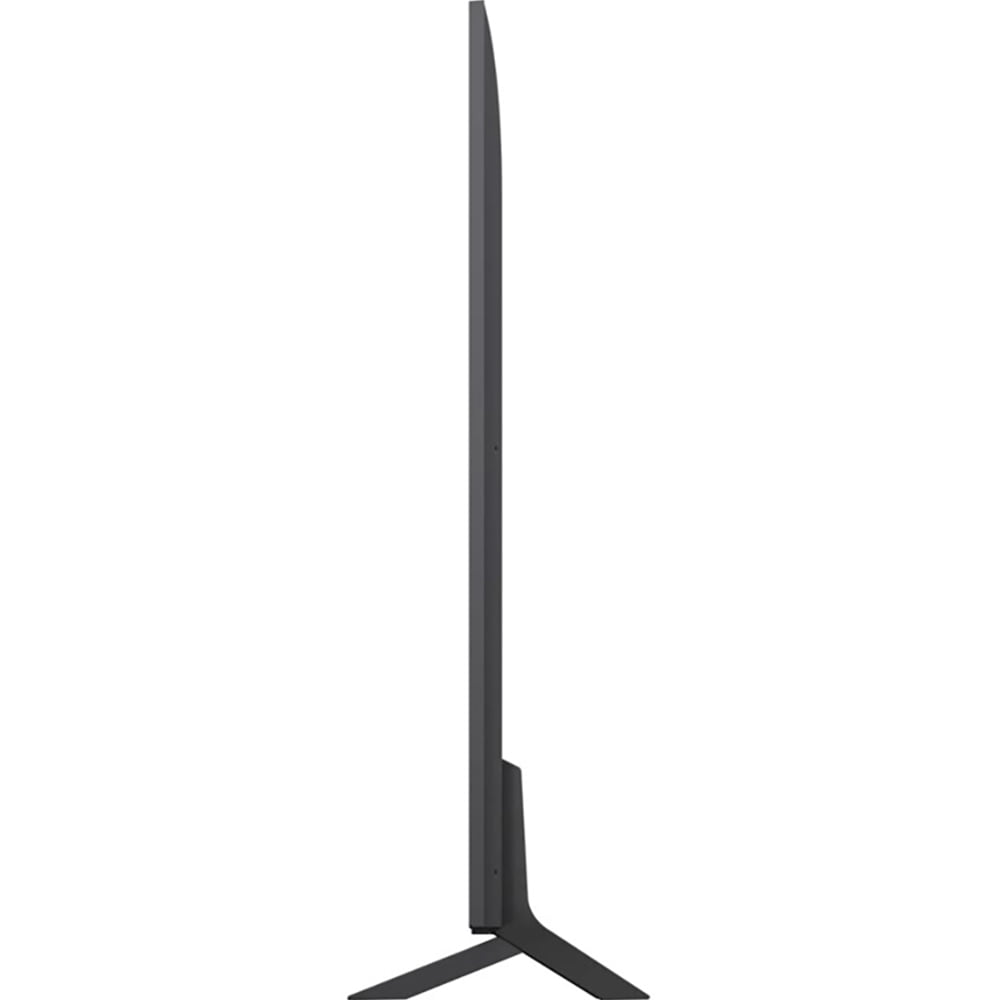
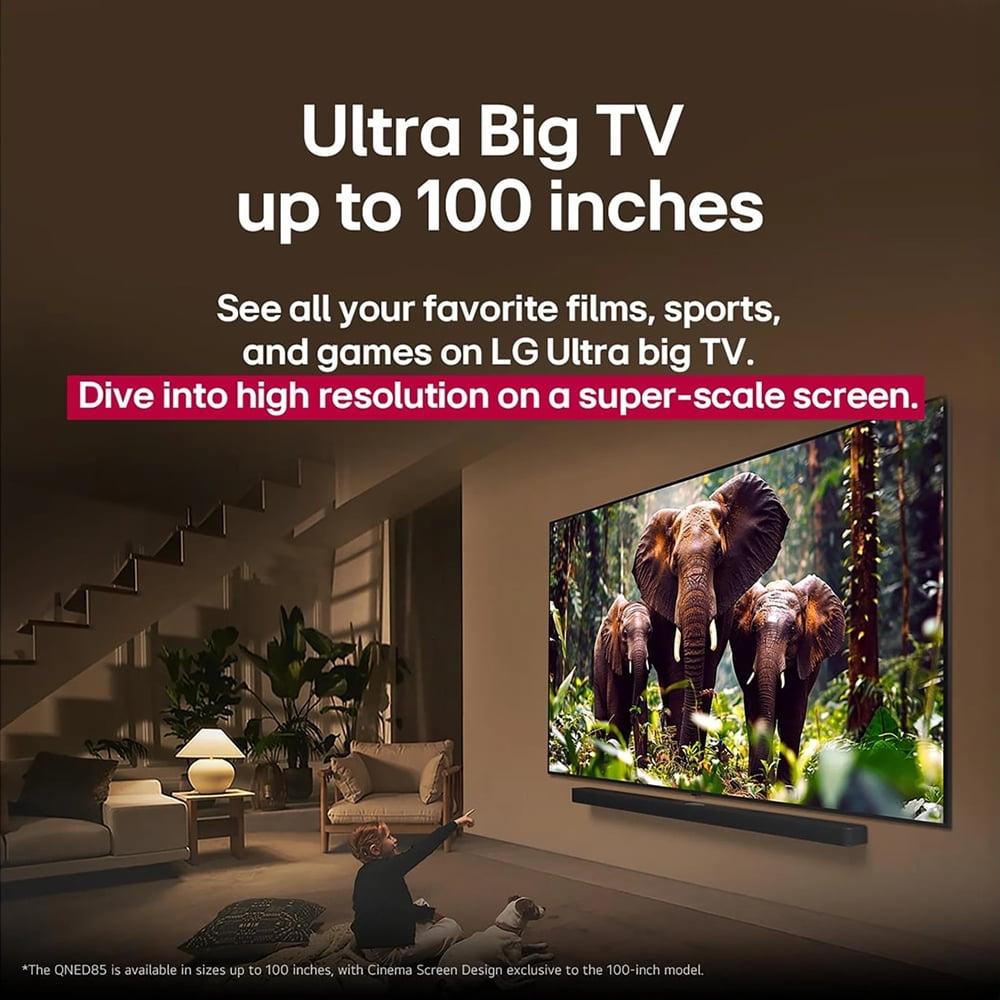
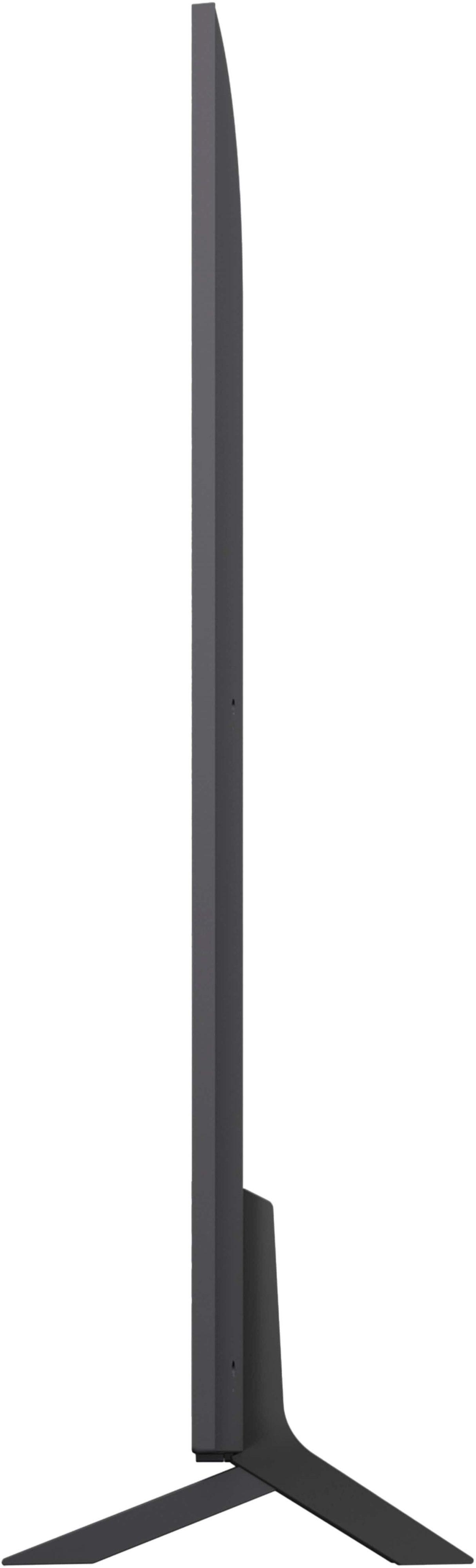
The television landscape has become incredibly exciting in recent years, with competing technologies pushing the boundaries of what's possible in home entertainment. Today we're comparing two fundamentally different approaches to premium 65-inch TVs: the Sony Bravia XR A95K, a groundbreaking QD-OLED from 2022, and the LG 65" QNED evo AI QNED85A, a modern Mini LED display from 2025.
These aren't just two TVs—they represent entirely different philosophies about what makes a great viewing experience. The Sony A95K was designed as a flagship showcase for emerging QD-OLED technology, prioritizing absolute picture quality for dedicated home theater enthusiasts. The LG QNED85A, meanwhile, focuses on practical versatility and modern gaming features at a more accessible price point.
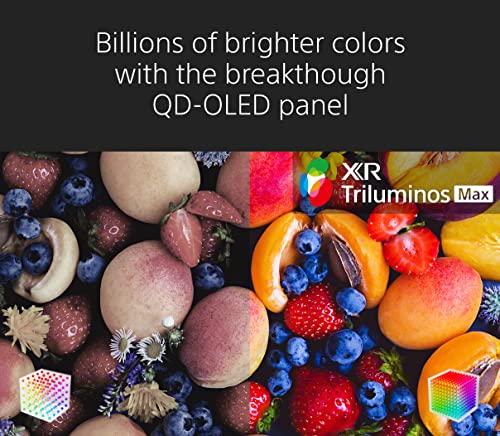
To really appreciate these TVs, you need to understand what makes them tick under the hood. The Sony A95K uses QD-OLED technology, which sounds complicated but is actually quite elegant. Traditional OLED panels use white light filtered through color layers, but QD-OLED uses blue OLED pixels combined with quantum dot converters to create red and green light directly. Think of quantum dots as incredibly tiny crystals that convert one color of light into another with remarkable precision. This approach eliminates the need for white subpixels and delivers significantly brighter, more saturated colors than conventional OLEDs.
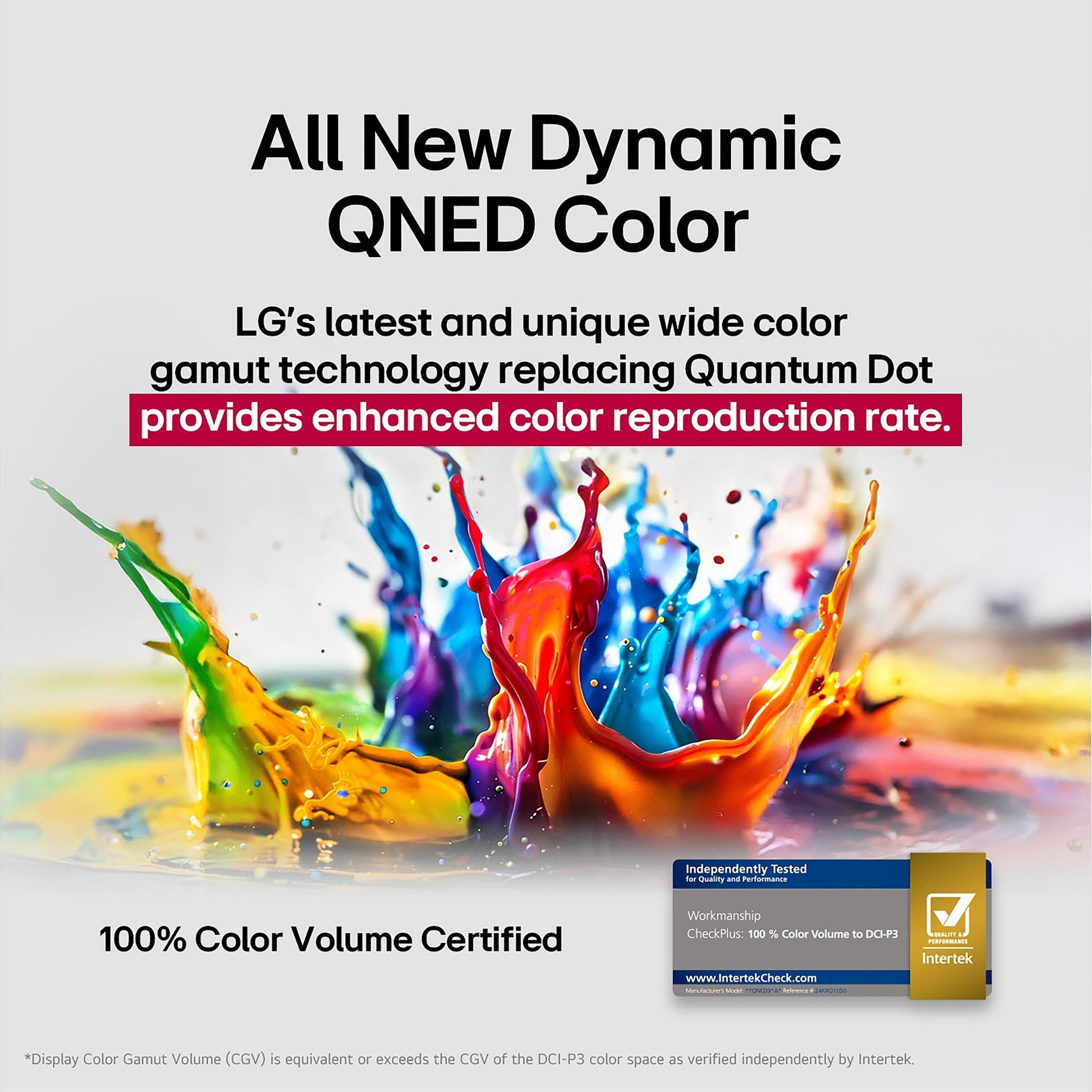
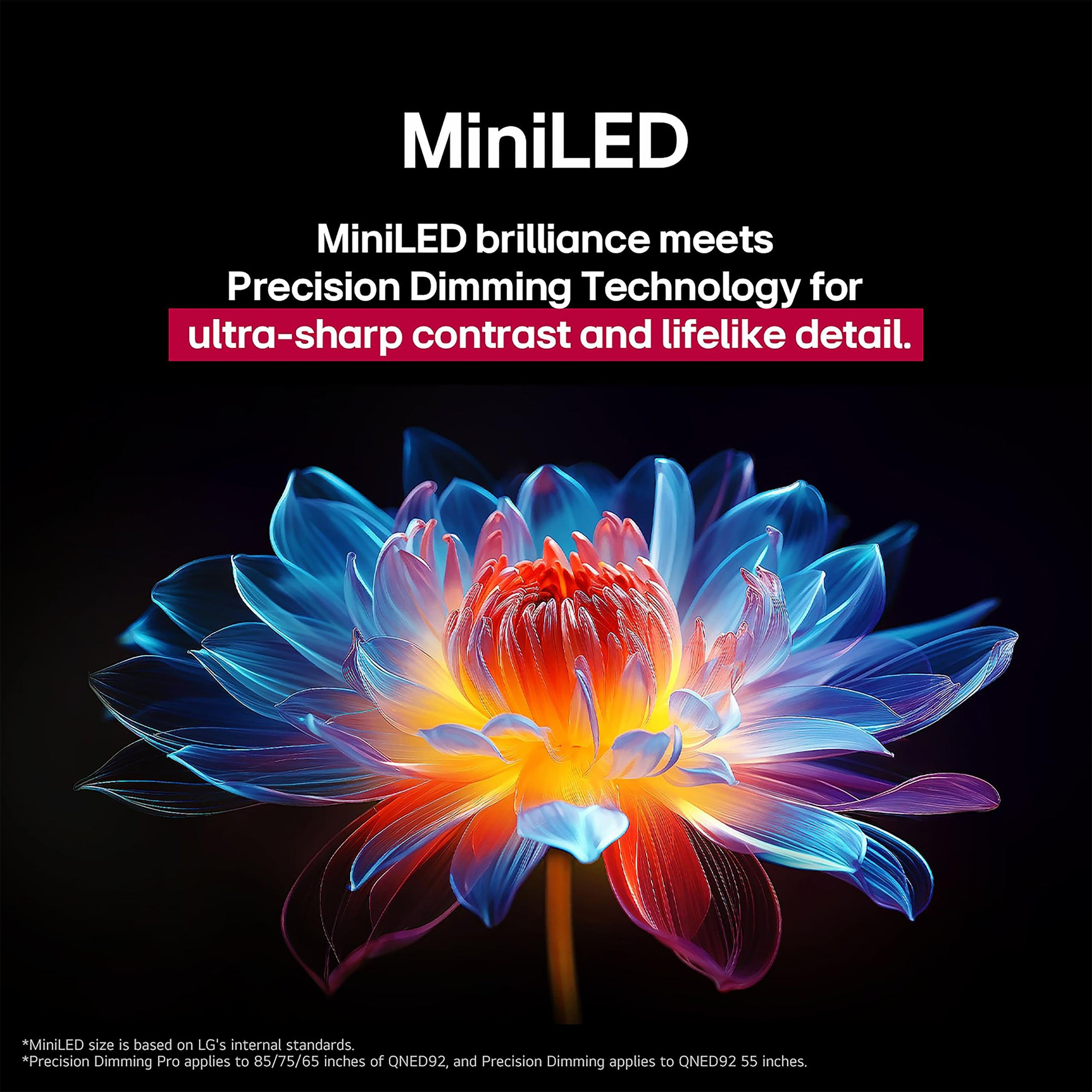
The LG QNED85A takes a completely different approach with Mini LED technology. Instead of self-illuminating pixels, it uses thousands of tiny LED lights behind the screen, controlled in precise zones through a process called local dimming. The "Mini" part is important—these LEDs are much smaller than traditional TV backlights, allowing for more precise control and less light bleeding between zones. LG combines this with Quantum Dot and NanoCell layers (hence "QNED") that filter and enhance colors.
Both technologies have evolved considerably since their introduction. OLED technology has matured significantly since the early 2010s, with manufacturers solving many early concerns about brightness limitations and burn-in. Mini LED, meanwhile, has become more sophisticated in recent years, with better local dimming algorithms and higher LED counts reducing the blooming effects that plagued early implementations.
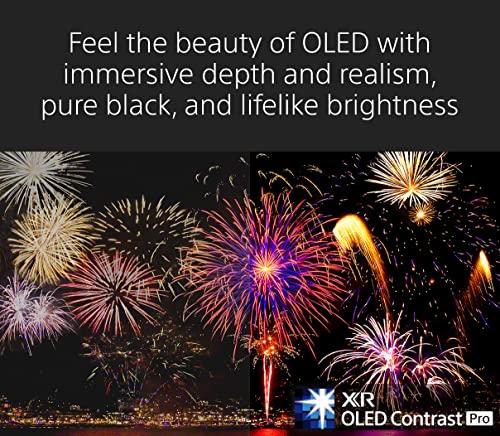
When it comes to pure picture quality, these TVs excel in different ways, and understanding these differences is crucial for making the right choice. The Sony A95K delivers what many consider the gold standard for contrast performance. Since each pixel can turn completely off, you get true blacks—not dark gray, but actual absence of light. This creates an infinite contrast ratio, meaning the difference between the darkest and brightest parts of an image is limited only by the content itself.
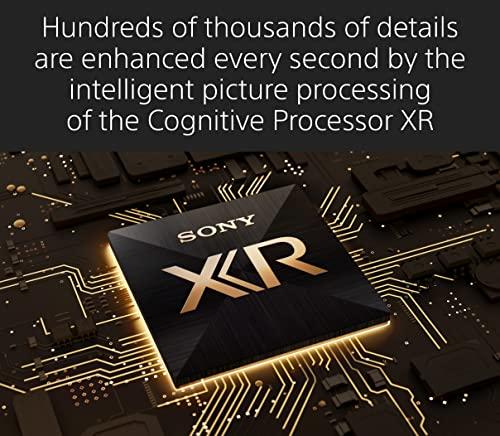
The QD-OLED panel in the Sony A95K also delivers remarkable color performance. Sony's XR Triluminos Max technology leverages the quantum dot enhancement to produce what the company claims is their widest color palette ever. Colors appear vibrant and accurate simultaneously, which is typically a difficult balance to achieve. The TV's Cognitive Processor XR analyzes content in real-time, mimicking how human vision works to optimize each scene.
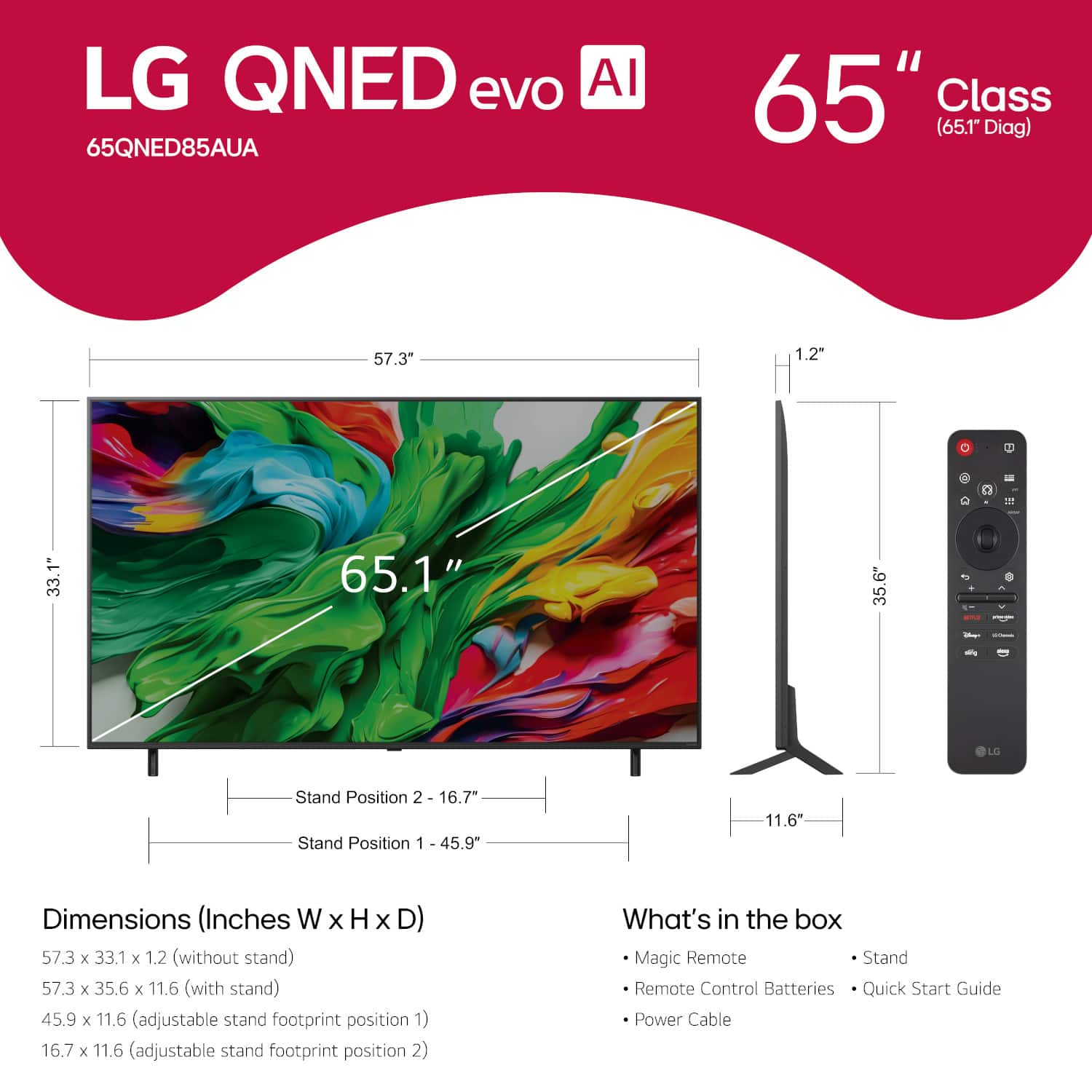
The LG QNED85A approaches picture quality differently, prioritizing brightness and room adaptability. Mini LED backlighting can achieve much higher peak brightness levels than OLED—often 2-3 times brighter. This makes HDR (High Dynamic Range) content really pop, especially in scenes with bright highlights like explosions, sunlight, or stadium lighting. The trade-off is that you won't get perfect blacks. Even with thousands of dimming zones, some light inevitably bleeds from bright areas into adjacent dark regions, creating subtle halos or blooming effects.
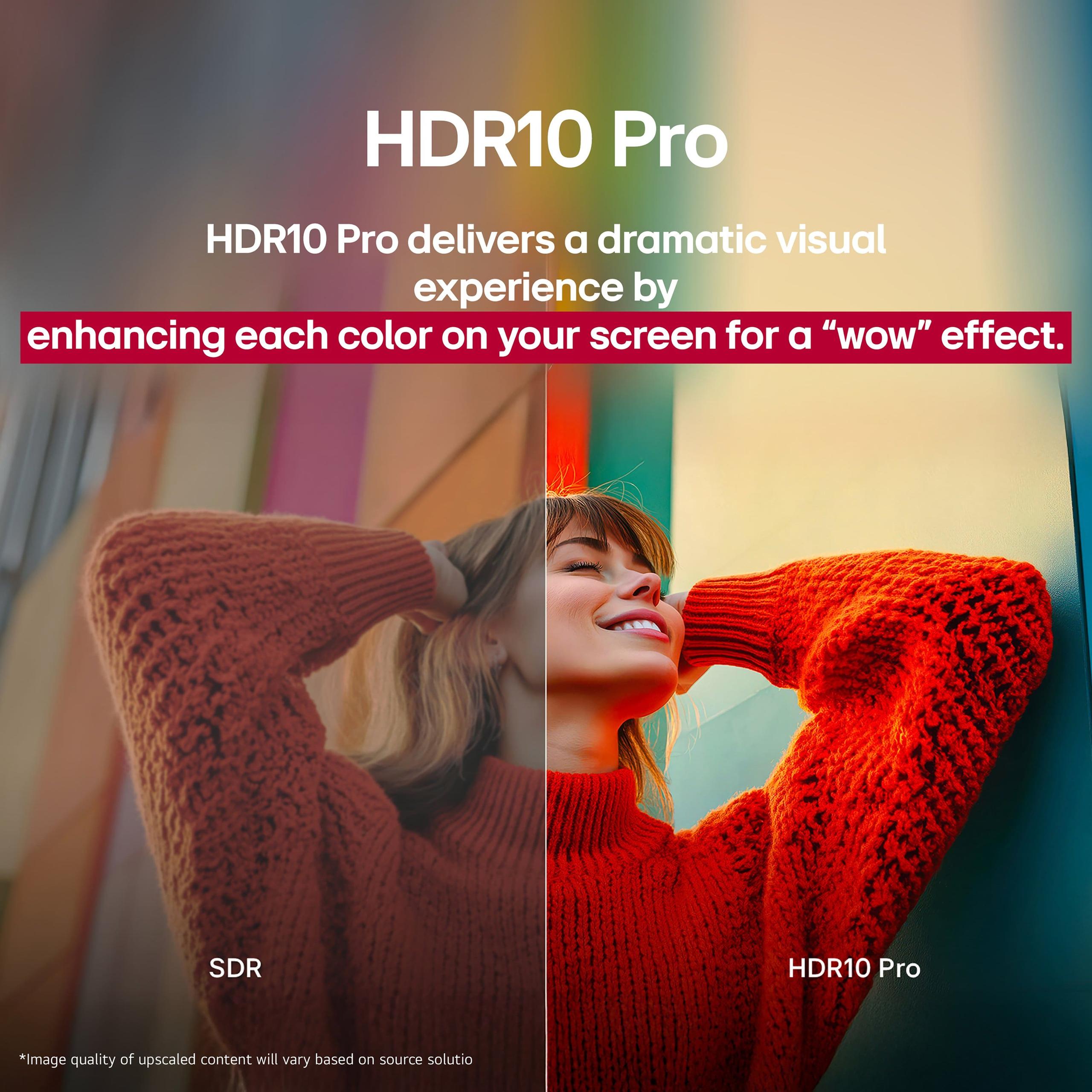
However, the LG QNED85A's brightness advantage becomes particularly valuable in real-world viewing conditions. If your TV room has windows or ambient lighting, the extra brightness helps maintain image quality during daytime viewing. The quantum dot and NanoCell combination also delivers impressive color accuracy, though with a different philosophy than Sony—LG tends to favor slightly more saturated, vibrant colors that some viewers prefer for everyday content.
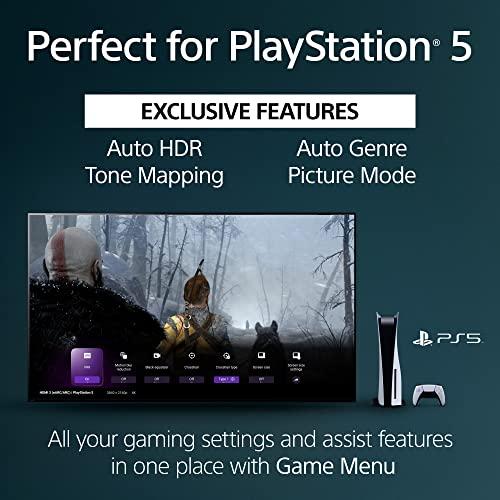
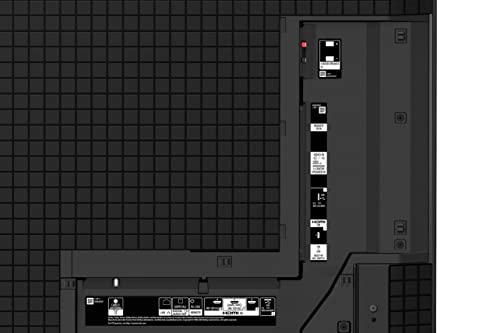
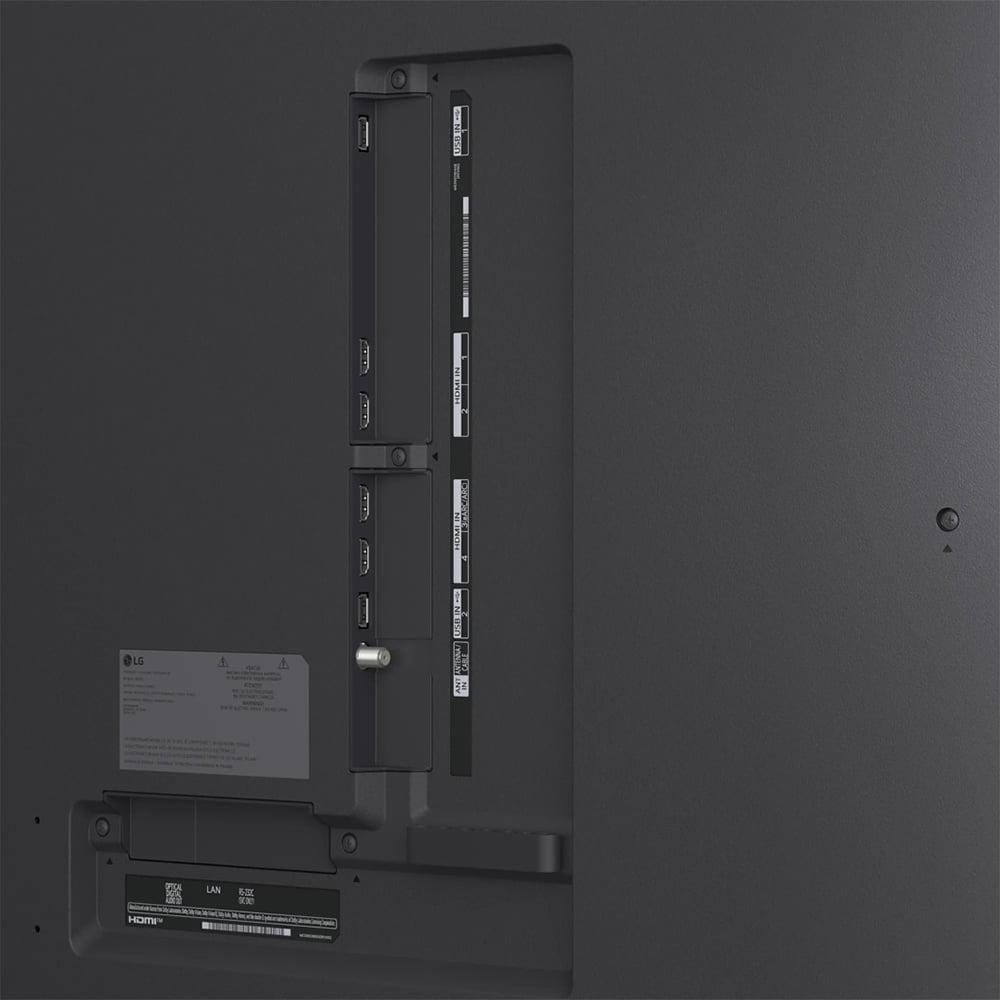
Gaming has become a major consideration for TV buyers, and here the LG QNED85A holds clear advantages. The most significant difference is connectivity: while the Sony A95K provides only two HDMI 2.1 ports (with two additional HDMI 2.0 ports), the LG QNED85A offers four full HDMI 2.1 ports. HDMI 2.1 is crucial for next-generation gaming consoles and high-end PC gaming, supporting 4K resolution at 120Hz refresh rates, Variable Refresh Rate (VRR) to eliminate screen tearing, and Auto Low Latency Mode (ALLM) for reduced input lag.
The connectivity limitation on the Sony A95K becomes problematic if you want to connect multiple gaming devices while maintaining full capabilities. Since one HDMI 2.1 port typically handles eARC (enhanced Audio Return Channel) for premium sound systems, you're effectively left with one port for gaming at full 4K/120Hz capability.
Both TVs deliver excellent gaming performance in terms of input lag—the delay between pressing a controller button and seeing the action on screen. The Sony A95K achieves approximately 8.5ms in Game Mode, while the LG QNED85A can go even lower, often under 10ms. For context, anything under 20ms is considered excellent for gaming, so both perform admirably.
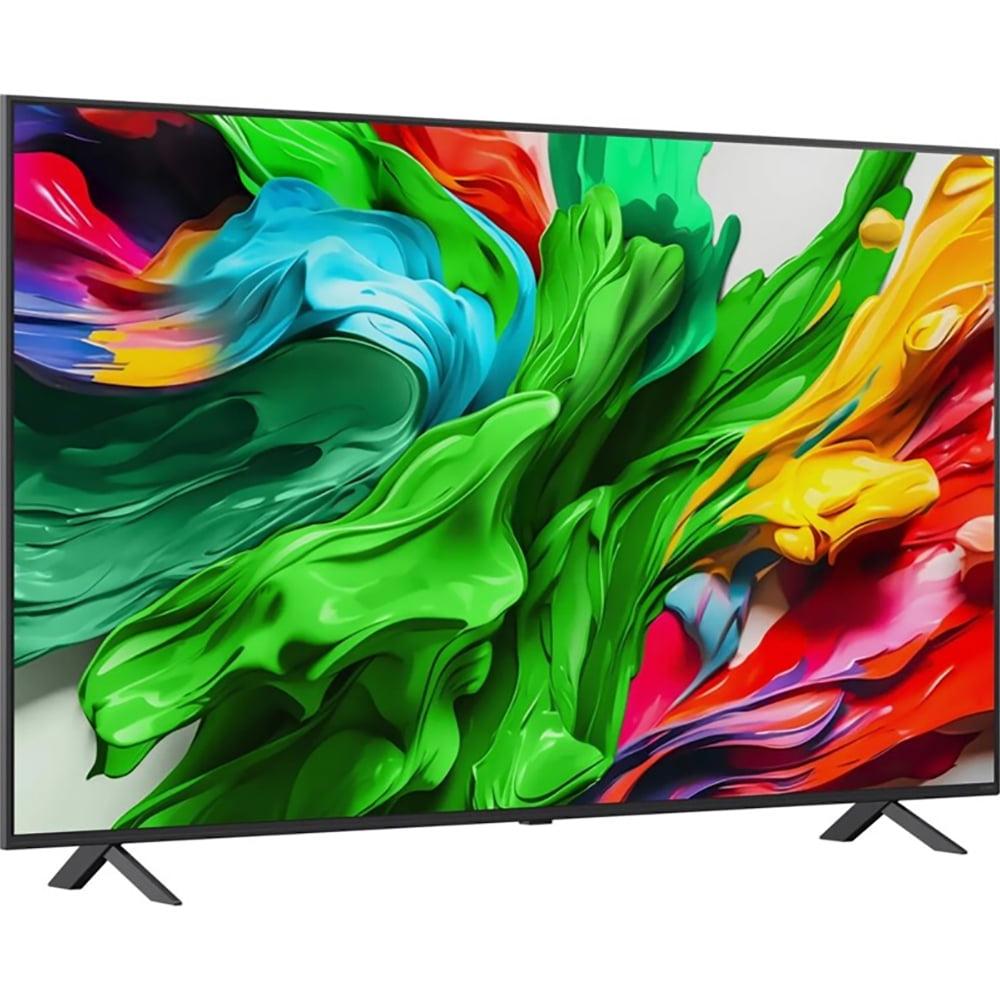
The LG QNED85A also supports 144Hz for PC gaming with compatible graphics cards, making it more versatile for enthusiast PC gamers who want to take full advantage of high refresh rate monitors. The Game Optimizer interface provides easy access to gaming-specific settings without diving into complex menus.
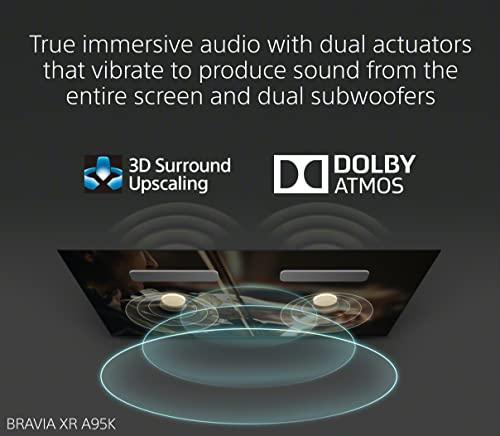
Audio performance often gets overlooked in TV comparisons, but it's an area where the Sony A95K truly excels. Sony's Acoustic Surface Audio+ technology represents a genuinely innovative approach to TV sound. Instead of conventional speakers, the TV uses actuators that vibrate the entire screen, turning the display itself into a speaker. This creates remarkably immersive audio where dialogue and sound effects appear to come directly from their location on screen.
The result is audio quality that rivals dedicated soundbars in many situations. Voices sound clear and positioned correctly, and the overall soundstage feels much wider than typical TV speakers can achieve. Many users report being genuinely surprised by the Sony A95K's audio performance, often eliminating the immediate need for additional audio equipment.
The LG QNED85A takes a more conventional approach with traditional speakers and AI-powered processing to create virtual surround sound. While adequate and enhanced by features like AI Sound Pro that analyzes content to optimize audio, it doesn't match the immersive quality of Sony's screen-as-speaker implementation. Most users will likely want to invest in a soundbar or home theater system to fully realize the TV's potential, which adds to the overall cost consideration.
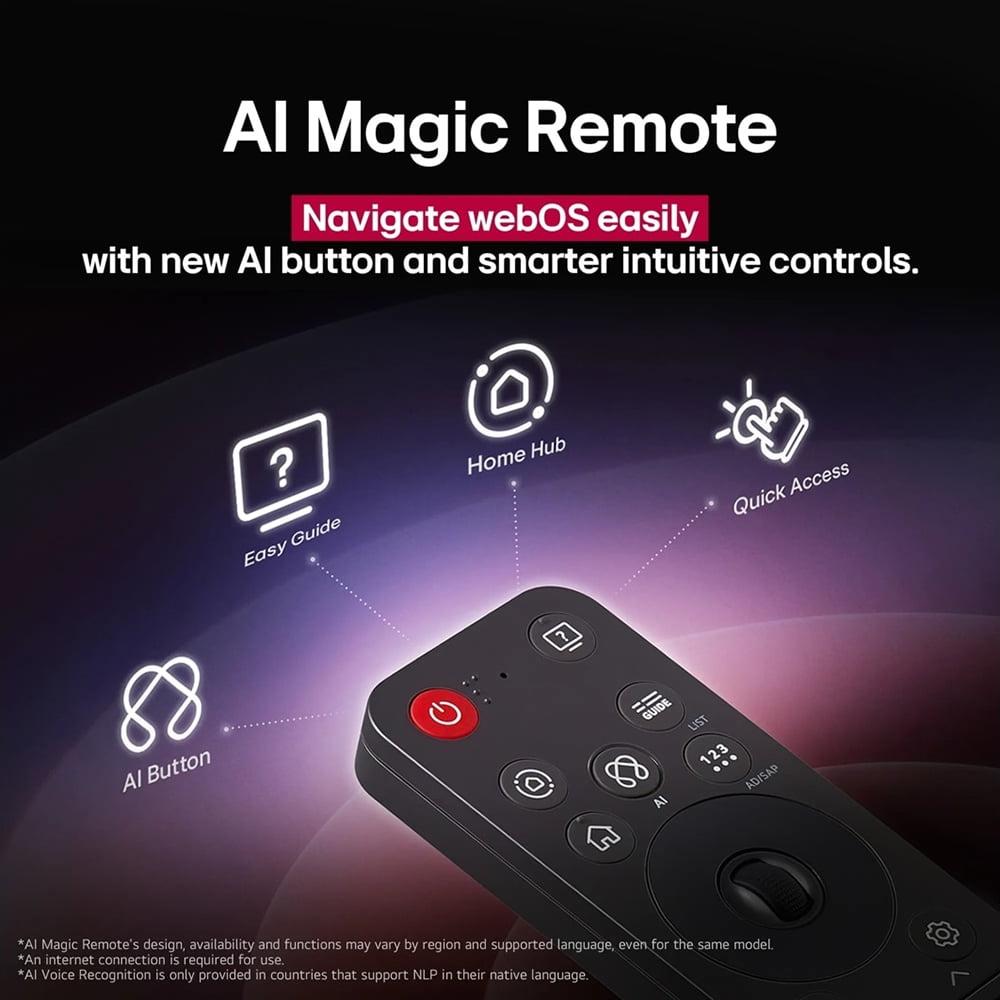
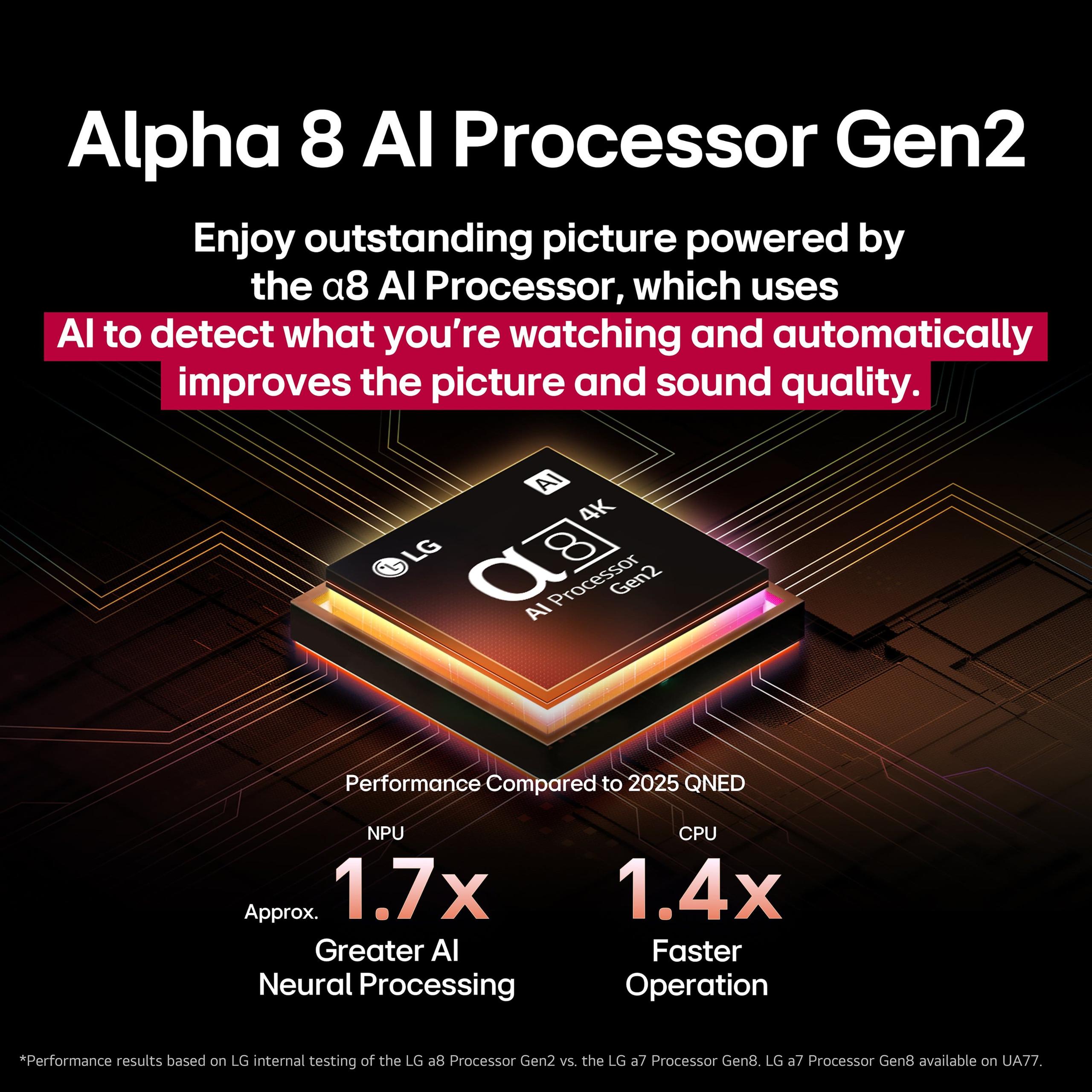
The smart TV experience has evolved dramatically, and these models showcase different generations of development. The LG QNED85A, being a 2025 model, incorporates cutting-edge AI personalization features. The α8 Gen2 processor delivers what LG claims is a 70% improvement in AI performance, enabling features like AI Voice ID that recognizes individual family members and switches to personalized settings and recommendations.
The webOS 25 platform includes sophisticated features like AI Concierge and AI Search powered by large language models, allowing for more natural, conversational interaction with your TV. These aren't just gimmicks—they genuinely improve the user experience by understanding context and providing more relevant suggestions.
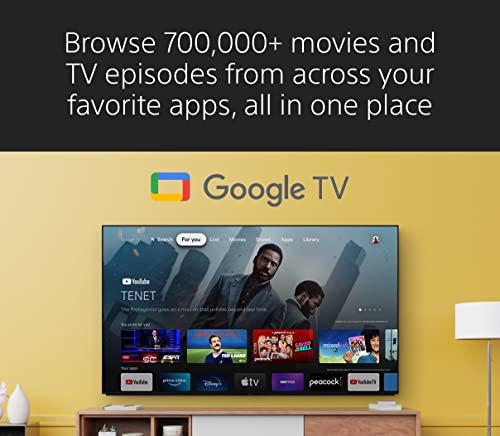
The Sony A95K runs Google TV, which offers excellent integration with Android ecosystems and Google services. While it lacks the latest AI personalization features found in the 2025 LG model, it provides a clean, responsive interface with strong app support and useful features like voice search through Google Assistant.
HDR support varies significantly between these models, and this difference impacts your experience with premium streaming content. The Sony A95K supports all major HDR formats: HDR10, HLG, and crucially, Dolby Vision. Dolby Vision is considered the premium HDR standard, offering scene-by-scene optimization and supporting a wider range of brightness and colors than standard HDR10.
Netflix, Amazon Prime Video, Disney+, and other major streaming services increasingly offer Dolby Vision content, making this support valuable for movie enthusiasts. The Sony A95K's perfect black levels also enhance HDR performance, as the dramatic contrast between bright highlights and dark shadows creates more impactful visuals.
The LG QNED85A notably lacks Dolby Vision support, which is surprising for a 2025 model. It handles HDR10 and HLG content well, and its higher peak brightness can make HDR highlights more spectacular than the Sony in bright scenes. However, the missing Dolby Vision support represents a significant limitation for premium content consumption.
At the time of writing, these TVs occupy interesting positions in the market. The Sony A95K, originally launched as a flagship model in 2022 with premium pricing, now offers compelling value as newer models have been released. You're essentially getting former flagship QD-OLED technology at a significant discount from its original price.
The LG QNED85A represents excellent value in the current market, bringing Mini LED technology and comprehensive gaming features at a mainstream price point. It's positioned as an accessible entry into premium large-screen entertainment with modern AI features.
The price difference at the time of writing reflects different value propositions: you're paying a premium for the Sony's superior contrast and audio capabilities versus choosing the LG's brightness advantage and gaming versatility at a lower cost.
For dedicated home theater setups, the Sony A95K holds clear advantages. The combination of perfect blacks, accurate colors, Dolby Vision support, and exceptional built-in audio creates a cinematic experience that's difficult to match. In a controlled lighting environment—ideally a darkened room—OLED technology truly shines, delivering the deep blacks and infinite contrast that make movies feel more immersive.
The screen-as-speaker technology also enhances the home theater experience by providing accurate audio positioning without the complexity of additional equipment. For movie enthusiasts who prioritize authentic cinematic presentation, the Sony A95K delivers results that closely match professional reference monitors used in film production.
The LG QNED85A can certainly work in home theater applications, but it's better suited for multipurpose living spaces where the TV serves various entertainment needs beyond just movie watching.
Choose the Sony Bravia XR A95K if you prioritize absolute picture quality, want exceptional built-in audio, primarily watch content in controlled lighting conditions, and don't need extensive gaming connectivity. It's ideal for movie enthusiasts who value cinematic accuracy and want a premium viewing experience without additional audio equipment.
Choose the LG 65" QNED evo AI QNED85A if you need bright room performance, want maximum gaming versatility, prefer wide viewing angles for group entertainment, and value the latest AI smart features. It's better suited for versatile family rooms where the TV handles diverse content types and viewing conditions.
Both televisions excel in their intended roles, representing different approaches to premium entertainment. The decision ultimately comes down to your specific priorities: cinematic perfection versus practical versatility, with each offering compelling value in its own right.
| Sony Bravia XR A95K 65" QD-OLED TV | LG 65" QNED evo AI QNED85A 4K MiniLED Smart TV 2025 |
|---|---|
| Display Technology - Determines contrast performance and room suitability | |
| QD-OLED with perfect pixel-level blacks | Mini LED with thousands of dimming zones |
| Peak Brightness - Critical for HDR impact and daytime viewing | |
| ~400 cd/m² (excellent for dark rooms) | 1000+ cd/m² (superior for bright rooms) |
| Contrast Ratio - Most important for cinematic picture quality | |
| Infinite (true blacks, no blooming) | High but limited (some light bleeding) |
| HDR Support - Essential for premium streaming content | |
| HDR10, HLG, Dolby Vision | HDR10, HLG (no Dolby Vision support) |
| Gaming Connectivity - Determines console/PC compatibility | |
| 2 HDMI 2.1 ports, 4K@120Hz, VRR | 4 HDMI 2.1 ports, 4K@120Hz, 144Hz PC gaming |
| Audio Quality - Affects need for additional sound equipment | |
| Acoustic Surface Audio+ (screen-as-speaker) | Standard speakers with AI processing |
| Smart Platform - Impacts user experience and future updates | |
| Google TV (2022 features) | webOS 25 with advanced AI personalization |
| Release Year - Affects pricing and feature currency | |
| 2022 (former flagship, now discounted) | 2025 (current generation with warranty) |
| Best Use Case - Who should choose this TV | |
| Dark room home theaters, movie enthusiasts | Bright living rooms, serious gamers |
| Value Proposition - What you get for the money | |
| Premium QD-OLED tech at flagship discount | Modern Mini LED with comprehensive features |
The Sony Bravia XR A95K delivers superior picture quality for movies due to its QD-OLED technology. It produces perfect blacks, infinite contrast, and supports Dolby Vision HDR, creating a more cinematic experience. The LG QNED85A offers brighter images but cannot match the deep blacks and contrast that make movies look theatrical.
The LG 65" QNED evo AI QNED85A is significantly better for gaming. It features 4 HDMI 2.1 ports compared to just 2 on the Sony A95K, supports 144Hz PC gaming, and offers comprehensive gaming features through its Game Optimizer. The Sony's limited HDMI 2.1 connectivity makes it less suitable for multiple gaming devices.
The LG QNED85A performs much better in bright rooms thanks to its Mini LED backlighting that can achieve 2-3 times higher peak brightness than the Sony A95K. The Sony's OLED technology excels in dark rooms but can struggle with reflections and maintaining image quality in bright environments.
The Sony Bravia XR A95K features exceptional built-in audio through its Acoustic Surface Audio+ technology, often eliminating the need for a soundbar. The LG QNED85A has standard TV speakers that, while adequate, will likely benefit from a soundbar investment for the best audio experience.
The LG 65" QNED evo AI QNED85A has more advanced smart features as a 2025 model, including AI Voice ID, AI Concierge, and webOS 25 with sophisticated personalization. The Sony A95K runs Google TV with solid functionality but lacks the latest AI-powered features found in newer models.
The Sony Bravia XR A95K is superior for dedicated home theaters. Its perfect blacks, infinite contrast, Dolby Vision support, and exceptional built-in audio create an authentic cinematic experience in controlled lighting conditions. The Sony A95K closely matches professional reference monitors used in film production.
Both TVs offer excellent viewing angles, but for different reasons. The Sony A95K maintains consistent color and brightness from any angle due to its OLED technology. The LG QNED85A also provides wide viewing angles thanks to its NanoCell technology, making both suitable for group viewing.
The Sony Bravia XR A95K supports more HDR formats, including HDR10, HLG, and crucially Dolby Vision. The LG QNED85A notably lacks Dolby Vision support, only handling HDR10 and HLG. This makes the Sony A95K better for premium streaming content from Netflix, Disney+, and Amazon Prime.
Value depends on your priorities. The Sony A95K offers former flagship QD-OLED technology at a significant discount from its original launch price. The LG 65" QNED evo AI QNED85A provides excellent value with modern features, comprehensive gaming capabilities, and bright room performance at a lower price point.
Both TVs offer excellent gaming performance with low input lag. The LG QNED85A achieves slightly lower input lag (under 10ms) compared to the Sony A95K (8.5ms). However, both perform well below the 20ms threshold considered excellent for gaming, making the difference negligible for most users.
The LG 65" QNED evo AI QNED85A is more future-proof as a 2025 model with modern AI features, 4 HDMI 2.1 ports, 144Hz support, and guaranteed webOS updates. The Sony Bravia XR A95K, while featuring advanced QD-OLED technology, is a 2022 model with fewer modern connectivity options and smart features.
For rooms with varying lighting throughout the day, the LG QNED85A is more versatile due to its higher brightness capability and better performance in ambient light. The Sony A95K excels in darker conditions but may not maintain optimal picture quality when competing with bright room lighting or windows.
We've done our best to create useful and informative comparisons to help you decide what product to buy. Our research uses advanced automated methods to create this comparison and perfection is not possible - please contact us for corrections or questions. These are the sites we've researched in the creation of this article: tomsguide.com - audioadvice.com - wepc.com - bestbuy.com - tvsbook.com - rtings.com - youtube.com - flatpanelshd.com - rtings.com - youtube.com - reviewed.com - avsforum.com - youtube.com - youtube.com - rtings.com - youtube.com - electronics.sony.com - sonypremiumhome.com - valueelectronics.com - sony.com - displayspecifications.com - flatpanelshd.com - donstv.com - youtube.com - businessinsider.com - youtube.com - displayspecifications.com - bestbuy.com - rtings.com - rtings.com - youtube.com - lg.com - smarthomesounds.co.uk - abt.com - abt.com - lg.com - displayspecifications.com - walmart.com - bestbuy.com - lg.com - lg.com - lg.com - files.bbystatic.com - flatpanelshd.com - north-side-appliance.com - lgnewsroom.com - lg.com - youtube.com - youtube.com - hindustantimes.com

Privacy Policy
Terms and Conditions - Affiliate Policy
Home Security
© Copyright 2008-2026.
11816 Inwood Rd #1211, Dallas, TX 75244