

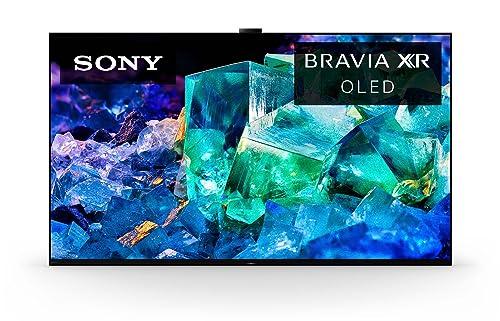



Choosing between premium OLED televisions can feel overwhelming, especially when you're looking at flagship models that each excel in different areas. The Sony Bravia XR A95K and LG G4 Series OLED evo represent two excellent but distinctly different approaches to high-end TV technology. Both deliver the perfect blacks and infinite contrast that make OLED displays so compelling, but they achieve exceptional picture quality through very different methods.
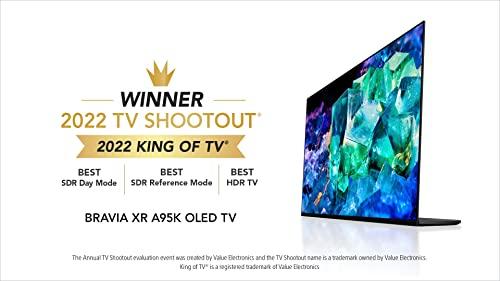
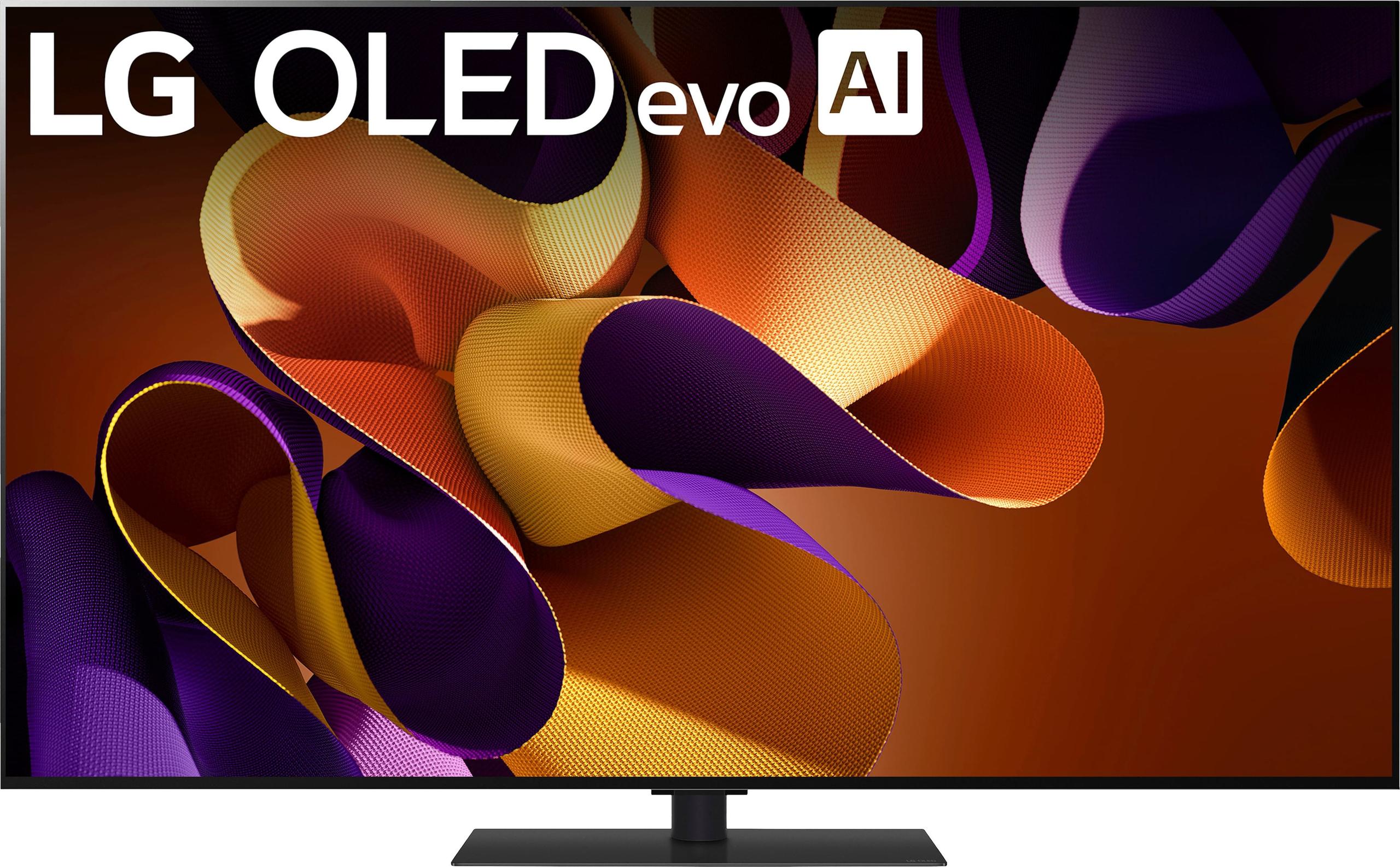
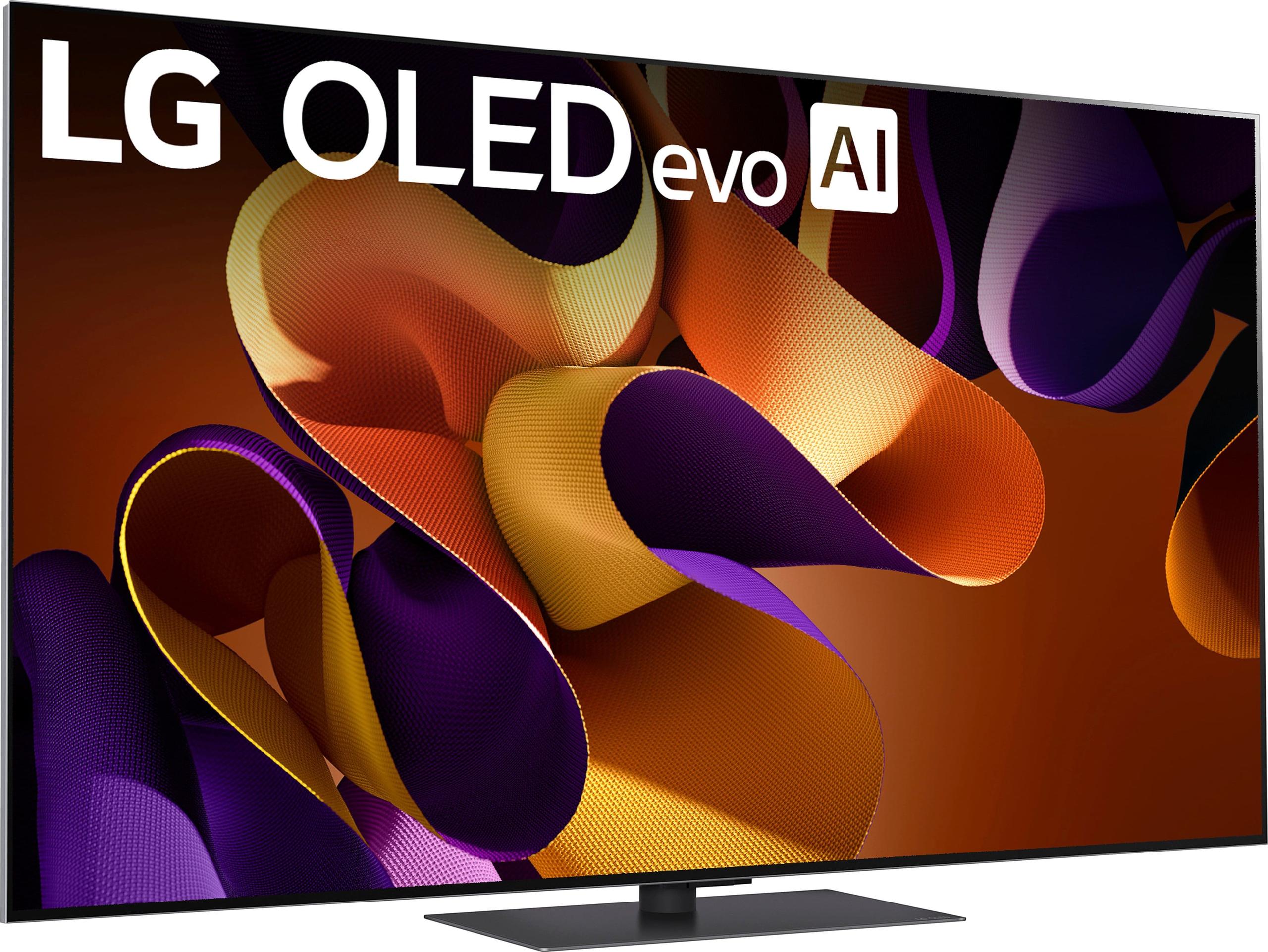
The Sony A95K, released in 2022, pioneered consumer QD-OLED technology (Quantum Dot OLED), which combines quantum dots with self-emitting OLED pixels to create more vibrant, saturated colors than traditional OLED panels. Meanwhile, the LG G4, launched in 2024, uses LG's latest WOLED (White OLED) technology enhanced with MLA (Micro Lens Array) - billions of tiny lenses that dramatically boost brightness without sacrificing the deep blacks OLED is famous for.
Understanding these fundamental differences is crucial because they affect everything from how colors appear to how well each TV performs in bright rooms. At the time of writing, the Sony A95K can be found at significantly discounted prices as retailers clear older inventory, while the LG G4 commands premium pricing as LG's current flagship. This price gap adds another layer to the decision-making process.
OLED technology works by having millions of individual pixels that can turn completely on or off, creating perfect blacks and exceptional contrast ratios that LCD-based TVs simply cannot match. Both the Sony A95K and LG G4 deliver this core OLED benefit, but their panel technologies take markedly different approaches.
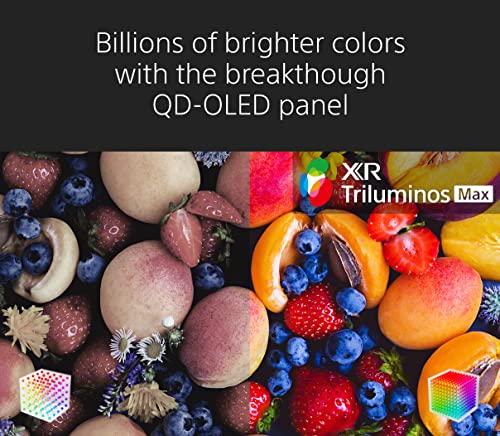
The Sony A95K uses QD-OLED panels manufactured by Samsung Display. This technology places a layer of quantum dots - microscopic particles that emit specific colors when hit by blue light - over blue OLED subpixels. This creates red and green light more efficiently than traditional OLED panels, resulting in a wider color gamut (the range of colors the TV can display) and significantly more vibrant, saturated colors. When you watch content with rich reds, deep greens, or brilliant blues, the difference is immediately noticeable.
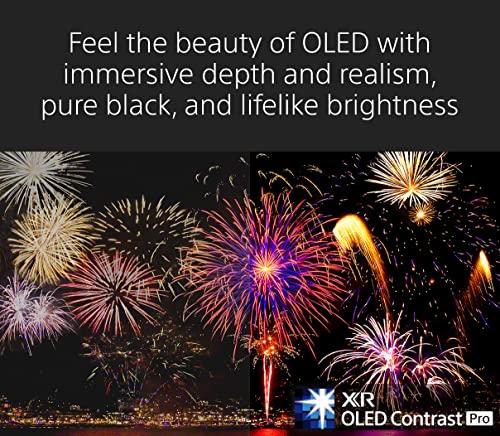
The LG G4, on the other hand, uses LG's fourth-generation WOLED panels with their new MLA technology. These panels create white light from blue and yellow OLED materials, then use color filters to produce red, green, and blue subpixels. The breakthrough MLA layer consists of billions of microscopic lenses positioned over each subpixel that concentrate and direct light forward, allowing the panel to achieve much higher brightness levels - up to 2,300 nits in small areas - without the efficiency losses that plagued earlier WOLED panels.
Peak brightness has become a crucial battleground in premium TV comparisons, and this is where the generational difference between these models becomes most apparent. The LG G4 achieves peak brightness levels that were unimaginable in OLED panels just a few years ago, reaching around 2,300 nits in small highlights. This translates to HDR (High Dynamic Range) content that truly pops, with specular highlights - think sunlight reflecting off water or the glint of metal - that can compete with high-end mini-LED displays.
The Sony A95K, while not measuring as high in raw brightness numbers, delivers exceptional HDR performance through its superior color volume. Color volume refers to how well a display maintains color saturation and accuracy as brightness increases. Many displays can show bright white light or deeply saturated colors, but few can do both simultaneously. The QD-OLED technology in the Sony A95K excels at maintaining those rich, vibrant colors even in bright scenes, creating an image that many viewers describe as more "natural" and "film-like."
For home theater enthusiasts who primarily watch in darkened rooms, the Sony A95K's approach often proves more satisfying. The colors have a warmth and depth that feels authentic, particularly in skin tones and natural scenery. However, if you frequently watch TV with ambient lighting or have large windows in your viewing room, the LG G4's superior brightness becomes a significant advantage, allowing the display to overcome room lighting and maintain good contrast.
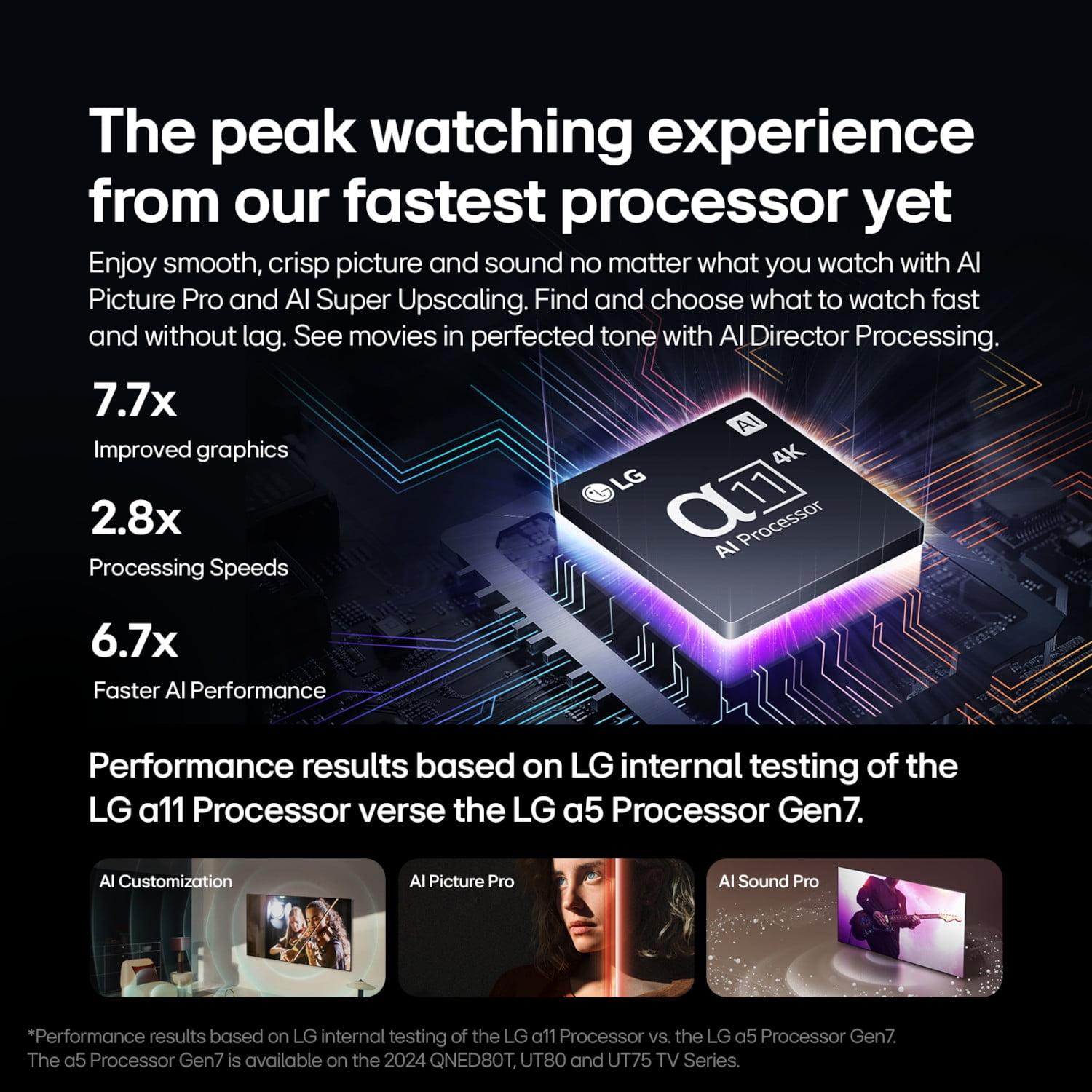
Both displays handle upscaling - the process of taking lower-resolution content and intelligently adding detail to fill a 4K screen - exceptionally well. The Sony A95K uses Sony's Cognitive Processor XR, which analyzes content the way human vision works, focusing processing power on the parts of the image your eyes naturally gravitate toward. The LG G4 employs LG's α11 AI processor, which uses machine learning to identify content types and apply appropriate enhancements.
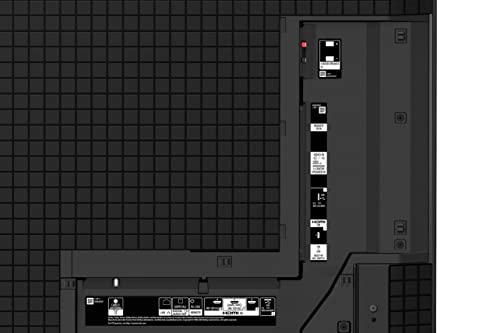
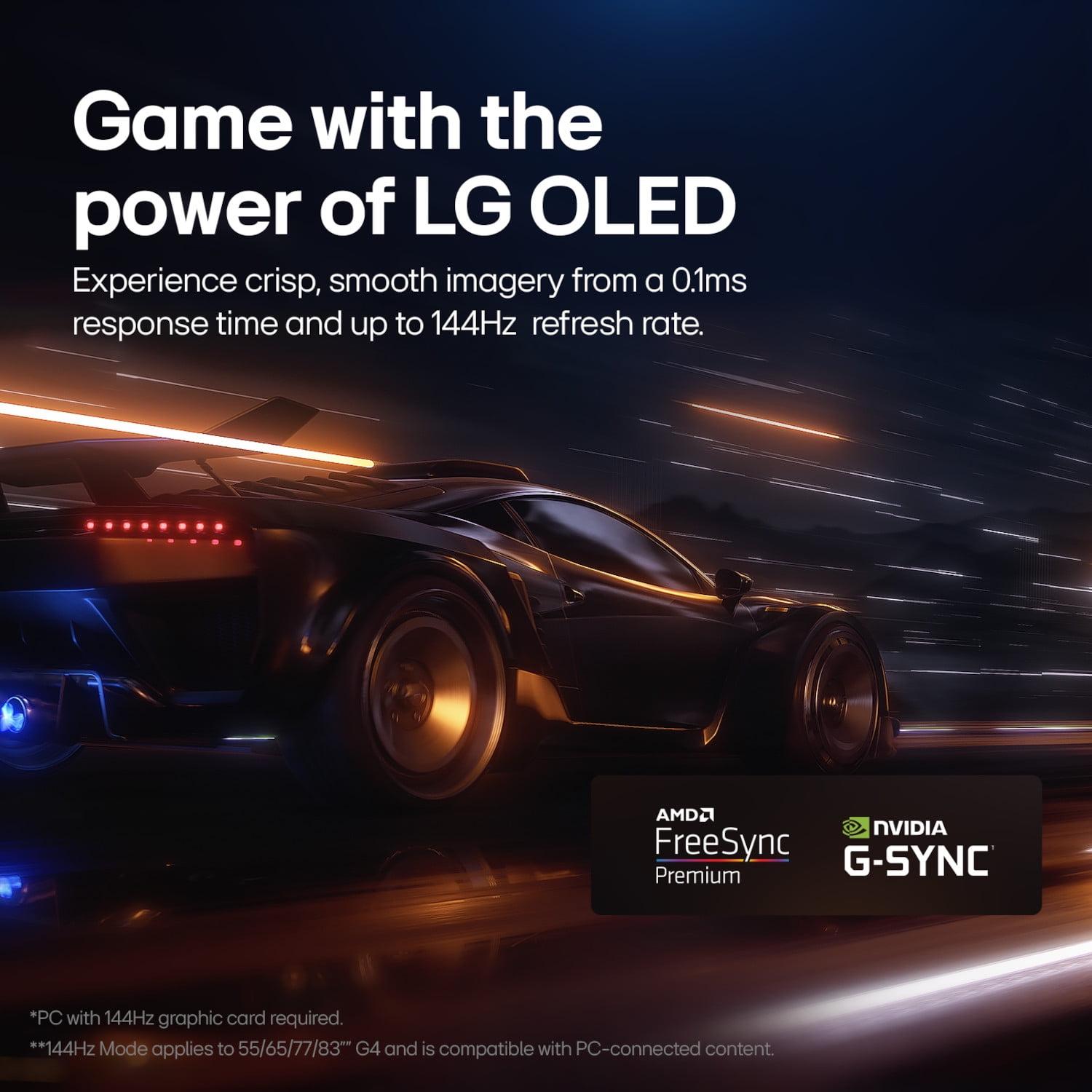
The gaming capabilities of these two TVs reveal the clearest advantage of choosing newer technology. The LG G4 was designed with current-generation gaming in mind, offering four full-bandwidth HDMI 2.1 ports that support 4K resolution at up to 144Hz refresh rates. This means you can connect multiple gaming devices - a PlayStation 5, Xbox Series X, and a gaming PC, for example - without compromising on features or having to swap cables.
The Sony A95K, being a 2022 model, reflects the connectivity standards of its era with only two HDMI 2.1 ports supporting up to 120Hz. While this was adequate when it launched, it creates practical limitations for users with multiple gaming devices. One HDMI 2.1 port is often needed for eARC (Enhanced Audio Return Channel) to send high-quality audio to a soundbar or receiver, leaving just one port for gaming at full capability.
Response time and input lag - how quickly the TV processes and displays new frames from your gaming device - both favor the LG G4. Its 0.1-millisecond response time is among the fastest available in any TV, while the Sony A95K's 3.2-millisecond response time, though still excellent, isn't quite as sharp for competitive gaming where every frame counts.
Both TVs support Variable Refresh Rate (VRR), which allows the display to match the frame rate output of your gaming device, eliminating screen tearing and stuttering. The LG G4 supports a wider VRR range (40-144Hz) compared to the Sony A95K (48-120Hz), providing smoother performance with a broader range of frame rates.
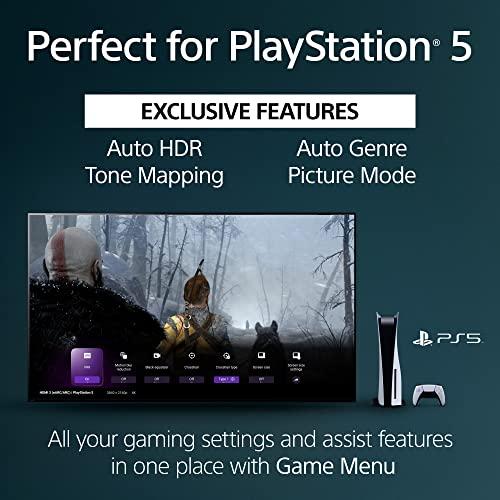
For PlayStation 5 owners specifically, the Sony A95K includes some unique optimization features that automatically adjust picture settings when gaming, though these advantages are relatively minor compared to the LG G4's superior port flexibility and refresh rate capabilities.
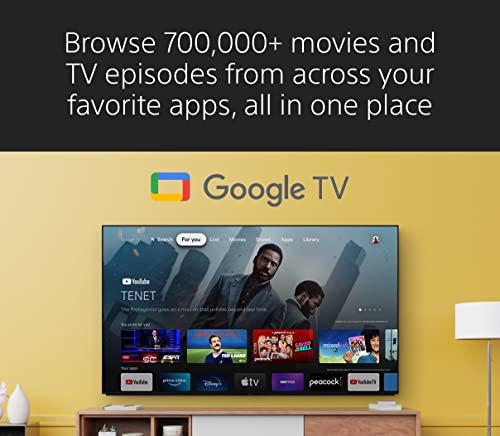
The choice between Google TV on the Sony A95K and webOS 24 on the LG G4 often comes down to personal preference and existing ecosystem commitments. Google TV provides deep integration with Google services, making it seamless if you already use Gmail, Google Photos, or Google Assistant throughout your home. The interface is comprehensive, offering personalized recommendations across streaming services, though some users find it can feel cluttered.
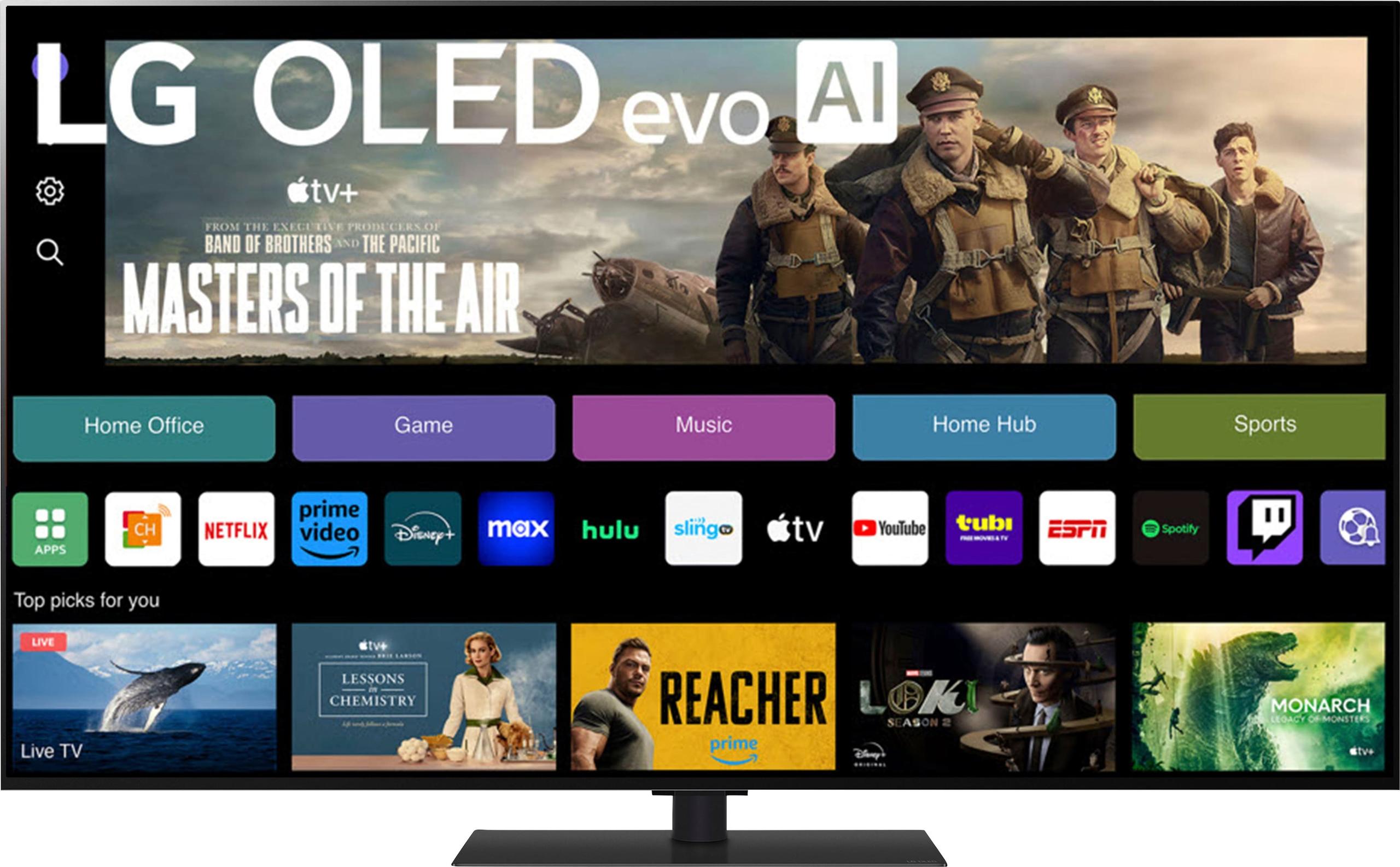
LG's webOS 24 on the G4 takes a more streamlined approach with its card-based interface that many users find more intuitive. The platform emphasizes quick access to frequently used apps and includes LG's commitment to five years of software updates, providing assurance that your TV will remain current with new streaming services and security patches.
Both platforms support all major streaming services, but the LG G4 includes some unique features like built-in cloud gaming support for services like GeForce NOW, allowing you to play high-end games without a dedicated gaming console or PC.
The processing power behind these smart features differs significantly. The LG G4's α11 AI processor claims up to 6.7 times faster AI performance compared to previous generations, enabling more sophisticated image processing and user interface responsiveness. However, both TVs provide smooth navigation and quick app loading in practical use.
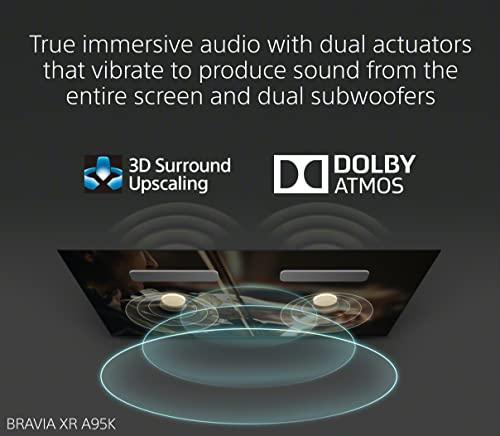
Television audio quality often gets overlooked in discussions of premium displays, but it represents one of the most significant practical differences between these models. The Sony A95K incorporates Acoustic Surface Audio+ technology, where actuators behind the screen vibrate the display itself to create sound. This approach makes dialogue and effects appear to come directly from the action on screen, creating a more immersive experience than traditional downward or side-firing speakers.
User and professional reviews consistently praise the Sony A95K's audio performance as exceptional for a TV, with clear dialogue, reasonable bass response, and good stereo separation. For many users, the built-in audio eliminates the immediate need for a soundbar or external speakers.
The LG G4, while including Dolby Atmos support and respectable 60W audio output, doesn't match the Sony A95K's audio quality. Reviews note that while adequate, the sound can feel thin, particularly at higher volumes, and lacks the spatial qualities that make the Sony's approach so effective.
For home theater enthusiasts planning to use external audio systems, this difference becomes less relevant. However, for users who prefer the simplicity of built-in audio or live in situations where external speakers aren't practical, the Sony A95K provides a significant advantage.
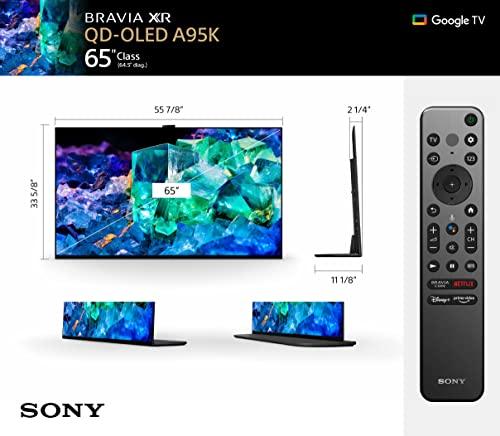
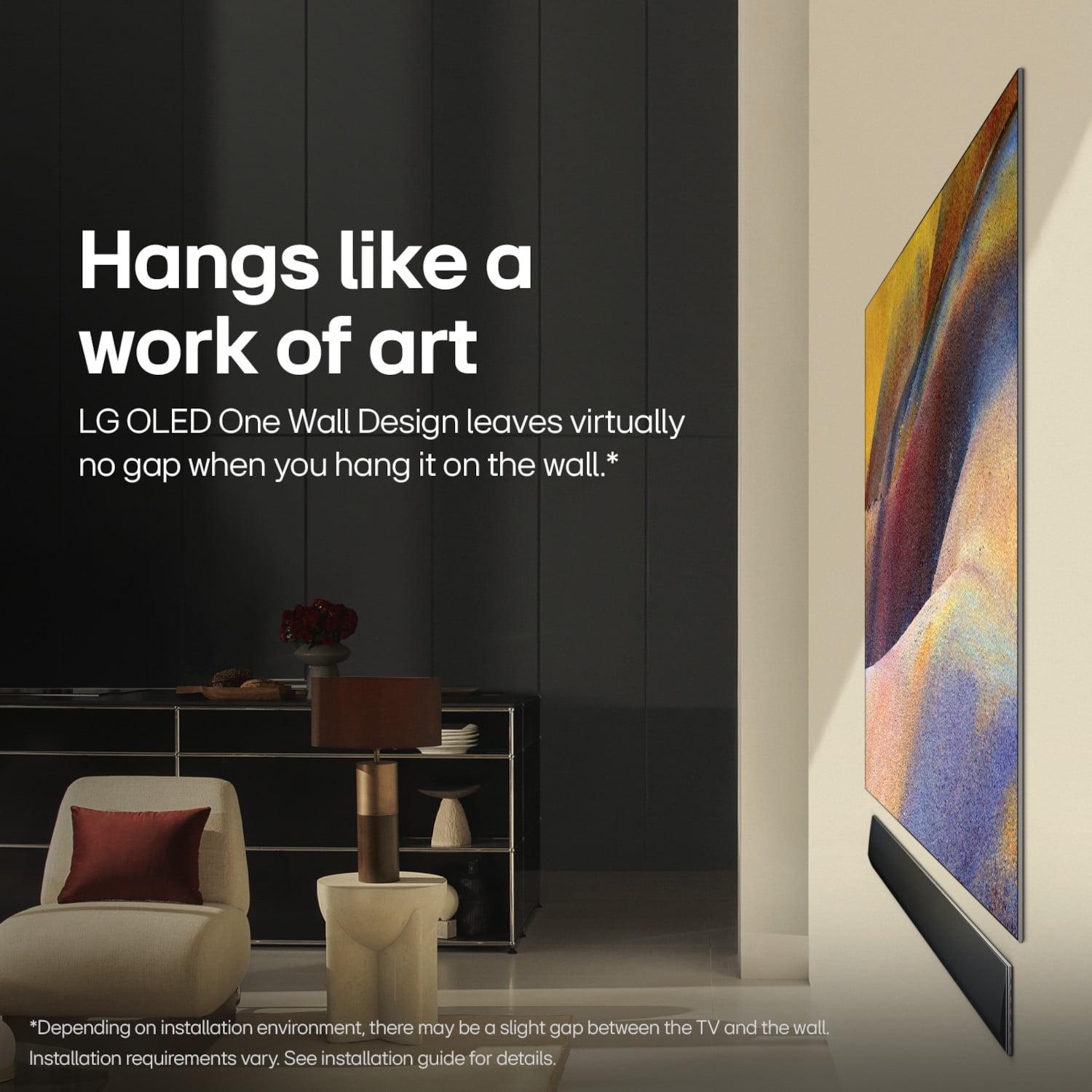
The design approaches of these TVs reflect their target use cases. The LG G4 embraces the "Gallery Design" concept, creating a TV thin enough to mount nearly flush against the wall like a piece of art. At just 24.3mm thick without the stand, it virtually disappears when wall-mounted. LG even includes a flush wall-mount bracket and has developed features that display artwork when the TV isn't in use, treating the display as both entertainment device and room decoration.
The Sony A95K takes a more conventional approach with a slightly thicker profile and traditional stand design. While still premium in appearance, it's clearly designed as a television first. The build quality is excellent, but it doesn't attempt to masquerade as anything other than an entertainment display.
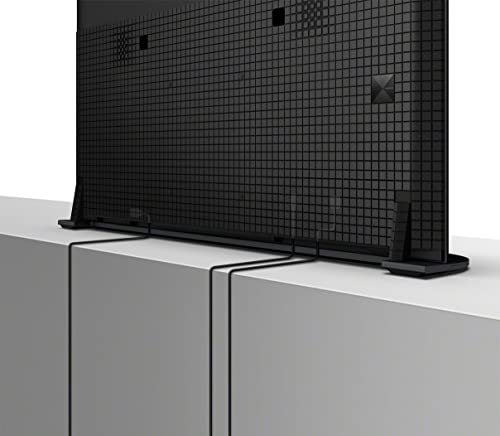
Both TVs now include table stands in the box, addressing previous criticism of gallery-focused models that required wall mounting. The LG G4's stand uses an adjustable center-mount design that provides flexibility in positioning, while the Sony A95K uses a more traditional approach.
At the time of writing, the Sony A95K represents exceptional value as a discounted flagship from 2022. You're getting QD-OLED technology that was cutting-edge just two years ago at prices that reflect its age rather than its capabilities. For users focused on picture quality for movies and TV shows, with moderate gaming needs, this value proposition is compelling.
The LG G4 commands premium pricing as a current-generation flagship, but offers future-proofing through its advanced gaming capabilities, guaranteed software support, and the latest OLED brightness technology. For users who plan to keep their TV for many years and want assurance that it will remain relevant, the higher investment may prove worthwhile.
Power consumption deserves consideration in long-term ownership costs. QD-OLED panels like those in the Sony A95K typically consume more power than WOLED panels, translating to higher electricity bills over time. This difference isn't dramatic but becomes more significant in regions with high energy costs.
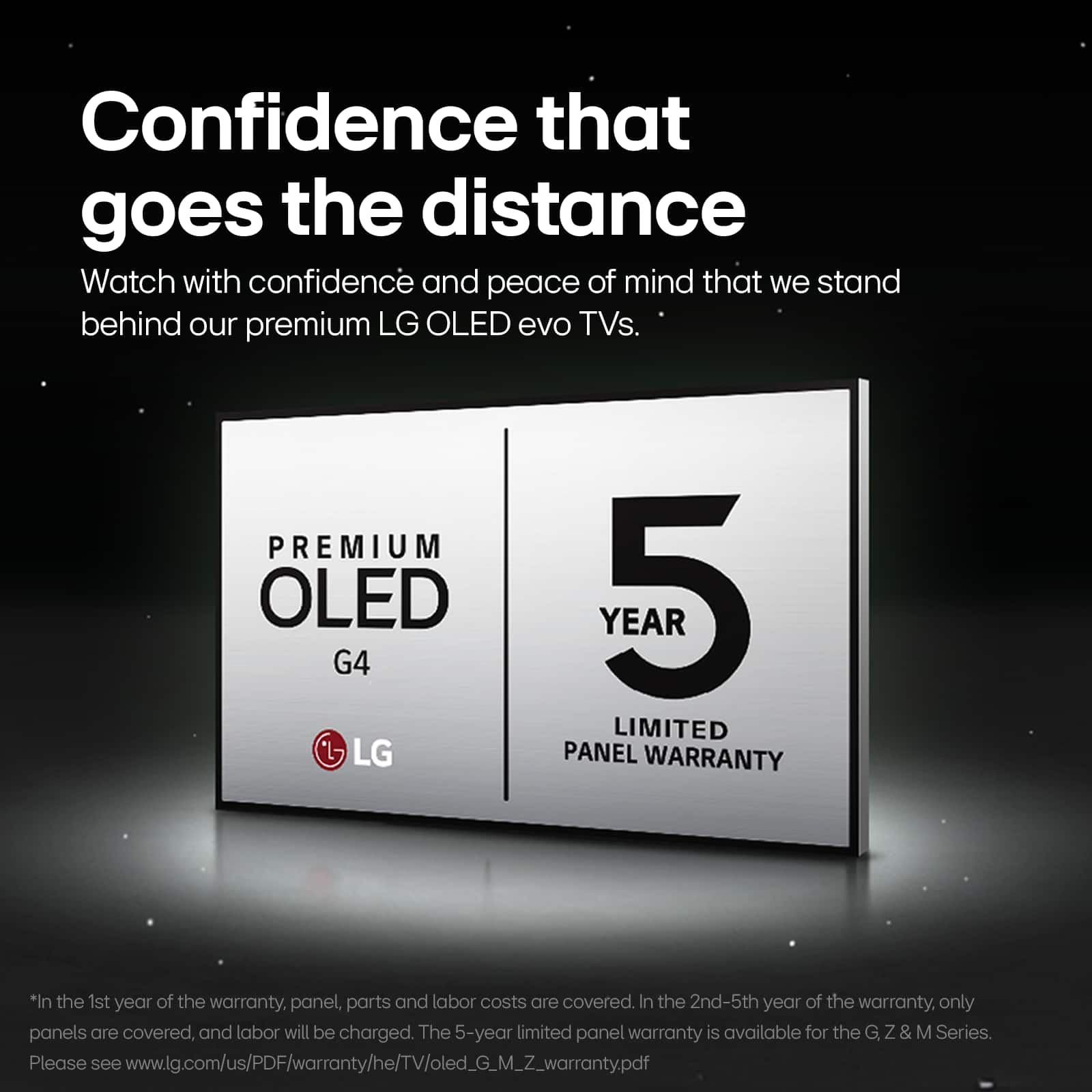
Both manufacturers provide five-year panel warranties, reflecting confidence in their OLED technology's longevity and addressing concerns about potential burn-in issues that affected earlier OLED generations.
The choice between the Sony Bravia XR A95K and LG G4 Series OLED evo ultimately depends on your specific priorities and use cases.
Choose the Sony A95K if you prioritize color vibrancy and natural-looking pictures for movies and TV shows. Its QD-OLED technology produces colors that many viewers find more engaging and realistic, particularly in film content. The superior built-in audio makes it ideal for users who don't want to invest in additional sound equipment immediately. If you have modest gaming needs - perhaps just one current-generation console - the port limitations won't affect you. Most importantly, if value is a primary concern, the significant discounts available on this 2022 flagship make it an exceptional purchase for picture quality per dollar.
Choose the LG G4 if gaming is important to your TV usage, especially if you have multiple gaming devices or a high-end PC capable of 144Hz output. The superior brightness makes it better suited for bright rooms or daytime viewing. If you value having the latest technology and want assurance of long-term software support, the 2024 model provides better future-proofing. The sleek design also makes it the better choice for users who want their TV to blend seamlessly into modern living spaces.
Both represent excellent choices within their respective strengths. The Sony A95K offers flagship picture quality technology at a value price, while the LG G4 provides cutting-edge capabilities and future-proofing at a premium cost. Your decision should align with how you'll actually use the TV and which compromises you're more comfortable making.
| Sony Bravia XR A95K | LG G4 Series OLED evo |
|---|---|
| Panel Technology - Determines color vibrancy and brightness capabilities | |
| QD-OLED with quantum dots for wider color gamut and more saturated colors | WOLED with Micro Lens Array (MLA) for dramatically improved brightness |
| Peak Brightness - Critical for HDR impact and bright room viewing | |
| ~400 nits typical (excellent color volume at mid-brightness) | ~2,300 nits peak (outstanding HDR highlights, better for bright rooms) |
| Gaming Connectivity - Essential for multiple consoles and high refresh gaming | |
| 2x HDMI 2.1 ports, 4K@120Hz maximum | 4x HDMI 2.1 ports, 4K@144Hz maximum |
| Gaming Performance - Response time affects competitive gaming | |
| 3.2ms response time, VRR 48-120Hz (excellent but not class-leading) | 0.1ms response time, VRR 40-144Hz (among the fastest available) |
| Audio Quality - Important if not using external speakers | |
| Acoustic Surface Audio+ 70W (consistently praised as exceptional TV audio) | 60W 4.2 channel with Dolby Atmos (good but not as immersive) |
| Smart Platform - Affects long-term usability and app support | |
| Google TV (extensive app ecosystem, Google services integration) | webOS 24 (streamlined interface, 5-year guaranteed software support) |
| Color Reproduction - Affects how natural and vibrant content appears | |
| Superior color saturation and vibrancy from QD-OLED technology | Accurate colors but less saturated than QD-OLED panels |
| Release Year - Impacts pricing and future-proofing | |
| 2022 flagship (significant discounts available, proven technology) | 2024 current flagship (premium pricing, latest features and longer support) |
| Design Profile - Important for wall mounting and room aesthetics | |
| Traditional TV design, heavier at 42.3kg | Ultra-slim 24.3mm gallery design, lighter at 37.4kg |
| Power Consumption - Affects long-term operating costs | |
| Higher consumption typical of QD-OLED panels | More efficient WOLED with MLA technology |
The Sony Bravia XR A95K typically delivers more vibrant and natural-looking colors due to its QD-OLED technology, making it excellent for movie watching in dark rooms. The LG G4 Series OLED evo offers superior brightness and HDR highlights, which can make action scenes more impactful. For dedicated home theater use in darkened rooms, many prefer the Sony A95K's warmer, more film-like color reproduction.
The LG G4 Series OLED evo is significantly better for gaming, offering four HDMI 2.1 ports supporting 4K at 144Hz, compared to the Sony A95K's two HDMI 2.1 ports limited to 120Hz. The LG G4 also has faster 0.1ms response time versus 3.2ms on the Sony, making it ideal for competitive gaming and multiple console setups.
The Sony A95K uses QD-OLED technology, which combines quantum dots with OLED pixels to produce more saturated, vibrant colors and wider color gamut. The LG G4 uses traditional WOLED with Micro Lens Array technology that achieves much higher brightness levels. QD-OLED excels at color vibrancy, while WOLED with MLA excels at brightness.
The LG G4 Series OLED evo is significantly brighter, reaching around 2,300 nits peak brightness compared to the Sony A95K's more modest brightness levels. This makes the LG G4 much better suited for bright rooms with windows or daytime viewing, while the Sony A95K performs best in controlled lighting conditions.
The Sony Bravia XR A95K has superior built-in audio with its Acoustic Surface Audio+ technology that makes sound appear to come from the screen itself. The LG G4 has decent 60W speakers with Dolby Atmos support but doesn't match the Sony's audio quality. For home theater setups using external speakers, this difference becomes less important.
The Sony A95K typically offers better value as a discounted 2022 flagship with proven QD-OLED technology. The LG G4 commands premium pricing as a current 2024 model but offers better future-proofing with advanced gaming features and guaranteed longer software support. Your choice depends on whether you prioritize immediate savings or long-term capabilities.
Both excel for home theater use, but in different ways. The Sony A95K delivers more cinematic colors and superior built-in audio, making it excellent for movie nights without additional equipment. The LG G4 offers brighter HDR highlights and can better handle some ambient lighting. For dedicated dark room theaters, the Sony A95K often provides a more film-like experience.
The Sony A95K runs Google TV with extensive app selection and deep Google services integration. The LG G4 uses webOS 24, which many find more intuitive with its streamlined interface and guaranteed five years of software updates. Both support all major streaming services, so choice often comes down to interface preference and ecosystem integration.
The LG G4 Series OLED evo supports four gaming devices at full HDMI 2.1 capability, making it ideal for users with multiple consoles and gaming PCs. The Sony A95K has only two HDMI 2.1 ports, with one often needed for audio equipment, effectively limiting you to one high-performance gaming device without cable swapping.
The LG G4 offers better longevity as a 2024 model with current technology and five years of guaranteed software updates. The Sony A95K is a 2022 model that may receive fewer future updates, though its QD-OLED technology remains competitive. Both come with five-year panel warranties for reliability assurance.
The LG G4 Series OLED evo is specifically designed for wall mounting with its ultra-slim 24.3mm gallery design and included flush wall bracket. The Sony A95K can be wall-mounted but has a more traditional, slightly thicker profile. The LG G4 is the clear winner for users wanting a seamless, artwork-like wall installation.
For first-time OLED buyers, the Sony A95K often provides better value with its impressive QD-OLED picture quality at discounted prices, plus excellent built-in audio. Choose the LG G4 if you're a serious gamer, have a bright room, or want the latest technology with longer support. The Sony A95K is ideal for movie lovers seeking premium picture quality at a better price point.
We've done our best to create useful and informative comparisons to help you decide what product to buy. Our research uses advanced automated methods to create this comparison and perfection is not possible - please contact us for corrections or questions. These are the sites we've researched in the creation of this article: tomsguide.com - audioadvice.com - wepc.com - bestbuy.com - tvsbook.com - rtings.com - youtube.com - flatpanelshd.com - rtings.com - youtube.com - reviewed.com - avsforum.com - youtube.com - youtube.com - rtings.com - youtube.com - electronics.sony.com - sonypremiumhome.com - valueelectronics.com - sony.com - displayspecifications.com - flatpanelshd.com - donstv.com - youtube.com - businessinsider.com - youtube.com - displayspecifications.com - bestbuy.com - hometechnologyreview.com - hometechnologyreview.com - whathifi.com - hometechnologyreview.com - youtube.com - tomsguide.com - tomsguide.com - smarthomesounds.co.uk - rtings.com - rtings.com - bhphotovideo.com - youtube.com - schaeferstv.com - bestbuy.com - costco.com - lg.com - lg.com - shopsilica.com - bestbuy.com - techradar.com - bestbuy.com - bestbuy.com - lg.com - lgnewsroom.com

Privacy Policy
Terms and Conditions - Affiliate Policy
Home Security
© Copyright 2008-2026.
11816 Inwood Rd #1211, Dallas, TX 75244