




Choosing a new TV used to be straightforward—bigger was better, and picture quality was the only metric that mattered. Today's television market has evolved into something more complex, with manufacturers creating highly specialized displays for different lifestyles and priorities. TCL's 2024-2025 lineup perfectly illustrates this divide with two dramatically different 65-inch models: the performance-focused QM9K and the lifestyle-oriented NXTVISION Art Frame TV.
These aren't just different price points of the same concept—they represent fundamentally different philosophies about what a television should be and do in your home. Understanding which approach suits your needs requires digging into the technical details and real-world implications of each design choice.
The television industry has split into two distinct camps. On one side, you have performance maximalists who push picture quality, gaming capabilities, and home theater features to their limits. On the other, lifestyle-focused manufacturers create displays that prioritize aesthetic integration and dual functionality over raw specifications.
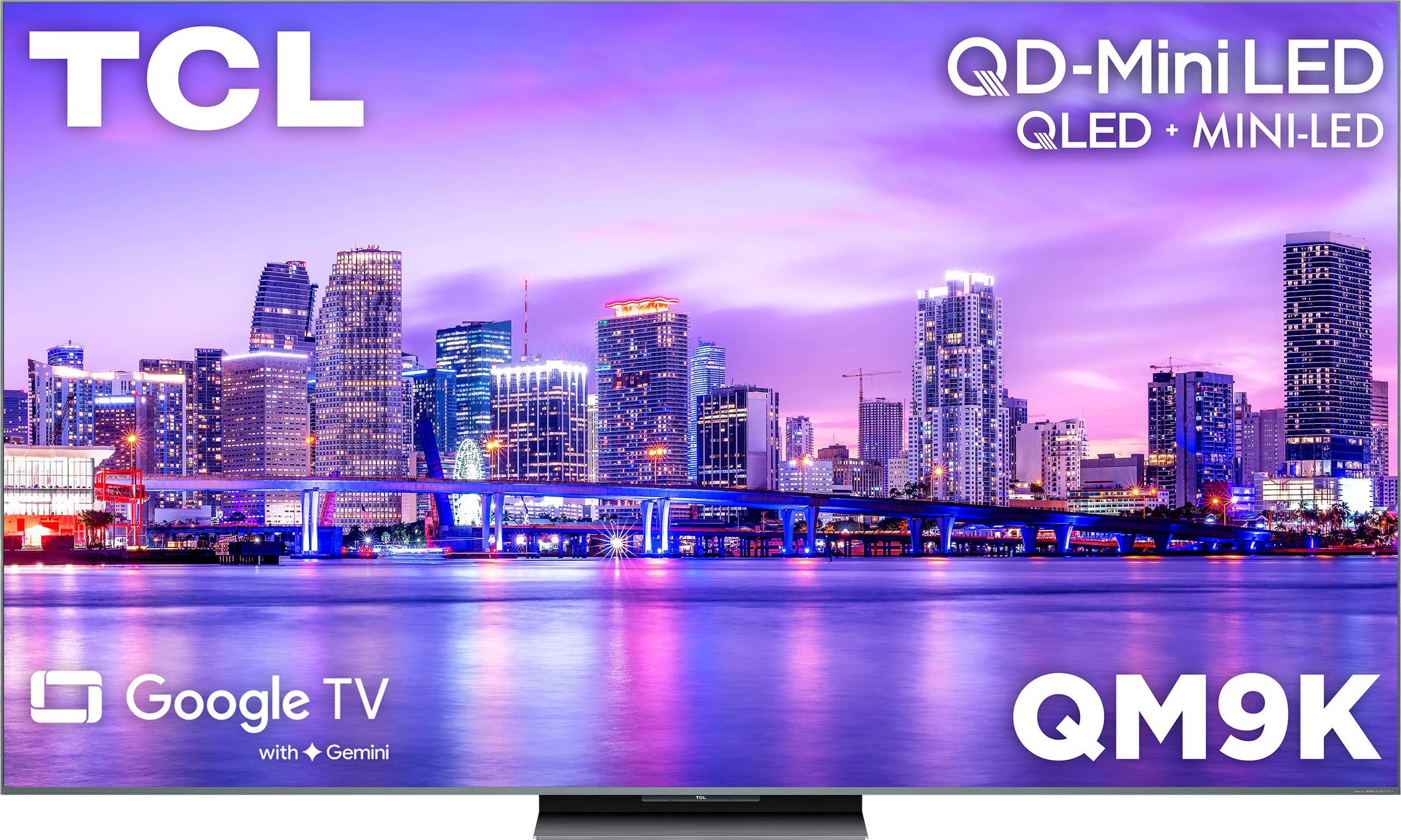
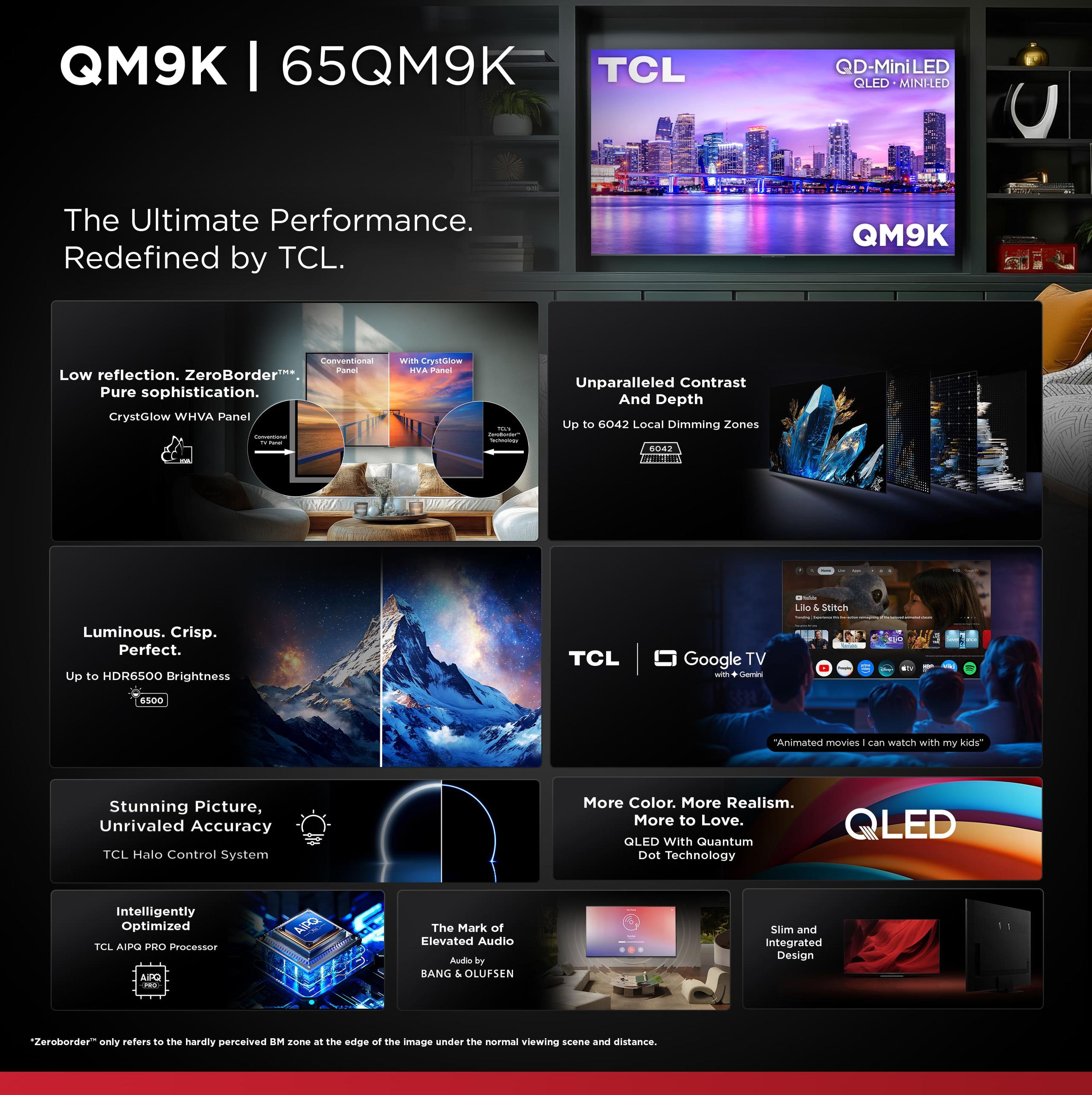
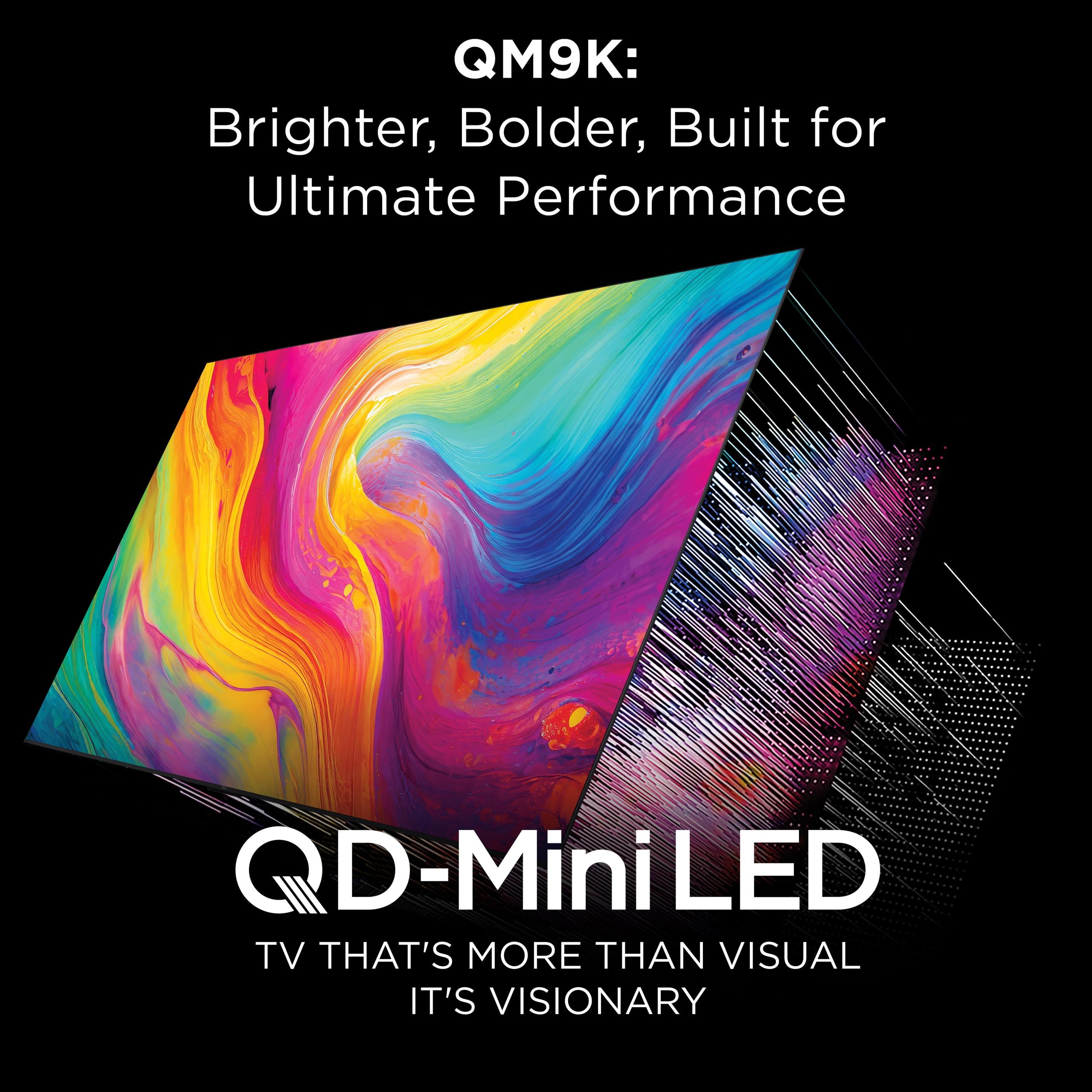
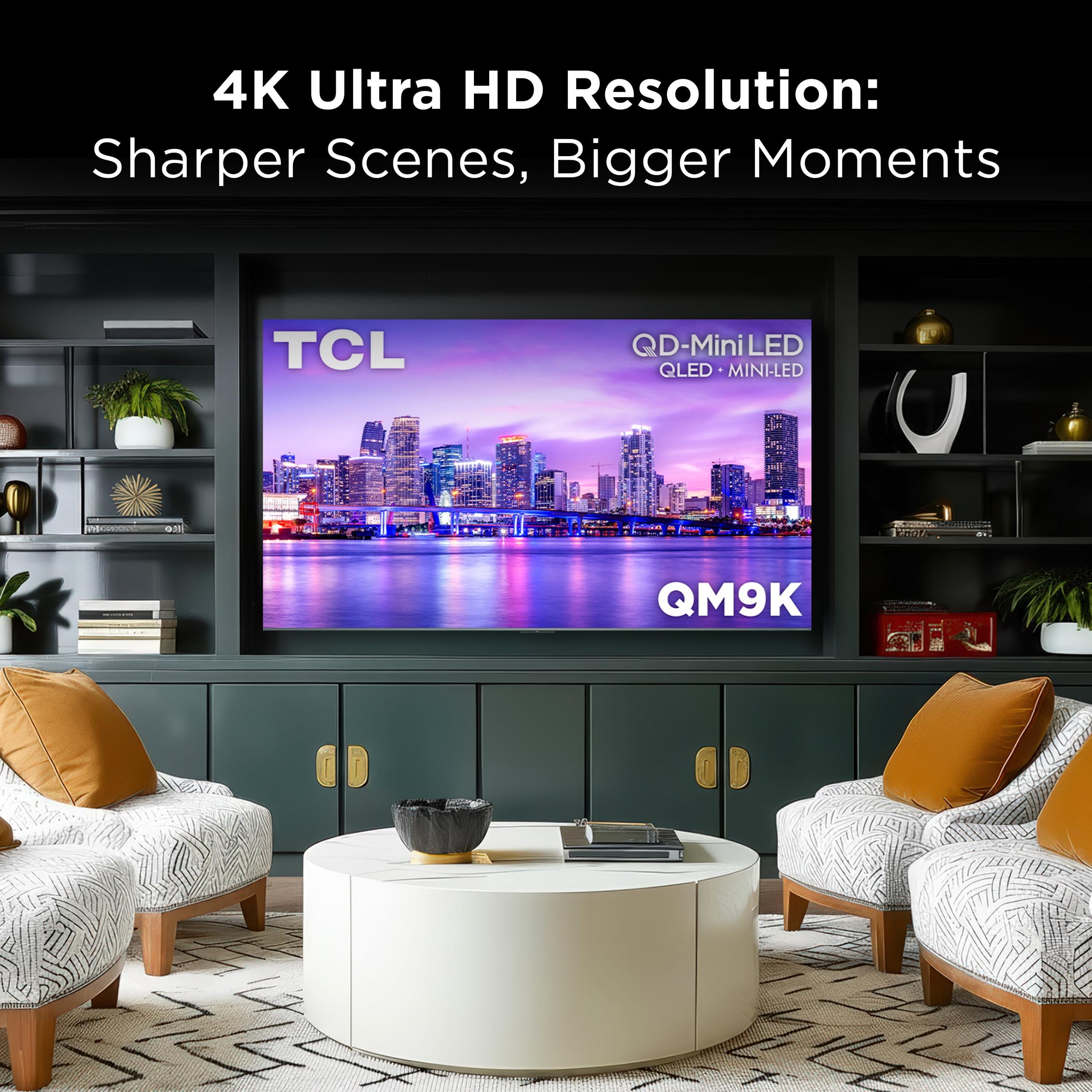
The TCL QM9K, released in 2025, represents the performance camp's latest evolution. It's a flagship display that uses cutting-edge QD-Mini LED technology—think of it as thousands of tiny LED lights behind the screen that can dim or brighten independently to create perfect blacks and brilliant highlights. This is fundamentally different from older LED TVs that used a single backlight across the entire screen.
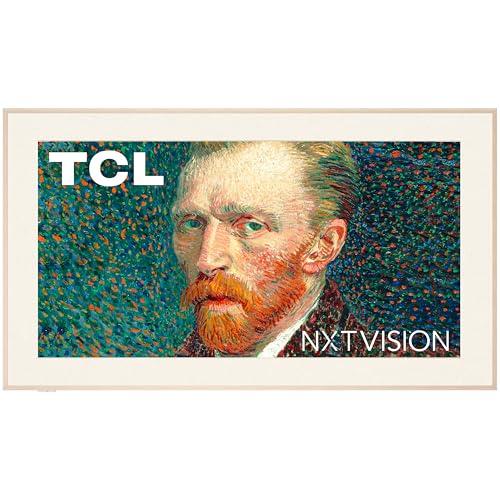
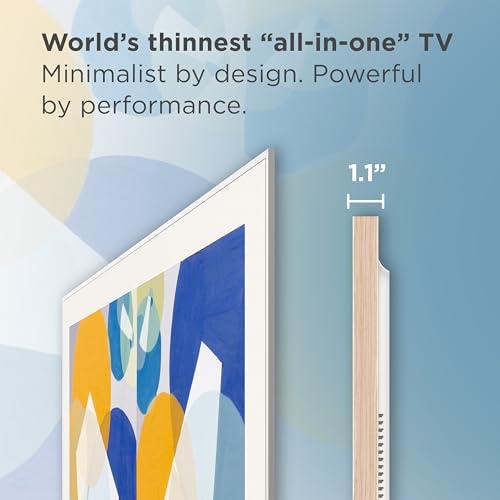
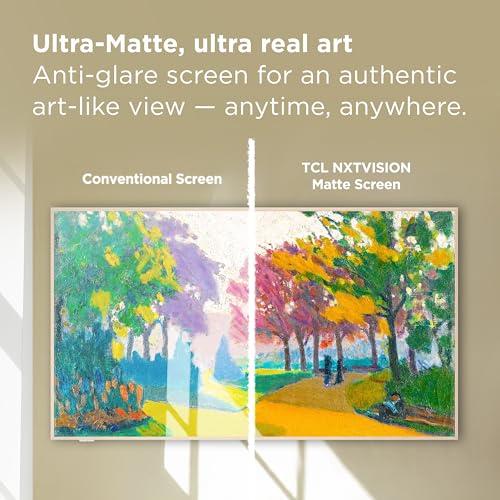
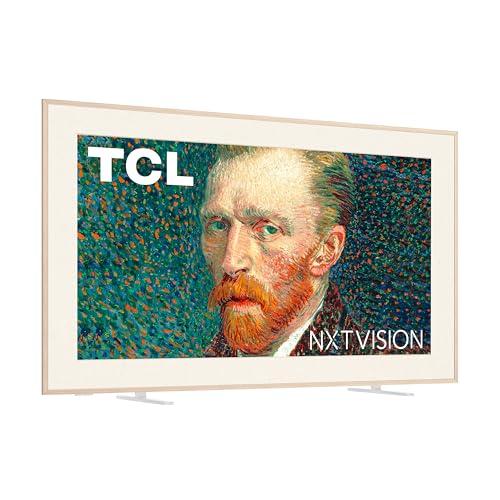
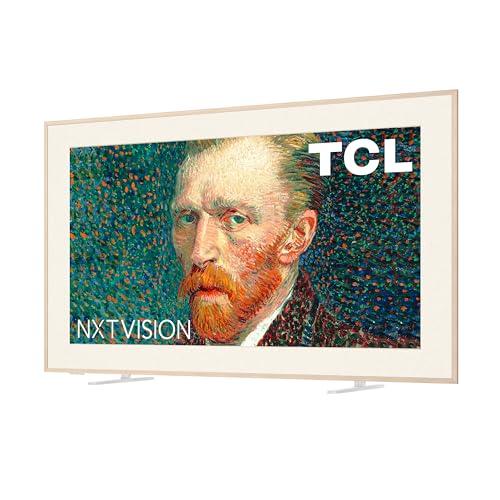
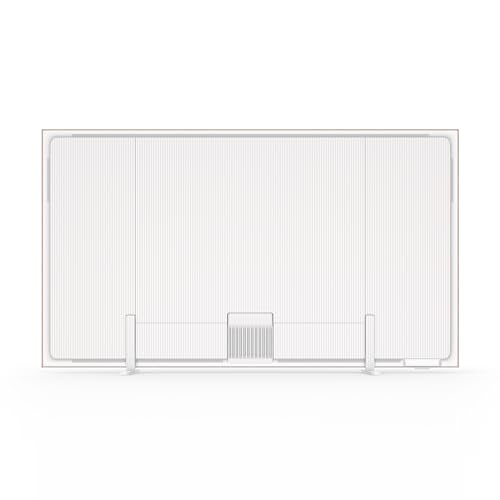
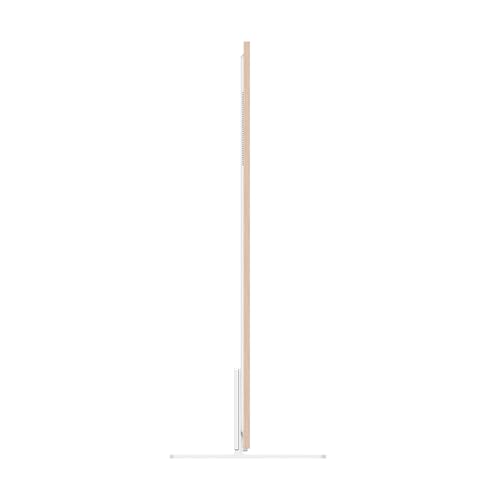
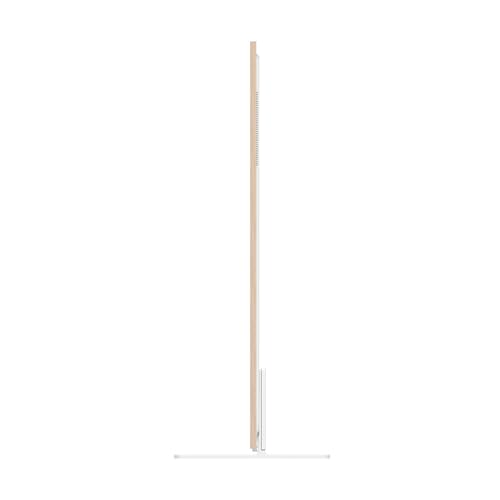
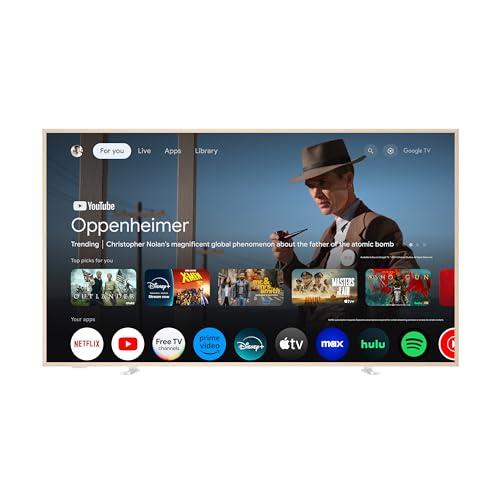
The NXTVISION Art Frame TV, launched in 2024, takes the opposite approach. It's designed to disappear into your living space when not actively displaying entertainment content, doubling as a digital art frame with a ultra-thin profile and anti-glare matte screen that mimics the texture of a real canvas.
Both approaches have merit, but they serve completely different users and environments. The key is understanding which philosophy aligns with your priorities and living situation.
Picture quality differences between these models are stark, and understanding why requires diving into their underlying technologies.
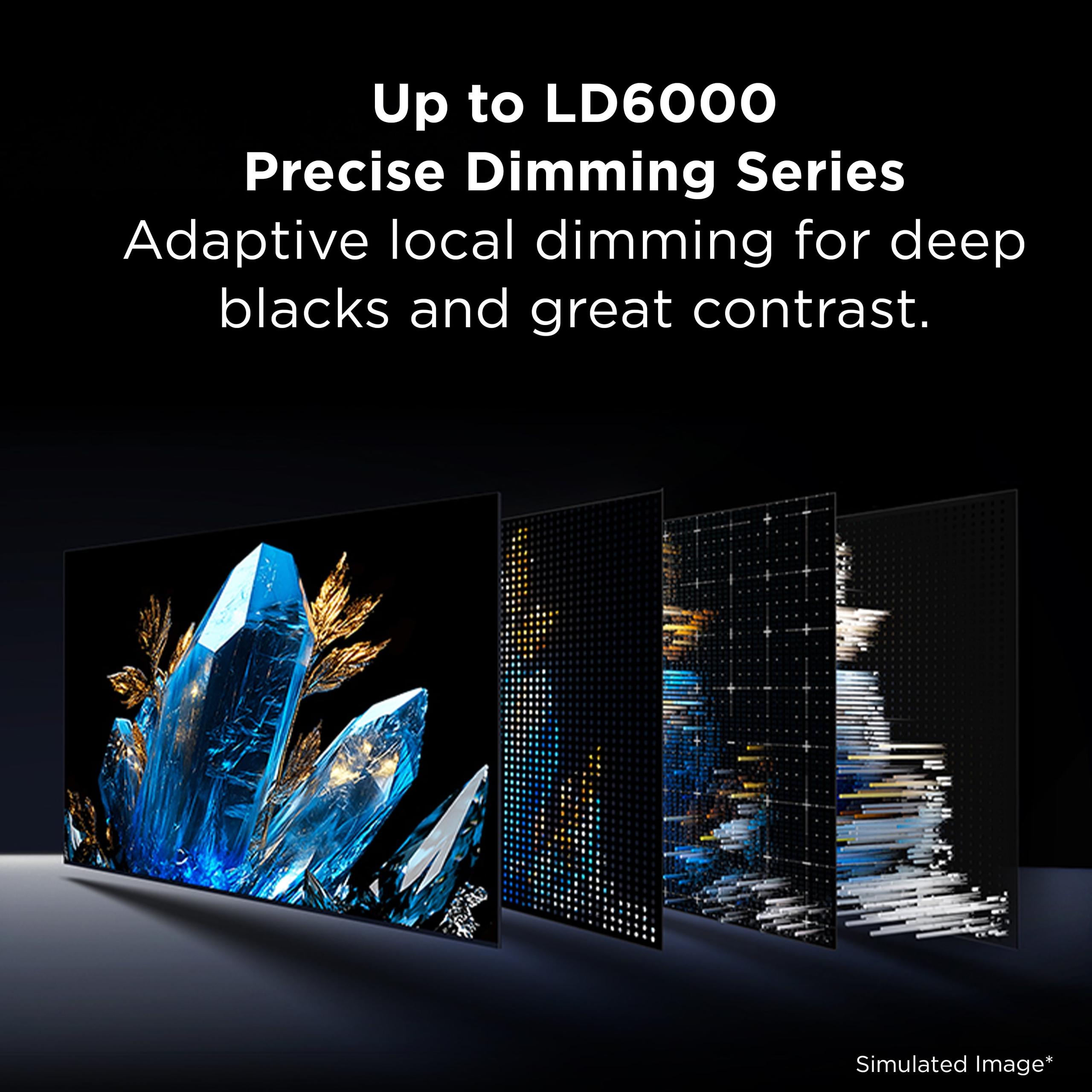
The QM9K uses QD-Mini LED backlighting with up to 6,000 individual dimming zones. Each zone can independently adjust its brightness, creating what's called "local dimming." When you're watching a movie with a starry night sky, the zones displaying stars can shine brilliantly while zones showing space remain completely black. This creates the contrast ratio—the difference between the darkest and brightest parts of an image—that makes HDR content look realistic and three-dimensional.
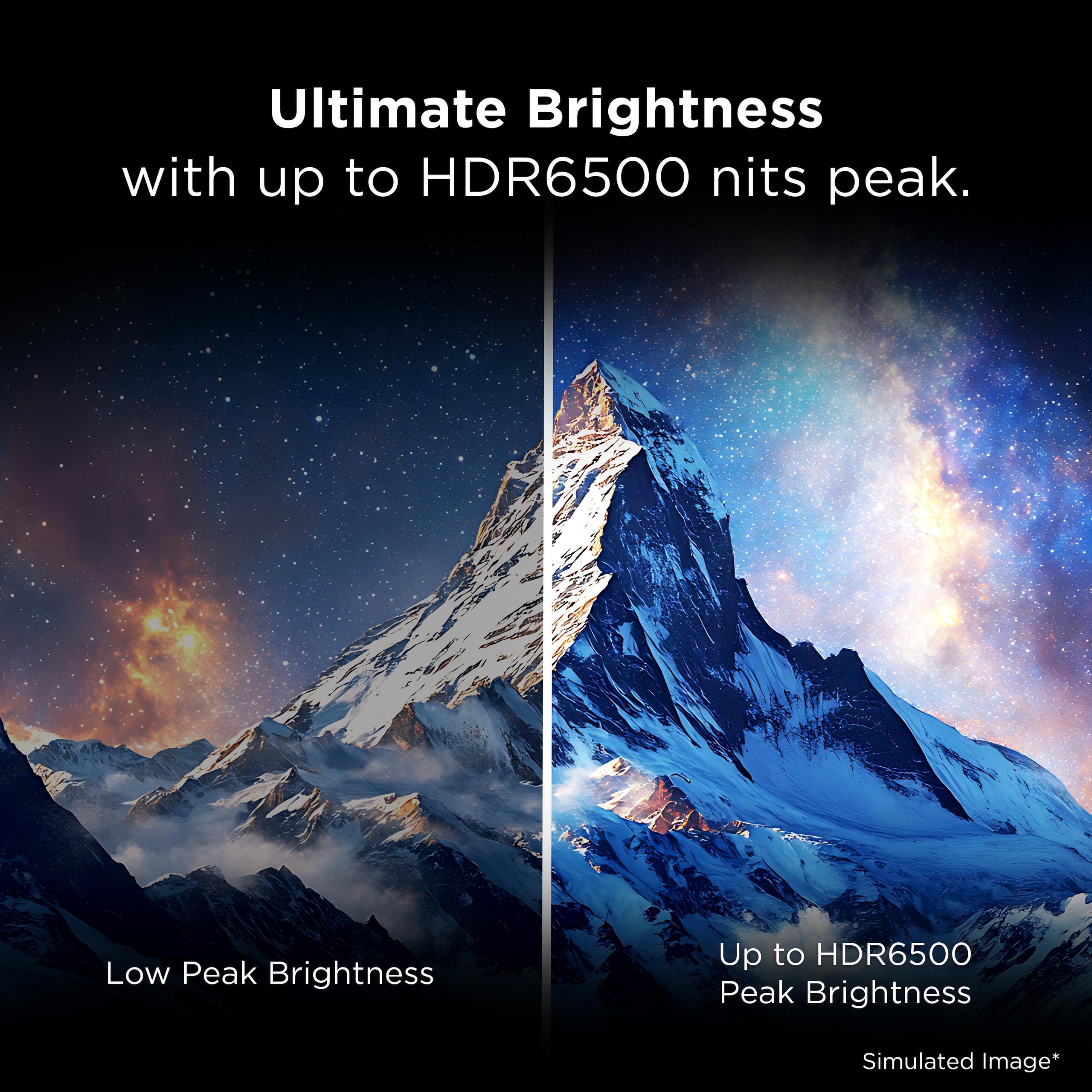
Professional measurements show the QM9K reaching over 3,800 nits of peak brightness in HDR mode. To put this in perspective, a typical sunny day measures around 100,000 nits, while indoor lighting ranges from 100-1,000 nits. The TV's ability to hit nearly 4,000 nits means it can accurately reproduce the brightness of sunlight reflecting off water or metal, creating that "wow" factor when watching nature documentaries or action movies.
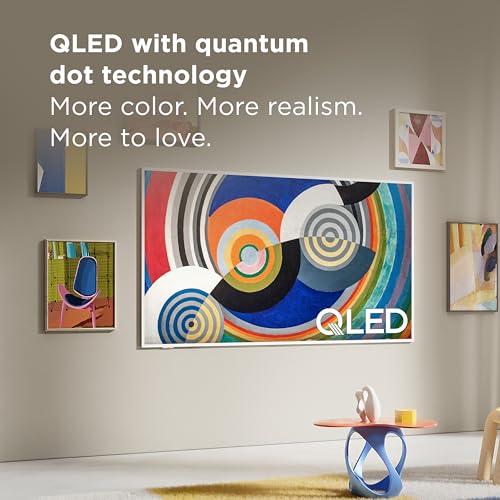
The NXTVISION Art Frame takes a completely different approach with edge-lit QLED technology. Instead of thousands of individual zones, edge-mounted LEDs illuminate the entire screen uniformly. While this creates the ultra-thin profile that makes the art frame aesthetic possible, it fundamentally limits contrast performance. Blacks appear gray rather than true black because the backlight can't turn off in specific areas.
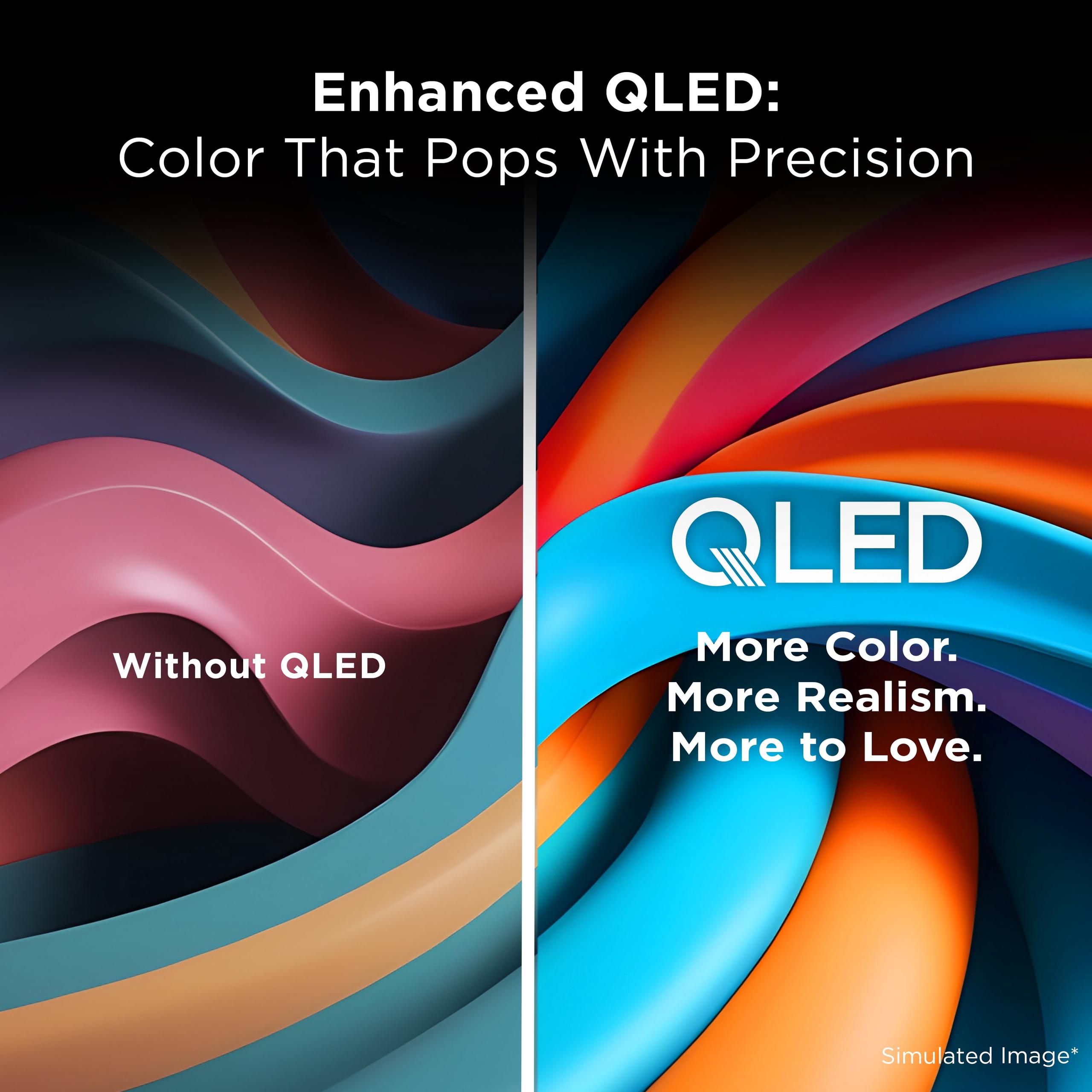
The Quantum Dot technology in both TVs enhances color reproduction by using nanocrystals that emit very pure red, green, and blue light when excited by the backlight. However, without local dimming, the NXTVISION can't take full advantage of this technology in high-contrast scenes.
HDR (High Dynamic Range) represents the biggest advancement in television technology since the jump from standard definition to HD. Both TVs support multiple HDR formats—HDR10, HDR10+, Dolby Vision, and HLG—but their ability to display HDR content differs dramatically.
The QM9K delivers genuine HDR performance that matches the content creators' intentions. When watching a Dolby Vision movie on Netflix, the TV can reproduce the full range from deep shadows to brilliant highlights that the filmmakers captured. The 6,000 dimming zones prevent "blooming"—unwanted light spill around bright objects against dark backgrounds—that plagued earlier LED TVs.
The NXTVISION supports the same HDR formats but can't deliver the contrast performance they require. HDR content often appears flat and less impactful because the TV can't achieve true blacks or sufficient peak brightness. This doesn't make it a bad TV for casual viewing, but it does mean you're not experiencing HDR content as intended.
Gaming has become a critical TV specification, especially with PlayStation 5 and Xbox Series X pushing 4K gaming at high frame rates. The technical requirements for smooth, responsive gaming are quite specific.
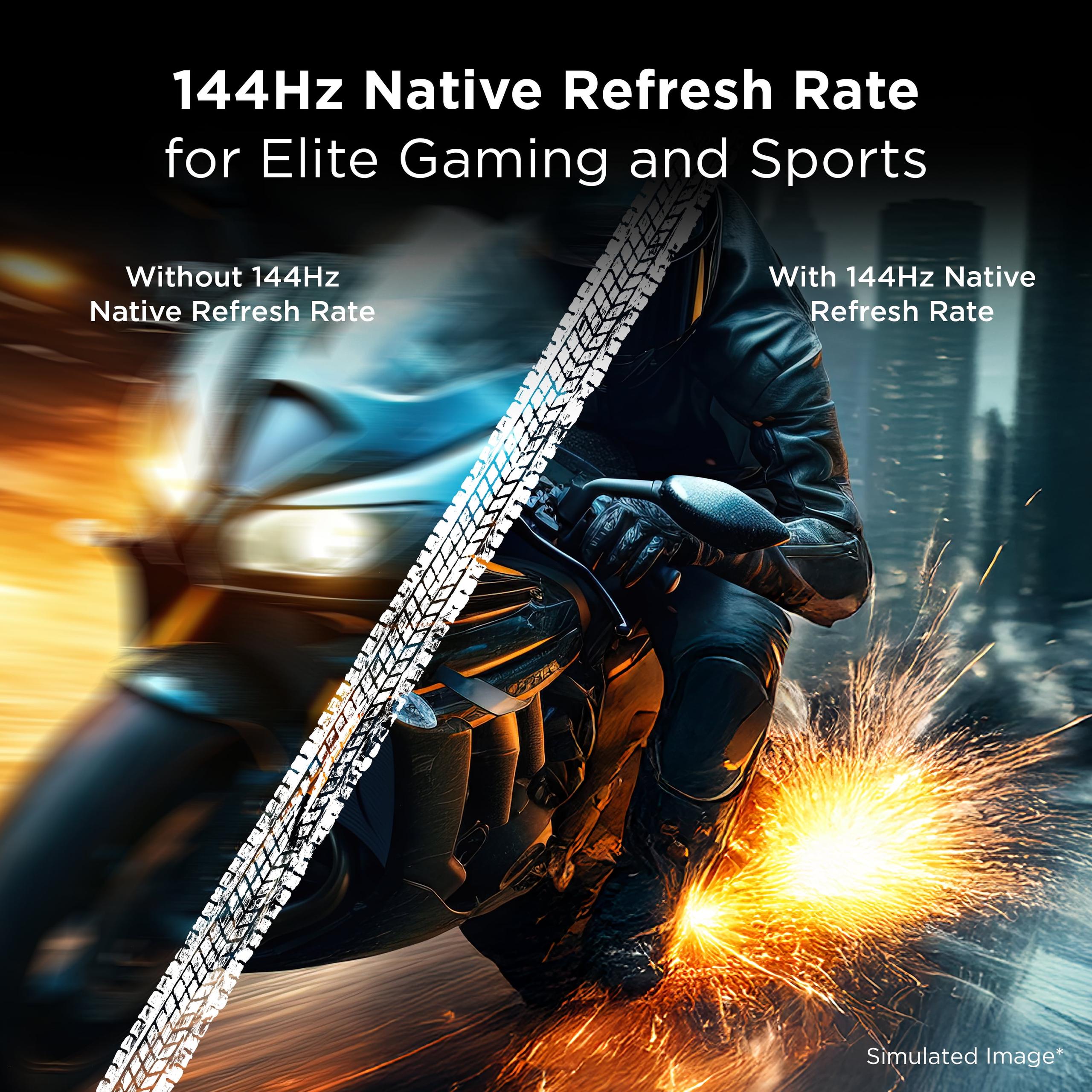
The QM9K was clearly designed with serious gaming in mind. Its 144Hz native refresh rate means the panel can physically display 144 unique frames per second, eliminating the stuttering that occurs when 120fps games are displayed on 60Hz panels. The Game Accelerator 288 feature pushes this even further, supporting up to 288Hz variable refresh rate (VRR) for competitive gaming at 1080p resolution.
Input lag—the delay between pressing a controller button and seeing the result on screen—measures just 5.3 milliseconds on the QM9K. For context, competitive gamers consider anything under 20ms acceptable, while 40ms becomes noticeable to casual players. At 5.3ms, the TV essentially adds no perceptible delay to your gaming experience.
AMD FreeSync Premium Pro support synchronizes the TV's refresh rate with your gaming console's frame output, eliminating screen tearing (where parts of different frames display simultaneously) and providing smooth gameplay even when frame rates fluctuate.
The NXTVISION offers respectable gaming features with 120Hz native refresh rate and Game Accelerator 240, but reviews consistently note slower pixel response times that create motion blur during fast action. While perfectly adequate for casual gaming, competitive players will notice the difference in responsiveness and clarity.
The physical design differences between these TVs reflect their intended purposes and installation methods.
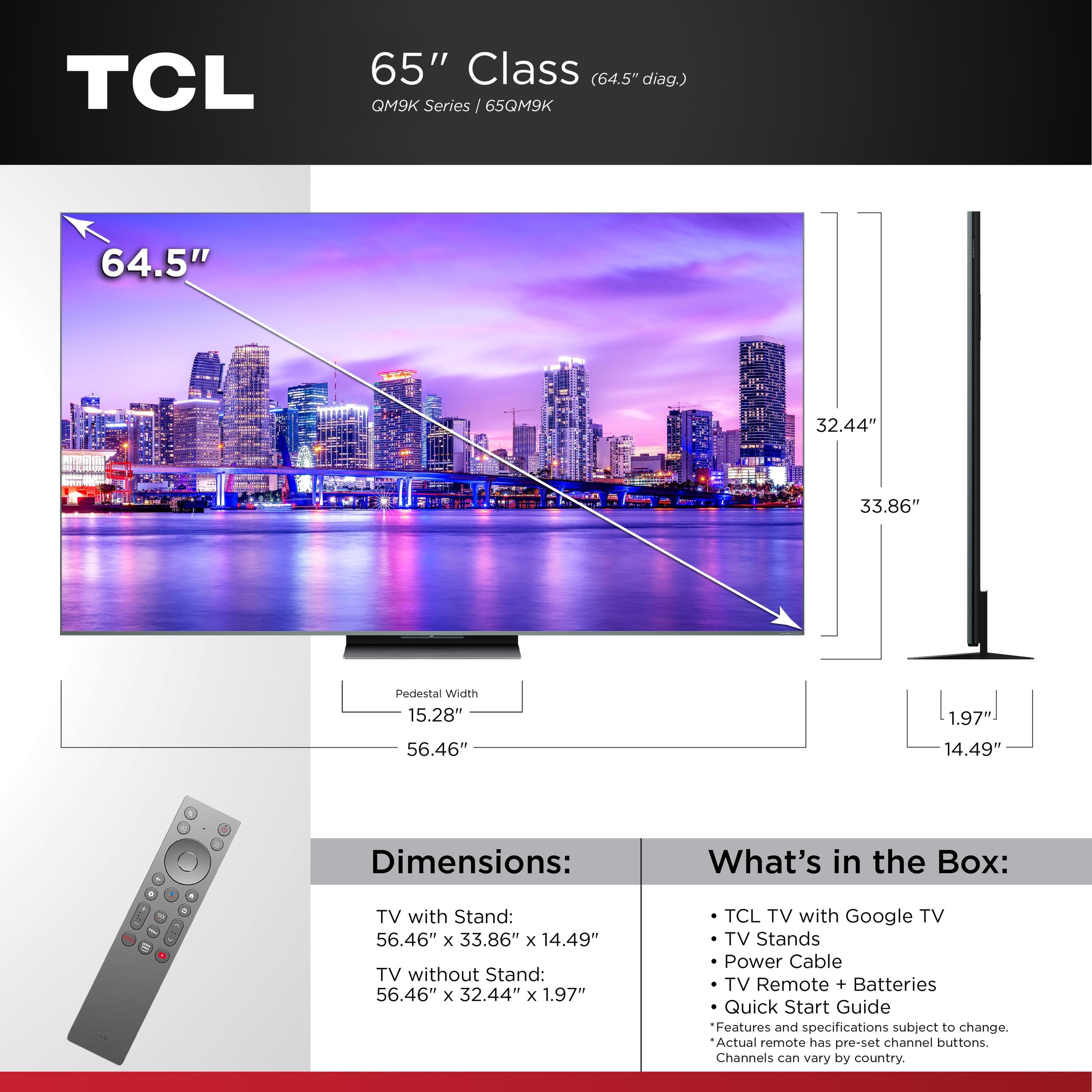
The QM9K makes no compromises for aesthetics. At 51mm (2.0 inches) deep, it's relatively thick by modern TV standards, but this depth houses the sophisticated Mini LED backlight system and cooling components necessary for peak performance. The design prioritizes optimal viewing angles and heat dissipation over minimalism.
This TV expects to be the centerpiece of a dedicated entertainment space. Whether wall-mounted or placed on a TV stand, it's clearly a television first and foremost. The design works best in rooms where the TV's presence enhances rather than detracts from the overall aesthetic.
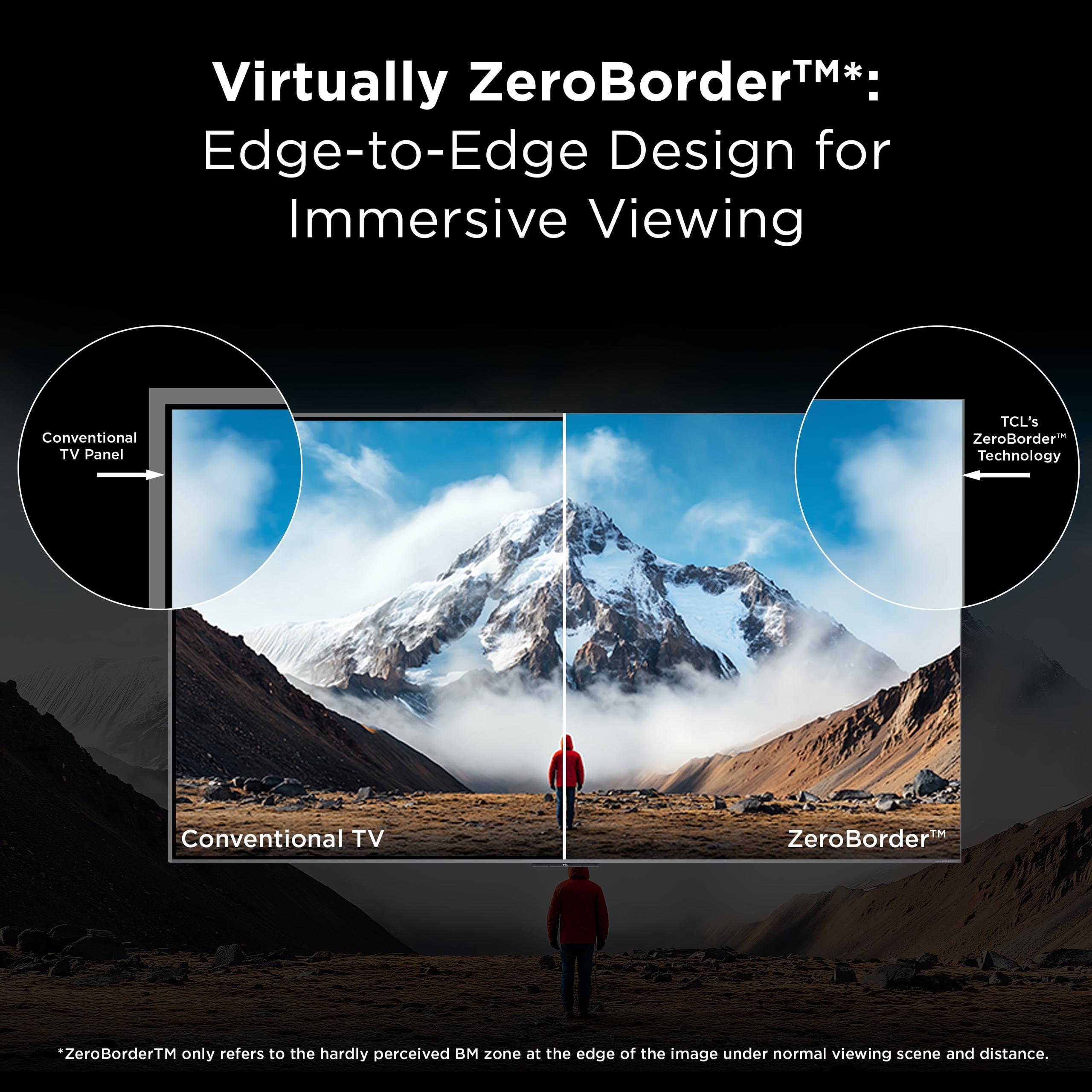
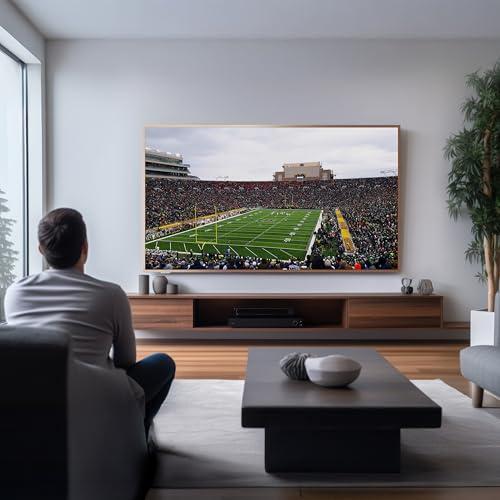
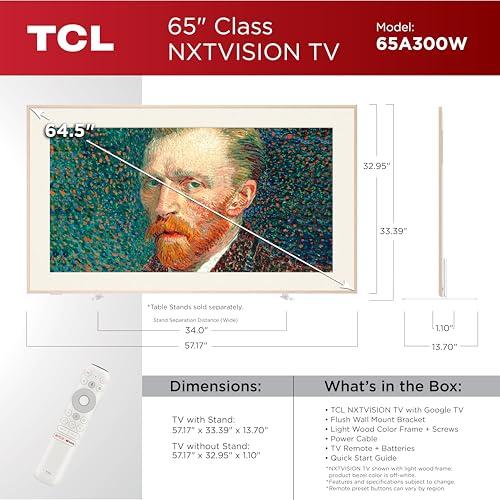
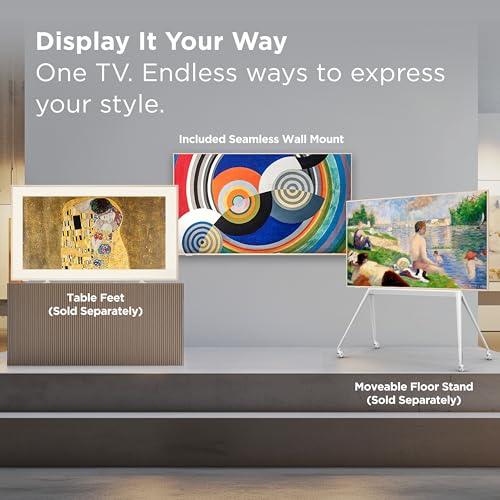
The NXTVISION represents a fundamentally different design philosophy. At just 1.1 inches deep with a built-in chassis, it's among the thinnest TVs available. The included flush wall mount allows installation that sits nearly flat against the wall, creating the gallery-style appearance of a framed artwork.
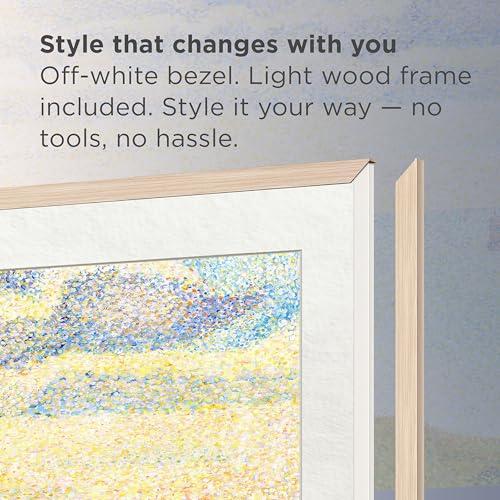
The magnetic wood frame system lets you customize the TV's appearance to match your décor. The off-white bezel and light wood frame create a sophisticated, furniture-like aesthetic that many users prefer over the typical black rectangle of traditional TVs.
Most importantly, the ultra-matte anti-glare screen coating significantly reduces reflections compared to glossy TV screens. This makes displayed artwork appear more like a real canvas while also improving visibility in bright rooms during regular TV viewing.
Motion clarity becomes crucial when watching sports, action movies, or playing fast-paced games. The technical challenge is that LCD panels inherently have slower pixel response times compared to older CRT TVs or modern OLED displays.
The QM9K addresses this through Motion Rate 480 technology, which combines multiple techniques including MEMC (Motion Estimation, Motion Compensation) frame insertion. This system analyzes consecutive frames and creates intermediate frames to smooth motion, reducing blur during camera pans or fast action sequences.
Professional reviews note that while the QM9K handles most motion well, some users may notice slight judder during slow panning shots in movies—a common characteristic of aggressive motion processing. However, sports content benefits significantly from the motion clarity, making fast-moving objects like hockey pucks or soccer balls easier to track.
The NXTVISION struggles more with motion due to its slower pixel response times and less sophisticated processing. Reviews consistently mention noticeable blur during fast action, which could frustrate sports enthusiasts or action movie fans.
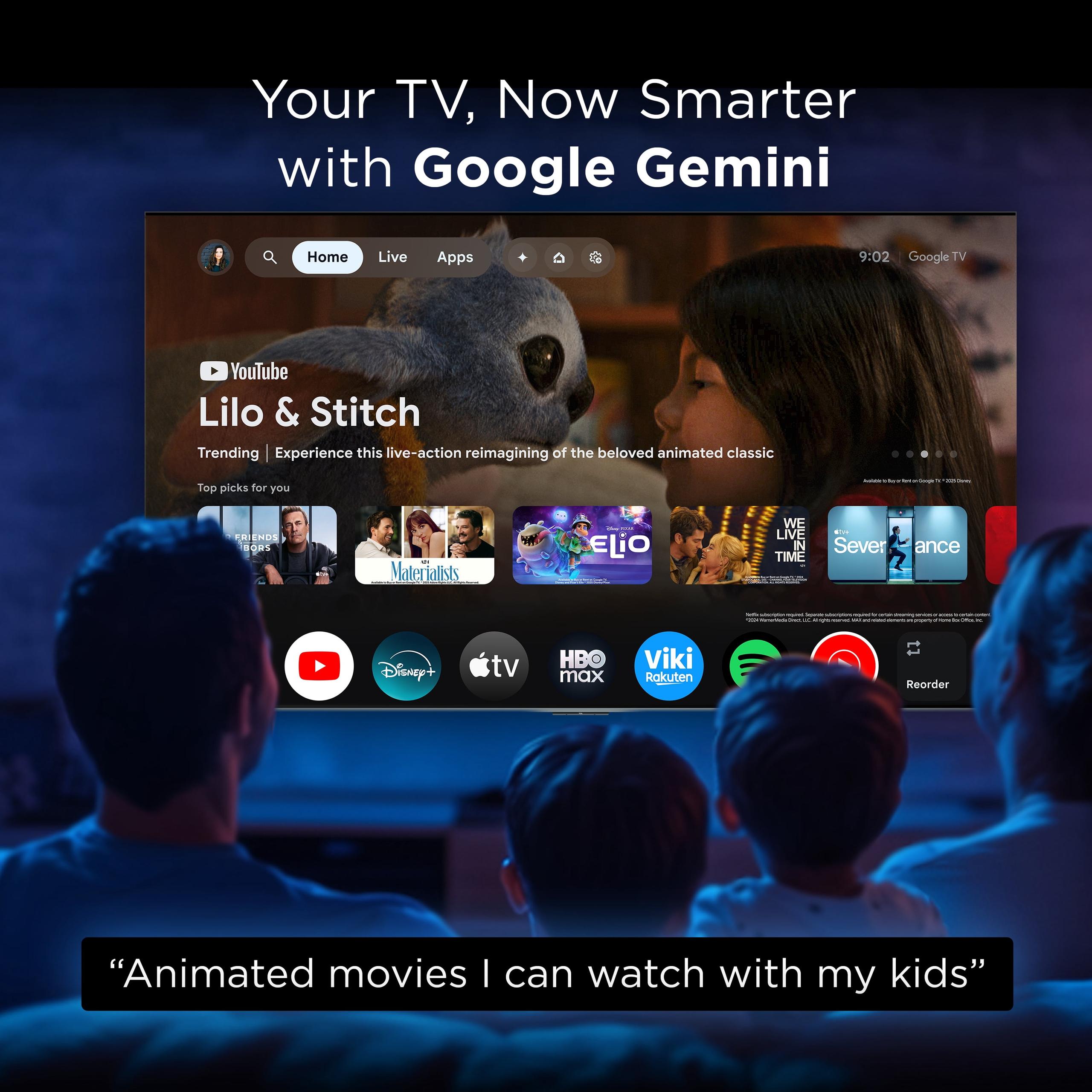
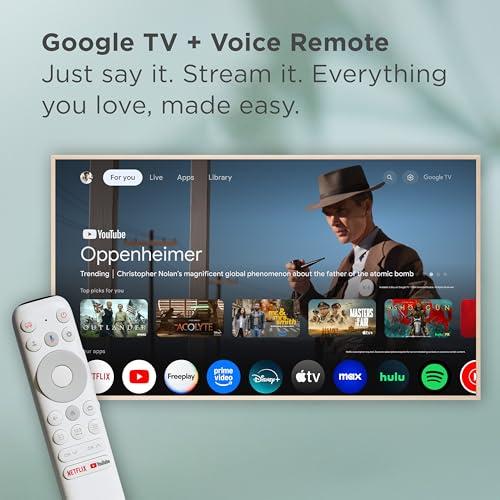
Both TVs run Google TV, providing access to all major streaming services and voice control capabilities. However, their smart features serve different purposes.
The QM9K includes Google Gemini AI integration and a presence sensor that automatically adjusts settings based on ambient lighting and viewing distance. These features optimize the TV for active viewing experiences.
The NXTVISION focuses its smart capabilities on art display functionality. The curated art library includes over 400 professional artworks, while the AI art generation feature can create over 100,000 unique images based on your preferences. Personal photo gallery mode transforms family pictures into museum-quality displays with proper matting and presentation options.
Audio quality often gets overlooked in TV comparisons, but it significantly impacts the viewing experience, especially if you're not planning to add external speakers immediately.
The QM9K features a Bang & Olufsen-tuned 2.1.1 channel system with a built-in subwoofer and upfiring speakers for Dolby Atmos height effects. This creates genuinely immersive audio that complements the superior picture quality. While it won't replace a dedicated surround sound system, it's impressive for built-in TV audio.
The NXTVISION includes basic 2x10W speakers that provide adequate sound for casual viewing but lack the depth and clarity for serious home theater use. The ultra-thin form factor limits speaker size and positioning, making external audio more of a necessity than a nice-to-have upgrade.
At the time of writing, both TVs occupy different value propositions in TCL's lineup. Understanding these positions helps clarify which offers better value for your specific needs.
The QM9K represents TCL's flagship technology at a premium price point. You're paying for cutting-edge Mini LED technology, advanced gaming features, and superior audio—components that directly impact daily viewing quality. Reviews suggest it competes favorably with more expensive models from Samsung and Sony while offering better gaming specifications.
The NXTVISION commands a premium for its design and dual functionality rather than raw performance specifications. You're essentially paying for aesthetic integration and the ability to serve as both TV and art display. While the performance compromises are significant, the lifestyle benefits may justify the cost for users who prioritize room integration over picture quality.
For dedicated home theater setups, the choice between these TVs becomes clear-cut. Home theaters typically involve controlled lighting environments where the QM9K's local dimming and high brightness capabilities shine.
The ability to achieve true blacks in dark rooms creates the cinematic contrast that makes HDR movies compelling. The Mini LED technology prevents the blooming and inconsistent lighting that can distract from immersive viewing experiences.
Conversely, the NXTVISION's edge-lit design works against home theater environments. Without local dimming, dark scenes appear flat and gray, losing the depth and atmosphere that filmmakers intended.
However, for family rooms or living spaces with significant ambient light, the NXTVISION's anti-glare screen provides superior daytime viewing compared to the QM9K's more reflective surface.
The decision between these TVs shouldn't be based solely on specifications or price comparisons. Instead, consider your primary use cases and environmental factors.
Choose the QM9K if you're building a serious entertainment setup, enjoy gaming, watch a lot of HDR content, or have the flexibility to control room lighting. The superior performance justifies the investment if picture quality matters to your viewing experience.
Choose the NXTVISION if the TV must serve as room décor when not in use, if you primarily watch content in bright rooms, or if you value the art display functionality. Accept the performance compromises as a trade-off for aesthetic integration.
Both TVs succeed within their intended markets, but they serve fundamentally different users and priorities. The QM9K maximizes the television experience, while the NXTVISION minimizes the television's visual impact on your living space. Understanding which philosophy aligns with your needs will lead you to the right choice for your home and viewing habits.
| TCL 65" QM9K QD-Mini LED Smart TV | TCL 65" NXTVISION QLED 4K Art Frame TV |
|---|---|
| Display Technology - Determines contrast, brightness, and overall picture quality | |
| QD-Mini LED with up to 6,000 local dimming zones | QLED with edge-lit backlighting (no local dimming) |
| Peak Brightness - Critical for HDR performance and bright room viewing | |
| HDR6500 (6,500 nits peak) measured at 3,800+ nits | Standard QLED brightness (significantly lower, poor HDR) |
| Black Levels - Essential for contrast and cinematic experience | |
| True blacks from precise local dimming zones | Gray blacks due to edge-lit design limitation |
| Gaming Performance - Refresh rate and input lag for responsive gaming | |
| 144Hz native, 288Hz VRR, 5.3ms input lag | 120Hz native, 240Hz VRR, slower response times with motion blur |
| Design Philosophy - How the TV integrates into your living space | |
| Traditional premium TV design (51mm/2.0" depth) | Ultra-slim art frame design (28mm/1.1" depth) with flush wall mount |
| Screen Surface - Affects reflections and ambient light handling | |
| Standard TV screen with some reflectivity | Ultra-matte anti-glare coating reduces reflections significantly |
| Audio System - Built-in sound quality and theater experience | |
| Bang & Olufsen 2.1.1 system with subwoofer and Dolby Atmos | Basic 2x10W speakers limited by thin profile |
| Smart Features - AI and connectivity capabilities | |
| Google TV with Gemini AI integration and presence sensor | Google TV with extensive art library and AI art generation |
| Motion Handling - Important for sports and action content | |
| Motion Rate 480 with advanced MEMC processing | Adequate motion processing but noticeable blur in fast action |
| Installation Options - How you can mount or place the TV | |
| Standard TV stand or wall mount options | Flush wall mount included, optional easel stand available |
| Best Use Case - Who should choose this TV | |
| Home theater enthusiasts, gamers, performance-focused viewers | Design-conscious users wanting dual TV/art display functionality |
The TCL 65" QM9K QD-Mini LED Smart TV delivers significantly better picture quality with its advanced QD-Mini LED technology featuring up to 6,000 local dimming zones and HDR6500 brightness. This creates true blacks and brilliant highlights essential for cinematic experiences. The TCL 65" NXTVISION QLED 4K Art Frame TV uses edge-lit QLED technology without local dimming, resulting in gray blacks and limited contrast that can't match the QM9K's home theater performance.
The TCL 65" QM9K QD-Mini LED Smart TV is superior for gaming with its 144Hz native refresh rate, Game Accelerator 288 supporting up to 288Hz VRR, and just 5.3ms input lag. It includes AMD FreeSync Premium Pro and two HDMI 2.1 ports for 4K@144Hz gaming. The NXTVISION Art Frame TV offers 120Hz gaming with Game Accelerator 240, but reviews note slower response times and motion blur during fast action that may frustrate serious gamers.
Yes, but they serve different purposes. The TCL 65" NXTVISION QLED 4K Art Frame TV is specifically designed as a dual-purpose art display with over 400 curated artworks, AI art generation, and an ultra-matte screen that mimics canvas texture. The QM9K can display photos through its smart TV interface, but it lacks the specialized art features and aesthetic design of the NXTVISION.
The TCL 65" NXTVISION QLED 4K Art Frame TV excels in bright rooms thanks to its ultra-matte anti-glare screen coating that significantly reduces reflections. While the TCL 65" QM9K has much higher brightness levels that can overcome some ambient light, its more reflective surface may show glare from windows or lights. For daytime viewing in sunny rooms, the NXTVISION provides better visibility.
The TCL 65" NXTVISION QLED 4K Art Frame TV is ultra-thin at just 1.1 inches deep and includes a flush wall mount for gallery-style installation. The TCL 65" QM9K is thicker at 2.0 inches to accommodate its advanced Mini LED backlighting system and requires standard TV mounting. The NXTVISION offers optional easel stands for furniture placement, while the QM9K uses traditional TV stands.
The TCL 65" QM9K QD-Mini LED Smart TV features superior audio with its Bang & Olufsen-tuned 2.1.1 channel system including a subwoofer and upfiring speakers for Dolby Atmos. The NXTVISION Art Frame TV has basic 2x10W speakers limited by its ultra-thin design. For home theater use without external speakers, the QM9K provides significantly better audio quality.
Both TVs run Google TV with access to Netflix, Prime Video, Disney+, and other major streaming services. However, the TCL 65" QM9K includes Google Gemini AI integration and presence sensor technology for automatic adjustments. The TCL 65" NXTVISION focuses its smart features on art display functionality with curated galleries and AI art generation rather than advanced TV optimization features.
The TCL 65" QM9K QD-Mini LED Smart TV is better for sports viewing with its Motion Rate 480 technology and advanced MEMC processing that reduces blur during fast action. The superior brightness and contrast also make it easier to track fast-moving objects. The NXTVISION Art Frame TV struggles with motion clarity due to slower pixel response times, making sports less enjoyable for enthusiasts.
The TCL 65" QM9K QD-Mini LED Smart TV delivers excellent HDR performance with support for Dolby Vision IQ, HDR10+, and peak brightness exceeding 3,800 nits measured in testing. The NXTVISION supports the same HDR formats but cannot display them properly due to limited brightness and lack of local dimming, resulting in flat, underwhelming HDR content that doesn't match creator intentions.
Value depends on your priorities. The TCL 65" QM9K offers better performance value with flagship picture quality, gaming features, and audio at a premium price point. The TCL 65" NXTVISION provides lifestyle value for users who prioritize aesthetic integration and dual-purpose functionality over raw performance. Choose the QM9K for entertainment value or the NXTVISION for design integration value.
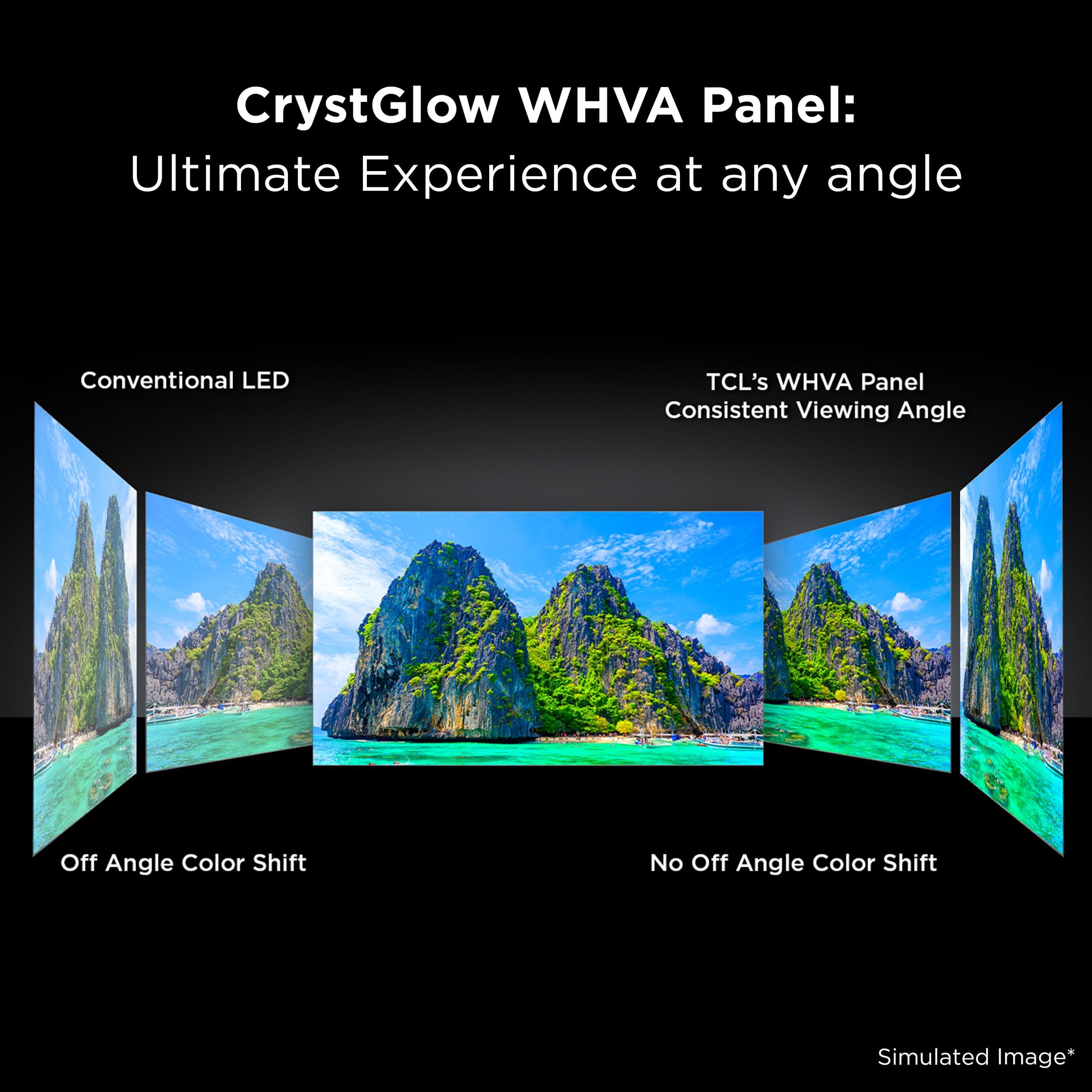
Both TVs have acceptable viewing angles for moderate off-center seating, but neither excels for wide room arrangements. The TCL 65" QM9K maintains better color accuracy and contrast when viewed from angles thanks to its advanced panel technology. The NXTVISION Art Frame TV experiences more significant color washing and brightness loss from side viewing positions, making it best suited for centered seating arrangements.
For home theater use, the TCL 65" QM9K QD-Mini LED Smart TV is the clear choice with its superior contrast from local dimming, true black levels, exceptional HDR performance, and Bang & Olufsen audio system. The controlled lighting environment of a home theater maximizes the QM9K's picture quality advantages, while the NXTVISION works better in multi-purpose living spaces where aesthetic integration matters more than maximum performance.
We've done our best to create useful and informative comparisons to help you decide what product to buy. Our research uses advanced automated methods to create this comparison and perfection is not possible - please contact us for corrections or questions. These are the sites we've researched in the creation of this article: rtings.com - bestbuy.com - youtube.com - youtube.com - youtube.com - techaeris.com - displayspecifications.com - pcrichard.com - residentialsystems.com - us.tcl.com - displayspecifications.com - valueelectronics.com - woodruffappliance.com - tcl.com - pcrichard.com - tcl.com - techradar.com - tcl.com - us.tcl.com - youtube.com - youtube.com - bestbuy.com - youtube.com - rtings.com - tcl.com - bestbuy.com - tcl.com - bestbuy.com - tcl.com - youtube.com - rcwilley.com - businessinsider.com - bestbuy.com - target.com - youtube.com - support.tcl.com - nfm.com - woodruffappliance.com - flatpanelshd.com - tcl.com

Privacy Policy
Terms and Conditions - Affiliate Policy
Home Security
© Copyright 2008-2026.
11816 Inwood Rd #1211, Dallas, TX 75244