

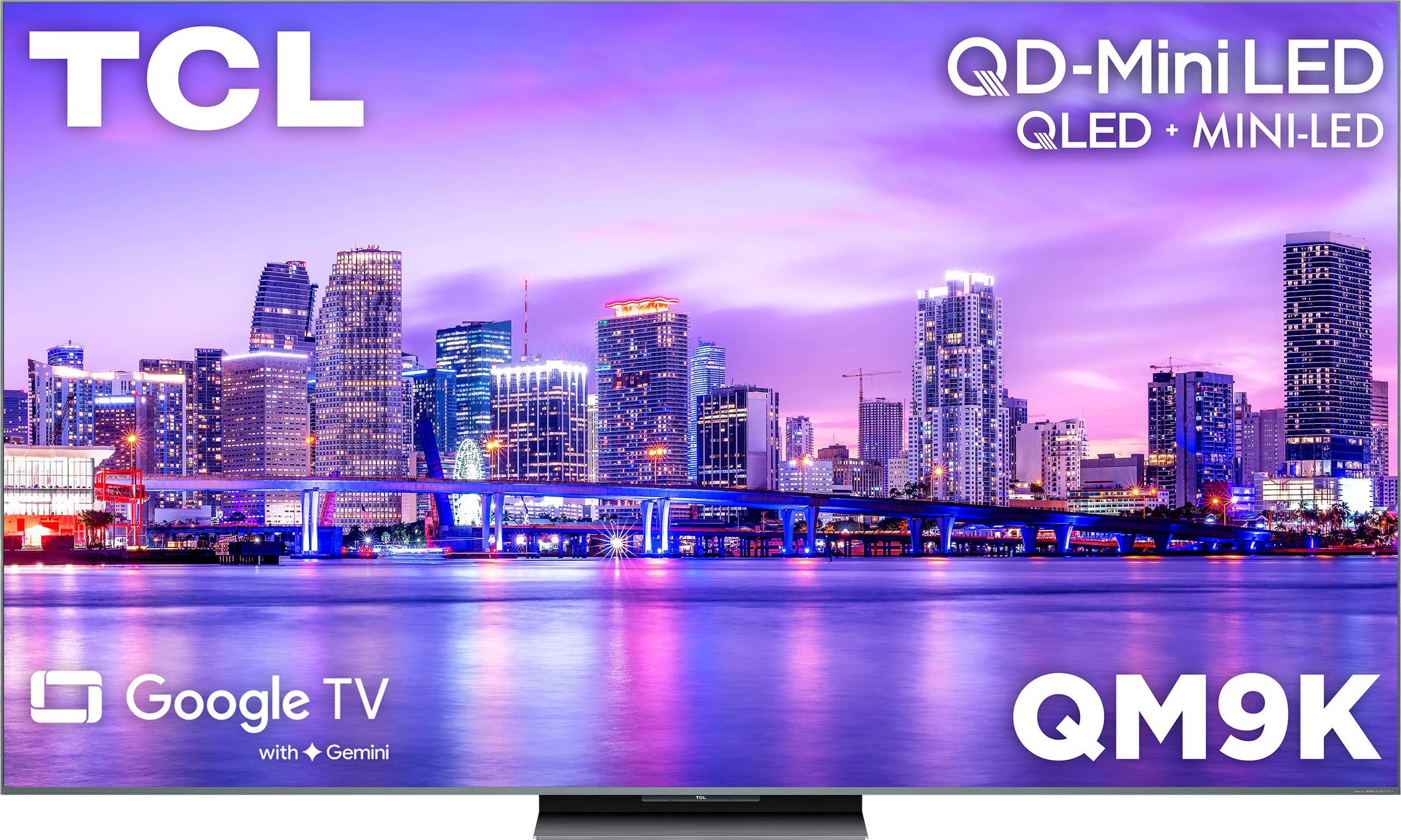
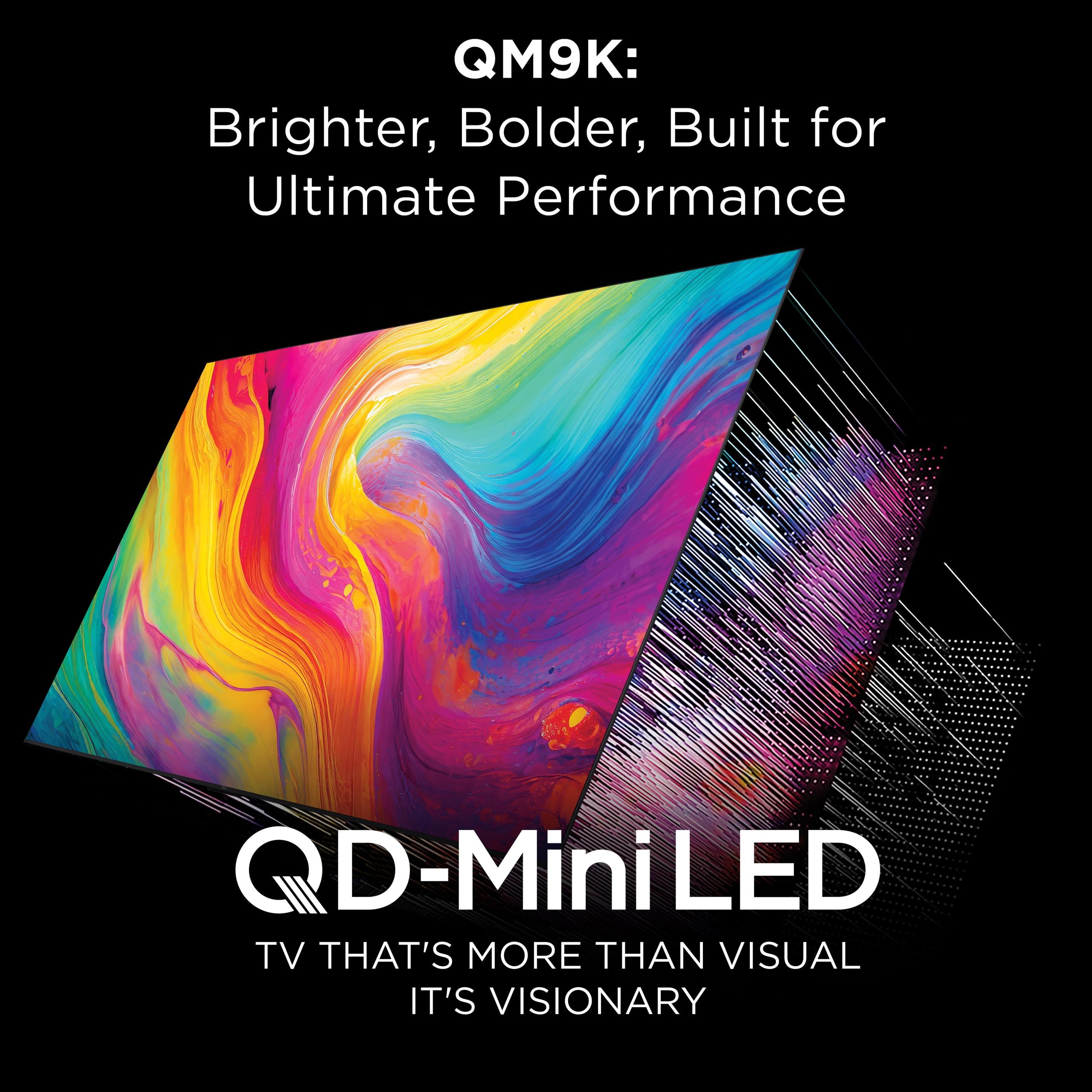
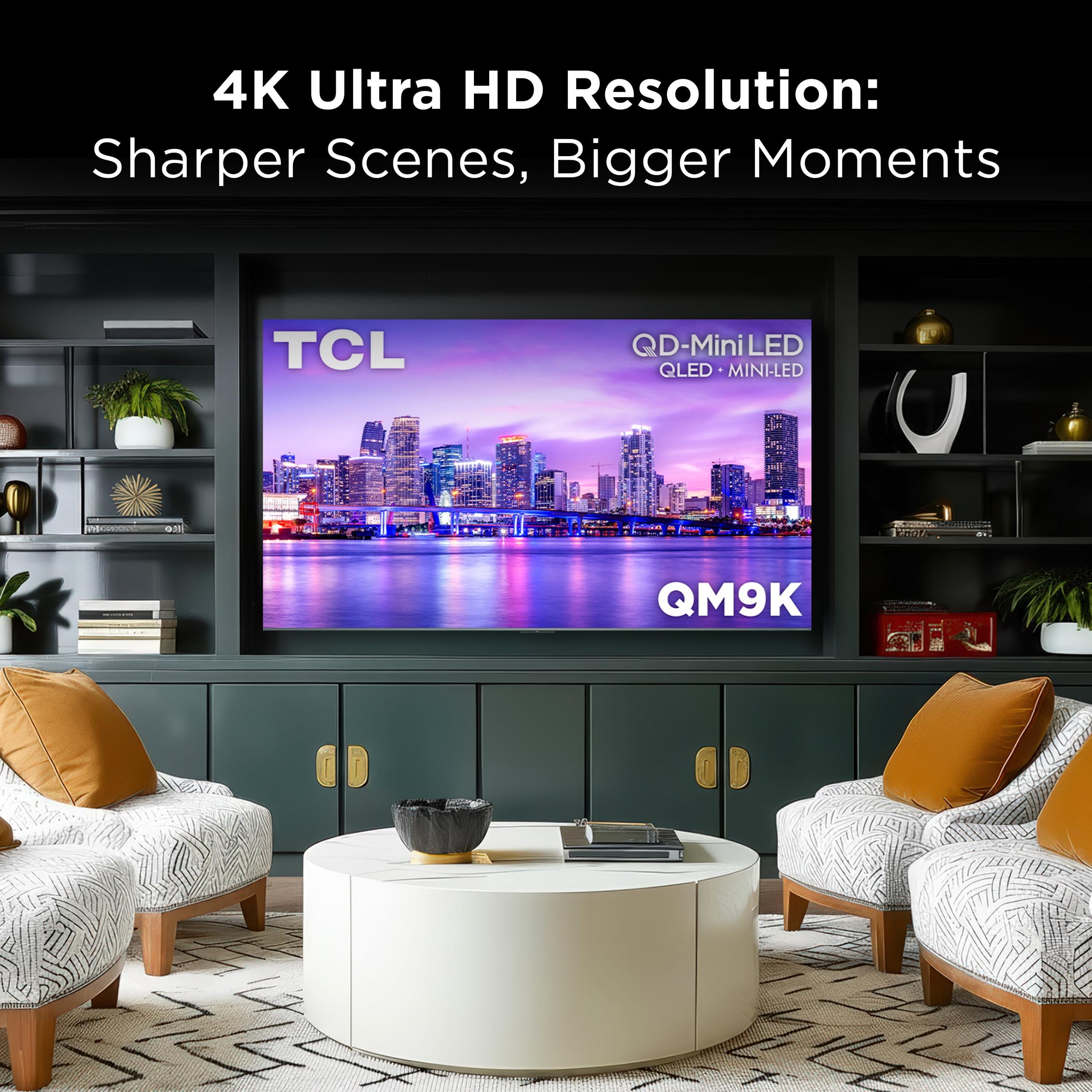
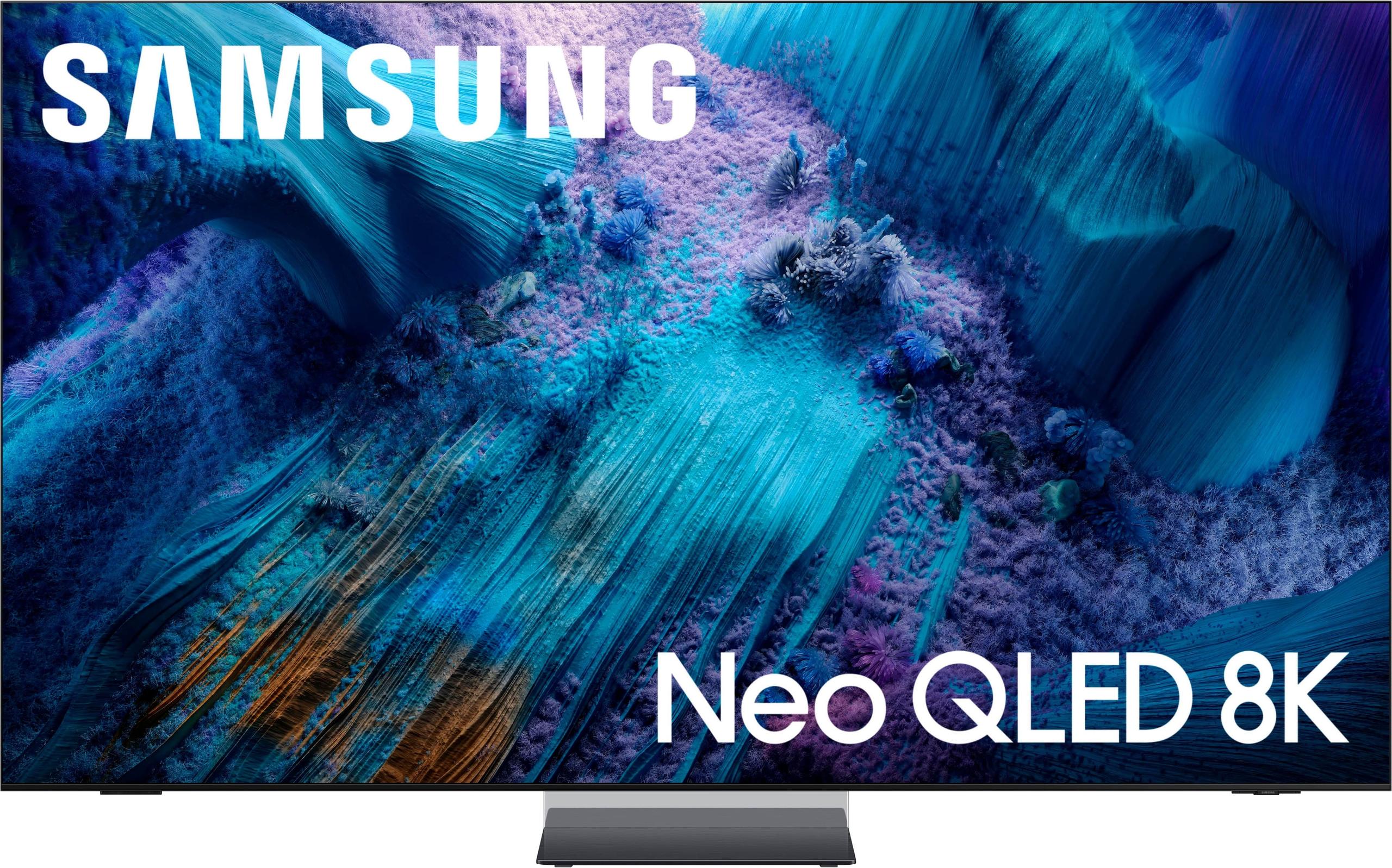
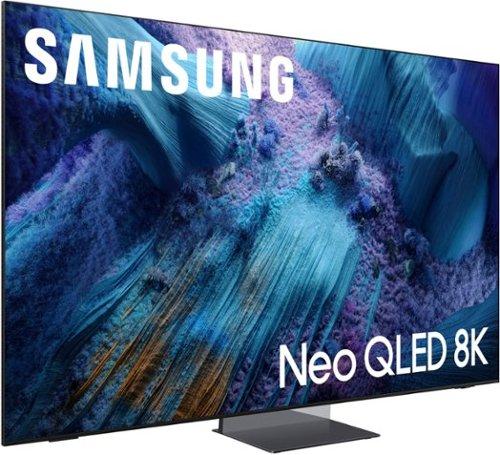
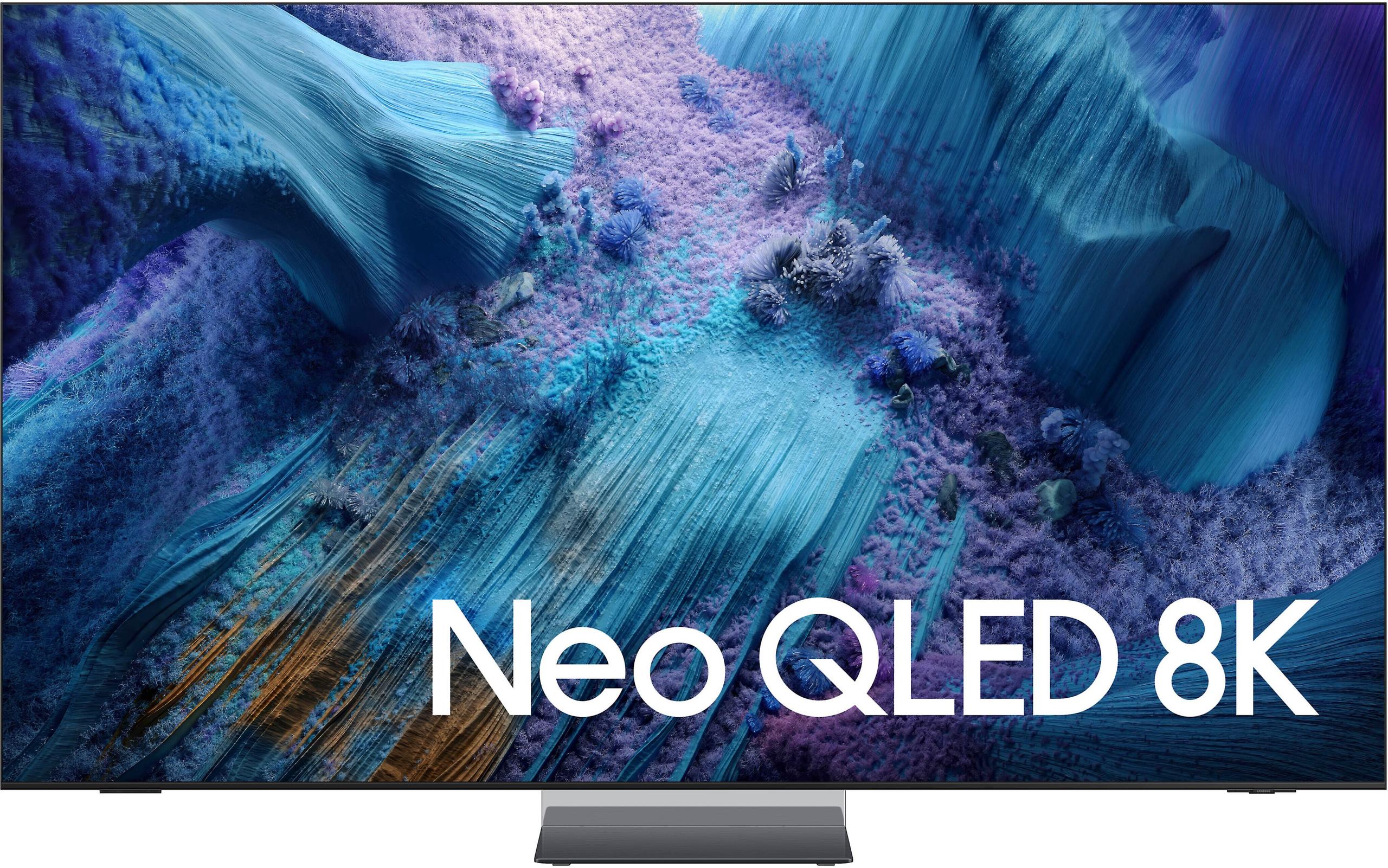
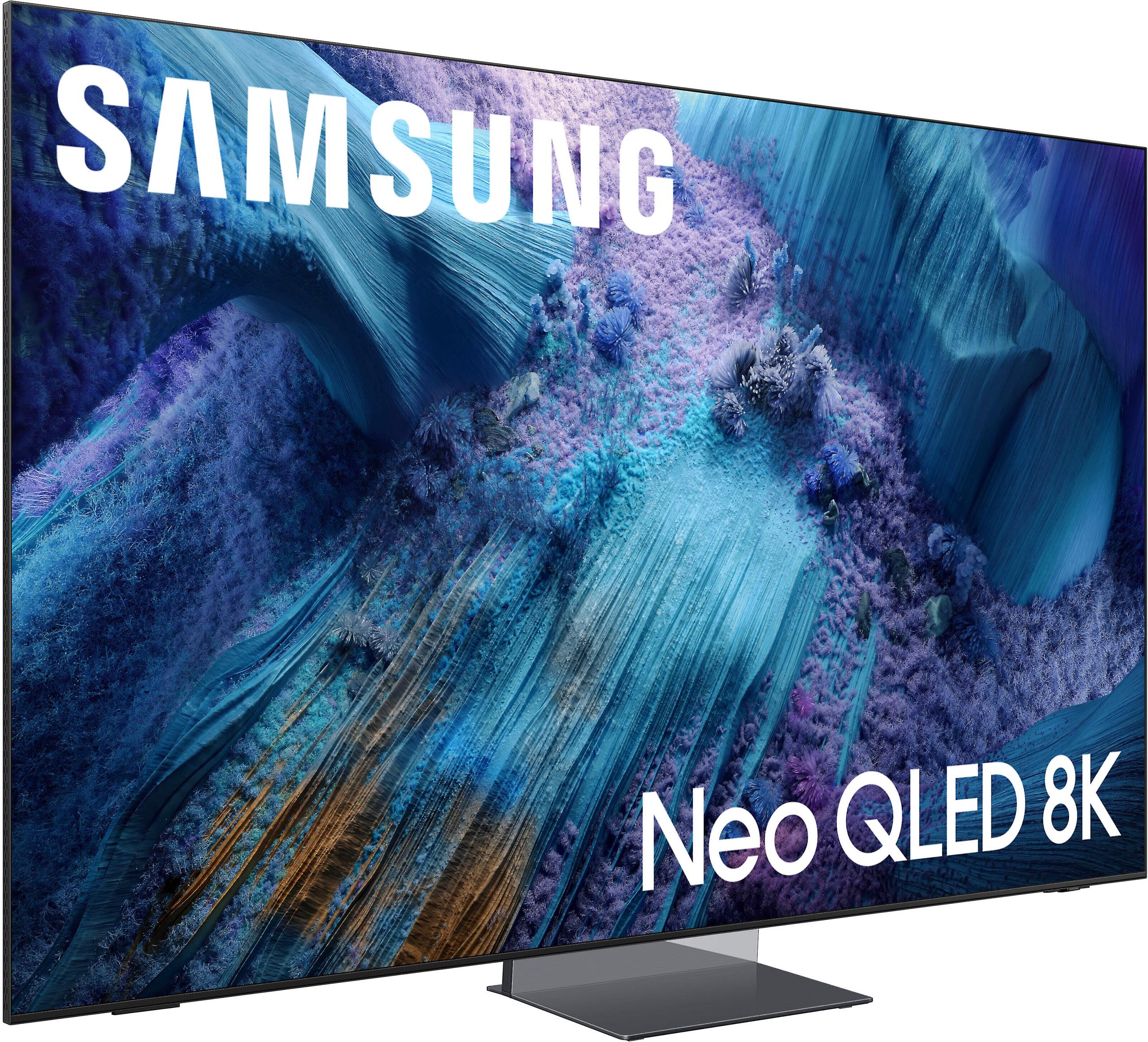
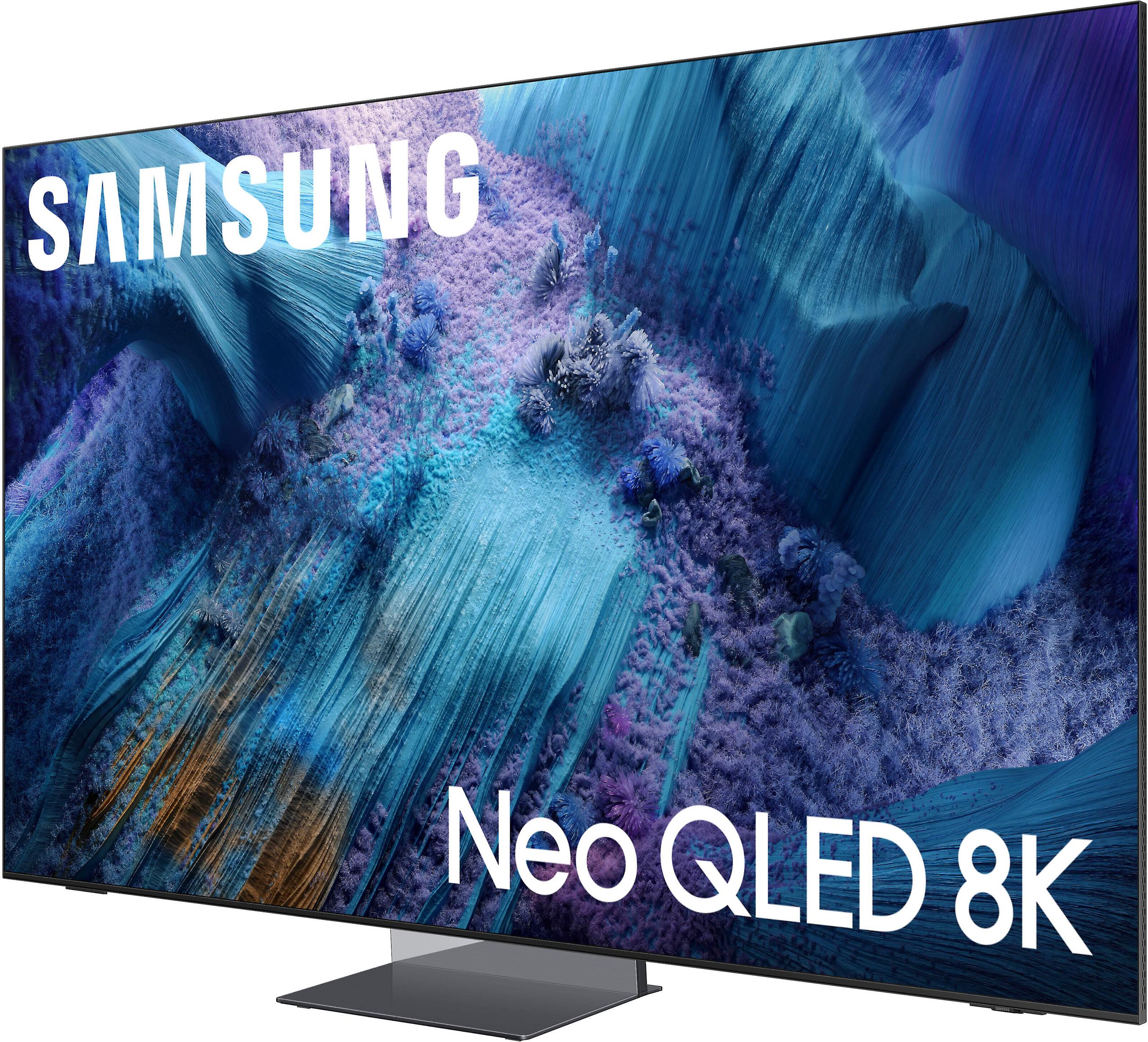
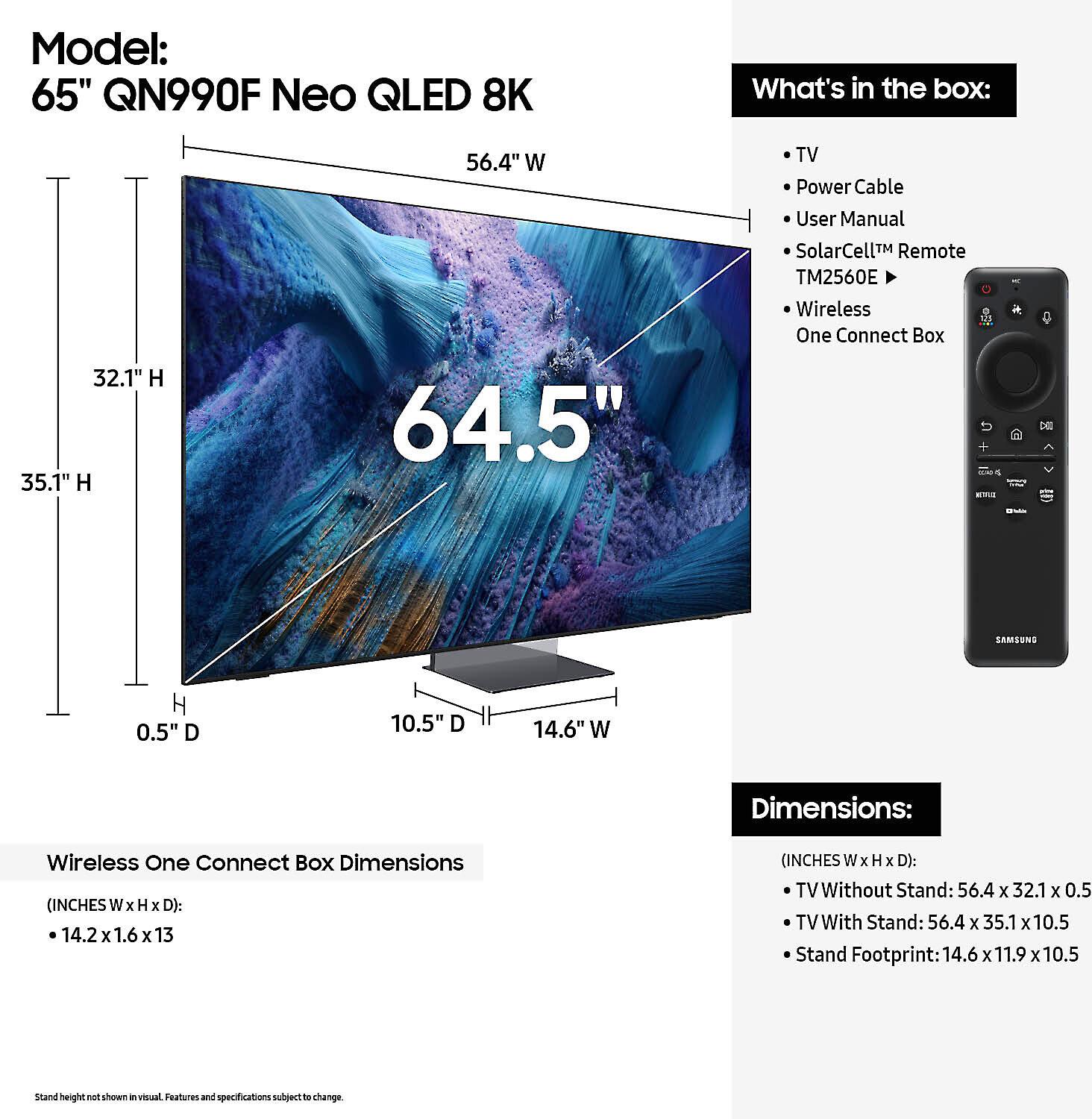

When shopping for a premium 65-inch TV, you're likely choosing between two fundamentally different approaches to picture excellence. The TCL QM9K represents the "perfect 4K" philosophy, cramming incredible brightness and gaming features into a more accessible price point. Meanwhile, the Samsung QN990F pushes into 8K territory with AI-powered upscaling and premium design innovations.
Both TVs launched in 2024-2025, representing the latest thinking in display technology. But they tackle the same goal—delivering stunning picture quality—in completely different ways. Let's break down which approach makes more sense for your living room.
Before diving into specifics, it's worth understanding what separates premium TVs from budget models. The key differentiators are local dimming zones (individual LED sections that can brighten or dim independently), peak brightness (how bright highlights can get), and color volume (how many colors the TV can display at different brightness levels).
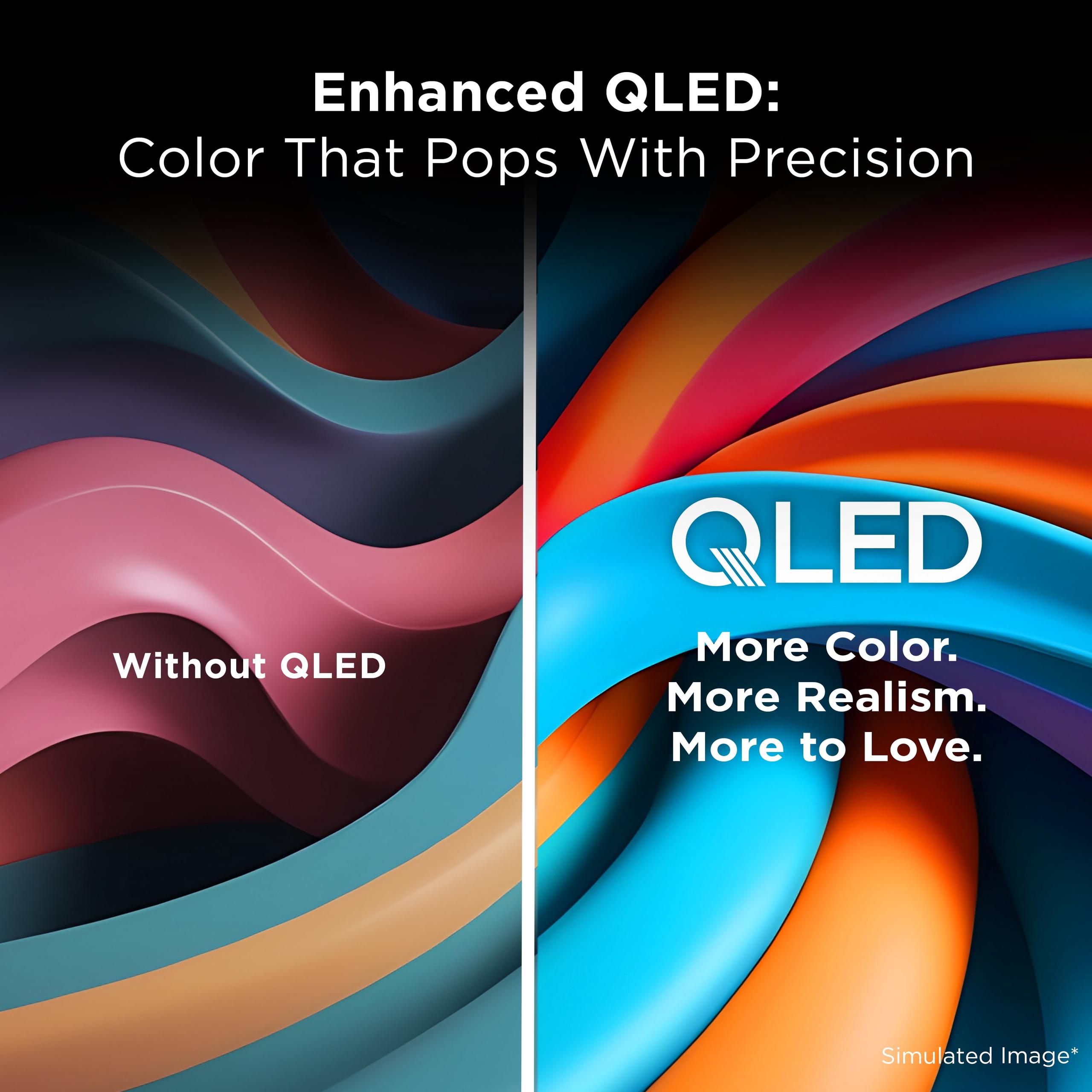
Both the TCL QM9K and Samsung QN990F use Mini LED technology, which places thousands of tiny LEDs behind the screen for precise lighting control. This creates deeper blacks and brighter highlights than traditional LED TVs, approaching OLED-like contrast without the brightness limitations.
The fundamental split comes down to resolution strategy. TCL focuses on mastering 4K content with exceptional brightness and gaming features, while Samsung bets on 8K resolution with sophisticated AI processing to enhance lower-resolution content.
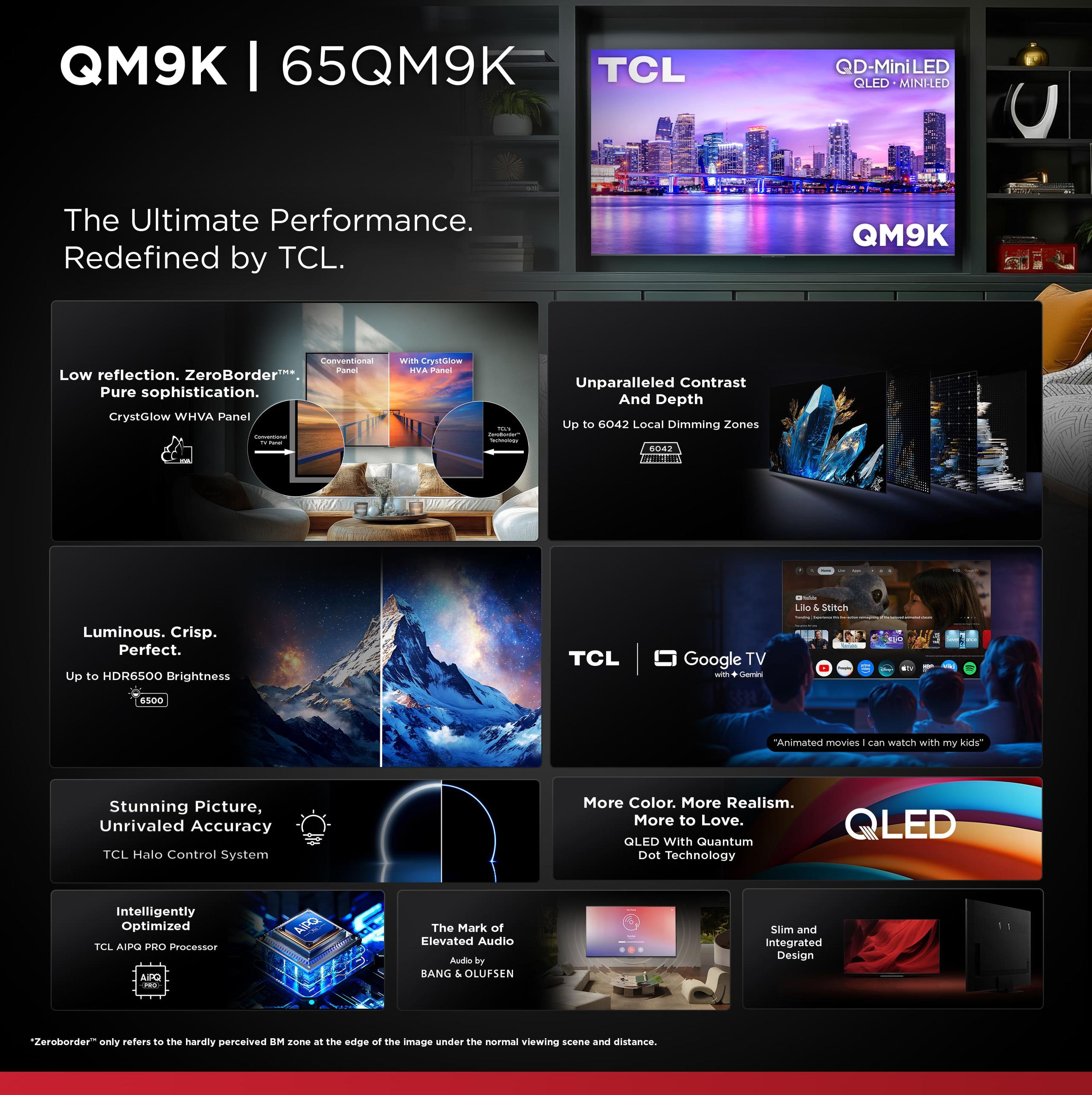
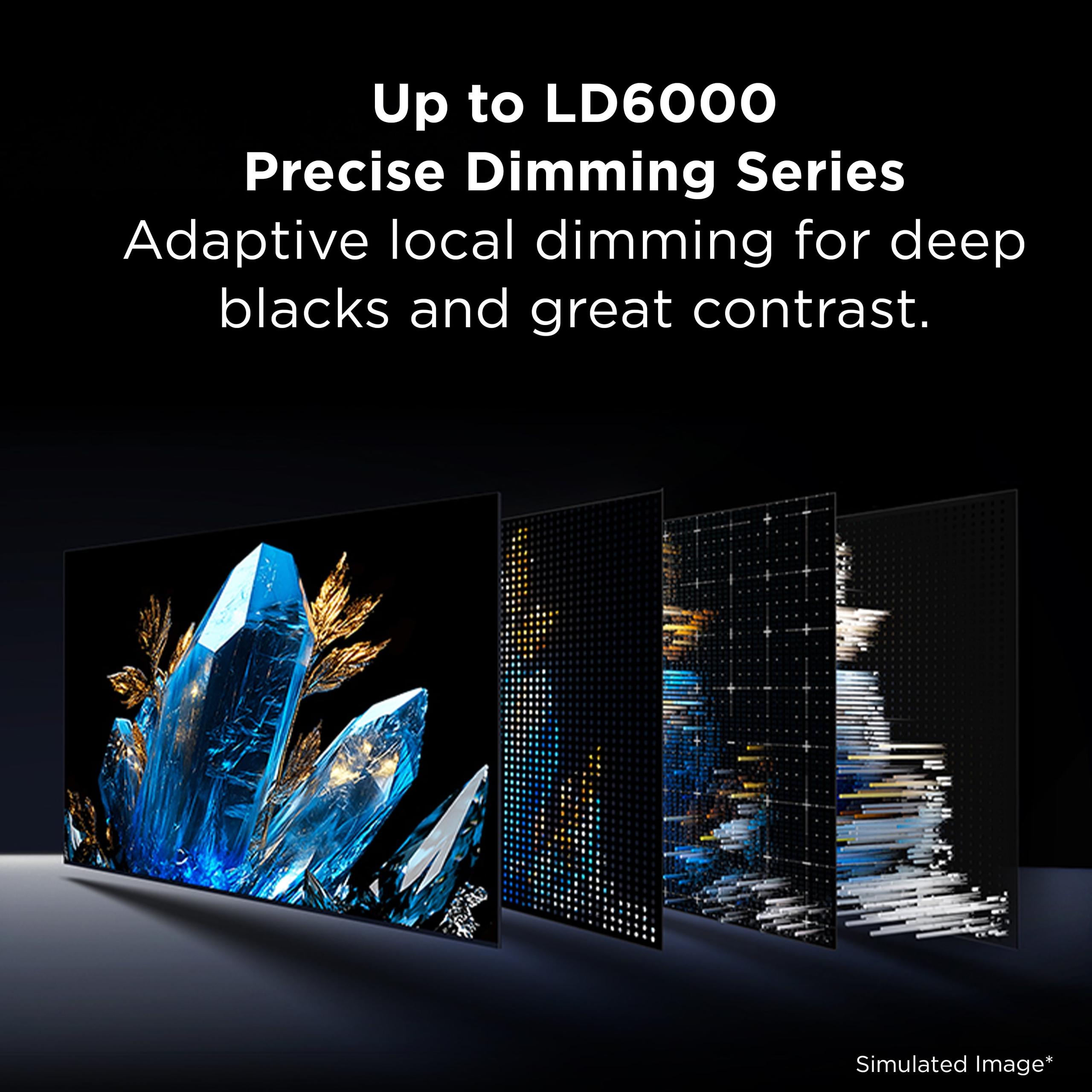
The TCL QM9K takes a "more is better" approach to local dimming, packing up to 6,000 individual dimming zones into its 65-inch panel. To put this in perspective, most premium TVs max out around 1,000-2,000 zones. Each zone can independently control brightness, creating incredibly precise contrast between bright and dark areas of the same scene.
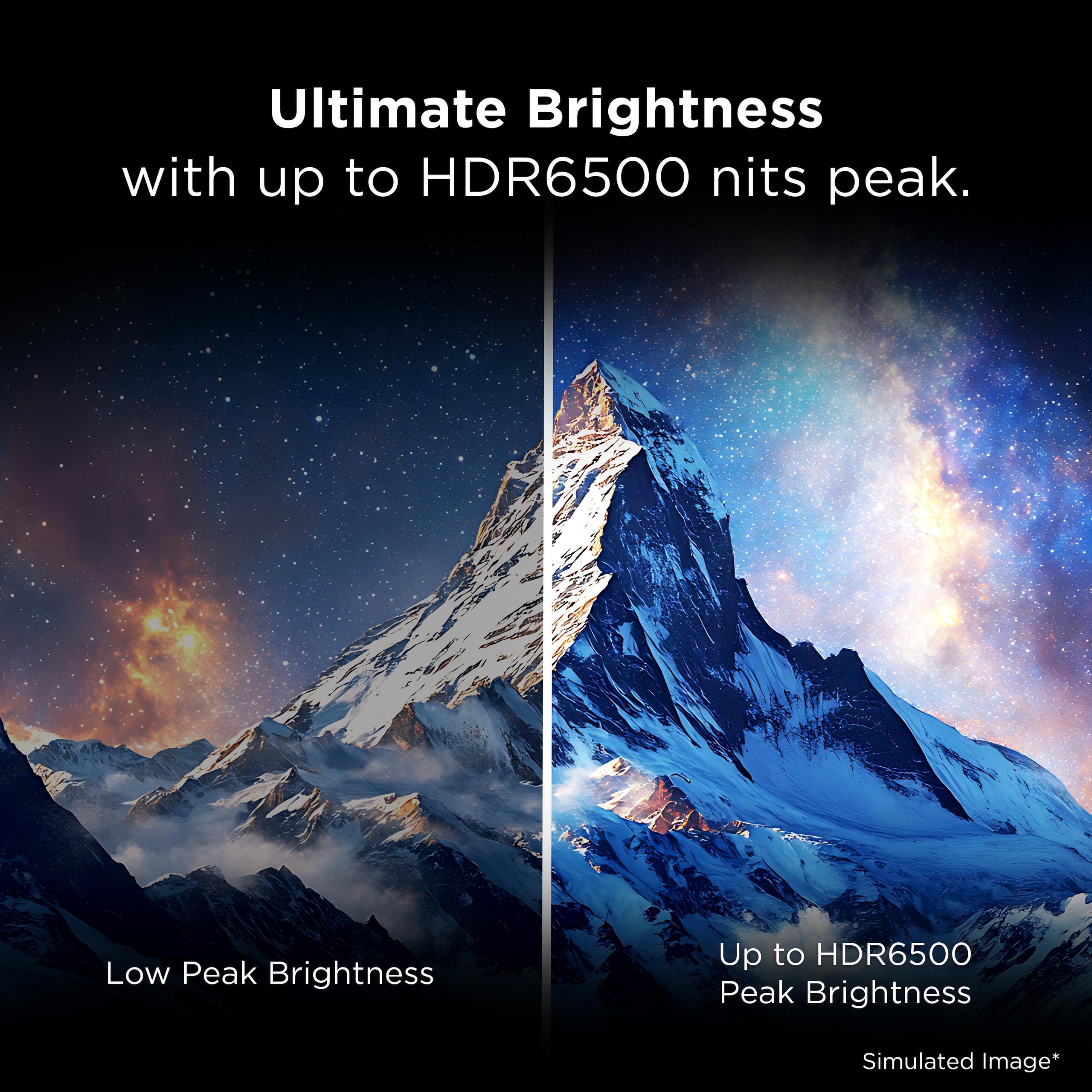
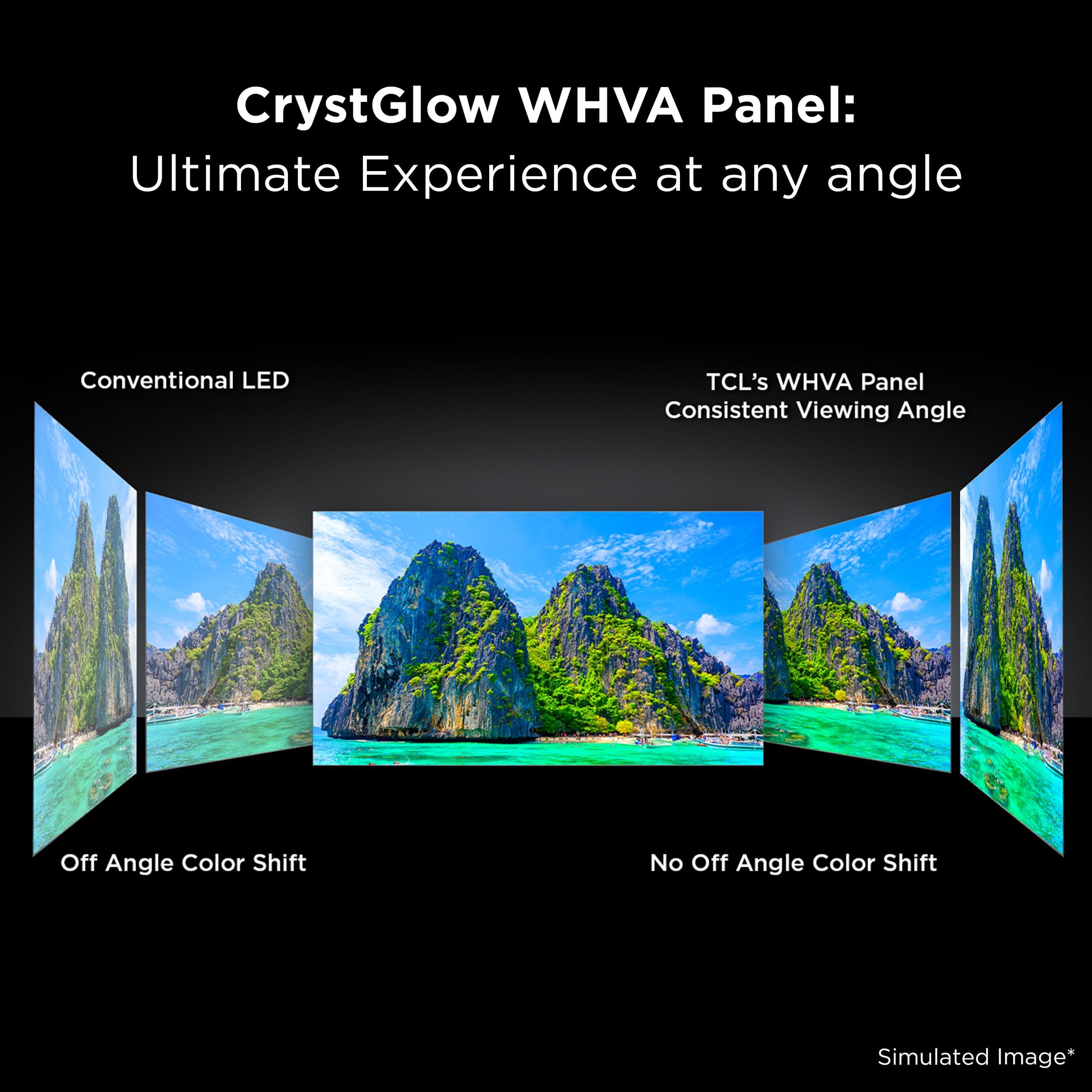
This massive zone count pairs with TCL's Halo Control System, which includes several proprietary technologies working together. The CrystGlow WHVA panel uses nanoscale engineering to reduce reflections and improve contrast, while the Six-Crystal Light-Emitting Chip delivers 27% more brightness than single-core alternatives. The result is peak brightness hitting 6,500 nits—bright enough to make HDR highlights genuinely pop, even in bright rooms.
From our research into professional reviews and user feedback, the TCL QM9K consistently delivers exceptional contrast with minimal blooming (unwanted light spillover around bright objects). The high zone count means transitions between bright and dark areas remain clean, which is crucial for cinematic content with mixed lighting.
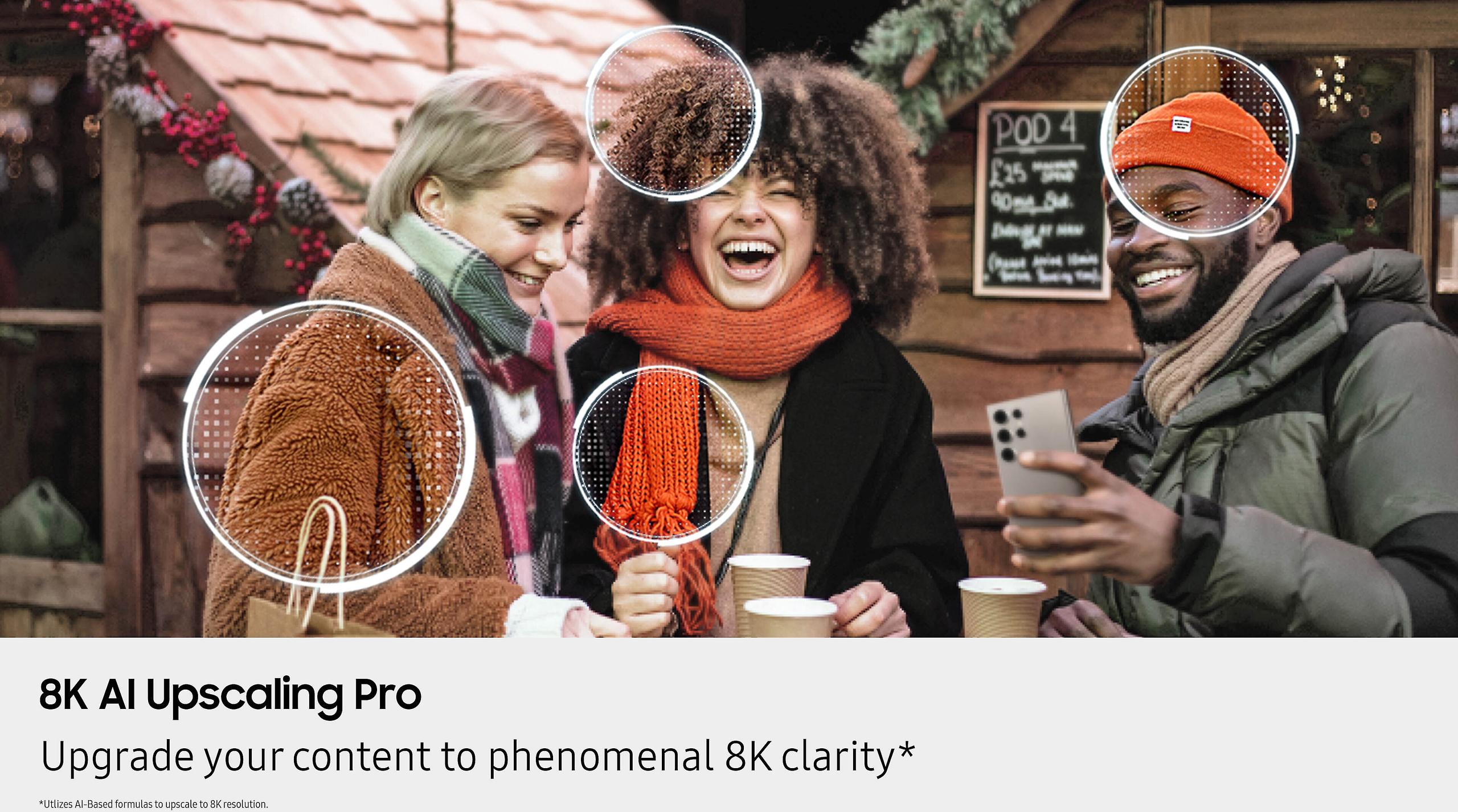
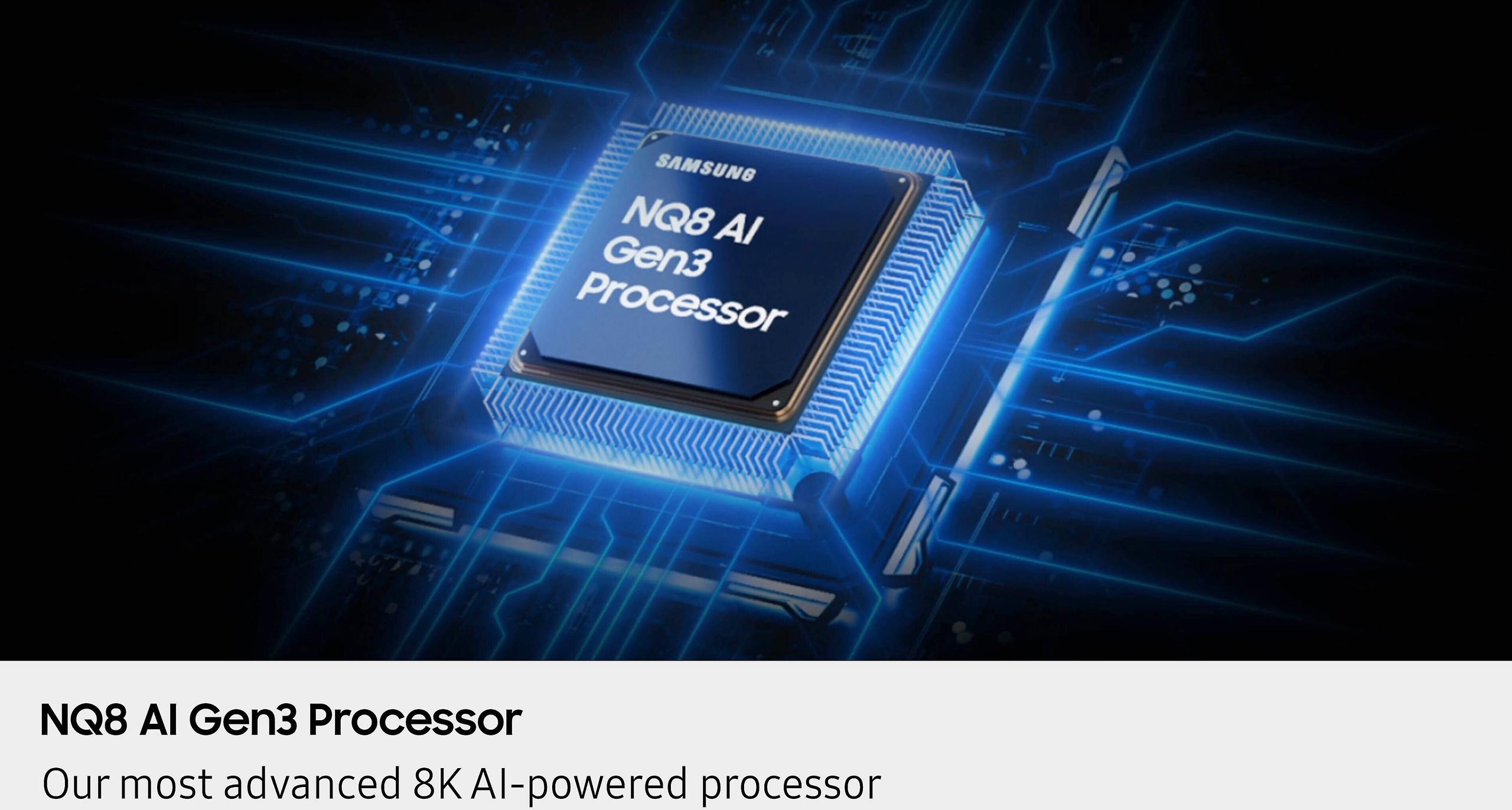
The Samsung QN990F takes a different route, using its NQ8 AI Gen3 Processor with 768 neural networks to intelligently enhance every frame. While Samsung hasn't disclosed exact zone counts or peak brightness figures, the focus clearly lies in 8K AI Upscaling Pro—converting lower-resolution content to near-native 8K quality.
This matters more than you might think. Even in 2024-2025, true 8K content remains scarce. Netflix streams some 8K, and YouTube has 8K uploads, but most movies, shows, and games top out at 4K. Samsung's approach analyzes textures, edges, and details to reconstruct images with additional sharpness and smoothness.
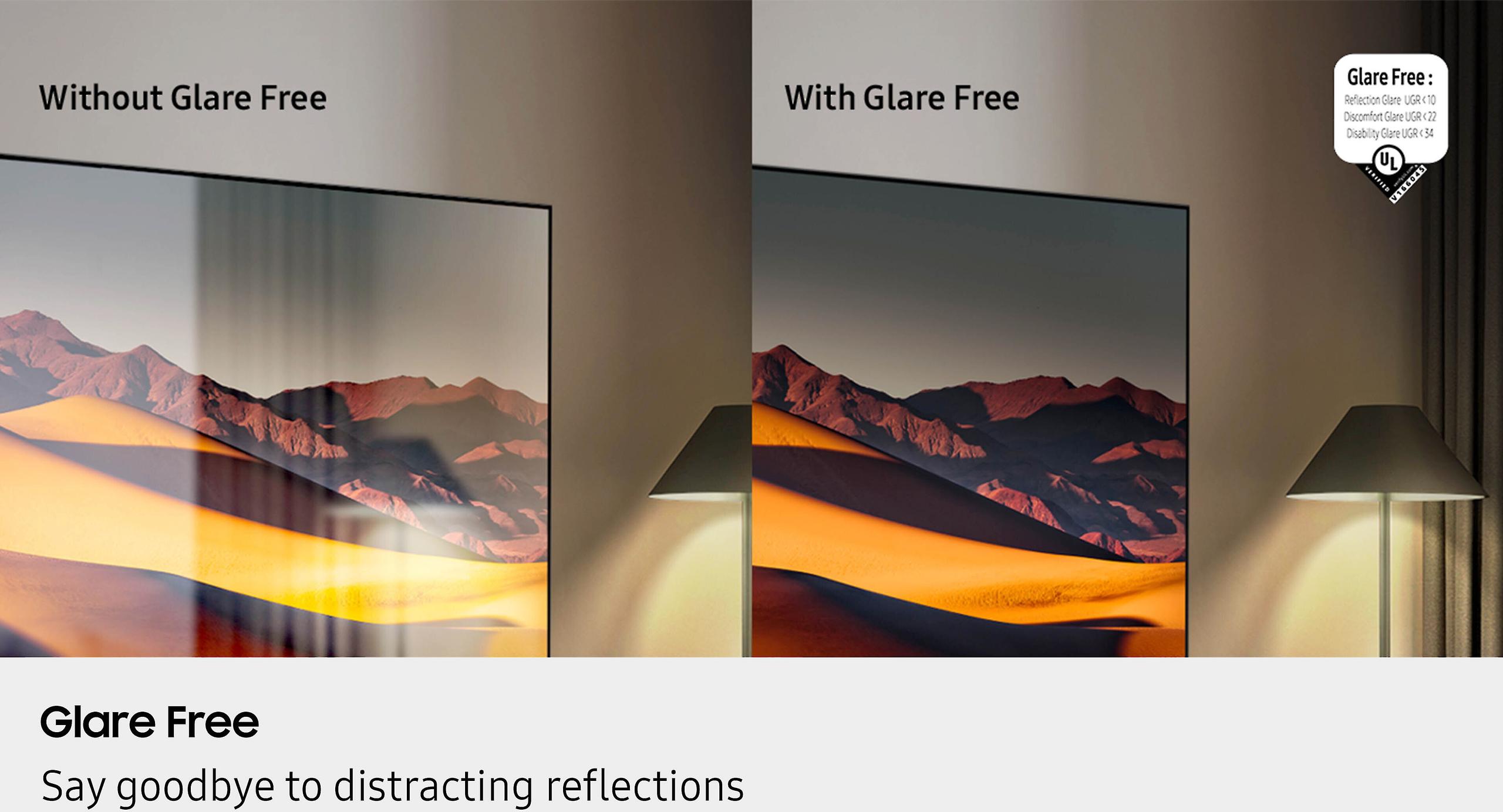
The Samsung QN990F also features Glare-Free technology, which virtually eliminates reflections—a significant advantage for bright room viewing. Combined with Samsung's Quantum Matrix Mini LEDs, the TV delivers precise brightness control, though likely with fewer zones than TCL's implementation.
Based on professional testing consensus, the TCL QM9K delivers superior raw picture performance for current 4K content. The massive local dimming implementation creates deeper blacks and more controlled highlights, while the extreme peak brightness ensures HDR content displays as intended.
However, the Samsung QN990F offers better future-proofing and AI enhancement capabilities. If you primarily watch streaming content that could benefit from upscaling, Samsung's approach provides value. The glare-free coating also gives Samsung a clear advantage for daytime viewing in bright rooms.
For gaming enthusiasts, the choice becomes straightforward. The TCL QM9K offers genuinely impressive gaming specifications that compete with dedicated gaming monitors.
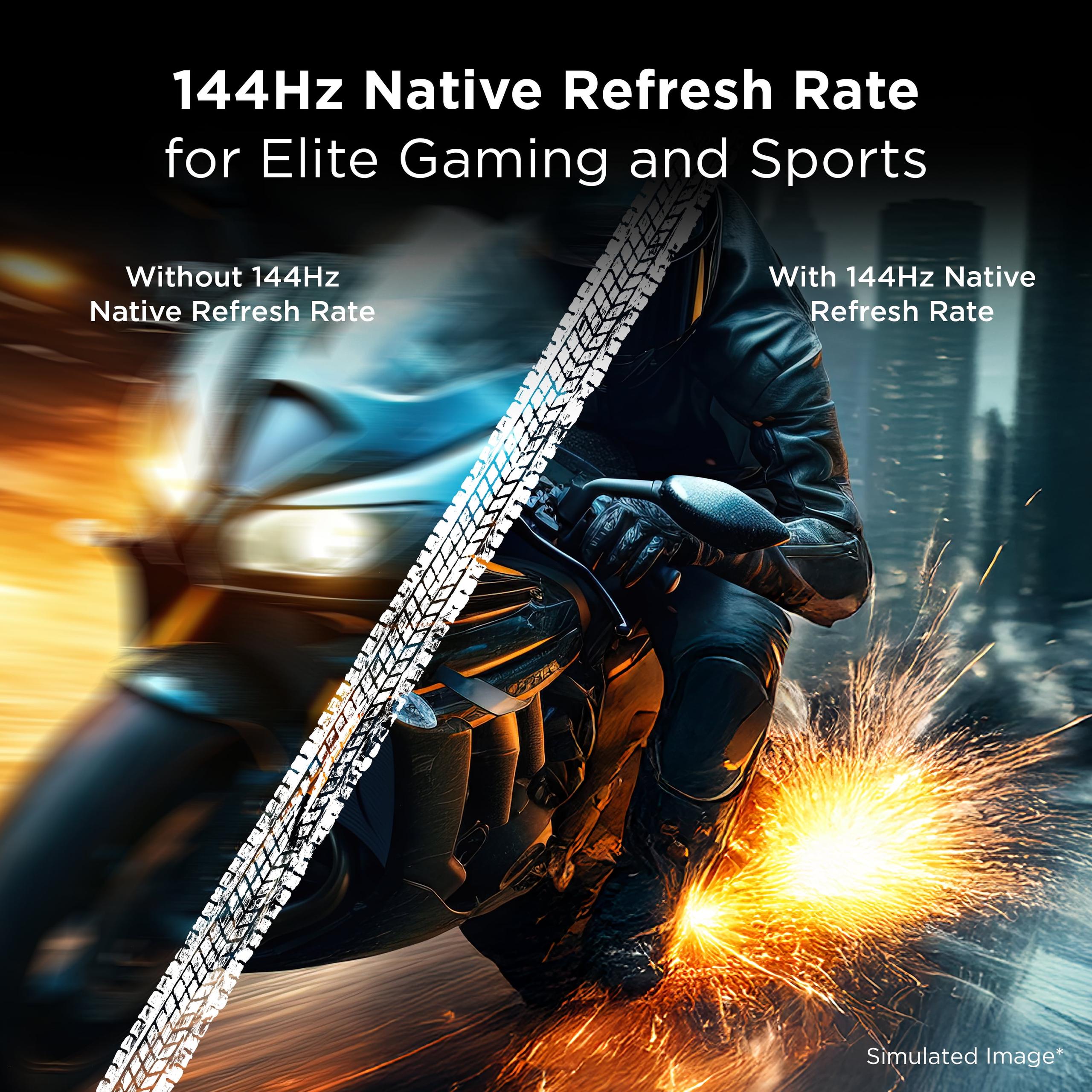
The standout feature is 144Hz native refresh rate across the entire signal chain. This isn't marketing fluff—the panel actually refreshes 144 times per second, creating incredibly smooth motion for PC gaming and next-gen consoles. The Game Accelerator 288 pushes this further, supporting up to 288Hz Variable Refresh Rate (VRR) at 1080p and 1440p resolutions.
Input lag—the delay between controller input and screen response—measures just 5.3 milliseconds. For context, anything under 20ms is considered excellent for gaming. The TCL QM9K also includes AMD FreeSync Premium Pro, which synchronizes the TV's refresh rate with your graphics card to eliminate screen tearing.
Two HDMI 2.1 ports support full 4K@144Hz, crucial for PlayStation 5, Xbox Series X, and high-end PC gaming. Auto Game Mode (ALLM) automatically switches to low-latency settings when it detects gaming content.
The Samsung QN990F offers Motion Xcelerator 240Hz, claiming up to 4K@240Hz support. However, this appears to be motion interpolation rather than true native refresh rates. The TV's actual panel refresh tops out at 120Hz—standard for premium TVs but half of TCL's native capability.
While Samsung includes basic VRR and auto game mode features, the gaming experience can't match TCL's comprehensive implementation. The higher input lag and lower native refresh rates become noticeable during competitive gaming or fast-paced action sequences.
The TCL QM9K wins decisively for gaming applications. The combination of 144Hz native refresh, ultra-low input lag, and comprehensive gaming features creates an experience closer to dedicated gaming monitors than traditional TVs. If gaming represents a significant portion of your TV usage, TCL's advantages are too substantial to ignore.
Both TVs offer sophisticated smart platforms, but with different philosophies and strengths.
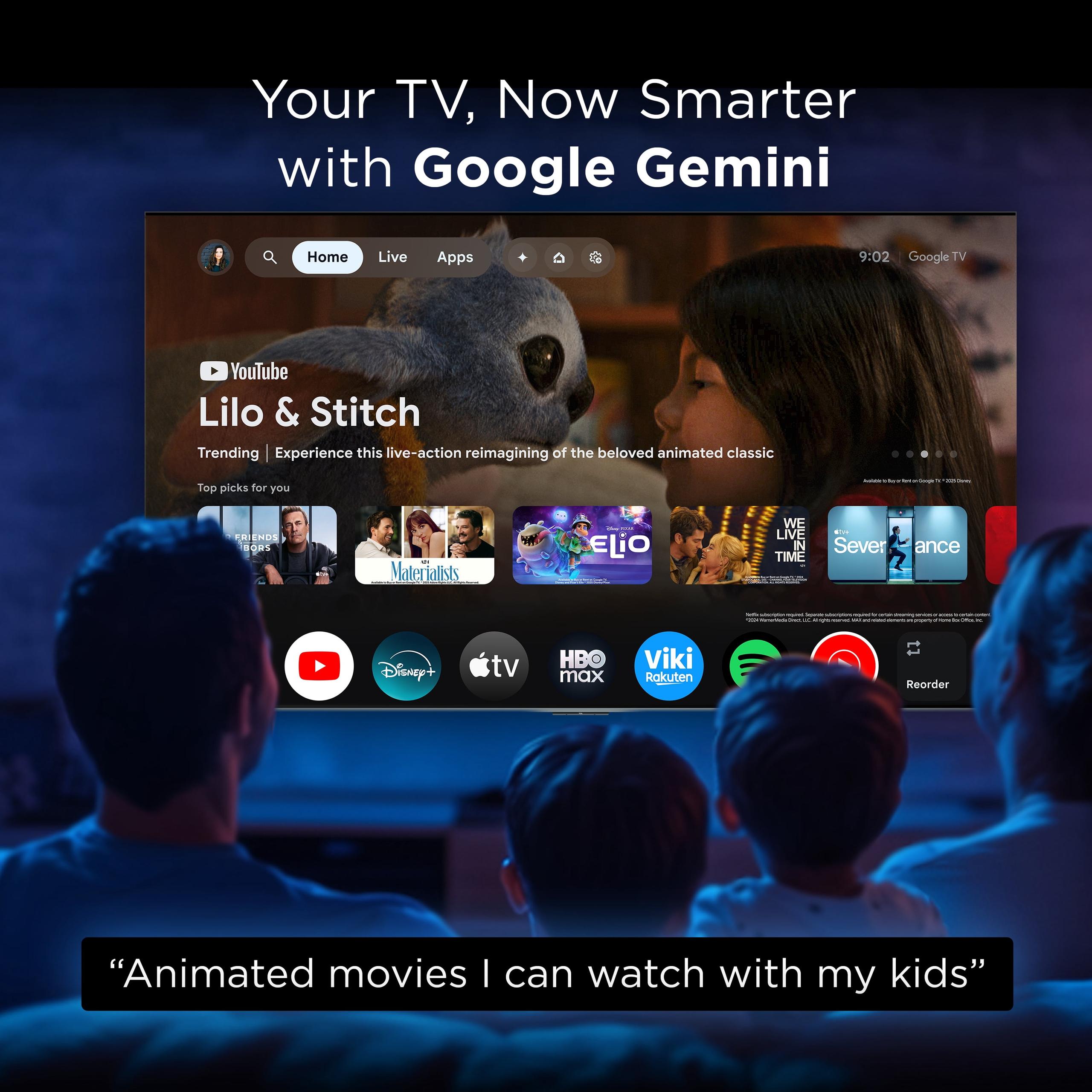
The TCL QM9K runs Google TV with integrated Google Gemini AI assistant. Google TV excels at content discovery, using viewing history and preferences to surface relevant shows and movies across multiple streaming services. The Presence Sensor detects when you're nearby, automatically turning the TV on/off and displaying ambient information widgets.
Compatibility extends broadly—Amazon Alexa, Google Assistant, and Apple HomeKit all work seamlessly. This ecosystem flexibility appeals to users with mixed smart home devices.
The Samsung QN990F uses Samsung's proprietary smart TV platform with Bixby voice control. Samsung's platform feels more polished and responsive, with deeper integration into Samsung's broader ecosystem. If you own Galaxy phones, tablets, or Samsung appliances, the seamless connectivity adds genuine convenience.
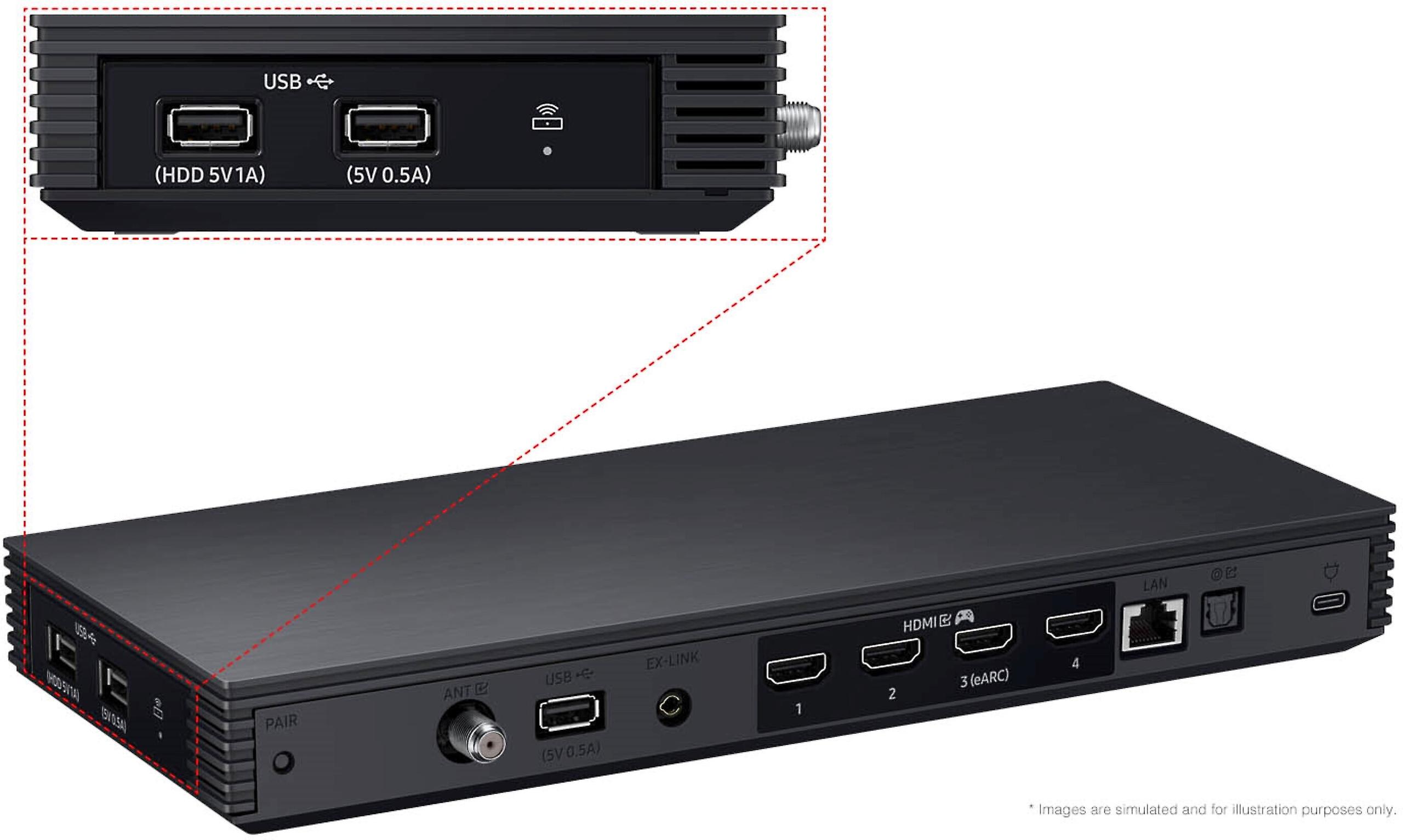
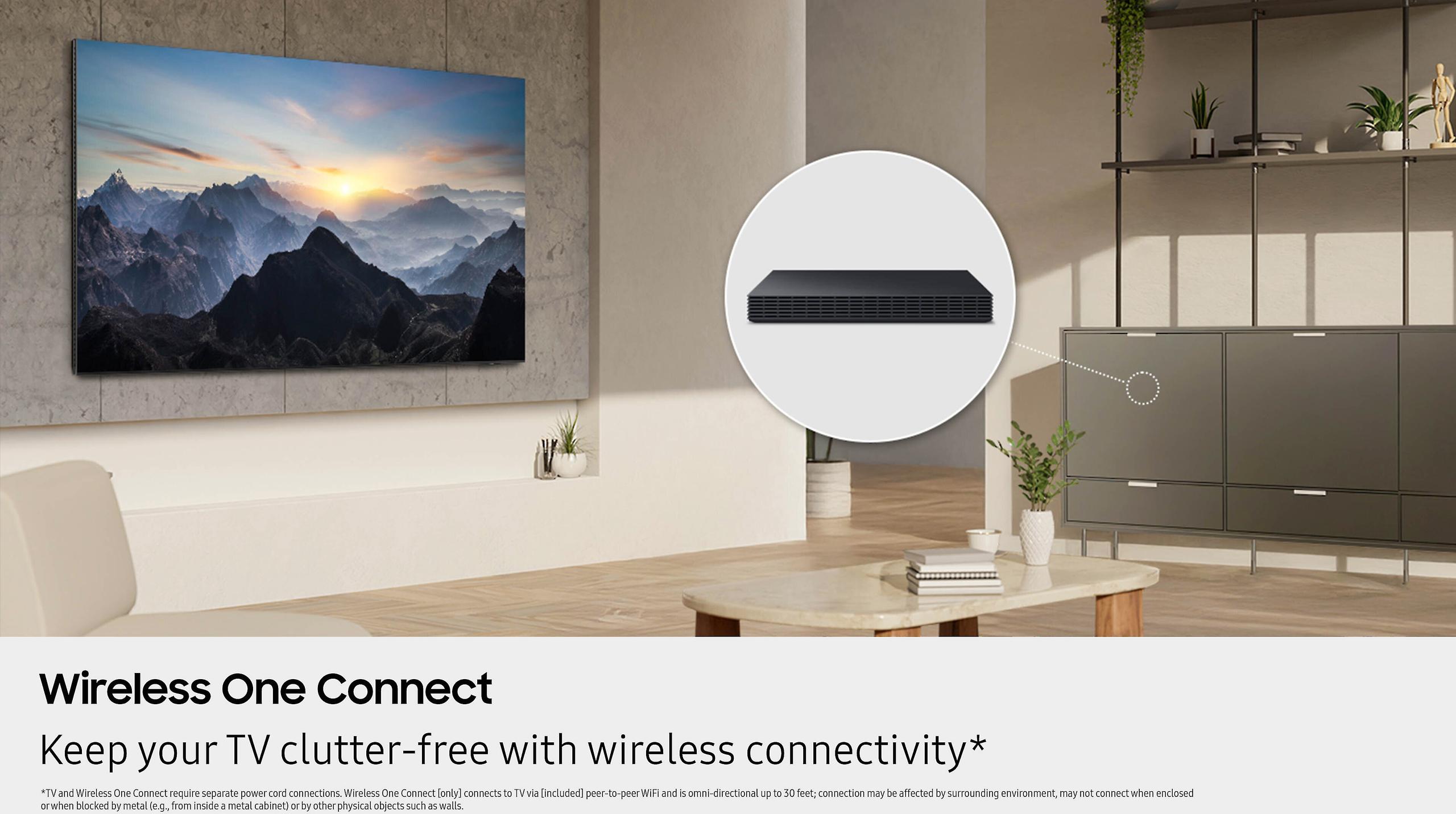
Samsung's Wireless One Connect represents genuinely innovative engineering. This separate box connects all your external devices—cable boxes, gaming consoles, sound systems—and transmits signals wirelessly to the TV from up to 30 feet away. The result eliminates cable clutter entirely, enabling clean wall mounting without visible connections.
TCL takes a more traditional approach with four HDMI ports (two supporting HDMI 2.1 specifications) and comprehensive wired connectivity options.
Audio represents another area of philosophical differences between these TVs.
The TCL QM9K features Audio by Bang & Olufsen tuning with a 2.1.1 channel system including a dedicated subwoofer on the 65-inch model. Dolby Atmos support creates three-dimensional soundscapes, while DTS Virtual:X simulates overhead effects through clever processing.
The Samsung QN990F implements Object Tracking Sound Pro with dedicated top-channel speakers. This technology dynamically positions audio to follow on-screen action—footsteps move naturally across the room, cars race from left to right. Combined with Dolby Atmos support, Samsung creates more sophisticated spatial audio experiences.
Both TVs deliver significantly better sound than typical flat-panel TVs, though serious home theater enthusiasts will likely add dedicated sound systems regardless.
Premium TVs compete on aesthetics as much as performance, and both models deliver impressive industrial design.
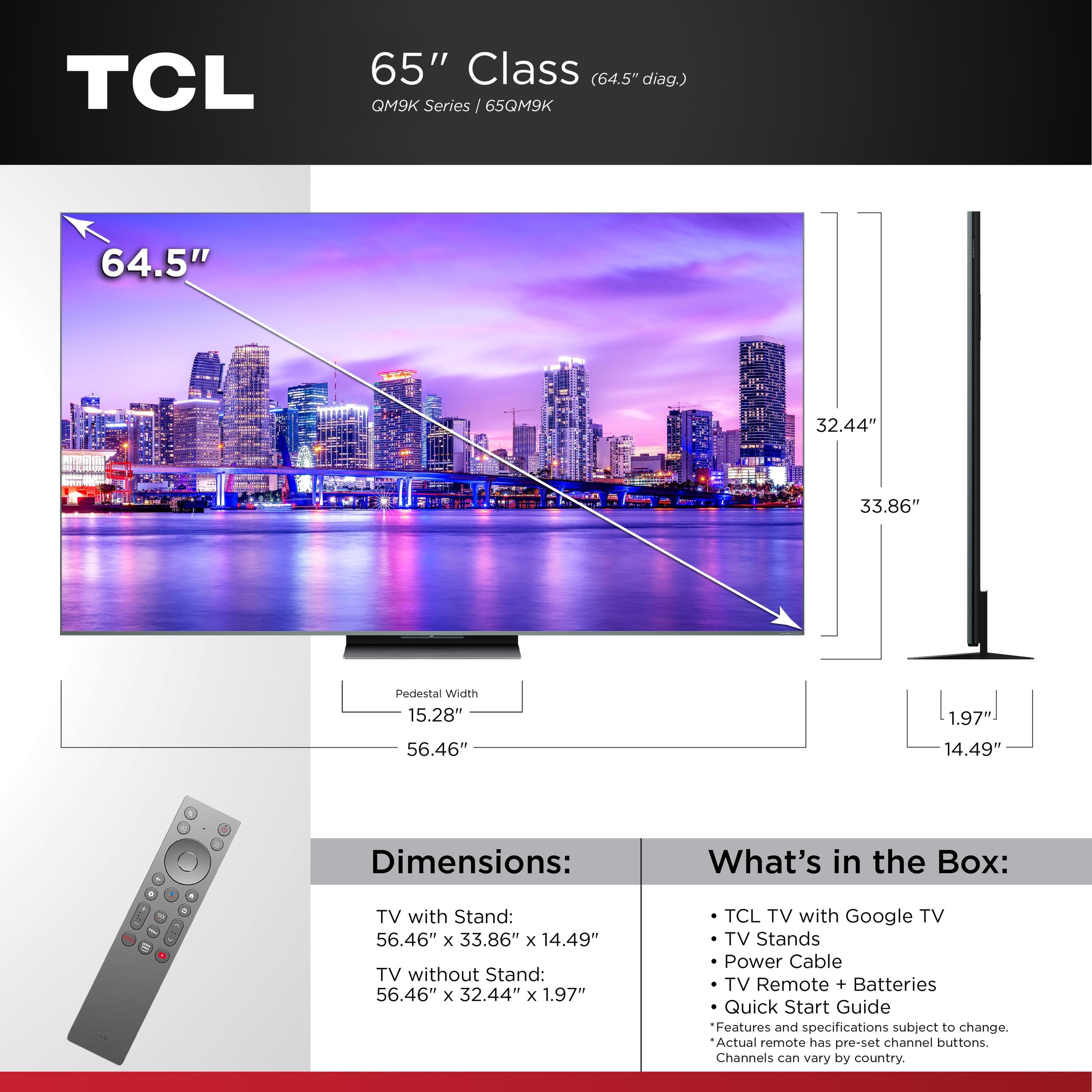
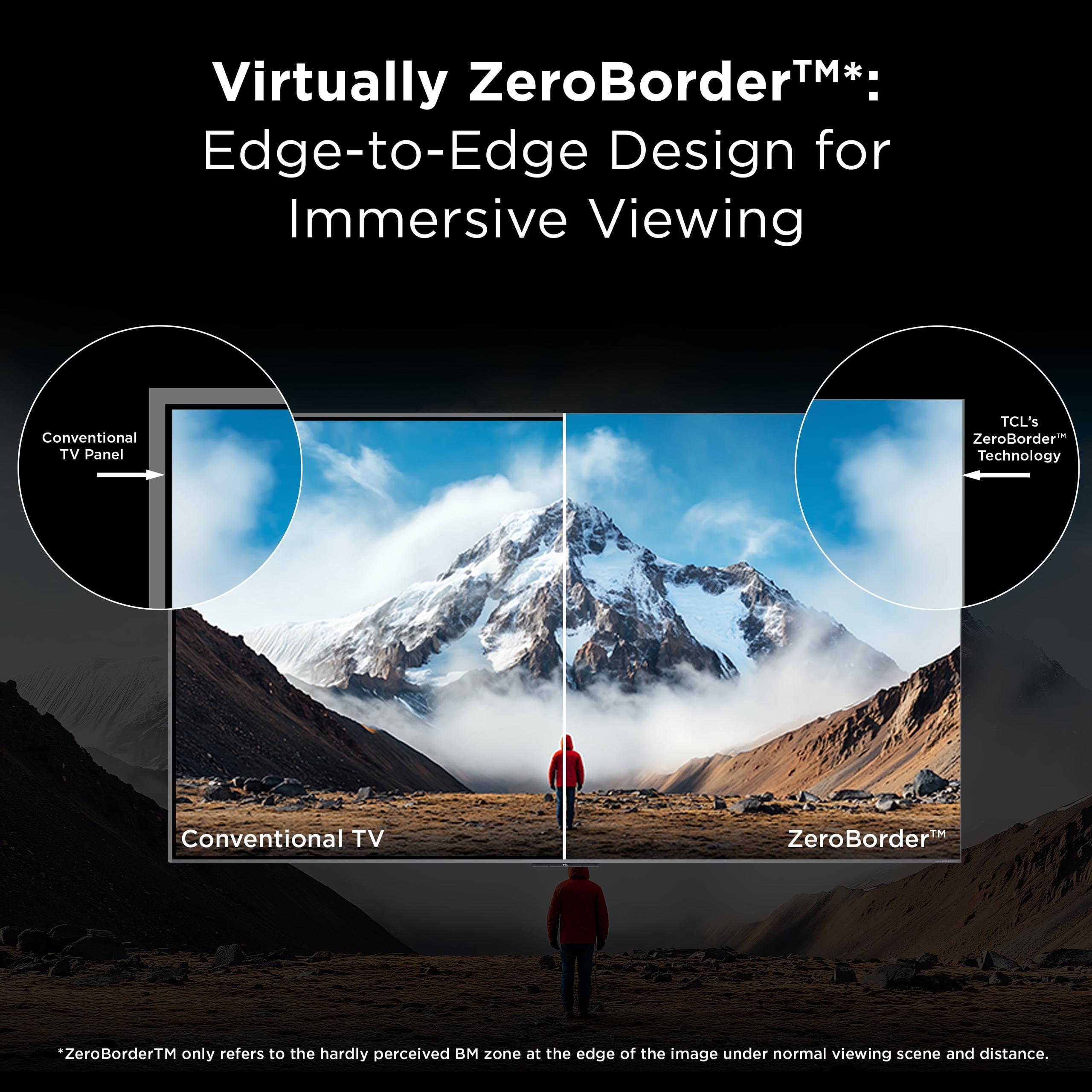
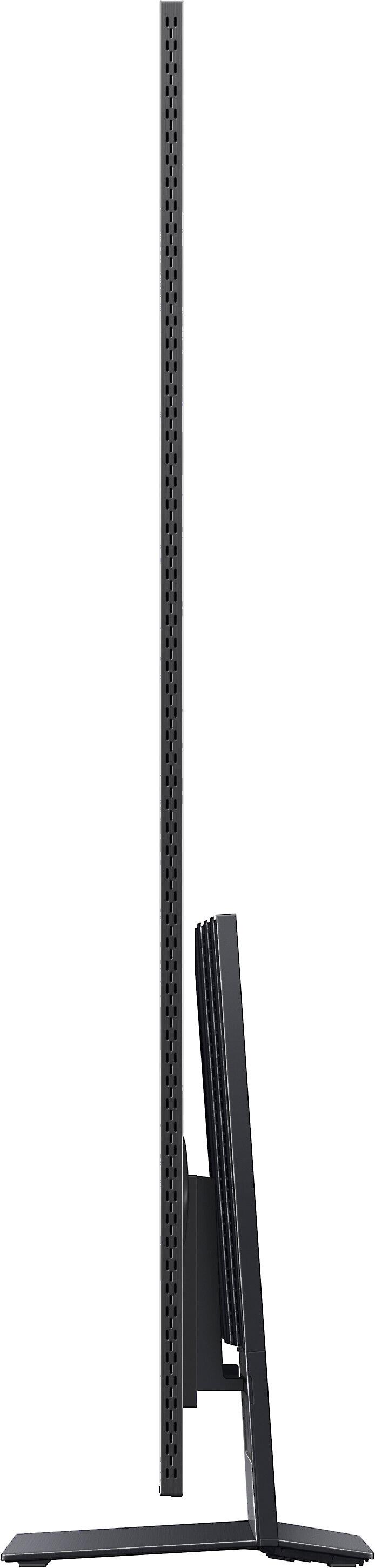
The TCL QM9K features a sleek profile with integrated cable management and a premium metal construction. The nearly bezel-less design maximizes screen real estate while maintaining structural integrity.
Samsung's QN990F pushes design further with its truly edge-to-edge display and premium metal frame. The wireless connectivity eliminates visible cables entirely, creating a cleaner installation. The glare-free coating adds practical benefits while maintaining the premium aesthetic.
At the time of writing, these TVs occupy different value propositions in the premium market segment.
The TCL QM9K typically prices significantly lower while delivering comparable or superior picture performance for current 4K content. The gaming advantages and comprehensive feature set create exceptional value for performance-focused buyers.
The Samsung QN990F commands a substantial premium, justified by 8K resolution, innovative wireless connectivity, and Samsung's brand reputation. The higher price reflects cutting-edge technology and premium design elements.
For most buyers, the TCL QM9K offers better performance per dollar, especially considering the limited availability of native 8K content. However, Samsung's premium features and future-proofing appeal to early adopters willing to pay for innovation.
For dedicated home theater setups, both TVs excel but serve different priorities.
The TCL QM9K delivers reference-quality HDR performance with its extreme brightness and precise local dimming. The 6,000 zones create film-like contrast that rivals much more expensive displays. Filmmaker Mode preserves creative intent by disabling motion smoothing and adjusting colors to industry standards.
The Samsung QN990F offers sophisticated processing that can enhance older content through AI upscaling. The glare-free coating works well for theater rooms with some ambient lighting. However, the lower zone count (though unspecified) likely means less precise contrast control than TCL's implementation.
Both support comprehensive HDR formats including Dolby Vision, HDR10+, and standard HDR10. The TCL QM9K adds HDR ULTRA processing for enhanced dynamic range optimization.
The TCL QM9K excels for performance-focused buyers who want flagship-level picture quality without premium pricing. The gaming advantages alone justify consideration for households with serious gamers.
The Samsung QN990F targets early adopters and design-conscious buyers willing to pay premiums for innovation and ecosystem integration.
Both TVs represent excellent choices in the premium segment, but serve different buyer priorities.
The TCL QM9K delivers superior gaming performance and exceptional 4K picture quality at better value positioning. It's the smarter choice for most buyers focused on current content and performance per dollar.
The Samsung QN990F offers cutting-edge 8K technology and premium features that justify higher pricing for specific use cases. Choose Samsung if innovation, design, and ecosystem integration outweigh pure performance considerations.
For most households prioritizing picture quality and gaming performance, the TCL QM9K provides better overall value. However, Samsung's premium approach appeals to buyers seeking the latest technology regardless of cost considerations.
The choice ultimately depends on whether you prioritize proven performance excellence or cutting-edge innovation—both valid approaches in the premium TV market.
| TCL 65" QM9K QD-Mini LED Smart TV | Samsung 65" Neo QLED QN990F 8K Smart TV 2025 |
|---|---|
| Resolution - Current content vs future-proofing | |
| 4K (3840 x 2160) - optimized for all current content | 8K (7680 x 4320) - future-ready but limited native content |
| Local Dimming Zones - Critical for contrast and HDR performance | |
| Up to 6,000 zones (exceptional precision for blooming control) | Mini LED zones (count unspecified, likely fewer than TCL) |
| Peak Brightness - Essential for HDR impact and bright room viewing | |
| 6,500 nits (industry-leading for vivid HDR highlights) | Unspecified (likely lower than TCL's implementation) |
| Gaming Refresh Rate - Crucial for smooth gaming performance | |
| 144Hz native (true high refresh gaming) | 120Hz native (standard premium TV rate) |
| Gaming Features - Determines competitive gaming capability | |
| Game Accelerator 288Hz, 5.3ms input lag, AMD FreeSync Premium Pro | Motion Xcelerator 240Hz (interpolated), standard gaming features |
| Smart TV Platform - Affects daily usability and app ecosystem | |
| Google TV with Gemini AI (excellent content discovery) | Samsung Smart TV with Bixby (polished interface, Samsung ecosystem) |
| Audio System - Important for users without external speakers | |
| Bang & Olufsen tuning, 2.1.1 channels with subwoofer | Object Tracking Sound Pro with dedicated top channels |
| Unique Technologies - Differentiating premium features | |
| Halo Control System, CrystGlow WHVA panel, Presence Sensor | 8K AI Upscaling Pro (768 neural networks), Glare-Free screen |
| Connectivity Innovation - Impacts installation and aesthetics | |
| Traditional HDMI ports (2x HDMI 2.1 for gaming) | Wireless One Connect (eliminates cable clutter completely) |
| HDR Format Support - Ensures compatibility with premium content | |
| HDR10, HDR10+, Dolby Vision, HDR ULTRA | HDR10+ (Dolby Vision support unclear) |
| Value Positioning - Performance per dollar consideration | |
| Exceptional gaming and 4K performance at accessible premium pricing | Premium 8K technology with innovative features at higher cost |
The TCL QM9K delivers superior contrast and HDR performance for current 4K content, with up to 6,000 local dimming zones and 6,500 nits peak brightness. The Samsung QN990F offers 8K resolution with AI upscaling that can enhance lower-resolution content, plus glare-free technology for bright rooms. For most movies and shows available today, the TCL QM9K provides better picture quality.
The TCL QM9K is significantly better for gaming with 144Hz native refresh rate, 5.3ms input lag, Game Accelerator 288Hz support, and AMD FreeSync Premium Pro. The Samsung QN990F offers standard 120Hz gaming with basic VRR features. Serious gamers will prefer the TCL QM9K for its superior gaming performance.
The TCL QM9K uses 4K resolution (3840 x 2160 pixels) which matches all current streaming content, games, and Blu-rays. The Samsung QN990F features 8K resolution (7680 x 4320 pixels) with four times more pixels, but very little native 8K content exists. Samsung uses AI upscaling to enhance 4K content to near-8K quality.
Both TVs handle bright rooms well, but differently. The Samsung QN990F features award-winning glare-free technology that virtually eliminates reflections. The TCL QM9K uses extreme brightness (6,500 nits) to overpower ambient light. The Samsung QN990F has a slight advantage for rooms with direct light sources.
The TCL QM9K runs Google TV with superior content discovery and broad compatibility with Alexa, Google Assistant, and Apple HomeKit. The Samsung QN990F uses Samsung's smart platform with deeper integration into Samsung's ecosystem. Choose based on your preferred ecosystem and device compatibility.
The Samsung QN990F offers more advanced audio with Object Tracking Sound Pro that moves sound to follow on-screen action, plus dedicated top channels for true Dolby Atmos. The TCL QM9K features Bang & Olufsen tuning with a 2.1.1 system including subwoofer. Both deliver good sound, but Samsung QN990F has more sophisticated spatial audio.
Both excel for home theater use. The TCL QM9K delivers reference-quality HDR with film-like contrast from its 6,000 dimming zones and supports Filmmaker Mode. The Samsung QN990F offers AI-enhanced picture processing and glare-free viewing. For dedicated dark room theater setups, the TCL QM9K provides superior contrast performance.
The TCL QM9K typically offers better value with flagship picture quality, exceptional gaming features, and comprehensive HDR support at a more accessible price point. The Samsung QN990F commands a premium for 8K resolution, wireless connectivity, and innovative features. Most buyers will find better performance per dollar with the TCL QM9K.
The TCL QM9K offers traditional connectivity with four HDMI ports (two HDMI 2.1 for gaming), Wi-Fi 6, and Bluetooth 5.4. The Samsung QN990F features innovative Wireless One Connect technology that eliminates cable clutter by connecting devices wirelessly from up to 30 feet away. Samsung's approach offers cleaner installation but fewer gaming-optimized ports.
Both TVs should remain relevant for years. The Samsung QN990F offers more future-proofing with 8K resolution for eventual content adoption. The TCL QM9K focuses on perfecting current 4K standards with proven technology. Given limited 8K content availability, the TCL QM9K may provide better immediate and medium-term value.
Both excel at HDR, but differently. The TCL QM9K delivers exceptional HDR with 6,500 nits peak brightness, precise local dimming, and support for HDR10, HDR10+, Dolby Vision, and HDR ULTRA. The Samsung QN990F offers HDR10+ support with AI-enhanced processing. The TCL QM9K provides more comprehensive HDR performance for current content.
The Samsung QN990F offers easier setup with Wireless One Connect eliminating cable management, plus intuitive Samsung interface. The TCL QM9K requires traditional cable connections but offers Google TV's superior content discovery and voice control. Daily usage depends on your preference for Samsung's polished interface versus Google's content recommendations.
We've done our best to create useful and informative comparisons to help you decide what product to buy. Our research uses advanced automated methods to create this comparison and perfection is not possible - please contact us for corrections or questions. These are the sites we've researched in the creation of this article: rtings.com - bestbuy.com - youtube.com - youtube.com - youtube.com - techaeris.com - displayspecifications.com - pcrichard.com - residentialsystems.com - us.tcl.com - displayspecifications.com - valueelectronics.com - woodruffappliance.com - tcl.com - pcrichard.com - tcl.com - techradar.com - tcl.com - us.tcl.com - youtube.com - youtube.com - bestbuy.com - youtube.com - samsung.com - abt.com - bestbuy.com - pcnation.com - samsung.com - videoandaudiocenter.com - exertisalmo.com - displayspecifications.com - theapplianceplug.com - news.samsung.com

Privacy Policy
Terms and Conditions - Affiliate Policy
Home Security
© Copyright 2008-2026.
11816 Inwood Rd #1211, Dallas, TX 75244